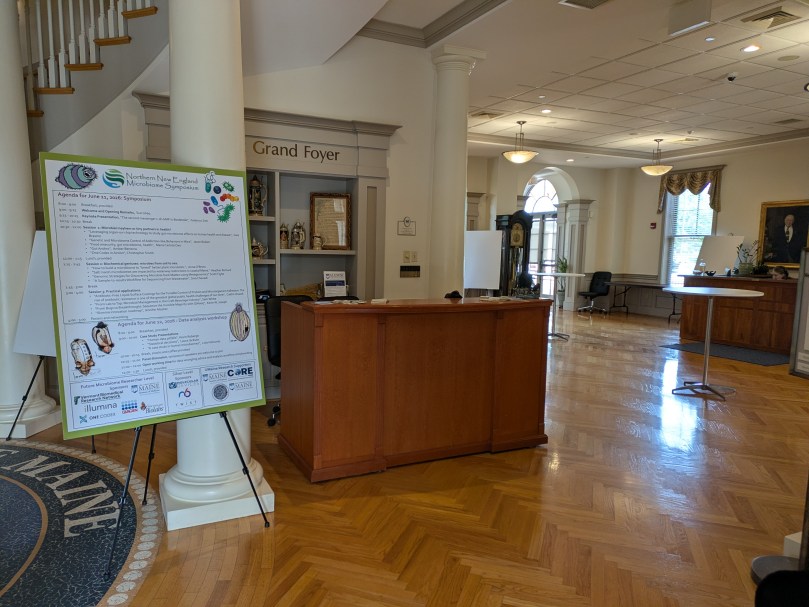
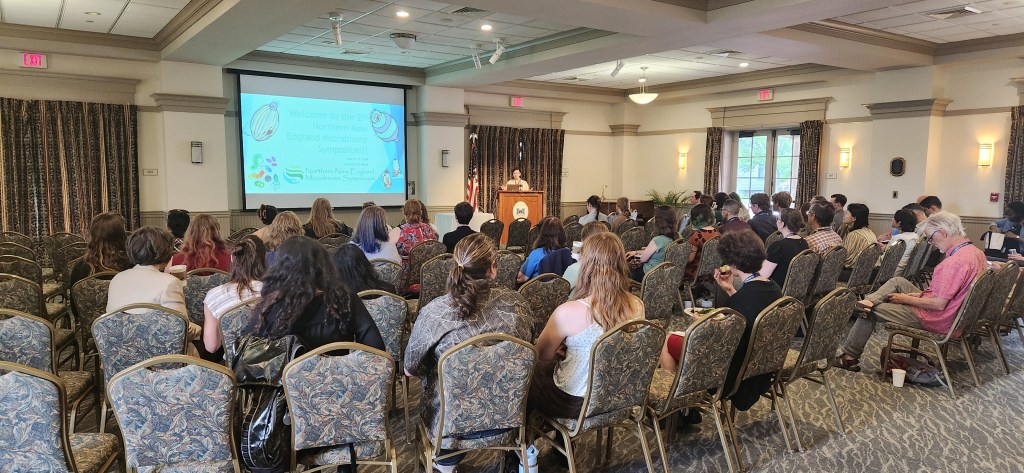
Recently, we celebrated all things microbial at the 2nd Northern New England Microbiome Symposium, which I hosted at UMaine. The first symposium was held at UVM in 2024, and the organizing committee and I are thrilled to see such enthusiasm for keeping this going!
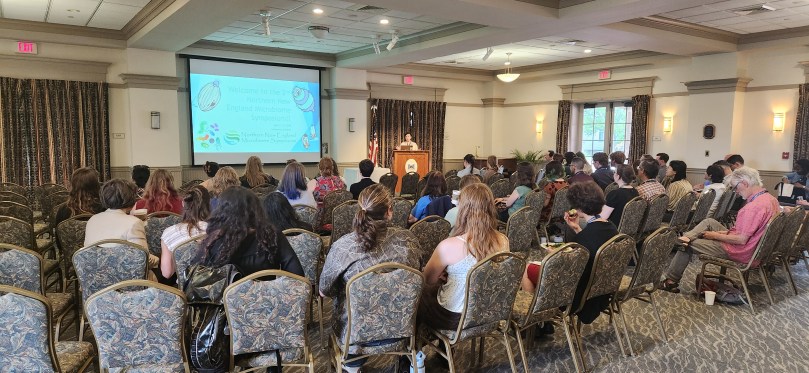
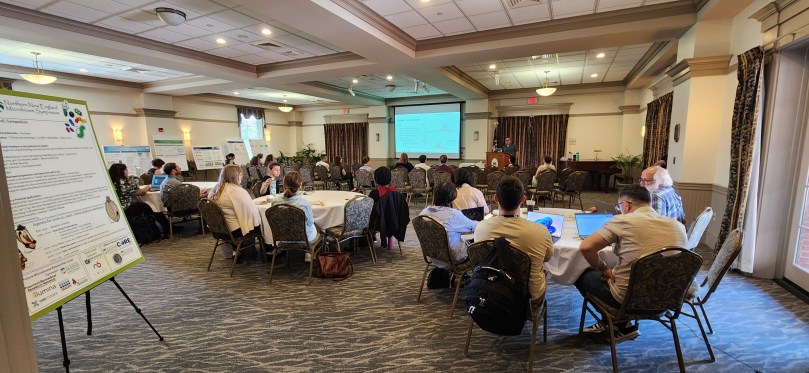
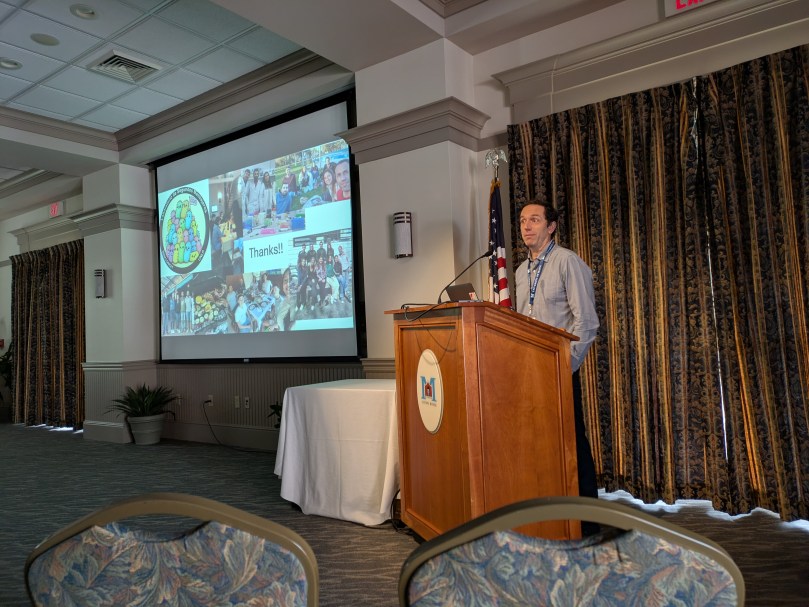
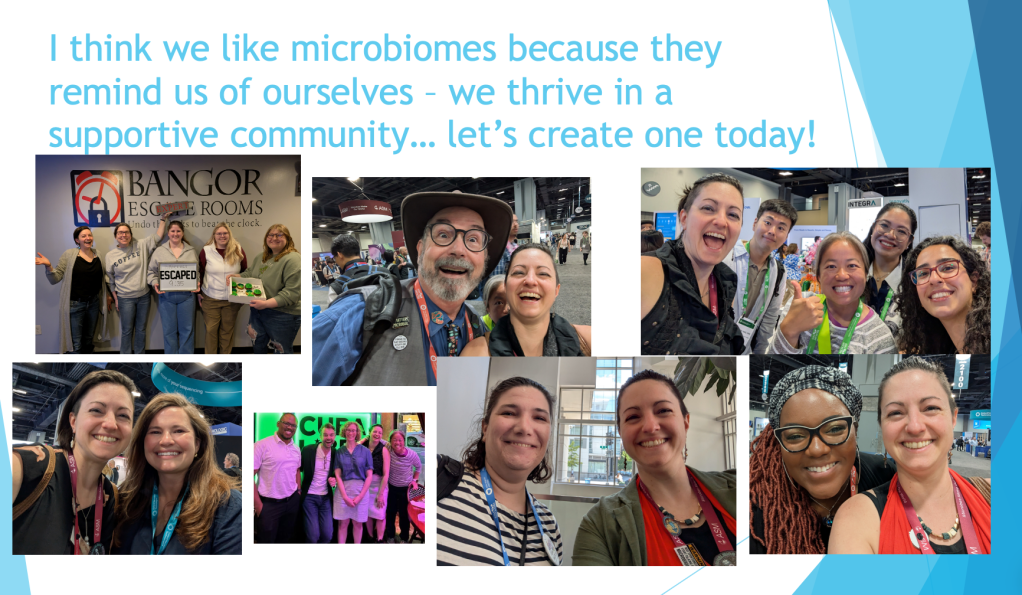
Microbiomes are fascinating collectives to study! They are found everywhere on the globe and in every ecosystem, they survive in places which are inhospitable to most other forms of life, and their survival strategies challenge us on a daily basis. Whether we are interested in the way coastal wetlands sequester carbon, how diet affects us differently, or how public and environmental health are inextricably linked – research on the microbiome can reveal how systems connect. Microbes ARE cool. But I posit that most of us nerds also like microbiomes because they remind us of ourselves, we thrive in a supportive community and we need to learn from and rely on each other to make that happen. Having just returned from my trips to a seminar in Ghent, a workshop in Venice, and ASM Microbe conference in DC, the importance of camaraderie in science was forefront in my mind and I very much hoped that the symposium would foster community in New England.
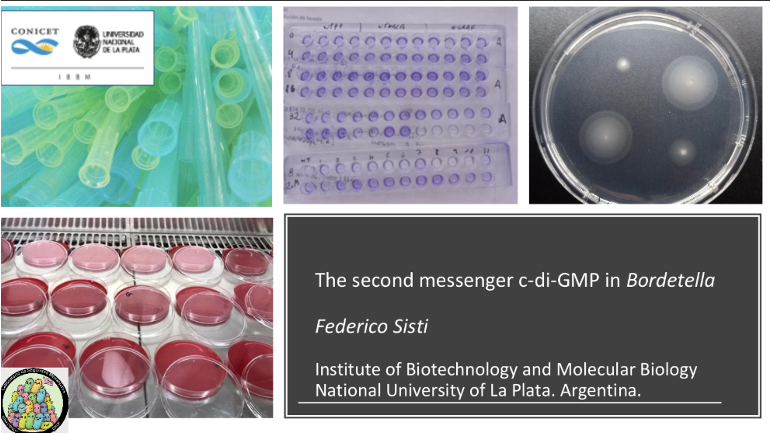
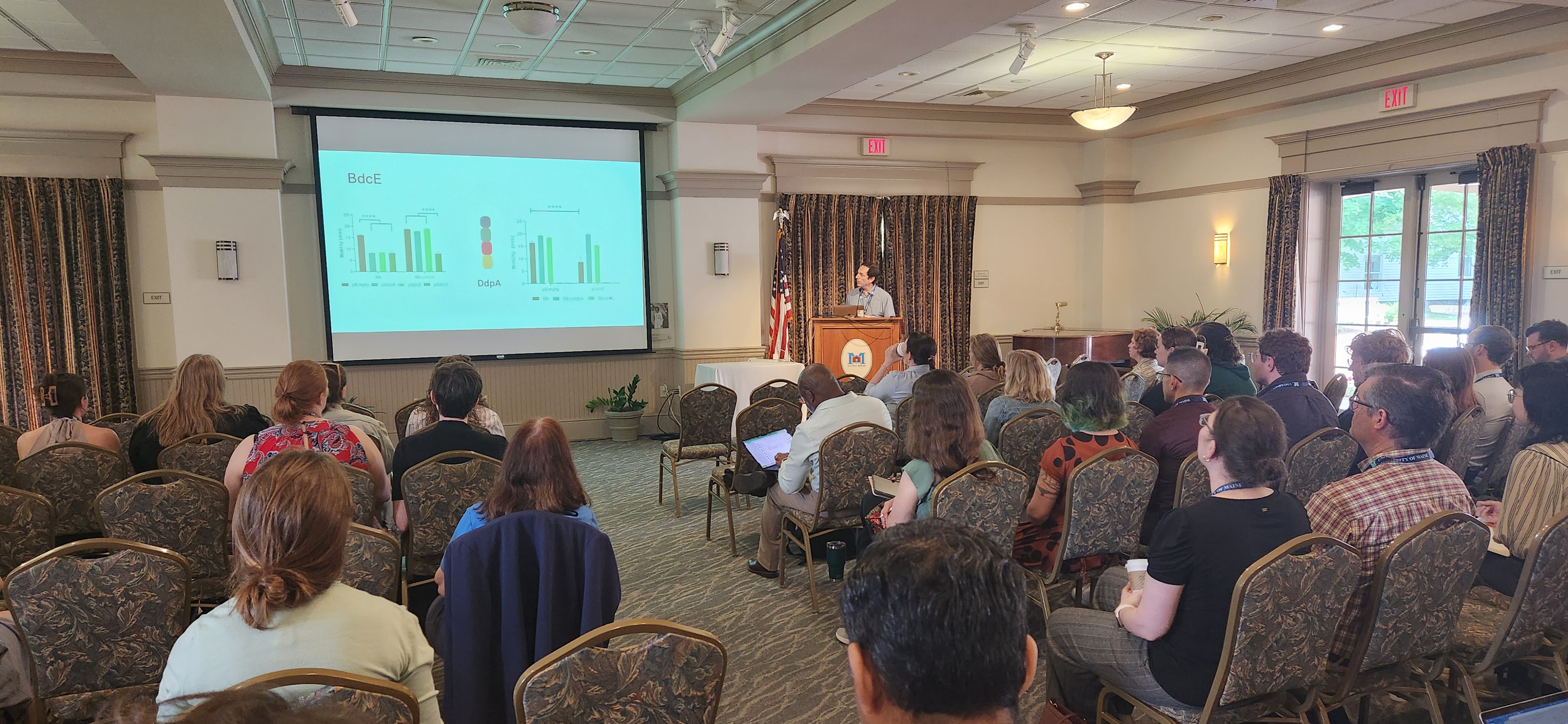
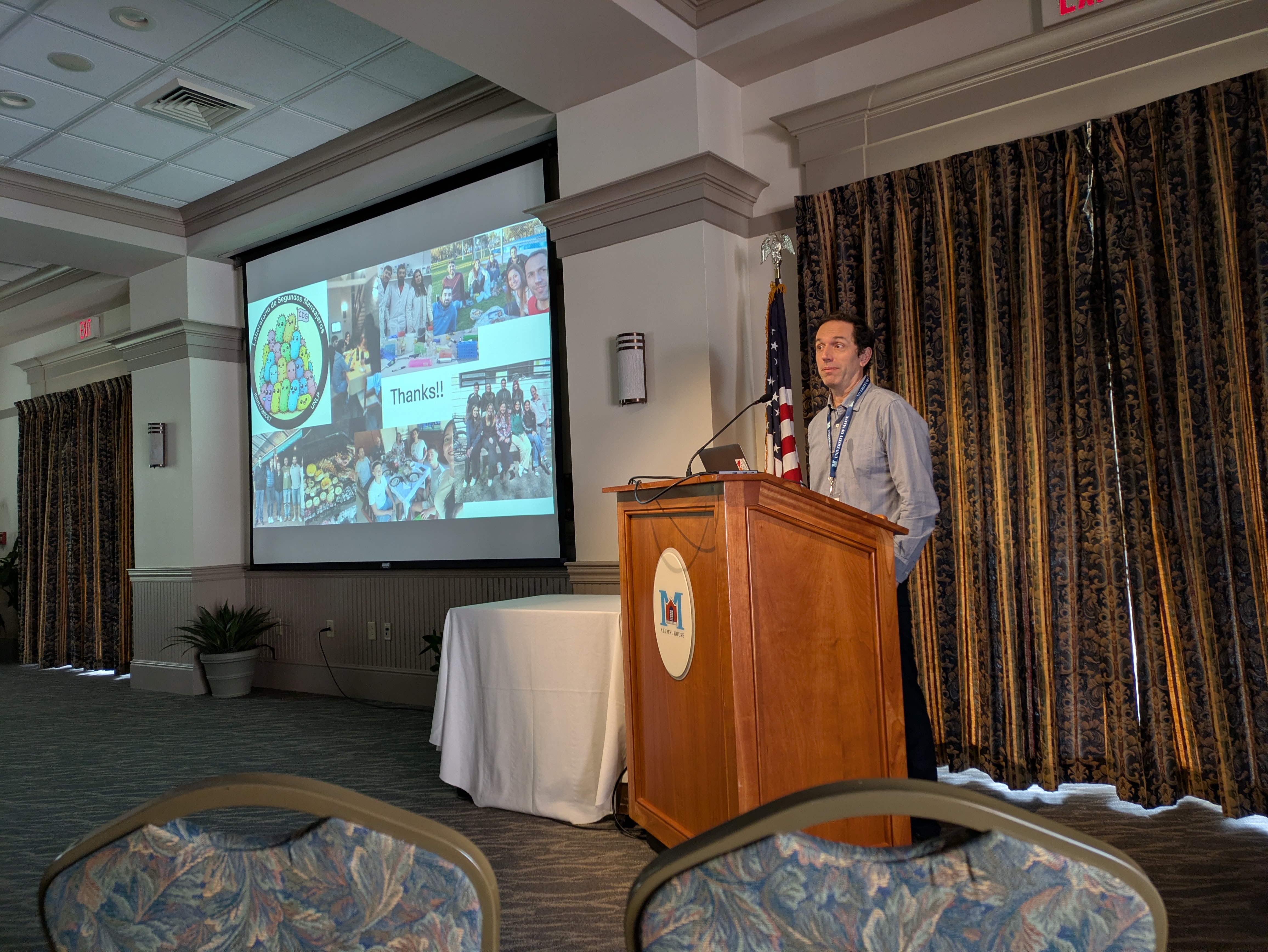
Our keynote presentation was “The second messenger cyclic-di-GMP in Bordetella”, showcasing Federico Sisti‘s awesome work understanding how Bordetella bacteria form their biofilms and how we might disrupt that to make them less infectious. He’s also starting work on the extreme microbes that can degrade drilling equipment in the deep ocean. Federico is an Investigator at the Institute of Biotechnology and Molecular Biology of the National Scientific and Technical Research Council in Argentina, and I have worked with him as a member of the Board of Directors at ASM over the last two years. Starting in July, Federico is the incoming President-Elect at ASM, and the first ASM President representing its global membership! He’s also strongly supportive of science education, and science and policy.
To showcase amazing microbial communities and the amazing research teams in New England, the rest of the program was made of up speakers from the region.
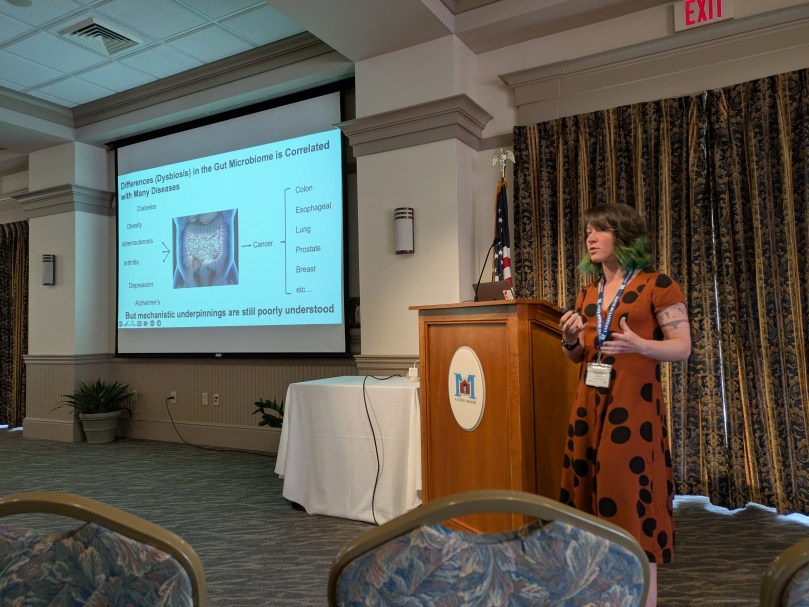
Dani Brasino told us how she develops better research tools in her lab at UVM, like organ-on-a-chip devices, to better understand how microbes and hosts interact during health and disease. Last October, Dani invited me to present a seminar to the Microbiology and Molecular Genetics program at UVM, where I got to check out her lab and got to catch up with Julie Dragon, Director of the Vermont Biomedical Research Network, in a conversation which set in motion the logistical and financial support that led to me hosting this symposium (VT INBRE provided financial support for more of the symposium). I actually knew of Julie from my days as a graduate student at UVM!
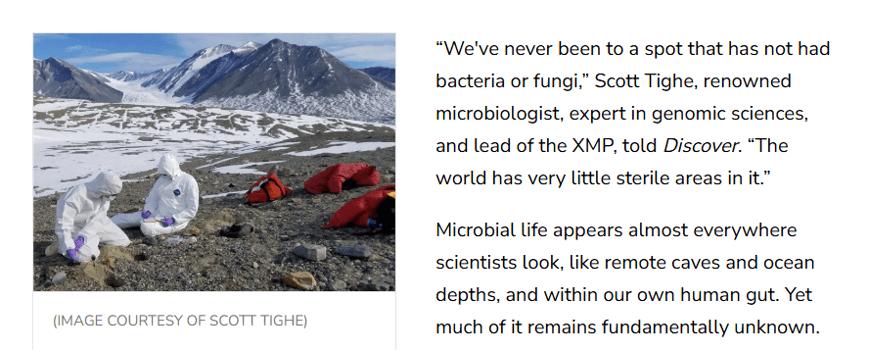
My graduate degree at UVM is also when I met another of the speakers, Scott Tighe, who ran the UVM genomics facility for the last 20 years and helped me when I was working on the moose rumen. Scott presented his work which specializes in working on microbes from extreme environments that are so hard-core in order to survive their hard environment that they are too strong for most of the lysing methods we use to extract DNA and they are so novel they are rarely represented in sequence databases.
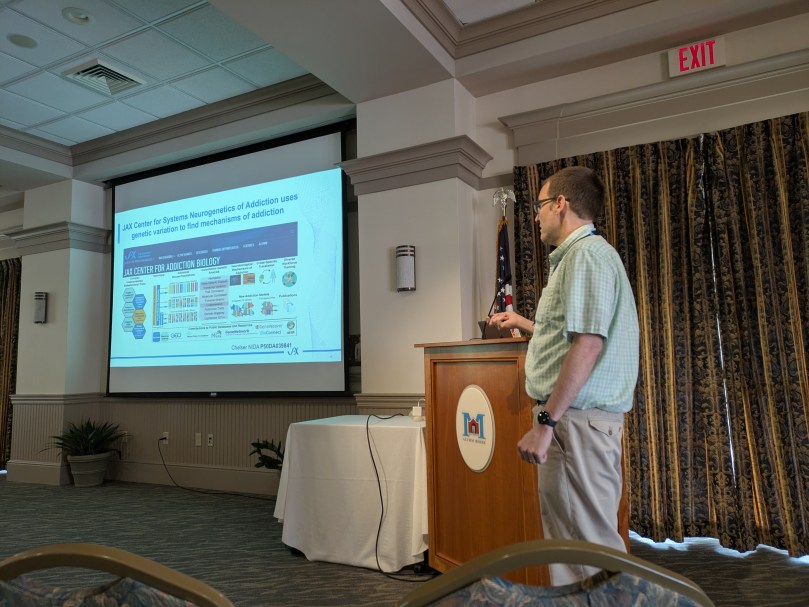
Jason Bubier from Jackson Labs told us about his work on addiction and how the microbiome might influence that, and vice versa. He found that there is a microbial signature that correlates to the likelihood that a mouse will become addicted to a substance or not.
Carlotta Dao told us about her work on food insecurity impacting health and gut microbiomes. As an interdisciplinary scientist focused on obesity research, she investigates the interplay of cardiometabolic risks, dietary and psychosocial factors, and gut microbiota. She’s also now on the organizing committee for the next NNE symposium which we hope will be in New Hampshire!
Amber Benezra, told us about her anthropology and bioethnography work on human microbiomes, and how everything that makes us human makes our microbiomes what they are. Any Microbes and Social Equity fans might recognize Amber from our board of directors and the incredible work she’s done with us.
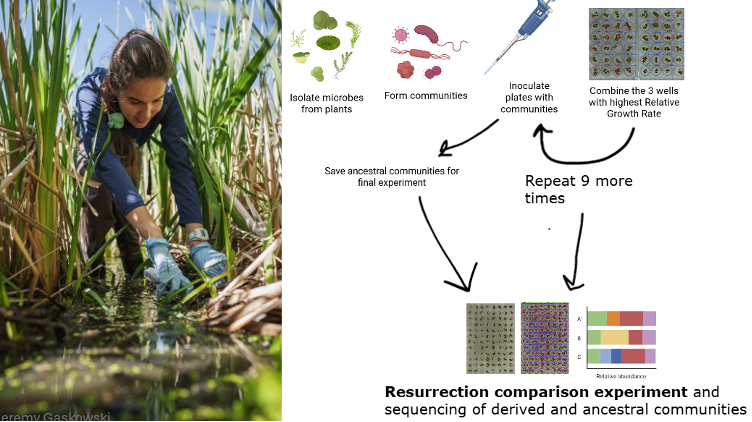
Anna O’Brien told us how plants need their microbiomes and how we can help by curating them. Anna hosted me at UNH a few years ago to present my work, and now she’s on the organizing committee for the next NNE symposium which we hope will be in New Hampshire!
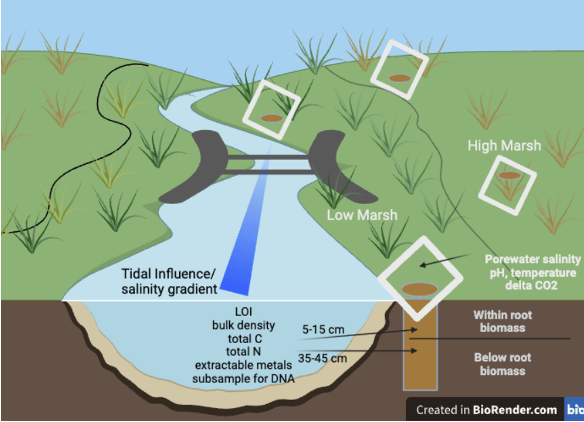
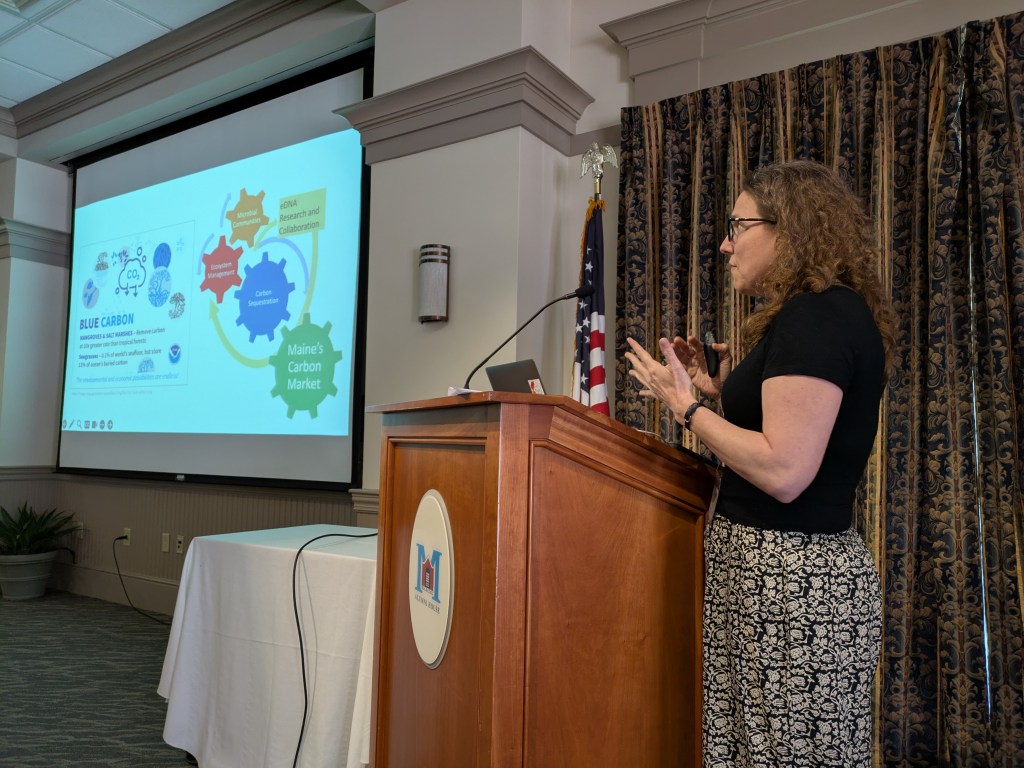
Heather Richard told us how restricting coastal waterways can impact microbiomes in salt marshes in Maine. Heather has been working for years on cataloguing salt marsh microbiomes and their chemistry, understanding how infrastructure can affect these, and creating an interactive hub for this data to allow people to access the info and use it to make informed decisions about restoration or new infrastructure.
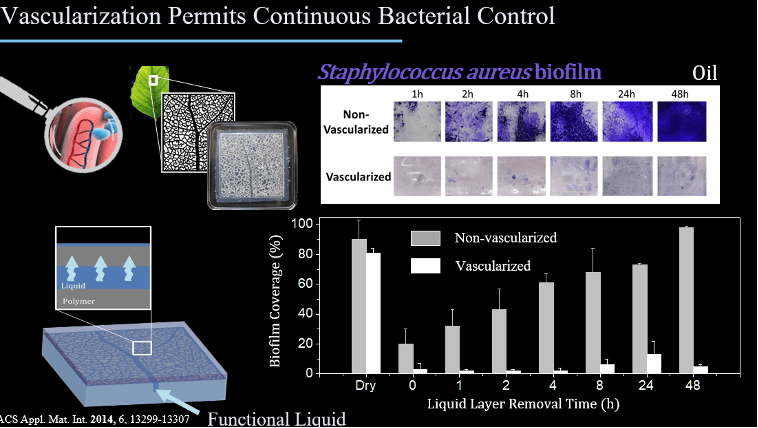
Caitlin Howell, engineer extraordinaire, told us how to beat extreme microbes in a fight, using her work on creating surfaces that control microbes to prevent infections. She designs new research tools that better represent biological tissues or the medical implants that go in them, in order to develop strategies for controlling biofilms and infections.
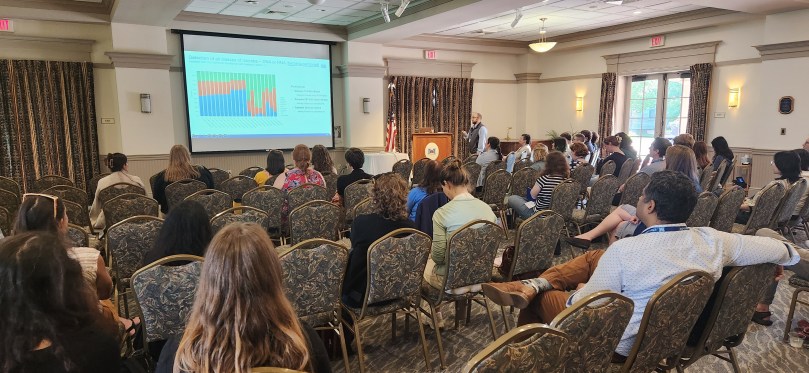
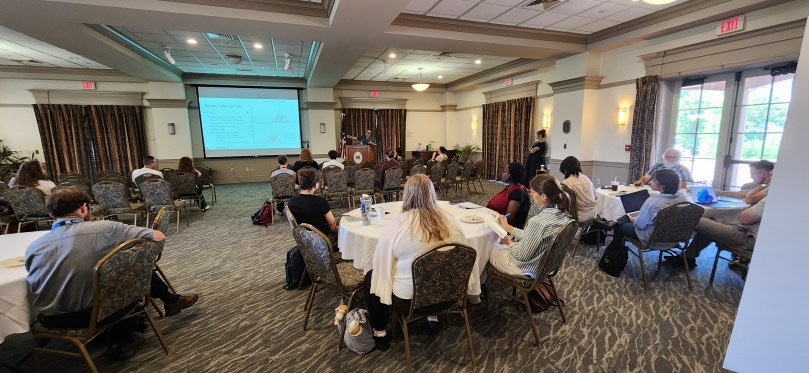
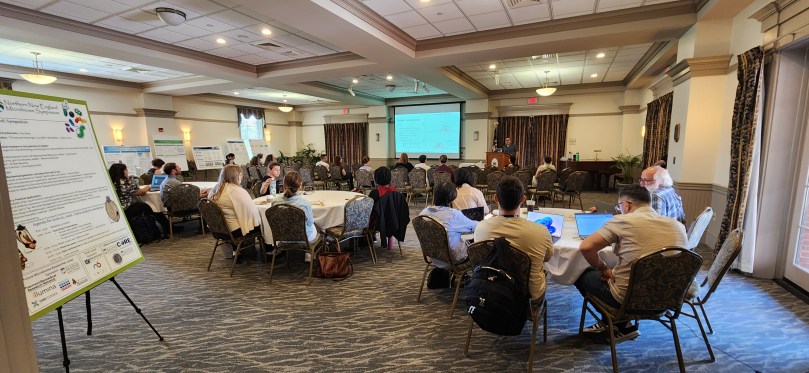
Sprinkled among the academic research talks were the talks from industry vendors, which included information on their products and services, as well as how this is used in action. For example, Chris showed us how data science could be easier with a demo on the OneCodex software, and examples of how it can be used to teach an introduction to microbiomes and data analysis. Siva showed us how reagents from New England Biolabs had been used to improve the tracking and reproducibility of results of infectious diseases in wastewater.
Similarly, Kevin Joseph from Qiagen (shown left), and Jennifer Mosher from Illumina, told us how to make our lab work easier.
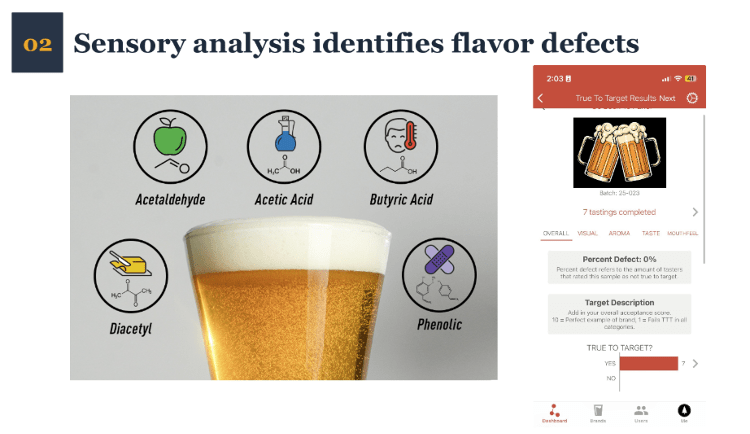
Sam White, who works at the Quality Control Collaboratory (QC2) at University of Southern Maine, told us how her work enables food safety and quality control for brewers.
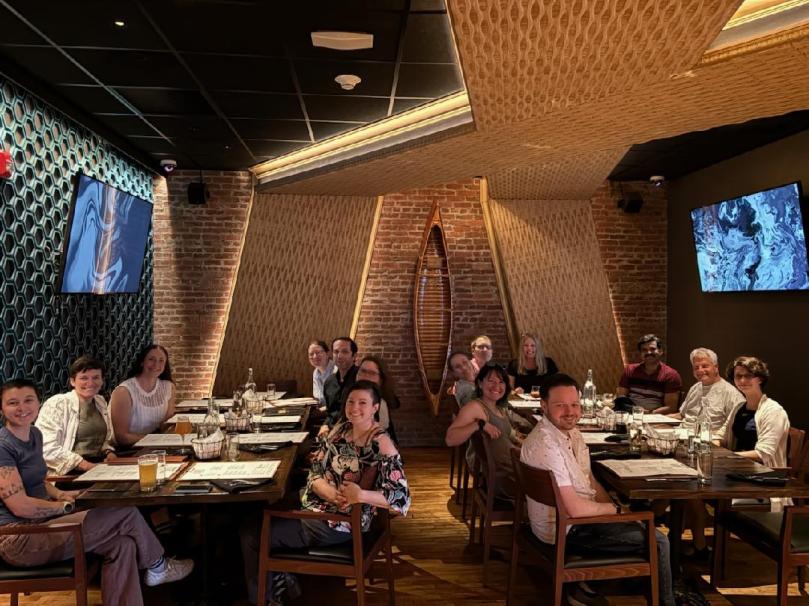
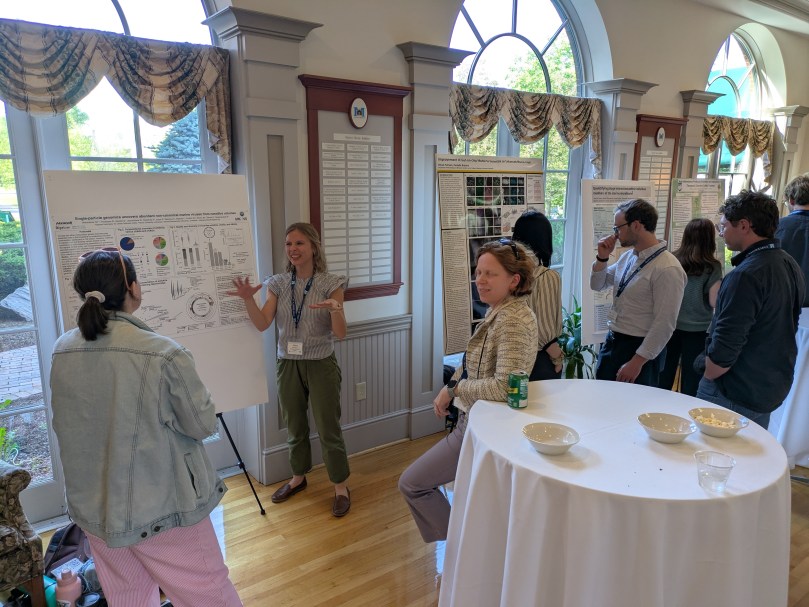
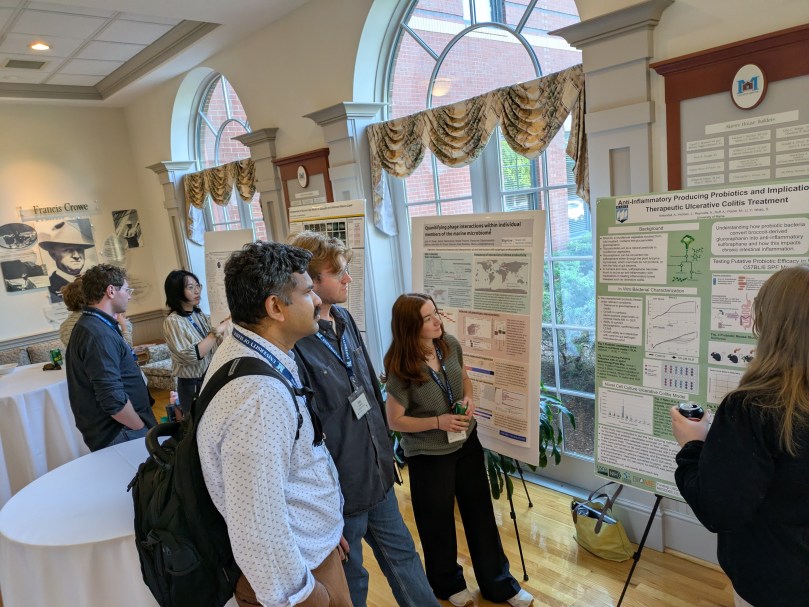
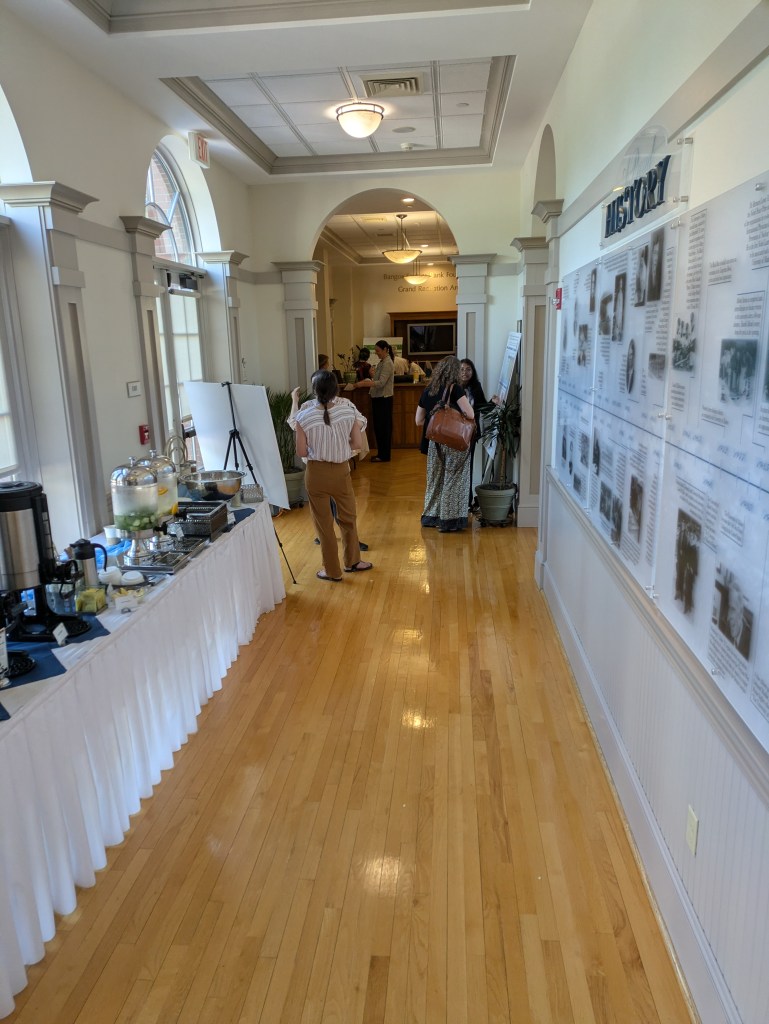
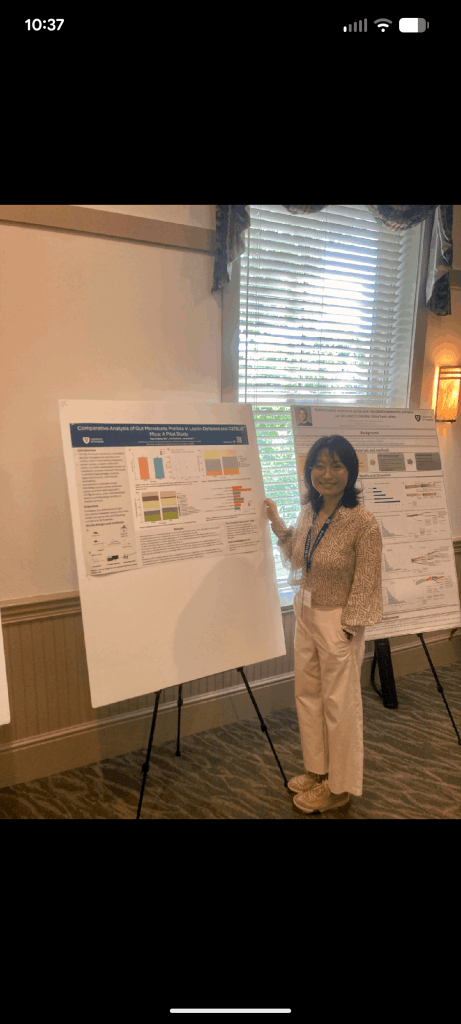
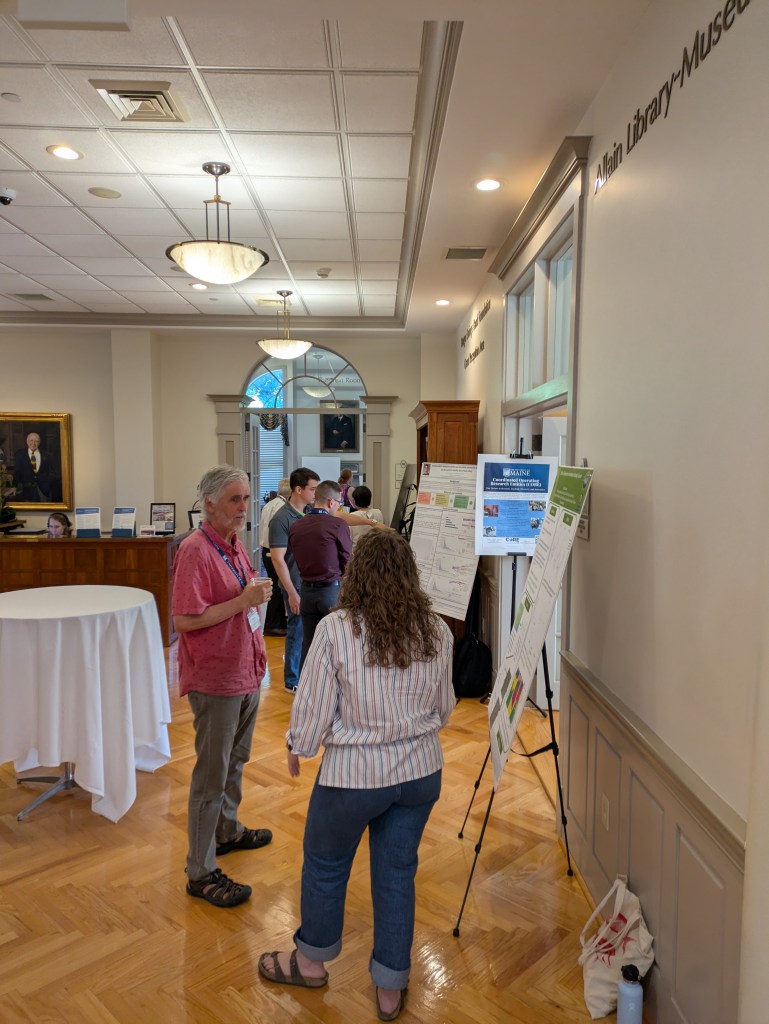
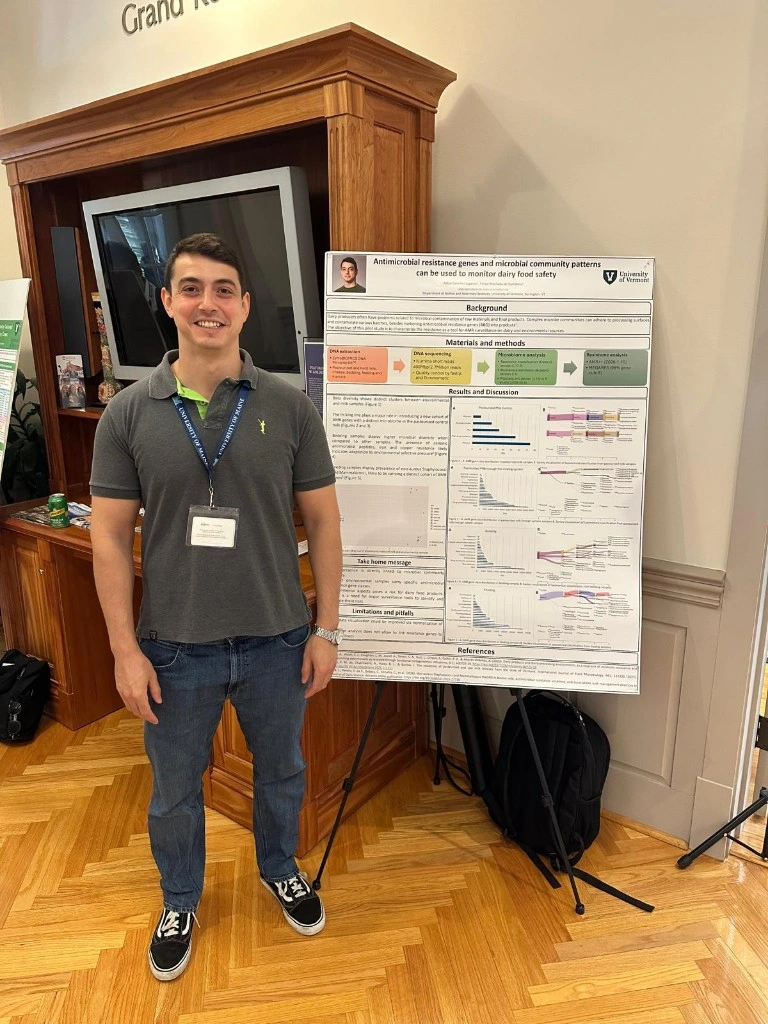
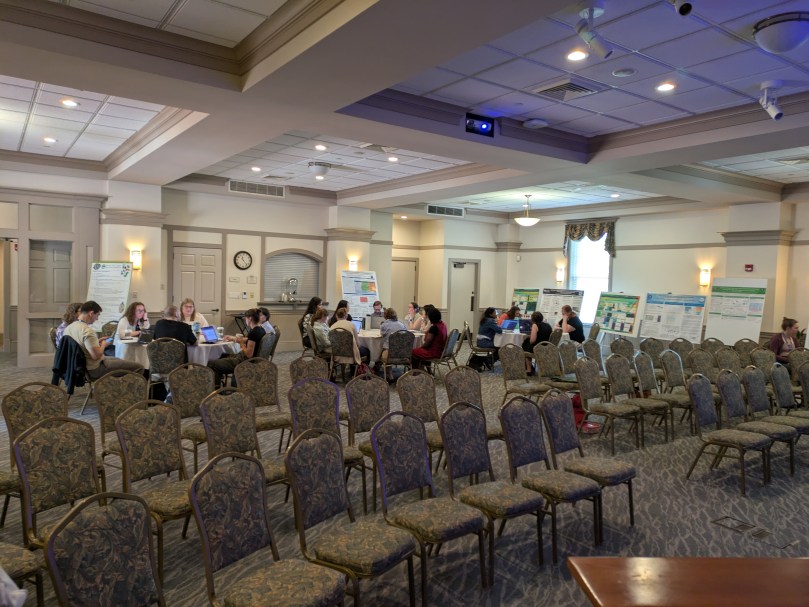
At the end of the day, we continued the conversations while checking out the different posters presenting research from guts to soils to loons. The poster session was a wonderful place for undergraduates, graduate students, postdocs, and researchers to present their work-in-progress and get feedback from colleagues. The poster session was perhaps my favorite part of the day, because of the passion, creativity, curiosity, and encouragement on display.
On the second day of the symposium, we hosted a data workshop that showcased the trickiness of working with human microbiome data in terms of microbial and human data, such as combining microbiome data with other data types, combining qualitative and quantitative data, learning to evaluate microbiome data using demographic data, dealing with unbalanced groups especially in human microbiomes, and how to choose statistical tests for microbiome projects. Bioinformaticians Kevin Roberge, Laura Jackson, and Lola Holcomb presented case studies on how we integrate information about people into biological and microbiological datasets, and how it is tricky to do it. We followed that with a panel discussion and were joined by Amber Benezra, and after that we had some open working time for data wrangling advice and storyboarding workflows, and this was extremely productive as the attendees broke into groups to get help on their data.
We are grateful to our financial supporters, who helped make this symposium possible and accessible!
We are especially grateful to the Vermont Biomedical Research Network, and the UMaine Institute of Medicine, for making this symposium happen. Their incredible financial support is why we could have an in person meeting instead of online, and I appreciate their patience with the 1000 emails I sent them to help me with organizing this. I am also grateful to Kathy Hill and the Buchanan Alumni Hall Team, and to UMaine Catering!!
Future Microbiome Researcher Sponsors
These incredible sponsors not only helped support this symposium, but their generous donation helped to create several hands-on laboratory workshops to support training in microbiome technology! You can read about the workshops led by Qiagen, New England Biolabs, and Illumina, and we are planning a workshop in Fall 2026 with OneCodex.


Silver Sponsors