
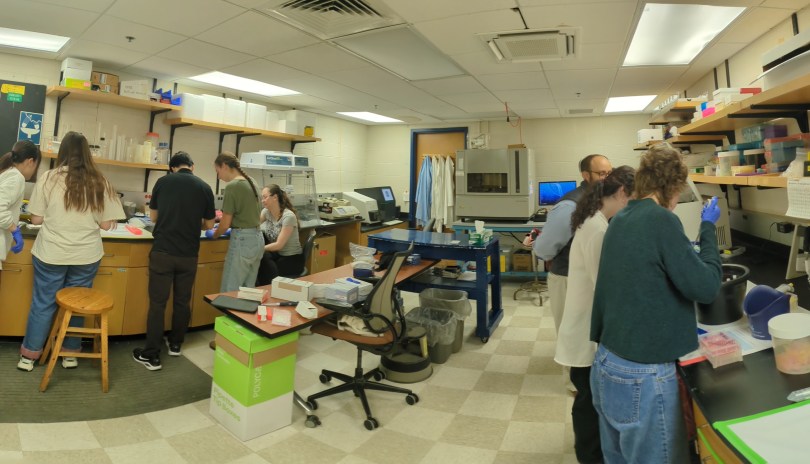
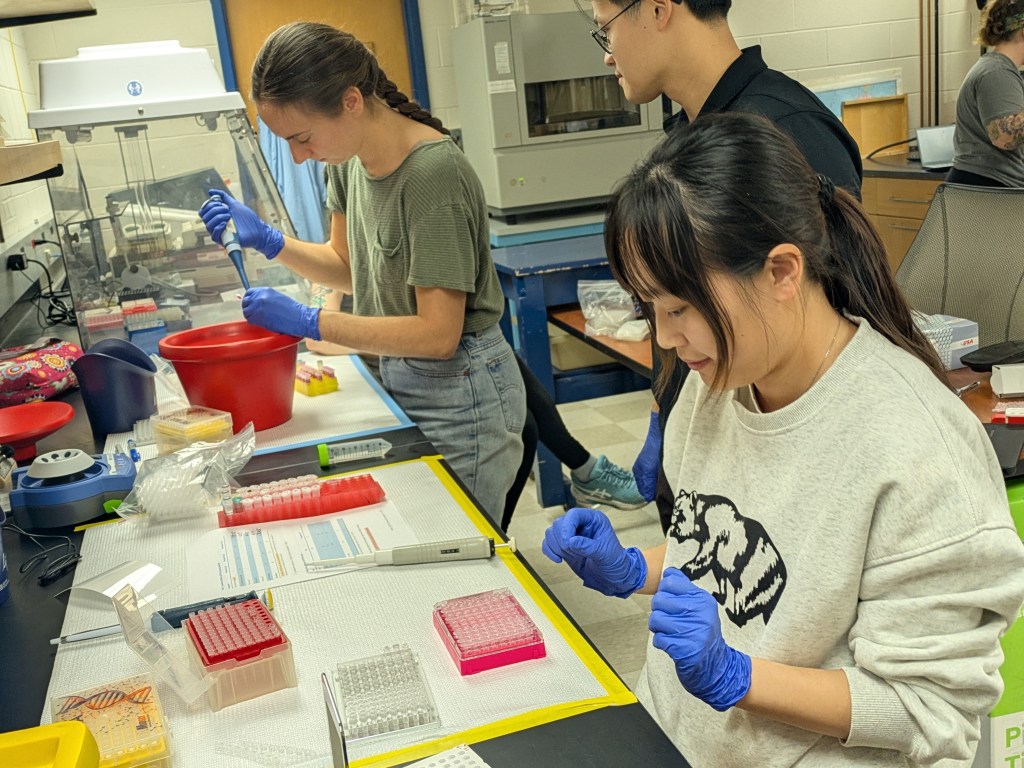
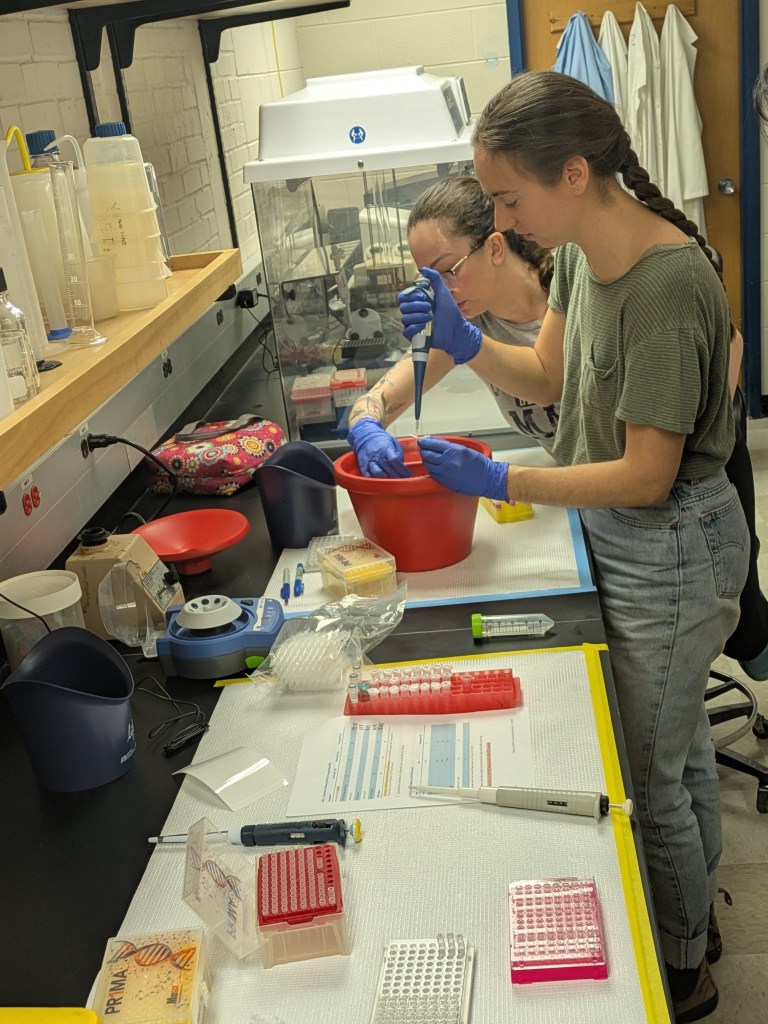
Today was a blast at the Microbiome Workshop on Amplicon Library Generation, which was generously sponsored by QIAGEN!!! Their sponsorship provided the opportunity for 7 students to learn how to prepare their samples for sequencing.
We are grateful to Kevin Joseph, Chao Jie Zhen, and Karen Rodland from QIAGEN for their time, expertise, and support!
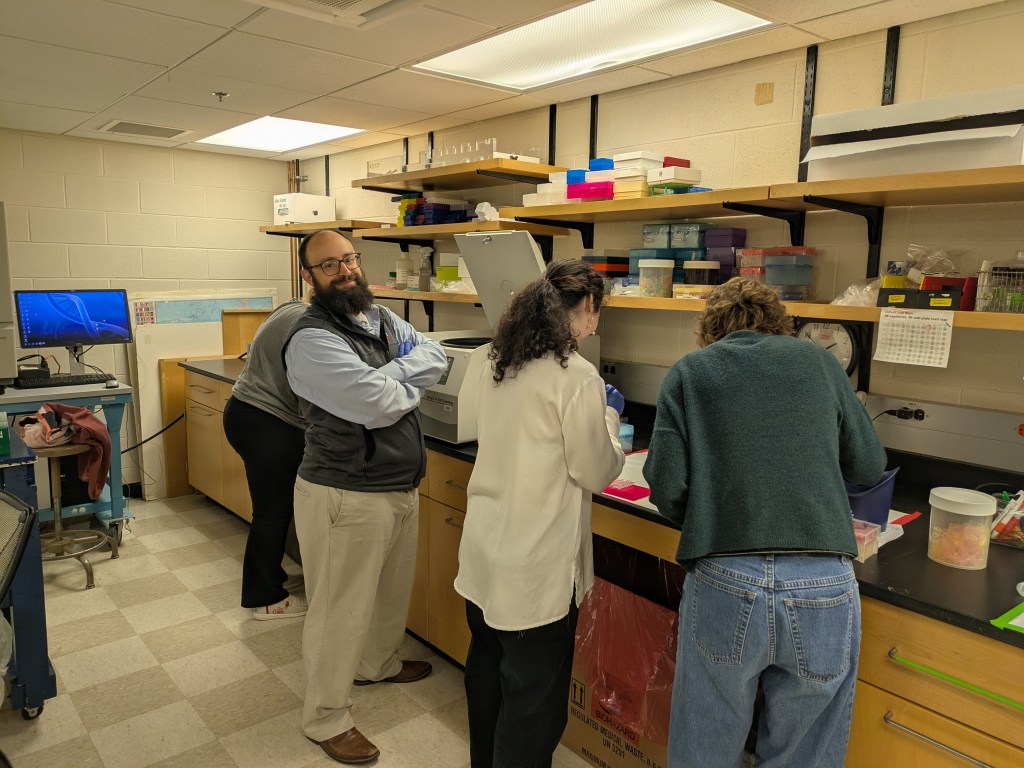
We are also grateful to Alex Sacco, Genomics Facility Manager at UMaine, as well as UMaine CORE, for helping to organize the workshop and ensure that students had access to specialized equipment and supplies. Alex and I have been co-organizing a series of workshops, and we hope to make these a regular part of genomics education at UMaine.
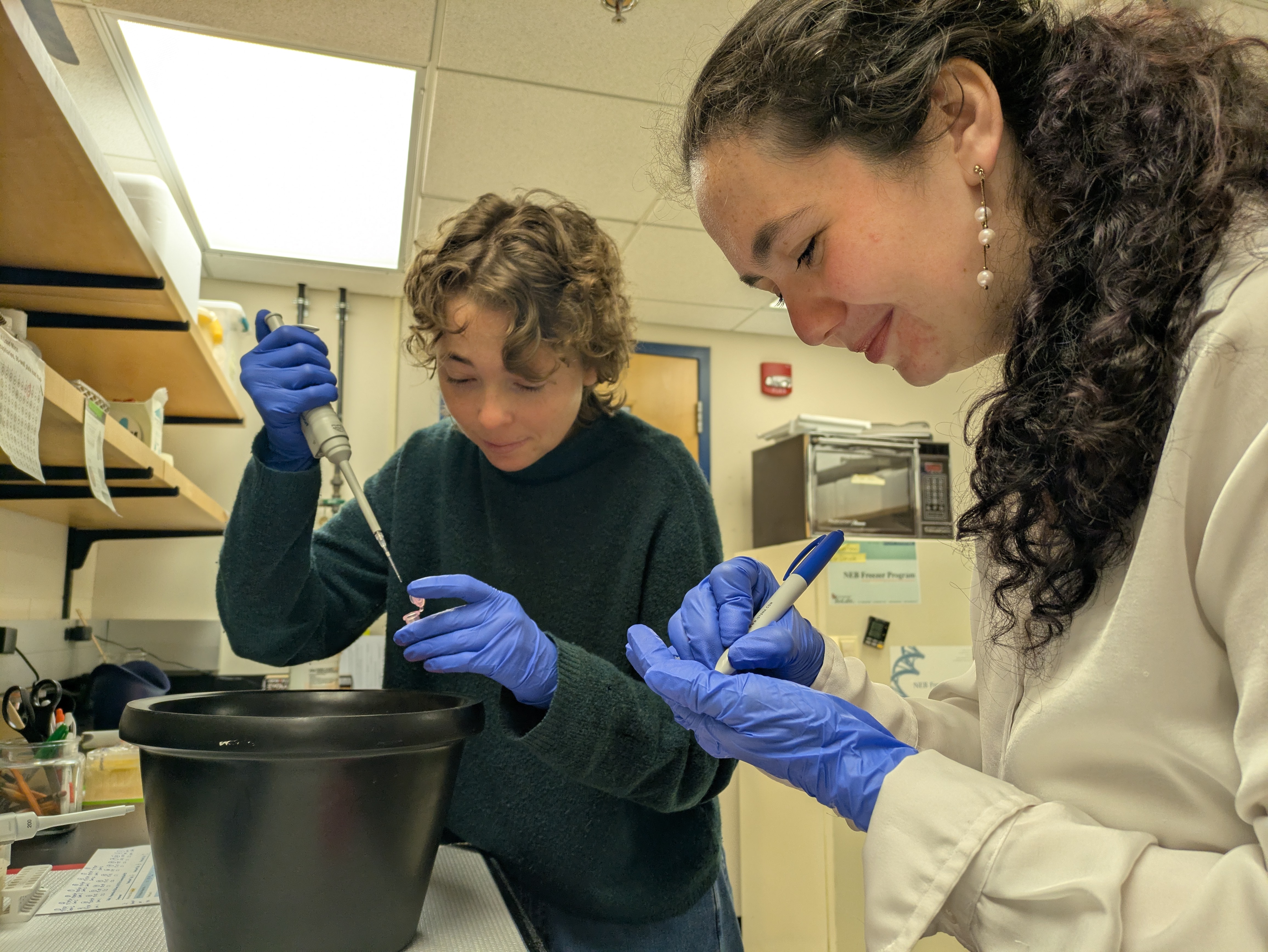
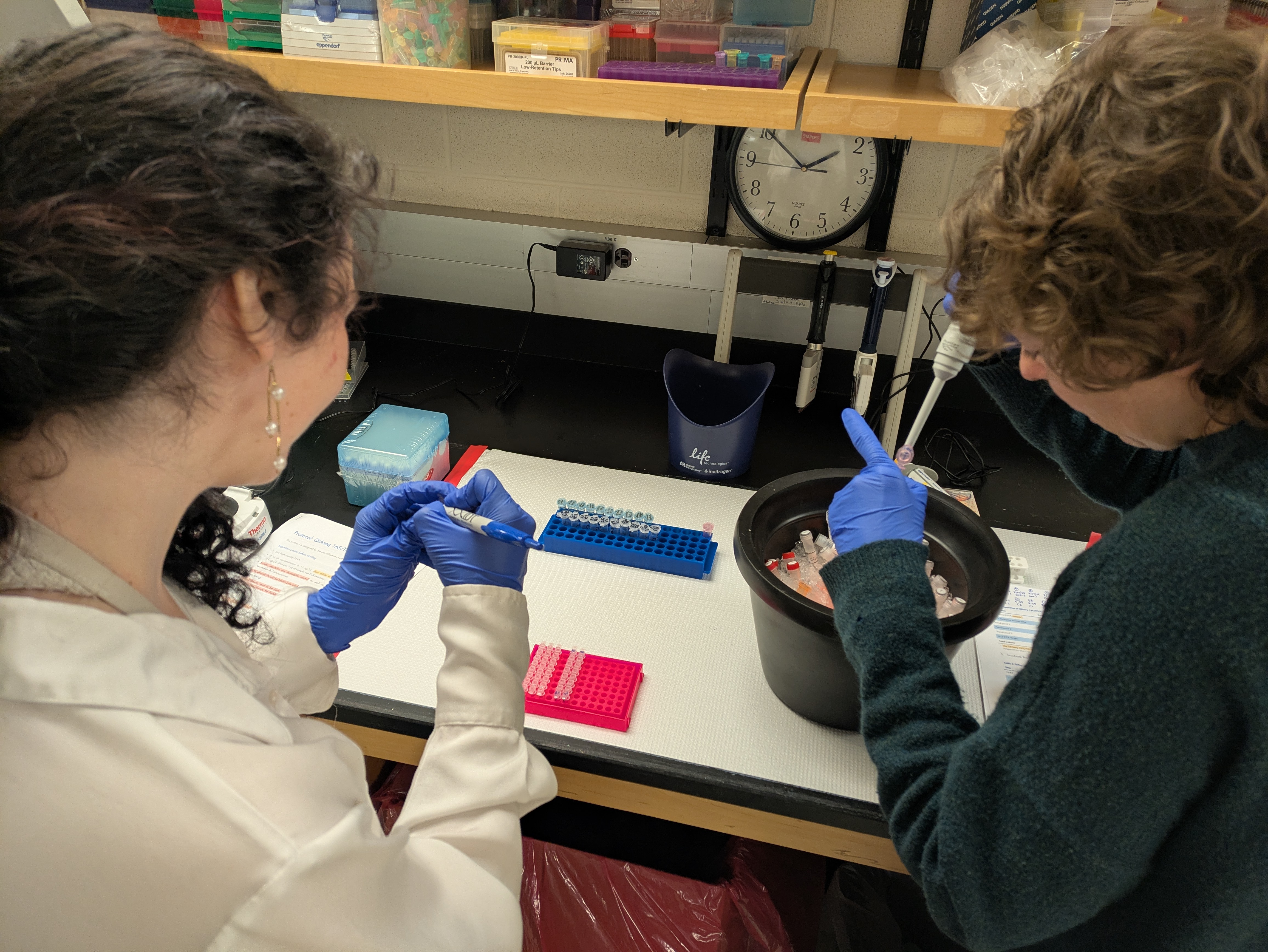
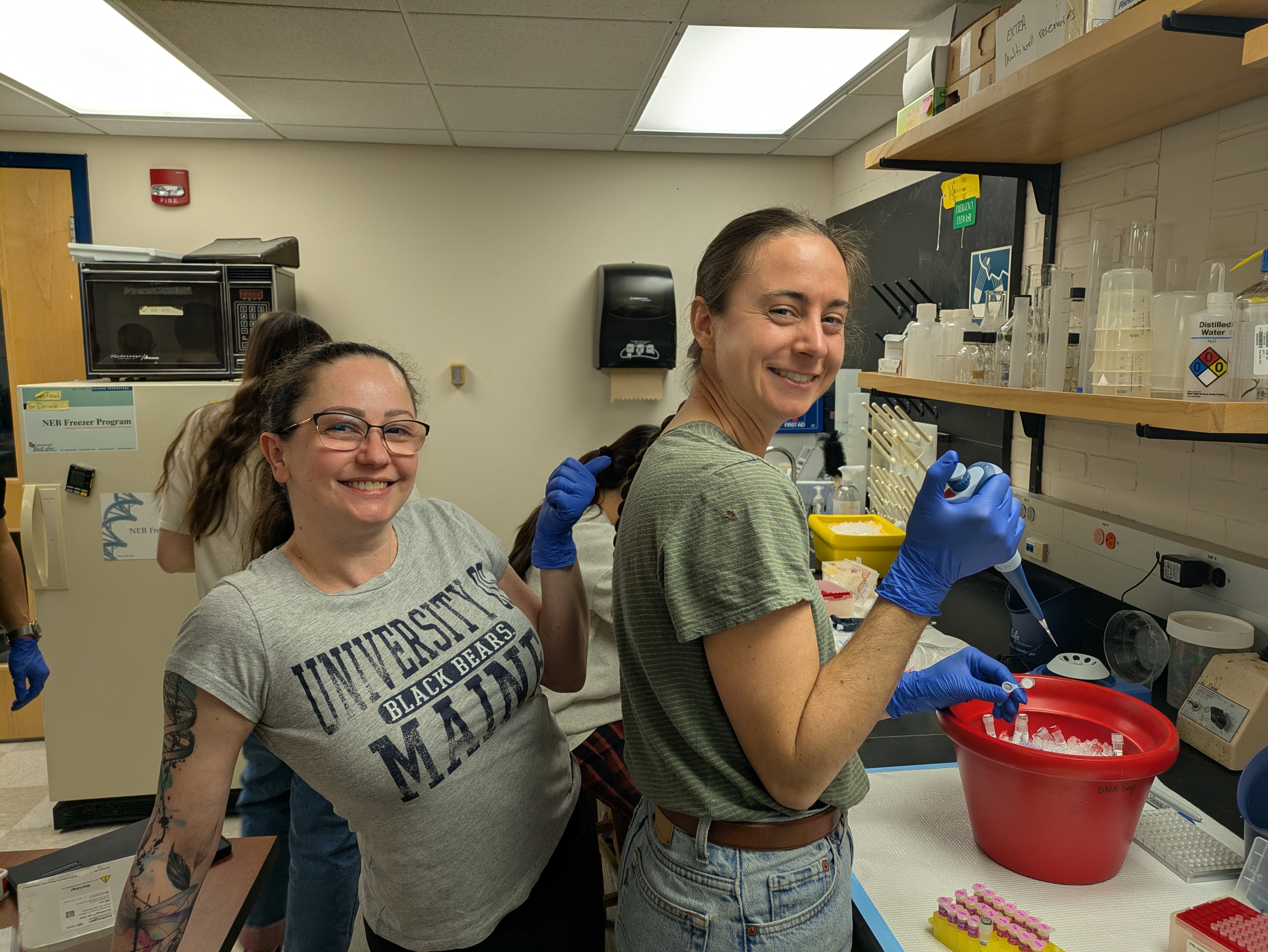
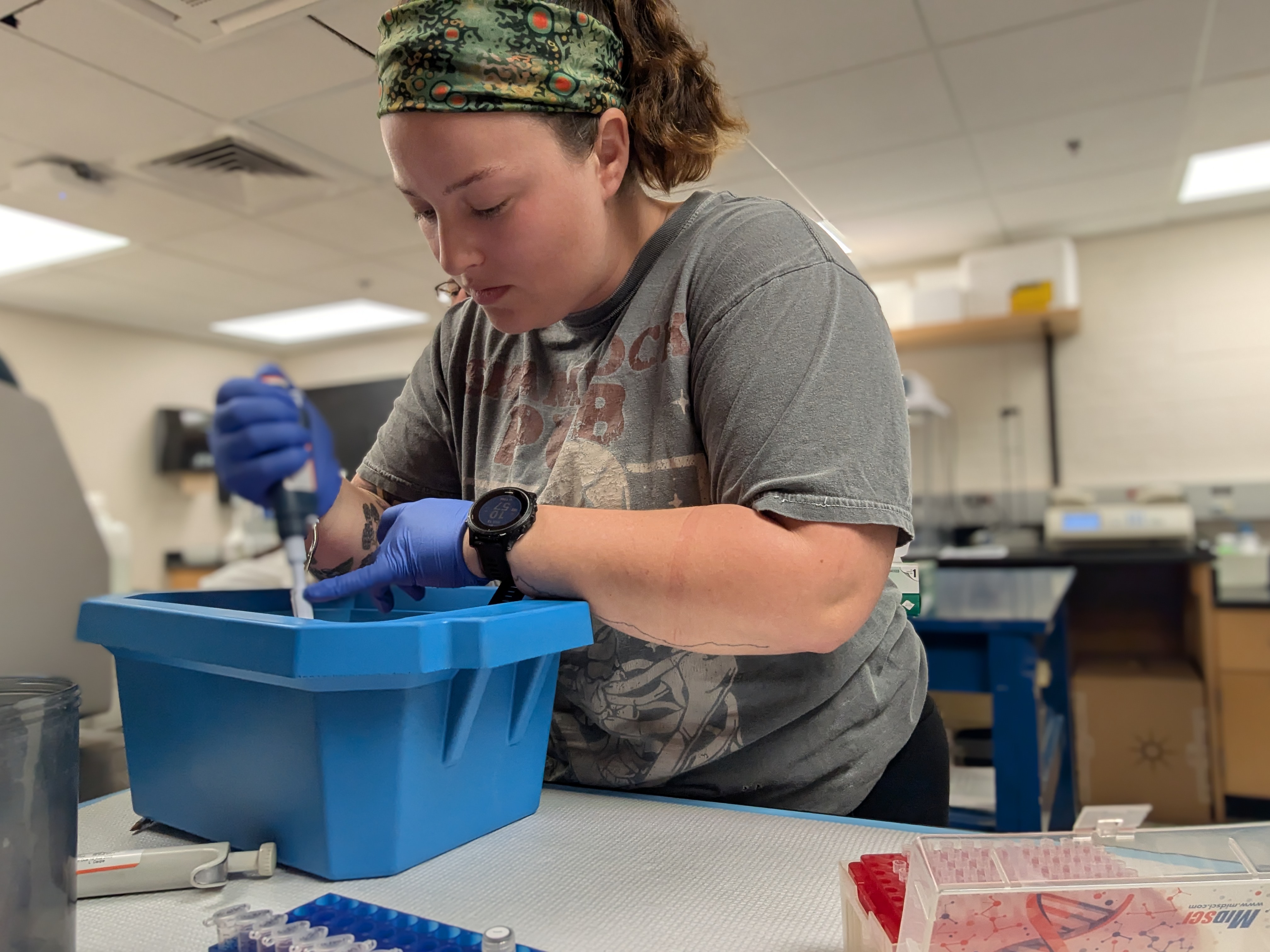
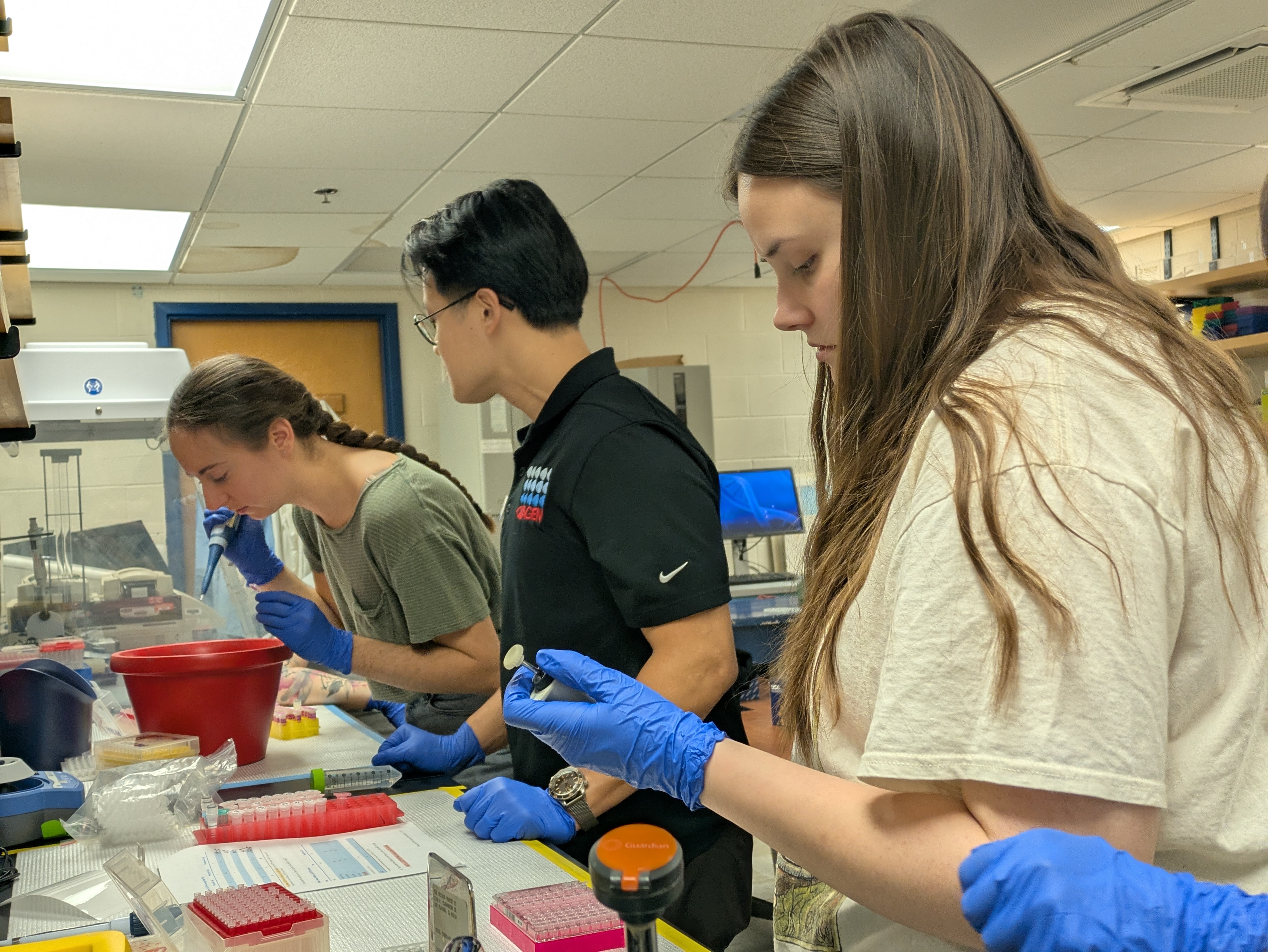
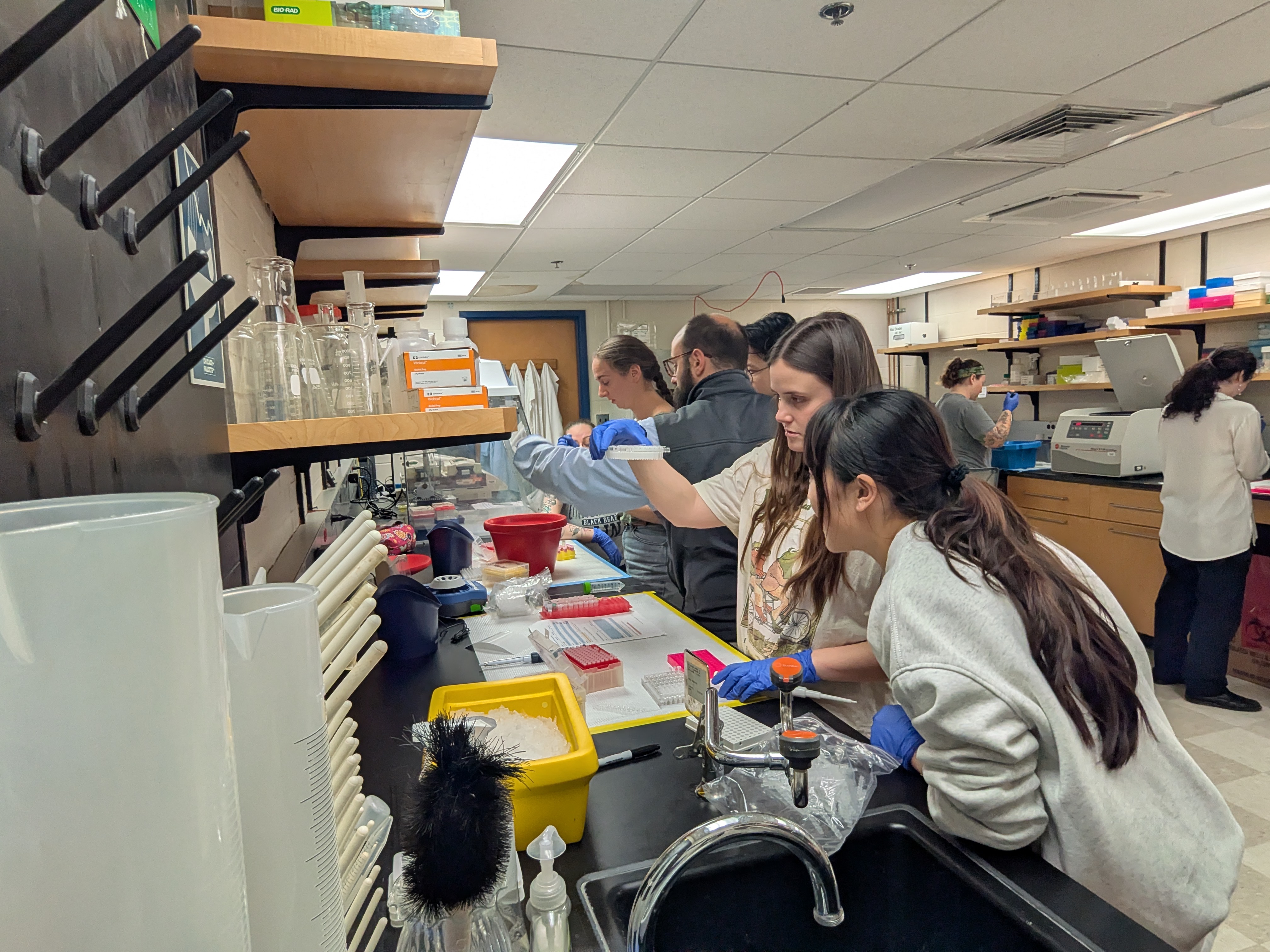
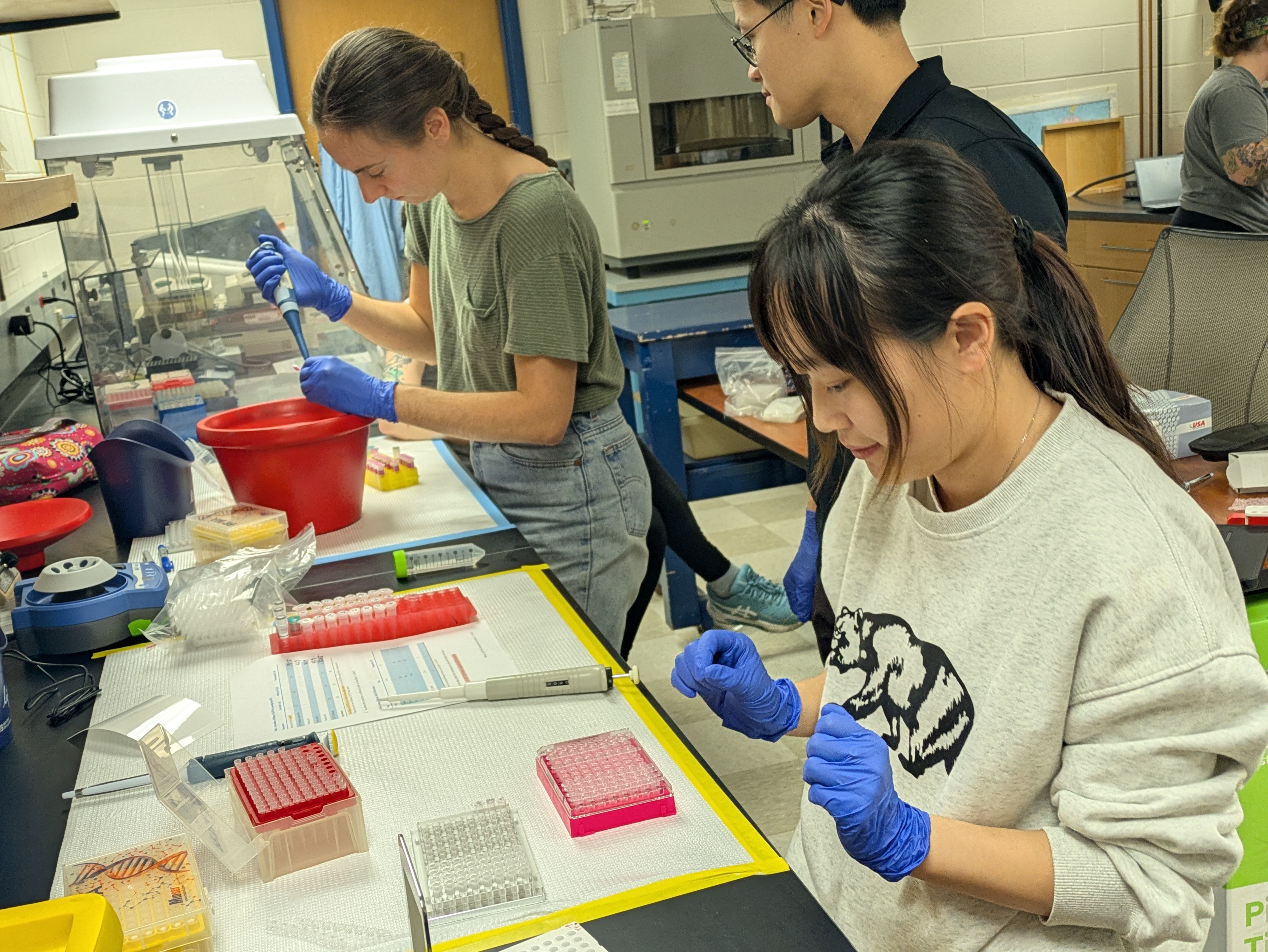
During today’s workshop, students investigated the diversity of microbial communities by preparing sequencing libraries targeting bacterial, archaeal, and fungal marker genes. Using extracted microbial DNA, students amplified regions of the bacterial and archaeal 16S rRNA gene as well as the fungal ITS region, which are widely used for taxonomic classification of microbial species.
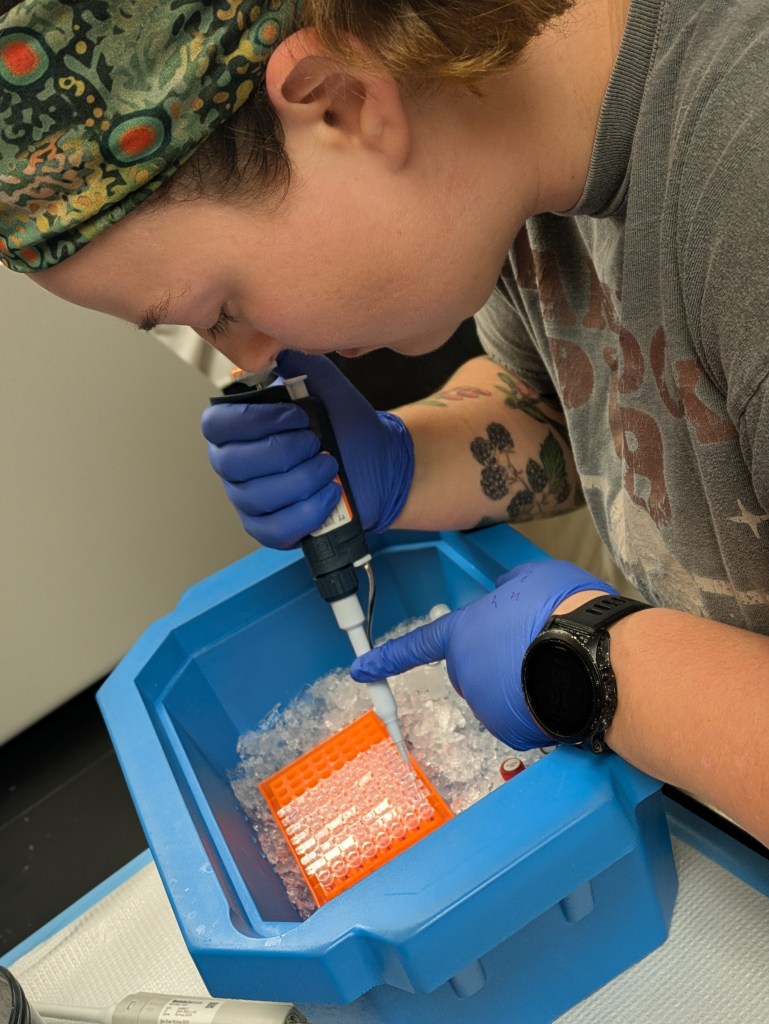
Students used the QIAseq 16S/ITS Pro Screening Panel, which targets multiple variable regions of the 16S gene and the fungal ITS region across three primer pools. Students learned how to use the DNA from their samples to generate copies of the gene they are interested in using PCR. Unlike other kits, this one calls for three reactions for each sample sample for different regions of the genes. These are combined later, allowing for screening of the full 16S gene and the ITS region rather than a fragment that might only be 1/4 to 1/3 of the whole gene (some sequncing is limited to certain lengths of DNA).
Following targeted amplification, students performed bead‑based cleanup steps and completed a second PCR to add unique sample indices and Illumina sequencing adapters. The resulting libraries were purified, quality‑controlled using fragment analysis concepts discussed during the workshop, and prepared for downstream sequencing on Illumina platforms.
By amplifying and sequencing these variable regions, students generated data that can be used to compare microbial community composition across different sample types. QIAGEN will be joining us on campus in June, too, for the Microbiome Symposium at UMaine. We will be hosting a data workshop there, and I also teach a class on data analysis in the fall.

