Congratulations to Ashley Reynolds and Ethan Glenn for their first publication!! This extensive literature review was the result of more than a year of dedicated researching, writing, and revising to synthesize existing knowledge on how diet can affect neuroinflammation and how gut microbes are involved. Titled “Plant-Derived Bioactives, the Gut–Brain Axis, and Neurodegenerative Diseases: Mechanistic Roles of Diet–Microbiota Interactions“, the review is available open-access here in the journal Frontiers in Neuroscience!
Lab work on diet and neuroinflammation
Ashley and Ethan’s review was a precursor to some of the lab work they’ve been doing in my and Yanyan’s lab, respectively, as well as in collaboration with Brigitte Lavoie at UVM, with whom we have worked for several years on mouse models of inflammation.
Ashley has an extensive background in nutrition and dietetics (bio is below), and joined our labs to understand how dietary metabolites and gut microbiome metabolites could be used to improve health, and reduce inflammation in the gut and the brain (neuroinflammation). She is a Doctor of Philosophy candidate in Human Nutrition and Food Sciences, and previously completed her undergraduate degree in Food Science and Human Nutrition in 2021 as a Maine Top Scholar, her Master’s degree in Food Science and Human Nutrition with Jade McNamara, at UMaine on intuitive eating in college students, and completed a dietetic internship and shortly after passed her RD exam to become a registered dietitian in 2023. She is incredibly interested in nutrition therapy and is beginning her research looking into the microbiome and metabolomic pathways in the context of IBD.
Ethan Glenn is a master’s student at SUNY Binghamton University School of Pharmacy in Yanyan Li’s Lab. Ethan has been helping to develop several models of neuroinflammation to use for testing the efficacy of different preparations of broccoli sprouts in delivering bioactives.
Ashley and Ethan have been collaborating on protocol design and testing, sample processing, and data analysis for several projects, including one we recently completed which will form the basis of Ashley’s dissertation.
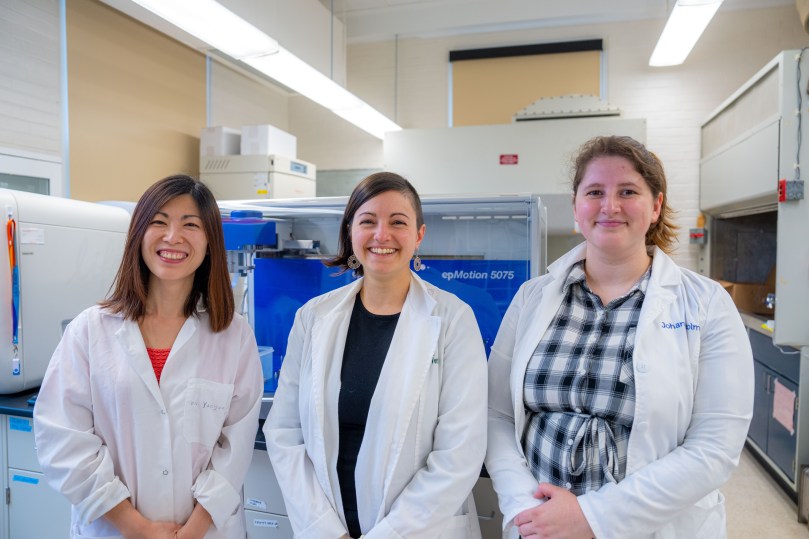
Johanna, Ashley, Alexis, and Sue put in long hours during the mouse trial to collect samples each day.
1 School of Food and Agriculture, University of Maine, Orono, Maine, USA 04469
2 School of Pharmacy and Pharmaceutical Sciences, SUNY Binghamton University, Binghamton, New York, USA 13902
3 Dept. of Neurological Sciences, University of Vermont College of Medicine, Burlington, Vermont, USA 05405
Abstract
Diet is increasingly recognized as a potential upstream modulator of the gut-brain axis (GBA) through its effects on the microbiome, microbial metabolites, and host immune and endocrine responses. The GBA is a complex, bidirectional network connecting the gastrointestinal tract and central nervous system, with diet influencing microbial community structure and metabolic output. Plant-based diets, such as Mediterranean and MIND, have been associated with increased production of anti-inflammatory microbial metabolites and improved barrier function, while high calorie/low nutrient diets are often linked to increased immune activation and barrier dysfunction. However, while microbial metabolites, especially short-chain fatty acids, indoles, bile acids, and isothiocyanates, have been proposed as mediators of neuroprotective effects, their role in neurodegenerative diseases remains an area of active investigation, with evidence largely derived from preclinical and associative human studies. Cruciferous vegetables, especially broccoli sprouts, are an emerging focus of research for their bioactive compound sulforaphane, which activates Nrf2-centered cytoprotective pathways. Animal and early human studies suggest sulforaphane can improve cognitive and behavioral outcomes, though larger clinical trials are needed. Personalized, microbiota-targeted dietary interventions may offer scalable strategies for managing neuroinflammatory and neurodegenerative conditions, and we emphasize the need for integrated research across diet, microbiome, and brain health.
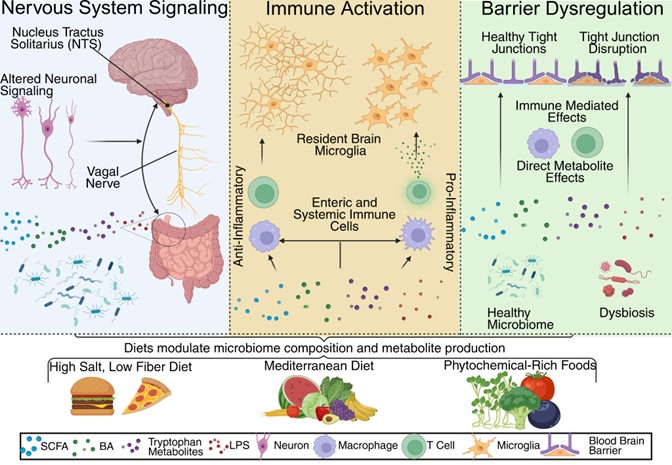
Figure 1: Mechanisms of how Diet Influences the Gut Brain Axis. Depicting three mechanisms of the gut brain axis of importance for dietary interventions. Different types of diets can modulate the microbiome to produce different metabolites. These metabolites can affect nervous system signaling through the ENS and vagal nerve. Immune activation via these metabolites either enterically or systemically can lead to activation of resident brain microglia. Dietary metabolites have also been shown to either protect blood brain barrier tight junctions or disrupt them, both through direct effects and immune mediated effects. Made in Biorender under license by E. Glenn.
We’ve all felt the thrill of synchronicity when meeting someone for the first time and realizing how we have much in common, but when this occurs for a dozen people simultaneously, who go on to share ideas and excitement for 13 hours straight, it’s magic. Thus, Professor of Anthropology, Roberta Raffeta’, created magic when she invited a group of microbiome and health science researchers together for the “Integrating Qualitative and Quantitative Data in Microbiome Research and Postgenomics: Toward an Interdisciplinary Dialogue” workshop at the Università Ca’ Foscari Venezia. Roberta works with many disciplines, including microbiome, computational, health, and social sciences, and her work often focuses on how research is designed, implemented, and interpreted. Her work across disciplines gives a larger view on how different disciplines approach similar research, as well as provides her with a rich network of colleagues.
The workshop was in the spirit of a project that Roberta, Prof. Nicola Segata, Prof. Elena Bougleux, and others investigating the sharing of microbes at Antarctic stations based on social interactions and shared spaces. That project is a clear example of how social systems can determine who you interact with, where, and how, and thus which microbes might get shared between you or between everyone at the base. While those data were still being processed and not shared, we did get to hear a bit about the journey to Antarctica from Elena.
After introducing the project, workshop, and ourselves, we began with a presentation by Professor Federico Russo. Her talk focused on how health is quantified, and how that alters the way we design and perform health research. Health is a complex concept that has biological, chemical, physical, and social aspects which can be measured and metric-ified. For example, there are bio-logical versus bio-social metrics of health (social effects of disease, feelings about health and outlook), and everything in between which can be measured to assess the state of health or disease. In addition, health research uses the term “social determinants”, which is similar to what biologists, microbiologists, or ecologists mean when using the term “environmental factors”, but these often refer to the same thing. These factors are the collection of host, social/community, environmental, and geological features which affect who you are and what you encounter in your life. Some of them seem very specific, like age, but the expression of age can be modified by staying active, eating well, managing stress, and avoiding pollution, so on its own, knowing someone’s age might not be useful information. Thus, to study health, we use both markers, like age, to tell us potential outcomes or indicators of one’s health state, and social determinants, like lifestyle features, to tell us possible causes or mitigating factors of health.
Yet, one cannot slice the concept of health into a thousand measurable factors and then expect to re-assemble them back into the concept it was – because what makes us feel well or healthy is not necessarily having or knowing that our biological metrics are good, it’s feeling well even if our biological markers are out “normal” parameters or when, on paper, we are sick. This brings up a concept that I had discussions about within this workshop group, with the faculty at Ghent, and with researchers through MSE and MiSt: that your social factors and the support network around you strongly influence whether you feel well or unwell, regardless of what your biological markers would suggest.
There is also a focus in healthcare on regaining health when someone is sick, with social or institutional support system for that (rehabilitation clinics, etc.), but there is not always an institutional focus on understanding how people stay healthy, in part because this is seen as a personal choice and not a result of adequate access to public resources (fresh food, water, air, shelter, education, safety), or as a function of useful public health policies which make is easy for people to take care of themselves. Simple features like sidewalks, bike paths, local grocery stores, free public restrooms, shade and places to sit, are all features that allow people to stay active, get around, stay healthy, and use their public spaces.
My research talk was next, and I focused on the steamed broccoli sprout intervention trial I completed a few years ago with Yanyan Li. That was a pilot study, which recruited 20 people to steam and eat broccoli sprouts every day for a month, to measure any changes in the gut microbiome, the metabolites it was producing, and whether gut bacteria would convert the inactive glucoraphanin in sprouts into the anti-inflammatory compound sulforaphane. Rather than focus on the microbiological, metabolomic, or diet survey results, I presented everything which went unexpectedly in the study, and what people told us about the challenges to consuming daily sprouts. This, in fact, was the real goal of the study, to understand which aspects of the diet would be challenging, or rewarding, and to try and make things as easy as possible. My observations on the diet study sparked excellent discussion, which gave me plenty of ideas on framing the scientific manuscript and what we learned from our participant’s data, as well as a perspective piece on the design and implementation of the study and what we learned from our participants’ feedback (not their data).
Another study observation which was also a reoccurring workshop discussion was the need for health studies that start with people’s perspectives and patient’s identification of problems, which then work backwards to understand how the microbiome is involved. This style of research is case-study and health engineering research to test applied research questions, and is needed in addition to the large-scale, double-blind experiments to test basic research questions. We talked at length about how most large-scale diet surveys are inadequate, no matter how detailed they are, because they become so vague as to be useless when they are generalized to ask about all possible food item diets. Most diet surveys that are meant to be broad ask for too much detail about things which are considered superfluous for individual research projects, and too little detail on critical info. For example, most diet surveys that gather diet history (eating habits over the last 6 – 12 months) are underpowered to assess fermentation products, don’t ask how people cook and make decisions about diet, and are quantified to assess compliance to an idealized and single idea of a healthy diet, even if it doesn’t work for every person (ex. dairy is good on many diet surveys but there is no place to select that you don’t consume dairy because you are allergic to it).
This discussion carried across lunch, during which we diverged into many animated conversations only to bring it back to quality of information in the presentation after lunch, by Professor Lisa Lehner, a health researcher who presented reflections on three research projects, in which the availability and completeness of data about patients was lacking, and this stymied researchers’ attempts to understand public health for three disease models, such as how these diseases are transmitted, how people access health care, and how migration, homelessness, or simply traveling often can impact access to care. For example, in trying to study human papilloma virus cases, her research found that country of sampling was included in patient records but not country of infection. Similarly, the idea of “where do you live”, “where are you from”, or “where have you been recently where you might have contracted this infection” are very different questions with different contexts to the answers, not all of which will provide useful information for this specific study depending on which the patient was asked and what their history was.
Information sharing is both the key and the challenge, and we discussed how often the information to resolve public health crises exists, but it’s not all in one place, it’s missing information, it doesn’t contain the right context, institutions don’t want to share, some information is private or access is limited even to medical providers, some information is not retained, and even when we get much of this in one place the amount of detail is overwhelming to the point where researchers need to spend years trying to figure out how to make it useful – what’s important to know? What is a ‘red herring’? — before it even gets to be used for infection tracking, treatment, and prevention. Her research also highlighted inequities in healthcare, and that sometimes information that would help us understand infection data can’t be made public, because you might reveal information about sensitive populations that can be used for discrimination. For example, people without health insurance might be migrants that are no longer on active visas, and quantifying how many people can make them a political target.
The discussion after the talk was so engaging, and blended into the focus of another speaker, so we informally heard from Professor Donato Giovannelli, who was not able to present his talk (yet!) because the workshop was running later than expected (we all had so much to talk about!) and he had to catch a train. Donato is a geomicrobiologist examining microbes in extreme environments to understand how they survive and function. He has a particular focus on the microbial fixing of gaseous hydrogen which produces water, and how biological sinks for freshwater (like us walking, talking, water bottles), actually allow for the preservation of large quantities of water on Earth. Donato’s short version of his talk was focused on the scale of standardization in research. He argued that what works in the lab or the field changes based on the needs and circumstances of each project, so you need to thoroughly describe what you did but that doesn’t mean every lab uses, or has to use, the exact same protocols, kits, or methods every time. In fact, even if it were possible to replicate circumstances exactly, trying to do everything identically will just make all studies biased in the same ways. There is no way to replicate some experiments, especially with humans, because no human is ever replicable, even to ourselves.
Highlighting the importance of methods and process in research brought up another challenge in research: it is important to include vocabulary to describe what you mean, in addition to what you did, but Methods sections are often compressed by scientific journal word limits, and all the nuance and context or the problem-solving portion, gets cut for space and is over compressed to the point of being useless. Donato argued, as many scientists do, that the explanation of the methods should be the majority of the paper, and many labs do publish the long form of the methods as a co-published paper, or as a protocol paper that gets cited in the whole scientific experiment paper. Our workshop heartily agreed. Science is a process, as scientists we are creating this process and this is our most valuable contribution, more so, even, than the results.
Sometimes the drive for standardization also leaves out people who contributed to the study in a way, but their contribution is considered “not science”. For example, technicians, field personnel, or anyone who helped you access or collect samples but did not work on the samples or contribute “conceptual framing or interpretation” don’t count as authors under most journal guidelines, even if you could not have done the project without them. Similarly, if you designed your project based on feedback and direction from the public or specific audiences, this is somehow not considered “conceptualization” or experimental design (???!!!). It is always up to the author team to decide who is and isn’t an author, but without more flexible guidelines on authorship, it can be easy to remove someone’s contribution to a publication.
This type of value judgement in science segued us to our last presentation of the day, on how the terms/definitions we use, the factors we choose to study, the things we prioritize in our research, all reflect values we have placed on some things over other. It can also, unintentionally and intentionally, place inherent value on having certain study results or outcomes. And when the study is about people, placing value judgements on biological, microbiological, or social factors can create a hierarchy – you can see where I am going with this – in which certain people are implied to have superior metrics. This is something a research team and I published on in microbiome research, and has been the focus of a multi-year project led by Professor Abigail Nieves Delgado, Dr. Aline Potiron, and others, on how microbiome scientists define terms which are used to describe people, and how those definitions carry assumptions that may influence the interpretation of the results by researchers or readers.
Population descriptors are ways of, well, describing populations. However, the selection of terms, how you define them, how you categorize those terms, are often too strict to be applied to real-life people or in different communities. Using the same example of age, how do you compare age in two populations with wildly different exercise, diet, or stress load which all impact the physical or behavioral expression of age? More to the point of this talk, how do you categorize ancestry without nuance? Do you focus on genomics, or culture, or both? Do you place people in categories based on certain factors, or let them choose their own? How do you compare people in one location to another without considering the history of war, colonization, and slavery had on the ability of people to choose with whom to have children? And does ancestry even matter when you consider the myriad changes to health and the microbiome effected by what you eat, what animals and people you interact with, and where you live? Scientists all working on the human microbiome had wildly different understanding or definitions of population descriptors, and beliefs around what population descriptors were caused by or caused changes to the microbiome. And this, despite most microbiome studies having little to no need for information on ancestry or race to answer their research question.
Studies don’t gather data on every possible factor in people, that would require a detailed biography of every participant. Researchers choose what type of data to collect about someone based on what is important to the study and answering the research question – but as researchers we tend to think within the constraints of our own discipline – what info do I need for my statistics or to publish in my field? When that happens, we compress the variability of the people we study into fewer dimensions, example like taking an in-person experience at the beach and representing it as the words “seashells”, “gritty floor”, and “wet”.
Finally, a theme that came up several times during the workshop was that human social structure or institutions sometimes have so many constraints as to fail in their mission to provide resources to the public. As a perfect example, we did not have air conditioning at the university, even though was 85 degrees outside and between 90 and 105 degrees F inside some of the rooms after we had been in them for a while, because it is university policy to turn air conditioning on for the whole campus only after a certain date regardless of what is going on in real life. I don’t want to pick on the university, because this is a very common policy at universities, including UMaine. But it highlights the point that solutions (to air conditioning, microbiomes, health, etc.) need to be nimble enough to respond to local conditions using the input of people who are actually living through those conditions. And in this way, we have the crux of the workshop: how do we perform local-conscious and nimble science that is driven by the needs of actual living things or ecosystems, against the tide of institutional habit? For me, that’s going to involve more community-based and person-driven research questions, more collaboration with this remarkable group of researchers, and hopefully a lot more fresh, Italian mozzarella.
This paper was a collaborative effort by several members of the Microbiome Stewardship team, Panuya Athithan (grad student working with Emma), Kieran O’Doherty (fearless leader of the MiSt group), Emma Allen-Vercoe (maven of the human microbiome), and myself. Panuya and I led the paper, weaving our favorite stories of microbial symbioses together with existing studies that support the need for stewardship. Panuya is currently a PhD student working with Emma on a variety of projects, including a gut microbiome and early life project she was interviewed about here. She’s also a Young Director at the non-profit Fora: Network for Change, and was previously an undergraduate researcher while at the University of Waterloo.
A little over a year ago, the author team was discussing the need for papers which outline examples of critical host-microbial or ecosystem-microbial partnerships which are irreplaceable (unless you have several million years of free time to wait for evolution), as a means of supporting calls for taking action now to preserve life and ecosystems on what is currently the only planet we call home.
Over a series of conversations with the MiSt group, as well as during the first public meeting to create the IUCN Microbe Specialist Group, our author team honed our paper to address the concerns of researchers over the ability and practicality of stewardship microbes.
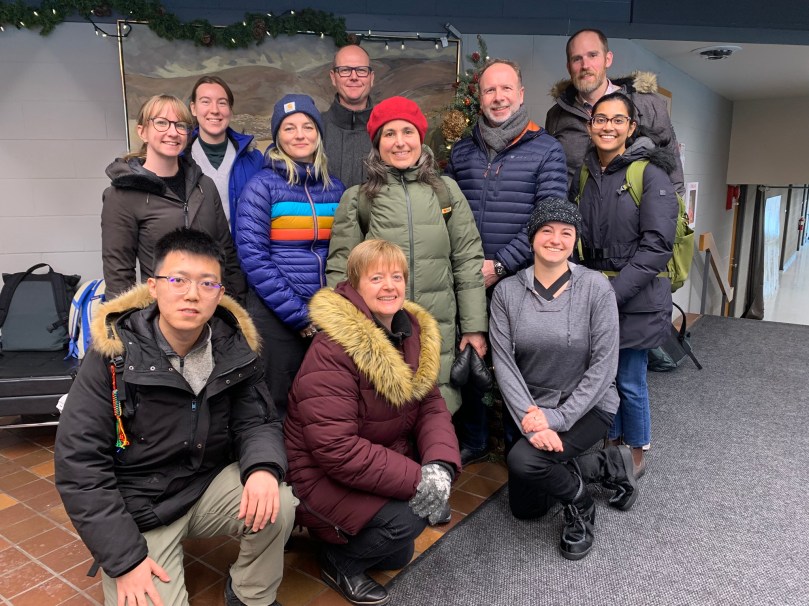
Left to right in the photo are some of the MiSt group; front: Zhongzhi (Michael) Sun, Emma Allen-Vercoe, Sue Ishaq; middle: Mikaela Beijbom, Mallory Choudoir, Sarah Elton, Kieran O’Doherty, Panuya Athithan; back: Grace Gabber, Andreas Heyland, Rob Beiko.
This paper is one of the first in a forthcoming special issue (announcement coming soon!), which will feature several invited papers from my microbiome stewardship colleagues (both original team and expansion pack researchers). These papers will expand upon the concept of what it means to share microbes between individuals, communities, and ecosystems; what it would mean to consider microbes as shared natural resources to which everyone had an innate right to; and how it would look for public and planetary health to reduce the harm of human industry and consumerism to live more sustainably and regain all the benefits that the microbial world can provide us.
Microbes first into the life rafts: preserving microbiomes to secure health in degrading ecosystems
Authors: Panuya Athithan 1,2*, Suzanne L. Ishaq 2,3,4*, Emma Allen-Vercoe 1,2 Kieran C. O’Doherty 2,4,5
1 Department of Molecular and Cellular Biology, University of Guelph, Guelph, Ontario, N1G 2W1
2 The Microbiome Stewardship research group
3 School of Food and Agriculture, University of Maine, Orono, Maine, 04469
4 The Microbes and Social Equity working group, Orono, Maine, 04469
5 Department of Psychology, University of Guelph, Guelph, Ontario, N1G 2W1
Abstract
All organisms on the planet intrinsically rely on microbial ecosystems, and there are increasing calls from research communities to consider microbiota when administering personal or public health, ecosystem health, and the use of microbiota in personal or environmental health remediation, such as reducing the impacts of climate change, or protecting at-risk habitats which host rare microbiota. Through our collective work on the integral nature of microbiomes to host and environmental health, on health policy, and on the development of research and policy agendas, we have previously developed the concept of ‘microbiome stewardship’ and guidelines to promote consideration of microbial communities broadly or in specific scenarios. The practicality of stewarding one versus many microbiota is highly contextual, and will require different strategies for different scales of conservation. Here, we provide scientific arguments for the need for microbial stewardship, examples of possible solutions scaled to different ecological challenges or conservation goals, discourse on the logistical challenges which have been cited by research communities, and opportunities to use cutting-edge microbiome concepts and technology to implement large-scale interventions.
Sustainability Statement
Microorganisms are responsible for environmental and organismal health, and the stewardship of microbiota has applications for human, plant, animal, and environmental health on local and global scales. The concepts described here are pertinent, in particular, to the United Nations’ Sustainable Development Goal 3) good health and wellbeing. Additionally, our paper is relevant to goals 6) clean water and sanitation, 9) industry, innovation, and infrastructure, 11) sustainable cities and communities, 12) responsible consumption and production, 13) climate action, 14) life below water, 15) life on land, and 17) partnerships for the goals.
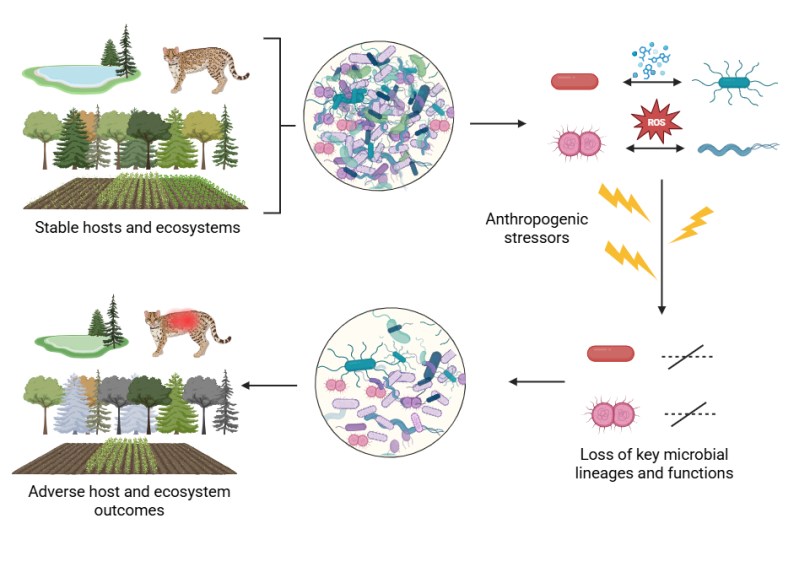
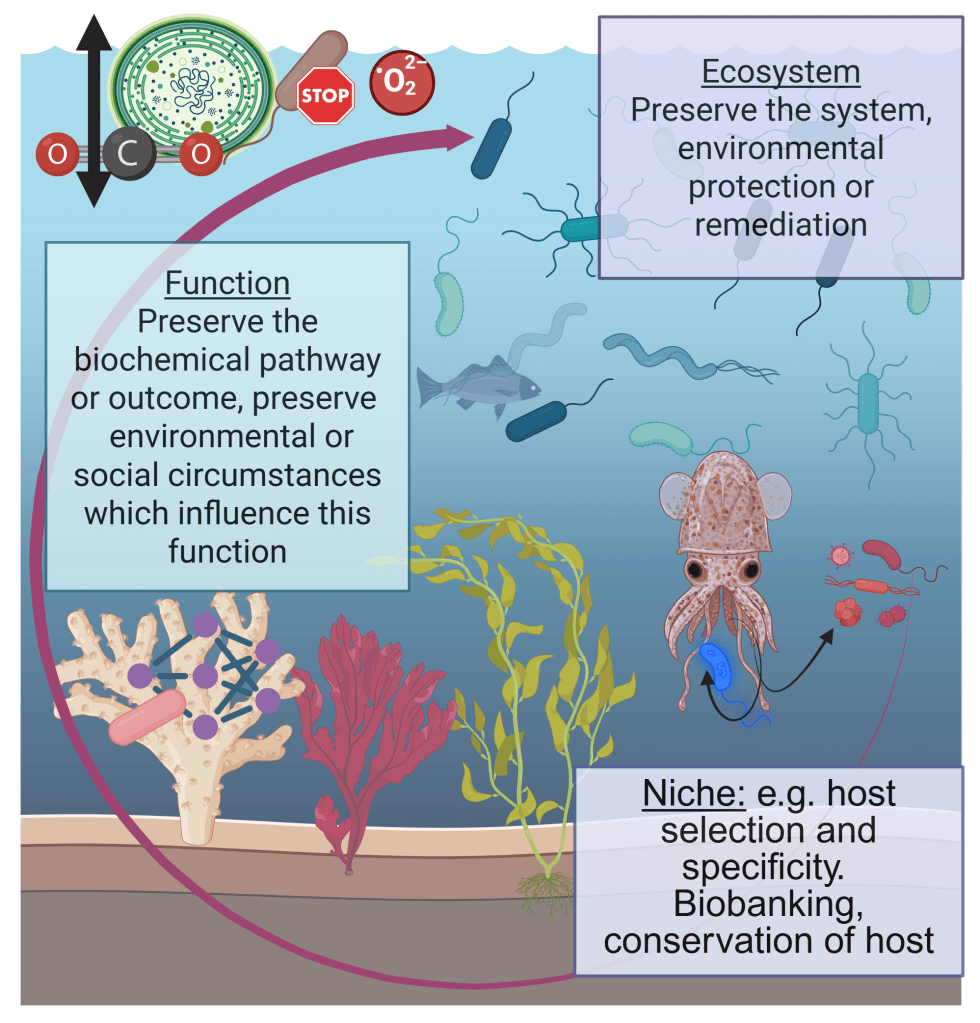
Graphical abstract: The concept of microbiome stewardship can be applied at multiple scales to provide guidance on both specific or general microbial interactions. Graphic made in Biorender under licence.
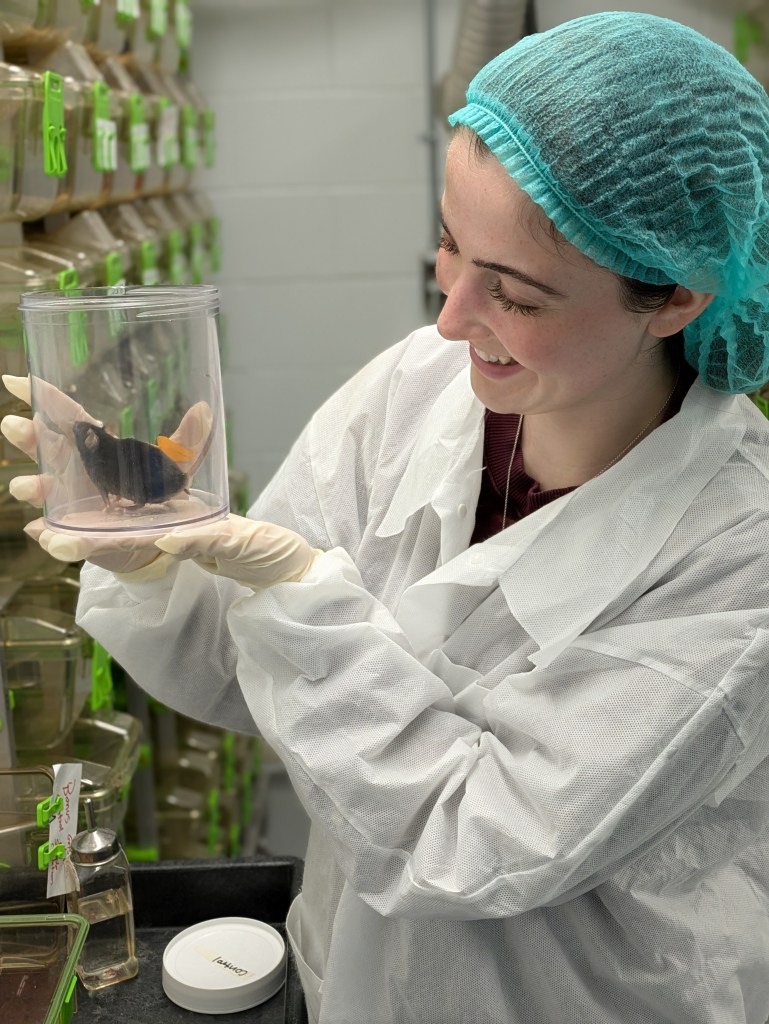
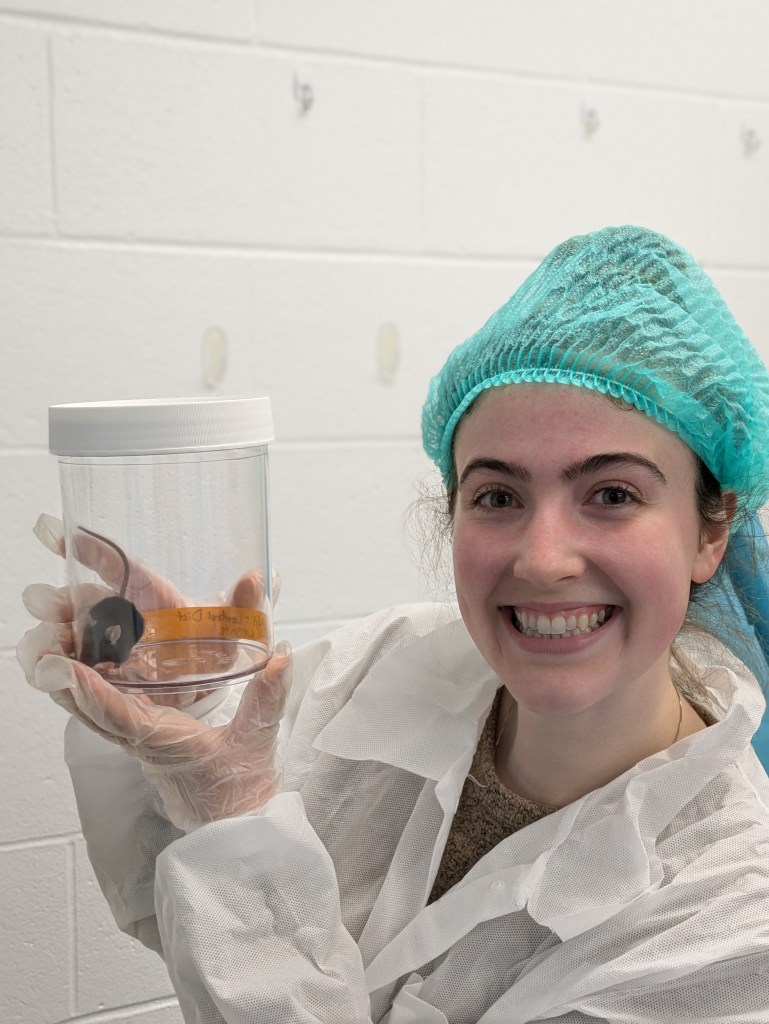
Human-nutrition-powerhouse Ashley Reynolds passed the graduate comprehensive exam today to advance to candidacy in her Human Nutrition and Food Science PhD Program at Umaine!! Now that she is a PhD Candidate, she is eligible to apply for federal funding for graduate fellowships, and she’ll be focusing on her dissertation research. She’s previously obtained a master’s of science and registered dietician status, and her extensive experience in nutrition and health is now being used to expand the scope of our broccoli sprout/gut microbes research to evaluate the effect on neuroinflammation. She has a literature review that will be sent out for peer review soon, and this year will complete a lot of lab work. Ashley learned how to handle mice on a recent project. Here she is weighing the first mouse she learned to pick up. She’ll be evaluating inflammation in the gut and brain using tissue samples for histology, and blood for immune factors.
Johanna, Ashley, Alexis, and Sue put in long hours during the mouse trial to collect samples each day.Ashley learned how to handle mice on this project. Here she is weighing the first mouse she learned to pick up.
Ashley Reynolds, M.S., R.D.
Doctor of Philosophy candidate, Human Nutrition and Food Sciences. Ashley is being co-advisor by Dr. Yanyan Li at SUNY Binghamton
Ashley began her academic journey at the University of Maine completing her undergraduate degree in Food Science and Human Nutrition in 2021 as a Maine Top Scholar. Ashley then pursued a Master’s degree in Food Science and Human Nutrition at the University of Maine. Ashley’s master’s degree research focused on exploring intuitive eating in college students. This research aimed to understand and promote a healthy relationship with food among this demographic. She also took on the role of a teaching assistant for several nutrition classes while completing that degree. In 2023, Ashley successfully completed a dietetic internship and shortly after passed her RD exam to become a registered dietitian. Currently, Ashley is back at the University of Maine, pursuing her Ph.D. in Food Science and Human Nutrition. She is incredibly interested in nutrition therapy and is beginning her research looking into the microbiome and metabolomic pathways in the context of IBD. The current research uses both human and mouse data to determine the effects broccoli sprouts has in individuals with IBD.
Bioinformatics rockstar, Lola Holcomb, successfully defended her PhD dissertation today on “Anti-Inflammatory Interactions between Gut Microbiota and Broccoli Sprouts”!!!!
Holcomb, Lola. “Anti-Inflammatory Interactions between Gut Microbiota and Broccoli Sprouts”. (2025). University of Maine. Doctor of Philosophy Dissertation (forthcoming). Presentation.
Lola’s contributions to and leadership in the Ishaq Lab Team have led to numerous publications, presentations, and immeasurable professional growth and camaraderie within the group. Her contributions to our research helped us open a new avenue of focus, sparked the imagination of several undergraduates who are now involved in research, and improved the mood and collegiality of the research group with her humor, insightfulness, and poignant questions. Lola has been more of a colleague than a trainee, and the lab is delighted to see how much she’s grown as a researcher. Lola is currently searching for positions as a postdoctoral researcher, bioinformatician, or Assistant Professor at an undergraduate-focused university or college. She’ll continue to collaborate with the Ishaq Lab, as we have multiple manuscripts in review or in preparation for peer review on which she is an author.
Lola entered as a rotating first-year student in March 2022 in the Graduate School of Biomedical Sciences and Engineering program, and declared the Ishaq Lab her dissertation lab soon after, and starting in fall of 2022 was accepted into the NRT funded for One Health in the Environment program. Troubled with indecisiveness and the desire to research, well, everything, she quickly found that using bioinformatics and big data as a lens to study microbial ecology (and in time, its relation to social equity) allowed her to do the kind of meaningful interdisciplinary research she’s always wanted to do. Lola performed 16S data analysis for multiple lab projects and developed a metagenomic analysis workflow to compare gut microbiomes of mouse models of Inflammatory Bowel Disease with broccoli as a dietary treatment. In addition to research, she instructed a graduate-level Genetics course, assisted in Dr. Ishaq’s 16S DNA Sequence Data Analysis course, tutored several Biology undergraduate students, and served as a GSBSE senator in the Graduate Student Government here at UMaine.
I was interviewed by Leigh Frame and Janette Rodrigues for the GW Integrative Medicine podcast! Leigh Frame is an associate professor and Janette Rodrigues is the OIMH Admininstrative Director at the George Washington (GW) University School of Medicine and Health Sciences, and they host the podcast to explore research on health.
Some of the lab are lucky enough to be able to travel to Cape Town, South Africa this August for the 19th International Symposium on Microbial Ecology (ISME)!!! This conference is held in different host cities, and brings together microbiologists from around the world to celebrate our work and foster our scientific community.
Session: Integrating equity into microbiome science from crops to communities
Convenors Sue Ishaq, University of Maine, USA Adolphe Zeze, Institut National Polytechnique Félix Houphouët-Boigny, Côte d’Ivoire
Date: 20-Aug-2024, session from 11:00 to 13:00. Location: Meeting Room 2.6 (2.61 – 2.64) of CTICC1 in Cape Town.
About the session: Microorganisms are critical to many aspects of biological life, and the collective microbial community, or microbiome, can be impacted by environmental factors which may be driven by social, economic, medical, or political constraints that restrict available choices and may impact our health. This session explores the way that microbes connect to social disparities, and how microbial ecology can be used to benefit public health and vulnerable populations.
Photo credit Johanna Holman.
Characterizing Gut Bacteria Associated with Sulforaphane Production
Date: 19-Aug-2024, live session from 16:30 to 17:30. Poster number: PS1.02.050. Section: Understanding microbiome dynamics to improve human health
Affiliations: 1 Molecular and Biomedical Sciences, University of Maine, Orono, Maine, USA; 2 School of Food and Agriculture, University of Maine, Orono, Maine, USA; 2 Graduate School of Biomedical Sciences and Engineering, University of Maine, Orono, Maine, USA; 3School of Pharmacy and Pharmaceutical Sciences, SUNY Binghamton University, Johnson City, New York, USA.
Abstract: Broccoli sprouts contain glucosinolates which can be converted into sulforaphane, an anti-inflammatory compound. Mammals do not produce the essential digestive enzymes to perform this conversion, fortunately, somegut bacteria do, and this results in high sulforaphane in the colon and systemically. Sulforaphane production has implications in treating inflammatory bowel diseases such as ulcerative colitis. Bacterial samples were collected from 40 all-male SPFC57BL/6 mice. Divided into four groups, mice received a combination, or lack thereof, of 2.5%dextran sodium sulfate in drinking water to induce ulcerative colitis and/or steamed broccoli sprouts at 10% of the diet. Following the trial, bacteria were isolated from jejunum and colon digesta- and mucosal-associated contents. Bacteria were grown on bacto-tryptone yeast broth media in anaerobic conditions. Collected bacteria were analyzed based on morphological data. Following initial culturing bacteria were placed in 96-well plates amongst bacto-tryptone yeast broth in four groups: with glucose, without glucose, with glucoraphanin, and with sinigrin. Plates were incubated anaerobically for 24 hours followed by growth being measured via spectrophotometry, to assess potential as a probiotic. Over four hundred bacteria were assessed, multiple of which showed signs of glucosinolate conversion. Across gram stains, approximately 80% of all analyzed showed to be gram +.
Graphic Designed by Indigo Millisor.
Funding Sources: This work was funded by the NIH, Crohn’s and Colitis Foundation, and NSF NRT.
Steamed broccoli sprouts alleviate gut inflammation and retain gut microbiota against DSS-induced dysbiosis.
Johanna M. Holman1, Lola Holcomb2, Louisa Colucci3, Dorien Baudewyns4, Joe Balkan5, Grace Chen6, Peter L. Moses7,8, Gary M. Mawe7, Tao Zhang9, Yanyan Li1*, Suzanne L. Ishaq1*
Date: 19-Aug-2024, live session from 10:00 to 11:00 Poster number: PS1.02.007 Section: Understanding microbiome dynamics to improve human health
Affiliations: 1 School of Food and Agriculture, University of Maine, Orono, Maine, USA; 2 Graduate School of Biomedical Sciences and Engineering, University of Maine, Orono, Maine, USA; 3 Department of Biology, Husson University, Bangor, Maine, USA; 4 Department of Psychology, University of Maine, Orono, USA; 5 Department of Chemical and Biological Engineering, Tufts University, Medford, Massachusetts, USA; 6 Department of Internal Medicine, University of Michigan Medical School, Ann Arbor, Michigan, USA; 7 Departments of Neurological Sciences and of Medicine, Larner College of Medicine, University of Vermont, Burlington, Vermont, USA: 8 Finch Therapeutics, Somerville, Massachusetts, USA; 9 School of Pharmacy and Pharmaceutical Sciences, SUNY Binghamton University, Johnson City, New York, USA.
Abstract: Inflammatory bowel diseases are devastating conditions of the gastrointestinal tract with limited treatments, and dietary intervention may be effective, affordable, and safe for managing symptoms. Research has identified inactive compounds in broccoli sprouts that may be metabolized by the gut microbiota into key anti-inflammatories. Our research set out to identify biogeographic locations of participating microbiota and correlate that to health outcomes. We fed specific pathogen free C57BL/6 mice either a control diet or a 10% steamed broccoli sprout diet, and gave a three-cycle regimen of 2.5% dextran sulfate sodium in drinking water over 40 days to simulate ulcerative colitis. We monitored body weight, fecal characteristics and lipocalin, and sequenced bacterial communities from the contents and mucosa of the jejunum, cecum, and colon. Mice fed the broccoli sprout diet while receiving dextran sulfate sodium performed better than mice fed control diet for all disease parameters, including increased weight gain (2-way ANOVA, p < 0.05), lower Disease Activity Index scores (2-way ANOVA, p < 0.001), and higher bacterial richness (linear regression model, p < 0.01). Bacterial communities were assorted by gut location except in the mice receiving the control diet and colitis-inducing treatment (Beta-diversity, ANOVA, p < 0.05). Importantly, our results suggest that broccoli sprouts abrogated the effects of dextran sulfate sodium on the gut microbiota, that colitis erases biogeographical patterns of bacterial communities, and that the cecum is not likely to be a contributor to colonic bacteria of interest, in a mouse model of ulcerative colitis.
Funding Sources: This work was funded by the NIH, USDA, NSF NRT, and UMaine GSBSE.
Consuming steamed broccoli sprouts as part of their diet protected the gut biogeography of microbes — which bacteria was found in which organ sampled– in the intestines of mice who were experiencing chemically induced colitis. Image by Johanna Holman.
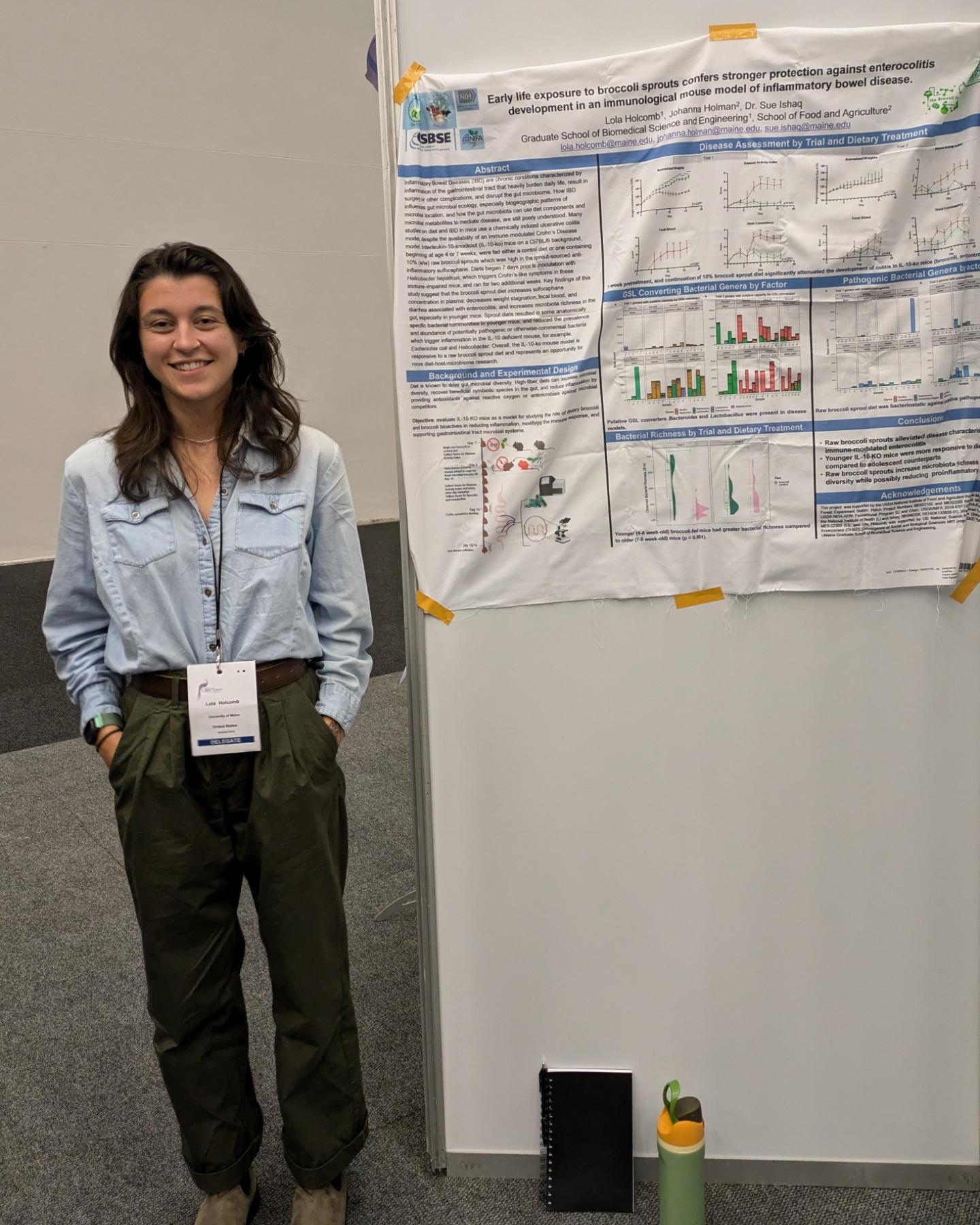
Early life exposure to broccoli sprouts confers stronger protection against enterocolitis development in an immunological mouse model of inflammatory bowel disease.
Lola Holcomb1, Johanna Holman2, Molly Hurd3, Brigitte Lavoie3, Louisa Colucci4, Gary M. Mawe3,Peter L. Moses3,5, Emma Perry6, Allesandra Stratigakis7, Tao Zhang7, Grace Chen8, Suzanne L. Ishaq1*, Yanyan Li7*
Date: 19-Aug-2024, live session from 16:30 to 17:30 Poster number: PS1.02.002 Section: Understanding microbiome dynamics to improve human health
1 Graduate School of Biomedical Sciences and Engineering, University of Maine, Orono, Maine 2 School of Food and Agriculture, University of Maine, Orono, Maine 3 Larner College of Medicine, University of Vermont, Burlington, Vermont 4 Department of Biology, Husson University, Bangor, Maine, 5 Finch Therapeutics, Somerville, Massachusetts, 6 Electron Microscopy Laboratory, University of Maine, Orono, Maine 7 School of Pharmacy and Pharmaceutical Sciences, SUNY Binghamton University, Johnson City, New York, 8 Department of Internal Medicine, University of Michigan Medical School, Ann Arbor, Michigan
Inflammatory Bowel Diseases (IBD) are chronic conditions characterized by inflammation of the gastrointestinal (GI) tract that burden daily life, result in complications, and disrupt the gut microbiome. Many studies on diet and IBD in mice use an ulcerative colitis model, despite the availability of an immune-modulated Crohn’s Disease model. The objective of this study was to establish IL-10 deficient mice as a model for studying the role of dietary broccoli and broccoli bioactives in reducing inflammation, modifying the immune response, and supporting GI tract microbial systems. Interleukin-10-knockout (IL-10-ko) mice on a C57BL/6 background, beginning at age 4 or 7 weeks, were fed either a control diet or one containing 10% raw broccoli sprouts. Diets began 7 days prior to inoculation with Helicobacter hepaticus, which triggers Crohn’s-like symptoms in these immune-impaired mice, and ran for 2 additional weeks. Broccoli sprouts decreased (p < 0.05), fecal lipocalin (LCN2), a biomarker for intestinal inflammation, and fecal blood, diarrhea, and overall Disease Activity Index. Sprouts increased gut microbiota richness, especially in younger mice (p < 0.004), and recruited different communities in the gut (B-diversity, ANOVA, p < 0.001), especially in the colon (B-diversity, ANOVA, p = 0.03). The control group had greater prevalence and abundance of otherwise commensal bacteria which trigger inflammation in the IL-10-ko mice. Helicobacter was within the top-5 most prevalent core genera for the control group, but was not within the top-5 for the broccoli group. Disease parameters and microbiota changes were more significant in younger mice receiving broccoli. A diet containing 10% raw broccoli sprouts may be protective against negative disease characteristics of Helicobacter-induced enterocolitis in IL-10-ko mice, and younger age is the most significant factor (relative to diet and anatomical location) in driving gut bacterial community richness and similarity. The broccoli diet contributes to prevalence and abundance of bacterial genera that potentially metabolize dietary compounds to anti-inflammatory metabolites in the gut, are bacteriostatic against pathogens, and may ease disease severity.
Funding Sources: This work was funded by the NIH, USDA, NSF NRT, and UMaine GSBSE.
The Li and Ishaq labs are excited to announce a new literature review on the beneficial compounds in cruciferous vegetables was just published here in Current Developments in Nutrition, led by Tolu Esther Alaba (PhD candidate in GSBSE) and Johanna Holman (soon to be PhD candidate in Microbiology/Nutrition)!!
We’ve been researching the benefits of cruciferous vegetables on health, some of which are available directly from the plants, and some of which require the participation of certain bacteria that live in our gut. Cruciferous vegetables are loaded with fiber, vitamins, minerals, and – what we are most interested in – the plant’s secondary compounds called glucosinolates which can be transformed into antioxidants and anti-inflammatories. Depending on the type of vegetable, and the way that it is cooked/prepared, you can end up with different types and quantities of these beneficial compounds. We are interested in how to target benefits to certain locations in the gut by inducing the gut microbiome to participate in making these compounds available to us (Figure below). The review consolidated the existing literature on cruciferous vegetables in regards to the glucosinolates and reducing inflammation in the gut.
Cruciferous vegetables or their purified compounds can ameliorate inflammatory symptoms through multiple pathways. Graphic designed by Johanna Holman.
Tolu Esther Alaba is a PhD Candidate in the GSBSE program at UMaine. Her research has focused on antioxidants in fruits and vegetables which can be used to resolve inflammation, oxidative stress, injury, cardiometabolic and chronic diseases. Since joining #TeamBroccoli in the fall of 2023, she’s completed data analyses on gut metabolites and broccoli sprouts in mice and humans, and began drafting several manuscripts, in addition to writing this literature review. Tolu plans to defend her dissertation this summer, and we hope to bring her back to the Ishaq and Li labs as a postdoctoral researcher focusing on dietary habits, cruciferous vegetable intake, and dietary metabolomics!
Johanna Holman is a PhD student in the Nutrition/Microbiology programs. She began working on broccoli sprouts with Drs. Tao Zhang and Yanyan Li over 6 years ago as a research assistant. She joined the Ishaq lab in fall 2020 as a master’s student to investigate the effects of diet on the gut microbiome, and host-microbial interactions, as part of an ongoing collaboration with Tao and Yanyan Li, and graduated with her M.S. in nutrition science in the fall of 2022. Her research combines nutritional biochemistry of broccoli sprouts with effects on gut microbes and gastrointestinal inflammation, and spans biochemistry, microbiology, molecular biology, and incorporates a handful of undergraduate mentees every semester. Johanna also just created a website for Imaginome Designs, her graphic design portfolio!!
Yanyan Li, PhD, is an Assistant Professor of Pharmaceutical Sciences at SUNY Binghamton, and has been researching the nutritional biochemistry of broccoli sprouts for over a decade. Yanyan and Sue, along with Johanna, Tolu, and the rest of Team Broccoli have been collaborating on diet-microbe-health projects for the last 5 years!
Authors: Tolu E. Alaba1, Johanna M. Holman2 , Suzanne L. Ishaq2 , Yanyan Li2,3
Affiliations: 1 Graduate School of Biomedical Sciences and Engineering, University of Maine, Orono, Maine, USA 04469; 2 School of Food and Agriculture, University of Maine, Orono, Maine, USA 04469; 3 School of Pharmacy and Pharmaceutical Sciences, SUNY Binghamton University, Johnson City, New York, USA 13790
Abstract
Inflammatory bowel disease is a chronic condition with a significant economic and social burden. The disease is complex and challenging to treat because it involves several pathologies, such as inflammation, oxidative stress, dysbiosis, and intestinal damage. The search for an effective treatment has identified cruciferous vegetables and their phytochemicals as potential management options for inflammatory bowel disease, as they contain prebiotics, probiotics, and anti-inflammatory and antioxidant metabolites essential for a healthy gut. This critical narrative style review provides a robust insight into the pharmacological effects and benefits of crucifers and their documented bioactive compounds in in vitro and in vivo models, as well as clinical inflammatory bowel disease. The review highlights the significant impact of crucifer preparation and the presence of glucosinolates, isothiocyanates, flavonoids, and polyphenolic compounds, which are essential for the anti-inflammatory and antioxidative benefits of cruciferous vegetables, as well as their ability to promote the healthy microbial community and maintain the intestinal barrier. This review may serve as a viable nutritional guide for future research on methods and features essential to developing experiments, preventions, and treatments for inflammatory bowel disease. There is limited clinical information and future research may utilize current innovative tools, such as metabolomics, for adequate knowledge and effective translation into clinical therapy.
Acknowlegements
This project was supported by the USDA National Institute of Food and Agriculture through the Maine Agricultural & Forest Experiment Station: Hatch Project Numbers ME022102 and ME022329 (Ishaq) and ME022303 (Li); and the National Institute of Health [Li and Ishaq; NIH/NIDDK 1R15DK133826-01], and the Allen Foundation [Li and Ishaq, #5409406]. Financial sponsors had no role in study design, data interpretation, or report writing.
The UMaine Student Symposium is an annual event featuring research presentations from undergraduate and graduate students, and is a way to share student research on campus and with the Maine public.
All of the abstracts for the full program, and previous years, are available here.
The event is free to attend, and will take place at the New Balance Field House on the UMaine Orono Campus, Friday April 12, 2024.
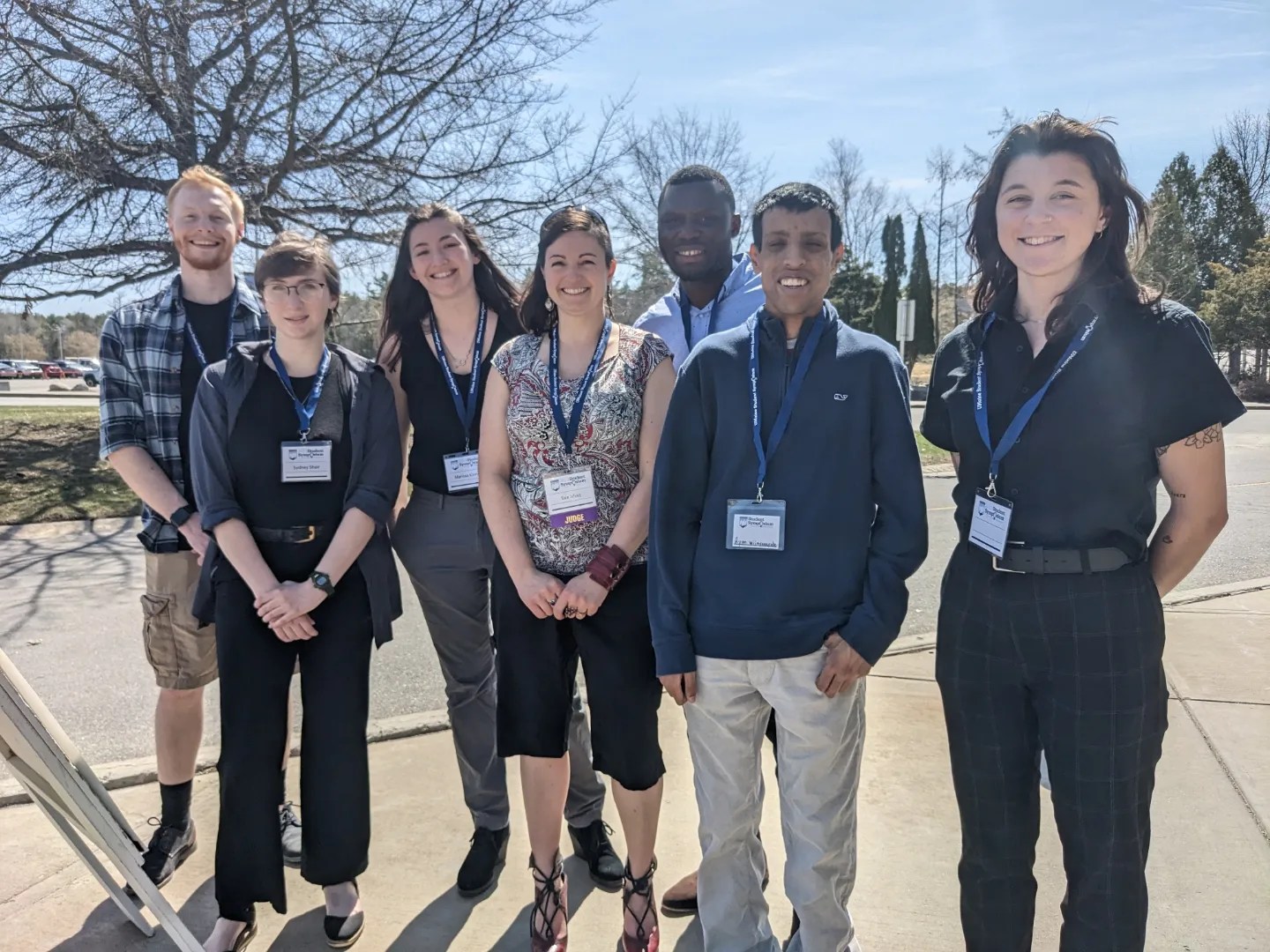
Several students from the Ishaq Lab will be presenting their ongoing work:
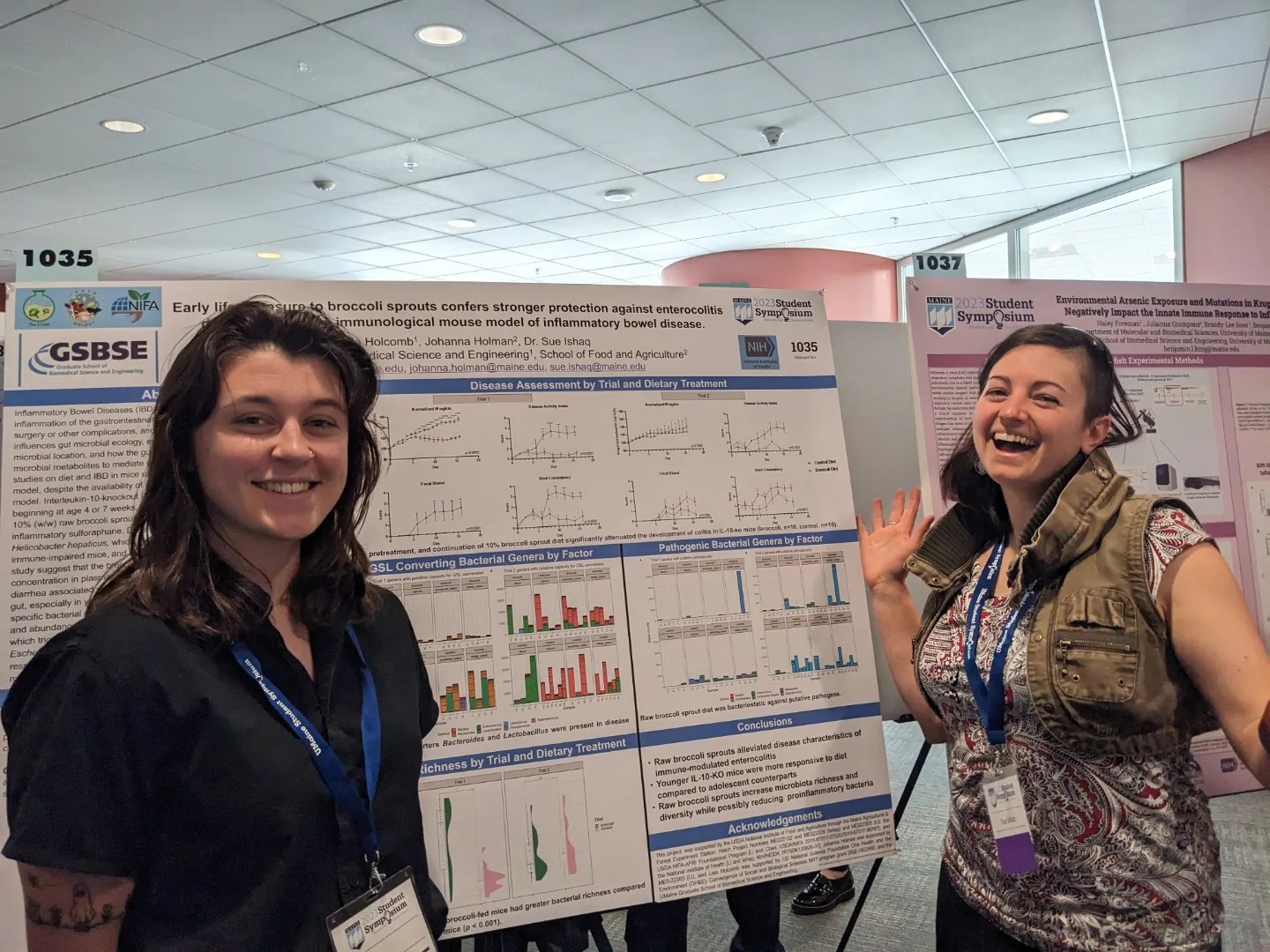
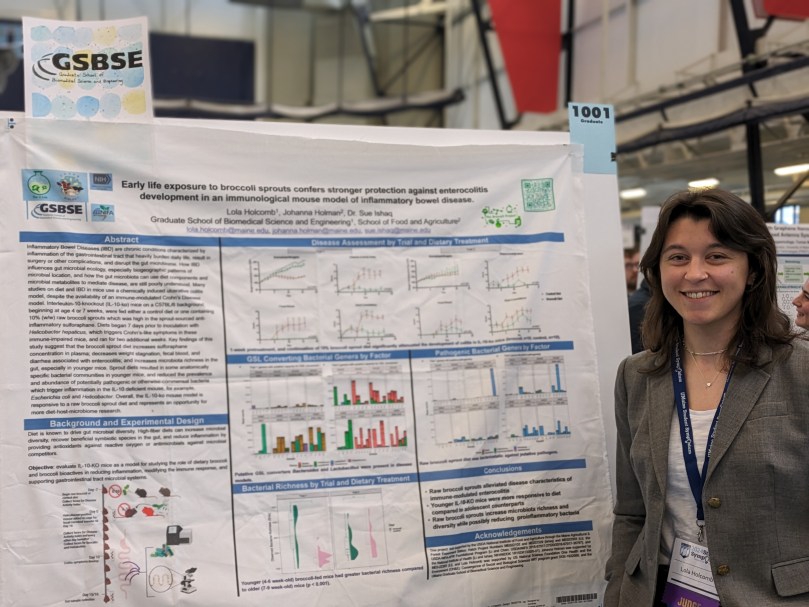
Early Life Broccoli Sprout Consumption Confers Stronger Protection Against Enterocolitis in an Immunological Mouse Model of Inflammatory Bowel Disease
Author(s): Lola Holcomb, Johanna Holman, Sue Ishaq.
Type: poster presentation
Submission category: Biomedical sciences
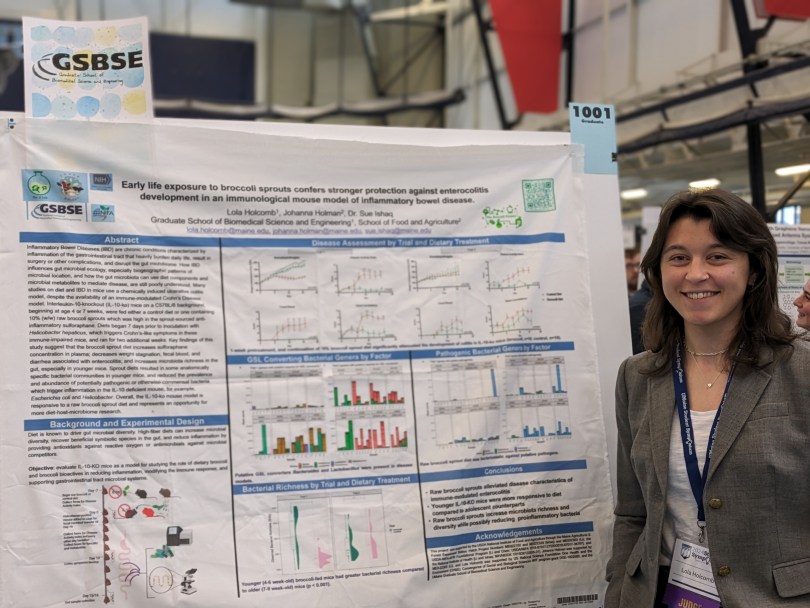
Abstractnumber 1001: Inflammatory Bowel Diseases (IBD) are chronic conditions characterized by inflammation of the gastrointestinal tract that heavily burden daily life, result in surgery or other complications, and disrupt the gut microbiome. How IBD influences gut microbial ecology, especially biogeographic patterns of microbial location, and how the gut microbiota can use diet components and microbial metabolites to mediate disease, are still poorly understood. This study aimed to resolve such questions. Many studies on diet and IBD in mice use a chemically induced ulcerative colitis model, despite the availability of an immune-modulated Crohn’s Disease model. Interleukin-10-knockout (IL-10-KO) mice on a C57BL/6 background, beginning at age 4 or 7 weeks, were fed either a control diet or one containing 10% (w/w) raw broccoli sprouts which was high in the sprout-sourced anti-inflammatory sulforaphane. Diets began 7 days prior to inoculation with Helicobacter hepaticus, which triggers Crohn’s-like symptoms in these immune-impaired mice, and ran for two additional weeks. Key findings of this study suggest that the broccoli sprout diet increases sulforaphane concentration in plasma; decreases weight stagnation, fecal blood, and diarrhea associated with enterocolitis; and increases microbiota richness in the gut, especially in younger mice. Sprout diets resulted in some anatomically specific bacterial communities in younger mice, and reduced the prevalence and abundance of potentially pathogenic or otherwise-commensal bacteria which trigger inflammation in the IL-10 deficient mouse, for example, Escherichia coli and Helicobacter. Overall, the IL-10-KO mouse model is responsive to a raw broccoli sprout diet and represents an opportunity for more diet-host-microbiome research.
Lola’s poster from the CIMM 2024 meeting.
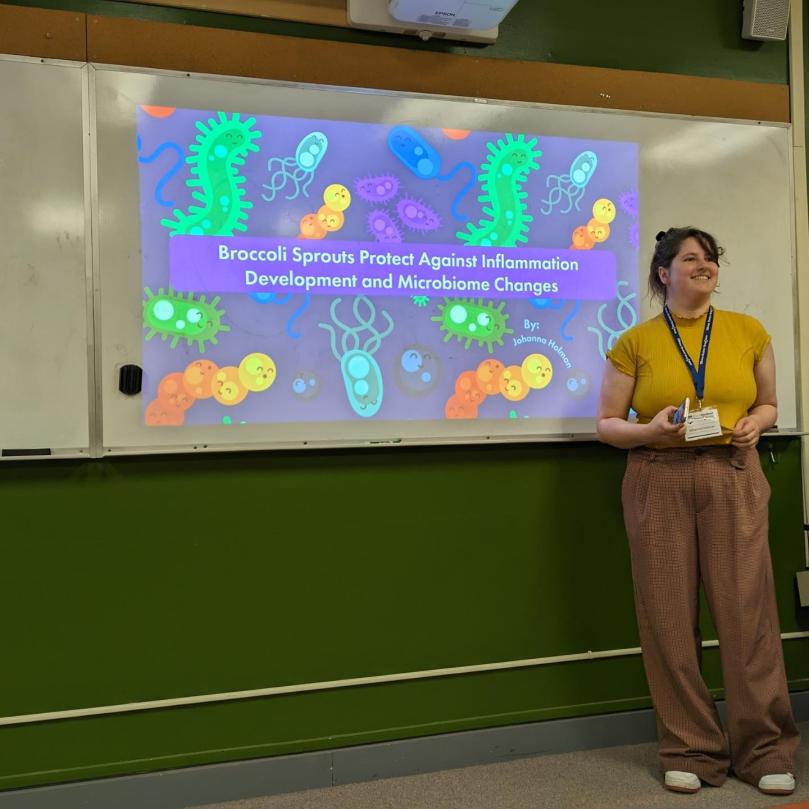
Steamed Broccoli Sprouts Alleviate Gut Inflammation and Retain Gut Microbiota Against DSS-induced Dysbiosis.
Author(s): Johanna Holman, Lola Holcomb, Sue Ishaq.
Type: oral presentation, 9:45 am
Submission Category: Biomedical Sciences
Abstract number 1002: Inflammatory bowel diseases are devastating conditions of the gastrointestinal tract with limited treatments, and dietary intervention may be effective, affordable, and safe for managing symptoms. Research has identified inactive compounds in broccoli sprouts that may be metabolized by the gut microbiota into key anti-inflammatories. Our research set out to identify biogeographic locations of participating microbiota and correlate that to health outcomes. We fed specific pathogen free C57BL/6 mice either a control diet or a 10% steamed broccoli sprout diet, and gave a three-cycle regimen of 2.5% dextran sulfate sodium in drinking water over 40 days to simulate ulcerative colitis. We monitored body weight, fecal characteristics and lipocalin, and sequenced bacterial communities from the contents and mucosa of the jejunum, cecum, and colon. Mice fed the broccoli sprout diet while receiving dextran sulfate sodium performed better than mice fed control diet for all disease parameters, including increased weight gain (2-way ANOVA, p < 0.05), lower Disease Activity Index scores (2-way ANOVA, p < 0.001), and higher bacterial richness (linear regression model, p < 0.01). Bacterial communities were assorted by gut location except in the mice receiving the control diet and colitis-inducing treatment (Beta-diversity, ANOVA, p < 0.05). Importantly, our results suggest that broccoli sprouts abrogated the effects of dextran sulfate sodium on the gut microbiota, that colitis erases biogeographical patterns of bacterial communities, and that the cecum is not likely to be a contributor to colonic bacteria of interest, in a mouse model of ulcerative colitis.
Johanna’s poster from the ASN 2023 meeting.
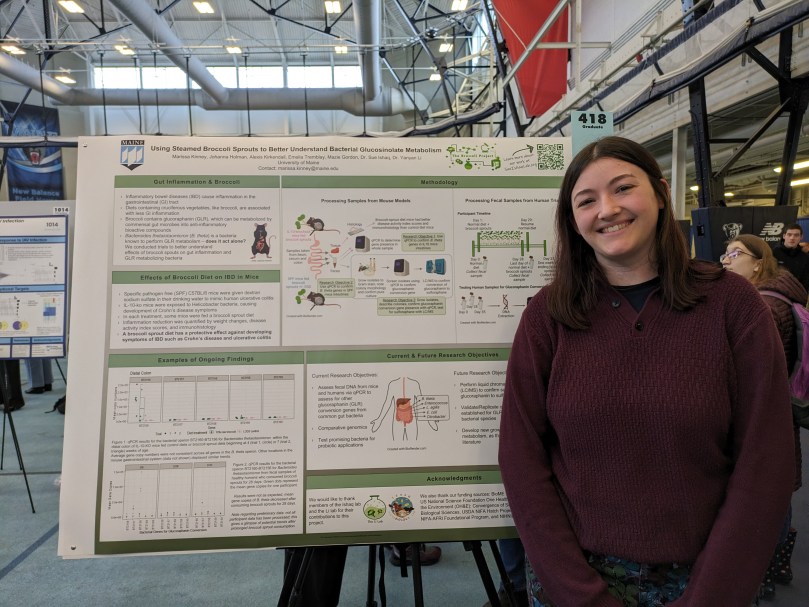
Using Steamed Broccoli Sprouts to Better Understand Bacterial Glucosinolate Metabolism
Abstract number 418: Inflammatory bowel diseases (IBD) lead to dysfunction of the gastrointestinal (GI) tract, resulting in disruption to overall health. These diseases can affect people of all ages and are present on a global scale. Research has demonstrated that diets high in cruciferous vegetables, such as broccoli, are associated with decreases in GI inflammation. Broccoli contains glucoraphanin, which through metabolism by gut bacteria, can become an anti-inflammatory compound, sulforaphane. Recent research has validated the use of steamed broccoli sprouts in the diet of mice to reduce inflammation and resolve symptoms of IBD. Isolated microbiota samples obtained from various locations in the GI of these mice are being investigated for the presence of glucoraphanin-metabolizing genes from a common gut bacteria, Bacteroides thetaiotaomicron (B. theta). Similar analyses being conducted on human fecal samples from individuals who consumed steamed broccoli sprouts for 28 days have demonstrated decreases in the presence of B. theta. This result was not anticipated and has strengthened beliefs that B. theta is not the primary species performing glucoraphanin metabolism, thus prompting further analyses of the fecal samples from mice and humans for glucoraphanin-metabolizing genes of other common GI bacteria. Genomes of isolates from the gut of mice which have high quantities of glucoraphanin-metabolizing genes will be sequenced for identification. This information will help to identify potential bacterial candidates for future research on probiotic development.
I was invited to give three talks on the west coast in March, which aligned so well I was able to string them together into a mini “speaking tour”. I was looking forward to seeing work-related and non-work-related friends, and using a few of the days to visit more of the incredible ecosystems.
Grove of the Titans in the Redwood National Forest.
I presented three versions of a talk called “Place and time matter for gut microbes making anti-inflammatories from broccoli sprouts”, to tailor it to the audiences and time slots at each location. The talk incorporated various amounts of the #BroccoliProject and work with the Microbes and Social Equity working group.
Lola Holcomb and Tolu Alaba, both PhD candidates working on broccoli sprouts and gut microbes, presented posters at CIMM. This conference features microbiome research in the contexts of health, agriculture, and environments.
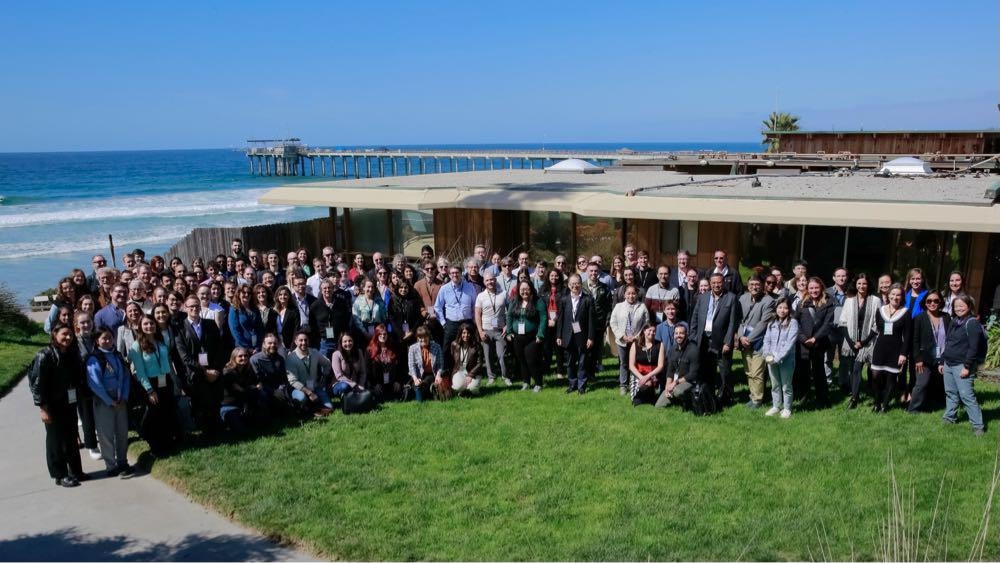
Tolu Alaba with her poster on metabolomics and new baby!Jotham Suez and I found time to check out the cherry blossoms at the Japanese Friendship Garden.The view from La Jolla cliffs.Lola Holcomb presented her work on broccoli sprouts and Crohn’s Disease models.A sunset in La Jolla.
I presented my research and my work on the Microbes and Social Equity working group to students, faculty, and the DEI committee.
Sean Gibbons and I went to the opening night of One Thousand Pieces.I visited the incredible Chihuly Glass Museum.The views of Puget Sound are beautiful.There are glass sculptures in the garden near the base of the side needle.