
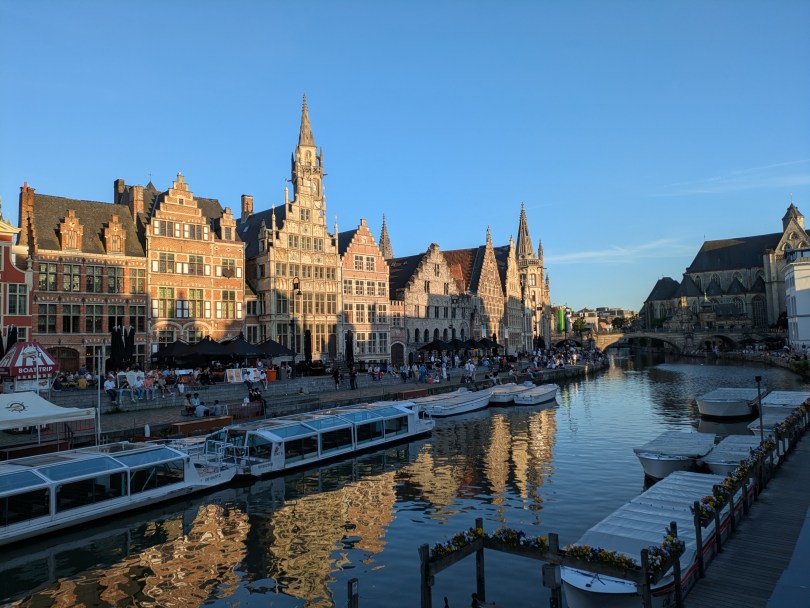
With a suitcase full of chocolate and a notebook full of ideas, I said goodbye to Ghent, Belgium after a 4-day visit. I was generously invited here to give a seminar to the Interdisciplinary Medical and Health Seminar series which is co-organized by the Department of Public Health and Primary Care and the Department of Internal Medicine and Pediatrics, and to brainstorm about nutrition and food science, health equity, and gut microbiomes.
Ghent University is health sciences focused, and their departments range from public health, internal medicine, surgery, oncology, and every practical application of medicine one could think of. They have ethics and equity departments, and have some of the leading programs that specialize in care and policies for trans health as well as for refugee populations. Many departments included research on inflammation and Inflammatory Bowel Diseases, as well as digestion and gut microbiomes, as so many aspects of health and disease are connected to gut health. But, the integration of food science and using nutritional intervention was somewhat sparse – thus my invitation to give a talk, as the UMaine School of Food and Agriculture (which I am part of) programs in Nutrition, Dietetics, and Food Science (which I am affiliated with), as well as my collaborative work with Dr. Yanyan Li on broccoli sprouts and the gut microbiome, all emphasize the integration of diet into health plans.
The seminar was well attended, and I appreciated how many students were able to join despite being so close to final exams. I always appreciate sharing the work that I’ve been doing with collaborators on broccoli sprout bioactive and the gut, as well as with Microbes and Social Equity, and more recently, the Microbiome Stewardship and IUCN Microbe Specialist groups on conservation and policy. The real treat, though, was the long conversations I had with faculty and students. I spent several days with Professor Sara Willems, and her PhD student Jarne Ghijsels, who are researching access to diet, nature, and healthcare in several populations including the Sami people who are often barred from performing their traditional migration, food systems, health practices, or diet. Sara’s work highlights the critical importance of holistic lifestyle changes and the involvement of family and community in achieving health. Jarne’s project examines how exposure to nature can be used to improve mental and physical health in patients as well as care givers, and how to integrate “nature prescriptions” into general medicine practice. Hopefully, Sara and Jarne will generously share their work with the Microbes and Social Equity speaker series next year!
In addition, I spent hours in engaging conversation with Professor Debby Laukens, whose expertise on neuro- and gut inflammation, as well as mouse models of colitis, was extremely informative for me, and who was very interested in the use of diet to reduce inflammation. I enjoyed the camaraderie of dinner with my hosts, PhD student Sarah Derveeuw, Prof Sorana Toma, and Professor Luisa Borrel (City University of New York), another guest speaker and expert of epidemiology and biostatistics.
Finally, I also wanted to acknowledge the gentle schedule that was set up for me. Overnight travel is never easy, and leaving Maine always requires driving to an airport and an extra flight to a larger hub. My hosts provided an entire day in which I could adjust, and Jarne picked me up from the train station to help me navigate the tram in my jet-lagged state. When I was going to have to wait most of the day to be able to check into my hotel, they made arrangements for me to shower on campus, and when my flight arrived much later than scheduled, Jarne pivoted to help me check in, get lunch, and plan my travel to campus. My meetings were scheduled mid-morning instead of at 7 or 8 AM, and they set aside plenty of breaks. The relaxed schedule was a perfect start to my week-long trip, and allowed me time to relax, think creatively about science, and, as always, to keep working on my primary responsibilities which never take a day off (last week we had unexpected student bills, posters to prepare for conferences, mouse diet to make, a mouse trial to finish coordinating, a proposal to write, and … of yes, blog posts to write).
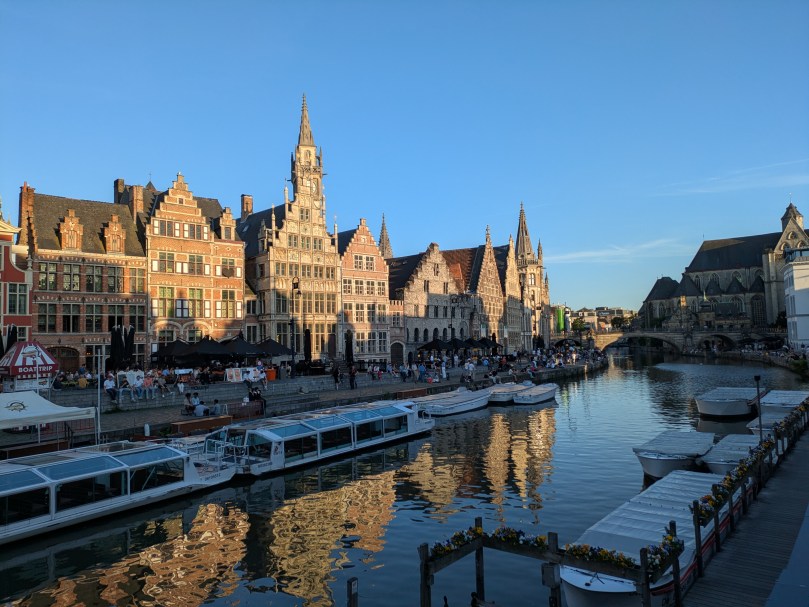
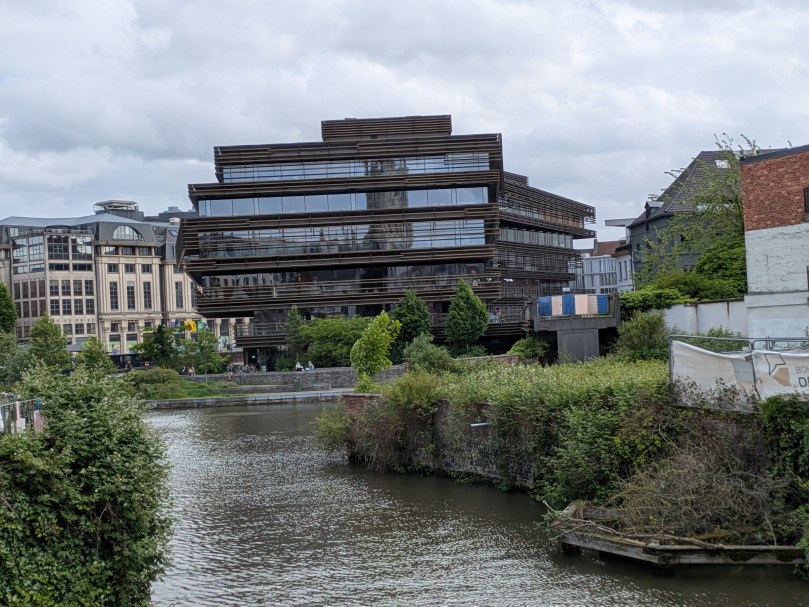
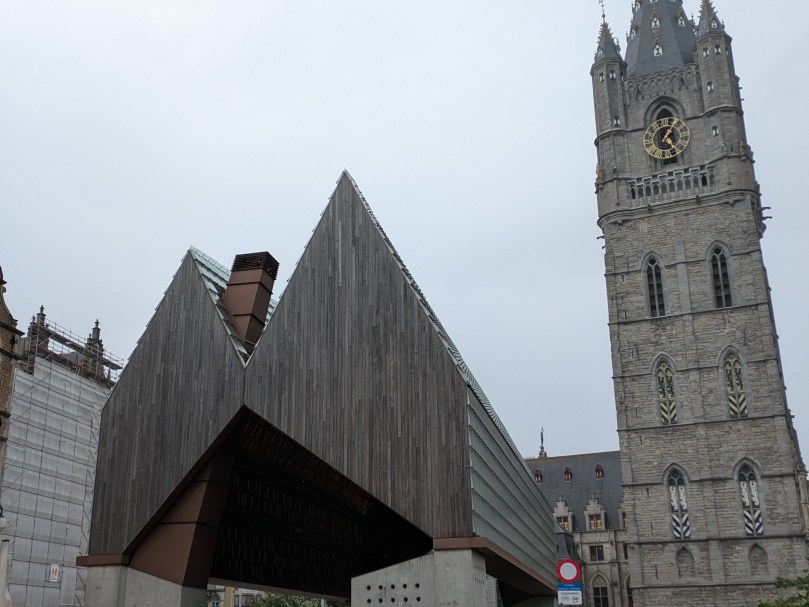
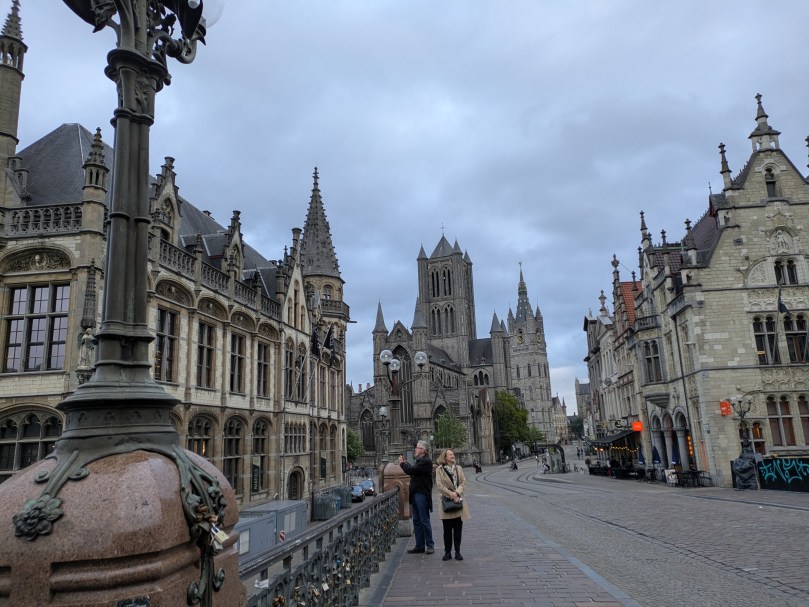
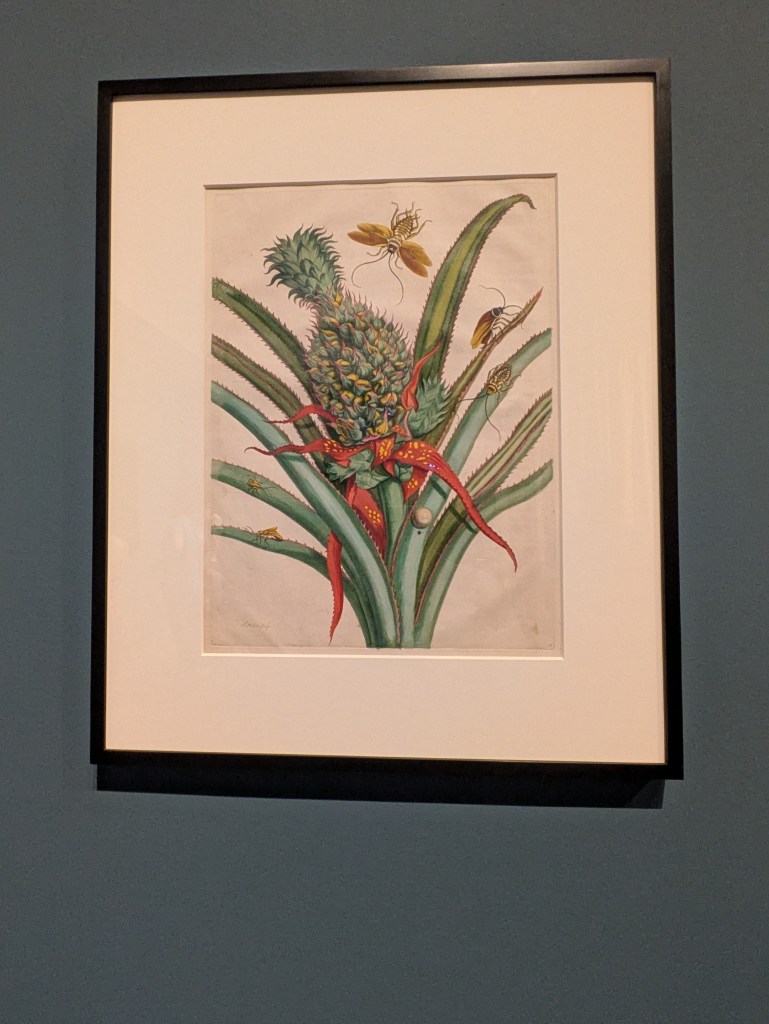
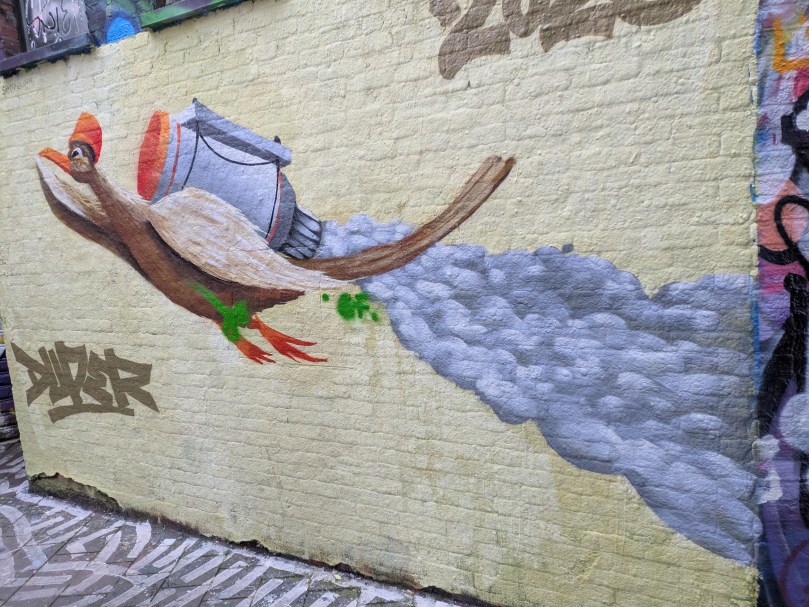
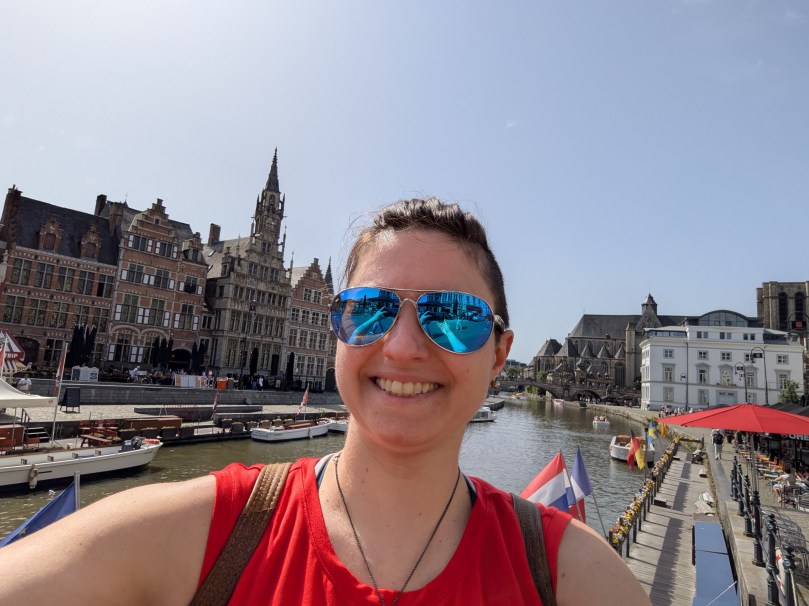
In between meetings, I, of course, took advantage of my free time to walk around Ghent, which is one of the cities with the best-preserved Medieval architecture, but is also forward-thinking in its design and supports pedestrian, bike, and public transport over personal cars. The effect was stunning: downtown there was very little air pollution from traffic, I could safety walk everywhere, and by going on foot I was able to appreciate the little details, such as the wrought iron, murals, or frescos on many of the buildings. There were plenty of little parks and places to sit in the shade and appreciate the breeze off the canals. Walking also helped counteract all the chocolate and cheese, which are two of the primary attractions in Belgium 🙂
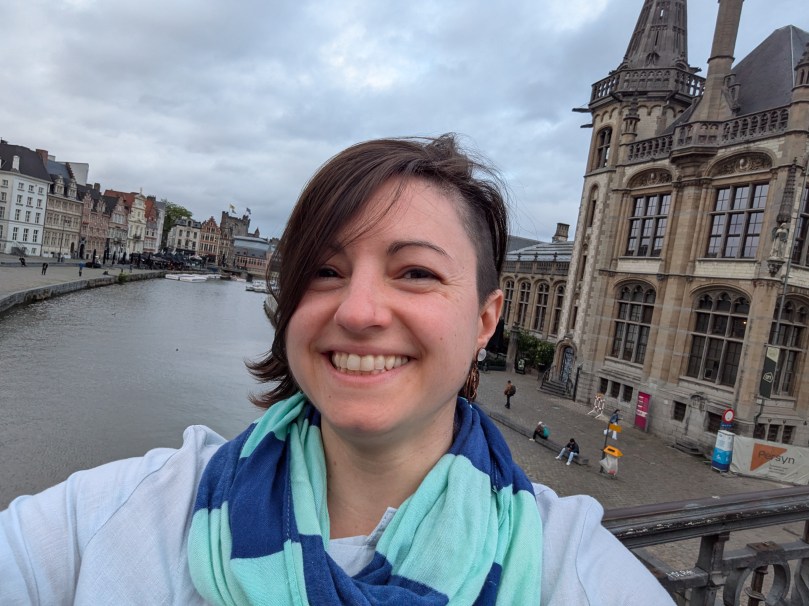
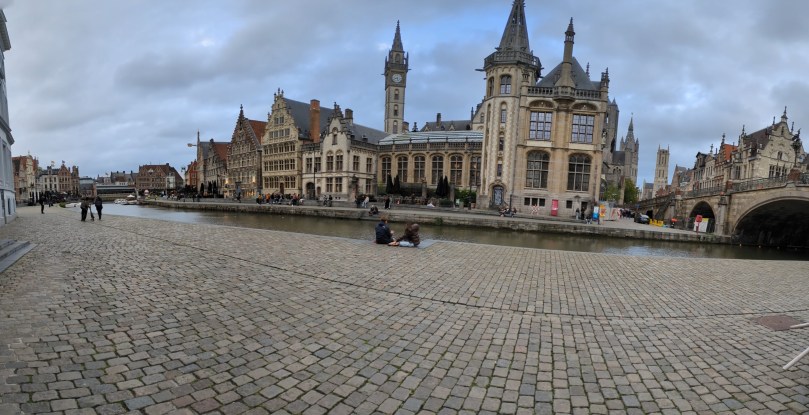
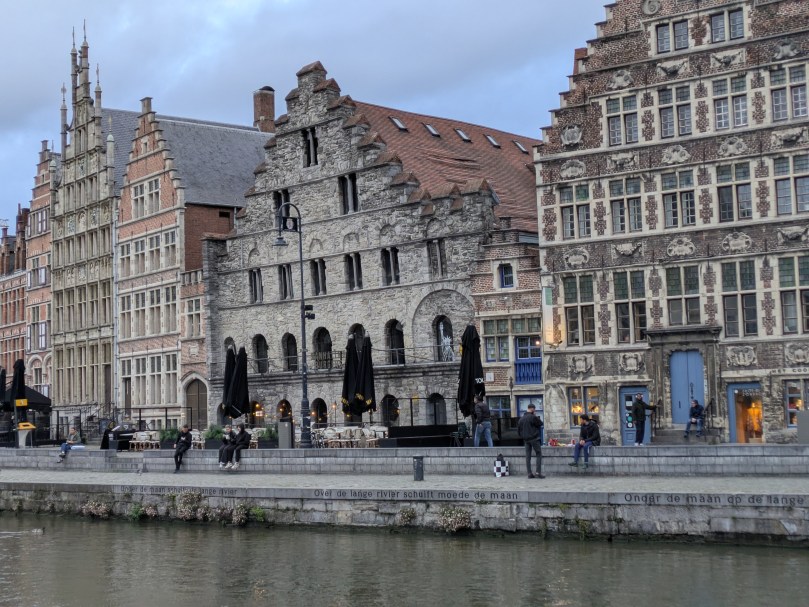
After leaving Ghent, I made my way to Italy, where I am presenting my work again, this time with a focus on combining human subjects data, survey data, and microbiome data from the pilot project I completed a few years ago with Yanyan. Ciao, Venezia!


Good science, good travelogue!
LikeLike