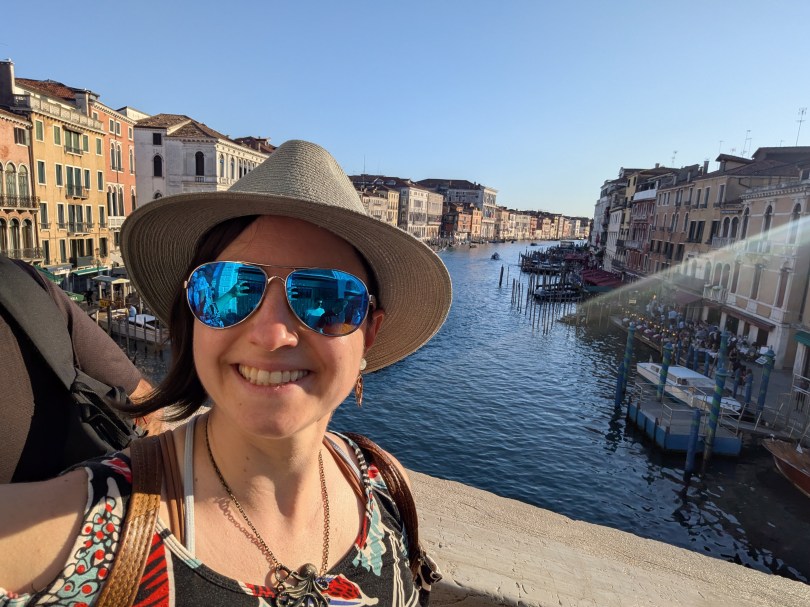
Sometimes dreams do come true – I am finally getting a chance to visit New Zealand, thanks to my new role as co-Vice-Chair of the Ethics, Conservation and Management Planning Working Group (other Co-Vice Chair is Louis-Patrick Haraoui) of the new Microbial Conservation Specialist Group of the IUCN Species Survival Commission (IUCN SSC MCSG ECMP). While the number of words in that group’s formal name implies that it’s going to take a long time to accomplish anything, the new MCSG group is actually a nimble collaboration of researchers and policy makers who are working on conserving the microbial communities that allow us to thrive on this planet.
Created in 2025 and led by Drs. Jack Gilbert and Raquel Peixoto, the MCSG is the first IUCN body dedicated to protecting all microbial ecosystems, including those which are at risk or already losing microbial diversity because of degradation and human activities, and those ecosystems where human activities have not yell fully changed the microbial communities. The group is working to integrate microbial biodiversity into mainstream conservation frameworks by developing new tools for assessment, advancing policy inclusion, coordinating action across ecosystems, and developing strategies to bring attention to the need to consider microbes in the health of organisms and ecosystems.
This August, the global microbial ecology community is converging on Auckland, New Zealand, for the International Society for Microbial Ecology (ISME) conference. You might remember my last visit two years ago to the ISME conference in Cape Town, South Africa, when I was fortunate enough to have the federal funding to bring much of my lab group. New Zealand hosts stunning landscapes, and not just because of the geography: New Zealand is one of the global leaders in environmental, animal, and plant conservation thanks to its deeply rooted Indigenous conservation practices. Auckland will provide the perfect backdrop for discussing the microscopic worlds that keep our planet alive. Attending ISME is always a highlight for me, and I’m excited to hear about wild animal microbiomes, and generally about the effects of environments on host microbiomes while I’m there.
Beyond the main conference sessions, the highlight of this trip will be participating in the meetings of the Microbial Conservation Specialist Group. While historic conservation efforts were constrained by resources and public attention to focus on visible and adorable wildlife like mammals and birds, protecting microbial diversity is just as critical for maintaining ecosystem stability and resilience. Engaging with this specialist group offers a vital platform to advocate for the inclusion of fungi, bacteria, and archaea in global conservation policies and frameworks. This journey promises to be a powerful blend of cutting-edge science and meaningful advocacy, and I cannot wait to bring these insights back to the research collaborations I have developed over the past few years on Microbiome Stewardship, how to go about it, and the practicality of protecting microbes at different scales.
Opportunities to learn more about the MCSG at ISME
Please visit the MCSG website for more information, and if you are at ISME20, reach visit the Applied Microbiology International publications display table to learn more and join an information session.
If you will be attending ISME20 and would like to meet with me for coffee to learn more about the MCSG group, please email me at sue.ishaq@maine.edu!
Opportunities to learn more about the Microbes and Social Equity working group ISME
Of course, I will also be representing the MSE group at ISME. While I did not have time to prepare a formal event there, if you are part of MSE and would like to meet for coffee, or if you are curious about the group and would like to learn more (also while drinking coffee), please let me know at sue.ishaq@maine.edu!
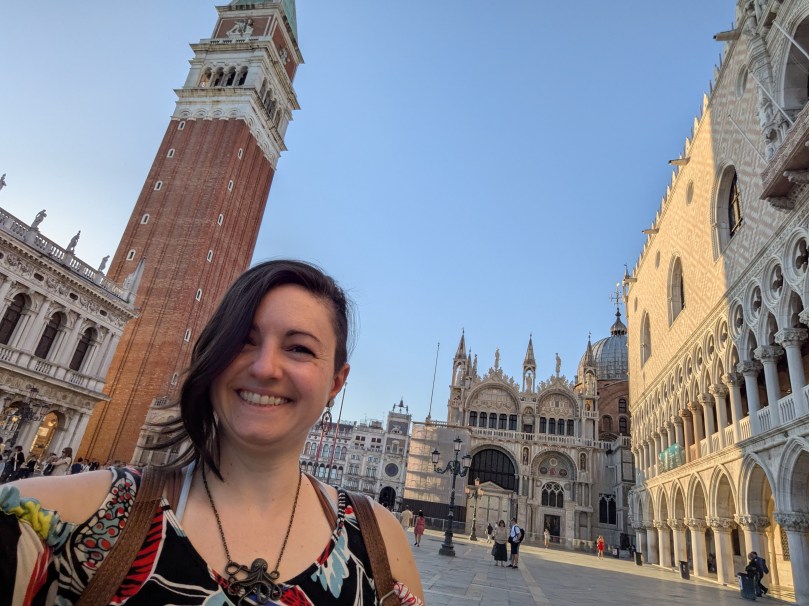
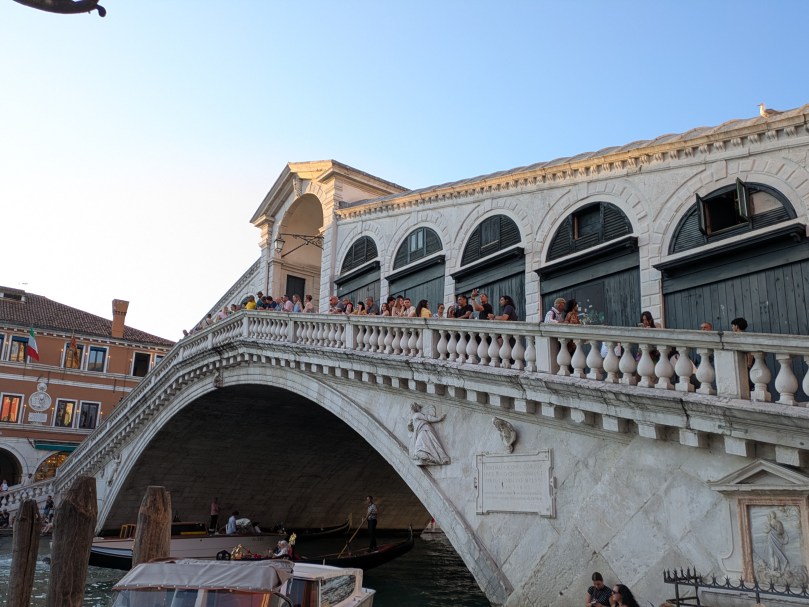
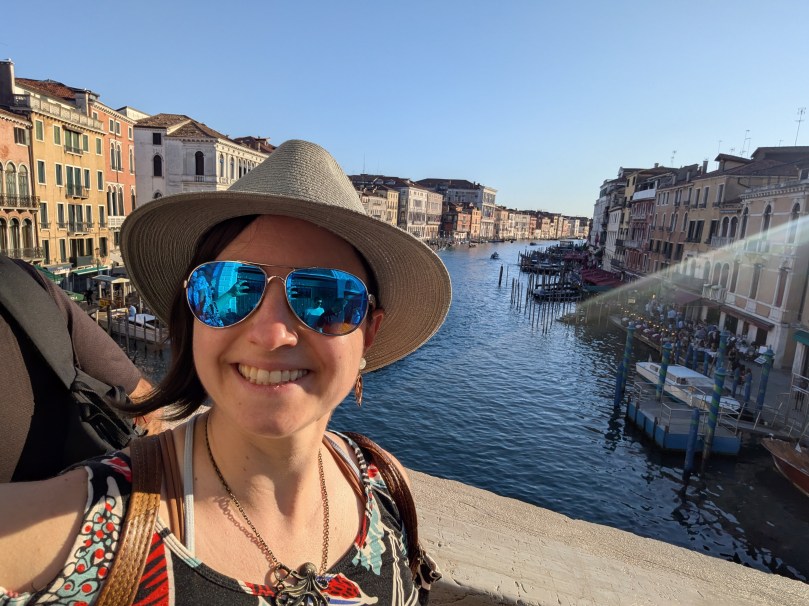
We’ve all felt the thrill of synchronicity when meeting someone for the first time and realizing how we have much in common, but when this occurs for a dozen people simultaneously, who go on to share ideas and excitement for 13 hours straight, it’s magic. Thus, Professor of Anthropology, Roberta Raffeta’, created magic when she invited a group of microbiome and health science researchers together for the “Integrating Qualitative and Quantitative Data in Microbiome Research and Postgenomics: Toward an Interdisciplinary Dialogue” workshop at the Università Ca’ Foscari Venezia. Roberta works with many disciplines, including microbiome, computational, health, and social sciences, and her work often focuses on how research is designed, implemented, and interpreted. Her work across disciplines gives a larger view on how different disciplines approach similar research, as well as provides her with a rich network of colleagues.
The workshop was in the spirit of a project that Roberta, Prof. Nicola Segata, Prof. Elena Bougleux, and others investigating the sharing of microbes at Antarctic stations based on social interactions and shared spaces. That project is a clear example of how social systems can determine who you interact with, where, and how, and thus which microbes might get shared between you or between everyone at the base. While those data were still being processed and not shared, we did get to hear a bit about the journey to Antarctica from Elena.
After introducing the project, workshop, and ourselves, we began with a presentation by Professor Federico Russo. Her talk focused on how health is quantified, and how that alters the way we design and perform health research. Health is a complex concept that has biological, chemical, physical, and social aspects which can be measured and metric-ified. For example, there are bio-logical versus bio-social metrics of health (social effects of disease, feelings about health and outlook), and everything in between which can be measured to assess the state of health or disease. In addition, health research uses the term “social determinants”, which is similar to what biologists, microbiologists, or ecologists mean when using the term “environmental factors”, but these often refer to the same thing. These factors are the collection of host, social/community, environmental, and geological features which affect who you are and what you encounter in your life. Some of them seem very specific, like age, but the expression of age can be modified by staying active, eating well, managing stress, and avoiding pollution, so on its own, knowing someone’s age might not be useful information. Thus, to study health, we use both markers, like age, to tell us potential outcomes or indicators of one’s health state, and social determinants, like lifestyle features, to tell us possible causes or mitigating factors of health.
Yet, one cannot slice the concept of health into a thousand measurable factors and then expect to re-assemble them back into the concept it was – because what makes us feel well or healthy is not necessarily having or knowing that our biological metrics are good, it’s feeling well even if our biological markers are out “normal” parameters or when, on paper, we are sick. This brings up a concept that I had discussions about within this workshop group, with the faculty at Ghent, and with researchers through MSE and MiSt: that your social factors and the support network around you strongly influence whether you feel well or unwell, regardless of what your biological markers would suggest.
There is also a focus in healthcare on regaining health when someone is sick, with social or institutional support system for that (rehabilitation clinics, etc.), but there is not always an institutional focus on understanding how people stay healthy, in part because this is seen as a personal choice and not a result of adequate access to public resources (fresh food, water, air, shelter, education, safety), or as a function of useful public health policies which make is easy for people to take care of themselves. Simple features like sidewalks, bike paths, local grocery stores, free public restrooms, shade and places to sit, are all features that allow people to stay active, get around, stay healthy, and use their public spaces.
My research talk was next, and I focused on the steamed broccoli sprout intervention trial I completed a few years ago with Yanyan Li. That was a pilot study, which recruited 20 people to steam and eat broccoli sprouts every day for a month, to measure any changes in the gut microbiome, the metabolites it was producing, and whether gut bacteria would convert the inactive glucoraphanin in sprouts into the anti-inflammatory compound sulforaphane. Rather than focus on the microbiological, metabolomic, or diet survey results, I presented everything which went unexpectedly in the study, and what people told us about the challenges to consuming daily sprouts. This, in fact, was the real goal of the study, to understand which aspects of the diet would be challenging, or rewarding, and to try and make things as easy as possible. My observations on the diet study sparked excellent discussion, which gave me plenty of ideas on framing the scientific manuscript and what we learned from our participant’s data, as well as a perspective piece on the design and implementation of the study and what we learned from our participants’ feedback (not their data).
Another study observation which was also a reoccurring workshop discussion was the need for health studies that start with people’s perspectives and patient’s identification of problems, which then work backwards to understand how the microbiome is involved. This style of research is case-study and health engineering research to test applied research questions, and is needed in addition to the large-scale, double-blind experiments to test basic research questions. We talked at length about how most large-scale diet surveys are inadequate, no matter how detailed they are, because they become so vague as to be useless when they are generalized to ask about all possible food item diets. Most diet surveys that are meant to be broad ask for too much detail about things which are considered superfluous for individual research projects, and too little detail on critical info. For example, most diet surveys that gather diet history (eating habits over the last 6 – 12 months) are underpowered to assess fermentation products, don’t ask how people cook and make decisions about diet, and are quantified to assess compliance to an idealized and single idea of a healthy diet, even if it doesn’t work for every person (ex. dairy is good on many diet surveys but there is no place to select that you don’t consume dairy because you are allergic to it).
This discussion carried across lunch, during which we diverged into many animated conversations only to bring it back to quality of information in the presentation after lunch, by Professor Lisa Lehner, a health researcher who presented reflections on three research projects, in which the availability and completeness of data about patients was lacking, and this stymied researchers’ attempts to understand public health for three disease models, such as how these diseases are transmitted, how people access health care, and how migration, homelessness, or simply traveling often can impact access to care. For example, in trying to study human papilloma virus cases, her research found that country of sampling was included in patient records but not country of infection. Similarly, the idea of “where do you live”, “where are you from”, or “where have you been recently where you might have contracted this infection” are very different questions with different contexts to the answers, not all of which will provide useful information for this specific study depending on which the patient was asked and what their history was.
Information sharing is both the key and the challenge, and we discussed how often the information to resolve public health crises exists, but it’s not all in one place, it’s missing information, it doesn’t contain the right context, institutions don’t want to share, some information is private or access is limited even to medical providers, some information is not retained, and even when we get much of this in one place the amount of detail is overwhelming to the point where researchers need to spend years trying to figure out how to make it useful – what’s important to know? What is a ‘red herring’? — before it even gets to be used for infection tracking, treatment, and prevention. Her research also highlighted inequities in healthcare, and that sometimes information that would help us understand infection data can’t be made public, because you might reveal information about sensitive populations that can be used for discrimination. For example, people without health insurance might be migrants that are no longer on active visas, and quantifying how many people can make them a political target.
The discussion after the talk was so engaging, and blended into the focus of another speaker, so we informally heard from Professor Donato Giovannelli, who was not able to present his talk (yet!) because the workshop was running later than expected (we all had so much to talk about!) and he had to catch a train. Donato is a geomicrobiologist examining microbes in extreme environments to understand how they survive and function. He has a particular focus on the microbial fixing of gaseous hydrogen which produces water, and how biological sinks for freshwater (like us walking, talking, water bottles), actually allow for the preservation of large quantities of water on Earth. Donato’s short version of his talk was focused on the scale of standardization in research. He argued that what works in the lab or the field changes based on the needs and circumstances of each project, so you need to thoroughly describe what you did but that doesn’t mean every lab uses, or has to use, the exact same protocols, kits, or methods every time. In fact, even if it were possible to replicate circumstances exactly, trying to do everything identically will just make all studies biased in the same ways. There is no way to replicate some experiments, especially with humans, because no human is ever replicable, even to ourselves.
Highlighting the importance of methods and process in research brought up another challenge in research: it is important to include vocabulary to describe what you mean, in addition to what you did, but Methods sections are often compressed by scientific journal word limits, and all the nuance and context or the problem-solving portion, gets cut for space and is over compressed to the point of being useless. Donato argued, as many scientists do, that the explanation of the methods should be the majority of the paper, and many labs do publish the long form of the methods as a co-published paper, or as a protocol paper that gets cited in the whole scientific experiment paper. Our workshop heartily agreed. Science is a process, as scientists we are creating this process and this is our most valuable contribution, more so, even, than the results.
Sometimes the drive for standardization also leaves out people who contributed to the study in a way, but their contribution is considered “not science”. For example, technicians, field personnel, or anyone who helped you access or collect samples but did not work on the samples or contribute “conceptual framing or interpretation” don’t count as authors under most journal guidelines, even if you could not have done the project without them. Similarly, if you designed your project based on feedback and direction from the public or specific audiences, this is somehow not considered “conceptualization” or experimental design (???!!!). It is always up to the author team to decide who is and isn’t an author, but without more flexible guidelines on authorship, it can be easy to remove someone’s contribution to a publication.
This type of value judgement in science segued us to our last presentation of the day, on how the terms/definitions we use, the factors we choose to study, the things we prioritize in our research, all reflect values we have placed on some things over other. It can also, unintentionally and intentionally, place inherent value on having certain study results or outcomes. And when the study is about people, placing value judgements on biological, microbiological, or social factors can create a hierarchy – you can see where I am going with this – in which certain people are implied to have superior metrics. This is something a research team and I published on in microbiome research, and has been the focus of a multi-year project led by Professor Abigail Nieves Delgado, Dr. Aline Potiron, and others, on how microbiome scientists define terms which are used to describe people, and how those definitions carry assumptions that may influence the interpretation of the results by researchers or readers.
Population descriptors are ways of, well, describing populations. However, the selection of terms, how you define them, how you categorize those terms, are often too strict to be applied to real-life people or in different communities. Using the same example of age, how do you compare age in two populations with wildly different exercise, diet, or stress load which all impact the physical or behavioral expression of age? More to the point of this talk, how do you categorize ancestry without nuance? Do you focus on genomics, or culture, or both? Do you place people in categories based on certain factors, or let them choose their own? How do you compare people in one location to another without considering the history of war, colonization, and slavery had on the ability of people to choose with whom to have children? And does ancestry even matter when you consider the myriad changes to health and the microbiome effected by what you eat, what animals and people you interact with, and where you live? Scientists all working on the human microbiome had wildly different understanding or definitions of population descriptors, and beliefs around what population descriptors were caused by or caused changes to the microbiome. And this, despite most microbiome studies having little to no need for information on ancestry or race to answer their research question.
Studies don’t gather data on every possible factor in people, that would require a detailed biography of every participant. Researchers choose what type of data to collect about someone based on what is important to the study and answering the research question – but as researchers we tend to think within the constraints of our own discipline – what info do I need for my statistics or to publish in my field? When that happens, we compress the variability of the people we study into fewer dimensions, example like taking an in-person experience at the beach and representing it as the words “seashells”, “gritty floor”, and “wet”.
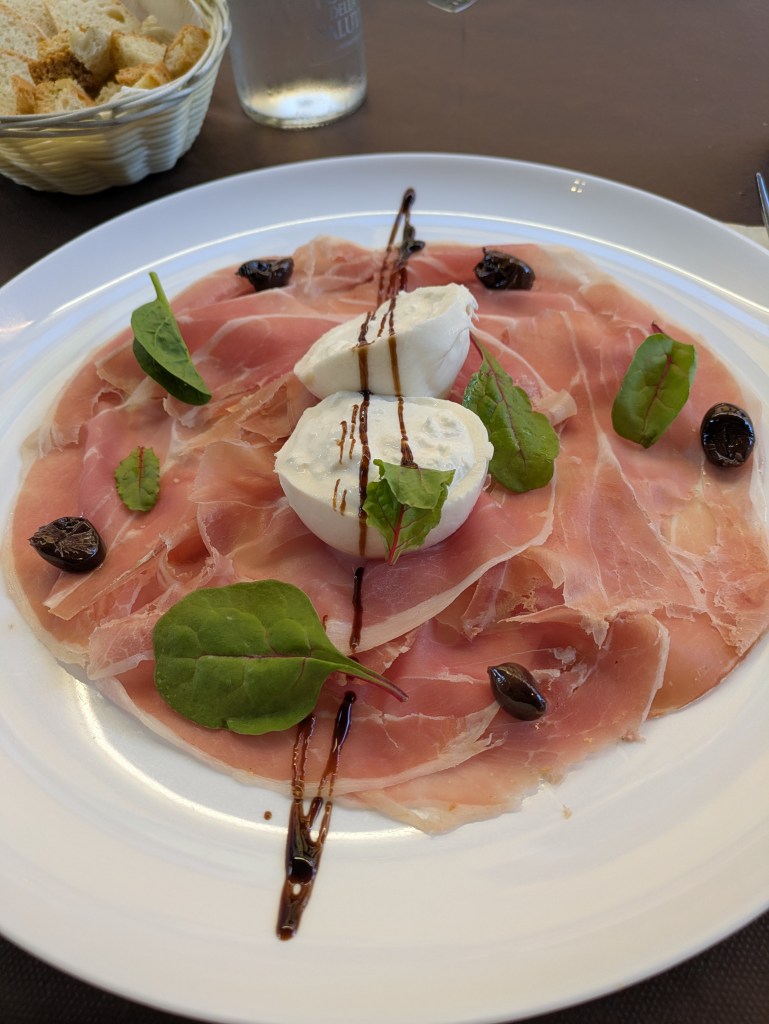
Finally, a theme that came up several times during the workshop was that human social structure or institutions sometimes have so many constraints as to fail in their mission to provide resources to the public. As a perfect example, we did not have air conditioning at the university, even though was 85 degrees outside and between 90 and 105 degrees F inside some of the rooms after we had been in them for a while, because it is university policy to turn air conditioning on for the whole campus only after a certain date regardless of what is going on in real life. I don’t want to pick on the university, because this is a very common policy at universities, including UMaine. But it highlights the point that solutions (to air conditioning, microbiomes, health, etc.) need to be nimble enough to respond to local conditions using the input of people who are actually living through those conditions. And in this way, we have the crux of the workshop: how do we perform local-conscious and nimble science that is driven by the needs of actual living things or ecosystems, against the tide of institutional habit? For me, that’s going to involve more community-based and person-driven research questions, more collaboration with this remarkable group of researchers, and hopefully a lot more fresh, Italian mozzarella.
This paper was a collaborative effort by several members of the Microbiome Stewardship team, Panuya Athithan (grad student working with Emma), Kieran O’Doherty (fearless leader of the MiSt group), Emma Allen-Vercoe (maven of the human microbiome), and myself. Panuya and I led the paper, weaving our favorite stories of microbial symbioses together with existing studies that support the need for stewardship. Panuya is currently a PhD student working with Emma on a variety of projects, including a gut microbiome and early life project she was interviewed about here. She’s also a Young Director at the non-profit Fora: Network for Change, and was previously an undergraduate researcher while at the University of Waterloo.
A little over a year ago, the author team was discussing the need for papers which outline examples of critical host-microbial or ecosystem-microbial partnerships which are irreplaceable (unless you have several million years of free time to wait for evolution), as a means of supporting calls for taking action now to preserve life and ecosystems on what is currently the only planet we call home.
Over a series of conversations with the MiSt group, as well as during the first public meeting to create the IUCN Microbe Specialist Group, our author team honed our paper to address the concerns of researchers over the ability and practicality of stewardship microbes.
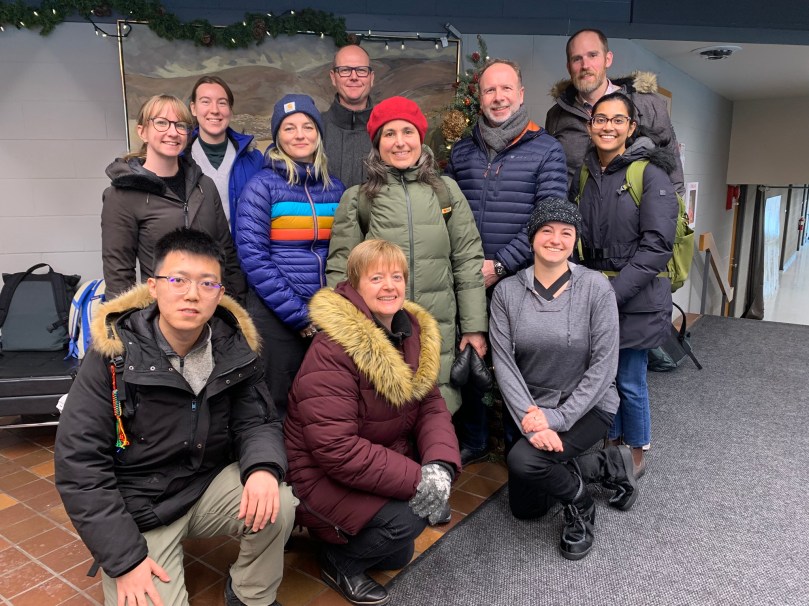
Left to right in the photo are some of the MiSt group; front: Zhongzhi (Michael) Sun, Emma Allen-Vercoe, Sue Ishaq; middle: Mikaela Beijbom, Mallory Choudoir, Sarah Elton, Kieran O’Doherty, Panuya Athithan; back: Grace Gabber, Andreas Heyland, Rob Beiko.
This paper is one of the first in a forthcoming special issue (announcement coming soon!), which will feature several invited papers from my microbiome stewardship colleagues (both original team and expansion pack researchers). These papers will expand upon the concept of what it means to share microbes between individuals, communities, and ecosystems; what it would mean to consider microbes as shared natural resources to which everyone had an innate right to; and how it would look for public and planetary health to reduce the harm of human industry and consumerism to live more sustainably and regain all the benefits that the microbial world can provide us.
Microbes first into the life rafts: preserving microbiomes to secure health in degrading ecosystems
Authors: Panuya Athithan 1,2*, Suzanne L. Ishaq 2,3,4*, Emma Allen-Vercoe 1,2 Kieran C. O’Doherty 2,4,5
1 Department of Molecular and Cellular Biology, University of Guelph, Guelph, Ontario, N1G 2W1
2 The Microbiome Stewardship research group
3 School of Food and Agriculture, University of Maine, Orono, Maine, 04469
4 The Microbes and Social Equity working group, Orono, Maine, 04469
5 Department of Psychology, University of Guelph, Guelph, Ontario, N1G 2W1
Abstract
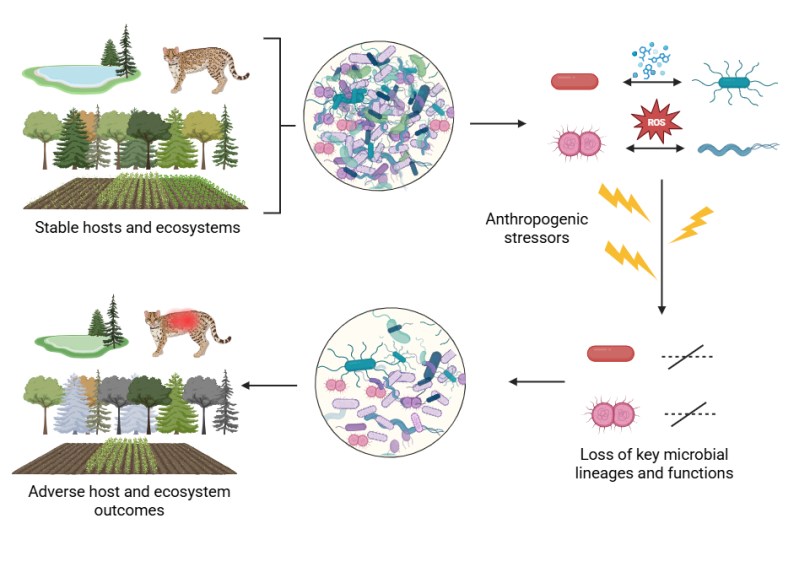
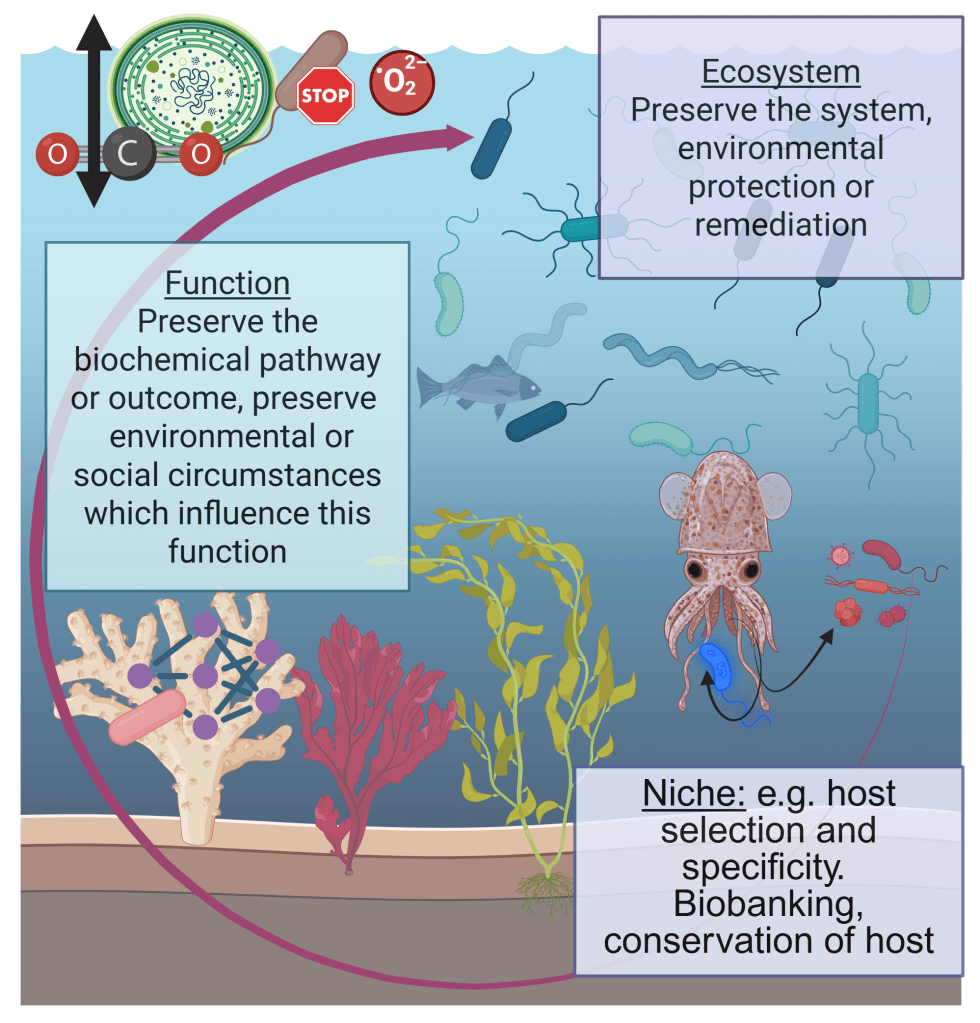
All organisms on the planet intrinsically rely on microbial ecosystems, and there are increasing calls from research communities to consider microbiota when administering personal or public health, ecosystem health, and the use of microbiota in personal or environmental health remediation, such as reducing the impacts of climate change, or protecting at-risk habitats which host rare microbiota. Through our collective work on the integral nature of microbiomes to host and environmental health, on health policy, and on the development of research and policy agendas, we have previously developed the concept of ‘microbiome stewardship’ and guidelines to promote consideration of microbial communities broadly or in specific scenarios. The practicality of stewarding one versus many microbiota is highly contextual, and will require different strategies for different scales of conservation. Here, we provide scientific arguments for the need for microbial stewardship, examples of possible solutions scaled to different ecological challenges or conservation goals, discourse on the logistical challenges which have been cited by research communities, and opportunities to use cutting-edge microbiome concepts and technology to implement large-scale interventions.
Sustainability Statement
Microorganisms are responsible for environmental and organismal health, and the stewardship of microbiota has applications for human, plant, animal, and environmental health on local and global scales. The concepts described here are pertinent, in particular, to the United Nations’ Sustainable Development Goal 3) good health and wellbeing. Additionally, our paper is relevant to goals 6) clean water and sanitation, 9) industry, innovation, and infrastructure, 11) sustainable cities and communities, 12) responsible consumption and production, 13) climate action, 14) life below water, 15) life on land, and 17) partnerships for the goals.
Graphical abstract: The concept of microbiome stewardship can be applied at multiple scales to provide guidance on both specific or general microbial interactions. Graphic made in Biorender under licence.
The new IUCN Microbe Specialist Group, led by Drs. Jack Gilbert and Raquel Peixoto, has published a prospectus which outlines our goals and activities for the next few years, as well as steps for recruiting research and policy expertise!
The IUCN Microbe group is led by Drs. Jack Gilbert and Raquel Peixoto, who are internationally famous for their research into environmental microbiomes as well as their contributions to conservation. The group recently announced its formation in an editorial:
Gilbert, J., Peixoto, R., Scholz, A., Dominguez-Bello, M.G., Korsten, L., Berg, G., Singh, B., Boetius, A., Wang, F., Greening, C., Wrighton, K., Bordenstein, S., Jansson, J., Lennon, J., Souza, V., Thomas, T., Cowan, D., Crowther, T., Nguyen, N., Harper, L., Haraoui, L-P., Ishaq, S., Redford, K. 2025. Launching the IUCN Microbial Conservation Specialist Group as a global safeguard for microbial biodiversity. Nature Microbiology 10:2359–2360. (correspondence)
Now that the Microbe Group has been assembled and set our goals, we will begin setting up international working groups for implementing conservation, and opening the group for global supporting membership.
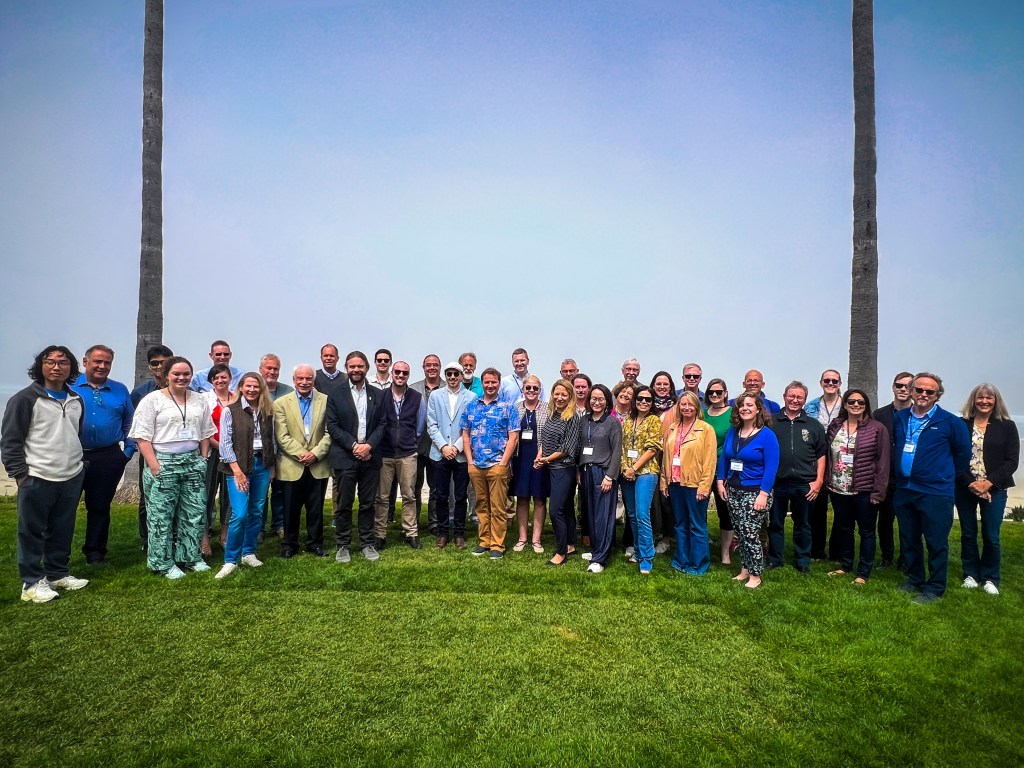
Back in May, I had the honor of attending a three-day workshop on “Conservation in a Microbial World“, which gathered researchers, innovators, and policy makers to discuss the concept, need, logistics, and possibility of formally making microorganisms part of the considerations of the International Union for the Conservation of Nature (IUCN), the global organization which coordinates the protection of species and ecosystems. The meeting was to provide guidance to the IUCN Species Survival Commission (SSC) on microbial ecology, ecosystems which are at risk or already losing microbial diversity because of degradation and human activities, as well as strategies to bring attention to the need to consider microbes in the health of organisms and ecosystems.
Attendees of the 2025 Conservation in a Microbial World meeting, Scripps, La Jolla.
The prize is part of the Applied Microbiology International Horizon Awards 2025, which celebrate the brightest minds in the field and promote the research, group, projects, products and individuals who continue to help shape the future of applied microbiology. The Dorothy Jones Diversity and Inclusion Achievement Award honours Dorothy Jones’ commitment to promoting diversity and inclusion within STEM. This award acknowledges individuals or organisations that have made significant strides in these areas. It celebrates initiatives that dismantle barriers to participation and representation, especially for underrepresented groups, and recognises inclusive research and experimental design and practice.
Events will be hosted January – December, 2025, usually on the last Wednesday of every month, 12:00 – 14:00 pm ET. Presented over Zoom.
After each talk, we will continue the discussions in an informal social meeting with MSE. All speakers and members of the audience are welcome to join the social meeting.
Hosted by: Sue Ishaq, MSE, and finacially supported by the University of Maine Institute of Medicine and the UMaine Cultural Affairs/Distinguished Lecture Committee.
Microorganisms are critical to many aspects of biological life, including human health. The human body is a veritable universe for microorganisms: some pass through but once, some are frequent tourists, and some spend their entire existence in the confines of our body tissues. The collective microbial community, our microbiome, can be impacted by the details of our lifestyle, including diet, hygiene, health status, and more, but many are driven by social, economic, medical, or political constraints that restrict available choices that may impact our health. Access to resources is the basis for creating and resolving social equity—access to healthcare, healthy foods, a suitable living environment, and to beneficial microorganisms, but also access to personal and occupational protection to avoid exposure to infectious disease. This speaker series explores the way that microbes connect public policy, social disparities, and human health, as well as the ongoing research, education, policy, and innovation in this field.
Kristen got her PhD in Microbiology from the University of California Berkeley, and was trained in microbial ecology and environmental microbiology as a postdoc at the Lawrence Berkeley National Laboratory and at the Joint BioEnergy Institute. Born in Massachusetts, she has worked at UMass Amherst since 2011, where she is the lead of the Molecular Microbial Ecology Lab in the department of Microbiology. In the past 5 years alone, she became an Elected Fellow of the American Academy of Microbiology, she’s been awarded Distinguished Lecturer from the American Society for Microbiology and UMass, she received the Chancellor’s Medal from UMass, and she was the Harvard Forest Bullard Fellow.
Kristen loves teaching (and learning) bioinformatics and computer programming, crosswords, drawing, and hiking western Mass with her two kids and crazy dog Suki. Her lab website is here.
Kristen was one of the earliest members of MSE, contributing to a science communications piece and the paper which introduced MSE to the world!
Ishaq, S.L., Parada, F.J., Wolf, P.G., Bonilla, C.Y., Carney, M.A., Benezra, A., Wissel, E., Friedman, M., DeAngelis, K.M., Robinson, J.M., Fahimipour, A.K., Manus, M.B., Grieneisen, L., Dietz, L.G., Pathak, A., Chauhan, A., Kuthyar, S., Stewart, J.D., Dasari, M.R., Nonnamaker, E., Choudoir, M., Horve, P.F., Zimmerman, N.B., Kozik, A.J., Darling, K.W., Romero-Olivares, A.L., Hariharan, J., Farmer, N., Maki, K.A., Collier, J.L., O’Doherty, K., Letourneau, J., Kline, J., Moses, P.L., Morar, N. 2021. Introducing the Microbes and Social Equity Working Group: Considering the Microbial Components of Social, Environmental, and Health Justice. mSystems 6:4. Special Series: Social Equity as a Means of Resolving Disparities in Microbial Exposure
Since the summer of 2023, I have been part of an interdisciplinary team that examines the way microbiome researchers use social and population descriptors for people in their analysis. In many cases, only basic information about a person is available in large datasets that are publicly available to use, or detailed information about a person is difficult to obtain during a study, thus many researchers rely on “proxy terms” to try and understand how human microbiomes are assembled and changed. Proxy terms are broad categories that group people, such as geographic area or race, but often these are too broad to be used for any meaningful analysis, especially when working with biological data.
‘Race’ is a relatively new concept used to describe social groups, and as discussed brilliantly in the National Academies of Science, Engineering, and Medicine’s report on “Use of Race, Ethnicity, and Ancestry as Population Descriptors in Genomics Research“, it has been mis-used for several hundred years to insinuate basic biological differences between people. This was done intentionally to justify discrimination all the way up to slavery, but it has been unintentionally propagated into research through the use of race as a proxy term to represent someone’s lifestyle. In recent decades, microbiome research has been trying to understand how human lives affect the microbiomes they accumulate, and similarly has sometimes incorrectly espoused the idea that vague social categories manifest as biological differences.
Our group delved in the history of race in biological science, case studies where results that implicate race led to discriminatory policy and practice, and give guidelines for selecting more specific factors to understand the social and environmental impacts on the microbiome.
Authors: Nicole M. Farmer1,2, Amber Benezra1,3, Katherine A. Maki1, Suzanne L. Ishaq1,2,Ariangela J. Kozik1,2,4,5*
Affiliations:
1 The Microbes and Social Equity working group, Orono, Maine, USA; 2 Nova Institute for Health, Baltimore, MD; 3 Science and Technology Studies, Stevens Institute of Technology, Hoboken, New Jersey, USA; 4 Division of Pulmonary and Critical Care Medicine, Department of Internal Medicine, University of Michigan, Ann Arbor, Michigan, USA; 5 Department of Molecular, Cellular, and Developmental Biology, University of Michigan, Ann Arbor, Michigan, USA
Abstract
Microbiome science is a celebration of the connections between humans, our environment, and microbial organisms. We are continually learning more about our microbial fingerprint, how each microbiome may respond to identical stimuli differently, and how the quality of the environmental conditions around us influences the microorganisms we encounter and acquire. However, in this process of self-discovery, we have utilized socially constructed ideas about ourselves as biological factors, potentially obscuring the true nature of our relationships to each other, microbes, and the planet. The concept of race, which has continuously changing definitions over hundreds of years, is frequently operationalized as a proxy for biological variation and suggested to have a real impact on the microbiome. Scientists across disciplines and through decades of research have misused race as a biological determinant, resulting in falsely scientific justifications for social and political discrimination. However, concepts of race and ethnicity are highly nuanced, inconsistent, and culturally specific. Without training, microbiome researchers risk continuing to misconstrue these concepts as fixed biological factors that have direct impacts on our microbiomes and/or health. In 2023, the National Academies of Sciences, Engineering, and Medicine released recommendations on the use of population descriptors such as race and ethnicity in genetic science. In this paper, we posit similar recommendations that can and must be translated into microbiome science to avoid re-biologizing race and that push us toward the goal of understanding the microbiome as an engine of adaptation to help us thrive in a dynamic world.
Events will be hosted January – December, 2025, usually on the last Wednesday of every month, 12:00 – 14:00 pm ET. Presented over Zoom.
After each talk, we will continue the discussions in an informal social meeting with MSE. All speakers and members of the audience are welcome to join the social meeting.
Hosted by: Sue Ishaq, MSE, and finacially supported by the University of Maine Institute of Medicine and the UMaine Cultural Affairs/Distinguished Lecture Committee.
Microorganisms are critical to many aspects of biological life, including human health. The human body is a veritable universe for microorganisms: some pass through but once, some are frequent tourists, and some spend their entire existence in the confines of our body tissues. The collective microbial community, our microbiome, can be impacted by the details of our lifestyle, including diet, hygiene, health status, and more, but many are driven by social, economic, medical, or political constraints that restrict available choices that may impact our health. Access to resources is the basis for creating and resolving social equity—access to healthcare, healthy foods, a suitable living environment, and to beneficial microorganisms, but also access to personal and occupational protection to avoid exposure to infectious disease. This speaker series explores the way that microbes connect public policy, social disparities, and human health, as well as the ongoing research, education, policy, and innovation in this field.
Kristen got her PhD in Microbiology from the University of California Berkeley, and was trained in microbial ecology and environmental microbiology as a postdoc at the Lawrence Berkeley National Laboratory and at the Joint BioEnergy Institute. Born in Massachusetts, she has worked at UMass Amherst since 2011, where she is the lead of the Molecular Microbial Ecology Lab in the department of Microbiology. In the past 5 years alone, she became an Elected Fellow of the American Academy of Microbiology, she’s been awarded Distinguished Lecturer from the American Society for Microbiology and UMass, she received the Chancellor’s Medal from UMass, and she was the Harvard Forest Bullard Fellow.
Kristen loves teaching (and learning) bioinformatics and computer programming, crosswords, drawing, and hiking western Mass with her two kids and crazy dog Suki. Her lab website is here.
Kristen was one of the earliest members of MSE, contributing to a science communications piece and the paper which introduced MSE to the world!
Ishaq, S.L., Parada, F.J., Wolf, P.G., Bonilla, C.Y., Carney, M.A., Benezra, A., Wissel, E., Friedman, M., DeAngelis, K.M., Robinson, J.M., Fahimipour, A.K., Manus, M.B., Grieneisen, L., Dietz, L.G., Pathak, A., Chauhan, A., Kuthyar, S., Stewart, J.D., Dasari, M.R., Nonnamaker, E., Choudoir, M., Horve, P.F., Zimmerman, N.B., Kozik, A.J., Darling, K.W., Romero-Olivares, A.L., Hariharan, J., Farmer, N., Maki, K.A., Collier, J.L., O’Doherty, K., Letourneau, J., Kline, J., Moses, P.L., Morar, N. 2021. Introducing the Microbes and Social Equity Working Group: Considering the Microbial Components of Social, Environmental, and Health Justice. mSystems 6:4. Special Series: Social Equity as a Means of Resolving Disparities in Microbial Exposure
The new IUCN Microbe group is being led by Drs. Jack Gilbert and Raquel Peixoto, who are internationally famous for their research into environmental microbiomes as well as their contributions to conservation. Now that the Microbe Group has been assembled, we have been working on creating a prospectus for the group which outlines our goals and activities for the next few years, as well as steps for recruiting research and policy expertise, as needed, setting up international working groups for implementing conservation, and opening the group for global supporting membership.
Back in May, I had the honor of attending a three-day workshop on “Conservation in a Microbial World“, which gathered researchers, innovators, and policy makers to discuss the concept, need, logistics, and possibility of formally making microorganisms part of the considerations of the International Union for the Conservation of Nature (IUCN), the global organization which coordinates the protection of species and ecosystems. The meeting was to provide guidance to the IUCN Species Survival Commission (SSC) on microbial ecology, ecosystems which are at risk or already losing micobial diversity because of degradation and human activities, as well as strategies to bring attention to the need to consider microbes in the health of organisms and ecosystems.
Attendees of the 2025 Conservation in a Microbial World meeting, Scripps, La Jolla.
Two weeks ago, I had the honor of attending a three-day workshop on “Conservation in a Microbial World“, which gathered researchers, innovators, and policy makers to discuss the concept, need, logistics, and possibility of formally making microorganisms part of the considerations of the International Union for the Conservation of Nature (IUCN), the global organization which coordinates the protection of species and ecosystems. The meeting was to provide guidance to the IUCN Species Survival Commission (SSC) on microbial ecology, ecosystems which are at risk or already losing micobial diversity because of degradation and human activities, as well as strategies to bring attention to the need to consider microbes in the health of organisms and ecosystems. It was wonderful to reconnect with old friends and make new ones!
Attendees of the 2025 Conservation in a Microbial World meeting, Scripps, La Jolla.