Congratulations to Heather Richard for starting a job in environmental conservation in Maine!

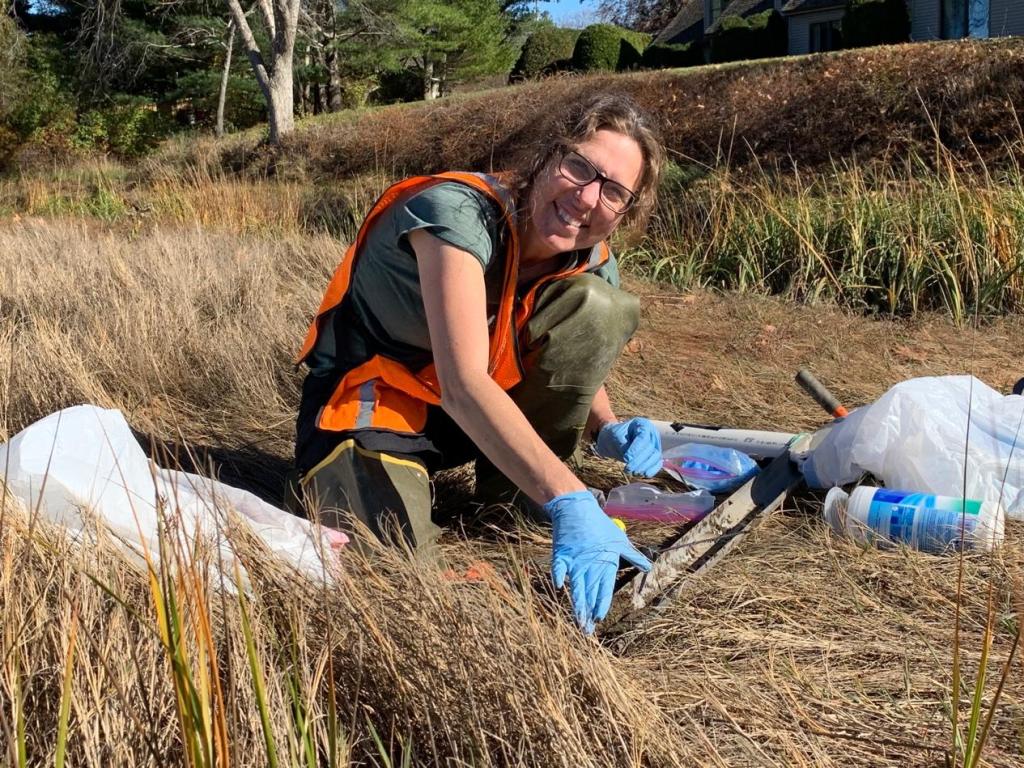
Congratulations to Heather Richard on starting her post-graduate career in conservation with Scarborough Land Trust as Marsh Project Director! Heather has been a grad student working with me, mycologist Pete Avis, ecologists Andy Rominger and Brian McGill, engineer Jean MacRae, and geochemist Tomoko Komada, for the past few years to study Maine coastal salt marshes.

Long before she joined my lab to work on microbial communities in some of Maine’s coastal salt marshes, Heather was an ecologist, educator, and bioinformatician. Over her career, she’s used hands-on experiences in nature (a.k.a. living labs or nature’s classroom) to inspire a love of the natural world while teaching the process of scientific inquiry to students of all ages. Her enthusiasm for environmental science similarly helped her unite people during public outreach and policy work towards common goals of information sharing and evidence-based conservation strategies to benefit communities and the ecosystems around them. And, her unwavering fascination with nature and her dedication to understanding (i.e. science) led her along a path of scientific inquiry to solve problems. In fact, her PhD program was just one leg of her lifelong journey in conservation. As she is coming to the end of her PhD project and looking for her next opportunity, Heather landed a position at Scarborough Land Trust where she will oversee the management and coordination of various restoration and science projects with multiple interest groups starting this fall, as she wraps up her dissertation and resulting scientific manuscripts.

Heather’s focus at UMaine has been to catalogue the microbiomes associated with coastal salt marsh ecosystems in Maine. There are approximately 800 locations in Maine where roads and bridges cross tidal creeks, which requires culverts or other infrastructure to direct the flow of water, and 90% of these structures are considered undersized. These restrictive crossings impound freshwater upstream of the restriction site, keeping it flooded and lowering salinity. This disrupts the native vegetation and soil microbes adapted to salty conditions, making the marshes highly vulnerable to invasive plants. Healthy salt marshes act as blue carbon ecosystems by trapping and storing large amounts of atmospheric carbon in their soils. However, tidal restrictions disrupt this process and can turn these areas into major hotbeds for potent greenhouse gas production. Understanding how microbes react to restrictions in marshes, and whether they can still sequester carbon instead of losing chemical resources from the marsh, can help us learn how to more effectively use infrastructure that does not negatively impact water flow, native plants, or microbes. Microbial communities can be viewed as an integrated response to environmental conditions over time, whereas variables such as salinity and carbon flux are instantaneous measurements that capture only a snapshot of a dynamic system. That means these methods can potentially be very useful and informative for those who protect, monitor and restore salt marsh habitats.

Heather studied soil/sediment as these areas host a high diversity of microbes, which are responsible for a majority of the chemical processing that happens there, such as breaking down the plant, animal, or chemical waste into simpler compounds or elements which can be sequestered into the soil, taken up by the plants, or fuel more microbial activity. The bacteria, archaea, and fungi that live in the sediment of marshes are somewhat specific to the plants, animals, chemicals, environment, and humans around the marsh, thus each marsh must be “microbially mapped” to know which microbes are present and where specifically, and what they are doing. This is important for knowing how microbes are affected by change: will they sequester carbon or release methane if the community is changed by a storm, or by the installation of a culvert? What will the microbes do if the marsh dries out or gets flooded?
To answer some of these questions, Heather has explored whether bacterial, archaeal, and fungal communities would have different members present and/or would make different products if they were located up- or downstream from a restriction site, like a culvert under a roadway placed in the waterway of the marsh. The marshes she chose to study because of their level of restriction, including marshes that had natural water flow and no infrastructure/restrictions, some which has been restored to their natural water flow by the removal of infrastructure/restrictions, and some which had their waterflow altered such as by too-small culverts which affected the tidal flow of seawater and caused the marsh to be too dry or too flooded.

Heather has been analyzing the data for a few years, including hundreds of marsh sediment samples with information on microbial communities, each of which contains hundreds of bacteria, archaea, and fungi, as well as data on the chemical composition of those hundreds of samples, and environmental characteristics of each site.

Heather discovered too much to name here, but here are some highlights: The microbiomes found in the regularly flooded marsh adjacent to tidal channels at depths within the rhizosphere (plant roots) are likely to be particularly sensitive to hydrology alterations because of the low elevation in these areas and close proximity to tidal creeks. Hydrologic restrictions that increase water residence time can prolong anoxic conditions and reduce tidal flushing, promoting environments that favor methanogenic and other anaerobic microorganisms while suppressing aerobic processes. These changes may also reduce the capacity of the marsh plant Spartina alterniflora to oxygenate the rhizosphere under highly reduced conditions and, where sulfide accumulates, may further reinforce redox-driven shifts in microbial community composition. The presence of natural marsh microbial communities at some restricted sites should not be interpreted as evidence that these tidal restrictions have no ecological impact: restrictions at sites with less freshwater influence that reduce tidal inundation upstream without impounding freshwater may have similar oxygen and salinity conditions as the natural sites in the lower/downstream part of marshes while increasing aerobic carbon mineralization at deeper depths and increasing salinity stress in the higher/upstream part of the marshes.

Now that she’s wrapping up, Heather will condense what she learned and how she did it into a dissertation, the chapters of which will be formed into several manuscripts. This will include one with the information about the microbial communities present and which environmental conditions were associated with certain taxa or biochemical pathways, one on a particular marsh before and after it was restored, and one on the process of setting up a collaborative marsh-conservation network across multiple states and institutions to facilitate evidence-based restoration strategies.
These papers exemplify what Heather’s new job will entail, and this position is a wonderful embodiment of what she wants to use her degree to accomplish. The Ishaq Lab wishes Heather the best of luck, and is excited to see how she’ll help Maine communities in her new position!
Dr. Johanna Holman successfully defends her doctoral dissertation!

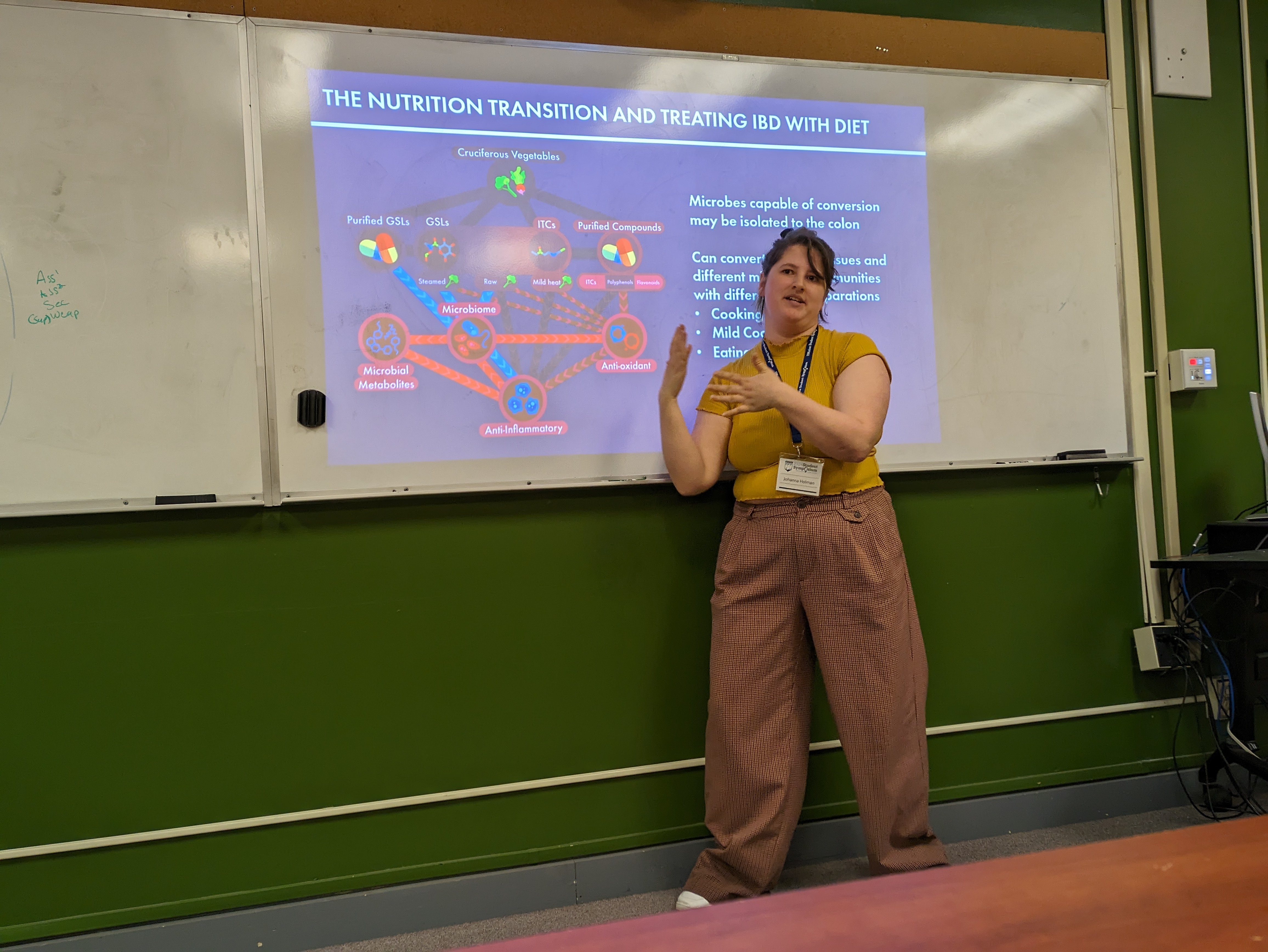
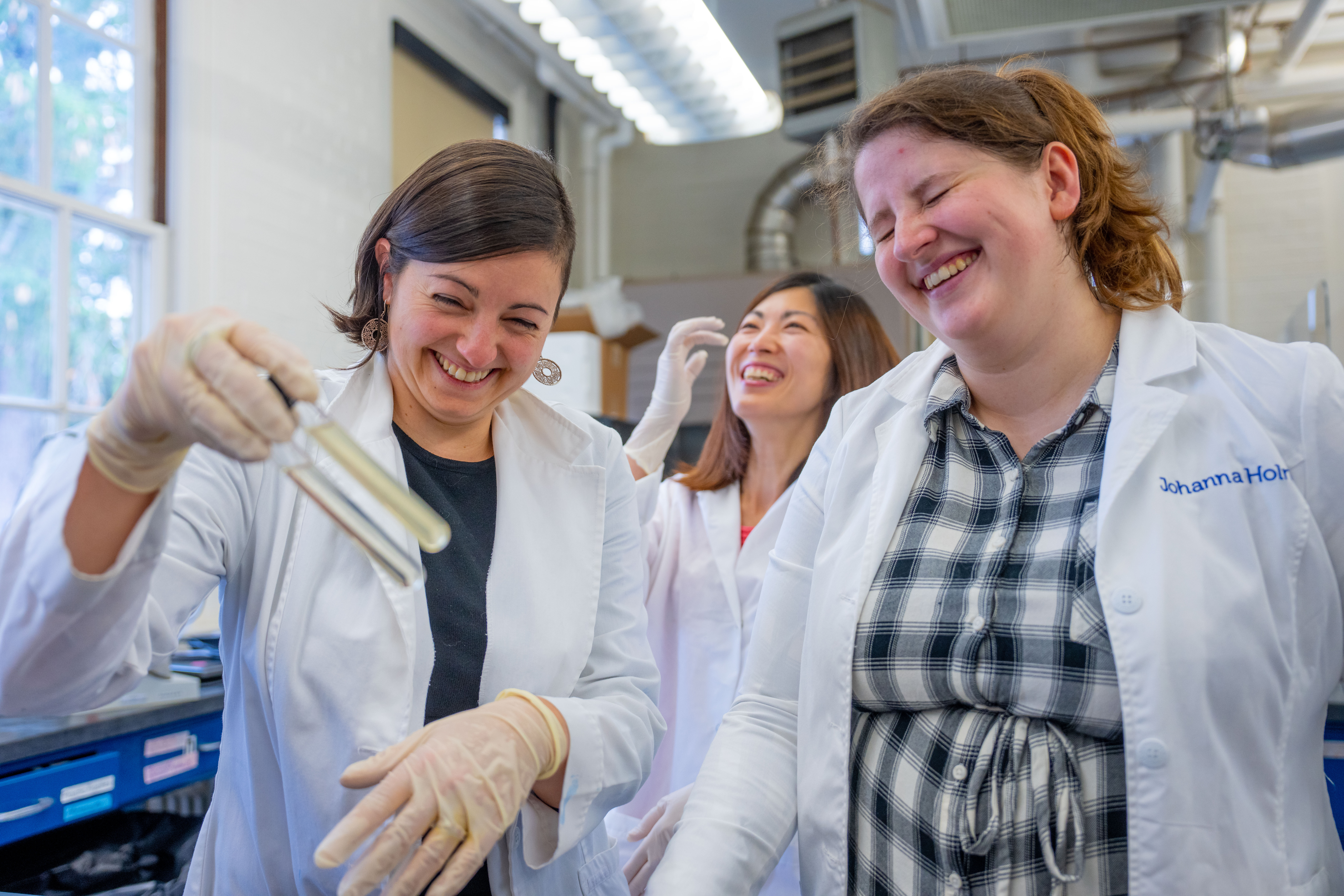
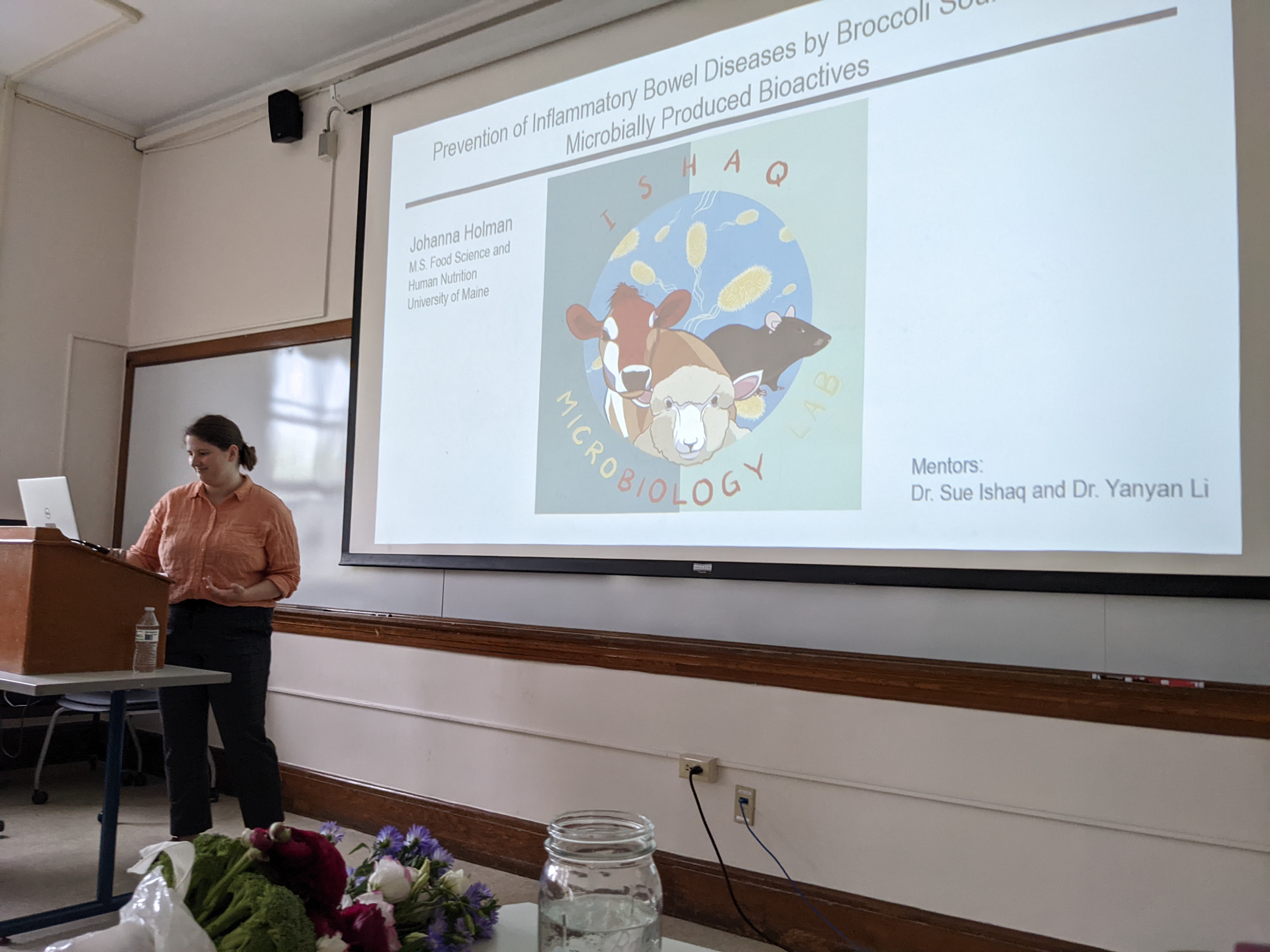
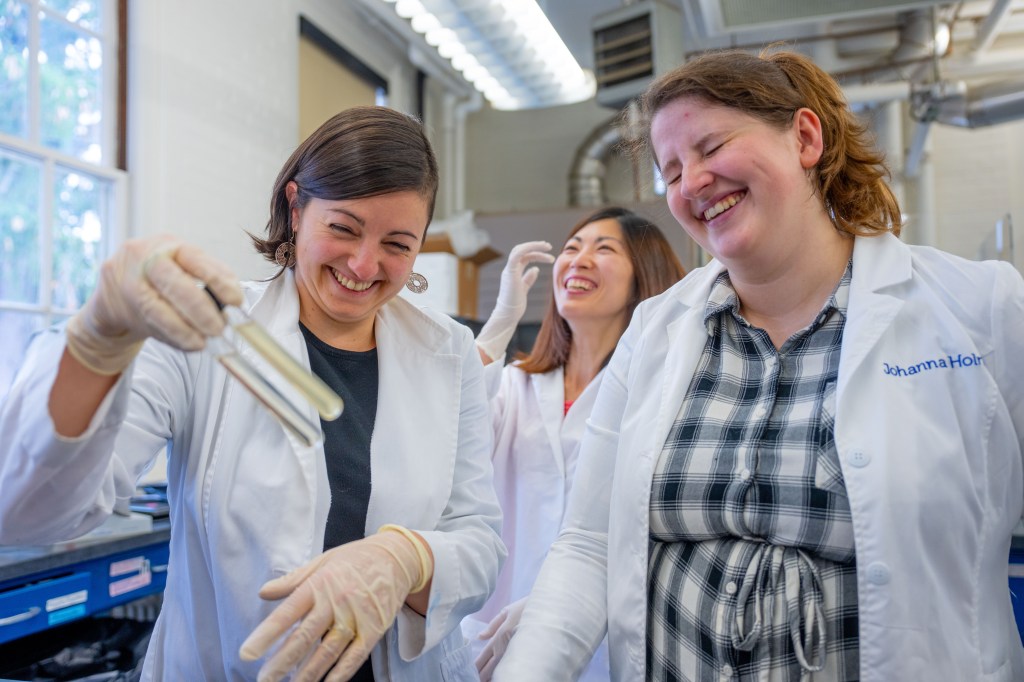
Congratulations to the newly minted Dr. Johanna Holman for successfully defending her doctoral dissertation in Microbiology today! The Ishaq Lab will be celebrating together in-person in a few weeks, when we’re all past cold season. In the meantime, Johanna will put the final touches on her thesis, and start converting those chapters into manuscripts for journal publications! She’s also preparing to transition to a postdoctoral research position (details to follow).

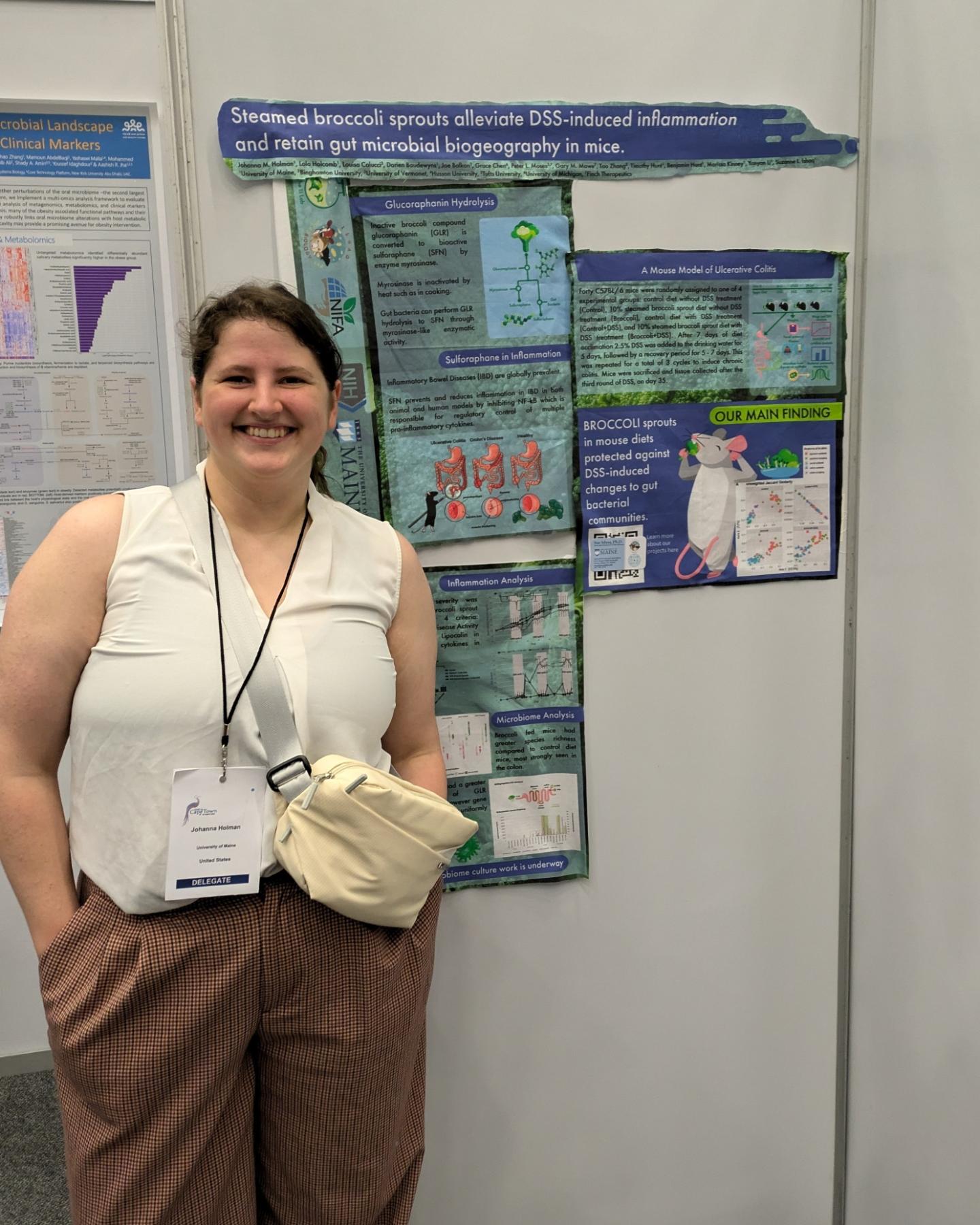
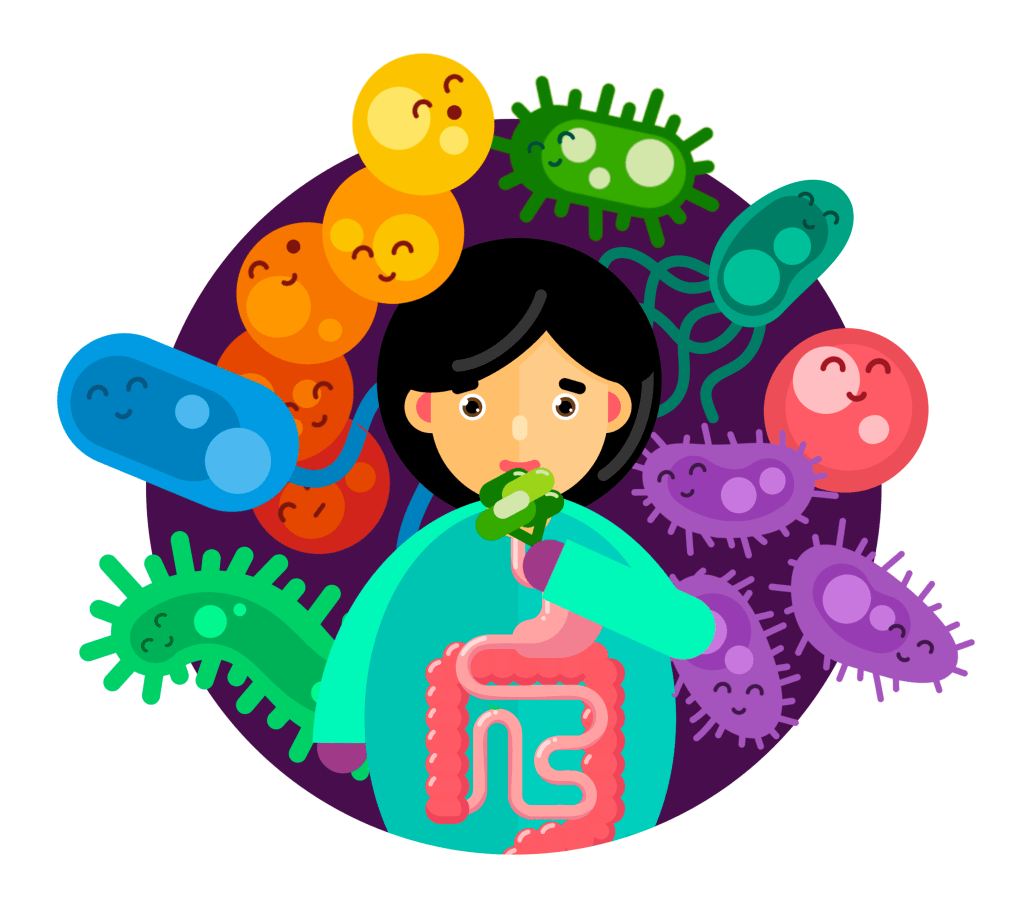
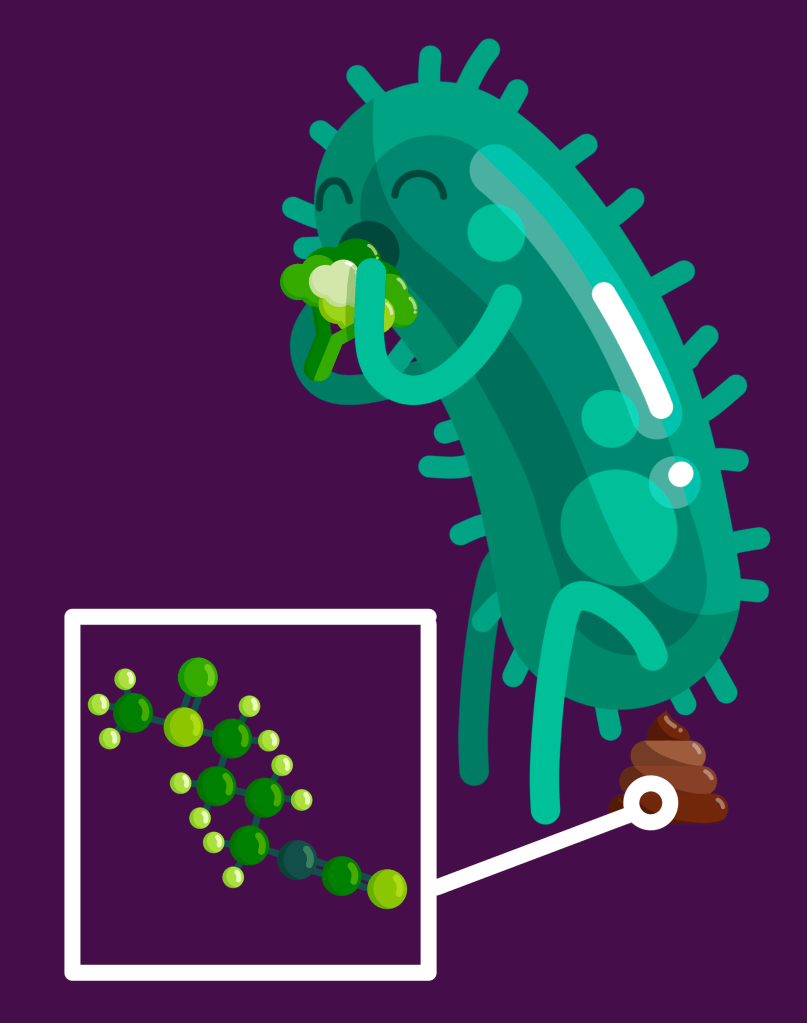
The recorded presentation of her work is here, and focuses on her work exploring which gut bacteria metabolize glucosinolates in broccoli sprouts and produce the anti-oxidant sulforaphane, as well as how the do it, and whether they will do it in different circumstances.

Johanna joined my lab in 2020, first as a master’s student in Nutrition, then as a PhD student in Microbiology. She started her research career as a lab tech for some of my long-term collaborators, Yanyan Li and Tao Zhang, back when they were at Husson University in Bangor, Maine. She joined my lab to add microbiology to her existing nutrition and biochemistry background, and at this point, it might be easier to list which projects she hasn’t been a part of. She’s performed bacterial culturing, bacterial community analysis, genomics, transcriptomics, and protein prediction. She’s run diet intervention trials in mice and in people, and she’s trained nearly every student in my lab in the last 6 years in some type of lab work or data analysis. She has been a valuable collaborator on our intricate and lab-heavy projects, allowing the lab to coordinate up to 5 projects and 8 students simultaneously.

Johanna is a brilliant nutritional health microbiologist who uses multi-faceted research – from the lab to public health – to understand the connection between health and the microbiome. She’s led two publications from her masters (a literature review on sulforphane and the immune system, and another on a broccoli sprout diet intervention in mice); co-authored three others (a literature review on cruciferous vegetables, a similar broccoli sprout diet intervention in mice, and a different formulation of the broccoli diet); and has several more manuscripts from her doctoral work that are poised for submission to scientific journals for peer review.

She’s written graduate research proposals for the NIH and USDA. She was awarded the Charles Morris and UMaine grad student award.

She’s been a teaching assistant for chemistry and biology, with an estimated 120 students per year. She’s a graphic designer (Imaginome Designs). She grew a whole human from scratch. She’s keen to learn and has always kept an open mind to new opportunities. Johanna has been instrumental in the knowledge generation and success of my lab, and we are so luck to have been a part of her journey.

Johanna Holman prepares to defend her doctoral dissertation!

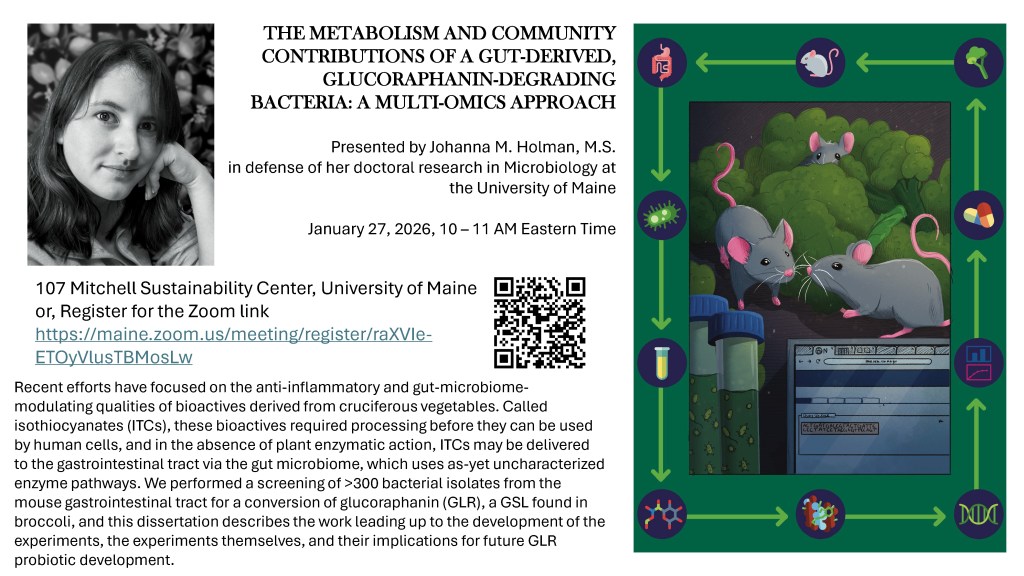
Johanna Holman is preparing to defend her doctoral dissertation in Microbiology on January 27th!
The presentation of her work is publically available from 10 – 11 am EST, and will take place on Zoom (register here).

Johanna joined my lab in 2020, first as a master’s student in Nutrition, then as a PhD student in Microbiology. She started her research career as a lab tech for some of my long-term collaborators, Yanyan Li and Tao Zhang, back when they were at Husson University in Bangor, Maine. She joined my lab to add microbiology to her existing nutrition and biochemistry background, and at this point, it might be easier to list which projects she hasn’t been a part of. She’s performed bacterial culturing, bacterial community analysis, genomics, transcriptomics, and protein prediction. She’s run diet intervention trials in mice and in people, and she’s trained nearly every student in my lab in the last 6 years in some type of lab work or data analysis. She has been a valuable collaborator on our intricate and lab-heavy projects, allowing the lab to coordinate up to 5 projects and 8 students simultaneously.

Johanna is a brilliant nutritional health microbiologist who uses multi-faceted research – from the lab to public health – to understand the connection between health and the microbiome. She’s led two publications from her masters (a literature review on sulforphane and the immune system, and another on a broccoli sprout diet intervention in mice); co-authored three others (a literature review on cruciferous vegetables, a similar broccoli sprout diet intervention in mice, and a different formulation of the broccoli diet); and has several more manuscripts from her doctoral work that are poised for submission to scientific journals for peer review.

She’s written graduate research proposals for the NIH and USDA. She was awarded the Charles Morris and UMaine grad student award.

She’s been a teaching assistant for chemistry and biology, with an estimated 120 students per year. She’s a graphic designer (Imaginome Designs). She grew a whole human from scratch. She’s keen to learn and has always kept an open mind to new opportunities. Johanna has been instrumental in the knowledge generation and success of my lab, and we are so luck to have been a part of her journey.

Heather Richard passes her comprehensive exam and advances to doctoral candidacy!

Heather Richard passed her comprehensive exam, which means she is advancing to PhD candidacy!! Heather’s research focuses on how land use and water infrastrucure changes the dynamics of salt marshes and their tidal creeks, which alters their microbial communities, biochemical processes, and capacity to sequester atmospheric carbon in sediment. She details that work, including field sampling and labwork protocols, as well as data visualization and major findings, on an interactive website she created to support research into salt marshes in Maine.

Heather Richard

Heather Richard, B.A., M.S.

Doctor of Philosophy Candidate, Ecology and Environmental Sciences. Heather is being co-advised by Dr. Peter Avis

Heather joined the University of Maine in 2021 as a PhD student with the Maine eDNA program and studies the impacts of bridges and roads on microbial communities in salt marsh habitats. Her background in Ecology led her to pursue a career in informal environmental education for several years before getting a Master’s degree in Marine Biology from San Francisco State University studying biofilms on microplastics pollution. Upon returning to Maine in 2016 she led local research for a coastal non-profit organization and has since been dedicated to studying coastal environmental issues relevant to Maine. She has found a true passion in bioinformatic analysis and is eager to learn new tools for data analysis of all kinds. 

The exam involved writing mini-papers around topics assigned by her committee, including decision-making and troubleshooting for sequencing data analysis, biogeochemical processes in salt marshes that drive carbon sequestration or release, and microbial ecology in coastal ecosystems. Each set of questions were released once a day for 5 days, and mini-papers took 6 -8 hours to complete and had to be returned within 24 hours. This intensive series of written exams were followed by a two-hour question-and-answer session in which Heather gave further detail on her written answers, connected basic biochemical processes to broader ecosystem-level microbial ecology, and considered furture research designs. This grueling process is the last hurdle for PhD students, and now it’s “smooth sailing” until the PhD defense. Over the next year or so, Heather will perform metegenomics sequencing data analysis from her salt marsh sites, and synthesizing microbial and biochemical data into several manuscripts which we will submit to scientific journals for peer review, and eventual publication.

Johanna Holman passes her comprehensive exam and advances to candidacy!

Johanna passed her comprehensive exam, which means she is advancing to PhD candidacy!! The exam involved writing a research proposal on a topic outside of her main focus, and presenting her idea for an hour to her committee, who then asked detailed questions about her work and understanding of this research for over an hour.

Johanna has been with the lab since 2020, but she has actual been researching broccoli sprouts for 6 years, as she started her career with Yanyan Li and Tao Zhang back when all three were at Husson University. Johanna is a brilliant nutritional health microbiologist who uses multi-faceted research – from the lab to public health – to understand the connection between health and the microbiome. She has been a valuable collaborator on our intricate and lab-heavy projects, allowing the lab to coordinate up to 5 projects and 8 students simultaneously. Now that she is a PhD candidate, Johanna will begin designing her own research projects and trying to find funding through fellowships, to help her become an independent researcher.

A black and white portrait of Johanna Holman

Johanna Holman, B.S., M.S.

Doctor of Philosophy candidate, Microbiology

Johanna joined the lab in fall 2020 to investigate the effects of diet on the gut microbiome, and on host-microbial interactions. For the past several years, she has been working with Drs. Tao Zhang and Yanyan Li, and her project combines nutritional biochemistry of broccoli sprouts with effects on gut microbes. She obtained her master’s in nutrition in summer 2022, and returned to the Ishaq and Li labs for her PhD!

Imaginome Designs, her graphic design business

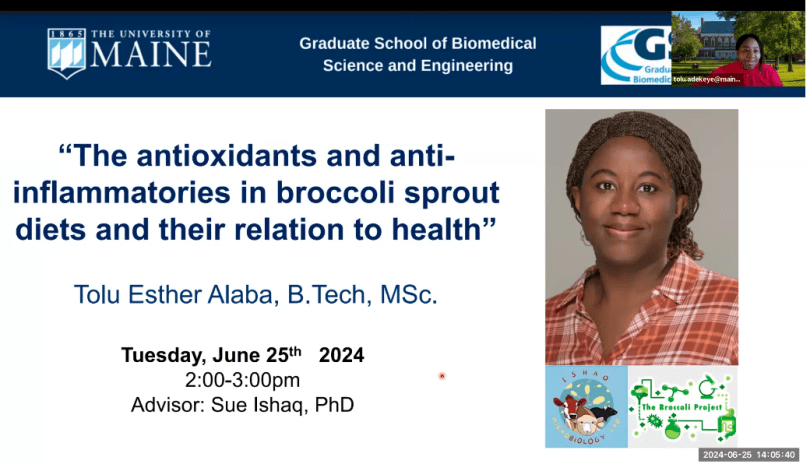
Congratulations to Dr. Tolu Esther Alaba for passing her PhD Defense!

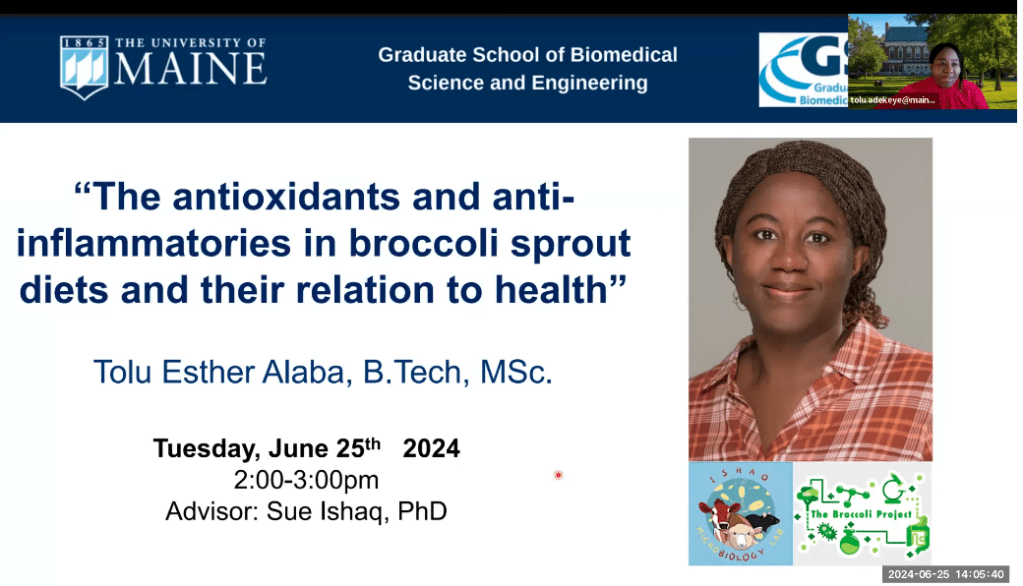
The Ishaq Lab is ecstatic to announce that Dr. Tolu Esther Alaba has successfully defended her PhD dissertation on the antioxidants and anti-inflammatories in broccoli sprout diets and their relation to health, officially completing her PhD!!! You can check out the recording of her talk here, which was attended by >40 people over Zoom.

The committee was impressed by her breadth of knowledge, ability to think abstractly about future research, plans for research designs and integrating technology into education, and enthusiasm for using food as medicine. Dr. Alaba will enjoy a very-well-earned summer break before considering postdoctoral research options in the fall, and we are thrilled to keep working with her!

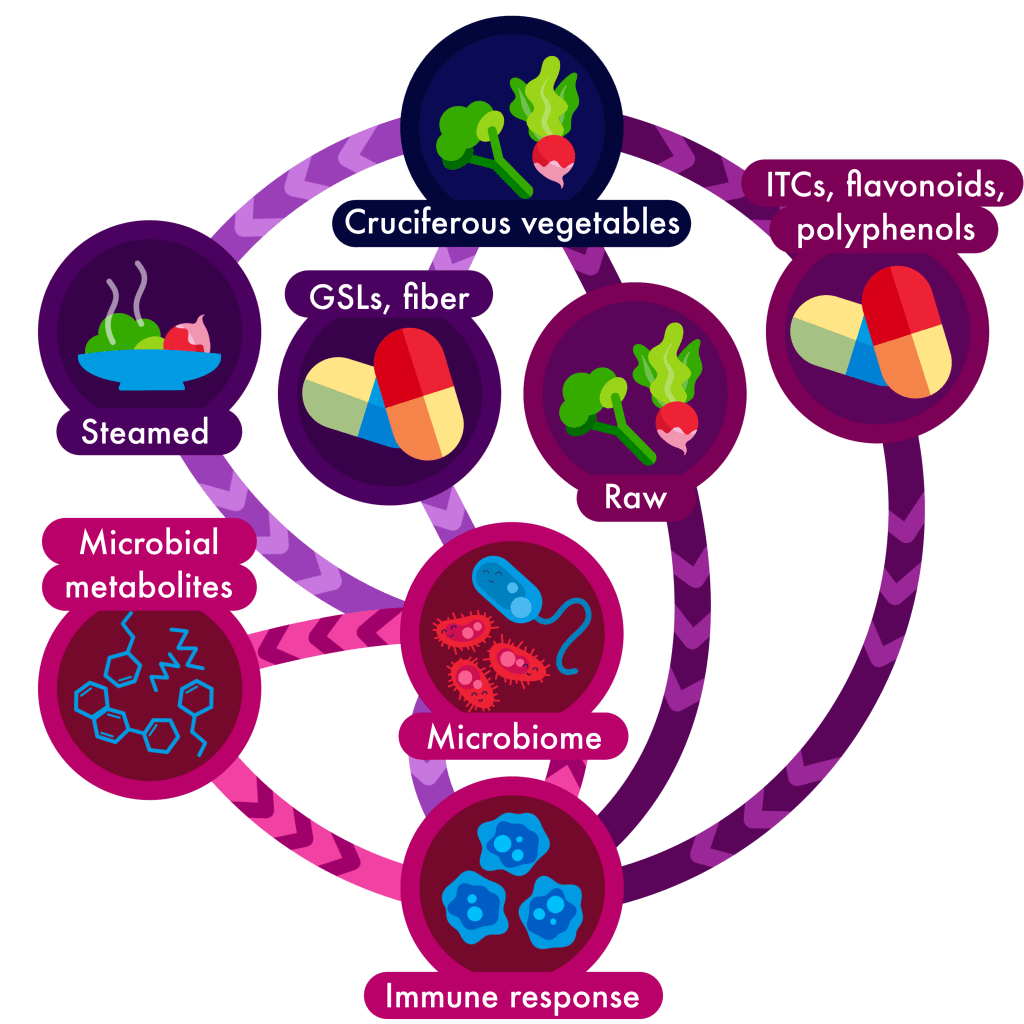
Tolu has been researching the benefits of cruciferous vegetables on health, and especially the benefits by antioxidants or anti-inflammatories we get from these plants. Some of these compounds are available directly from the plants, and some of them are produced or made available through the biochemistry of certain bacteria that live in our gut. Depending on the type of vegetable, and the way that it is cooked/prepared, you can end up with different types and quantities of these beneficial compounds.

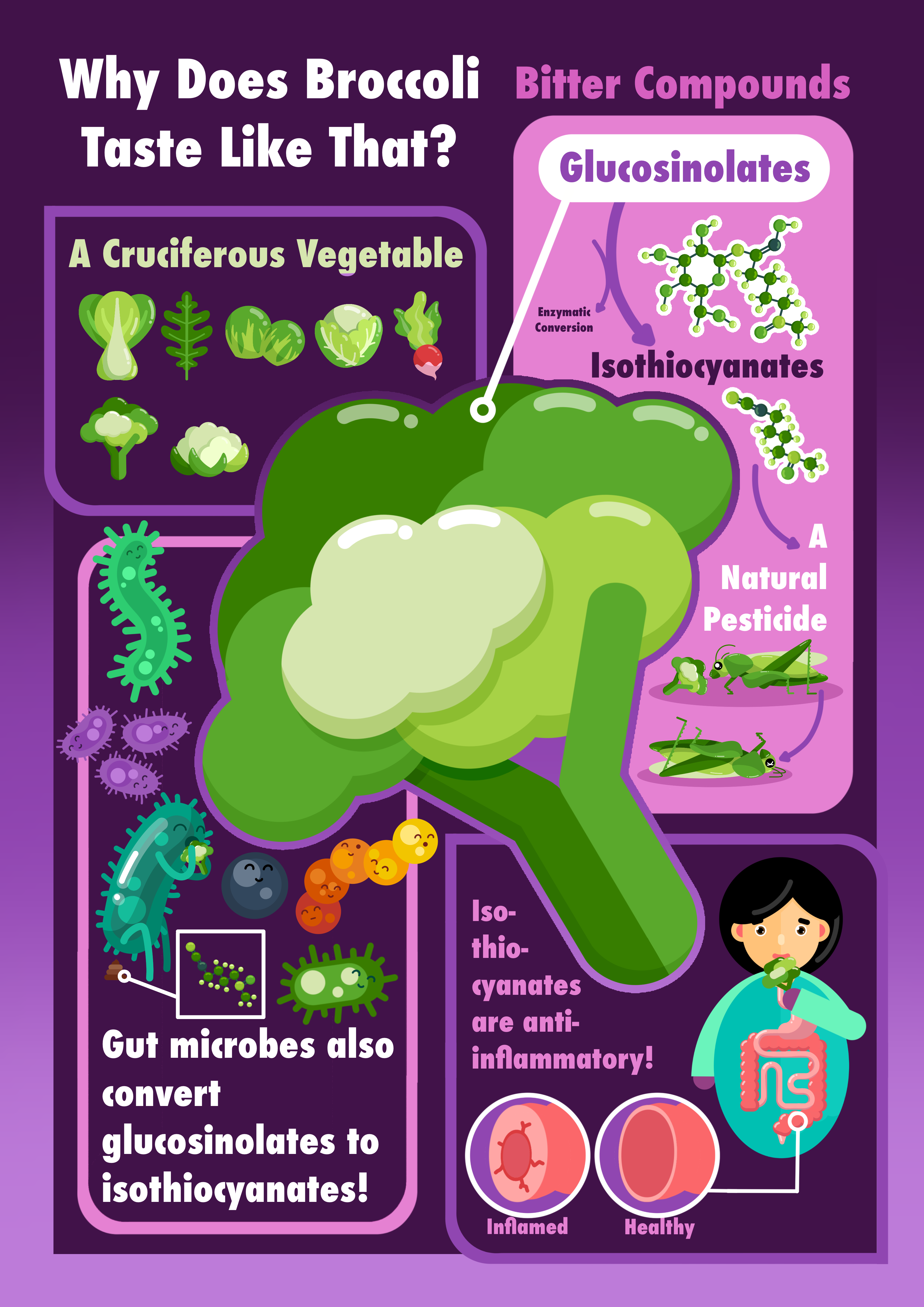
Cruciferous vegetables or their purified compounds can ameliorate inflammatory symptoms through multiple pathways. Graphic designed by Johanna Holman.
Headshot for Esther Alaba, PhD Candidate in Biomedical Sciences

Tolu Esther Alaba has been a PhD Candidate in the Graduate School of Biomedical Science and Engineering at UMaine. She previously completed her bachelors of technology at Ladoke Akintola University of Technology, in Ogbomosho Nigeria in 2011, and her masters of science at the University of Ibadan, in Ibadan, Nigeria in 2015.

She started her PhD at UMaine in the fall of 2019, just a few months before the pandemic, and during her PhD she weathered the pandemic, an advisor leaving, leaving an advisor, navigating university policy and advocating for herself, being a mentor in STEM, being a teaching assistant, raising a family, moving across the country, and learning entirely new research skills. This has been a difficult journey, but Tolu has risen to every challenge, become a competent interdisciplinary researcher and added an entirely new dimension of research to our work.

Her research has focused on antioxidants in fruits and vegetables which can be used to resolve inflammation, oxidative stress, injury, cardiometabolic and chronic diseases. She joined #TeamBroccoli last September, and in less than a year, completed a literature review which was recently published in the journal Current Developments in Nutrition, she has completed metabolomics for mouse studies for two manuscripts in preparation, and completed a nutritional analysis for a human study for a manuscript in development. The Ishaq Lab is proud of her strength in standing up for herself as an employee and a researcher, as well as of the incredible work she’s added to our team.

Publications

  1. Tolu E. Alaba, Johanna M. Holman , Suzanne L. Ishaq, Yanyan Li. 2024. Current knowledge on the preparation and benefits of cruciferous vegetables as relates to in vitro, in vivo, and clinical models of Inflammatory Bowel Disease.  Current Developments in Nutrition 8(5):102160.
  2. In preparation: Early life intervention with broccoli sprouts affects serum and gut metabolites.
  3. In preparation: Healthy eating habits and effects of consuming steamed broccoli sprouts daily for a month.

Presentations

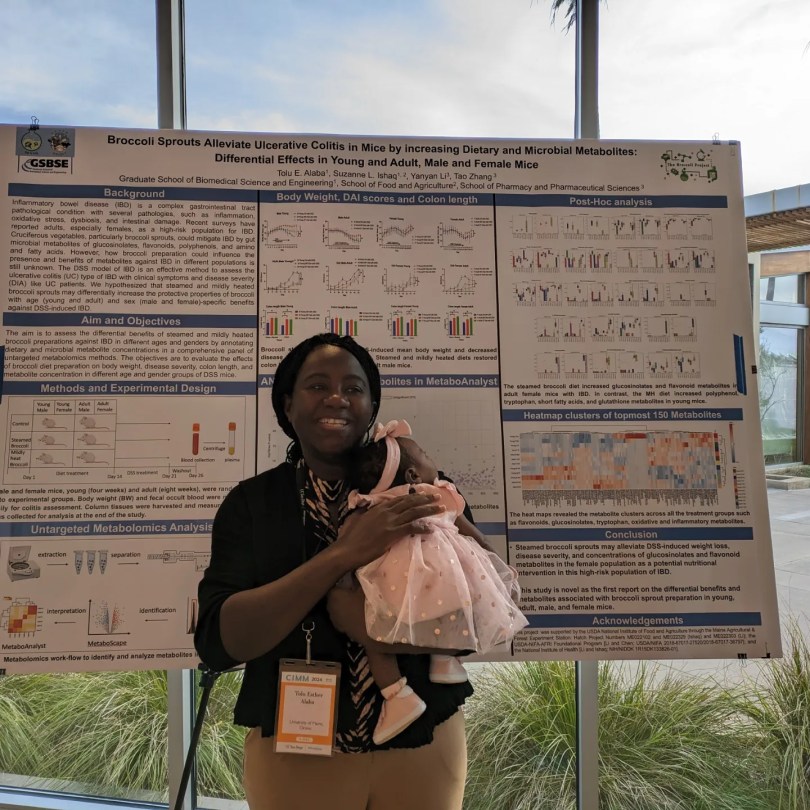
Alaba*, T.E., Ishaq, S.L., Li, Y., Zhang, T. “Broccoli sprouts alleviate ulcerative colitis in mice by increasing dietary and microbial metabolites: differential effects in young and adult, male and female mice. 4th CMI International Microbiome Meeting (CIMM), La Jolla, CA, March 12th – 14th, 2024.

Tolu Esther Alaba is standing in front of a science conference poster, smiling, and holding her infant.

Tolu Esther Alaba sets a date for her PhD Defense!

The Ishaq Lab is delighted to announce that Tolu Esther Alaba will soon be defending her PhD dissertation on the antioxidants and anti-inflammatories in broccoli sprout diets and their relation to health. Her dissertation will be presented over Zoom on June 25, 2024, from 2 – 3 pm EDT, which is open to the public. Registration is free but required here.

Tolu has been researching the benefits of cruciferous vegetables on health, and especially the benefits by antioxidants or anti-inflammatories we get from these plants. Some of these compounds are available directly from the plants, and some of them are produced or made available through the biochemistry of certain bacteria that live in our gut. Depending on the type of vegetable, and the way that it is cooked/prepared, you can end up with different types and quantities of these beneficial compounds.

Cruciferous vegetables or their purified compounds can ameliorate inflammatory symptoms through multiple pathways. Graphic designed by Johanna Holman.

Headshot for Esther Alaba, PhD Candidate in Biomedical Sciences

Tolu Esther Alaba is a PhD Candidate in the GSBSE program at UMaine. Her research has focused on antioxidants in fruits and vegetables which can be used to resolve inflammation, oxidative stress, injury, cardiometabolic and chronic diseases. She joined #TeamBroccoli in the fall of 2023, and in less than a year, completed a dissertation’s-worth of research, including performing metabolomics and related data analyses on gut metabolites and broccoli sprouts in mice and humans, and drafting several manuscripts, and publishing literature review (details below) — and all this was on top of moving to California with her family, giving birth to her second child, Bethel, and extricating herself from the punitive environment of her former lab. The Ishaq Lab is proud of her strength in standing up for herself as an employee and a researcher, as well as of the incredible work she’s added to our team.

Publications

  1. Tolu E. Alaba, Johanna M. Holman , Suzanne L. Ishaq, Yanyan Li. 2024. Current knowledge on the preparation and benefits of cruciferous vegetables as relates to in vitro, in vivo, and clinical models of Inflammatory Bowel Disease.  Current Developments in Nutrition 8(5):102160.
  2. In preparation: Early life intervention with broccoli sprouts affects serum and gut metabolites.
  3. In preparation: Healthy eating habits and effects of consuming steamed broccoli sprouts daily for a month.

Presentations

Tolu Esther Alaba is standing in front of a science conference poster, smiling, and holding her infant.

Alaba*, T.E., Ishaq, S.L., Li, Y., Zhang, T. “Broccoli sprouts alleviate ulcerative colitis in mice by increasing dietary and microbial metabolites: differential effects in young and adult, male and female mice. 4th CMI International Microbiome Meeting (CIMM), La Jolla, CA, March 12th – 14th, 2024.

Ayodeji defends his master’s thesis!

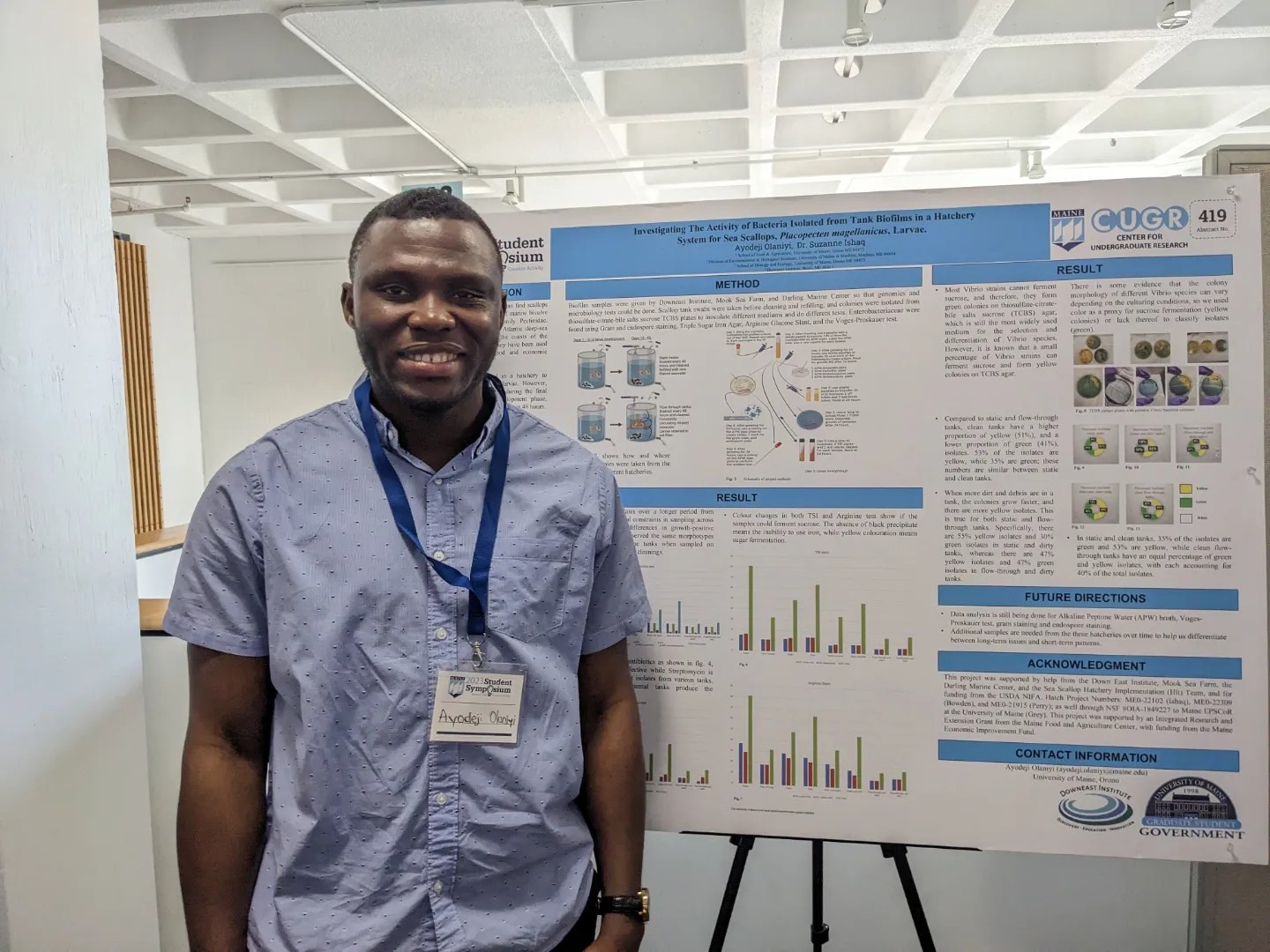
Ayodeji Olaniyi defended his Master’s of Animal Science thesis today!! His project focused on cultures of bacteria that were isolated from the biofilms in scallop larvae hatchery tanks, to understand how they might be impacting larvae or microbial community dynamics in the tank. This was part of a series of studies and a larger collaboration on scallop health in Maine. He has previously presented at the 2024 NACE/MAS aquaculture conference for which he won a travel award from the UMaine Aquaculture research Insitute, and the 2023 UMaine Student Research Symposium where he won an award for his poster. He joined my lab in early 2022 to increase his technical research skills, and has been investigating the bacteria isolated from biofilms associated with different scallop hatchery tank systems.

He is originally from Nigeria, where he studied animal science and gathered a lot of practical experience in animal production and proper farm maintenance. He obtained a Bachelor of Science from Federal University of Agriculture in Abeokuta, Nigeria, and worked as a veterinary assistant and as a technical advisor at AlphaSage services, in Ibadan, Nigeria.

He has already begun the next phase of his career, as he started working as a research technician at a health lab in Indiana, where he has been combining his microbiology and animal health skills with molecular genetics, and adding to the list of animal systems he has worked with. And, his thirst for knowledge is still growing – we can’t wait to see where his passion for research takes him!

Alexis awarded research funds from the Crohn’s and Colitis Foundation!!

Alexis Kirkendall began her PhD with research funds awarded in her very first month!! Over the fall, she drafted a proposal to evaluate the probitoic potential of bacteria the we previously isolated from a broccoli sprout diet study. The funds were awarded from the Crohn’s and Colitis Foundation, and will help launch the research for Alexis’ dissertation!!

Effect of probiotic candidates on intestinal epithelium barrier function.

Summary

Broccoli sprouts contain precursors to anti-inflammatories which increase beneficial gut bacteria and reduce pathogens, and confer protective effects against colitis. Gut microbiota are critical to converting the precursor to the anti-inflammatory sulforaphane to sites of intestinal inflammation. We are currently investigating hundreds of bacterial isolates for their capacity to produce sulforaphane using gut microbiota samples from different parts of the intestines in broccoli sprout-fed mice. We are benchmarking these 806 isolates against standard strains with GSLs-metabolism. We hypothesize that previous broccoli sprout entrainment of bacteria can improve their capacity for GLR metabolism in the new hosts. Our immediate goal is to test the capacity of these isolates to produce SFN and reduce inflammation, and our long-term goal is to develop a dietary preparation of broccoli sprouts and a probiotic which have therapeutic effects against IBD in humans. 

Relevance to IBD

Broccoli sprouts contain plant secondary compounds, especially glucoraphanin, which is transformed into sulforaphane, an anti-inflammatory, by gut-microbiota-sourced enzymes. High fiber diets may reduce inflammation and cancer risk, and improve quality of life for colitis patients. Our research investigates a prevention/management approach which has the potential to restore host-microbial homeostasis, but also is more affordable and accessible than a dietary supplement or medical treatment. We found that certain gut microbiota metabolizing broccoli sprout glucoraphanin to anti-inflammatories such as sulforaphane, and that a broccoli sprout-supplemented diet results in sulforaphane accumulation systemically and in gut tissues, reduced inflammatory cytokines, and beneficial changes to gut microbiota. We found that these interactions between gut microbiota and broccoli sprouts reduce susceptibility of mice to chemically induced colitis and immunologically associated enterocolitis.