I have had the pleasure of sharing my work, both Ishaq lab led and collaborative, to many venues thus far in 2022, and I am grateful to the invitations I received even though I was not able to accept all of them. These have ranged from seminar series, to student groups, to scientific conferences. Some of these events have already passed, but several are forthcoming and available by registration.
Ishaq* S. Microbes and Social Equity: what is it and how do we do it? Part of Track Hub: ‘Field Work & DEI Part 1: Fostering Equitable Partnerships with the Communities in Your Field Work Location’. American Society for Microbiology (ASM) Microbe 2022, Washington, DC (USA), June 9-13, 2022. (invited)
Hosler2*, S., Grey, E., Dankwa, A., Perry, J., Bowden, T., Beal, B., Ishaq, S. Initial descriptions of the microbes of farmed Atlantic sea scallop (Placopecten magellanicus) veligers and rearing tanks. American Society for Microbiology Microbe 2022 meeting. Washington, D.C.. June 9-13, 2022.
Hosler2*, S., Grey, E., Ishaq, S. Comparing the microbiome of wild and farmed Atlantic sea scallop (Placopecten magellanicus) veligers. Northeast Aquaculture Conference & Exposition (NACE) and the 41st Milford Aquaculture Seminar (MAS). Portland, Maine. POSTPONED to April 27-28, 2022
Ishaq*, S., Li, Y., Holman2, J., Zhang, T., Chen, G. “Biogeography may be key to microbial anti inflammatory production using dietary precursors.” Maine Biological and Medical Sciences Symposium, Bar Harbor, ME, April 22-23, 2022. (invited)
Holcomb2*, L., Coffman, J., Harrison, B., Tucker, K., Ishaq, S.L. Abstract 1080. An Overview of Three Biomedical Science Projects across Three Research Institutes. UMaine Student Research Symposium (virtual). Apr 15, 2022.
Pelletier1*, M., Taylor, T., Ishaq, S. Abstract 830. Assessing the Veterinary Needs of Rural Maine and Implementing an Effective Management Plan. UMaine Student Research Symposium (virtual). Apr 15, 2022
French1*,R., and Ishaq, S. Abstract 402. Climate Change Affects Wild Mammal Ranges and Health; Will That Also Affect Infectious Disease Exposure Risk at Maine Farms? UMaine Student Research Symposium (virtual). Apr 15, 2022.
Ishaq, S. “Microbes at the nexus of environmental, biological, and social research.” Iowa State University Spring Microbiology Graduate Student Organization retreat. (virtual). April 14, 2022 (invited co-plenary).
see poster below
Ishaq*, S., Li, Y., Holman2, J., Zhang, T., Mawe, G., Hurd, M., Lavoie, B. Baudewyns1, D., Colucci1, L., Balkan1, J., Chen, G, Moses, P. “Biogeography may be key to microbial anti inflammatory production using dietary precursors.” Congress of Gastrointestinal Function (CGIF), April 11 – 13, 2022.
“My science journey”, invited presentation and discussion of my career path to undergraduate women in STEM, UMaine WiSTEMM group, March 28, 2021
Ishaq, S. “Moose rumen microbes and you.” The Wildlife Society Nutritional Ecology Working Group Webinar series, (virtual), March 9, 2022.
Ishaq*, S., Li, Y., Holman2, J., Zhang, T., Mawe, G., Hurd, M., Lavoie, B. Baudewyns1, D., Colucci1, L., Balkan1, J., Chen, G, Moses, P. “Biogeography may be key to microbial anti inflammatory production using dietary precursors.” Dartmouth Molecular Microbiology and Pathogenesis (M2P2), February 24 – 25, 2022. (invited)
120 students and faculty researchers.
Ishaq, S. “Microbes at the nexus of environmental, biological, and social research” The Microbes and Social Equity 2022 speaker series, virtual, University of Maine and the Microbes and Social Equity working group. January 19, 2022.
67 participants, 131 registrants, faculty, students, public
Ishaq, S. ”Microbes at the nexus of environmental, biological, and social research.” 2nd Rhode Island Microbiome Symposium, virtual, University of Rhode Island Kingston, RI, January 14, 2022. (invited plenary)
50 participants, researchers and graduate students
Booker, Y., Ishaq, S., Levesque*, D.L. “The role of the microbiome in responses to heat stress in endotherms.” The Society of Integrative and Comparative Biology (SICB) annual meeting. Phoenix, AZ. January 3-7, 2022.
Note: an asterisk denotes the speaker if multiple authors contributed, 1 after a name denotes undergrad in the Ishaq lab, 2 after a name denotes grad in the Ishaq Lab.
The Ishaq Lab is welcoming a new master’s of science student this month: Ayodeji Olaniyi! He has a background in animal science and production, and adding research skills in animal health. While still under development, Ayo’s master’s project will involve protozoal pathogens, the gut microbiome, health, and management conditions in livestock.
Ayodeji Olaniyi
Ayodeji Olaniyi, B.S.
Master’s of Science, Animal Science
Ayodeji is a graduate student in the animal science department. An aspiring and self-motivated student, with practical experience in animal production and proper farm maintenance. Spurred by the needs to improve the production of meat/livestock in Africa and ensure good health and environmental conditions for animals. Also an Animal Science Enthusiast that seeks acquisition of knowledge and the practical use of such knowledge to bridge the gap between research findings and solving Animal production challenges. He joined the lab in 2022 tracking the trends in the spread of Cryptosporidium parvum at the Witter farm. Ayodeji is an international student from Nigeria and he is looking forward to all UMaine has to offer in this next phase of his life.
Colleagues of mine at Montana State University are looking for a graduate student in agricultural weed ecology! Details of the project, application, and contact information can be found in the file below.
Please note, this position IS NOT in the Ishaq Lab, I am distributing it on their behalf.
A scientific article led by my colleague Dr. Alaa Rabee at the Desert Research Center in Egypt was just published online and is now available! Dr. Rabee and I have been collaborating remotely on projects related to the bacteria in the rumen of camels, sheep, and cows, as Dr. Rabee’s work focuses on the isolation of bacteria which can degrade plant materials efficiently and could be used to produce biofuels. He will be spending 6 months working in my lab as a visiting scholar, which was delayed until this year because of the pandemic.
Rabee, A.E., Sayed Alahl, A.A., Lamara, M., Ishaq, S.L. 2022. Fibrolytic rumen bacteria of camel and sheep and their applications in the bioconversion of barley straw to soluble sugars for biofuel production. PLoS ONE 17(1): e0262304. Article.
Abstract
Lignocellulosic biomass such as barley straw is a renewable and sustainable alternative to traditional feeds and could be used as bioenergy sources; however, low hydrolysis rate reduces the fermentation efficiency. Understanding the degradation and colonization of barley straw by rumen bacteria is the key step to improve the utilization of barley straw in animal feeding or biofuel production. This study evaluated the hydrolysis of barley straw as a result of the inoculation by rumen fluid of camel and sheep. Ground barley straw was incubated anaerobically with rumen inocula from three fistulated camels (FC) and three fistulated sheep (FR) for a period of 72 h. The source of rumen inoculum did not affect the disappearance of dry matter (DMD), neutral detergent fiber (NDFD). Group FR showed higher production of glucose, xylose, and gas; while higher ethanol production was associated with cellulosic hydrolysates obtained from FC group. The diversity and structure of bacterial communities attached to barley straw was investigated by Illumina Mi-Seq sequencing of V4-V5 region of 16S rRNA genes. The bacterial community was dominated by phylum Firmicutes and Bacteroidetes. The dominant genera were RC9_gut_group, Ruminococcus, Saccharofermentans, Butyrivibrio, Succiniclasticum, Selenomonas, and Streptococcus, indicating the important role of these genera in lignocellulose fermentation in the rumen. Group FR showed higher RC9_gut_group and group FC revealed higher Ruminococcus, Saccharofermentans, and Butyrivibrio. Higher enzymes activities (cellulase and xylanase) were associated with group FC. Thus, bacterial communities in camel and sheep have a great potential to improve the utilization lignocellulosic material in animal feeding and the production of biofuel and enzymes.
This has been a busy year for the Ishaq Lab, which has been at UMaine since September of 2019 and has built up significant momentum in that time, despite the ongoing challenges of trying to accomplish research and education during a pandemic.
Team
The Ishaq Lab managed to find time to get a group photo early this year.
Graduate and undergraduate students are critical members of the Ishaq Lab, where they assist with or perform their own research, and are both mentored by me or are being cross-trained by me to complement the work they perform in their primary lab. A crowd of students have been in the Ishaq Lab over the course of this year, which wasn’t apparent until I tallied them for research outcomes reporting purposes, as some are partially or entirely remote, and we’ve never all gathered in one place. Partly, because of pandemic safety precautions, and partly, because of busy schedules, the entire research group had not been able to meet in person for most of the last two years, and it was only this year that we finally got a group photo. Of course, that photo was almost immediately inaccurate as we welcomed several new members this fall to add to our collective expertise.
Students mentored
09/2019-06/2020
07/2020 – 06/2021
07/2021-06/2022
Total all
9
28
24
PhD, committee member
1
2
3
MS, primary mentor
0
2
2
MS, committee member
2
3
2
MPS, primary mentor
1
1
0
Honors, primary mentor
1
2
0
Honors, committee member
0
1
1
Capstone
1
10
12
Top Scholar
0
1
1
BS, primary mentor
2
0
0
REU
1
1
1
Summary of students working in or with the Ishaq Lab, by academic year.
My dog, Izzy, started coming to campus this fall to avoid some home construction, but she immediately became part of campus life. She would come to classes and entertain and calm the students, distract Zoom meetings by trying to climb out the window behind me, and helped catalogue all the squirrels on campus.
This year, the Ishaq lab said hello as well as good-bye to students, as we have been around long enough that students are matriculating (graduating) out and moving on to the next stage of their life. Emily Pierce (B.S. AVS 2021) is now attending veterinary school at Kansas State, and Jade Chin (B.S. AVS 2022) is attending Glasgow University for her senior year and veterinary school as part of their accelerated training program, while Grace Lee graduated from Bowdoin College (B.S. Neuroscience, 2021) and has been working there as a research assistant. Grace is a co-author with me on a paper currently in review, and other in preparation. Tindall defended her master’s of science thesis at Montana State University in August, and has been working as a research assistant performing more plant-soil feedback research while she finishes writing up the results from her graduate work for journal publication.
Publications
We had a productive year for peer-reviewed journal publications – with 8 accepted or published – the second highest total in a year I’ve ever had. Several of these have been in development since prior to 2021, several are the first publications for students, and all of which are thanks to my fabulous research collaboration team that now spans the globe. There are handful more papers in peer review at scientific journals, and others which are in preparation and which we hope to submit for peer review in 2022.
Tindall’s first and first first-authored paper, on soil microbiomes:
Dankwa, A.S., U. Humagain, S.L. Ishaq, C.J. Yeoman, S. Clark , D.C. Beitz, and E. D. Testroet. 2021. Determination of the microbial community in the rumen and fecal matter of lactating dairy cows fed on reduced-fat dried distillers grains with solubles. Animal 15(7):100281. Article.
Ishaq, S.L., A. Hotopp, S. Silverbrand, J.E. Dumont, A. Michaud, J. MacRae, S. P. Stock, E. Groden. 2021. Bacterial transfer from Pristionchus entomophagus nematodes to the invasive ant Myrmica rubra and the potential for colony mortality in coastal Maine. iScience 24(6):102663. Article.
Zeng, H., Safratowich, B.D., Liu, Z., Bukowski, , M.R., Ishaq, S.L. 2021. Adequacy of calcium and vitamin D reduces inflammation, β-catenin signaling, and dysbiotic Parasutterella bacteria in the colon of C57BL/6 mice fed a Western-style diet. Journal of Nutritional Biochemistry 92: 108613. Article.
Ishaq, S.L., Parada, F.J., Wolf, P.G., Bonilla, C.Y., Carney, M.A., Benezra, A., Wissel, E., Friedman, M., DeAngelis, K.M., Robinson, J.M., Fahimipour, A.K., Manus, M.B., Grieneisen, L., Dietz, L.G., Pathak, A., Chauhan, A., Kuthyar, S., Stewart, J.D., Dasari, M.R., Nonnamaker, E., Choudoir, M., Horve, P.F., Zimmerman, N.B., Kozik, A.J., Darling, K.W., Romero-Olivares, A.L., Hariharan, J., Farmer, N., Maki, K.A., Collier, J.L., O’Doherty, K., Letourneau, J., Kline, J., Moses, P.L., Morar, N. 2021. Introducing the Microbes and Social Equity Working Group: Considering the Microbial Components of Social, Environmental, and Health Justice. mSystems 6:4. Special Series: Social Equity as a Means of Resolving Disparities in Microbial Exposure
Many MSE members also put together a review and perspective piece about setting research priorities:
Robinson, J.M., Redvers, N., Camargo, A., Bosch, C.A., Breed, M.F., Brenner, L.A., Carney, M.A., Chauhan, A., Dasari, M., Dietz, L.G., Friedman, M., Grieneisen, L., Hoisington, A.J., Horve, P.F., Hunter, A., Jech, S., Jorgensen, A., Lowry, C.A., Man, I., Mhuireach, G., Navarro-Pérez, E., Ritchie, E.G., Stewart, J.D., Watkins, H., Weinstein, P., and Ishaq, S.L. 2021. Twenty important research questions in microbial exposure and social equity. mSystemsAccepted Dec 2021. Special Series: Social Equity as a Means of Resolving Disparities in Microbial Exposure
The first paper from a two year collaboration with Dr. Rabee, a researcher in Eqypt who is planning to visit my lab in 2022 as part of a fellowship he was awarded.
Rabee, A.E., Sayed Alahl, A.A., Lamara, M., Ishaq, S.L. 2022. Fibrolytic rumen bacteria of camel and sheep and their applications in the bioconversion of barley straw to soluble sugars for biofuel production. PLoS ONEAccepted Dec 2021.
Presentations
The Ishaq lab and our collaborators gave virtual presentations this year to scientific audiences, as well as to grade k-12 students, to students and faculty as guest seminars, and as media/news interviews. I particularly enjoyed my chat on “Animal Microbiomes”, hosted by Sheba A-J on the WeTalkScience podcast. Students Emily Pierce, Myra Arshad, Johanna Holman, Joe Balkan, Louisa Colucci, Olivia Choi, Alice Hotopp, Sarah Hosler, and Grace Lee also gave or contributed to presentations in 2021.
Ishaq, S. Introducing the Microbes and Social Equity Working Group: Considering the Microbial Components of Social, Environmental, and Health Justice. inVIVO Planetary Health. virtual. Dec 1 – 7, 2021. (invited)
Holman* J., Ishaq S.L.., Li Y., Zhang T., Balkan J., Colucci L. Prevention of inflammatory bowel disease by broccoli-sourced and microbially-produced bioactives. Video presented at: OHS Student Led Research Panel, UC Davis; Nov 2021.
Arshad*, M., Fludgate, P., Emera Rabee, A., Ishaq, S. “Preliminary results of camel rumen microbial make up”. Council on Undergraduate Research (CUR) Research Experiences for Undergraduates (REU) Symposium. (virtual). Oct 25, 2021.
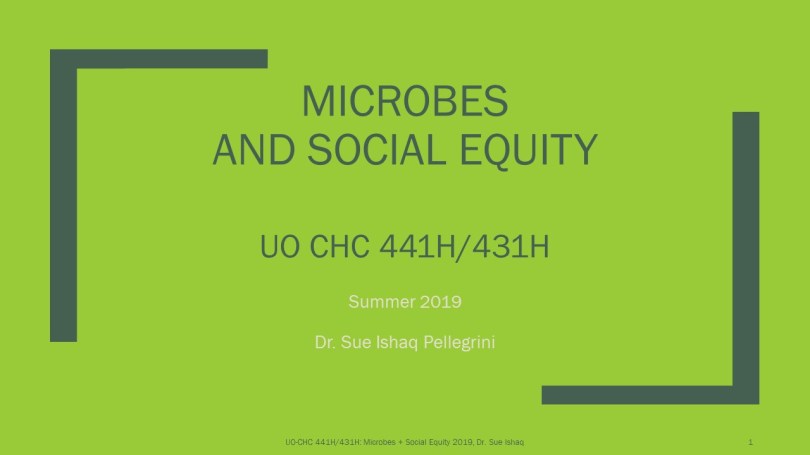
The Microbes and Social Equity Working group, “Special Session 17: “Microbiomes and Social Equity” (19205).”, Ecological Society of America 2021. (virtual). Aug 5, 2021.36.
Ishaq*, S.L., Lee, G., MacRae, J., Hamlin, H., Bouchard, D. “The effect of simulated warming ocean temperatures on the bacterial communities on the shells of healthy and epizootic shell diseased American Lobster (Homarus americanus).” Ecological Society of America 2021. (virtual). Aug 2-6, 2021. (accepted talk)
Hotopp*, A., Silverbrand, S., Ishaq, S.L., Dumont, J., Michaud, A., MacRae, J., Stock, S.P., Groden, E. “Can a necromenic nematode serve as a biological Trojan horse for an invasive ant?” Ecological Society of America 2021. (virtual). Aug 2-6, 2021. (poster)
Pierce*, E., Hosler, S., Ishaq, S. Ideal Conditions for Cryptosporidium Attachment and Infection. UMaine Student Research Symposium (virtual). April 16, 2021. (poster)
Research
2021 has seen varied topics come through the lab, and there’s too much to include here, but I encourage you to check through the Blog page to find older research posts which provide updates.
I’ve been developing a number of aquaculture microbiome projects which are still trying to find funding, as well as continue the data analysis on a lobster shell microbiome dataset that is part of a larger project led by Dr. Deb Bouchard at the Aquaculture Research Institute (one of the researchers on the manuscripts in review and in preparation along with Grace Lee).
One pilot study did get funded, and a collaborative research team at UMaine (Drs. Erin Grey, Jen Perry, Tim Bowden) and the Downeast Institute (Dr. Brian Beal) got a few thousand dollars to collect about 200 samples to generate some data which will help us form a better idea of what’s going on. For that project, we are interested in a particular genus of bacteria, Vibrio, which contains many species that are found in the water or associated with marine animals. Some species of Vibrio can be pathogenic, and the team is curious about which species are present during scallop aquaculture productions, when they are present, and under which circumstances.
Took a break from the massive pile of work I have to go get more Vibrio culture plates from a collaborator. This should keep us busy for awhile! pic.twitter.com/6gpE0h7XG8
This summer and fall also saw a lot of activity on a collaborative project looking at small mammals in Maine and how climate change might be affecting the animals and the microbes they carry. This project has a whole team of undergraduate researchers working together from different labs (Drs. Danielle Levesque, Pauline Kamath, and Jason Johnston at UMPI), and we were poised to collect and measure dozens of animals and process lots of feces. Unfortunately, the mice and flying squirrels we were after outsmarted us and we caught fewer than 20 animals, which is enough for us to test our laboratory methods and streamline our workflow, but not enough from which to draw any conclusions. Even without a lot of data, we still consider the project to be successful because we trained so many students on various aspects of planning and conducting research, we gathered a lot of information from previous publications and are working on a literature review, and we have gained valuable perspective for planning a follow-up to this study.
We (Drs. Yanyan Li and Tao Zhang) are also continuing our collaborative investigations into the gut microbiome related to Inflammatory Bowel Disease using mouse models, looking at how dietary components can be used by gut microbes to produce anti-inflammatory compounds that can help the host reduce the symptoms of colitis. Last December and January we ran a mouse trial that generated hundreds of samples, and we have been processing them all year! Over the fall, our collaborators at the University of Vermont (Dr. Gary Mawe, Molly Hurd, Brigitte Lavoie) ran two more small mouse trials to test some exciting new things. We are hoping to publish the results from both studies in 2022.
Microbes and Social Equity
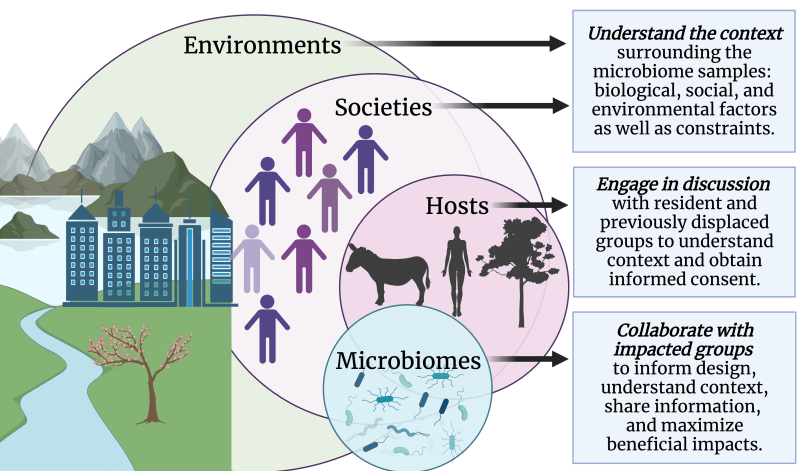
This was an exceptional year for the Microbes and Social Equity working group, which turned 2 years old in December, and is currently at 120 members plus several dozen newsletter subscribers! We grew so much that is was time to add Directors to the Leadership Team, to support our administration and communication needs.
In spring 2021, I organized a 14-speaker seminar series, which was attended by >300 people, and used for teaching materials at several colleges and universities. This led to a virtual symposium on “Microbes, Social Equity, and Rural Health”, June 14-18th, hosted by MSE and UMaine Medicine. This featured 15 speakers across 5 themed days with 3 plenary-style talks/day, followed by 90 min of small-group discussion led by speakers and MSE members. Participants were encouraged to “problem solve” a suggested topic or one of their own choosing to create action items that were meaningful to them, such as ideas for curricula development, identifying research needs or best practices, suggestions for engaging research in policy, and more.The symposium hosted 254 participants from 22 countries, students and researchers from various fields and career levels, Maine State legislators, and the public.
We have also been leading the development of a journal special collection in mSystems, the scope of which was developed in summer 2020 by select members of the MSE working group, and which has welcomed its first few contributions this year. The inaugural piece was one written by 35 MSE group members which introduced the group, established our mission statement, and outlined our goals.
We hosted a panel discussion at the 2021 Ecological Society for America meeting, and plan to host more conference sessions in 2022. In 2022, we will be hosting a spring seminar series, as well as a summer symposium which is still under development. We’ll be adding the rest of the contributions to the mSystems special collection, and hopefully some collaborative projects! There will also be a few presentations at scientific conferences.
The website gained a phenomenal amount of traffic this year, largely due to MSE, with more than 10,000 visitors and more than 25,000 views! I published more than 50 blog posts, as well as a few dozen more that were advertising events.
Total visitors and views by year.
We had visitors from 125 countries around the globe!
Number of website views per country of origin.
Looking ahead to 2022
I’ll be starting 2022 early with proposal writing, drafting manuscripts, and teaching three classes (I offered to teach the third as overload because we are understaffed). I will be undergoing my third year review this spring, which is a milestone in my tenure-track journey. And, I already have a handful of presentations lined up:
Ishaq, S. ”Microbes at the nexus of environmental, biological, and social research. 2nd Rhode Island Microbiome Symposium, in person, University of Rhode Island Kingston, RI, January 14, 2022. (invited plenary)
Ishaq, S. et al. “TBD” Dartmouth Molecular Microbiology and Pathogenesis (M2P2), February 24-25, 2021.
Ishaq, S. “Moose rumen microbes and you.” The Wildlife Society Nutritional Ecology Working Group Webinar, March 9, 2022.
Ishaq S. Microbes and Social Equity: what is it and how do we do it? Part of Track Hub: ‘Field Work & DEI Part 1: Fostering Equitable Partnerships with the Communities in Your Field Work Location’. American Society for Microbiology (ASM) Microbe 2022, Washington, DC (USA), June 9-13, 2022. (invited)
American Society for Microbiology (ASM) Microbe 2022 special session: “CTS16 (PPS) Cross-Track Symposium: Microbes and Social Equity: the Microbial Components of Social, Environmental, and Health Justice”. Washington, D.C. June 9-13, 2022. Organized by Ishaq, S.L. and featuring Drs. Ari Kozik, Carla Bonilla, and Monica Trujillo.
The University of Maine Research Experience for Undergraduates (REU) ANEW 2022 program is now open and accepting applications! The REU program is intended to engage undergraduates in research, including those who have no or very little research experience.
Applications are currently being accepted for the REU ANEW summer 2022 program which is planned to be run inperson from June 6 to August 12, 2022. Applications must be received by February 15, 2022 for full consideration.
It doesn’t seem that long ago that we were just an assorted group of interested researchers having a chat, but here we are two years later gaining international support and interest. We greatly appreciate your interest in this group, and are pleased to share some of our recent updates.
We currently have 115 members of the Microbes and Social Equity working group, and another 33 people signed up just for the newsletter. In 2021, we ran a very successful speaker series, virtual symposium, and collectively had quite a few publications, presentations, and developments! We are excited to continue that momentum in 2022, and are planning another speaker series and virtual symposium, finalizing our journal special collection with mSystems, and furthering the collaborative projects we have begun. We will also be adding additional leadership roles for the group, to better accommodate our group and give more attention to our growing activities and initiatives.
Melissa Manus recently authored a paper in Microbial Ecology, “Ecological Processes and Human Behavior Provide a Framework for Studying the Skin Microbial Metacommunity.” Melissa added: “I recently published a review on the skin microbiome– in short, calling for a dual consideration of ecological theory and human behavior to better understand (and test) how microbes are dispersed to the skin and between body sites. I make a quick plug for thinking about microbes and social equity, too!”
mSystems Special Collections:
We are making great progress adding to our special collection with mSystem, with 3 papers published and several more currently in review! We will continue adding contributions through 2022.
Francisco Parada’s postdoc, Dr. Ismael Palacios-García finished collecting his probiotic/lifestyle randomized trial, collecting cognitive electrophysiology (EEG+EGG), microbial (DNA from fecal samples), and phenomenological data (questionnaires) over 4+ months. They hope they will be publishing some of these results soon!
Jake Robinson is working on “Invisible Friends”, a popular science book anticipated for release in 2022. From Jake’s page: “Invisible Friends is about our extraordinary relationship with microbes, and how they shape our lives, our health, and the world around us. The book aims to challenge the prevailing negative perception of microorganisms, by highlighting the weird, wonderful, and indispensable roles they play in our health, behaviour, society, and ecosystems!”
Presentations
Upcoming:
The Microbes and Social Equity speaker series 2022 is under development! We hope to invite speakers for a virtual series running January through April, Wednesdays from 12:00 – 13:00 EST. Registration is required but the series is free to attend.
inVIVO Planetary Health, virtual conference, Dec 1-7, 2021. Register here. Several MSE group members will be giving talks there, such as:
Sue Ishaq, “Introducing the Microbes and Social Equity Working Group: Considering the Microbial Components of Social, Environmental, and Health Justice”
Ari Kozik, “The human microbiome and health disparities: restoring dysbiosis as a matter of social justice”
Jake Robinson, “Microbiome-inspired green infrastructure (MIGI): a bioscience roadmap for urban ecosystem health”
2nd Rhode Island Microbiome Symposium, in person conference, University of Rhode Island Kingston, RI, January 14, 2022. Register here.
Sue Ishaq, ”Microbes at the nexus of environmental, biological, and social research”
American Society for Microbiology (ASM) Microbe 2022, in person conference, Washington, DC (USA), June 9-13, 2022.
‘Field Work & DEI Part 1: Fostering Equitable Partnerships with the Communities in Your Field Work Location’. The session’s date is June 11, 2022 (11:45AM – 12:30PM).
Ishaq,”Microbes and Social Equity: what is it and how do we do it?”
MSE special session, “Microbes and Social Equity: the Microbial Components of Social, Environmental, and Health Justice”. The session’s date is June 11, 2022 (1:45PM – 3:45PM), and the event is under development.
Featuring panelists Monica Trujillo, Ari Kozik, and Carla Bonilla
Past:
Mike Friedman hosted a very successful MSE Special Session (together with the Microbial Ecology section) at this year’s virtual Ecological Society of America meeting. Naupaka Zimmerman, Justin Stewart, Monica Trujillo and Sue Ishaq gave short presentations on social justice and various aspects of environmental and human microbiota. But the bulk of the session was taken up by audience discussion of issues in environmental justice and microbes, practical and suggested policies and education.
I was invited to present a seminar in to the spring to The Wildlife Society Nutritional Ecology seminar series, and I’m honored to be part of an all-star line-up!! The talks being given from November through March, and you can find more info the TWS’ seminar announcement, which I have quoted below:
Please join The Wildlife Society’s Nutritional Ecology Working Group for our winter webinar series (https://wildlife.org/newg/webinar-series/). We will host virtual webinars at Noon (Mt Standard Time) on the second Wednesday of every month from 10 November 2021 – 9 March 2022.
This year’s webinar theme is “The digestive biome and the influence of these organisms on nutrition and condition of wildlife.” Our list of speakers this year are very diverse across many taxa!
Nutrition is vitally important for every life process of every living creature—from optimizing growth and reproduction to decreasing susceptibility to disease, predation, and death. The science of nutritional ecology links food resources available to an animal with individual- and population-level performance, as well as to habitat- and landscape-level dynamics. With data collected on nutritional requirements, food availability and quality, foraging and life history strategies under different environmental conditions, and body mass and condition, managers can predict how changes in one will impact the other. This provides a clear path for managing food resources in a way that optimizes population performance, or alternatively, for managing animal populations to optimize the health of ecosystems. As global issues such as climate change, loss of habitat, and the spread of disease and parasites increasingly impact wildlife populations, the need for understanding the degree to which populations are limited by nutrition, and how we can best manage for nutrition, increases as well.
All webinars will be held at 12:00 pm Mountain Standard Time. A flyer with zoom link will be sent out ahead of each webinar.
November 10th, 2021 – Jennifer Forbey – Boise State University. “Manipulating metabolites & microbes to manage wild herbivores”
December 8th, 2021 – Kevin Kohl – University of Pittsburgh. “Who’s in charge here?: Microbial contributions to animal physiology, ecology, and evolution”
January 12th, 2022 – Denise Dearing – University of Utah “Metabolic enabling and detoxification by gut microbes”
February 9th, 2022 – Candace Williams – San Diego Zoo Wildlife Alliance. “Gut microbiota and their role in rhinoceros infertility”
March 9th, 2022 – Sue Ishaq – University of Maine. “Moose rumen microbes and you”
Olivia Choi, a doctoral candidate in the Kamath lab at the University of Maine, has had her first scientific paper accepted for which she is the first author – a position indicative of the amount of work and organization that she put into developing this work and wrangling the large research team involved. Olivia’s graduate work is winding down as she concentrates on writing up papers and her dissertation, and she is planning on defending her PhD and looking for a postdoc in 2022 in wild animal microbiomes and ecology.
Olivia brought this 16S rRNA dataset to use in my AVS590 data analysis class back in spring 2020, of bacterial communities in different locations on birds of different species, which had been sampled as part of her dissertation work on bird migration and range changes, microbial carriage, and risk of transmission of microbes to other animals. I mentored her through analysis and preliminary manuscript writing as part of that course. The research team generously invited me to join the author team, and I continued to provide mentorship as Olivia worked through the complex task of melding various types of microbiology data.
Studies in both humans and model organisms suggest that the microbiome may play a significant role in host health, including digestion and immune function. Microbiota can offer protection from exogenous pathogens through colonization resistance, but microbial dysbiosis in the gastrointestinal tract can decrease resistance and is associated with pathogenesis. Little is known about the effects of potential pathogens, such as Salmonella, on the microbiome in wildlife, which are known to play an important role in disease transmission. Recent studies have expanded the traditional use of 16S rRNA gene amplicon data from high-level characterization of host-associated microbial communities (i.e., the microbiome) to detection of specific bacteria. Few studies, however, have evaluated the ability of high-throughput 16S rRNA gene sequencing data to detect potential bacterial pathogensin comparison with laboratory culture-based methods. To address this knowledge gap, we evaluated the utility of 16S rRNA gene sequencing for potential pathogen detection and explored the relationship between potential pathogens and microbiota. First, we compared the detection of Salmonella spp. in barn swallows (Hirundo rustica) using 16S rRNA data with standard culture techniques. Second, we examined the prevalence of Salmonella using 16S rRNA data and examined the relationship between Salmonella presence or absence and individual host factors. Lastly, we evaluated host-associated bacterial diversity and community composition in Salmonella present versusabsent birds. Out of 108 samples, we detected Salmonella in 6 (5.6%), 25 (23.1%), and 3 (2.8%) samples based on culture, unrarefied 16S rRNA gene sequencing data, and both techniques, respectively. In addition, we found that Salmonella presence and absence differed between birds based on migratory status and weight and that bacterial community composition and diversity differed between Salmonella present versus absent birds, with eleven bacterial taxa differentially abundant between the two groups. The results of this study highlight the value of high-throughput 16S rRNA gene sequencing data for bacterial pathogen detection and for examining relationships between potential pathogens and host-associated microbial communities. Further, this study emphasizes an approach using 16S rRNA gene sequencing data for simultaneously monitoring multiple pathogens in wild avian reservoirs, which is important for prediction and mitigation of disease spillover into livestock and humans.
This work was presented at a recent scientific conference:
Mark your calendars – I have been invited to give two presentations on microbes and social equity in general, and the MSE group in particular, this winter! Both events require prior registration.
You can also catch up with our recent publication as well as the other awesome work in the mSystems Special Series: Social Equity as a Means of Resolving Disparities in Microbial Exposure.
This year’s theme is “Project Earthrise:From Healing to Flourishing for People, Places and Planet”
1-7 December2021. Virtual conference, with on-demand and live-stream content. Registration is required.
From the event site: “The meeting will bring together a tremendous network of like-minded people from diverse fields whose interests span from planetary/population/ environmental health to microbial ecology/ systems biology and the deep biological mechanisms—all aiming to work in a more integrated systems framework as we seek to improve personal, environmental, economicand societal health alike. As always, our emphasis on meaningful collaborations and productive friendships as on the data and opportunities we generate.”
14 January, 2022. In person. Registration is required.
From the event site: “The goal of this symposium is to promote microbiome and microbial research in Rhode Island and the Northeast by bringing together researchers from state universities and hospitals who currently work on microbiome research or who are interested in starting microbiome research. We hope this symposium will stimulate networking and result in new collaborations, grant proposals and manuscripts. While the scope is broad to encourage participation, the general focus will be on microbiome research relevant to the State of Rhode Island such as ocean health, aquaculture and precision medicine initiatives.”
Dr. Suzanne Ishaq University of Maine School of Food and Agriculture
Title: Microbes at the Nexus of Environmental, Biological, and Social Research
Invited Keynote Speaker
Dr. Ishaq received her doctorate in Animal, Nutrition and Food Science from the University of Vermont in 2015 where her graduate study focused on the rumen microbiology of the moose. She held post-doctoral positions at Montana State University, and a research faculty position at the University of Oregon. Since 2019, her lab in Maine focuses on host-associated microbial communities in animals and humans, and, how host and microbes interact in the gut.
In addition to her research on gut microbes, Dr. Ishaq is the founder of the Microbes and Social Equity working group. This group formed to examine, publicize, and promote a research program on the reciprocal impact of social inequality and microbiomes, both human and environmental. Membership is free and open to all.