The symposium will convene researchers from different disciplines, foci, and geographic locations, and fosters in-depth conversations and research skills development. It is an ideal venue for training graduate students and incubating their burgeoning ideas. Thus, students in the class will attend the symposium, engage in conversations before and after attending sessions to reflect on how our perspectives changed, and create written assignments that will receive peer and instructor feedback. If the course is successful, I hope to add additional instructors and enrollment, we will expand the course and host it again each year we host the symposium.
The last paper to be generated from the large-scale, multi-year, collaborative research I participated in as a postdoc at Montana State University in the Menalled Lab in 2016 has finally been accepted for publication! At the time, I was working on the soil bacteria associated with winter wheat crops under different simulated climate change scenarios, and with added stressors like weed competition and different farming strategies. I was part of a large team of researchers looking at various aspects of agricultural stressors on long-term food production, including several agroecologists who led the development of this paper.
Understanding the impact of biological and environmental stressors on cropping systems is essential to secure the long-term sustainability of agricultural production in the face of unprecedented climatic conditions. This study evaluated the effect of increased soil temperature and reduced moisture across three contrasting cropping systems: a no-till chemically managed system, a tilled organic system, and an organic system that used grazing to reduce tillage intensity. Results showed that while cropping system characteristics represent a major driver in structuring weed communities, the short-term impact of changes in temperature and moisture conditions appear to be more subtle. Weed community responses to temperature and moisture manipulations differed across variables: while biomass, species richness, and Simpson’s diversity estimates were not affected by temperature and moisture conditions, we observed a minor but significant shift in weed community composition. Higher weed biomass was recorded in the grazed/reduced-till organic system compared with the tilled-organic and no-till chemically managed systems. Weed communities in the two organic systems were more diverse than in the no-till conventional system, but an increased abundance in perennial species such as Cirsium arvense and Taraxacum officinale in the grazed/reduced-till organic system could hinder the adoption of integrated crop-livestock production tactics. Species composition of the no-till conventional weed communities showed low species richness and diversity, and was encompassed in the grazed/reduced-till organic communities. The weed communities of the no-till conventional and grazed/reduced-till organic systems were distinct from the tilled organic community, underscoring the effect that tillage has on the assembly of weed communities. Results highlight the importance of understanding the ecological mechanisms structuring weed communities, and integrating multiple tactics to reduce off-farm inputs while managing weeds.
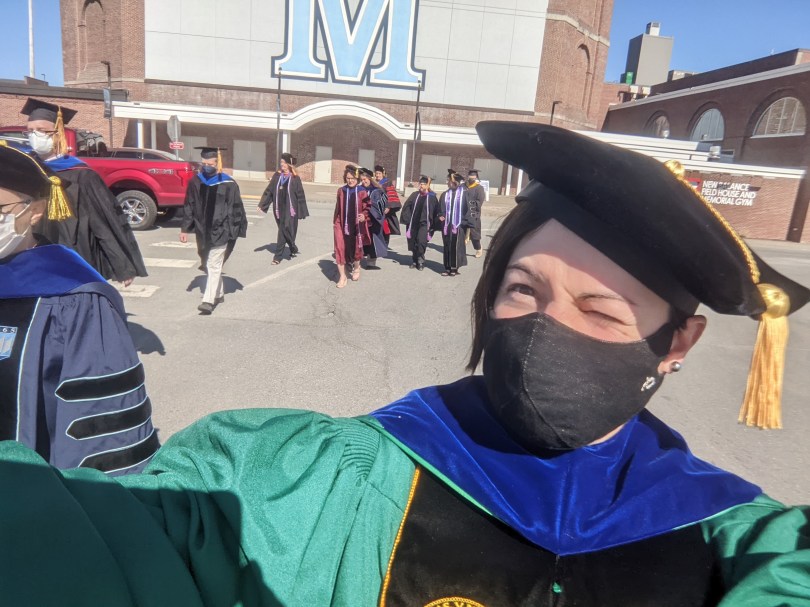
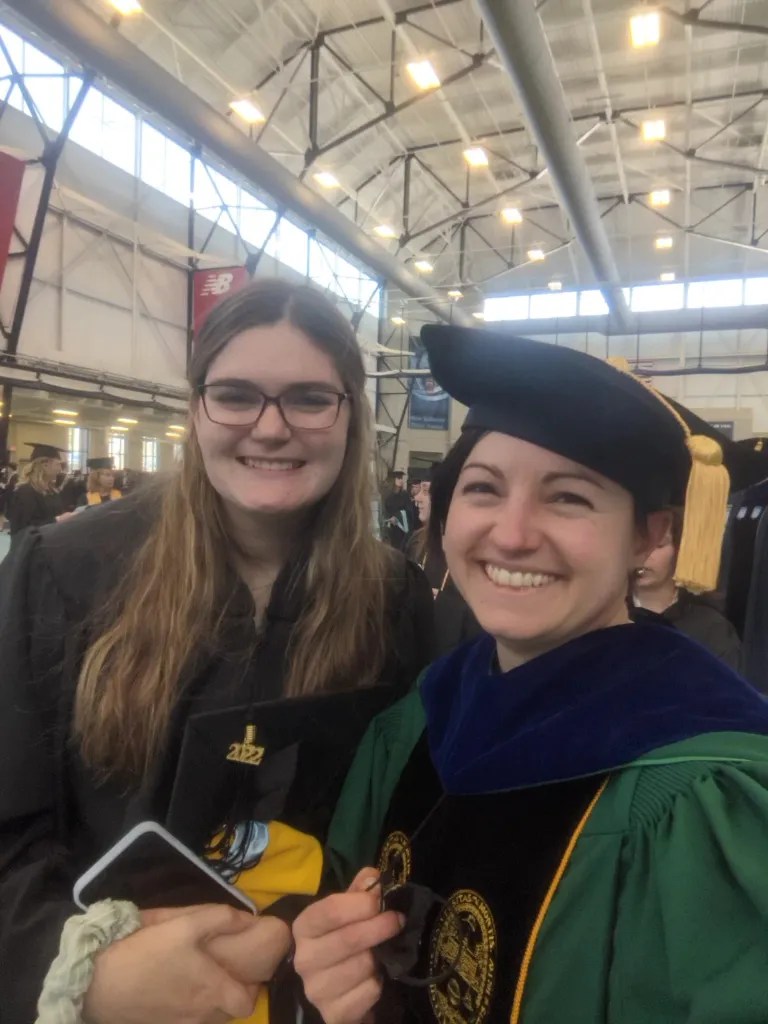
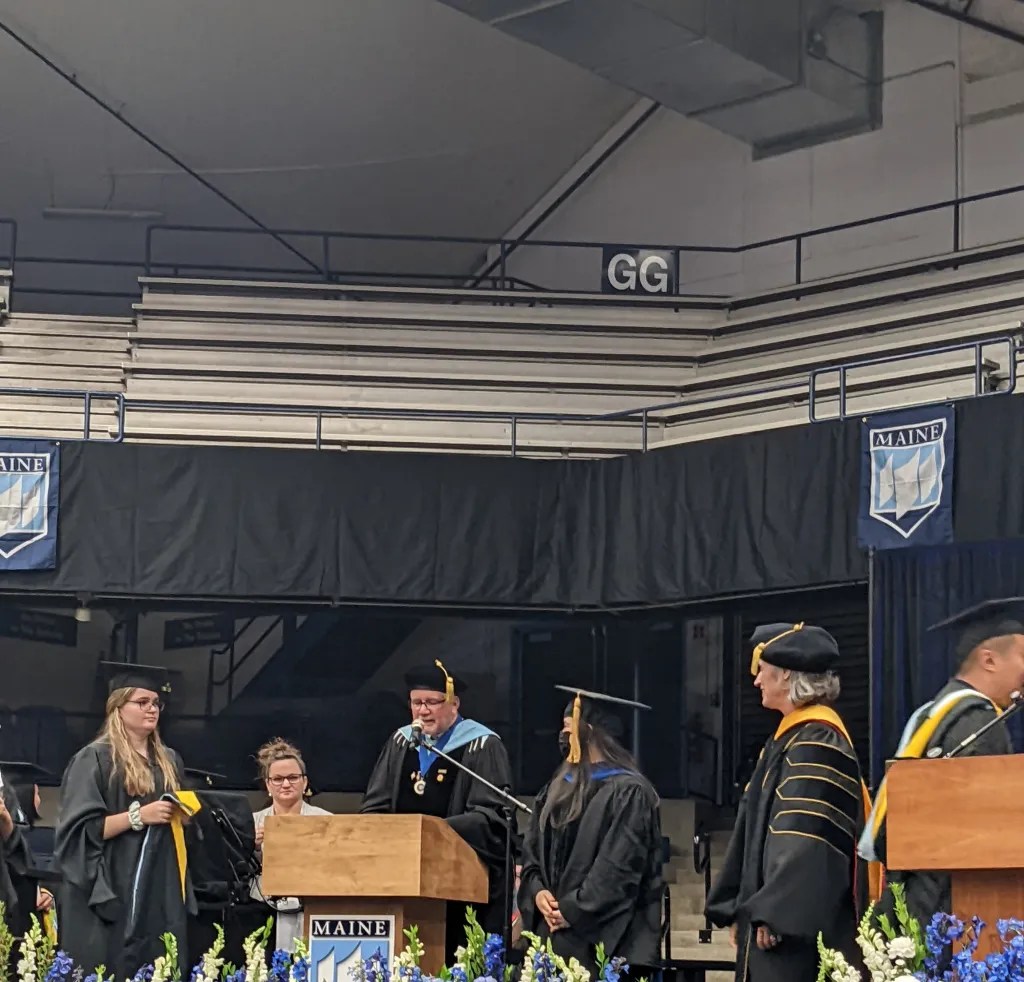
UMaine and many other universities are having in-person graduation ceremonies, and welcoming students who are graduating this year, as well as those who finished in 2021 and 2020 who were not able to walk in a regular ceremony. I made it to the ceremony for the graduates, so I could cheer on Sarah, where over 400 of the more 600 total graduate students matriculating got hooded and recognized for their achievement.
This year, many Ishaq Lab members walked across the stage and off into the next step in their life.
Sarah Hosler, Animal and Veterinary Science Master’s of Science student, who will be defending her thesis this summer and is considering her next career step.
Johanna Holman, Food Science and Nutrition Master’s of Science student, who will be defending her thesis this summer and returning this fall for a PhD!
Rebecca French, AVS undergrad who did her Capstone project as part of the squirrel pilot project I ran this past year. Rebecca won a research grant for this work. She is heading to vet school in Long Island!
Morgan Rocks, AVS undergrad who did her Capstone project as part of the squirrel pilot project I ran this past year. She is heading to vet school in the midwest!
Natalie Sullivan, AVS undergrad who did her Capstone project as part of the Cryptosporidium pilot project we are running. She is planning to work for a year before pursuing vet school.
Jade Chin, AVS undergrad who defended her Honor’s Thesis in 2021 and was awarded High Honors for it, has been in Glasgow, Scotland, for her senior year/first year of veterinary school there.
Myra Arshad, an REU student who is graduating from Stoney Brook University. She’s taking a year to work in research before pursuing a graduate degree.
In addition, we had a handful of other undergraduate students who performed their independent research for their Capstone projects in the Ishaq Lab graduate this year.
Some of the 2021/2022 Ishaq Lab members. From the left: Sophia, Isabelle, Rebecca, Morgan, Natalie, and Sue.Some of the 2021/2022 Ishaq Lab members. From the left: Maria, Sue, Sarah, and Ayodeji.
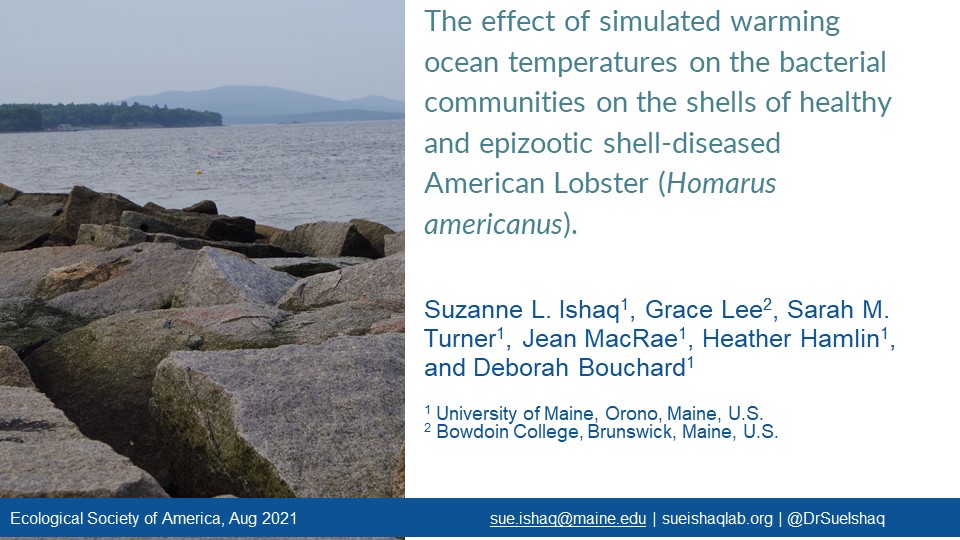
A collaborative perspective article was just published in Frontiers in Microbiology, which discusses epizootic shell disease in American lobsters, the role of microbes, and the movement of microbes in an aquatic environment. Because this is a perspective article, it is more of a thought exercise than my other publications, which either report findings or review other published literature, but it was intriguing to think about animal health in the context of rapidly-changing environmental conditions and microbial communities.
I previously presented some of the microbial community data related to the larger project from which this perspective piece came about, and this research team will continue to work on analyzing data from several experiments to develop into a research article later this year.
Epizootic shell disease is becoming more prevalent on lobsters in the Gulf of Maine as waters get warmer each year.
At the time, Grace Lee was a rising senior at Bowdoin College, and accepted to my lab for the UMaine REU summer 2020 session, which was canceled. Instead, I hired Grace to perform DNA sequence analysis remotely, by independently learning data analysis following the teaching materials I had generated for my sequencing class. I invited Joelle Kilchenmann to this piece after a series of conversations about microbes and social equity, because her graduate work in Joshua Stoll’s lab focuses on lobster fishing communities in Maine and understanding the challenges they face.
Abstract: Despite decades of research on lobster species’ biology, ecology, and microbiology, there are still unresolved questions about the microbial communities which associate in or on lobsters under healthy or diseased states, microbial acquisition, as well as microbial transmission between lobsters and between lobsters and their environment. There is an untapped opportunity for metagenomics, metatranscriptomics, and metabolomics to be added to the existing wealth of knowledge to more precisely track disease transmission, etiology, and host-microbe dynamics. Moreover, we need to gain this knowledge of wild lobster microbiomes before climate change alters environmental and host-microbial communities more than it likely already has, throwing a socioeconomically critical industry into disarray. As with so many animal species, the effects of climate change often manifests as changes in movement, and in this perspective piece, we consider the movement of the American lobster (Homarus americanus), Atlantic ocean currents, and the microorganisms associated with either.
The Dairy Forage Crops Educator with the University of Maine Cooperative Extension will develop and conduct educational outreach and applied research (on farm or Experiment Station) with an emphasis on dairy forage production and quality, including regenerative pasture management. The dairy industry in New England will be the audience of focus. The individual will collaborate with the University of Vermont and their research team to conduct research and Extension education for dairy farmers in New England looking to increase forage production and utilization while facing a changing climate. Along with production, the faculty member will also address aspects of forage harvest, storage and feeding management.
Search Timeline is as follows: Review of applications to begin: April 30, 2022 Screening interviews to begin no earlier than: May 2, 2022 Final interviews to begin no earlier than: May 9, 2022 Tentative start date: June 6, 2022
Johanna Holman received the 2022 Norris Charles Clements Graduate Student Award from the University of Maine College of Natural Sciences, Forestry, and Agriculture (NSFA), for her research and academics over the last two years for her Master’s of Science in Nutrition!! This award highlights the achievements and potential for positive impact of graduate students in agriculture, is more often awarded to doctoral students who have had more years of graduate work in which to accomplish their research, give presentations, mentor undergraduates, and otherwise develop their professional skills.
Despite the setbacks and challenges of the pandemic, Johanna has been extremely productive and has done an extraordinary amount in just a year and a half (from start to the time of application submission) for her masters work. Johanna is currently writing up the results of her masters work into three manuscripts that we plan to submit to scientific journals for peer review this summer. She will defend her thesis at the end of the summer, just in time to start in September as a PhD student working with Dr. Yanyan Li and I!
Artwork by Johanna Holman
From the NSFA award page: “The Norris Charles Clements Graduate Student Award was established in the University of Maine Foundation in May 1997 for the benefit of the University of Maine, Orono, with a bequest from Laurel Clements ’48 in honor of her father, Norris Charles Clements, a distinguished Maine poultry farmer who in 1953 was honored by the University of Maine as Maine’s Outstanding Farmer. Income shall be used to provide financial assistance for rewarding outstanding graduate students in agricultural sciences and to recognize the accomplishments of graduate students whose studies have the potential to make a significant contribution to Maine agriculture. Candidates should have training and be doing research in disciplines related to Maine agriculture, such as agronomy, soil science, animal and veterinary sciences, agricultural economics, entomology, plant pathology, agricultural engineering and other disciplines the dean deems contribute significantly to the well being of Maine agriculture. Students will be chosen for awards on the basis of their high academic standing, the quality of their research and their personal integrity.”
This year, the UMaine Student Research Symposium was held in person and virtually, and undergrads and grads from the Ishaq Lab shared their research with the Maine community. You can check out the recorded presentations in the links below.
Pelletier*, E., Taylor, T., Ishaq, S. Abstract 830. Assessing the Veterinary Needs of Rural Maine and Implementing an Effective Management Plan. UMaine Student Symposium (poster presentation). April 15, 2022.
Undergraduate Animal and Veterinary Science (AVS) students Natalie Sullivan (4th year), Maria Messersmith (3rd year), and Elaina Cobb (3rd year) were awarded a spring 2022 research award from the J. Franklin Witter Undergraduate Research Endowment Fund! Natalie, Maria, and Elaina will be part of a large student researcher team working on different aspects of this project over the next year, but the three of them composed the funding proposal as they have been working on this project the longest.
Background: Cryptosporidiosis, an infection caused by protozoa from the Cryptosporidium genus, often C. parvum, has emerged as a frequently reported intestinal disease of animals and humans since the 1980s when its zoonotic potential was recognized. C. parvum causes a brief diarrheal disease, which can lead to dehydration, weight loss, and, in extreme cases, death, particularly in children or neonatal animals. On farms, the disease results in intense diarrhea of neonatal calves and is associated with substantial economic losses in dairy farming worldwide as it can have long-term effects on weight gain and production efficiency. Cryptosporidiosis is transmissible via the fecal-oral route, either indirectly or directly, and C. parvum is almost always present in water and soil/bedding. There is no treatment, so disease management and prevention tend to be more focused on animal management practices involving nutrition, biosecurity, and cleanliness. This project centers around the tracking of cryptosporidium parvum in different aged dairy cattle populations at the University of Maine’s J.F. Witter Farm.
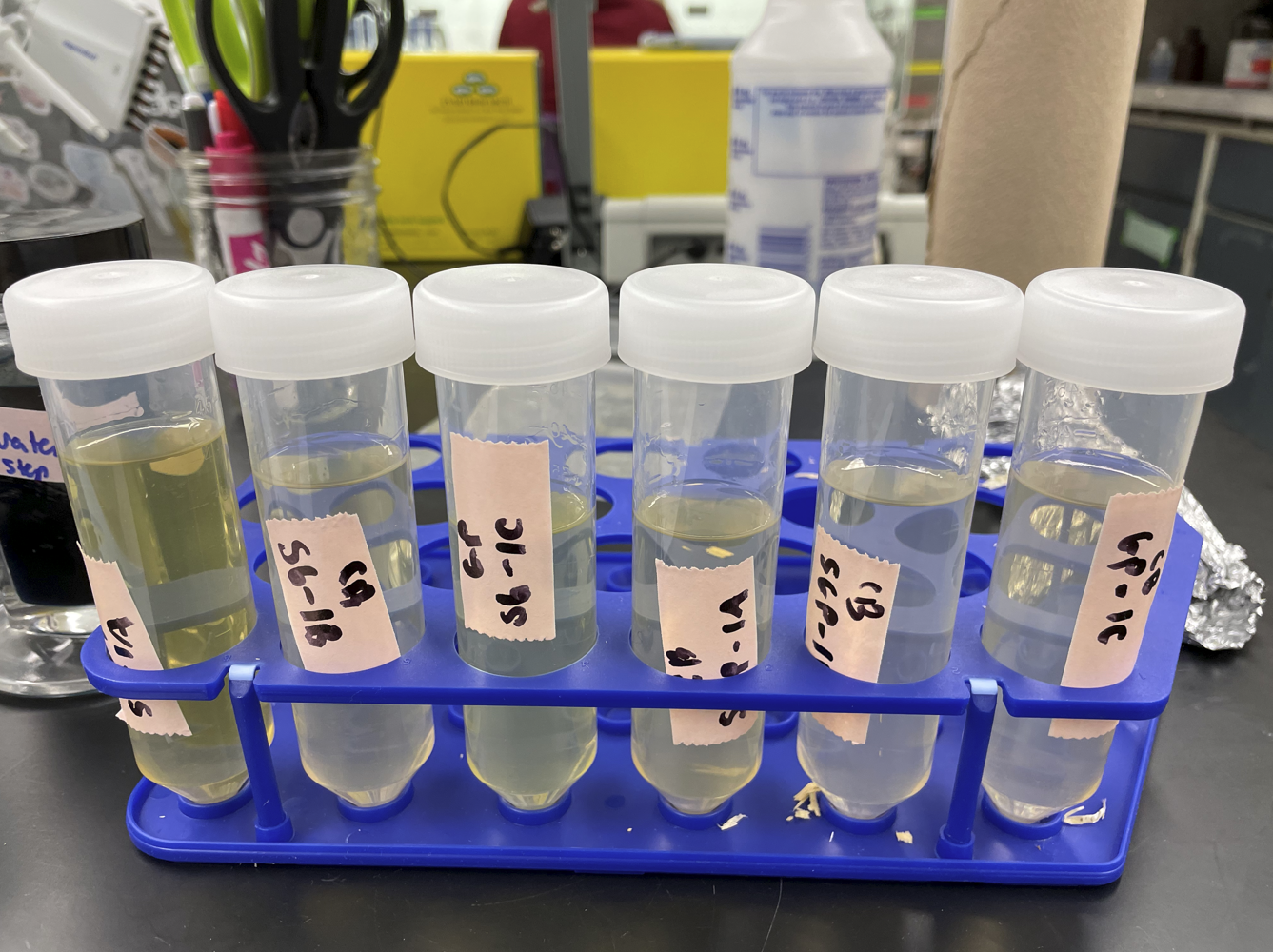
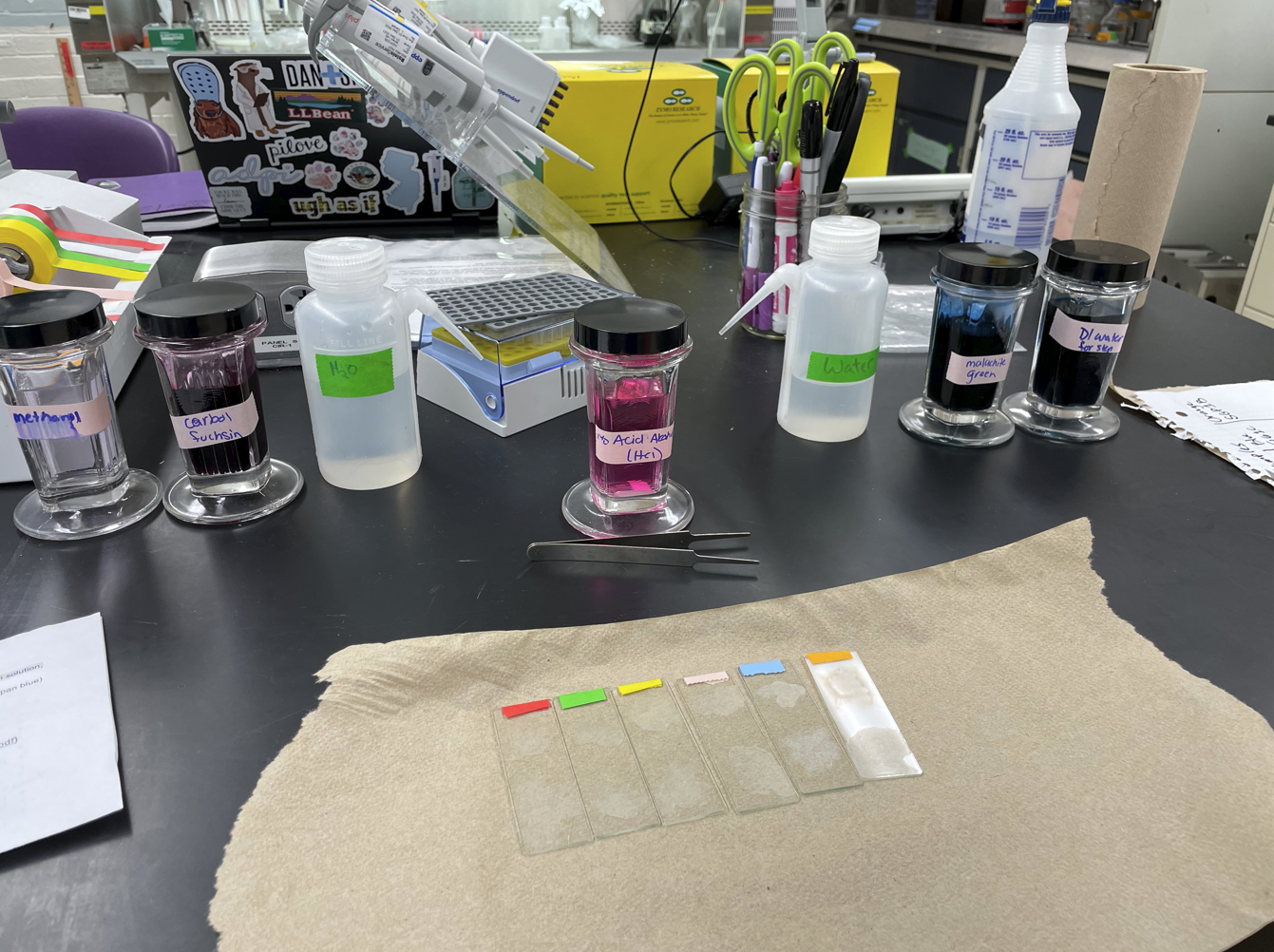
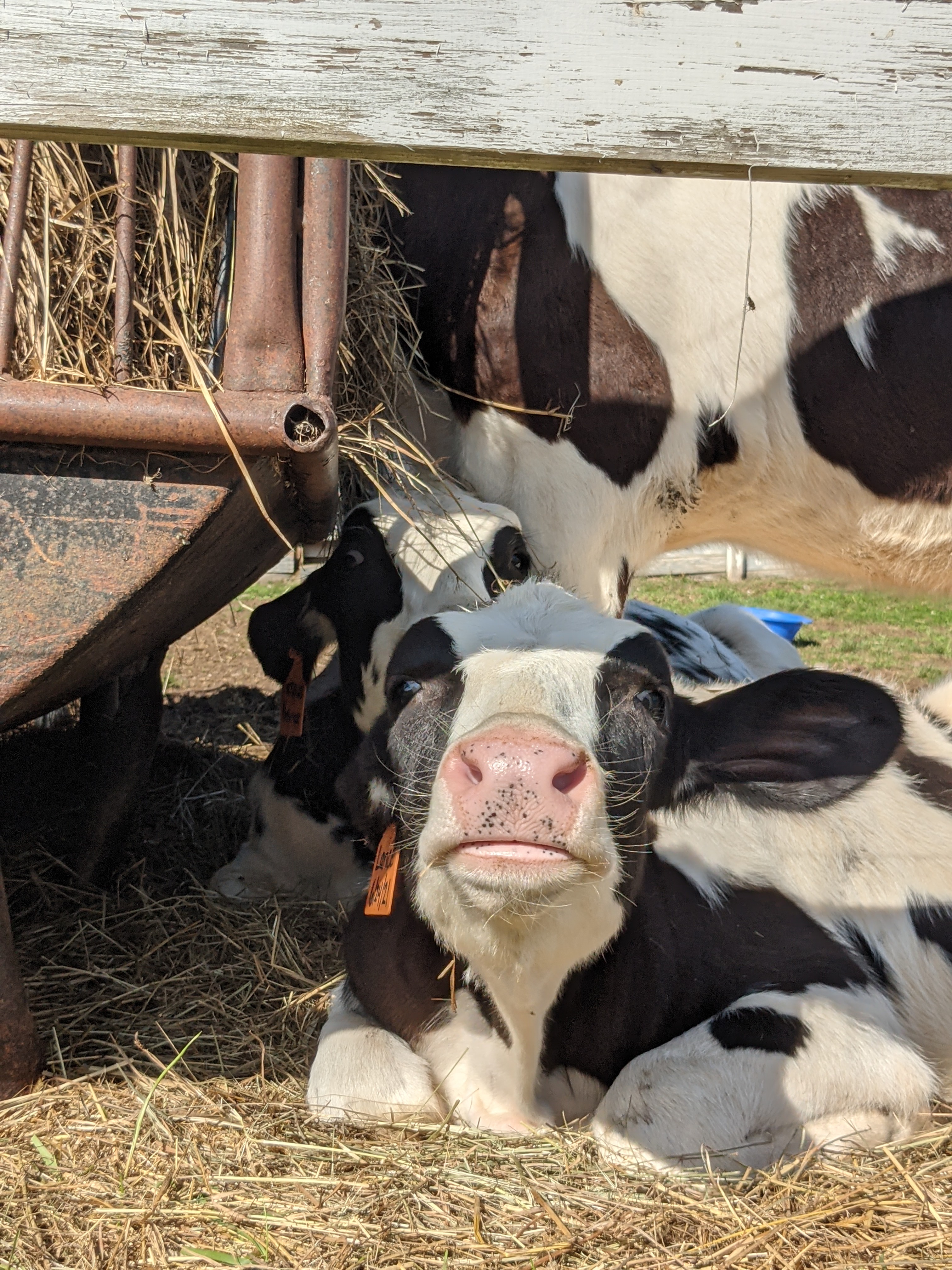
Soil samples from the farm were checked for the presence of parasites using microscopy.The calf stalls have bedding instead of soil floors, so we need to wash bedding samples to collect any protozoa that might have been left there.Cryptosporidium is most commonly spread through shared water sources so we are monitoring those.Once protozoa have been washed from the samples, the wash is put on glass slides, where dyes are used to stain the cells so we can see them using a microscope.Cows are cute but make sure you wash your hands after touching them to avoid infections.Photos from the Cryptosporidium project.
Importance/Impact: This project will track the trends and prevalence in C. parvum carriage in the Witter herd, and identify if there are certain conditions in which C. parvum is more prone to grow and multiply, especially in dairy calves. We anticipate that any findings will be used to implement new management practices for the control of Cryptosporidium parvum, specifically in bovine management, and reduce zoonosis at this farm. This project will potentially lead to making management recommendations for other farms in Maine.
Research Question, Objectives, and Hypotheses: What are the difference in disease prevalence and contamination between calves, yearlings, and adults in relation to Cryptosporidium parvum? Is infection rate due to risk of age range or animals or housing conditions?
Sarah Hosler
Master’s student, has been coordinating the project but will be defending thesis this summer and is transitioning project leadership over to Ayo
Ayodeji Olaniyi
New Master’s student Jan 2022, will be taking over project management, overseeing lab work
Natalie S.
AVS Capstone senior, graduating this May, has been collecting samples and doing microscopy since fall 2021
Maria M.
AVS Capstone junior, has been collecting samples and doing microscopy since fall 2021
Elaina C.
AVS Capstone junior, started in Jan 2022, will focus on sample collection at the farm
Jada M.
AVS Capstone junior, started in Jan 2022, will focus on sample processing in the lab
Lani P.
AVS Capstone junior, started in Jan 2022, will focus on sample processing in the lab
Sydney R.
AVS Capstone junior, started in Jan 2022, will focus on literature review
Josh F.
AVS Capstone junior, started in Jan 2022, will focus on literature review
Amatullah A.
Biology Honors, started in fall 2021, will focus on sample collection at the farm
Team Crypto in the Ishaq Lab
This project is a continuation of the pilot research that undergrad Emily Pierce, master’s student Alex Fahey, and master’s student Sarah Hosler worked on over the past two years.
I have had the pleasure of sharing my work, both Ishaq lab led and collaborative, to many venues thus far in 2022, and I am grateful to the invitations I received even though I was not able to accept all of them. These have ranged from seminar series, to student groups, to scientific conferences. Some of these events have already passed, but several are forthcoming and available by registration.
Ishaq* S. Microbes and Social Equity: what is it and how do we do it? Part of Track Hub: ‘Field Work & DEI Part 1: Fostering Equitable Partnerships with the Communities in Your Field Work Location’. American Society for Microbiology (ASM) Microbe 2022, Washington, DC (USA), June 9-13, 2022. (invited)
Hosler2*, S., Grey, E., Dankwa, A., Perry, J., Bowden, T., Beal, B., Ishaq, S. Initial descriptions of the microbes of farmed Atlantic sea scallop (Placopecten magellanicus) veligers and rearing tanks. American Society for Microbiology Microbe 2022 meeting. Washington, D.C.. June 9-13, 2022.
Hosler2*, S., Grey, E., Ishaq, S. Comparing the microbiome of wild and farmed Atlantic sea scallop (Placopecten magellanicus) veligers. Northeast Aquaculture Conference & Exposition (NACE) and the 41st Milford Aquaculture Seminar (MAS). Portland, Maine. POSTPONED to April 27-28, 2022
Ishaq*, S., Li, Y., Holman2, J., Zhang, T., Chen, G. “Biogeography may be key to microbial anti inflammatory production using dietary precursors.” Maine Biological and Medical Sciences Symposium, Bar Harbor, ME, April 22-23, 2022. (invited)
Holcomb2*, L., Coffman, J., Harrison, B., Tucker, K., Ishaq, S.L. Abstract 1080. An Overview of Three Biomedical Science Projects across Three Research Institutes. UMaine Student Research Symposium (virtual). Apr 15, 2022.
Pelletier1*, M., Taylor, T., Ishaq, S. Abstract 830. Assessing the Veterinary Needs of Rural Maine and Implementing an Effective Management Plan. UMaine Student Research Symposium (virtual). Apr 15, 2022
French1*,R., and Ishaq, S. Abstract 402. Climate Change Affects Wild Mammal Ranges and Health; Will That Also Affect Infectious Disease Exposure Risk at Maine Farms? UMaine Student Research Symposium (virtual). Apr 15, 2022.
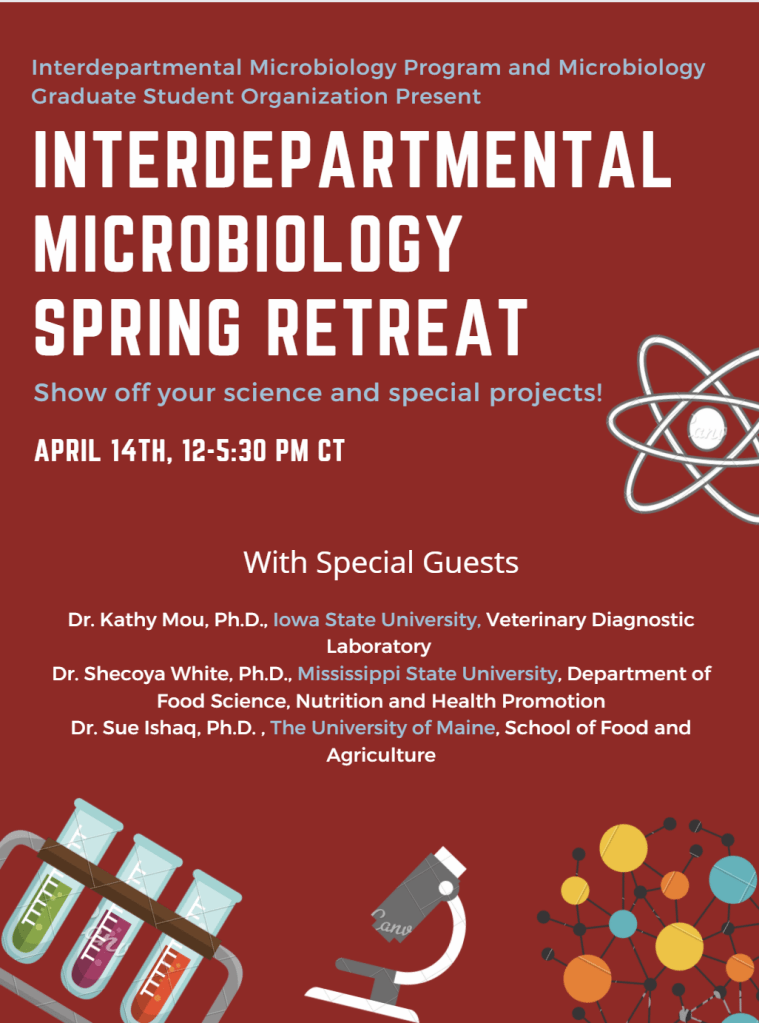
Ishaq, S. “Microbes at the nexus of environmental, biological, and social research.” Iowa State University Spring Microbiology Graduate Student Organization retreat. (virtual). April 14, 2022 (invited co-plenary).
see poster below
Ishaq*, S., Li, Y., Holman2, J., Zhang, T., Mawe, G., Hurd, M., Lavoie, B. Baudewyns1, D., Colucci1, L., Balkan1, J., Chen, G, Moses, P. “Biogeography may be key to microbial anti inflammatory production using dietary precursors.” Congress of Gastrointestinal Function (CGIF), April 11 – 13, 2022.
“My science journey”, invited presentation and discussion of my career path to undergraduate women in STEM, UMaine WiSTEMM group, March 28, 2021
Ishaq, S. “Moose rumen microbes and you.” The Wildlife Society Nutritional Ecology Working Group Webinar series, (virtual), March 9, 2022.
Ishaq*, S., Li, Y., Holman2, J., Zhang, T., Mawe, G., Hurd, M., Lavoie, B. Baudewyns1, D., Colucci1, L., Balkan1, J., Chen, G, Moses, P. “Biogeography may be key to microbial anti inflammatory production using dietary precursors.” Dartmouth Molecular Microbiology and Pathogenesis (M2P2), February 24 – 25, 2022. (invited)
120 students and faculty researchers.
Ishaq, S. “Microbes at the nexus of environmental, biological, and social research” The Microbes and Social Equity 2022 speaker series, virtual, University of Maine and the Microbes and Social Equity working group. January 19, 2022.
67 participants, 131 registrants, faculty, students, public
Ishaq, S. ”Microbes at the nexus of environmental, biological, and social research.” 2nd Rhode Island Microbiome Symposium, virtual, University of Rhode Island Kingston, RI, January 14, 2022. (invited plenary)
50 participants, researchers and graduate students
Booker, Y., Ishaq, S., Levesque*, D.L. “The role of the microbiome in responses to heat stress in endotherms.” The Society of Integrative and Comparative Biology (SICB) annual meeting. Phoenix, AZ. January 3-7, 2022.
Note: an asterisk denotes the speaker if multiple authors contributed, 1 after a name denotes undergrad in the Ishaq lab, 2 after a name denotes grad in the Ishaq Lab.
The Ishaq Lab is welcoming a new master’s of science student this month: Ayodeji Olaniyi! He has a background in animal science and production, and adding research skills in animal health. While still under development, Ayo’s master’s project will involve protozoal pathogens, the gut microbiome, health, and management conditions in livestock.
Ayodeji Olaniyi
Ayodeji Olaniyi, B.S.
Master’s of Science, Animal Science
Ayodeji is a graduate student in the animal science department. An aspiring and self-motivated student, with practical experience in animal production and proper farm maintenance. Spurred by the needs to improve the production of meat/livestock in Africa and ensure good health and environmental conditions for animals. Also an Animal Science Enthusiast that seeks acquisition of knowledge and the practical use of such knowledge to bridge the gap between research findings and solving Animal production challenges. He joined the lab in 2022 tracking the trends in the spread of Cryptosporidium parvum at the Witter farm. Ayodeji is an international student from Nigeria and he is looking forward to all UMaine has to offer in this next phase of his life.