Lobster shell microbes, epizootic shell disease, and climate change preprint manuscript is now online

A cookie in the shape of a lobster with icing to make it look like a pirate.

It’s been a few years in the making, but our draft manuscript on lobster shell microbes, epizootic shell disease, and climate change is available online as a preprint (not yet peer reviewed)! You can read the preprint here, and the summary is below.

I joined this project back in the summer of 2020, when I was given a large 16S rRNA gene sequence dataset of bacterial communities from the shells of lobsters by a research group at UMaine who had been studying lobster health for some time. My first point of contact on the project was Jean MacRae, an Associate Professor of Civil and Environmental Engineering at UMaine, who had been working on bacterial community sequencing on other projects which I’ve been involved in, and who has been involved with MSE, and this will be our fourth publication together!

Jean introduced me to the original research team, including Debbie Bouchard, who is the Director of the Aquaculture Research Institute and was researching epizootic shell disease in lobsters for her PhD dissertation; Heather Hamlin, Professor and Director of the School of Marine Sciences; Scarlett Tudor, the Education and Outreach Coordinator at the ARI; and Sarah Turner, Scientific Research Specialist at ARI.

I used the data as a training opportunity for Grace Lee, who at the time was an undergraduate at Bowdoin College participating in the abruptly cancelled summer Research Experience for Undergrads program at UMaine in summer 2020. Instead, Grace joined my lab as a remote research assistant and we worked through the data analysis over the summer and fall. Grace has since graduated with her Bachelor’s of Science in Neuroscience, obtained a Master’s of Science at Bowdoin, and is currently a researcher at Boston Children’s Hospital while she is applying to medical school.

Earlier this year, the research team, along with social science Masters student Joelle Kilchenmann, published a perspective/hypothesis piece which explored unanswered questions about how the movement of microbes, lobsters, and climate could affect the spread of epizootic shell disease in lobsters off the coast of Maine.

A steamed lobster on a plate.


Warmer water temperature and epizootic shell disease reduces diversity but increases cultivability of bacteria on the shells of American Lobster (Homarus americanus).”

Suzanne L. Ishaq1,2,, Sarah M. Turner2,3, Grace Lee4,5,M. Scarlett Tudor2,3, Jean D. MacRae6, Heather Hamlin2,7, Deborah Bouchard2,3

  • 1 School of Food and Agriculture; University of Maine; Orono, Maine, 04469; USA.
  • 2 Aquaculture Research Institute; University of Maine; Orono, Maine, 04469; USA.
  • 3 Cooperative Extension; University of Maine; Orono, Maine, 04469; USA.
  • 4 Department of Neuroscience, Bowdoin College, Brunswick, ME 04011; USA.
  • 5 Boston Children’s Hospital, Boston, MA 02115; USA.
  • 6 Department of Civil and Environmental Engineering; University of Maine; Orono, Maine, 04469; USA.
  • 7 School of Marine Sciences; University of Maine; Orono, Maine, 04469; USA.

Summary

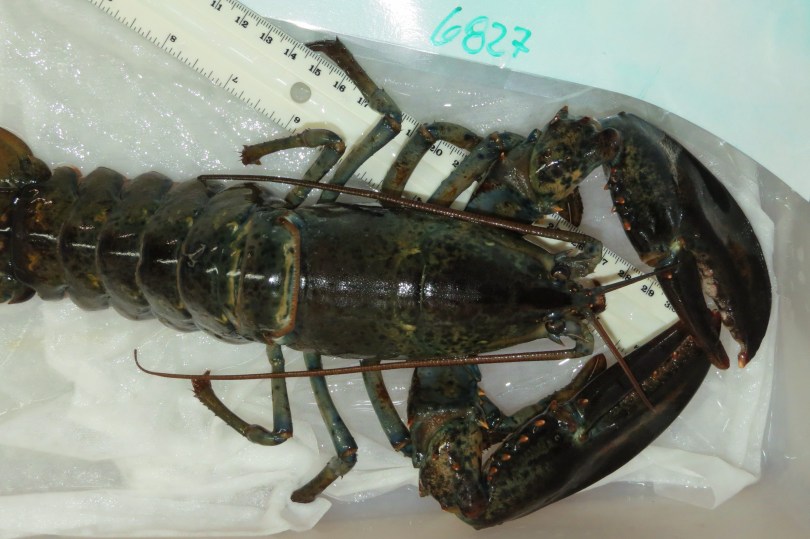
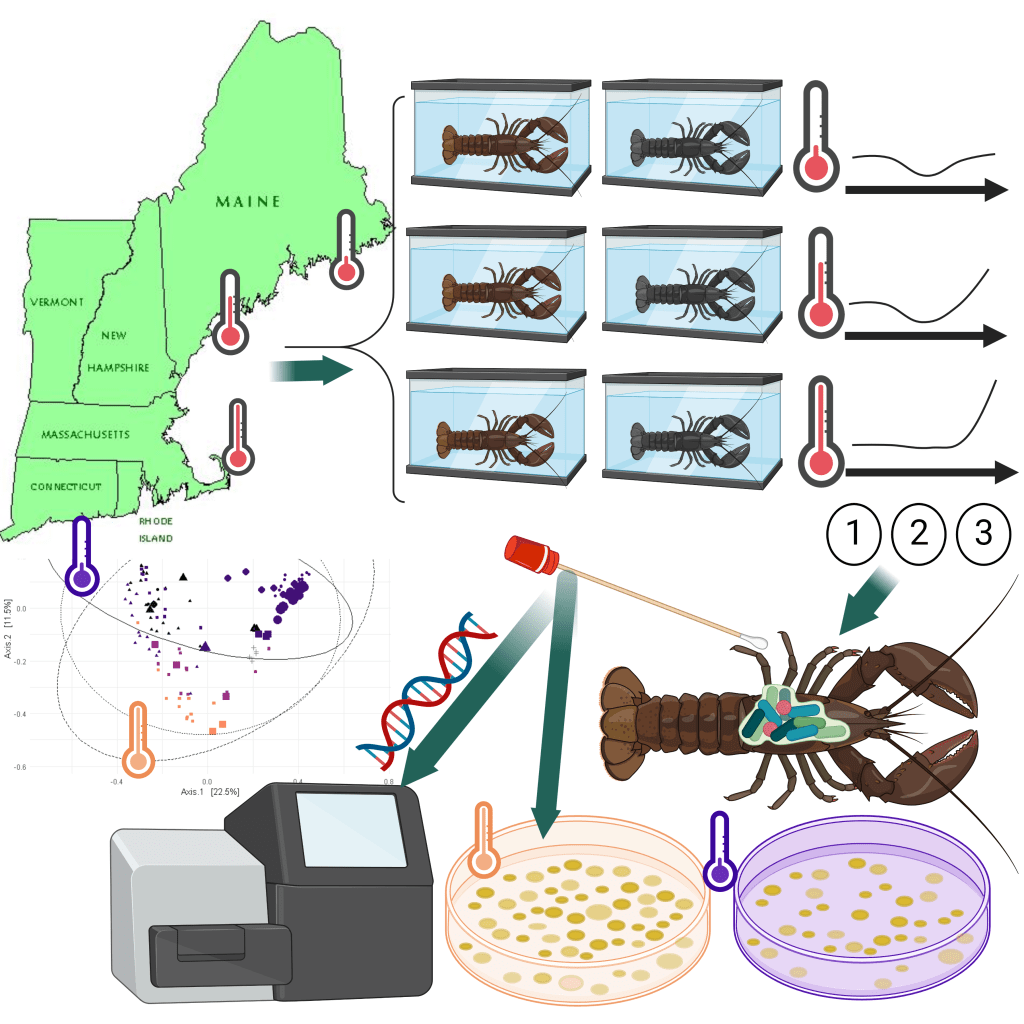
The American lobster, Homarus americanus, is an economically valuable and ecologically important crustacean along the North Atlantic coast of North America. Populations in southern locations have declined in recent decades due to increasing ocean temperatures and disease, and these circumstances are progressing northward. We monitored 57 adult female lobsters, healthy and shell-diseased, under three seasonal temperature cycles for a year, to track shell bacterial communities using culturing and 16S rRNA gene sequencing, progression of ESD using visual assessment, and antimicrobial activity of hemolymph. The richness of bacterial taxa present, evenness of abundance, and community similarity between lobsters was affected by water temperature at the time of sampling, water temperature over time based on seasonal temperature regimes, shell disease severity, and molt stage. Several bacteria were prevalent on healthy lobster shells but missing or less abundant on diseased shells, although putative pathogens were found on all shells regardless of health status.

Li and Ishaq labs made the UMaine News!

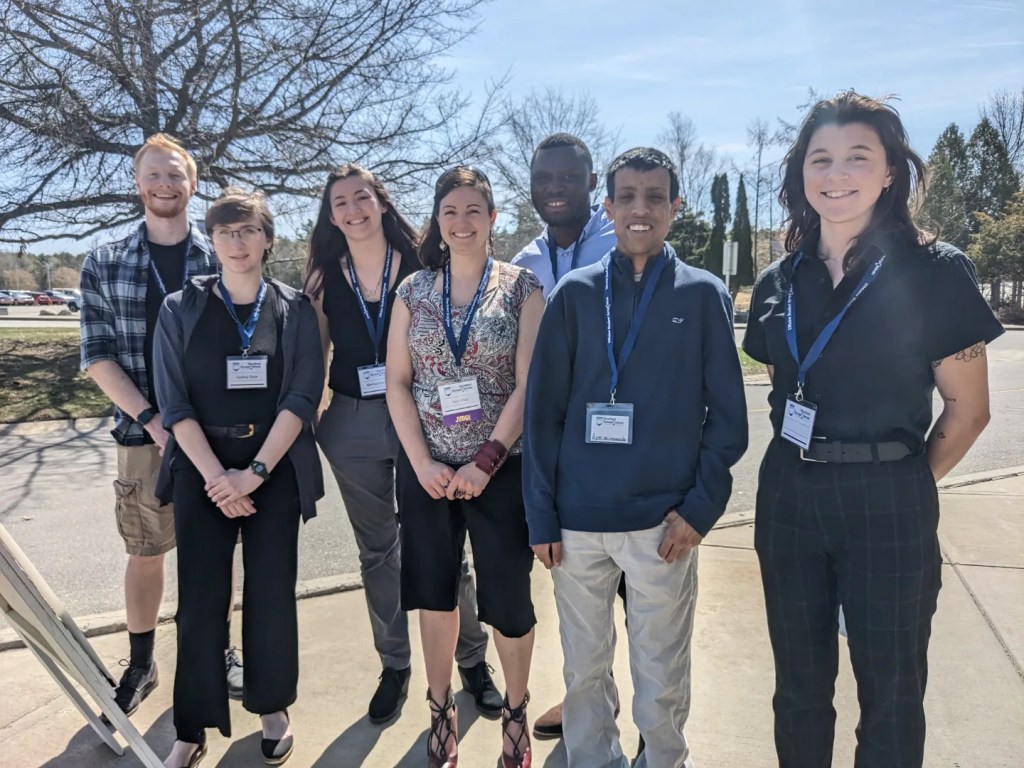
UMaine News recently highlighted some of the collaborative work that Yanyan Li and I have been doing at UMaine! You can read more about our projects here, here, and here.

This work features researchers from other universities, including:

•Dr. Tao Zhang, PI, SUNY Binghamton

•Dr. Grace Chen, PI, MSU

•Dr. Gary Mawe, PI, UVM

•Molly Hurd, PhD student, UVM

•Bridgette Lavoie, RA, UVM

•Dr. Peter Moses, PI, Finch Therapeutics

•Johanna Holman, MS student, Umaine

•Lola Holcomb, PhD student, UMaine

•Louisa Colucci, undergrad at the time, Husson

Joe Balkan, Undergrad, Tufts

•Dr. Emma Perry, UMaine Microscopy Facility

In addition to the two new funding sources listed in the article, we have been supported by:

•Maine Agricultural and Forestry  Experimental Station

•ME0-22102 (Ishaq) and ME0-22303 (Li)

•USDA-NIFA-AFRI Foundational Program [Grant No. 2018-67017-27520]

•UMaine Institute of Medicine

•Maine Center for Genetics in the Environment

• UMaine GSBSE

Collaborative paper published on winter wheat, farming practices, and climate!

The second paper from Tindall’s master’s work at Montana State University in the Menalled Lab has been accepted for publication! Tindall defended her master’s in August 2021, and has been working at a plant production company in Bozeman since then.

Ouverson, T., Boss, D., Eberly, J., Seipel, T.,  Menalled, F.D., Ishaq, S.L. 2022. Soil  bacterial community response to cover crops, cover crop termination, and predicted climate conditions in a dryland cropping system. Frontiers in Sustainable Food Systems.

Abstract

Soil microbial communities are integral to highly complex soil environments, responding to changes in aboveground plant biodiversity, influencing physical soil structure, driving nutrient cycling, and promoting both plant growth and disease suppression. Cover crops can improve soil health, but little is known about their effects on soil microbial community composition in semiarid cropping systems, which are rapidly becoming warmer and drier due to climate change. This study focused on a wheat-cover crop rotation near Havre, Montana that tested two cover crop mixtures (five species planted early season and seven species planted mid-season) with three different termination methods (chemical, grazed, or hayed and baled) against a fallow control under ambient or induced warmer/drier conditions. Soil samples from the 2018 and 2019 cover crop/fallow phases were collected for bacterial community 16S rRNA gene sequencing. The presence and composition of cover crops affected evenness and community composition. Bacterial communities in the 2018 ambient mid-season cover crops, warmer/drier mid-season cover crops, and ambient early season cover crops had greater richness and diversity than those in the warmer/drier early season cover crops. Soil microbial communities from mid-season cover crops were distinct from the early season cover crops and fallow. No treatments affected bacterial alpha or beta diversity in 2019, which could be attributed to high rainfall. Results indicate that cover crop mixtures including species tolerant to warmer and drier conditions can foster diverse soil bacterial communities compared to fallow soils.

Figure 1, showing a schematic of the fields and experimental design.

Related works from that research group include:

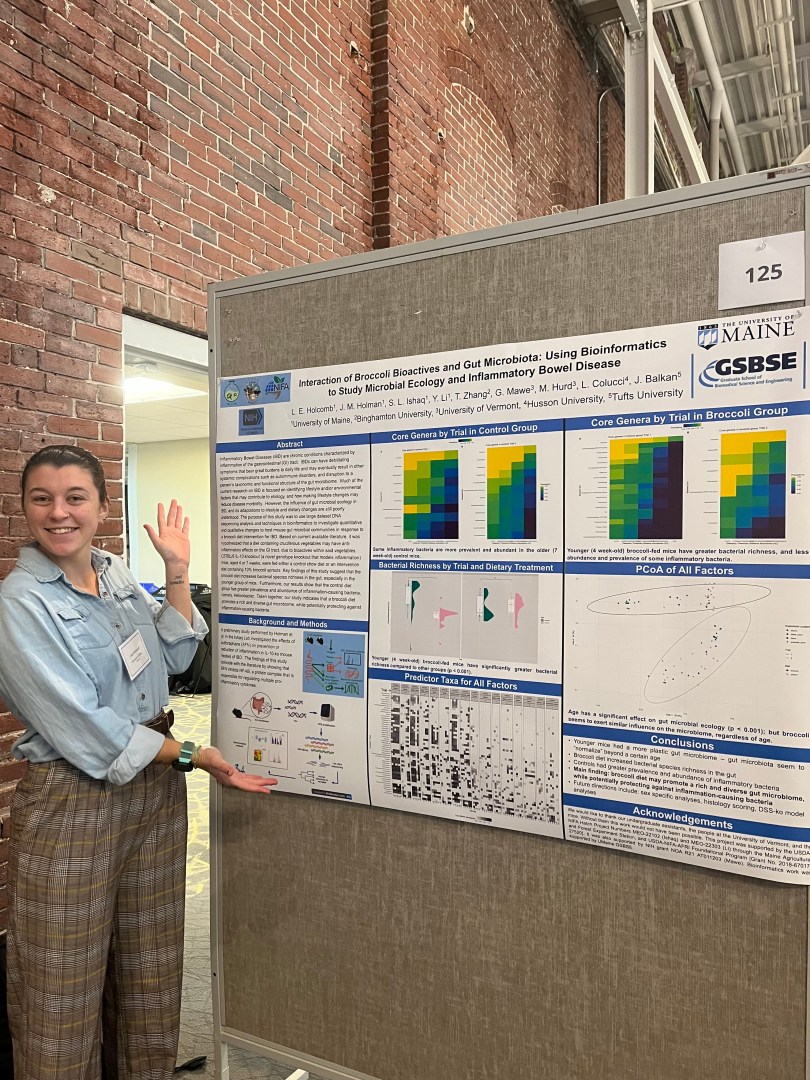
Li and Ishaq labs receive NIH R15 award to study broccoli bioactives, gut microbes, and inflammation!

The Li and Ishaq labs at UMaine, along with collaborators from multiple institutions, have been awarded R15 funding from the National Institute Of Diabetes And Digestive And Kidney Diseases of the National Institutes of Health!

This award will complement other projects/awards led by our team, which has been investigating inflammatory bowel diseases, anti-inflammatories, gut microbes, and nutrition, separately for decades and collaboratively for over two years.

  • Dr. Yanyan Li, PhD (lead PI), Assistant Professor at the University of Maine with expertise in nutrition and food science, particularly dietary bioactives and colitis;
  • myself (co-PI), with expertise in host-associated microbiology, especially GI tract;
  • Dr. Grace Chen, MD, PhD (co-I), Associate Professor at the University of Michigan, expertise in mouse models for gut microbiome and colonic host immune responses;
  • Dr. Tao Zhang, PhD (consultant), Assistant professor at Binghamton University, with expertise in metabolism, kinetics, and bioanalysis of natural products;
  • Dr. Gary Mawe, PhD (consultant), Professor at the University of Vermont, with expertise in translational research on GI tract regulation, inflammation, and IBD;
  • Dr. Peter Moses, MD (consultant), Professor Emeritus at the University of Vermont College of Medicine and Senior Researcher at GSK, with expertise in IBD and functional gastrointestinal disorders.

R15 Research Enhancement Awards are designated for projects which involve a large number of student researchers. Between the Li and Ishaq labs, there are three current graduate students, and two former undergrads who have contributed to this research, and we anticipate bringing in 1-2 additional graduate students and almost a dozen undergrads in the next year! That will include undergrads in Honors, Top Scholars, and Capstone programs at UMaine. We’ve also been assisted by the work of students, postdocs, technicians, and investigators through our collaborators, and we are ecstatic about the opportunity to continue to grow our team across institutions. And, this project will generate research that will feed back into education at UMaine through the courses that we teach, such as my microbiomes and DNA sequence analysis courses.

“Harnessing gut microbiota to reduce inflammation using broccoli-sprout diets.”

Project Summary:

Inflammatory bowel disease (IBD) is a poorly understood gastrointestinal (GI) condition characterized by inflammation. The prevailing theory is that combined genetic and environmental factors disrupt the host immune system’s interaction with gut microbiota. Our central hypothesis is that consumption of specific broccoli sprout preparations elicits changes in the gut microbiota that not only improve the production of anti-inflammatory bioactives, but also promote intestinal homeostasis. Our labs have shown there is an anatomical pattern along the GI tract where broccoli sprout-derived bioactive levels are high which correspond to diet-induced changes in gut microbial communities. We showed that gut microbiota contribute to the transformation of inactive precursors to bioactives, and that specific broccoli sprout preparations alter their capacity for biotransformation, and the susceptibility of mice to colitis. However, a significant knowledge gap remains regarding the mechanisms by which dietary bioactives modify disease risk and the role of gut microbiota. Our immediate goal is to identify the mechanisms by which broccoli sprout diets affect susceptibility to IBD in mice. Our long-term goal is to develop a dietary preparation of
broccoli sprouts which has therapeutic effects against IBD in humans. Our innovative approach uses different preparations of broccoli sprouts to help differentiate gut microbiota versus plant-derived
enzymatic activities. We employ a combination of “omics” approaches to spatially-map the microbial community and metabolite profile changes along the GI tract, to better assess changes induced by broccoli sprout diets. We complement “omics” approaches with culturing, and validate our study design using two complementary models for strategic research.

A cartoon of three gastrointestinal tracts showing the locations of inflammation in ulcerative colitis, crohn's disease, or healthy tissue. At the bottom are cross-sections showing thickening of the intestinal wall in patients with Crohn's, and ulcers in patients with colitis.
Created by Johanna Holman.

Aim 1 tests the hypothesis of an anatomical pattern where the GI tract microbiota transform broccoli compounds into bioactives, and helps us determine whether this microbial biotransformation is sensitive to dose of broccoli compounds. We will use our established DSS-mouse-model of ulcerative colitis to investigate the effects of different broccoli sprout preparations and concentrations on the microbiota along the GI tract; on the resulting concentration of bioactives in gut tissues; and on the development of colitis in mice.

A cartoon schematic of the experimental design of the project. Four mice are at the top, two have "DSS" written above them, one of which is also holding a broccoli sprout. One of the mice without DSS written on it is holding a broccoli sprout. Below the mice is a cartoon of the digestive tract with arrows emanating from it to indicate samples of microbes will be taken from different locations. The microbe images have arrows pointing to culturing equipment, and also to a biochemical pathway showing the compound glucoraphanin being converted to sulforaphane.
Created by Sue Ishaq, made with Biorender

Aim 2 tests the benefits of using an immunosuppressed mouse model in the dietary prevention study to provide a stronger translational strategy for the use of broccoli sprouts for IBD prevention. When exposed to a specific bacterial pathogen, the immunosuppressed mice develop chronic enterocolitis resembling Crohn’s disease. This diet-based approach provides critical information for developing accessible and equitable strategies for improving health of IBD patients.

A cartoon schematic of the experimental design of the project. Two mice are at the top, with the label "IL-10" crossed out above them. One mouse is also holding a broccoli sprout.  Below the mice is a cartoon of the digestive tract with arrows emanating from it to indicate samples of microbes and tissue will be taken from different locations. The words weight and plasma indicate those will also be collected. The plasma and tissue samples will be used for mass-spectroscopy and histology, and the microbes will be used for DNA sequencing.
Created by Sue Ishaq, made with Biorender

Li and Ishaq labs receive Allen Foundation funding to research broccoli bioactives!

The Allen Foundation awarded Dr. Yanyan Li, Assistant Professor of Food Science and Human Nutrition, and myself funding for a pilot project in people on broccoli sprouts, the gut microbiome, anti inflammatory compounds, and health! Dr. Li and I, as well as a team of other researchers, have been collaborating over the last three years to understand how certain gut microbes create an anti-inflammatory compound using a compound in broccoli sprouts, and how we can use this action to calm colitis. Over the next 18 months, we will be recruiting a small group of people to participate in a diet trial. This will form the first part of the PhD work for Johanna Holman, who recently defended her master’s of science at UMaine.

Project Summary:

There is increasing evidence that diet and the gut microbiota have significant impact on human health and thus impact susceptibility to disease such as inflammatory bowel disease. Indeed, a Westernized diet has been associated with higher risk for developing inflammatory bowel disease, primarily as ulcerative colitis and Crohn’s disease, while a diet rich in fruits and vegetables tends to reduce risk. Our preliminary data suggests that a specific whole-food preparation of broccoli sprouts protects against the development of colitis in a chemically-induced mouse model as well as in a transgenic mouse model of Crohn’s disease. Furthermore, the gut microbiome contributes to the generation of the active anti-inflammatory component, sulforaphane, from broccoli sprouts, and the microbiome, in turn, is altered by exposure to broccoli sprouts or its metabolites. Thus, our long-term goal is to understand the interactions between anti-inflammatory bioactives of broccoli sprouts and the gut microbiome. The current proposal aims to increase our understanding of the nutrigenomics of the human microbiome and a broccoli sprout diet in healthy subjects. Our goal is to determine the feasibility of incorporating a specific broccoli sprout preparation into whole-food diets to increase levels of anti-inflammatory bioactives from broccoli sprouts in healthy humans. These directly address the foundation’s priority of “bringing the promise of nutrigenomics or nutritional genomics to realization”. Results from this study will help determine the feasibility and potential efficacy of a whole food approach in promoting intestinal homeostasis and mitigating risk of developing inflammatory bowel disease.

Diagram of the chemical conversion of glucoraphanin to sulforaphane. In panel A, the process is shown using the plant enzyme myrosinase, and in panel B, the process is shown using bacterial myrosinase-like enzymes. In the middle of the diagram, there is a cartoon mouse eating broccoli. Panel A points to the broccoli, where that action occurs, and panel B points to the gut, where microbial conversion occurs,
Figure from Holman et . in review, artwork by Johanna Holman. Glucoraphanin hydrolysis. A. GLR hydrolysis in the presence of myrosinase upon damage to the broccoli plant. Epithiospecifier protein preferentially converts GLR to SFN-nitrile. B. GLR hydrolysis has been demonstrated by gut bacteria in the colon of mammals.  Low pH environments favor conversion to SFN-nitrile.

Alexis wraps up her REU project!

Last week, undergraduate Alexis Kirkendall concluded her 10-week Research Experience for Undergraduates (REU) program at the University of Maine. Over that time, she has been an integral member of the Ishaq lab, and had assisted with lab work for multiple projects, comparing microscopy staining protocols, training students, assisting with laboratory management and safety regulation checks, and more. She picked up skills in animal sample collection, microscopy and staining, parasitology, culture media preparation, DNA extraction, and data visualization in R. Alexis also helped create some of the marketing materials for the Microbes and Social Equity Symposium in July, and facilitated group discussions as a note taker.

At the end of the program, REU students create posters and short presentations of their efforts over the summer. The presentations were last week, but you can check out the poster below.

Alexis is heading back to Ohio for her next year at Heidelberg College where, in addition to studying science, she is leading initiatives to make the campus more accessible and inclusive. But, we hope to see her back in Maine sometime in the future!

Happening today ‘Session 5: MSE Education Practices and Curriculum Design’ at the July 2022 MSE virtual symposium!

Today is the fifth and final day of the July 2022 MSE virtual symposium, which is focused on “MSE Education Practices and Curriculum Design”. Don’t worry, you still have time to register!

This session will feature three talks featuring educators who have brought sociology into their microbiome courses, and vice versa, and who have experience creating out-of-the-box curricula to engage students in learning while helping them to see themselves as scientists. Our hope is that attendees for this session learn from different perspectives how to creatively present microbiology courses which situate learning about the microbiome with learning about social and environmental systems.

Session 5: “MSE Education Practices and Curriculum Design”

Friday, July 22nd, 12:30 ~ 16:00 EST. post updated, event has passed, watch the recorded talks.

Session leaders:

Erin Eggleston, PhD, Assistant Professor of Biology, Middlebury College

Monica Trujillo

Monica Trujillo, Ph.D., Associate Professor, of Biology Queensborough Community College, The City University of New York

Carla Bonilla, Ph.D., Assistant Professor, University of San Diego

Scope: Curriculum which blends disciplines is highly engaging, and can be used to teach complex concepts, and can help students combine their existing cultural and social identities with their growing researcher identity. However, creating an interdisciplinary curriculum can be challenging. This session frames educational conversations in MSE, and gives perspectives on creating courses that blend microbiome and social sciences for different levels of education.

Learning Objectives of Session: Attendees will 1) identify successes and barriers to entry for MSE curriculum at different education levels (K-12, UG, grad, general public), 2) Share ways in which we incorporate MSE in our curricula (i.e. assignments, class period, multi-day module, full course, etc.); 3) develop ideas for further curriculum design for their own courses.

Format of talks: Three 30-min lecture-style talks from education practitioners who have successfully built courses around MSE topics, including an outline of learning goals, approach to course, lessons learned/challenges, and more.

Format of breakout rooms: Each room creates a lesson plan outline, and each room has a designated topic area (e.g. human microbiome equity) to help audience members group by teaching discipline.
Session Speakers

Sarah Miller

Sarah Miller, M.S., Executive Director of Tiny Earth at University of Wisconsin-Madison

“Tiny Earth: Leveraging an instructor community to create antiracist curriculum in a research course”

Dr. Ally Hunter
Dr. Melissa Zwick

Dr. Ally Hunter, PhD., Lecturer, iCONS Program & Postdoctoral Fellow, Center for Youth Engagement, University of Massachusetts, Amherst. Part of NSF Project RAISE (Reclaiming Access to Inquiry Science Education for Incarcerated Learners), and NSF Project INSITE (INtegrating STEM Into Transition Education for Incarcerated Youth).

Dr. Melissa Zwick, PhD., Associate Professor of Biology, Stockton University

“Science through storytelling:  Using case study pedagogy as inclusive practice in undergraduate microbiology.” 

Dr. Davida Smyth

Dr. Davida Smyth, Ph.D., Associate Professor of Molecular Microbiology at Texas A&M University in San Antonio

“Using wicked problems to CURE your teaching”

12:30 – 14:15 Introduction and Speakers

14:15 – 14:30 Break

14:30 – 16:00 Breakout room discussions based on skills development, in smaller groups

  • Undergraduate microbiology courses resources/MSE integration
  • Pedagogy as scholarship/publishing mechanisms/resources
  • Assessing case study style teaching

Prior to this session, you may want to watch these recorded talks:


Happening today, ‘Session 3: Transforming your research for policy engagement’ at the July 2022 MSE virtual symposium!

Today is the third day of the July 2022 MSE virtual symposium, but don’t worry, you still have time to register for the session. Today’s session is focused on “Transforming your research for policy engagement”. This session will feature three talks featuring researchers who have experience bringing research to the public and to legislative bodies. So often, the positive outcomes of research are limited because it can be difficult to get the word out to people who can put our results into practice. Our hope is that attendees for this session learn from different perspectives how to write their research to inform the general public, professionals in healthcare, or policy makers.


Session 3: “Transforming your research for policy engagement”

Wednesday, July 20th, 12:30 ~ 16:00 EST. Post updated: watch the recorded talks here.

Section leaders:

Mallory Choudoir, Ph.D. Soil microbial ecologist. Postdoctoral Researcher at University of Massachusetts Amherst. Assistant Professor and Extension Specialist at North Carolina State University September 2022. 

Mustafa Saifuddin, Ph.D., Staff Scientist, Sustainable Food and Farming Program at Earthjustice

Mustafa Saifuddin, Ph.D., Staff Scientist, Sustainable Food and Farming Program at Earthjustice

Amali Stephens, PhD Student, Interdepartmental Microbiology, Iowa State University

Scope: Microbiomes drive processes in all environments and are intimately intertwined with all aspects of our lives. Despite the central role of microbes in shaping systems, microbial researchers are often detached from shaping policies related to conservation, public health, land use, environmental justice, climate and other areas of intersection. Policy engagement is not typically included in the academic training of microbiome researchers, and there is a need for greater coordination between policy needs and microbial research. This session will explore integrated, collaborative approaches to research and policy making.

Learning Objectives of Session: Attendees will discuss 1) how to develop research in collaboration with policy needs, 2) policy levels and types (government, private), 3) how to identify stakeholders, and 4) how to communicate your research to policymakers.
Format of talks:  Three 30-min lecture-style talks will describe interdisciplinary research outcomes which transcend typical academic endpoints and engage in shaping policy.

Format of breakout rooms: Each room will create a policy brief outline or ideas list around a particular topic area (e.g. environmental restoration) to help audience members group by discipline.

Session Speakers: In development, details provided soon!

Dr. Caitlyn Hall

Dr. Caitlyn Hall, PhD., Assistant Professor of Practice, University of Arizona

“The Elephant in the Lab: How can scientists engage in policy and advocacy?”

Dr. Kathleen Treseder

Dr. Kathleen Treseder, PhD., Howard A. Schneiderman Endowed Chair and Professor of Biology at the University of California Irvine; Climate Activist; Irvine City Council Candidate

“My experience advocating for environmental policy with local policy makers: What worked, what didn’t.”

Dr. Sonja Birthisel

Dr. Sonja Birthisel, Ph.D., Faculty Associate, University of Maine School of Forest Resources and Ecology & Environmental Sciences Program; Director, The Wilson Center at the University of Maine; Councilor, Orono Maine Town Council

“Public Policy Engagement & Personal Sustainability: What’s Your “Sparkle Zone”?”

12:30 – 14:15 Introduction and Speakers

14:15 – 14:30 Break

14:30 – 16:00 Breakout room discussions based on skills development, in smaller groups

  • How to talk to your politicians about science
  • How scientists get involved with policy
  • Curriculum for science policy
  • Environmental microbial policy issues
  • Microbial conservation
  • Soil carbon & climate justice issues
  • Agricultural antibiotic use
  • Microbial exposures (residential, worker exposure)

Prior to this session, you may want to watch these recorded talks:

You might also be interested in:

Dr. Monica Trujillo, Associate Professor, MSE member, and Symposium session leader, will be at #ASMhillday on July 26th to educate policymakers on microbiology, climate change, and policy.

Happening today: ‘Session 2: Blending biological, social, and humanities writing’ at the July 2022 MSE virtual symposium!

Today the second day of the July 2022 MSE virtual symposium, which is focused on “Blending biological, social, and humanities writing”. Don’t worry, you still have time to register and join the session.

This session will feature one talk and one panel discussion, featuring researchers who have published, reviewed, and edited interdisciplinary writing and appreciate the difficulty that many microbiome researchers face: getting their work published when it does not fit a typical experimental layout. Our hope is that attendees for this session learn from different perspectives how to write across disciplines, find the right journal and pitch the relevancy of their manuscript to the journal’s scope, how to find reviewers with disparate professional backgrounds (for example microbiology and legal policy), and more.


Session 2: “Blending biological, social, and humanities writing”

Tuesday, July 19th, 12:30 ~ 16:00 EST. post updated, this event has passed, watch the recorded talks here.

Session leaders:

Ashley Toney, PhD

Ashley M. Toney, Ph.D., Postdoctoral Research Fellow, UTHealth School of Public Health, El Paso. Translational/Clinical Nutrition Researcher focused on Latine Health Disparities.

Dr. Kieran O'Doherty.

Kieran C. O’Doherty, PhD., Professor of Psychology, University of Guelph, and Director of the Discourse, Science, Publics research Group

Emily Wissel, Ph.D. candidate, Emory University. MSE Director of Resource Dissemination

Scope: Interdisciplinary experimental designs have been called for in research, but finding a publication venue can be tricky when manuscripts or presentations are deemed not discipline-specific, or are labeled opinion instead of research. This session will explore common gatekeeping problems of interdisciplinary research, cross-disciplinary writing categorization discussions (i.e. theoretical framing, etc.), and writing strategies and publication venues to make the most of your work.

Learning Objectives of Session: Attendees will become familiar with different expectations within research design/publishing across fields, and learn about tangible suggestions from research publishers. Audience members should walk away with more confidence in interdisciplinary publishing.

Format of talks: This will feature a 30-min plenary topic to introduce the concept that theory in psychology/philosophy is regarded as opinion in the natural sciences, followed by 1 hour of a panel of research journal editors to discuss flexible publication guidelines.

Format of breakout rooms: Each room creates a document, and each room has a designated topic area (e.g. environmental restoration) to help audience members group by discipline

Session Speaker:

Dr. Mark Risjord, PhD. Professor of Philosophy, Emory University

“Crossing boundaries, building bridges: some reflections on interdisciplinary writing.”

After which, the Speaker will be joined by additional Panelists to discuss interdisciplinary research, challenges, and opportunities.

Dr. Susan L. Prescott, MD, PhD, FRACP. President, inVIVO Planetary Health @ the Nova Institute for Health, Baltimore, USA; Director, ORIGINS PROJECT Telethon Kids Institute; Professor of Paediatrics, UWA Medical School; Paediatric Immunologist, Perth Children’s Hospital; Editor in ChiefChallenges journal.

Dr. James Stegen

Dr. James Stegen, PhD., Physical & Computational Sciences Directorate, Pacific Northwest National Laboratory

Dr. Michela Gambino, professional headshot

Dr. Michela Gambino, PhD. Assistant Professor at the Department of Veterinary and Animal Sciences, University of Copenhagen; mSystems editor

12:30 – 14:15 Introduction, Speaker, and Panel discussion

14:15 – 14:30 Break

14:30 – 16:00 Breakout room discussions based on skills development, in smaller groups

  • Pitching your paper to the right journal 
  • Finding and directing reviewers
  • “Ask a philosopher!”
  • TBD

Prior to this session, you may want to watch these recorded talks:


Happening today: ‘Session 1: Context-aware experimental designs’ at the July 2022 MSE virtual symposium!

Today is first day of the July 2022 MSE virtual symposium, which is focused on “Context-aware experimental designs”! Don’t worry, you still have time to register for the meeting.

The three talks, featuring a total of 5 researchers, will present perspectives on the human microbiome and studying it within broader contexts to better understand our interactions with microbes. Our hope is that attendees for this session learn from different perspectives how to more creatively design or analyze their research to account for the effects that social policy and local environment can have on microbial exposures.

Session 1: “Context-aware experimental designs”

Monday, July 18th, 12:30 ~ 16:00 EST. post updated: This session has passed, watch the recorded talks.

It’s free, and held over Zoom.

Session leaders:

Dr. Ariangela Kozik, Ph.D., Postdoctoral Research Fellow, University of Michigan, and the Co-founder and Vice President of the Black Microbiologists Association

Sue Ishaq

Dr. Sue Ishaq, Ph.D., Assistant Professor at University of Maine and Founder of the Microbes and Social Equity working group.

Scope: Microbiome research often uses broad categorical factors as proxy factors for complex social or environmental contexts, but these can ignore or obscure underlying trends. This session will unpack proxy terms like race, Western diet, dysbiosis, rural/urban, and more, to differentiate what variables we actually want to measure and how to accomplish this in data collection and analysis. This session will also discuss how to communicate microbiome results in relation to broader contexts of lived experiences, rather than attributing results to broad proxy categories.

Learning Objectives of Session: Attendees will learn 1) the process of identifying more precise and appropriate measurement variables when engaging in human-adjacent microbiome research, instead of using proxy factors, 2) how to include more resolution to factorial data during collection, and 3) examples of how to process complex social data during microbiome data analysis.

Format of talks: Three 30-min lecture-style talks will disambiguate proxy categorizations into more precise variables that consider social contexts, approach to course, lessons learned/challenges.

Format of breakout rooms: Each room creates a concept map which disambiguates a proxy category into specific variables, and discusses how to frame surrey questions or leverage existing data to obtain this information. Each room has a designated topic area (e.g. environmental restoration) to help audience members group by discipline or type of information they are looking for.

Session Speakers:

Dr. Elizabeth Roberts.

Dr. Elizabeth F.S. Roberts, PhD., Professor of Anthropology, University of Michigan

Making better numbers through bioethnography

Dr. Katherine Maki, PhD., Assistant Clinical Investigator, Translational Biobehavioral and Health Disparities Branch, National Institutes of Health Clinical Center

Dr. Nicole M. Farmer, M.D., Principal Investigator, Translational Biobehavioral and Health Disparities Branch, NIH Clinical Center

Dr. Kelly K. Jones, Ph.D., RN, Research Fellow, Neighborhoods and Health Lab, Division of Intramural Research, National Institutes of Health

“Proposal of Neighborhood Socioeconomic Status Based Analysis of Human Microbiome Project”

Dr. Osama Tanous, M.D., Palestinian pediatrician based in Haifa and a board member of Physicians for Human Rights – Israel; Visiting Scientist, FXB Center for Health and Human Rights, Harvard University; Hubert H. Humphrey Fellow of Public Health and Health Policies, Emory University. His recent publication can be found here.

“From bedside to the journal – understanding bacteria in a settler colonial setting”

12:30 – 14:15 Introduction and Speakers

14:15 – 14:30 Break

14:30 – 16:00 Breakout room discussions based on skills development, in smaller groups

  1. Deconstructing race as a biological variable
  2. Common pitfalls/challenges to experimental design 
  3. Matching clinical work to social contexts.
  4. Bioethnography to generate hypotheses
  5. Planning for variables in microbiome and social research
  6. Combining microbiome and social data analysis
  7. TBD

Prior to this session, you may want to watch these recorded talks:


Featured image from Robinson et al. 2022.