This colloquium course introduces
students to current knowledge on selected host-associated or human-associated microbiomes,
and uses that base knowledge to discuss their relevance to human health in the
context of social equity. Example topics
include the effect of diet on the microbial community in the gut and the
importance of nutrient composition of free school lunches; maternal stress and
the effect on offspring physiology, immune development, and host-microbial
interactions; microbial communities in air, air quality, and income-based
housing; building quality, indoor microbiology, and enforced occupancy (ex. prisons
or public schools); and more. Guest lectures from relevant experts will be
included as possible.
Some background in microbial
ecology, genetics, anatomy, immunology, or sociology would be helpful, but is
not required. While difficult concepts
will be discussed, the course is intended to teach students about the basic
principles and how to apply them to contemporary social issues: what is a
microbiome? How does host anatomy and health drive microbial ecology? How does environmental microbiology and building
microbiology contribute to or impinge on health? When we read about
host-associated microbiomes in the news, especially regarding health, how can
we assess if the study is rigorous and how should we interpret the scope of the
findings?
The skill-set objectives include learning to review
scientific journal articles, distilling their findings while understanding
their limitations, and developing science communication skills via written
assignments and in-class discussions.
Over the fall 2018 term, BioBE and ESBL undergrads made a project video explaining a recent publication on the effect of different daylight treatments on bacteria in dust. The post and video can be found here!
No one is sorry to say goodbye to 2018, yet it still seems like the 2018 Year in Review has arrived too soon. As usual, I’ve been keeping busy; you can find my reviews for 2017 and 2016 in the archives. For the first year in the three years since I started this blog, I’m not starting a new job! I’ve been at BioBE for a year and a half, and it’s a relief to be in an academic position long enough to finish the projects you started (I’m only just starting to submit some manuscripts for work I did back in Montana).
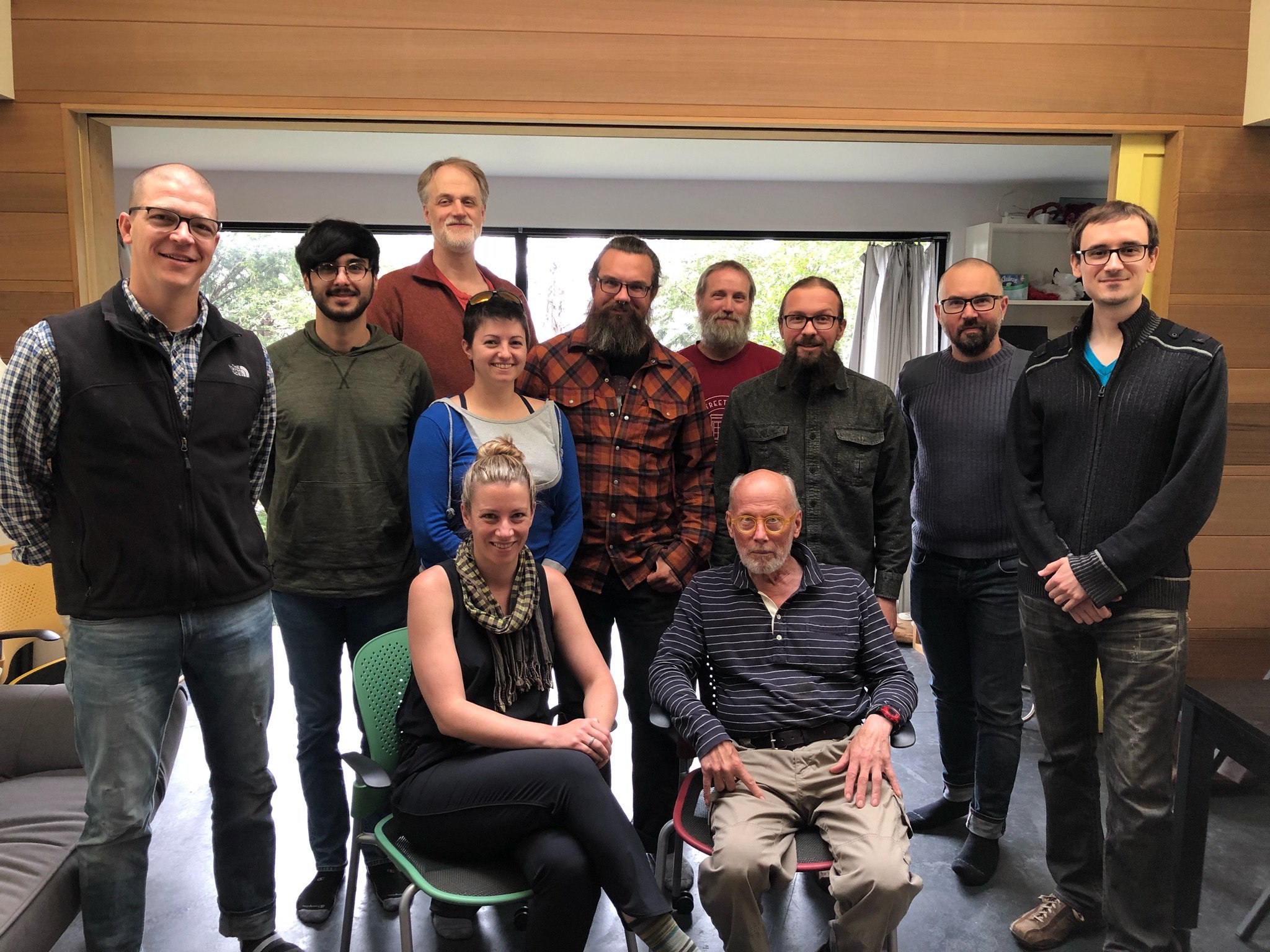
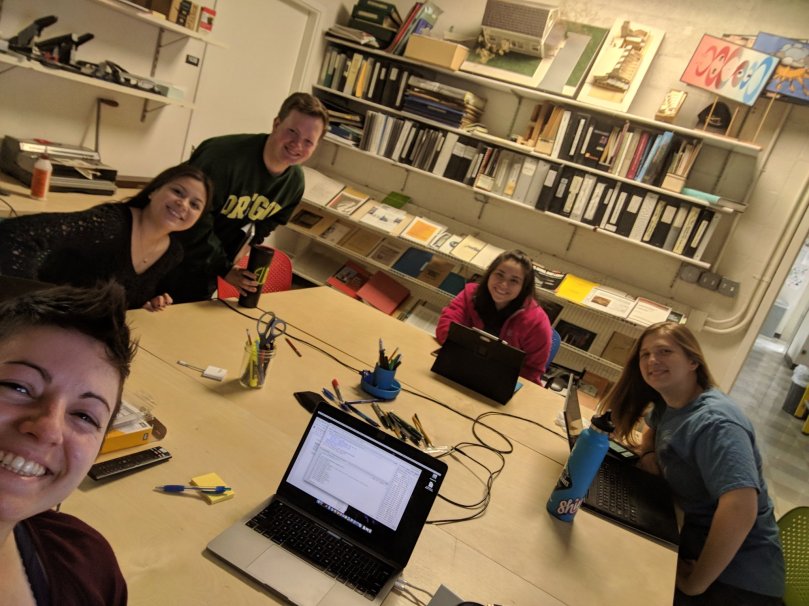
BioBE and ESBL staff (not all pictured), Sept 2018
Research
Two papers of mine were published this year, including one on the bacteria along the GI tract of calves, one on the effect of dietary zinc on bacteria in sheep. A comprehensive culturing initiative of rumen microorganisms, called the Hungate 1000 Project, an international initiative to which I contributed data, was also published. That puts me up to 17 scientific articles, of which 9 are first-authored, as well as 5 scientific reviews. I have three manuscripts in review right now, and another five being prepared – 2019 will be a busy year.
I joined two journal editorial boards this year, PloS One and Applied and Environmental Microbiology. Both positions are as an Academic (or handling) Editor; I will oversee manuscript review by soliciting reviewers, assessing their recommendations, and interfacing with authors. In recent years, the gender discrepancy in science has received more attention, and some journals are making efforts towards increasing the number of female editors, reviewers, and contributors to reduce implicit bias in science publishing. I am pleased to be in a position where I can help change that!
I’ve been spending a lot of time writing grants and developing potential projects on microbiology and health in the built environment, many of which should be moving forward in 2019. I’ve also been spending time training the 9 undergraduate students I hired over the summer and fall to work at BioBE. In addition to microbiology and molecular biology laboratory skills, I have been training them on DNA sequence analysis and coding, scientific literature review, and science writing and communications.
Teaching
This fall term, I taught Introduction to Mammalian Microbiomes for the University of Oregon Clark Honor’s College. I proposed this new course last year, and developed the curricula largely from scratch. I’d previously taught some of the subject material at Montana State University in Carl Yeoman and Seth Walk’s Host-Associated Microbiomes course; however in IMM I was teaching to non-science majors. The course went well, and I’ll be diving into it in detail with a full blog post in a few weeks. I proposed the course again for next year, as well as another new course; Microbiology of the Built Environment.
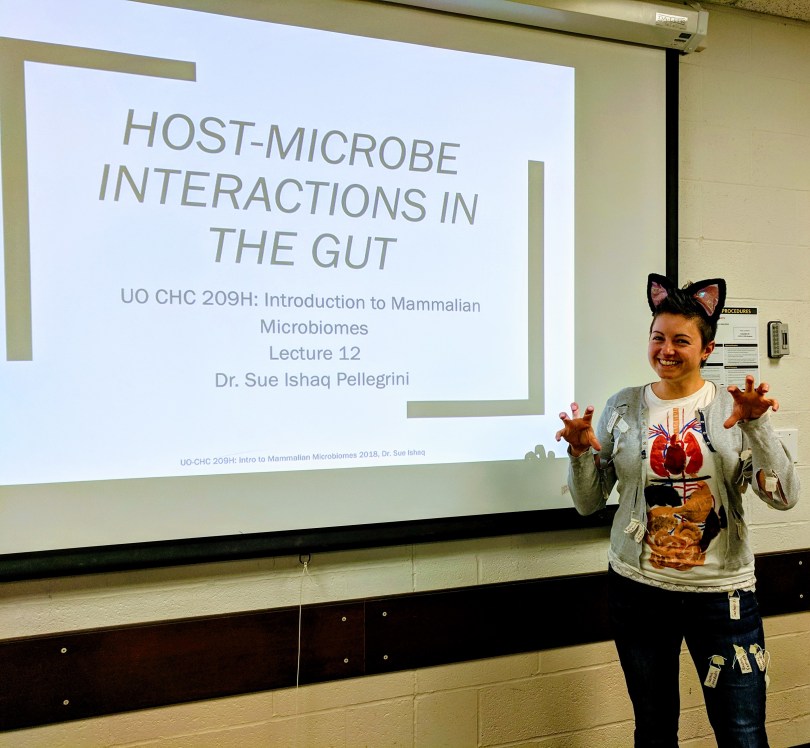
What better way to learn about host microbiota than an anatomically-correct dissected cat costume?
Presentations and travel
Early in the year, I gave two public talks on the gut microbiome for Oregon Museum of Science and Industry; one in Eugene and one in Portland. Both were a lot of fun, and I really enjoyed getting to share my work with the public.
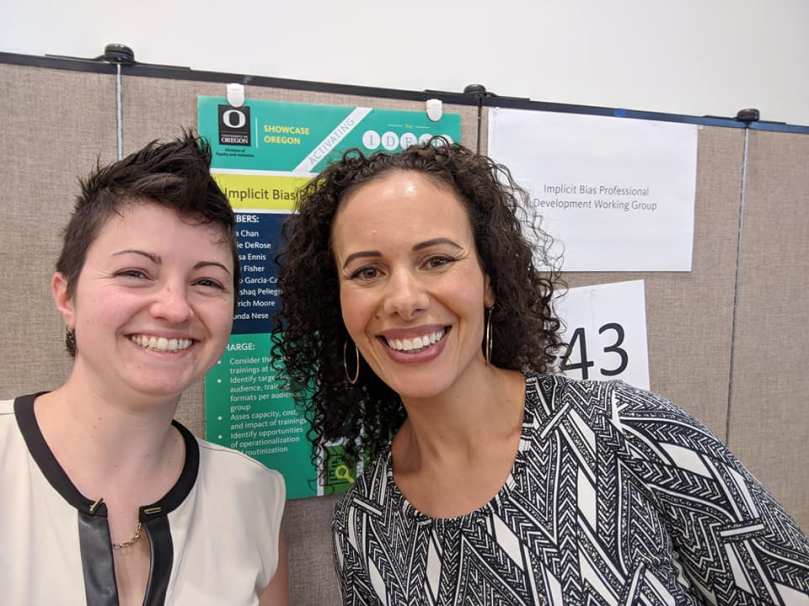
At the end of the spring term, I also presented at the University of Oregon IDEAL Framework Showcase. Over the 2017/2018 academic year I served on the Implicit Bias working group, tasked with assessing the need for campus-wide training and making recommendations to the college.
In June, I attended the HOMEChem Open House at the UT Austin Test House, University of Texas at Austin’s J.J. Pickle Research Campus. I got to tour the amazing indoor chemistry labs there, and met with BioBE collaborators to discuss pilot projects exploring the link between indoor chemistry and indoor microbiology.
MoBE 2018 was an intensive meeting that brought together the top names and the rising stars of MoBE research. Gordon conferences are closed-session to encourage the presentation of unpublished data and ideas, and to facilitate discussion and theoretical contemplation. While in Biddeford, I had the opportunity to eat seafood, visit friends, and check out Mug Buddy Cookies!!
Immediately after MoBE, I flew to Philadelphia for the Indoor Air 2018 conference. I again presented some of the work I’ve been part of, exploring the effect of weatherization and lifestyle on bacteria indoors. I also found some incredible shoes.
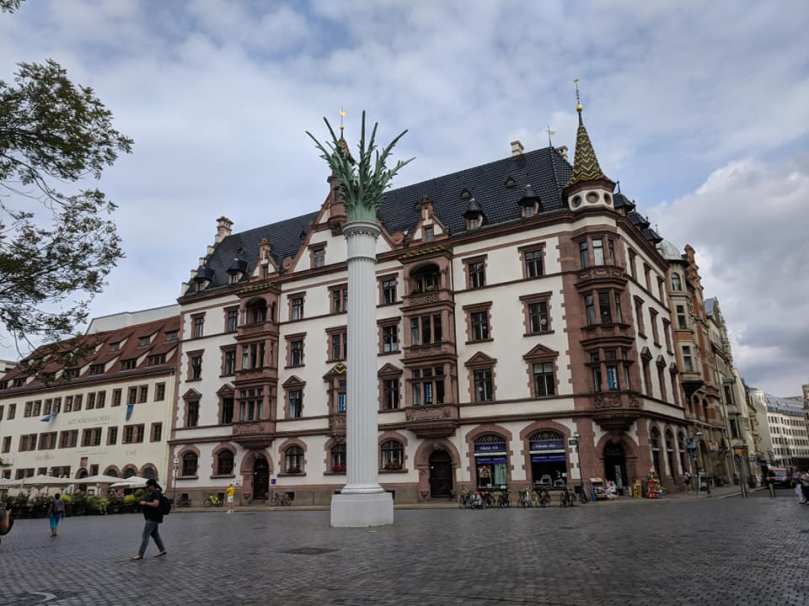
Then, in August I went to Leipzig, Germany for the 17th International Society for Microbial Ecology (ISME17). Here as well, I presented some of the work I’ve been part of, and had the chance to revisit a city I haven’t been to in 5 years – since the last microbial ecology conference held here.
Outreach
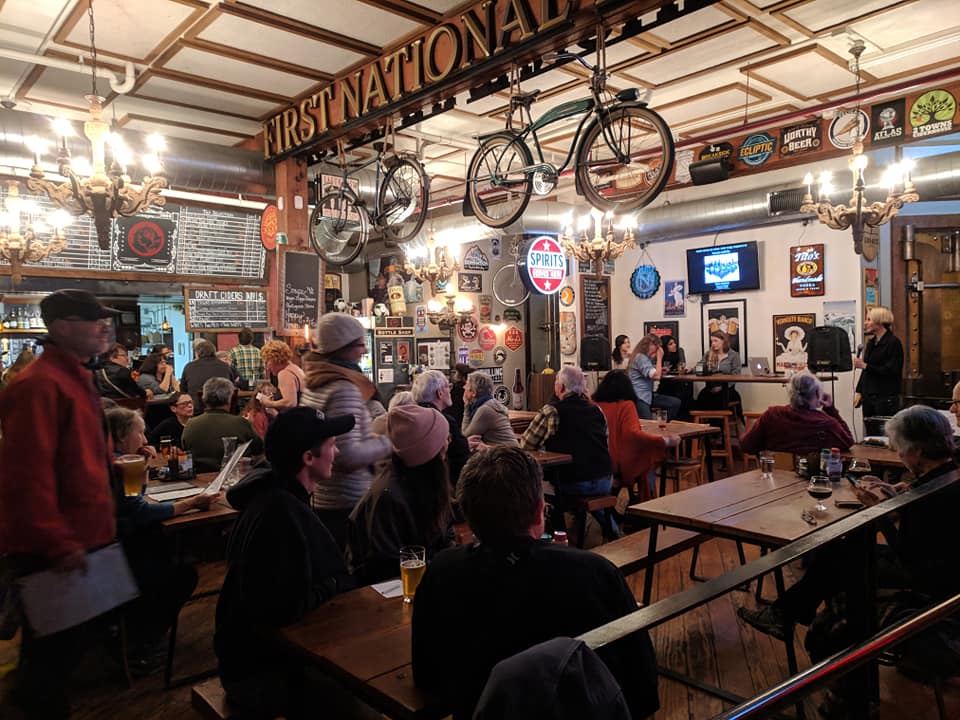
I spent a great deal of 2018 participating in activities for 500 Women Scientists. I am a Pod Coordinator for the Eugene Pod, and as such I meet regularly with other Coordinators to plan events. The majority of our 2018 events were Science Salons: science talks by local female researchers around a particular theme, with a hands-on activity to match, and a Q&A session about life as a (female) scientist. We heard about some awesome research, raised $1300 for local science non-profits, and learned how to be better community members by sharing personal stories about the triumphs and troughs of being a woman in science.
Hannah Tavalire and I talking about ‘Gut Stuff’.
Anne Nolin and M Jackson, from ‘Ice, ice, maybe’
Science Squad.
A packed house for Krista McGuire (pictured) and Bitty Roy, ‘Featuring Fungi’
Avery McRae, a plaintiff in Julianna v. US, ‘Future Scientists’
Serena Orsinger, activist and naturalist, ‘Future Scientists’
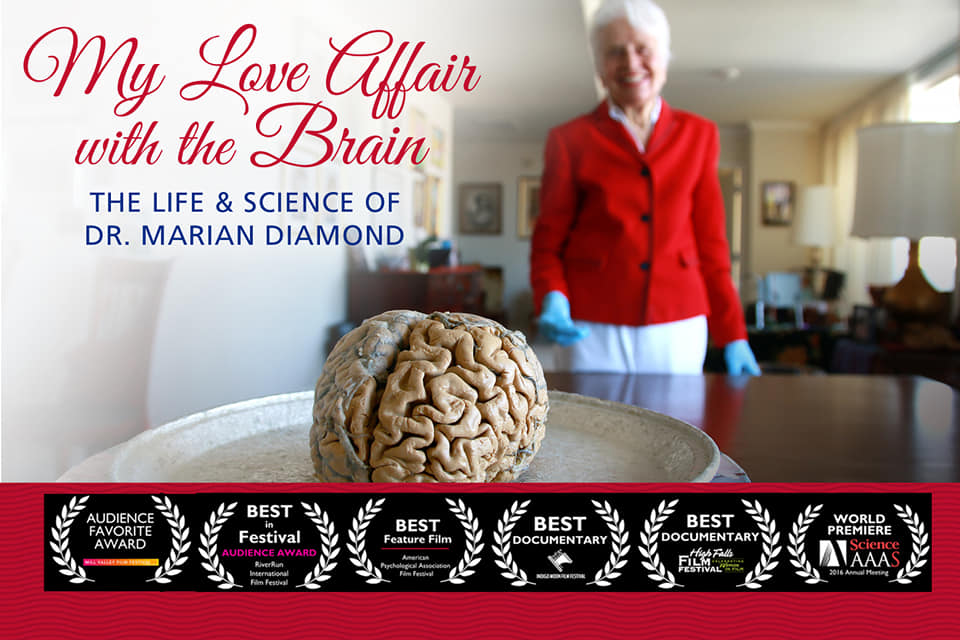
We also hosted a film screening of My Love Affair with the Brain, generously lent to 500WS by Luna Productions, followed by a panel discussion of women neuroscientists here in Eugene.
Along with two other Eugene Pod Coordinators, I wrote a small proposal which was funded, to coordinate workshops at UO: “Amplifying diverse voices: training and support for managing identity-based harassment in science communication”. Those workshops will take place in 2019.
This year, I acted as a judge for several robotics competitions and STEM design projects for local schools, I even dressed up as a giant spider to throw corn starch at campers. You know, for the kids.
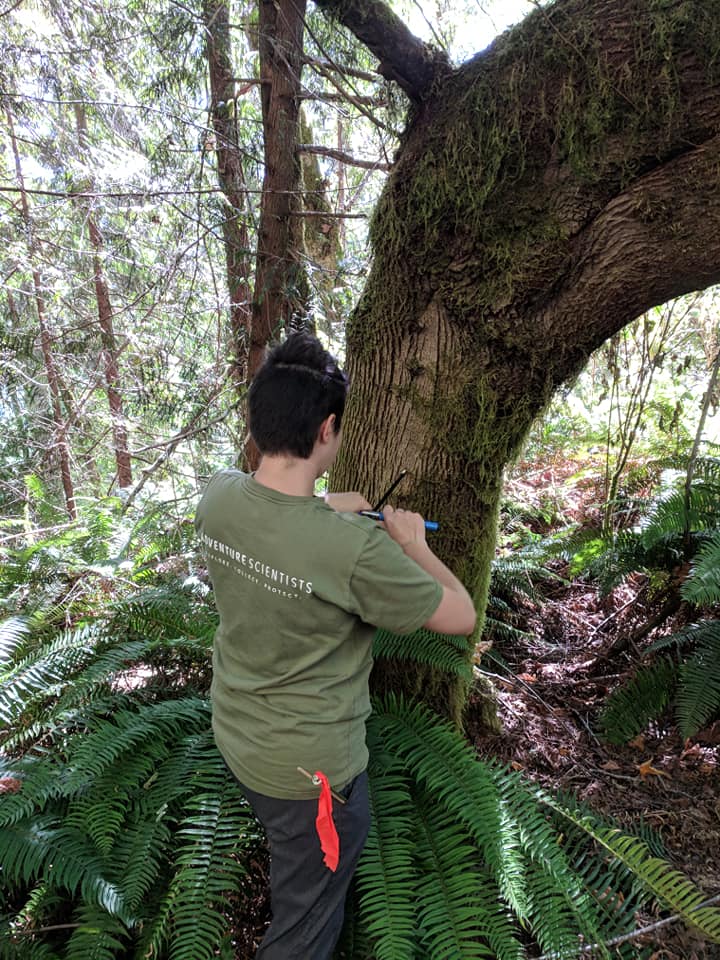
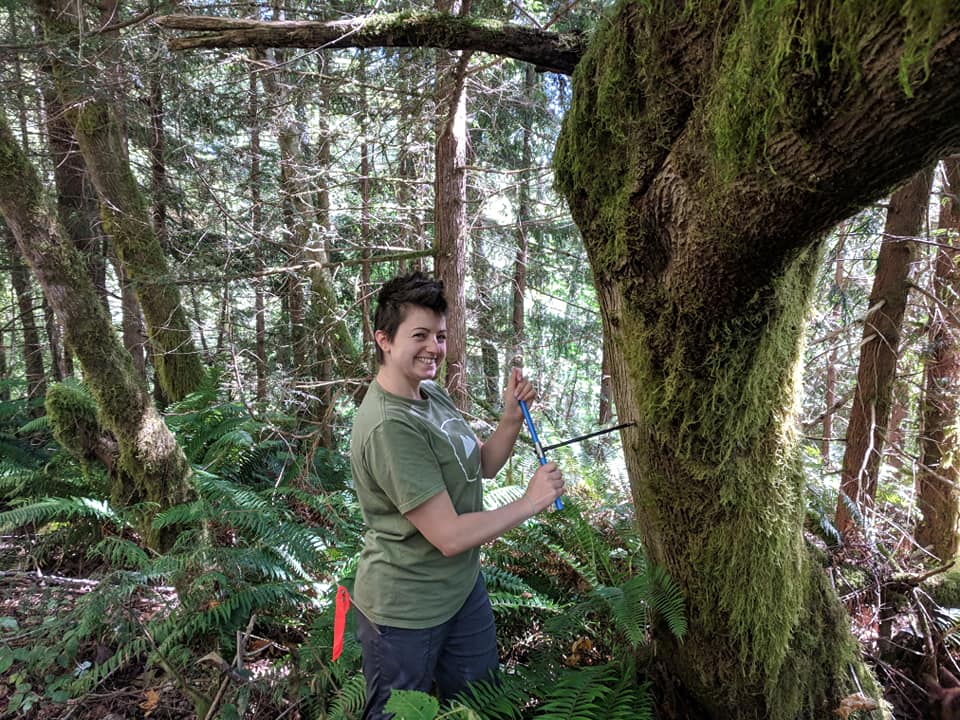
I again participated in citizen science through Adventure Scientists, as part of their wood crews for the Timber Tracking 2018 campaign. Lee and I drove around a 20,000 sq mi section of southwestern Oregon to collect samples from big leaf maple trees at 10 locations which adhered to certain sampling parameters. Despite the large number of big leafs in Oregon, the sampling criteria made it difficult to find the perfect tree in an entire forest, and we logged a lot of mileage. Lee and I also volunteered for their Gallatin County Microplastics Initiative while we lived in Bozeman, MT.
Blog
I published 30 posts this year! The most popular post this year continues to be Work-Life Balance: What Do Professors Do?, self explanatory, and the least popular this year is Show Me the (Grant) Money, detailing the grant proposal writing process. Although, I was significantly less wordy this year as compared to other years.
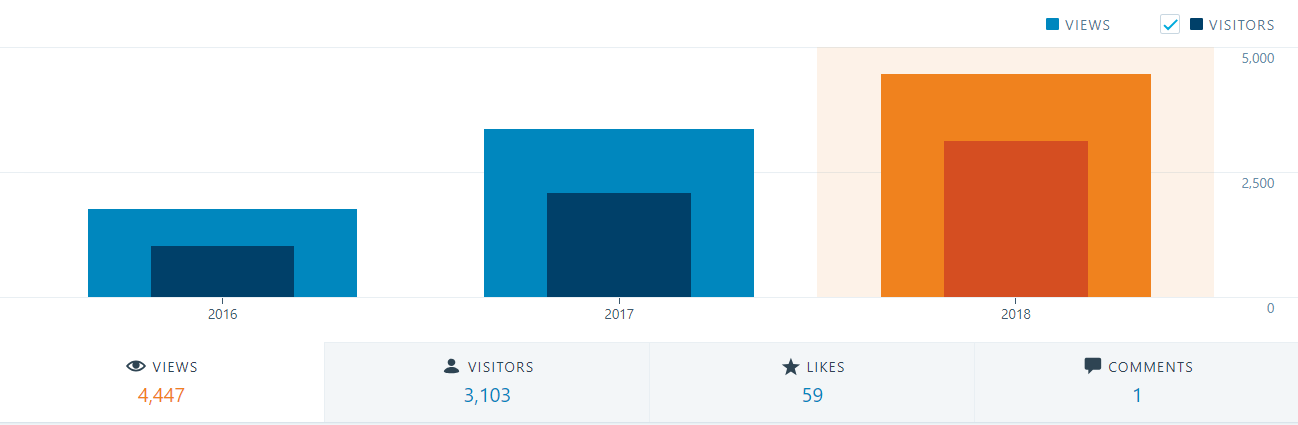
As of today, my site received 4,447 view from 97 countries and 3,101 visitors in 2018. So far, I’ve published 109 posts, and received 6,147 visitors who viewed the site 9,481 times.
Life
It’s easy to forget how many life events go by in a year, unless your social media is making you a video about them. But they were all important parts of my life and had some impact, however negligible, on my work. The one I’m most proud of was officiating the wedding of two dear friends, in Vermont.
Scientist by day, wedding officiant also by day. Well, more like scientist by day, and sometimes nights and weekends, and wedding officiant this one day. But a helluva day ❤️🧡💛💚💙💜 pic.twitter.com/qMgXy7eTJm
I am protesting having to March on a weekend, which is yet another unpaid community service that academics are expected to perform but not always given credit for. pic.twitter.com/PpjwiSZAfr
I marched (seriously and facetiously) for science.
Tired of seeing so much trash at the beach? Make your own cleanup kit and collect 4 gallons of small plastic bits from sand like we did! It's too cold to swim in the ocean anyway. pic.twitter.com/SPFTUyJwvv
Lee and I picked up trash at the beach, using a sieve he built to pick up trash.
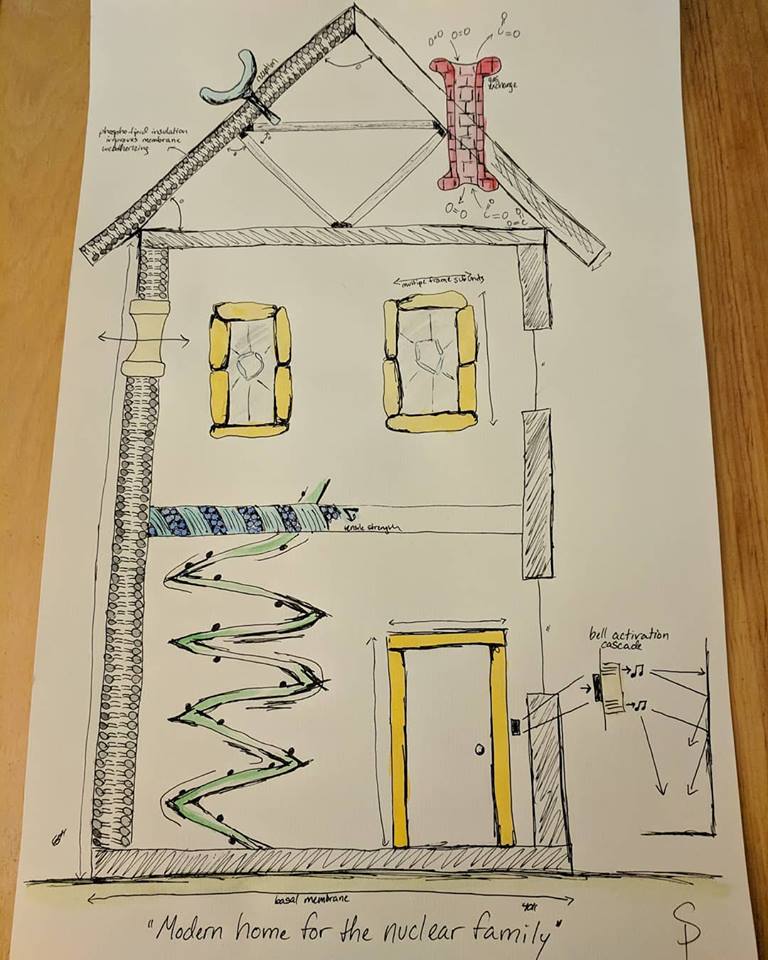
I tried to spend more time on creative projects, including getting back into art after more-or-less tabling it for several years.
Looking Ahead
As usual, 2019 promises an abundance of opportunities. Already, I am planning out my conference schedule, seeking speakers for upcoming 500WS Science Salons, and writing, writing, writing. But through all of it, I will be trying to cultivate a more open, inclusive, and supportive work environment. In 2018, after more than a decade of trying to convince doctors that I should have agency over my own organs, I was finally approved for the hysterectomy that I’d wanted for so long, and the medical diagnostics to show that I’d actually needed it for probably just as long.
The surgery has dramatically improved my quality of life, and the scars are a constant reminder that you never know who is dealing with something in their life that isn’t visible to you, who is trying to pretend they aren’t in pain because they can’t afford to take time off to resolve their situation. At first, I kept the details to myself and I kept it off my professional social media. I did share, in exquisite detail, on my personal social media, and was flooded with similar stories from other women. It encouraged me to share a little more, after all, if I’d had surgery on a knee or a kidney I would talk about it openly, why not a uterus?
In a typical semester, one to two-thirds of the students that I teach or mentor will disclose that they experienced a serious life event, most often while at school. They may casually joke about how they couldn’t get time off or almost failed out that semester, or recall how receiving help saved them. I take my role as an educator, mentor, or supervisor seriously – the competition in academia forces students to work long or odd hours, to prioritize other things over study, to accept positions of low or no pay “for the experience”, or to accept professional relationships where they are not respected or may be taken advantage of. I have always tried to be a supportive mentor to students, but the higher up the ladder I climb the more important it is for me to set a good example for these students who will one day mentor people of their own.
In addition to listening to them, and having frank conversations, my response this year has been to get rid of student employee deadlines whenever possible. We are asked to do so much with our time in school, or in academia, but there are so many hours in the day. Sure, I routinely wish things were accomplished more promptly, but I have never once regretted not causing someone to have a breakdown. And constantly telling my students to take care of themselves first and work second reminds me to do the same, it benefits my work , and it’s made a certain furball very happy. Happy New Year!
Last year, one of my former research groups at Montana State University was awarded a USDA NIFA Foundational program grant, and I am a sub-award PI on that grant. We’ll be working together to investigate the effect of diversified farming systems – such as those that use cover crops, rotations, or integrate livestock grazing into field management – on crop production and soil bacterial communities: “Diversifying cropping systems through cover crops and targeted grazing: impacts on plant-microbe-insect interactions, yield and economic returns.”
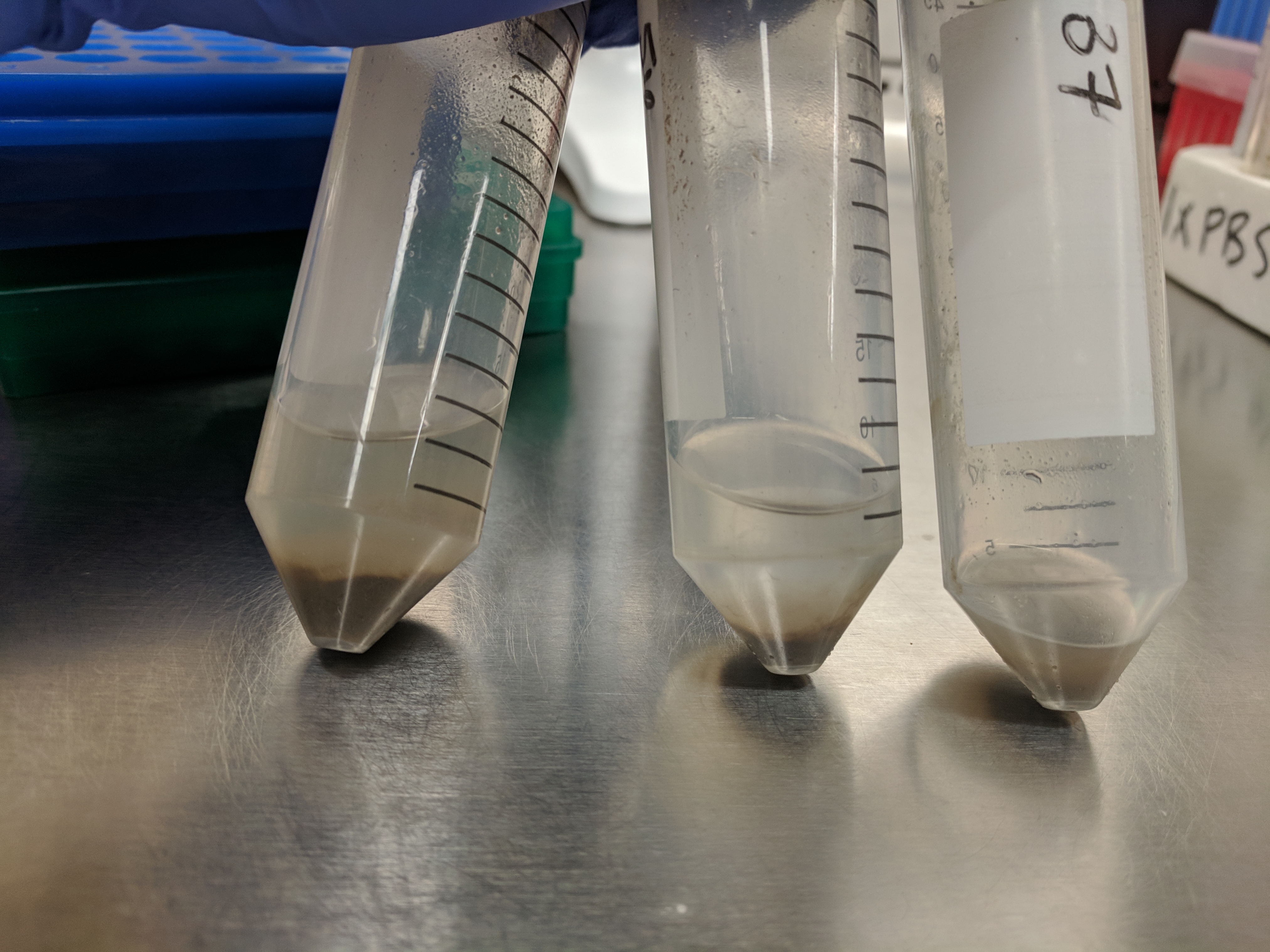
The first soil samples were collected in Montana this summer, and I have been processing them for the past few weeks. I am using the opportunity to train a master’s student on microbiology and molecular genetics lab work.
Montana field soil.
Prepped for DNA extraction.
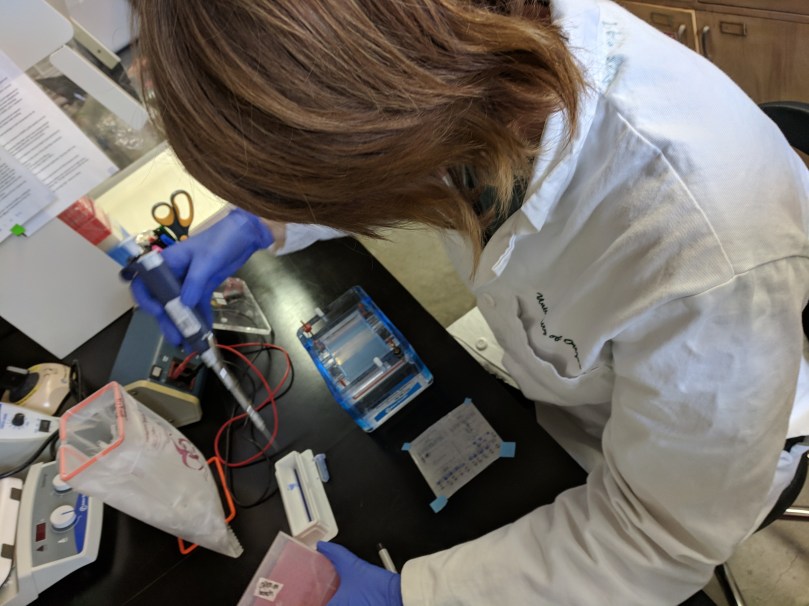
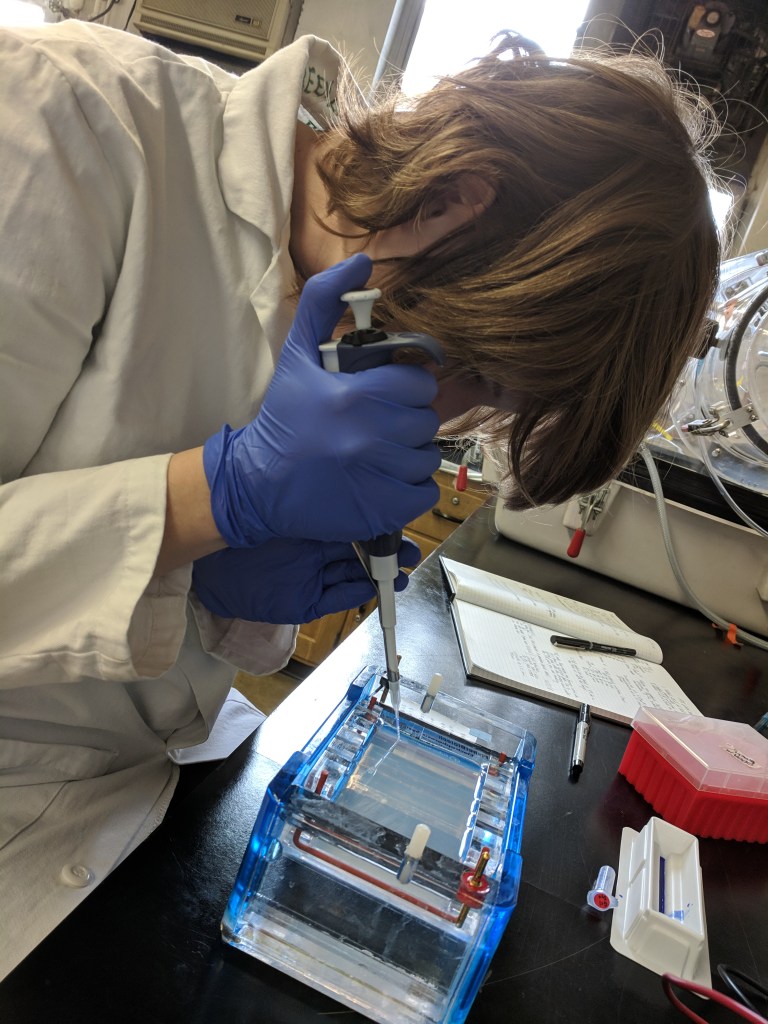
Tindall Ouverson started this fall as a master’s student at MSU, working with Fabian Menalled and Tim Seipel in Bozeman, MT. She’s an environmental and soil scientist, and this is her first time working with microbes. She was here in Eugene for just a few days to learn everything needed for sequencing: DNA extraction, polymerase chain reaction, gel electrophoresis and visualization, DNA cleanup using magnetic beads, quantification, and pooling. Despite not having experience in microbiology or molecular biology, Tindall showed a real aptitude and picked up the techniques faster than I expected!
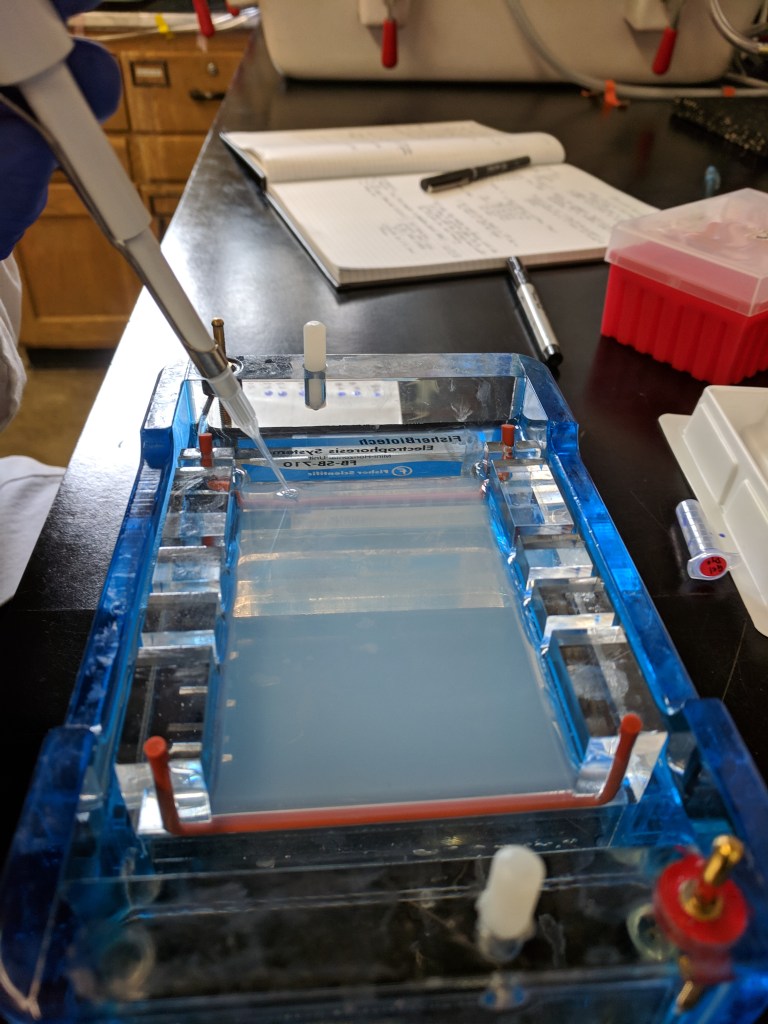
Gel electrophoresis: using electricity to move DNA.
DNA is negatively-charged, it will move towards a positive cathode.
The speed of DNA is related to how large it is.
Once the DNA has moved through the gel, we can see it using UV light.
Each band represents a lot of DNA of a certain size, that all traveled at a certain pace through the gel.
Once the sequences are generated, I’ll be (remotely) training Tindall on DNA sequence analysis. I’ll also be serving as one of her thesis committee members! Tindall will be the first of (hopefully) many cross-trained graduate students between myself and collaborators at MSU.
I’m pleased to announce that a working group composed of myself, and University of Oregon doctoral students Theresa Cheng (Neuroscience) and Deepika Sundarraman (Physics) have been awarded a UO Biology Diversity, Equity and Inclusion Grant!
We have been awarded $1000 to develop a series of professional development workshops for managing identity-based harassment in science communication. Theresa, Deepika, and I are Pod Coordinators for the Eugene Pod of 500 Women Scientists, and we have been looking to expand our repertoire of activities in the Eugene community. This grant will help us reach scientists to promote professional development, diversity, equity, and inclusion!
“Amplifying diverse voices: training and support for managing identity-based harassment in science communication”
Statement of Proposed Activity
Communicating science to the public is professionally challenging, and for researchers from underrepresented communities, public engagement involves overcoming stereotypical perceptions about professional capacity [1,2]. Facing heckling, harassment, or discrimination can alter how researchers engage with the public, as well as their willingness to do so [3]. This reduces the visibility of these scientists and their work, and can stymie their professional development and the public’s perception of scientists [4,5].
To address this, we propose to organize several professional development workshops on campus on overcoming identity-based discrimination and harassment in public engagement for scientists. Our target audience for these events are students and faculty in the UO Department of Biology who self-identify as marginalized or underrepresented in science. In particular, we will recruit recruit undergraduate to early career faculty women in the biological sciences.
The workshops will be presented by Rehearsals for Life (RfL)[6], a social justice graduate student theatre troupe at UO which uses innovative and interactive techniques to engage participants in dialogue. RfL trains attendees to handle difficult situations arising from public communication and engagement in a manner that is sensitive to issues of diversity, equity, and inclusion. These workshops will be tailored by RfL based on audience concerns, e.g., sharing environmental/ecological research to audiences of climate change skeptics. Attendance is capped to support an intimate, safe, tailored, and participatory experience; across two workshops, we will support the development of 80 scientists.
Giving people the tools to engage with the public gives them the confidence to do so, thus promoting the visibility of scientific research from a diverse UO cohort. Additionally, these events will connect women and underrepresented scientists across academic levels to build our campus community. We will evaluate the success of the workshops in accomplishing these goals via a post-event survey that asks about (a) skill development, (b) confidence in public engagement, (c) sense of community, and (d) talks/other instances of public engagement.
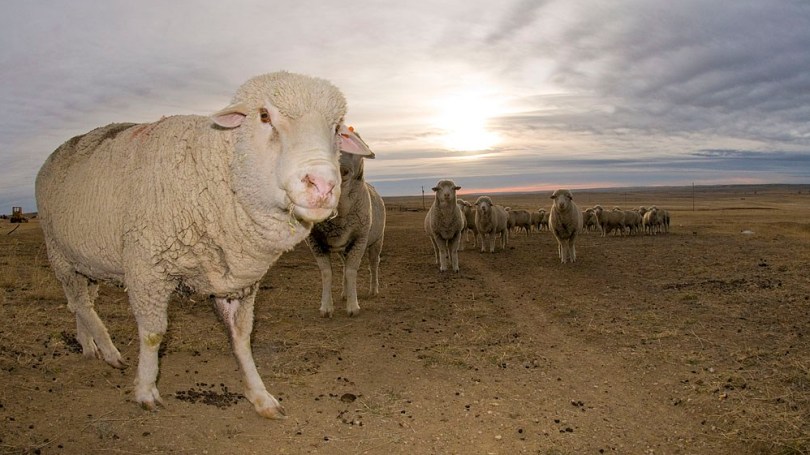
Zinc is an important mineral in your diet; it’s required by many of your enzymes and having too much or too little can cause health problems. We know quite a bit about how important zinc is to sheep, in particular for their growth, immune system, and fertility. We also know that organically- versus inorganically-sourced zinc differs in its bio-availability, or how easy it is for cells to access and use it. Surprisingly, we know nothing about how different zinc formulations might affect gut microbiota, despite the knowledge that microorganisms may also need zinc.
This collaborative study was led by Dr. Whit Stewart and his then-graduate student, Chad Page, while they were at Montana State University (they are now both at the University of Wyoming). Chad’s work focused on how different sources of zinc affected sheep growth and performance (previously presented, publication forthcoming), and I put together this companion paper examining the effects on rumen bacteria.
The pre-print is available now for Journal of Animal Science members, and the finished proof should be available soon. JAS is the main publication for the American Society of Animal Science, and one of the flagship journals in the field.
Zinc amino acid supplementation alters yearling ram rumen bacterial communities but zinc sulfate supplementation does not.
Ishaq, S.L., Page, C.M., Yeoman, C.J., Murphy, T.W., Van Emon, M.L., Stewart, W.C. 2018. Journal of Animal Science. Accepted.Article.
Abstract
Despite the body of research into Zn for human and animal health and productivity, very little work has been done to discern whether this benefit is exerted solely on the host organism, or whether there is some effect of dietary Zn upon the gastrointestinal microbiota, particularly in ruminants. We hypothesized that 1) supplementation with Zn would alter the rumen bacterial community in yearling rams, but that 2) supplementation with either inorganically-sourced ZnSO4, or a chelated Zn amino acid complex, which was more bioavailable, would affect the rumen bacterial community differently. Sixteen purebred Targhee yearling rams were utilized in an 84 d completely-randomized design, and allocated to one of three pelleted dietary treatments: control diet without fortified Zn (~1 x NRC), a diet fortified with a Zn amino acid complex (~2 x NRC), and a diet fortified with ZnSO4 (~2 x NRC). Rumen bacterial community was assessed using Illumina MiSeq of the V4-V6 region of the 16S rRNA gene. One hundred and eleven OTUs were found with > 1% abundance across all samples. The genera Prevotella, Solobacterium, Ruminococcus, Butyrivibrio, Olsenella, Atopobium, and the candidate genus Saccharimonas were abundant in all samples. Total rumen bacterial evenness and diversity in rams were reduced by supplementation with a Zn-amino-acid complex, but not in rams supplemented with an equal concentration of ZnSO4, likely due to differences in bioavailability between organic and inorganically-sourced supplement formulations. A number of bacterial genera were altered by Zn supplementation, but only the phylum Tenericutes was significantly reduced by ZnSO4 supplementation, suggesting that either Zn supplementation formulation could be utilized without causing a high-level shift in the rumen bacterial community which could have negative consequences for digestion and animal health.
Since the end of September, I’ve been teaching a course for the UO Clark Honors College; Introduction to Mammalian Microbiomes. And in a novel challenge for me – I’m teaching the idea of complex, dynamic microbial ecosystems and their interaction with animal hosts … to non-majors. My undergraduate students almost entirely hail from the humanities and liberal arts, and I couldn’t be more pleased. So far, it’s been a wonderful opportunity for me to pilot a newly developed course, improve my teaching skills, and flex my creativity, both in how I explain concepts and how I design course objectives.
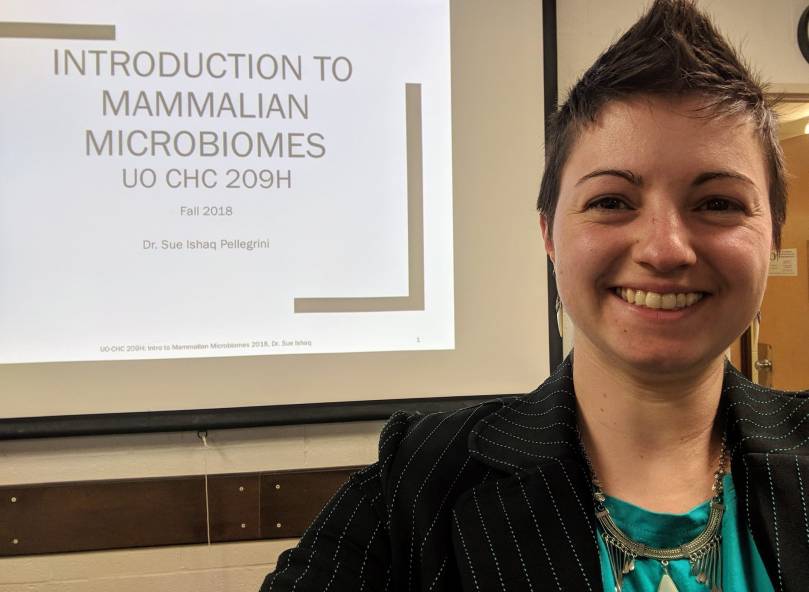
Welcome to Introducion to Mammalian Microbiomes! I had a great first class and am enthusiastic about what we'll achieve this semester! pic.twitter.com/ejwoze7h3o
I enthusiastically support efforts towards science communication, especially in making science more accessible to a wider audience. My students likely won’t be scientific researchers themselves, but some will be reporting on science publications, or considering funding bills, and all of them are exposed to information about human-associated microbial communities from a variety of sources. To navigate the complicated and occasionally conflicting deluge of information online about the human microbiome, my students will need to build skills in scientific article reading comprehension, critical thinking, and discussion. To that end, many of my assignments are designed to engage students in these skills.
I feel that it’s important to teach not only what we know about the microbial community living in the mouth or the skin, but to teach the technologies that provide that knowledge, and how that technology has informed our working theories and understanding of microbiology over centuries. Importantly, I hope to teach them that science, and health sciences, are not static fields, we are learning new things every day. I don’t just teach about what science has done right, but I try to put our accomplishments in the context of the number of years and personnel to achieve publications, or the counter-theories that were posited and disproved along the way.
Today in #IntroMammalianMicrobiomes, I talk about DNA-based technology and Rosalind Franklin, while wearing a shirt with her face on it. This will be lost on my students, as I'm Skyping my lecture from home as I fight a cold, and playing the role of disembodied narrator. pic.twitter.com/K2LSZ97CXa
And most of, I want the course to be engaging, interesting, and thought provoking. I encouraged class discussions and student questions as they puzzle through complex theories, and I’ve included a few surprise additions to the syllabus along the way. Yesterday, University of Oregon physics Ph.D. student Deepika Sundarraman taught us about her research in Dr. Parthasarathy’s lab on using light sheet fluorescence microscopy to visualize bacterial communities in the digestive tract of larval zebra fish! Stay tuned for more fun in #IntroMammalianMicrobiomes!
UO Physics Ph.D. student Deepika Sundarraman kindly dropped by my #IntroMammalianMicrobiomes class to talk about using physics to visualize microbial communities in the gut. Thanks Deepika!! pic.twitter.com/OTf9qExCtw
I am pleased to announce I have joined the PLOS ONE journal editorial team as an Academic Editor! I am particularly pleased to have joined with PLOS ONE, as the journal is dedicated to open-access publication and is readily accessible to the general public.
As I discussed previously, the effort of many individuals goes into a scientific manuscript, including ad-hoc reviewers and editorial staff at journals. As an Academic Editor, I will now interface between scientific reviewers and higher-level editorial staff to manage the peer-review process; including evaluating manuscript submissions for applicability to the journal, selecting reviewers, and assessing reviewer comments to making editorial decisions on publishing.
My subject areas include: Biology and life sciences, Agriculture, Animal products, Agricultural production, Animal management, Ecology, Microbial ecology, Microbiology, Applied microbiology, Bacteriology, Microbial ecology, Molecular biology, Molecular biology techniques, Molecular genetics.