
What? The Microbes and Social Equity virtual speaker series explores the way that microbes connect public policy, social disparities, and human health, as well as the ongoing research, education, policy, and innovation in this field.
Our speakers present their recent work, and after each presentation, we continue the discussions in an open, informal social gathering. All speakers and members of the audience are welcome to join the social gathering.
When and where? Events will be hosted once a month from January – December in 2027. Usually this is on the last Wednesday of the month, except Nov and Dec due to holidays.
11:00 – 13:00 pm ET. Presented over Zoom.

Who?: Sue Ishaq, MSE, and Applied Microbiology International, with additional financial supported from the University of Maine Institute of Medicine.
Why ‘microbes and social equity’??
Microorganisms are critical to many aspects of biological life, including human health. The human body is a veritable universe for microorganisms: some pass through but once, some are frequent tourists, and some spend their entire existence in the confines of our body tissues. The collective microbial community, our microbiome, can be impacted by the details of our lifestyle, including diet, hygiene, health status, and more, but many are driven by social, economic we, medical, or political constraints that restrict available choices that may impact our health. Access to resources is the basis for creating and resolving social equity—access to healthcare, healthy foods, a suitable living environment, and to beneficial microorganisms, but also access to personal and occupational protection to avoid exposure to infectious disease.
You can find recordings from previous series here for 2021 – 2025, and here for 2026 onwards.
Dr. Mayra de la Torre, PhD
Jan 27, 2027, 11:00 – 13:00 ET.

Dr. Mayra de la Torre, PhD, Full Professor and Researcher, Centro de Investigación en Alimentación y Desarrollo (Center for Research in Food and Development), Pachuca de Soto, Hidalgo, Mexico
Her faculty page is here.
“Syndemic Assemblies in Food Systems and the Hubris of Recurring Pandemics: Toward a Holobiont-Symbiont Planetary Health Future“
Dr. Mona Said El-Sherbini, MD
Feb 24, 2027, 11:00 – 13:00 ET.
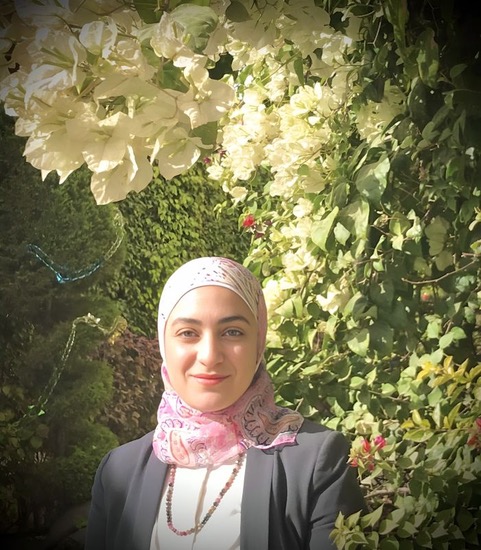
Dr. Mona Said El-Sherbini, MD, is an Associate Professor of Medical Parasitology in the School of Medicine at the University of Cairo, Egypt. She is the Founding Director of the Narrative Medicine and Planetary Health, elective course at the Integrated Program of Kasr Al-ainy (IPKA), at the University of Cairo, Egypt. She is also the Co-founder and Research Advisory I of the Global Indigenous and Traditional Medicine Alliance (GITMA), India, and the Founding Director, Mentoring Research Network ( MRN), Virtual across Africa and the Global South.
She is a certified International Professional Trainer (CIPT), Missouri State University, USA and Cairo University, Egypt; and certified in Traditional Chinese Medicine (TCM), Beijing Research Institute of Traditional Chinese Medicine and Medicinal Materials, Beijing, China. Dr. Said El-Sherbini is an Invited Faculty, Center for Planetary Consciousness and Global Flourishing, Nova Institute for Health, Baltimore, USA; as well as a Guest Editor, Challenges Journal of Planetary Health, MDPI, Basel, Switzerland.
Abstract
Industrialized food systems, the chemical revolution in ultra-processed foods (UPFs), and modern agricultural practices are degrading ecology while simultaneously manufacturing dis-ease. These converging drivers constitute syndemic assemblies—clusters of synergistic health crises that disproportionately affect vulnerable populations. The syndemic framework shifts attention from individual pathology to structural causation, while ecosyndemics describe disease interactions mediated by anthropogenic environmental disruption. The disruptions we cause in the environment rebound on us.
The biotech leap toward precision fermentation, cellular agriculture (lab-grown meat), and CRISPR-based gene drives could eliminate fecal–oral and zoonotic pathways sustaining parasites such as Taenia spp. However, sterile production introduces novel hazards: mycoplasmas, viruses, prions, and proteins that may cross-react with existing allergies. Eliminating apex parasitic species opens ecological vacuums for mutated variants to colonize food chain. Gene drives targeting agricultural pests or disease vectors could trigger ecosystem collapses. These escalating scenarios from food architecture shifts to ecological hazards produce a hubris for recurring pandemics.
Public health must see life as biology now sees it: a rich mixture of cooperative and antagonistic interactions, a multispecies consortium in dynamic relations with trillions of microbial partners. Symbiotic networks of the human holobiont are enmeshed in larger networks sustaining the planet. Disrupting balance through pollution, biodiversity loss, and climate change causes rebound unhealthy relationships. The holobiont-symbiont trajectory—not the isolated organism, not the isolated fix—is the starting point for health of people and planet. The parasite-associated microbiome represents a critical symbiont that can induce parasite elimination through symbiotic interventions, linking food safety, design, and quality management.
Symbiosis as a defining characteristic of life constitutes the foundational premise for pandemics prevention. Addressing food system-driven syndemics; a human-made public health crisis “in slow motion” necessitates integrated policies that are equitable, sustainable, and grounded in the interconnected reality of human and planetary health at all scales.
Dr. Bahareh Sorouri, PhD
Mar 31, 2027, 11:00 – 13:00 EDT.
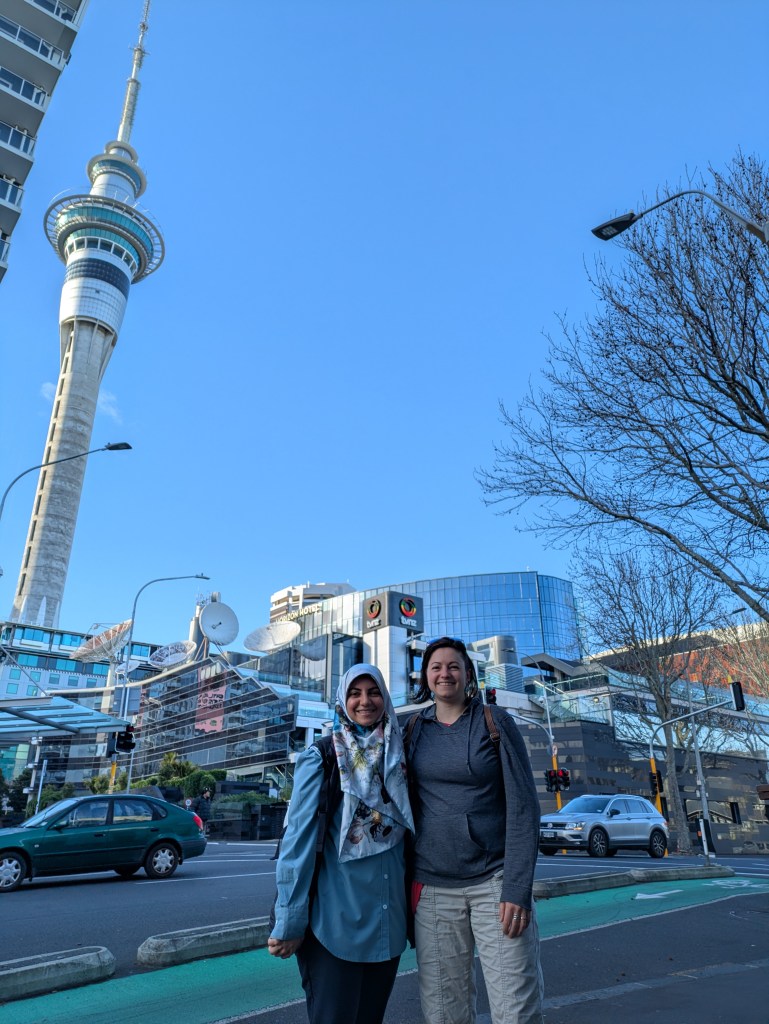
Dr. Bahareh Sorouri, PhD, National Science Foundation Postdoctoral Research Fellow, Institute of Arctic Biology, University of Alaska Fairbanks. Her professional page is here.
Dr. John Burns, Ph.D.
Apr 28, 2027, 11:00 – 13:00 EDT. ** Dr. Burns will be visiting UMaine Orono all day**
Dr. John A. Burns, PhD, Senior Research Scientist, Bigelow Laboratory for Ocean Sciences; Research Faculty, Colby College; Research Associate, American Museum of Natural History. His professional page is here.
“The Circadian Clock Directs Host-Microbiome Interactions“
Dr. John F. Brooks II, PhD.
May 26, 2027, 11:00 – 13:00 EDT.
Dr. John F. Brooks II, PhD, Assistant Professor of Molecular Biology, Department of Molecular Biology, Princeton University. His professional page is here.
“Chemical categories in the microbial world: how classification shapes research“
Dr. Rachel Gregor, PhD
Jun 30, 2027, 11:00 – 13:00 EDT.
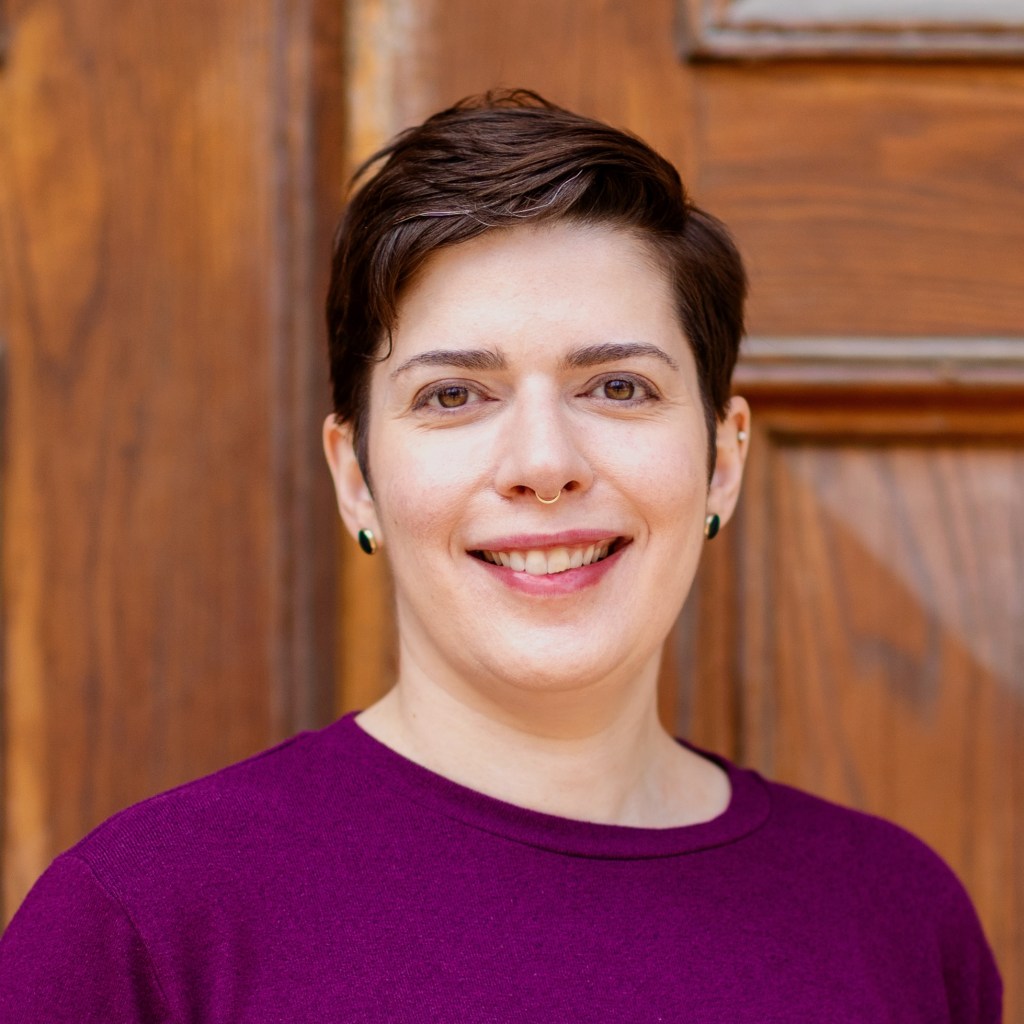
Dr. Rachel Gregor, PhD, Assistant Professor, Department of Chemical Engineering and Applied Chemistry, University of Toronto; Head, MicroChemEco Lab, BioZone Centre for Applied Bioscience and Bioengineering. Her professional page is here.
Speaker TBD
July 28, 2027, 11:00 – 13:00 EDT.
Speaker TBD
Aug 27, 2027, 11:00 – 13:00 EDT.
Dr. Laura Grieneisen, PhD, Deanna Gibson, PhD, and Madeline Frazer, MSc Student
Sept 29, 2027, 11:00 – 13:00 EDT.
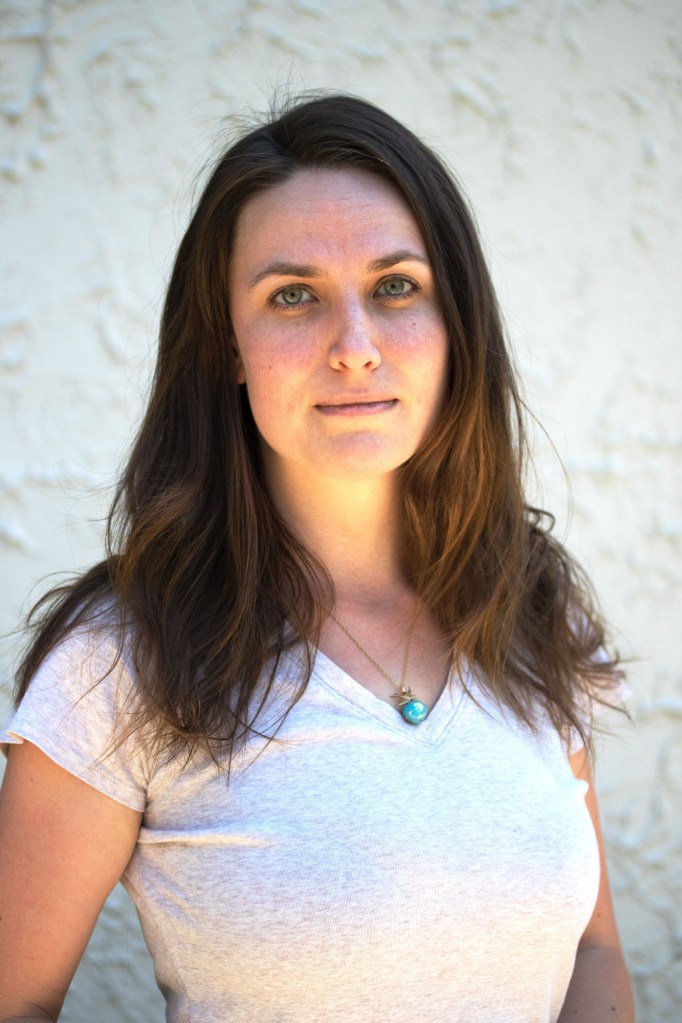
Dr. Laura Grieneisen, PhD, Assistant Professor, Department of Biological Sciences, Old Dominion University. Laura has also served on the MSE Board of Directors for several years. Her professional page is here.
Dr. Deanna Gibson, PhD, Professor, Department of Biology, Irving K. Barber Faculty of Science, University of British Columbia Okanagan. Her professional page is here.
Madeline Frazer, MSc Student, University of British Columbia Okanagan
Dr. Ashish Malik, PhD
Oct 27, 2027, 11:00 – 13:00 EDT.
Dr. Ashish A. Malik, PhD, Chancellor’s Fellow in Climate & Environmental Sustainability, School of GeoSciences, University of Edinburgh. His professional page is here.
Dr. Christina Kellogg, PhD
Nov 17, 2027, 11:00 – 13:00 ET.
Dr. Christina Kellogg, PhD, Research Principal Investigator and Head, Coral Microbial Ecology Laboratory, U.S. Geological Survey St. Petersburg Coastal and Marine Science Center. Her faculty page is here.
Dr. Suzanne Pierre, PhD.
Dec 15, 2027, 11:00 – 13:00 ET.
Dr. Suzanne Pierre, PhD, Founder and Executive Director, Critical Ecology Lab; National Geographic Explorer. Her professional page is here.
Logo designed by AMI, graphics designed by Indigo Millisor.

