Hosting Organizations: MSE and the University of Maine Institute of Medicine.
Anthropology Theme organized by Katherine Daiy and Kieran O’Doherty, and Environmental Theme organized by Mallory Choudoir, Mustafa Saifuddin, and Hannah Holland-Moritz.
Panel Discussion on the Soil and Microbial Conservation
April 26, 2023; Wednesday,11:00 AM – 12:00 PM EST. This event has passed and was not recorded.
This week, we’ll be bringing some speakers back to engage in a panel discussion together on the importance of environmental microbiomes and specifically on soil conservation.
Panel will be hosted byMallory Choudoir, Mustafa Saifuddin, and Hannah Holland-Moritz.
Please note, this session will only be featured live in real-time and will not be recorded.
A collaborative paper on lobster shell bacteria has just been published in the journal iScience: “Water temperature and disease alters bacterial diversity and cultivability from American Lobster (Homarus americanus) shells.” This paper investigates what happens to bacterial communities on healthy and sick lobsters as they experience different water temperatures for a year.
I joined this project back in the summer of 2020, towards the end of my first year at UMaine, when I was given a large 16S rRNA gene sequence dataset of bacterial communities from the shells of lobsters. I had been asking around for data as a training opportunity for Grace Lee, who at the time was an undergraduate at Bowdoin College participating in the abruptly cancelled summer Research Experience for Undergrads program at UMaine in summer 2020. Instead, Grace joined my lab as a remote research assistant and we worked through the data analysis over the summer and fall. Grace has since graduated with her Bachelor’s of Science in Neuroscience, obtained a Master’s of Science at Bowdoin, and is currently a researcher at Boston Children’s Hospital while she is applying to medical school.
My first point of contact on the project was Jean MacRae, an Associate Professor of Civil and Environmental Engineering at UMaine, who was the one to lend me the data and who had been working on bacterial community sequencing on other projects which I’ve been involved in. Jean has been involved with MSE, and this is our fourth publication together making her the collaborator at UMaine I have co-authored with the most (although it is a tight race 🙂 ).
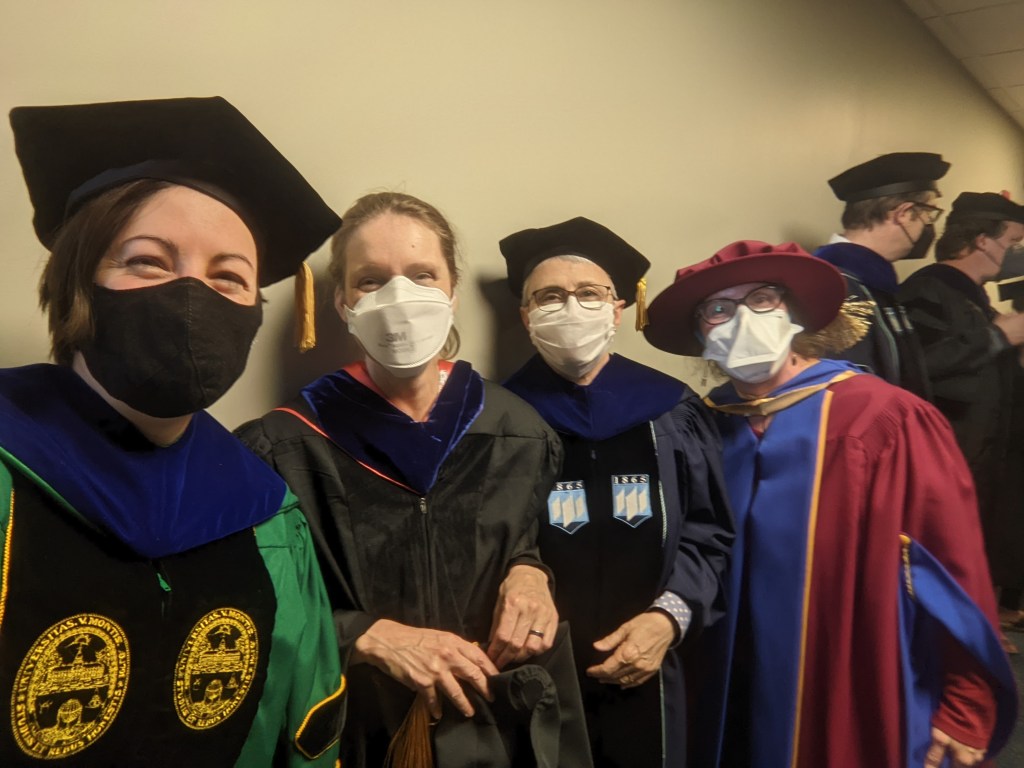
Jean introduced me to the original research team, including Debbie Bouchard, who is the Director of the Aquaculture Research Institute and was researching epizootic shell disease in lobsters for her PhD dissertation several years ago; Heather Hamlin, Professor and Director of the School of Marine Sciences; Scarlett Tudor (not pictured), the Education and Outreach Coordinator at the ARI; and Sarah Turner (not pictured), Scientific Research Specialist at ARI. The ARI team is involved in a lot of large-scale aquaculture research, education, and outreach to the industry here in Maine, and the collaborative work I have been doing with them has been a new an engaging avenue of scientific study for me.
In 2022, the research team, along with social science Masters student Joelle Kilchenmann, published a perspective/hypothesis piece which explored unanswered questions about how the movement of microbes, lobsters, and climate could affect the spread of epizootic shell disease in lobsters off the coast of Maine. That perspective paper was a fun exercise in hypothesis generation and asking ‘what if’?
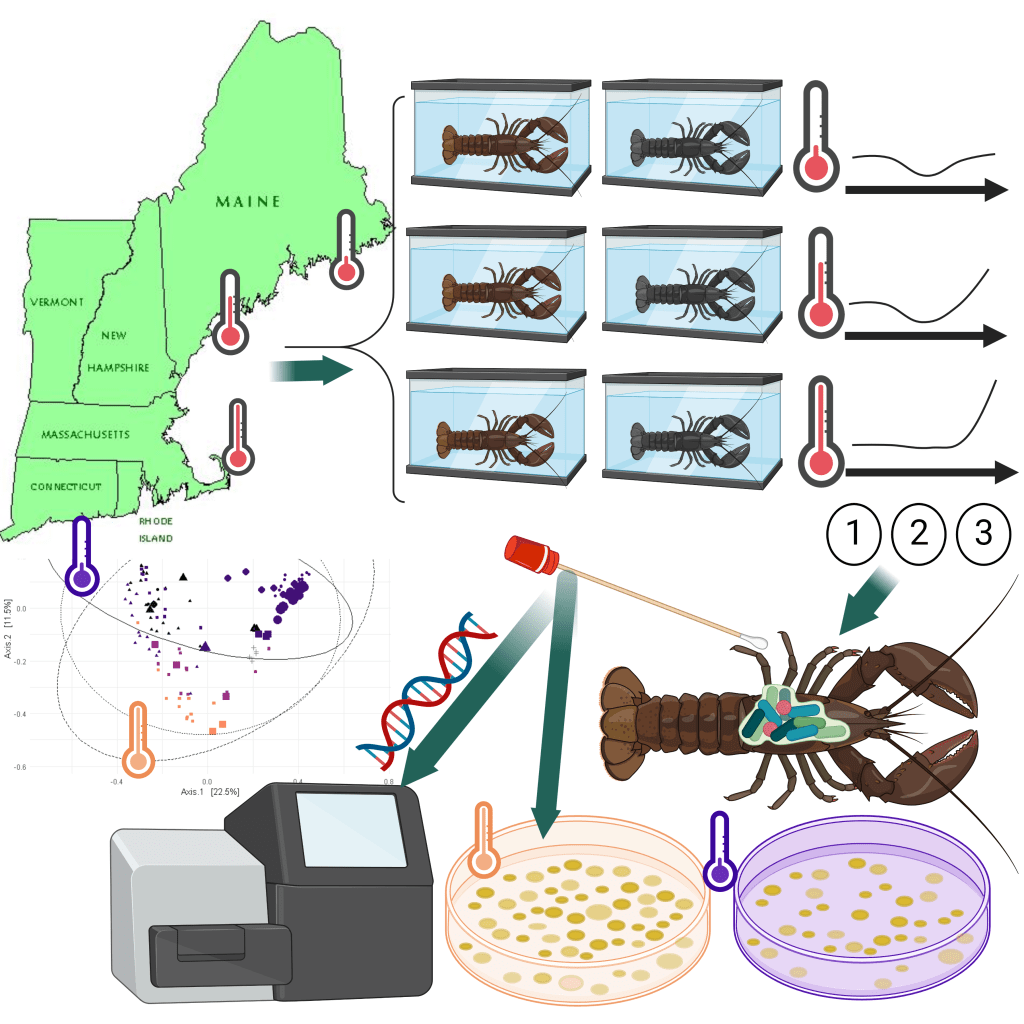
This manuscript is more grounded, and features work that was started in 2016. It examines bacterial communities on the shells of lobsters which were captured off the coast of Southern Maine and maintained in aquarium tanks for over a year. The lobsters were split into three treatment groups: those which were kept in water temperatures that mimicked what they would experience in Southern Maine, colder water to simulated what they would experience in Northern Maine, and hotter water to simulate what they would experience in Southern New England over that year. The original project team wanted to know if temperatures would make a different to their health or microbial communities.
Figure S8. Water temperature regimes, related to STAR Methods. A. Temperatures were obtained through the National Oceanographic Data Center (NODC). NODC temperatures reflect those recorded near Eastport, ME (A); Portland, ME (B); and an average of temperatures from Woods Hole, MA (C) and New Haven, CT (D) was used to represent Southern New England. B. Annual temperature cycles used in this project to represent Southern New England (SNE), Southern Maine (SME) and Northern Maine (NME).
The original project team swabbed lobster shells to obtain bacteria to try and grow in the lab, as well as DNA to sequence and identify whole bacterial communities. Grace and I performed the data analysis to identify which taxa were present in those communities, what happened over time or when the water temperature changed, and what bacteria were present or not in lobsters which died during the study.
Figure S11. Lobster carapace sampling using a sterile cotton swab to obtain bacterial communities from the shell surface, related to STAR Methods. The right side of the dorsolateral area of the cephalothorax was sampled for the baseline sampling, the left side for the Time 1, and the right side again for Time 2.
In addition to wanting to know about temperature, we wanted to know specifically how temperature would affect the bacteria if the lobsters had epizootic shell disease. It is not known what causes epizootic shell disease (which is why it is called ‘epizootic’), but it manifests as pitting in the shells of lobsters. Over time, the pitting can weaken shells and make it difficult for the lobster to molt, or make the lobster susceptible to predators or microbial infections. This type of shell disease had been a huge problem in Southern New England over the past few decades, and in Maine we have seen more cases over time.
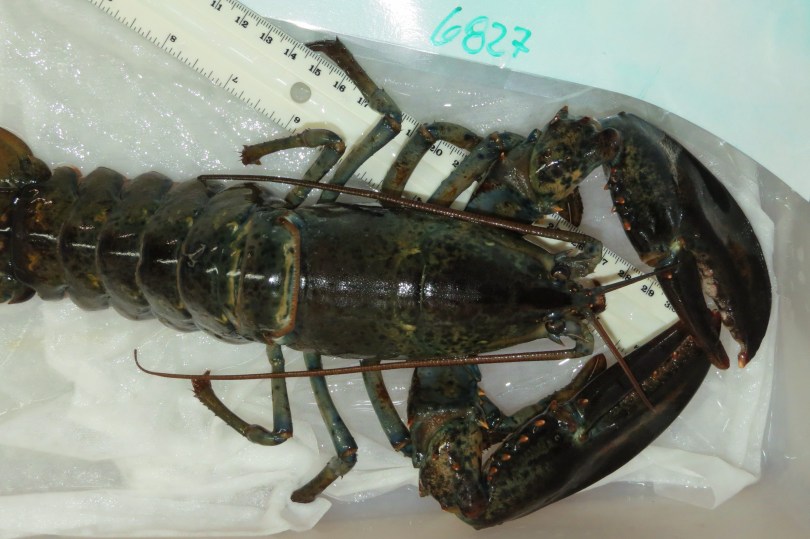
Figure S10. Examples of lobster shell disease indices, related to STAR Methods. A) 0, no observable signs of disease, B) 1+, shell disease signs on 1-10% of the shell surface, C) 2+, shell disease signs on 11-50% of the shell surface, D) 3+, shell disease signs on > 50% of the shell surface.
The highlights of this project are here, but you can click the link below to read the entire study and what happened to lobster health and lobster microbes over time.
Shell bacteria from healthy lobsters, often overlooked, were included in the study.
Hotter and colder water temperatures affected shell bacterial communities.
Epizootic shell disease reduced bacterial diversity on lobster shells.
Epizootic shell disease could be induced or exacerbated by the loss of commensal bacteria from shells.
Suzanne L. Ishaq1,2,, Sarah M. Turner2,3, Grace Lee4,5,M. Scarlett Tudor2,3, Jean D. MacRae6, Heather Hamlin2,7, Deborah Bouchard2,3
1 School of Food and Agriculture; University of Maine; Orono, Maine, 04469; USA.
2 Aquaculture Research Institute; University of Maine; Orono, Maine, 04469; USA.
3 Cooperative Extension; University of Maine; Orono, Maine, 04469; USA.
4 Department of Neuroscience, Bowdoin College, Brunswick, ME 04011; USA.
5 Boston Children’s Hospital, Boston, MA 02115; USA.
6 Department of Civil and Environmental Engineering; University of Maine; Orono, Maine, 04469; USA.
7 School of Marine Sciences; University of Maine; Orono, Maine, 04469; USA.
Summary
The American lobster, Homarus americanus, is an economically valuable and ecologically important crustacean along the North Atlantic coast of North America. Populations in southern locations have declined in recent decades due to increasing ocean temperatures and disease, and these circumstances are progressing northward. We monitored 57 adult female lobsters, healthy and shell-diseased, under three seasonal temperature cycles for a year, to track shell bacterial communities using culturing and 16S rRNA gene sequencing, progression of ESD using visual assessment, and antimicrobial activity of hemolymph. The richness of bacterial taxa present, evenness of abundance, and community similarity between lobsters was affected by water temperature at the time of sampling, water temperature over time based on seasonal temperature regimes, shell disease severity, and molt stage. Several bacteria were prevalent on healthy lobster shells but missing or less abundant on diseased shells, although some bacteria were found on all shells regardless of health status.
Hosting Organizations: MSE and the University of Maine Institute of Medicine.
The environment, microbes, and us
Anthropology Theme organized by Katherine Daiy and Kieran O’Doherty, and Environmental Theme organized by Mallory Choudoir, Mustafa Saifuddin, and Hannah Holland-Moritz.
“Soil health – towards a ‘microbial agriculture’?“
Dr. Anna Krzywoszynska, PhD. and Paula Palanco Lopez
April 19, 2023; Wednesday,11:00 AM – 12:00 PM EST. This event has passed, watch the recording here.
Abstract: Soils have long been considered primarily through a physico-chemical lens in agriculture and environmental management. Today, however, we are observing a shift towards ecological perspectives, and a growing interest from managing soil quality to managing soil health. What does it mean, however, to know and manage soils as living microbial ecosystems, and what are the consequences of a ‘soil health’ paradigm for the future of agriculture? In this presentation, Dr Krzywoszynska will reflect on the relevance of microbial knowledges and ethics in the emerging regenerative agriculture movement, and in biodiversity governance, while her PhD student Paula Palanco Lopez will reflect on the importance of understanding ‘soil health’ in its own terms, beyond anthropocentric and utilitarian framings.
Dr. Anna Krzywoszynska is an Associate Professor in Anthropology at the University of Oulu, and a research leader in the Biodiverse Anthropocenes programme (Anna Krzywoszynska | University of Oulu). She is an interdisciplinary environmental social scientist with expertise in agricultural and environmental knowledge, more-than-human research, and public participation in science. Her current research interests include human-soil relations and knowledge systems, the co-production of soil knowledge between science and society, and the role of local food systems in achieving socio-environmental justice.
Paula Palanco is a medical anthropologist with a background in Development Studies and Communication. She has completed an Advanced Masters in Cultural Anthropology and Development Studies in KULeuven (Belgium) and worked for the London School of Hygiene and Tropical Medicine (LSHTM), the University of Oxford, and Imperial College London. Paula has carried out research in different topics such as antimicrobial resistance (AMR), air monitoring and cholera epidemics. Currently, she is a PhD candidate in the University of Oulu (Finland), researching the connection between the loss of soil biodiversity and AMR.
Soils have long been considered primarily through a physico-chemical lens in agriculture and environmental management. Today, however, we are observing a shift towards ecological perspectives, and a growing interest from managing soil quality to managing soil health. What does it mean, however, to know and manage soils as living microbial ecosystems, and what are the consequences of a ‘soil health’ paradigm for the future of agriculture? In this presentation, Dr Krzywoszynska will reflect on the relevance of microbial knowledges and ethics in the emerging regenerative agriculture movement, and in biodiversity governance, while her PhD student Paula Palanco Lopez will reflect on the importance of understanding ‘soil health’ in its own terms, beyond anthropocentric and utilitarian framings.
Panel Discussions on the environment, microbes, and us
These two weeks, we’ll be bringing some of our Theme 3 speakers back to engage in a panel discussion together on the importance of environmental microbiomes and our place in ecosystems, and then will continue talking about soil health. Panel will be hosted byKatherine Daiy, Kieran O’Doherty, Mallory Choudoir, Mustafa Saifuddin, and Hannah Holland-Moritz.
Please note, this session will only be featured live in real-time and will not be recorded.
Hosting Organizations: MSE and the University of Maine Institute of Medicine.
The environment, microbes, and us
Anthropology Theme organized by Katherine Daiy and Kieran O’Doherty, and Environmental Theme organized by Mallory Choudoir, Mustafa Saifuddin, and Hannah Holland-Moritz.
“Anthropology, Microbiomes, and Antimicrobial Resistance”
April 12, 2023; Wednesday,11:00 AM – 12:00 PM EST. This event has passed, watch the recording here.
Dr. Cecil Lewis is a Professor and biological and interdiscplinary scientist based at the University of Oklahoma. His primary research focus is the microbiome and community-engaged research, with current work that investigates ancient and contemporary human metabolomes, pathogen evolution, the impact of colonialism on the microbiome and metabolome, along with progressive community-based partnerships across the Americas and Africa. His work is supported by the NSF and NIH. He is the founder and director of Laboratories of Molecular Anthropology and Microbiome Research (LMAMR).
This week, we’ll be bringing all of our Theme 3 speakers back to engage in a panel discussion together on the importance of environmental microbiomes and our place in ecosystems, and then will continue talking about soil health. Panel will be hosted byKatherine Daiy, Kieran O’Doherty, Mallory Choudoir, Mustafa Saifuddin, and Hannah Holland-Moritz.
Please note, this session will only be featured live in real-time and will not be recorded.
The UMaine Student Symposium is an annual event featuring research presentations from undergraduate and graduate students, and is a way to share student research on campus and with the Maine public.
All of the abstracts for the full program are available here.
The event is free to attend, and will take place at the Collins Center on the UMaine Orono Campus, Friday April 14, 2023.
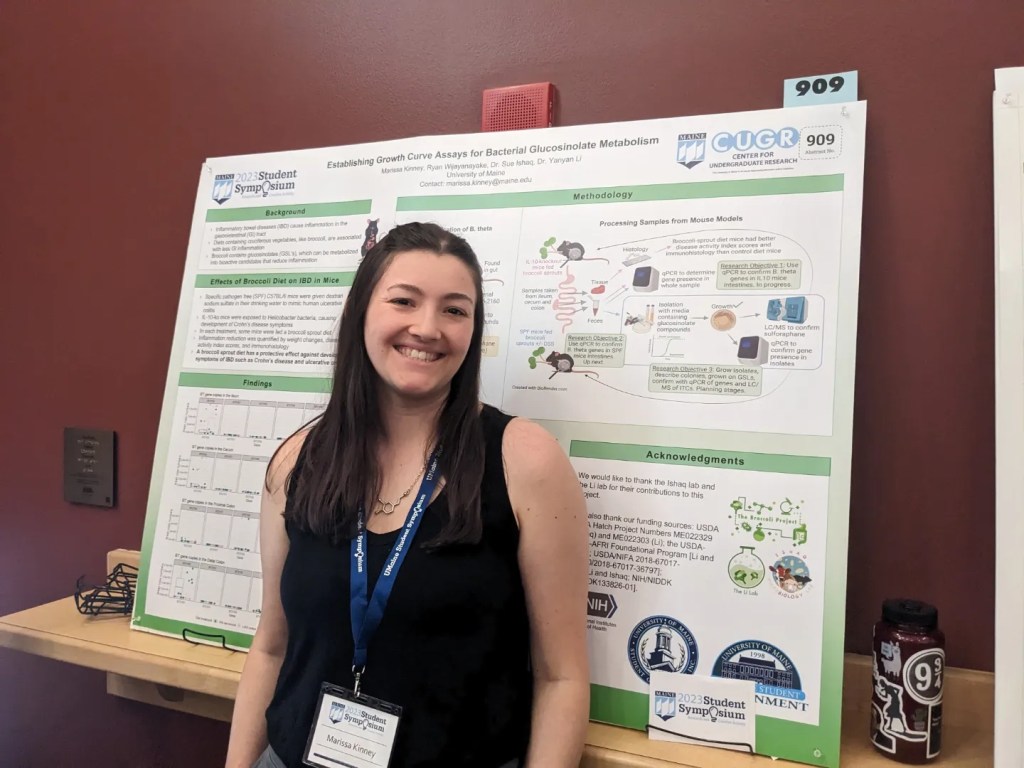
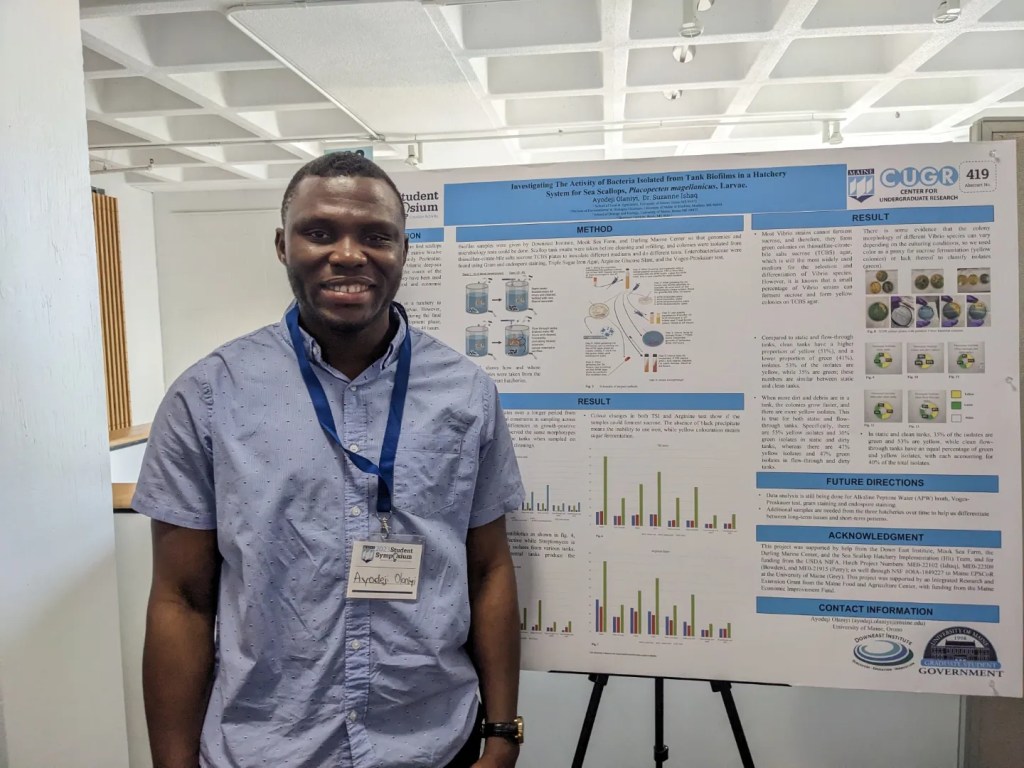
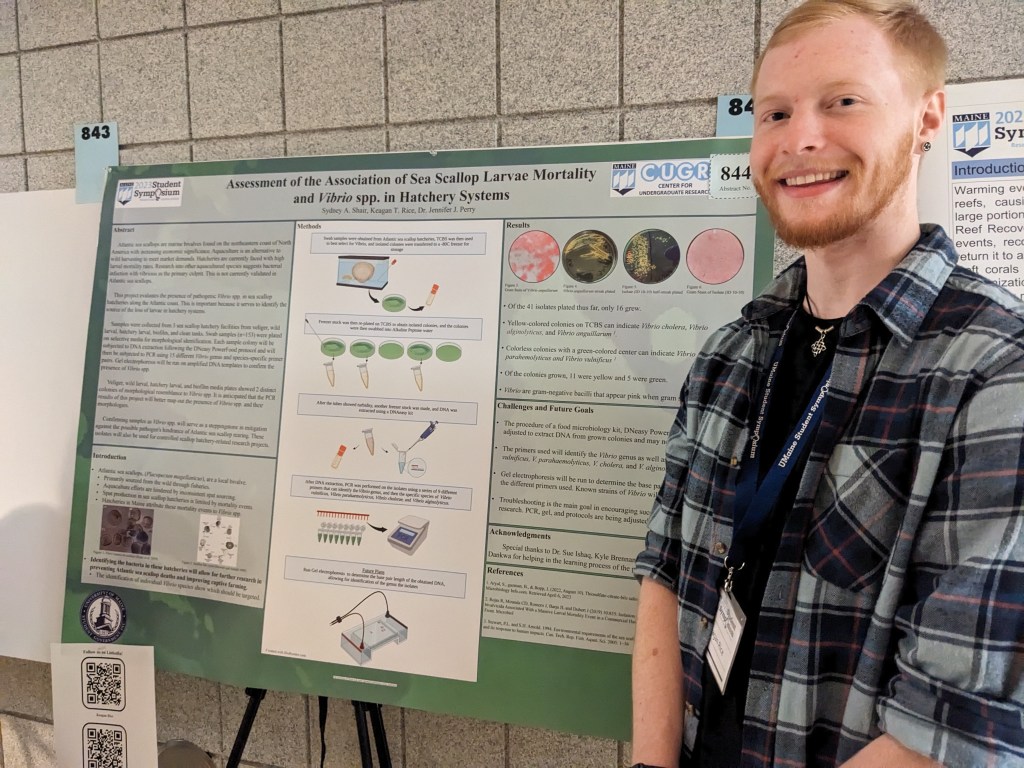
Several students from the Ishaq Lab will be presenting their ongoing work:
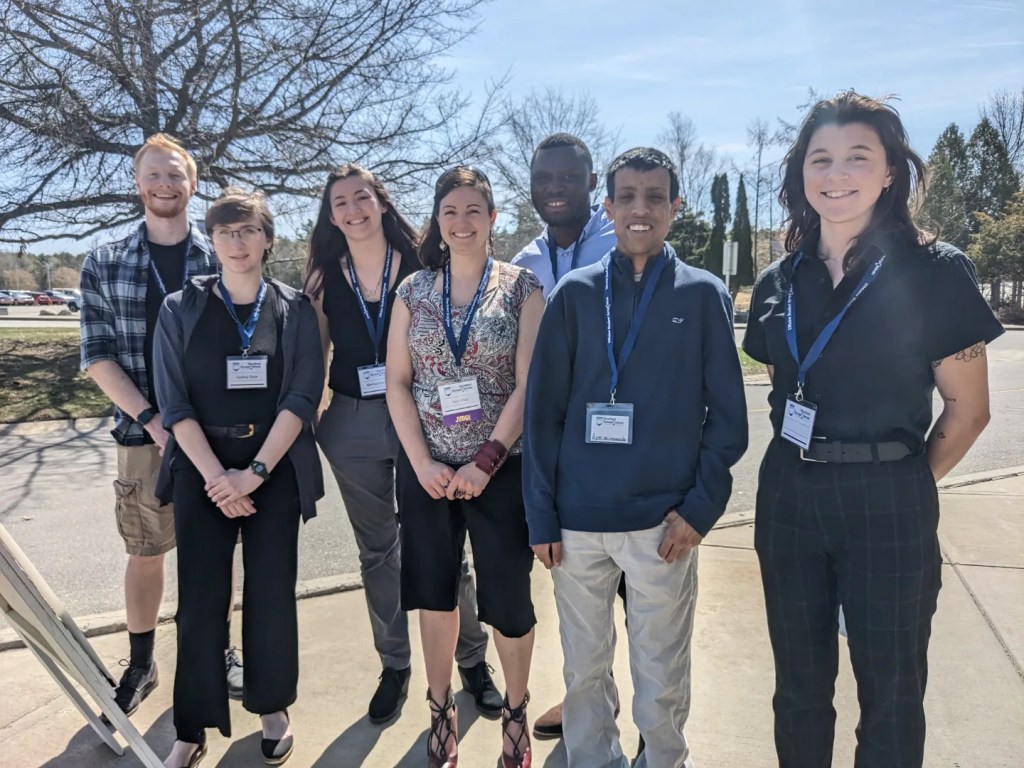
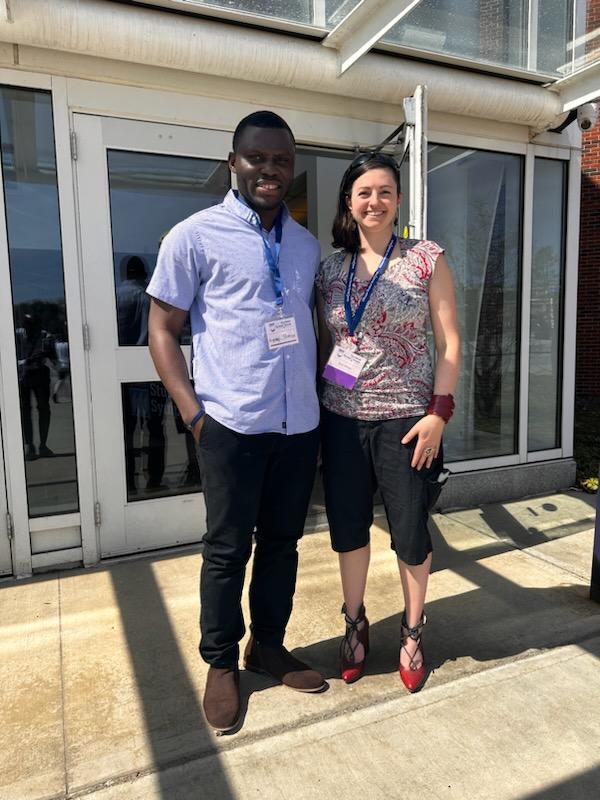
Keagan Rice, Sydney Shair, Marissa Kinney, Sue Ishaq, Ayodeji Olaniyi, Ryan Wijayanayake, and Lola Holcomb at the 2023 UMaine Student Symposium.
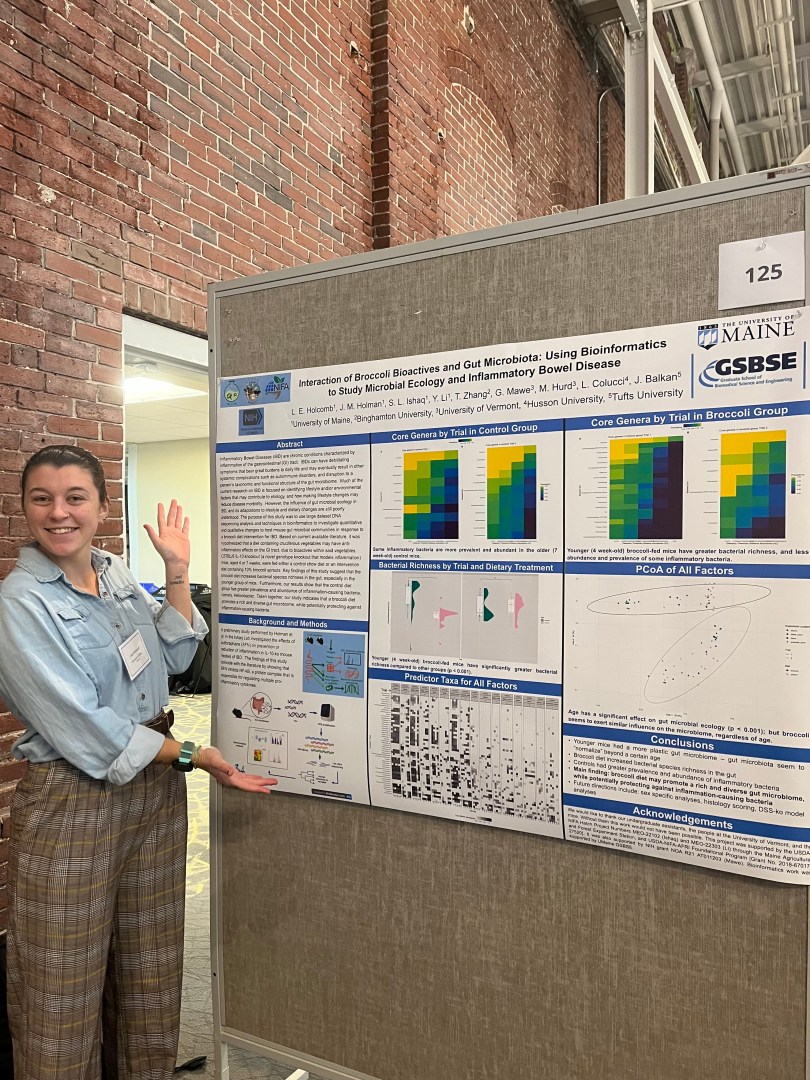
“Early Life Exposure to Broccoli Sprouts Confers Stronger Protection against Enterocolitis Development in an Immunological Mouse Model of Inflammatory Bowel Disease“
The Microbes and Social Equity working group, and The University of Maine Institute of Medicine will once again host a free-to-attend virtual summer symposium.
Save the dates: June 5 – 9th, 2023
We will host one thematic session per day, from 11 – 14:45 pm EDT
Session themes include:
Reconsidering ‘One Health’ Through Microbes
Microbiomes and climate justice
Integrating the food systems through microbes
Elevating human nutrition and microbiome practice
MSE Member Research Showcase, featuring the work of our members!
Symposium Summary
To understand a microbiome, you must learn about the bustling community of microorganisms and the complex ecosystems they live in, because one cannot exist without the other. So, too, does microbiome research rely on understanding the lives and ecology of humans, because there is no aspect of human life which does not involve microbes in some way. To become better microbiome researchers, we must understand social and environmental contexts which affect humans and, in many cases, prevent them from making choices which result in beneficial microbial exposures. This symposium will focus on developing research skills to create transformative research, including context-aware experimental designs, engaging community stakeholders as research partners, writing transdisciplinary papers, translating research into policy, and creating curriculum which melds microbes and social equity.
Meeting dynamics
Each session will feature one hour of short plenary-style talks by experts in the field, including biological scientists, social scientists, practitioners or policy makers, which will be recorded and made available after the symposium.
Each session will feature a 45-minute panel discission with the speakers which will not be recorded.
Finally, each session will feature 60 minutes of discussion in groups led by speakers and MSE group members, and assisted by notetakers, with ~10 participants per breakout room. Participants will be encouraged to collaboratively problem-solve or create draft documents that are meaningful for group participants, which can lead to additional outputs or action.
Hosting Organizations: MSE and the University of Maine Institute of Medicine.
The environment, microbes, and us
Anthropology Theme organized by Katherine Daiy and Kieran O’Doherty, and Environmental Theme organized by Mallory Choudoir, Mustafa Saifuddin, and Hannah Holland-Moritz.
“The human-valued interest in microbiome science is the distillation of human-environmental interactions”
April 5, 2023; Wednesday,11:00 AM – 12:00 PM EST. This event has passed, watch the recording here.
Dr. Schnorr is a PostDoctorial Researcher at the University of Vienna.
I am formally trained as a biological anthropologist and human biologist, and pursued research on the topics of human diet in human evolutionary ecology. I studied in particular the capacity for digesting plant material from wild foods, and how this is facilitated by both technology and the gut microbiome, as an auxiliary adaptative mechanisms in human health. I studied also ancient microbiomes from coprolite material, and microbial mutualisms in arthropod and environmental contexts. Extending from my interest in brain growth and nutrition acquisition traits among humans, I picked up the inquiry on environmental provisioning of essential lipids from microbiomes. I transitioned to microbial ecology in pursuit of answers to help reconcile the apparent discontinuity between supply and demand of omega-3 polyunsaturated fatty acids in terrestrial ecosystems, driven by prior experience working in human evolutionary theory, and by present perspectives of ecological networks.
These two weeks, we’ll be bringing some of our Theme 3 speakers back to engage in a panel discussion together on the importance of environmental microbiomes and our place in ecosystems, and then will continue talking about soil health. Panel will be hosted byKatherine Daiy, Kieran O’Doherty, Mallory Choudoir, Mustafa Saifuddin, and Hannah Holland-Moritz.
Please note, this session will only be featured live in real-time and will not be recorded.
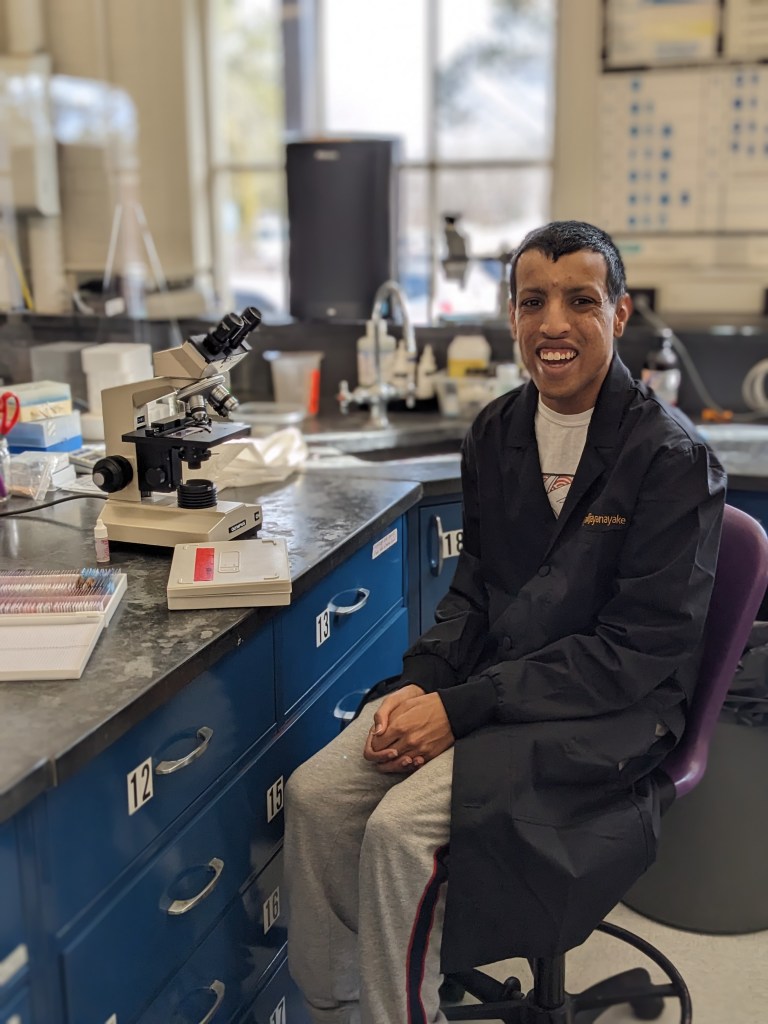
The Ishaq Lab is pleased to welcome Ryan Wijayanayake as a Master’s of Professional Studies student in Animal Science, who joined the lab in January 2023!
Ryan has a background in research from his undergraduate program at St. Francis Xavier University in Nova Scotia, and as a research assistant at Tenza, a biotechnology company in Boston. In addition, he has a background in robotics and robotics competitions.
This week, we’ll be hosting a panel with MSE members and speakers! We needed to accommodate a change in the schedule, and decided to have some fun with it. Join us to chat about our favorite microbiome facts, what we think pressing issues are in research, and more!
Panel will be hosted bySue Ishaq.
Please note, this session will only be featured live in real-time and will not be recorded.
This week, we’ll be hosting a panel with MSE members and speakers! We needed to accommodate a change in the schedule, and decided to have some fun with it. Join us to chat about our favorite microbiome facts, what we think pressing issues are in research, and more!
Panel will be hosted bySue Ishaq.
Please note, this session will only be featured live in real-time and will not be recorded.



















 The Ishaq Lab