This Wednesday there is another installment in the spring 2022 Microbes and Social Equity speaker series! Each week, we’ll hear from a researcher who will share their work and perspective on how microbes are involved in all aspects of our lives, and how those microbes can affect individuals, communities, and ecosystems.
This series will run from Jan 19 – Apr 27, Wednesdays at 12:00 – 13:00 EST. These are presented over Zoom, and open to researchers, practitioners, students, and the public. Registration is free, and required for each individual seminar you would like to attend. You can find the full speaker list, details, and registration links for each seminar in the series here.
About the speaker: Dr. Katherine (Katie) Amato is an Assistant Professor of Anthropology at Northwestern University. From her faculty profile page: “Katie Amato is a biological anthropologist studying the gut microbiota in the broad context of host ecology and evolution. She is particularly interested in understanding how changes in the gut microbiota impact human nutrition and health in populations around the world, especially those with limited access to nutritional resources.”
Talk summary: The talk explores how the microbiome is likely to be a mediating pathway that translates disparities in people’s environments to disparities in health outcomes. It outlines the current state of the literature in this area and broadly suggests ways to move forward. Dr. Amato’s recent publication on this topic can be found here.
Today kicks off the spring 2022 Microbes and Social Equity speaker series! Each week, we’ll hear from a researcher who will share their work and perspective on how microbes are involved in all aspects of our lives, and how those microbes can affect individuals, communities, and ecosystems.
This series will run from Jan 19 – Apr 27, Wednesdays at 12:00 – 13:00 EST. These are presented over Zoom, and open to researchers, practitioners, students, and the public. Registration is free, and required for each individual seminar you would like to attend. You can find the full speaker list, details, and registration links for each seminar in the series here.
“Microbes at the nexus of environmental, biological, and social research”
About the speaker: Dr. Sue Ishaq is an Assistant Professor of Animal and Veterinary Science at the University of Maine, in the School of Food and Agriculture. She received her doctorate in Animal, Nutrition and Food Science from the University of Vermont in 2015 where her graduate study focused on the rumen microbiology of the moose. She held post-doctoral positions at Montana State University, and a research faculty position at the University of Oregon. Since 2019, her lab in Maine focuses on host-associated microbial communities in animals and humans, and in particular, how host and microbes interact in the gut. In addition to her research on gut microbes, Dr. Ishaq is the founder of the Microbes and Social Equity working group. This group formed to examine, publicize and promote a research program on the reciprocal impact of social inequality and microbiomes, both human and environmental.
This Wednesday kicks off the spring 2022 Microbes and Social Equity speaker series! Each week, we’ll hear from a researcher who will share their work and perspective on how microbes are involved in all aspects of our lives, and how those microbes can affect individuals, communities, and ecosystems.
This series will run from Jan 19 – Apr 27, Wednesdays at 12:00 – 13:00 EST. These are presented over Zoom, and open to researchers, practitioners, students, and the public. Registration is free, and required for each individual seminar you would like to attend. You can find the full speaker list, details, and registration links for each seminar in the series here.
“Microbes at the nexus of environmental, biological, and social research”
About the speaker: Dr. Sue Ishaq is an Assistant Professor of Animal and Veterinary Science at the University of Maine, in the School of Food and Agriculture. She received her doctorate in Animal, Nutrition and Food Science from the University of Vermont in 2015 where her graduate study focused on the rumen microbiology of the moose. She held post-doctoral positions at Montana State University, and a research faculty position at the University of Oregon. Since 2019, her lab in Maine focuses on host-associated microbial communities in animals and humans, and in particular, how host and microbes interact in the gut. In addition to her research on gut microbes, Dr. Ishaq is the founder of the Microbes and Social Equity working group. This group formed to examine, publicize and promote a research program on the reciprocal impact of social inequality and microbiomes, both human and environmental.
Registration is now open for the Microbes and Social Equity speaker series, which is in its second year this spring. Hurry, the first seminar is on Wednesday, Jan 19th!
Microorganisms are critical to many aspects of biological life, including human health. The human body is a veritable universe for microorganisms: some pass through but once, some are frequent tourists, and some spend their entire existence in the confines of our body tissues. The collective microbial community, our microbiome, can be impacted by the details of our lifestyle, including diet, hygiene, health status, and more, but many are driven by social, economic, medical, or political constraints that restrict available choices that may impact our health.
Access to resources is the basis for creating and resolving social equity—access to healthcare, healthy foods, a suitable living environment, and to beneficial microorganisms, but also access to personal and occupational protection to avoid exposure to infectious disease. This speaker series explores the way that microbes connect public policy, social disparities, and human health, as well as the ongoing research, education, policy, and innovation in this field.
“The Microbes and Social Equity Speaker Series 2022”
Spring 2022; Jan 19 – Apr 27, Wednesdays at 12:00 – 13:00 EST
Presented over Zoom. Registration is free, and required for each seminar.
Hosting Organization: MSE and the University of Maine Institute of Medicine
“Microbes at the nexus of environmental, biological, and social research”
About the speaker: Dr. Sue Ishaq is an Assistant Professor of Animal and Veterinary Science at the University of Maine, in the School of Food and Agriculture. She received her doctorate in Animal, Nutrition and Food Science from the University of Vermont in 2015 where her graduate study focused on the rumen microbiology of the moose. She held post-doctoral positions at Montana State University, and a research faculty position at the University of Oregon. Since 2019, her lab in Maine focuses on host-associated microbial communities in animals and humans, and in particular, how host and microbes interact in the gut. In addition to her research on gut microbes, Dr. Ishaq is the founder of the Microbes and Social Equity working group. This group formed to examine, publicize and promote a research program on the reciprocal impact of social inequality and microbiomes, both human and environmental.
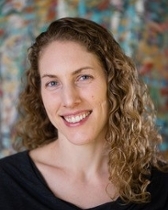
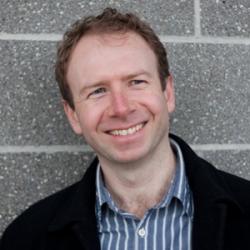
Dr. Katie Amato. Photo borrowed from Northwestern University
About the speaker: Dr. Katherine (Katie) Amato is an Assistant Professor of Anthropology at Northwestern University. From her faculty profile page: “Katie Amato is a biological anthropologist studying the gut microbiota in the broad context of host ecology and evolution. She is particularly interested in understanding how changes in the gut microbiota impact human nutrition and health in populations around the world, especially those with limited access to nutritional resources.”
Talk summary: The talk explores how the microbiome is likely to be a mediating pathway that translates disparities in people’s environments to disparities in health outcomes. It outlines the current state of the literature in this area and broadly suggests ways to move forward. Dr. Amato’s recent publication on this topic can be found here.
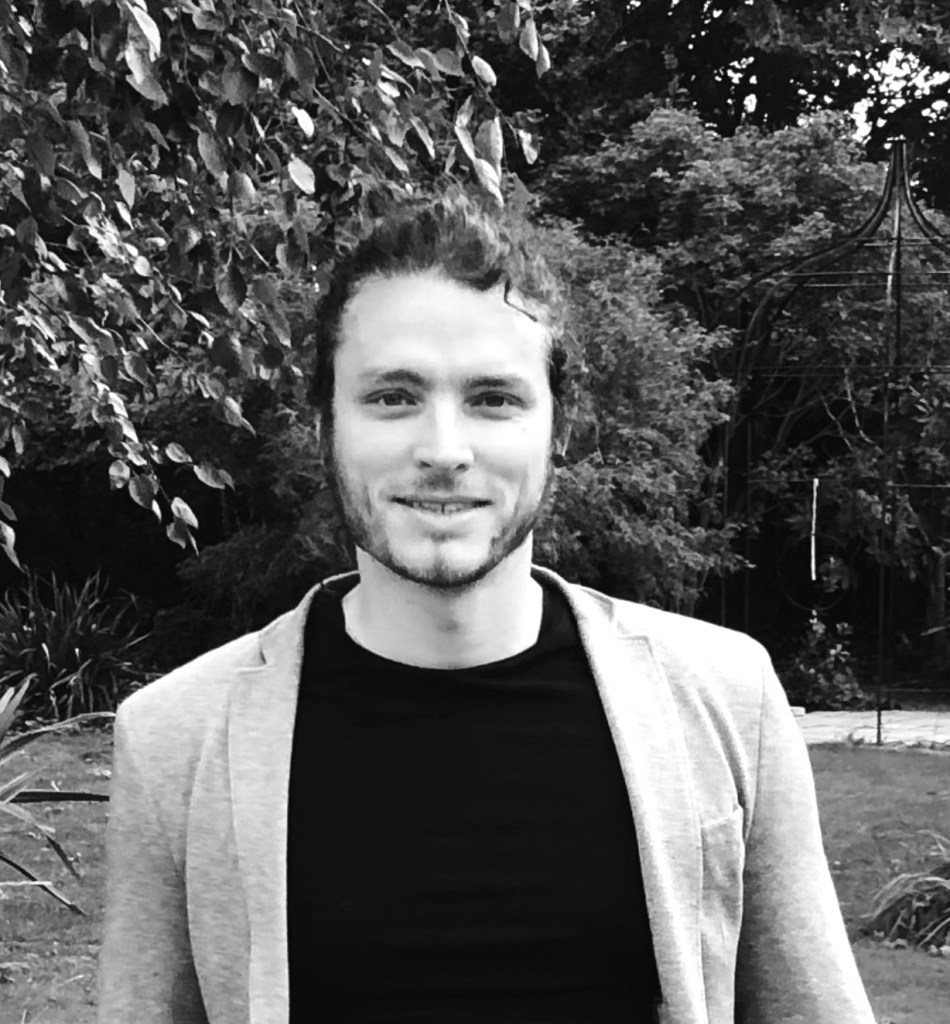
About the speaker: Dr. Jake Robinson is an ecologist and researcher. He recently completed a PhD at the University of Sheffield, UK. His academic interests lie at the intersection of microbial ecology, ecosystem restoration and social research. He will soon be publishing a book called Invisible Friends, which is all about our extraordinary relationship with microbes, and how they shape our lives and the world around us.
About the speaker: Dr. Douglas Call is a Regents Professor at the Paul G. Allen School for Global Health, in Molecular Epidemiology, and the Associate Director for Research and Graduate Education, at Washington State University.
Dr. Kristina Lyons. Photo reused from the University of Pennsylvania faculty page.
About the speaker: Dr. Kristina Lyons is an Assistant Professor of Anthropology and with the Penn Program in Environmental Humanities at the University of Pennsylvania. She also holds affiliations with the Center for Experimental Ethnography and the Center for Latin American and Latinx Studies. Kristina’s current research is situated at the interfaces of socio-ecological conflicts, science, and legal studies in Colombia and Latin America. Her manuscript, Vital Decomposition: Soil Practitioners and Life Politics (Duke 2020), was awarded honorable mention by the Bryce Wood Book Award committee from the Latin American Studies Association. She has also collaborated on the creation of soundscapes, street performances, photographic essays, graphic novels, popular education audiovisual projects, community radio programs, digital storytelling platforms, and various forms of literary writing.
Talk summary: How does attention to and stewardship of soils point to alternative frameworks for living and dying? Dr. Lyons explores the way life strives to flourish in the face of violence, criminalization, and poisoning produced by militarized, growth-oriented development in the midst of the U.S.-Colombia war on drugs.
Title TBD
Dr. Travis J. De Wolfe, PhD
Date TBD, 2022, 12:00 – 13:00 EST.
About the speaker: Dr. Travis J. De Wolfe, Ph.D. is a Postdoctoral Research Fellow in the Department of Pediatrics at the University of British Columbia.
About the speaker: Dr. Maya Hey is a postdoctoral researcher with the Future Organisms project as part of an international trans-disciplinary team investigating Responsible Research and Innovation (RRI). She brings a humanities and social science perspective to the life sciences, calling upon feminist, intersectional, and multispecies approaches to map out human response-ability in a more-than-human world. She is vested in questions related to fermentation, particularly as they relate to discourses of health, the rhetoric of microbiomes, and how we come to know microbial life.”
It doesn’t seem that long ago that we were just an assorted group of interested researchers having a chat, but here we are two years later gaining international support and interest. We greatly appreciate your interest in this group, and are pleased to share some of our recent updates.
We currently have 115 members of the Microbes and Social Equity working group, and another 33 people signed up just for the newsletter. In 2021, we ran a very successful speaker series, virtual symposium, and collectively had quite a few publications, presentations, and developments! We are excited to continue that momentum in 2022, and are planning another speaker series and virtual symposium, finalizing our journal special collection with mSystems, and furthering the collaborative projects we have begun. We will also be adding additional leadership roles for the group, to better accommodate our group and give more attention to our growing activities and initiatives.
Melissa Manus recently authored a paper in Microbial Ecology, “Ecological Processes and Human Behavior Provide a Framework for Studying the Skin Microbial Metacommunity.” Melissa added: “I recently published a review on the skin microbiome– in short, calling for a dual consideration of ecological theory and human behavior to better understand (and test) how microbes are dispersed to the skin and between body sites. I make a quick plug for thinking about microbes and social equity, too!”
mSystems Special Collections:
We are making great progress adding to our special collection with mSystem, with 3 papers published and several more currently in review! We will continue adding contributions through 2022.
Francisco Parada’s postdoc, Dr. Ismael Palacios-García finished collecting his probiotic/lifestyle randomized trial, collecting cognitive electrophysiology (EEG+EGG), microbial (DNA from fecal samples), and phenomenological data (questionnaires) over 4+ months. They hope they will be publishing some of these results soon!
Jake Robinson is working on “Invisible Friends”, a popular science book anticipated for release in 2022. From Jake’s page: “Invisible Friends is about our extraordinary relationship with microbes, and how they shape our lives, our health, and the world around us. The book aims to challenge the prevailing negative perception of microorganisms, by highlighting the weird, wonderful, and indispensable roles they play in our health, behaviour, society, and ecosystems!”
Presentations
Upcoming:
The Microbes and Social Equity speaker series 2022 is under development! We hope to invite speakers for a virtual series running January through April, Wednesdays from 12:00 – 13:00 EST. Registration is required but the series is free to attend.
inVIVO Planetary Health, virtual conference, Dec 1-7, 2021. Register here. Several MSE group members will be giving talks there, such as:
Sue Ishaq, “Introducing the Microbes and Social Equity Working Group: Considering the Microbial Components of Social, Environmental, and Health Justice”
Ari Kozik, “The human microbiome and health disparities: restoring dysbiosis as a matter of social justice”
Jake Robinson, “Microbiome-inspired green infrastructure (MIGI): a bioscience roadmap for urban ecosystem health”
2nd Rhode Island Microbiome Symposium, in person conference, University of Rhode Island Kingston, RI, January 14, 2022. Register here.
Sue Ishaq, ”Microbes at the nexus of environmental, biological, and social research”
American Society for Microbiology (ASM) Microbe 2022, in person conference, Washington, DC (USA), June 9-13, 2022.
‘Field Work & DEI Part 1: Fostering Equitable Partnerships with the Communities in Your Field Work Location’. The session’s date is June 11, 2022 (11:45AM – 12:30PM).
Ishaq,”Microbes and Social Equity: what is it and how do we do it?”
MSE special session, “Microbes and Social Equity: the Microbial Components of Social, Environmental, and Health Justice”. The session’s date is June 11, 2022 (1:45PM – 3:45PM), and the event is under development.
Featuring panelists Monica Trujillo, Ari Kozik, and Carla Bonilla
Past:
Mike Friedman hosted a very successful MSE Special Session (together with the Microbial Ecology section) at this year’s virtual Ecological Society of America meeting. Naupaka Zimmerman, Justin Stewart, Monica Trujillo and Sue Ishaq gave short presentations on social justice and various aspects of environmental and human microbiota. But the bulk of the session was taken up by audience discussion of issues in environmental justice and microbes, practical and suggested policies and education.
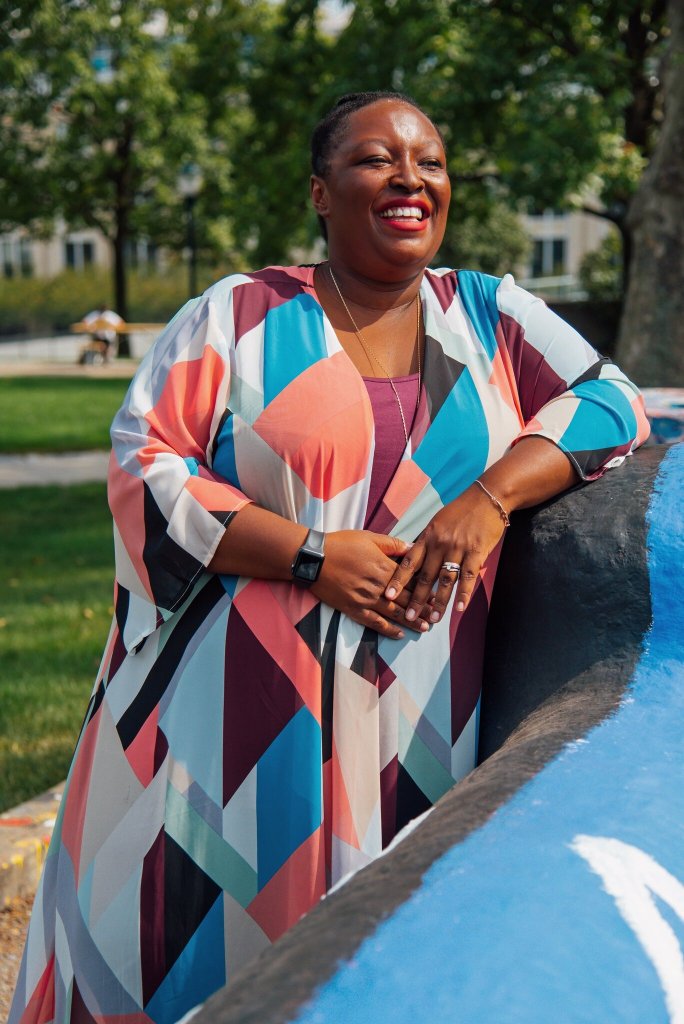
About the speaker: Dr. Kishana Taylor is a virologist and Co-founder and president of the Black Microbiologists Association. Dr. Taylor holds a bachelors degree in animal science, a masters of public health in microbiology and emerging infectious disease, and a doctorate in interdisciplinary biomedical science. Dr. Taylor is currently a postdoctoral fellow at Carnegie Mellon University in the lab of Dr. Elizabeth Wayne. Her current NSF funded research focuses on the role of monocytes and macrophages in SARS-CoV2 infection and subsequent development of COVID-19. Dr. Taylor’s research interest include arboviruses, zoonotic viruses and their epidemiology, ecology and evolution.
About the seminar: Much like previous pandemics, the COVID-19/SARS-CoV-2 pandemic, especially in the U.S., has brought to the forefront pre-existing social and structural inequalities that affect access to quality healthcare and perpetuate viral spread. As we begin to think toward the future and the next inevitable pandemic, it is important to incorporate the lessons learned from this pandemic, and others, in an attempt to mitigate similar patterns of inequity in the future.
About the series: Microorganisms are critical to many aspects of biological life, including human health. The human body is a veritable universe for microorganisms: some pass through but once, some are frequent tourists, and some spend their entire existence in the confines of our body tissues. The collective microbial community, our microbiome, can be impacted by the details of our lifestyle, including diet, hygiene, health status, and more, but many are driven by social, economic, medical, or political constraints that restrict available choices that may impact our health.
Access to resources is the basis for creating and resolving social equity—access to healthcare, healthy foods, a suitable living environment, and to beneficial microorganisms, but also access to personal and occupational protection to avoid exposure to infectious disease. This speaker series explores the way that microbes connect public policy, social disparities, and human health, as well as the ongoing research, education, policy, and innovation in this field. The spring speaker series will pave the way for a symposium on “Microbes, Social Equity, and Rural Health” in summer 2021.
Ally Hunter, PhD Science Education, MS Biology (Micro & Molecular) Postdoctoral Fellow Center for Youth Engagement NSF Project RAISE (Reclaiming Access to Inquiry Science Education for Incarcerated Learners) NSF Project INSITE (INtegrating STEM Into Transition Education for Incarcerated Youth) University of Massachusetts, Amherst
Christina Anderson Bosch Doctoral Candidate at University of Massachusetts, Amherst M.A., Special Education: Learning Disabilities M. Ed., Mind, Brain and Education NSF Project RAISE (Reclaiming Access to Inquiry Science Education for Incarcerated Learners)
About the seminar: In the US, incarcerated youth are a population that are vulnerable to a variety of poor outcomes that include disrupted or incomplete education, unemployment, homelessness, health disparities, and incarceration as adults. Through the lens of microbiome health we can envision additional poor outcomes for incarcerated youth: loss of access to nutrition and diet education, loss of access to diets that support microbiome health, loss of access to beneficial microbes, and over-exposure to harmful microbes.
This presentation will discuss the potential for microbial inequity for incarcerate youth and highlight current educational responses that could serve to mitigate some of these disparities.
Using our experiences as educational researchers and curriculum developers on STEM education initiatives for incarcerated youth, we will present background information on this particularly vulnerable population. We will discuss our work on developing biology curriculum for juvenile justice settings and where we see a need for further development of microbiology, nutrition and basic health curriculum. Then, we will facilitate a group discussion to engage the scientific community with this understudied and underserved population in the context of microbial inequity.
About the series: Microorganisms are critical to many aspects of biological life, including human health. The human body is a veritable universe for microorganisms: some pass through but once, some are frequent tourists, and some spend their entire existence in the confines of our body tissues. The collective microbial community, our microbiome, can be impacted by the details of our lifestyle, including diet, hygiene, health status, and more, but many are driven by social, economic, medical, or political constraints that restrict available choices that may impact our health.
Access to resources is the basis for creating and resolving social equity—access to healthcare, healthy foods, a suitable living environment, and to beneficial microorganisms, but also access to personal and occupational protection to avoid exposure to infectious disease. This speaker series explores the way that microbes connect public policy, social disparities, and human health, as well as the ongoing research, education, policy, and innovation in this field. The spring speaker series will pave the way for a symposium on “Microbes, Social Equity, and Rural Health” in summer 2021.
About the speaker: Dr. Saber is an Assistant Professor in the School of Nursing at the University of Maine where she teaches pathophysiological and critical care concepts to upper-level undergraduate nursing students. She also holds a joint position at Northern Light Eastern Maine Medical Center where she directs the program development for nursing research and evidence-based practice. As a practicing intensive care registered nurse (RN) with over 25 years of patient care nursing experience, she has cared for patients infected with multidrug-resistant organisms (e.g., methicillin-resistant Staphylococcus aureus (MRSA), vancomycin-resistant Enterococcus (VRE), multidrug-resistant tuberculosis) and diseases from outbreaks that include human immunodeficiency virus (HIV) and H1N1. Dr. Saber’s research focuses on microbial movement in the healthcare setting as this relates to the use personal protective equipment (PPE) and resulting solid waste.
About the seminar: This seminar will focus on findings from the literature that emphasize the vulnerability of populations with preexisting health conditions that impact their ability to defend against infectious diseases. We will discuss common co-morbid conditions, the role of the inflammatory processes in infectious processes, and how social inequity can predispose vulnerable populations to novel infectious processes.
About the series: Microorganisms are critical to many aspects of biological life, including human health. The human body is a veritable universe for microorganisms: some pass through but once, some are frequent tourists, and some spend their entire existence in the confines of our body tissues. The collective microbial community, our microbiome, can be impacted by the details of our lifestyle, including diet, hygiene, health status, and more, but many are driven by social, economic, medical, or political constraints that restrict available choices that may impact our health.
Access to resources is the basis for creating and resolving social equity—access to healthcare, healthy foods, a suitable living environment, and to beneficial microorganisms, but also access to personal and occupational protection to avoid exposure to infectious disease. This speaker series explores the way that microbes connect public policy, social disparities, and human health, as well as the ongoing research, education, policy, and innovation in this field. The spring speaker series will pave the way for a symposium on “Microbes, Social Equity, and Rural Health” in summer 2021.
About the speaker: Lieutenant Colonel Andrew Hoisington is currently an adjunct Associate Professor at the Air Force Institute of Technology as he serves on active duty Air Force rebuilding Tyndall AFB after hurricane Michael. Lt Col Hoisington received his PhD in 2013 from the University of Texas, studying the indoor microbiome. In 2015 he was one of four founding members of the Military and Veterans Microbiome Consortium for Research and Education, an organization to advance microbiome science and education to benefit military personnel, Veterans, and their families.
About the seminar: In 2019, over half a million people in the United States did not have a place to call home. Research suggests that homeless individuals have higher rates of diet deficiencies, physical and mental health disorders (e.g., infectious diseases, depression), and inadequate health care when compared to those who are stably housed. From a social equity perspective, risk for homelessness is impacted by a range of social determinants including socioeconomic status and race/ethnicity. Here we present the results 16S rRNA and metagenomics analysis from a US Military Veterans who are currently or were previously homeless. To the best of our knowledge, these preliminary results are the first known study of the microbiome among those with a history of homelessness and will likely contribute to a better understanding of interactions among social determinates of health, social equity, the human microbiome, and human health.
About the series: Microorganisms are critical to many aspects of biological life, including human health. The human body is a veritable universe for microorganisms: some pass through but once, some are frequent tourists, and some spend their entire existence in the confines of our body tissues. The collective microbial community, our microbiome, can be impacted by the details of our lifestyle, including diet, hygiene, health status, and more, but many are driven by social, economic, medical, or political constraints that restrict available choices that may impact our health.
Access to resources is the basis for creating and resolving social equity—access to healthcare, healthy foods, a suitable living environment, and to beneficial microorganisms, but also access to personal and occupational protection to avoid exposure to infectious disease. This speaker series explores the way that microbes connect public policy, social disparities, and human health, as well as the ongoing research, education, policy, and innovation in this field. The spring speaker series will pave the way for a symposium on “Microbes, Social Equity, and Rural Health” in summer 2021.
About the speaker: Dr. Kieran C. O’Doherty is professor in the department of psychology at the University of Guelph, where he directs the Discourse, Science, Publics research Group. His research focuses on the social and ethical implications of science and technology. In this context, he has published on such topics as data governance, vaccines, human tissue biobanks, salmon genomics, and genetic testing. A particular emphasis of his research has been on the social and ethical aspects of human microbiome research. Kieran’s research also emphasizes public deliberation on science and technology. In this regard, he has designed and implemented deliberative forums in which members of the public engage in in-depth discussion about ethical aspects of science and technology and collectively develop recommendations for policy.
Recent edited volumes include Psychological Studies of Science and Technology (2019) and The Sage Handbook of Applied Social Psychology (2019). Kieran’s research has been funded by the Canadian Institutes of Health Research, The Office of the Privacy Commissioner of Canada, the Ontario Ministry of Research & Innovation, Genome Canada and Genome British Columbia. He is editor of Theory & Psychology. His lab website is: https://dsp.uoguelph.ca, and you can find him on Twitter: Personal, @KieranODoherty; Lab, @dsp_lab
About the seminar: There are many social and ethical implications of human microbiome research. In this presentation, I will focus on 3 types of ethical implications. The first type are ethical considerations that should be taken into account when conducting research on the human microbiome. Key points here include issues relating to information privacy, ownership of samples and data, and the rights of Indigenous and other identifiable communities from whom microbiome samples might be obtained. The second type of ethical implications relates to the consequences of specific technologies and applications developed using microbiome science. Examples here include the consequences of strategic engineering of microbes and their use in human and animal populations. The third kind of ethical implications I will discuss relates to problems that are already present, but have only become visible, or perhaps just more obvious, as a result of knowledge generated by human microbiome research. An example here is damage to vaginal microbiomes that is caused by vaginal cleansing products promoted to women to feel “Clean & Fresh.” In this context, I argue that clinical applications of human microbiome science, while valuable, are too narrow when considering the damage that is being done our collective microbiomes as a society and a species. I conclude by reiterating calls for recognition of the microbiome as a common good and the need for stewardship of microbiomes.
About the series: Microorganisms are critical to many aspects of biological life, including human health. The human body is a veritable universe for microorganisms: some pass through but once, some are frequent tourists, and some spend their entire existence in the confines of our body tissues. The collective microbial community, our microbiome, can be impacted by the details of our lifestyle, including diet, hygiene, health status, and more, but many are driven by social, economic, medical, or political constraints that restrict available choices that may impact our health.
Access to resources is the basis for creating and resolving social equity—access to healthcare, healthy foods, a suitable living environment, and to beneficial microorganisms, but also access to personal and occupational protection to avoid exposure to infectious disease. This speaker series explores the way that microbes connect public policy, social disparities, and human health, as well as the ongoing research, education, policy, and innovation in this field. The spring speaker series will pave the way for a symposium on “Microbes, Social Equity, and Rural Health” in summer 2021.






 The Ishaq Lab