Today there is another installment in the spring 2022 Microbes and Social Equity speaker series! Each week, we’ll hear from a researcher who will share their work and perspective on how microbes are involved in all aspects of our lives, and how those microbes can affect individuals, communities, and ecosystems.
This series will run from Jan 19 – May 4, Wednesdays at 12:00 – 13:00 EST. These are presented over Zoom, and open to researchers, practitioners, students, and the public. Registration is free, and required for each individual seminar you would like to attend. You can find the full speaker list, details, and registration links for each seminar in the series here.
“Antimicrobial Resistance: Our Next Epidemic of Inequality?”
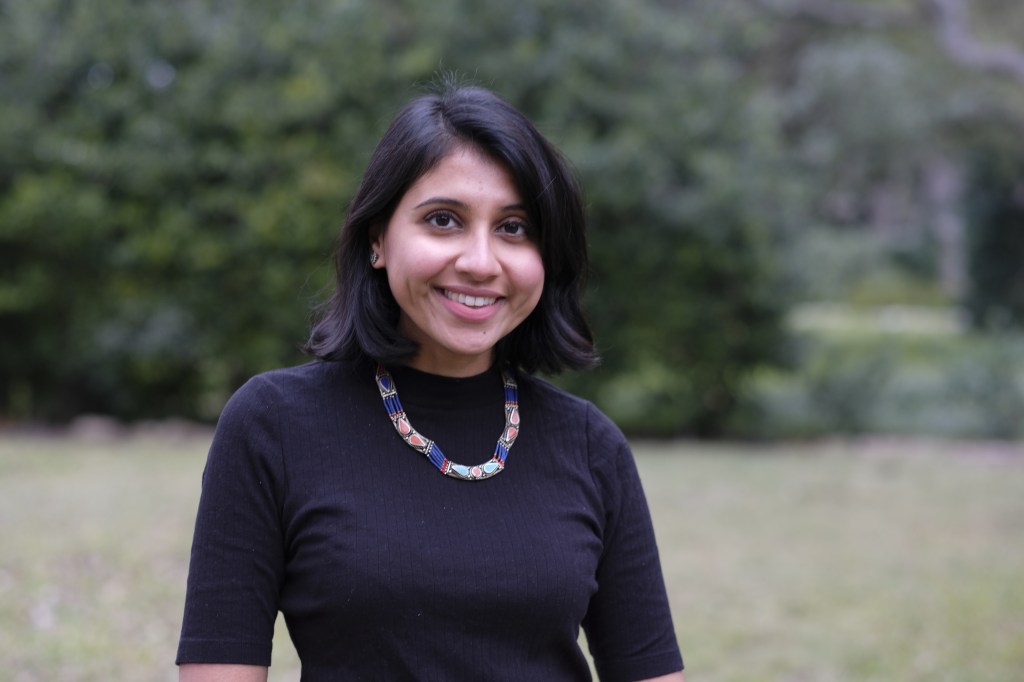
Dr. Maya Nadimpalli. Photo courtesy of Dr. Nadimpalli.
About the speaker: Dr. Maya Nadimpalli is a Research Assistant Professor in the Department of Civil and Environmental Engineering at Tufts University, and a core faculty member at Tufts’ Stuart B. Levy Center for the Integrated Management of Antimicrobial Resistance. She received her B.A. & Sc. in Environment from McGill University, Canada, and her M.S. and Ph.D. at the Gillings School of Global Public Health at the University of North Carolina at Chapel Hill. She uses genomic and epidemiological approaches to understand how exposures to food, animals, and the environment can impact human colonization and infection with antibiotic-resistant bacteria, particularly in low-resource settings. She has led research studies in rural North Carolina and in Southeast Asia, and is currently leading two studies focused on children’s health in urban informal settlements of Lima, Peru. She will be joining Emory University’s Rollins School of Public Health as an Assistant Professor this May.
Today there is another installment in the spring 2022 Microbes and Social Equity speaker series! Each week, we’ll hear from a researcher who will share their work and perspective on how microbes are involved in all aspects of our lives, and how those microbes can affect individuals, communities, and ecosystems.
This series will run from Jan 19 – May 4, Wednesdays at 12:00 – 13:00 EST. These are presented over Zoom, and open to researchers, practitioners, students, and the public. Registration is free, and required for each individual seminar you would like to attend. You can find the full speaker list, details, and registration links for each seminar in the series here.
“20 important questions in microbial exposure and social equity + recent work on urban greenspace microbiomes”
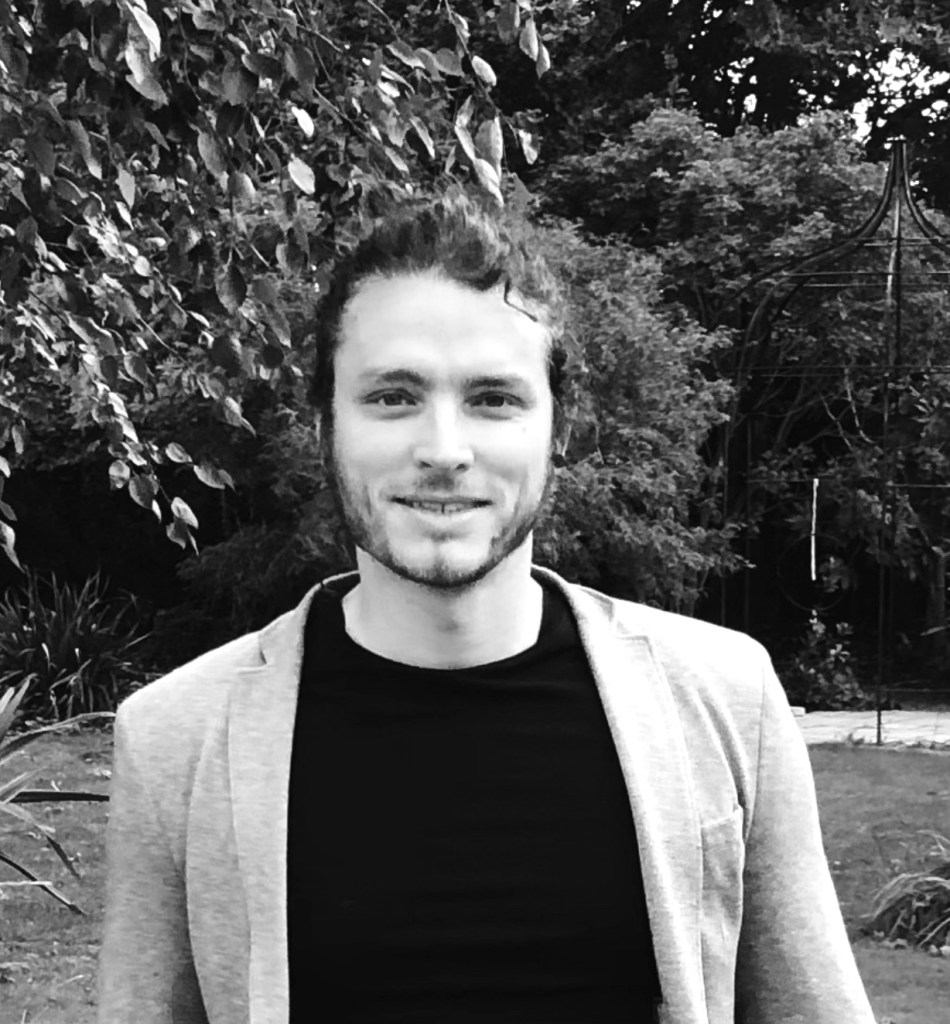
About the speaker: Dr. Jake Robinson is an ecologist and researcher. He recently completed a PhD at the University of Sheffield, UK. His academic interests lie at the intersection of microbial ecology, ecosystem restoration and social research. He will soon be publishing a book called Invisible Friends, which is all about our extraordinary relationship with microbes, and how they shape our lives and the world around us.
Today there is another installment in the spring 2022 Microbes and Social Equity speaker series! Each week, we’ll hear from a researcher who will share their work and perspective on how microbes are involved in all aspects of our lives, and how those microbes can affect individuals, communities, and ecosystems.
This series will run from Jan 19 – May 4, Wednesdays at 12:00 – 13:00 EST. These are presented over Zoom, and open to researchers, practitioners, students, and the public. Registration is free, and required for each individual seminar you would like to attend. You can find the full speaker list, details, and registration links for each seminar in the series here.
“Diet, Microbial Metabolites, and Cancer Disparities”.
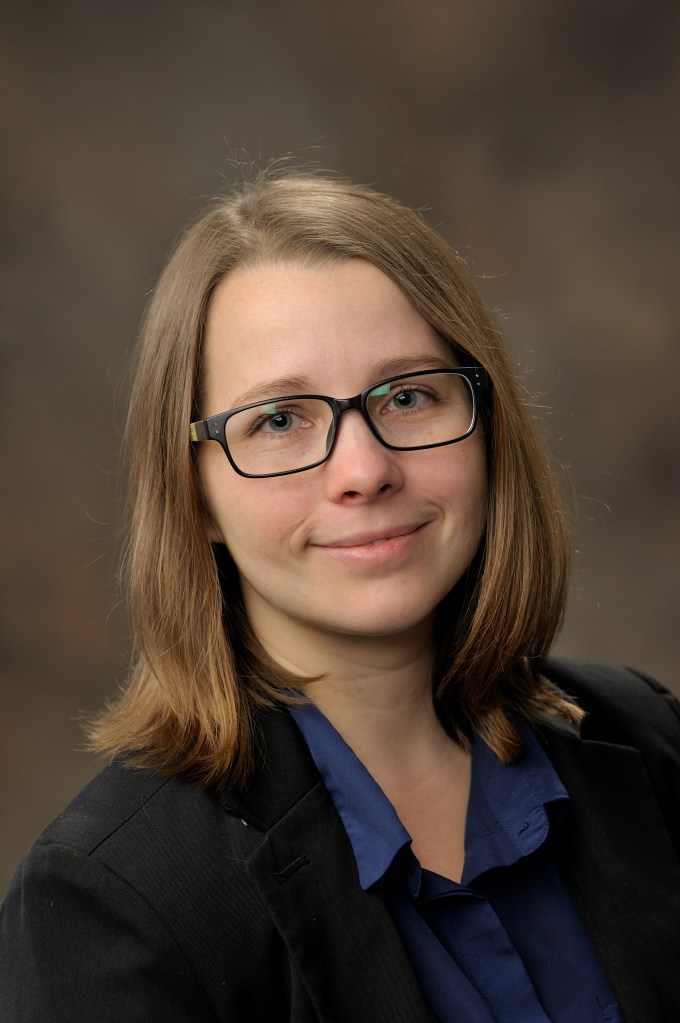
About the speaker: Dr. Wolf completed her PhD in Nutritional Sciences with a focus on microbial sulfur metabolism at the University of Illinois at Urbana-Champaign in December 2018. During her graduate training, she simultaneously completed the Didactic Program in Dietetics and became a Registered Dietitian Nutritionist. Since that time, she has been a postdoctoral fellow at the Cancer Education and Career Development Program NCI T32 at the University of Illinois at Chicago. Her research investigates microbial mechanisms of cancer health disparities related to inequitable food access and quality. To do so, she uses techniques in molecular microbiology and novel enzyme characterization to understand the metabolic capacity of the human gut microbiome. With her expertise in nutrition and dietetics, she then examines whether dietary intake shifts microbial ecology and function toward the formation of deleterious microbial metabolites contributing to cancer risk. Given that dietary behaviors are shaped by the social and structural environment, her future work will explore relationships between the neighborhood food environment and microbial metabolism in order to mitigate the inequitable burden of cancer in certain groups.
This Wednesday there is another installment in the spring 2022 Microbes and Social Equity speaker series! Each week, we’ll hear from a researcher who will share their work and perspective on how microbes are involved in all aspects of our lives, and how those microbes can affect individuals, communities, and ecosystems.
This series will run from Jan 19 – May 4, Wednesdays at 12:00 – 13:00 EST. These are presented over Zoom, and open to researchers, practitioners, students, and the public. Registration is free, and required for each individual seminar you would like to attend. You can find the full speaker list, details, and registration links for each seminar in the series here.
“The role of microbiomes in sustainable agriculture and food systems integrated with human health”.
Dr. Franck Carbonero. Photo borrowed from WSU faculty page.
About the speaker: Dr. Frank Carbonero, PhD, is an Assistant Professor in the Department of Nutrition and Exercise Physiology at Washington State University Elson S. Floyd College of Medicine.
He received his Bachelor’s of Science in Biology from Universite Joseph Fourier, in France, his Master’s of Science degree in Ecology from Universite Blaise Pascal, in France, and his Ph.D. degree in Microbiology from the University of Warwick, in the United Kingdom. After that, he was a Postdoctoral Research Associate at the University of Illinois Urbana-Champaign for three years, and has served as an Assistant Professor in the Department of Food Science at the University of Arkansas since 2013. His research program is focused on nutrition and its impact on the human and animal gut microbiome, with focus on dietary bioactives, including from berries.
Today there is another installment in the spring 2022 Microbes and Social Equity speaker series! Each week, we’ll hear from a researcher who will share their work and perspective on how microbes are involved in all aspects of our lives, and how those microbes can affect individuals, communities, and ecosystems.
This series will run from Jan 19 – Apr 27, Wednesdays at 12:00 – 13:00 EST. These are presented over Zoom, and open to researchers, practitioners, students, and the public. Registration is free, and required for each individual seminar you would like to attend. You can find the full speaker list, details, and registration links for each seminar in the series here.
About the speaker: Dr. Katherine (Katie) Amato is an Assistant Professor of Anthropology at Northwestern University. From her faculty profile page: “Katie Amato is a biological anthropologist studying the gut microbiota in the broad context of host ecology and evolution. She is particularly interested in understanding how changes in the gut microbiota impact human nutrition and health in populations around the world, especially those with limited access to nutritional resources.”
Talk summary: The talk explores how the microbiome is likely to be a mediating pathway that translates disparities in people’s environments to disparities in health outcomes. It outlines the current state of the literature in this area and broadly suggests ways to move forward. Dr. Amato’s recent publication on this topic can be found here.
Today kicks off the spring 2022 Microbes and Social Equity speaker series! Each week, we’ll hear from a researcher who will share their work and perspective on how microbes are involved in all aspects of our lives, and how those microbes can affect individuals, communities, and ecosystems.
This series will run from Jan 19 – Apr 27, Wednesdays at 12:00 – 13:00 EST. These are presented over Zoom, and open to researchers, practitioners, students, and the public. Registration is free, and required for each individual seminar you would like to attend. You can find the full speaker list, details, and registration links for each seminar in the series here.
“Microbes at the nexus of environmental, biological, and social research”
About the speaker: Dr. Sue Ishaq is an Assistant Professor of Animal and Veterinary Science at the University of Maine, in the School of Food and Agriculture. She received her doctorate in Animal, Nutrition and Food Science from the University of Vermont in 2015 where her graduate study focused on the rumen microbiology of the moose. She held post-doctoral positions at Montana State University, and a research faculty position at the University of Oregon. Since 2019, her lab in Maine focuses on host-associated microbial communities in animals and humans, and in particular, how host and microbes interact in the gut. In addition to her research on gut microbes, Dr. Ishaq is the founder of the Microbes and Social Equity working group. This group formed to examine, publicize and promote a research program on the reciprocal impact of social inequality and microbiomes, both human and environmental.
Registration is now open for the Microbes and Social Equity speaker series, which is in its second year this spring. Hurry, the first seminar is on Wednesday, Jan 19th!
Microorganisms are critical to many aspects of biological life, including human health. The human body is a veritable universe for microorganisms: some pass through but once, some are frequent tourists, and some spend their entire existence in the confines of our body tissues. The collective microbial community, our microbiome, can be impacted by the details of our lifestyle, including diet, hygiene, health status, and more, but many are driven by social, economic, medical, or political constraints that restrict available choices that may impact our health.
Access to resources is the basis for creating and resolving social equity—access to healthcare, healthy foods, a suitable living environment, and to beneficial microorganisms, but also access to personal and occupational protection to avoid exposure to infectious disease. This speaker series explores the way that microbes connect public policy, social disparities, and human health, as well as the ongoing research, education, policy, and innovation in this field.
“The Microbes and Social Equity Speaker Series 2022”
Spring 2022; Jan 19 – Apr 27, Wednesdays at 12:00 – 13:00 EST
Presented over Zoom. Registration is free, and required for each seminar.
Hosting Organization: MSE and the University of Maine Institute of Medicine
“Microbes at the nexus of environmental, biological, and social research”
About the speaker: Dr. Sue Ishaq is an Assistant Professor of Animal and Veterinary Science at the University of Maine, in the School of Food and Agriculture. She received her doctorate in Animal, Nutrition and Food Science from the University of Vermont in 2015 where her graduate study focused on the rumen microbiology of the moose. She held post-doctoral positions at Montana State University, and a research faculty position at the University of Oregon. Since 2019, her lab in Maine focuses on host-associated microbial communities in animals and humans, and in particular, how host and microbes interact in the gut. In addition to her research on gut microbes, Dr. Ishaq is the founder of the Microbes and Social Equity working group. This group formed to examine, publicize and promote a research program on the reciprocal impact of social inequality and microbiomes, both human and environmental.
Dr. Katie Amato. Photo borrowed from Northwestern University
About the speaker: Dr. Katherine (Katie) Amato is an Assistant Professor of Anthropology at Northwestern University. From her faculty profile page: “Katie Amato is a biological anthropologist studying the gut microbiota in the broad context of host ecology and evolution. She is particularly interested in understanding how changes in the gut microbiota impact human nutrition and health in populations around the world, especially those with limited access to nutritional resources.”
Talk summary: The talk explores how the microbiome is likely to be a mediating pathway that translates disparities in people’s environments to disparities in health outcomes. It outlines the current state of the literature in this area and broadly suggests ways to move forward. Dr. Amato’s recent publication on this topic can be found here.
About the speaker: Dr. Jake Robinson is an ecologist and researcher. He recently completed a PhD at the University of Sheffield, UK. His academic interests lie at the intersection of microbial ecology, ecosystem restoration and social research. He will soon be publishing a book called Invisible Friends, which is all about our extraordinary relationship with microbes, and how they shape our lives and the world around us.
About the speaker: Dr. Douglas Call is a Regents Professor at the Paul G. Allen School for Global Health, in Molecular Epidemiology, and the Associate Director for Research and Graduate Education, at Washington State University.
Dr. Kristina Lyons. Photo reused from the University of Pennsylvania faculty page.
About the speaker: Dr. Kristina Lyons is an Assistant Professor of Anthropology and with the Penn Program in Environmental Humanities at the University of Pennsylvania. She also holds affiliations with the Center for Experimental Ethnography and the Center for Latin American and Latinx Studies. Kristina’s current research is situated at the interfaces of socio-ecological conflicts, science, and legal studies in Colombia and Latin America. Her manuscript, Vital Decomposition: Soil Practitioners and Life Politics (Duke 2020), was awarded honorable mention by the Bryce Wood Book Award committee from the Latin American Studies Association. She has also collaborated on the creation of soundscapes, street performances, photographic essays, graphic novels, popular education audiovisual projects, community radio programs, digital storytelling platforms, and various forms of literary writing.
Talk summary: How does attention to and stewardship of soils point to alternative frameworks for living and dying? Dr. Lyons explores the way life strives to flourish in the face of violence, criminalization, and poisoning produced by militarized, growth-oriented development in the midst of the U.S.-Colombia war on drugs.
Title TBD
Dr. Travis J. De Wolfe, PhD
Date TBD, 2022, 12:00 – 13:00 EST.
About the speaker: Dr. Travis J. De Wolfe, Ph.D. is a Postdoctoral Research Fellow in the Department of Pediatrics at the University of British Columbia.
About the speaker: Dr. Maya Hey is a postdoctoral researcher with the Future Organisms project as part of an international trans-disciplinary team investigating Responsible Research and Innovation (RRI). She brings a humanities and social science perspective to the life sciences, calling upon feminist, intersectional, and multispecies approaches to map out human response-ability in a more-than-human world. She is vested in questions related to fermentation, particularly as they relate to discourses of health, the rhetoric of microbiomes, and how we come to know microbial life.”
The Microbes and Social Equity working group is putting together a special session at the American Society for Microbiology’s annual Microbe meeting, which will be held in Washington, D.C. from June 9 – 13, 2022.
Microorganisms are critical to many aspects of biological life, including human health. The collective microbial community, our microbiome, can be impacted by the details of our lifestyle, including diet, hygiene, health status, and more, but many are driven by social, economic, medical, or political constraints that restrict available choices that may impact our health. Access to resources is the basis for creating and resolving social equity, access to healthcare, healthy foods, a suitable living environment, and to beneficial microorganisms, but also access to personal and occupational protection to avoid exposure to infectious disease. This special session explores the way that microbes connect public policy, social disparities, and human health, as well as the ongoing research, education, policy, and innovation in this field.
Upon completion of this Cross-Track Symposium, the participant should be able to:
Recognize the connections that microbiomes have to social equity. This will be demonstrated with examples/case studies presented by speakers.
Discuss relevant issues in microbiomes and their connection to social equity and identify issues which could be explored further.
Appraise your own work for these connections between microbiomes and social equity, to designate places for professional growth and applying equitable design.
It doesn’t seem that long ago that we were just an assorted group of interested researchers having a chat, but here we are two years later gaining international support and interest. We greatly appreciate your interest in this group, and are pleased to share some of our recent updates.
We currently have 115 members of the Microbes and Social Equity working group, and another 33 people signed up just for the newsletter. In 2021, we ran a very successful speaker series, virtual symposium, and collectively had quite a few publications, presentations, and developments! We are excited to continue that momentum in 2022, and are planning another speaker series and virtual symposium, finalizing our journal special collection with mSystems, and furthering the collaborative projects we have begun. We will also be adding additional leadership roles for the group, to better accommodate our group and give more attention to our growing activities and initiatives.
Melissa Manus recently authored a paper in Microbial Ecology, “Ecological Processes and Human Behavior Provide a Framework for Studying the Skin Microbial Metacommunity.” Melissa added: “I recently published a review on the skin microbiome– in short, calling for a dual consideration of ecological theory and human behavior to better understand (and test) how microbes are dispersed to the skin and between body sites. I make a quick plug for thinking about microbes and social equity, too!”
mSystems Special Collections:
We are making great progress adding to our special collection with mSystem, with 3 papers published and several more currently in review! We will continue adding contributions through 2022.
Francisco Parada’s postdoc, Dr. Ismael Palacios-García finished collecting his probiotic/lifestyle randomized trial, collecting cognitive electrophysiology (EEG+EGG), microbial (DNA from fecal samples), and phenomenological data (questionnaires) over 4+ months. They hope they will be publishing some of these results soon!
Jake Robinson is working on “Invisible Friends”, a popular science book anticipated for release in 2022. From Jake’s page: “Invisible Friends is about our extraordinary relationship with microbes, and how they shape our lives, our health, and the world around us. The book aims to challenge the prevailing negative perception of microorganisms, by highlighting the weird, wonderful, and indispensable roles they play in our health, behaviour, society, and ecosystems!”
Presentations
Upcoming:
The Microbes and Social Equity speaker series 2022 is under development! We hope to invite speakers for a virtual series running January through April, Wednesdays from 12:00 – 13:00 EST. Registration is required but the series is free to attend.
inVIVO Planetary Health, virtual conference, Dec 1-7, 2021. Register here. Several MSE group members will be giving talks there, such as:
Sue Ishaq, “Introducing the Microbes and Social Equity Working Group: Considering the Microbial Components of Social, Environmental, and Health Justice”
Ari Kozik, “The human microbiome and health disparities: restoring dysbiosis as a matter of social justice”
Jake Robinson, “Microbiome-inspired green infrastructure (MIGI): a bioscience roadmap for urban ecosystem health”
2nd Rhode Island Microbiome Symposium, in person conference, University of Rhode Island Kingston, RI, January 14, 2022. Register here.
Sue Ishaq, ”Microbes at the nexus of environmental, biological, and social research”
American Society for Microbiology (ASM) Microbe 2022, in person conference, Washington, DC (USA), June 9-13, 2022.
‘Field Work & DEI Part 1: Fostering Equitable Partnerships with the Communities in Your Field Work Location’. The session’s date is June 11, 2022 (11:45AM – 12:30PM).
Ishaq,”Microbes and Social Equity: what is it and how do we do it?”
MSE special session, “Microbes and Social Equity: the Microbial Components of Social, Environmental, and Health Justice”. The session’s date is June 11, 2022 (1:45PM – 3:45PM), and the event is under development.
Featuring panelists Monica Trujillo, Ari Kozik, and Carla Bonilla
Past:
Mike Friedman hosted a very successful MSE Special Session (together with the Microbial Ecology section) at this year’s virtual Ecological Society of America meeting. Naupaka Zimmerman, Justin Stewart, Monica Trujillo and Sue Ishaq gave short presentations on social justice and various aspects of environmental and human microbiota. But the bulk of the session was taken up by audience discussion of issues in environmental justice and microbes, practical and suggested policies and education.
Next week kicks off the live events, including with question + answer, discussions, and special sessions being held in real time, for the Ecological Society of America’s annual conference, which is being held virtually this year. Prerecorded presentations are already available on demand.
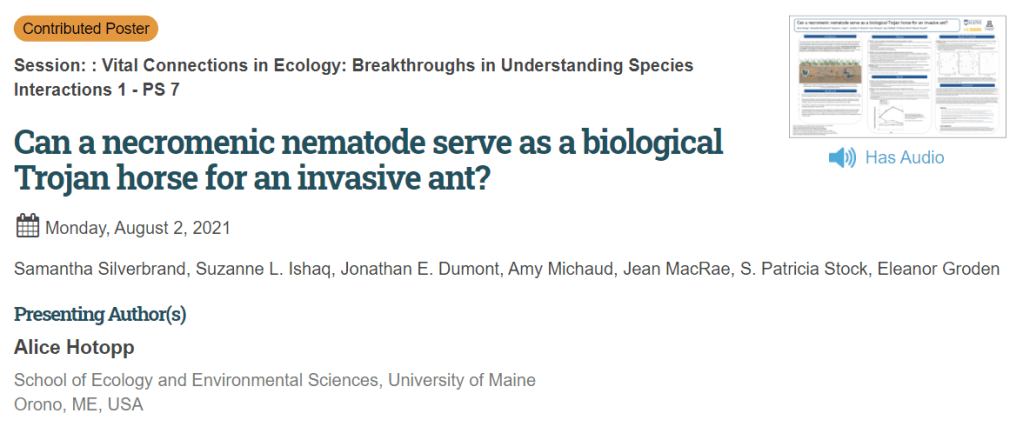
Can a necromenic nematode serve as a biological Trojan horse for an invasive ant?
Session 1-PS7: Vital Connections in Ecology: Breakthroughs in Understanding Species Interactions
Poster and narration available on demand.
Live discussion: Monday, August 2, 2021, 9:30 AM – 10:30 AM Pacific Time
Abstract:
Background/Question/Methods The invasive European fire ant (Myrmica rubra) threatens native ant species and human health along the coast of Maine, United States. M. rubra mortality has been associated with infection by Pristionchus entomophagus, a necromenic nematode that is hypothesized to transfer pathogenic bacteria acquired from the environment to ant colonies. To investigate this hypothesis, we conducted a series of experiments on nematode-infected ants collected from Mount Desert Island. First, we isolated bacteria cultured from nematodes emerging from M. rubra cadavers and assessed the ability of the nematodes to acquire and transfer environmental bacteria to Galleria mellonella waxworm larvae. Second, we identified bacteria which were potentially transferred from nematodes to infected ant nests on MDI using bacterial community similarity and sequence tracking methods.
Results/Conclusions Multiple bacterial species, including Paenibacillus spp., were found in the nematodes’ digestive tract. Serratia marcescens, Serratia nematodiphila, and Pseudomonas fluorescens were collected from the hemolymph of nematode-infected G. mellonella larvae. Variability was observed in insect virulence in relation to the site origin of the nematodes. In vitro assays confirmed uptake of red fluorescence protein (RFP)-labeled Pseudomonas aeruginosa strain PA14 by nematodes. Bacteria were highly concentrated in the digestive tract of adult nematodes, some bacteria were observed in the digestive tract of juveniles with a more significant amount on their cuticle, and none on the cuticle of adults. RFP-labeled P. aeruginosa were not observed in hemolymph of G. mellonella larvae, indicating an apparent lack of bacterial transfer from juvenile nematodes to the insects despite larval mortality.
Host species was the primary factor affecting bacterial community profiles. Spiroplasma sp. and Serratia marcescens sequences were shared across ants, nematodes, and nematode-exposed G. mellonella larvae. Alternative to the idea of transferring bacteria from environment to host, we considered whether nematode-exposure might disorder or depauperate the endobiotic community of an insect host. While total bacterial diversity was not statistically lower in nematode-exposed G. mellonella larvae when compared to controls, 16 bacterial sequence variants were less abundant in nematode-exposed larvae, while three were increased, including Serratia, Pseudomonas, and Proteus. This study suggests that transfer of bacteria from nematodes to ants is feasible, although largely serendipitous, and may contribute to ant mortality in Maine. Hypothetically, the use of an engineered biological control, such as nematodes carrying specifically-seeded bacterial species, may be effective, especially if the pathogenic bacteria are naturally found in soil ecosystems and represent a low risk for biosafety control.
Poster Citation: Hotopp*, A., Silverbrand, S., Ishaq, S.L., Dumont, J., Michaud, A., MacRae, J., Stock, S.P., Groden, E. “Can a necromenic nematode serve as a biological Trojan horse for an invasive ant?” Ecological Society of America 2021. (virtual). Aug 2-6, 2021. (poster)
Ishaq, S.L., A. Hotopp2, S. Silverbrand2, J.E. Dumont, A. Michaud, J. MacRae, S. P. Stock, E. Groden. 2021. Assessment of pathogenic bacteria transfer from Pristionchus entomophagus (Nematoda: Diplogasteridae) to the invasive fire ant (Myrmica rubra) and its potential role in colony mortality in coastal Maine. iScience 24(6):102663. Article.
Talk #93066, “The effect of simulated warming ocean temperatures on the bacterial communities on the shells of healthy and epizootic shell diseased American Lobster (Homarus americanus)”
COS 87: Climate Change: Communities 1 Recorded talk available on demand.
The American lobster, Homarus americanus, is a vital species for the fishing industry along the North Atlantic coast of North America. However, populations in Southern New England have declined, most likely due to increasing ocean temperatures and prevalence of emerging disease. Our previous work suggested that temperature may not be the sole cause for epizootic shell disease (ESD). Here, we examined the shell bacterial communities and progression of ESD in non-shell diseased and diseased adult female lobsters under three simulated seasonal temperature cycles for a year.
Fifty-seven female lobsters were wild-caught from Maine’s management zones F and G, and were assessed for shell disease progression on a scale of 0 (no observable signs) to 3 (visible disease on >50% of the shell surface). ESD-negative lobsters (apparently healthy) and ESD-positive (diseased) lobsters were randomly dispersed into 3 systems, and within each system, healthy and diseased lobsters were placed into separate tanks. These systems were maintained at three temperature ranges comparable to the average seasonal ocean temperatures for Southern New England (SNE), Southern Maine (SME), and Northern Maine (NME) regions. Samples were collected at three timepoints, a baseline “summer” temperature where all tanks were the same temperature, a winter temperature four months later, and a summer temperature 10 months after that.
A total of 131 experimental samples, plus 10 controls, passed PCR amplification, amplicon quantification and purification, Illumina MiSeq ver. 4 sequencing, and quality-control filtering. Sequences were processed using the R software platform, using DADA2, phyloseq, vegan, and assorted other packages.
Results and conclusions
The bacterial richness on lobster shells at the baseline timepoint, when lobsters were wild-caught, was higher than the winter time point, 4 months later, or the summer time point, 10 months later, for the same lobsters after having been kept in tanks, regardless of their temperature or shell disease status. Similarly, the bacterial community membership (unweighted Jaccard similarity) was similar for all samples at baseline, but diverged for later time points.
Tank temperature significantly affected microbial community membership (unweighted Jaccard similarity), as well as the abundance of those community members (weighted Bray-Curtis dissimilarity).
Contrary to our expectations, ESD shell disease index did not progress over time or in warmer conditions, and we hypothesized that frequent tank water changes and shell moltings may have reduced the microbial load. Preliminary results indicate that shell stage and shell disease index were positively associated with increased bacterial richness on lobster shells.
Citation: Ishaq*, S.L., Lee, G., MacRae, J., Hamlin, H., Bouchard, D. “The effect of simulated warming ocean temperatures on the bacterial communities on the shells of healthy and epizootic shell diseased American Lobster (Homarus americanus).” Ecological Society of America 2021. (virtual). Aug 2-6, 2021. (accepted talk)
For some reason the ESA meeting site kept my Montana affiliation from 2017 for all 3 of my submissions.
SS 17: “Microbiomes and Social Equity” (19205)
Prerecorded content available on demand.
Live discussion: Thursday, August 5th, 2021, 9:30 AM – 10:30 AM Pacific Time
Microbiomes — environmental, human and other organismal symbionts — are increasingly seen as critical physiological, developmental and ecological mediators within and among living things, and between the latter and our abiotic environments. Therefore, it is no surprise that microbial communities may be altered, depleted or disrupted by social and economic determinants. Social inequality entails concrete alterations and differentiation of microbial communities among social groups, by way of such factors as nutritional access, environmental pollutants or green space availability, often to the detriment of human and ecosystem health. This special session will be organized as a panel discussion with break-out groups in order to provide participants the opportunity to discuss the ways in which social inequity interacts with microbiomes, and how we might intervene as scientists and communities to promote favorable microbiomes while advancing social equality. We hope to generate research questions and actionable items.
Panel speakers: Michael Friedman, Naupaka Zimmerman, Justin Stewart, Monica Trujillo, Sue Ishaq, Sierra Jech, Jennifer Bhatnagar, and Ariangela Kozik ESA meeting program: https://www.esa.org/longbeach/
Citation: The Microbes and Social Equity Working group, “Special Session 17: “Microbiomes and Social Equity” (19205).”, Ecological Society of America 2021. (virtual). Aug 5, 2021.
Recent Publication:
Ishaq, S.L., Parada Flores, F.J., Wolf, P.G., Bonilla, C.Y., Carney, M.A., Benezra, A., Wissel, E., Friedman, M., DeAngelis, K.M., Robinson, J.M., Fahimipour, A.K., Manus, M.B., Grieneisen, L., Dietz, L.G., Chauhan, A., Pathak, A., Kuthyar, S., Stewart, J.D., Dasari, M.R., Nonnamaker, E., Choudoir, M., Horve, P.F., Zimmerman, N.B., Kozik, A.J., Darling, K.W., Romero-Olivares, A.L., Hariharan, J., Farmer, N., Maki, K., Collier, J.L., O’Doherty, K., Letourneau, J., Kline, J., Moses, P.L., Morar, N. 2021. Introducing the Microbes and Social Equity Working Group: Considering the Microbial Components of Social, Environmental, and Health Justice. mSystems 6:4.