MSE seminar today: Dr. Catherine Girard, “Microbiomes and climate change at the intersection of human and ecosystem health in the North”

Today there is another installment in the spring 2022 Microbes and Social Equity speaker series! Each week, we’ll hear from a researcher who will share their work and perspective on how microbes are involved in all aspects of our lives, and how those microbes can affect individuals, communities, and ecosystems.

This series will run from Jan 19 – May 4, Wednesdays at 12:00 – 13:00 EST. These are presented over Zoom, and open to researchers, practitioners, students, and the public. Registration is free, and required for each individual seminar you would like to attend. You can find the full speaker list, details, and registration links for each seminar in the series here.

“Microbiomes and climate change at the intersection of human and ecosystem health in the North”

Dr. Catherine Girard, PhD

April 20, 2022, 12:00 – 13:00 EST. Register for this free talk.

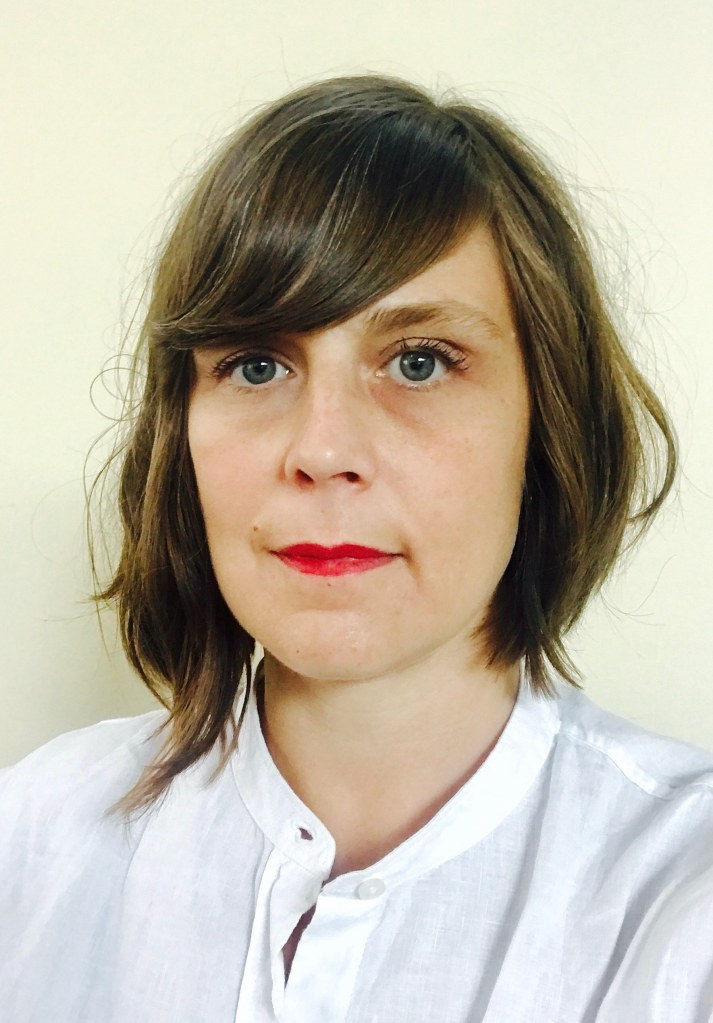
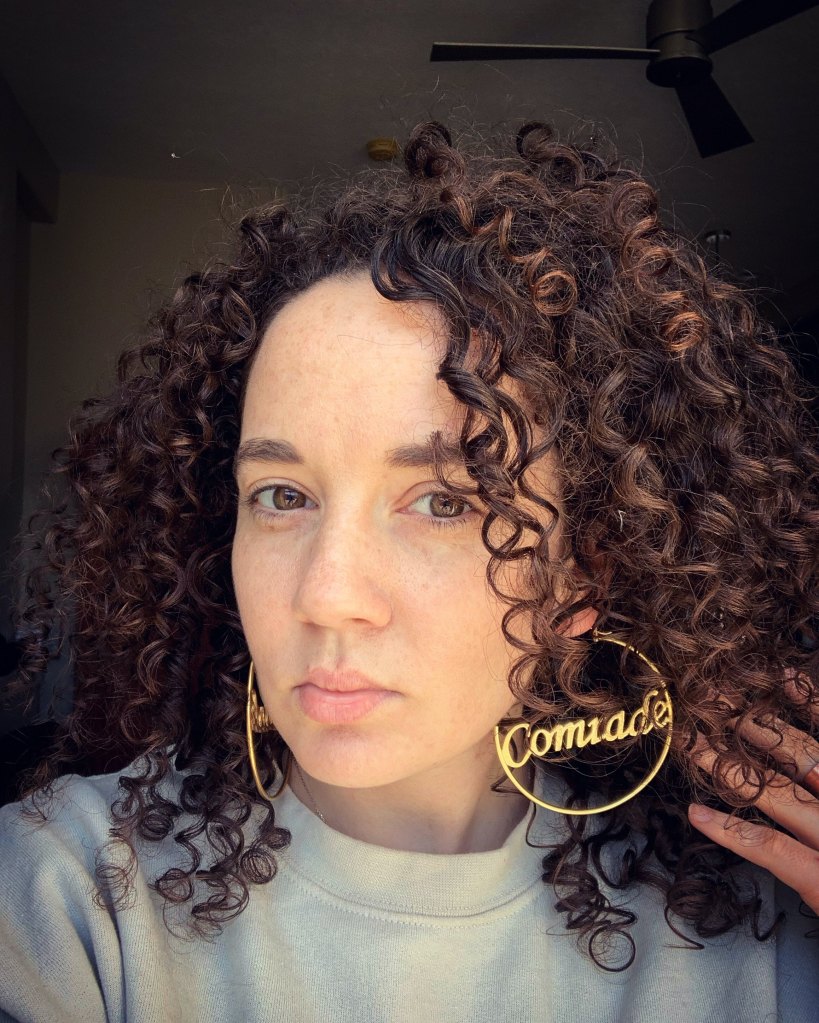
Portrait photo of Dr. Catherine Girard. Photo courtesy of Dr. Girard.

Dr. Catherine Girard is an Associate Professor at the Université du Québec à Chicoutimi, where she works on the response of microbiomes to climate change in the Arctic. In the past, she has worked on the human microbiome and how it is shaped by tradition, culture and global warming. She now explores how ice-dwelling microbes are responding to change, from a conservation and ecosystem service perspective. She is involved in collaborative research with partners from the Inuit Nunangat, and views microbiomes as part of our heritage.

Professional page.

Ishaq Lab students present at the 2022 UMaine Student Research Symposium

This year, the UMaine Student Research Symposium was held in person and virtually, and undergrads and grads from the Ishaq Lab shared their research with the Maine community. You can check out the recorded presentations in the links below.

French*, R., Beale, J., Ishaq, S. Abstract 0402. Climate Change Affects Wild Mammal Ranges and Health; Will That Also Affect Infectious Disease Exposure Risk at Maine Farms? UMaine Student Symposium (virtual presentation). April 15, 2022.

Holcomb*, Coffman, J., Harrison, B., Tucker, K., Ishaq, S. Abstract 1080. An Overview of Three Biomedical Science Projects across Three Research Institutes. UMaine Student Symposium (virtual presentation). April 15, 2022.

Hosler*, S., Grey, E., Dankwa, A., Perry, J., Bowden, T., Beal, B., Ishaq, S. Abstract 0816. Initial descriptions of the microbes of farmed Atlantic sea scallop (Placopecten magellanicus) veligers and rearing tanks. UMaine Student Symposium (virtual presentation). April 15, 2022.

Pelletier*, E., Taylor, T., Ishaq, S. Abstract 830. Assessing the Veterinary Needs of Rural Maine and Implementing an Effective Management Plan. UMaine Student Symposium (poster presentation). April 15, 2022.

MSE seminar today: Dr. Patricia Kaishian, “Deconstructing the individual: how science can materially advance using queer and feminist theory”

Today there is another installment in the spring 2022 Microbes and Social Equity speaker series! Each week, we’ll hear from a researcher who will share their work and perspective on how microbes are involved in all aspects of our lives, and how those microbes can affect individuals, communities, and ecosystems.

This series will run from Jan 19 – May 4, Wednesdays at 12:00 – 13:00 EST. These are presented over Zoom, and open to researchers, practitioners, students, and the public. Registration is free, and required for each individual seminar you would like to attend. You can find the full speaker list, details, and registration links for each seminar in the series here.

Deconstructing the individual: how science can materially advance using queer and feminist theory

Dr. Patricia Kaishian, PhD

April 13, 2022, 12:00 – 13:00 EST. Register for this free talk.

Dr. Patricia Kaishian. Photo courtesy of Dr. Kaishian.

About the speaker: Dr. Patricia Kaishian is a visiting professor of Biology at Bard College in NY. Her scientific research is focused on the taxonomy of Laboulbeniales fungi, fungal biodiversity, and exploration of the use of certain fungi as potential indicators of ecosystem health. Beyond more traditional scientific research, Patricia works in the realms of philosophy of science, feminist bioscience, ecofeminism and queer theory, exploring how mycology and other scientific disciplines are situated in and informed by our sociopolitical landscape. Her publication, The science underground: mycology as a queer discipline, appears in the journal Catalyst: Feminism, Theory & Technoscience. Patricia is also a founding member of the International Congress of Armenian Mycologists (ICAM), a research organization comprised of ethnically Armenian mycologists who seek to simultaneously advance mycological science and Armenian sovereignty and liberation.

Professional site.

This talk will explore the field of mycology and the mycobiome through a theoretical framework rooted in queer and feminist theories, as well as philosophy of science and Traditional Ecological Knowledge. The goal is to challenge, push, and explore central tenets of institutional science, and to socially and historically situate current research dilemmas in mycology and microbiome studies. By excavating and laying bare ingrained, systemic biases in scientific institutions, we can attempt to disarm fallacious assertions of “purity” in science and better understand bodies at various scales.

MSE seminar today: Dr. Kristina Lyons, “Decomposition as Life Politics”

Today there is another installment in the spring 2022 Microbes and Social Equity speaker series! Each week, we’ll hear from a researcher who will share their work and perspective on how microbes are involved in all aspects of our lives, and how those microbes can affect individuals, communities, and ecosystems.

This series will run from Jan 19 – May 4, Wednesdays at 12:00 – 13:00 EST. These are presented over Zoom, and open to researchers, practitioners, students, and the public. Registration is free, and required for each individual seminar you would like to attend. You can find the full speaker list, details, and registration links for each seminar in the series here.

“Decomposition as Life Politics” 

Dr. Kristina Lyons, PhD

April 6, 2022, 12:00 – 13:00 EST. Register for this free talk.

About the speaker: Dr. Kristina Lyons is an Assistant Professor of Anthropology and with the Penn Program in Environmental Humanities at the University of Pennsylvania. She also holds affiliations with the Center for Experimental Ethnography and the Center for Latin American and Latinx Studies. Kristina’s current research is situated at the interfaces of socio-ecological conflicts, science, and legal studies in Colombia and Latin America. Her manuscript, Vital Decomposition: Soil Practitioners and Life Politics (Duke 2020), was awarded honorable mention by the Bryce Wood Book Award committee from the Latin American Studies Association. She has also collaborated on the creation of soundscapes, street performances, photographic essays, graphic novels, popular education audiovisual projects, community radio programs, digital storytelling platforms, and various forms of literary writing.

Professional page.

Talk summary: How does attention to and stewardship of soils point to alternative frameworks for living and dying? Dr. Lyons explores the way life strives to flourish in the face of violence, criminalization, and poisoning produced by militarized, growth-oriented development in the midst of the U.S.-Colombia war on drugs.

MSE seminar today: Dr. Douglas Call, “Risk factors for colonization with antibiotic-resistant bacteria in Guatemala and East Africa”

Today there is another installment in the spring 2022 Microbes and Social Equity speaker series! Each week, we’ll hear from a researcher who will share their work and perspective on how microbes are involved in all aspects of our lives, and how those microbes can affect individuals, communities, and ecosystems.

This series will run from Jan 19 – May 4, Wednesdays at 12:00 – 13:00 EST. These are presented over Zoom, and open to researchers, practitioners, students, and the public. Registration is free, and required for each individual seminar you would like to attend. You can find the full speaker list, details, and registration links for each seminar in the series here.

“Risk factors for colonization with antibiotic-resistant bacteria in Guatemala and East Africa”

Dr. Douglas Call, PhD

March 30, 2022, 12:00 – 13:00 EST. Register for this free talk.

Dr. Douglas Call. Photo courtesy of Dr. Call

About the speaker: Dr. Douglas Call is a Regents Professor of molecular epidemiology at the Paul G. Allen School for Global Health, and the Associate Director for Research and Graduate Education, at Washington State University. In 2014 he became a Fellow with the American Association for the Advancement of Science in recognition for his contributions to food and water safety, particularly through molecular epidemiology of antibiotic resistant bacteria in agricultural systems. Dr. Call has published over 235 peer-reviewed papers and has ongoing antibiotic resistance research projects in the U.S., Kenya, Brazil and Guatemala with funding from NIH, USDA, and the CDC. He has consulted for the Gates Foundation and Fleming Fund regarding antibiotic resistance, and he is a member of the Board of Directors for the Washington State Academy of Science. In 2021 he received the Washington State University Sahlin Eminent Faculty Award. Dr. Call is currently serving as the chair of the Faculty Senate at Washington State University, and he is a regular columnist for the Moscow-Pullman Daily News where he frequently writes about science and science policy.

Faculty profile page.

Presentations galore in 2022!

I have had the pleasure of sharing my work, both Ishaq lab led and collaborative, to many venues thus far in 2022, and I am grateful to the invitations I received even though I was not able to accept all of them. These have ranged from seminar series, to student groups, to scientific conferences. Some of these events have already passed, but several are forthcoming and available by registration.

  1. Ishaq* S. Microbes and Social Equity: what is it and how do we do it? Part of Track Hub: ‘Field Work & DEI Part 1: Fostering Equitable Partnerships with the Communities in Your Field Work Location’. American Society for Microbiology (ASM) Microbe 2022, Washington, DC (USA), June 9-13, 2022. (invited)
  2. Hosler2*, S., Grey, E., Dankwa, A., Perry, J., Bowden, T., Beal, B., Ishaq, S. Initial descriptions of  the microbes of farmed Atlantic sea scallop (Placopecten magellanicus) veligers and rearing tanks. American Society for Microbiology Microbe 2022 meeting. Washington, D.C.. June 9-13, 2022.
  3. Hosler2*, S., Grey, E., Ishaq, S. Comparing the microbiome of wild and farmed Atlantic sea scallop (Placopecten magellanicus) veligers. Northeast Aquaculture Conference & Exposition (NACE) and the 41st Milford Aquaculture Seminar (MAS). Portland, Maine. POSTPONED to April 27-28, 2022
  4. Ishaq*, S., Li, Y., Holman2, J., Zhang, T., Chen, G. “Biogeography may be key to microbial anti inflammatory production using dietary precursors.” Maine Biological and Medical Sciences Symposium, Bar Harbor, ME, April 22-23, 2022. (invited)
  5. Holcomb2*, L., Coffman, J., Harrison, B., Tucker, K., Ishaq, S.L. Abstract 1080. An Overview of Three Biomedical Science Projects across Three Research Institutes. UMaine Student Research Symposium (virtual). Apr 15, 2022.
  6. Pelletier1*, M., Taylor, T., Ishaq, S. Abstract 830. Assessing the Veterinary Needs of Rural Maine and Implementing an Effective Management Plan. UMaine Student Research Symposium (virtual). Apr 15, 2022
  7. French1*, R., and Ishaq, S. Abstract 402. Climate Change Affects Wild Mammal Ranges and Health; Will That Also Affect Infectious Disease Exposure Risk at Maine Farms? UMaine Student Research Symposium (virtual). Apr 15, 2022.
  8. Ishaq, S. “Microbes at the nexus of environmental, biological, and social research.” Iowa State University Spring Microbiology Graduate Student Organization retreat. (virtual). April 14, 2022 (invited co-plenary).
    1. see poster below
  9. Ishaq*, S., Li, Y., Holman2, J., Zhang, T., Mawe, G., Hurd, M., Lavoie, B. Baudewyns1, D., Colucci1, L., Balkan1, J., Chen, G, Moses, P. “Biogeography may be key to microbial anti inflammatory production using dietary precursors.”  Congress of Gastrointestinal Function (CGIF), April 11 – 13, 2022.
  10. “My science journey”, invited presentation and discussion of my career path to undergraduate women in STEM, UMaine WiSTEMM group, March 28, 2021
  11. Ishaq, S. “Moose rumen microbes and you.” The Wildlife Society Nutritional Ecology Working Group Webinar series, (virtual), March 9, 2022.
  12. Ishaq*, S., Li, Y., Holman2, J., Zhang, T., Mawe, G., Hurd, M., Lavoie, B. Baudewyns1, D., Colucci1, L., Balkan1, J., Chen, G, Moses, P. “Biogeography may be key to microbial anti inflammatory production using dietary precursors.”  Dartmouth Molecular Microbiology and Pathogenesis (M2P2), February 24 – 25, 2022. (invited)
    • 120 students and faculty researchers.
  13. Ishaq, S. “Microbes at the nexus of environmental, biological, and social research” The Microbes and Social Equity 2022 speaker series, virtual, University of Maine and the Microbes and Social Equity working group. January 19, 2022.
    1. 67 participants, 131 registrants, faculty, students, public
  14. Ishaq, S. ​”Microbes at the nexus of environmental, biological, and social research.” 2nd Rhode Island Microbiome Symposium, virtual, University of Rhode Island Kingston, RI, January 14, 2022. (invited plenary)
    • 50 participants, researchers and graduate students
  15. Booker, Y., Ishaq, S., Levesque*, D.L. “The role of the microbiome in responses to heat stress in endotherms.” The Society of Integrative and Comparative Biology (SICB) annual meeting. Phoenix, AZ. January 3-7, 2022.

Note: an asterisk denotes the speaker if multiple authors contributed, 1 after a name denotes undergrad in the Ishaq lab, 2 after a name denotes grad in the Ishaq Lab.

MSE seminar today: Dr. Gabriel Rosenberg, “Intimate Exchange and Queer Ecologies”

Today there is another installment in the spring 2022 Microbes and Social Equity speaker series! Each week, we’ll hear from a researcher who will share their work and perspective on how microbes are involved in all aspects of our lives, and how those microbes can affect individuals, communities, and ecosystems.

This series will run from Jan 19 – May 4, Wednesdays at 12:00 – 13:00 EST. These are presented over Zoom, and open to researchers, practitioners, students, and the public. Registration is free, and required for each individual seminar you would like to attend. You can find the full speaker list, details, and registration links for each seminar in the series here.

“Intimate Exchange and Queer Ecologies”

Dr. Gabriel N. Rosenberg, PhD

March 16, 2022, 12:00 – 13:00 EST. Register for this free talk.

Dr. Gabriel Rosenberg, Photo borrowed from Duke University faculty page.

About the speaker: Dr. Gabriel N. Rosenberg, PhD is an Associate Professor of Gender, Sexuality, and Feminist Studies and History at Duke University. He is a food/agricultural researcher, and author of “On the scene of zoonotic intimacies jungle, market, pork plant”. From his faculty profile page, “Broadly, Gabriel Rosenberg’s research investigates the historical and contemporary linkages among gender, sexuality, and the global food system. In particular, he studies spaces of agricultural production as important sites for the constitution and governance of intimacy – intimacy both between and among humans, animals, and plants.” 

Faculty profile page.

MSE seminar today: Drs. De Wolf, Arefin, Rebolleda-Gomez, and Benezra, “Chasing Ghosts: Race, Racism, and the Future of Microbiome Research”

Today there is another installment in the spring 2022 Microbes and Social Equity speaker series! Each week, we’ll hear from a researcher who will share their work and perspective on how microbes are involved in all aspects of our lives, and how those microbes can affect individuals, communities, and ecosystems.

This series will run from Jan 19 – May 4, Wednesdays at 12:00 – 13:00 EST. These are presented over Zoom, and open to researchers, practitioners, students, and the public. Registration is free, and required for each individual seminar you would like to attend. You can find the full speaker list, details, and registration links for each seminar in the series here.

“Chasing Ghosts: Race, Racism, and the Future of Microbiome Research”

Dr. Travis J. De Wolfe, PhD; Dr. Mohammed Rafi Arefin, PhD; Dr. Maria Rebolleda-Gomez, PhD; and Dr. Amber Benezra, PhD

March 9, 2022, 12:00 – 13:00 EST. Register for this free talk.

About the speakers: This special seminar will feature a collaborative talk from Dr. Travis J. De Wolfe, PhD; Dr. Mohammed Rafi Arefin, PhD; Dr. Maria Rebolleda-Gomez, PhD; and Dr. Amber Benezra, PhD. This team recently published a transformative piece, “Chasing Ghosts: Race, Racism, and the Future of Microbiome Research“, and will be each discuss aspects of that.

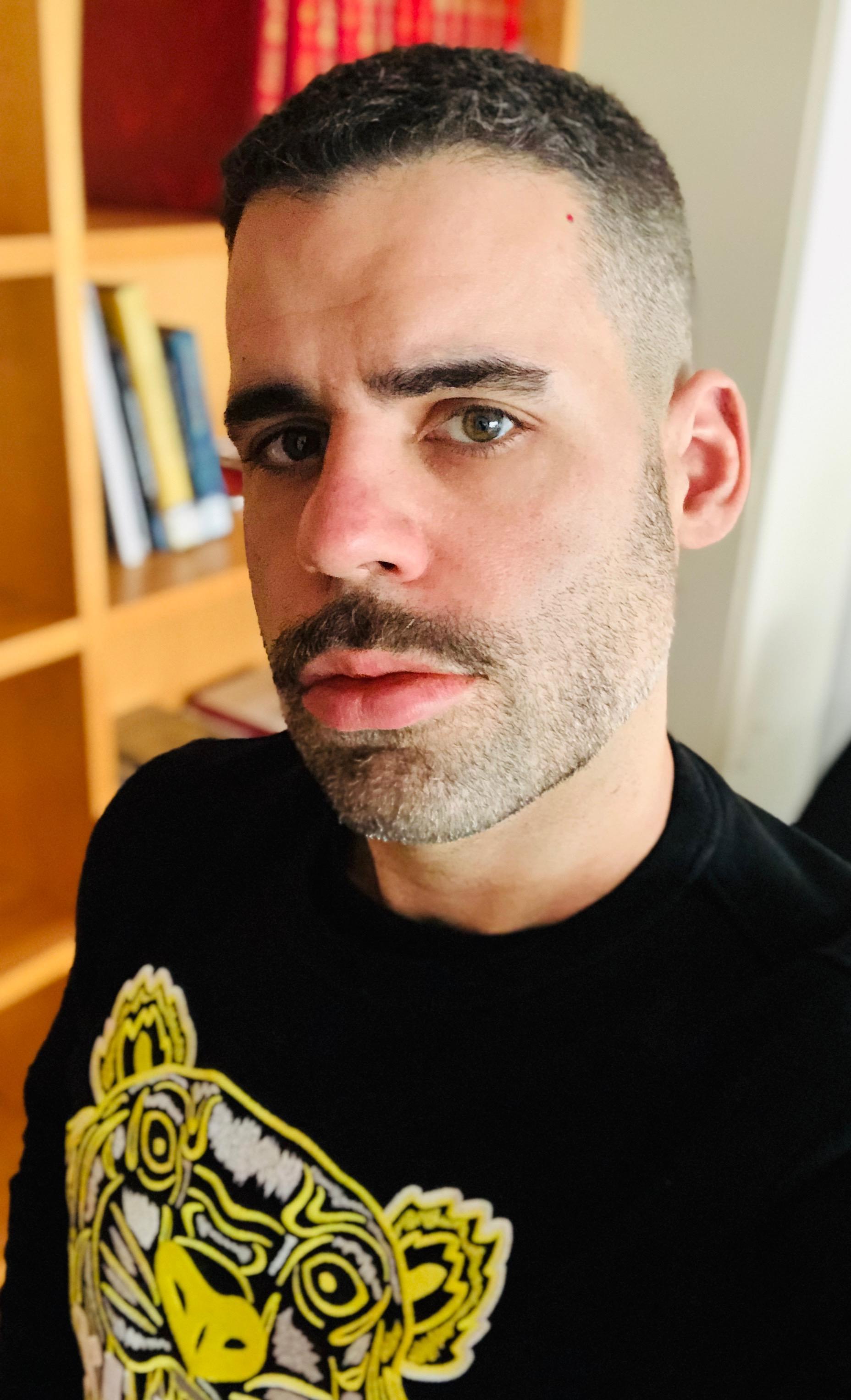
Dr. Travis De Wolfe

Travis J. De Wolfe

Department of Pediatrics, University of British Columbia, Vancouver, British Columbia, Canada

Travis J. De Wolfe is a Michael Smith Foundation for Health Research-funded Postdoctoral Fellow with the Department of Pediatrics at the University of British Columbia and BC Children’s Hospital. His research interests include Clostridioides difficile infection, colonization resistance, inflammatory bowel diseases, host-microbe interactions, and ecology of the gut microbiome.

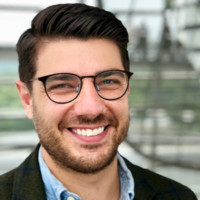
Dr. Mohammed Rafi Arefin

Mohammed Rafi Arefin

Department of Geography, University of British Columbia, Vancouver, British Columbia, Canada

Mohammed Rafi Arefin is an Assistant Professor in the Department of Geography at the University of British Columbia. His research and teaching are focused on urban environmental politics with a particular focus on sanitation, health, and environmental justice in the Middle East and North America.

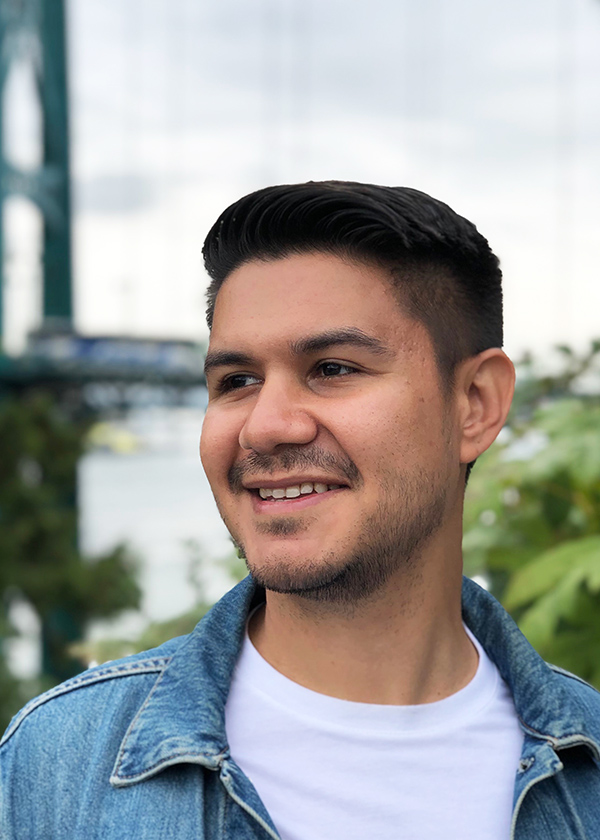
Dr. Amber Benezra

Amber Benezra

Department of Science and Technology Studies, Stevens Institute of Technology, Hoboken, New Jersey, USA

Amber Benezra is an Assistant Professor of Science and Technology Studies at Stevens Institute of Technology. She is a sociocultural anthropologist researching how studies of the human microbiome intersect with biomedical ethics, public health/technological infrastructures, and care. In partnership with human microbial ecologists, she is developing an “anthropology of microbes” to address global health problems across disciplines.

Dr. María Rebolleda Gómez

María Rebolleda Gómez

Department of Ecology & Evolutionary Biology, University of California Irvine, Irvine, California, USA

María Rebolleda Gómez is an Assistant Professor in the Department of Ecology and Evolutionary Biology at the University of California, Irvine. Her research explores ecological and evolutionary dynamics in model microbial communities. She is also interested in Environmental History, Philosophy, and History of Science. María was born in Mexico City.


MSE seminar today: Dr. Maya Nadimpalli, “Antimicrobial Resistance: Our Next Epidemic of Inequality?”

Today there is another installment in the spring 2022 Microbes and Social Equity speaker series! Each week, we’ll hear from a researcher who will share their work and perspective on how microbes are involved in all aspects of our lives, and how those microbes can affect individuals, communities, and ecosystems.

This series will run from Jan 19 – May 4, Wednesdays at 12:00 – 13:00 EST. These are presented over Zoom, and open to researchers, practitioners, students, and the public. Registration is free, and required for each individual seminar you would like to attend. You can find the full speaker list, details, and registration links for each seminar in the series here.

“Antimicrobial Resistance: Our Next Epidemic of Inequality?”

Dr. Maya Nadimpalli, MS, PhD

March 2, 2022, 12:00 – 13:00 EST. Register for this free talk.

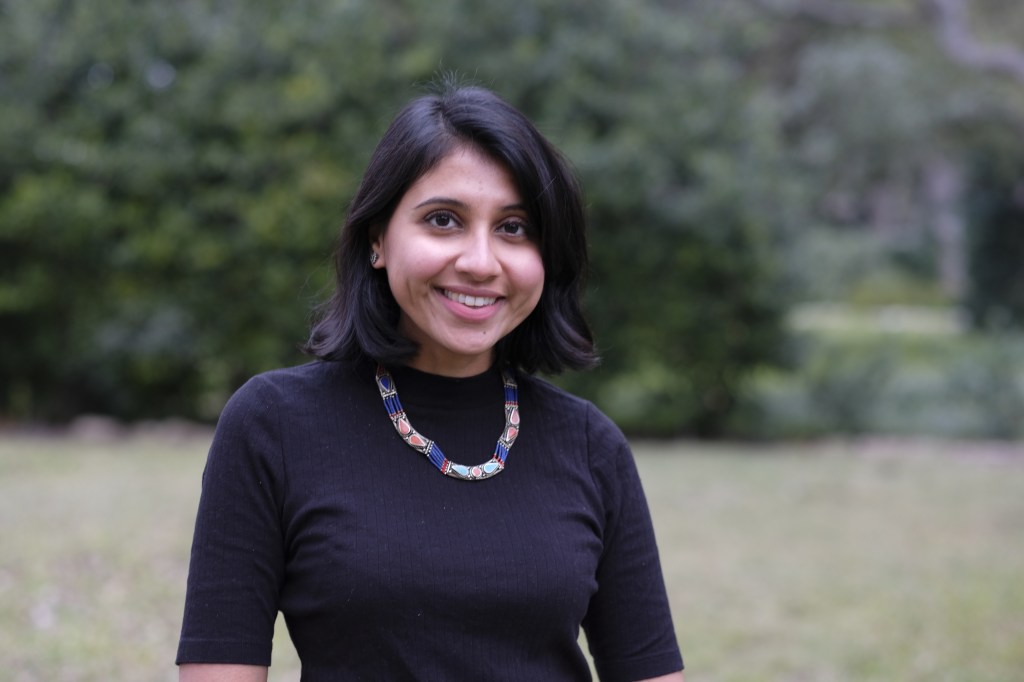
Dr. Maya Nadimpalli. Photo courtesy of Dr. Nadimpalli.

About the speaker: Dr. Maya Nadimpalli is a Research Assistant Professor in the Department of Civil and Environmental Engineering at Tufts University, and a core faculty member at Tufts’ Stuart B. Levy Center for the Integrated Management of Antimicrobial Resistance. She received her B.A. & Sc. in Environment from McGill University, Canada, and her M.S. and Ph.D. at the Gillings School of Global Public Health at the University of North Carolina at Chapel Hill. She uses genomic and epidemiological approaches to understand how exposures to food, animals, and the environment can impact human colonization and infection with antibiotic-resistant bacteria, particularly in low-resource settings. She has led research studies in rural North Carolina and in Southeast Asia, and is currently leading two studies focused on children’s health in urban informal settlements of Lima, Peru. She will be joining Emory University’s Rollins School of Public Health as an Assistant Professor this May.

Institutional profile page.


MSE seminar today: Dr. Jake Robinson, “20 important questions in microbial exposure and social equity + recent work on urban greenspace microbiomes”

Today there is another installment in the spring 2022 Microbes and Social Equity speaker series! Each week, we’ll hear from a researcher who will share their work and perspective on how microbes are involved in all aspects of our lives, and how those microbes can affect individuals, communities, and ecosystems.

This series will run from Jan 19 – May 4, Wednesdays at 12:00 – 13:00 EST. These are presented over Zoom, and open to researchers, practitioners, students, and the public. Registration is free, and required for each individual seminar you would like to attend. You can find the full speaker list, details, and registration links for each seminar in the series here.

“20 important questions in microbial exposure and social equity + recent work on urban greenspace microbiomes”

Dr. Jake Robinson, PhD

Feb 23rd, 2022, 12:00 – 13:00 EST. Register for this free talk.

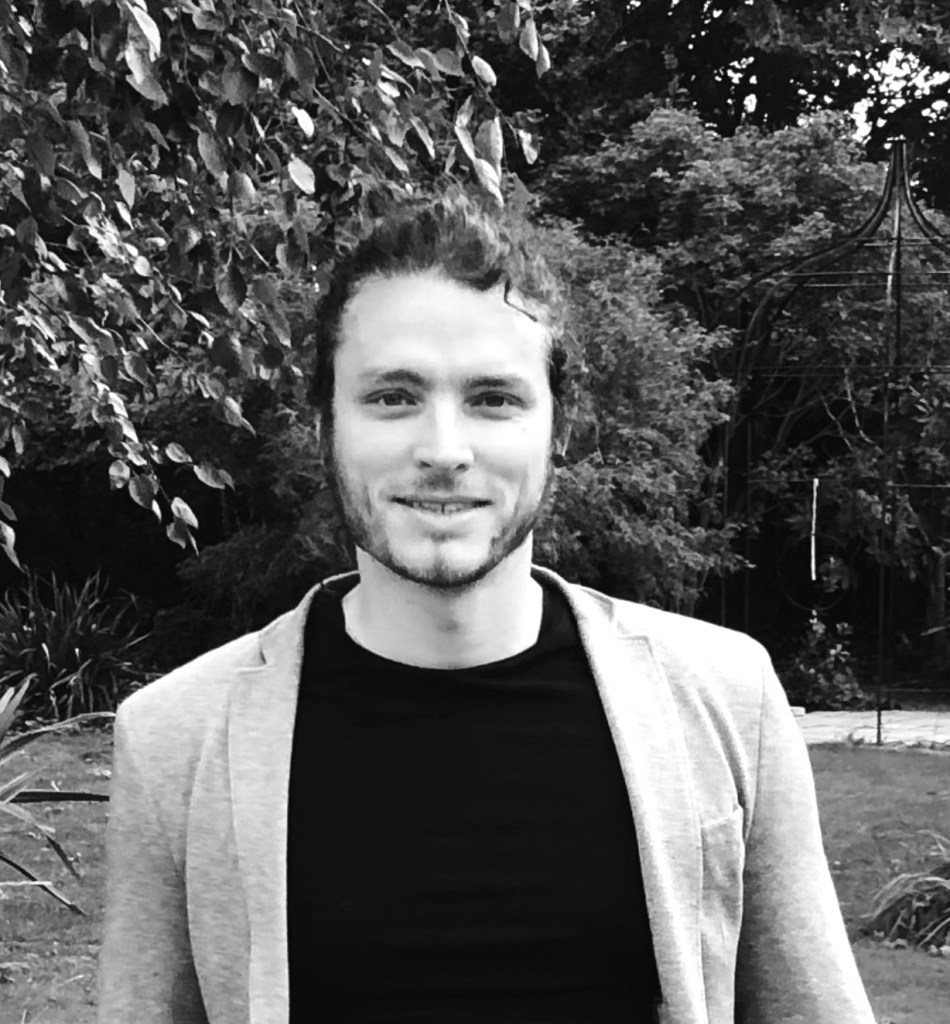
A black and white portrait of Dr. Jake Robinson, who is wearing a black shirt and light sportscoat over it. Jake is outside in front of some bushes.

About the speaker: Dr. Jake Robinson is an ecologist and researcher. He recently completed a PhD at the University of Sheffield, UK. His academic interests lie at the intersection of microbial ecology, ecosystem restoration and social research. He will soon be publishing a book called Invisible Friends, which is all about our extraordinary relationship with microbes, and how they shape our lives and the world around us. 

Professional page.