Pilot project funded to study Vibrio bacteria in scallop farming

A collaborative pilot project was funded by the Maine Food and Agriculture Center (MFAC) to investigate Vibrio bacteria in scallop hatcheries in Maine! This will support some ongoing work by a collaborative research team at UMaine and the Downeast Institute, as we develop a long-term, larger-scale project investigating scallop health and survival in hatcheries, something which will be critical to supporting sustainable and economically viable aquaculture productions.

“Investigating microbial biofilms in Maine hatchery production of sea scallop, Placopecten magellanicus.”

Principal Investigator: Sue Ishaq

Co-Investigators:

  • Dr. Tim Bowden, Associate Professor of Aquaculture, University of Maine
  • Dr. Jennifer Perry, Assistant Professor of Food Microbiology, University of Maine
  • Dr. Brian Beal, Professor of Marine Ecology, University of Maine at Machias; and Research Director/Professor, Downeast Institute
  • Dr. Erin Grey, Assistant Professor of Aquatic Genetics, University of Maine

Project Summary: Atlantic deep-sea scallops, Placopecten magellanicus, are an economically important species, generating up to $9 million in Maine alone. Despite their potential to the aquaculture industry, hatchery-based sea scallop production cannot rely on the generation of larvae to produce animals for harvest. In hatcheries, the last two weeks of the larval maturation phase is plagued by massive animal death, going from 60 million scallop larvae down to a handful of individuals in a span of 48 hours. This forces farmed scallop productions to rely on collection of wild scallop spat (juveniles), but wild population crashes, habitat quality, harvesting intensity, and warmer water temperatures threaten the sustainability and economic viability of this industry. The reasons for sea scallop larvae death remain unknown, but other cultured scallop species are known to suffer animal loss from bacterial infections, including from several bacterial species of  Vibrio and Aeromonas. At the Downeast Institute in Beals, Maine, biofilms appear on tank surfaces within 24 hours. Routine screening for the presence of Vibrio sp. in tanks at DEI reveals no obvious signs of colonies in scallop tanks. Preliminary culturing and genetic identification from these biofilms suggests a species of Pseudoalteromonas, known biofilm formers which outcompete or inhibit other microorganisms. Our goal is to investigate the dynamics of tank surface biofilms in bivalve aquaculture facilities. Our long-term goals are to understand microbial community assembly and animal health during scallop hatchery production, and to standardize management practices to enhance the success of cultured scallop production.  

Experimental design schematic for this project. Our objectives are to 1) Identify the microbial community members involved in tank biofilms, and if it is a repeated or novel community assembly, and 2) Test for biofilm antagonism in vitro, using competing microorganisms, chemical treatments, and environmental conditions. 

Paper published on animal feed and rumen bacteria

I’m delighted to announce that a paper was published on the effect of a dietary additive on the rumen and fecal bacterial communities in dairy cattle, in the journal Animal: The International Journal of Animal Biosciences!

A lot of factors can be manipulated to help get the most out of one’s diet, including the source and processing method of the ingredients – in most cases in livestock feed: plants. Growing plants for animal feed can be expensive, and often nutrients in plants become more available to the animal after the plant has been processed/broken down in some way. This sometimes allows for food byproducts to be reused for animal feed, and one common example is used brewers’ grains. Once the grains have been fermented to produce alcohol, the simple sugars have been used up but a lot of the complex sugar carbohydrates – in other words: fiber – are left over. Ruminants don’t need simple sugars, but they do need a lot of fiber, and brewers’ grains have been investigated for their usefulness for animal nutrition because they are a cheap, readily-available, and common source of fiber, as well as protein.

The original experiment for this work took place several years ago, and involved an animal feeding trial which added reduced-fat distillers’ grains with solubles into dairy cattle feed. The research team found no negatives effect on milk production or animal health, and that work was previously published. To add to that project, the original research team wanted to know if the diet would drastically change the bacterial community living in the rumen, which would have implications for feed digestion and animal health.

A collaborator of mine donated the cow microbial community DNA data to my AVS 590 special topics in DNA Sequencing Data Analysis course in spring 2020 (now formally registered as AVS 454/554). I worked with UMaine graduate students Adwoa Dankwa and Usha Humagain over the semester to train them in coding and develop the manuscript. The diet only had minimal effects on the bacterial community profiles, which in this case is a good finding – we want to be able to feed a cheap, nutritional source like distillers’ grains without harming the cow or its microbes.


Dankwa, A.S., U. Humagain, S.L. Ishaq, C.J. Yeoman, S. Clark , D.C. Beitz, and E. D. Testroet. 2021. Determination of the microbial community in the rumen and fecal matter of lactating dairy cows fed on reduced-fat dried distillers grains with solubles. Animal 15(7):100281.

Abstract

Reduced-fat dried distillers’ grains with solubles (RF-DDGS) is a co-product of ethanol production and contains less fat than traditional distillers’ grains. The fat in corn is ~ 91% unsaturated, and it is toxic to rumen microorganisms so it could influence the composition of the rumen microbiome. It has been demonstrated that RF-DDGS is a suitable ration ingredient to support the high-producing dairy cow, and this feedstuff is a promising alternative protein source for lactating dairy cows. The current study aims to better understand the effect of RF-DDGS on the rumen and fecal bacterial composition in lactating dairy cows. Thirty-six multiparous (2 or 3), mid-lactation Holstein cows (BW = 680 ± 11 kg; 106 ± 27 DIM) were randomly assigned to two groups which were fed a control diet made up of corn, corn silage, and alfalfa hay supplemented with expeller soybean meal or with added RF-DDGS (20% of the dry matter (DM)) containing approximately 6.0% fat. Whole rumen contents (rumen fluid and digesta; esophageal tubing method) and feces (free catch method) were collected on day 35 of the experimental period, after the 14-d acclimation period. Rumen contents and feces from each cow were used for DNA extraction. The bacterial community composition in rumen and fecal samples was assessed via the 16S rRNA gene by using the Illumina MiSeq sequencing platform. Bacteroidetes, Actinobacteria, and Firmicutes were the most abundant phyla in rumen contents. The fecal microbiota was dominated by the phyla Firmicutes and Bacteroidetes, as well as Actinobacteria and Chloroflexi. RF-DGGS increased bacterial richness, evenness, and Shannon diversity in both rumen and fecal samples and was associated with several taxa that had different abundance in treatment versus control comparisons.  The RF-DGGS, however, did not significantly alter the bacterial community in the rumen or feces. In general, these findings demonstrated that dietary inclusion of RF-DDGS did not impose any serious short-term (within 30 days) health or production consequences, as would be expected. With this study, we present further evidence that inclusion of 20% (DM basis) RF-DDGS in the diet of lactating dairy cows can be done without consequence on the microbiome of the rumen.

Implications

Reduced-fat dried distillers’ grains with solubles is a quality, economical, and readily available protein source demonstrated to support the protein needs of high-producing dairy cows. In this study, the rumen and fecal bacterial communities of lactating dairy cows were not significantly influenced by 20% (dry matter basis) reduced-fat dried distillers’ grains with solubles and did not impose serious short-term (within 30 days) health or production consequences. This diet could potentially be introduced into Total Mixed Ration feeding of dairy cattle given the fact that it is readily available and relatively economical.

Illustrated image of a cross section of the ground. A light brown ant is pictured in the ground along with a microbe. Text to the left of the image reads, "Can a necromenic nematode serve as a biological Trojan horse for an invasive ant?". The names of six professors are listed below the text and image at the bottom left. In the bottom right corner, text reads, "The University of Maine" with "The University of Arizona" below it.

Paper published on bacterial transfer in insects and possible ecological impacts.

A collaborative paper on bacterial transfer in insects and the possible ecological impacts of that in the wild has been published in iScience! This work began a decade ago in the labs of Dr. Ellie Groden, recently retired Professor of Entomology in the School of Biology and Ecology at the University of Maine, and later Dr. Patricia Stock, a Professor in the School of Animal and Comparative Biomedical Sciences at the University of Arizona, who were investigating colony collapse of European fire ants (Myrmica rubra) which are invasive to Maine. The ants have a nasty bite, and can dramatically disturb the local plant and insect wildlife in coastal Maine.

Slide from Ishaq et al. Entomology 2020 presentation

When these invasive ant colonies collapsed, Drs. Groden and Stock wanted to find out why, as a possible means of developing a biological control strategy. It was thought that particular nematodes would ingest soil bacteria, and transfer it to ants once the worms invaded ant tissues to complete parts of their life cycle. This particular worm infection doesn’t kill the ants, but perhaps the soil bacteria were. Ants were collected from different colony sites, and investigations on the nematode worms inhabiting the ants were conducted.

Slide from Ishaq et al. Entomology 2020 presentation

Most of the work for this project was completed several years ago, with the exception of DNA sequencing data from a bacterial transfer experiment. I was added to the project by my collaborator at UMaine, Dr. Jean MacRae, an Associate Professor in the Department of Civil and Environmental Engineering who introduced me to the research team and shared the 16S rRNA dataset to use in my AVS 590 data analysis class in spring 2020. That semester was when the pandemic hit, and forced the course to move to remote-only instruction in March. UMaine graduate students Alice Hotopp and Sam Silverbrand were taking the class and learning 16S analysis on this dataset, and I mentored them through the analysis all the way to manuscript writing despite the incredible challenges that spring threw our way.

At the completion of the course, we shared the draft manuscript with the rest of the research team, who mentioned that several undergraduate honor’s theses had been written about the earlier experiment, but never published in a scientific journal. The team spent summer 2020 combining the three papers into one massive draft. The pandemic slowed down manuscript review, understandably, but I’m pleased to say that it was accepted for publication! In addition, this collaboration has led to further collaborations in the Ishaq Lab, several presentations (listed below), and is Sam’s first scientific publication, congrats Sam!!

Related Presentations

Alice Hotopp, A., Samantha Silverbrand, Suzanne L. Ishaq, Jean MacRae, S. Patricia Stock, Eleanor Groden. “Can a necromenic nematode serve as a biological Trojan horse for an invasive ant?Ecological Society of America 2021 (virtual). Aug 2-6, 2021 (accepted poster).

Ishaq*, S.L., Hotopp, A., Silverbrand, S.,   MacRae, J.,  Stock, S.P.,  Groden, E. “Can a necromenic nematode serve as a biological Trojan horse for an invasive ant?” Entomological Society of America 2020 (virtual). Nov 15-25, 2020. (invited talk)

Illustrated image of a cross section of the ground. A light brown ant is pictured in the ground along with a microbe. Text to the left of the image reads, "Can a necromenic nematode serve as a biological Trojan horse for an invasive ant?". The names of six professors are listed below the text and image at the bottom left. In the bottom right corner, text reads, "The University of Maine" with "The University of Arizona" below it.

IshaqS.L., A. Hotopp2, S. Silverbrand2, J.E. Dumont, A. Michaud, J. MacRae, S. P. Stock, E. Groden. 2021. Bacterial transfer from Pristionchus entomophagus nematodes to the invasive ant Myrmica rubra and the potential for colony mortality in coastal MaineiScience. In press. Impact 5.08.

Abstract

The necromenic nematode Pristionchus entomophagus has been frequently found in nests of the invasive European ant Myrmica rubra in coastal Maine, United States, and may contribute to ant mortality and collapse of colonies by transferring environmental bacteria. Paenibacillus and several other bacterial species were found in the digestive tracts of nematodes harvested from collapsed ant colonies. Serratia marcescens, Serratia nematodiphila, and Pseudomonas fluorescens were collected from the hemolymph of nematode-infected wax moth (Galleria mellonella) larvae.

Virulence against waxworms varied by site of origin of the nematodes. In adult nematodes, bacteria were highly concentrated in the digestive tract with none observed on the cuticle. In contrast juveniles had more on the cuticle than in the digestive tract. .  Host species was the primary factor affecting bacterial community profiles, but Spiroplasma sp. and Serratia marcescens sequences were shared across ants, nematodes, and nematode-exposed G. mellonella larvae. 

Tindall won first prize in a graduate students poster competition!

Congratulations to Tindal Ouverson for winning first prize in the graduate students poster competition at the 2021 Montana State University LRES research colloquium!

Tindall is a master’s of science in Land Resources and Environmental Sciences at Montana State University, working with advisers Drs. Fabian Menalled and Tim Seipel. Tindall and I have been working closely over the past three-ish years on soil microbiomes, and she is preparing to defend her thesis this May.

Check out her recently published paper: Temporal soil bacterial community responses to cropping systems and crop identity in dryland agroecosystems of the Northern Great Plains. 

Tindall’s first paper was accepted!

I’m pleased to announce that master’s student Tindall Ouverson’s first manuscript was accepted for publication!

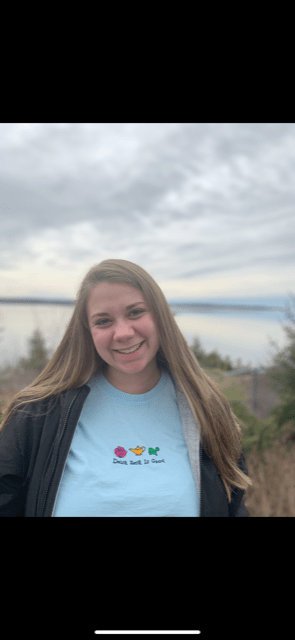
Photo of woman in front of mountains

Tindall is a Master’s of Science in the Department of Land Resources and Environmental Sciences at Montana State University. Her graduate advisers are Drs. Fabian Menalled and Tim Seipel. Her research focuses on the response of soil microbial communities to cropping systems and climate change in semiarid agriculture. 

I have been mentoring Tindall as a graduate committee member since she began in fall 2019, teaching her laboratory and analytical skills in microbial ecology, DNA sequencing, and bioinformatic analysis. We first met when she came to visit when I was working in Oregon, and since then have connected remotely. She has a flair for bioinformatics analysis, and a passion for sustainable agricultural development. She plans to defend her thesis in 2021, and then to further her career in sustainable agriculture in Montana.


Tindall Ouverson, Jed Eberly, Tim Seipel, Fabian D. Menalled, Suzanne L. Ishaq. 2021. Temporal soil bacterial community responses to cropping systems and crop identity in dryland agroecosystems of the Northern Great Plains.  Frontiers in Sustainable Food Systems.  Article. Invited submission to Plant Growth-Promoting Microorganisms for Sustainable Agricultural Production  special collection.

Abstract

Industrialized agriculture results in simplified landscapes where many of the regulatory ecosystem functions driven by soil biological and physicochemical characteristics have been hampered or replaced with intensive, synthetic inputs. To restore long-term agricultural sustainability and soil health, soil should function as both a resource and a complex ecosystem. In this study, we examined how cropping systems impact soil bacterial community diversity and composition, important indicators of soil ecosystem health. Soils from a representative cropping system in the semi-arid Northern Great Plains were collected in June and August of 2017 from the final phase of a five-year crop rotation managed either with chemical inputs and no-tillage, as a USDA-certified organic tillage system, or as a USDA-certified organic sheep grazing system with reduced tillage intensity. DNA was extracted and sequenced for bacteria community analysis via 16S rRNA gene sequencing. Bacterial richness and diversity decreased in all farming systems from June to August and was lowest in the chemical no-tillage system, while evenness increased over the sampling period. Crop species identity did not affect bacterial richness, diversity, or evenness. Conventional no-till, organic tilled, and organic grazed management systems resulted in dissimilar microbial communities. Overall, cropping systems and seasonal changes had a greater effect on microbial community structure and diversity than crop identity. Future research should assess how the rhizobiome responds to the specific phases of a crop rotation, as differences in bulk soil microbial communities by crop identity were not detectable.

Of mice and many samples

The first mouse study of the Ishaq Lab (in conjunction with the Zhang and Li labs at Husson University) has concluded phase 1, which means that over a few short days, an incredible number of samples needed to be collected, preserved, and processed for further laboratory work (phase 2) which will take through the summer to complete.

Sample collection was made more challenging by the pandemic, because we needed to distance as much as possible, disinfect objects and surfaces, wear masks, and increase the amount of ventilation in a space. Luckily, this type of work lends itself to these types of precautions – not only did we already need to wear a significant amount of protective gear to work with mice or handle their feces, but biosafety work like this requires higher than usual ventilation and frequent sanitation of objects and spaces. Since some of this work could be performed simultaneously in different rooms, we were able to use both Ishaq lab spaces and the ‘mouse house’ to keep people distanced.

During the 40-day mouse study, ‘Team Broccoli’ collected:

  • 640 mouse body weight data measurements
  • 433 fecal samples, which were archived for possible culturing and/or sequencing
  • 400 additional samples collected over two days:
    • 40 blood samples for immune factor identification
    • 360 gut samples
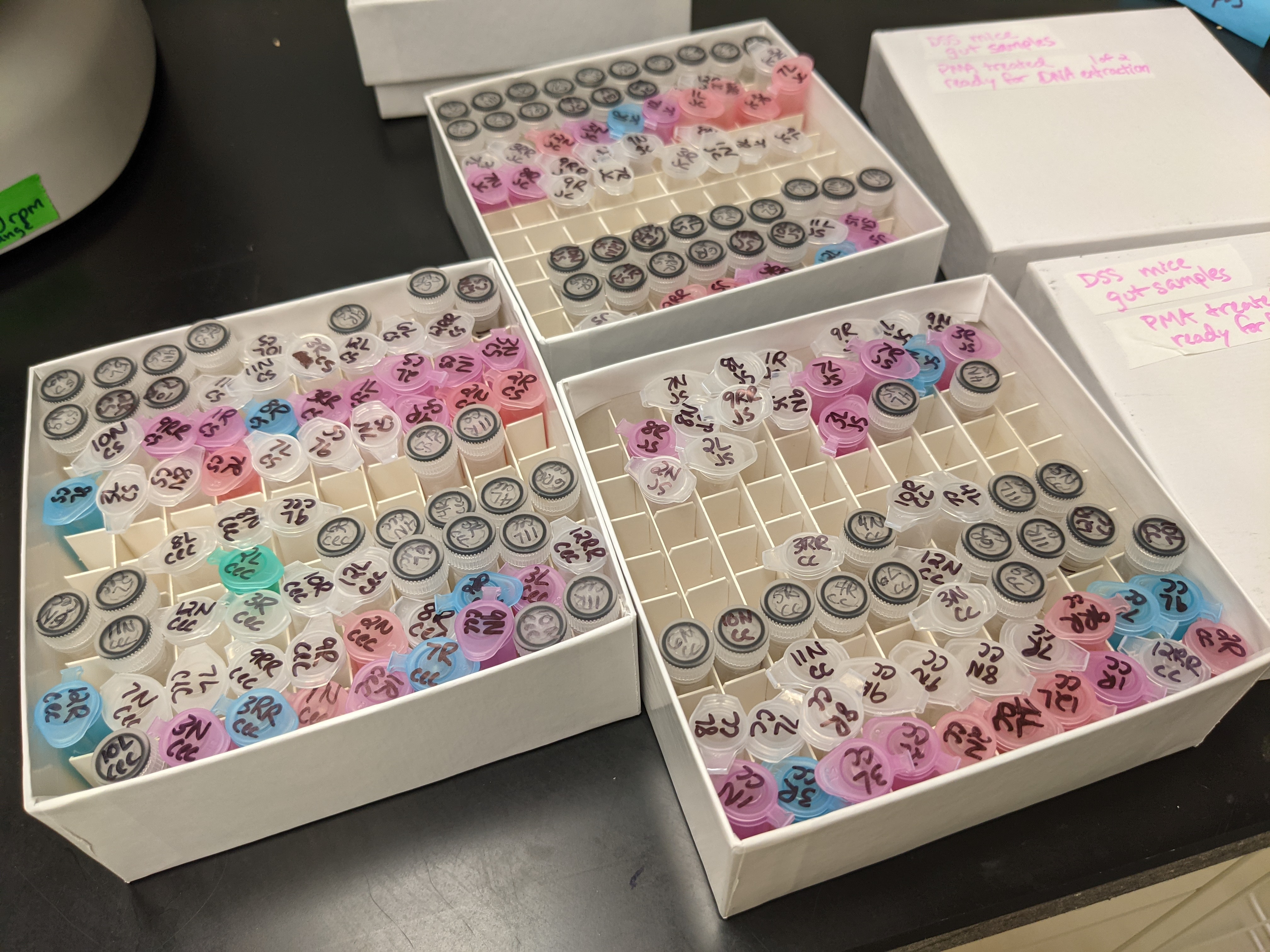
      • Of which, 200 were PMA treated within 12 hours of collection for use in DNA sequencing
      • 160 of which will be cultured to isolate bacteria. This will create 1 ~ 8 isolates per sample that will need to be grown on its own plate, transferred to broth media, and then frozen with glycerol at -80C until they can be revived and studied later this year.

Emily awarded an undergraduate research fellowship!

The very first Ishaq Lab undergraduate researcher, Emily Pierce, has also been awarded the first fellowship of the Ishaq Lab!

Emily has been awarded a Faculty Fellows Research Assistantship for spring 2021 from the University of Maine Center for Undergraduate Research (CUGR)! The $1200 award will provide funds for salary to Emily and research materials, and will support her project for her AVS Capstone Experience (selected Capstone project summaries are here, but Emily’s is not included).

Portrait of Emily Pierce

Emily joined the lab in early 2020 to work on a project investigating calf health and gut microbes, but very soon after joining the lab, the SARS-CoV-2 pandemic emerged and changed the way we were able to interact on campus. Without missing a beat, Emily shifted her efforts from helping me wrangle the lab renovations and sorting out our inventory, to helping me improve my teaching materials, to diving deep into previous literature to dig up protocols for her experiment in 2021: “Ideal Conditions for Cryptosporidium Attachment and Infection.

We’ll be performing the experiment itself over the winter break, and then using the spring to analyze the data and write them up. As part of the CUGR award, Emily will be presenting her work at the 2021 Student Symposium in April, which will be held virtually this year. You’ll have to wait till then to get more details!

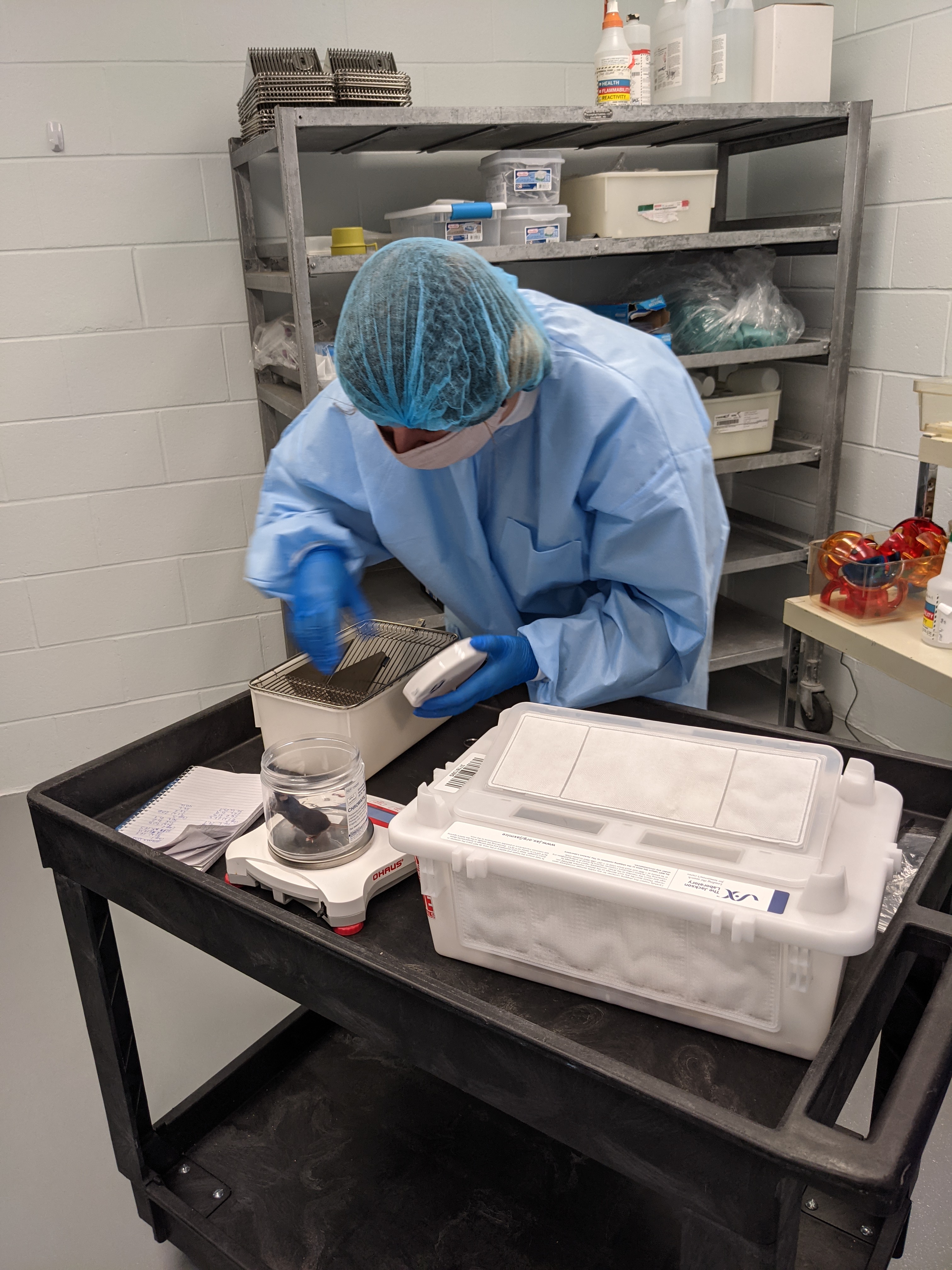
A very close-up image of a small, dark brown mouse perched on the arm of a graduate researcher wearing a surgical gown.

The first mouse study involving the Ishaq Lab begins!

Mice have arrived for a collaborative project on diet, gut microbes, and health in conjunction with researchers at Husson University! This is the first mouse project for the Ishaq Lab, and also my first hands-on mouse project (in my previous publications with mice, I received datasets but the mouse work was performed solely by my collaborators).

This is one of my first new collaborations at the University of Maine, which began in September 2019 as I was just finding my way around campus. An established researcher at Husson University, Dr. Yanyan Li, reached out to welcome me and talk about overlap between our work. Yanyan, her husband Dr. Tao Zhang, also a researcher at Husson University, and collaborator Dr. Grace Chen at Michigan State University, had been working on beneficial compounds found in broccoli using mice as an experimental model for Inflammatory Bowel Disease (IBD). Over the past year, in consultation with IBD experts Drs. Gary Mawe and Peter Moses (who I worked with previously while at UVM!), we have written several proposals for funding to expand the project.

Johanna Holman worked for several years with Yanyan and Tao, as an undergraduate researcher and then as a research assistant. She joined the Ishaq Lab this fall to continue her work as a graduate student and add gut microbiology to her skill repertoire. This experiment will form the base of her graduate thesis, and Johanna is taking a lead role in managing the project as well as several undergraduate researchers, including Dorien Baudewyns, assisting with the mice and lab work. As an early career researcher, and new to mice, I’m extremely lucky to be able to learn from an experienced team of researchers!

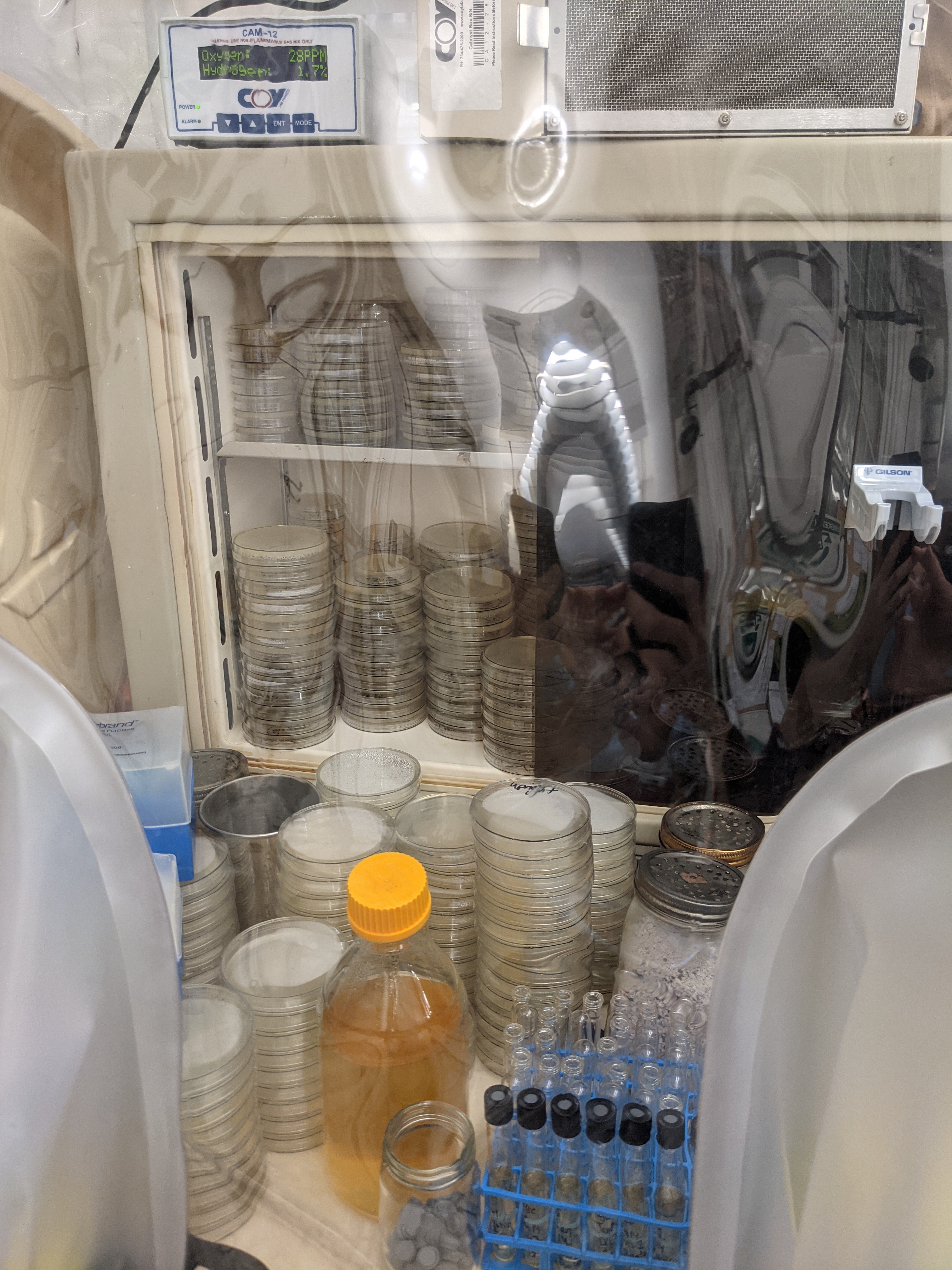
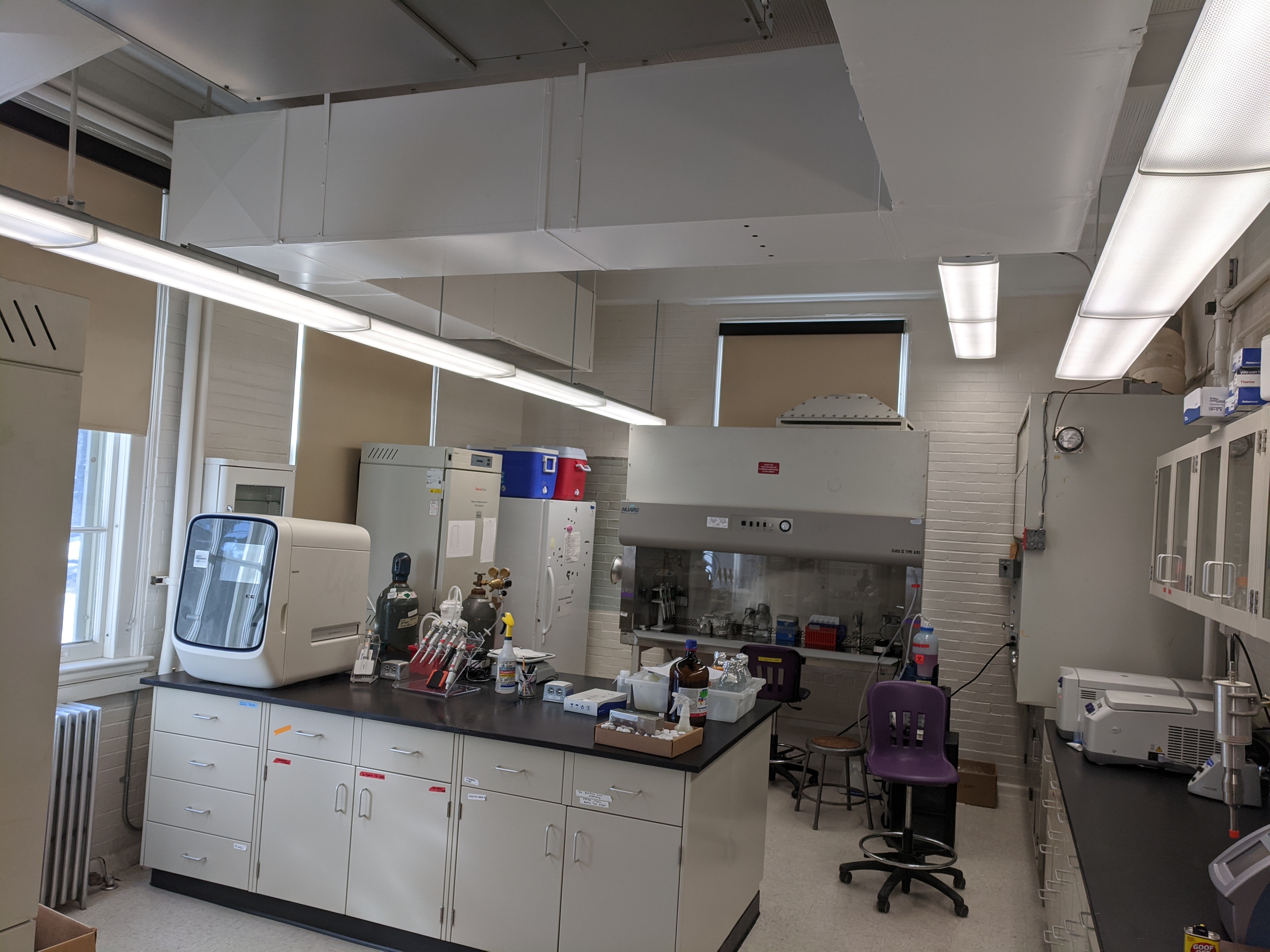
An image of a microbiology and genetics laboratory.

Establishing a research laboratory

As a new assistant professor at the University of Maine, 50% of my appointment is research. To establish my research, I started with curating a space to fulfill the needs of my work — “professional nesting”, if you will. I was allotted two adjacent rooms for my lab work, one as a microbial culturing space, and one for genomics work. I asked for and was granted separate spaces to reduce to likelihood of contamination sourced from my culturing space.

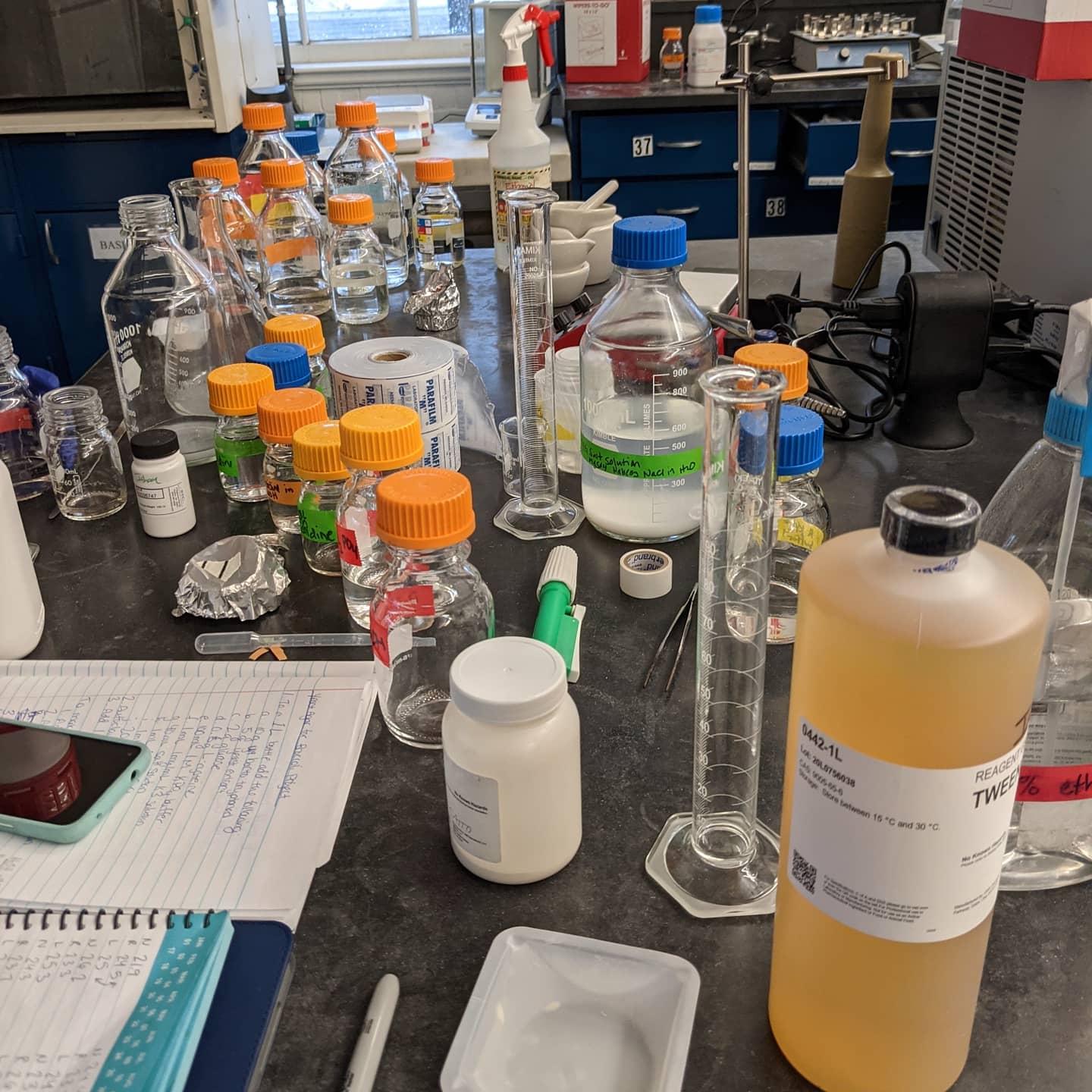
Prior to my arrival at the University of Maine, both lab spaces were set up to perform different research from what I do. This may not seem like it would interfere with my work, but the type of research you do will influence the machinery you need, each of which may have space or utilities requirements, as well as the flow of traffic through the room. To reduce the amount of time you spend moving around the room in search of elusive supplies, it’s best to curate work stations within the room. To that end, the Ishaq lab team spent several days re-arranging the large machinery and the table-top equipment, and then moving the supplies to the cabinets in corresponding locations. This change was most evident in the genomics room, that was previously used for human cell culture and biochemistry, shown below. At this time, I’m still working on updating the microbial culture room, which is larger and contained many more bits and pieces to organize.

  • An image of a microbiology and genetics laboratory.

Most research labs use extremely specialized equipment and machinery. Some of this was made available to me immediately; when research labs are discontinued, ownership of equipment and consumable materials reverts back to the researcher’s home department. I needed to purchase some of the more research-specific equipment, using some of the funds allotted to me for this purpose. Buying equipment can be stressful, because it can be incredibly expensive, and you want to be sure you selected the machine brand and range of capabilities for what you might want to do over the next 5 – 10 years, at least.

Finally, you need to stock your lab with reagents and researchers, but both of these have been temporarily put on hold as of March 2020, as we do our part to reduce the transmission of the Covid-19 virus. Whenever it is safe to do so, I look forward to completing the updates to my spaces and opening them up for collaborative work.

Wild blueberries on a bush.

My first funded proposal at UMaine!

Now that I’m an assistant professor, a significant amount of my time is spent writing grant proposals to fund projects I’d like to do in the future.

Many large federal or foundational grants take up to a year from submission to funds distribution, and the success rate, especially for newly-established researches, can be quite low. It’s prudent to start writing well in advance of the due date, and to start small, with “pilot projects”.

To that end, I’m pleased to announce that Dr. Lily Calderwood and I just received word that the Wild Blueberry Commission of Maine is funding a pilot project of ours; “Exploration of Soil Microbiota in Wild Blueberry Soils“. We’ll be recruiting 1 – 2 UMaine students for summer/fall 2020 to participate in the research for their Capstone senior research projects.

Dr. Calderwood is an Extension Wild Blueberry Specialist, and Assistant Professor of Horticulture in the School of Food and Agriculture at UMaine. She and I developed this project when meeting for the first time, over coffee. We realized we’d both been at the University of Vermont doing our PhD’s concurrently, and in neighboring buildings! We got to chatting about my work in wheat soil microbial communities, and her work on blueberry production, and the untapped research potential between the two.

This pilot will generate some preliminary data to help us get a first look at the soil microbiota associated with blueberries, and in response to management practices and environmental conditions. From this seed funding, Lily and I hope to cultivate fruitful research projects for years to come!

Featured Image: Wild Maine Blueberries, Wikimedia