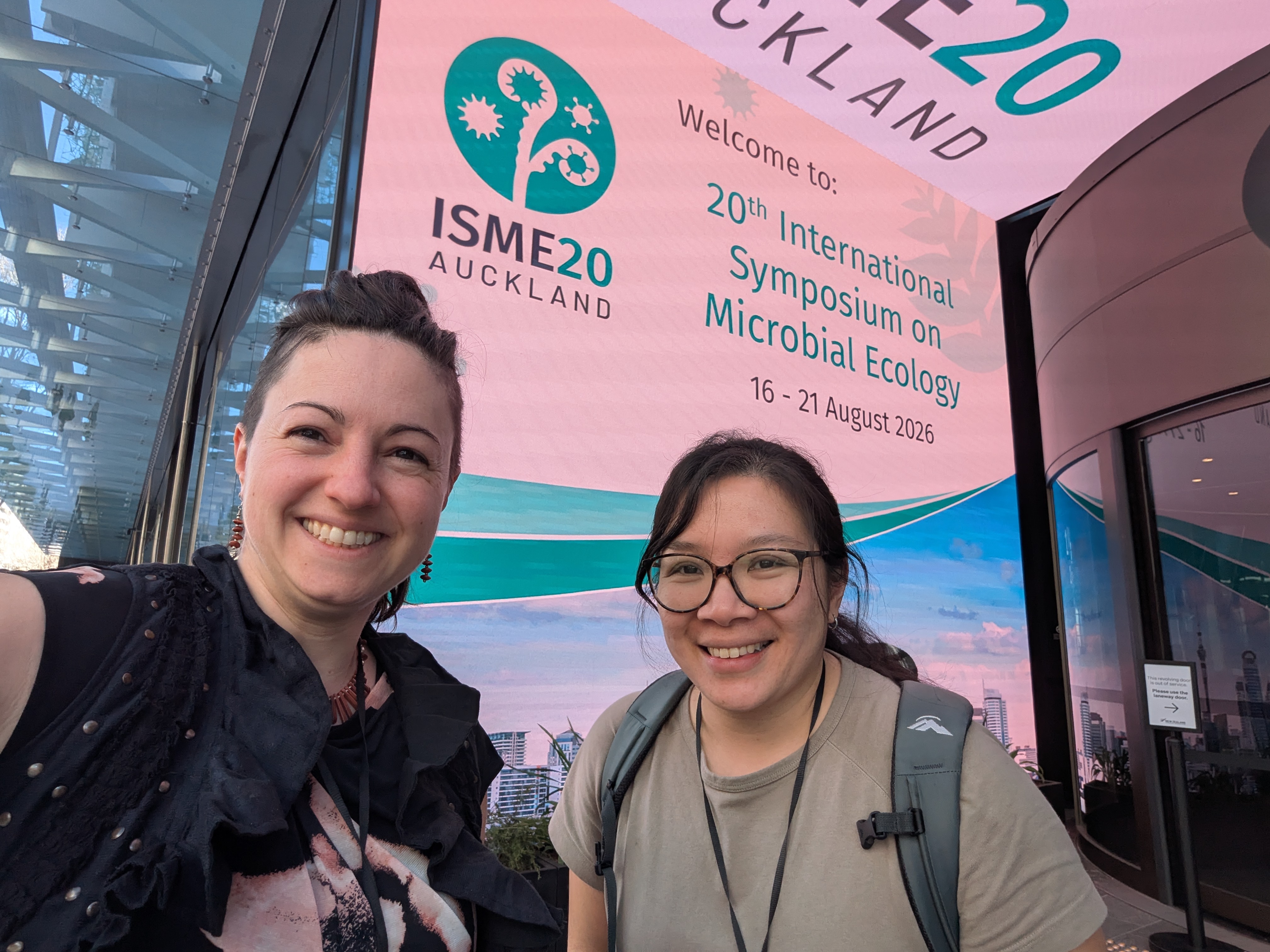
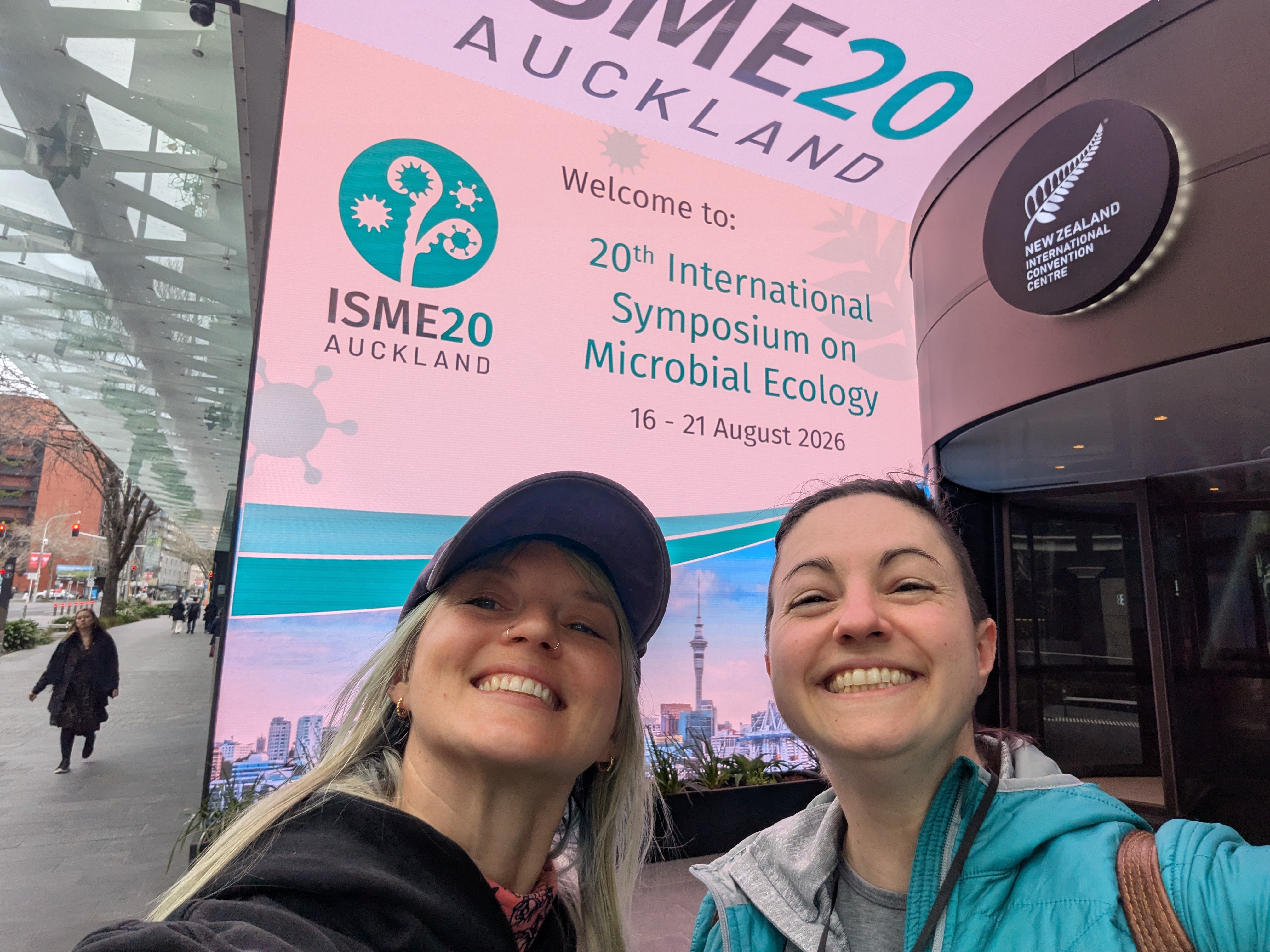
There is nothing like being in a gorgeous ecosystem for inspiring conservation to protect it

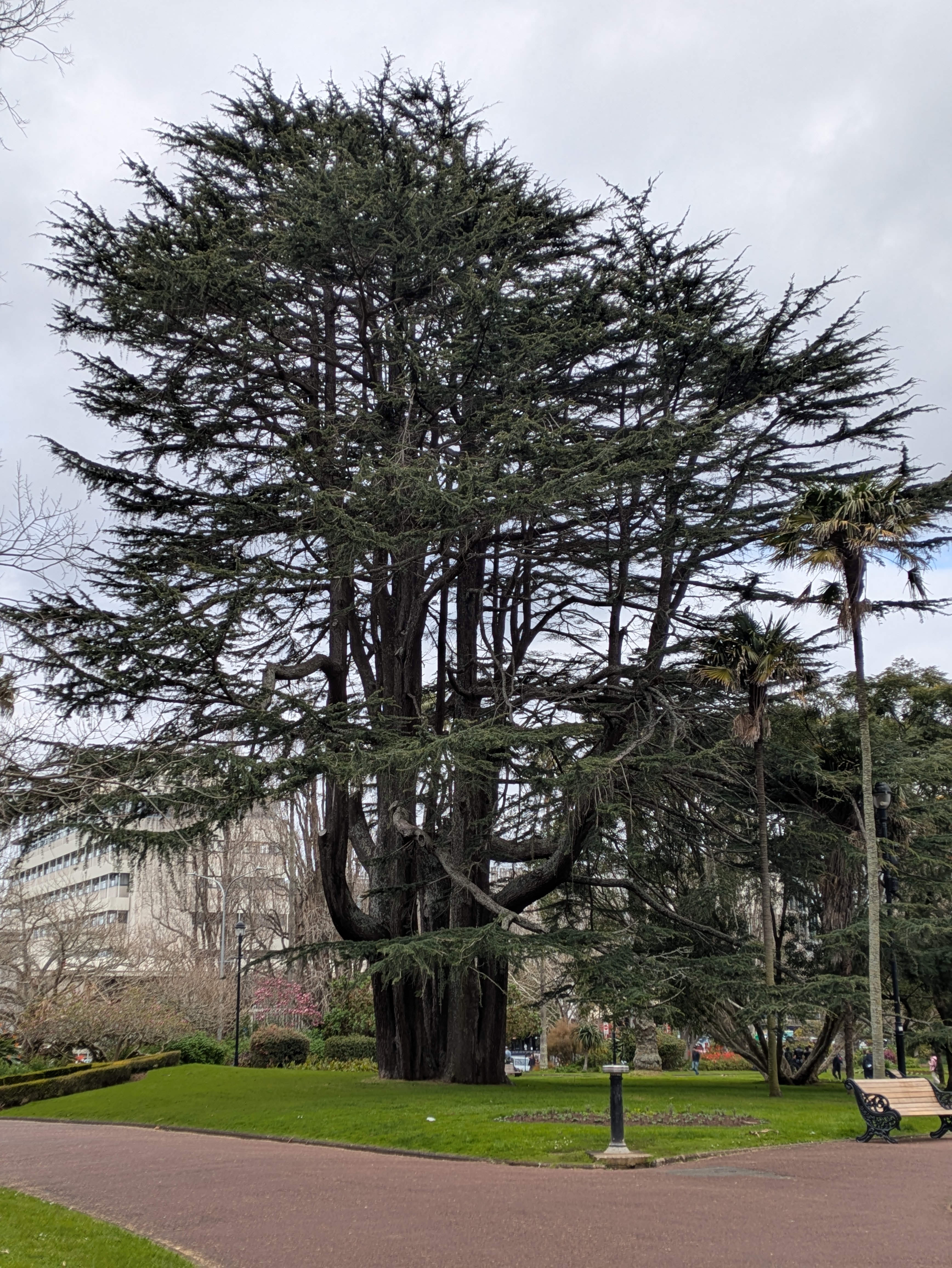
As far as auspicious beginnings go, listening to dozens of tropical birds share news in a blooming city park while watching the rising sun peek out of the clouds leftover from a pre-dawn rain, the city traffic a distant hum under the nearby laughter of morning walkers watching their dogs frolic, is a heck of a way to begin a week-long conference on microbes and global health. Microbes feed the planet by interfacing between geological processes and biological ones: single-celled microbes take basic elements up to complex chemical compounds and back down again to the basics, all of which allows more complex forms of life to access the chemicals they need. Microbes help provide critical nutrients to the plants in this park, they help the parrots digest their food, they can even act as the physical seeds around which molecules of water gather into drops to create rain.
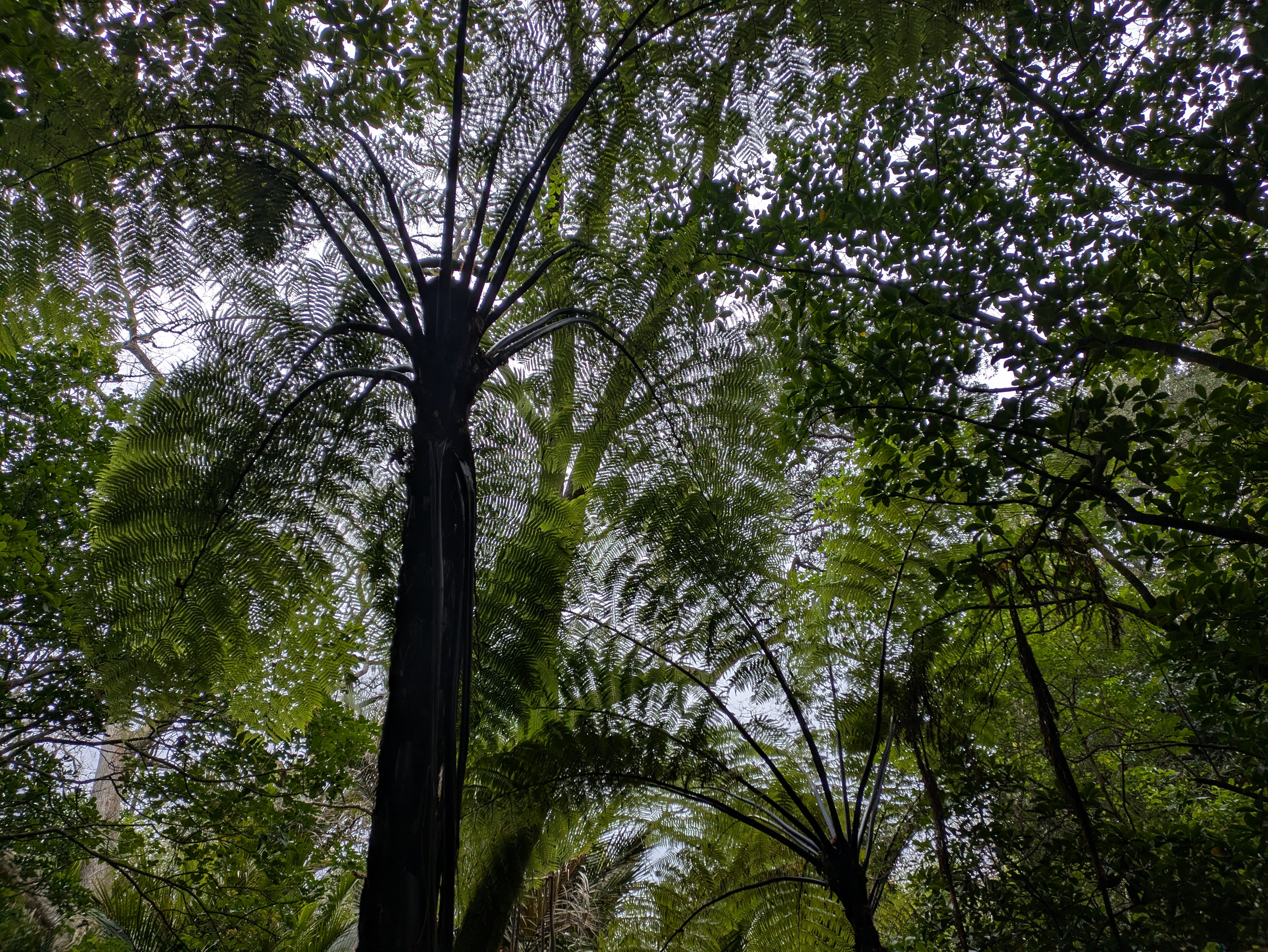
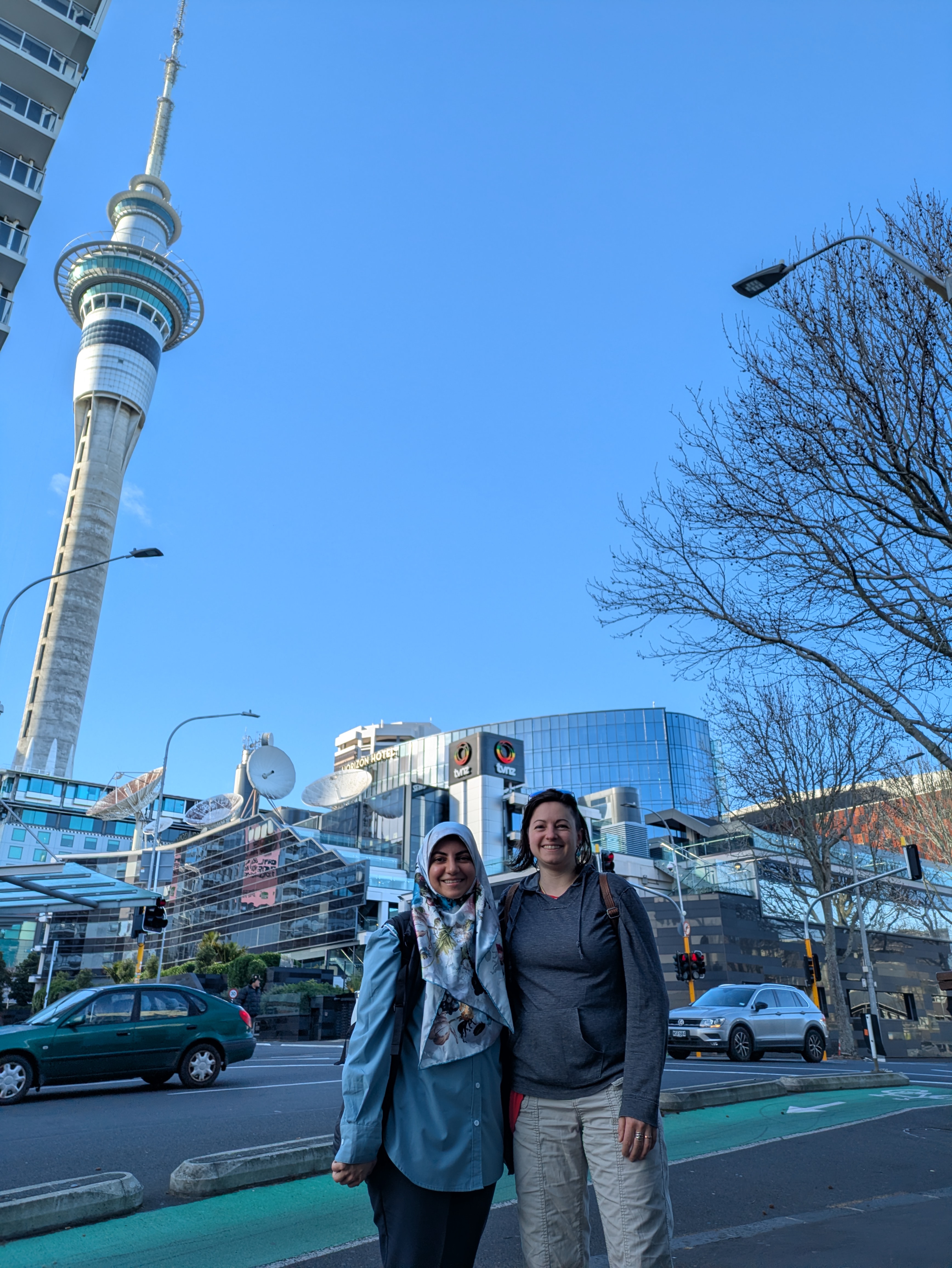
The International Society of Microbial Ecology hosts their major scientific conference every two years in rotating locations around the world, this year in Auckland, New Zealand. While every flavor of microbiology can be found here at the conference, there are always themes of building a collective and reducing the negative impacts of human activities while amplifying the positive ones. For example, there were presentations about the detriment of clearcutting for mono-cropping of commodities, as well as presentations on how migratory grazing of domesticated livestock creates biodiversity hotspots in grasslands due to manure and urine nutrients as well as turnover of plants (grazing allows for competition from other plants but also germinates seeds that need to pass through a digestive tract). In short, the way we live our lives and interact with the planet affects the microbes we interact with and the ones we leave behind, and when we do this intentionally and with mutual benefit in mind, everything can flourish.
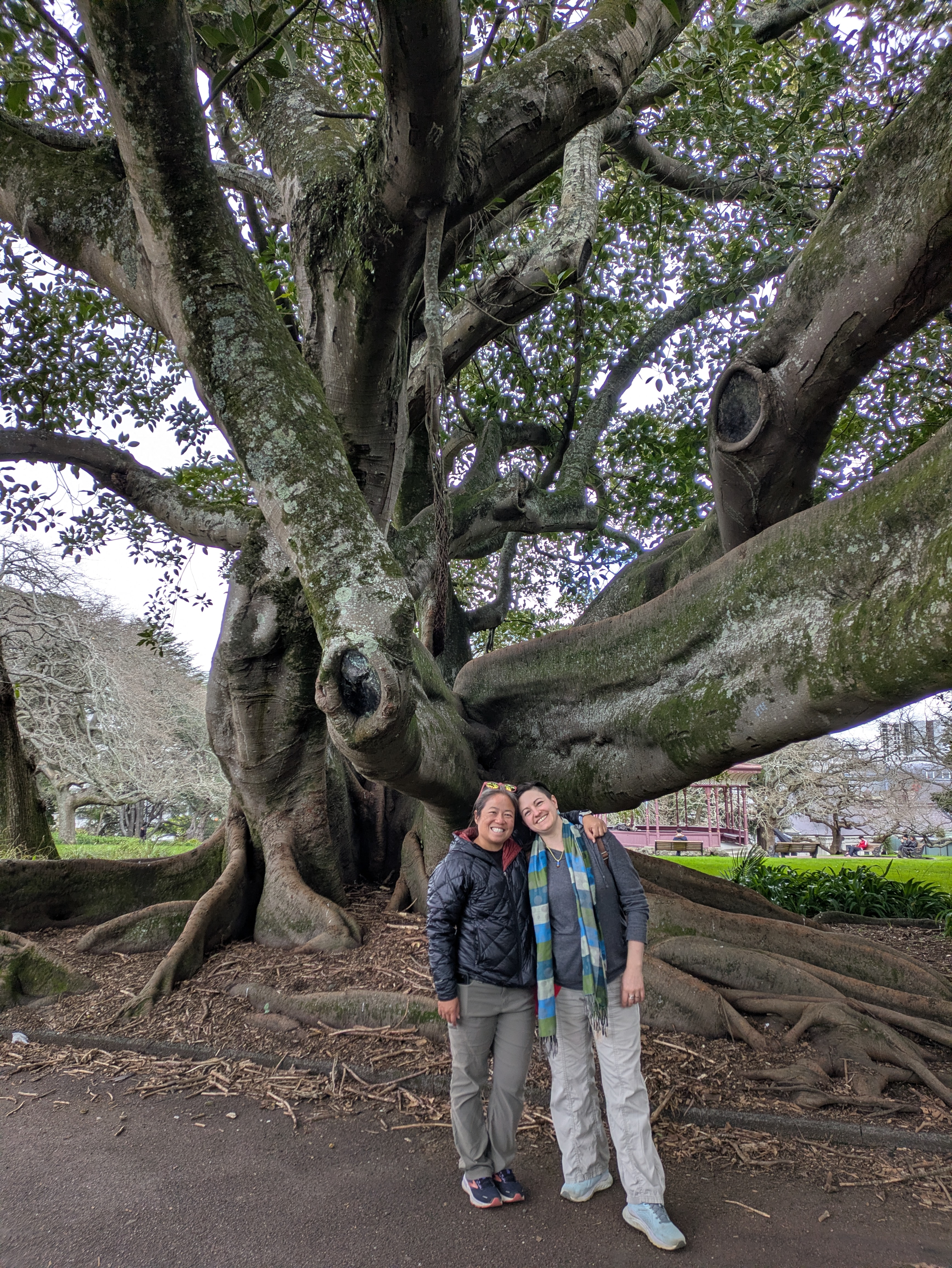
Yet, deciding on that course of action is not necessarily without logistical burdens: what should we change, and what will be the outcome? Do the benefits outweigh the problems that will occur? How do we prioritize land use decisions when some people think the destruction of air, water, soil, plants, animals, and people caused by data centers is worth it to support mass surveillance of the public? Thus, the process of making policy decisions or design choices which intentionally support microbial communities for the benefit of environments, organisms, and renewing natural resources can be arduous: between sparse information about remote microbes, to getting people to agree on the value of nature, to enacting change across borders, it is understandable that the pace of innovation crawls in comparison to the swiftness of changes to our world and the urgency to save ourselves while we can (microbes and other life on this planet will survive the consequences our actions even if we don’t). Worthwhile endeavors are neither quick nor cheap, and if we can focus for decades on making space travel and inhabitation viable, then surely the collective intelligence of humanity can figure out how to terraform without destroying the very ground beneath our feet.

My goals were triple-fold at the ISME conference: to learn about cutting-edge research, to widen and strengthen my network of colleagues, and to make progress on spreading awareness of and setting priorities for the Ethics, Conservation and Management Planning Working Group of the new Microbial Conservation Specialist Group of the IUCN Species Survival Commission (IUCN SSC MCSG ECMP). Some of the leadership team of that group was in Auckland, and we took the opportunity to meet about setting priorities over the next year.

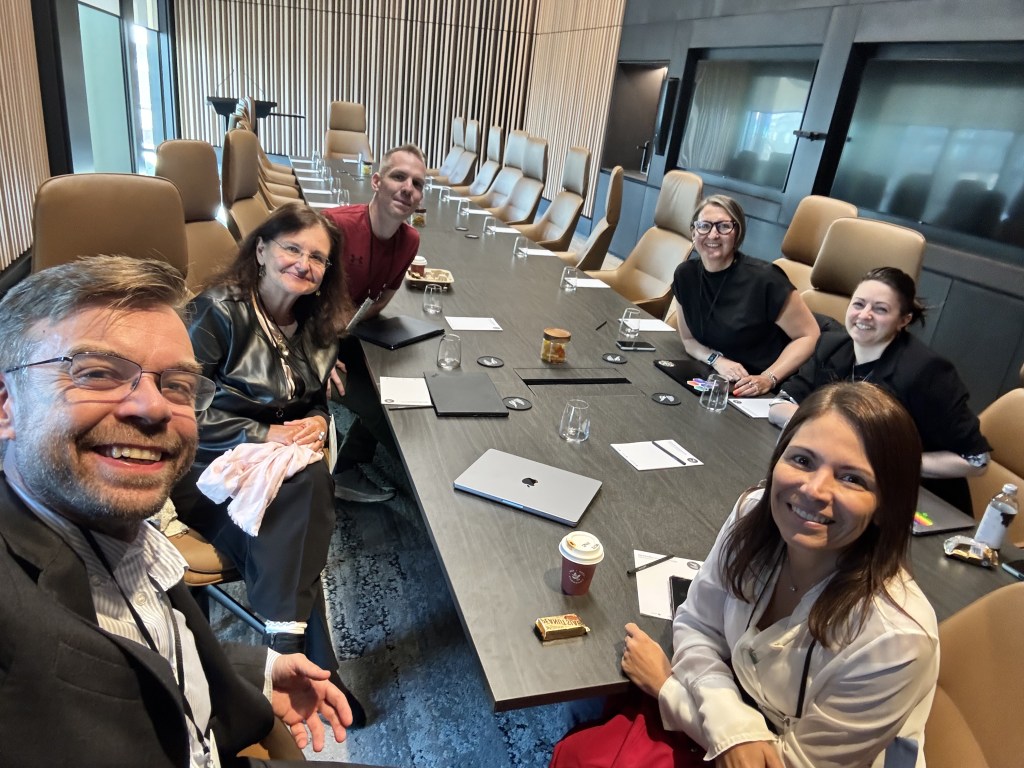
Additionally,, I initiated conversations about the group to invite researchers who are already working in this conceptual space, which was incredibly easy at the ISME conference because everyone here has some connection to sustainability, conservation, stewardship, equitable collaborations, and sharing of research outcomes. In particular, the session on “Indigenous Knowledge – solutions for global environmental changes” featured speakers who were all focused on protecting microbial communities and the unique ecosystems that host them, as well as trying to prevent the bioprospecting from and exclusion of local (and especially Indigenous, see most of recorded modern history for examples) peoples that occurred during the ‘gold rush’ early years of microbial ecology, ecology, conservation, anthropology – actually pretty much most fields were used as an excuse to pillage. One audience member of that session told the story of how, after the first papers describing novel microbes in delicate and uncatalogued ecosystems in Argentina were published, researchers from other countries flooded to the area to study and collect them, often actively destroying ecosystems in the process by driving on the very microbial mats they had come to study.

With a complicated legacy to remediate and learn from, conservation must be united with ethics, and thus the ECMP subgroup is tasked with learning from history, promoting equitable practices already being used around the globe, and trying to enact these best practices into education and policy to move us into a better way of treating each other and planet.

Learn more about the Ethics Subgroup and the Microbial Special Group

Please visit the MCSG website for more information, and if you are at ISME20, reach visit the Applied Microbiology International publications display table to learn more and join an information session.

Gilbert, J., Scholz, A., Dominguez-Bello, M.G., Korsten, L., Berg, G., Singh, B., Boetius, A., Wang, F., Greening, C., Wrighton, K., Bordenstein, S., Jansson, J., Lennon, J., Souza, V., Allard, S.M., Thomas, T., Cowan, D., Crowther, T., Nguyen, N., Harper, L., Haraoui, L-P., Ishaq, S., McFall-Ngai, M., Redford, K.H., Peixoto, R. 2025. Safeguarding Microbial Biodiversity: Microbial Conservation Specialist Group (MCSG) within the Species Survival Commission of the International Union for Conservation of Nature (IUCN). Editorial Published in multiple journals simultaneously, including mSystems, Sustainable Microbiology, the ISME Journal, and FEMS Microbial Ecology.

Gilbert, J., Peixoto, R., Scholz, A., Dominguez-Bello, M.G., Korsten, L., Berg, G., Singh, B., Boetius, A., Wang, F., Greening, C., Wrighton, K., Bordenstein, S., Jansson, J., Lennon, J., Souza, V., Thomas, T., Cowan, D., Crowther, T., Nguyen, N., Harper, L., Haraoui, L-P., Ishaq, S., Redford, K. 2025. Launching the IUCN Microbial Conservation Specialist Group as a global safeguard for microbial biodiversity. Nature Microbiology 10:2359–2360. (correspondence)

Upcoming presentations at ISME 19 in Cape Town, South Africa!

Some of the lab are lucky enough to be able to travel to Cape Town, South Africa this August for the 19th International Symposium on Microbial Ecology (ISME)!!! This conference is held in different host cities, and brings together microbiologists from around the world to celebrate our work and foster our scientific community.

Session:  Integrating equity into microbiome science from crops to communities

Convenors
Sue Ishaq, University of Maine, USA
Adolphe Zeze, Institut National Polytechnique Félix Houphouët-Boigny, Côte d’Ivoire

Date: 20-Aug-2024, session from 11:00 to 13:00. Location: Meeting Room 2.6 (2.61 – 2.64) of CTICC1 in Cape Town.

About the session: Microorganisms are critical to many aspects of biological life, and the collective microbial community, or microbiome, can be impacted by environmental factors which may be driven by social, economic, medical, or political constraints that restrict available choices and may impact our health. This session explores the way that microbes connect to social disparities, and how microbial ecology can be used to benefit public health and vulnerable populations.

Photo credit Johanna Holman.

Characterizing Gut Bacteria Associated with Sulforaphane Production

Alexis Kirkendall 1, Johanna Holman 1, Marissa Kinney 1, Aakriti Sharma 2, Lilian Nowak 2, Gloria Adjapong 2, Yanyan Li 3, Suzanne Ishaq2

Date:  19-Aug-2024, live session from 16:30 to 17:30. Poster number: PS1.02.050. Section: Understanding microbiome dynamics to improve human health

Affiliations: 1 Molecular and Biomedical Sciences, University of Maine, Orono, Maine, USA; 2 School of Food and Agriculture, University of Maine, Orono, Maine, USA; 2 Graduate School of Biomedical Sciences and Engineering, University of Maine, Orono, Maine, USA; 3School of Pharmacy and Pharmaceutical Sciences, SUNY Binghamton University, Johnson City, New York, USA.

Abstract: Broccoli sprouts contain glucosinolates which can be converted into sulforaphane, an anti-inflammatory compound. Mammals do not produce the essential digestive enzymes to perform this conversion, fortunately, some gut bacteria do, and this results in high sulforaphane in the colon and systemically. Sulforaphane production has implications in treating inflammatory bowel diseases such as ulcerative colitis. Bacterial samples were collected from 40 all-male SPF C57BL/6 mice. Divided into four groups, mice received a combination, or lack thereof, of 2.5% dextran sodium sulfate in drinking water to induce ulcerative colitis and/or steamed broccoli sprouts at 10% of the diet. Following the trial, bacteria were isolated from jejunum and colon digesta- and mucosal-associated contents. Bacteria were grown on bacto-tryptone yeast broth media in anaerobic conditions. Collected bacteria were analyzed based on morphological data. Following initial culturing bacteria were placed in 96-well plates amongst bacto-tryptone yeast broth in four groups: with glucose, without glucose, with glucoraphanin, and with sinigrin. Plates were incubated anaerobically for 24 hours followed by growth being measured via spectrophotometry, to assess potential as a probiotic. Over four hundred bacteria were assessed, multiple of which showed signs of glucosinolate conversion. Across gram stains, approximately 80% of all analyzed showed to be gram +.

Graphic Designed by Indigo Millisor.

Funding Sources: This work was funded by the NIH, Crohn’s and Colitis Foundation, and NSF NRT.

Steamed broccoli sprouts alleviate gut inflammation and retain gut microbiota against DSS-induced dysbiosis.

Johanna M. Holman1, Lola Holcomb2, Louisa Colucci3, Dorien Baudewyns4, Joe Balkan5, Grace Chen6, Peter L. Moses7,8, Gary M. Mawe7, Tao Zhang9, Yanyan Li1*, Suzanne L. Ishaq1*

Date:  19-Aug-2024, live session from 10:00 to 11:00  Poster number: PS1.02.007 Section: Understanding microbiome dynamics to improve human health

Affiliations: 1 School of Food and Agriculture, University of Maine, Orono, Maine, USA; 2 Graduate School of Biomedical Sciences and Engineering, University of Maine, Orono, Maine, USA; 3 Department of Biology, Husson University, Bangor, Maine, USA; 4 Department of Psychology, University of Maine, Orono, USA; 5 Department of Chemical and Biological Engineering, Tufts University, Medford, Massachusetts, USA; 6 Department of Internal Medicine, University of Michigan Medical School, Ann Arbor, Michigan, USA; 7 Departments of Neurological Sciences and of Medicine, Larner College of Medicine, University of Vermont, Burlington, Vermont, USA: 8 Finch Therapeutics, Somerville, Massachusetts, USA; 9 School of Pharmacy and Pharmaceutical Sciences, SUNY Binghamton University, Johnson City, New York, USA.

Abstract: Inflammatory bowel diseases are devastating conditions of the gastrointestinal tract with limited treatments, and dietary intervention may be effective, affordable, and safe for managing symptoms. Research has identified inactive compounds in broccoli sprouts that may be metabolized by the gut microbiota into key anti-inflammatories. Our research set out to identify biogeographic locations of participating microbiota and correlate that to health outcomes. We fed specific pathogen free C57BL/6 mice either a control diet or a 10% steamed broccoli sprout diet, and gave a three-cycle regimen of 2.5% dextran sulfate sodium  in drinking water over 40 days to simulate ulcerative colitis. We monitored body weight, fecal characteristics and lipocalin, and sequenced bacterial communities from the contents and mucosa of the jejunum, cecum, and colon. Mice fed the broccoli sprout diet while receiving dextran sulfate sodium performed better than mice fed control diet for all disease parameters, including increased weight gain (2-way ANOVA, p < 0.05), lower Disease Activity Index scores (2-way ANOVA, p < 0.001), and higher bacterial richness (linear regression model, p < 0.01). Bacterial communities were assorted by gut location except in the mice receiving the control diet and colitis-inducing treatment (Beta-diversity, ANOVA, p < 0.05). Importantly, our results suggest that broccoli sprouts abrogated the effects of dextran sulfate sodium on the gut microbiota, that colitis erases biogeographical patterns of bacterial communities, and that the cecum is not likely to be a contributor to colonic bacteria of interest, in a mouse model of ulcerative colitis. 

Funding Sources: This work was funded by the NIH, USDA, NSF NRT, and UMaine GSBSE.

Consuming steamed broccoli sprouts as part of their diet protected the gut biogeography of microbes — which bacteria was found in which organ sampled– in the intestines of mice who were experiencing chemically induced colitis. Image by Johanna Holman.

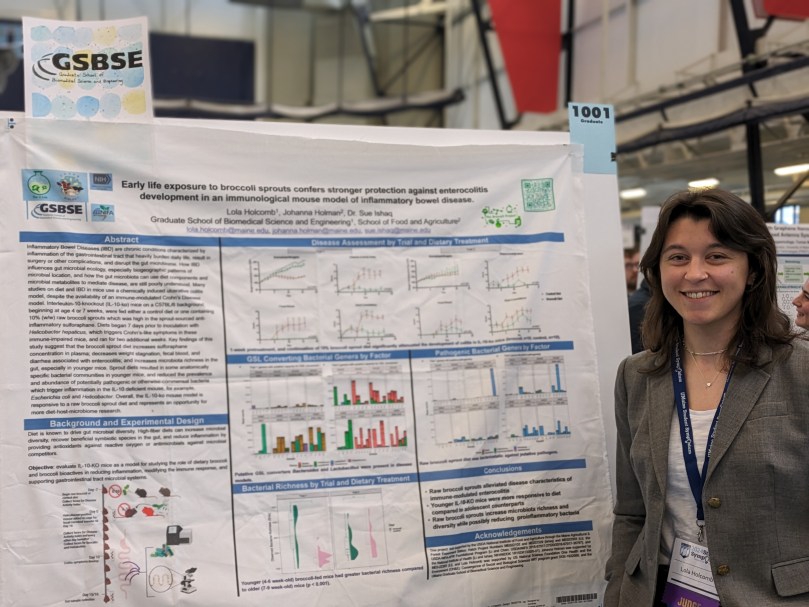
Early life exposure to broccoli sprouts confers stronger protection against enterocolitis development in an immunological mouse model of inflammatory bowel disease. 

Lola Holcomb1, Johanna Holman2, Molly Hurd3, Brigitte Lavoie3, Louisa Colucci4, Gary M. Mawe3, Peter L. Moses3,5, Emma Perry6, Allesandra Stratigakis7, Tao Zhang7, Grace Chen8, Suzanne L. Ishaq1*, Yanyan Li7*

Date:  19-Aug-2024, live session from 16:30 to 17:30 Poster number: PS1.02.002 Section: Understanding microbiome dynamics to improve human health

1 Graduate School of Biomedical Sciences and Engineering, University of Maine, Orono, Maine 2 School of Food and Agriculture, University of Maine, Orono, Maine 3 Larner College of Medicine, University of Vermont, Burlington, Vermont 4 Department of Biology, Husson University, Bangor, Maine, 5 Finch Therapeutics, Somerville, Massachusetts, 6 Electron Microscopy Laboratory, University of Maine, Orono, Maine 7 School of Pharmacy and Pharmaceutical Sciences, SUNY Binghamton University, Johnson City, New York,  8 Department of Internal Medicine, University of Michigan Medical School, Ann Arbor, Michigan

Inflammatory Bowel Diseases (IBD) are chronic conditions characterized by inflammation of the gastrointestinal (GI) tract that burden daily life, result in complications, and disrupt the gut microbiome. Many studies on diet and IBD in mice use an ulcerative colitis model, despite the availability of an immune-modulated Crohn’s Disease model. The objective of this study was to establish IL-10 deficient mice as a model for studying the role of dietary broccoli and broccoli bioactives in reducing inflammation, modifying the immune response, and supporting GI tract microbial systems. Interleukin-10-knockout (IL-10-ko) mice on a C57BL/6 background, beginning at age 4 or 7 weeks, were fed either a control diet or one containing 10% raw broccoli sprouts. Diets began 7 days prior to inoculation with Helicobacter hepaticus, which triggers Crohn’s-like symptoms in these immune-impaired mice, and ran for 2 additional weeks. Broccoli sprouts decreased (p < 0.05), fecal lipocalin (LCN2), a biomarker for intestinal inflammation, and fecal blood, diarrhea, and overall Disease Activity Index. Sprouts increased gut microbiota richness, especially in younger mice (p < 0.004), and recruited different communities in the gut (B-diversity, ANOVA, p < 0.001), especially in the colon (B-diversity, ANOVA, p = 0.03). The control group had greater prevalence and abundance of otherwise commensal bacteria which trigger inflammation in the IL-10-ko mice. Helicobacter was within the top-5 most prevalent core genera for the control group, but was not within the top-5 for the broccoli group. Disease parameters and microbiota changes were more significant in younger mice receiving broccoli. A diet containing 10% raw broccoli sprouts may be protective against negative disease characteristics of Helicobacter-induced enterocolitis in IL-10-ko mice, and younger age is the most significant factor (relative to diet and anatomical location) in driving gut bacterial community richness and similarity. The broccoli diet contributes to prevalence and abundance of bacterial genera that potentially metabolize dietary compounds to anti-inflammatory metabolites in the gut, are bacteriostatic against pathogens, and may ease disease severity.

Funding Sources: This work was funded by the NIH, USDA, NSF NRT, and UMaine GSBSE.

Summer outlook

I’ve got quite a busy summer ahead!  You’ll be able to find me at:

June 22, 2018: The HOMEChem Open House at the UT Austin Test House , University of Texas at Austin’s J.J. Pickle Research Campus.  I’ll be meeting with BioBE collaborators to discuss pilot projects exploring the link between indoor chemistry and indoor microbiology.

July 15 – 20, 2018: The Microbiology of the Built Environment (MoBE) Gordon Research Conference, University of New England in Biddeford, ME.  BioBE’s Dr. Jessica Green is meeting Vice Chair.

July 22 – 28, 2018: Indoor Air 2018 Conference in Philadelphia, PA.  I’ll be presenting some of the work I’ve been part of, exploring the effect of weatherization on bacteria indoors.

August 12 – 18, 2018: The 17th International Society for Microbial Ecology (ISME17) in Leipzig, Germany.  Here as well, I’ll be presenting some of the work I’ve been part of, exploring the effect of weatherization on bacteria indoors.