Events will be hosted January – December in 2026, on the last Wednesday of every month, 11:00 – 13:00 pm ET. Presented over Zoom.
After each talk, we will continue the discussions in an informal social meeting with MSE. All speakers and members of the audience are welcome to join the social meeting.
Registration to the seminar and social hour is free, but required. New this year: the live session will be available free, but the on-demand video-recording will only be available to MSE members for the first year (and available to the public afterwards).
Summary:
Microorganisms are critical to many aspects of biological life, including human health. The human body is a veritable universe for microorganisms: some pass through but once, some are frequent tourists, and some spend their entire existence in the confines of our body tissues. The collective microbial community, our microbiome, can be impacted by the details of our lifestyle, including diet, hygiene, health status, and more, but many are driven by social, economic we, medical, or political constraints that restrict available choices that may impact our health. Access to resources is the basis for creating and resolving social equity—access to healthcare, healthy foods, a suitable living environment, and to beneficial microorganisms, but also access to personal and occupational protection to avoid exposure to infectious disease. This speaker series explores the way that microbes connect public policy, social disparities, and human health, as well as the ongoing research, education, policy, and innovation in this field.
Dr. Michael D. L. Johnson received an A.B. in Music from Duke University and his Ph.D. in Biochemistry and Biophysics at the University of North Carolina at Chapel Hill. He completed two postdoctoral fellowships in Infectious Diseases and Immunology at St. Jude Children’s Research Hospital. Currently, Dr. Johnson is an Associate Professor at the University of Arizona in the Department of Immunobiology, where he studies mechanisms of metal toxicity in bacteria. He was the 2020 NIGMS Director’s Early Career Investigator Lecturer and the 2022 American Society for Microbiology William A. Hinton Award winner for Advancement of a Diverse Community of Microbiologists. Dr. Johnson is active in trainee professional development through developing the National Summer Undergraduate Research Project, The BIO5 Postdoctoral Fellowship Program, and as the Associate Dean for Basic Science Research and Graduate Studies for the College of Medicine Tucson. His faculty page is here.
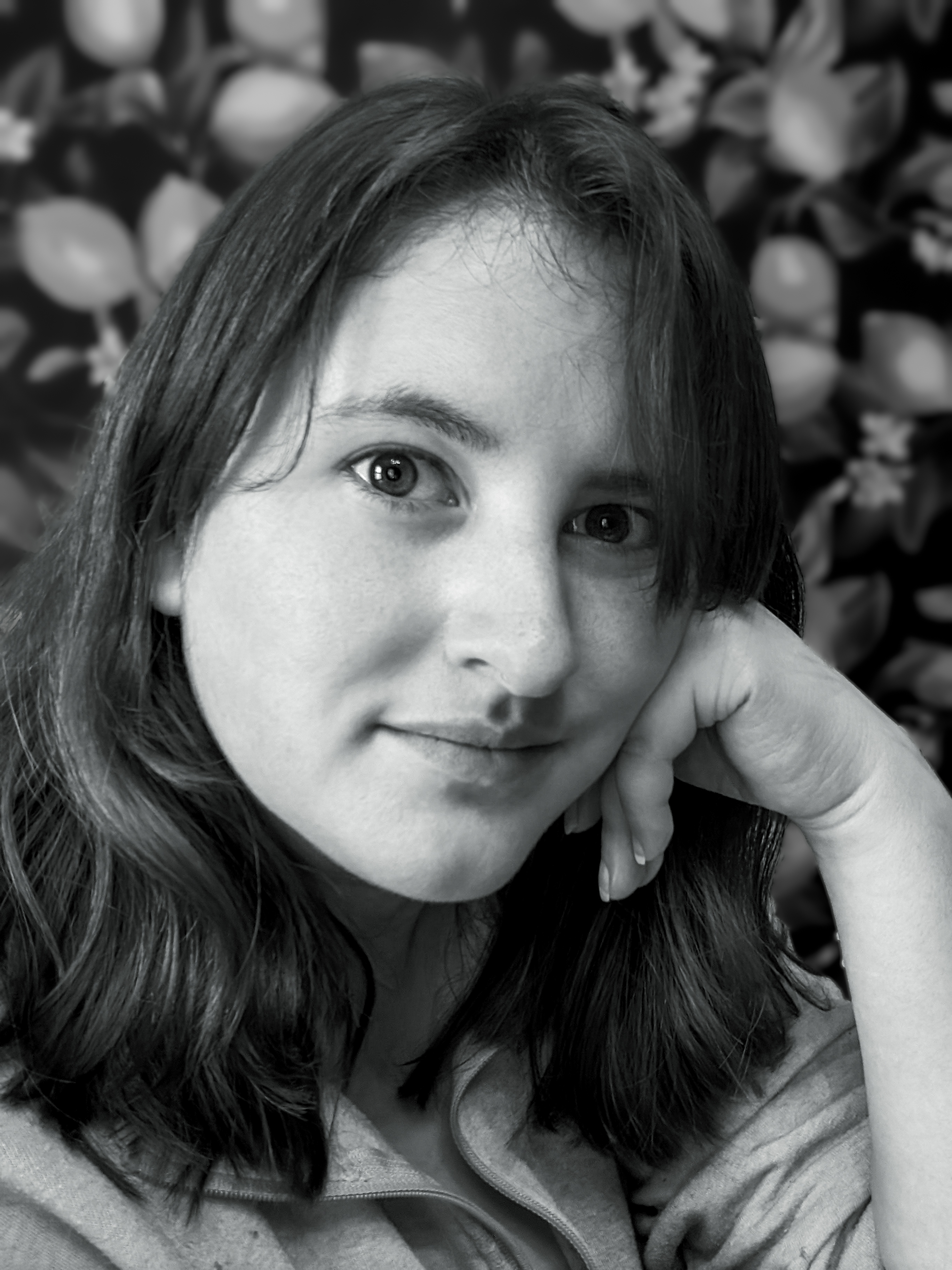
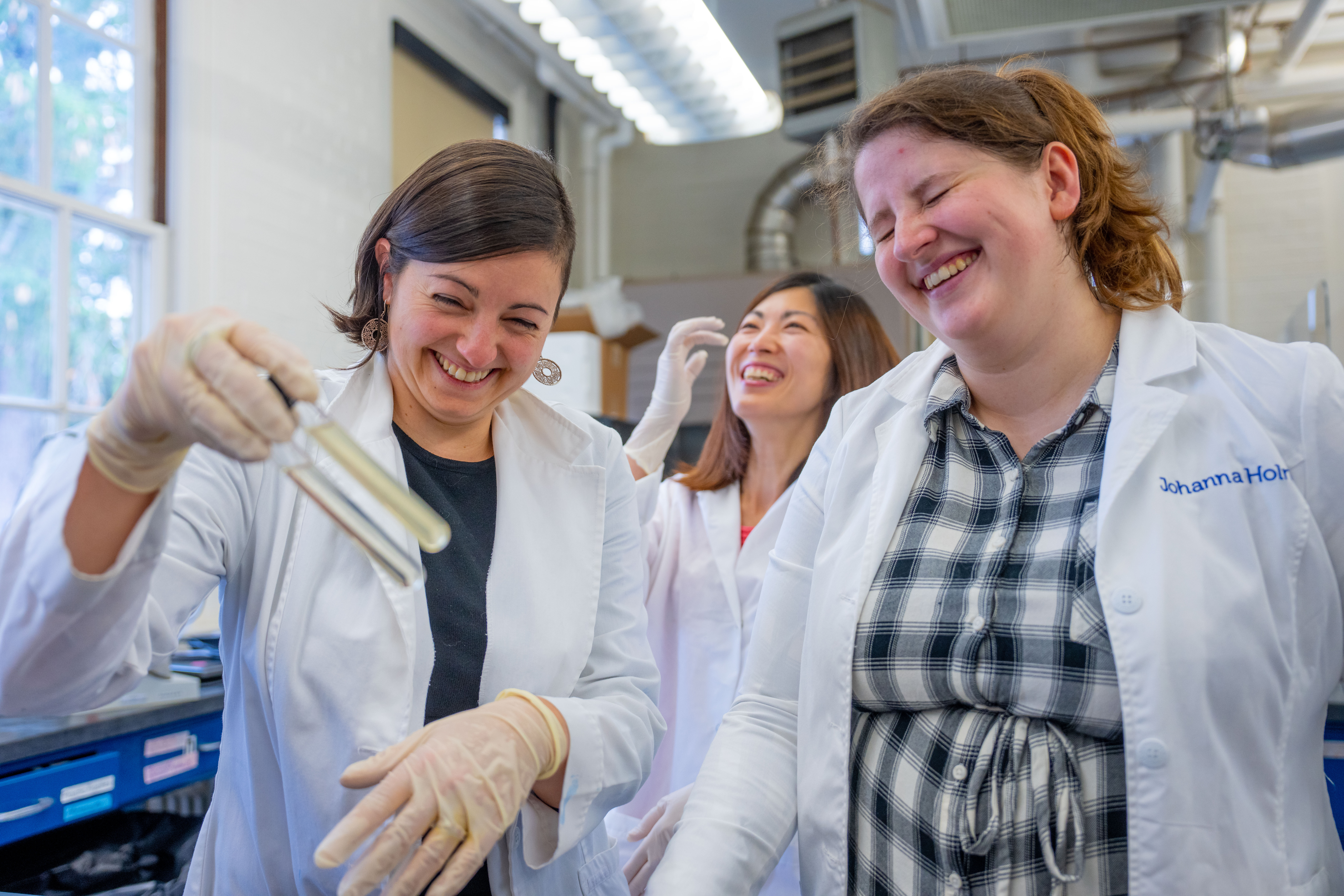
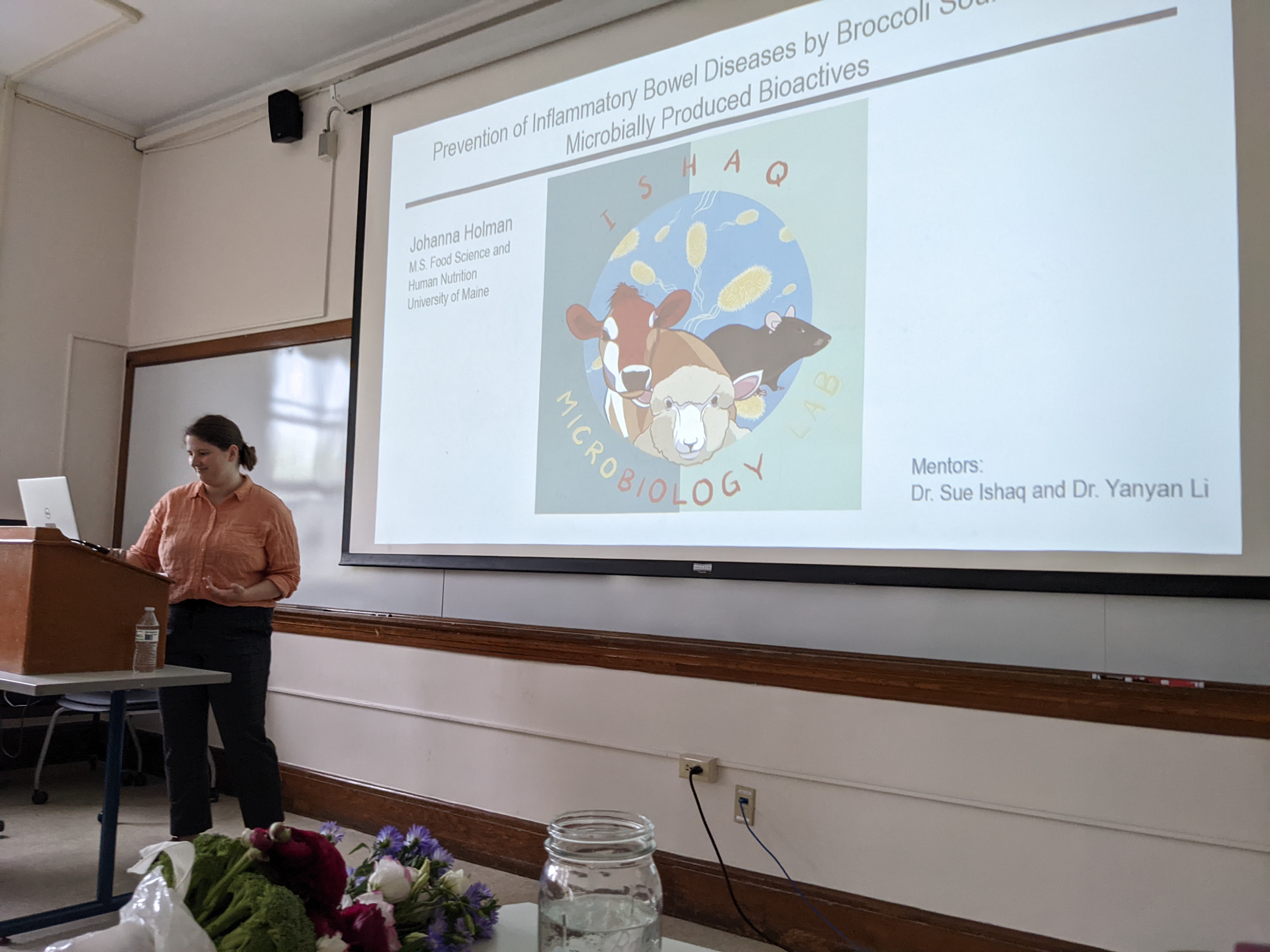
Congratulations to the newly minted Dr. Johanna Holman for successfully defending her doctoral dissertation in Microbiology today! The Ishaq Lab will be celebrating together in-person in a few weeks, when we’re all past cold season. In the meantime, Johanna will put the final touches on her thesis, and start converting those chapters into manuscripts for journal publications! She’s also preparing to transition to a postdoctoral research position (details to follow).
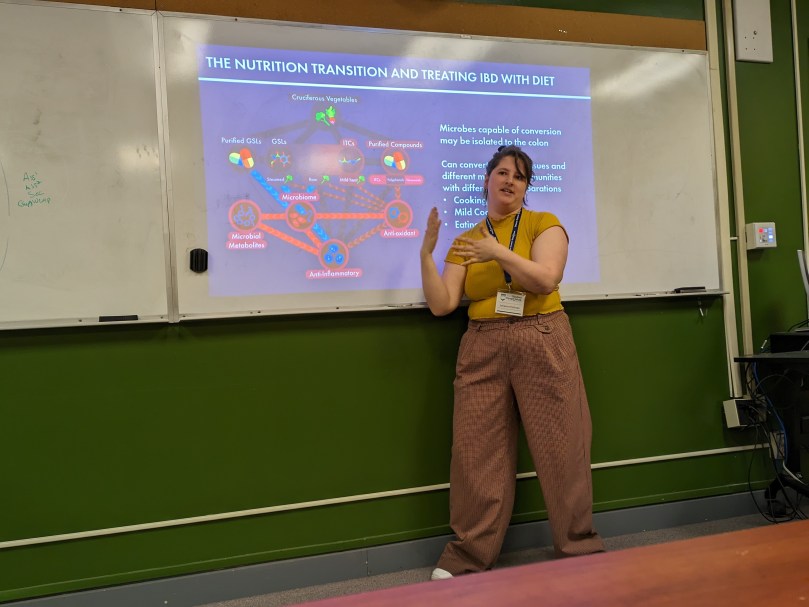
The recorded presentation of her work is here, and focuses on her work exploring which gut bacteria metabolize glucosinolates in broccoli sprouts and produce the anti-oxidant sulforaphane, as well as how the do it, and whether they will do it in different circumstances.
Johanna joined my lab in 2020, first as a master’s student in Nutrition, then as a PhD student in Microbiology. She started her research career as a lab tech for some of my long-term collaborators, Yanyan Li and Tao Zhang, back when they were at Husson University in Bangor, Maine. She joined my lab to add microbiology to her existing nutrition and biochemistry background, and at this point, it might be easier to list which projects she hasn’t been a part of. She’s performed bacterial culturing, bacterial community analysis, genomics, transcriptomics, and protein prediction. She’s run diet intervention trials in mice and in people, and she’s trained nearly every student in my lab in the last 6 years in some type of lab work or data analysis. She has been a valuable collaborator on our intricate and lab-heavy projects, allowing the lab to coordinate up to 5 projects and 8 students simultaneously.
She’s written graduate research proposals for the NIH and USDA. She was awarded the Charles Morris and UMaine grad student award.
She’s been a teaching assistant for chemistry and biology, with an estimated 120 students per year. She’s a graphic designer (Imaginome Designs). She grew a whole human from scratch. She’s keen to learn and has always kept an open mind to new opportunities. Johanna has been instrumental in the knowledge generation and success of my lab, and we are so luck to have been a part of her journey.
Events will be hosted January – December in 2026, on the last Wednesday of every month, 11:00 – 13:00 pm ET. Presented over Zoom.
After each talk, we will continue the discussions in an informal social meeting with MSE. All speakers and members of the audience are welcome to join the social meeting.
Hosted by: Sue Ishaq, MSE, and finacially supported by the University of Maine Institute of Medicine and Applied Microbiology International.
Registration to the seminar and social hour is free, but required. New this year: the live session will be available free, but the on-demand video-recording will only be available to MSE members for the first year (and available to the public afterwards).
Summary:
Microorganisms are critical to many aspects of biological life, including human health. The human body is a veritable universe for microorganisms: some pass through but once, some are frequent tourists, and some spend their entire existence in the confines of our body tissues. The collective microbial community, our microbiome, can be impacted by the details of our lifestyle, including diet, hygiene, health status, and more, but many are driven by social, economic we, medical, or political constraints that restrict available choices that may impact our health. Access to resources is the basis for creating and resolving social equity—access to healthcare, healthy foods, a suitable living environment, and to beneficial microorganisms, but also access to personal and occupational protection to avoid exposure to infectious disease. This speaker series explores the way that microbes connect public policy, social disparities, and human health, as well as the ongoing research, education, policy, and innovation in this field.
Dr. Michael D. L. Johnson received an A.B. in Music from Duke University and his Ph.D. in Biochemistry and Biophysics at the University of North Carolina at Chapel Hill. He completed two postdoctoral fellowships in Infectious Diseases and Immunology at St. Jude Children’s Research Hospital. Currently, Dr. Johnson is an Associate Professor at the University of Arizona in the Department of Immunobiology, where he studies mechanisms of metal toxicity in bacteria. He was the 2020 NIGMS Director’s Early Career Investigator Lecturer and the 2022 American Society for Microbiology William A. Hinton Award winner for Advancement of a Diverse Community of Microbiologists. Dr. Johnson is active in trainee professional development through developing the National Summer Undergraduate Research Project, The BIO5 Postdoctoral Fellowship Program, and as the Associate Dean for Basic Science Research and Graduate Studies for the College of Medicine Tucson. His faculty page is here.
MSE is back with another stellar lineup for the virtual seminar series, which will be hosted monthly through 2026. After each seminar, we will host an informal virtual social hour, in which attendees can chat with the speaker and MSE members about research, teaching, our pets, and more.
Registration to the seminar and social hour is free, but required. New this year: the live session will be available free, but the on-demand video-recording will only be available to MSE members for the first year (and available to the public afterwards).
Events will be hosted January – December in 2026, on the last Wednesday of every month, 11:00 – 13:00 pm ET. Presented over Zoom.
After each talk, we will continue the discussions in an informal social meeting with MSE. All speakers and members of the audience are welcome to join the social meeting.
Microorganisms are critical to many aspects of biological life, including human health. The human body is a veritable universe for microorganisms: some pass through but once, some are frequent tourists, and some spend their entire existence in the confines of our body tissues. The collective microbial community, our microbiome, can be impacted by the details of our lifestyle, including diet, hygiene, health status, and more, but many are driven by social, economic we, medical, or political constraints that restrict available choices that may impact our health. Access to resources is the basis for creating and resolving social equity—access to healthcare, healthy foods, a suitable living environment, and to beneficial microorganisms, but also access to personal and occupational protection to avoid exposure to infectious disease. This speaker series explores the way that microbes connect public policy, social disparities, and human health, as well as the ongoing research, education, policy, and innovation in this field.
“Mystery at the Membrane: Discovering Copper’s Entry Route into Bacteria and Other Copper Tales”
Dr. Michael Johnson, PhD
Jan 28, 2026, 11:00 – 13:00 ET.
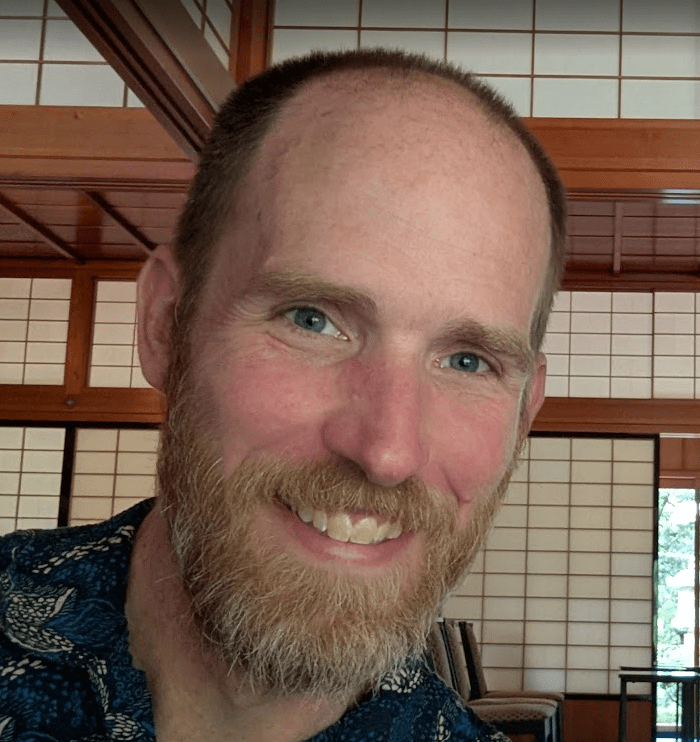
Dr. Michael D. L. Johnson received an A.B. in Music from Duke University and his Ph.D. in Biochemistry and Biophysics at the University of North Carolina at Chapel Hill. He completed two postdoctoral fellowships in Infectious Diseases and Immunology at St. Jude Children’s Research Hospital. Currently, Dr. Johnson is an Associate Professor at the University of Arizona in the Department of Immunobiology, where he studies mechanisms of metal toxicity in bacteria. He was the 2020 NIGMS Director’s Early Career Investigator Lecturer and the 2022 American Society for Microbiology William A. Hinton Award winner for Advancement of a Diverse Community of Microbiologists. Dr. Johnson is active in trainee professional development through developing the National Summer Undergraduate Research Project, The BIO5 Postdoctoral Fellowship Program, and as the Associate Dean for Basic Science Research and Graduate Studies for the College of Medicine Tucson. His faculty page is here.
“Mechanisms of environmental microbiome resilience”
Feb 25, 2026, 11:00 – 13:00 ET.
Dr. Ashley Shade, PhD. is a Director of Research with the French National Center for Scientific Research at the University of Lyon, France. She studies microbial community ecology, biodiversity, and microbial responses to disturbances such as climate change. In 2024, she received the U.S. Presidential Early Career Award for Scientists and Engineers from President Biden for her work on microbial community resilience. As of 2025, she is the Editor in Chief of the scientific journal mSystems.
“Unravelling Periprosthetic Joint Infection”
Dr. Robin Patel, M.D.
Mar 25, 2026, 11:00 – 13:00 EDT.
Dr. Robin Patel is the Elizabeth P. and Robert E. Allen Professor of Individualized Medicine, Director of the Infectious Diseases Research Laboratory, Co-Director of the Clinical Bacteriology Laboratory, Vice Chair of Education in the Department of Laboratory Medicine and Pathology, and former Chair of the Division of Clinical Microbiology, at the Mayo Clinic. Professor Patel’s research focuses on understanding the inherent biology of periprosthetic infection. She has over 635 peer-reviewed publications, is supported by the National Institutes of Health and the Centers for Disease Control and Prevention, is the Director of the Laboratory Center of the Antibacterial Resistance Leadership Group of the National Institutes of Health, and is a Past President of the American Society for Microbiology where she currently serves in the role of Secretary on the Board of Directors. Her faculty page is here.
“Microbial Communities in the Leaves Around Us”
Dr. Naupaka Zimmerman, Ph.D. (he/him/his)
Apr 29, 2026, 11:00 – 13:00 EDT.
Dr Naupaka Zimmerman is an Assistant Professor in the Environmental Studies Program at the University of Kansas (KU). He was previously an Associate Professor of Biology and Director of the MS Biology Program at the University of San Francisco. His research explores microbial ecology, with a focus on the communities of fungi that live inside plant leaves without causing disease, known as endophytes. His work investigates how environmental conditions, host species, and geography influence the diversity and function of these microbes.
Born and raised on the Big Island of Hawaiʻi, Dr Zimmerman has studied the microbial ecology of native Hawaiian plants, particularly Metrosideros polymorpha. At USF, his lab worked on plant–microbe interactions in urban environments and sustainable agricultural systems, including research across San Francisco and at Star Route Farms in Marin County. He plans to extend that work to agricultural and grassland systems in the midwest in his new role at KU. His team uses fieldwork, microscopy, DNA sequencing, and bioinformatics to understand how plant-associated microbes contribute to ecosystem processes such as decomposition, plant health, and resilience to pathogens. His lab website is here.
“The nexus of food systems, ecosystems and human health: considering the more-than-humans who co-produce health”
Dr. Sarah Elton, PhD
May 27, 2026, 11:00 – 13:00 EDT.
Dr. Sarah Elton is an Assistant Professor and Eakin Chair in Critical Qualitative Health Research Methodology at the University of Toronto’s Dalla Lana School of Public Health. She researches at the nexus of food systems, ecosystems and human health, considering the more-than-humans who co-produce health, including microbes. In 2021, she was the first qualitative researcher to be recognized by the Gairdner Foundation when she won a Gairdner Early Career Investigator Award. Previous to her academic career, Sarah worked as a journalist and is the author of two Canadian bestselling nonfiction books, Locavore and Consumed: Food for a Finite Planet. In this presentation, she draws on more-than-human methodologies and her own field work in food systems to explore different ways social scientists can conduct research with microbes. She focuses on how critical qualitative research methodologies can enable scholars to investigate the social and political forces that shape human-microbe relations.
“TBD”
Jun 24, 2026, 11:00 – 13:00 EDT.
“The nuts and bolts of microbiome stewardship: what are we trying to protect?”
Dr. Rob Beiko, PhD
Jul 29, 2026, 11:00 – 13:00 EDT.
Dr. Robert Beiko is a Professor in the Faculty of Computer Science at Dalhousie University who specializes in the analysis of DNA and protein sequences to better understand biodiversity, evolution, and ecology. He is also Director of Data at Dartmouth Ocean Technologies, Inc. His lab is currently developing software tools and algorithms to better understand the evolution and transmission of antimicrobial-resistance genes, and new computational methods to identify species and infer their ecological roles using environmental DNA. His lab website is here.
“The Secret World Within: How the Microbiome Provides Insight into Gynecologic Health”
Dr. Nicole Jimenez, PhD
Aug 26, 2026, 11:00 – 13:00 EDT.
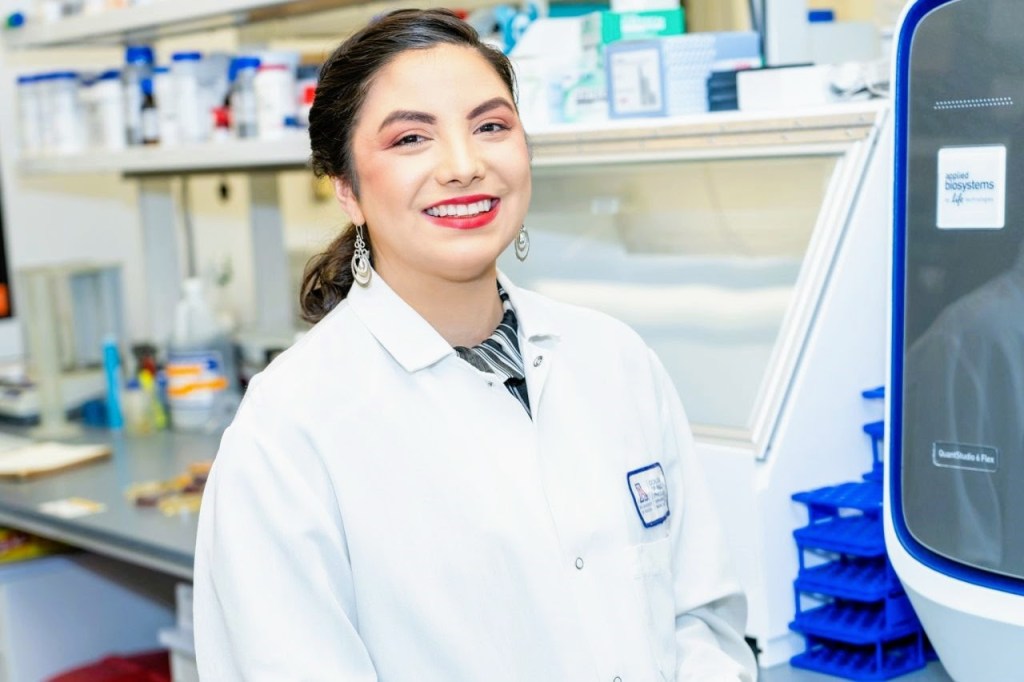
Dr. Nicole Jimenez is a postdoctoral fellow at the University of Arizona College of Medicine-Phoenix, specializing in gynecologic health research. Raised in Arizona, she was inspired by mentors in programs such as the Si Se Puede Foundation and ASU’s Los Diablos, and by her innate curiosity, to pursue a career as a scientist. She completed her doctoral degree in 2021 from Virginia Commonwealth University as part of the Vaginal Microbiome Consortium, studying the microbiome in the context of bacterial vaginosis, trichomoniasis, and pregnancy. Currently, her postdoctoral research, conducted in Dr. Melissa Herbst-Kralovetz’s lab, focuses on conditions such as chronic pelvic pain, endometriosis, adenomyosis, cervical and endometrial cancer, utilizing multi-omic pipelines, microbial culturomics, and 3D epithelial cell models. Dr. Jimenez has demonstrated a strong commitment to academic excellence, evidenced by recently securing the American Cancer Society postdoctoral fellowship, publishing manuscripts in microbiology and clinically focused journals, and receiving the 2025 University of Arizona Outstanding Postdoctoral Scholar Award. Driven by her passions for science, advocacy, and mentorship—having guided 22 students across various levels—she is actively preparing for a transition to an independent faculty position to continue her translational work on understudied gynecologic conditions through the lens of the microbiome. A recent article can be found here.
“Searching for missing gut microbes in the Amazon”
Dr. Emma Allen-Vercoe, PhD
Sept 30, 2026, 11:00 – 13:00 EDT.
Dr. Emma Allen-Vercoe obtained her BSc (Hons) in Biochemistry from the University of London, and her PhD in Molecular Microbiology through an industrial partnership with Public Health England. Emma started her faculty career at the University of Calgary in 2005, with a Fellow-to-Faculty transition award through CAG/AstraZeneca and CIHR, to study the normal microbes of the human gut. In particular, she was among the few that focused on trying to culture these ‘unculturable’ microbes in order to better understand their biology. To do this, she developed a model gut system to emulate the conditions of human and other animal guts and allow communities of microbes to grow together, as they do naturally.
Emma moved her lab to the University of Guelph in late 2007, and has been a recipient of several awards (through the Canada Foundation for Innovation) that have allowed her to develop her specialist anaerobic fermentation laboratory further. Emma is a Tier 1 Canada Research Chair, and her lab studies many microbial ecosystems, including those of Indigenous people of the Amazon, people in the industrialized world suffering from chronic disease, and those of honey bees and native pollinator insect species of Canada. Her faculty page is here.
“TBD”
Dr. Zinzi Bailey, PhD
Oct 28, 2026, 11:00 – 13:00 EDT.
“TBD”
Dr. Louis-Patrick Haraoui, PhD
Nov 25, 2026, 11:00 – 13:00 ET.
“Microbiome and Amazonian Indigenous Peoples, ethics and beyond”
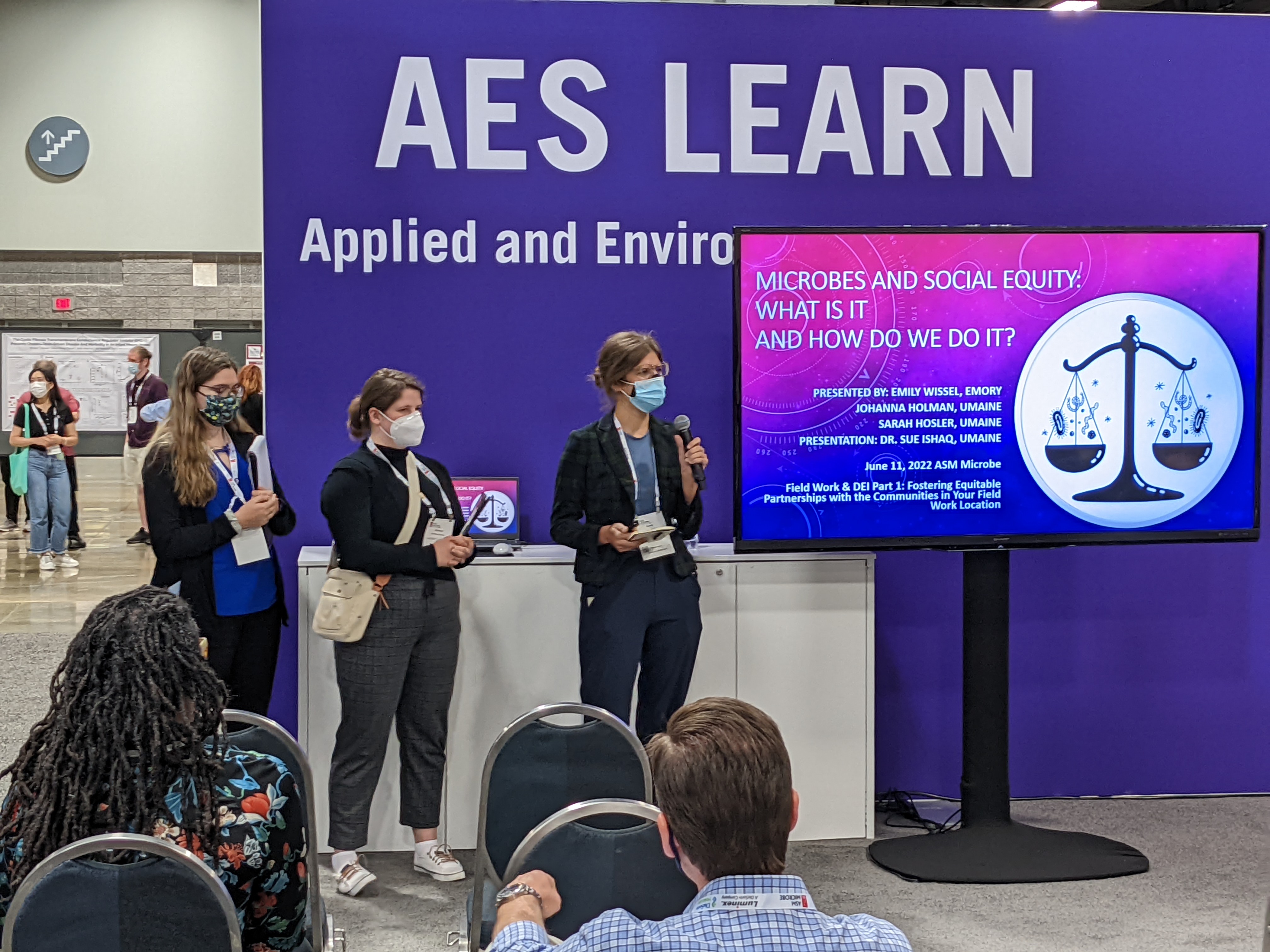
Eglee Zent is the mother of two sons and has an eclectic academic background (art history, anthropology, botany, conservation biology). She conducted graduate studies at universities in Venezuela (Instituto Venezolano de Investigaciones Científicas, IVIC) and the USA (Georgia and California at Berkeley). She has carried out ethno-ecological, eco-cosmological, ethnocartographic and microbiome research in the high Venezuelan Andes among Paramero people as well as in the lowland Amazon among the Jotï, an Amerindian group. Her research embraces trans-disciplinary epistemologies and approaches, drawing in material and ideological, quantitative and qualitative, aspects. Eglee is an Assistant Professor of Human Ecology at the University of Vermont and her presentation features Melissa Professor of Anthropology at the University of Delaware
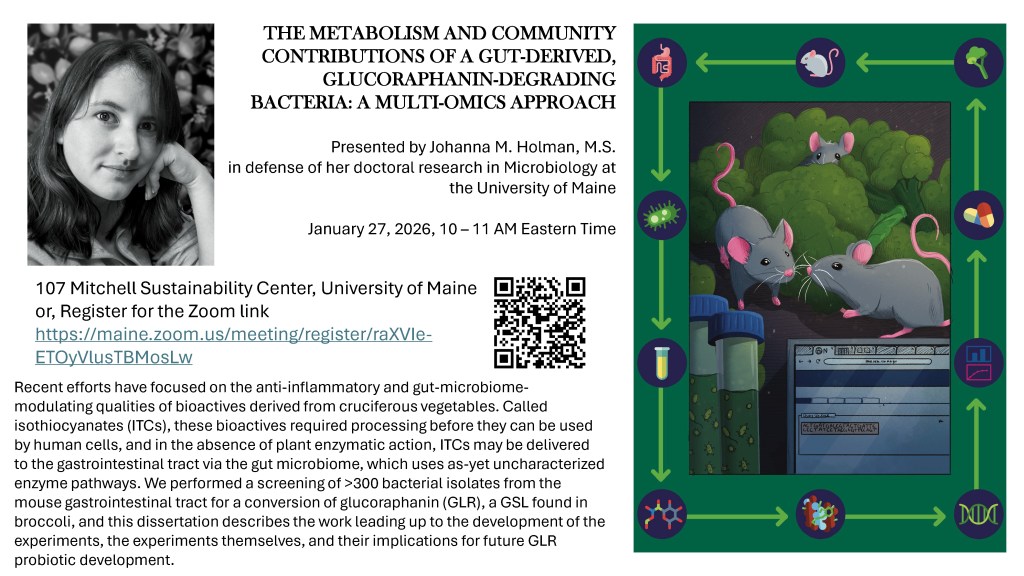
Johanna Holman is preparing to defend her doctoral dissertation in Microbiology on January 27th!
The presentation of her work is publically available from 10 – 11 am EST, and will take place on Zoom (register here).
Johanna joined my lab in 2020, first as a master’s student in Nutrition, then as a PhD student in Microbiology. She started her research career as a lab tech for some of my long-term collaborators, Yanyan Li and Tao Zhang, back when they were at Husson University in Bangor, Maine. She joined my lab to add microbiology to her existing nutrition and biochemistry background, and at this point, it might be easier to list which projects she hasn’t been a part of. She’s performed bacterial culturing, bacterial community analysis, genomics, transcriptomics, and protein prediction. She’s run diet intervention trials in mice and in people, and she’s trained nearly every student in my lab in the last 6 years in some type of lab work or data analysis. She has been a valuable collaborator on our intricate and lab-heavy projects, allowing the lab to coordinate up to 5 projects and 8 students simultaneously.
She’s written graduate research proposals for the NIH and USDA. She was awarded the Charles Morris and UMaine grad student award.
She’s been a teaching assistant for chemistry and biology, with an estimated 120 students per year. She’s a graphic designer (Imaginome Designs). She grew a whole human from scratch. She’s keen to learn and has always kept an open mind to new opportunities. Johanna has been instrumental in the knowledge generation and success of my lab, and we are so luck to have been a part of her journey.
The Ishaq Lab celebrated 6 years at UMaine this fall, which coincided with my first sabbatical! Here are some highlights, but you can check out previous blog posts in the archives for more detail. As usual, I have divided the summary into sections: Team, Research, Publications, Presentations, MSE, Teaching, Website, and Looking Ahead.
Team
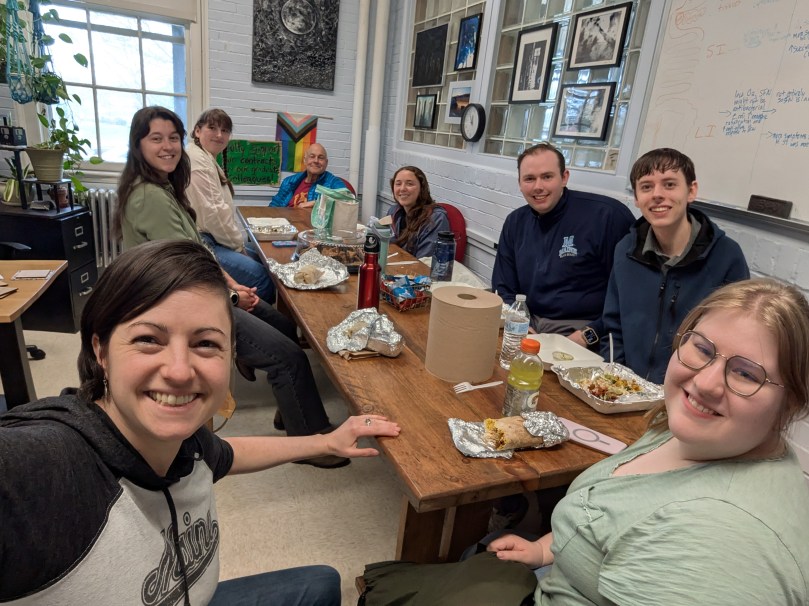
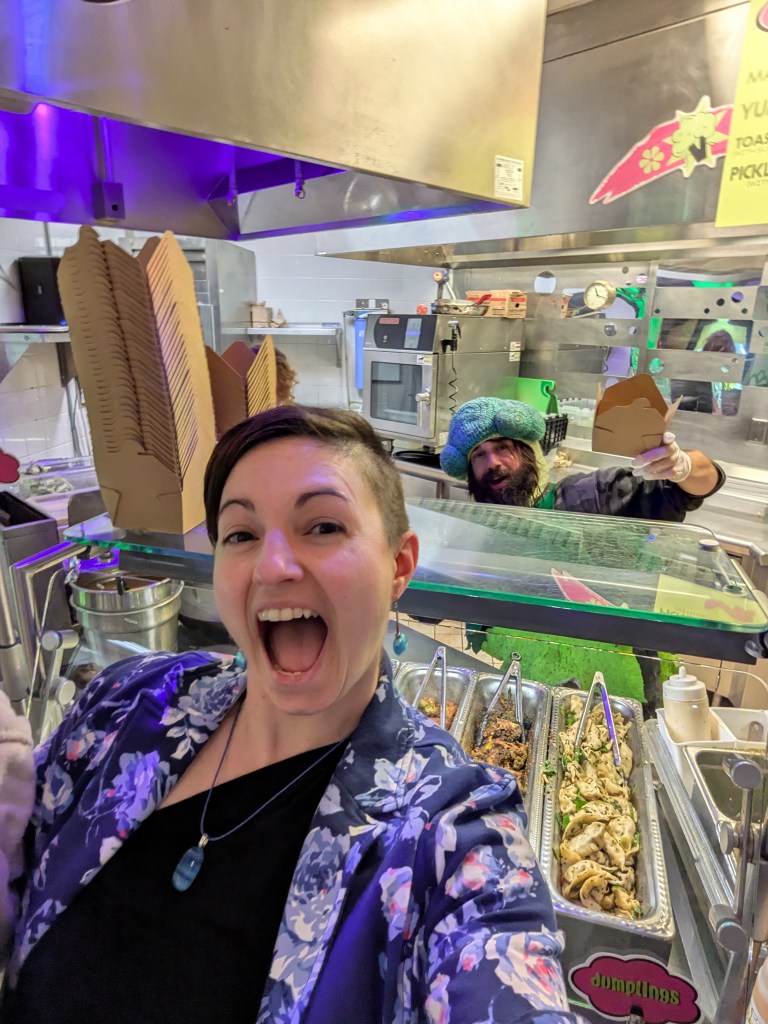
About half the lab and one of our collaborators was able to join us for an end-of year lunch.
Tolu Alaba and Sue Ishaq
Aaron Williams
Mia Poirier
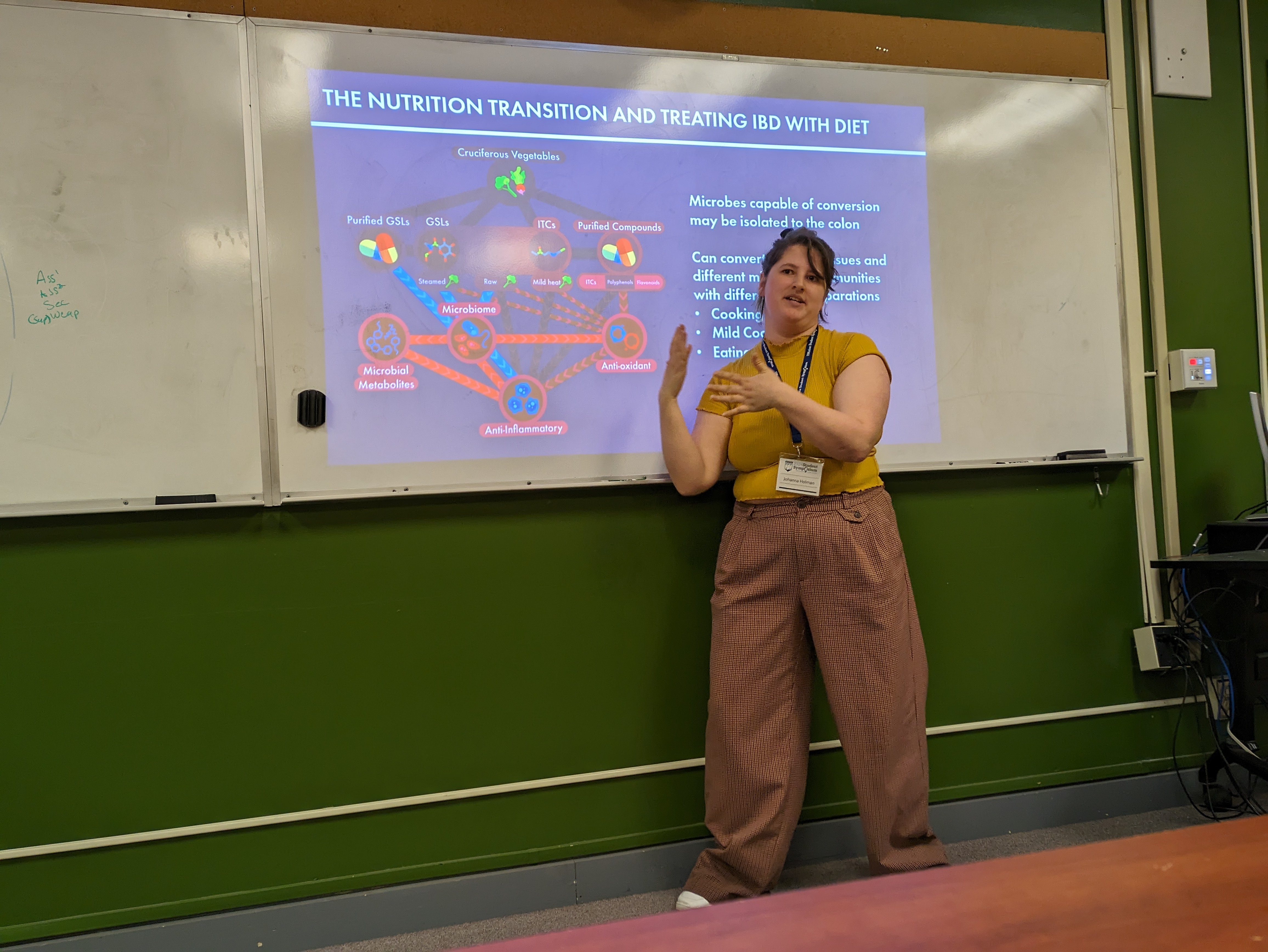
Johanna Holman presenting at the 2024 UMaine student research symposium
Sue and Alexis
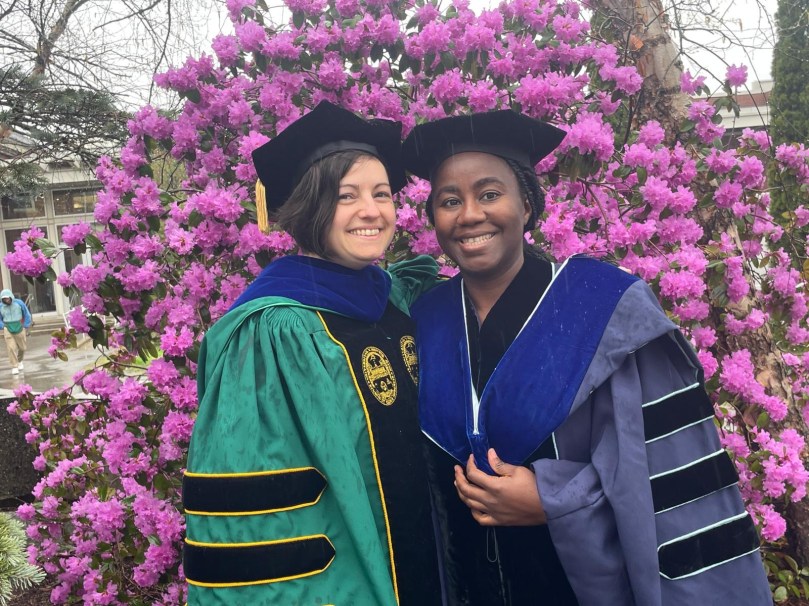
Lola Holcomb defended her dissertation and graduated with her PhD in Biomedical Science in May 2025! I was there to give her her PhD hood at the graduation ceremony. She was awarded a USDA pre-doctoral fellowship, sadly she had to decline because the delays in federal funding in 2025 resulted in the award notification being delivered after she graduated. She is currently a postdoctoral researcher at the University of New England. Lola continues to collaborate with the lab while we write up the results from her dissertation work for publication in a scientific journal.
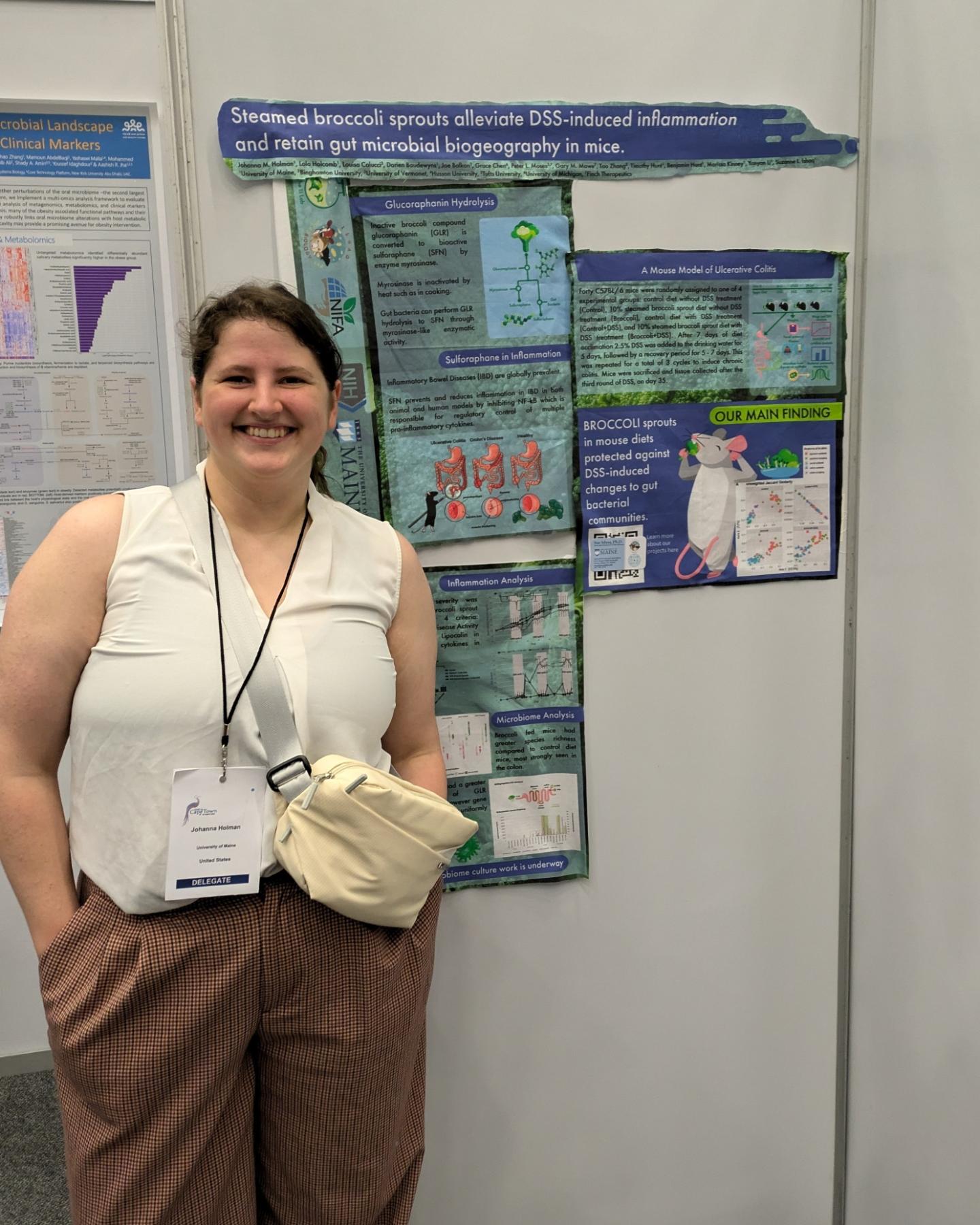
Johanna Holman, PhD candidate in the Microbiology program, is preparing to defend her dissertation early in 2026 (announcement forthcoming)! She was, once again, a teaching assistant at UMaine in Biology. In 2025, she added whole genome and RNA transcriptome genetic library preparation and data analysis to her impressive skillset. She presented her work several times this year, and has spent the past few months writing her work into a dissertation that will be converted to scientific manuscripts in spring 2026. She is planning on a postdoctoral research position focused on the gut microbiome and health (announcement in 2026).
Heather Richard passed her comprehensive exam early in 2025, advancing to PhD candidacy in the Ecology and Environmental Sciences program. She was, once again, a teaching assistant at UMaine in Biology. She’s been analyzing sequencing data from hundreds of samples from salt marsh sediments in Maine to understand how microbial communities affect carbon sequestration. She plans to defend her dissertation in summer 2026.
Alexis Kirkendall finished her second year, and advanced to PhD candidacy in the Microbiology Program. She was, once again, a teaching assistant at UMaine in Biology. She has focused on completing lab work related to probiotic development, for which she won a Graduate Student Research Award from the Bioscience Association of Maine!! Over the next year, she’ll focus on testing some of the probiotic candidates we have selected for their ability to reduce inflammation in vivo.
Ashley Reynolds, R.D., and PhD student (she would be a PhD candidate by now if only her committee could coordinate their schedules to hold a comprehensive exam) in Food and Human Nutrition program. This year, Ashley served as the Instructor for my AVS 254 Intro to Animal Microbiomes course while I was on sabbatical. She has been working on a literature review on diet, the gut microbiome, and neuroinflammation, as well as data analysis on fecal microbiome samples from people experiencing migraines.
Five undergrads graduated in May 2025, while four other undergraduates (some of whom are in the group photos above and listed on the Team page) worked in the lab over the summer and fall on various broccoli sprout projects, to complete their Capstone project or Honor’s thesis. Mia Poirier was awarded a CUGR undergraduate research award for her work. Most of those students are co-authors on the forthcoming publications on that work, thanks to the scale of their contribution. Collectively, the undergraduates contributed to a large-scale bacterial culturing project, a comparative gene project, and the administrative/organizational work required to keep a research lab running.
I was awarded sabbatical this fall, which allowed me to focus on revisions to my courses, revising research proposals to seek elusive federal funding, and supporting my students in writing their work into dissertations and publications. The “break” from teaching and advising allowed me to spend more time on research, including work on broccoli and gut microbiome as well as Microbiome Stewardship, administrative work such as leadership duties for the Microbes and Social Equity working group, and participating in research-curation initiatives, such as the creation of a Microbe Specialist group for the IUCN. I’ll write about my sabbatical experience in a separate post in 2026).
I continued the second year of my three-year term as the At-Large Early Career member of the Board of Directors of the American Society for Microbiology, which currently has >38,000 members around the world. I was honored to help with strategic planning to support microbiological sciences on an international scale, as well as defend training opportunities when funding was rescinded. I also started a three-year term as Senior Editor at the scientific journal mSystems.
Publications
We had a quiet year for lab research publications, as some of our manuscripts were delayed in the peer-review process for an entire year. We spent the last half of 2025 writing up all the projects we’ve been working on over the last few years (some projects take several years to complete), so we have a large number in preparation. But, it was an excellent year for conceptual papers and reviews. 1 undergraduate student I mentored, 2 graduate student I mentored
Alaba2, O.A., Ishaq, S.L., Chen, Y-Y., Calderwood, L.,Hao, J., Zhang, Y. 2025. Warming treatments shift the temporal dynamics of diversity and composition of bacteria in wild blueberry soils. Journal of Applied Microbiology. Accepted.
Yang, T., Canham, S., Kasthuriarachchi, T., Kirkendall2, A., Rahman, M.A., Bae, S.H., Zhang, T., Ishaq, S.L., Li, Y., Bai, S. Molecular and Functional Characterization of Nanoscale Broccoli Sprout–Derived Exosomes Reveals Surface Markers, miRNAs, and Targeted Anti-Inflammatory Efficacy. In review.
Athithan, P., Ishaq, S., Vercoe-Allen, E., O’Doherty, K. Microbes first into the life rafts: preserving microbiomes to secure health in degrading ecosystems. In review.
Lurgio2, A., Webb, A., Spillane, T., Rzeszowski, E., Jones, S., Ishaq, S., Becker, T., Kanwit, K., Brady, D.C. 2026. Seasonality of Vibrio parahaemolyticus in the eastern oyster, Crassostrea virginica, along the coast of Maine, USA. In review.
Mastaloudis**, A., Holcomb2**, L., Fahey, J.W., Olson, C,, Nieman, D., Kay, C., O’Donnell, R., Pecorelli, A., Kinney2, M,, Li, Y., Ishaq*, S.L., Valacchi*, G. 2024. Exogenous Myrosinase from Mustard Seed Increases Bioavailability of Sulforaphane from a Glucoraphanin-Rich Broccoli Seed Extract. In review for over a year. ** co-first author, * co-senior author.
Alaba2, T.E., Zhang, T., Li, Y., Ishaq, S.L. Steamed broccoli sprouts diet alleviates inflammatory bowel disease by increasing anti-inflammatory, antioxidant and gut protective metabolites in an ulcerative colitis mouse model. Back in review after predatory practices by the first journal we submitted to.
Holman2, J.M., Kirkendall2, A.,Holcomb2, L., Hunt1, T., Hunt1, B., Miriam Talalay1, M., Ruff1, A., Aaron Williams1, A., Kasthuriarachchi, T., Li, Y., Ishaq, S.L. Identification of bacteria that metabolize glucoraphanin to anti-inflammatory metabolites for reducing gut inflammation. In preparation.
Holcomb2, L. and Alaba2, T.E., et al.The Effects Of Steamed Broccoli Sprout Consumption On Gut Microbiota In Healthy Adults And Adults With Self-Reported Bowel Conditions In preparation.
Beijbom, O’Doherty, Beiko, Ishaq, Allen-Vercoe, Choudoir, Silva. 2025. Microbiome Stewardship (MiSt): Definition and Guiding Principles for Implementation. In preparation.
Alaba2, T.E., Holman2, J.M., et al. Broccoli Sprouts Alleviate Ulcerative Colitis in Mice By Increasing Dietary And Microbial Metabolites: Differential Effects In Young And Adult Male And Female Mice. In preparation.
Presentations
I had a very active year for presentations, and I was able to participate because of the funding support provided from the institutions that graciously invited me (some of which I forgot to take photos of). I also traveled to D.C. twice for ASM Board meetings this year, and Guelph, Ontario for a research collaboration meeting. Sadly, due to the reductions and delays in federal funding in 2025, my lab could not afford to travel to conferences.
“Place and Time Matter for Gut Microbes Making Anti-Inflammatories from Broccoli Sprouts”, Microbiology and Molecular Genetics departmental seminar series at the University of Vermont, Burlington VT, Oct 24, 2025.
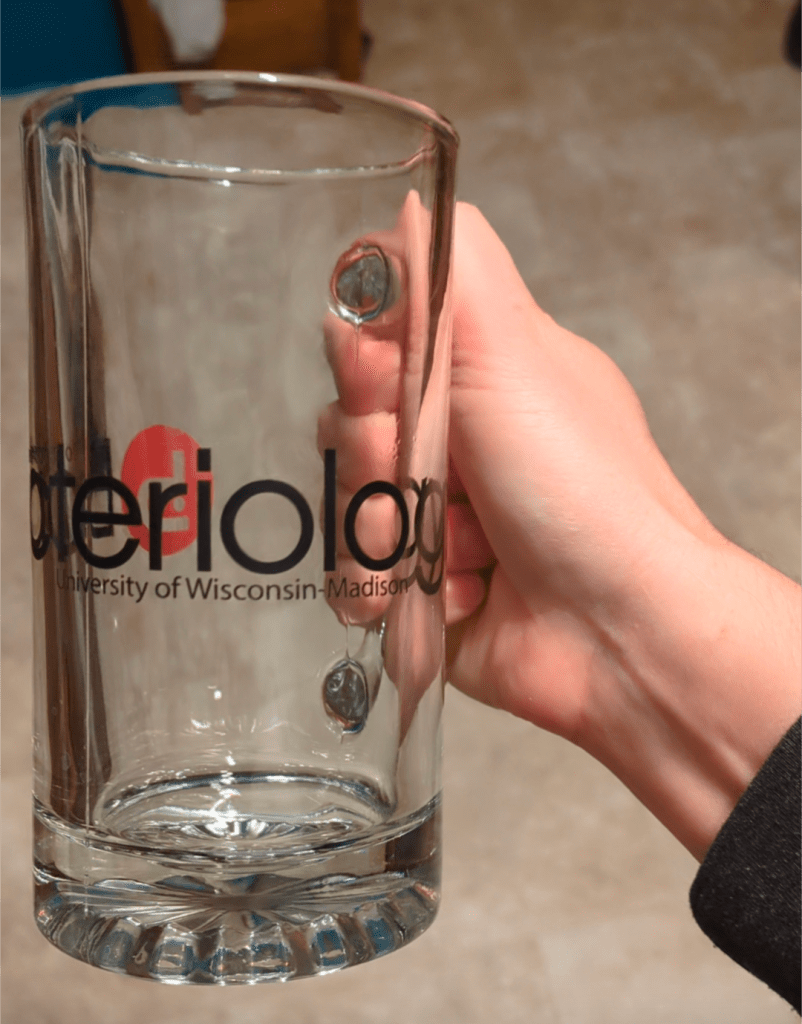
“Place and Time Matter for Gut Microbes Making Anti-Inflammatories from Broccoli Sprouts”, Distinguished Lectures in Microbiology at the University of Wisconsin, Madison, Oct 2, 2025.
Ishaq, S. Partnerships with gut microbes to improve health. South Dakota State University College of Pharmacy and Allied Health Professionals Convocation. Brookings, SD. April 23, 2025. (invited keynote)
Richard*, H., Ishaq, S., et al. How microbial monitoring could bring new insights into salt marsh ecosystems impacted by tidal restrictions. Coastal and Estuarine Research Federation meeting. Norfolk, VA. Nov 9-13, 2025.
Ishaq, S. Microbiome Stewardship…. What is that? Conservation in a Microbial World meeting to provide recommendations to the International Union for the Conservation of Nature (IUCN). La Jolla, CA. May 12-14, 2025. (invited)
Holman2, J., Kirkendall2, A., Sharma1, A., Nowak1, L., Li, Y., Ishaq, S. Novel broccoli-sourced anti-inflammatory conversion in mouse-gut bacterial isolates. UMaine Student Research Symposium, Orono Maine, April 11, 2025.
Kirkendall2, A., Holman2, J., Sharma1, A., Nowak1, L., Adjapong, G., Li, Y., Ishaq, S. Putative Anti-inflammatory Producing Gut Bacteria lessen IL-8 production in Cells from a Patient with Ulcerative Colitis. UMaine Student Research Symposium, Orono Maine, April 11, 2025.
Ishaq, S. Testing out an immunological mouse model of inflammation as a means of assessing diet to reduce symptoms. University of Vermont 2025 Neuroscience, Behavior, and Health Forum. Burlington, VT. February 1, 2025.
And from teams I collaborate with:
Miles*, M., Kantar, L., Simpson, B., Ishaq, S.L., De Urioste-Stone, S., Kamath, P. Characterization of Microbial Communities in Winter Ticks & Moose in Maine. European Society for Evolutionary Biology (ESEB) 2025 Congress. Barcelona, Spain. August 17-22, 2025.
O’Doherty*, K.C., Allen-Vercoe, E., Beiko, R.G., Choudoir, M.J., Ishaq, S.L., Silva, D. Microbiomes and critical health psychology: Social equity, culture, and environments. International Society for Critical Health Psychology. Galway, Ireland. July 1-4, 2025.
Escudero Alejos*2, B., J. B. Poblete,M. Chusho Guevara, A. P. Jimenez Lagos, J. M. Sandro, A. S. Mindiola, S. L. Annis, G. Pereira, L. Ferraretto, E. Cole Diepersloot, J. P. Alvez, Y. Jiang, M. A. Quaassdorff, T. Stahl, S. Ishaq, L. Stevens-Rosa, E. Herrero, H. R. L. Neto, E. Rodberg, and J.J. Romero. Fungal, nutritional, and mycotoxin composition of alfalfa-grass hay mixtures samples from the northeast and northcentral regions of the United States. American Dairy Science Association. Louisville, KY. June 22–25, 2025.
Beiko*, R., Choudoir, M.J., Ishaq, S.L., Silva, D.S., Allen-Vercoe, E., O’Doherty, K.C. Microbiome Stewardship Is Necessary, But What Exactly Should We Steward? Canadian Society of Microbiologists 7th Annual Conference. Université de Montréal, Quebec. June 17-20, 2025.
I also gave an interview on a podcast/webinar this year:
Broccoli sprouts once again dominated our research agenda with a handful of ongoing projects. Most of those are still in progress, so we don’t have detailed information to share yet, but here are some summaries.
96 well plateSpectrophotometer
We spent much of the year in the lab working on a 24-hour plate-based assay to screen >330 bacteria for growth in the presence of glucoraphanin under different conditions. This required the help of many of the graduates and undergraduates, and me! We identified 32 bacteria that were of interest to us because they grew better or worse in the presence of glucoraphanin in their culture media as compared to just being in just the culture media alone. We using Sanger Sequencing of the 16S rRNA gene to get a quick identification of our bacteria, then proceeded with whole-genome sequencing to get a high-resolution identification of the bacteria, as well as which genes they posses.
We conducted RNA transcriptomics on a few bacteria to see which genes were up/down regulated (used more or less) when they were grown with glucoraphanin versus without it. Since very little previous research has been able to identify the genes that bacteria use to convert inactive glucosinolates into anti-inflammatory and anti-oxidant isothiocyanates, we are hoping the genomic and transcriptomic data gives us a list of possible genes to target for future research. Now that we have identified which bacteria can convert glucoraphanin into sulforaphane, we can test them out as possible probiotics to resolve Inflammatory Bowel Disease. Our work this year has been graciously supported by the UMaine Institute of Medicine, and student research awards from the Biomedical Association of Maine.
Here I am making up a plate for the bacterial culturing trial.
I have also been busy with conceptual research (not lab-based) this year. Along with three different research groups, I have been writing manuscripts, giving presentations, and designing workshops broadly around improving the process of science.
Much of that has been related to the Microbiome Stewardship working group, funded by the Canadian Institute for Health Research, and featuring Drs. Kieran O’Doherty, Rob Beiko, Emma Allen-Vercoe, Mallory Choudoir, and Diego Silva, as well as Lola Holcomb. Over several years, out working group will generate a working definition and framework for the concept of microbiome stewardship, which is essentially that we should use policy and practice to ensure we don’t degrade the microbial ecosystems which are critical to life on earth. We will also foster case studies on how other researchers have integrated their microbiome science with equity, education, or policy to make a bigger impact. We published a prospective piece, and hope to publish our working definition in 2026.
In July 2025, the Stewardship group, along with the Microbes and Social Equity working group, hosted a research summit on microbiome stewardship, which was held virtually when federal funding was cut off in early 2025 for conferences. The summit was a success, and really elevated our conversations on the practicality of microbiome stewardship, which culminated in a research group workshop in Dec 2025.
Microbes and Social Equity working group
The MSE group has more than 350 members, and about 150 additional people just subscribed to our newsletter. Last year, we added an elected Board of Directors, who spent much of the year drafting By-Laws for group governance, a Code of Conduct, and the beginnings of a Strategic Plan. In 2026, the MSE Board votes to enact these.
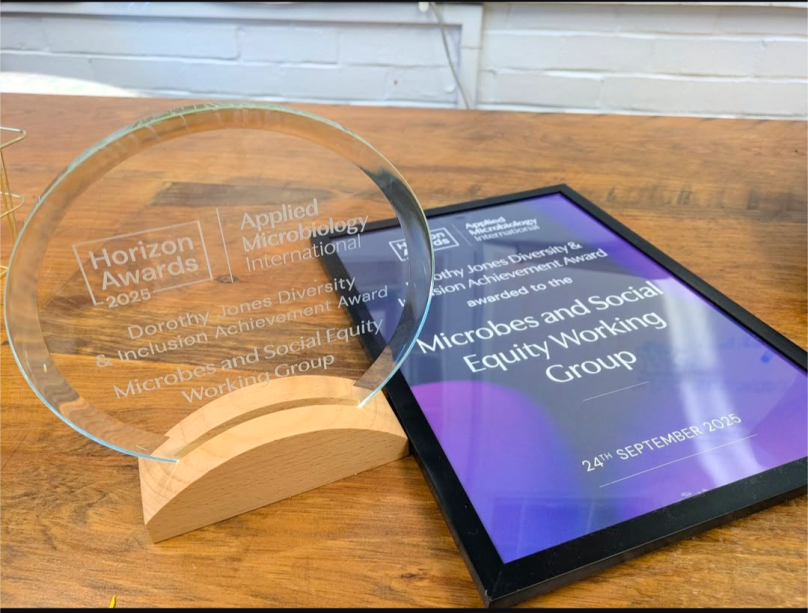
We migrated the MSE webpage over to its beautiful new site, hosted and maintained by Applied Microbiology International. MSE was awarded the 2025 Dorothy Jones Diversity and Inclusion Achievement Award.
In 2025, we stuck with the monthly seminar series, and began to partner with Applied Microbiology International to help us promote events. These events attracted >380 attendees or viewers of the recordings and >900 registrations, and while these numbers are slightly lower than previous years, we attribute this to the reduced number of events (9 instead of 12, as the speakers in February, August, and December needed to reschedule in 2026 due to personal constraints). Some of the seminar recordings can be viewed here.
Speaker name
Institution
Title of the Talk
Adina Howe, PhD
Iowa State Univ.
The Scoop on Poop: Agricultural microbiomes and social equity
Adriana Romero Olivares, PhD
New Mexico State Univ.
Fungal responses to global climate change and potential impacts to our ecosystems and public health
Geo Santiago-Martínez, PhD
Univ. of Connecticut
The role of methane-producing anaerobes in One Health
Julianne Meisner, BVM&S, MS, PhD
Univ. of Washington
Relational One Health: a more-than-biomedical approach to more-than-human health
Chelsey Spriggs, PhD
University of Michigan Medical School
Viral Entry: Lessons from Pathogens to Improve Human Health
Landon Getz, PhD
Univ. of Toronto
Defending against Phage Predators: Trading Public Goods via Integrons
Kristen DeAngelis, PhD
Univ. of Massachusetts Amherst
Healthy Soils: Our Hope for a Warming World
Kat Milligan-McLellan, PhD
Univ. of Connecticut
The journey of one Inupiat through academia: Diversity Matters
Mathieu Groussin, PhD
Kiel Univ.
Industrialization drives convergent microbial and physiological shifts in the human metaorganism
Teaching
This was a unique year for teaching, as I taught 2 AVS Capstone courses in the spring, but because I was on sabbatical (break from teaching and advising) in the fall, my 2 fall courses were taught by other instructors. But, it was still busy because I was overhauling one of those courses during the semester. I’ll tell you all about it in a post next year!
I expanded the social media reach of the lab by joining two new platforms in 2024, The Nova Integration Hub as I have been a member of the Nova Network for the past two years, and Bluesky. This expanded the number of followers >5,250 across those platforms and twitter, facebook, instagram, linked in, mastodon, and subscribers to my blog. The website attracted ~8,500 visitors and ~13,800 views, bringing it to >73,000 total visitors and >132,000 total views since 2016.
In 2025, I wrote >20,800 words across 50 blog posts, although many of these were event posts for the Microbes and Social Equity speaker series. My most popular post of the year is still the one on academic tenure with >8,400 views.
Looking ahead to 2026
The lab already has a lot planned for 2026! Johanna intends to defend her PhD dissertation in early 2026 and graduate in May, Heather will be defending hers and graduating in summer 2026. Ashley will take her comprehensive exam. Undergraduates Mia Poirier, Alexandra Ruff, and Aaron Williams will all be graduating in May and going on to bigger and brighter opportunities. We expect a bunch of new manuscripts on our current research to be submitted for peer review to scientific journals, and already have presentations planned at the UMaine Student Research Symposium. I’ll be in D.C. for Board meetings in March and June (as part of the ASM Microbe 2026 meeting), and I’m currently setting up guest lectures and seminars for next year (announcements forthcoming).
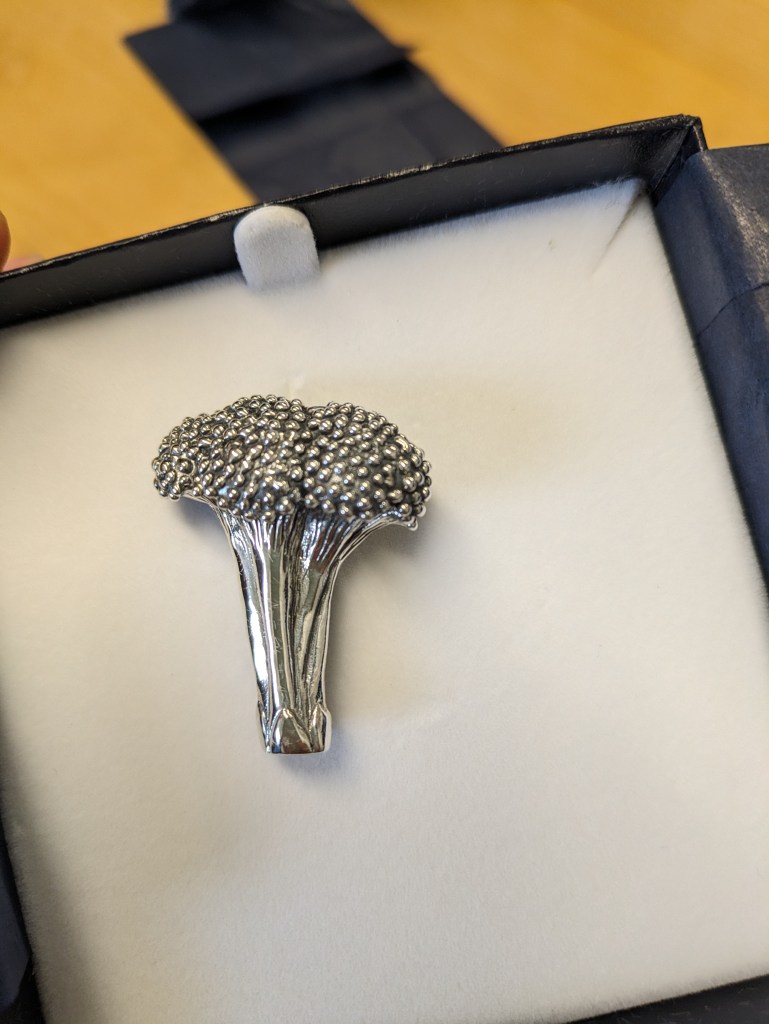
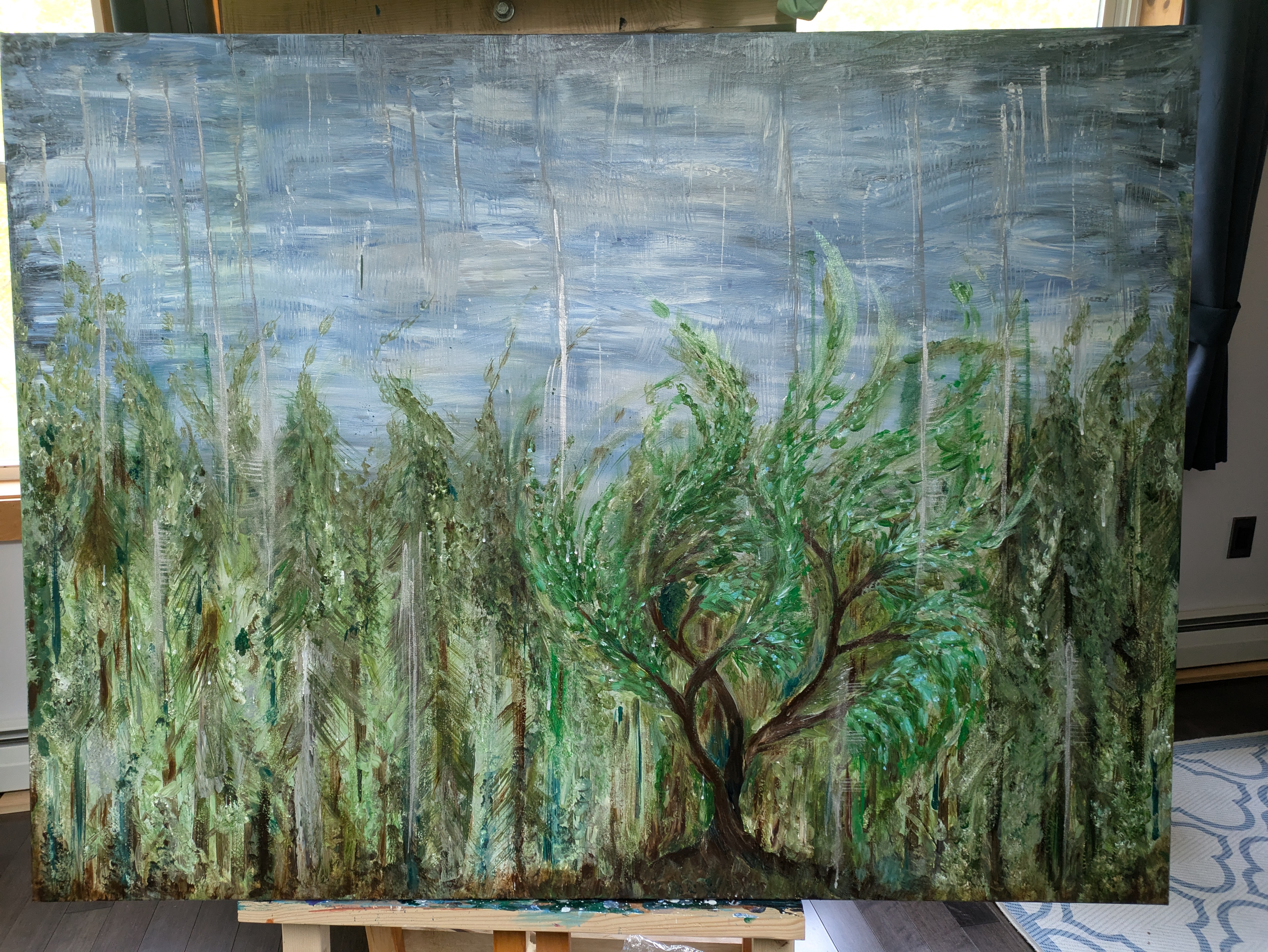
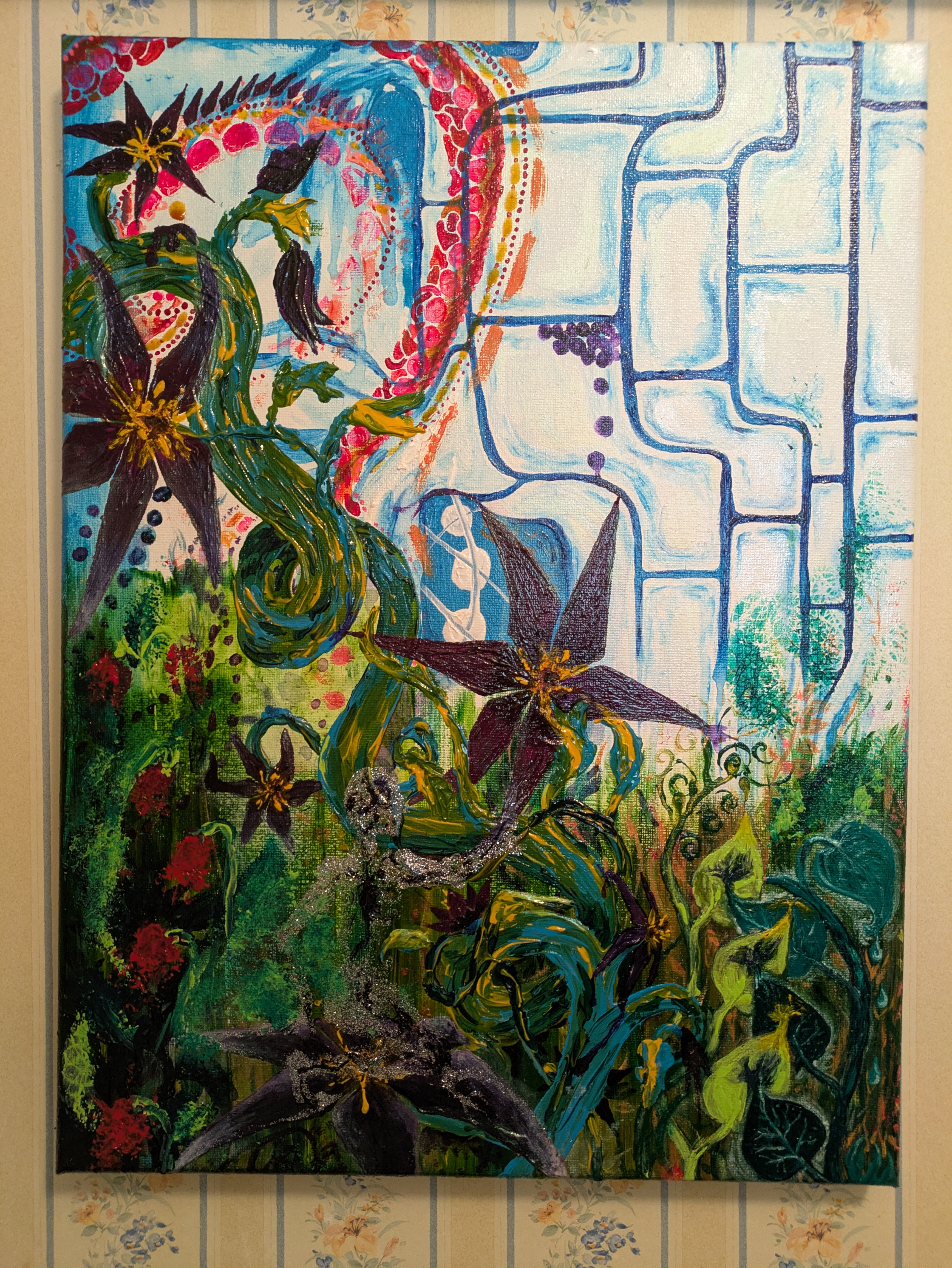
Other than all that, I’m looking forward to continuing the work-life balance I fought tooth-and-nail for all of 2025, and to continue to carve out time to paint. 2025 was an incredibly productive creative year for me, and something that helps me unwind and think about my work abstractly — the key to scientific discovery.
Congratulations to the University of Maine Graduate Student Union on their first contract with the university system!! After years of negotiations and patience, the graduate students won greater recognition of their critical role as university employees, with that gratitude expressed as a livable wage (stipends had not increased in the 7 years I have been at UMaine despite the pandemic and cost of living inflation), partial health insurance coverage (costs were creeping up to 20% of their annual salary), partial dental coverage (they had no dental before), and tuition remission for select majors (to facilitate some much needed workforce development in Maine).
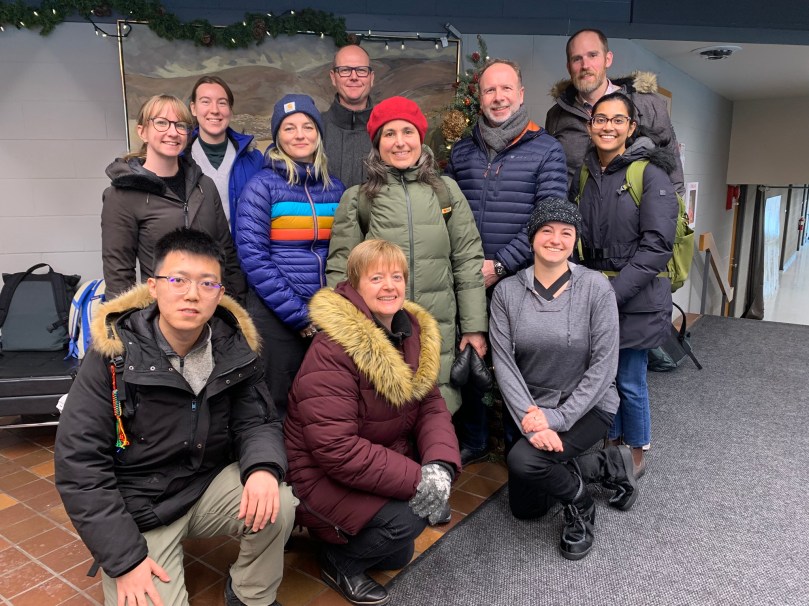
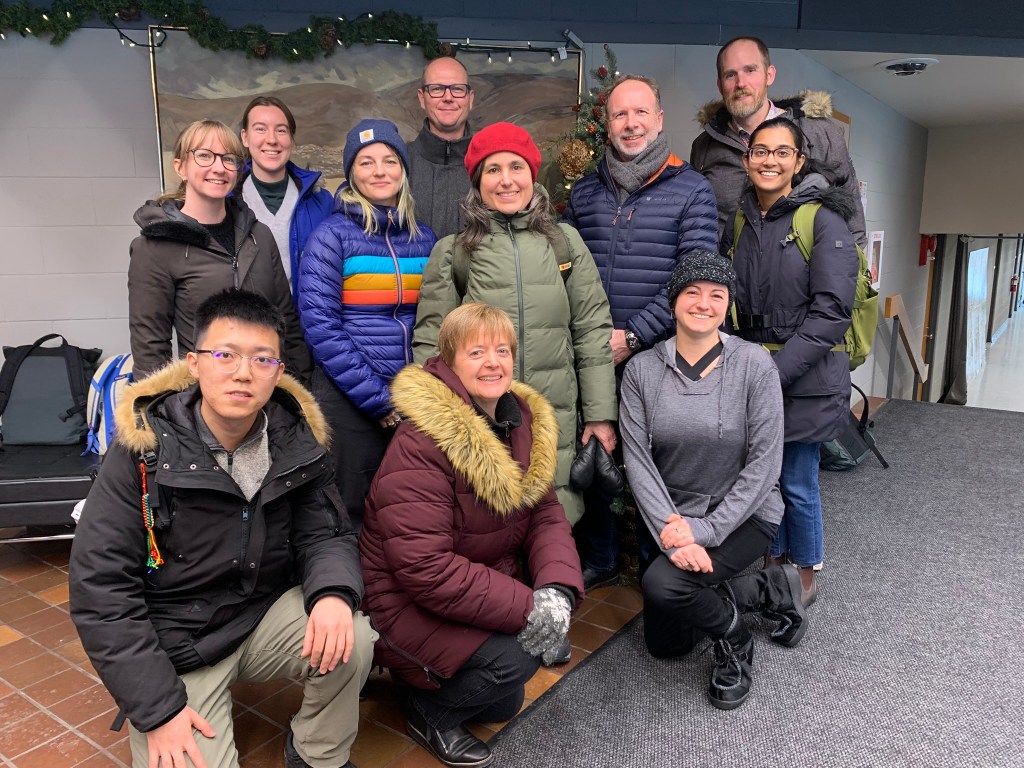
Last week in Guelph, Ontario, Canada, I had the unique please of “nerding out” with long-time colleagues (who I was meeting in-person for the first time) about microbial ecology questions that we wanted to answer, the science fiction we were reading, which metal band to listen to for the winter holidays, how to perform large-scale research on a tight budget, and whether the next season of whatever show had piqued our interest would be any good. The nerds-in-question are the Microbiome Stewardship research group, led by the intrepid Kieran O’Doherty, that I’ve been a part of for the past few years (and longer, counting the time we’ve collaborated through the Microbes and Social Equity working group).
Left to right; front: Zhongzhi (Michael) Sun, Emma Allen-Vercoe, Sue Ishaq; middle: Mikaela Beijbom, Mallory Choudoir, Sarah Elton, Kieran O’Doherty, Panuya Athithan; back: Grace Gabber, Andreas Heyland, Rob Beiko.
Over two days, my microbiome stewardship colleagues and I (both original team and expansion pack researchers) shaped our concept of what it means to share microbes between individuals, communities, and ecosystems; what it would mean to consider microbes as a natural resources to which everyone had an innate right to; and how it would look for public and planetary health to reduce the harm of human industry and consumerism to live more sustainably and regain all the benefits that the microbial world can provide us. Our of this meeting, we imagined what the focus of our next year or two of research will look like, as individual researchers and as a group, as we embark on the next phase of our multi-year project: case studies of how microbiome stewardship could be tailored, implemented, and evaluated. These studies will be published as they are completed and pass peer review, in a scientific journal online (announcement forthcoming).
This research ideation meeting followed two years of conversation, presentations, a symposium (sessions can be viewed here), journal articles, and a whole lot of research-, personnel-, and travel-coordination on the part of our research wrangler, Mikaela Beijbom, who has been helping us to organize our words and activities for the past 8 months.
As this tumultuous and combative year comes to a close, and as I prepare to end the “break” which was my semester-long sabbatical and return to 50-hour work weeks, the precious opportunity to let our minds wander – through work, life, and play – was a brief return to the pure joy of scientific discovery which drew us all to our careers. This year, scientists have faced hurdle after hurdle placed by the very public research institutions which were created to help us seek knowledge on behalf of the public good. Funding cuts have reduced the scientific workforce; lost precious time, expertise, and data; and disrupted the innovation and ideation process which research forges. Yet, the time I spent with colleagues last week was a reminder that knowledge generation, public good, scientific inquiry, and collaboration are values which cannot be defunded, banned, or curtailed so easily. As for our group, we’ll keep meeting (virtually, at least) throughout 2026 and beyond, for the love of science.
She’s been in the Ishaq lab for over a year working on several projects related to broccoli sprouts and microbial communities in the gut. This award will support Mia’s time in the lab while she develops hands-on and research skills, and help her on her path to medical school after graduation. The award will also enable the lab to run a pilot (small) experiment to test the strategy of providing a probiotic to mice to reduce gut inflammation through microbial bioactive compounds.
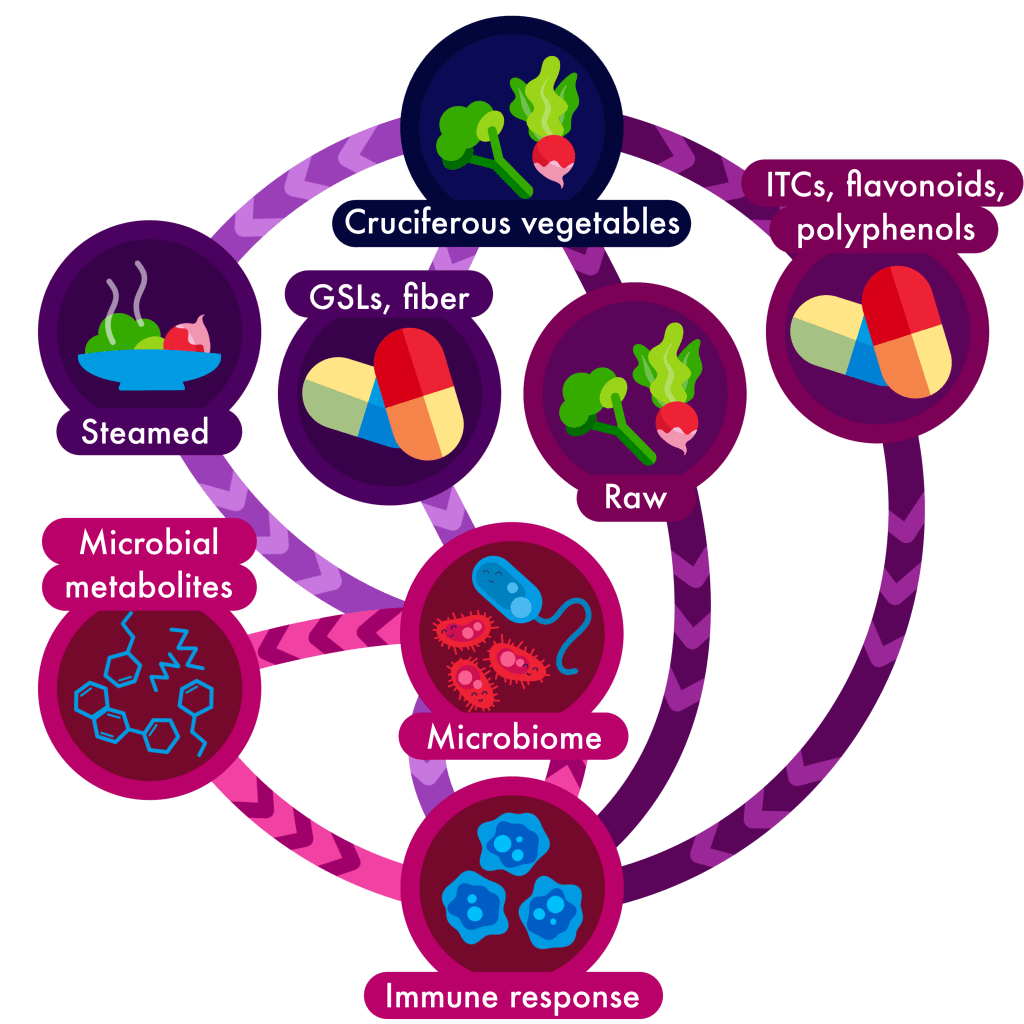
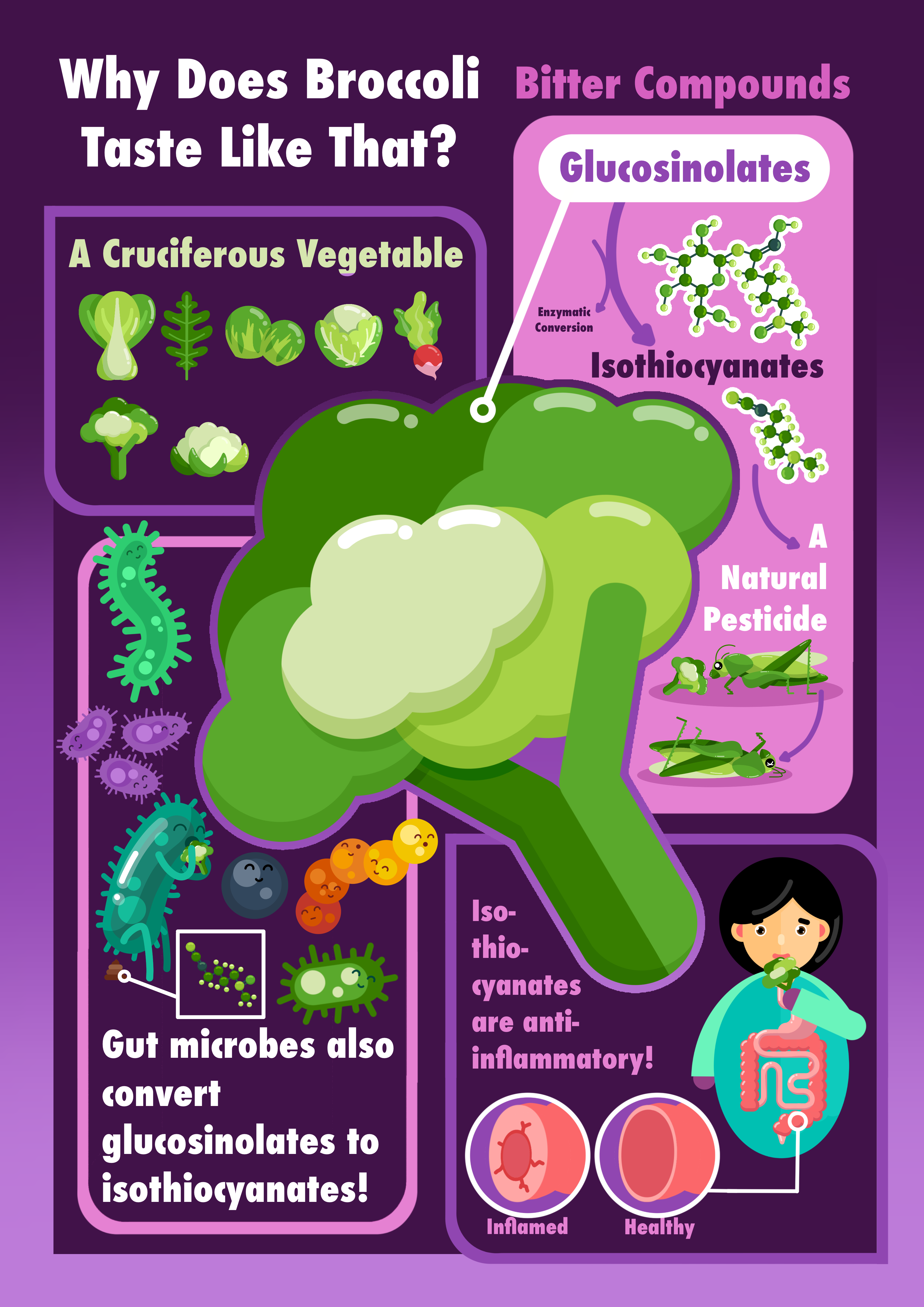
Graphic created by Johanna Holman. Published in Holman et al. 2021 J Nutr Biochem.
“Identifying a Probiotic That Maximizes The Conversion of Glucoraphanin In Vivo To Sulforaphane Found In Broccoli Sprouts”
Abstract: Inflammatory Bowel Disease (IBD) incidence has grown in recent decades and encompasses a broad spectrum of chronic inflammatory disorders. Though there is no definitive cure, there are quantitative and qualitative aspects of IBDs that can be targeted to reduce inflammatory effects, such as genetic factors, epithelial histology, cytokines, and the gut microbiome. Glucosinolates (GLs) found in cruciferous vegetables can be converted into Glucoraphanin (GLR), which can subsequently be converted into sulforaphane (SFN) by plant enzymes. SFN has been shown to contain antioxidant and anti-inflammatory properties in animals; however, animals contain the enzyme required for the conversion of GLR to SFN. It has been demonstrated that mammalian gut microbiota can also convert GLR into SFN available to the host. This is highly variable, and some people exhibit no microbial conversion. This study aims to identify a bacterial strain that can act as a probiotic converting GLR to SFN in vivo in salt-treated Ulcerative Colitis-imitating mice.
The new IUCN Microbe Specialist Group, led by Drs. Jack Gilbert and Raquel Peixoto, has published a prospectus which outlines our goals and activities for the next few years, as well as steps for recruiting research and policy expertise!
The IUCN Microbe group is led by Drs. Jack Gilbert and Raquel Peixoto, who are internationally famous for their research into environmental microbiomes as well as their contributions to conservation. The group recently announced its formation in an editorial:
Gilbert, J., Peioto, R., Scholz, A., Dominguez-Bello, M.G., Korsten, L., Berg, G., Singh, B., Boetius, A., Wang, F., Greening, C., Wrighton, K., Bordenstein, S., Jansson, J., Lennon, J., Souza, V., Thomas, T., Cowan, D., Crowther, T., Nguyen, N., Harper, L., Haraoui, L-P., Ishaq, S., Redford, K. 2025. Launching the IUCN Microbial Conservation Specialist Group as a global safeguard for microbial biodiversity. Nature Microbiology 10:2359–2360. (correspondence)
Now that the Microbe Group has been assembled and set our goals, we will begin setting up international working groups for implementing conservation, and opening the group for global supporting membership.
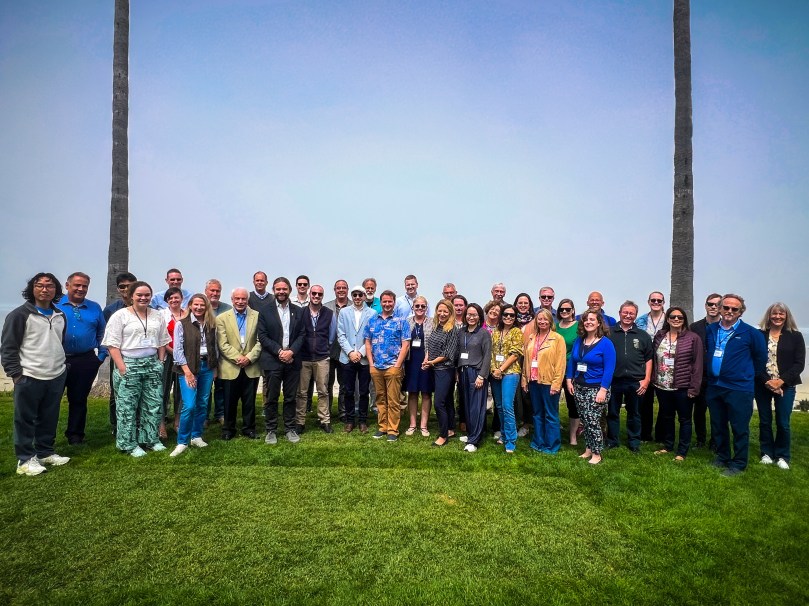
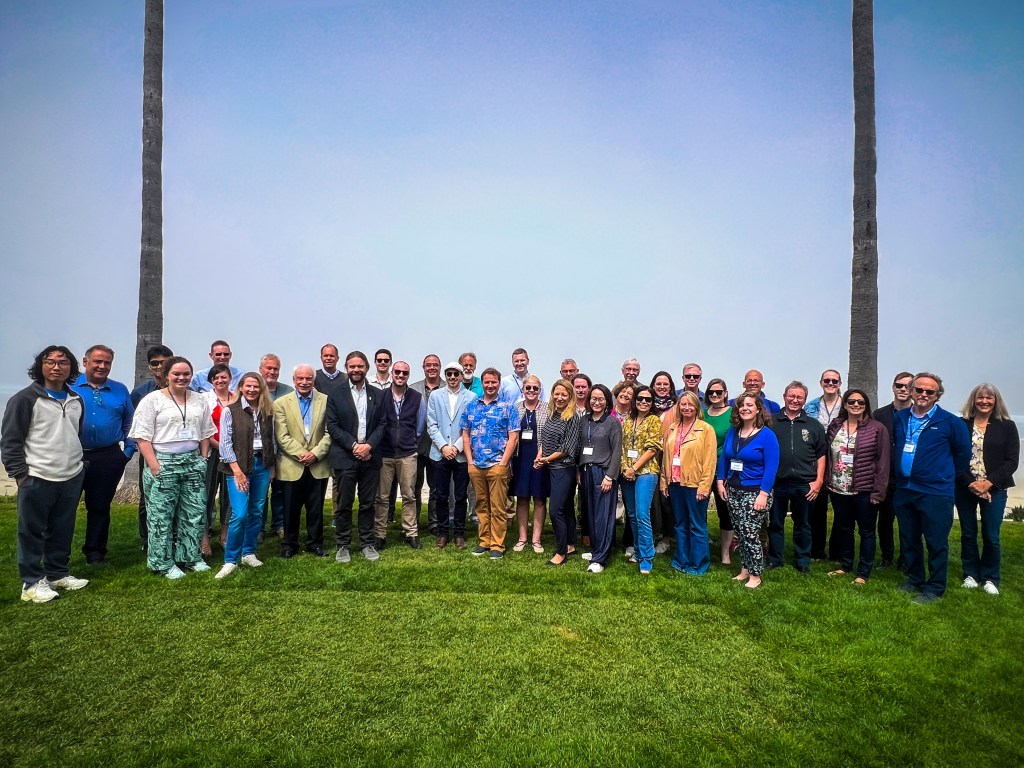
Back in May, I had the honor of attending a three-day workshop on “Conservation in a Microbial World“, which gathered researchers, innovators, and policy makers to discuss the concept, need, logistics, and possibility of formally making microorganisms part of the considerations of the International Union for the Conservation of Nature (IUCN), the global organization which coordinates the protection of species and ecosystems. The meeting was to provide guidance to the IUCN Species Survival Commission (SSC) on microbial ecology, ecosystems which are at risk or already losing micobial diversity because of degradation and human activities, as well as strategies to bring attention to the need to consider microbes in the health of organisms and ecosystems.
Attendees of the 2025 Conservation in a Microbial World meeting, Scripps, La Jolla.


















 The Ishaq Lab