Lola passes her comprehensive exam!

Congratulations to Lola Holcomb, for passing the graduate comprehensive exam!! She now goes from being a PhD student to a PhD candidate, and for the next few years will focus on developing her own research designs and writing her thesis.

The exam was set by her PhD program in the Graduate School of Biomedical Sciences and Engineering, and involved writing a 6-page research proposal over the past two months, and on the day of, giving a 1-hour presentation and answering questions from her committee for up to two hours. The focus of the proposal and the presentation are a hypothetical experiment she designs on a topic that is similar to her existing research but not directly related. In that way, you can test a student’s ability to translate their existing knowledge and fact-finding skills to a totally new area and see how well they can reason through a new problem. The committee will ask students to explain their thought process, methods, and how they will assess the progress on the hypothetical project. It’s a long and arduous process, but Lola’s depth of knowledge and ability to problem-solve helped her pass with ease!

Paper by former colleagues published on rainbow Trout (Oncorhynchus mykiss) midgut and hindgut microbiomes using whole shotgun metagenomics

As a postdoc at Montana State University in 2015/2016 with Carl Yeoman’s lab, I consulted on a project led by then-PhD student Lola Betiku on a metagenomics dataset from two locations from the digestive tract of trout. Lola is now an Assistant Professor at Florida A&M University, and has been kind enough to continue working on this project to get it published. It was just accepted in the journal Aquaculture Reports!

Citation

Betiku, O., Yeoman, C., Gaylord, T.G., Ishaq, S., Duff, G., Sealey, W. 2023. Evidence of a Divided Nutritive Function in The Rainbow Trout (Oncorhynchus mykiss) Mid- and Hind-Gut Microbiomes by Whole Shotgun Metagenomic Approach. Aquaculture Reports 30: 101601.

Highlights

  • •Animal and plant protein diets were fed to rainbow trout in a commercial setting.
  • •Shotgun metagenomic analysis of the mid-GIT and hind-GIT was carried out.
  • •Diets influenced microbial compositions in the two GIT sections.
  • •Animal protein-based diet provided metabolites for microbial protein fermentation.
  • •Plant-based diet enhanced amino acid catabolism in the mid-GIT section.

Abstract

The nutritive role and ecology of gut-dwelling microbes in rainbow trout remain enigmatic. To improve our understanding of the rainbow trout gastrointestinal tract (GIT) microbiome, we performed whole shotgun metagenomic analyses on the assembled contigs from luminal contents from both mid- and hind-GIT regions for taxonomic and functional classifications of fish-fed animal and plant protein dietary sources. Our study revealed that trout respond well to the two diets containing animal and plant protein sources when supplemented with essential amino acids to meet the requirements of the fish. Microbes present were predominantly bacteria (89.9%) and mainly of the phyla Tenericutes, Firmicutes, Fusobacteria, and Proteobacteria. Eukaryotic (8.8%) microbes were mainly from phyla Ascomycota and Basidiomycota, while Archaea (<1%) were also present and predominantly from the phylum Euryarchaeota. Comparisons of genus-level classifications and functional profiles revealed compositional differences in these GIT locations that appear modulated by differences in the dietary treatments. The functional analysis provided evidence of amino acid biosynthesis/catabolism and methane production in the mid-GIT, while in the hind-GIT, proteolytic hydrolysis and butyrate metabolism were expressed in the trout fed with plant protein diet. The animal protein-based diet provided metabolites for microbial protein fermentation in the hind-GIT. Our report highlights and identifies the potential nutritive contributions of GIT microbes to trout and a potentially crucial functional division along the GIT. Finally, the plant-based diet enhanced amino acid catabolism in the midgut section, while the hindgut section supports evidence of methanogen fermentation.

Upcoming presentations at the American Society for Nutrition conference

The Ishaq Lab will be presenting at a few research conferences this summer, with a few more in the works for the fall.

Broccoli sprouts in a tray

American Society for Nutrition meeting, July 22-25, 2023, Boston, Massachusetts

Steamed broccoli sprouts alleviate gut inflammation and retain gut microbiota against DSS-induced dysbiosis.

Poster, abstract P20-022-23, July 23

Authors: Johanna M. Holman*1, Lola Holcomb2, Louisa Colucci3, Dorien Baudewyns4, Joe Balkan5, Grace Chen6, Peter L. Moses7,8, Gary M. Mawe7, Tao Zhang9, Yanyan Li1, Suzanne L. Ishaq1

Affiliations: 1 School of Food and Agriculture, University of Maine, 2 Graduate School of Biomedical Sciences and Engineering, University of Maine, 3 Department of Biology, Husson University, 5 Department of Chemical and Biological Engineering, Tufts University, 6 Department of Internal Medicine, University of Michigan Medical School, 7 Departments of Neurological Sciences and of Medicine, Larner College of Medicine, University of Vermont, 8 Finch Therapeutics, 9 School of Pharmacy and Pharmaceutical Sciences, SUNY Binghamton University.

Objectives: Inflammatory Bowel Diseases (IBD) are devastating conditions of the gastrointestinal tract with limited treatments, and dietary intervention may be effective, affordable, and safe for managing symptoms. Ongoing research has identified inactive compounds in broccoli sprouts, like glucoraphanin, and that mammalian gut microbiota play a role in metabolizing it to the anti-inflammatory sulforaphane. The objectives were to identify biogeographic location of participating microbiota and correlate that to health outcomes. 

Methods: We fed specific pathogen free C57BL/6 mice either a control diet or a 10% steamed broccoli sprout diet, and gave a three-cycle regimen of 2.5% dextran sodium sulfate (DSS) in drinking water over a 40-day experiment to simulate chronic, relapsing ulcerative colitis. We monitored body weight, fecal characteristics, fecal lipocalin, and sequenced bacterial communities from the contents and mucosa in the jejunum, cecum, and colon. 

Results: Mice fed the broccoli sprout diet while receiving DSS performed better than mice fed the control diet while receiving DSS for all disease parameters, including significantly more weight gain (2-way ANOVA, p < 0.05), lower Disease Activity Index scores (2-way ANOVA, p < 0.001), and higher bacterial richness in all gut locations (linear regression model, p < 0.01 for all locations measured). Bacterial communities were assorted by gut location except in the mice receiving the control diet and DSS treatment (Beta-diversity, ANOVA, p < 0.05 for each). Importantly, our results suggested that broccoli sprout feeding completely abrogated the effects of DSS on gut microbiota, as bacterial communities were similar between mice receiving broccoli sprouts with and without DSS. 

Conclusions: Spatially resolved microbial communities provide greater insight when investigating host-microbe interactions. Here, we show that a 10% broccoli sprout diet protects mice from the negative effects of dextran sodium sulfate induced colitis, that colitis erases biogeographical patterns of bacterial communities in the gut, and that the cecum is not likely to be a significant contributor to colonic bacteria of interest in the DSS mouse model of ulcerative colitis. 

Funding Sources: This work was funded by the NIH, USDA, NSF NRT, and UMaine GSBSE.


Early life exposure to broccoli sprouts confers stronger protection against enterocolitis development in an immunological mouse model of inflammatory bowel disease.

Poster, abstract P20-021-23, July 23

Authors: Lola Holcomb*1, Johanna Holman2, Molly Hurd3, Brigitte Lavoie3, Louisa Colucci4, Gary M. Mawe3, Peter L. Moses3,5, Emma Perry6, Allesandra Stratigakis7, Tao Zhang7, Grace Chen8, Suzanne L. Ishaq1, Yanyan Li1

1 Graduate School of Biomedical Sciences and Engineering, University of Maine, 2 School of Food and Agriculture, University of Maine, 3 Larner College of Medicine, University of Vermont, 4 Department of Biology, Husson University, 5 Finch Therapeutics, 6 Electron Microscopy Laboratory, University of Maine, 7 School of Pharmacy and Pharmaceutical Sciences, SUNY Binghamton University, 8 Department of Internal Medicine, University of Michigan Medical School.

Objectives: Inflammatory Bowel Diseases (IBD) are chronic conditions characterized by inflammation of the gastrointestinal (GI) tract that burden daily life, result in complications, and disrupt the gut microbiome. Many studies on diet and IBD in mice use an ulcerative colitis model, despite the availability of an immune-modulated Crohn’s Disease model. The objective of this study was to establish IL-10 deficient mice as a model for studying the role of dietary broccoli and broccoli bioactives in reducing inflammation, modifying the immune response, and supporting GI tract microbial systems. 

Methods: Interleukin-10-knockout (IL-10-ko) mice on a C57BL/6 background, beginning at age 4 or 7 weeks, were fed either a control diet or one containing 10% raw broccoli sprouts. Diets began 7 days prior to inoculation with Helicobacter hepaticus, which triggers Crohn’s-like symptoms in these immune-impaired mice, and ran for 2 additional weeks. 

Results: Broccoli sprouts decreased (p < 0.05), fecal lipocalin (LCN2), a biomarker for intestinal inflammation, and fecal blood, diarrhea, and overall Disease Activity Index. Sprouts increased gut microbiota richness, especially in younger mice (p < 0.004), and recruited different communities in the gut (B-diversity, ANOVA, p < 0.001), especially in the colon (B-diversity, ANOVA, p = 0.03). The control group had greater prevalence and abundance of otherwise commensal bacteria which trigger inflammation in the IL-10-ko mice. Helicobacter was within the top-5 most prevalent core genera for the control group, but was not within the top-5 for the broccoli group. Disease parameters and microbiota changes were more significant in younger mice receiving broccoli.

Conclusions : A diet containing 10% raw broccoli sprouts may be protective against negative disease characteristics of Helicobacter-induced enterocolitis in IL-10-ko mice, and younger age is the most significant factor (relative to diet and anatomical location) in driving gut bacterial community richness and similarity. The broccoli diet contributes to prevalence and abundance of bacterial genera that potentially metabolize dietary compounds to anti-inflammatory metabolites in the gut, are bacteriostatic against pathogens, and may ease disease severity.

Funding Sources: This work was funded by the NIH, USDA, NSF NRT, and UMaine GSBSE.

Establishing Growth Curve Assays for Bacterial Glucosinolate Metabolism: A Study Protocol

Poster, abstract P22-030-23, July 23

Marissa Kinney*1, Ryan Wijayanayake1, Johanna Holman1, Timothy Hunt2, Benjamin Hunt 2, Tao Zhang3, Grace Chen4, Yanyan Li1 , Suzanne L. Ishaq1

1School of Food and Agriculture, University of Maine, Orono, Maine, USA 04469; 2 School of Biology and Ecology, University of Maine, Orono, Maine, USA 04469; 3 School of Pharmacy and Pharmaceutical Sciences, SUNY Binghamton University, Johnson City, New York, USA 13790; 4 Department of Internal Medicine, University of Michigan Medical School, Ann Arbor, Michigan, USA 48109 

Objective: Inflammatory bowel diseases (IBD) cause dysfunction of the gastrointestinal (GI) tract and can result in hospitalization, suffering and disruption to overall health. Recent work has demonstrated the anti-inflammatory capacity of a broccoli sprout-diet in artificially-induced GI inflammation in pathogen free C57BL/6 mice. Microbiota samples obtained from the GI tract of these mice will be used to study the presence and activity of broccoli glucosinolate hydrolysis to create microbial-sourced bioactives, to further understand the relationship between broccoli-diets and inflammation reduction. It is imperative to validate or replicate qPCR protocols which have been established for glucosinolate metabolism in Bacteroides thetaiotaomicron (B. theta), in other bacterial species. Additionally, this project will focus on developing new growth curve assays for glucosinolate metabolism, as these methods are lacking in published literature. 

Methods: Pathogen free C57BL/6 mice were given dextran sodium sulfate (DSS) into their drinking water to create a disease profile similar in development and morphology to human ulcerative colitis (UC), a type of IBD. DSS and a steamed broccoli sprout diet were administered. Samples were taken from the digesta, jejunum, cecum, and colon of mice fed broccoli diets. About 806 bacterial isolates will be grown up/cultured anaerobically on minimal/selective media containing glucosinolate-related compounds (glucoraphanin, sinigrin) to determine hydrolysis activity via spectroscopy to measure optical density of growth in competent isolates. Successful isolates will be further analyzed with LC/MS to confirm production of bioactive products, and with qPCR using the B. theta positive control genome to help identify gene targets (α-1,6-mannanase, glycosyl hydrolase, nicotinamide-dependent oxidoreductase, and transcriptional regulator protein) for glucosinolate conversion in isolates. 

Results  N/A

Conclusions: In the initial study from which these samples are sourced, mice fed a broccoli diet had less inflammation than those fed a control diet and DSS, and had higher bacterial diversity in their gut. We expect that bacteria isolated from the GI of broccoli-fed mice will contain more glucosinolate-metabolizing genes.

Funding: NIH (Li and Ishaq) and USDA (Li). 

Broadening Perspectives by Situating Nutrition Education in Broader Social Contexts: A Study Protocol

Poster, abstract number 1490287, July 23

Authors: Ashley Toney*1, Patricia Wolf*2, Sue Ishaq*3

Affiliations: 1Dept. of Cardiovascular and Metabolic Sciences, Cleveland Clinic Lerner Research Institute, 2 Department of Nutrition Science, Purdue University, 3 School of Food and Agriculture, University of Maine

Objectives: The Microbes and Social Equity (MSE) Working Group connects microbiology with social equity research, education, policy, and practice to understand the interplay of microorganisms, individuals, societies, and ecosystems. Given the complexity and nuance of evidence-based nutrition delivery, MSE sought to provide a conceptual structure. The goals are 1) convene diverse researchers, educators, learners, and practitioners, 2) publish and present evidence-based information within socio-cultural contexts, and 3) teach audiences to define ways for integrating equity into their work.

Methods: MSE hosted a 14-week speaker series in 2021, 2022, and 2023, with researchers from various disciplines (e.g., nutrition, gut microbes, food security). The series lead into a 5-day symposium of speakers and guided discussions to generate co-written documents identifying research needs and resources. We use targeted and non-targeted event promotion to attract audiences, and reach/impact is evaluated through registration, attendance, social media views, or attendee feedback. The series provides learning sessions that build concepts over time, guiding attendees past the conceptual roadblock of being new to interdisciplinary research and grappling with grand challenges. This extended period to learn stimulates participation in activity-based collaboration during symposia, even from new members or students. 2023 symposium attendees will be surveyed on their impressions on the event, how it impacted their perspective on experimental design, whether attendees started with the series and followed up with the symposium, and whether having the preface of the series aided in being able to create actionable outputs in a guided co-working session.

Results: n/a

Conclusions: Benefits include nuanced knowledge/perspective sharing, establishing and nurturing interdisciplinary collaboration, and sparking conversations on critical topics in policy, sustainability, host and microbial metabolism, etc. In the last 3 years, MSE published 4 papers together, with ~ 50 independent papers from members. Event recordings are used as curriculum in nutrition, microbiology, and pre-med biology.

Funding Sources: NIH/NIDDK, Allen Foundation (Ishaq); National Dairy Council (Toney)

2023 MSE speaker series is wrapped for the season!

Thank you to our speakers, attendees, and organizers for our most popular MSE speaker series yet! We had ~600 attendees and nearly 3,000 registrations!!

You can catch up on the entire 2023 series, the event page has links to the recordings.

Similarly, you can find recordings from our 2022 series, our 2021 series, and from our 2022 symposium, by checking out our Past Events pages.

If you’d like to continue these conversations, MSE is hosting its 2023 symposium, “Living in a Microbial World” virtually on June 5-9. It’s free and all are welcome to attend.

Marissa Kinney awarded an NSF NRT graduate fellowship from the UMaine Initiative for One Health and the Environment!

Masters of Science in Microbiology student, Marissa Kinney, will be joining the 2023/2024 cohort of graduate students in the Initiative for One Health and the Environment group at UMaine, as she was awarded a fellowship through the group’s NSF NRT funding. She’ll be using this fellowship to cross-train in other research disciplines, and explore the economic and social factors concerning people with Inflammatory Bowel Diseases, alongside One Health co-mentor Dr. Mario Teisl, Director and Professor of the School of Economics.

Marissa joins fellow Ishaq Lab grad student, Lola Holcomb, who was awarded a fellowship by the group and started with the 2022/2023 cohort.

Marissa Kinney

Marissa Kinney 

Master of Science student, Microbiology and Animal and Veterinary Sciences

Blurb: Marissa is a Masters student who loves learning and bench microbiology. She completed her undergraduate at the University of Maine in 2021, earning a BS in Microbiology and a BS in Cellular/Molecular Biology. She devoted a large portion of her time in undergrad to research in the laboratories of Dr. Julie Gosse and Dr. Edward Bernard. Since graduating, she worked in the field of public health at UMaine’s Margaret Chase Smith Policy Center, collecting and processing data about violent and drug-related deaths in Maine. While her role at the Center was one she loved dearly, she feels a big pull towards laboratory work and academic research. She recently joined the Ishaq lab and is excited by the new opportunities this position brings. 

Marissa was awarded a One Health and the Environment NRT Fellowship 2023 – 2024 at UMaine.

Now, working in my lab, Marissa is focusing on the microbial communities in the gastrointestinal tract, and particularly in the context of broccoli sprouts in the diet and how certain gut bacteria can use them to create an anti-inflammatory compound of interest. She has been developing new protocols for using growth curve analyses and genomic assays (quantitative PCR) to identify bacteria with the capacity to use broccoli sprouts to create anti-inflammatories along different location in the gut, and under difference health or disease states. Over the next few years, she’ll also be learning DNA sequencing library preparation and data analysis, working with human subjects in a diet trial, performing experiments using mice as a model for humans, and a variety of microbiology, genomic, and biochemical laboratory techniques. Marissa’s project is part of a much larger collaborative on the use of dietary broccoli sprouts to resolve symptoms in Inflammatory Bowel Disease patients.  As part of that larger collaboration, Marissa will be meeting regularly with the various parts of the project team, including students and researchers at 4 different institutions, and helping on three different projects in the lab to build her skillset. This requires a high degree of organization and coordination, and Marissa immediately stepped into her role.

To expand the lab’s existing work on human gut microbiomes, Marissa will use the NRT training and knowledge base as an opportunity to learn techniques in social sciences and economics. IBD is highly impactful on the wellbeing of people experiencing it acutely or chronically, and there is a large social and economic burden, as well. While any IBD patient could already consume broccoli to potentially receive benefit, nuances in how gut microbes respond to diet, and fears about exacerbating symptoms, preclude this. Being able to understand dietary behaviors, and assess the economic impact of a whole-food palliative strategy, would allow us to better implement our dietary intervention.

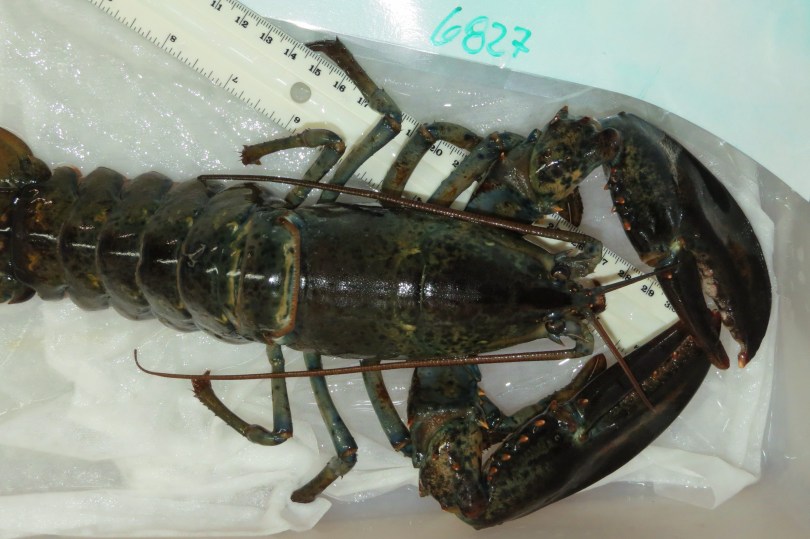
An American lobster on a countertop next to a ruler.

Lobster shell microbes, epizootic shell disease, and climate change manuscript is published!

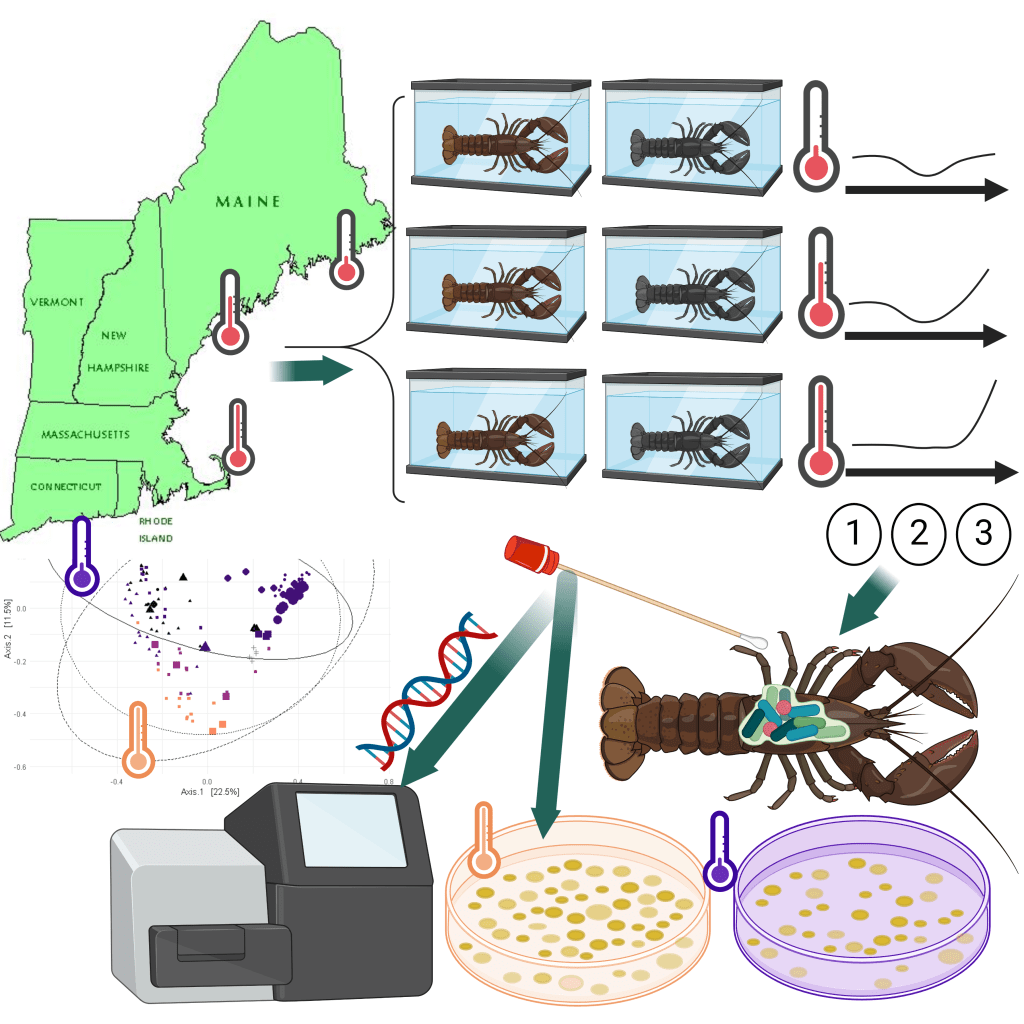
A collaborative paper on lobster shell bacteria has just been published in the journal iScience: “Water temperature and disease alters bacterial diversity and cultivability from American Lobster (Homarus americanus) shells.” This paper investigates what happens to bacterial communities on healthy and sick lobsters as they experience different water temperatures for a year.

You can read the paper here.

Woman sitting outside.

I joined this project back in the summer of 2020, towards the end of my first year at UMaine, when I was given a large 16S rRNA gene sequence dataset of bacterial communities from the shells of lobsters. I had been asking around for data as a training opportunity for Grace Lee, who at the time was an undergraduate at Bowdoin College participating in the abruptly cancelled summer Research Experience for Undergrads program at UMaine in summer 2020. Instead, Grace joined my lab as a remote research assistant and we worked through the data analysis over the summer and fall. Grace has since graduated with her Bachelor’s of Science in Neuroscience, obtained a Master’s of Science at Bowdoin, and is currently a researcher at Boston Children’s Hospital while she is applying to medical school.

My first point of contact on the project was Jean MacRae, an Associate Professor of Civil and Environmental Engineering at UMaine, who was the one to lend me the data and who had been working on bacterial community sequencing on other projects which I’ve been involved in. Jean has been involved with MSE, and this is our fourth publication together making her the collaborator at UMaine I have co-authored with the most (although it is a tight race 🙂 ).

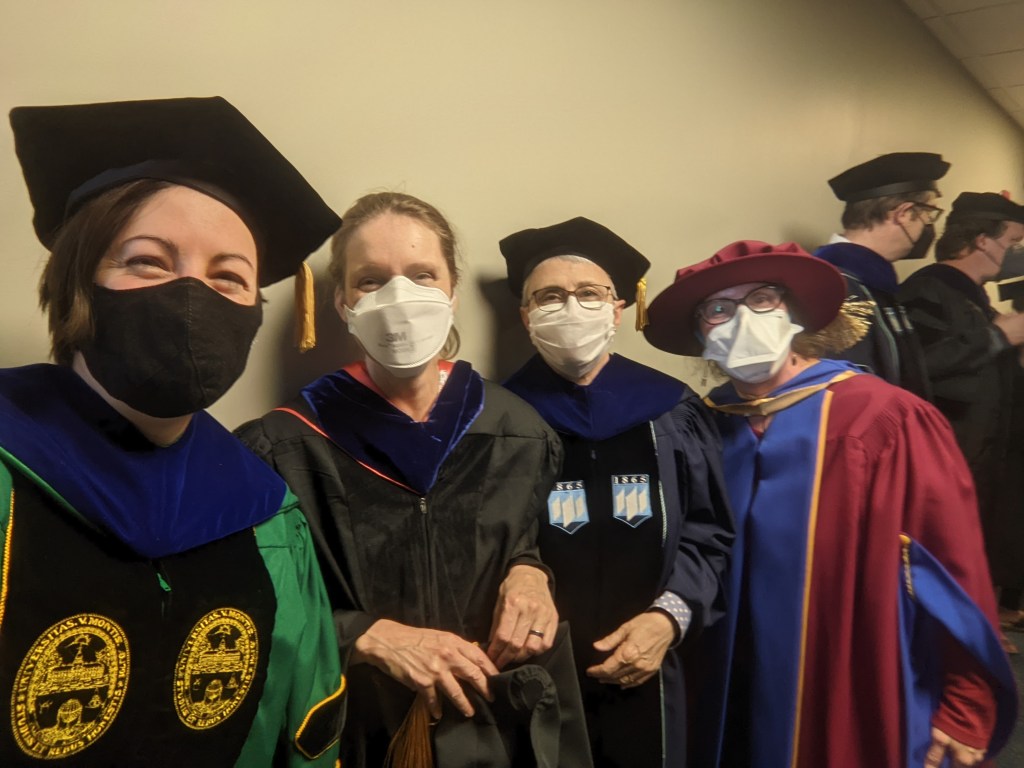
Four professors wearing full regalia, as well as face masks, posing for a photo in a hallway.

Jean introduced me to the original research team, including Debbie Bouchard, who is the Director of the Aquaculture Research Institute and was researching epizootic shell disease in lobsters for her PhD dissertation several years ago; Heather Hamlin, Professor and Director of the School of Marine Sciences; Scarlett Tudor (not pictured), the Education and Outreach Coordinator at the ARI; and Sarah Turner (not pictured), Scientific Research Specialist at ARI. The ARI team is involved in a lot of large-scale aquaculture research, education, and outreach to the industry here in Maine, and the collaborative work I have been doing with them has been a new an engaging avenue of scientific study for me.

In 2022, the research team, along with social science Masters student Joelle Kilchenmann, published a perspective/hypothesis piece which explored unanswered questions about how the movement of microbes, lobsters, and climate could affect the spread of epizootic shell disease in lobsters off the coast of Maine. That perspective paper was a fun exercise in hypothesis generation and asking ‘what if’?

A steamed lobster on a plate.

This manuscript is more grounded, and features work that was started in 2016. It examines bacterial communities on the shells of lobsters which were captured off the coast of Southern Maine and maintained in aquarium tanks for over a year. The lobsters were split into three treatment groups: those which were kept in water temperatures that mimicked what they would experience in Southern Maine, colder water to simulated what they would experience in Northern Maine, and hotter water to simulate what they would experience in Southern New England over that year. The original project team wanted to know if temperatures would make a different to their health or microbial communities.

Figure S8. Water temperature regimes, related to STAR Methods. A. Temperatures were obtained through the National Oceanographic Data Center (NODC). NODC temperatures reflect those recorded near Eastport, ME (A); Portland, ME (B); and an average of temperatures from Woods Hole, MA (C) and New Haven, CT (D) was used to represent Southern New England. B. Annual temperature cycles used in this project to represent Southern New England (SNE), Southern Maine (SME) and Northern Maine (NME).

The original project team swabbed lobster shells to obtain bacteria to try and grow in the lab, as well as DNA to sequence and identify whole bacterial communities. Grace and I performed the data analysis to identify which taxa were present in those communities, what happened over time or when the water temperature changed, and what bacteria were present or not in lobsters which died during the study.

Figure S11. Lobster carapace sampling using a sterile cotton swab to obtain bacterial communities from the shell surface, related to STAR Methods. The right side of the dorsolateral area of the cephalothorax was sampled for the baseline sampling, the left side for the Time 1, and the right side again for Time 2.

In addition to wanting to know about temperature, we wanted to know specifically how temperature would affect the bacteria if the lobsters had epizootic shell disease. It is not known what causes epizootic shell disease (which is why it is called ‘epizootic’), but it manifests as pitting in the shells of lobsters. Over time, the pitting can weaken shells and make it difficult for the lobster to molt, or make the lobster susceptible to predators or microbial infections. This type of shell disease had been a huge problem in Southern New England over the past few decades, and in Maine we have seen more cases over time.

Four panels of lobsters showing the progression of a healthy lobster to ones with more and more pitting in their shells.
Figure S10. Examples of lobster shell disease indices, related to STAR Methods. A) 0, no observable signs of disease, B) 1+, shell disease signs on 1-10% of the shell surface, C) 2+, shell disease signs on 11-50% of the shell surface, D) 3+, shell disease signs on > 50% of the shell surface.

The highlights of this project are here, but you can click the link below to read the entire study and what happened to lobster health and lobster microbes over time.

  • Shell bacteria from healthy lobsters, often overlooked, were included in the study.
  • Hotter and colder water temperatures affected shell bacterial communities.
  • Epizootic shell disease reduced bacterial diversity on lobster shells.
  • Epizootic shell disease could be induced or exacerbated by the loss of commensal bacteria from shells.

Water temperature and disease alters bacterial diversity and cultivability from American Lobster (Homarus americanus) shells.

Suzanne L. Ishaq1,2,, Sarah M. Turner2,3, Grace Lee4,5,M. Scarlett Tudor2,3, Jean D. MacRae6, Heather Hamlin2,7, Deborah Bouchard2,3

  • 1 School of Food and Agriculture; University of Maine; Orono, Maine, 04469; USA.
  • 2 Aquaculture Research Institute; University of Maine; Orono, Maine, 04469; USA.
  • 3 Cooperative Extension; University of Maine; Orono, Maine, 04469; USA.
  • 4 Department of Neuroscience, Bowdoin College, Brunswick, ME 04011; USA.
  • 5 Boston Children’s Hospital, Boston, MA 02115; USA.
  • 6 Department of Civil and Environmental Engineering; University of Maine; Orono, Maine, 04469; USA.
  • 7 School of Marine Sciences; University of Maine; Orono, Maine, 04469; USA.

Summary

The American lobster, Homarus americanus, is an economically valuable and ecologically important crustacean along the North Atlantic coast of North America. Populations in southern locations have declined in recent decades due to increasing ocean temperatures and disease, and these circumstances are progressing northward. We monitored 57 adult female lobsters, healthy and shell-diseased, under three seasonal temperature cycles for a year, to track shell bacterial communities using culturing and 16S rRNA gene sequencing, progression of ESD using visual assessment, and antimicrobial activity of hemolymph. The richness of bacterial taxa present, evenness of abundance, and community similarity between lobsters was affected by water temperature at the time of sampling, water temperature over time based on seasonal temperature regimes, shell disease severity, and molt stage. Several bacteria were prevalent on healthy lobster shells but missing or less abundant on diseased shells, although some bacteria were found on all shells regardless of health status.

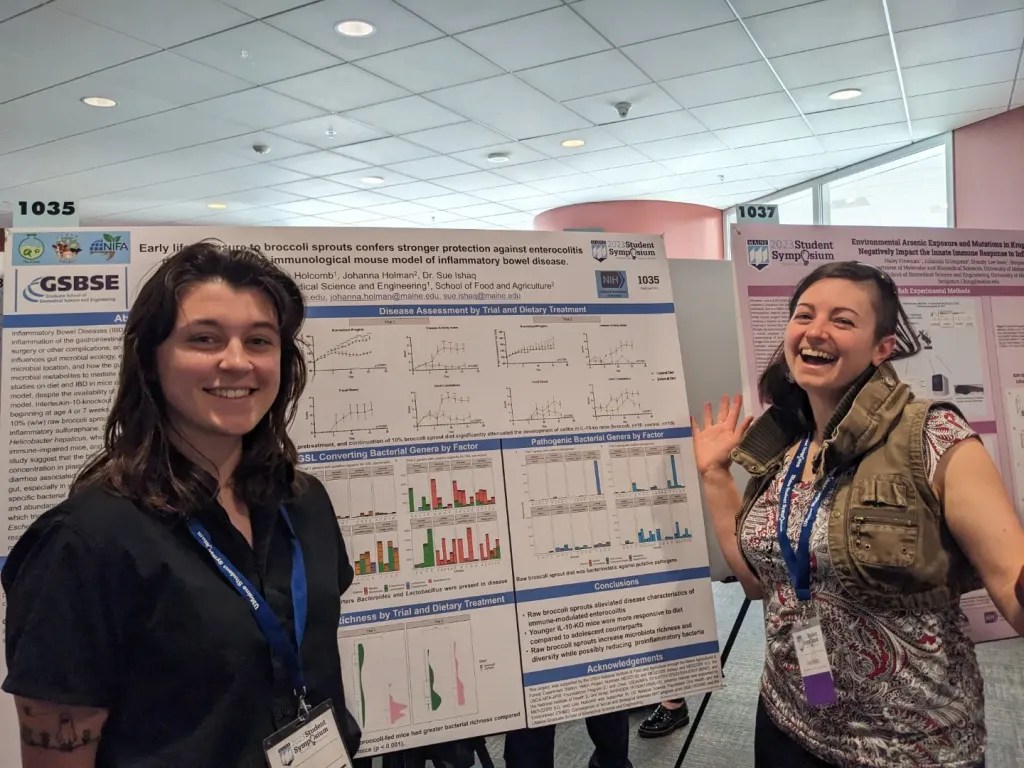
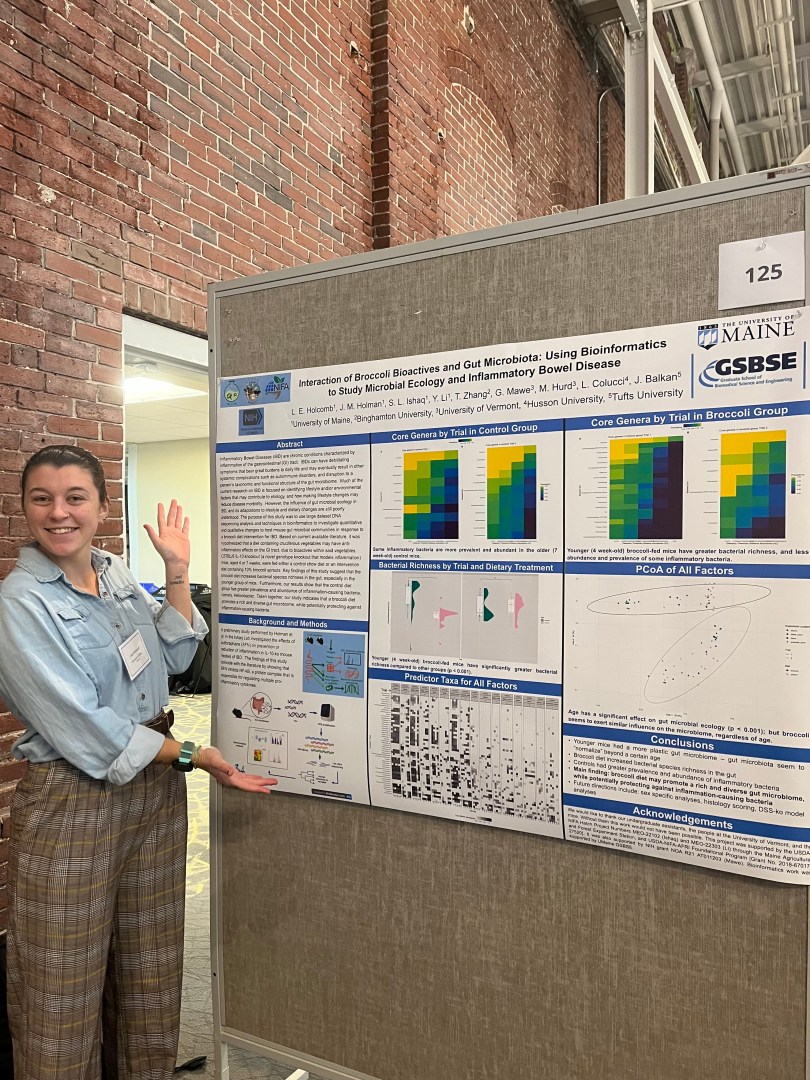
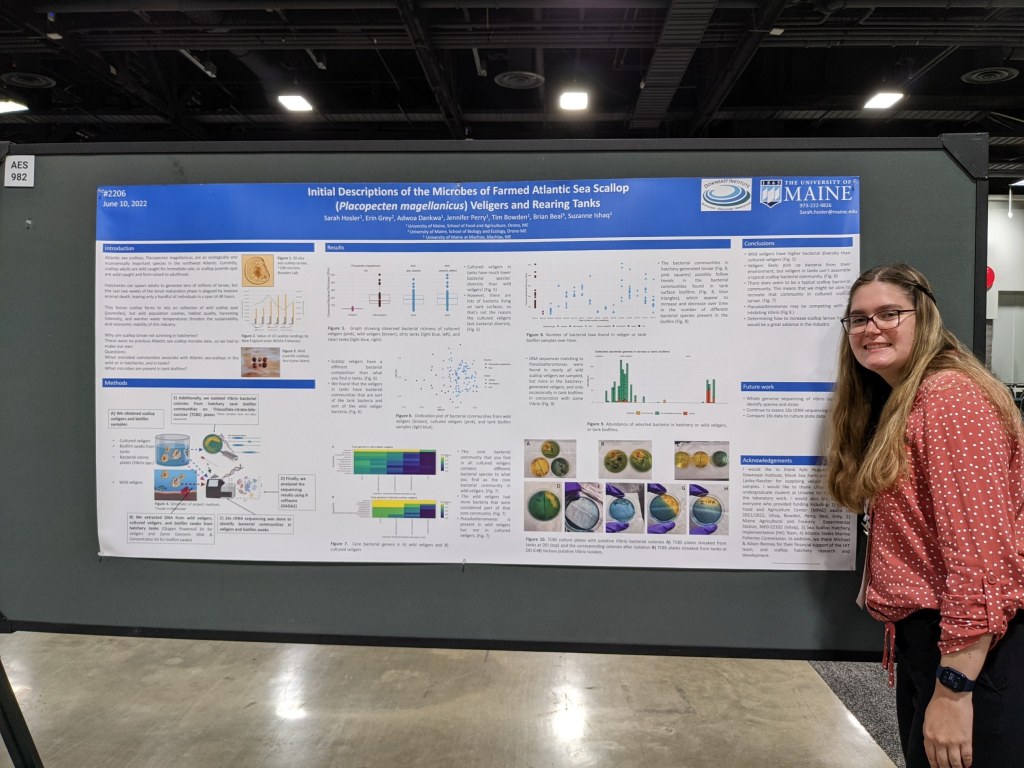
Lola standing in front of her poster which displays the results of her research on gut microbes.

Upcoming presentations at the UMaine Student Symposium

The UMaine Student Symposium is an annual event featuring research presentations from undergraduate and graduate students, and is a way to share student research on campus and with the Maine public.

All of the abstracts for the full program are available here.

The event is free to attend, and will take place at the Collins Center on the UMaine Orono Campus, Friday April 14, 2023.

Several students from the Ishaq Lab will be presenting their ongoing work:

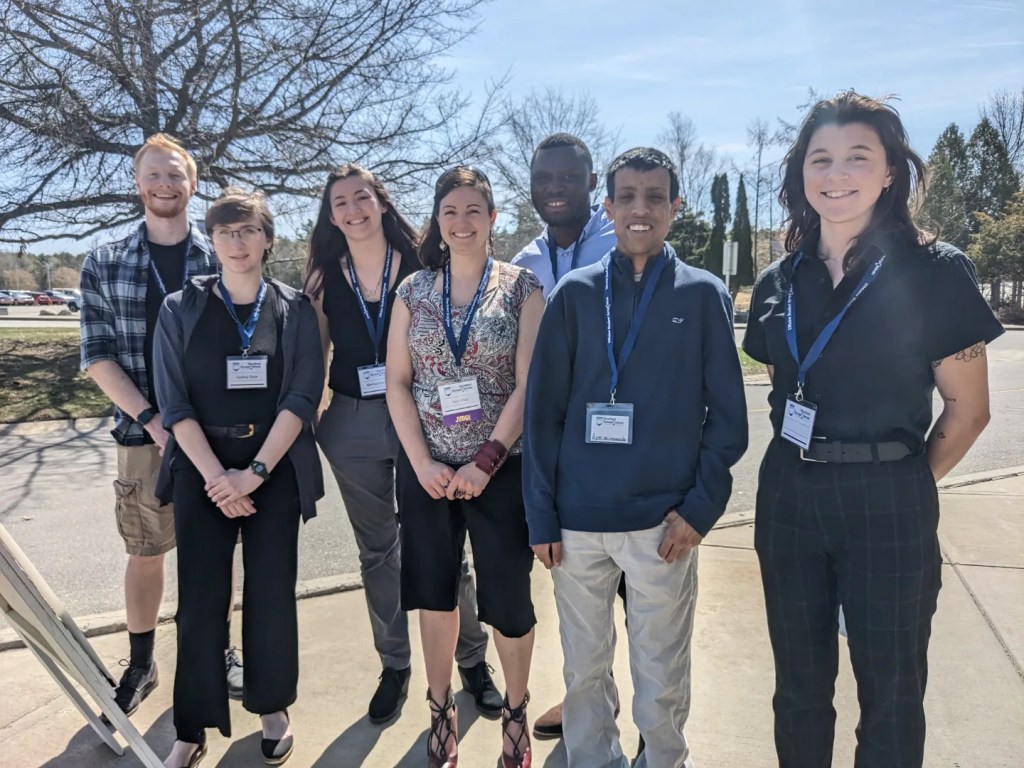
Members of the Ishaq Lab posing together for a photo outside.
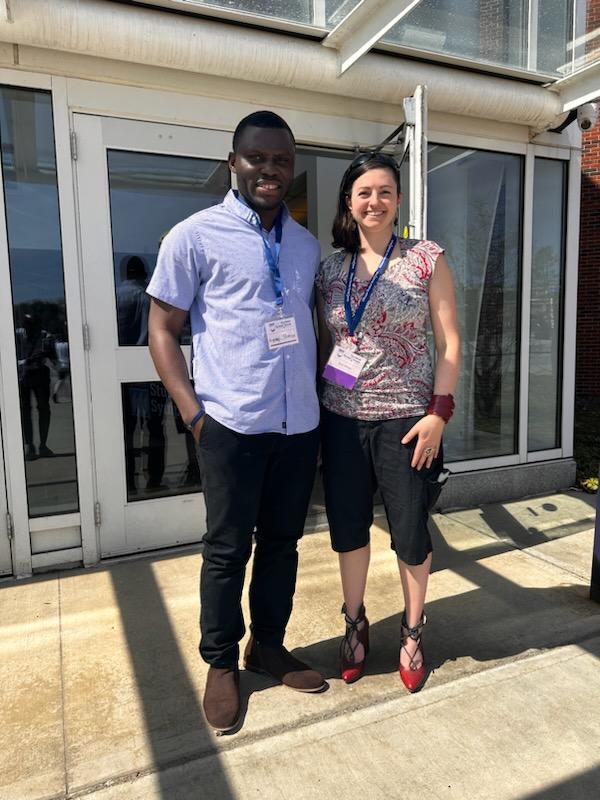
Keagan Rice, Sydney Shair, Marissa Kinney, Sue Ishaq, Ayodeji Olaniyi, Ryan Wijayanayake, and Lola Holcomb at the 2023 UMaine Student Symposium.

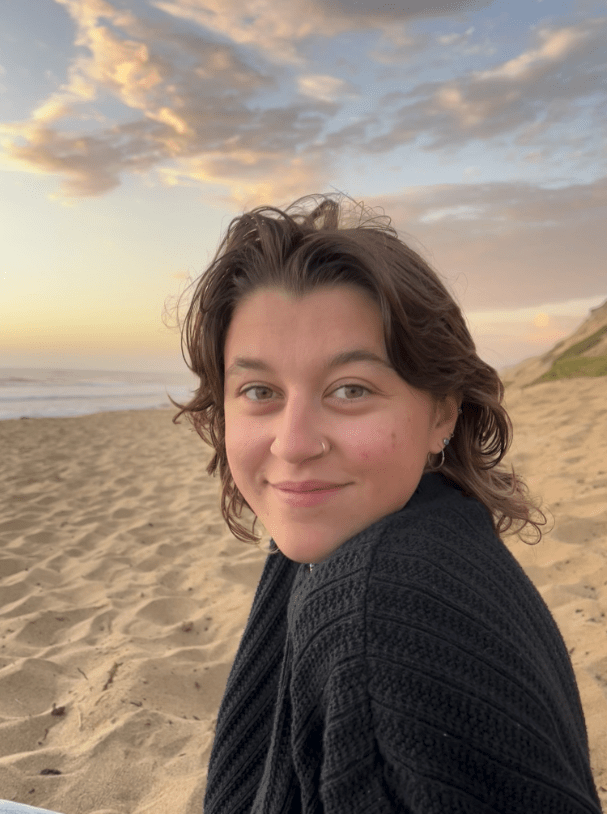
Portrait of Lola Holcomb, wearing a block sweater on a beach at sunset

Early Life Exposure to Broccoli Sprouts Confers Stronger Protection against Enterocolitis Development in an Immunological Mouse Model of Inflammatory Bowel Disease

Student Name(s): Lola Holcomb

Other authors: Johanna Holman

Abstract Number: 1035

Presentation is based on work that is in review.

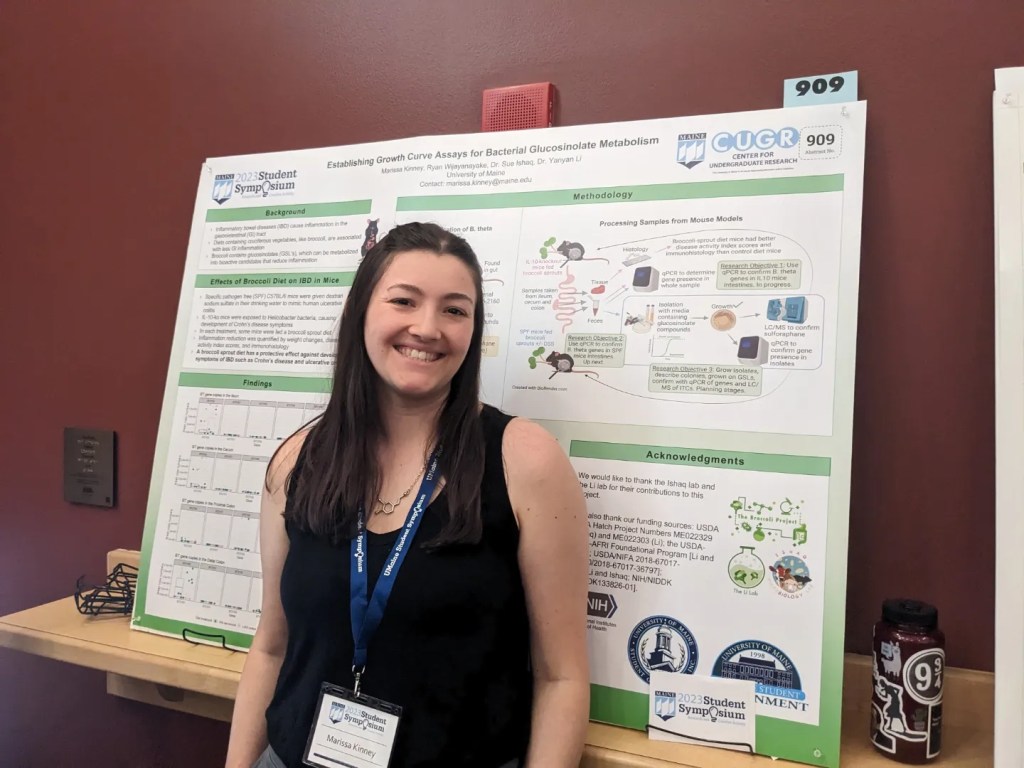
“Establishing Growth Curve Assays for Bacterial Glucosinolate Metabolism

Student Name(s): Marissa Kinney

Other authors: Ryan Wijayanayake, Johanna Holman

Abstract Number: 909

Presentation is based on work that is in progress.

“The Veterinary Immersion Plan: An Innovative Solution to Address Non Predictive Barriers to Entering the Field of Veterinary Medicine”

Student Names: Zach Inniss, Kurt Janscy

Abstract number: 911

Presentation is based on work created and driven by Zach Inniss.

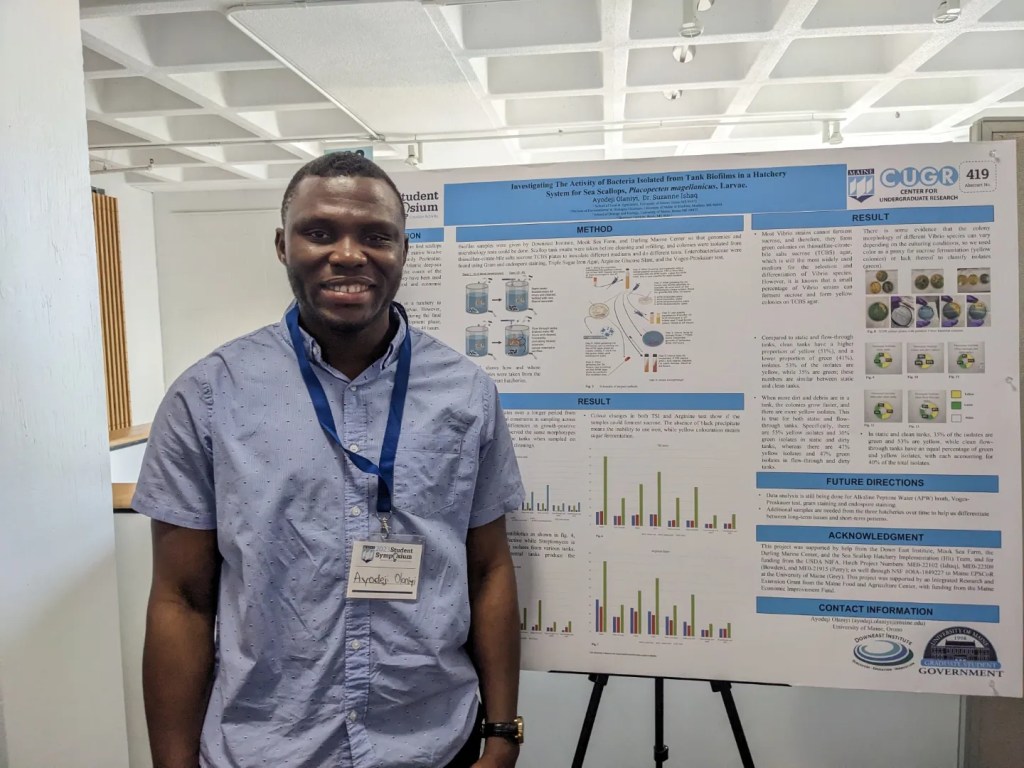
“Investigating The Activity of Bacteria Isolated from Tank Biofilms in a Hatchery System for Sea Scallop, Placopecten magellanicus Larvae”

Student Name(s): Ayodeji Olaniyi

Abstract Number: 419

Presentation is based on work that is in progress.

Ayodeji won a graduate student research award for this poster!

“Assessing the Small Animal Veterinary Needs of Rural Maine and Implementing an Effective Management Plan”

Student Name(s): Marielle Pelletier

Abstract Number: 835

Presentation created and driven by Ellie Pelletier and Tegwin Taylor.

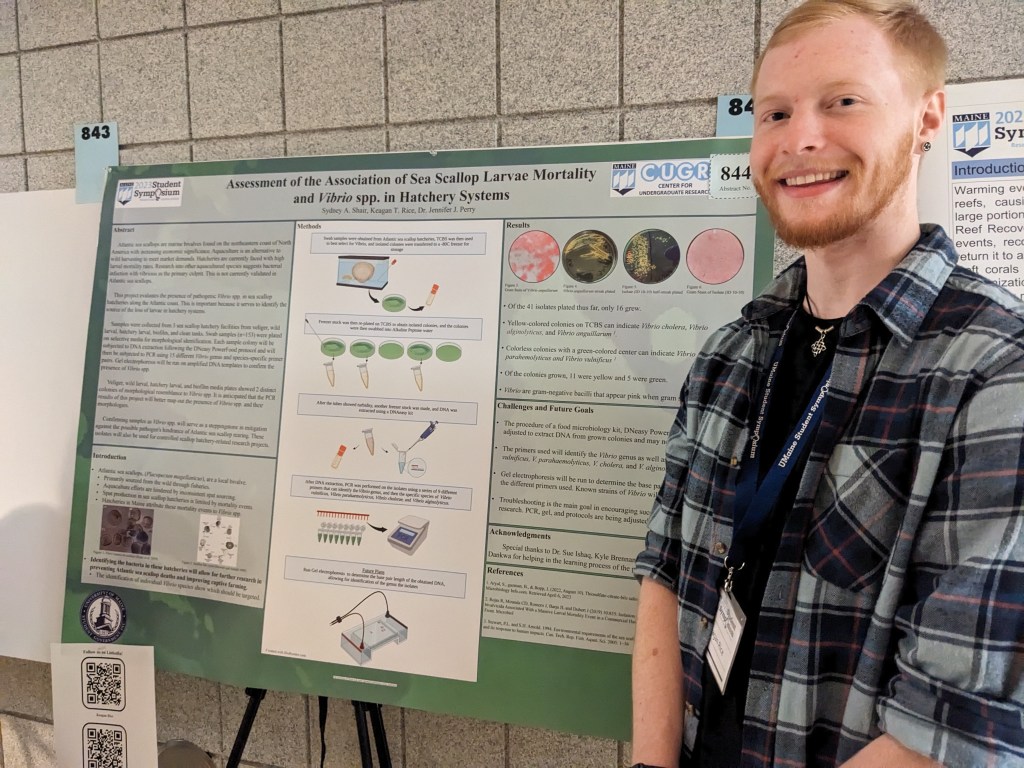
“Assessment of the Association of Sea Scallop Larvae Mortality and Vibrio spp. in Hatchery Systems”

Student Names: Sydney Shair, Keagan Rice

Abstract number: 844

Presentation based on collaborative work in this and the Perry labs.

Utilizing Sulfloraphane from Broccoli to Treat IBD

Student Name(s): Ryan Wijayanayake

Abstract Number: 1055

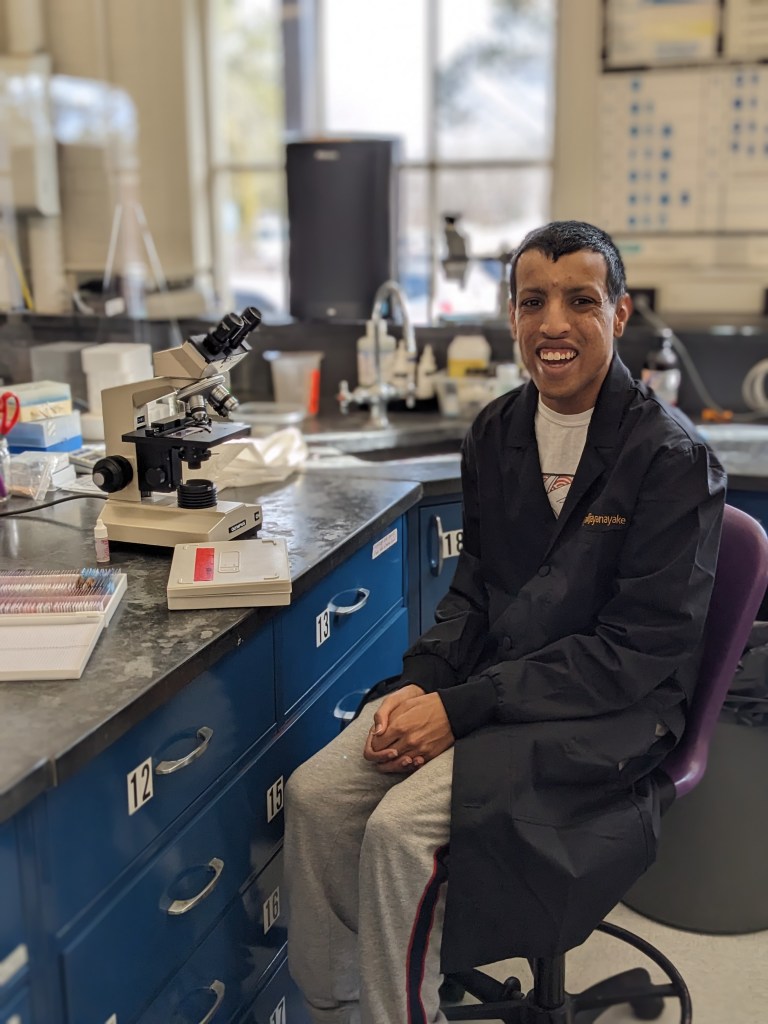
The Ishaq Lab welcomes grad student Ryan Wijayanayake!

The Ishaq Lab is pleased to welcome Ryan Wijayanayake as a Master’s of Professional Studies student in Animal Science, who joined the lab in January 2023!

Ryan has a background in research from his undergraduate program at St. Francis Xavier University in Nova Scotia, and as a research assistant at Tenza, a biotechnology company in Boston. In addition, he has a background in robotics and robotics competitions.

He is joining ‘Team Broccoli‘ to investigate the 806 bacteria we isolated from the digestive tracts of mice eating a broccoli sprout diet, in a previous experiment on broccoli sprouts, microbes, and resolving colitis.

In addition, Ryan has been helping ‘Team Scallop’, including helping organize culturing work for the undergraduate research crew.

Li and Ishaq research on broccoli sprouts and gut microbes featured in the UMaine Annual Research Report!

Every year, The University of Maine releases a summary report of the research efforts of its faculty, staff, and students. I was pleased to discover that the work that Yanyan Li and I have been doing on broccoli sprouts and gut microbes was featured in the report! A screenshot of the story is below, but you can read the story and the entire 2022 UMaine research report here.

Screenshot of an article on broccoli research from the UMaine Annual Research Report. The text of the article can be found in that report.

2022 Year in Review

This was year 3 for the Ishaq Lab at UMaine, and we celebrated all of 2022 with new students, new projects, new funding, and exciting results! Here are some highlights, but you can check out previous blog posts in the archives for more detail. As per usual, I have divided the summary into sections: Team, Research, Publications, Presentations, MSE, Teaching, Website, and looking to the year ahead.

Team

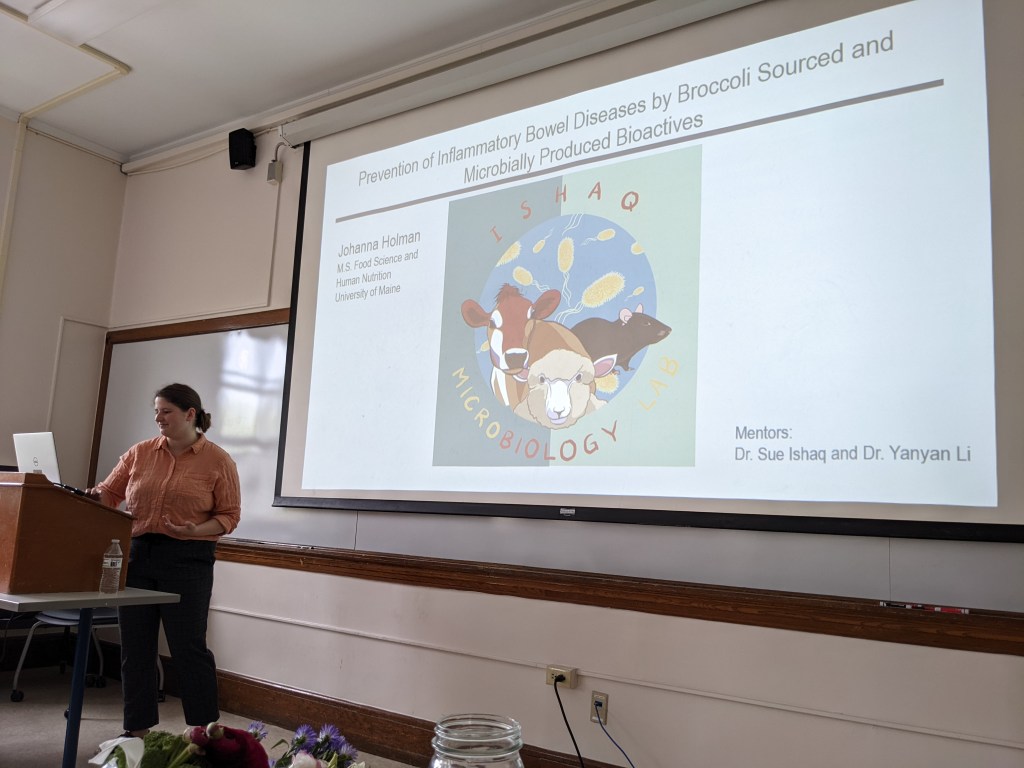
The Ishaq Lab had its first and second graduate student thesis defense this summer, with Sarah Hosler and Johanna Holman passing their defenses in the same week! They both gave hour-long presentations of their work, answered difficult questions from their committees for another hour, and published all their work to date as a thesis. Johanna’s master’s focused on “Prevention of Inflammatory Bowel Disease by Broccoli-sourced and Microbially-produced Bioactives“, and she has continued with Yanyan Li and I to do her PhD on this. Sarah’s thesis was broader; “Weaving an Interdisciplinary Microbiome Career Using Threads From Different Ecosystems“, and she has taken a job at her undergraduate institution coordinating science education and lab experience for high school students. All of the work from their theses is being written up into manuscripts. Johanna’s literature review was recently published, and will have her other two chapters in review soon, discussed more below. Sarah’s literature review is in review, and her chapters are being added to in preparation for submission to review in early 2023.

Early in 2022, two graduate students joined the Ishaq Lab. Lola Holcomb is a PhD student in the Graduate School of Biomedical Science and Engineering, is based in Portland as GSBSE hosts remote students around Maine. Lola has been focusing on data analysis to understand microbes, health, and social equity. She began first as a rotation student for 10 weeks, and it was such a good match that we promptly assigned her to my lab for the next 4-ish years. Ayodeji Olaniyi is a MS student in Animal Science, and has been assisting on several projects to gain lab experience. He most recently has taken over the scallop tank bacterial culturing project this fall for which we have been processing 150 bacterial isolates through over a dozen culturing tests, which results in hundreds of plates and tubes to make, process, and clean every week for the past two months! There has been a team of undergraduates helping us on this project, discussed more below.

The Ishaq Lab has also been host to two visiting researchers who have been cross-training on our protocols while performing their own research. Dr. Alaa Rabee has been visiting for the last six months on a fellowship from the Cultural Affairs and Missions Sector and Ministry of Higher Education and Scientific Research of Egypt, to study fibrolytic microbes from animals and how the microbes could be used to digest plant biomass for energy production. Dr. Gloria Adjapong is a postdoctoral researcher at the UMaine Cooperative Extension Veterinary Diagnostics Laboratory on a two year fellowship, and has been generously lending a hand in the lab to help us with >700 DNA extractions and sequencing library preparations to investigate bacterial communities in scallop hatcheries.

My dog, Izzy, has been dutifully coming to campus this fall to attend classes and entertain and calm the students, distract Zoom meetings by trying to climb out the window behind me, and help catalogue all the squirrels on campus.

This year, the Ishaq lab said hello as well as good-bye to students, as we have been around long enough that students are matriculating (graduating) out and moving on to the next stage of their life. Sarah Hosler defended her master’s thesis and is currently developing and hosting high school research programs at Albright College. Undergraduates Rebecca French, Morgan Rocks, Natalie Sullivan, Sophia S., and Izzy S. graduated in May and went on to vet school, lab research, animal medical care, and more. Ellie Pelletier is graduating in May, but has completed her research project and all but one of her courses early so we are counting her as outgoing.

Publications

A stack of papers facedown on a table.

We had a productive year for peer-reviewed journal publications – with 7 published! Several of these have been in development since prior to 2022, several are the first publications for students, and all of which are thanks to my fabulous research collaboration team that now spans the globe. There are a handful more papers in peer review at scientific journals, and others which are in preparation and which we hope to submit for peer review in 2023. Below; 1 undergraduate student I mentored, 2 graduate student I mentored for this project

  1. Ishaq, S.L., Turner, S.M., Lee1, G., Tudor, M.S., MacRae, J.D., Hamlin, H., Bouchard, D. 2022. Warmer water temperature and epizootic shell disease reduces diversity but increases cultivability of bacteria on the shells of American Lobster (Homarus americanus). In review, preprint available.
  2. Hosler2, S., Kamath, P.L., Ishaq, S.L. 2022.  A review of technological advances and gaps in detecting and understanding Cryptosporidium protozoan parasites in ruminant livestock. In review.
  3. Four more are on the cusp of submission for review!

  1. Holman2, J., Hurd, M., Moses, P.,  Mawe, G.,  Zhang, T., Ishaq*, S.L., Li*, Y. 2022. Interplay of Broccoli/Broccoli Sprout Bioactives with Gut Microbiota in Reducing Inflammation in Inflammatory Bowel Diseases. Journal of Nutritional Biochemistry. * contributed equally
  2. Ouverson2, T., Boss, D., Eberly, J., Seipel, T.,  Menalled, F.D., Ishaq, S.L. 2022. Soil  bacterial community response to cover crops, cover crop termination, and predicted climate conditions in a dryland cropping system. Frontiers in Sustainable Food Systems. 911199.
  3. Ishaq, S.L., Wissel2, E.F., Wolf, P.G., Grieneisen, L., Eggleston, E.M., Mhuireach, G., Friedman, M., Lichtenwalner, A., Otero Machuca, J.,  Weatherford Darling, K.,  Pearson, A., Wertheim, F.S., Johnson, A.J., Hodges, L., Young, S., Nielsen, C.C., Kozyrskyj, A.L.,  MacRae, J.D., McKenna Myers, E., Kozik, A.J., Tussing-Humphreys, L.M., Trujillo, M., Daniel, G.A., Kramer, M.R., Donovan, S.M., Arshad 1, M., Balkan1, J., Hosler2, S. 2022. Designing the Microbes and Social Equity Symposium, a novel interdisciplinary virtual research conference based on achieving group-directed outputs. Challenges, 13(2), 30.
    • Invited contribution to Challenges, the journal for the inVIVO Planetary Health research group.
  4. Sepiel, T. Ishaq, S.L., Larson, C., Menalled, F. 2022. Weed communities in winter wheat: responses to cropping systems and predicted warmer and drier climate conditionsSustainability 14(11), 6880.
  5. Ishaq, S.L., Turner, S.M., Tudor, M.S., MacRae, J.D., Hamlin, H., Kilchenmann, J., Lee1, G., Bouchard, D. 2022. Many questions remain unanswered about the role of microbial transmission in epizootic shell disease in American lobsters (Homarus americanus). Frontiers in Microbiology 13: 824950.
    • Invited contribution to special collection: The Role of Dispersal and Transmission in Structuring Microbial Communities
    • This is the first all-female author team I have published with.
  6. Rabee, A.E., Sayed Alahl, A.A., Lamara, M., Ishaq, S.L. 2022. Fibrolytic rumen bacteria of camel and sheep and their applications in the bioconversion of barley straw to soluble sugars for biofuel production. PLoS ONE 17(1): e0262304. 
    • Impact 3.24.
    • Dr. Rabee will be joining my lab as a Visiting Research in 2022.
  7. Robinson, J.M., Redvers, N., Camargo, A., Bosch, C.A., Breed, M.F., Brenner, L.A., Carney, M.A., Chauhan, A., Dasari, M., Dietz, L.G., Friedman, M., Grieneisen, L., Hoisington, A.J., Horve, P.F., Hunter, A., Jech, S., Jorgensen, A., Lowry, C.A., Man, I., Mhuireach, G., Navarro-Pérez, E., Ritchie, E.G., Stewart, J.D., Watkins, H., Weinstein, P., and Ishaq, S.L. 2022. Twenty important research questions in microbial exposure and social equity. mSystems 7(1): e01240-21. 

Editorials published

  1. Ishaq, S., and Gilbert, J. Introducing the “Microbiomes and Social Equity” Special Collection. mSystems Aug 29, 2022.

Presentations

The Ishaq lab and our collaborators gave in-person and virtual presentations this year to scientific audiences, to students and faculty as guest seminars, and as media/news interviews. Students Sarah Hosler, Johanna Holman, Lola Holcomb, Alice Hotopp, Alexis Kirkendall Rebecca French, and Ellie Pelletier gave or contributed to presentations in 2022.

  1. Kirkendall1*, A., Ishaq, S. Taking on Multiple Research Projects in a NSF Research Experience for Undergraduates (REU) Summer Program as a Disabled Undergraduate Student. Annual Biomedical Research Conference For Minoritized Scientists (ABRCMS) annual meeting, Anaheim, CA, November 9-12, 2022.
  2. Hotopp*2, A., Ishaq, S., Frey, S., King, B., Kinnison, M., Kovach, A., Olsen, B., Cammen, K. 2022. Microbial communities of tidal marsh sparrow plumage. Association of Field Ornithologists conference, Plymouth, MA, October 17 – 21, 2022.
  3. Wissel*2, E., Holman*2, J., Hosler*2, S., Ishaq, S. Microbes and Social Equity: what is it and how do we do it? Part of Track Hub: ‘Field Work & DEI Part 1: Fostering Equitable Partnerships with the Communities in Your Field Work Location’. American Society for Microbiology (ASM) Microbe 2022, Washington, DC (USA), June 9-13, 2022.
  4. Holman, J. M., S. Ishaq, Y. Li, T. Zhang, G. Mawe, L. Colucci, J. Balkan. Prevention of Inflammatory Bowel Disease by Broccoli Sourced and Microbially Produced Bioactives.  American Society for Microbiology (ASM) Microbe 2022, Washington, DC (USA), June 12, 2022.
  5. Hosler2*, S., Grey, E., Dankwa, A., Perry, J., Bowden, T., Beal, B., Ishaq, S. Initial descriptions of  the microbes of farmed Atlantic sea scallop (Placopecten magellanicus) veligers and rearing tanks. American Society for Microbiology Microbe 2022 meeting. Washington, D.C.. June 9-13, 2022.
  6. Hosler2*, S., Grey, E., Ishaq, S. Comparing the microbiome of wild and farmed Atlantic sea scallop (Placopecten magellanicus) veligers. Northeast Aquaculture Conference & Exposition (NACE) and the 41st Milford Aquaculture Seminar (MAS). Portland, Maine. POSTPONED to April 27-28, 2022
  7. Ishaq, S., Li, Y., Holman*2, J., Zhang, T., Chen, G. “Biogeography may be key to microbial anti inflammatory production using dietary precursors.” Maine Biological and Medical Sciences Symposium, Bar Harbor, ME, April 22-23, 2022. (invited, canceled due to time conflict, graduate student presented in my place)
  8. French1*, R., Beale, J., Ishaq, S. Abstract 0402. Climate Change Affects Wild Mammal Ranges and Health; Will That Also Affect Infectious Disease Exposure Risk at Maine Farms? UMaine Student Symposium (virtual presentation). April 15, 2022.
  9. Holcomb2*, Coffman, J., Harrison, B., Tucker, K., Ishaq, S. Abstract 1080. An Overview of Three Biomedical Science Projects across Three Research Institutes. UMaine Student Symposium (virtual presentation). April 15, 2022.
  10. Hosler2*, S., Grey, E., Dankwa, A., Perry, J., Bowden, T., Beal, B., Ishaq, S. Abstract 0816. Initial descriptions of the microbes of farmed Atlantic sea scallop (Placopecten magellanicus) veligers and rearing tanks. UMaine Student Symposium (virtual presentation). April 15, 2022.
  11. Pelletier1*, E., Taylor, T., Ishaq, S. Abstract 830. Assessing the Veterinary Needs of Rural Maine and Implementing an Effective Management Plan. UMaine Student Symposium (poster presentation). April 15, 2022.
  12. Ishaq, S. “Microbes at the nexus of environmental, biological, and social research.” Iowa State University Spring Microbiology Graduate Student Organization retreat. (virtual). April 14, 2022 (invited co-plenary).
  13. Ishaq*, S., Li, Y., Holman2, J., Zhang, T., Mawe, G., Hurd, M., Lavoie, B. Baudewyns1, D., Colucci1, L., Balkan1, J., Chen, G, Moses, P. “Biogeography may be key to microbial anti inflammatory production using dietary precursors.”  Congress of Gastrointestinal Function (CGIF), virtual. April 11 – 13, 2022.
  14. Ishaq*, S., Li, Y., Holman2, J., Zhang, T., Mawe, G., Hurd, M., Lavoie, B. Baudewyns1, D., Colucci1, L., Balkan1, J., Chen, G, Moses, P. “Biogeography may be key to microbial anti inflammatory production using dietary precursors.”  Dartmouth Molecular Microbiology and Pathogenesis (M2P2), February 24 – 25, 2022. (invited)
  15. Ishaq, S. ​”Microbes at the nexus of environmental, biological, and social research.” 2nd Rhode Island Microbiome Symposium, virtual, University of Rhode Island Kingston, RI, January 14, 2022. (invited plenary)
  16. Ishaq, S. “Moose rumen microbes and you.” The Wildlife Society Nutritional Ecology Working Group Webinar series, (virtual), March 9, 2022.
  17. Ishaq, S. “Microbes at the nexus of environmental, biological, and social research” The Microbes and Social Equity 2022 speaker series, virtual, University of Maine and the Microbes and Social Equity working group. January 19, 2022.

Media Interviews

  1. Can broccoli sprouts be used to treat IBD? UMaine researchers investigate”, Carly D’Eon, News Center Maine, Nov 22, 2022.
  2. UMaine researchers studying whether broccoli sprouts can help prevent and treat inflammatory bowel disease”, Marcus Wolf, UMaine News.
  3. Egyptian scientist visits UMaine“, Alaa Rabee and Sue Ishaq, interview by Matthew Jaroncyk, Fox 22 Bangor, Jun 27, 2022.
  4. Featured as a woman in microbiome science for Women’s History Month by the National Microbiome Data Collaborative, Twitter, Mar 30, 2022
  5. Interviewed for “Invisible Friends”, Dr. Jake Robinson, book in production, 2022.

Research

This year has seen varied topics come through the lab, and there’s too much to include here, but I encourage you to check through the Blog page to find older research posts which provide updates. These and other projects have been successful thanks to hard work and dedication from students and collaborators.

A cartoon of three gastrointestinal tracts showing the locations of inflammation in ulcerative colitis, crohn's disease, or healthy tissue. At the bottom are cross-sections showing thickening of the intestinal wall in patients with Crohn's, and ulcers in patients with colitis.

The collaborative work we’ve been doing on broccoli sprouts, gut microbes, and Inflammatory Bowel Disease has had plenty to celebrate this year. In addition to defending her master’s thesis, Johanna authored her first first-authored publication: a review on broccoli anti-inflammatories and current research into how gut microbes can help.

We are also continuing our collaborative investigations into the gut microbiome related to Inflammatory Bowel Disease using mouse models, looking at how dietary components can be used by gut microbes to produce anti-inflammatory compounds that can help the host reduce the symptoms of colitis. In December 2020 and January 2021, we (Drs. Yanyan Li and Tao Zhang and I) ran a mouse trial that generated hundreds of samples, and we have been processing them all year! Over the fall in 2021, our collaborators at the University of Vermont (Dr. Gary Mawe, Molly Hurd, Brigitte Lavoie) ran two more small mouse trials to test some exciting new things. We are days away from submitting both of these for review at a scientific journal.

We are also preparing to run a small pilot project in 2023 looking at broccoli sprout diets in humans, as well as follow up with previously isolated bacteria from mice. We’ll need to screen over 800 bacteria for certain enzyme capabilities and usefulness in producing anti-inflammatories. And, we received funding to continue our investigations into how location in the gut, age, and cooking preparation affects the interaction between diet, gut microbes, and host health! Marissa Kinney will be joining #TeamBroccoli as a Master’s of Science student in Microbiology soon, to help us with all these exciting projects.

The Ishaq Lab has also been very busy working on projects to investigate how, when, and from where Atlantic sea scallops get their microbes.

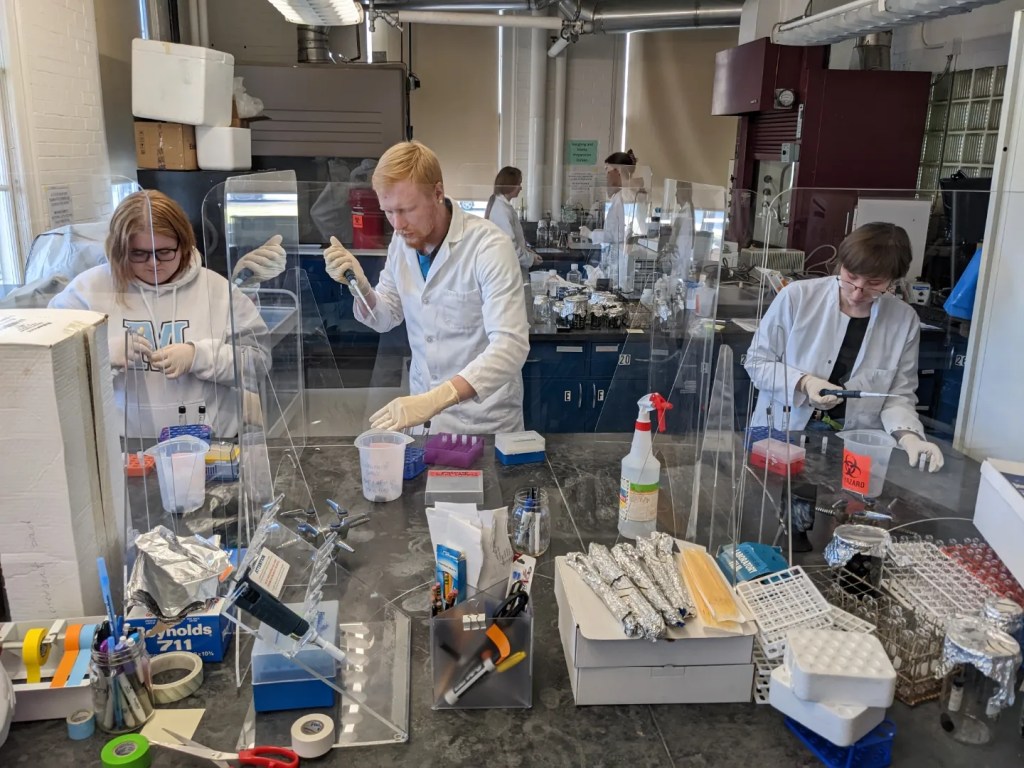
In 2021, a pilot study got funded to begin collaborative research with a team at UMaine (Drs. Erin Grey, Jen Perry, Tim Bowden) and the Downeast Institute (Dr. Brian Beal). We collected a few hundred samples from scallops and the biofilms growing in hatchery tanks. Over this year, we have been processing the bacterial community sequencing data and hope to submit a manuscript for peer review and publication soon. This fall, we spent several months processing 115 bacterial isolates through >1800 plates and tubes, thanks to a lot of work from students Ayodeji Olaniyi, Sydney Shair, Keagan Rice, and Lacy Mayo who put in hours and hours leading the efforts on this. We are also grateful to Alaa Rabee, Aaron Williams, Lily Robbins, Ash VanNorwick, and Rebecca Kreeger who provided assistance with media making, inoculating, and the large amount of cleanup (we used glass or autoclavable plastic where possible, and sterilized some single-use plastics to be used as training tools for student education). We were also assisted by Bryanna Dube, who is working on creating outreach/education materials based on our results.

Lobster was back on the menu this year as I finished up a data analysis I had been picking away at for two years. This study is available as a preprint (a research article that is currently being peer-reviewed but isn’t finalized yet).

I’ve been collaborating with a few researchers at the Aquaculture Research Institute, where I have an affiliation. This collaborative project on lobster shell disease and warming ocean waters was begun by researchers at the Aquaculture Research Institute: Debbie Bouchard, Heather Hamlin, Jean MacRae, Scarlett Tudor, Sarah Turner, and Grace Lee.

Microbes and Social Equity

The Microbes and Social Equity working group turned 3 years old in December, and is currently at >170 members plus ~100 newsletter subscribers (you can join either list here)! We grew so much that in 2022 that we wrote a separate end of year summary for the group, which will be published soon.

Teaching

This was a busy year for teaching, as I teach 2 courses in the fall and 2 in the spring, which total ~180 students per year. This year, to accommodate disruptions to student schedules over the past few years, I also taught a handful of independent study versions of the Capstone courses for students who could not fit them into their schedule in the recommended semesters. These are considered part of my assigned workload since I taught students who otherwise would have taken this with me during a scheduled course offering, but they did add to my long list of demands for my time this year. There is too much material on my teaching to go into detail here, but I recommend checking out my previous posts on listening to your microbes (a creative assignment), responsible conduct of research (something I integrated into coursework), moving to suggested deadlines, choosing a graduate school, and how departments decide on their curricula.

Website and social media stats

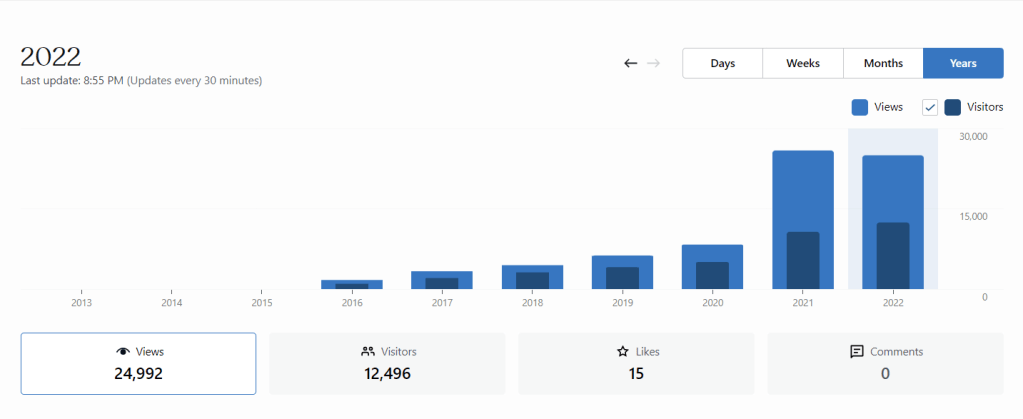
The website gained a phenomenal amount of traffic this year, largely due to MSE, and with just a few days left in the year we clocked nearly 12,500 visitors and nearly 25,000 views!

We had visitors from 125 countries around the globe, with the top 10 listed in the graphic below!

I published a record 82 blog posts, but this included a few dozen that were just promoting events for MSE.

I wrote more than 34,900 words in posts this year!

The page on the 2021 MSE speaker series was the most popular for visitors this year, with MSE symposia and the 2022 series also being popular.

People shared this content on a variety of social media outlets.

Looking ahead to 2023

The Ishaq Lab has several major projects lined up for 2023, including a broccoli sprout diet pilot project with volunteers from the Bangor area, screening >800 bacteria for their ability to produce anti-inflammatories which we isolated from a mouse study using the broccoli sprout diet, investigating how the age of mice alters the effectiveness of the broccoli sprout diet, identifying 150 bacteria isolated from scallop hatchery tanks, and using >700 DNA samples collected from scallop tanks over a 3 month period to investigate what happens to the bacterial communities in tanks during a larvae rearing trial.

This past year, I was busier than I expected to be, in part because pandemic disruptions began to manifest in students needing much more time with advising to sort out their schedules within tight time constraints with fewer course overrings to choose from, and from faculty and staff taking the early retirement incentive from UMaine to reduce budget deficits which shifted their workload to remaining faculty. This is in addition to the ongoing supply shortages and delays that we are all still facing, which causes disruptions to project timelines and makes sorting out annual budgets that much more time consuming. But, I also had a few extra pilot projects or side projects running, which require more effort and communications in the early stages to get things moving.

Collectively, my workload in 2022 far exceeded what I should be taking on, and I had to set firmer limits on requests for my time, turn down opportunities, and catch up on work during my personal time to an excessive degree. In giving a talk to undergraduates in STEM fields, I urged them to build skills in time management, scheduling in advance, learning when they are able to say no (which is less frequent than you would think), and learning how to prioritize activities when they are unable to say no to requests for their time. My advice to them was that if you are forced to work during your personal time, then you should be working on the activities which benefit you the most. This is particularly important in academia where no matter how many hours I work, I can’t earn bonuses or renegotiate my planned salary increases, but yet there is an ever-increasing need for more productivity and effort. Thus, when I have been working overtime I selected activities which benefit me in other ways, and usually takes the form of writing manuscripts (which I enjoy), proposals (a Sisyphean but necessary task), or blog posts.

In support of healthy restraints on my working hours, I will have to continue to limit requests for my time in 2023 to those which build on my existing directions of teaching and research. Unfortunately, this means turning down many potential collaborations in completely new areas of research for me, to facilitate my focus on the wealth of research and teaching I currently have which fill my days (and weekends) with novelty, surprise, and joy.

Happy New Year!!