Watch the Microbes and Social Equity seminar from Mar 3rd

Connecting environmental microbiomes to social (in)equity across temporal and ecological scales  

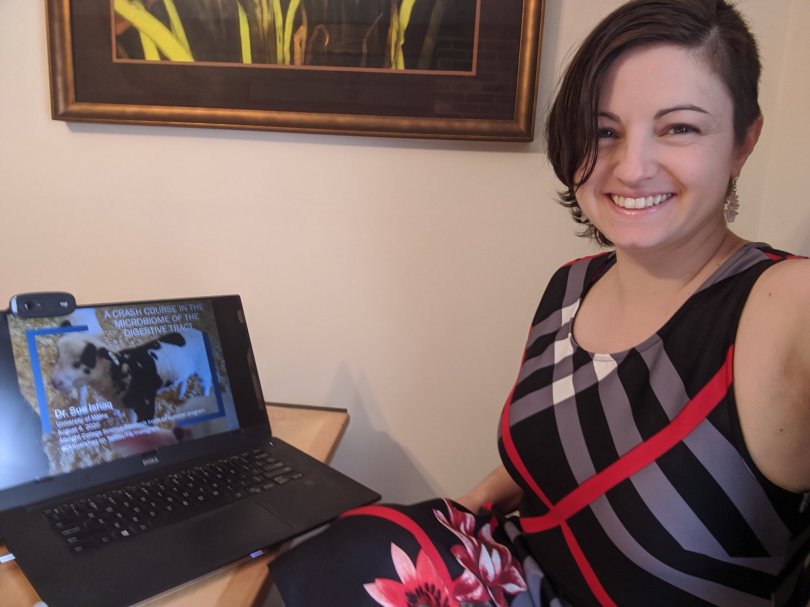
Dr. Erin Eggleston and Dr. Mallory Choudoir

March 3, 2021, 12:00 – 13:00 EST. 

Watch the recording.

Dr. Erin Eggleston, PhD, is an assistant professor of biology at Middlebury College. Her research focuses on molecular microbial ecology. Recent projects include mercury-cycling microbes in the soils of the St. Lawrence River, coral microbiome and reef resilience, and community dynamics of harmful cyanobacterial blooms. For more information check out her lab website (https://sites.middlebury.edu/eggleston/) or follow on Twitter @EggErin.

Dr. Mallory Choudoir, PhD, is a microbial ecologist interested in the evolutionary processes that determine patterns of microbial diversity across space and time. She is currently a postdoc at the University of Massachusetts Amherst researching microbial adaptation to long-term soil warming. Find her on twitter @malladpated or https://www.malloryjchoudoir.com/

About the seminar: Issues of social equity when it comes to environmental microbiomes and ecosystem ecology are tied with anthropogenic land use change. These land use changes occur across chronic and acute time scales, and ecological outcomes are both direct and indirect. This seminar will frame the interaction of microbiome research within the context of issues of environmental and social (in)justice pertaining to anthropogenic land use change. We will highlight current research and invite discussion on perspective research. 

About the series: Microorganisms are critical to many aspects of biological life, including human health.  The human body is a veritable universe for microorganisms: some pass through but once, some are frequent tourists, and some spend their entire existence in the confines of our body tissues.  The collective microbial community, our microbiome, can be impacted by the details of our lifestyle, including diet, hygiene, health status, and more, but many are driven by social, economic, medical, or political constraints that restrict available choices that may impact our health.   

Access to resources is the basis for creating and resolving social equity—access to healthcare, healthy foods, a suitable living environment, and to beneficial microorganisms, but also access to personal and occupational protection to avoid exposure to infectious disease. This speaker series explores the way that microbes connect public policy, social disparities, and human health, as well as the ongoing research, education, policy, and innovation in this field.  The spring speaker series will pave the way for a symposium on “Microbes, Social Equity, and Rural Health” in summer 2021.

Watch the Microbes and Social Equity seminar from Feb 24th

The human microbiome and cancer risk: setting the stage for innovative studies to address cancer disparities 

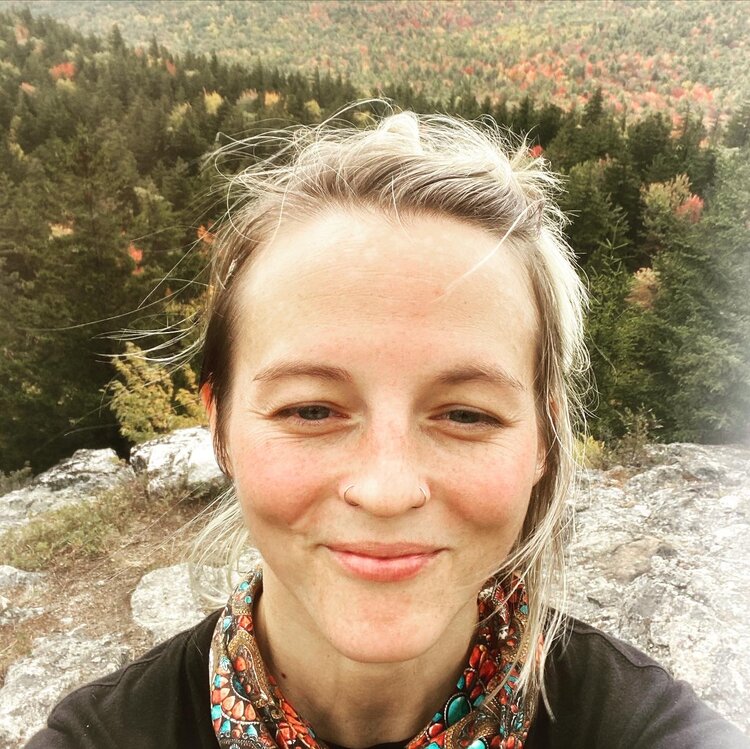
Dr. D. Armen Byrd, MPH, PhD

February 24, 2021, 12:00 – 13:00 EST. 

Watch the recording.

About the speaker: Dr. Byrd received a B.S. in biology and an M.P.H. in epidemiology from the University of Florida. She completed her Ph.D. in epidemiology at Emory University, where her dissertation research focused on the development and validation of novel, inflammation biomarker panel-weighted dietary and lifestyle inflammation scores, and their associations with colorectal neoplasms. In January 2019, she joined the National Cancer Institute Division of Cancer Epidemiology and Genetics as a postdoctoral fellow. During her time there, she conducted methodologic microbiota studies and investigated associations of the microbiota with cancer risk and of diet with the gut metabolome. In January 2021, she joined Moffitt Cancer Center as an Assistant Member in the Department of Cancer Epidemiology, where she will continue to contribute to the reduction of cancer disparities using an integrative, interdisciplinary approach to study microbiota-mediated mechanisms for cancer risk among diverse populations.  

Twitter: @d_armen_byrd 

About the seminar: This seminar will focus on current understanding and future directions for targeting health disparities with gastrointestinal microbiota research using a multidimensional framework. Examples will be provided from the colorectal and breast cancer literature. 

About the series: Microorganisms are critical to many aspects of biological life, including human health.  The human body is a veritable universe for microorganisms: some pass through but once, some are frequent tourists, and some spend their entire existence in the confines of our body tissues.  The collective microbial community, our microbiome, can be impacted by the details of our lifestyle, including diet, hygiene, health status, and more, but many are driven by social, economic, medical, or political constraints that restrict available choices that may impact our health.   

Access to resources is the basis for creating and resolving social equity—access to healthcare, healthy foods, a suitable living environment, and to beneficial microorganisms, but also access to personal and occupational protection to avoid exposure to infectious disease. This speaker series explores the way that microbes connect public policy, social disparities, and human health, as well as the ongoing research, education, policy, and innovation in this field.  The spring speaker series will pave the way for a symposium on “Microbes, Social Equity, and Rural Health” in summer 2021.
Watch the Microbes and Social Equity seminar from Feb 17th

Extended Health

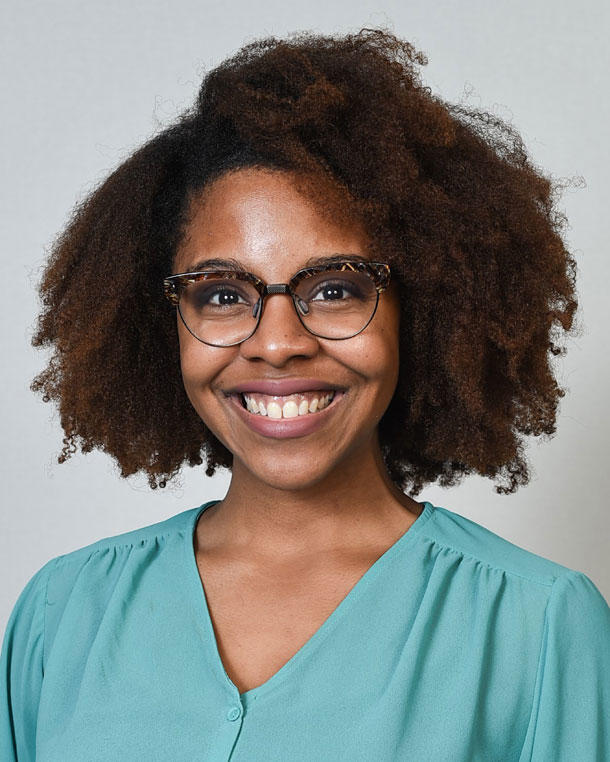
Dr. Joshua August (Gus) Skorburg, PhD

February 17, 2021, 12:00 – 13:00 EST. 

Watch the recording.

About the speaker: Dr. Joshua August (Gus) Skorburg is Assistant Professor of Philosophy, Academic Co-Director of the Centre for Advancing Responsible and Ethical Artificial Intelligence (CARE-AI), and Faculty Affiliate at the One Health Institute at the University of Guelph in Ontario, Canada. He is also Adjunct Professor in the Fuqua School of Business at Duke University. He received his PhD in Philosophy in 2017 from the University of Oregon. His research spans topics in applied ethics and moral psychology.  

https://www.uoguelph.ca/arts/people/joshua-august-gus-skorburg

About the seminar:  Dominant views about the nature of health and disease tend to assume the existence of a fixed, stable, individual organism as the bearer of health and disease states, and as such, the appropriate target of medical therapy and ethical concern. However, recent developments in microbial biology, neuroscience, and social and personality psychology have produced a novel understanding of the individual and its fluid boundaries. Drawing on converging evidence from these disciplines, I will argue that certain features of our biological and social environment can be so tightly integrated as to constitute a unit of care extending beyond the intuitive boundaries of skin and skull. Call this the Hypothesis of Extended Health (HEH). Using the example of obesity as a case study, I show how HEH is well positioned to accommodate recent research on both the human microbiome and relationship partners. I conclude by suggesting that HEH helps us to break free from unhelpful dichotomous thinking about obesity – between individual behaviours (e.g., restraint, diet, exercise) or constraining socio-economic structures (e.g., food deserts, advertising).

About the series: Microorganisms are critical to many aspects of biological life, including human health.  The human body is a veritable universe for microorganisms: some pass through but once, some are frequent tourists, and some spend their entire existence in the confines of our body tissues.  The collective microbial community, our microbiome, can be impacted by the details of our lifestyle, including diet, hygiene, health status, and more, but many are driven by social, economic, medical, or political constraints that restrict available choices that may impact our health.   

Access to resources is the basis for creating and resolving social equity—access to healthcare, healthy foods, a suitable living environment, and to beneficial microorganisms, but also access to personal and occupational protection to avoid exposure to infectious disease. This speaker series explores the way that microbes connect public policy, social disparities, and human health, as well as the ongoing research, education, policy, and innovation in this field.  The spring speaker series will pave the way for a symposium on “Microbes, Social Equity, and Rural Health” in summer 2021.
Watch the Microbes and Social Equity seminar from Feb 10th

An Indigenous Micro- to Meta-Narrative: Microbes and Social Equity

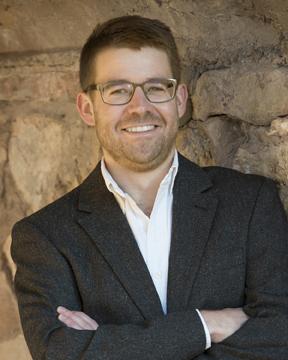
Dr. Nicole Redvers, ND, MPH

February 10, 2021, 12:00 – 13:00 EST. 

Watch the recording.

About the seminar: Indigenous Peoples have scientific narratives and traditions that span thousands of years rooted within concepts of relationship. The microbial microcosm itself is a lens of relationship that situates us as humans within our own communities and in the biome of the planet. How these relationships intersect and how we view them as an evolution of knowledge in theory and practice impacts how we view equity and its applications in the scientific process. This seminar will seek to bridge Indigenous knowledge traditions and scientific discourse with the intent of situating microbes and social equity within a larger relationship within research and practice.

About the series: Microorganisms are critical to many aspects of biological life, including human health.  The human body is a veritable universe for microorganisms: some pass through but once, some are frequent tourists, and some spend their entire existence in the confines of our body tissues.  The collective microbial community, our microbiome, can be impacted by the details of our lifestyle, including diet, hygiene, health status, and more, but many are driven by social, economic, medical, or political constraints that restrict available choices that may impact our health.   

Access to resources is the basis for creating and resolving social equity—access to healthcare, healthy foods, a suitable living environment, and to beneficial microorganisms, but also access to personal and occupational protection to avoid exposure to infectious disease. This speaker series explores the way that microbes connect public policy, social disparities, and human health, as well as the ongoing research, education, policy, and innovation in this field.  The spring speaker series will pave the way for a symposium on “Microbes, Social Equity, and Rural Health” in summer 2021.

Microbes and Social Equity at UMaine

Last week, I chatted about Microbes and Social Equity with Ali Tobey, Marketing and Communications Graduate Assistant for the Office of the Vice President for Research and Dean of the Graduate School at the University of Maine. The MSE working group has been meeting for a year to discuss how microorganisms are what connects us to each other or to the environment, how microbes are involved in so much of human health, how disparities in access to basic needs can affect your health and your microbes, and how social policy can be used to resolve social inequity and improve health for all.

This spring, the MSE group and the University of Maine Institute of Medicine are hosting a semester-long speaker series. The talks range from basic to applied science, from research to education to medical practice, and touch on a variety of topics. The series is free, and open to the public, but registration is required.

The full list of speaker and registration links for the Microbes and Social Equity spring 2021 speaker series can be found here, and Ali’s piece is below:

Reblog of the story by Ali Tobey, University of Maine

Screenshot from an online seminar. The video of the speaker is in the upper right corner, and the title slide is the rest of the image. The seminar is "A crash course in the gut microbiome" by Sue Ishaq at the University of Maine.

UMaine Institute of Medicine seminar available online

Last Friday, I gave a seminar on “A crash course in the gut microbiome” to the University of Maine Institute of Medicine as part of their fall seminar series. You can find the previous seminars in that series here.

I was delighted to have the opportunity to share my science to researchers around Maine, and to have so many engaging questions!

You can find my seminar recording here, and a pdf of the slides with my presenter notes as annotated comments can be found here:

Woman in a dress sitting in front of a laptop displaying the title slide to a presentation called "Microbes on the Farm".

Virtually speaking

This fall, my speaking engagements will all be held virtually, to aid in ongoing infectious-disease-prevention protocols. While in place to reduce the spread of SARS-CoV-2, these same protocols will also help me avoid the annual fall respiratory infection that I otherwise inevitably encounter while working with overly-stressed students.

But, staying away from others doesn’t mean I can’t stay connected! Virtual events might not feel as fun, but they have allowed me to reach a wider audience, because recorded talks are made available after the live event. And, annotated or subtitled recordings make my talks more accessible!

This fall, I have several public talks and scientific presentations lined up:

  1. University of Maine Cooperative Extension Oxford County 4-H Teen Science Cafe (virtual), “Gut microbes on the farm”, Oct 15, 2020. For teens, this event is free but does require registration to obtain the link.
  2. BioME (Bioscience Association of Maine) Virtual Coffee Hour, Oct 14, 2020. This event is open to the public but requires registration.
  3. Genomes to Phenomes (G2P) group, University of Maine. Co-hosting a session with grad student Alice Hotopp, on gut microbes and survival of reintroduced animals. Oct 30, 2020. Link available to University of Maine community members.
  4. University of Maine Medicine seminar series (virtual), “A crash course in the gut microbiome” , Nov 6, 2020. This event is open to the public and free, but does require registration to obtain the link.
  5. Hotopp, A., Silverbrand, S., Ishaq, S.L.,  MacRae, J.,  Stock, S.P.,  Groden, E. “Can a necromenic nematode serve as a biological Trojan horse for an invasive ant?” Entomological Society of America 2020 (virtual). Nov 15-18, 2020. This pre-recorded seminar requires paid event registration.
  6. Yeoman (presenter), C., Lachman, M., Ishaq, S., Olivo, S., Swartz, J., Herrygers, M., Berarddinelli, J.  “Development of Climactic Oral and Rectal Microbiomes Corresponds to Peak Immunoglobin Titers in Lambs.”  Conference of Research Workers in Animal Diseases (CRWAD) 2020. (Virtual) Dec 5, 2020. This seminar requires paid event registration.

‘Microbes on the Farm’ video available

Last week, I gave a presentation to the University of Maine Cooperative Extension Oxford County 4-H Jamboree.

The video is available on YouTube, with subtitles! I sat down to learn how to create and embed them in videos, to help make my science more approachable. The video is made for kids and contains suitable content for all ages, although the difficulty of the content makes it best for kids 12 and up.

Still time to sign up for UMaine 4H virtual summer programs!

Looking for kids’ activities for the summer? Check out the virtual programs hosted by the University of Maine Extension 4H! Learn about animals, how to care for them, and how your food system works.

From their main page, you can find descriptions of each virtual session, including subject material, presenter, and recommended age group (k-12). You can register for as many or as few sessions as you like, which will be delivered over Zoom.

Registration is free! But if you are able to donate to support the program, those are welcome through the 4H site.

I’ll be presenting on Thursday, August 13th, 2020 at 3 pm EST.

Gut Microbes on the Farm

Learn about different digestive tracts in livestock, and the community of microbes living there that help animals digest food, or stay healthy. This presentation will give some background on different digestive tract anatomy, the factors which influence microbes in the gut, and how we can care for animals by caring for their microbes. This presentation will also feature a short presentation on Dr. Ishaq’s journey into science and a Q&A session where attendees can ask questions about gut microbes, life as a scientist, or how to get involved in this time of career. Register by August 12.

Youth ages 12 & up; open to all youth.

Woman with yellow background in a video meeting.

Microbes and Social Equity presentation at IHBE Build Health 2020 virtual meeting

I presented at my first virtual conference; the Institute for Health in the Built Environment Build Health 2020 industry consortium meeting on May 14, 2020.

Comprised of the Biology and the Built Environment Centerthe Energy Studies in Buildings Laboratory, and Baker Lighting Lab, IHBE connects researchers, practitioners, and designers engaged in creating healthier buildings. For the past few years they have hosted a mini-conference in Portland, Oregon in May, but this year a virtual format was a safer choice.

IHBE meeting organizers did a fantastic job at facilitating a remote meeting with a dozen speakers across multiple time zones. This included creating formatted slide decks for speakers to populate, coordinating sections by colors and symbols and providing respective virtual backgrounds for section speakers to use, and use of breakout rooms for smaller discussion groups.

I presented “Framing the discussion of microorganisms as a facet of social equity in human health“, and you can find a recorded version of the presentation here. There are no closed captions, but you can read the audio as annotations here:

The concept of “microbes and social equity” is one I’ve been playing with for a little over a year, and has developed into a colloquium course at the University of Oregon in 2019, an essay in PLoS Biology in 2019, and a consortium of researchers participating in “microbes and social equity part 2”. The Part 2 group has been developing some exciting research events planned for later in 2020, and those details will be forthcoming!