
I sat down with Professor and Designer John Thackara a few weeks ago to talk about microbes, social equity, and how designers can become practitioners of microbial stewardship. You can watch/listen to our conversation and join in here: “Microbes, social equity, and how designers can help.”
Category: MSE
MSE seminar today: Dr. Jake Robinson, “20 important questions in microbial exposure and social equity + recent work on urban greenspace microbiomes”
Today there is another installment in the spring 2022 Microbes and Social Equity speaker series! Each week, we’ll hear from a researcher who will share their work and perspective on how microbes are involved in all aspects of our lives, and how those microbes can affect individuals, communities, and ecosystems.
This series will run from Jan 19 – May 4, Wednesdays at 12:00 – 13:00 EST. These are presented over Zoom, and open to researchers, practitioners, students, and the public. Registration is free, and required for each individual seminar you would like to attend. You can find the full speaker list, details, and registration links for each seminar in the series here.
“20 important questions in microbial exposure and social equity + recent work on urban greenspace microbiomes”
Dr. Jake Robinson, PhD
Feb 23rd, 2022, 12:00 – 13:00 EST. Register for this free talk.
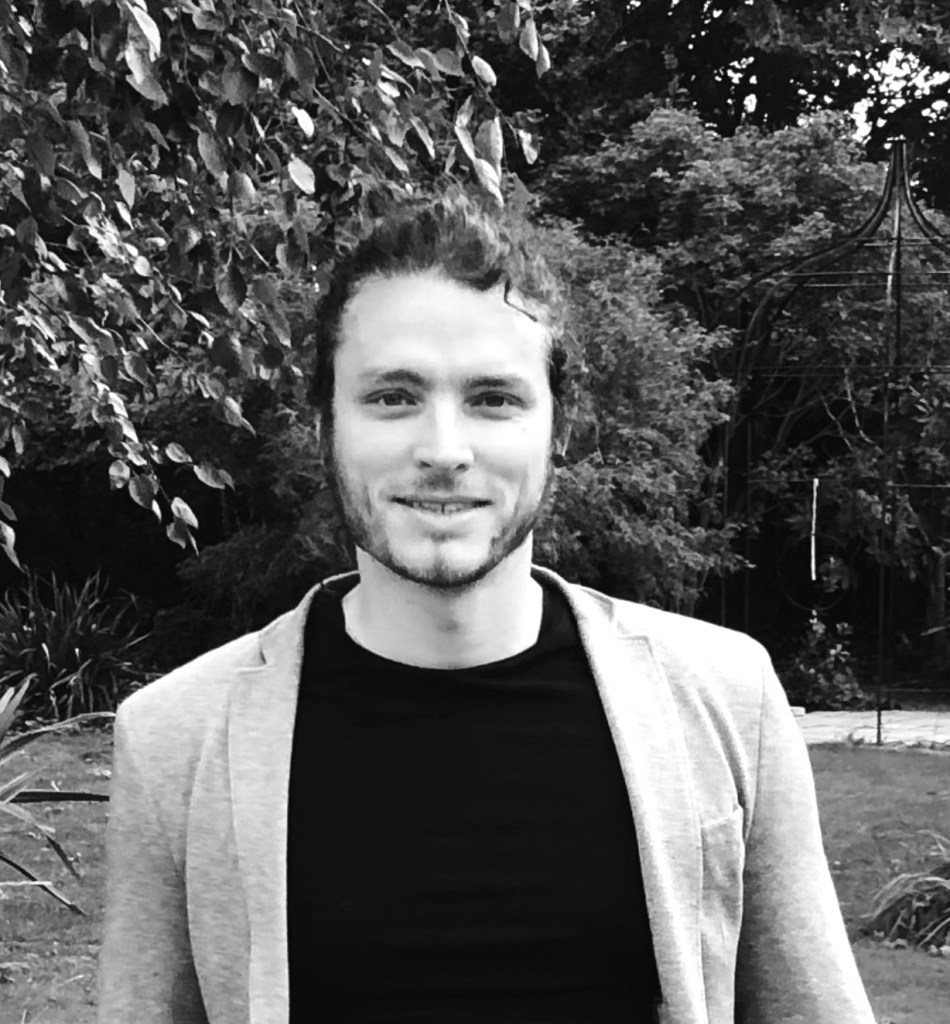
About the speaker: Dr. Jake Robinson is an ecologist and researcher. He recently completed a PhD at the University of Sheffield, UK. His academic interests lie at the intersection of microbial ecology, ecosystem restoration and social research. He will soon be publishing a book called Invisible Friends, which is all about our extraordinary relationship with microbes, and how they shape our lives and the world around us.
MSE seminar today: Dr. Patricia Wolf, “Diet, Microbial Metabolites, and Cancer Disparities”
Today there is another installment in the spring 2022 Microbes and Social Equity speaker series! Each week, we’ll hear from a researcher who will share their work and perspective on how microbes are involved in all aspects of our lives, and how those microbes can affect individuals, communities, and ecosystems.
This series will run from Jan 19 – May 4, Wednesdays at 12:00 – 13:00 EST. These are presented over Zoom, and open to researchers, practitioners, students, and the public. Registration is free, and required for each individual seminar you would like to attend. You can find the full speaker list, details, and registration links for each seminar in the series here.
“Diet, Microbial Metabolites, and Cancer Disparities”.
Dr. Patricia Wolf, PhD, RD
February 9, 2022, 12:00 – 13:00 EST. Register for this free talk.
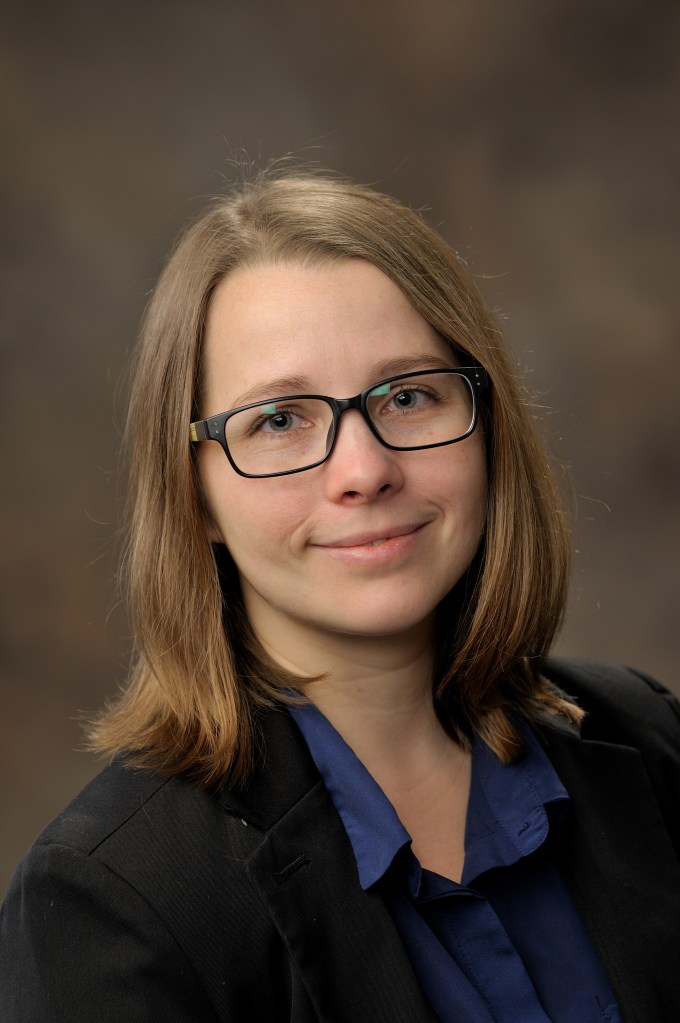
About the speaker: Dr. Wolf completed her PhD in Nutritional Sciences with a focus on microbial sulfur metabolism at the University of Illinois at Urbana-Champaign in December 2018. During her graduate training, she simultaneously completed the Didactic Program in Dietetics and became a Registered Dietitian Nutritionist. Since that time, she has been a postdoctoral fellow at the Cancer Education and Career Development Program NCI T32 at the University of Illinois at Chicago. Her research investigates microbial mechanisms of cancer health disparities related to inequitable food access and quality. To do so, she uses techniques in molecular microbiology and novel enzyme characterization to understand the metabolic capacity of the human gut microbiome. With her expertise in nutrition and dietetics, she then examines whether dietary intake shifts microbial ecology and function toward the formation of deleterious microbial metabolites contributing to cancer risk. Given that dietary behaviors are shaped by the social and structural environment, her future work will explore relationships between the neighborhood food environment and microbial metabolism in order to mitigate the inequitable burden of cancer in certain groups.
MSE seminar today: Dr. Franck Carbonero, “The role of microbiomes in sustainable agriculture and food systems integrated with human health”
This Wednesday there is another installment in the spring 2022 Microbes and Social Equity speaker series! Each week, we’ll hear from a researcher who will share their work and perspective on how microbes are involved in all aspects of our lives, and how those microbes can affect individuals, communities, and ecosystems.
This series will run from Jan 19 – May 4, Wednesdays at 12:00 – 13:00 EST. These are presented over Zoom, and open to researchers, practitioners, students, and the public. Registration is free, and required for each individual seminar you would like to attend. You can find the full speaker list, details, and registration links for each seminar in the series here.
“The role of microbiomes in sustainable agriculture and food systems integrated with human health”.
Dr. Frank Carbonero, PhD
February 2, 2022, 12:00 – 13:00 EST. Register for this free talk.

About the speaker: Dr. Frank Carbonero, PhD, is an Assistant Professor in the Department of Nutrition and Exercise Physiology at Washington State University Elson S. Floyd College of Medicine.
He received his Bachelor’s of Science in Biology from Universite Joseph Fourier, in France, his Master’s of Science degree in Ecology from Universite Blaise Pascal, in France, and his Ph.D. degree in Microbiology from the University of Warwick, in the United Kingdom. After that, he was a Postdoctoral Research Associate at the University of Illinois Urbana-Champaign for three years, and has served as an Assistant Professor in the Department of Food Science at the University of Arkansas since 2013. His research program is focused on nutrition and its impact on the human and animal gut microbiome, with focus on dietary bioactives, including from berries.
MSE seminar today: Dr. Katie Amato, “The Human Microbiome and Health Inequities”
Today there is another installment in the spring 2022 Microbes and Social Equity speaker series! Each week, we’ll hear from a researcher who will share their work and perspective on how microbes are involved in all aspects of our lives, and how those microbes can affect individuals, communities, and ecosystems.
This series will run from Jan 19 – Apr 27, Wednesdays at 12:00 – 13:00 EST. These are presented over Zoom, and open to researchers, practitioners, students, and the public. Registration is free, and required for each individual seminar you would like to attend. You can find the full speaker list, details, and registration links for each seminar in the series here.
“The Human Microbiome and Health Inequities”
Dr. Katherine (Katie) Amato, PhD
January 26, 2022, 12:00 – 13:00 EST. Register for this free talk.
About the speaker: Dr. Katherine (Katie) Amato is an Assistant Professor of Anthropology at Northwestern University. From her faculty profile page: “Katie Amato is a biological anthropologist studying the gut microbiota in the broad context of host ecology and evolution. She is particularly interested in understanding how changes in the gut microbiota impact human nutrition and health in populations around the world, especially those with limited access to nutritional resources.”
Talk summary: The talk explores how the microbiome is likely to be a mediating pathway that translates disparities in people’s environments to disparities in health outcomes. It outlines the current state of the literature in this area and broadly suggests ways to move forward. Dr. Amato’s recent publication on this topic can be found here.
MSE seminar today: Dr. Sue Ishaq, “Microbes at the nexus of environmental, biological, and social research”
Today kicks off the spring 2022 Microbes and Social Equity speaker series! Each week, we’ll hear from a researcher who will share their work and perspective on how microbes are involved in all aspects of our lives, and how those microbes can affect individuals, communities, and ecosystems.
This series will run from Jan 19 – Apr 27, Wednesdays at 12:00 – 13:00 EST. These are presented over Zoom, and open to researchers, practitioners, students, and the public. Registration is free, and required for each individual seminar you would like to attend. You can find the full speaker list, details, and registration links for each seminar in the series here.
“Microbes at the nexus of environmental, biological, and social research”
Dr. Sue Ishaq, PhD
January 19, 2022, 12:00 – 13:00 EST. Register for this free talk

About the speaker: Dr. Sue Ishaq is an Assistant Professor of Animal and Veterinary Science at the University of Maine, in the School of Food and Agriculture. She received her doctorate in Animal, Nutrition and Food Science from the University of Vermont in 2015 where her graduate study focused on the rumen microbiology of the moose. She held post-doctoral positions at Montana State University, and a research faculty position at the University of Oregon. Since 2019, her lab in Maine focuses on host-associated microbial communities in animals and humans, and in particular, how host and microbes interact in the gut. In addition to her research on gut microbes, Dr. Ishaq is the founder of the Microbes and Social Equity working group. This group formed to examine, publicize and promote a research program on the reciprocal impact of social inequality and microbiomes, both human and environmental.
Registration open for Microbes and Social Equity speaker series, Jan 19 – April 27
Registration is now open for the Microbes and Social Equity speaker series, which is in its second year this spring. Hurry, the first seminar is on Wednesday, Jan 19th!
The seminars are free and open for anyone to attend, but require registration to Zoom for each of the talks. You can find the full speaker list and registration links to all the talks on the 2022 series page, which will update as we confirm additional speakers.
Microorganisms are critical to many aspects of biological life, including human health. The human body is a veritable universe for microorganisms: some pass through but once, some are frequent tourists, and some spend their entire existence in the confines of our body tissues. The collective microbial community, our microbiome, can be impacted by the details of our lifestyle, including diet, hygiene, health status, and more, but many are driven by social, economic, medical, or political constraints that restrict available choices that may impact our health.
Access to resources is the basis for creating and resolving social equity—access to healthcare, healthy foods, a suitable living environment, and to beneficial microorganisms, but also access to personal and occupational protection to avoid exposure to infectious disease. This speaker series explores the way that microbes connect public policy, social disparities, and human health, as well as the ongoing research, education, policy, and innovation in this field.

“The Microbes and Social Equity Speaker Series 2022”
Spring 2022; Jan 19 – Apr 27, Wednesdays at 12:00 – 13:00 EST
Presented over Zoom. Registration is free, and required for each seminar.
Hosting Organization: MSE and the University of Maine Institute of Medicine
“Microbes at the nexus of environmental, biological, and social research”
Dr. Sue Ishaq, PhD
January 19, 2022, 12:00 – 13:00 EST. Register for this free talk
About the speaker: Dr. Sue Ishaq is an Assistant Professor of Animal and Veterinary Science at the University of Maine, in the School of Food and Agriculture. She received her doctorate in Animal, Nutrition and Food Science from the University of Vermont in 2015 where her graduate study focused on the rumen microbiology of the moose. She held post-doctoral positions at Montana State University, and a research faculty position at the University of Oregon. Since 2019, her lab in Maine focuses on host-associated microbial communities in animals and humans, and in particular, how host and microbes interact in the gut. In addition to her research on gut microbes, Dr. Ishaq is the founder of the Microbes and Social Equity working group. This group formed to examine, publicize and promote a research program on the reciprocal impact of social inequality and microbiomes, both human and environmental.
“The Human Microbiome and Health Inequities”
Dr. Katherine (Katie) Amato, PhD
January 26, 2022, 12:00 – 13:00 EST. Register for this free talk.
About the speaker: Dr. Katherine (Katie) Amato is an Assistant Professor of Anthropology at Northwestern University. From her faculty profile page: “Katie Amato is a biological anthropologist studying the gut microbiota in the broad context of host ecology and evolution. She is particularly interested in understanding how changes in the gut microbiota impact human nutrition and health in populations around the world, especially those with limited access to nutritional resources.”
Talk summary: The talk explores how the microbiome is likely to be a mediating pathway that translates disparities in people’s environments to disparities in health outcomes. It outlines the current state of the literature in this area and broadly suggests ways to move forward. Dr. Amato’s recent publication on this topic can be found here.
Title TBD
Dr. Liat Shenhav, PhD
February 16, 2022, 12:00 – 13:00 EST. Register for this free talk.
About the speaker: Dr. Liat Shenhav is an Independent Research Fellow at The Rockefeller University
“20 important questions in microbial exposure and social equity + recent work on urban greenspace microbiomes”
Dr. Jake Robinson, PhD
Feb 23rd, 2022, 12:00 – 13:00 EST. Register for this free talk.
About the speaker: Dr. Jake Robinson is an ecologist and researcher. He recently completed a PhD at the University of Sheffield, UK. His academic interests lie at the intersection of microbial ecology, ecosystem restoration and social research. He will soon be publishing a book called Invisible Friends, which is all about our extraordinary relationship with microbes, and how they shape our lives and the world around us.
Title TBD
Dr. Douglas Call, PhD
March 30, 2022, 12:00 – 13:00 EST. Register for this free talk.
About the speaker: Dr. Douglas Call is a Regents Professor at the Paul G. Allen School for Global Health, in Molecular Epidemiology, and the Associate Director for Research and Graduate Education, at Washington State University.
“Decomposition as Life Politics”
Dr. Kristina Lyons, PhD
April 6, 2022, 12:00 – 13:00 EST. Register for this free talk.

About the speaker: Dr. Kristina Lyons is an Assistant Professor of Anthropology and with the Penn Program in Environmental Humanities at the University of Pennsylvania. She also holds affiliations with the Center for Experimental Ethnography and the Center for Latin American and Latinx Studies. Kristina’s current research is situated at the interfaces of socio-ecological conflicts, science, and legal studies in Colombia and Latin America. Her manuscript, Vital Decomposition: Soil Practitioners and Life Politics (Duke 2020), was awarded honorable mention by the Bryce Wood Book Award committee from the Latin American Studies Association. She has also collaborated on the creation of soundscapes, street performances, photographic essays, graphic novels, popular education audiovisual projects, community radio programs, digital storytelling platforms, and various forms of literary writing.
Talk summary: How does attention to and stewardship of soils point to alternative frameworks for living and dying? Dr. Lyons explores the way life strives to flourish in the face of violence, criminalization, and poisoning produced by militarized, growth-oriented development in the midst of the U.S.-Colombia war on drugs.
Title TBD
Dr. Travis J. De Wolfe, PhD
Date TBD, 2022, 12:00 – 13:00 EST.
About the speaker: Dr. Travis J. De Wolfe, Ph.D. is a Postdoctoral Research Fellow in the Department of Pediatrics at the University of British Columbia.
Title TBD
Dr. Maya Hey, PhD
Date TBD, 2022, 12:00 – 13:00 EST.
About the speaker: Dr. Maya Hey is a postdoctoral researcher with the Future Organisms project as part of an international trans-disciplinary team investigating Responsible Research and Innovation (RRI). She brings a humanities and social science perspective to the life sciences, calling upon feminist, intersectional, and multispecies approaches to map out human response-ability in a more-than-human world. She is vested in questions related to fermentation, particularly as they relate to discourses of health, the rhetoric of microbiomes, and how we come to know microbial life.”
Logo designed by Alex Guillen
MSE special session at ASM Microbe 2022 conference
The Microbes and Social Equity working group is putting together a special session at the American Society for Microbiology’s annual Microbe meeting, which will be held in Washington, D.C. from June 9 – 13, 2022.
June 11, 2022, 1:45 PM – 3:45 PM
Room 206
DESCRIPTION
Microorganisms are critical to many aspects of biological life, including human health. The collective microbial community, our microbiome, can be impacted by the details of our lifestyle, including diet, hygiene, health status, and more, but many are driven by social, economic, medical, or political constraints that restrict available choices that may impact our health. Access to resources is the basis for creating and resolving social equity, access to healthcare, healthy foods, a suitable living environment, and to beneficial microorganisms, but also access to personal and occupational protection to avoid exposure to infectious disease. This special session explores the way that microbes connect public policy, social disparities, and human health, as well as the ongoing research, education, policy, and innovation in this field.
5 Presentations
| 1:45 PM – 3:45 PM | Microbes and Social Equity: the Microbial Components of Social, Environmental, and Health Justice Suzanne Ishaq; Univ. of Maine, Orono, ME |
| 1:45 PM – 2:15 PM | Invited Speaker Monica Trujillo; Queensborough Community Coll., New York, NY |
| 2:15 PM – 2:45 PM | Invited Speaker Ariangela Kozik; Univ. of Michigan, Ann Arbor, MI |
| 2:45 PM – 3:15 PM | Invited Speaker Carla Bonilla; Gonzaga Univ., Spokane, WA |
| 3:15 PM – 3:45 PM | Panel Discussion |
Upon completion of this Cross-Track Symposium, the participant should be able to:
- Recognize the connections that microbiomes have to social equity. This will be demonstrated with examples/case studies presented by speakers.
- Discuss relevant issues in microbiomes and their connection to social equity and identify issues which could be explored further.
- Appraise your own work for these connections between microbiomes and social equity, to designate places for professional growth and applying equitable design.
Track(s)/Subtrack(s)Host Microbe Biology
MSE paper published on “Twenty important research questions in microbial exposure and social equity”
The Microbes and Social Equity working group has published its second collaborative paper together, led by Dr. Jake Robinson and featuring 25 other MSE group researchers in various fields related to microbiomes, social equity, and ecosystems. In developing this paper, we had many conversations about what had been accomplished in research related to microbial exposure, as well as what had yet to be done. We provide some background information as context, and spend the majority of the paper outlining twenty of the most poignant research directions. There are so many questions yet to be answered about the way the microbial communities interact with human lives, and how our lives impact them back. In our enthusiasm for the topics, we could have endlessly chatted about research, such that we decided to limit ourselves to twenty questions. We hope that this piece becomes a source for inspiration for others who continue this conversation and future research in these areas.
You can find a link below to read the full article, and links to the authors’ twitter feeds if you’d like to check them out on social media. You’ll be able to hear more about this publication in an upcoming seminar from Jake, as part of the 2022 MSE speaker series, which is open to all and free to attend over zoom.
Robinson, J.M., Redvers, N., Camargo, A., Bosch, C.A., Breed, M.F., Brenner, L.A., Carney, M.A., Chauhan, A., Dasari, M., Dietz, L.G., Friedman, M., Grieneisen, L., Hoisington, A.J., Horve, P.F., Hunter, A., Jech, S., Jorgensen, A., Lowry, C.A., Man, I., Mhuireach, G., Navarro-Pérez, E., Ritchie, E.G., Stewart, J.D., Watkins, H., Weinstein, P., and Ishaq, S.L. 2022. Twenty important research questions in microbial exposure and social equity. mSystems 7(1): e01240-21. Special Series: Social Equity as a Means of Resolving Disparities in Microbial Exposure
ABSTRACT
Social and political policy, human activities, and environmental change affect the ways in which microbial communities assemble and interact with people. These factors determine how different social groups are exposed to beneficial and/or harmful microorganisms, meaning microbial exposure has an important socioecological justice context. Therefore, greater consideration of microbial exposure and social equity in research, planning, and policy is imperative. Here, we identify 20 research questions considered fundamentally important to promoting equitable exposure to beneficial microorganisms, along with safeguarding resilient societies and ecosystems. The 20 research questions we identified span seven broad themes, including the following: (i) sociocultural interactions; (ii) Indigenous community health and well-being; (iii) humans, urban ecosystems, and environmental processes; (iv) human psychology and mental health; (v) microbiomes and infectious diseases; (vi) human health and food security; and (vii) microbiome-related planning, policy, and outreach. Our goal was to summarize this growing field and to stimulate impactful research avenues while providing focus for funders and policymakers.
Introducing the new MSE Directors Team!
As the Microbes and Social Equity group (MSE) has grown and dramatically gained members (~120 members and many more subscribed to our newsletter) in 2021, it has become time to add leadership roles in charge of different aspects of running the group! The current list of Directors are self nominated MSE group members, who have generously volunteered their time in 2022 to support the initiatives and development of this international collaboration alongside Sue Ishaq.

MSE Director of Professional Development
Dr. Srinivasan Mahalingam, PhD, searching for post-doc position
This position will focus on finding existing professional development opportunities, as well as working with MSE members to develop new professional development opportunities which may be used for existing MSE members or the general scientific community.

Srinivasan Mahalingam: Srinivasan is a Ph.D. student in Animal Science at Bharathidasan University (India), working under the guidance of Professor Govindaraju Archunan. His PhD research focuses on the impact of cervicovaginal mucus microbiota (bacterial diversity, volatile fatty acids, and secretory proteins) on buffalo estrus. His is particularly interested in learning more about role of microbiota and their biomolecules (bacterial generated fatty acids and proteins/peptides) on the reproductive tract and intestine. He is currently seeking post-doctoral training to advance my professional research career. The opportunities and resources are immense. People in working societies are tremendously helpful and encouraging, and networking with other scientists has led to a wealth of opportunities. As he wishes to continue his contribution towards science and humanity, he feels MSE can provide ample opportunity to extend group members research professional in an adequate way.
MSE Director of Fundraising
Dr. Ashish Pathak, J.D., LL.M, Ph.D., Adjunct Professor/Research Scientist, Florida Agricultural and Mechanical University
This position will focus on finding funding for current and future MSE initiatives, such as events, travel to conferences, professional development, and salary compensation for MSE Director or assistant roles.

Ashish Pathak: Ashish’s academic background includes a BS in Biology followed by an MS and PhD in Environmental Sciences from FAMU, Tallahassee. Prior to graduate school at SOE, Ashish completed a law degree (akin to JD in the US) followed by an LLM degree (Master’s in Legal Law). During the MS program in law, he researched the nexus between impoverished communities and decline in human health due to complete lack of environmental equity and related environmental justice issues. Having held post-doctoral and now a research scientist position at FAMU’ SOE, he continues to conduct research at the intersection of sustainability sciences, the nexus between Food-Energy and Water, especially surrounding racial disparities and inequity with populations of color, and accomplish 14 out of the 17 sustainability development goals adopted by the United Nations in 2016
Social Media Management Team
This team will focus on connecting our members to our social media accounts and vice versa, to streamlining our social media content, and to assist in communications within the group and to the general scientific community. This position will also help improve existing webpages and consider additional functionality (e.g. online reading lists, a group-facing or public-facing member directory)
MSE Director of Social Media
Sarah Ishak, M.S. student, Université de Sherbrooke

Sarah Ishak: Hailing from the Land Down Under (Australia), Sarah is now a Master’s student at Université de Sherbrooke in Québec, Canada. She graduated from the University of Adelaide with a Bachelor of Science (Advanced) degree, and a Bachelor of Science (Honours) degree in Ecology and Environmental Science. Her current research project is looking at the microbiome of boreal mosses from the Eeyou-Istchee region of Québec. She joined the MSE working group in the hopes of helping to provide under-represented communities the space to share their research. In conjunction with Emily Wissel and Dr. Katherine Maki, we hope to share stories and keep you updated on what the MSE Working Group has in store! You can find Sarah on twitter @microbluvrsarahvrsarah
Social Media Curator
Emily Wissel, PhD candidate, Emory University
Bio below!
Social Media Curator
Dr. Katherine Maki, PhD., Post Doc at NIH

Katherine Maki: Katherine Maki is a postdoctoral fellow at the National Institutes of Health, Clinical Center, in the Translational Biobehavioral and Health Disparities Branch, and she is transitioning to an Assistant Clinical Investigator Position in the same department early 2022. Dr. Maki is a nurse practitioner and received her PhD from the University of Illinois at Chicago, College of Nursing. Her dissertation research examined the effects of chronic sleep disruption on the microbiome and cardiovascular system in rats. As a postdoctoral fellow, Dr. Maki worked on an interdisciplinary team on several intramural and extramural research protocols focusing on the human microbiome. She combines oral and gut microbiome analyses with biosignal and neuroimaging technology to study the gut-brain axis, and how it relates to health and disease. Dr. Maki is particularly interested in the relationship between environmental factors such as poor sleep and alcohol abuse with cardiovascular risk through microbial and metabolite mechanisms in humans.
MSE Director of Resource Dissemination
Emily Wissel, PhD candidate, Emory University
This position will work closely with Social Media and Resource Archiving Teams, and will focus on gathering information and resources to share within the group (e.g. new publications, funding opportunities). This position will facilitate resource gathering from members, and curate in-group emails to disseminate to interested members only to avoid excessively emailing group members.
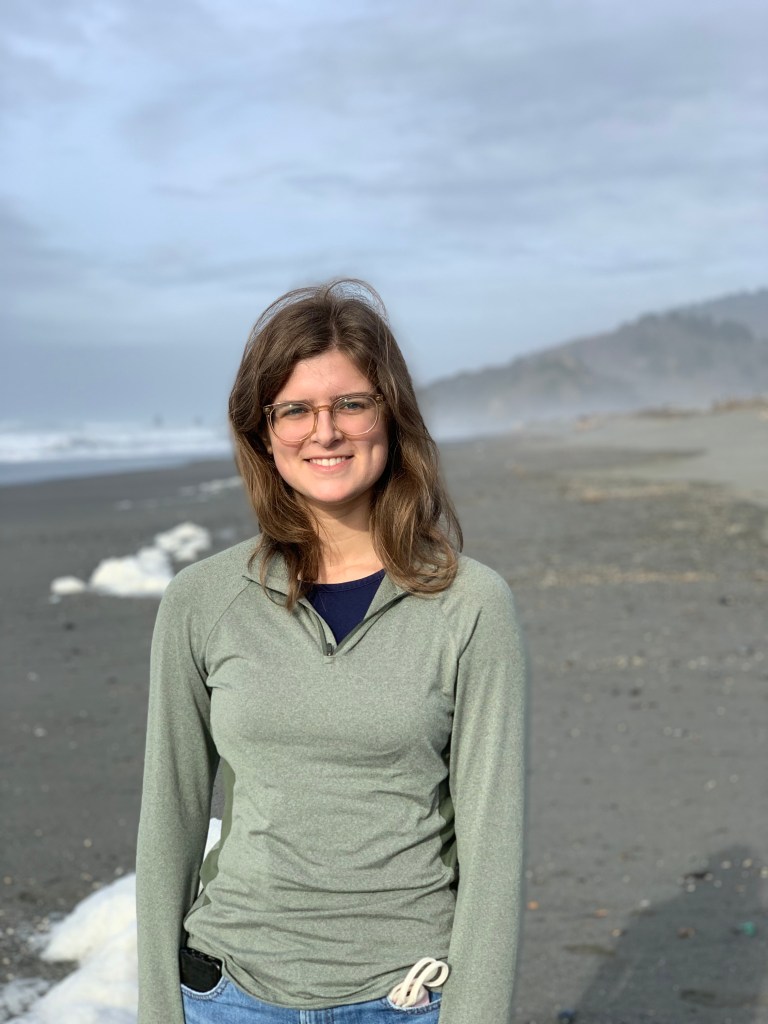
Emily Wissel: Emily Wissel is a PhD candidate and NSF Graduate Research Fellow at Emory University. Her dissertation work explores how the gut and vaginal microbiome change during pregnancy and how factors like antibiotics impact that shift. Emily explores how our understanding of the microbiome can meaningfully inform health interventions and help us better understand mental health and cognition. You can find Emily on Twitter @emily_wissel
MSE Director of Resource Archiving
Patrick Horve, PhD student, University of Oregon
This position will focus on the long-term archiving of group documents, media, and other materials, including making them readily available to members, and revising working documents into a more professional draft before archiving.
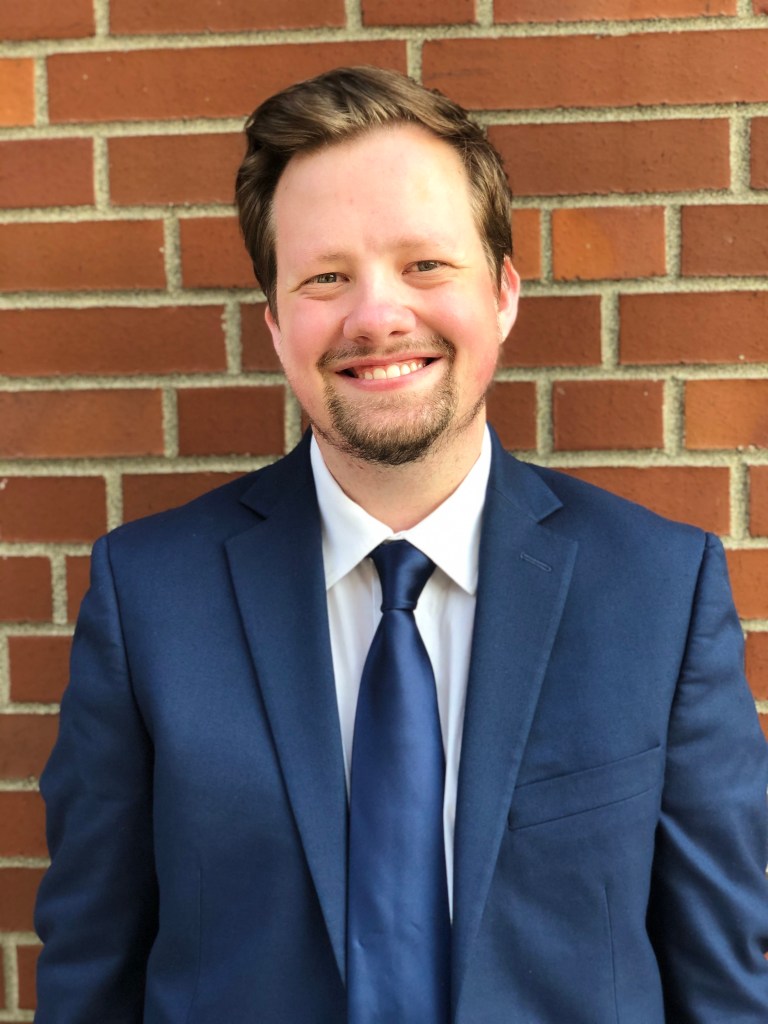
Patrick Horve: Patrick is currently a PhD student at the University of Oregon in Eugene, Oregon in the Institute of Molecular Biology. He is broadly interested in the interactions between microorganisms and the world around them, including the environment, other microorganisms, animals, and humans. These interactions can be both detrimental and beneficial for all of the individuals involved, making both positive and negative engagement with beneficial microbiomes through access to public resources, nutritious food, clean water and air, safe shelter, social interactions, and effective medicine a potentially (and often) inequitable process. By working with MSE, he hopes to encourage the combining of microbiology and social equity work and the promotion of evidence-based and equitable public policy. You can find him on twitter at @PatrickHorve
 The Ishaq Lab