Happening today, ‘Session 4: Community engagement and collaboration’ at the July 2022 MSE virtual symposium!

Today is the fourth day of the July 2022 MSE virtual symposium, which is focused on “Community engagement and collaboration”. Don’t worry, you still have time to register and join the conversation!

This session will feature four talks featuring researchers who have experience bringing communities and members of the public into research teams as contributing members, rather than just study subjects. Not only does this improve the relationship between research and the public, but it creates better-informed research studies and wider spread of positive impacts. Our hope is that attendees for this session learn from different perspectives how to engage with communities early on to spark conversations and collaboration with their research.

Session 4: “Community engagement and collaboration”

Thursday, July 21st, 12:30 ~ 16:00 EST. post updated: This session has passed, watch the recorded talks.

Session leaders:

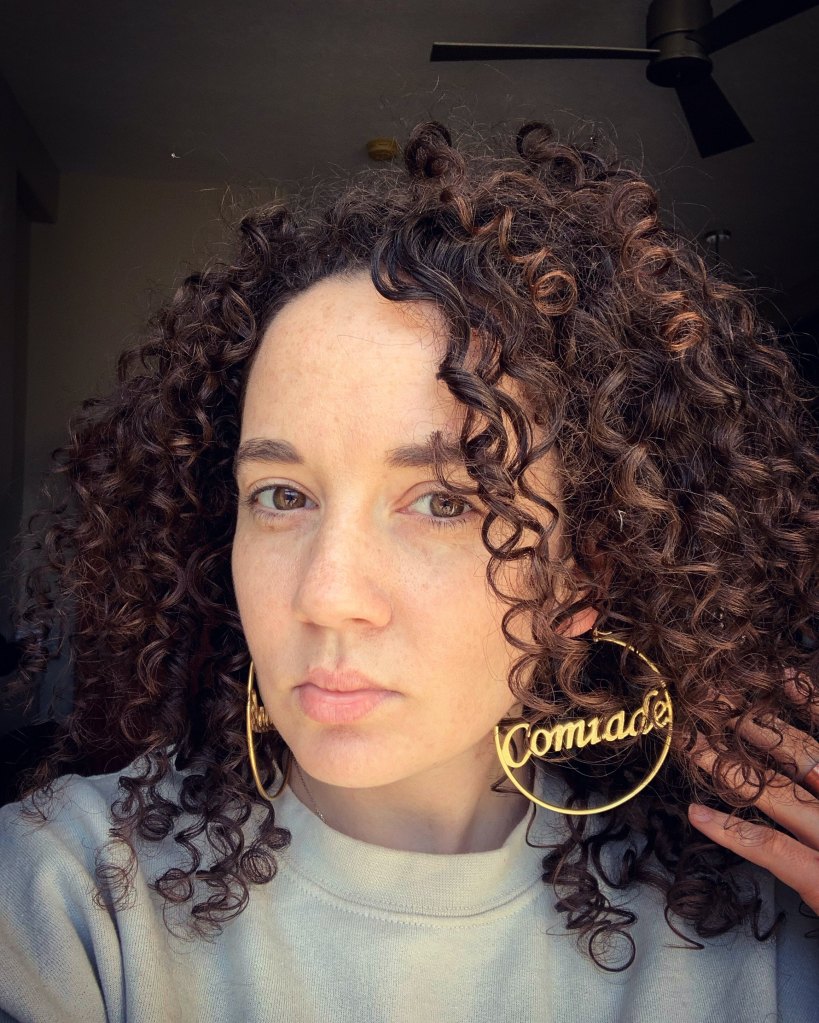
Portrait of Mustafa Saifuddin, Ph.D.,

Mustafa Saifuddin, Ph.D., Staff Scientist, Sustainable Food and Farming Program at Earthjustice
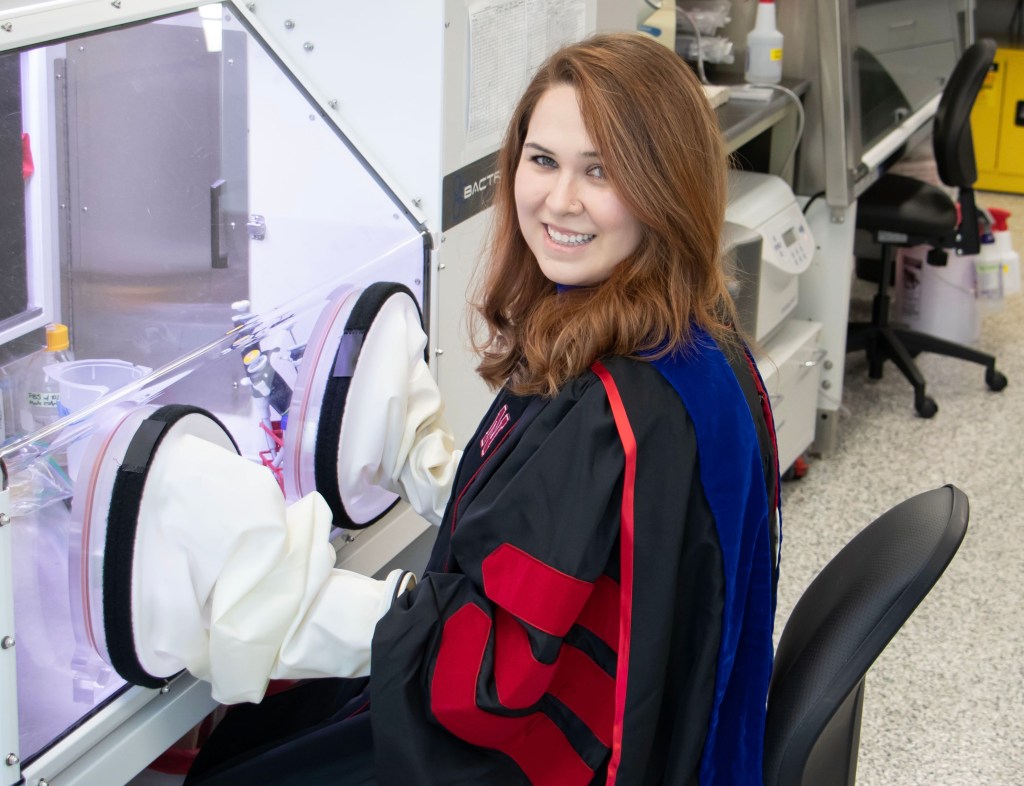
Ashley M. Toney, Ph.D., Postdoctoral Research Fellow, UTHealth School of Public Health, El Paso. Translational/Clinical Nutrition Researcher focused on Latine Health Disparities.

Scope: Due to the interconnectedness of microbial processes and social justice, many types of microbial research could benefit from closer collaborations with communities impacted directly by the public health, environmental and climate justice implications of microbiomes. Some styles of microbiome research would yield more positive outcomes if the collaboration was built around mutual long-term goals, instead of specific projects, and if it was initiated during project conceptualization instead of after the project has been designed. This session will explore different styles of interdisciplinary collaborations centered on community needs, such as community advisory boards, community partnerships, community-led research design, and how to implement this into microbiome research.

Learning Objective of Session: Attendees will learn 1) approaches to community-centered collaborations, 2) how to leverage community professionals (e.g. health workers) in a ‘train the trainer model’, 3) how to start ethical conversations around environmental samples & broader experimental design, and 4) how to emphasize collaborations – including public health, government, policy makers, etc. as a collaborator and how to ask for their help/mindful collaborations.

Format of talks: Four 30-min lecture-style talks from researchers who have successfully built research collaborations with communities.

Format of breakout rooms: Each room creates a plan for engagement, and each room has a designated topic area (e.g. environmental restoration) to help audience members group by research discipline.

Session Speakers:
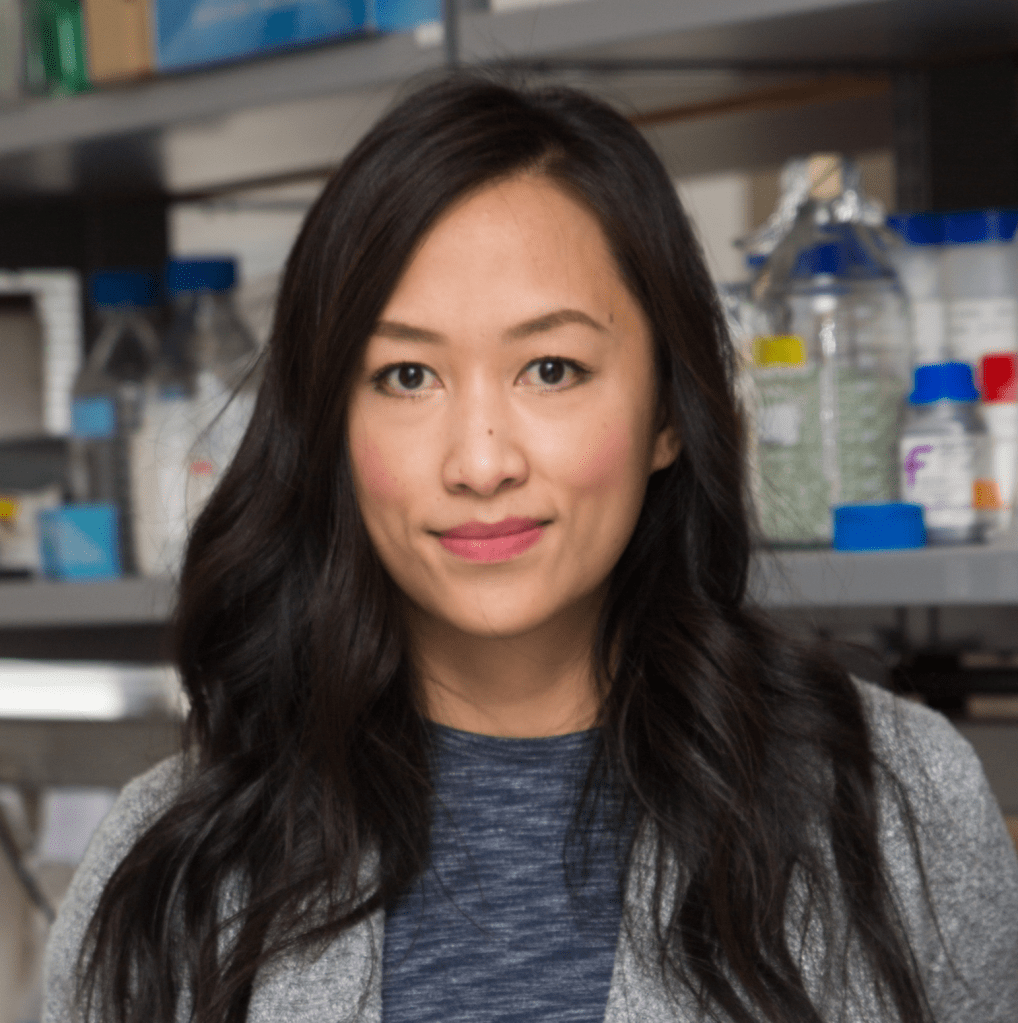
Dr. Pajau (PJ) Vangay, PhD. Science Community Manager, National Microbiome Data Collaborative, Lawrence Berkeley National Laboratory.

“Advancing microbiome science, in partnership with communities”
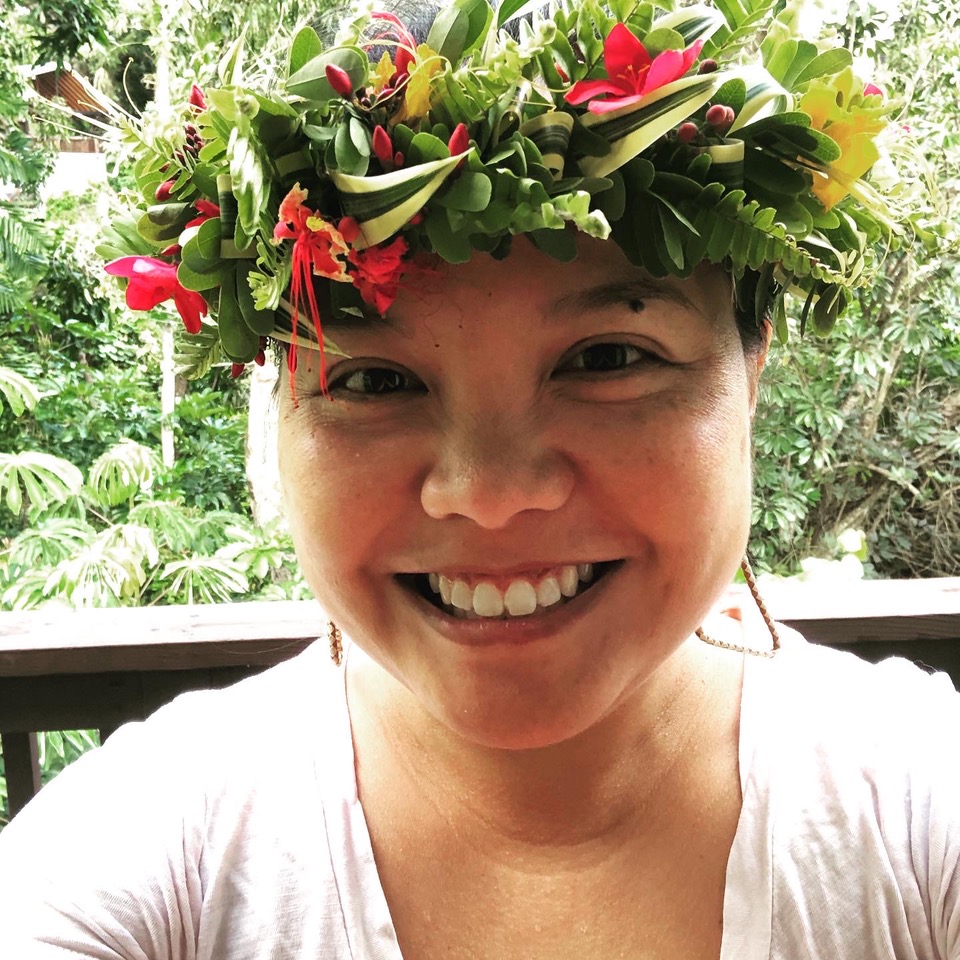
Dr. Rosie Alegado

Dr. Rosie Alegado, PhD., Associate Professor, Oceanography; Director, Sea Grant Ulana ʻIke Center of Excellence; Director, School of Ocean and and Earth Science and Technology Maile Mentoring Bridge Program at the University of Hawaiʻi, Mānoa

“Community-embedded microbiology in Indigenous spaces”
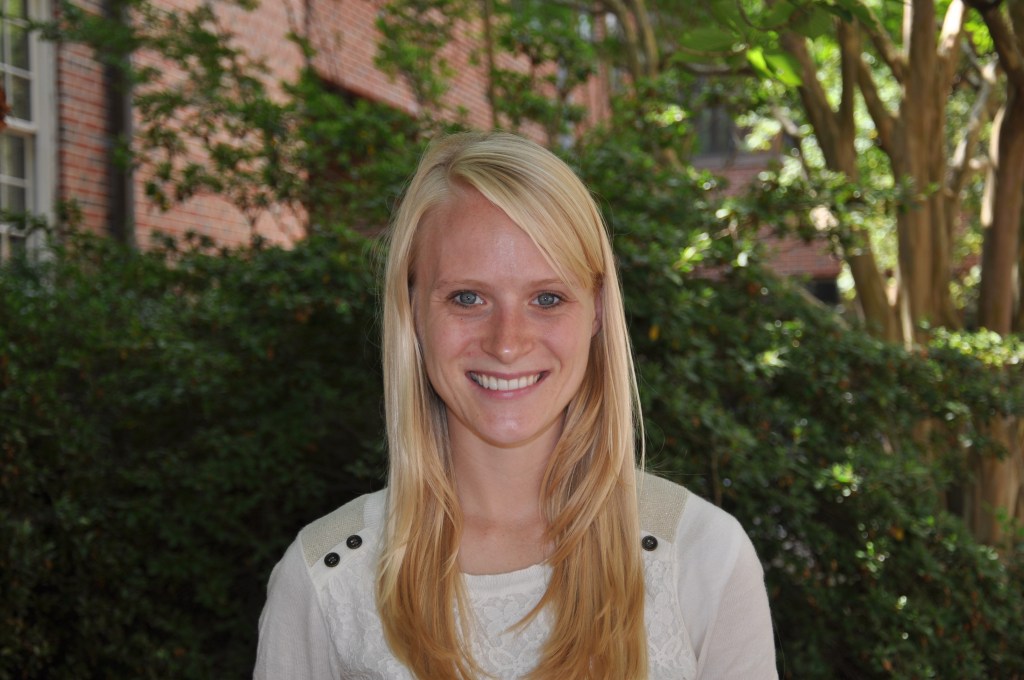
Dr. Arbor Quist

Dr. Arbor Quist, PhD., Postdoctoral Fellow in Environmental Justice & Community-Driven Epidemiology in the Department of Population and Public Health Sciences at the University of Southern California.

“Partnering with Communities in Environmental Disaster Research”

Professional headshot of Dr. Aidee Guzman

Dr. Aidee Guzman, PhD., NSF and UC Chancellor’s Postdoctoral Fellow in the Department of Ecology and Evolutionary Biology at UC Irvine.

“Building agricultural resilience from the ground up.”

12:30 – 14:15 Introduction and Speakers

14:15 – 14:30 Break

14:30 – 15:00 Fourth speaker

15:00 -16:00 Breakout room discussions based on skills development, in smaller groups

  • Community-based participatory research (CBPR) & Scientific Community Engagement
  • Best engagement practices (and things to avoid)
  • Community driven epidemiology
  • Agricultural community engagement
  • Finding a community to engage

Prior to this session, you may want to watch these recorded talks:

One week until ‘Session 4: Community engagement and collaboration’ at the July 2022 MSE virtual symposium!

We are a week away from the fourth day of the July 2022 MSE virtual symposium, which is focused on “Community engagement and collaboration”. This session will feature four talks featuring researchers who have experience bringing communities and members of the public into research teams as contributing members, rather than just study subjects. Not only does this improve the relationship between research and the public, but it creates better-informed research studies and wider spread of positive impacts. Our hope is that attendees for this session learn from different perspectives how to engage with communities early on to spark conversations and collaboration with their research.

Session 4: “Community engagement and collaboration”

Thursday, July 21st, 12:30 ~ 16:00 EST. Register for this session, which is free and will be held over Zoom

Session leaders:

Portrait of Mustafa Saifuddin, Ph.D.,

Mustafa Saifuddin, Ph.D., Staff Scientist, Sustainable Food and Farming Program at Earthjustice

Ashley M. Toney, Ph.D., Postdoctoral Research Fellow, UTHealth School of Public Health, El Paso. Translational/Clinical Nutrition Researcher focused on Latine Health Disparities.

Scope: Due to the interconnectedness of microbial processes and social justice, many types of microbial research could benefit from closer collaborations with communities impacted directly by the public health, environmental and climate justice implications of microbiomes. Some styles of microbiome research would yield more positive outcomes if the collaboration was built around mutual long-term goals, instead of specific projects, and if it was initiated during project conceptualization instead of after the project has been designed. This session will explore different styles of interdisciplinary collaborations centered on community needs, such as community advisory boards, community partnerships, community-led research design, and how to implement this into microbiome research.

Learning Objective of Session: Attendees will learn 1) approaches to community-centered collaborations, 2) how to leverage community professionals (e.g. health workers) in a ‘train the trainer model’, 3) how to start ethical conversations around environmental samples & broader experimental design, and 4) how to emphasize collaborations – including public health, government, policy makers, etc. as a collaborator and how to ask for their help/mindful collaborations.

Format of talks: Four 30-min lecture-style talks from researchers who have successfully built research collaborations with communities.

Format of breakout rooms: Each room creates a plan for engagement, and each room has a designated topic area (e.g. environmental restoration) to help audience members group by research discipline.

Session Speakers:

Dr. Pajau (PJ) Vangay, PhD. Science Community Manager, National Microbiome Data Collaborative, Lawrence Berkeley National Laboratory.

“Advancing microbiome science, in partnership with communities”

Dr. Rosie Alegado

Dr. Rosie Alegado, PhD., Associate Professor, Oceanography; Director, Sea Grant Ulana ʻIke Center of Excellence; Director, School of Ocean and and Earth Science and Technology Maile Mentoring Bridge Program at the University of Hawaiʻi, Mānoa

“Community-embedded microbiology in Indigenous spaces”

Dr. Arbor Quist

Dr. Arbor Quist, PhD., Postdoctoral Fellow in Environmental Justice & Community-Driven Epidemiology in the Department of Population and Public Health Sciences at the University of Southern California.

“Partnering with Communities in Environmental Disaster Research”

Professional headshot of Dr. Aidee Guzman

Dr. Aidee Guzman, PhD., NSF and UC Chancellor’s Postdoctoral Fellow in the Department of Ecology and Evolutionary Biology at UC Irvine.

“Building agricultural resilience from the ground up.”

12:30 – 14:15 Introduction and Speakers

14:15 – 14:30 Break

14:30 – 15:00 Fourth speaker

15:00 -16:00 Breakout room discussions based on skills development, in smaller groups

  • Community-based participatory research (CBPR) & Scientific Community Engagement
  • Best engagement practices (and things to avoid)
  • Community driven epidemiology
  • Agricultural community engagement
  • Finding a community to engage

Prior to this session, you may want to watch these recorded talks:

Ishaq Lab and MSE at ASM Microbe 2022 conference

Ishaq Lab posters

Initial Descriptions of the Microbes of Farmed Atlantic Sea Scallop (Placopecten magellanicus) Veligers and Rearing Tanks. S. Hosler, E. Grey, A. Dankwa, J. Perry, T. Bowden, B. Beal, S. Ishaq. Poster Session AES10 – Marine Microbiology, June 10, 2022, 10:00 AM – 5:00 PM Exhibit and Poster Hall. Presenter available during Poster Presentation 1 (10:30 am – 11:30 am) and Poster Presentation 2 (4 pm – 5 pm) at their assigned poster board.

Prevention of Inflammatory Bowel Disease by Broccoli Sourced and Microbially Produced Bioactives
J. M. Holman, S. Ishaq, Y. Li, T. Zhang, G. Mawe, L. Colucci, J. Balkan. Exhibit and Poster Hall. Poster session HMB06 Microbiome-Host Interactions III. June 12, 2022, 10:00 AM – 4:00 PM. Presenter available during Poster Presentation 1 (10:30 am – 12:30 pm).

The Microbes and Social Equity working group is hosting a special session

CTS16 (PPS). Microbes and Social Equity: the Microbial Components of Social, Environmental, and Health Justice

June 11, 2022, 1:45 PM – 3:45 PM, Room 206

Microorganisms are critical to many aspects of biological life, including human health. The collective microbial community, our microbiome, can be impacted by the details of our lifestyle, including diet, hygiene, health status, and more, but many are driven by social, economic, medical, or political constraints that restrict available choices that may impact our health. Access to resources is the basis for creating and resolving social equity, access to healthcare, healthy foods, a suitable living environment, and to beneficial microorganisms, but also access to personal and occupational protection to avoid exposure to infectious disease. This special session explores the way that microbes connect public policy, social disparities, and human health, as well as the ongoing research, education, policy, and innovation in this field.

5 Presentations

1:45 PM – 3:45 PMMicrobes and Social Equity: the Microbial Components of Social, Environmental, and Health Justice
Suzanne Ishaq; Univ. of Maine, Orono, ME
1:45 PM – 2:15 PMInvited Speaker
Monica Trujillo; Queensborough Community Coll., New York, NY
2:15 PM – 2:45 PMInvited Speaker
Ariangela Kozik; Univ. of Michigan, Ann Arbor, MI
2:45 PM – 3:15 PMInvited Speaker
Carla Bonilla; Gonzaga Univ., Spokane, WA
3:15 PM – 3:45 PMPanel Discussion

Upon completion of this Cross-Track Symposium, the participant should be able to:

  • Recognize the connections that microbiomes have to social equity. This will be demonstrated with examples/case studies presented by speakers.
  • Discuss relevant issues in microbiomes and their connection to social equity and identify issues which could be explored further.
  • Appraise your own work for these connections between microbiomes and social equity, to designate places for professional growth and applying equitable design.

After this session, MSE will be having an informal meet up, as most of us have never met in person!

Presentations and posters from some of our Microbes and Social Equity group members

Please note, the presenters’ names are bolded, and this is not to denote which author is part of MSE. We have included these in order to cross-promote talks, but these presentations may be independent of members’ MSE activities. This is a non-exhaustive list.

In-depth Symposium. EEB05. Interacting Stressor Effects on Microbial-Climate Change Feedbacks
June 10, 2022, 8:15 AM – 10:15 AM, room 144ABC, Convener, Adriana Romero-Olivares
 
8:15 AM – 8:45 AM
Fungal responses to drought and disturbance in a desert ecosystem and potential feedbacks to climate change, Adriana Romero-Olivares

9:30 AM – 9:45 AM
Soil Bacteria Adapt to a Warming World, K. M. DeAngelis, A. Narayanan, A. Eng, M. Choudoir
Benchmarking Software to Predict Antibiotic Resistance Phenotypes in Shotgun Metagenomes Using Simulated Data.
E. F. Wissel, B. M. Talbot, B. Johnson, R. Petit, III, V. Hertzberg, A. Dunlop, T. Read. SESSION Rapid Fire. S102. Rapid Fire: Omics and Machine Learning on the Fight against AMR. June 10, 2022, 8:15 AM – 9:05 AM/ Lounge and Learn 1.
A Model within a Model: Using Cheese Microbiomes to Investigate Host-Phage Interactions within a Community. T. Spencer, A. Sarabia, G. Heussler, S. Villareal, R. Dutton. Session HMB07 Phage-Host Interactions. June 10, 2022, 10:00 AM – 5:00 PM. Exhibit and Poster Hall.
Peril And Healthy Trichosporon Asahii: The Similar Capability To Adhere And Form Biofilms. S. H.S, S. Mandya Rudramurthy, N. Nayak. Poster. CPHM06 Diagnostic Mycology. June 10, 2022, 10:00 AM – 5:00 PM Exhibit and Poster Hall
Dispersal Limitation and Density-Dependent Processes Structure Streptomyces Populations at Small Spatial Scales. J. Hariharan, D. Buckley. Rapid Fire. S107. Rapid Fire: Ecology, Evolution, and Biodiversity. June 11, 2022, 8:15 – 9:05 AM. Lounge and Learn 2.
Comparison of Antibiotic Resistance in Biofilm, Sediment, and Planktonic Communities in an Urbanized River. M. B. Coughter, R. Franklin. Session AES03 – Antimicrobial Resistance in the Environment 2.  June 11, 2022, 10:00 AM – 5:00 PM  Exhibit and Poster Hall
Microbes and Social Equity: what is it and how do we do it?.
S. Ishaq. Session AES018 – Field Work & DEI: Fostering Equitable Partnerships with the Communities in Your Field. June 11, 2022, 11:45 AM – 12:30 PM. AES Track Hub, located in the Exhibit Hall.
Panel discussion: Encouraging culture change for open data
Pajau Vangay. Session ASM Town Hall Title: Advancing collaborative research with the National Microbiome Data Collaborative. Panel discussion: Encouraging culture change for open data.  June 11, 2022, 11:15 AM – 11:30 AM.  202AB
Antibiotic Resistance at the Human-Animal Interface in Southeast Asia.
M. Nadimpalli, M. Stegger, R. Viau, V. Yith, A. de Lauzanne, N. Sem, L. Borand, B-t. Huynh, S. Brisse, V. Passet, S. Overballe-Petersen, M. Aziz, M. Gouali, J. Jacobs, T. Phe, B. Hungate, V. Leshyk, A. J. Pickering, F. Gravey, C. M. Liu, T. J. Johnson, S. Le Hello, L. B. Price. SESSION Poster. EEB01 – Ecology of host-associated microbiomes. June 12, 2022, 10:00 AM – 4:00 PM. Exhibit and Poster Hall. Presenter available during Poster Presentation 1 (10:30 am – 12:30 pm).

Microbes and Social Equity 2022 speaker series wraps for the season

The second MSE speak series wrapped up this week, and we had another very successful season! We heard about some incredible research, shared perspectives from other disciplines, and engaged in discussions on soil and food systems, human health, sanitation and water quality, ecological modeling to understand microbiomes better, and using the incredible diversity of the microbial world to better understand the diversity of human life. This year’s series featured 14 talks from researchers, including one that was a group presentation from an author team, and gathered 411 total attendees and 901 total registrations!

If you missed some or all of the talks, you are in luck! Most of the sessions were recorded and are available online through UMaine.

If you are eager to continue the conversation, MSE is putting together a summer symposium which will bring us together for a week in July to work on developing research skills. Stayed tuned for more details in the next few weeks!

MSE seminar today: Dr. Liat Shenhav, “It’s about time: ecological and eco-evolutionary dynamics across the scales”

Today is final installment in the spring 2022 Microbes and Social Equity speaker series! Each week, we have been hearing from a researcher who shared their work and perspective on how microbes are involved in all aspects of our lives, and how those microbes can affect individuals, communities, and ecosystems.

This series ran from Jan 19 – May 4, Wednesdays at 12:00 – 13:00 EST. These are presented over Zoom, and open to researchers, practitioners, students, and the public. Registration is free, and required for each individual seminar you would like to attend. You can find the full speaker list, details, and recordings from previous talks here.


“It’s about time: ecological and eco-evolutionary dynamics across the scales”

Dr. Liat Shenhav, PhD

May 4, 2022, 12:00 – 13:00 EST. Register for this free talk.

Dr. Liat Shenhav. Photo borrowed from LinkedIN.

About the speaker: Dr. Liat Shenhav is an independent research fellow at the Center for Studies in Physics and Biology at the Rockefeller University. Prior to that, Liat received a B.Sc. and. M.Sc. in Mathematics and Statistics from Tel-Aviv University, and a Ph.D. in Computer Science from University of California, Los Angeles. Liat’s research focuses on developing computational methods for studying spatiotemporal dynamics of complex ecosystems and their contribution to human health and disease.

About the talk: Complex microbial communities play an important role across many domains of life, from the female reproductive tract, through the oceans, to the plant rhizosphere. The study of these communities offers great opportunities for biological discovery, due to the ease of their measurement, the ability to perturb them, and their rapidly evolving nature. Yet, their complex composition, dynamic nature, and intricate interactions with multiple other systems, make it difficult to extract robust and reproducible patterns from these ecosystems. To uncover their latent properties, I develop models that combine longitudinal data analysis and statistical learning, and which draw from principles of community ecology, complexity theory and evolution. 

I will briefly present methods for decomposition of microbial dynamics at an ecological scale (Shenhav et al., Nature Methods 2019; Martino & Shenhav et al., Nature Biotechnology). Using these methods we found significant differences in the trajectories of the infant microbiome in the first years of life as a function of early life exposures, namely mode of delivery and breastfeeding. I will then show how incorporating eco-evolutionary considerations allowed us to detect signals of purifying selection across ecosystems. I will demonstrate how interactions between evolution and ecology played a vital role in shaping microbial communities and the standard genetics code (Shenhav & Zeevi, Science 2020).

Inspired by these discoveries, I am currently expanding the scope beyond the microbiome, modeling multi-layered data on human milk composition. I will present results from an ongoing study in which I am building integrative models of nasal, gut and milk microbiota, combined with human milk components, to predict infant respiratory health. I found that the temporal dynamics of microbiota in the first year of life, mediated by milk composition, predict the development of chronic respiratory disease later in childhood. These models, designed to identify robust spatiotemporal patterns, would help us better understand the nature and impact of complex ecosystems like the microbiome and human milk from the time of formation and throughout life.

Institutional profile page.


MSE seminar today: Dr. Maya Hey, “What Connects Us: stories of working across difference with humans and microbes”

Today is the last installment in the spring 2022 Microbes and Social Equity speaker series! Each week, we’ll hear from a researcher who will share their work and perspective on how microbes are involved in all aspects of our lives, and how those microbes can affect individuals, communities, and ecosystems.

This series will run from Jan 19 – May 4, Wednesdays at 12:00 – 13:00 EST. These are presented over Zoom, and open to researchers, practitioners, students, and the public. Registration is free, and required for each individual seminar you would like to attend. You can find the full speaker list, details, and registration links for each seminar in the series here.

“What Connects Us: stories of working across difference with humans and microbes”

Dr. Maya Hey, PhD

April 27, 2022, 12:00 – 13:00 EST. Register for this free talk.

About the speaker: Dr. Maya Hey is a postdoctoral researcher with the Future Organisms project as part of an international trans-disciplinary team investigating Responsible Research and Innovation (RRI). She brings a humanities and social science perspective to the life sciences, calling upon feminist, intersectional, and multispecies approaches to map out human response-ability in a more-than-human world. She is vested in questions related to fermentation, particularly as they relate to discourses of health, the rhetoric of microbiomes, and how we come to know microbial life.”

Professional page.

Talk summary: What connects us across different scales of life? This talk examines three case studies—on fermentation, conversation, and innovation—to better understand how micro-organisms affect macro-cultures and vice-versa, with emphasis on working with difference instead of resolving them. 

MSE seminar today: Dr. Catherine Girard, “Microbiomes and climate change at the intersection of human and ecosystem health in the North”

Today there is another installment in the spring 2022 Microbes and Social Equity speaker series! Each week, we’ll hear from a researcher who will share their work and perspective on how microbes are involved in all aspects of our lives, and how those microbes can affect individuals, communities, and ecosystems.

This series will run from Jan 19 – May 4, Wednesdays at 12:00 – 13:00 EST. These are presented over Zoom, and open to researchers, practitioners, students, and the public. Registration is free, and required for each individual seminar you would like to attend. You can find the full speaker list, details, and registration links for each seminar in the series here.

“Microbiomes and climate change at the intersection of human and ecosystem health in the North”

Dr. Catherine Girard, PhD

April 20, 2022, 12:00 – 13:00 EST. Register for this free talk.

Portrait photo of Dr. Catherine Girard. Photo courtesy of Dr. Girard.

Dr. Catherine Girard is an Associate Professor at the Université du Québec à Chicoutimi, where she works on the response of microbiomes to climate change in the Arctic. In the past, she has worked on the human microbiome and how it is shaped by tradition, culture and global warming. She now explores how ice-dwelling microbes are responding to change, from a conservation and ecosystem service perspective. She is involved in collaborative research with partners from the Inuit Nunangat, and views microbiomes as part of our heritage.

Professional page.

MSE seminar today: Dr. Patricia Kaishian, “Deconstructing the individual: how science can materially advance using queer and feminist theory”

Today there is another installment in the spring 2022 Microbes and Social Equity speaker series! Each week, we’ll hear from a researcher who will share their work and perspective on how microbes are involved in all aspects of our lives, and how those microbes can affect individuals, communities, and ecosystems.

This series will run from Jan 19 – May 4, Wednesdays at 12:00 – 13:00 EST. These are presented over Zoom, and open to researchers, practitioners, students, and the public. Registration is free, and required for each individual seminar you would like to attend. You can find the full speaker list, details, and registration links for each seminar in the series here.

“Deconstructing the individual: how science can materially advance using queer and feminist theory“

Dr. Patricia Kaishian, PhD

April 13, 2022, 12:00 – 13:00 EST. Register for this free talk.

Dr. Patricia Kaishian. Photo courtesy of Dr. Kaishian.

About the speaker: Dr. Patricia Kaishian is a visiting professor of Biology at Bard College in NY. Her scientific research is focused on the taxonomy of Laboulbeniales fungi, fungal biodiversity, and exploration of the use of certain fungi as potential indicators of ecosystem health. Beyond more traditional scientific research, Patricia works in the realms of philosophy of science, feminist bioscience, ecofeminism and queer theory, exploring how mycology and other scientific disciplines are situated in and informed by our sociopolitical landscape. Her publication, The science underground: mycology as a queer discipline, appears in the journal Catalyst: Feminism, Theory & Technoscience. Patricia is also a founding member of the International Congress of Armenian Mycologists (ICAM), a research organization comprised of ethnically Armenian mycologists who seek to simultaneously advance mycological science and Armenian sovereignty and liberation.

Professional site.

This talk will explore the field of mycology and the mycobiome through a theoretical framework rooted in queer and feminist theories, as well as philosophy of science and Traditional Ecological Knowledge. The goal is to challenge, push, and explore central tenets of institutional science, and to socially and historically situate current research dilemmas in mycology and microbiome studies. By excavating and laying bare ingrained, systemic biases in scientific institutions, we can attempt to disarm fallacious assertions of “purity” in science and better understand bodies at various scales.

MSE seminar today: Dr. Kristina Lyons, “Decomposition as Life Politics”

Today there is another installment in the spring 2022 Microbes and Social Equity speaker series! Each week, we’ll hear from a researcher who will share their work and perspective on how microbes are involved in all aspects of our lives, and how those microbes can affect individuals, communities, and ecosystems.

This series will run from Jan 19 – May 4, Wednesdays at 12:00 – 13:00 EST. These are presented over Zoom, and open to researchers, practitioners, students, and the public. Registration is free, and required for each individual seminar you would like to attend. You can find the full speaker list, details, and registration links for each seminar in the series here.

“Decomposition as Life Politics” 

Dr. Kristina Lyons, PhD

April 6, 2022, 12:00 – 13:00 EST. Register for this free talk.

About the speaker: Dr. Kristina Lyons is an Assistant Professor of Anthropology and with the Penn Program in Environmental Humanities at the University of Pennsylvania. She also holds affiliations with the Center for Experimental Ethnography and the Center for Latin American and Latinx Studies. Kristina’s current research is situated at the interfaces of socio-ecological conflicts, science, and legal studies in Colombia and Latin America. Her manuscript, Vital Decomposition: Soil Practitioners and Life Politics (Duke 2020), was awarded honorable mention by the Bryce Wood Book Award committee from the Latin American Studies Association. She has also collaborated on the creation of soundscapes, street performances, photographic essays, graphic novels, popular education audiovisual projects, community radio programs, digital storytelling platforms, and various forms of literary writing.

Professional page.

Talk summary: How does attention to and stewardship of soils point to alternative frameworks for living and dying? Dr. Lyons explores the way life strives to flourish in the face of violence, criminalization, and poisoning produced by militarized, growth-oriented development in the midst of the U.S.-Colombia war on drugs.

MSE seminar today: Dr. Douglas Call, “Risk factors for colonization with antibiotic-resistant bacteria in Guatemala and East Africa”

Today there is another installment in the spring 2022 Microbes and Social Equity speaker series! Each week, we’ll hear from a researcher who will share their work and perspective on how microbes are involved in all aspects of our lives, and how those microbes can affect individuals, communities, and ecosystems.

This series will run from Jan 19 – May 4, Wednesdays at 12:00 – 13:00 EST. These are presented over Zoom, and open to researchers, practitioners, students, and the public. Registration is free, and required for each individual seminar you would like to attend. You can find the full speaker list, details, and registration links for each seminar in the series here.

“Risk factors for colonization with antibiotic-resistant bacteria in Guatemala and East Africa”

Dr. Douglas Call, PhD

March 30, 2022, 12:00 – 13:00 EST. Register for this free talk.

Dr. Douglas Call. Photo courtesy of Dr. Call

About the speaker: Dr. Douglas Call is a Regents Professor of molecular epidemiology at the Paul G. Allen School for Global Health, and the Associate Director for Research and Graduate Education, at Washington State University. In 2014 he became a Fellow with the American Association for the Advancement of Science in recognition for his contributions to food and water safety, particularly through molecular epidemiology of antibiotic resistant bacteria in agricultural systems. Dr. Call has published over 235 peer-reviewed papers and has ongoing antibiotic resistance research projects in the U.S., Kenya, Brazil and Guatemala with funding from NIH, USDA, and the CDC. He has consulted for the Gates Foundation and Fleming Fund regarding antibiotic resistance, and he is a member of the Board of Directors for the Washington State Academy of Science. In 2021 he received the Washington State University Sahlin Eminent Faculty Award. Dr. Call is currently serving as the chair of the Faculty Senate at Washington State University, and he is a regular columnist for the Moscow-Pullman Daily News where he frequently writes about science and science policy.

Faculty profile page.