
I was recently featured in the Design Observer Twenty for my work on Microbes and Social Equity! The Design Observer is turning 20 this month, so they interviewed 20 people who have been changing the way the world looks at health, wellbeing, sustainability, and designing for a more equitable future.
Author: sueishaqlab
I'm an assistant professor of animal and veterinary studies at the University of Maine, Orono, studying how animals get their microbes. I am also the Founder and Lead of the Microbes and Social Equity working group.

Paper published on “Steamed broccoli sprouts alleviate DSS-induced inflammation and retain gut microbial biogeography in mice”!
The Ishaq and Li labs at UMaine are delighted to announce that our paper on “Steamed broccoli sprouts alleviate DSS-induced inflammation and retain gut microbial biogeography in mice” has been published in mSystems!! The complete author list, Abstract, and Ackowledgements/Funders portions of the paper can be found at the end of this post.
This paper is part of a larger Broccoli project, in which we are evaluating the use of broccoli sprouts in the diet to enlist gut microbes to produce anti-inflammatories. You can read about the whole project here, with links to other resources.
The Premise


Broccoli sprouts are very high in a compound called glucoraphanin. When glucoraphanin comes in contact with the myrosinase enzyme, also found in the sprouts, it is transformed into a compound that acts an an anti-inflammatory in people!
If you eat raw sprouts, this conversion happens when you cut or chew the sprouts, and that anti-inflammatory will get absorbed in your stomach. If you steam or cook the sprouts, you can inactivate the enzyme and leave the glucoraphanin compound alone. Some of your gut microbes are able to use the compound, and produce the anti-inflammatory right in your gut! We are trying to understand how and when this works, so we can use it to reduce symptoms of Inflammatory Bowel Disease.
The Mouse work
In the winter of 2020-2021, we ran a 40-day study with 40 mice housed at UMaine. The mice were divided into 4 groups: “control” which ate the mouse chow, “control+DSS” which ate the mouse chow and had colitis induced by adding DSS (a salt laxative) to their drinking water, “broccoli” which ate the mouse chow with steamed broccoli sprouts mixed in, and “broccoli+DSS” which ate the mouse chow/steamed broccoli sprouts diet and had colitis induced by adding DSS (salt laxative) to their drinking water. This work was led by Johanna Holman, who was a master’s student at the time; Lousia Colicci, who was an undergrad at Husson University at the time and is applying to medical schools now; Dorein Baudewyns, who was an undergrad at Husson University at the time and is completing a graduate program in Psychology at UMaine; and Joe Balkan, who was completing his senior year of high school at the time and has since begin an undergrad degree in Biology at Tufts University where he is preparing for medical school.


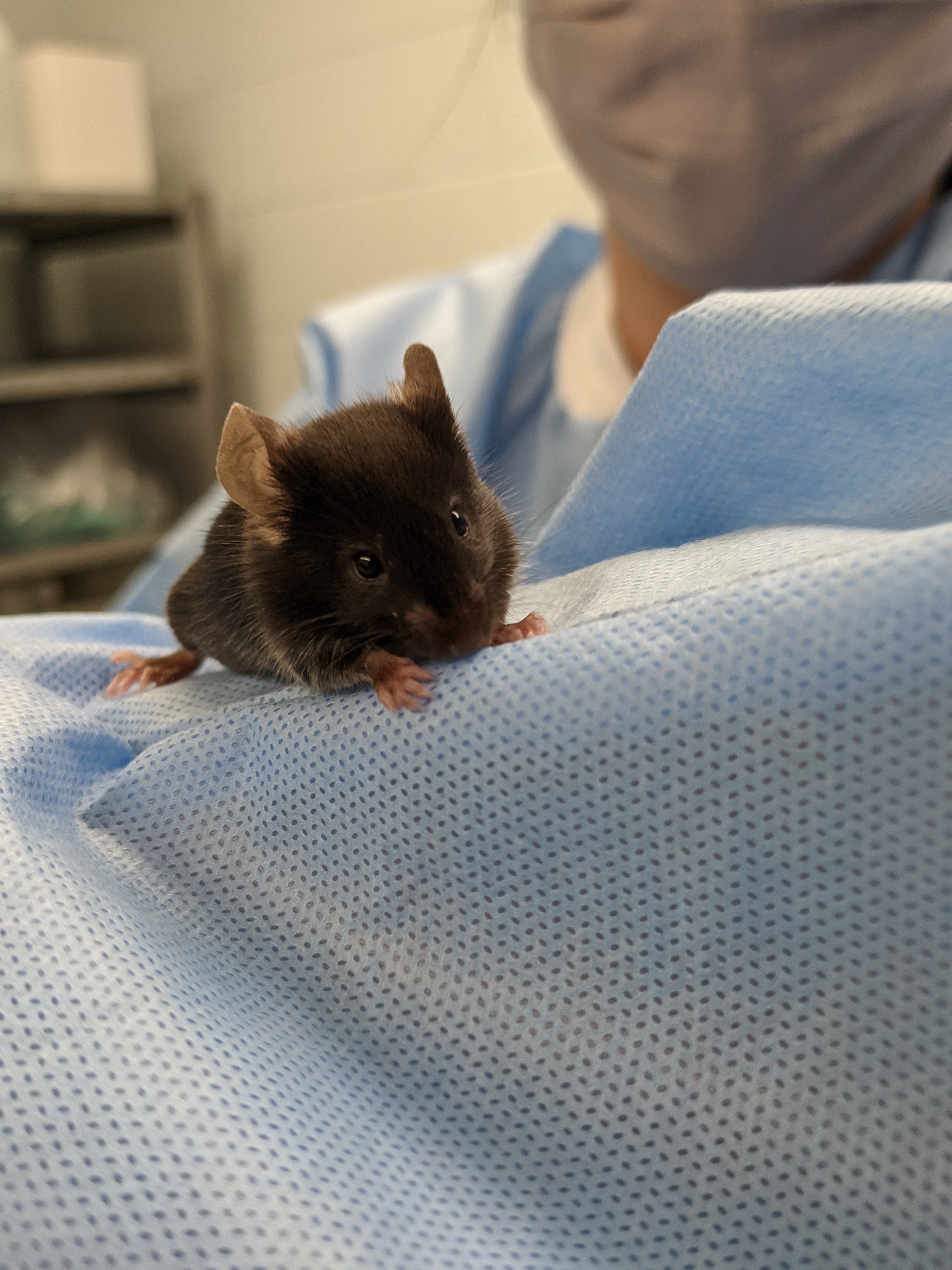

The mice were weighed regularly and fecal samples assessed for blood (signs of colitis). At the end of the study, the mice were euthanized so we could study the bacteria in parts of the intestines that we can’t access in humans. We used as few mice as possible, and got as much information from this study as possible, to do as much good as we can with their sacrifice.
The Health Benefits
As we’d hoped, the broccoli+DSS mice that were eating the broccoli sprouts that were given colitis did much better than the control+DSS group who ate mouse chow during their colitis. The broccoli+DSS mice were able to keep gaining weight as they grew, had better consistency of their stool, and had lower amounts of proteins and other metabolities in their blood which indicate inflammation (lower cytokines and lipocalin). Those graphs are shown in the paper.
The Gut Microbes
We found a lot of interesting things with the microbial communities that were living in different parts of the intestines, but the most exciting was that broccoli sprouts in the diet helped microbial communities stay alive in their original gut locations even during colitis! Certain microbes like to live in particular places in our intestines based on where different ingredients in our diet get processed, or the local environment (like how acidic the intestinal neighborhood is), and this is called biogeography.
In the graph below, our control group mice (eating chow) or the broccoli group (eating chow plus sprouts), we see that microbial communites in the small intestines clustered away from the microbial communities in the large intestines.
The DSS salt laxative, and ulcerative colitis, wreak havoc on gut microbes because they cause physical damage to the lining of the intestine, which where many microbes that can be useful to us live on or near. When we induced colitis in mice that were eating mouse chow (control+DSS group), the damage to the intestines caused a loss to some of the microbes living in different places. The remaining microbes that could survive these tough conditions were basically the same ones regardless of where we we looked in the intestines.
But, if mice had colitis and were eating broccoli sprouts (broccoli+DSS), the microbes were able to survive in their original locations and preserved biogeography! This is important because where microbes live in the gut may determine if the beneficial things they make can help resolve IBD symptoms in specific locations in the gut.

The Spatial Location of GLR-digesting-genes
Bejamin and Timothy Hunt are undergraduates in Biology who have been working on bioinformatics in the Ishaq Lab since December 2022 after completing Sue’s DNA Sequencing Data Analysis Class. They joined the DSS project to provide in-depth analysis on some of the sequences which matched bacteria that are known to convert GLR into the anti-inflammatory SFN, as well as analyze data comparing numbers of genes known to be involved in the process.

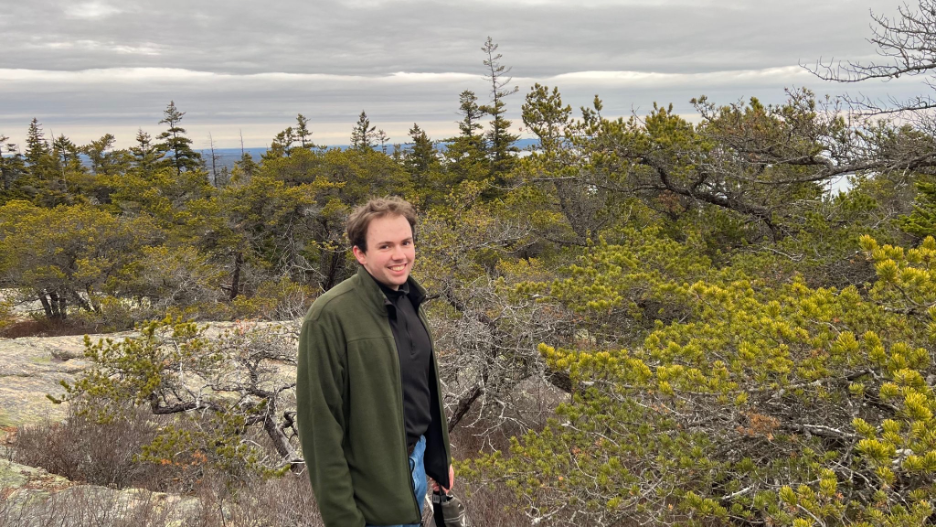

The study of the bioproduction of SFN and its mucosal and luminal activity benefited from the biogeographical analysis of this study. It was interesting to note the extreme dominance of a Bacteroides species in the broccoli treatments. B. thetaiotaomicron was indicated based on BLASTN analysis and an evaluation of matching species but was not directly suggested by the dada-Silva taxonomy assignment. The indication of B. thetaiotaomicron suggested analyzing the presence of the operon BT2159-BT2156, which was generally minimally present (<100) but at relatively high counts (>100,000) in some samples. Significantly, the operon was found at locations where no Bacteroides were identified. We continue to reflect on the similarities and differences in the biogeography of bacterial abundance and operon presence highlighted in the different treatments of this study.
Benjamin and Timothy Hunt
The Next Steps
As part of this project, we cultured hundreds of bacteria from the intestines of mice to try and isolate some of the ones that turn glucroraphanin into sulforaphane. We have a large team of students and researchers participating on the culturing work, some of whom are pictured here. We’ll be providing plenty of updates on that project as we continue to process the bacteria this fall!


The Paper
Steamed broccoli sprouts alleviate DSS-induced inflammation and retain gut microbial biogeography in mice.
Johanna M. Holman1, Louisa Colucci2, Dorien Baudewyns3, Joe Balkan4, Timothy Hunt5, Benjamin Hunt5, Marissa Kinney1, Lola Holcomb6, Allesandra Stratigakis7, Grace Chen8, Peter L. Moses9,10, Gary M. Mawe9, Tao Zhang7, Yanyan Li1*, Suzanne L. Ishaq1*
1 School of Food and Agriculture, University of Maine, Orono, Maine, USA 04469 2 Department of Biology, Husson University, Bangor, Maine, USA 04401 3 Department of Psychology, University of Maine, Orono, USA 04469 4 Department of Chemical and Biological Engineering, Tufts University, Medford, Massachusetts, USA 02155 5 Department of Biology, University of Maine, Orono, Maine, USA 04469 6 Graduate School of Biomedical Sciences and Engineering, University of Maine, Orono, Maine, USA 04469 7 School of Pharmacy and Pharmaceutical Sciences, SUNY Binghamton University, Johnson City, New York, USA 13790 8Department of Internal Medicine, University of Michigan Medical School, Ann Arbor, Michigan, USA 48109 9Departments of Neurological Sciences and of Medicine, Larner College of Medicine, University of Vermont, Burlington, Vermont, USA 0540110 Finch Therapeutics, Somerville, Massachusetts, USA 02143
Abstract: Inflammatory Bowel Diseases (IBD) are devastating conditions of the gastrointestinal tract with limited treatments, and dietary intervention may be effective, and affordable, for managing symptoms. Glucosinolate compounds are highly concentrated in broccoli sprouts, especially glucoraphanin, and can be metabolized by certain mammalian gut bacteria into anti-inflammatory isothiocyanates, such as sulforaphane. Gut microbiota exhibit biogeographic patterns, but it is unknown if colitis alters these or whether the location of glucoraphanin-metabolizing bacteria affects anti-inflammatory benefits. We fed specific pathogen free C57BL/6 mice either a control diet or a 10% steamed broccoli sprout diet, and gave a three-cycle regimen of 2.5% dextran sodium sulfate (DSS) in drinking water over a 34-day experiment to simulate chronic, relapsing ulcerative colitis. We monitored body weight, fecal characteristics, lipocalin, serum cytokines, and bacterial communities from the luminal- and mucosa-associated populations in the jejunum, cecum, and colon. Mice fed the broccoli sprout diet with DSS treatment performed better than mice fed the control diet with DSS, including significantly more weight gain, lower Disease Activity Indexes, lower plasma lipocalin and proinflammatory cytokines, and higher bacterial richness in all gut locations. Bacterial communities were assorted by gut location, but were more homogenous across locations in the control diet + DSS mice. Importantly, our results showed that broccoli sprout feeding abrogated the effects of DSS on gut microbiota, as bacterial richness and biogeography were similar between mice receiving broccoli sprouts with and without DSS. Collectively, this supports the protective effect of steamed broccoli sprouts against dysbiosis and colitis induced by DSS.
Importance: Evaluating bacterial communities across different locations in the gut provides a greater insight than fecal samples alone, and provides an additional metric by which to evaluate beneficial host-microbe interactions. Here, we show that 10% steamed broccoli sprouts in the diet protects mice from the negative effects of dextran sodium sulfate induced colitis, that colitis erases biogeographical patterns of bacterial communities in the gut, and that the cecum is not likely to be a significant contributor to colonic bacteria of interest in the DSS mouse model of ulcerative colitis. Mice fed the broccoli sprout diet during colitis performed better than mice fed the control diet while receiving DSS. The identification of accessible dietary components and concentrations that help maintain and correct the gut microbiome may provide universal and equitable approaches to IBD prevention and recovery, and broccoli sprouts represent a promising strategy.
Acknowledgements: All authors have read and approved the final manuscript. The authors thank Jess Majors, University of Maine, for her kind and detailed care of the mice during the trial, and for Ellie Pelletier for her informal review of the manuscript. This project was supported by the USDA National Institute of Food and Agriculture through the Maine Agricultural & Forest Experiment Station: Hatch Project Numbers ME022102 and ME022329 (Ishaq) and ME022303 (Li) which supported Johanna Holman; the USDA-NIFA-AFRI Foundational Program [Li and Chen; USDA/NIFA 2018-67017-27520/2018-67017-36797]; and the National Institute of Health [Li and Ishaq; NIH/NIDDK 1R15DK133826-01] which supported Marissa Kinney, Timothy Hunt, and Benjamin Hunt. Lola Holcomb was supported by US National Science Foundation One Health and the Environment (OG&E): Convergence of Social and Biological Sciences NRT program grant DGE-1922560, and through the UMaine Graduate School of Biomedical Sciences and Engineering.
Celebrating 50 peer-reviewed publications!
I’ve been a researcher since Juy 2010, when I started graduate school, and my first peer-reviewed journal article was accepted in 2012. This summer, I reached 50 peer-reviewed publications, including research papers and reviews. Since I started publishing, I’ve been in grad school, two one-year postdoc positions, one two-year research assistant professor position, and one four-year-and-counting assistant professor position, and my research areas of focuses have shifted 5 or 6 times since then to keep pace with the job I was in at the time. To capture that diversity, I made a word cloud of my publication list, including authors, titles, and journal names:

Top keywords:
Unsurprisingly, most of my top keywords include the microbes I’m focusing on (bacterial), the animals I’ve worked with (moose, Alces), the sample types I’ve worked with (rumen, soil), and the methodology I use (seqeuencing).
Top co-authors:
None of this would have been possible without hundreds of researchers that I have worked with over the years. Here are a few of the names that pop up in theat wordcloud because I have published so often with them:
- Carl Yeoman, Montana State University, who was my post-doc advisor for a year and who I’ve continued to publish with on various projects. We’ve co-authored 11 papers!!
- Andre Wright, my PhD avisor, who has since moved into non-research roles, also with 11 co-authored papers!!
- Fabian Menalled, Montana State University, who was my post-doc advisor for a year and who I collaborated with for many years on projects which sprung from that first year. We have 7 co-authoured papers!
- Jean MacRae, University of Maine, and I have collaborated on a handful of different projects since I joined UMaine and have co-authored 4 papers with another currently in review.
Full list of Research Articles (38) and Reviews (12):
1 undergraduate student I mentored, 2 graduate student I mentored
- Ishaq, S.L., Hosler2, S., Dankwa, A., Jekielek, P., Brady, D.C., Grey, E., Haskell, H., Lasley-Rasher, R., Pepperman, K., Perry, J., Beal, B., Bowden, T.J. 2023. Bacterial community trends associated with sea scallop, Placopecten magellanicus, larvae in a hatchery system. Aquaculture Reports 32: 101693.
- Holman2, J., L. Colucci, L. Baudewyns, D., Balkan1, J., Hunt1, T., Hunt1, B., Kinney2, M., Holcomb2, L., Stratigakis, A., Chen. G., Moses, P., Mawe, G.M., Zhang, T., Li, Y., Ishaq, S.L. 2023. Steamed broccoli sprouts alleviate DSS-induced inflammation and retain gut microbial biogeography in mice. mSystems. Accepted
- Betiku2, O., Yeoman, C., Gaylord, T.G., Ishaq, S., Duff, G., Sealey, W. 2023. Evidence of a Divided Nutritive Function in The Rainbow Trout (Oncorhynchus mykiss) Mid- and Hind-Gut Microbiomes by Whole Shotgun Metagenomic Approach. Aquaculture Reports 30: 101601.
- Ishaq, S.L., Turner, S.M., Lee1, G., Tudor, M.S., MacRae, J.D., Hamlin, H., Bouchard, D. 2023. Water temperature and disease alters bacterial diversity and cultivability from American Lobster (Homarus americanus) shells. iScience 26(5): 106606.
- Ouverson2, T., , Boss, D., Eberly, J., Seipel, T., Menalled, F.D., Ishaq, S.L. 2022. Soil bacterial community response to cover crops, cover crop termination, and predicted climate conditions in a dryland cropping system. Frontiers in Sustainable Food Systems. 911199.
- Ishaq, S.L., Wissel2, E.F., Wolf, P.G., Grieneisen, L., Eggleston, E.M., Mhuireach, G., Friedman, M., Lichtenwalner, A., Otero Machuca, J., Weatherford Darling, K., Pearson, A., Wertheim, F.S., Johnson, A.J., Hodges, L., Young, S., Nielsen, C.C., Kozyrskyj, A.L., MacRae, J.D., McKenna Myers, E., Kozik, A.J., Tussing-Humphreys, L.M., Trujillo, M., Daniel, G.A., Kramer, M.R., Donovan, S.M., Arshad 1, M., Balkan1, J., Hosler2, S. 2022. Designing the Microbes and Social Equity Symposium, a novel interdisciplinary virtual research conference based on achieving group-directed outputs. Challenges, 13(2), 30.
- Holman2, J., Hurd, M., Moses, P., Mawe, G., Zhang, T., Ishaq, S.L., Li, Y. 2022. Interplay of Broccoli/Broccoli Sprout Bioactives with Gut Microbiota in Reducing Inflammation in Inflammatory Bowel Diseases.The Journal of Nutritional Biochemistry 113:109238. (review)
- Robinson, J.M., Redvers, N., Camargo, A., Bosch, C.A., Breed, M.F., Brenner, L.A., Carney, M.A., Chauhan, A., Dasari, M., Dietz, L.G., Friedman, M., Grieneisen, L., Hoisington, A.J., Horve, P.F., Hunter, A., Jech, S., Jorgensen, A., Lowry, C.A., Man, I., Mhuireach, G., Navarro-Pérez, E., Ritchie, E.G., Stewart, J.D., Watkins, H., Weinstein, P., and Ishaq, S.L. 2022.Twenty important research questions in microbial exposure and social equity. mSystems 7(1): e01240-21. Special Series: Social Equity as a Means of Resolving Disparities in Microbial Exposure. (review)
- Sepiel, T. Ishaq, S.L., Larson, C., Menalled, F. 2022. Weed communities in winter wheat: responses to cropping systems and predicted warmer and drier climate conditions. Sustainability 14(11), 6880.
- Ishaq, S.L., Turner, S.M., Tudor, M.S., MacRae, J.D., Hamlin, H., Kilchenmann, J., Lee1, G., Bouchard, D. 2022. Many questions remain unanswered about the role of microbial transmission in epizootic shell disease in American lobsters (Homarus americanus). Frontiers in Microbiology 13: 824950. Invited contribution to special collection: The Role of Dispersal and Transmission in Structuring Microbial Communities
- Rabee, A.E., Sayed Alahl, A.A., Lamara, M., Ishaq, S.L. 2022. Fibrolytic rumen bacteria of camel and sheep and their applications in the bioconversion of barley straw to soluble sugars for biofuel production. PLoS ONE 17(1): e0262304.
- Ishaq, S.L., Parada, F.J., Wolf, P.G., Bonilla, C.Y., Carney, M.A., Benezra, A., Wissel, E., Friedman, M., DeAngelis, K.M., Robinson, J.M., Fahimipour, A.K., Manus, M.B., Grieneisen, L., Dietz, L.G., Pathak, A., Chauhan, A., Kuthyar, S., Stewart, J.D., Dasari, M.R., Nonnamaker, E., Choudoir, M., Horve, P.F., Zimmerman, N.B., Kozik, A.J., Darling, K.W., Romero-Olivares, A.L., Hariharan, J., Farmer, N., Maki, K.A., Collier, J.L., O’Doherty, K., Letourneau, J., Kline, J., Moses, P.L., Morar, N. 2021. Introducing the Microbes and Social Equity Working Group: Considering the Microbial Components of Social, Environmental, and Health Justice. mSystems 6:4. Special Series: Social Equity as a Means of Resolving Disparities in Microbial Exposure. (review)
- Choi2, O., Corl, A., Lublin, A., Ishaq, S.L., Charter, M., Pekarsky, S., Thie, N., Tsalyuk, M., Turmejan, S., Wolfenden, A., Bowie, R.C.K., Nathan, R., Getz, W.M., Kamath, P.L. 2021. High-throughput sequencing for examining Salmonella prevalence and pathogen – microbiota relationships in barn swallows. Frontiers in Ecology and Evolution 9:681.
- Dankwa2, A.S., U. Humagain2, S.L. Ishaq, C.J. Yeoman, S. Clark , D.C. Beitz, and E. D. Testroet. 2021. Determination of the microbial community in the rumen and fecal matter of lactating dairy cows fed on reduced-fat dried distillers grains with solubles. Animal 15(7):100281.
- Ishaq, S.L., A. Hotopp2, S. Silverbrand2, J.E. Dumont, A. Michaud, J. MacRae, S. P. Stock, E. Groden. 2021. Bacterial transfer from Pristionchus entomophagus nematodes to the invasive ant Myrmica rubra and the potential for colony mortality in coastal Maine.iScience 24(6):102663.
- Ouverson2, T., Eberly, J., Seipel, T., Menalled, F., Ishaq, S.L. 2021.Temporal soil bacterial community responses to cropping systems and crop identity in dryland agroecosystems of the Northern Great Plains. Frontiers in Sustainable Food Systems 5:75. Invited submission to Plant Growth-Promoting Microorganisms for Sustainable Agricultural Production special collection.
- Zeng, H., Safratowich, B.D., Liu, Z., Bukowski, M.R., Ishaq, S.L. 2021. Adequacy of calcium and vitamin D reduces inflammation, β-catenin signaling, and dysbiotic Parasutterella bacteria in the colon of C57BL/6 mice fed a Western-style diet. Journal of Nutritional Biochemistry 92: 108613. Article.
- Horve1, P.F., Dietz, L., Ishaq, S.L., Kline, J., Fretz, M., Van Den Wymelenberg, K. 2020. Viable bacterial communities on hospital window components in patient rooms. PeerJ 8:e9580.
- Ishaq, S.L., Seipel, T., Yeoman, C.J., Menalled, F.D. 2020. Dryland cropping systems, weed communities, and disease status modulate the effect of climate conditions on wheat soil bacterial communities. mSphere 5:e00340-20.
- Garcia-Mazcorro, J., Ishaq, S.L., Avila-Jaime, B., Rodriguez-Herrera, M.V., Kawas, J.R., Nagaraja, T.G. 2020. Are there any native Saccharomyces in the digestive tract of livestock animal species? Implications for health, nutrition and productivity traits. Animal 14(1):22-30. (review)
- Ishaq, S.L., Seipel, T., Yeoman, C.J., Menalled, F.D. 2020. Soil bacterial communities of wheat vary across the growing season and among dryland farming systems. Geoderma 358(15):113989.
- Ishaq, S.L., Rapp1, M., Byerly1, R., McClellan1, L.S., O’Boyle1, M.R., Nykanen1, A., Fuller1, P.J., Aas1, C., Stone1, J.M., Killpatrick1, S., Uptegrove1, M.M., Vischer1, A., Wolf1, H., Smallman1, F., Eymann1, H., Narode1, S., Stapleton, E., Cioffi, C.C., Tavalire, H. 2019. Framing the discussion of microorganisms as a facet of social equity in human health. PLoS Biology 17(11): e3000536. Microbiomes Across Systems special issue. Article. (review)
- Velazquez1, S., Griffiths1, W., Dietz, L., Horve1, P., Nunez1, S., Hu, J., Shen, J., Fretz, M., Bi, C., Xu, Y., Van Den Wymelenberg, K.G., Hartmann, E.M., Ishaq, S.L.2019. From one species to another: A review on the interaction of chemistry, microbiology, and occupancy in the built environment. Indoor Air 26(6): 875-1049. (review). Top 10% most downloaded papers from 2018 – 2019, and 2019 – 2020.
- Velazquez1, S., Bi, C., Kline, J., Nunez1, S., Corsi, R., Xu, Y., Ishaq, S.L. 2019. Accumulation of di-2-ethylhexyl phthalate from polyvinyl chloride flooring into settled house dust and the effect on the bacterial community. PeerJ 7:e8147.
- Stenson, J., Ishaq, S., Laguerre, A., Loia, A., MacCrone1, G., Mugabo, I., Northcutt, D., Riggio, M., Barbosa, A., Gall, E., Van Den Wymelenberg, K. 2019. Occupant Experience of a Mass Timber Office Building: Monitored and Perceived. Buildings 9:142.
- Seipel, T., Ishaq, S.L., Menalled, F.D. 2019. Agroecosystem resilience is modified by management system via plant–soil feedbacks.Basic and Applied Ecology 39:1-9.
- Ishaq, S.L., Lachman2, M.M., Wenner, B.A., Baeza, A., Butler, M., Gates, E., Olivo, S., Buono Geddes, J., Hatfield, P., Yeoman, C.J. 2019. Pelleted-hay alfalfa feed increases sheep wether weight gain and rumen bacterial richness over loose-hay alfalfa feed. PLoS ONE 14(6): e0215797.
- Ishaq, S.L., Page, C.M., Yeoman, C.J., Murphy, T.W., Van Emon, M.L., Stewart, W.C. 2019. Zinc-amino-acid supplementation alters yearling ram rumen bacterial communities but zinc sulfate supplementation does not. Journal of Animal Science 97(2):687-697.
- Horve1, P.F., Lloyd1, S., Mhuireach, G.A., Dietz, L., Fretz, M., MacCrone1, G., Van Den Wymelenberg, K., Ishaq, S.L.2019. Building Upon Current Knowledge of Indoor Microbiology to Construct the Next Era of Research into Microorganisms, Health, and the Built Environment. Journal of Exposure Science and Environmental Epidemiology 30:219–235. Healthy Buildings special issue. (review)
- Yeoman, C.J. and Ishaq, S.L.*, Bichi, E., Olivo, S.K., Lowe, J., Aldridge, B.M. 2018. Biogeographical Differences in the Influence of Maternal Microbial Sources on the Early Successional Development of the Bovine Neonatal Gastrointestinal tract. Scientific Reports 8:3197. *authors contributed equally. Article
- Seshadri, R., Leahy, S.C., Attwood, G.T., The, K.H., Lambie, S.C., Eloe-Fadrosh, E., Pavlopoulos, G., Hadjithomas, M., Varghese, N., Hungate1000 project collaborators, Perry, R., Henderson, G., Creevey, C.J., Terrapon, N., Lapebie, P., Drula, E., Lombard, V., Rubin, E., Kyrpides, N., Henrissat, B., Woyke, T., Ivanova, N., Kelly, W.J. 2018. Cultivation and sequencing of rumen microbiome members from the Hungate1000 Collection. Nature Biotechnology 36:359-367.
- Zeng, H., Ishaq, S.L., Liu, Z., Bukowski, M. 2018. Colonic aberrant crypt formation accompanies an increase of opportunistic pathogenic bacteria in C57BL/6 mice fed a high-fat diet. Journal of Nutritional Biochemistry 54:18-27.
- Ishaq, S.L., AlZahal, O., Walker, N., McBride, B. 2017. Modulation of sub-acute ruminal acidosis by active-dry yeast supplementation and its effect on rumen fungal and protozoal populations in liquid, solid, and epimural fractions.Frontiers in Microbiology 8:1943.
- Ishaq, S.L., Yeoman, C.J, Whitney, T.R. 2017. Effects of ground redberry juniper and urea in DDGS-based supplements on ewe lamb rumen microbial communities. Journal of Animal Science 95(10):4587-4599.
- Perea1, K., Perz, K., Olivo, S.K., Ishaq, S.L., Williams, A., Lachman, M., Thompson, J., Yeoman, C.J. 2017. Feed efficiency phenotypes involve changes in ruminal, colonic, and small intestine-located microbiota. Journal of Animal Science 95(6):2585-2592.
- Ishaq, S.L., Johnson, S.P., Miller, Z.J., Lehnhoff, E.A., Olivo, S.K., Yeoman, C.J., Menalled, F.D. 2017. A living soil inoculum increases soil microbial diversity, crop and weed growth using soil from organic and conventional farms in northeastern Montana. Microbial Ecology 73: 417.
- Ishaq, S.L. 2017. Plant-Bacteria Interactions in Agriculture and the Use of Farming Systems to Improve Diversity and Productivity. AIMS Microbiology 3(2): 335-353. (review)
- Feng, W., Minor, D., Liu, M., Li, J., Ishaq, S.L., Yeoman, C., Lei, B. 2016. Null Mutations of Group A Streptococcus Orphan Kinase RocA: Selection in Mouse Infection and Comparison with CovS Mutations in Alteration of in vitro and in vivo Protease SpeB Expression and Virulence. Infection and Immunity 25:30-36.
- Zeng, H., Ishaq, S.L., Zhao, F-Q., Wright, A-D.G. 2016. Colonic inflammation accompanies an increase of b-catenin signaling Lachnospiraceae/Streptococcaceae in the hind-gut of high-fat diet-fed mice. Journal of Nutritional Biochemistry 35:30-36.
- Salgado-Flores, A., Hagen, L.H., Pope, P.B., Ishaq, S.L., Wright, A-D.G., Sundset, M.A. 2016. Intake of a lichen-based diet altered the rumen and cecum microbial profiles in Norwegian reindeer (Rangifer tarandus tarandus). PLoS ONE 11(5).
- Ishaq, S.L., Moses, P.L., Wright, A-D.G. 2016. The pathology of methanogenic archaea in human gastrointestinal disease. In: The Gut Microbiome – Implications for Human Disease. Mozsik, G. (ed.). InTech. Pp. 19-37. (review)
- Ishaq, S.L., Kim1, C.J., Reis1, D., Wright, A-D.G. 2015. Fibrolytic bacteria isolated from the rumen of North American moose (Alces alces) and their potential as a probiotic for ruminants. PLoS ONE 10:12.
- Henderson, G., Cox, F., Ganesh, S., Jonker, A., Young, W., Global Rumen Census Collaborators, Janssen, P.H. 2015. Rumen microbial community composition varies with diet and host, but a core microbiome is found across a wide geographical range. Scientific Reports 5:14567.
- Ishaq, S.L., Sundset, M.A., Crouse, J., Wright, A-D.G. 2015. High-throughput DNA sequencing of the moose rumen from different geographical locations reveals a core ruminal methanogenic archaeal diversity and a differential ciliate protozoal diversity. Microbial Genetics 1(4):mgen.0.000034.
- Ishaq, S.L., Wright, A-D.G. 2015. Wild Ruminants. In: Rumen Microbiology – Evolution to Revolution. AK Puniya, R Singh, DN Kamra (eds). Springer India. Pp. 37-45. (review)
- Ishaq, S.L., Wright, A-D.G. 2015. Terrestrial Vertebrate Animal Metagenomics, Wild Ruminants. In: Highlander, SK, Rodriguez-Valera, F, White, BA. (Ed.) Encyclopedia of Metagenomics: SpringerReference. Springer-Verlag Berlin Heidelberg. DOI: 10.1007/SpringerReference_303275. (review)
- St-Pierre, B., Cersosimo, L.M., Ishaq, S.L., Wright, A-D.G. 2015. Toward the identification of methanogenic archaeal groups as targets of methane mitigation in livestock animals. Frontiers in Microbiology 6:776. (review)
- Ishaq, S.L., Wright, A-D.G. 2014. Design and validation of four new primers for next-generation sequencing to target the 18S rRNA gene of gastrointestinal ciliate protozoa. Applied and Environmental Microbiology 80(17):5515-5521.
- Ishaq, S.L., Wright, A-D.G. 2014. High-throughput DNA sequencing of the ruminal bacteria from moose (Alces alces) in Vermont, Alaska, and Norway. Microbial Ecology 68(2):185-195.
- Ishaq, S.L., Wright, A-D.G. 2012. Insight into the bacterial gut microbiome of the North American moose (Alces alces). BMC Microbiology 12:212.
Summer 2023 wrap up
It feels like the summer semester just began, and here we are, already preparing for fall classes! There has been so much going on in the lab that I wasn’t able to keep up with regular posts, so here are some of the highlights.
Conferences
I attended four symposia/conferences this summer, starting with the virtual MSE 2023 summer symposium in early June, featuring 4 days of invited talks organized around themes, and a 5th day featuring contributed short talks (something new we tried this year). The whole week was fantastic and sparked thoughtful conversation on the using of microbial communities to reduce disparities in positive and negative health outcomes, living conditions, and more. You can find the recorded content on the symposium event page.

Next, I went to the Microbiome Day at Boston University in early July in Boston, MA, where I gave the keynote talk.
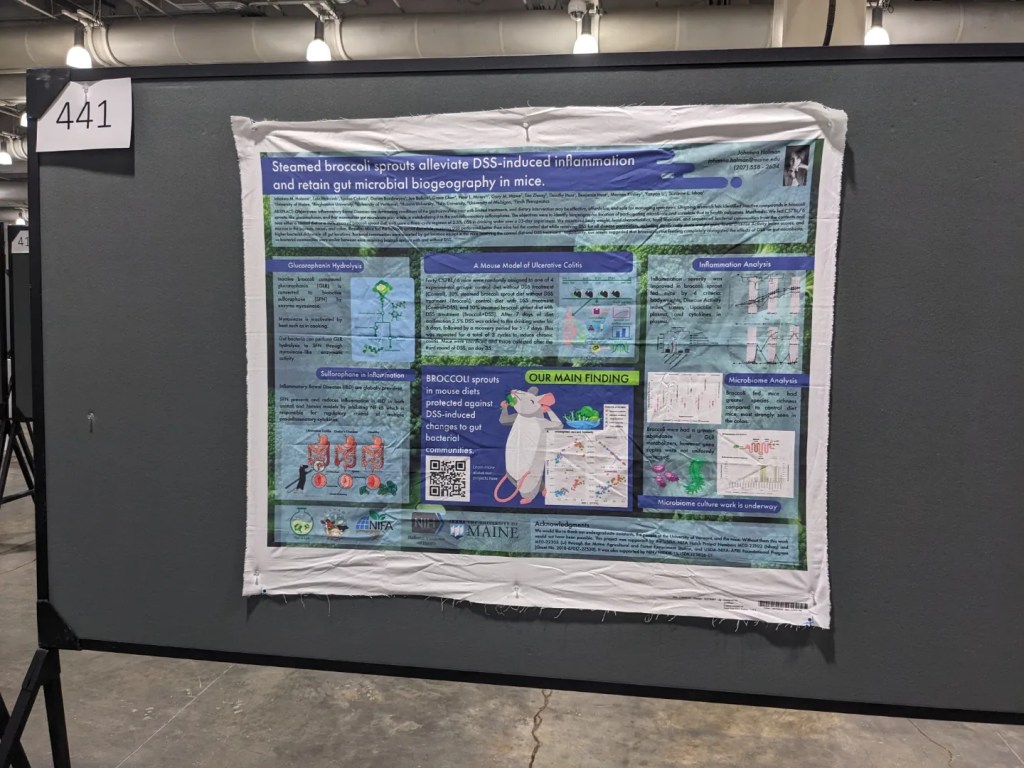
I went to the annual meeting for the American Society for Nutrition in Boston, MA in mid-July, where PhD students Johanna Holman, Lola Holcomb, and master’s student Marissa Kinney all presented posters, and most of the lab was able to make it to a puzzle quest at Boda Borg.


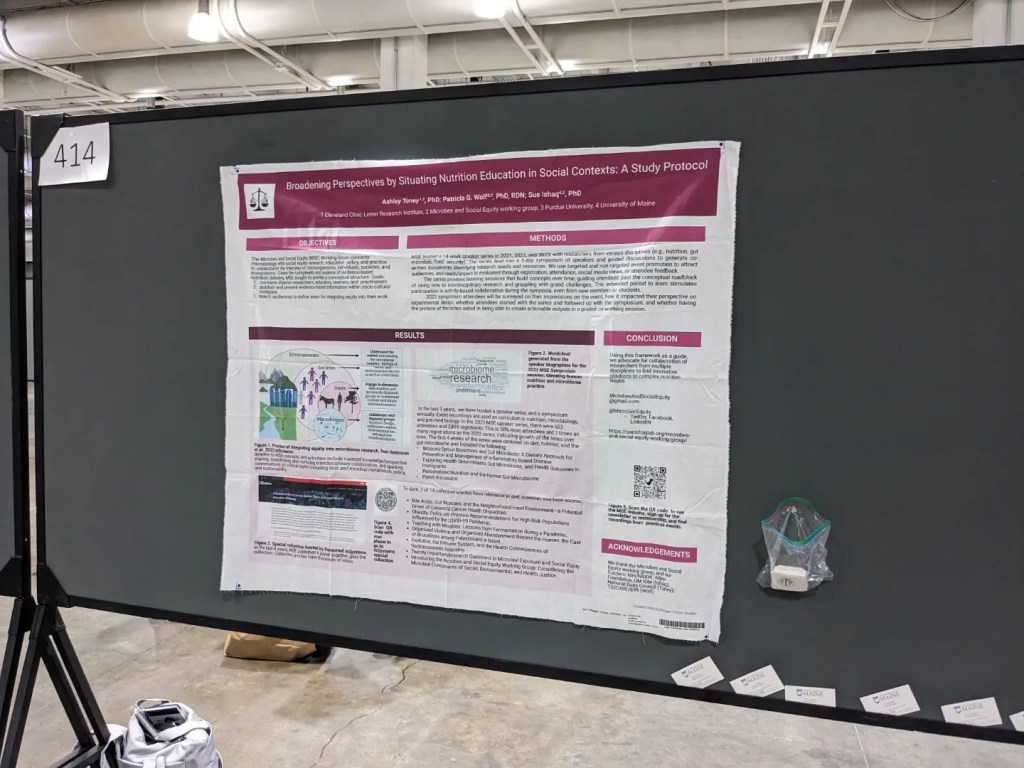

And, I went to the Ecological Society of America annual meeting in Portland, OR in August to present some recent work on scallop larval rearing tanks and the bacterial communities we found there. That included an unexpected effect of coastal water dynamics and the phase of the moon. That work has recently been published.

Lab

The lab has been bustling all summer as we work on several projects. Master’s student Ayodeji Olaniyi has been working on a project to identify Vibrio bacteria isolated from the sides of scallop larvae hatchery tanks, as part of a larger project investigating microbial communities in hatcheries.
Marissa and visiting postdoc Gloria Adjapong have been preparing a 16S rRNA sequencing library for hundreds of scallop tank biofilm samples we collected last year, although I don’t have any photos of that.
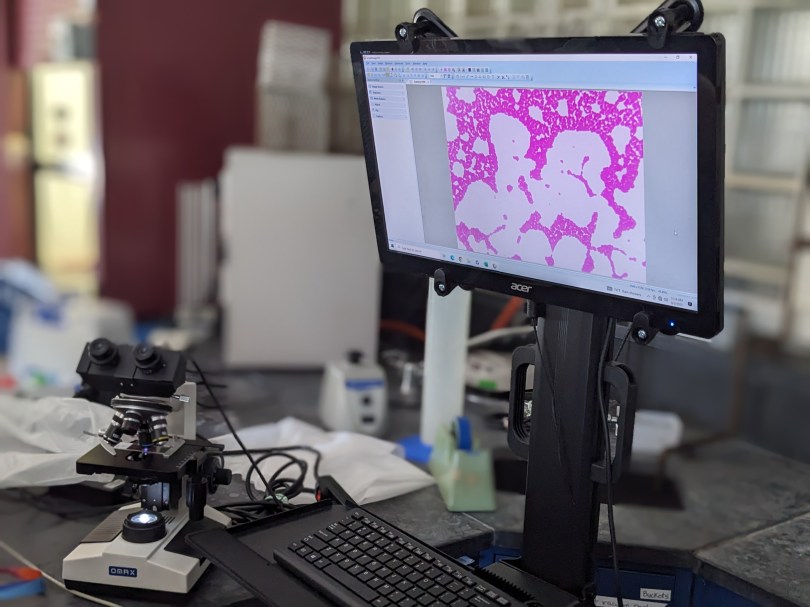
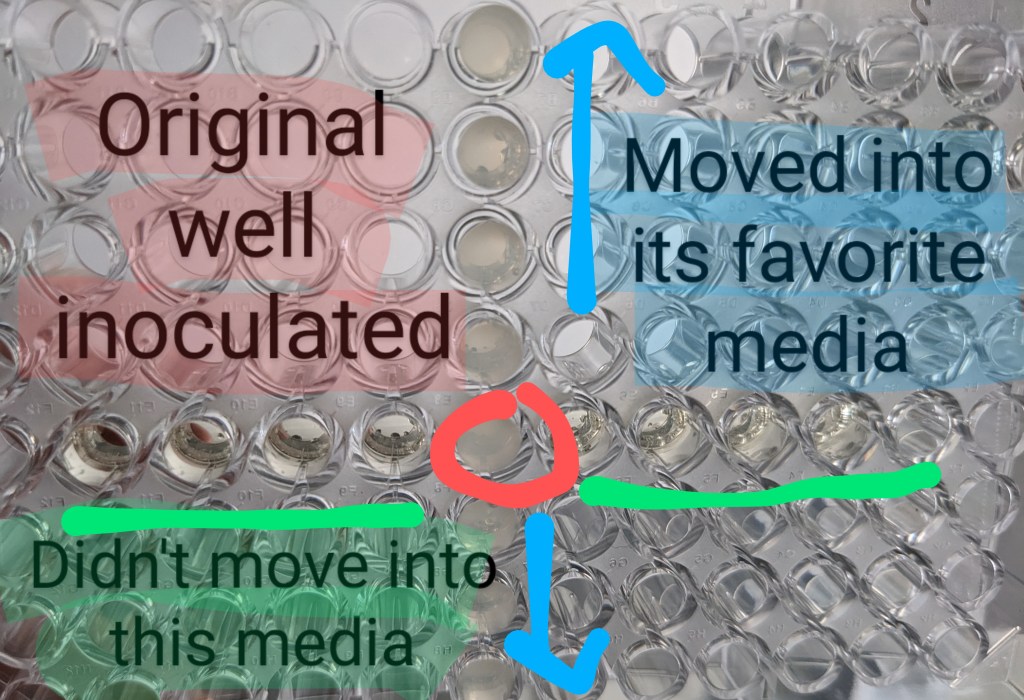
Johanna has been leading a team of students (Alexis Kirkendall, Lilian Nowak, Aakriti Sharma, and Jaymie Sideaway) on a culturing project to screen hundreds of bacterial isolates that were collected from the gastrointestinal tracts of mice eating borccoli sprouts. We are testing them for their capacity to metabolize different glucosinolates into anti-inflammatory compounds, as well as grow on different media types. In the process, we found that the bacteria we are using as a positive control likes to move from one test well to another when its favorite media is available — but not when glucose is present.



Looking ahead to fall

This fall, the lab will be supporting Ayodeji to write and defend his thesis, as he is currently looking for research/technician jobs. His thesis focuses on Vibrio bacteria in scallop larvae hatcheries.
We’ll also be preparing to welcome Alexis back as a graduate student in January 2024, to continue her work on bacteria isolated from mice eating broccoli sprouts.


I’ll be teaching two classes this fall, AVS 254 Intro to Animal Microbiomes, and AVS 454/554 DNA Sequencing Data Analysis lab, and with 90 students enrolled between them I will luckily be assisted by Ayodeji and Lola, who will be co-grading assignments with me.
Finally, I’ve got more travel coming up soon, as I’ll be giving a talk at the 9th SoCal Microbiome Symposium in September!


The first look at Atlantic deep sea scallop bacterial communities in new publication
Our paper was published in Aquaculture Reports, on identifying the bacteria associated with wild and hatchery-raised Atlantic sea scallop larvae, and the biofilms in larval tanks in a hatchery! For the past few years, I’ve been part of a state-wide collaboration between researchers, industry professionals, and educators all working together to understand and improve Atlantic sea scallop hatchery production. To our knowledge, this is the first study to identify bacteria in Atlantic sea scallops, and even though it was a very small project we hope it will lead to a much larger, mult-year project to investigate this in more detail.

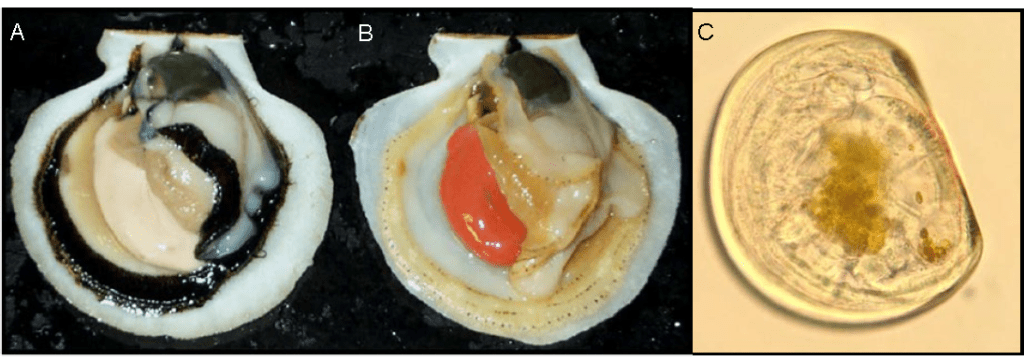
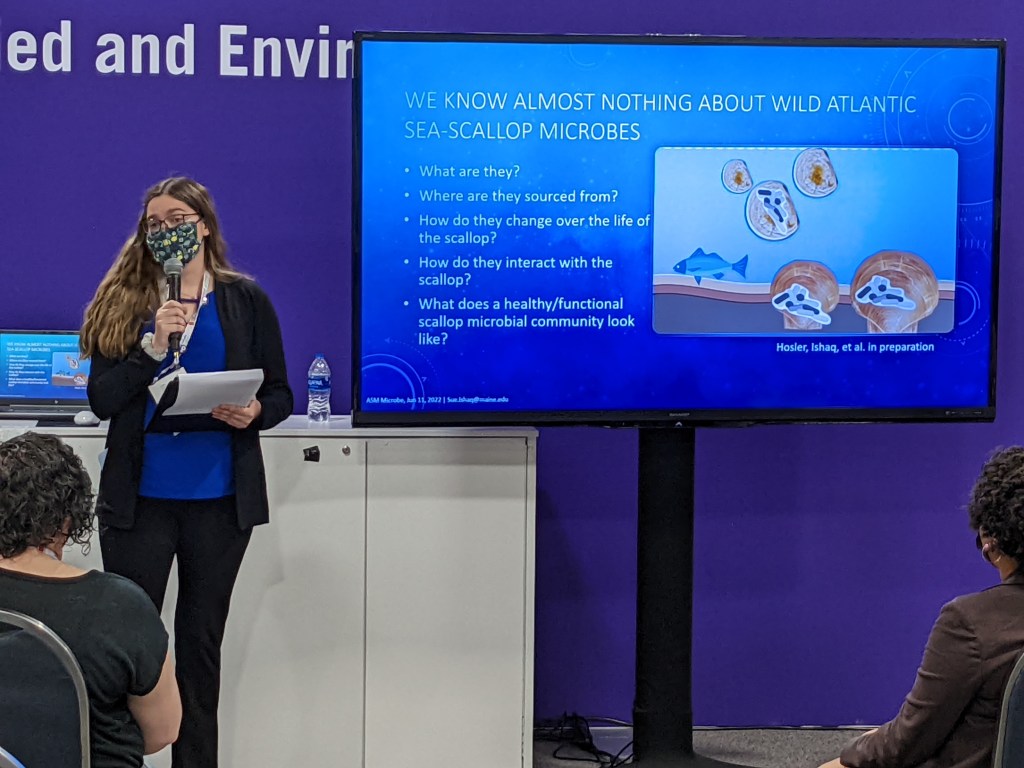
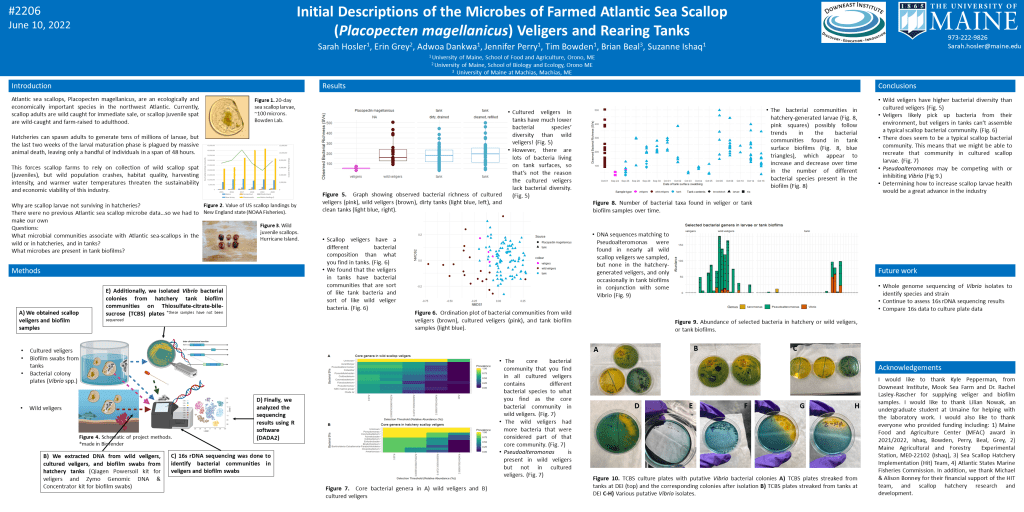
Scallops are a diverse animal group of marine bivalve mollusks (family Pectinidae) with global distribution in coastal waters, and Atlantic deep-sea scallops, Placopecten magellanicus, are found along the eastern coast of the United States and Canada. Scallops’ reproductive potential and industry demand make them a prime target for hatchery- and farm-based production, and this has been successfully achieved in bay scallops, but not in sea scallops. Currently, hatcheries collect wild sea scallop adults, or maintain cultured broodstocks, and spawn them in their facilities with the intention of forming a plentiful population to grow to adulthood, spawn, and sell to create a sustainable production cycle while also reducing disruption to the scallops’ natural habitat.
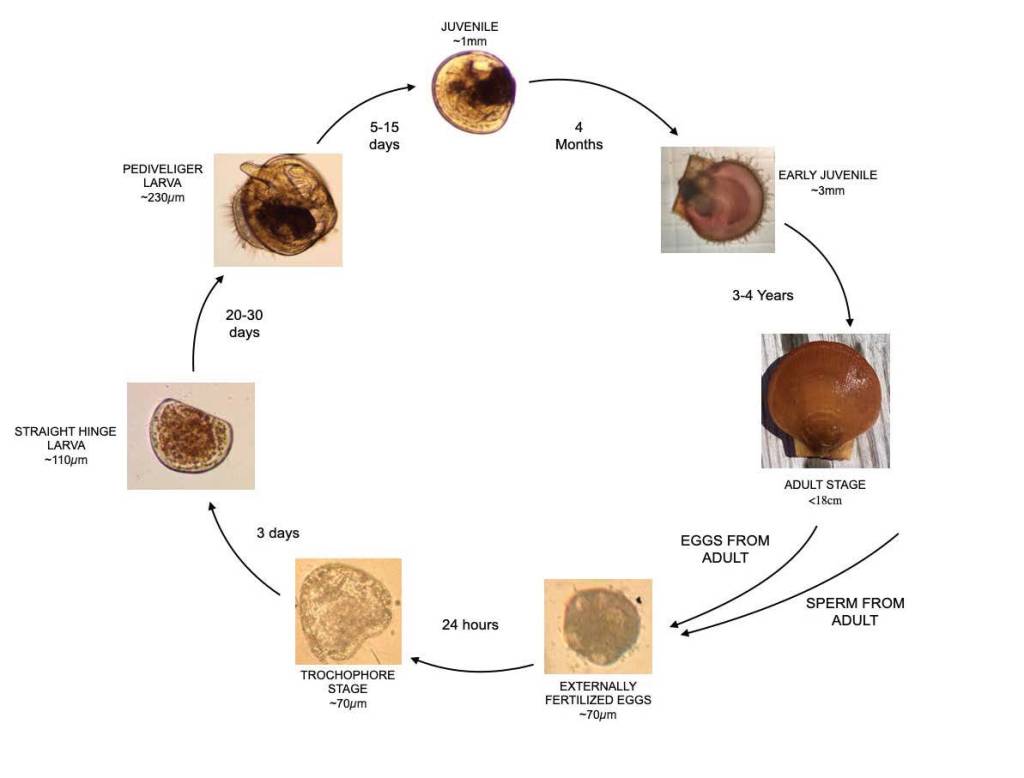
Unfortunately, in sea scallop hatcheries the last two weeks of the larval maturation phase, the veliger-stage, is plagued by large mortality events, going from 60 million sea scallop larvae down to several thousand individuals in a span of 48 hours. Survival of clutches to maturity remains very low, with an industry-standard rate around 1%. This drastic winnowing of larvae reduces the availability of cultured sea scallop spat for farmers, forcing sea scallop farms to rely almost exclusively on sea scallop spat collected from wild populations for stock and is seen as a bottleneck for growth of the industry and achieving sustainable harvests. Hatchery larval die-off is well-demonstrated not to be caused by inadequate diet, lighting, temperature, or atmospheric pressure in aquaculture facilities compared to wild conditions.
This project wanted to know if there was any clue in the bacteria that associate with larvae, or with the tanks they are in. In particular, hactcheries are worried about certain species of bacteria in the genus Vibrio, as they can cause disease to scallops and/or people, but it is tricky to study them because there are many species which do nothing at all. This project is part of another experiment to examine some of the Vibrio we found in tanks.
We sampled from some wild larvae, hatchery larvae, and from tank biofilms to indentify what was there. There were two styles of tank setup, and we collected from used tanks as well as tanks after they had been cleaned and refilled with filtered seawater.

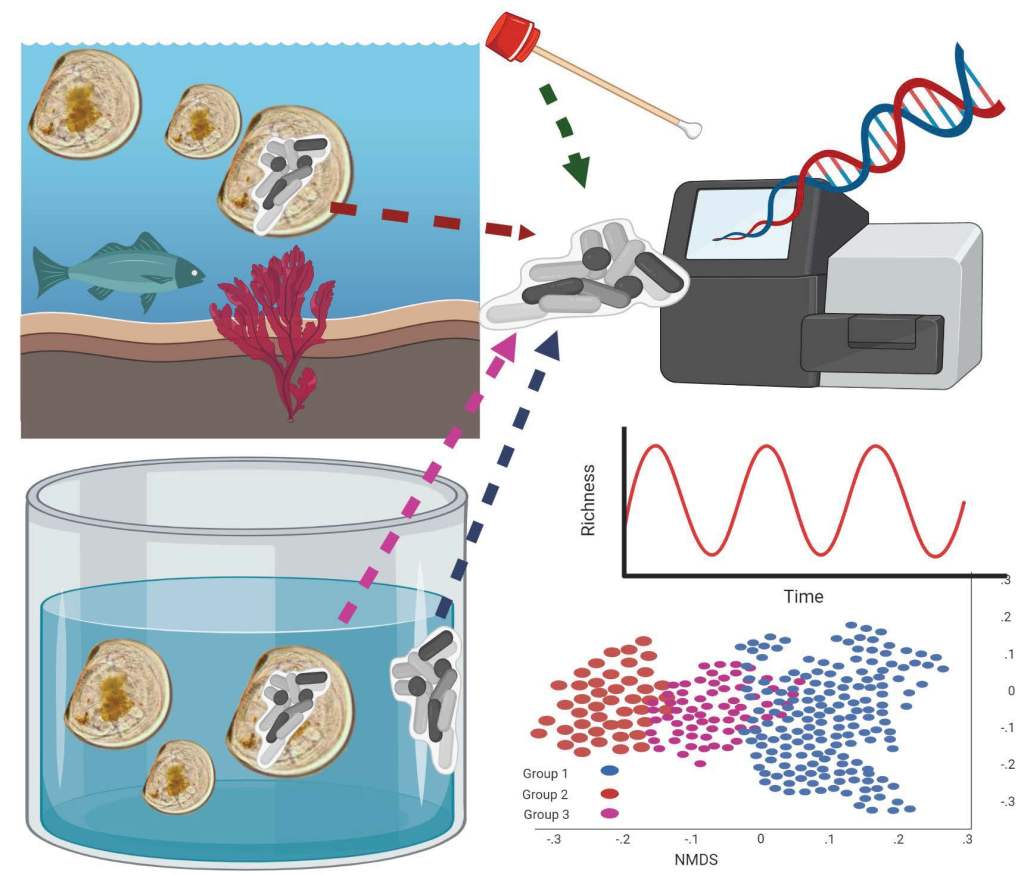
One of the surprising things we found, was that the bacterial communities in biofilms along the sides of larvae tank were more similar to each other (clustering) when samples were collected during the same phase of the lunar cycle. Bacterial richness and community similarity between tank samples fluctuated over the trial in repeated patterns of rise and fall, which showed some correlation to lunar cycle where richness is high when the moon is about 50% and richness is low during new and full moon phases. This may be a proxy for the effects of spring tides and trends in seawater bacteria and phages which are propagated into hatchery tanks. The number of days since the full moon was significantly correlated with bacterial community richness in tanks: low during the full moon, peaking ~ 21 days after the full moon, and decreasing again at the next full moon.
These results along with future work, will inform hatcheries on methods that will increase larval survival in these facilities, for example, implementing additional filtering or avoiding seawater collection during spring tides, to reduce certain bacterial taxa of concern or promoting a more diverse microbial community which would compete against pathogens.
Bacterial community trends associated with sea scallop, Placopecten magellanicus, larvae in a hatchery system.
Authors: Suzanne L. Ishaq1*, Sarah Hosler1, Adwoa Dankwa1, Phoebe Jekielek2, Damian C. Brady3, Erin Grey4,5, Hannah Haskell6, Rachel Lasley-Rasher6, Kyle Pepperman7, Jennifer Perry1, Brian Beal8, Timothy J. Bowden1
Affiliations:1 School of Food & Agriculture, University of Maine, Orono ME 044692 Ecology and Environmental Sciences, University of Maine, Orono ME 044733 School of Marine Sciences, Darling Marine Center, University of Maine, Walpole ME 045734 School of Biology and Ecology, University of Maine, Orono ME 044695 Maine Center for Genetics in the Environment, University of Maine, Orono ME 044696 Department of Biological Sciences, University of Southern Maine, Portland ME 041037 Downeast Institute, Beals, ME 046118 Division of Environmental & Biological Sciences, University of Maine at Machias, Machias, ME 04654
Abstract
Atlantic sea scallops, Placopecten magellanicus, are the most economically important marine bivalves along the northeastern coast of North America. Wild harvest landings generate hundreds of millions of dollars, and wild-caught adults and juvenile spat are increasingly being cultured in aquaculture facilities and coastal farms. However, the last two weeks of the larval maturation phase in hatcheries are often plagued by large mortality events. Research into other scallop- and aquacultured-species point to bacterial infections or altered functionality of microbial communities which associate with the host. Despite intense filtering and sterilization of seawater, and changing tank water every 48 hours, harmful microbes can still persist in biofilms and mortality is still high. There are no previous studies of the bacterial communities associated with the biofilms growing in scallop hatchery tanks, nor studies with wild or hatchery sea scallops. We characterized the bacterial communities in veliger-stage wild or hatchery larvae, and tank biofilms using the 16S rDNA gene V3-V4 region sequenced on the Illumina MiSeq platform. Hatchery larvae had lower bacterial richness (number of bacteria taxa present) than the wild larvae and tank biofilms, and hatchery larvae had a similar bacterial community (which taxa were present) to both wild larvae and tank biofilms. Bacterial richness and community similarity between tank samples fluctuated over the trial in repeated patterns of rise and fall, which showed some correlation to lunar cycle that may be a proxy for the effects of spring tides and trends in seawater bacteria and phages which are propagated into hatchery tanks. These results along with future work, will inform hatcheries on methods that will increase larval survival in these facilities, for example, implementing additional filtering or avoiding seawater collection during spring tides, to reduce bacterial taxa of concern or promote a more diverse microbial community which would compete against pathogens.
Acknowledgements
The authors would like to thank the staff at the Downeast Institute for supporting the development and implementation of this project, as well as for financially supporting the DNA sequencing; Meredith White of Mook Sea Farm for sharing her expertise and collecting biofilm samples; the Darling Marine Center for sharing their expertise and collecting biofilm samples; and the Sea Scallop Hatchery Implementation (Hit) Team for their expertise, review of this work, and funding support, who are financially supported by the Atlantic States Marine Fisheries Commission and Michael & Alison Bonney. The authors thank Lilian Nowak for assistance with related lab work to this project, and the Map Top Scholars Program for related financial support. The authors also thank Nate Perry for helping us collect wild scallop larvae. All authors have read and approved the final manuscript. This project was supported by the USDA National Institute of Food and Agriculture through the Maine Agricultural & Forest Experiment Station, Hatch Project Numbers: ME0-22102 (Ishaq), ME0-22309 (Bowden), and ME0-21915 (Perry); as well through NSF #OIA-1849227 to Maine EPSCoR at the University of Maine (Grey). This project was supported by an Integrated Research and Extension Grant from the Maine Food and Agriculture Center, with funding from the Maine Economic Improvement Fund.
Alexis joins the lab again for summer 2023!
The lab is pelased to welcome back Alexis Kirkendall for the next six weeks to help us with a large-scale culturing project! Alexis is planning to graduate in December, and is in the process of applying to graduate programs here at UMaine so she can join the lab full-time in January!

Alexis Kirkendall
Undergraduate Researcher, Biology, Heidelberg University
Alexis is from Ohio and is majoring in Biology at Heidelberg University. Her research interests are in genetics and she has a love for the fascinating world of microbes. She originally joined the lab through the Summer 2022 REU, and has been working remotely on a few projects in the past year.
Last year, Alexis built skills in microbiology, microscopy, and molecular genetics. This year, she’ll be helping us screen hundreds of bacteria for their ability to grow on certain media and, hopefully, produce anti-inflammatories. This is part of the larger Broccoli Project.

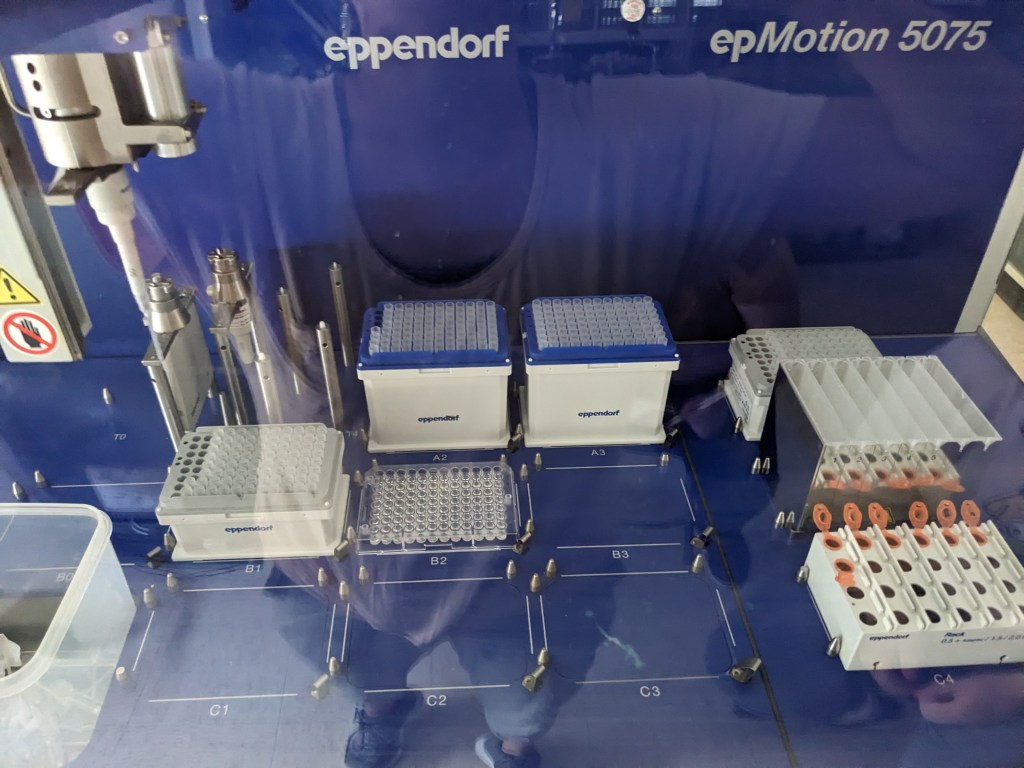
Because of the large number of samples, we are using a robotic liquid handler to dispense culture media and bacterial cells into 96-well plates, that we can later look for growth in. We’ll also be using the anaerobic chamber to grow these bacteria on agar plates to see what their colonies look like, and to grow more of them for additional experiements.

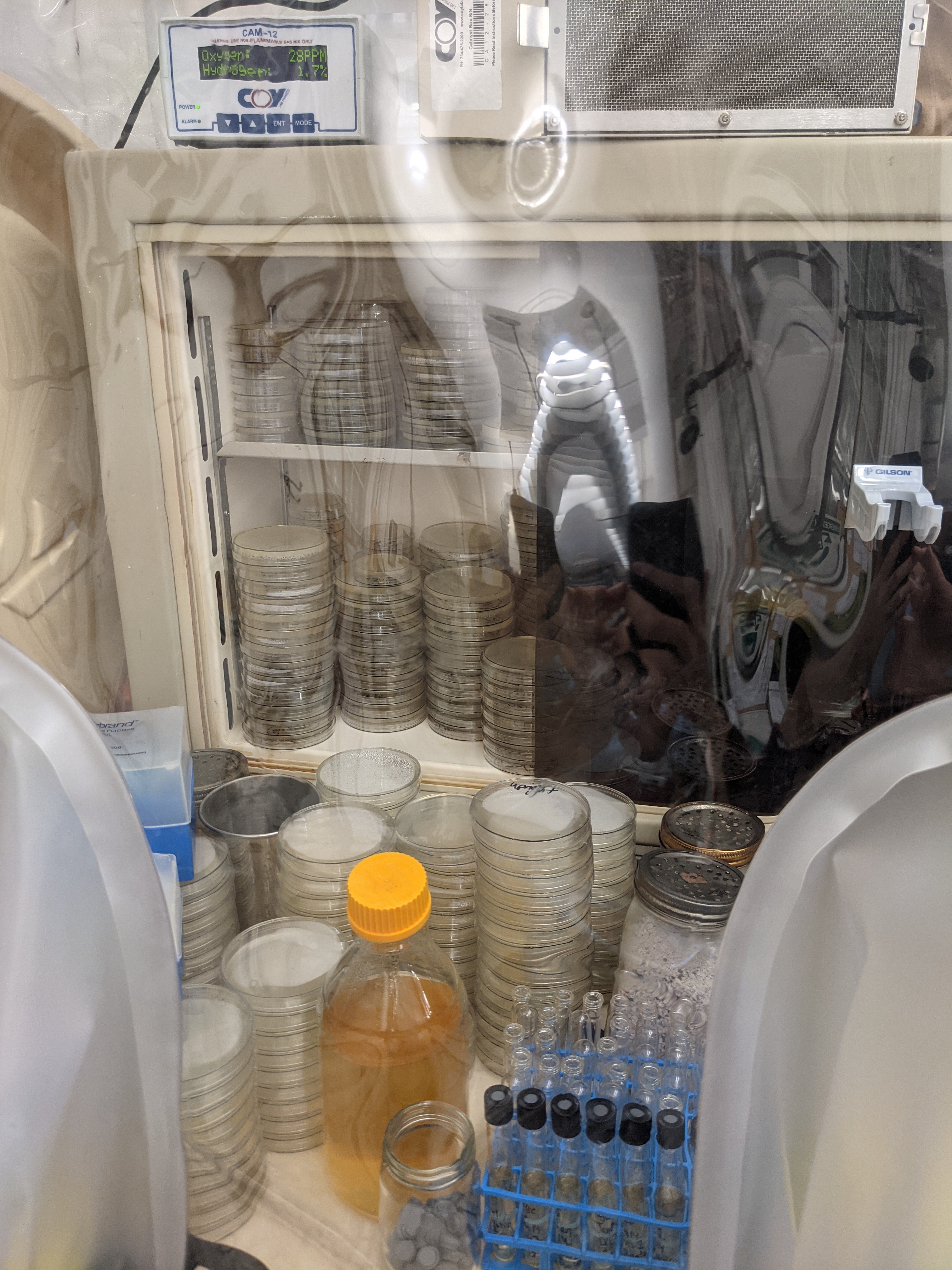

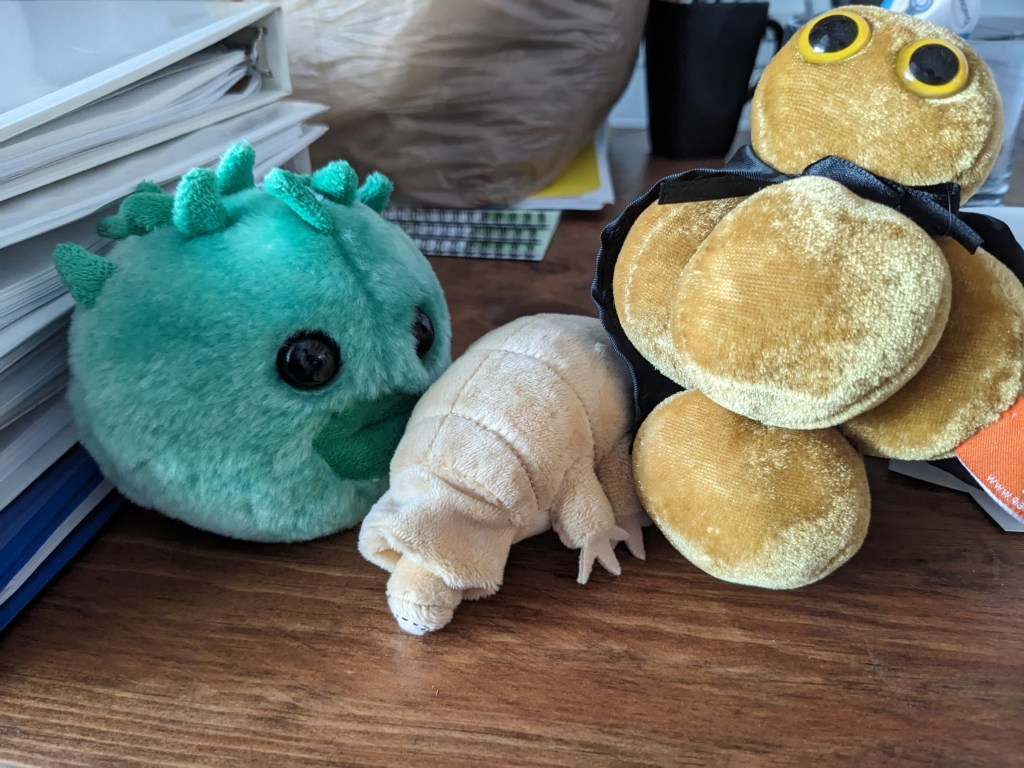
While visiting the Microbe Musuem in Amsterdam recently, Alexis got me a tardigrade (middle) to join the chalmydia (left) and methicillin-resistant Staphylococcus aureus (right, which she got me last year) in my office!
Upcoming presentations at the 2023 Ecological Society of America annual meeting!
Ecological Society of America meeting, Aug 6 – 11, 2023, Portland, Oregon
Scallop microbes and sustainable aquaculture: host-microbe dynamics situated in environmental and social context.
Presentation ID: 1372900
Session Information
Session Title: Microbes as Tools to Solve Ecological Problems for All
Session Type: Inspire Session
Date: Thursday August 10, 2023
Session Time: 3:30 PM – 5:00 PM Pacific Time
Authors: Suzanne L. Ishaq1
Affiliations: 1 University of Maine, School of Food and Agriculture, Orono, ME 04469 USA
Atlantic sea scallop (Placopecten magellanicus) is the second largest fishery in Maine, primarily through wild harvest. Farming is a promising way to meet year-round market demands, create jobs, and reduce ecological impacts of harvest, but relies on wild-caught juveniles as larval survival in hatcheries is low for unknown reasons. My collaborative research group explores the role of larval and tank microbiomes in hatcheries compared to wild scallop veligers. In addition to basic and applied microbiome research, the research team meets with industry partners weekly to discuss results, trends, generate real-world-problem-driven project designs, and collaborate on research, education, and student training.
Bacterial community trends associated with sea scallop, Placopecten magellanicus, larvae in a hatchery system.
Poster ID: 1475974
Poster Title: “Bacterial community trends associated with sea scallop, Placopecten magellanicus, larvae in a hatchery system.”
Session Information
Agriculture
Session Date: Tuesday August 8, 2023
Session Time: 5:00 PM – 6:30 PM Pacific Time
Authors: Suzanne L. Ishaq1*, Sarah Hosler1, Adwoa Dankwa1, Damian C. Brady2, Erin Grey3, Phoebe Jekielek4, Kyle Pepperman5, Jennifer Perry1, Rachel Lasley-Rasher6, Brian Beal3,7, Timothy J. Bowden1
Affiliations: 1 School of Food & Agriculture, University of Maine, Orono ME 04469. 2 School of Marine Sciences, Darling Marine Center, University of Maine. 3 School of Biology and Ecology, University of Maine, Orono ME 04469. 4 Department of Biological Sciences, University of Southern Maine, Portland ME 04103. 5 Downeast Institute, Beals, ME 04611. 6 Ecology and Environmental Sciences, University of Maine, Orono ME 04473. 7 Division of Environmental & Biological Sciences, University of Maine at Machias, Machias, ME 04654
Atlantic sea scallops, Placopecten magellanicus, are the most economically important marine bivalves along the northeastern coast of North America, and wild-caught adults and juvenile spat are increasingly being cultured in aquaculture facilities and coastal farms. While adults can be induced to spawn successfully in hatcheries, the last two weeks of the larval maturation phase are plagued by large mortality events, making production unfeasible. Research into other scallop- and aquacultured-species point to animal loss from bacterial infections or from altered functionality of host-associated microbiota. There are no previous studies of the bacterial communities from biofilms growing in scallop hatchery tanks, nor even host-microbial studies with this species of sea scallops. We identified bacterial communities in veliger-stage wild larvae, hatchery larvae, and tank biofilms, using the V3-V4 region of the 16S rDNA gene, via Illumina MiSeq sequencing. Hatchery larvae had lower bacterial richness (number of bacteria taxa present) than the wild larvae and tank biofilms, and hatchery larvae had a similar bacterial community (which taxa were present) to both wild larvae and tank biofilms. Bacterial richness was not significantly different between tanks which had been occupied by larvae for 48 hours, and those which had just been drained, scrubbed clean, and refilled with filtered seawater. Static-water-flow compared to continuous-water-flow (flow-through) did not generate different levels of bacterial richness overall, and only an equivocal difference when accounting for time as a smoothing feature in the model (GAM, p = 0.04). Bacterial richness and community similarity between tank samples fluctuated over the trial in repeated patterns of rise and fall, which showed some correlation to lunar cycle where richness is high when the moon is about 50% and richness is low during new and full moon phases. This may be a proxy for the effects of spring tides and trends in seawater bacteria and phages which are propagated into hatchery tanks. The number of days since the full moon was significantly correlated with bacterial community richness in tanks (GAM, p < 0.01): low during the full moon, peaking ~ 21 days after the full moon, and decreasing again at the next full moon. These results along with future work, will inform hatcheries on methods that will increase larval survival in these facilities, for example, implementing additional filtering or avoiding seawater collection during spring tides, to reduce certain bacterial taxa of concern or promoting a more diverse microbial community which would compete against pathogens.
Giving the keynote presentation at the Boston University Microbiome Day in July!
I’m honored to be giving the keynote presentation at the Boston University Microbiome Day this July 12! I’ll be sharing my work on microbes and social equity, especially as pertains to health and the environment. You can find event details and registration here. You can also follow the group on Twitter @BuMicrobiome.
| Time | Event |
| 9:00-9:45 AM | Breakfast and coffee |
| 9:45-10:00 AM | Welcome |
| Faculty Talks | |
| 10:00-10:30 AM | Dr. Sarah Davies |
| 10:30-11:00 AM | Dr. Joe Larkin |
| Keynote Address | |
| 11:00AM-12:00 PM | Dr. Sue Ishaq |
| 12:00PM-1:30 PM | Lunch and Poster session |
| Panel Discussion: Translating the Microbiome to Industry | |
| 1:30-2:30 PM | Jennifer Cookson, Andrea Watson and Nili Ostrov:“Translating the Microbiome to Industry” |
| Student Session Pt 1 | |
| 2:45-3:05 PM | Michael Zulch |
| 3:05-3:35 PM | Paul Rousteau |
| 3:35-3:45 PM | Session Break |
| Student Session Pt 2 | |
| 3:45-4:05 PM | Corinne Vietorisz |
| 4:05-4:35 PM | Michael Silverstein |
| 5:00 PM | Social Event |
Upcoming talk at the 9th Southern California Microbiome Symposium in September!
I’m ecstatic to be heading back to southern California this September to present at the 9th annual Southern California Microbiome Symposium. I’ll be sharing my work on microbes and social equity, especially as pertains to food systems and sustainability. Registration is free, and can be found here.

Happening today: MSE symposium session showcasing members’ research!
The Microbes and Social Equity working group, and The University of Maine Institute of Medicine present a virtual symposium on:

“Living in a Microbial World”
June 5 – 9th, 2023.
Register here! It is free, and required.
Format: virtual meeting, Zoom platform.
The full program is here.
Session 5: MSE Member Research Showcase
Friday, June 9th, 11 am – 2:30 pm EDT.
Session hosts and organizers: Emily Wissel, Curtis Tilves, Sue Ishaq
Session Scope: MSE members will be sharing their own work in short presentations to showcase the variety of disciplines of our group. The presentation list will include students and non-researchers, and research on microbiomes, people, ecosystems, and more even if it is not related to microbes and/or social equity.
Scheduled Talks
| Amber Benezra | The trillions of microbes in and on our bodies are determined by not only biology but also our social connections. Gut Anthro tells the fascinating story of how a sociocultural anthropologist developed a collaborative “anthropology of microbes” with a human microbial ecologist to address global health crises across disciplines. It asks: what would it mean for anthropology to act with science? Based partly at a preeminent U.S. lab studying the human microbiome, the Center for Genome Sciences at Washington University, and partly at a field site in Bangladesh studying infant malnutrition, the book examines how microbes travel between human guts in the “field” and in microbiome laboratories, influencing definitions of health and disease, and how the microbiome can change our views on evolution, agency, and life. My book Gut Anthro is officially on sale! |
| Curtis Tilves | This presentation will summarize a work-in-progress for my pilot grant, “Examining the Role of the Gut Microbiome in Racial Disparities in Hypertension”. Racial disparities in hypertension are believed to be driven by the environment (i.e., non-genetic factors). Identifying modifiable environmental factors that drive racial disparities in hypertension can help lead to interventions to reduce health inequities. The gut microbiome is modifiable and considered a sensor to changing environmental exposures. As with hypertension, racial/ethnic differences in the microbiome have also been documented and are thought to be driven by environment. Differences in the microbiome and microbial metabolites by race may affect risk of hypertension. Gut microbiome features differ by hypertension status, and microbially-produced metabolites can influence blood pressure through a variety of biological mechanisms. Studies suggest that the associations of microbiome compositions, microbial function, and serum plasma metabolomics with blood pressure may differ by racial/ethnic identities. This project intends to investigate more deeply the contributors to race differences in the microbiome and hypertension using Black and White participant data from the Baltimore Longitudinal Study of Aging (BLSA). Our aims: Aim 1: Characterize the gut microbiome (diversity, composition, functional potential, and fecal microbial metabolites) of Black (N=220) and White (N=549) participants in BLSA. Aim 2: Investigate the environmental factors that drive differences in microbiome features and microbial metabolites between Black and White participants in BLSA. Aim 3: Examine the cross-sectional and longitudinal association of the gut microbiome and fecal microbial metabolites with blood pressure, before and after adjustment for race-associated environmental factors. |
| Melissa Manus | Social interactions shape the infant microbiome by providing opportunities for caregivers to spread bacteria through physical contact. With most research focused on the impact of maternal-infant contact on the infant gut microbiome, it is unclear how alloparents (i.e. caregivers other than the parents) influence the bacterial communities of infant body sites that are frequently contacted during bouts of caregiving, including the skin. To begin to understand how allocare may influence the diversity of the infant microbiome, detailed questionnaire data on infant-alloparent relationships and specific allocare behaviors were coupled with skin and fecal microbiome samples (4 body sites) from 48 infants living in Chicago, U.S.A. Data from 16S rRNA gene amplicon sequencing indicated that infant skin and fecal bacterial diversity showed a strong association to having female adult alloparents. Alloparental feeding and co-sleeping displayed stronger associations to infant bacterial diversity compared to playing or holding. There was variation in the magnitude and direction of these relationships across infant body sites. Bacterial relative abundances varied by infant-alloparent relationship and breastfeeding status. This study provides some of the first evidence of an association between allocare and infant bacterial diversity. The results suggest that infants’ exposure to bacteria from the social environment may differ based on infant-alloparent relationships and allocare behaviors. Since the microbiome influences immune system development, variation in allocare that impacts the diversity of infant bacterial communities may be an underexplored dimension of the social determinants of health in early life. |
Julian Damashek | This talk will summarize work my laboratory is doing on environmental microbiomes. We primarily study nitrogen cycling and antimicrobial resistance in aquatic ecosystems, particularly in waters impacted by both urban and rural populations. Here I will describe a recent project attempting to use microbial source tracking to determine sources of nutrient inputs throughout a river network (the Mohawk/Teionontatátie), where we are combining quantification of fecal pathogens with detailed measurements of nitrogen compounds. We are particularly interested in determining the sources of urea and ammonium, since these can contribute to the extend or toxicity of harmful algal blooms in many freshwaters. I will also outline a project using metagenomic data to study antibiotic resistance gene abundance and diversity in urban estuary waters. |
| Ana Zuniga | Bacterial biosensor approaches for fast and cost-effective personal monitoring of potential gut biomarkers. Gut metabolites are pivotal mediators of host-microbiome interactions. The production of microbiome-derived metabolites can be affected by environmental chemicals, dietary substrate availability, and interindividual variability. Thus, they provide an essential window into human physiology and disease, where socio-environmental aspects also play a key role. However, current methods to monitor gut metabolites rely on heavy and expensive technologies such as liquid chromatography-mass spectrometry (LC-MS). In that context, robust, fast, field-deployable, and cost-effective strategies for monitoring fecal metabolites would support large-scale functional studies and routine monitoring of metabolite biomarkers associated with environmental exposures. Living cells are an attractive option to engineer biosensors due to their ability to detect and process many environmental signals and their self-replicating nature. Here we optimized a workflow for feces processing that supports metabolite detection using bacterial biosensors. We show that simple centrifugation and filtration steps remove host microbes and support reproducible preparation of a physiological-derived media retaining essential characteristics of human feces, such as matrix effects and endogenous metabolites. We measure the performance of bacterial biosensors for benzoate, lactate, anhydrotetracycline, and bile acids, and find that they are highly sensitive to fecal matrices. However, encapsulating the bacteria in hydrogel helps reduce this inhibitory effect. Finally, by detecting endogenous bile acids, we demonstrate that bacterial biosensors could be used for future metabolite monitoring in feces. This work lays the foundation for the optimization and use of bacterial biosensors in the monitoring of fecal biomarkers for a better characterization of individual environmental exposures. |
| Erika Diaz Almeyda | Abstract BD |
| Ramya Kumar | Antimicrobial resistance (AMR) is a global problem with a heavy toll on patients, healthcare systems, and the economy. In war affected regions, where healthcare systems are already strained by the impacts of war, AMR poses an even bigger threat to the ability to monitor antibiotic use, distribution, and treatment of AMR infections. The occupied Palestinian Territories (oPT) have been under settler colonization for decades, resulting in extensive healthcare fragmentation. We conducted the scoping review using databases PubMed, CINAHL, Embase, and Web of Science. Included articles studied AMR in the oPT. Preliminary results demonstrate that our search terms identified 1787 articles. Of these, 109 articles met the inclusion criteria and were included in the analysis. Human populations accounted for 83 of the studies, seven were studies on animals, four were studies on water, 12 were studies on knowledge and attitudes regarding AMR and three were studies on AMR in medical tourism. The study of AMR in Palestinian populations provides a lens to study the ecology of human – animal – environment interactions in a OneHealth framework and how war shapes this ecology. The paper will contextualize AMR in a social and political context and reveal deeper layers contributing to the problem including effects of war on behaviors and education of patients and weakening of the healthcare system. Given the lack of literature reporting the relationship between violence and AMR in populations affected by war and settler colonization, this literature review will be the first article synthesizing and critiquing reports of AMR in Palestine. |
| Lola Holcomb | Inflammatory Bowel Diseases (IBD) are chronic conditions characterized by inflammation of the gastrointestinal tract that heavily burden daily life, result in surgery or other complications, and disrupt the gut microbiome. How IBD influences gut microbial ecology, especially biogeographic patterns of microbial location, and how the gut microbiota can use diet components and microbial metabolites to mediate disease, are still poorly understood. Many studies on diet and IBD in mice use a chemically induced ulcerative colitis model, despite the availability of an immune-modulated Crohn’s Disease model. Interleukin-10-knockout (IL-10-ko) mice on a C57BL/6 background, beginning at age 4 or 7 weeks, were fed either a control diet or one containing 10% (w/w) raw broccoli sprouts which was high in the sprout-sourced anti-inflammatory sulforaphane. Diets began 7 days prior to inoculation with Helicobacter hepaticus, which triggers Crohn’s-like symptoms in these immune-impaired mice, and ran for two additional weeks. Key findings of this study suggest that the broccoli sprout diet increases sulforaphane concentration in plasma; decreases weight stagnation, fecal blood, and diarrhea associated with enterocolitis; and increases microbiota richness in the gut, especially in younger mice. Sprout diets resulted in some anatomically specific bacterial communities in younger mice, and reduced the prevalence and abundance of potentially pathogenic or otherwise-commensal bacteria which trigger inflammation in the IL-10 deficient mouse, for example, Escherichia coli and Helicobacter. Overall, the IL-10-ko mouse model is responsive to a raw broccoli sprout diet and represents an opportunity for more diet-host-microbiome research. |
| Johanna Holman | Inflammatory Bowel Diseases (IBD) are devastating conditions of the gastrointestinal tract with limited treatments, and dietary intervention may be effective, affordable, and safe for managing symptoms. Ongoing research has identified inactive compounds in broccoli sprouts, like glucoraphanin, and that mammalian gut microbiota play a role in metabolizing it to the anti-inflammatory sulforaphane. The objectives were to identify biogeographic location of participating microbiota and correlate that to health outcomes. We fed specific pathogen free C57BL/6 mice either a control diet or a 10% steamed broccoli sprout diet, and gave a three-cycle regimen of 2.5% dextran sodium sulfate (DSS) in drinking water over a 40-day experiment to simulate chronic, relapsing ulcerative colitis. We monitored body weight, fecal characteristics, fecal lipocalin, and sequenced bacterial communities from the contents and mucosa in the jejunum, cecum, and colon. Mice fed the broccoli sprout diet while receiving DSS performed better than mice fed the control diet while receiving DSS for all disease parameters, including significantly more weight gain (2-way ANOVA, p < 0.05), lower Disease Activity Index scores (2-way ANOVA, p < 0.001), and higher bacterial richness in all gut locations (linear regression model, p < 0.01 for all locations measured). Bacterial communities were assorted by gut location except in the mice receiving the control diet and DSS treatment (Beta-diversity, ANOVA, p < 0.05 for each). Importantly, our results suggested that broccoli sprout feeding completely abrogated the effects of DSS on gut microbiota, as bacterial communities were similar between mice receiving broccoli sprouts with and without DSS. |
| Timothy Hunt, Benjamin Hunt & Marissa Kinney | A review of an early-life microbe considered missing from the industrialized world that is associated with later-life chronic disease and a related microbe used to treat chronic disease. Inflammatory bowel diseases (IBD) cause dysfunction of the gastrointestinal (GI) tract and can result in hospitalization, suffering and disruption to overall health. Recent work has demonstrated the anti-inflammatory capacity of a broccoli sprout-diet in artificially-induced GI inflammation in pathogen free C57BL/6 mice. Microbiota samples obtained from the GI tract of these mice will be used to study the presence and activity of broccoli glucosinolate hydrolysis to create microbial-sourced bioactives, to further understand the relationship between broccoli-diets and inflammation reduction. It is imperative to validate or replicate qPCR protocols which have been established for glucosinolate metabolism in Bacteroides thetaiotaomicron (B. theta), in other bacterial species. Additionally, this project will focus on developing new growth curve assays for glucosinolate metabolism, as these methods are lacking in published literature. |
 The Ishaq Lab