

The 2nd Northern New England Microbiome Symposium
Whether we are interested in the way coastal wetlands sequester carbon, how diet affects us differently, or how public and environmental health are inextricably linked – research on the microbiome can reveal how systems connect. Join us for two days to learn about how microbial communities impact ecosystems, food production, health, and more; to hear from experts researching these issues in New England and beyond; and discuss the technology and data analysis which can boost your own research.
UMaine Buchanan Alumni House, 160 College Ave, Orono, ME 04473
Agenda for June 11, 2026
8:00 – 9:00 am Breakfast, provided
9:00 – 9:15 Welcome and Opening Remarks
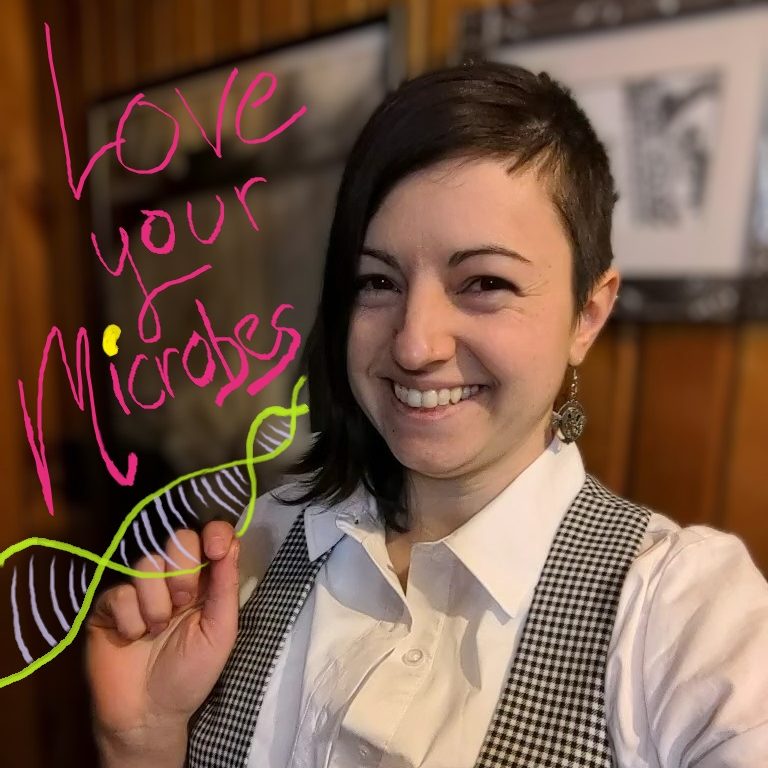
Dr. Sue Ishaq, PhD, Associate Professor of Microbiomes, Associate Director of Special Projects in the School of Food and Agriculture at the UMaine; member of the Board of Directors at ASM; Founder and Lead of the Microbes and Social Equity working group.
9:15 – 10:15 Plenary Presentation
“The second messenger c-di-GMP in Bordetella”
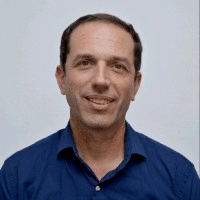
Dr. Federico Sisti, Ph.D., Investigator, Institute of Biotechnology and Molecular Biology (IBBM) of the National Scientific and Technical Research Council (CONICET). Dr. Sisti is incoming President-Elect at the American Society of Microbiology, and the first ASM President representing its global membership.
10:15 – 10:30 Break
10:30 – 12:00 Session 1: Microbial mayhem or tiny partners in health?
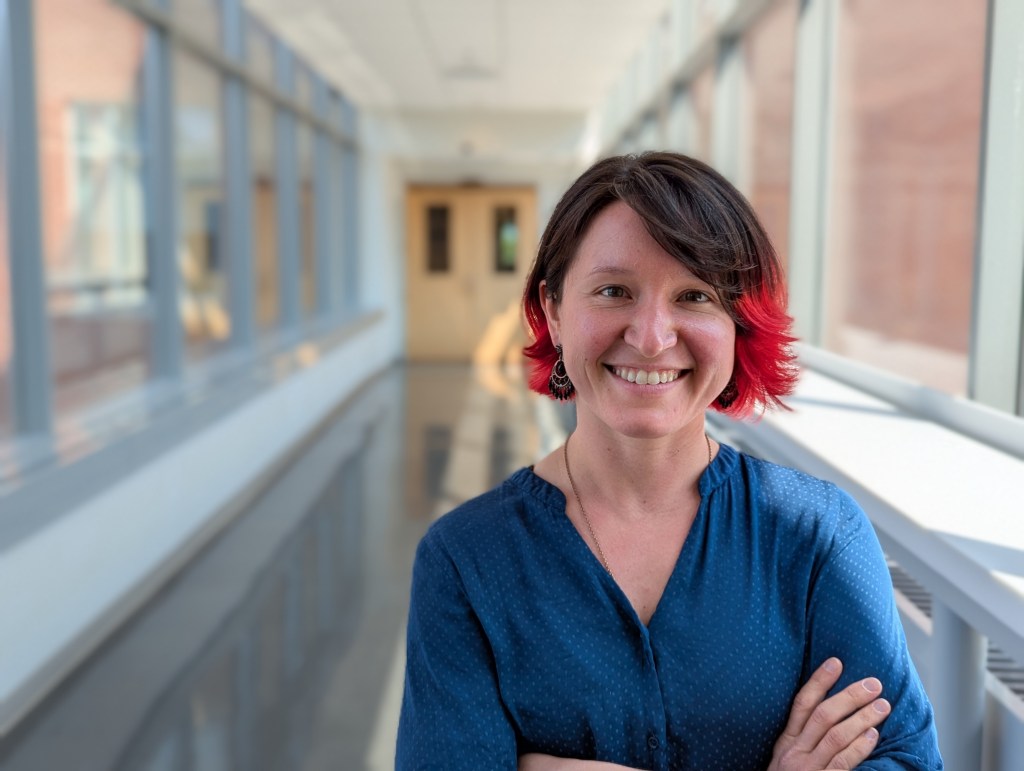
“Leveraging organ-on-chip technology to study gut microbiome effects on human health and disease“, Dr. Dani Brassino, PhD, Assistant Professor of Gut Microbiome and Cancer Interactions, The University of Vermont College of Medicine.
Following a B.S. in Nutrition Science and at the University of Texas, Dani Brasino acquired a PhD in Chemical Engineering at the University of Colorado. At CU, she developed synthetic phospholipids as part of an artificial cell project and acquired experience in microfluidics fabrication. Combining these experiences, she led development of a novel polycarbonate-based organ-on-chip platform as a postdoc at Oregon Health and Science University. Now her lab, the μMicrobiome Lab, aims to further develop and apply gut microbiome-on-chips to study the relationship between the human gut microbiome, distal disease progression, and therapeutic efficacy.
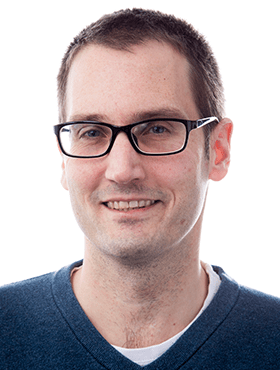
“Addiction and the microbiome”, Dr. Jason Bubier, Ph.D., Senior Research Scientist, Center for Addiction Biology, The Jackson Laboratory
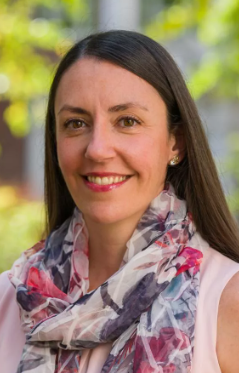
“Food insecurity, gut microbiome, health”, Dr. Maria Carlota Dao, Ph.D., Assistant Professor of Human Nutrition, University of New Hampshire.
Dr. Maria Carlota Dao is an Assistant Professor of Human Nutrition in the Department of Agriculture, Nutrition, and Food Systems at the University of New Hampshire. As an interdisciplinary scientist focused on obesity research, she investigates the interplay of cardiometabolic risks, dietary and psychosocial factors, and the gut microbiota. Through this work she seeks to address obesity in health disparity populations. Prior to becoming a faculty member at UNH, Dr. Dao worked as a scientist at the Jean Mayer USDA Human Nutrition Research Center on Aging at Tufts University. Her training includes a postdoctoral fellowship at the Sorbonne University and INSERM (Institute of Cardiometabolism and Nutrition) in France, and a PhD in Biochemical and Molecular Nutrition from the Friedman School of Nutrition Science and Policy at Tufts University.
12:00 – 1:15 Lunch, provided
1:15 – 2:45 Session 2: Biochemical geniuses: microbes from soil to sea
“How to build a microbiome to “breed” better plant-inoculants.” Dr. Anna O’Brien, PhD., Assistant Professor of Molecular, Cellular, and Biomedical Sciences, University of New Hampshire.
She is originally from the Pacific Northwest. She received her B.S. in Plant Biology from the University of Washington, her PhD from the University of California Davis, where she worked with Jeffrey Ross-Ibarra and Sharon Strauss on the impacts of rhizosphere biota on trait divergence and adaptation in the wild relatives of maize. Anna Post-doc’ed at the University of Toronto, primarily with Megan Frederickson, but also with Chelsea Rochman, David Sinton and unofficially, Stephen Wright, in everything to do with duckweeds and duckweed microbiomes (from mutualisms, to ecotoxicology, to engineering better tools, and experimental “evolution” and epigenetics).
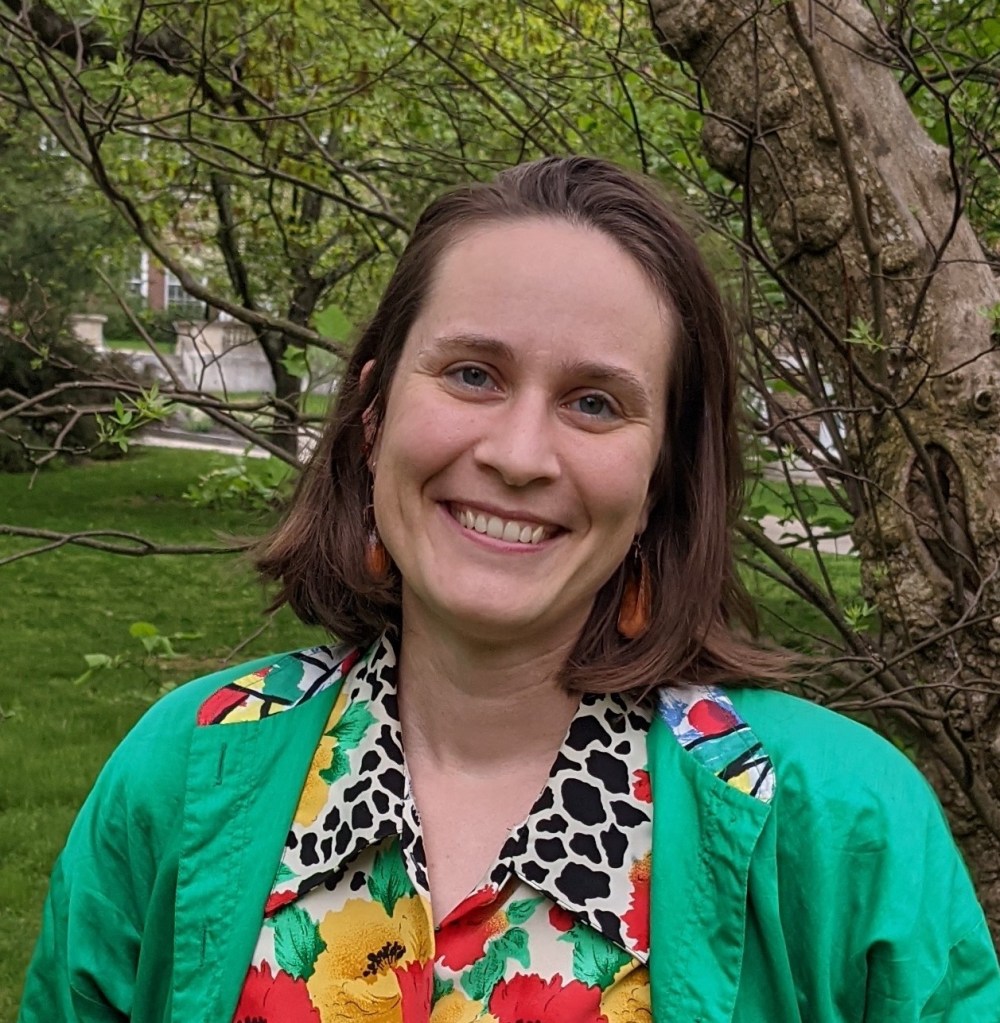
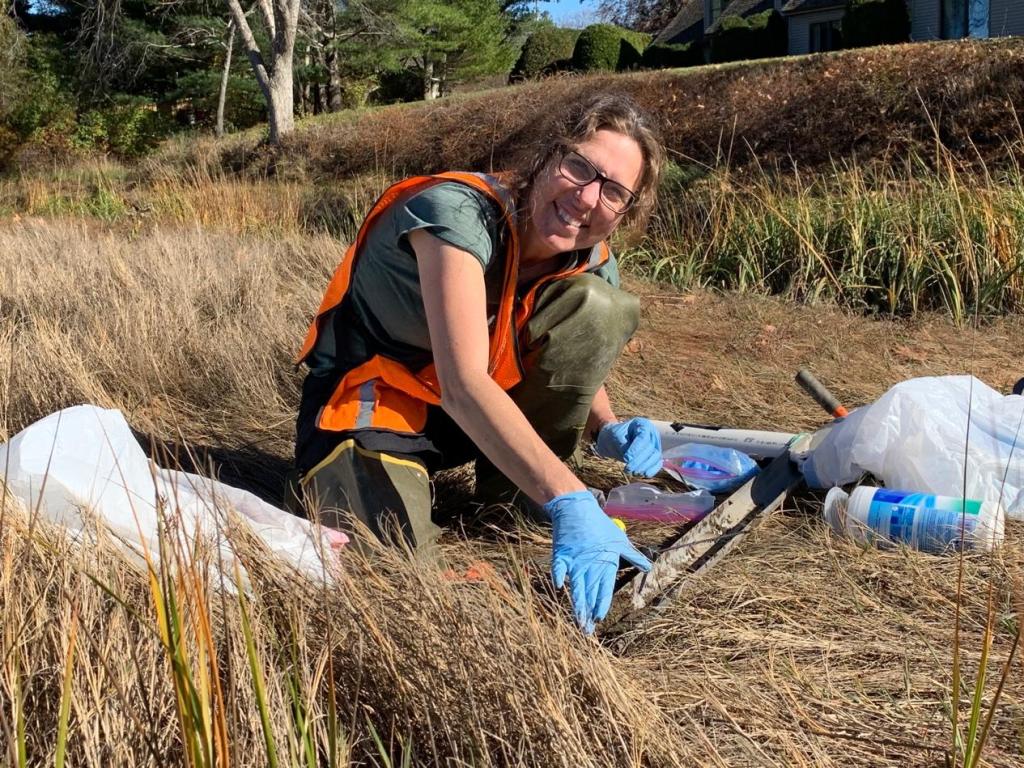
“Salt marsh microbiomes are impacted by waterway restrictions in coastal Maine.” Heather Richard, M.S., PhD. Candidate in Ecology and Environmental Sciences, UMaine.
Heather joined the University of Maine in 2021 as a PhD student with the Maine eDNA program and studies the impacts of bridges and roads on microbial communities in salt marsh habitats. Her background in Ecology led her to pursue a career in informal environmental education for several years before getting a Master’s degree in Marine Biology from San Francisco State University studying biofilms on microplastics pollution. Upon returning to Maine in 2016 she led local research for a coastal non-profit organization and has since been dedicated to studying coastal environmental issues relevant to Maine. She has found a true passion in bioinformatic analysis and is eager to learn new tools for data analysis of all kinds.
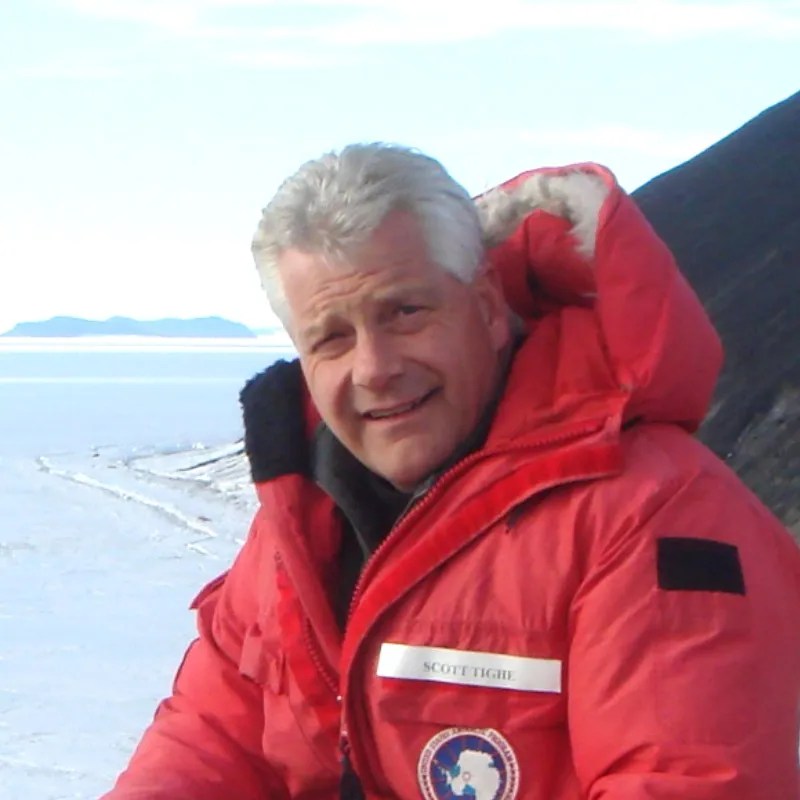
“Extreme microbiomes“, Scott Tighe, M.S., Senior Research Associate, Environmental Microbiome Engineering Research Group (EMERG Laboratory), University of Vermont, led the UVM Genomics CORE for 20 years.
2:45 – 3:00 Break
3:00 – 4:00 Session 3: Practical Applications
“Beverage safety”, Sam White, M.S., Quality Control Collaboratory (QC2), University of Southern Maine
Samantha White is a dedicated researcher and educator with extensive experience in analytical chemistry and the craft beverage industry. Sam manages the Quality Control Collaboratory at USM where she leads lab operations, quality control initiatives, research projects, and industry outreach programs.
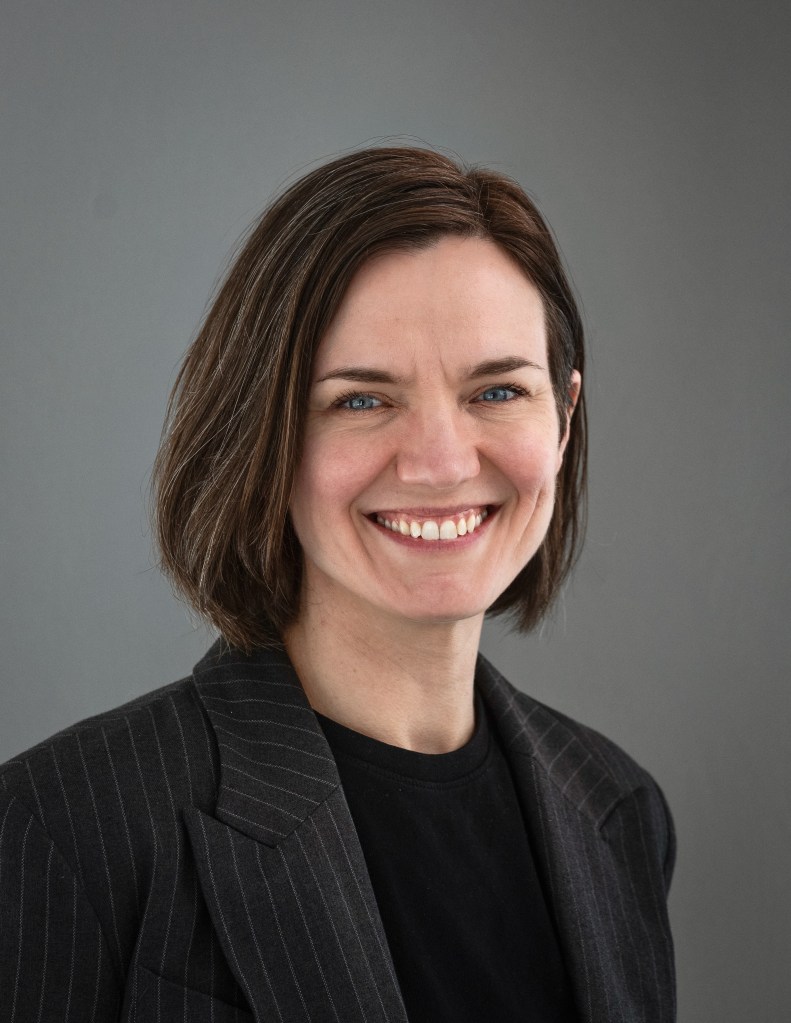
“Title TBD” Dr. Sivaiva (Siva) Chavadi, PhD. Sr. Field Application Scientist NGS US-EAST, New England Biolabs
Several more talks are being arranged, details to follow!
4:00 – 5:00 pm Posters and networking
Agenda for June 12, 2026
Data analysis workshop in development!
8:00 – 9:00 am Breakfast, provided
9 – 12:00 pm Presentations, discussion, and demos in R on dealing with challenging datasets.
This includes combining microbiome data with other data types, combining qualitative and quantitative data, learning to evaluate microbiome data using demographic data, dealing with unba;anced groups especially in human microbiomes, and how to choose statistical tests for microbiome projects.
Workshop led by:
Sue Ishaq, PhD.
Laura Jackson, Ph.D., UMaine: Bioinformatics Program Coordinator & Graduate FacultyGraduate School of Biomedical Science & Engineering, Bioinformatician – CORE Strategic Operational Services.
Kevin Roberge, PhD. UMaine: Lecturer, Mathematics and Adjunct Professor, Women’s, Gender & Sexuality Studies.
We are grateful to our financial supporters, who helped make this symposium possible and accessible!
Future Microbiome Researcher Sponsors
These incredible sponsors not only helped support this symposium, but their generous donation helped to create several hands-on laboratory workshops to support training in microbiome technology!


Gold Sponsors
Silver Sponsors
If you would like to help sponsor this event, please contact sue.ishaq@maine.edu.
 The Ishaq Lab