

Events will be hosted January – December in 2026, on the last Wednesday of every month, 11:00 – 13:00 pm ET. Presented over Zoom.
After each talk, we will continue the discussions in an informal social meeting with MSE. All speakers and members of the audience are welcome to join the social meeting.
Hosted by: Sue Ishaq, MSE, and finacially supported by the University of Maine Institute of Medicine, and the Applied Microbiology International via the 2025 Dororthy Jones Diversity and Inclusion Acheivement Award.
Registration to the seminar and social hour is free, but required. New this year: the live session will be available free, but the on-demand video-recording will only be available to MSE members for the first year (and available to the public afterwards).
Summary:
Microorganisms are critical to many aspects of biological life, including human health. The human body is a veritable universe for microorganisms: some pass through but once, some are frequent tourists, and some spend their entire existence in the confines of our body tissues. The collective microbial community, our microbiome, can be impacted by the details of our lifestyle, including diet, hygiene, health status, and more, but many are driven by social, economic we, medical, or political constraints that restrict available choices that may impact our health. Access to resources is the basis for creating and resolving social equity—access to healthcare, healthy foods, a suitable living environment, and to beneficial microorganisms, but also access to personal and occupational protection to avoid exposure to infectious disease. This speaker series explores the way that microbes connect public policy, social disparities, and human health, as well as the ongoing research, education, policy, and innovation in this field.
You can find recordings from previous series here.
“Mechanisms of environmental microbiome resilience”
Feb 25, 2026, 11:00 – 13:00 ET. The recording will be available online here after the event.
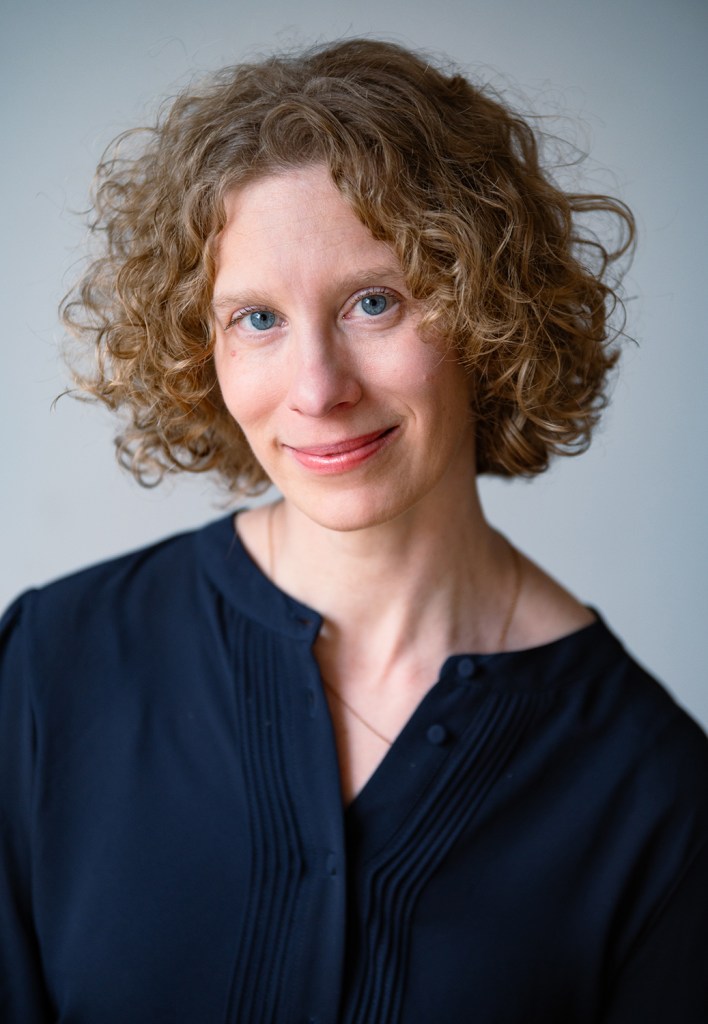
Dr. Ashley Shade, PhD. is a Director of Research with the French National Center for Scientific Research at the University of Lyon, France. She studies microbial community ecology, biodiversity, and microbial responses to disturbances such as climate change. In 2024, she received the U.S. Presidential Early Career Award for Scientists and Engineers from President Biden for her work on microbial community resilience. As of 2025, she is the Editor in Chief of the scientific journal mSystems.
 The Ishaq Lab