

Events will be hosted January – December, 2025, usually on the last Wednesday of every month, 12:00 – 14:00 pm ET. Presented over Zoom.
After each talk, we will continue the discussions in an informal social meeting with MSE. All speakers and members of the audience are welcome to join the social meeting.
Hosted by: Sue Ishaq, MSE, and finacially supported by the University of Maine Institute of Medicine and the UMaine Cultural Affairs/Distinguished Lecture Committee.
Summary:
Microorganisms are critical to many aspects of biological life, including human health. The human body is a veritable universe for microorganisms: some pass through but once, some are frequent tourists, and some spend their entire existence in the confines of our body tissues. The collective microbial community, our microbiome, can be impacted by the details of our lifestyle, including diet, hygiene, health status, and more, but many are driven by social, economic, medical, or political constraints that restrict available choices that may impact our health. Access to resources is the basis for creating and resolving social equity—access to healthcare, healthy foods, a suitable living environment, and to beneficial microorganisms, but also access to personal and occupational protection to avoid exposure to infectious disease. This speaker series explores the way that microbes connect public policy, social disparities, and human health, as well as the ongoing research, education, policy, and innovation in this field.
You can find recordings from previous series here.
“The journey of one Inupiat through academia: Diversity Matters“
Dr. Kat Milligan-McLellan, PhD
Oct 29, 2025 12:00 EDT. This event has passed, watch the recording here.
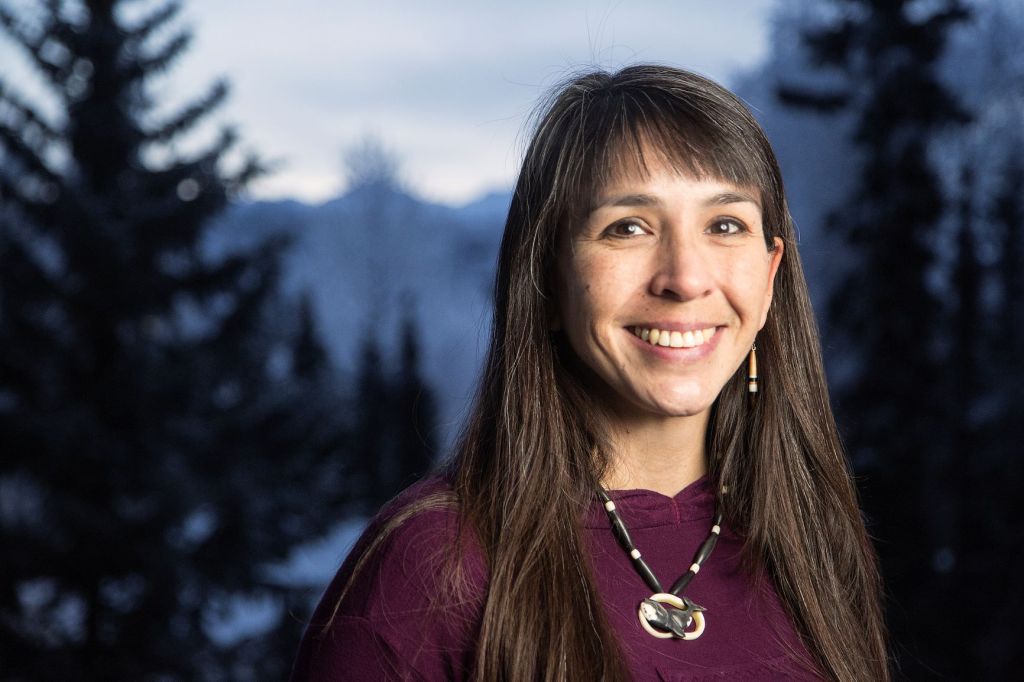
Dr. Kat Milligan-McClellan is Inupiaq and a runner, mother, and microbiologist, not necessarily in that order. Raised in a remote town above the Arctic Circle, she uses her education and skillsets to study topics that are important to her home community. She studies population variation in gut microbiota communities, including which microbe are in the gut, how they interact with the host and with each other, and whether microbes isolated from healthy Alaskan fish can reverse the effects of contaminants found in Alaska waters. In addition to mentoring over 60 people in her lab, she mentors Alaska Native students who will use their education to preserve lands, water, and ways of life in Northwest Alaska through the Caleb Scholars program. She is also Director of the Stickleback Stock Center, which provides stickleback fish to researchers throughout the United States. Her most memorable honor is being blanketed by the Native community at a University of Oregon powwow. Her lab website is here.
Logo designed by Alex Guillen
 The Ishaq Lab