

Events will be hosted January – December, 2024, on the last Friday of every month, 12:00 – 14:00 pm ET. Presented over Zoom.
After each talk, we will continue the discussions in an informal social meeting with MSE. All speakers and members of the audience are welcome to join the social meeting.
Hosted by: Sue Ishaq, MSE, and the University of Maine Institute of Medicine.
Summary:
Microorganisms are critical to many aspects of biological life, including human health. The human body is a veritable universe for microorganisms: some pass through but once, some are frequent tourists, and some spend their entire existence in the confines of our body tissues. The collective microbial community, our microbiome, can be impacted by the details of our lifestyle, including diet, hygiene, health status, and more, but many are driven by social, economic, medical, or political constraints that restrict available choices that may impact our health. Access to resources is the basis for creating and resolving social equity—access to healthcare, healthy foods, a suitable living environment, and to beneficial microorganisms, but also access to personal and occupational protection to avoid exposure to infectious disease. This speaker series explores the way that microbes connect public policy, social disparities, and human health, as well as the ongoing research, education, policy, and innovation in this field.
You can find recordings from the 2021 series as well as the 2022 series and the 2023 series.

“Precision Microbiome for Health”
Dr. Jack A. Gilbert, PhD.
Feb 23, 2024 12:00 PM Eastern Time
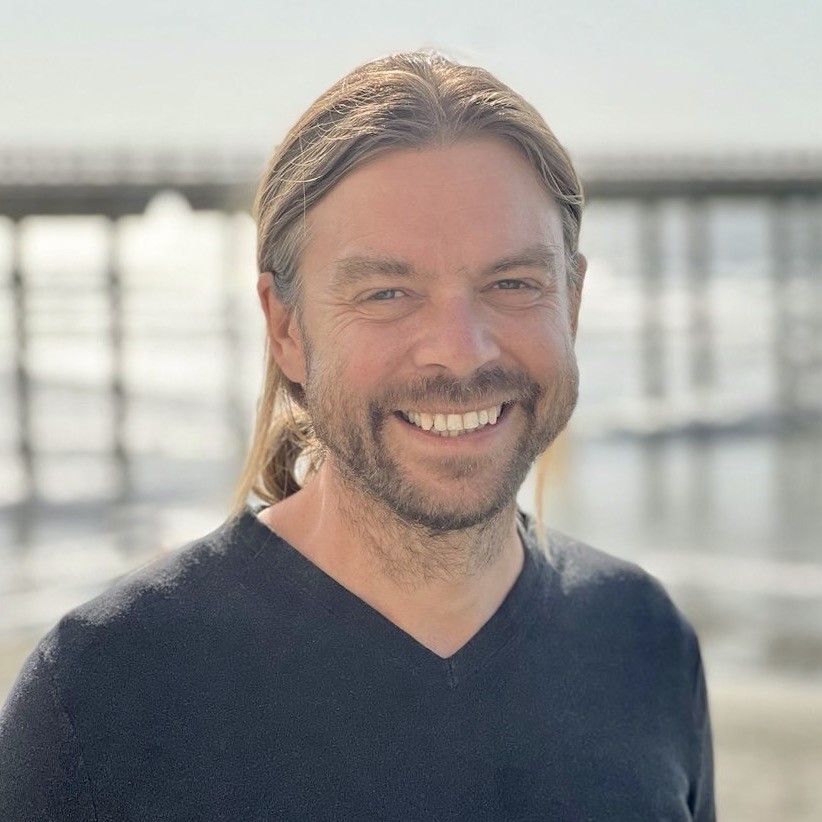
Professor Jack A Gilbert earned his Ph.D. from Unilever and Nottingham University, UK in 2002, and received his postdoctoral training at Queens University, Canada. From 2005-2010 he was a senior scientist at Plymouth Marine Laboratory, UK; and from 2010-2018 he was Group Leader for Microbial Ecology at Argonne National Laboratory, a Professor of Surgery, and Director of The Microbiome Center at University of Chicago. In 2019 he moved to University of California San Diego, where he is a Professor in Pediatrics and the Scripps Institution of Oceanography, Associate Vice Chancellor for Marine Science, and Director of both the Microbiome and Metagenomics Center and the Microbiome Core Facility. Dr. Gilbert uses molecular analysis to test fundamental hypotheses in microbial ecology.
He cofounded the Earth Microbiome Project and American Gut Project. He has authored more than 450 peer reviewed publications and book chapters on microbial ecology. He is the founding Editor in Chief of mSystems journal. In 2014 he was recognized on Crain’s Business Chicago’s 40 Under 40 List, and in 2015 he was listed as one of the 50 most influential scientists by Business Insider, and in the Brilliant Ten by Popular Scientist. In 2016 he won the Altemeier Prize from the Surgical Infection Society, and the WH Pierce Prize from the Society for Applied Microbiology for research excellence. In 2017 he co-authored “Dirt is Good”, a popular science guide to the microbiome and children’s health. In 2018, he founded BiomeSense Inc to produce automated microbiome sensors. In 2021 Dr Gilbert became the UCSD PI for the National institutes of Health’s $175M Nutrition for Precision Medicine program. In 2023 he became President of Applied Microbiology International, and won the 2023 IFF Microbiome Science Prize.
“TBD”
Dr. Sonny Lee, PhD
Mar 29, 2024 12:00 PM Eastern Time
Dr. Sonny Lee, PhD., Assistant Professor at Kansas State University. His lab website is here; “In our laboratory, computational biology approaches result in identification of functional potentials in both individual microbial organism and communities.”
“TBD”
Dr. Stephan Van Vliet, Phd.
Apr 26, 2024 12:00 PM Eastern Time
Dr. Stephan Van Vliet, Phd., Assistant Professor of Nutrition Science at Utah State University. Faculty profile here; “Dr. van Vliet’s research is performed at the nexus of agricultural and human health. He routinely collaborates with farmers, ecologists, and agricultural scientists to study critical linkages between agricultural production methods, the nutrient density of food, and human health.”
“The human microbiome and cancer risk: Opportunities for prospective studies”
Dr. Emily Vogtmann, PhD, MPH
May 31, 2024 12:00 PM Eastern Time
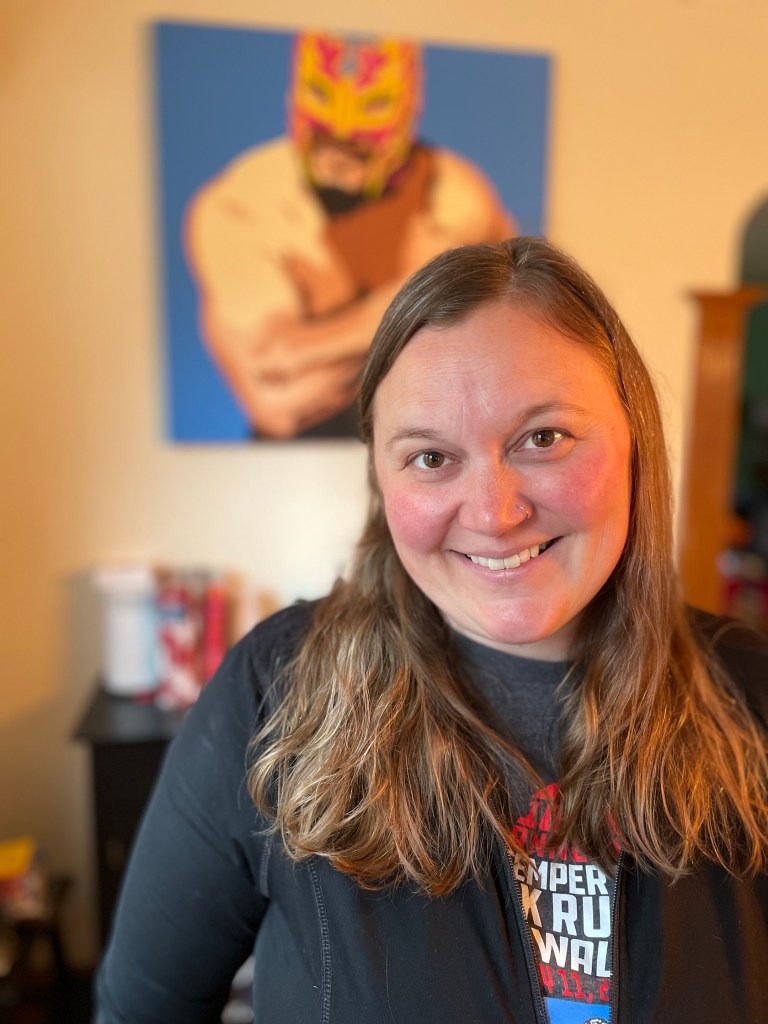
Dr. Emily Vogtmann is an Earl Stadtman Investigator in the Metabolic Epidemiology Branch of the Division of Cancer Epidemiology & Genetics in the National Cancer Institute. She received her B.S. in biochemistry and molecular biology and B.A. in Spanish from Michigan State University, M.P.H. in international health epidemiology from the University of Michigan, and Ph.D. in epidemiology in 2013 from the University of Alabama at Birmingham. Dr. Vogtmann’s research focuses on the association between the human microbiome and cancer risk and the evaluation of methods for collection, storage, and processing of samples and data for study of the human microbiome.
“Antimicrobial chemicals, antimicrobial resistance, and the indoor microbiome”
Dr. Erica Hartmann, PhD.
Jun 28, 2024 12:00 PM Eastern Time

Dr. Erica Hartmann, PhD., Associate Professor at Northwestern University. Dr. Erica Marie Hartmann is an environmental microbiologist interested in the interaction between anthropogenic chemicals and microorganisms, as well as bio-inspired mechanisms for controlling microbial communities.
Her career began at the Johns Hopkins Bloomberg School of Public Health, where she worked on mass spectrometry-based methods for detecting microbial enzymes necessary for bioremediation. She then moved to Arizona State University where she was the first graduate of the interdisciplinary Biological Design PhD program. She then moved to France on a Fulbright, studying microbes that degrade carcinogenic pollutants at the Commission for Atomic Energy. She began leading studies on antimicrobial chemicals and microbes found in indoor dust at the Biology and the Built Environment Center at the University of Oregon. She is currently continuing that work, as well as developing novel non-chemical antimicrobials, as an assistant professor at Northwestern University. She was recently awarded an NSF CAREER to support her work on antimicrobial textiles.
Her lab website is here.
“TBD, PATHOME Study/One Health”
Dr. Kelly Baker, PhD.
Jul 26, 2024 12:00 PM Eastern Time
Dr. Kelly Baker, PhD., Associate Professor at the University of Iowa. Faculty page here; “Dr. Baker is a microbiologist and epidemiologist whose research aims to generate evidence on household- and community-level environmental causes of enteric pathogen transmission between humans, animals, and the environment to improve the prioritization of interventions and policies that can reduce global enteric disease burden.”
“TBD”
Dr. Davida Smyth, PhD
Aug 30, 2024 12:00 PM Eastern Time
Dr. Davida Smyth, PhD., Associate Professor at Texas A&M University – San Antonio. Her lab website is here; they research microbiology, sustainability, pedagogy, and inclusion.
“TBD”
Mary Coughter, PhD Candidate
Sep 27, 2024 12:00 PM Eastern Time
Mary Coughter, PhD Candidate at Virginia Commonwealth University.
“Fungal responses to global climate change and potential impacts to our ecosystems and public health”
Dr. Adriana Romero-Olivares, PhD.
Oct 25, 2024 12:00 PM Eastern Time
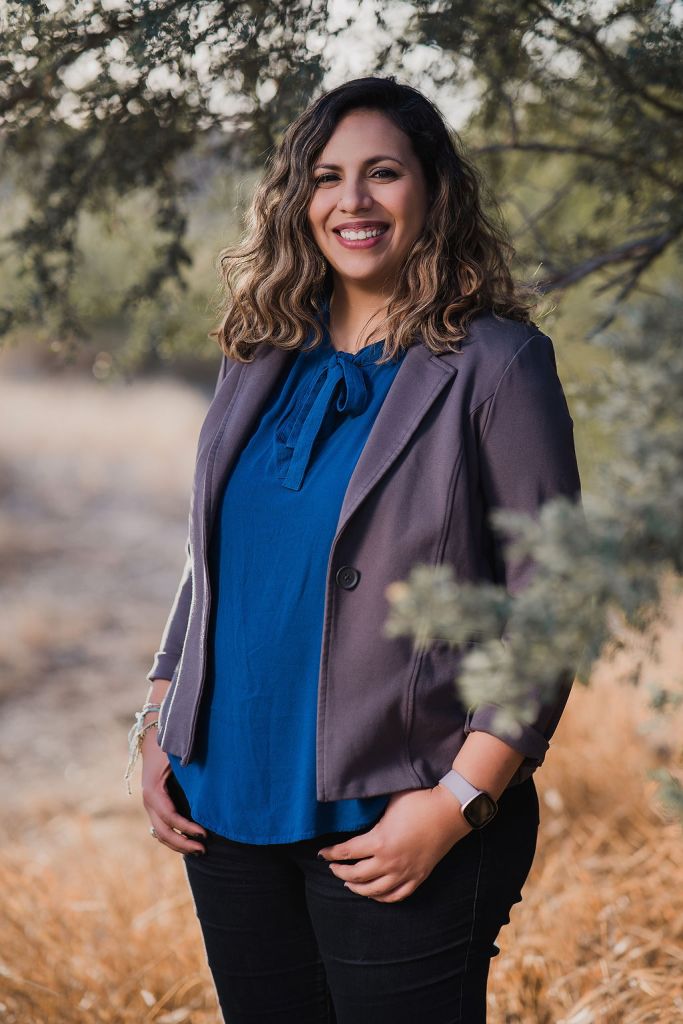
Dr. Adriana Romero-Olivares, PhD., Assistant Professor at New Mexico State University. She is a soil microbiologist who works at the intersection of ecosystem ecology and evolution with an emphasis on fungi. She did her bachelor’s degree in Biology and master’s degree in Molecular Ecology at the Autonomous University of Baja California. Dr. Romero-Olivares completed her PhD in the University of California Irvine, where she investigated the effects of global warming on the soil fungal communities of boreal forests in Alaska and consequences for decomposition and the carbon cycle. As a postdoctoral scholar in the University of New Hampshire, she studied fungal communities in temperate forests in New England experiencing long-term simulated warming and nitrogen pollution and impacts to the cycling of carbon.
Dr. Romero-Olivares is now an Assistant Professor in New Mexico State University. In her lab, they are interested in understanding how fungi respond and adapt to environmental stress. Their overall research goal is to better understand and plan for ecosystem-scale effects of global climate change.
Her lab website is here.
“TBD”
Dr. Aidee Guzman, PhD.
Nov 29, 2024 12:00 PM Eastern Time – Dr. Aidee Guzman, PhD., Assistant Professor, Department of Biology, Standford University. Lab website here.
Dec 27, 2024 12:00 PM Eastern Time – TBD
Logo designed by Alex Guillen
 The Ishaq Lab