MSE seminar this Friday, “Building multifunctional agricultural landscapes – from microbes to people”

Events will be hosted January – December, 2024, one a month on a Friday 12:00 – 14:00 pm ET. Presented over Zoom.

After each talk, we will continue the discussions in an informal social meeting with MSE. All speakers and members of the audience are welcome to join the social meeting.

Hosted by: Sue Ishaq, MSE, and finacially supported by the University of Maine Institute of Medicine and the UMaine Cultural Affairs/Distinguished Lecture Committee.

“Building multifunctional agricultural landscapes – from microbes to people”

Dr. Aidee Guzman, PhD.

Dec 6, 2024 12:00 PM Eastern Standard Time. This event has passed, watching the recording here.

Dr. Aidee Guzman is an assistant professor at Stanford University in the Department of Biology in the Ecology and Environmental Science group. Her research group examines agroecological approaches that could harness biodiversity and ecosystem functioning for improved agricultural resilience. Specifically, they investigate how agricultural management impacts biotic interactions (e.g. between plants, insects, and soil microbes) across scales (e.g. shifts in community structure, cascading changes in ecosystem functioning). The overarching goal of her research program is to support farmers, especially those who are historically underserved, through research, education, and outreach that builds on their innovations and demonstrates ecological pathways to agricultural resilience. 

Lab website here.


Logo designed by Alex Guillen

White paper and perspective published on “Running a queer- and trans-inclusive faculty hiring process”!!

I’m delighted to announce the public release of a white paper on queer- and trans-inclusive faculty hiring practices, and a perspective piece introducing it!! This is the culmination of months of writing by an international group of talented scientists led by Dr. JL Weissman, and I was honored to participate in these and future efforts from the group.

The newly-formed group, Advancing Queer and Trans Equity in Science (AQTES), wants to improve the field of research by making the hiring process fair and welcoming for everyone. No matter what your personal identity is, we can all agree that fair and unbiased job searches are critical to hiring the best talent. But, sometimes a poorly-organized job search prevents the people with the best talent from applying at all.

In our white paper, we give suggestions on how to host a job search that is better for everyone. We provide examples and advice on how to write job adverts, create the agenda and atmosphere for the job search, how to make the interview process more accessible for everyone by remembering that we are humans and not robots, and how to support your new faculty.

Running a queer- and trans-inclusive faculty hiring process.

Authors

Weissman, JL, Chappell, C.R., Rodrigues de Oliveira, B.F., Evans, N., Fagre, A.C., Forsythe, D.,  Frese, S.A., Gregor, R., Ishaq, S.L., Johnston, J., Bittu, K.R., Matsuda, S.B., McCarren, S., Ortiz Alvarez de la Campa, M., Roepkw, T.A., Sinnott-Armstrong, N., Stobie, C.S., Talluto, L., Vargas-Muñiz, J., Advancing Queer and Trans Equity in Science (AQTES).

Abstract

Queer and transgender scientists face documented systemic challenges across the sciences, and therefore have a higher attrition rate than their peers. Recent calls for change within science have emphasized the importance of addressing barriers to the success and retention of queer and trans scientists to create a more inclusive, equitable, and just scientific establishment. Crucially, we note these calls come primarily from early career researchers; relatively few queer and trans scientists have passed through the gauntlet of the faculty job search to become faculty ourselves, which is typically key to long-term persistence in academia. Our lack of representation creates a self-reinforcing cycle in which queer and trans trainees do not see our needs considered in established processes and power structures. Moreover, this status quo has historically been and continues to be harmful, disproportionately impacting those of us who have multiple intersecting marginalized identities. Here, we provide concrete guidance to search committees to support queer and trans candidates throughout the faculty selection process based on our personal experiences as early career scientists who have been on the job market.

Graphics in the post and the article created by Callie R. Chappell.

Citations

Citation for the paper: Weissman, JL, Chappell, C.R., Rodrigues de Oliveira, B.F., Evans, N., Fagre, A.C., Forsythe, D.,  Frese, S.A., Gregor, R., Ishaq, S.L., Johnston, J., Bittu, K.R., Matsuda, S.B., McCarren, S., Ortiz Alvarez de la Campa, M., Roepkw, T.A., Sinnott-Armstrong, N., Stobie, C.S., Talluto, L., Vargas-Muñiz, J., Advancing Queer and Trans Equity in Science (AQTES). 2024. Running a queer- and trans-inclusive faculty hiring process. EcoEvoRvix repository 6791.

Perspective piece introducing the paper:  Weissman JL, Chappell CR, Francesco Rodrigues de Oliveira B, Evans N, Fagre AC, Forsythe D, et al. (2024) Queer- and trans-inclusive faculty hiring—A call for change. PLoS Biol 22(11): e3002919.

This work is being presented at the American Geophysical Union annual meeting in Washington DC in December, in the session on “ED12A: Advances and Progress Toward a More Inclusive, Diverse, Equitable, and Accessible Scientific Community II”.

This work is being presented as a seminar at the Microbes and Social Equity working group virtual seminar series, Dec 20th, 2024. Registration is free but required.

MSE seminar today is posponed – but join us for a social hour from 12:00 – 13:00 EDT!

Events will be hosted January – December, 2024, on the last Friday of every month, 12:00 – 14:00 pm ET. Presented over Zoom.

After each talk, we will continue the discussions in an informal social meeting with MSE. All speakers and members of the audience are welcome to join the social meeting.

Hosted by: Sue Ishaq, MSE, and finacially supported by the University of Maine Institute of Medicine and the UMaine Cultural Affairs/Distinguished Lecture Committee.


Logo designed by Alex Guillen

New researchers joined the lab!

The new fall semester always brings new undergraduate researchers to the lab, and we are pleased to welcome these students to #TeamBroccoli! A few other undergraduates who did not contibute bios yet have also been shadowing in the lab this semester, and are considering joining the lab to complete their senior research projects.

New undergrad researchers joined us in 2024 from several programs on campus!

Isaac Mains

Undergraduate Researcher, Microbiology

Isaac is a BS microbiology student working to complete his undergraduate degree at the University of Maine in 2025. After graduation, he plans to pursue a Masters’ in medical science and ultimately wishes to attend medical school to become a practicing physician. His research interests include the gut microbiome and dysbiosis. He grew up in Bar Harbor, Maine, and has a great appreciation for the outdoors, stemming from his years spent living in Acadia. He joined the Ishaq lab in fall 2024, and is looking forward to helping spread awareness of issues surrounding social equity and host microbiome interactions.


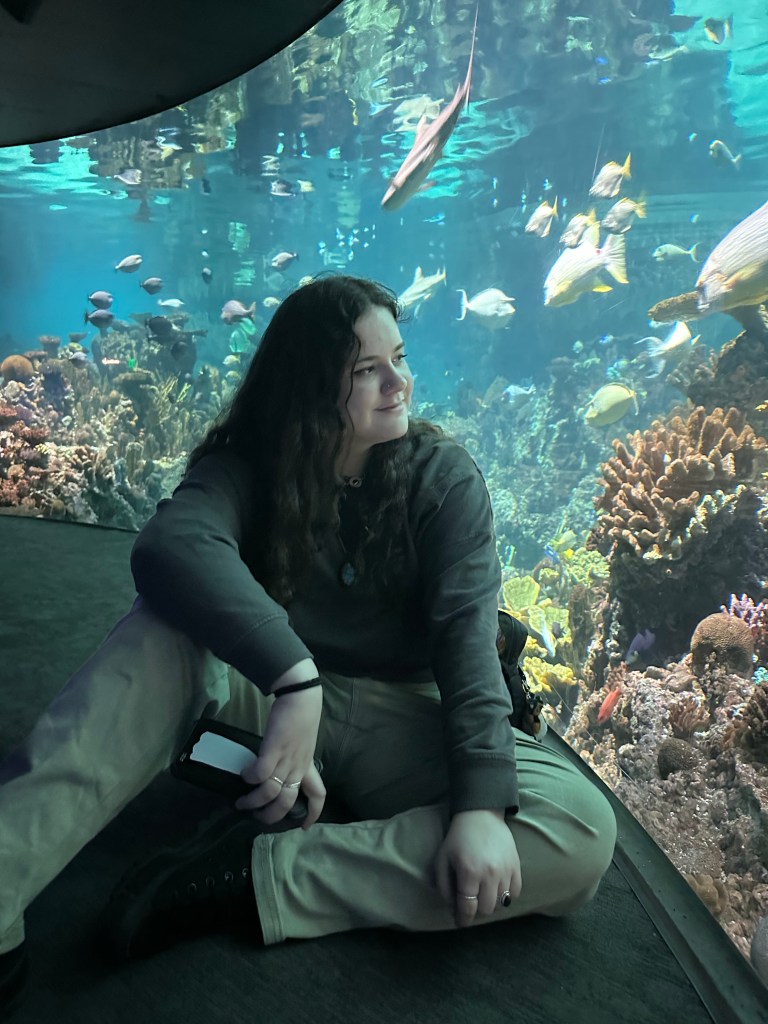
Miriam Talalay

Undergraduate researcher, Zoology and Veterinary Studies
Mira is in her third year at University of Maine where she is studying Zoology and Veterinary Studies with the goal of becoming a wildlife researcher and rehabilitator. She is from Maryland but grew up spending time at her grandparents’ camp in Surry, Maine. Her grandfather (Dr. Paul Talalay) is the researcher from Johns Hopkins University who discovered the chemoprotective properties of sulforaphane from broccoli, so she is happy to be a part of his legacy on Team Broccoli.

Mira is an avid wildlife photographer and kayaker. She also plays violin in her spare time and has played with the University of Maine orchestra. Prior to coming to UMaine, she was awarded Duke of Edinburgh’s International Silver Award USA , Young Woman of the Year (Baltimore County Commission for Women), President’s Volunteer Service Award, US Congressional Award for Voluntary Service and Personal Development (Gold Medal), and a Maryland Governor’s Citation for Voluntarism. She is currently working on the Gold Medal requirements for the Duke of Edinburgh’s International Award.


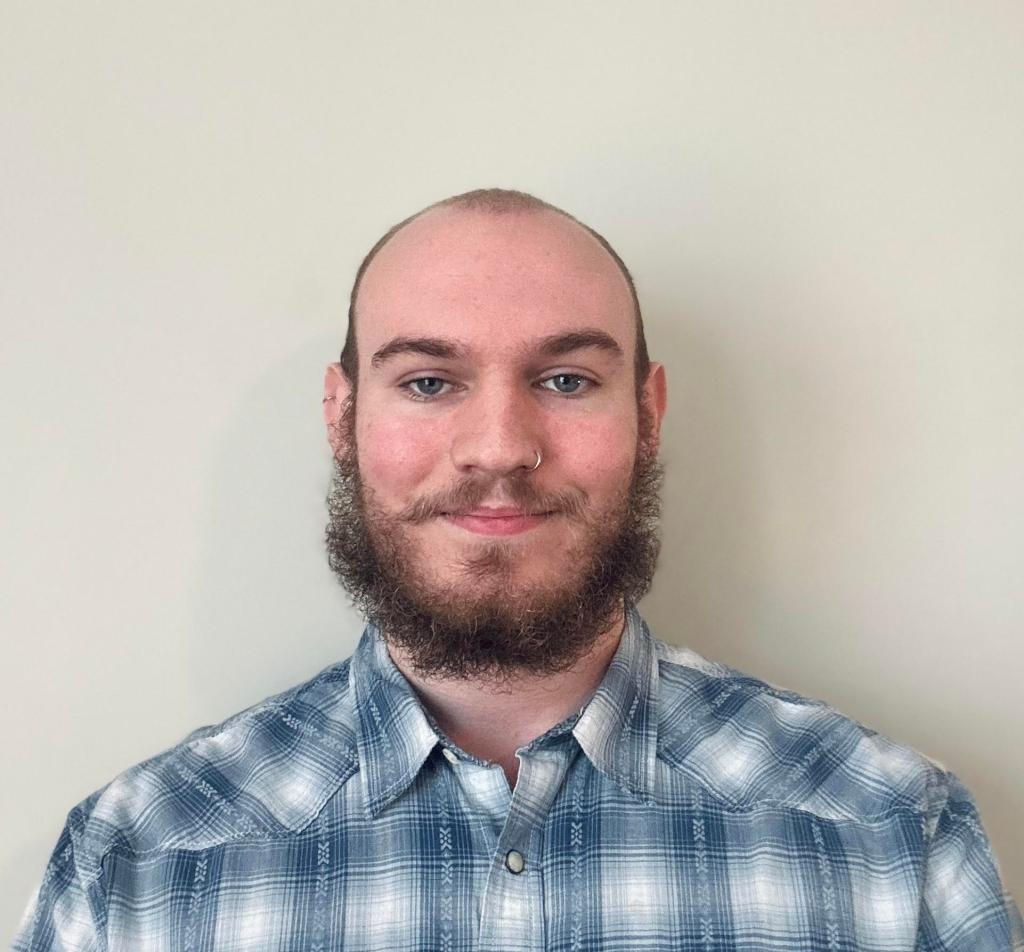
headshot of Emelia Tremblay

Emelia Tremblay

Undergraduate Researcher, Microbiology, University of Maine

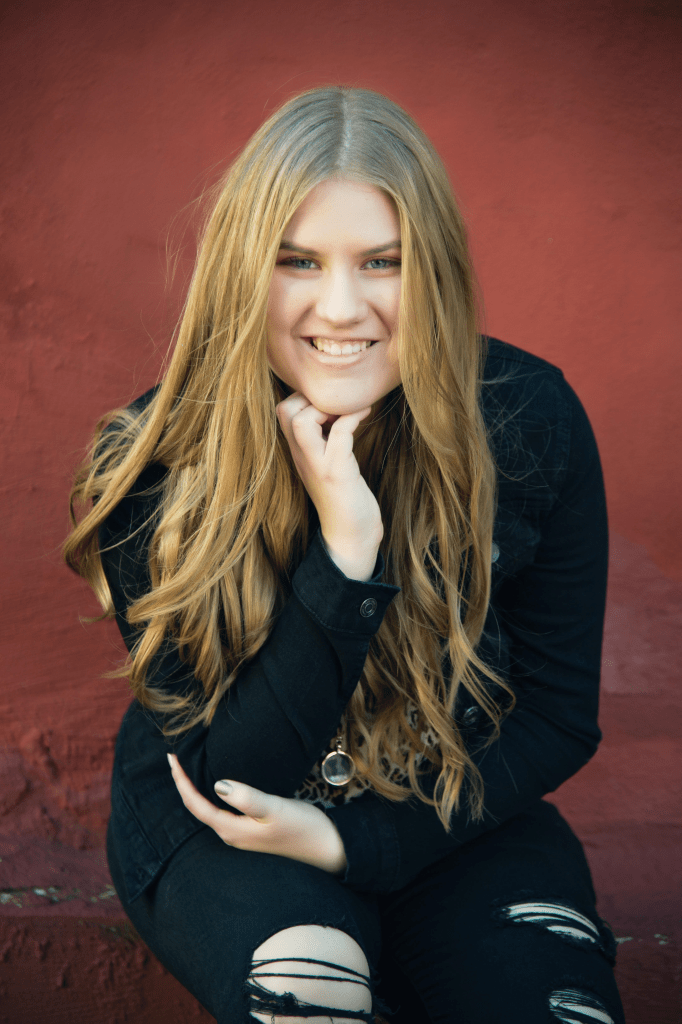
I am an undergraduate who is due to graduate in the Spring of 2025. Outside of the lab I work in Athletics as a Student Supervisor, I am the Vice President of Academics in Delta Phi Epsilon, and the Vice President of Judicial Affairs and Risk Management of the Panhellenic Council at UMaine. I was a Quality Intern in the laboratory at Edesia Nutrition, which partners with UNICEF and WFP to provide a fortified peanut butter supplement for malnourished babies in underdeveloped countries.  I hope to attend grad school to further my education in either microbiology or public health. I would like to ultimately work in a research lab studying the human microbiome or work to bridge the gap between scientists and the general public through Public Health Communication. 


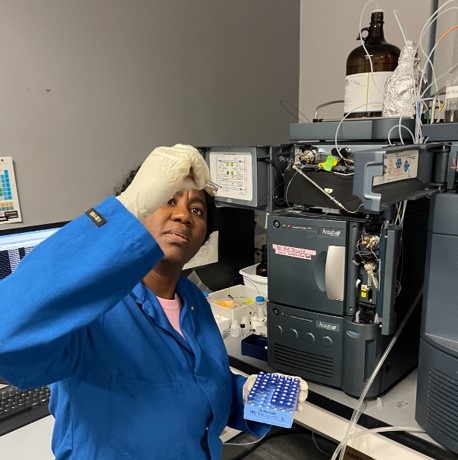
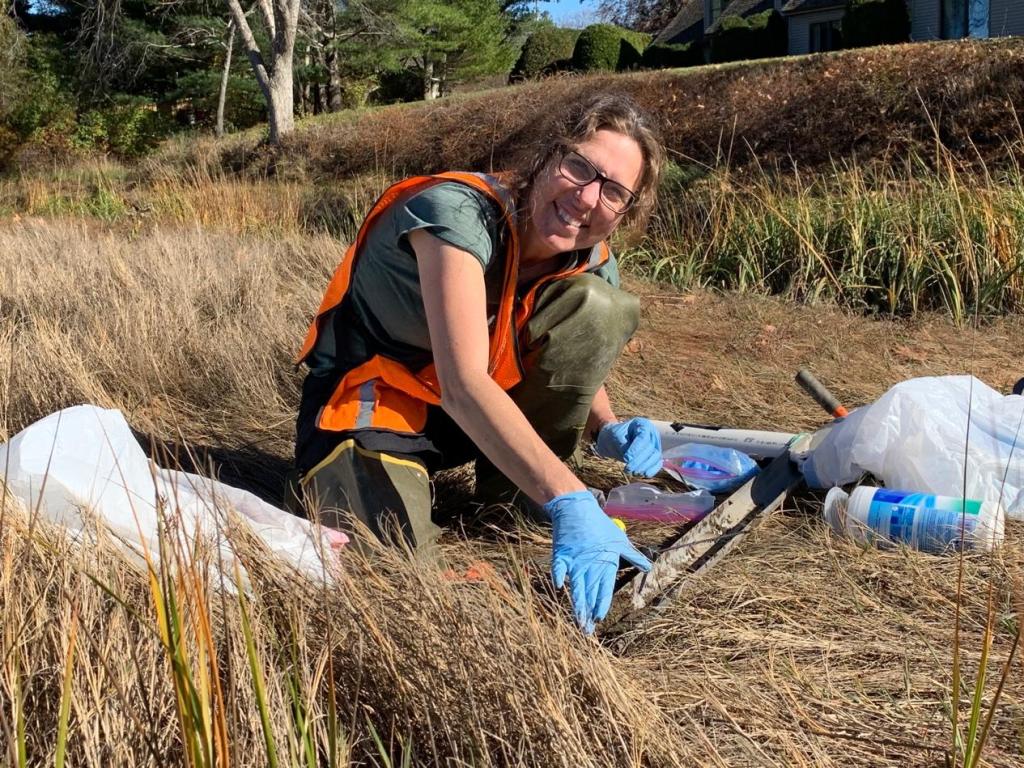
Heather Richard is a PhD student who has been working with the lab for over a year on her project, and who formally joined the lab in early 2024. Since her field work is seasonal, it took us awhile to get her welcome post put together!

Heather Richard

Heather Richard, B.A., M.S.

Doctor of Philosophy student, Ecology and Environmental Sciences. Heather is being co-advised by Dr. Peter Avis

Heather joined the University of Maine in 2021 as a PhD student with the Maine eDNA program and studies the impacts of bridges and roads on microbial communities in salt marsh habitats. Her background in Ecology led her to pursue a career in informal environmental education for several years before getting a Master’s degree in Marine Biology from San Francisco State University studying biofilms on microplastics pollution. Upon returning to Maine in 2016 she led local research for a coastal non-profit organization and has since been dedicated to studying coastal environmental issues relevant to Maine. She has found a true passion in bioinformatic analysis and is eager to learn new tools for data analysis of all kinds. 

MSE seminar this Friday is posponed – but join us for a social hour from 12:00 – 13:00 EDT!

Events will be hosted January – December, 2024, on the last Friday of every month, 12:00 – 14:00 pm ET. Presented over Zoom.

After each talk, we will continue the discussions in an informal social meeting with MSE. All speakers and members of the audience are welcome to join the social meeting.

Hosted by: Sue Ishaq, MSE, and finacially supported by the University of Maine Institute of Medicine and the UMaine Cultural Affairs/Distinguished Lecture Committee.

Logo designed by Alex Guillen

Johanna Holman passes her comprehensive exam and advances to candidacy!

Johanna passed her comprehensive exam, which means she is advancing to PhD candidacy!! The exam involved writing a research proposal on a topic outside of her main focus, and presenting her idea for an hour to her committee, who then asked detailed questions about her work and understanding of this research for over an hour.

Johanna has been with the lab since 2020, but she has actual been researching broccoli sprouts for 6 years, as she started her career with Yanyan Li and Tao Zhang back when all three were at Husson University. Johanna is a brilliant nutritional health microbiologist who uses multi-faceted research – from the lab to public health – to understand the connection between health and the microbiome. She has been a valuable collaborator on our intricate and lab-heavy projects, allowing the lab to coordinate up to 5 projects and 8 students simultaneously. Now that she is a PhD candidate, Johanna will begin designing her own research projects and trying to find funding through fellowships, to help her become an independent researcher.

A black and white portrait of Johanna Holman

Johanna Holman, B.S., M.S.

Doctor of Philosophy candidate, Microbiology

Johanna joined the lab in fall 2020 to investigate the effects of diet on the gut microbiome, and on host-microbial interactions. For the past several years, she has been working with Drs. Tao Zhang and Yanyan Li, and her project combines nutritional biochemistry of broccoli sprouts with effects on gut microbes. She obtained her master’s in nutrition in summer 2022, and returned to the Ishaq and Li labs for her PhD!

Imaginome Designs, her graphic design business

Presenting an ASM Webinar for Undergraduate and Graduate Students on careers in microbial ecology!

On October 9th, I’ll be giving a seminar on my career thus far to undergraduate and graduate students in the American Society for Microbiology!! I recently became the Early Career At-Large Member of the Board at ASM, and I’m delighted for this opportunity to share my path through science and give the advice that helped me along my journey.

Registration is required, and can be found here.

MSE seminar today: “Examining antibiotic resistance in biofilm and planktonic bacterial communities along an urban river”

Events will be hosted January – December, 2024, on the last Friday of every month, 12:00 – 14:00 pm ET. Presented over Zoom.

After each talk, we will continue the discussions in an informal social meeting with MSE. All speakers and members of the audience are welcome to join the social meeting.

Hosted by: Sue Ishaq, MSE, and finacially supported by the University of Maine Institute of Medicine and the UMaine Cultural Affairs/Distinguished Lecture Committee.

“Examining antibiotic resistance in biofilm and planktonic bacterial communities along an urban river”

Mary Coughter, M.S.

Sep 27 2024 12:00 PM Eastern Daylight Time

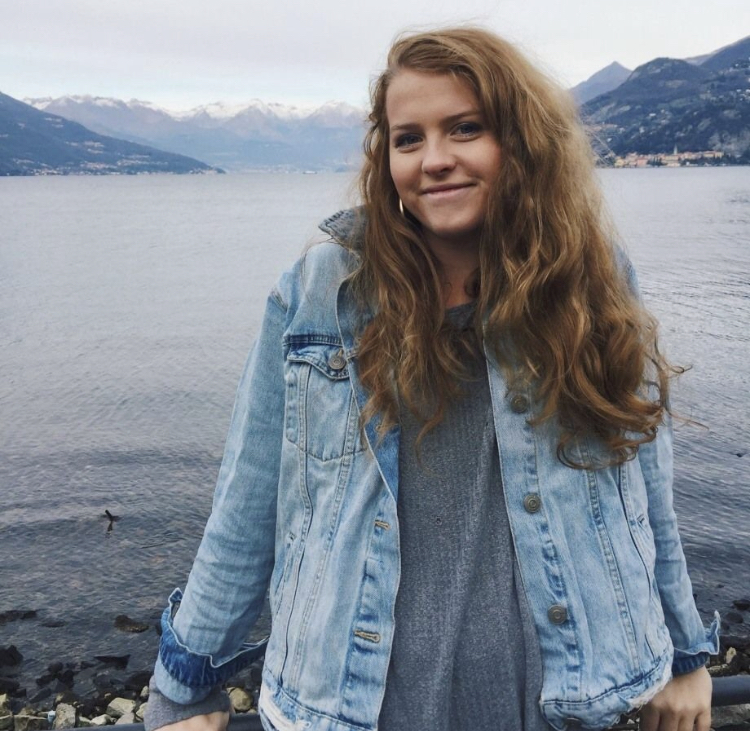
Mary Coughter is wearing a grey shirt and denim jacket, and is standing on a rocky shoreline in front of a large body of water with mountains in the background.

Mary Coughter is a PhD Candidate in Integrative Life Sciences at Virginia Commonwealth University under the advisory of Dr. Rima Franklin. She also holds her master’s degree in Biology at VCU, and her bachelor’s at Virginia Tech in Environmental Science. Located in Richmond, Virginia, her current research takes place in the James River, a huge resource of food, water, and recreation in the area as well as a tributary to the Chesapeake bay. Here she examines the spread of antibiotic resistance in bacteria and their genes in these public waterways, looking at different communities of bacteria as resistance reservoirs – both the water column and riverine biofilms. Based in a city historically known for redlining communities and where environmental stressors and adverse health impacts have been observed along those lines, she’s very interested in exploring if antibiotic prescription rates along communities in the watershed follow similar patterns. 

Her student page is here.


Logo designed by Alex Guillen

MSE seminar this Friday: “Examining antibiotic resistance in biofilm and planktonic bacterial communities along an urban river”

Events will be hosted January – December, 2024, on the last Friday of every month, 12:00 – 14:00 pm ET. Presented over Zoom.

After each talk, we will continue the discussions in an informal social meeting with MSE. All speakers and members of the audience are welcome to join the social meeting.

Hosted by: Sue Ishaq, MSE, and finacially supported by the University of Maine Institute of Medicine and the UMaine Cultural Affairs/Distinguished Lecture Committee.

“Examining antibiotic resistance in biofilm and planktonic bacterial communities along an urban river”

Mary Coughter, M.S.

Sep 27 2024 12:00 PM Eastern Daylight Time

Mary Coughter is wearing a grey shirt and denim jacket, and is standing on a rocky shoreline in front of a large body of water with mountains in the background.

Mary Coughter is a PhD Candidate in Integrative Life Sciences at Virginia Commonwealth University under the advisory of Dr. Rima Franklin. She also holds her master’s degree in Biology at VCU, and her bachelor’s at Virginia Tech in Environmental Science. Located in Richmond, Virginia, her current research takes place in the James River, a huge resource of food, water, and recreation in the area as well as a tributary to the Chesapeake bay. Here she examines the spread of antibiotic resistance in bacteria and their genes in these public waterways, looking at different communities of bacteria as resistance reservoirs – both the water column and riverine biofilms. Based in a city historically known for redlining communities and where environmental stressors and adverse health impacts have been observed along those lines, she’s very interested in exploring if antibiotic prescription rates along communities in the watershed follow similar patterns. 

Her student page is here.


Logo designed by Alex Guillen

Lola Holcomb featured on UMaine news!

Lola Holcomb’s research has been featured on UMaine news!!! You can read about it here.