Events will be hosted January – December, 2025, on the last Wednesday of every month, 12:00 – 14:00 pm ET. Presented over Zoom.
After each talk, we will continue the discussions in an informal social meeting with MSE. All speakers and members of the audience are welcome to join the social meeting.
Hosted by: Sue Ishaq, MSE, and finacially supported by the University of Maine Institute of Medicine and the UMaine Cultural Affairs/Distinguished Lecture Committee.
Microorganisms are critical to many aspects of biological life, including human health. The human body is a veritable universe for microorganisms: some pass through but once, some are frequent tourists, and some spend their entire existence in the confines of our body tissues. The collective microbial community, our microbiome, can be impacted by the details of our lifestyle, including diet, hygiene, health status, and more, but many are driven by social, economic, medical, or political constraints that restrict available choices that may impact our health. Access to resources is the basis for creating and resolving social equity—access to healthcare, healthy foods, a suitable living environment, and to beneficial microorganisms, but also access to personal and occupational protection to avoid exposure to infectious disease. This speaker series explores the way that microbes connect public policy, social disparities, and human health, as well as the ongoing research, education, policy, and innovation in this field.
Dr. Adriana Romero-Olivares, PhD., Assistant Professor at New Mexico State University. She is a soil microbiologist who works at the intersection of ecosystem ecology and evolution with an emphasis on fungi. She did her bachelor’s degree in Biology and master’s degree in Molecular Ecology at the Autonomous University of Baja California. Dr. Romero-Olivares completed her PhD in the University of California Irvine, where she investigated the effects of global warming on the soil fungal communities of boreal forests in Alaska and consequences for decomposition and the carbon cycle. As a postdoctoral scholar in the University of New Hampshire, she studied fungal communities in temperate forests in New England experiencing long-term simulated warming and nitrogen pollution and impacts to the cycling of carbon.
Doctorate of Philosophy candidate, Biomedical Science
Lola entered as a rotating first-year GSBSE student in March 2022, and declared the Ishaq Lab her dissertation lab soon after. Troubled with indecisiveness and the desire to research, well, everything, she quickly found that using bioinformatics and big data as a lens to study microbial ecology (and in time, its relation to social equity) allowed her to do the kind of meaningful interdisciplinary research she’s always wanted to do. Lola is currently working on 16s data analysis for other ongoing lab projects, comparing gut microbiomes of mouse models of Inflammatory Bowel Disease with broccoli as a dietary treatment. Lola is currently doing 16S data analysis for ongoing lab projects and developing a metagenomic analysis workflow to compare gut microbiomes of mouse models of Inflammatory Bowel Disease with broccoli as a dietary treatment. In addition to research, she instructs a graduate-level Genetics course, tutors several Biology undergraduate students, and serves as a GSBSE senator in the Graduate Student Government here at UMaine.
2025 MSE Summit: Pathways to Microbiome Stewardship
Summary of the event: This summit will convene experts in microbiology, policy, public and environmental health, and social justice, to discuss, deliberate, amend, and expand the draft working definition and guiding principles of microbiome stewardship. A core concept of the Microbes & Social Equity (MSE) group is recognizing the links between microbiomes, social equity, and environmental health. Our ability to develop practices and advocate for policy reform that address societal inequities is limited without a strong microbiome stewardship framework. Led by MSE and the Microbiome Stewardship working group, participants will co-develop a framework, and use it to plan a pathway to bring their own work in line with principles of conservation and stewardship. Participants will design case studies or future research which provide tangible and meaningful endpoints relevant to their area of focus.
Registration open soon!
Session 1: Human-centric Microbiome Stewardship
Date: July 7-8, 2025, time TBD
Location: Online only — the removal of US federal funding leaves us unable to host this in person.
Webinar presentations:
The Concept of Microbiome Stewardship,
Kieran O’Doherty, PhD, Professor, University of Guelph; MSE
The political economy ofemerging digital data collection platforms and applications with microbial stewardship,
Roberta Raffaetà, PhD, Associate Professor of Sociology and Medical Anthropology, Ca Foscari
Wildlife conservation through the microbiome, and One Health epidemiology,
Candace Williams, PhD, Oxford Nanopore
Case study in racism in vaginal microbiome work as studies use small group sizes and incomparable comparisons,
Aviaja Hauptmann, PhD, Assistant Professor, Institute of Health and Nature, University of Greenland
Public Health and Epidemiology,
Susie Hota, MD, MSc, FRCPC, Clinician Investigator, Toronto General Hospital Research Institute (TGHRI)
Indigenous perspectives on microbiome stewardship and public health,
Nicole Redvers, DPhil, ND, MPH, Associate Professor, Western Research Chair & Director, Indigenous Planetary Health; Schulich School of Medicine & Dentistry, Schulich Interfaculty Program in Public Health, University of Western Ontario
Bioethics,
Nicolae Morar, PhD, Professor of Ethics, University of Oregon
Location: Online only — the removal of US federal funding leaves us unable to host this in person.
Webinar Presentations:
The Concept of Microbiome Stewardship,
Mallory Choudoir, PhD, Assistant Professor and Soil Microbiome Extension Specialist, North Carolina State University; MSE
Built environment and microbial exposures,
Jennifer Kuzma, PhD, Professor, School of Public and International Affairs; Co-Director, Genetic Engineering & Society Center; Associate Director, Precision Microbiome Engineering Center (PreMiEr, NSF-ERC); North Carolina State University
Kristen Landreville, PhD, Senior Research Scholar, Societal and Ethical Implications (SEI) Core in the PreMiEr Engineering Research Center, North Carolina State University
Biodiversity and microbial stewardship in agriculture.
Soil health and environmental data stewardship.
Conservation of microbiota
Antimicrobial resistance, wastewater, and redlining urban centers.
Sessions 3 and 4, in development
Group activity 1: Create your discussion group (45 min.) Use the white boards to list broad topics around the room, then assemble into loose groups by topic. Draw network maps on the boards, in which word bubbles are made to list your collective expertise. Use the maps to identify common interests, and subdivide into groups of 3 – 6 people.
Group activity 2: Identify topics important to your group and missing expertise (30 min., and 15 min. for groups to share with the full summit audience). Resolving “grand challenges” is complicated, and identifying knowledge gaps, problems facing society, and barriers to solutions can help us map a pathway to solutions. What problems exist in your field? What barriers prevent implementing research or policy solutions? What kind of expertise is lacking from your group that might help you solve these challenges?
Discussion 1 (Introductions & Foundations). What is your name and what kind of research do you do? How might the connection between microbiomes and health (human and non-human) relate with your work? What kind of research questions might you be interested in investigating that involve the connection between microbiomes and health? What interests you about the topic of microbiomes, health, and environments?
Discussion 2 (Interdisciplinary Connections). To achieve goals of microbiome stewardship, what interdisciplinary partnerships do we need to develop? What kind of research programs need to be developed?
Group activity 3: Generate definitions of Microbiome Stewardship (1 hour, and 1 hour for groups to share with the full summit audience). What does ‘microbiome stewardship’ mean to you? What needs to be stewarded/protected in your area of expertise? What types of policies, practices, products, or other solutions would help steward microbiomes in your area of expertise?
Day 2 Activities in the afternoon, for both sessions
Group activity 4: Create your path to microbiome stewardship. Groups will organize by broad topics, and generate case studies related to individuals’ work which includes microbiome stewardship. During your activity, participants will consider the two discussion prompts:
Discussion 3 (Policy Connections). What are the policy domains we need to target for protection of microbial ecosystems to ensure positive health outcomes? What kind of policies could be effective in helping to maintain microbiome health? What agencies or organizations might oversee regulations for the protection of microbial ecosystems? How could one begin to advocate for microbiome health in various policy domains?
Discussion 4 (Getting Microbiome Stewardship onto the Agenda). How can we raise awareness about the importance of microbial ecologies in human and planetary health? How can we get the protection of microbial ecosystems onto policy maker agendas? What initiatives currently exist with whom we can seek partnerships?
Continue Group activity 4: Share your path to microbiome stewardship (groups will share to full summit audience)
What is “microbiome stewardship”?
Microbiomes are essential to human and environmental health; all organisms on our planet rely on the microbial ecologies that inhabit and surround us. There is increasing evidence that modern societal practices are harming essential microbiomes, and thereby threatening the health of the larger organisms and ecosystems that exist in symbiotic relationship with them. In spite of scientific recognition of the importance of microbiomes and of the threats they face, there is very little collective societal action to protect and conserve essential microbiomes. Pesticide use, pollution, industrialized food production, and many other societal practices that are damaging our collective microbiomes can only be addressed at the level of policy. Microbiome stewardship is the broad idea that we need to consider ecosystem-level factors when we think about public health, as our environment, behaviors, and public policy affects interactions between microbes and human health. Microbiomes are highly dynamic systems, featuring bacteria, archaea, protozoa, fungi, and viruses; and our personal microbiomes are derived from a larger shared, collective microbial resource.
Figure 1. Microbiome stewardship as a concept and framework for ensuring human and planetary health supported by microbial functions. Human microbiomes are constituted from our environment, which has determinants based largely on societal systems (e.g., agriculture and food systems, built environment, health care accessibility) that operate beyond individual choice and behavioral interventions. Figure created with BioRender.com.
Meet the Summit-Organizing Team
Dr. Sue Ishaq, PhD., is an Associate Professor of Microbiomes, University of Maine; and founded MSE in 2020. Over the years, her research has gone from wild animal gut microbiomes, to soils, to buildings, and back to the gut. Since 2019, her lab in Maine focuses on host-associated microbial communities in animals and humans, and in particular, how host and microbes interact in the gut and can be harnessed to reduce inflammation. She is also the early-career At Large member of the Board of Directors for the American Society for Microbiology, 2024- 2027.
Dr. Kieran C. O’Doherty, PhD.,is professor in the department of psychology at the University of Guelph, where he directs the Discourse, Science, Publics research Group. His research focuses on the social and ethical implications of science and technology and public engagement on science and technology. He has published on such topics as data governance, vaccines, human tissue biobanks, the human microbiome, salmon genomics, and genetic testing. A particular emphasis of his research is on theory and methods of public deliberation, in which members of the public are involved in collectively developing recommendations for the governance of science & technology. Recent edited volumes include Psychological Studies of Science and Technology (2019) and The Sage Handbook of Applied Social Psychology (2019). He is editor of Theory & Psychology.
Dr. Rob Beiko, PhD., is a Professor and Head of the Algorithms and Bioinformatics research cluster in the Faculty of Computer Science at Dalhousie University. His research aims to understand microbial diversity and evolution using machine learning, phylogenetics, time-series algorithms, and visualization techniques. His group is developing software tools and pipelines to comprehensively survey genes and mobile genetic elements in bacterial genomes, and understand how these genomes have been shaped by vertical inheritance, recombination, and lateral gene transfer. He is also a co-founder of Dartmouth Ocean Technologies, Inc., a developer of environmental DNA sampling devices.
Dr. Emma AllenVercoe, PhD, is a Professor of Microbiology at the University of Guelph, and a Tier 1 Canada Research Chair in Human Gut Microbiome Function and Host Interactions. Her research portfolio is broad, encompassing host-pathogen interplay, live microbial products as therapeutic agents, gut microbiome and anaerobic culture (humans and animals), and the study of ‘missing gut microbes’ i.e. those that are present in hunter-gatherer societies but missing in the industrialized world. She has developed the Robogut – a culture system that allows for the growth of gut microbial communities in vitro, and is currently busy a centre for microbiome culture and preservation at the University of Guelph.
Dr. Mallory Choudoir, PhD, is an Assistant Professor & Soil Microbiome Extension Specialist in the Department of Plant & Microbial Biology at North Carolina State University. The goal of her applied research and extension program is to translate microbiome science to sustainable agriculture. She aims to develop microbial-centered solutions for optimizing crop productivity, reducing agronomic inputs, and enhancing agroecosystem resilience to climate change.
Diego Silva, PhD, is a Senior Lecturer in Bioethics at Sydney Health Ethics and the University of Sydney School of Public Health. His research centers on public health ethics, particularly the application of political theory in the context of infectious diseases and health security, e.g., tuberculosis, COVID-19, antimicrobial resistance, etc. He is currently the outgoing Chair and a member of the Public Health Ethics Consultative Group at the Public Health Agency of Canada and works with the World Health Organization on various public health ethics topics on an ad hoc basis.
Events will be hosted January – December, 2025, on the last Wednesday of every month, 12:00 – 14:00 pm ET. Presented over Zoom.
After each talk, we will continue the discussions in an informal social meeting with MSE. All speakers and members of the audience are welcome to join the social meeting.
Hosted by: Sue Ishaq, MSE, and finacially supported by the University of Maine Institute of Medicine and the UMaine Cultural Affairs/Distinguished Lecture Committee.
Microorganisms are critical to many aspects of biological life, including human health. The human body is a veritable universe for microorganisms: some pass through but once, some are frequent tourists, and some spend their entire existence in the confines of our body tissues. The collective microbial community, our microbiome, can be impacted by the details of our lifestyle, including diet, hygiene, health status, and more, but many are driven by social, economic, medical, or political constraints that restrict available choices that may impact our health. Access to resources is the basis for creating and resolving social equity—access to healthcare, healthy foods, a suitable living environment, and to beneficial microorganisms, but also access to personal and occupational protection to avoid exposure to infectious disease. This speaker series explores the way that microbes connect public policy, social disparities, and human health, as well as the ongoing research, education, policy, and innovation in this field.
Dr. Adina Howe is an associate professor in the Department of Agricultural and Biosystems Engineering at Iowa State University. She leads the Genomics and Environmental Research in Microbial Systems (GERMS) Laboratory. The goal of the GERMS Lab (www.germslab.org) is to understand and manage the impacts of microbiology as we continuously change the environment that we live in. In her free time, she enjoys being outside with the family including her two dogs, board games, and playing city recreational sports.
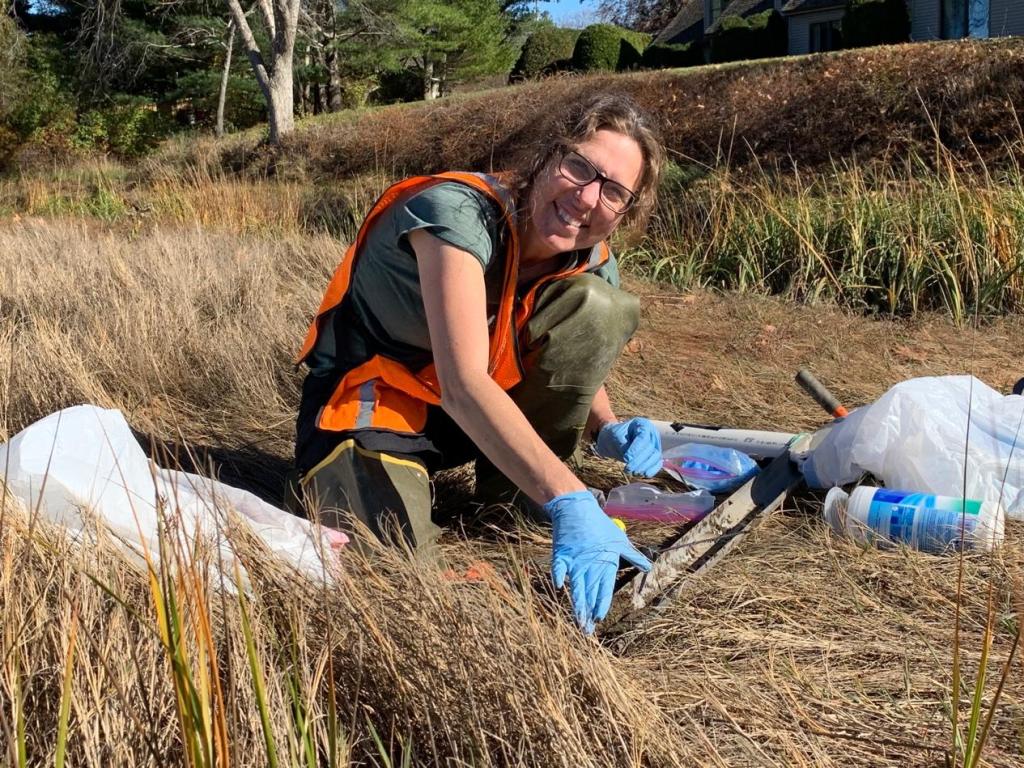
Heather Richard passed her comprehensive exam, which means she is advancing to PhD candidacy!! Heather’s research focuses on how land use and water infrastrucure changes the dynamics of salt marshes and their tidal creeks, which alters their microbial communities, biochemical processes, and capacity to sequester atmospheric carbon in sediment. She details that work, including field sampling and labwork protocols, as well as data visualization and major findings, on an interactive website she created to support research into salt marshes in Maine.
Heather Richard, B.A., M.S.
Doctor of Philosophy Candidate, Ecology and Environmental Sciences. Heather is being co-advised by Dr. Peter Avis
Heather joined the University of Maine in 2021 as a PhD student with the Maine eDNA program and studies the impacts of bridges and roads on microbial communities in salt marsh habitats. Her background in Ecology led her to pursue a career in informal environmental education for several years before getting a Master’s degree in Marine Biology from San Francisco State University studying biofilms on microplastics pollution. Upon returning to Maine in 2016 she led local research for a coastal non-profit organization and has since been dedicated to studying coastal environmental issues relevant to Maine. She has found a true passion in bioinformatic analysis and is eager to learn new tools for data analysis of all kinds.
The exam involved writing mini-papers around topics assigned by her committee, including decision-making and troubleshooting for sequencing data analysis, biogeochemical processes in salt marshes that drive carbon sequestration or release, and microbial ecology in coastal ecosystems. Each set of questions were released once a day for 5 days, and mini-papers took 6 -8 hours to complete and had to be returned within 24 hours. This intensive series of written exams were followed by a two-hour question-and-answer session in which Heather gave further detail on her written answers, connected basic biochemical processes to broader ecosystem-level microbial ecology, and considered furture research designs. This grueling process is the last hurdle for PhD students, and now it’s “smooth sailing” until the PhD defense. Over the next year or so, Heather will perform metegenomics sequencing data analysis from her salt marsh sites, and synthesizing microbial and biochemical data into several manuscripts which we will submit to scientific journals for peer review, and eventual publication.
The Ishaq Lab celebrated 5 years at UMaine this fall, which coincided with many achievements for lab members and early tenure for me! Here are some highlights, but you can check out previous blog posts in the archives for more detail. As usual, I have divided the summary into sections: Team, Research, Publications, Presentations, MSE, Teaching, Website, and Looking Ahead.
Team
Some of the Ishaq Lab gathered for a lunch to celebrate recent achievements
Lab lunch with Mira Talalay, Sue, and Marissa Kinney
Sue and Alexis
Tolu Esther Alaba at her 2024 CIMM poster.
Ayodeji Olaniyi defended his Master’s of Animal Science on bacteria in scallop hatchery tanks in February, and has been working in lab-based research ever since.
Tolu Alaba defended her PhD in Biomedical Science over the summer, after her first review with the lab was published. She presented her work several times over the year, and continues to collaborate with the lab on several more manuscripts in preparation. Tolu recently began a postdoctoral position at a research lab at Cedars-Sinai, and continues to research how diet can be used to resolve disease.
Marissa Kinney just defended her Master’s of Microbiology a few weeks ago, and is looking for lab-based microbiology research positions here in Maine. She’ll also continue to collaborate with the lab on several manuscripts in preparation.
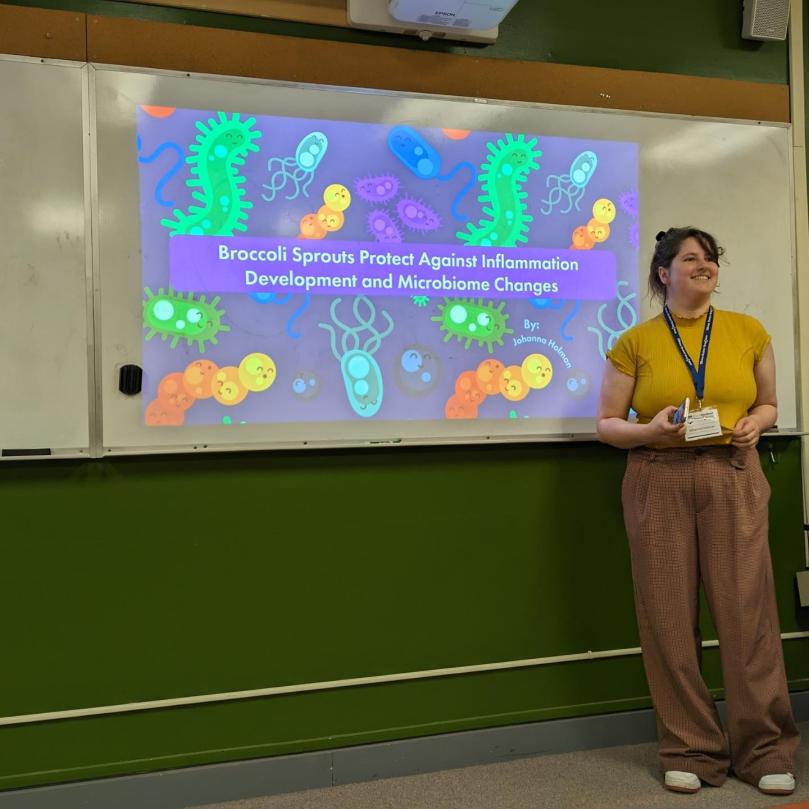
Johanna Holman advanced from being a PhD student to being a PhD candidate in the Microbiology program, when she passed her comprehensive exam this fall. She presented her work several times this year, and creatively modified her poster to fit a smaller-than-expected board – but it caught a lot of passerby’s attention! This year, Johanna wrote two versions of a research proposal which are under review for federal funding – keep your fingers crossed!
Heather Richard is preparing for her comprehensive exam next month, in order to advance to PhD candidacy in the Ecology and Environmental Sciences program. She’s been analyzing sequencing data from hundreds of samples from salt marsh sediments in Maine to understand how microbial communities affect carbon sequestration.
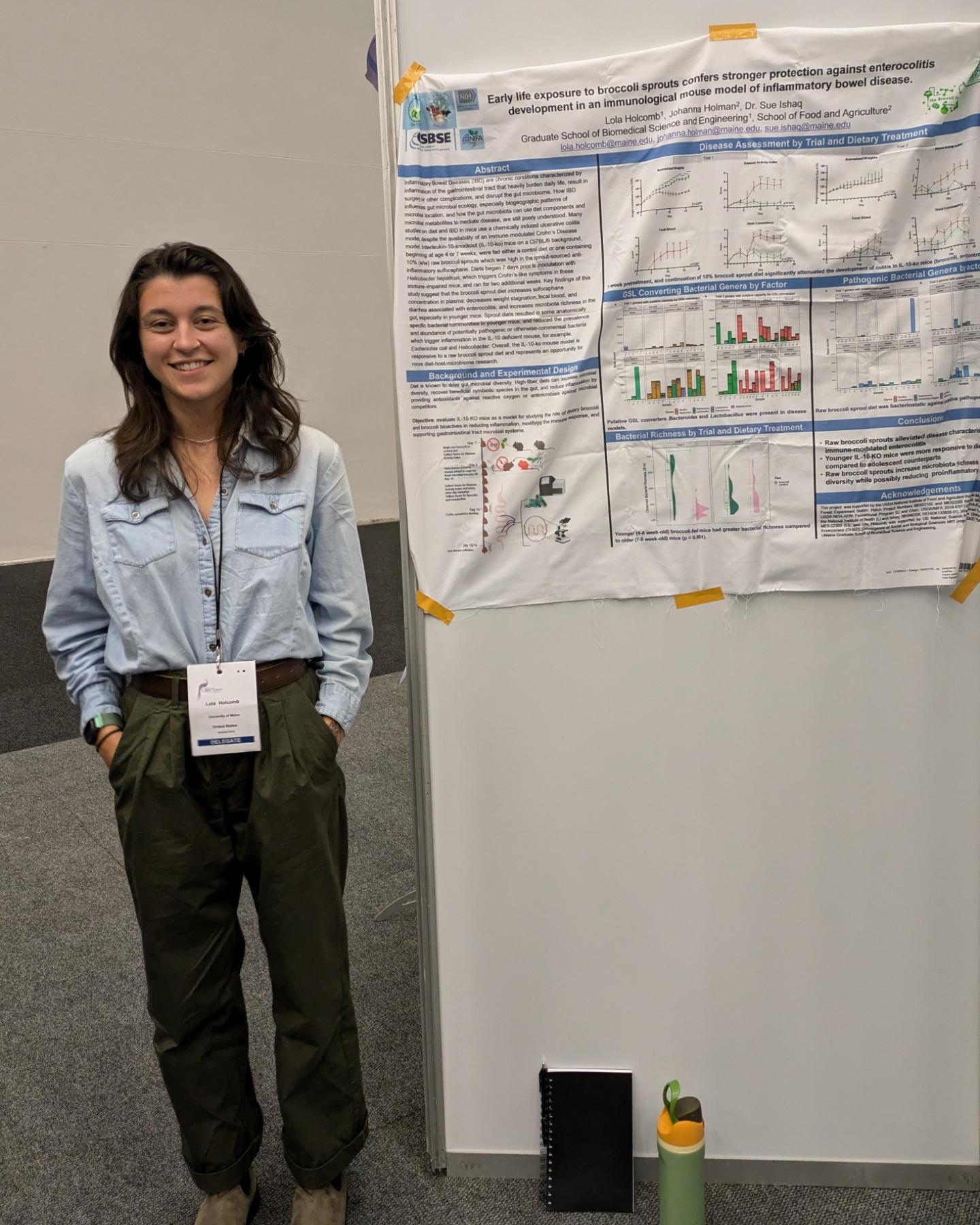
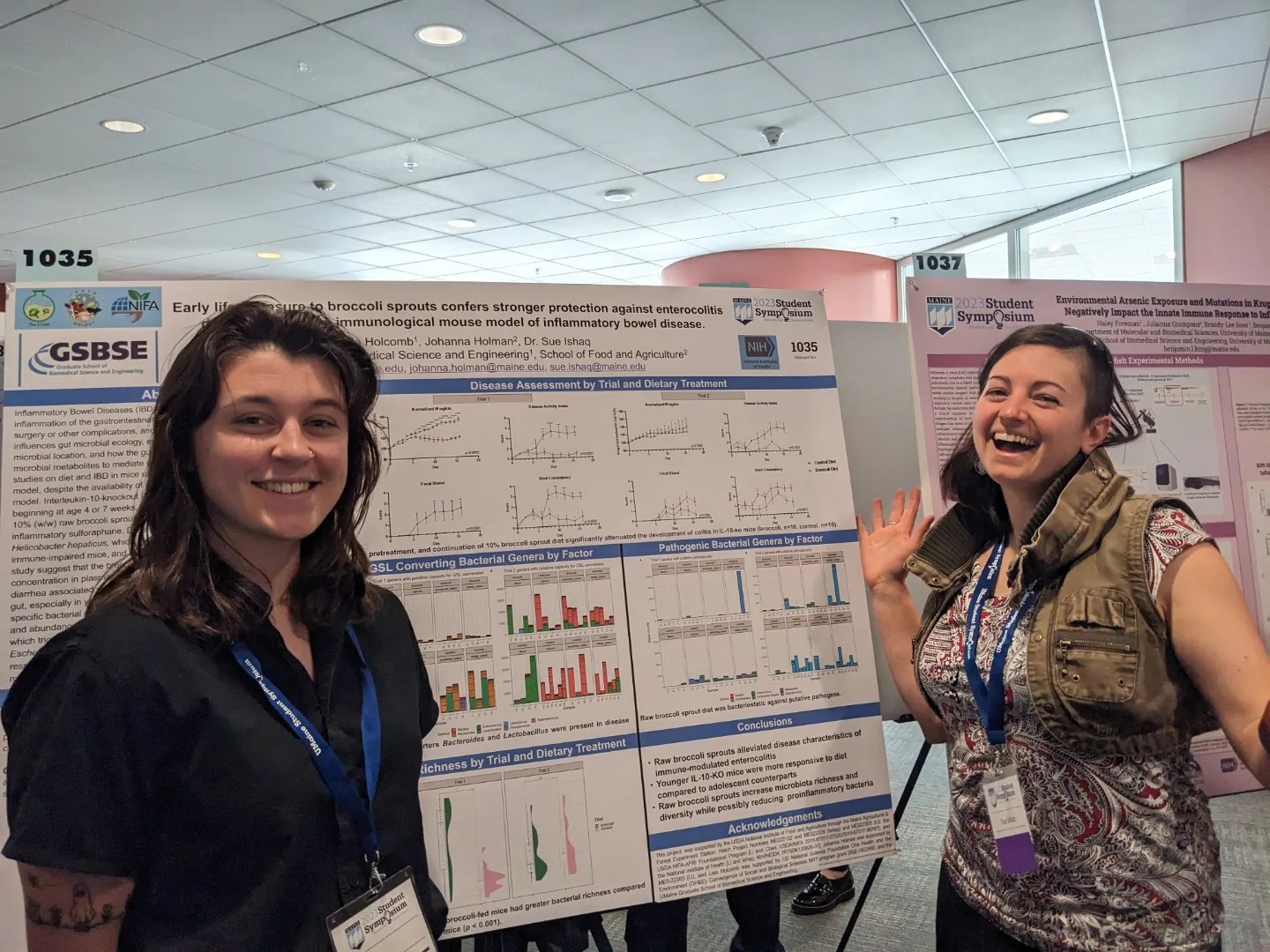
Lola Holcomb, PhD candidate in the GSBSE program, was featured in UMaine news, and won a graduate student research award from the Bioscience Association of Maine!! Over the next few months, she’ll focus on characterizing candidate anti-inflammatory bacterial species and genes in the gut microbiome, using whole genome sequence data from bacteria we previously isolated during a broccoli sprout diet study. Lola also wrote two different research proposals this year, one of which is still under review, but has accelerated her timeline and is planning to defend her dissertation in April!
Alexis Kirkendall started her first year as a PhD student in the Microbiology Program, but she has already won two research awards: a Student Research Award from the Crohn’s and Colitis Foundation in 2024, and a Graduate Student Research Award from the Bioscience Association of Maine for 2025!! Over the next year, she’ll focus on culturing bacteria that we previously isolated from mice consuming a steamed broccoli sprout diet, to test their capacity to grow amongst the gut pathogen Helicobacter pylori and produce the anti-inflammatory sulforaphane under different conditions.
Ashley Reynolds, PhD student in Food and Human Nutrition program, passed her exam to become a Registered Dietician! In her second year, Ashley has been developing her thesis proposal and is exploring adding a new facet to the lab’s collaborative research on broccoli sprouts by investgiating the effect on inflammation in other parts of the body.
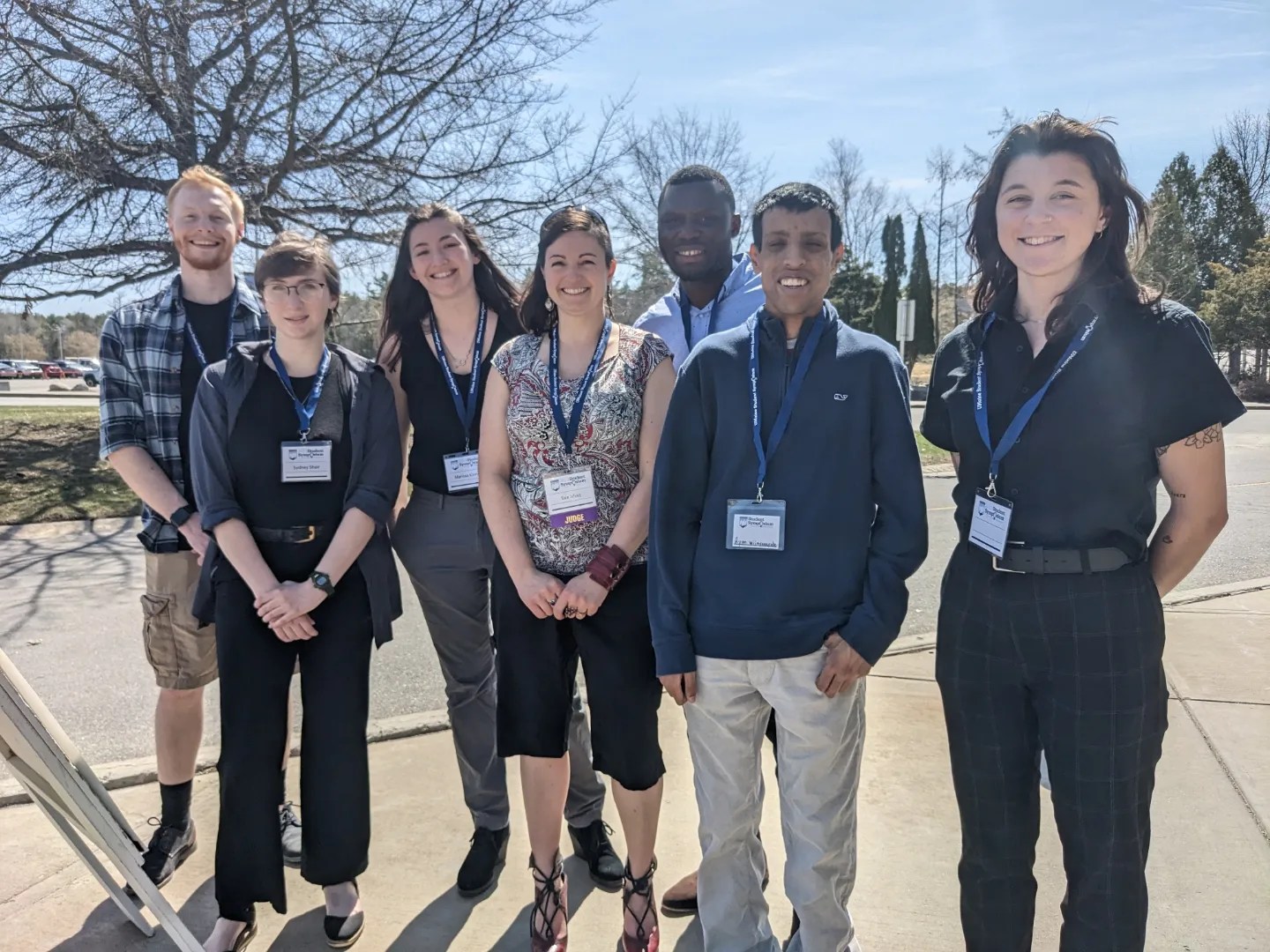
Seven undergraduates (some of whom are in the group photos above and listed on the Team page) worked in the lab over the summer and fall on various broccoli sprout projects, with a few others who joined the lab in spring to complete their Capstone project on other topics. Collectively, the undergraduates contributed to a large-scale bacterial culturing project, a comparative gene project, and the adminstrative/organizational work required to keep a research lab running.
I was awarded tenure this year (I went up a year early)! This means that I am now an Associate Professor on a permanent contract, although I still get reviewed every few years, and will still have to apply for advancement to (full) Professor in the future. I celebrated all year with family, friends, and colleagues!
I also began my three-year term as the At-Large Early Career member of the Board of Directors of the American Society for Microbiology, which currently has >37,000 members around the world. I’ll be sharing more of that experience next year, but so far it’s been an exciting opportunity to learn about strategic planning to support microbiological sciences on an international scale.
Publications
We had a quieter year than usual for publications, with two papers being accepted in scientific journals. I was also part of a white paper that recently was published, and we have five manuscripts which have been undergoing peer review for months.
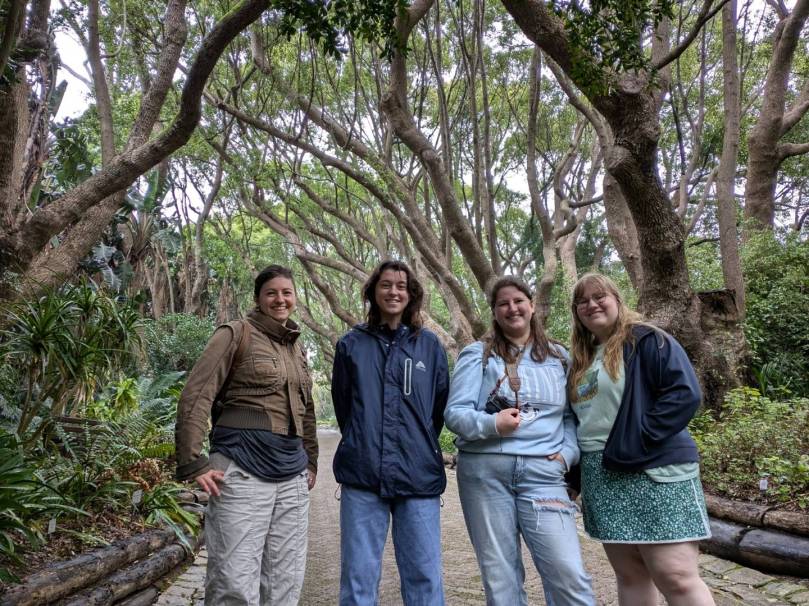
We had a more active year for presentations than usual! I was invited to give several guest lectures and seminars, and a group of us were able to travel to Cape Town, South Africa in August for the International Society for Microbial Ecology conference!!
Tolu Alaba presenting her research at a conference.
Johanna Holman with her ISME poster
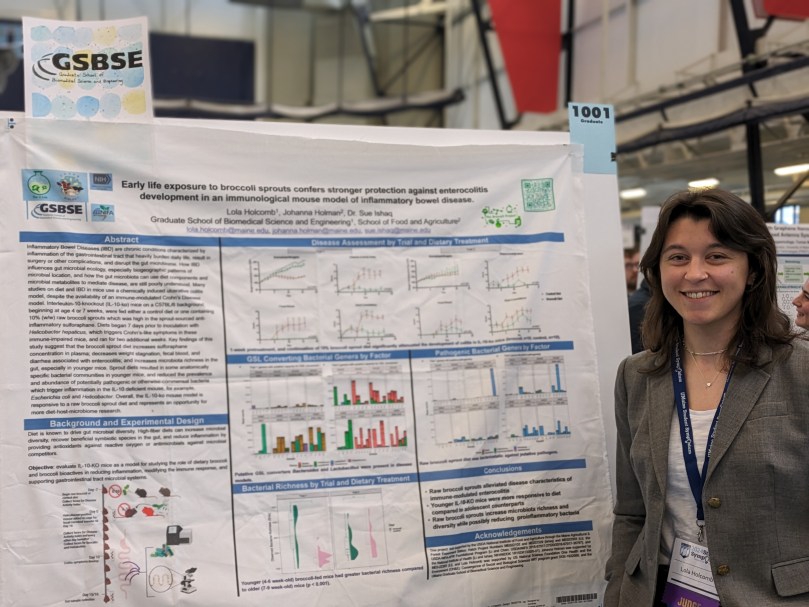
Lola Holcomb with ISME poster
Tolu Esther Alaba at her 2024 CIMM poster.
Alaba2*, T. Steamed broccoli sprouts alleviated Inflammatory Bowel Disease via increased anti-inflammatory, antioxidant, and gut protective metabolites in DSS-mice. Functional Food Centre Symposium, San Diego, CA. Oct 2, 2024.
Holcomb2*, Lola, Johanna Holman, Molly Hurd, Brigitte Lavoie, Louisa Colucci, Gary M. Mawe, Peter L. Moses, Emma Perry, Allesandra Stratigakis, Tao Zhang, Grace Chen, Suzanne L. Ishaq, Yanyan Li. Early life exposure to broccoli sprouts confers stronger protection against enterocolitis development in an immunological mouse model of inflammatory bowel disease. 19th International Symposium on Microbial Ecology (ISME), Cape Town, South Africa, Aug 19, 2024.
Holman2*, Johanna .M., Lola Holcomb, Louisa Colucci, Dorien Baudewyns, Joe Balkan, Grace Chen, Peter L. Moses, Gary M. Mawe, Tao Zhang, Yanyan Li, Suzanne L. Ishaq. Steamed broccoli sprouts alleviate gut inflammation and retain gut microbiota against DSS-induced dysbiosis. 19th International Symposium on Microbial Ecology (ISME), Cape Town, South Africa, Aug 19, 2024.
Kirkendall2*, A., Holman2, J., Kinney2, M., Sharma1, A., Nowak1, L., Adjapong, G., Li, Y., Ishaq, S.L. Characterizing Gut Bacteria Associated with Sulforaphane Production. 19th International Symposium on Microbial Ecology (ISME), Cape Town, South Africa, Aug 19, 2024.
Ishaq, S. Place and Time Matter for Gut Microbes Making Anti-Inflammatories from Broccoli Sprouts. Northern New England Microbiome Symposium. Burlington, VT, June 3, 2024.
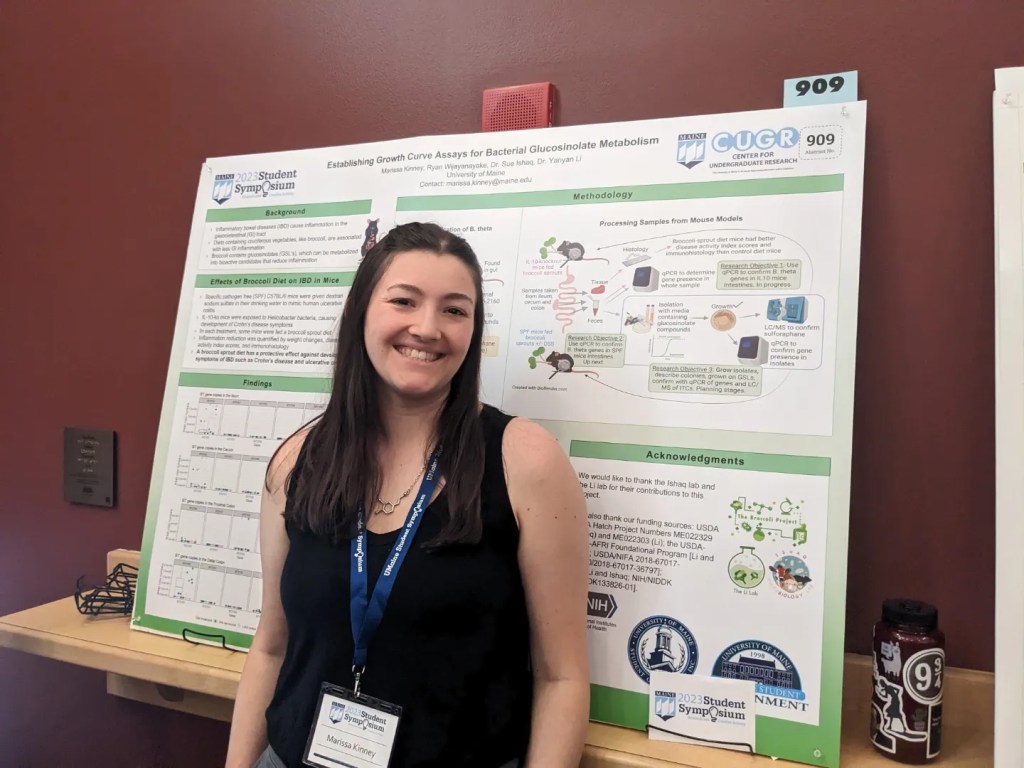
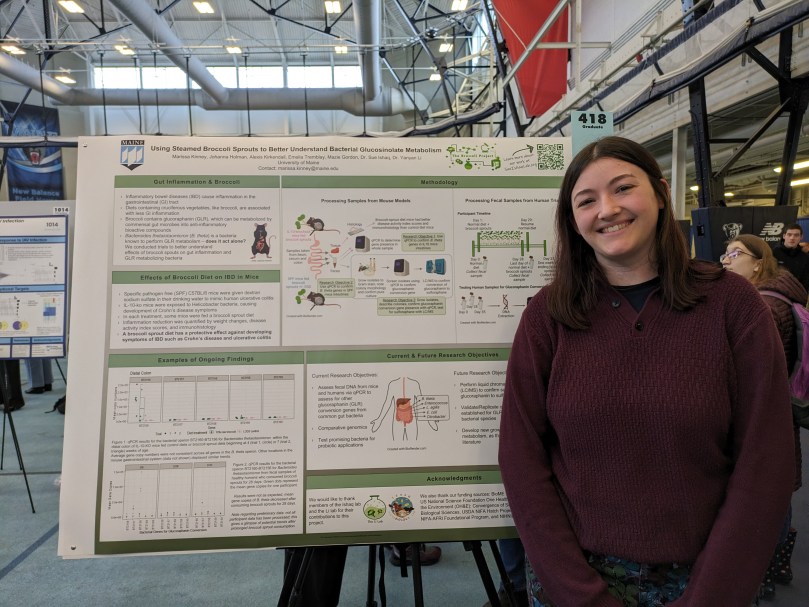
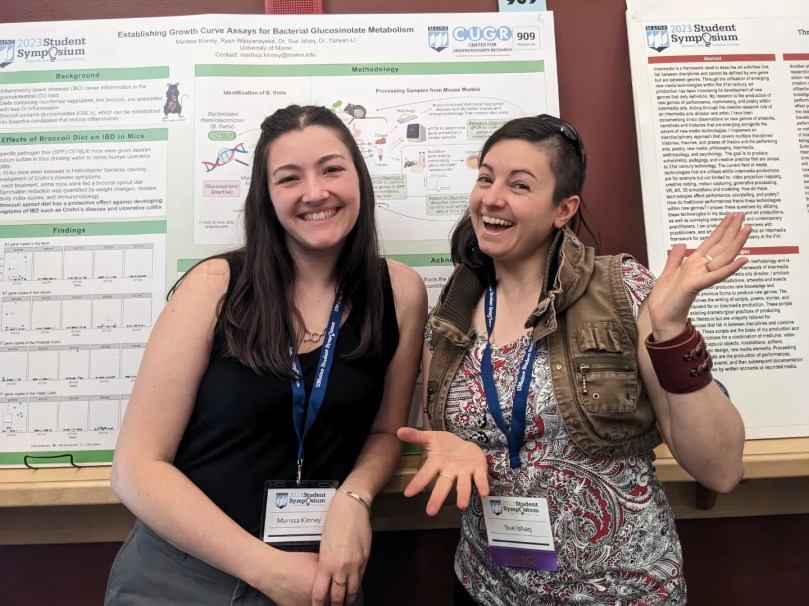
Marissa Kinney, Johanna Holman, Alexis Kirkendall, Emelia Tremblay, Mazie Gordon. Using Steamed Broccoli Sprouts to Better Understand Bacterial Glucosinolate Metabolism. UMaine Student Research Symposium, Orono Maine, April 12, 2024.
Holman, J., Holcomb, L., Colucci, L. Baudewyns, D., Balkan, J., Chen. G., Moses, P., Mawe, G.M., Zhang, T., Li, Y., Ishaq, S.L. Steamed broccoli sprouts alleviate gut inflammation and retain gut microbiota against DSS-induced dysbiosis. UMaine Student Research Symposium, Orono Maine, April 12, 2024.
Holcomb, L., Holman, J., Hurd, M., Lavoie, B., Colucci, L.,Moses, P., Mawe, G.M., Perry, E., Stratigakis, A., Zhang, T., Ishaq, S.L., Li, Y. Early life exposure to broccoli sprouts confers stronger protection against enterocolitis development in an immunological mouse model of inflammatory bowel disease. UMaine Student Research Symposium, Orono Maine, April 12, 2024.
Ishaq, S. “Place and time matter for gut microbes making anti-inflammatories from broccoli sprouts”, Institute for Systems Biology, Seattle, WA. March 15, 2024.
Alaba*, T.E., Ishaq, S.L., Li, Y., Zhang, T. “Broccoli sprouts alleviate ulcerative colitis in mice by increasing dietary and microbial metabolites: differential effects in young and adult, male and female mice. 4th CMI International Microbiome Meeting (CIMM), La Jolla, CA, March 12th – 14th, 2024.
Holcomb*, L., Holman, J., Hurd, M., Lavoie, B., Colucci, L., Moses, P., Mawe, G.M., Perry, E., Stratigakis, A., Zhang, T., Ishaq, S.L., Li, Y. Early life exposure to broccoli sprouts confers stronger protection against enterocolitis development in an immunological mouse model of inflammatory bowel disease. 4th CMI International Microbiome Meeting (CIMM), La Jolla, CA, March 12th – 14th, 2024.
Ishaq, S. “Place and time matter for gut microbes making anti-inflammatories from broccoli sprouts”, 4th CMI International Microbiome Meeting (CIMM), La Jolla, CA. March 12, 2024. (invited)
Ishaq, S. “Place and time matter for gut microbes making anti-inflammatories from broccoli sprouts”, Oregon State University microbiology departmental series. Corvalis, OR. March 5, 2024.
Ishaq, S. “Place and time matter for gut microbes making anti-inflammatories from broccoli sprouts”, Translational Biobehavioral and Health Disparities Virtual Microbiome Series. Virtual. Feb 2, 2024.
Olaniyi*, A., Ishaq, S. Investigating the activity of bacteria isolated from tank biofilms in a hatchery system for sea scallop, Placopecten magellanicus, larvae. Northeast Aquaculture Conference & Exposition (NACE) and the 43rd Milford Aquaculture Seminar (MAS). Portland, Maine, January 10-12, 2024.
Ishaq, S. Bacterial community trends associated with sea scallop, Placopecten magellanicus, larvae in a hatchery system. Northeast Aquaculture Conference & Exposition (NACE) and the 43rd Milford Aquaculture Seminar (MAS). Portland, Maine, January 10-12, 2024.
I also gave three interviews on podcasts and webinars this year:
“How a rumen microbiologist got into social equity”, ASM Undergraduate and Graduate Student Webinar series, hosted by Ragini Reddyvari, Oct 9, 2024.
Broccoli sprouts once again dominated our research agenda with a handful of ongoing projects. Most of those are still in progress, so we don’t have detailed information to share yet, but here are some summaries.
We concluded the diet intervention trial in which we asked people to eat a large quantity of steamed broccoli sprouts every day for a month, and spent most of the summer and fall creating personalized reports to share data with each participant. We are still processing the samples to generate more data on metabolites and bacterial genes, but we hope to weave that into a manuscript next year.
96 well plateSpectrophotometer
We spent much of the year in the lab working on a 24-hour plate-based assay to screen >330 bacteria for growth in the presence of glucoraphanin under different conditions. This required the help of many of the graduates and undergraduates, and me! Now that we have identified which bacteria are of interest to us, we can proceed with whole-genome sequencing as part of Lola’s BioME research project, as well as different culturing trials as part of Alexis’ BioME research project.
Here I am making up a plate for the bacterial culturing trial.
I have also been busy with conceptual research (not lab-based) this year. Along with three different research groups, I have been writing manuscripts, giving presentations, and designing workshops broadly around improving the process of science.
The first is the Microbiome Stewardship working group, funded by the Canadian Institute for Health Research, and featuring Drs. Kieran O’Doherty, Rob Beiko, Emma Allen-Vercoe, Mallory Choudoir, and Diego Silva, as well as Lola Holcomb. Over several years, out working group will generate a working definition and framework for the concept of microbiome stewardship, which is essentially that we should use policy and practice to ensure we don’t degrade the microbial ecosystems which are critical to life on earth. We will also foster case studies on how other researchers have integrated their microbiome science with equity, education, or policy to make a bigger impact. We have a prospective piece under review, and hope to publish our working definition in late 2025.
In July 2025, the Stewardship group, along with the Microbes and Social Equity working group, will be hosting a research summit on microbiome stewardship at UMaine in Orono! The summit will combine presentations from experts with guided group activities which stimulate critical thinking and planning. The goal is for summit attendees to discuss the concept of microbiome stewardship, and contribute to creating a consensus definition of it.
Some of these group activities that I’ve been designing for the Stewardship summit were inspired by the working meeting hosted by the Nova Institute for Health which I’ve attended the past two years in Baltimore as an Invited Faculty Fellow. Their meeting facilitates creative thought on health research, education, policy, and communications, and brings researchers, practitioners, journalists, and artists together to collaborate.
The second group is the newly formed Advancing Queer and Trans Equity in Science (AQTES) working group, which wants to improve the field of research by making it fair and welcoming for everyone. The group coalesced around the writing of a recently published white paper, in which we give suggestions on how to host a job search that is better for everyone. We provide examples and advice on how to write job adverts, create the agenda and atmosphere for the job search, how to make the interview process more accessible for everyone by remembering that we are humans and not robots, and how to support your new faculty. We recently presented these efforts, and hosted a panel discussion on research culture, at the MSE speaker series.
Microbes and Social Equity working group
The MSE group has more than 350 members, and about 150 additional people just subscribed to our newsletter. New this year, we added an elected Board of Directors, who spent much of the year drafted By-Laws for group governance, a Code of Conduct, and the beginnings of a Strategic Plan. In 2025, the MSE group will provide feedback prior to Board votes to enact these.
In 2024, we tried a monthly seminar series instead of weekly, which helped to reduce administrative burden. The series drew >300 live attendees and >1660 registrations, and some of the seminar recordings can be viewed here.
Population Descriptors and the study of Human Microbiomes: Implications for Appropriate Participant Categorization based on recommendations from the NASEM report.
Precision Microbiome for Health
Don’t Stop Believin’: Managing student motivation on the journey from descriptive to mechanism
Linking Plant, Animal, and Human Health in Livestock Systems: a Metabolomics Approach.
The human microbiome and cancer risk: Opportunities for prospective studies
Antimicrobial chemicals, antimicrobial resistance, and the indoor microbiome
What microbes can teach us about the built environment
The PATHOME Study: Leveraging contrasts in urban socio-economic living conditions and pathogen diversity in humans, animals, and the environment to prioritize intervention policy in Kenya
Examining antibiotic resistance in biofilm and planktonic bacterial communities along an urban river
Building multifunctional agricultural landscapes – from microbes to people
Advancing Queer and Transgender Equity in Science (AQTES)
Teaching
This was a busy year for teaching, as I teach 2 courses in the fall and 2 in the spring, which total ~150-180 students per year. I also taught a handful of students lab research for their Capstone projects via independent study courses. Thanks to some strategic changes to the format of some of my courses, I successfully reduced my workload while improving engagement in the courses. For example, in spring 2024, I “flipped the classroom” for AVS 401 Capstone I in which I teach students how to be researchers and write research proposals, which means that many of the lectures were recorded and we used classroom time for active learning through activities and problem-solving.
In fall 2024, I added an asynchronous section to my AVS 254 Intro to Animal Microbiomes course, allowing for a record 94 students to enroll while maintaining a smaller in-person section with lots of in-class activities and problem solving. I plan to take a sabbatical in fall 2025, and for my teaching professional development goals, I plan to flip that classroom as well, which will take months of revisions to the existing lectures and assignments.
I expanded the social media reach of the lab by joining two new platforms: The Nova Integration Hub as I have been a member of the Nova Network for the past two years, and Bluesky. This expanded the number of followers >5,150 across those platforms and twitter, facebook, instagram, linked in, mastodon, and subscribers to my blog. The website attracted >10,000 visitors and >18,000 views, bringing it to >64,000 total visitors and >118,000 total views since 2016.
The lab already has a lot planned for 2025! Lola intends to defend her PhD dissertation and graduate, Heather will be taking her comprehensive exam to advance to candidacy and likely Ashley will as well. Undergraduates Benjamin Hunt, Timothy Hunt, and Emelia Tremblay will all be graduating in May and going on to bigger and brighter opportunities. We expect at least three new manuscripts on our current research to be submitted for peer review to scientific journals, and already have presentations planned at the UMaine Student Research Symposium.
I’ll be presenting my work in February at the University of Vermont as part of a research symposium session honoring collaborations with the late Dr. Gary Mawe, as well as part of the Distinguished Lectures in Microbiology Series at the University of Wisconsin -Madison. In May I’ll be heading to San Diego to be part of a Microbe Specialist Group at a special meeting to make recommendations on conservation to the Species Survival Commission (SSC) of the International Union for Conservation of Nature (IUCN). In June I’ll be heading to LA to attend the annual Microbe meeting of the American Society for Microbiology, and in July I’ll be hosting the Microbiome Stewardship summit at UMaine.
Other than all that, I’m looking forward to a spring semester that is less hectic than my fall semesters always are, some time off this summer, and sabbatical in the fall which will provide teaching-release so I can focus on professional development.
Events will be hosted January – December, 2024, once a month on a Friday, 12:00 – 14:00 pm ET. Presented over Zoom.
After each talk, we will continue the discussions in an informal social meeting with MSE. All speakers and members of the audience are welcome to join the social meeting.
Hosted by: Sue Ishaq, MSE, and finacially supported by the University of Maine Institute of Medicine and the UMaine Cultural Affairs/Distinguished Lecture Committee.
“Advancing Queer and Transgender Equity in Science (AQTES)“
Presented by Dr. JL Weissman and other members of the Advancing Queer and Transgender Equity in Science (AQTES) working group
Dec 20, 2024 12:00 PM Eastern Standard Time
Jackie Lee “JL” Weissman (they/she) is an Assistant Professor at Stony Brook University starting Fall 2024. Her research examines how microbes survive and thrive across diverse environments. She develops new tools to infer what microbes are doing and can do from DNA sequences captured directly from the environment (“metagenomes”), aiming to improve the representation of microbially-mediated biogeochemical cycles in global climate models. She also has a special interest in using a combination of comparative genomics, population genetics, and mathematical models to understand the ancient and ongoing battle between microbes and their viruses. She believes all students, with supportive training and mentorship, can become highly-capable computational biologists, and loves to show students how a little coding can go a long way.
The newly-formed group, Advancing Queer and Trans Equity in Science (AQTES), wants to improve the field of research by making the hiring process fair and welcoming for everyone. No matter what your personal identity is, we can all agree that fair and unbiased job searches are critical to hiring the best talent. But, sometimes a poorly-organized job search prevents the people with the best talent from applying at all.
In our white paper, we give suggestions on how to host a job search that is better for everyone. We provide examples and advice on how to write job adverts, create the agenda and atmosphere for the job search, how to make the interview process more accessible for everyone by remembering that we are humans and not robots, and how to support your new faculty.
Citation for the paper: Weissman, JL, Chappell, C.R., Rodrigues de Oliveira, B.F., Evans, N., Fagre, A.C., Forsythe, D., Frese, S.A., Gregor, R., Ishaq, S.L., Johnston, J., Bittu, K.R., Matsuda, S.B., McCarren, S., Ortiz Alvarez de la Campa, M., Roepkw, T.A., Sinnott-Armstrong, N., Stobie, C.S., Talluto, L., Vargas-Muñiz, J., Advancing Queer and Trans Equity in Science (AQTES). 2024. Running a queer- and trans-inclusive faculty hiring process. EcoEvoRvix repository 6791.
Lab rockstar, Marissa Kinney, successfully defended her master’s thesis today!!! After a well-earned holiday break, Master Kinney is pursuing a career in biomedical/microbiological research.
Marissa was Master of Science student in Microbiology, and a researcher in the One Health and the Environment program, both of which are prestigious graduate programs at UMaine, from Jan 2023 – Dec 2024. She loves learning and bench microbiology, and she employed these passions on multiple lab projects investigating the bacteria which transform glucoraphanin in broccoli sprouts into the anti-inflammatory sulforaphane in the gut. The focus of her time has been to develop new lab protocols, refine existing ones and make them easier for new lab members to learn, and to share her expertise by teaching other students in the lab. She’s excelled at these objectives so well, that in the past two years many people assumed she was a Lab Manager rather than a student.
Marissa has been extremely productive in the last two years: in her first three months she contributed lab work to two publications on broccoli sprout diets in mouse models of Inflammation Bowel Disease in 2023, and has since contributed to another manuscript currently in review on glucoraphanin supplements and gut microbiome changes in people, and two more manuscripts in preparation on culturing gut microbiota, and a broccoli sprout diet in people. It’s no surprise that Marissa has been an author on so many papers in so little time — she led a publication when she was an undergraduate! You can check her Google Scholar page for more info on these papers. Marissa has also presented this work on campus at the UMaine Student Research Symposium twice, as well as attended conferences for the American Society for Nutrition and the American Society for Microbiology for professional development.
Marissa Kinney presenting research.
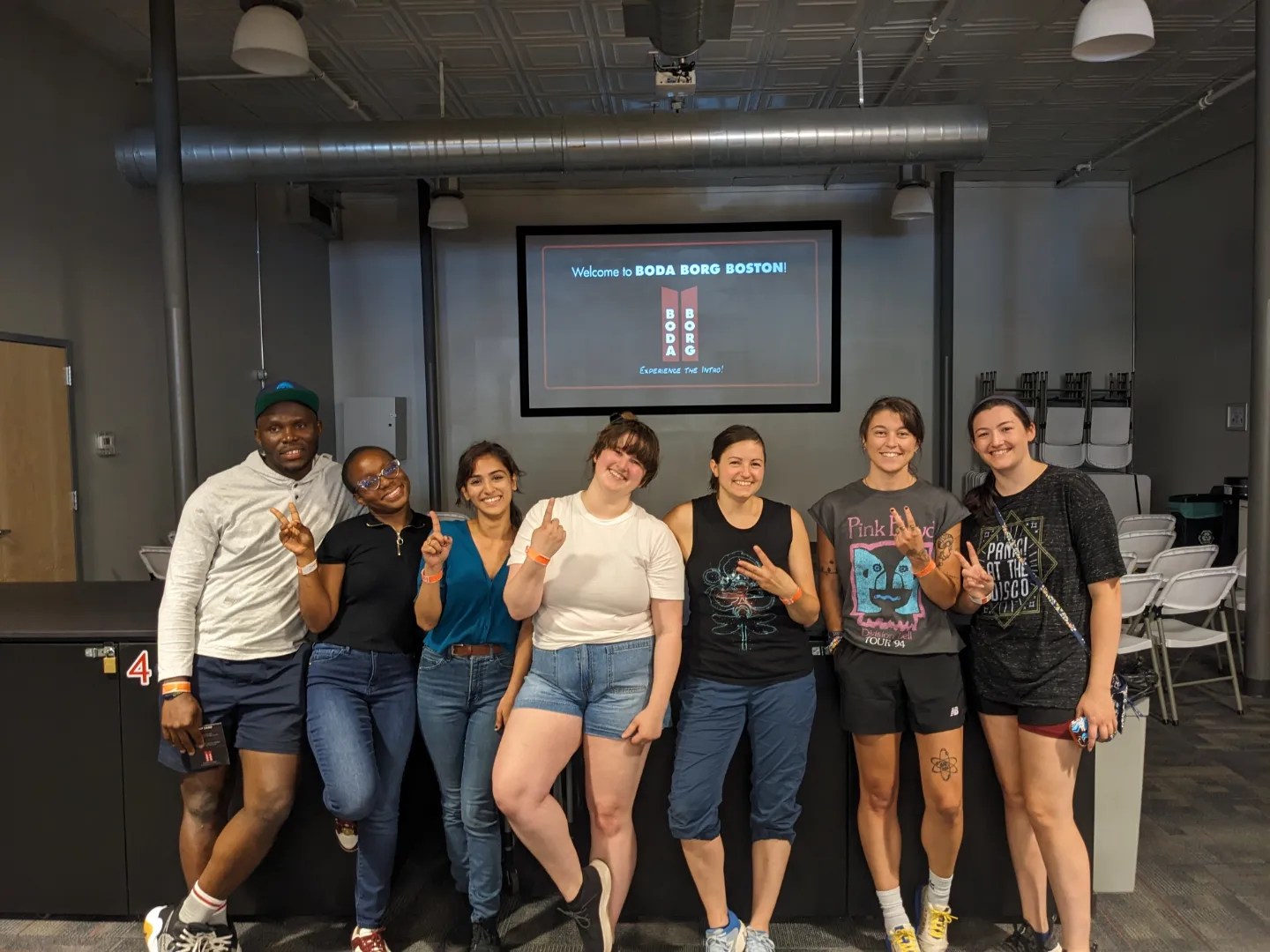
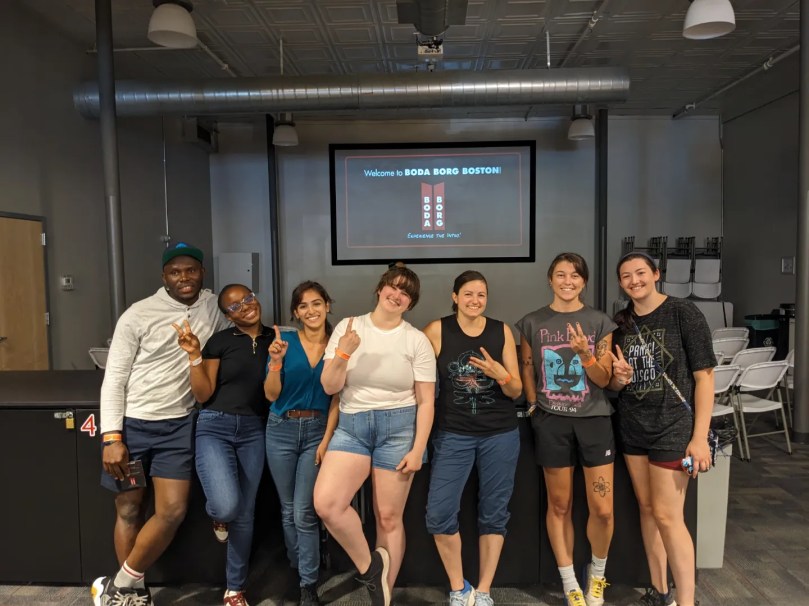
The Ishaq Lab at Boda Borg in Boston, summer 2023. We are showing how many quests we completed.
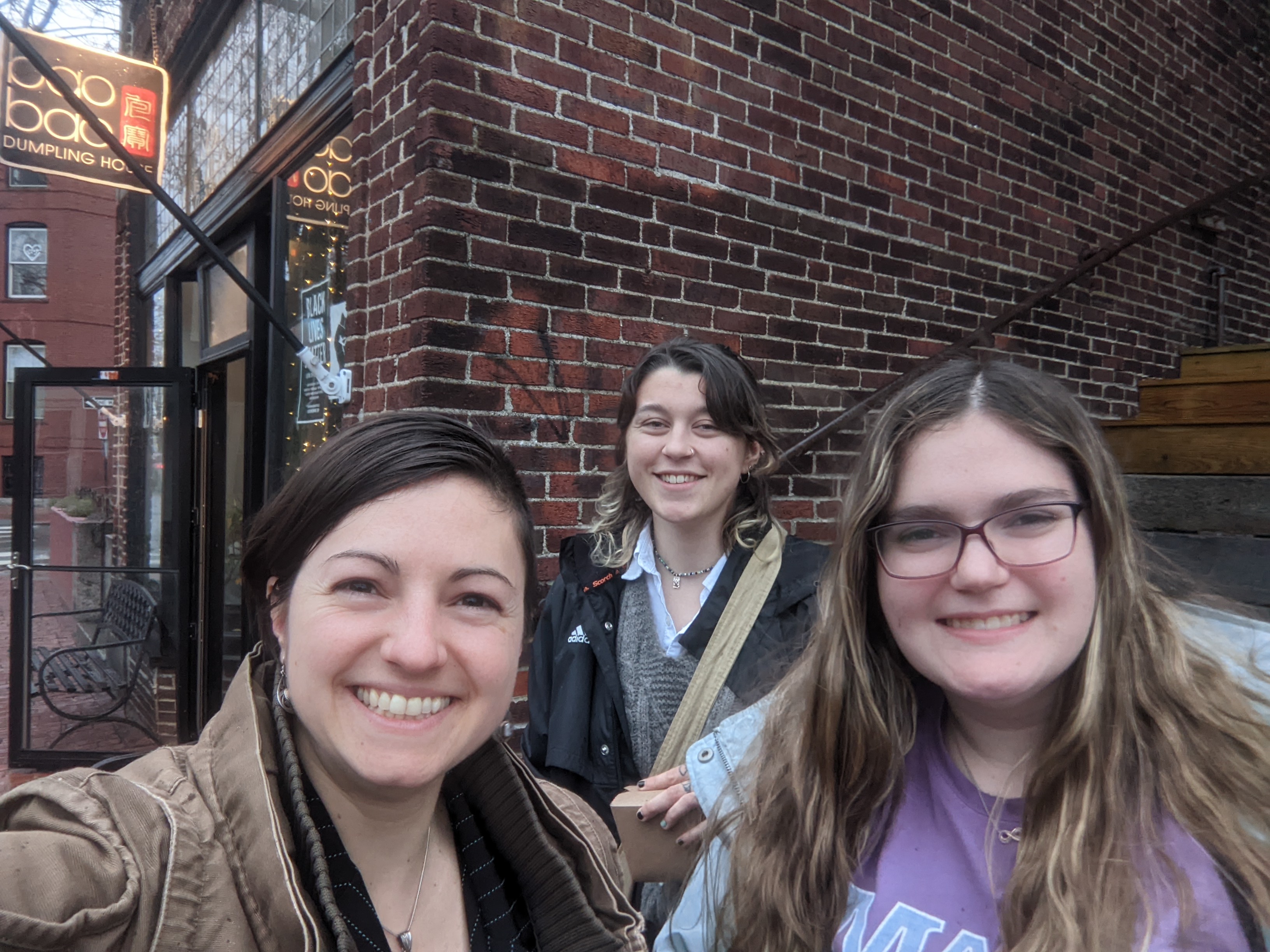
Lab lunch with Mira Talalay, Sue, and Marissa Kinney
Previous to being in the lab, Marissa completed her undergraduate at the University of Maine in 2021, earning a BS in Microbiology and a BS in Cellular/Molecular Biology. She devoted a large portion of her time in undergrad to research in the laboratories of Dr. Julie Gosse and Dr. Edward Bernard. After graduating, she worked in the field of public health at UMaine’s Margaret Chase Smith Policy Center, collecting and processing data about violent and drug-related deaths in Maine. While her role at the Center was one she loved dearly, she felt a big pull towards laboratory work and academic research, and her graduate work enforced this passion. Marissa has been a core member of the lab, and we’ll miss her!! She plans to pursue a research career here in Maine after defending and enjoying a well-earned vacation.
USING BROCCOLI SPROUT DIETS TO UNDERSTAND GUT BACTERIAL GLUCOSINOLATE METABOLISM TO RESOLVE INFLAMMATORY BOWEL DISEASE
Abstract
Globally, millions of people have been diagnosed with a type of inflammatory bowel disease (IBD). These diseases cause dysfunction of the gastrointestinal (GI) tract, resulting in a wide range of symptoms that create a disruption in overall health. Research has suggested that diet and the microbial community composition of the gut microbiome play a significant role in regulating gastrointestinal inflammation. Specifically, studies have shown that diets high in cruciferous vegetables, such as broccoli, are associated with a reduction in gastrointestinal inflammation. Glucoraphanin is a compound present in broccoli that can be metabolized by gut bacteria to become an anti-inflammatory compound known as sulforaphane. Our initial research showed that the administration of a broccoli sprout diet to mouse models for Crohn’s disease and ulcerative colitis, two major types of IBD, yields inflammation reduction and symptom resolution. For these trials, fecal samples obtained from different sections of the mouse bowel were tested for presence of glucoraphanin-metabolizing genes present in a common gut bacteria, Bacteroides thetaiotaomicron (B. theta). Glucoraphanin conversion is higher and more reliable in mice than in people, however mouse models are not perfect representatives of humans. Hoping to understand the impacts of broccoli sprouts on the human gut microbiome, fecal samples were obtained from healthy individuals who consumed broccoli sprouts for 28 consecutive days, as long-term diet interventions are needed to meaningfully change gut microbial communities. In a separate trial conducted by the scientists at Brassica Protections Product, fecal samples were collected from people who were administered a single dietary supplement containing a high dose of glucoraphanin with and without plant-sourced myrosinase, as a means of evaluating the effectiveness of glucoraphanin conversation which was or was not reliant on gut microbiota, respectively. These samples were analyzed for glucoraphanin metabolizing genes from B. theta and other commensal gut bacteria. Data collected from these human trial experiments aided in understanding the impacts of a whole food broccoli sprout diet and supplementation of glucoraphanin on the bacterial community composition of the gut microbiota. Additionally, this work will help grow and strengthen the current knowledge on broccoli as an anti-inflammatory and the variabilities present in the gut microbiomes of humans.
Alice is a PhD candidate in Ecology and Environmental Sciences, co-advised by Drs. Kristina Cammen and Brian Olsen. Alice is part of the Genomic Ecology of Coastal Organisms (GECO) research group, which studies the genomic basis of adaptation in sparrow species inhabiting tidal salt marshes along the Atlantic coast of North America. Alice’s research focuses on understanding potential evolutionary drivers of plumage coloration, such as plumage microbial communities, in tidal marsh sparrows.
Congratulations to Lola Holcomb, PhD candidate in the Graduate School for Biomedical Sciences and Engineering program, for winning a graduate student research award from the Bioscience Association of Maine!!
Over the next few months, she’ll focus on characterizing candidate anti-inflammatory bacterial species and genes of the gut microbiome, using whole genome sequence data from bacteria we previously isolated during a broccoli sprout diet study. This is part of Lola’s larger PhD project investigating which bacteria produce sulforphane in the gut, how they do it, and under which circumstances. It complements the collective lab research on how broccoli sprouts and gut microbes can be used to resolve Inflammatory Bowel Disease.
Lola Holcomb, B.S.
Doctorate of Philosophy candidate, Biomedical Science
Lola entered as a rotating first-year GSBSE student in March 2022, and declared the Ishaq Lab her dissertation lab soon after. Troubled with indecisiveness and the desire to research, well, everything, she quickly found that using bioinformatics and big data as a lens to study microbial ecology (and in time, its relation to social equity) allowed her to do the kind of meaningful interdisciplinary research she’s always wanted to do. Lola is currently working on 16s data analysis for other ongoing lab projects, comparing gut microbiomes of mouse models of Inflammatory Bowel Disease with broccoli as a dietary treatment. Lola is currently doing 16S data analysis for ongoing lab projects and developing a metagenomic analysis workflow to compare gut microbiomes of mouse models of Inflammatory Bowel Disease with broccoli as a dietary treatment. In addition to research, she instructs a graduate-level Genetics course, tutors several Biology undergraduate students, and serves as a GSBSE senator in the Graduate Student Government here at UMaine.






















 The Ishaq Lab