Article published on the use (and mis-use) of human population descriptors as biological determinants of human microbiomes!

Since the summer of 2023, I have been part of an interdisciplinary team that examines the way microbiome researchers use social and population descriptors for people in their analysis. In many cases, only basic information about a person is available in large datasets that are publicly available to use, or detailed information about a person is difficult to obtain during a study, thus many researchers rely on “proxy terms” to try and understand how human microbiomes are assembled and changed. Proxy terms are broad categories that group people, such as geographic area or race, but often these are too broad to be used for any meaningful analysis, especially when working with biological data.

‘Race’ is a relatively new concept used to describe social groups, and as discussed brilliantly in the National Academies of Science, Engineering, and Medicine’s report on “Use of Race, Ethnicity, and Ancestry as Population Descriptors in Genomics Research“, it has been mis-used for several hundred years to insinuate basic biological differences between people. This was done intentionally to justify discrimination all the way up to slavery, but it has been unintentionally propagated into research through the use of race as a proxy term to represent someone’s lifestyle. In recent decades, microbiome research has been trying to understand how human lives affect the microbiomes they accumulate, and similarly has sometimes incorrectly espoused the idea that vague social categories manifest as biological differences.

Our group delved in the history of race in biological science, case studies where results that implicate race led to discriminatory policy and practice, and give guidelines for selecting more specific factors to understand the social and environmental impacts on the microbiome.

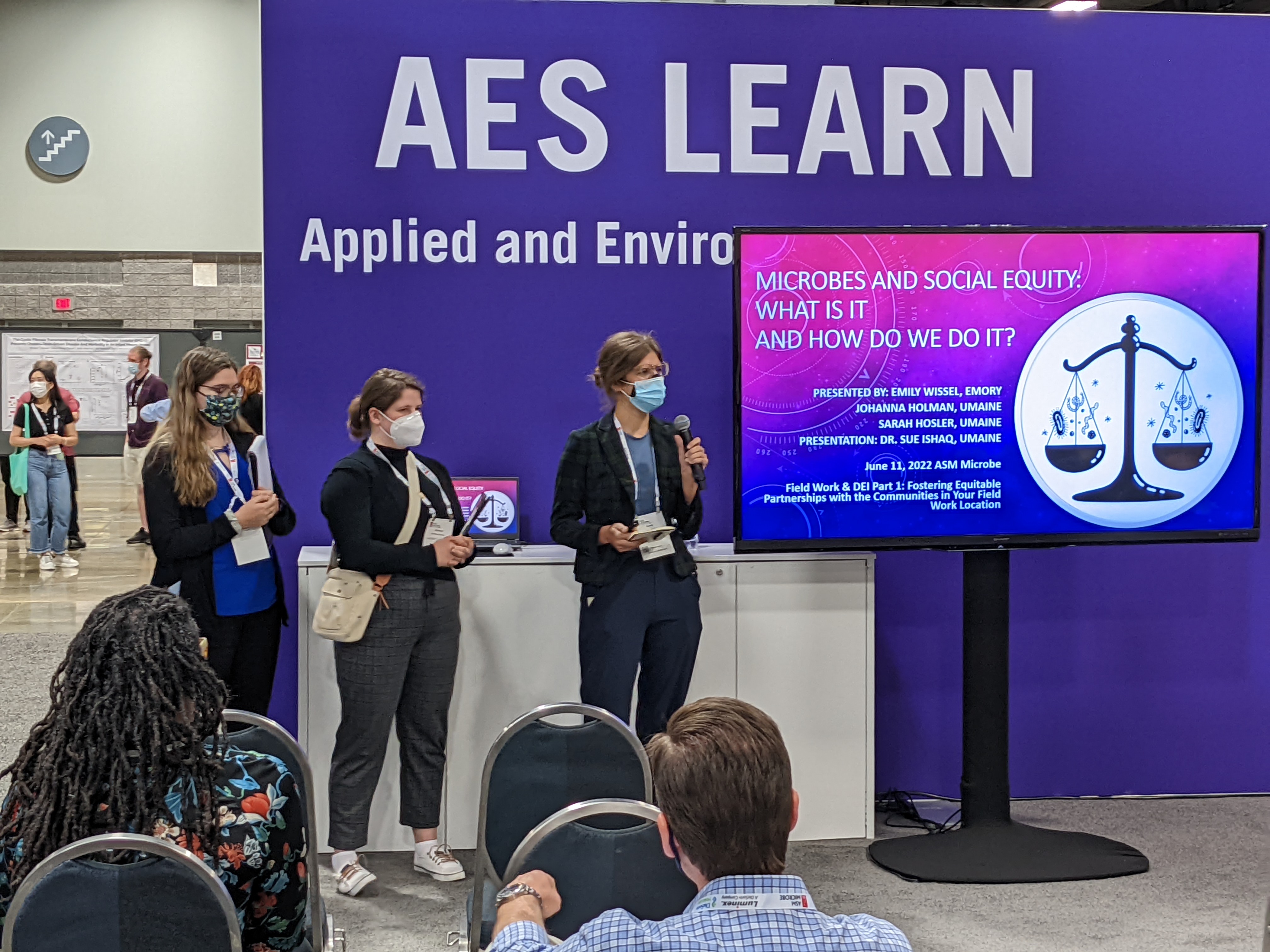
I’m pleased to announce that we just had our review published in mSystems: ” Prioritizing Precision: Guidelines for the Better Use of Population Descriptors in Human Microbiome Research.” We presented this work at the 2024 Microbes and Social Equity speaker series, too, and the recording can be found here. It builds off of our collective work over the past decade.

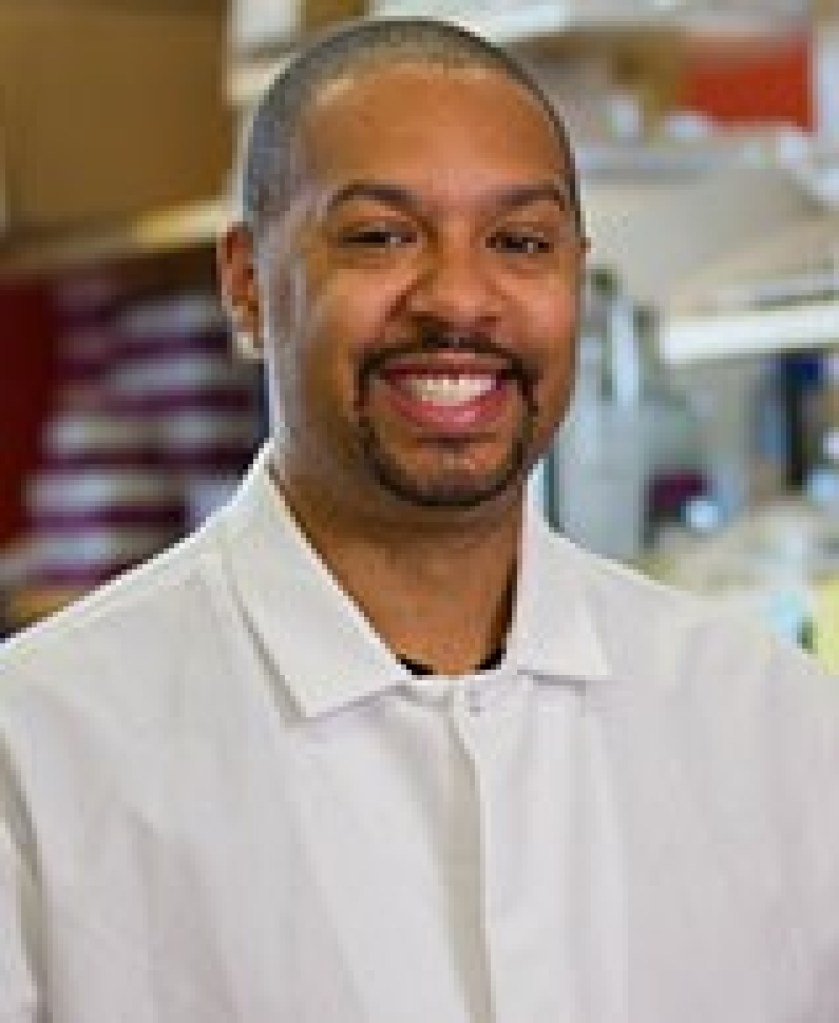
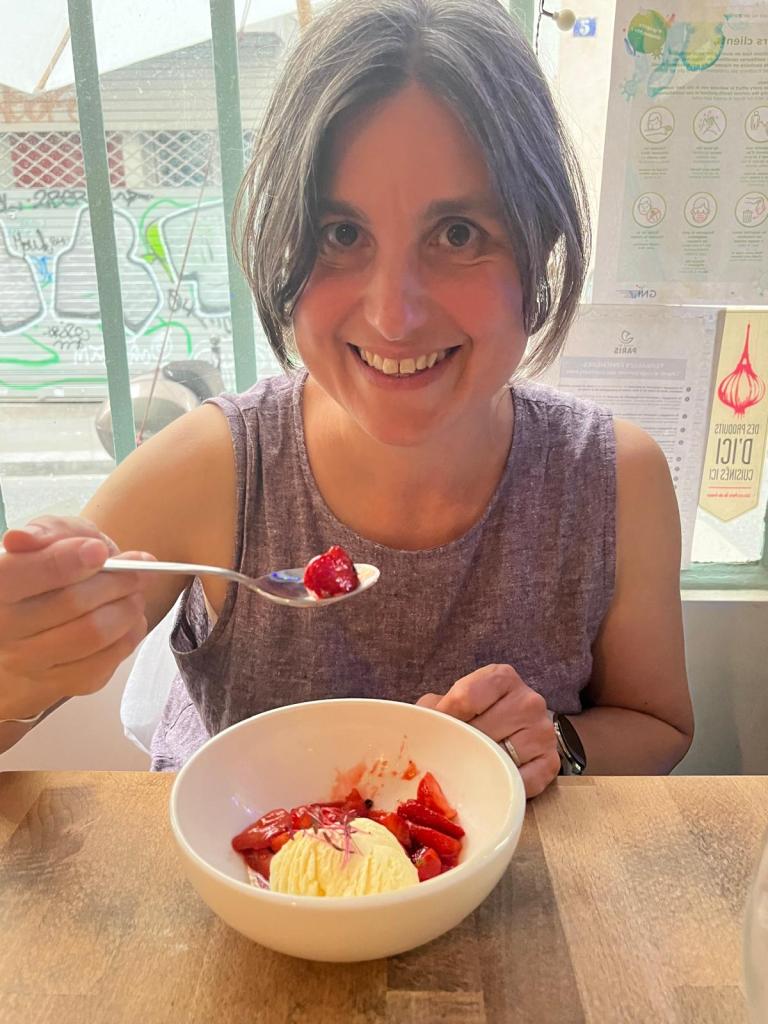
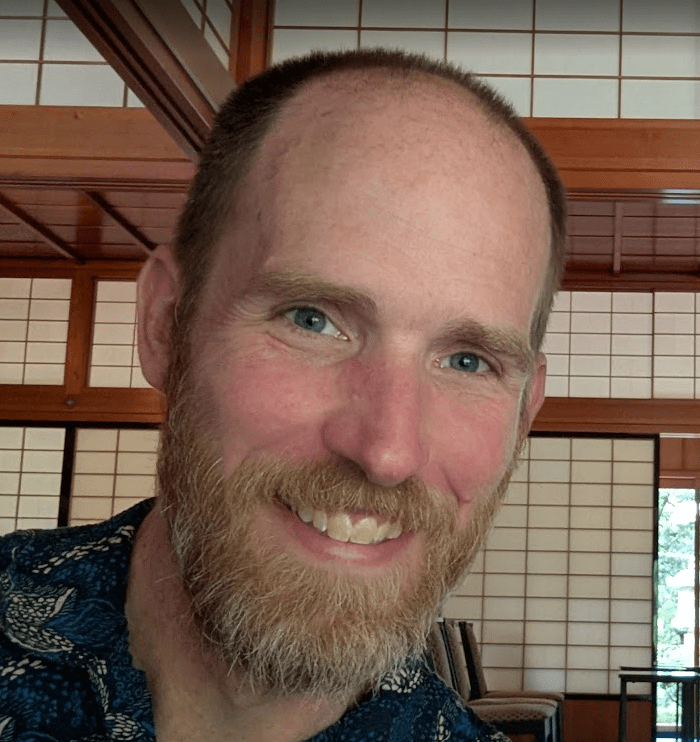
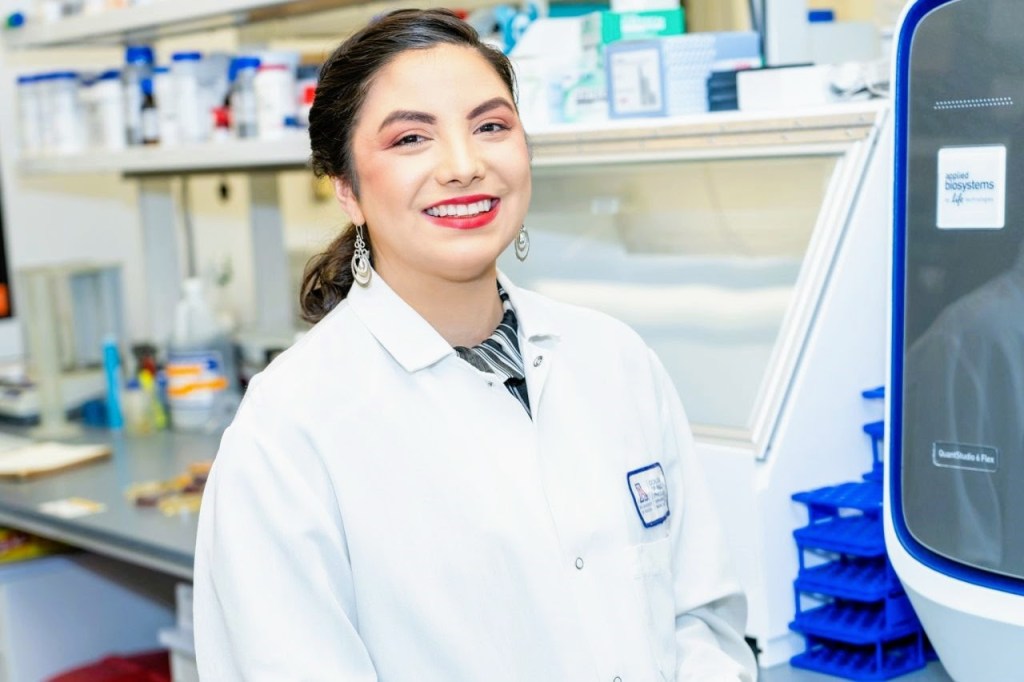
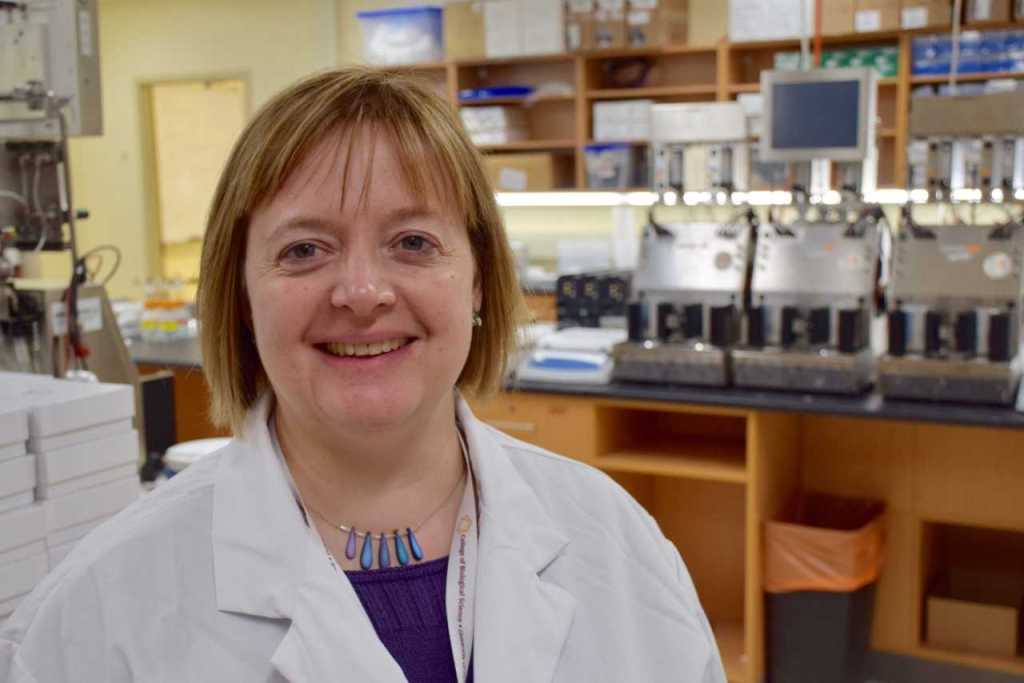
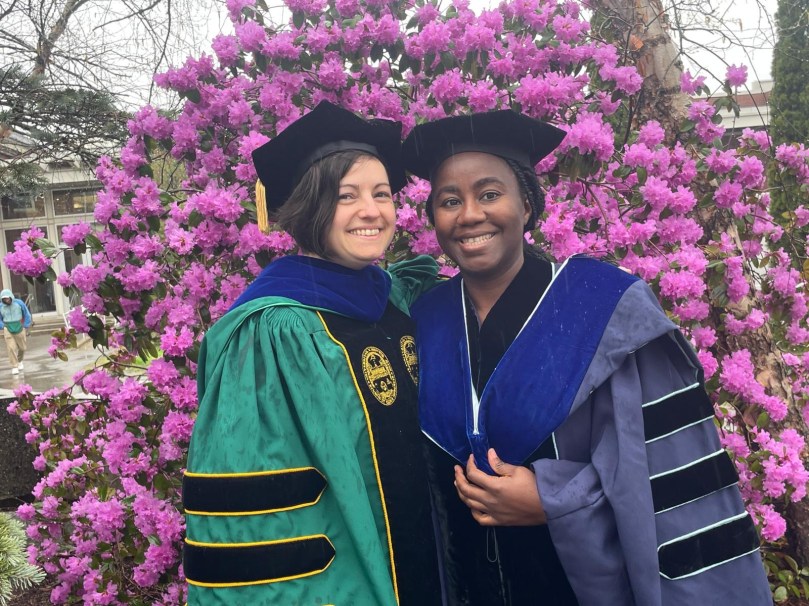
Nicole M. Farmer, M.D.,

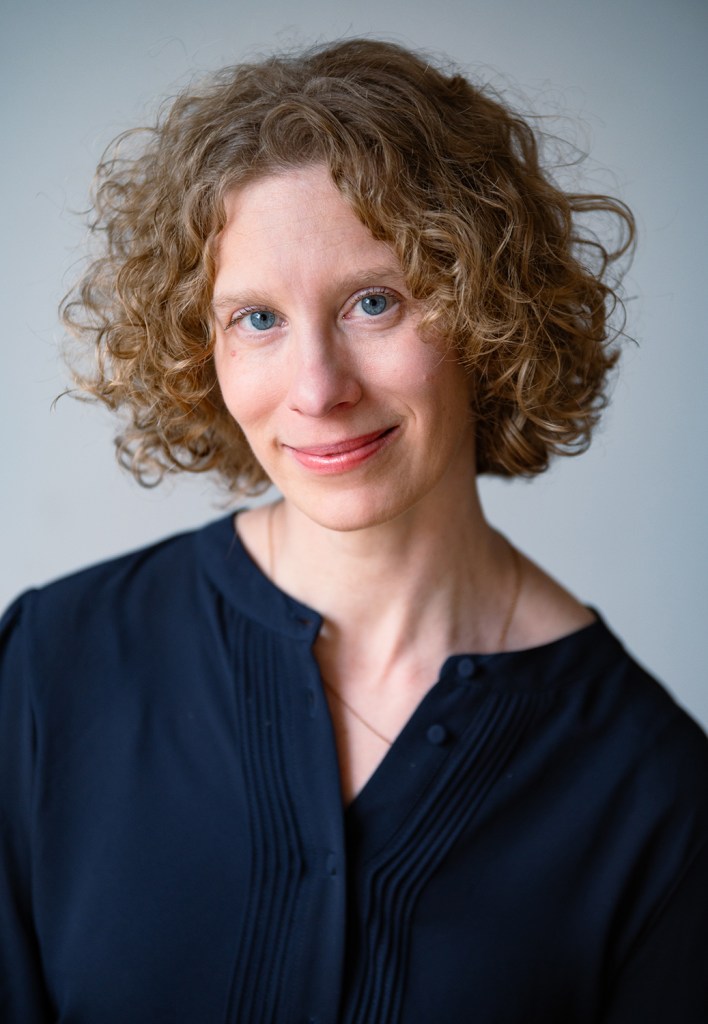
Amber Benezra, PhD.,

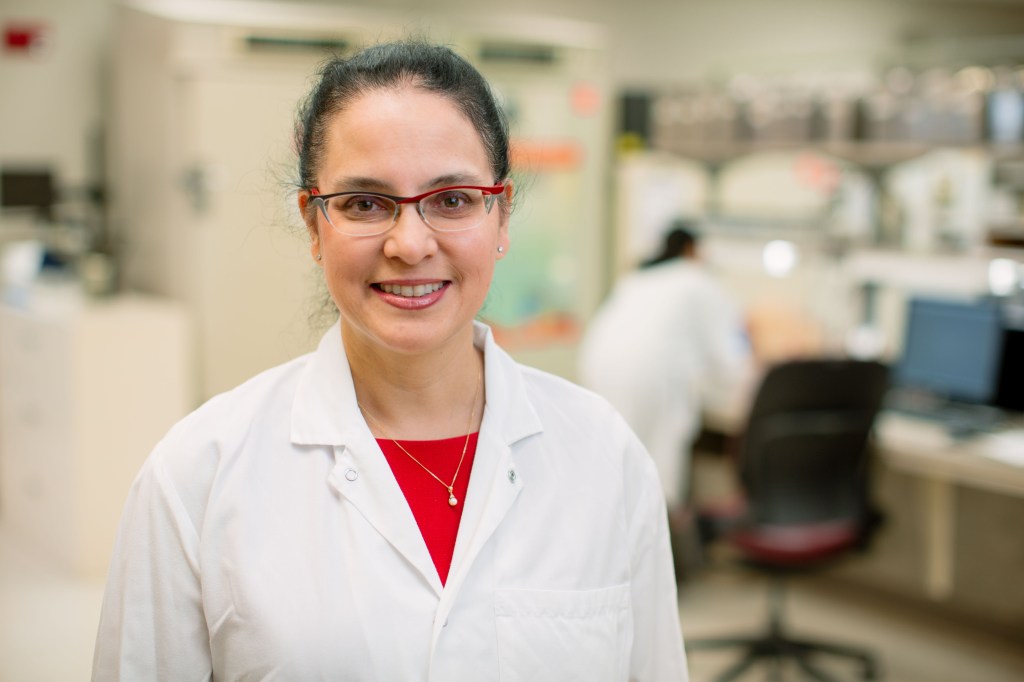
Katherine Maki, PhD.,

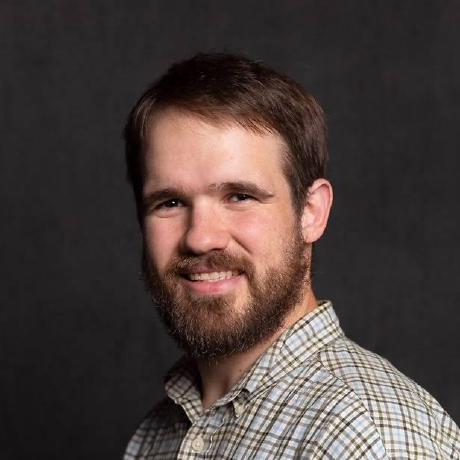
Sue Ishaq, photo courtesy of Patrick Wine, 2021.

Sue Ishaq, PhD.,

Ariangela Kozik

Ariangela Kozik, PhD.,

 Prioritizing Precision: Guidelines for the Better Use of Population Descriptors in Human Microbiome Research.

Authors:  Nicole M. Farmer1,2, Amber Benezra1,3, Katherine A. Maki1, Suzanne L. Ishaq1,2, Ariangela J. Kozik1,2,4,5* 

Affiliations:

1 The Microbes and Social Equity working group, Orono, Maine, USA; 2 Nova Institute for Health, Baltimore, MD; 3 Science and Technology Studies, Stevens Institute of Technology, Hoboken, New Jersey, USA; 4 Division of Pulmonary and Critical Care Medicine, Department of Internal Medicine, University of Michigan, Ann Arbor, Michigan, USA; 5 Department of Molecular, Cellular, and Developmental Biology, University of Michigan, Ann Arbor, Michigan, USA

Abstract

Microbiome science is a celebration of the connections between humans, our environment, and microbial organisms. We are continually learning more about our microbial fingerprint, how each microbiome may respond to identical stimuli differently, and how the quality of the environmental conditions around us influences the microorganisms we encounter and acquire. However, in this process of self-discovery, we have utilized socially constructed ideas about ourselves as biological factors, potentially obscuring the true nature of our relationships to each other, microbes, and the planet. The concept of race, which has continuously changing definitions over hundreds of years, is frequently operationalized as a proxy for biological variation and suggested to have a real impact on the microbiome. Scientists across disciplines and through decades of research have misused race as a biological determinant, resulting in falsely scientific justifications for social and political discrimination. However, concepts of race and ethnicity are highly nuanced, inconsistent, and culturally specific. Without training, microbiome researchers risk continuing to misconstrue these concepts as fixed biological factors that have direct impacts on our microbiomes and/or health. In 2023, the National Academies of Sciences, Engineering, and Medicine released recommendations on the use of population descriptors such as race and ethnicity in genetic science. In this paper, we posit similar recommendations that can and must be translated into microbiome science to avoid re-biologizing race and that push us toward the goal of understanding the microbiome as an engine of adaptation to help us thrive in a dynamic world.

MSE seminar next week, “Healthy Soils: Our Hope for a Warming World”

The MSE logo is a scale for comparing weights of two things, with microbes being weighed on both sides.

Events will be hosted January – December, 2025, usually on the last Wednesday of every month, 12:00 – 14:00 pm ET. Presented over Zoom.

After each talk, we will continue the discussions in an informal social meeting with MSE. All speakers and members of the audience are welcome to join the social meeting.

Hosted by: Sue Ishaq, MSE, and finacially supported by the University of Maine Institute of Medicine and the UMaine Cultural Affairs/Distinguished Lecture Committee.

Summary

Microorganisms are critical to many aspects of biological life, including human health.  The human body is a veritable universe for microorganisms: some pass through but once, some are frequent tourists, and some spend their entire existence in the confines of our body tissues.  The collective microbial community, our microbiome, can be impacted by the details of our lifestyle, including diet, hygiene, health status, and more, but many are driven by social, economic, medical, or political constraints that restrict available choices that may impact our health.   Access to resources is the basis for creating and resolving social equity—access to healthcare, healthy foods, a suitable living environment, and to beneficial microorganisms, but also access to personal and occupational protection to avoid exposure to infectious disease. This speaker series explores the way that microbes connect public policy, social disparities, and human health, as well as the ongoing research, education, policy, and innovation in this field. 

You can find recordings from previous series here.


“Healthy Soils: Our Hope for a Warming World”

Dr. Kristen DeAngelis, PhD

Sept 24, 2025 12:00 EDT. This event has passed, watch the recording here.

Headshot of Dr. Kristen DeAngelis, PhD.

Kristen got her PhD in Microbiology from the University of California Berkeley, and was trained in microbial ecology and environmental microbiology as a postdoc at the Lawrence Berkeley National Laboratory and at the Joint BioEnergy Institute. Born in Massachusetts, she has worked at UMass Amherst since 2011, where she is the lead of the Molecular Microbial Ecology Lab in the department of Microbiology. In the past 5 years alone, she became an Elected Fellow of the American Academy of Microbiology, she’s been awarded Distinguished Lecturer from the American Society for Microbiology and UMass, she received the Chancellor’s Medal from UMass, and she was the Harvard Forest Bullard Fellow.

Kristen loves teaching (and learning) bioinformatics and computer programming, crosswords, drawing, and hiking western Mass with her two kids and crazy dog Suki. Her lab website is here.

Kristen was one of the earliest members of MSE, contributing to a science communications piece and the paper which introduced MSE to the world!

City compost programs turn garbage into ‘black gold’ that boosts food security and social justice.” Kristen DeAngelis, Gwynne Mhuireach, Sue Ishaq, The Conversation. June 11, 2020

Ishaq, S.L., Parada, F.J., Wolf, P.G., Bonilla, C.Y., Carney, M.A., Benezra, A., Wissel, E., Friedman, M., DeAngelis, K.M., Robinson, J.M., Fahimipour, A.K., Manus, M.B., Grieneisen, L., Dietz, L.G., Pathak, A., Chauhan, A., Kuthyar, S., Stewart, J.D., Dasari, M.R., Nonnamaker, E., Choudoir, M., Horve, P.F., Zimmerman, N.B., Kozik, A.J., Darling, K.W., Romero-Olivares, A.L., Hariharan, J., Farmer, N., Maki, K.A., Collier, J.L., O’Doherty, K., Letourneau, J., Kline, J., Moses, P.L., Morar, N. 2021.  Introducing the Microbes and Social Equity Working Group: Considering the Microbial Components of Social, Environmental, and Health JusticemSystems 6:4. Special Series: Social Equity as a Means of Resolving Disparities in Microbial Exposure


Logo designed by Alex Guillen

“Launching the IUCN Microbial Conservation Specialist Group as a global safeguard for microbial biodiversity”- paper published and group assembled!

I’m delighted to announce the publication of “Launching the IUCN Microbial Conservation Specialist Group as a global safeguard for microbial biodiversity” — a short publication in Nature, written by the new IUCN Microbe Group, of which I am a part! The paper introduces the need for a Specialist Group focused on microorganisms, microbial communities, and the connection between microbes and health of environments and all other organisms.

The new IUCN Microbe group is being led by Drs. Jack Gilbert and Raquel Peixoto, who are internationally famous for their research into environmental microbiomes as well as their contributions to conservation. Now that the Microbe Group has been assembled, we have been working on creating a prospectus for the group which outlines our goals and activities for the next few years, as well as steps for recruiting research and policy expertise, as needed, setting up international working groups for implementing conservation, and opening the group for global supporting membership.

Gilbert, J., Scholz, A., Dominguez-Bello, M.G., Korsten, L., Berg, G., Singh, B., Boetius, A., Wang, F., Greening, C., Wrighton, K., Bordenstein, S., Jansson, J., Lennon, J., Souza, V., Thomas, T., Cowan, D., Crowther, T., Nguyen, N., Harper, L., Haraoui, L-P., Ishaq, S., Redford, K. 2025. “Launching the IUCN Microbial Conservation Specialist Group as a global safeguard for microbial biodiversityNature

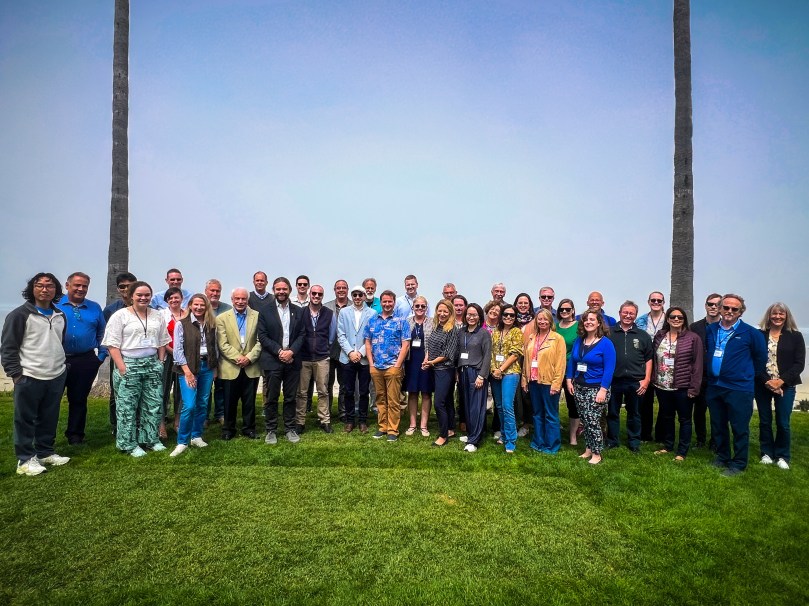
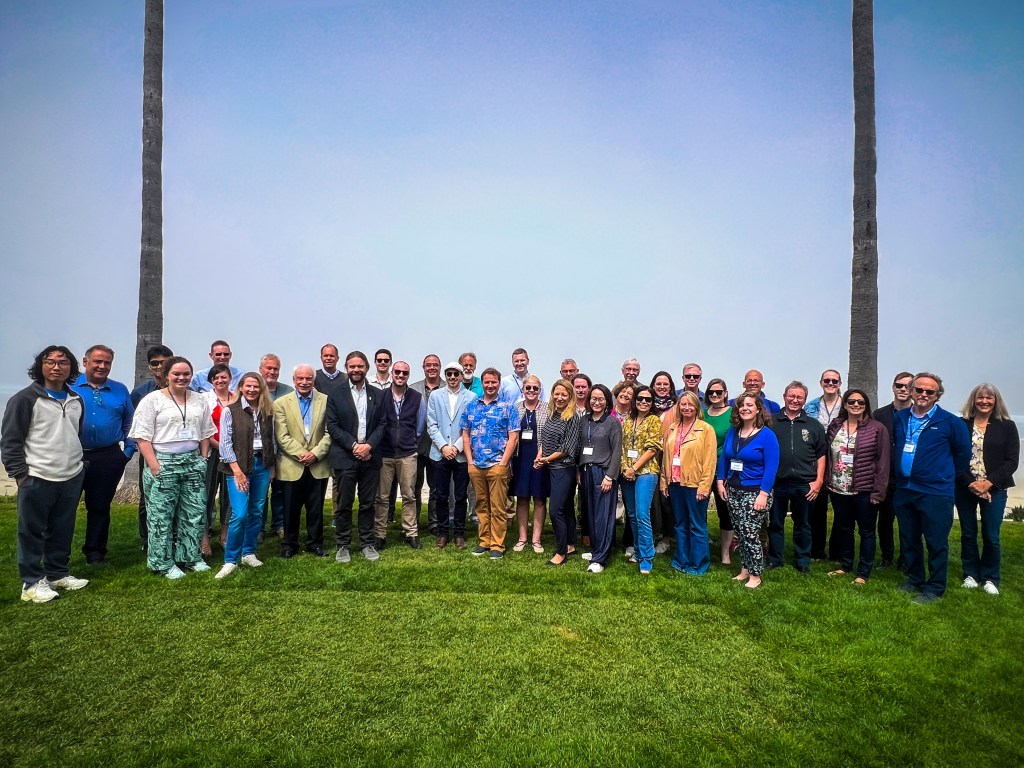
Back in May, I had the honor of attending a three-day workshop on “Conservation in a Microbial World“, which gathered researchers, innovators, and policy makers to discuss the concept, need, logistics, and possibility of formally making microorganisms part of the considerations of the International Union for the Conservation of Nature (IUCN), the global organization which coordinates the protection of species and ecosystems. The meeting was to provide guidance to the IUCN Species Survival Commission (SSC) on microbial ecology, ecosystems which are at risk or already losing micobial diversity because of degradation and human activities, as well as strategies to bring attention to the need to consider microbes in the health of organisms and ecosystems.

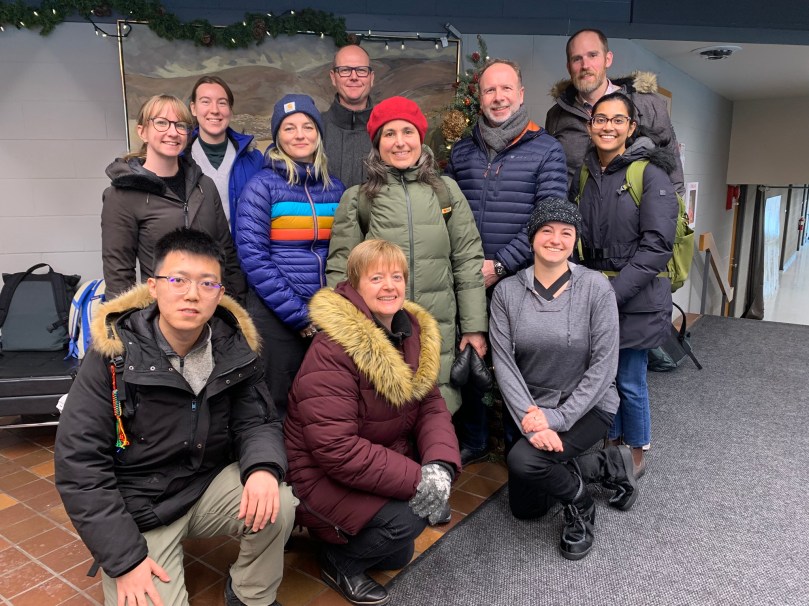
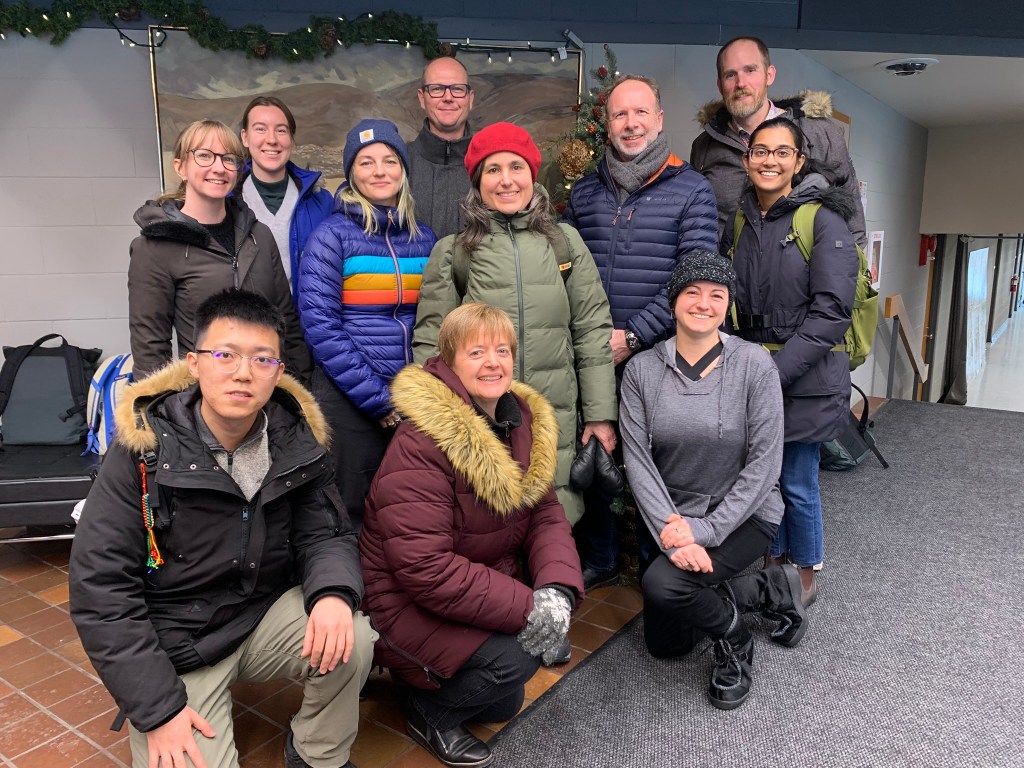
Attendees of the 2025 Conservation in a Microbial World meeting, Scripps, La Jolla.

Alexis Kirkendall passed her comprehensive exam and advances to candidacy!!

Congratulations to Alexis Kirkendall, PhD candidate in the Microbiology Program, for passing her comprehensive exam!! The exam involved writing a research proposal on a topic outside of her main focus, and presenting her idea for an hour to her faculty committee, who then asked detailed questions about her work and understanding of this research for almost two hours.

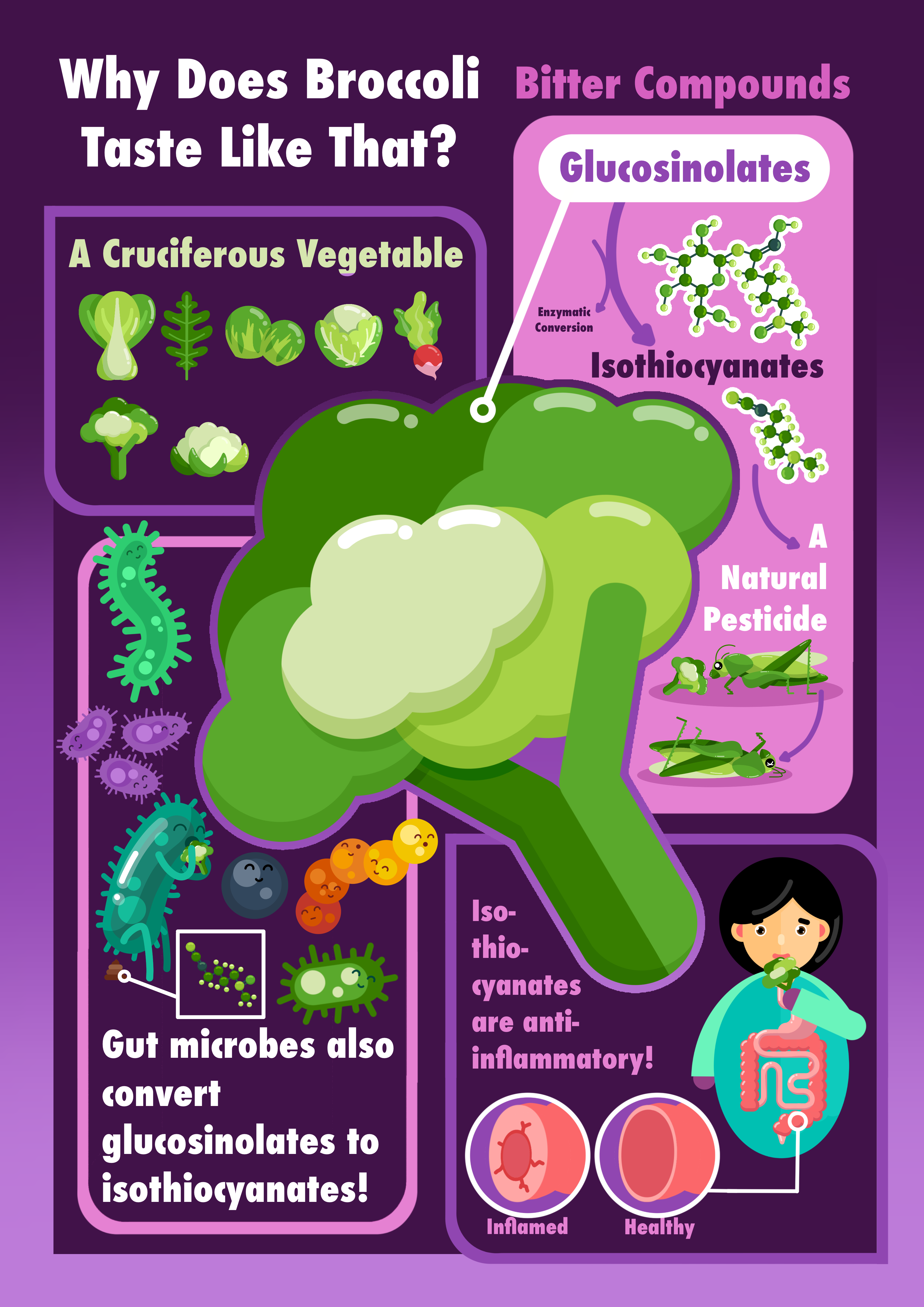
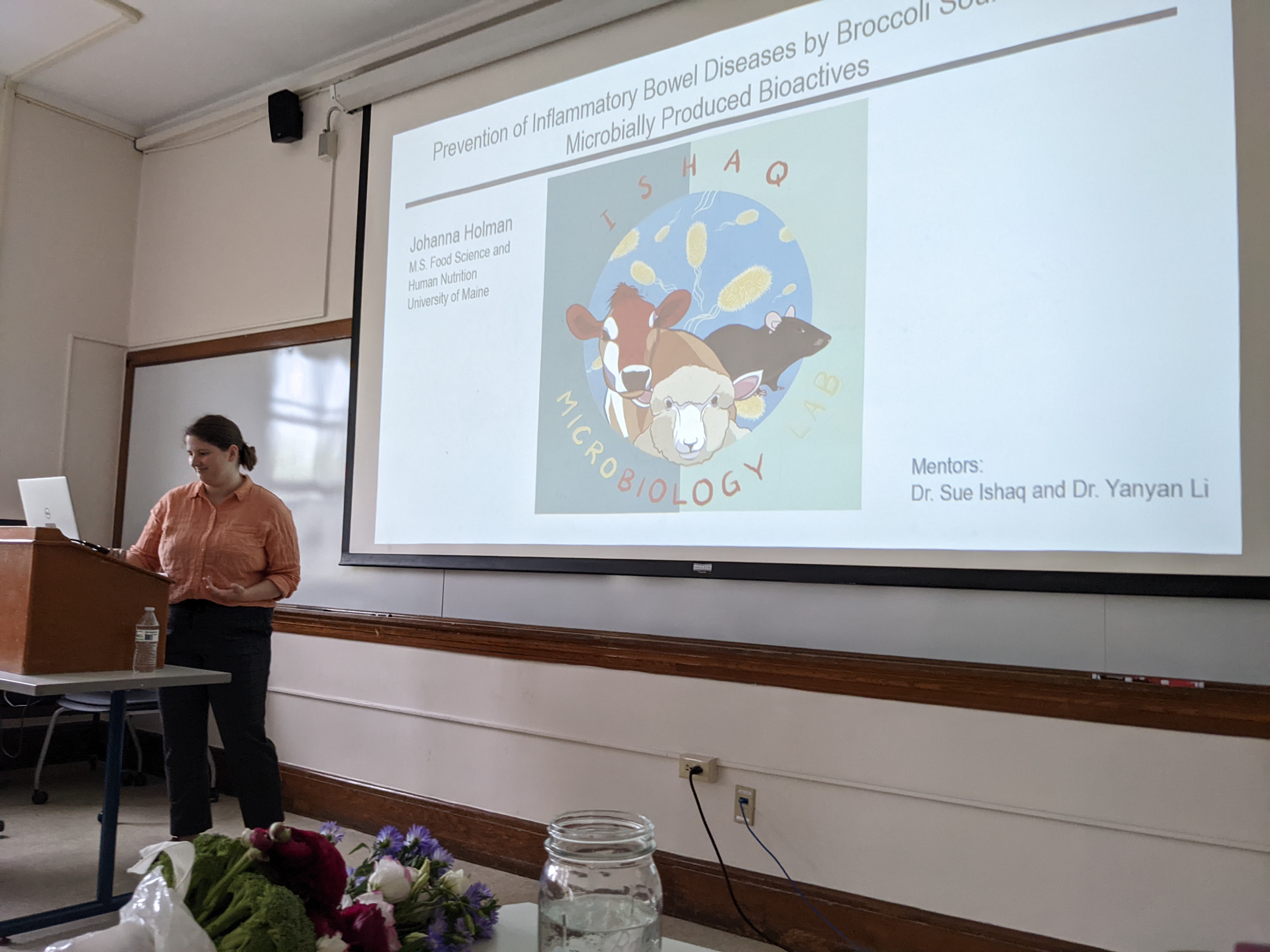
Over the next two or three years, her dissertation research will focus on culturing bacteria that we previously isolated from mice consuming a steamed broccoli sprout diet, to test their capacity to grow amongst the gut pathogen Helicobacter pylori and produce the anti-inflammatory sulforphane under different conditions, as well as which bacteria produce sulforaphane in the gut, how they do it, and under which circumstances. It complements the collective lab research on how broccoli sprouts and gut microbes can be used to resolve Inflammatory Bowel Disease.

Alexis Kirkendall

Doctor of Philosophy candidate, Microbiology

Alexis is from Ohio and initially joined the lab in 2022 when she was majoring in Biology at Heidelberg University, through the Summer 2022 REU, during which she divided her time researching Cryptosporidium in cows, helping in the MSE Symposium, and aiding in the Camel Rumen Microbiome Project. Alexis continued her work remotely, and returned to Maine in summer 2023 as a research assistant for several projects related to gut microbes, diet, and Inflammatory Bowel Disease. Her research interests are in genetics and she has a love for the fascinating world of microbes.

She returned in January 2024 as a graduate student in the Microbiology program!


MSE Seminar today on “Defending against Phage Predators: Trading Public Goods via Integrons”

The MSE logo is a scale for comparing weights of two things, with microbes being weighed on both sides.

Events will be hosted January – December, 2025, on the last Wednesday of every month, 12:00 – 14:00 pm ET. Presented over Zoom.

After each talk, we will continue the discussions in an informal social meeting with MSE. All speakers and members of the audience are welcome to join the social meeting.

Hosted by: Sue Ishaq, MSE, and finacially supported by the University of Maine Institute of Medicine and the UMaine Cultural Affairs/Distinguished Lecture Committee.

Summary

Microorganisms are critical to many aspects of biological life, including human health.  The human body is a veritable universe for microorganisms: some pass through but once, some are frequent tourists, and some spend their entire existence in the confines of our body tissues.  The collective microbial community, our microbiome, can be impacted by the details of our lifestyle, including diet, hygiene, health status, and more, but many are driven by social, economic, medical, or political constraints that restrict available choices that may impact our health.   Access to resources is the basis for creating and resolving social equity—access to healthcare, healthy foods, a suitable living environment, and to beneficial microorganisms, but also access to personal and occupational protection to avoid exposure to infectious disease. This speaker series explores the way that microbes connect public policy, social disparities, and human health, as well as the ongoing research, education, policy, and innovation in this field. 

You can find recordings from previous series here.


“Defending against Phage Predators: Trading Public Goods via Integrons”

Dr. Landon Getz, PhD

July 30, 2025, 12:00 ET. This event has passed, watch the recording here.

Dr. Landon J. Getz (He/Him, PhD) is a Postdoctoral Fellow in the Department of Biochemistry within the Temerty Faculty of Medicine at the University of Toronto. Landon is a Gay/Queer man and a molecular bacteriologist specializing in bacterial genetics and phage-host interactions. Dr. Getz is a CIHR Postdoctoral Fellow and the recipient of the inaugural GSK-EPIC Convergence Postdoctoral Fellowship at the University of Toronto. Dr. Getz’s work is currently focused on the collaborative and competitive relationship between bacteriophages, viruses that infect bacteria, and their bacterial hosts. Primarily, this work has revolved around the mechanisms that bacteria, and their integrated bacteriophages, defend themselves from incoming phage infection through anti-phage defence.
Landon is an LGBTQ+ advocate and works to enhance the justice and belonging of Queer and Trans folks in Science, Technology, Engineering, and Mathematics (STEM). Most recently, Landon founded the Pride in Microbiology Network along with Dr. Edel Pérez-López
and Dr. Bruno Francesco Rodrigues de Oliveira. The Pride in Microbiology Network has over 200 international members, and has recently launched PiM Connections – a mentorship and professional development network connecting students and early career researchers with more seasoned mentors. Landon has a keen interest in the connections and overlaps of science and society, has written a number of commentaries on the topic. Landon is also an alumnus of the inaugural Youth Council of the Chief Science Advisor of Canada.


Logo designed by Alex Guillen
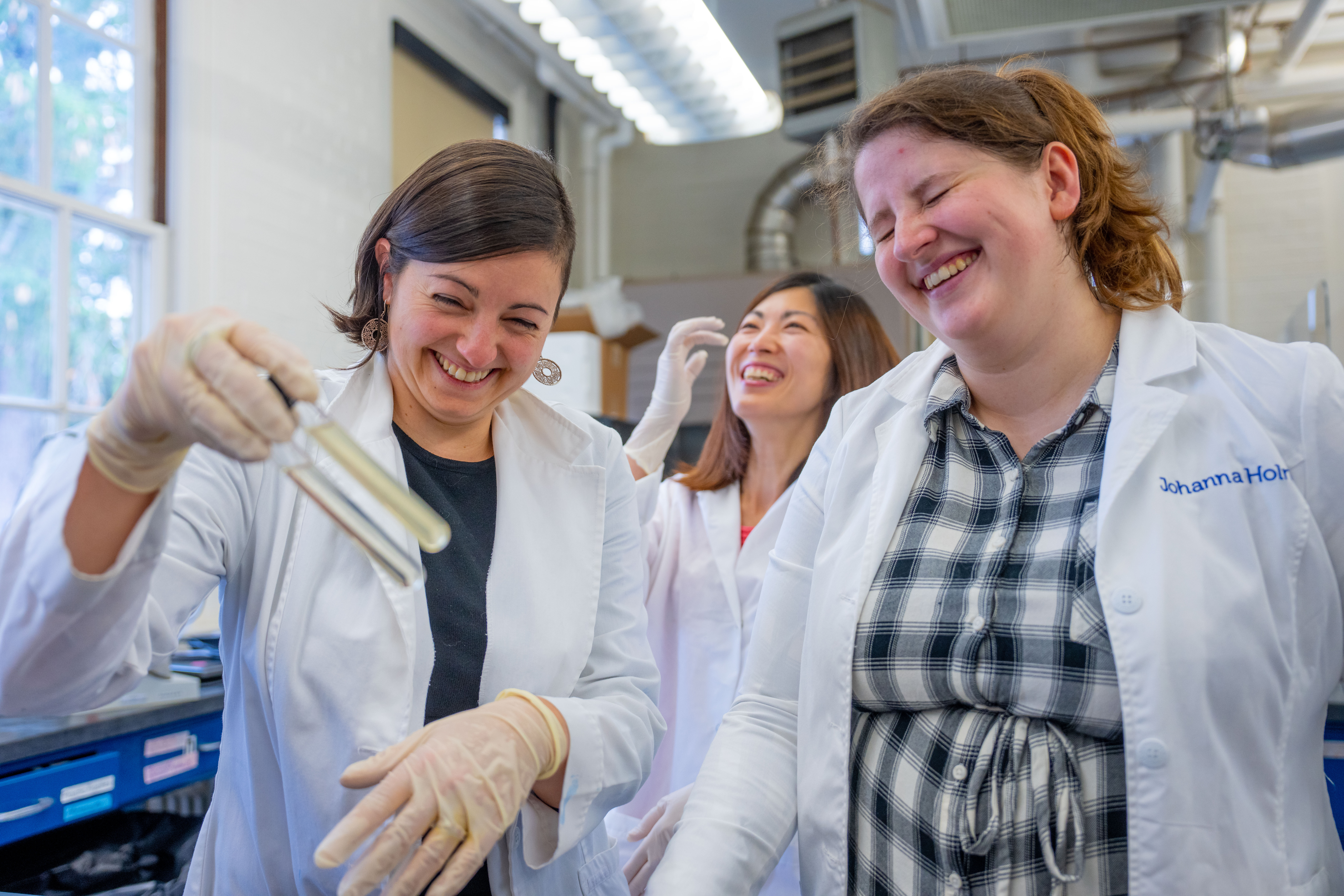
The 2025 MSE Summit: Pathways to Microbiome Stewardship was a success!

Summary reposted from the MSE newsletter, now hosted by AMI! Subscribe to the newletter or join the group here.

MSE recently hosted its 5th annual summit, this year dedicated to exploring the concept of Microbiome Stewardship. Microbiome Stewardship is a concept that is intended to provide guiding insights, articulate responsibilities, and suggest practices aimed at maintaining microbial biodiversity and microbiome functioning across microbial habitats, which, in turn, supports the health and well-being of humans, animals, plants, and ecosystems. The summit consisted of two days of presentations (webinars) and two days of virtual workshop discussions.

We opened with two days of webinars featuring 12 speakers from wide-ranging fields of expertise, all focused on how social or environmental conditions impact health and microbiomes. This included an introduction to the concept of microbiome stewardship and guiding principles for its implementation, the need for diversification of fecal microbiome donors for health interventions, degradation of waterways and microbial transfer, the industrialization of food systems and the rise of antimicrobial resistance, the use of too-vague population descriptors in microbiome science, integrating systems-level thinking in microbiology curricula, and working with Indigenous communities on microbiome research. The webinars sparked imaginative and thoughtful questions from the 200 attendees (nearly 300 registrants), and set the stage for the subsequent two days of workshops. We also shared a working draft of the Microbiome Stewardship Guiding Principles document with attendees, and welcomed feedback. We hope to submit that manuscript for peer review and publication soon.


Workshop attendance was by application, and restricted to 50 attendees across the two days, which focused on host and environmental microbiomes, respectively. For each workshop day, attendees self-organized into breakout rooms focusing on different disciplines or themes. Speakers, MSE and Microbiome Stewardship researchers, and attendees discussed the challenges and opportunities for their respective fields, what was needed to achieve more integration between research and education or policy, and how to incorporate the principles of stewardship into their respective research. These conversations helped realize existing areas of  overlap between our work, and identify compatible expertise that was needed to explore these interdisciplinary research questions. Similar themes and challenges emerged across workshop days and discussion groups, highlighting opportunities to strengthen the microbiome stewardship and paths to implementation.

The live sessions were recorded to accommodate our global audience who were unable to make the session, and can be viewed here. While the workshops were not recorded, the thoughtful discourse from throughout the seminar and workshops will be used to inform that guiding principles publication-in-development, as well as future publications and output over the next 2-3 years from the collaborations which germinated during the breakout room sessions.

MSE Seminar next week on “Defending against Phage Predators: Trading Public Goods via Integrons”

The MSE logo is a scale for comparing weights of two things, with microbes being weighed on both sides.

Events will be hosted January – December, 2025, on the last Wednesday of every month, 12:00 – 14:00 pm ET. Presented over Zoom.

After each talk, we will continue the discussions in an informal social meeting with MSE. All speakers and members of the audience are welcome to join the social meeting.

Hosted by: Sue Ishaq, MSE, and finacially supported by the University of Maine Institute of Medicine and the UMaine Cultural Affairs/Distinguished Lecture Committee.

Summary

Microorganisms are critical to many aspects of biological life, including human health.  The human body is a veritable universe for microorganisms: some pass through but once, some are frequent tourists, and some spend their entire existence in the confines of our body tissues.  The collective microbial community, our microbiome, can be impacted by the details of our lifestyle, including diet, hygiene, health status, and more, but many are driven by social, economic, medical, or political constraints that restrict available choices that may impact our health.   Access to resources is the basis for creating and resolving social equity—access to healthcare, healthy foods, a suitable living environment, and to beneficial microorganisms, but also access to personal and occupational protection to avoid exposure to infectious disease. This speaker series explores the way that microbes connect public policy, social disparities, and human health, as well as the ongoing research, education, policy, and innovation in this field. 

You can find recordings from previous series here.


“Defending against Phage Predators: Trading Public Goods via Integrons”

Dr. Landon Getz, PhD

July 30, 2025, 12:00 ET. This event has passed, watch the recording here.

Dr. Landon J. Getz (He/Him, PhD) is a Postdoctoral Fellow in the Department of Biochemistry within the Temerty Faculty of Medicine at the University of Toronto. Landon is a Gay/Queer man and a molecular bacteriologist specializing in bacterial genetics and phage-host interactions. Dr. Getz is a CIHR Postdoctoral Fellow and the recipient of the inaugural GSK-EPIC Convergence Postdoctoral Fellowship at the University of Toronto. Dr. Getz’s work is currently focused on the collaborative and competitive relationship between bacteriophages, viruses that infect bacteria, and their bacterial hosts. Primarily, this work has revolved around the mechanisms that bacteria, and their integrated bacteriophages, defend themselves from incoming phage infection through anti-phage defence.
Landon is an LGBTQ+ advocate and works to enhance the justice and belonging of Queer and Trans folks in Science, Technology, Engineering, and Mathematics (STEM). Most recently, Landon founded the Pride in Microbiology Network along with Dr. Edel Pérez-López
and Dr. Bruno Francesco Rodrigues de Oliveira. The Pride in Microbiology Network has over 200 international members, and has recently launched PiM Connections – a mentorship and professional development network connecting students and early career researchers with more seasoned mentors. Landon has a keen interest in the connections and overlaps of science and society, has written a number of commentaries on the topic. Landon is also an alumnus of the inaugural Youth Council of the Chief Science Advisor of Canada.


Logo designed by Alex Guillen
The Summit on Microbiome Stewardship is happening this week!!!

Program details and free registration can be found here

Please note, the webinars and the workshop each require registration to help us manage attendance. 

Who should attend?

Students, and professionals from any discipline, are encouraged to attend! The summit is highly interdisciplinary and we welcome diverse perspectives: research presentation and workshop activities represent microbiome, ethics, health, food systems, ecology, and environmental sciences, and more!

What’s the summit about?

Microbiome stewardship is the broad idea that we need to consider ecosystem-level factors when we think about public health, as our environment, behaviors, and public policy affects interactions between microbes and human health. Our ability to develop practices and advocate for policy reform that address societal inequities is limited without a strong microbiome stewardship framework. Led by MSE and the Microbiome Stewardship working group, attendees of the webinars will learn how other researchers engage with microbiome or health stewardship. Participants of the workshops will plan a pathway to bring their own work in line with principles of conservation and stewardship, or design future research to provide tangible and meaningful stewardship endpoints relevant to their area of focus.

Webinars and Case Studies (Monday and Tuesday): Open to everyone, these sessions will feature insightful presentations from leading researchers, policymakers, and community leaders. Join us to hear the latest in microbiome science, social equity, and public health, and leave with new perspectives and ideas to help shape future efforts.

Interactive Workshops (Wednesday and Thursday): Selected participants will come together in these collaborative sessions to co-develop case studies that integrate research, practice, and policy. With a focus on actionable outcomes, these workshops provide an opportunity to work closely with experts and contribute directly to the development of a global microbiome stewardship framework. Participation is by application, ensuring a diverse group of voices and expertise.

Webinar Session 1: Human-centric Microbiome Stewardship

Date: Monday July 7, 2025. 12:00 ~ 5:00 PM Eastern Time

Welcome and Intro to the Summit
Sue Ishaq, PhD, Associate Professor, University of Maine; Founder and Lead, MSE

The Concept of Microbiome Stewardship
Kieran O’Doherty, PhD, Professor, University of Guelph; MSE

Indigenous perspectives on microbiome stewardship and public health.
Nicole Redvers, DPhil, ND, MPH, Associate Professor, Western Research Chair & Director, Indigenous Planetary Health; Schulich School of Medicine & Dentistry, Schulich; Interfaculty Program in Public Health, University of Western Ontario

Interpreting the Flora, Interrupting the Frame: Race and Responsibility in Vaginal Microbiome Research
Ari Kozik, PhD, Assistant Professor of Molecular, Cellular, and Developmental Biology, University of Michigan 

Microbiome-based therapeutics in clinical practice: how can we be better stewards?
Susy Hota, MD, MSc, FRCPC. Division Head, Infectious Diseases, University Health Network and Sinai Health; Medical Director, Infection Prevention and Control, University Health Network; Co-Lead of the Microbiota Therapeutics Outcomes Program; Associate Professor, Division of Infectious Diseases, University of Toronto

The political economy of emerging digital data collection platforms and applications with microbial stewardship.
Victor Secco, PhD, Postdoctoral Researcher, Department of Philosophy and Cultural Heritage, Ca Foscari University of Venice

Communities and Contexts in Childhood Microbiome Research.
Justine Debelius, PhD. Assistant Scientist, Department of Epidemiology, Johns Hopkins Bloomberg School of Public Health

Webinar Session 2: Environment-centric Microbiome Stewardship

Date: July 8, 2025. 12:00 ~ 5:00 PM Eastern Time

Welcome and Intro to the Summit.
Sue Ishaq, PhD, Associate Professor, University of Maine; Founder and Lead, MSE

Microbiome stewardship curricular design using MSE themes
Carla Bonilla, PhD, Associate Professor of Biology, University of San Diego; MSE

The Concept of Microbiome Stewardship
Mallory Choudoir, PhD, Assistant Professor and Soil Microbiome Extension Specialist, North Carolina State University; MSE

Microbes, microbiomes and biodiversity conservation
Kent Redford, PhD, Principal, Archipelago Consulting

Built environment and microbiome engineering: Responsible Development and Engagement
Jennifer Kuzma, PhD, Professor, School of Public and International Affairs; Co-Director, Genetic Engineering & Society Center; Associate Director, Precision Microbiome Engineering Center (PreMiEr, NSF-ERC); North Carolina State University
Kristen Landreville, PhD, Senior Research Scholar, Societal and Ethical Implications (SEI) Core in the PreMiEr Engineering Research Center, North Carolina State University

Intersections Between the SDOH and Community-Acquired Antibiotic Resistance: A New Role for Environmental Surveillance?
Maya Nadipalli, PhD, Assistant Professor, Emory University

Engaging with Indigenous perspectives related to subsurface microbiome research
Professor Josh Neufield, PhD, Professor, University Research Chair, University of Waterloo

Workshop Sessions 1 and 2: Stewardship Planning Activities

Session 1: Focus on Host Microbiomes, Wednesday July 9, 2025, 1:00 ~ 3:30 PM Eastern Time
Session 2: Focus on Environmental Microbiomes, Thursday July 10; 1:00 ~ 3:30 PM Eastern Time

We will use Zoom Breakout Rooms to form groups of 5 -10 people based on several topic themes. Each group will be led by an invited speaker and an MSE group member, and group notetaking will be facilitated using shared online documents.

Discussion 1 (Foundations)

How does the connection between microbiomes and health (human and non-human) relate with your work? What needs to be stewarded/protected in your area of expertise? 
To achieve goals of microbiome stewardship in your area, what interdisciplinary partnerships, or research or education programs need to be developed? What problems exist in your field that prevent implementing research or policy solutions?

Discussion 2 (Policy Connections)
What are the policy domains we need to target for protection of microbial ecosystems to ensure positive health outcomes? What kind of policies could be effective in helping to maintain microbiome health? What agencies or organizations might oversee regulations for the protection of microbial ecosystems? How could one begin to advocate for microbiome health in various policy domains?

Group activity: Create your path to microbiome
In Zoom Breakout Rooms organized by broad topics, we will generate case studies related to our own work which would include microbiome stewardship.First, use the template provided to draw your pathway. Then, design a project or research that would advance you along that path. Finally, identify a task list, time table, list of needs, and list of goals/outputs for the project.

Discussion 3 (Getting Microbiome Stewardship onto the Agenda)
How can we raise awareness about the importance of microbial ecologies in human and planetary health? How can we get the protection of microbial ecosystems onto policy maker agendas? What initiatives currently exist with whom we can seek partnerships?

MSE seminar today on “Viral Entry: Lessons from Pathogens to Improve Human Health”

The MSE logo is a scale for comparing weights of two things, with microbes being weighed on both sides.

Events will be hosted January – December, 2025, on the last Wednesday of every month, 12:00 – 14:00 pm ET. Presented over Zoom.

After each talk, we will continue the discussions in an informal social meeting with MSE. All speakers and members of the audience are welcome to join the social meeting.

Hosted by: Sue Ishaq, MSE, and finacially supported by the University of Maine Institute of Medicine and the UMaine Cultural Affairs/Distinguished Lecture Committee.

Summary

Microorganisms are critical to many aspects of biological life, including human health.  The human body is a veritable universe for microorganisms: some pass through but once, some are frequent tourists, and some spend their entire existence in the confines of our body tissues.  The collective microbial community, our microbiome, can be impacted by the details of our lifestyle, including diet, hygiene, health status, and more, but many are driven by social, economic, medical, or political constraints that restrict available choices that may impact our health.   Access to resources is the basis for creating and resolving social equity—access to healthcare, healthy foods, a suitable living environment, and to beneficial microorganisms, but also access to personal and occupational protection to avoid exposure to infectious disease. This speaker series explores the way that microbes connect public policy, social disparities, and human health, as well as the ongoing research, education, policy, and innovation in this field. 

You can find recordings from previous series here.


“Viral Entry: Lessons from Pathogens to Improve Human Health”

Dr. Chelsey Spriggs, PhD.

Jun 25, 2025 12:00 ET. This event has passed, watch the recording here.

Dr. Chelsey Spriggs, PhD

Dr. Chelsey Spriggs is an Assistant Professor at the University of Michigan Medical School and a Research Assistant Professor at the University of Michigan’s Life Sciences Institute. She earned her PhD in microbiology from Northwestern University in 2017. Chelsey now runs an independent research program at the University of Michigan studying the host-pathogen interactions required for the cellular entry of both oncogenic and oncolytic viruses and is grateful for the opportunity to mentor and train the next generation of young scientists in her lab. The lack of representation in STEM is, at times, discouraging; and she aims to serve as a role-model (and resource) for underrepresented minority students interested in biological research through engaging in various outreach, mentorship, and teaching opportunities. Chelsey is a co-founder of the Black Microbiologists Association where she currently serves as the Treasurer and Director of Membership.

Her faculty profile page is here.


Logo designed by Alex Guillen

The virtual Summit on Microbiome Stewardship is just two weeks away!!!

Program details and free registration can be found here

Please note, the webinars and the workshop each require registration to help us manage attendance. 

Who should attend?

Students, and professionals from any discipline, are encouraged to attend! The summit is highly interdisciplinary and we welcome diverse perspectives: research presentation and workshop activities represent microbiome, ethics, health, food systems, ecology, and environmental sciences, and more!

What’s the summit about?

Microbiome stewardship is the broad idea that we need to consider ecosystem-level factors when we think about public health, as our environment, behaviors, and public policy affects interactions between microbes and human health. Our ability to develop practices and advocate for policy reform that address societal inequities is limited without a strong microbiome stewardship framework. Led by MSE and the Microbiome Stewardship working group, attendees of the webinars will learn how other researchers engage with microbiome or health stewardship. Participants of the workshops will plan a pathway to bring their own work in line with principles of conservation and stewardship, or design future research to provide tangible and meaningful stewardship endpoints relevant to their area of focus.
Webinars and Case Studies (Monday and Tuesday): Open to everyone, these sessions will feature insightful presentations from leading researchers, policymakers, and community leaders. Join us to hear the latest in microbiome science, social equity, and public health, and leave with new perspectives and ideas to help shape future efforts.

Interactive Workshops (Wednesday and Thursday): Selected participants will come together in these collaborative sessions to co-develop case studies that integrate research, practice, and policy. With a focus on actionable outcomes, these workshops provide an opportunity to work closely with experts and contribute directly to the development of a global microbiome stewardship framework. Participation is by application, ensuring a diverse group of voices and expertise.

Webinar Session 1: Human-centric Microbiome Stewardship

Date: Monday July 7, 2025. 12:00 ~ 5:00 PM Eastern Time

Welcome and Intro to the Summit
Sue Ishaq, PhD, Associate Professor, University of Maine; Founder and Lead, MSE

The Concept of Microbiome Stewardship
Kieran O’Doherty, PhD, Professor, University of Guelph; MSE

Indigenous perspectives on microbiome stewardship and public health.
Nicole Redvers, DPhil, ND, MPH, Associate Professor, Western Research Chair & Director, Indigenous Planetary Health; Schulich School of Medicine & Dentistry, Schulich; Interfaculty Program in Public Health, University of Western Ontario

Interpreting the Flora, Interrupting the Frame: Race and Responsibility in Vaginal Microbiome Research
Ari Kozik, PhD, Assistant Professor of Molecular, Cellular, and Developmental Biology, University of Michigan 

Microbiome-based therapeutics in clinical practice: how can we be better stewards?
Susy Hota, MD, MSc, FRCPC. Division Head, Infectious Diseases, University Health Network and Sinai Health; Medical Director, Infection Prevention and Control, University Health Network; Co-Lead of the Microbiota Therapeutics Outcomes Program; Associate Professor, Division of Infectious Diseases, University of Toronto

The political economy of emerging digital data collection platforms and applications with microbial stewardship.
Victor Secco, PhD, Postdoctoral Researcher, Department of Philosophy and Cultural Heritage, Ca Foscari University of Venice

Communities and Contexts in Childhood Microbiome Research.
Justine Debelius, PhD. Assistant Scientist, Department of Epidemiology, Johns Hopkins Bloomberg School of Public Health

Webinar Session 2: Environment-centric Microbiome Stewardship

Date: July 8, 2025. 12:00 ~ 5:00 PM Eastern Time

Welcome and Intro to the Summit.
Sue Ishaq, PhD, Associate Professor, University of Maine; Founder and Lead, MSE

Microbiome stewardship curricular design using MSE themes
Carla Bonilla, PhD, Associate Professor of Biology, University of San Diego; MSE

The Concept of Microbiome Stewardship
Mallory Choudoir, PhD, Assistant Professor and Soil Microbiome Extension Specialist, North Carolina State University; MSE

Microbes, microbiomes and biodiversity conservation
Kent Redford, PhD, Principal, Archipelago Consulting

Built environment and microbiome engineering: Responsible Development and Engagement
Jennifer Kuzma, PhD, Professor, School of Public and International Affairs; Co-Director, Genetic Engineering & Society Center; Associate Director, Precision Microbiome Engineering Center (PreMiEr, NSF-ERC); North Carolina State University
Kristen Landreville, PhD, Senior Research Scholar, Societal and Ethical Implications (SEI) Core in the PreMiEr Engineering Research Center, North Carolina State University

Intersections Between the SDOH and Community-Acquired Antibiotic Resistance: A New Role for Environmental Surveillance?
Maya Nadipalli, PhD, Assistant Professor, Emory University

Engaging with Indigenous perspectives related to subsurface microbiome research
Professor Josh Neufield, PhD, Professor, University Research Chair, University of Waterloo

Workshop Sessions 1 and 2: Stewardship Planning Activities

Session 1: Focus on Host Microbiomes, Wednesday July 9, 2025, 1:00 ~ 3:30 PM Eastern Time
Session 2: Focus on Environmental Microbiomes, Thursday July 10; 1:00 ~ 3:30 PM Eastern Time

We will use Zoom Breakout Rooms to form groups of 5 -10 people based on several topic themes. Each group will be led by an invited speaker and an MSE group member, and group notetaking will be facilitated using shared online documents.

Discussion 1 (Foundations)

How does the connection between microbiomes and health (human and non-human) relate with your work? What needs to be stewarded/protected in your area of expertise? 
To achieve goals of microbiome stewardship in your area, what interdisciplinary partnerships, or research or education programs need to be developed? What problems exist in your field that prevent implementing research or policy solutions?

Discussion 2 (Policy Connections)
What are the policy domains we need to target for protection of microbial ecosystems to ensure positive health outcomes? What kind of policies could be effective in helping to maintain microbiome health? What agencies or organizations might oversee regulations for the protection of microbial ecosystems? How could one begin to advocate for microbiome health in various policy domains?

Group activity: Create your path to microbiome
In Zoom Breakout Rooms organized by broad topics, we will generate case studies related to our own work which would include microbiome stewardship.First, use the template provided to draw your pathway. Then, design a project or research that would advance you along that path. Finally, identify a task list, time table, list of needs, and list of goals/outputs for the project.

Discussion 3 (Getting Microbiome Stewardship onto the Agenda)
How can we raise awareness about the importance of microbial ecologies in human and planetary health? How can we get the protection of microbial ecosystems onto policy maker agendas? What initiatives currently exist with whom we can seek partnerships?