I was interviewed by Dr. Mark Martin for the Microbial Matters podcast! Mark is a renowned microbiologist who has long has a presence online making science accessbile to everyone. The show features exciting and fun conversations with researchers about their work on tiny organisms with a global impact.
I’ve linked to the Youtube video version below, but you can download the video/audio for my episode, link to podcast services, and find the show notes by clicking here.
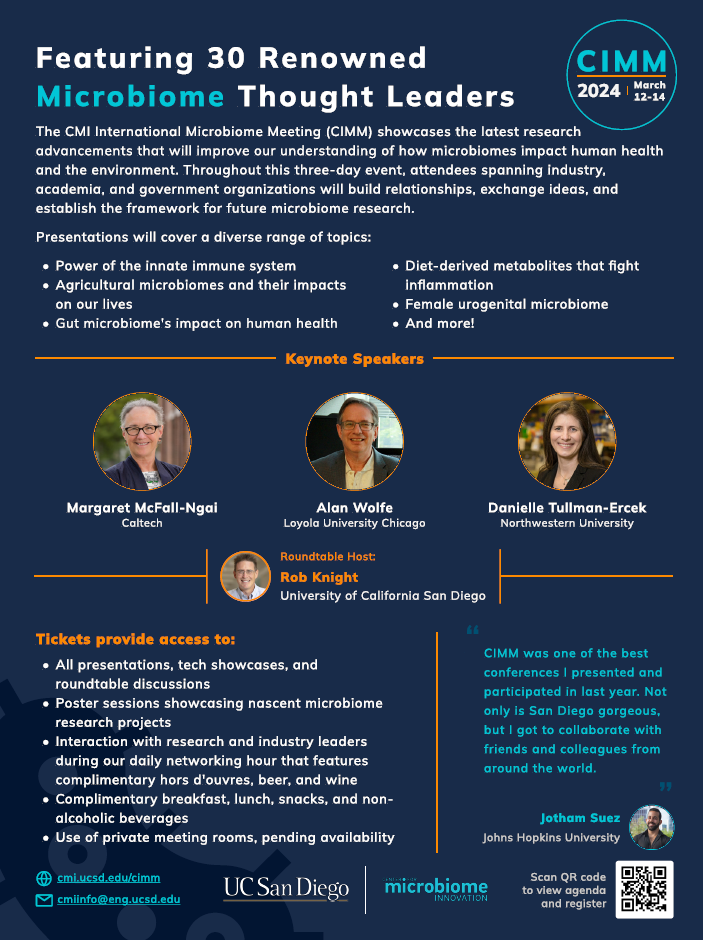
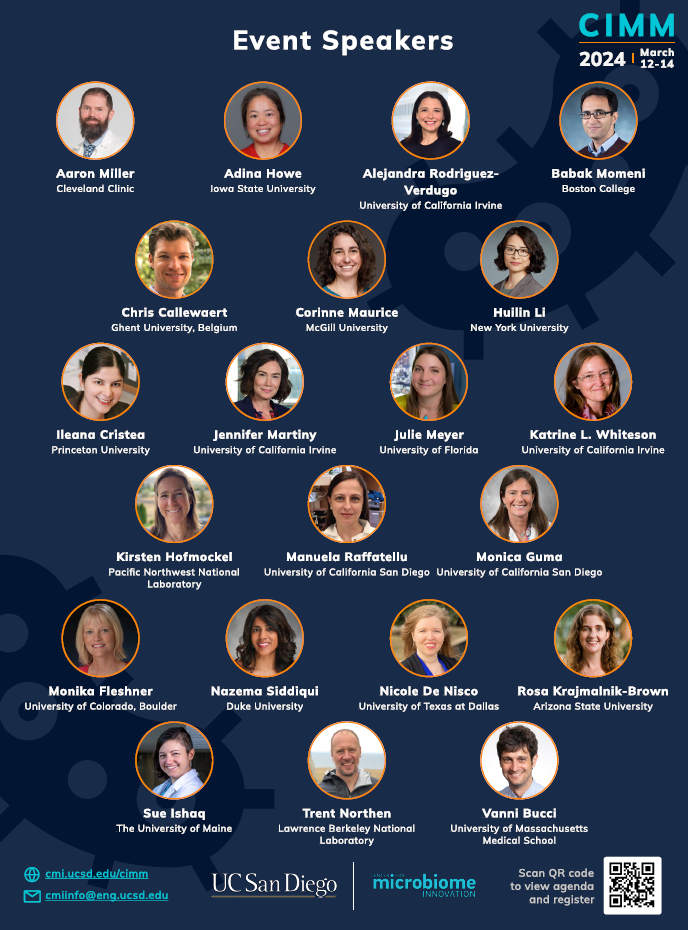
Lola Holcomb and Tolu Alaba, both PhD candidates working on broccoli sprouts and gut microbes, will be presenting posters at CIMM. This conference features microbiome research in the contexts of health, agriculture, and environments.
Alexis Kirkendall began her PhD with research funds awarded in her very first month!! Over the fall, she drafted a proposal to evaluate the probitoic potential of bacteria the we previously isolated from a broccoli sprout diet study. The funds were awarded from the Crohn’s and Colitis Foundation, and will help launch the research for Alexis’ dissertation!!
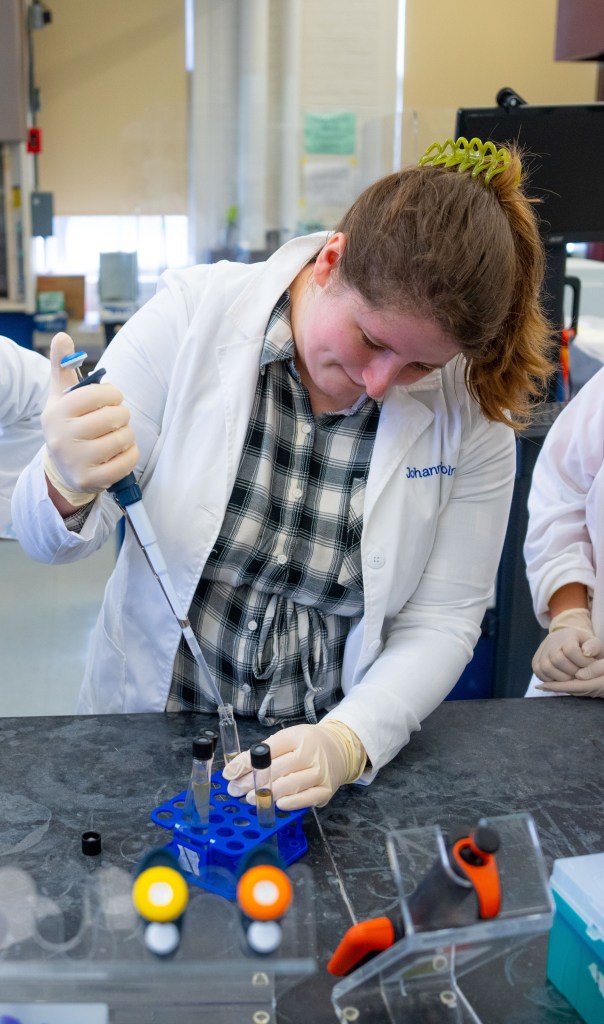
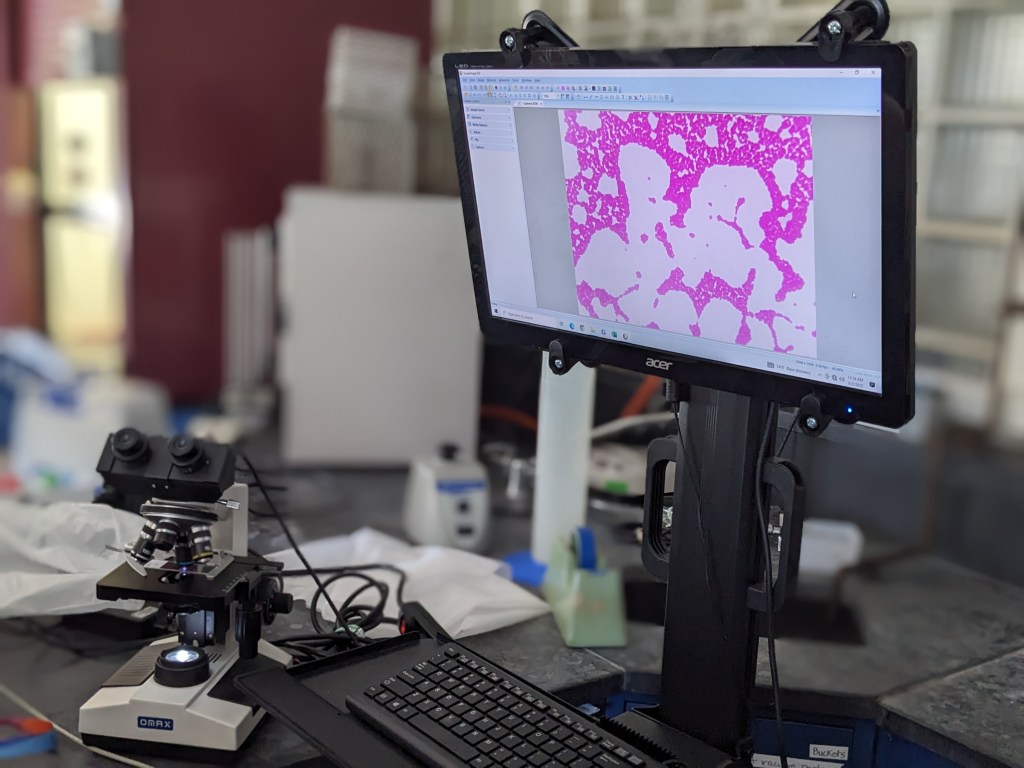
Alexis Kirkendall processing microscope slides.
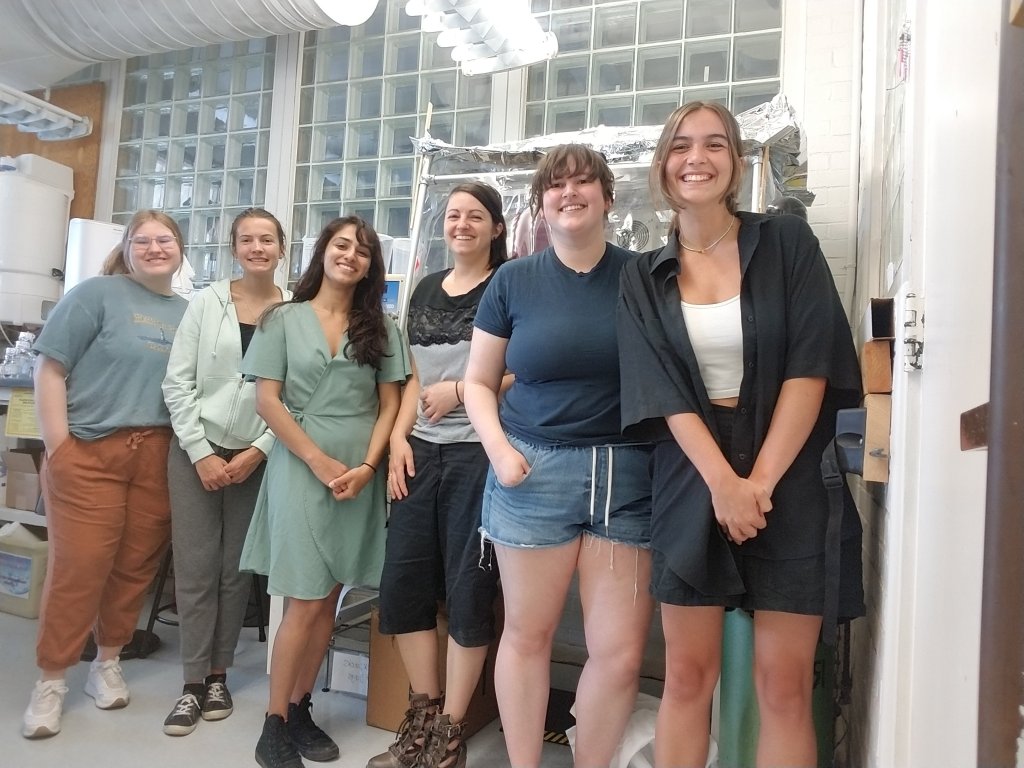
Alexis Kirkendall, Jaymie Sideaway, Aakriti Sharma, Johanna Holman, and Lilian Nowak.
Logo designed by Johanna Holman.
Alexis Kirkendall processing microscope slides.
Effect of probiotic candidates on intestinal epithelium barrier function.
Summary
Broccoli sprouts contain precursors to anti-inflammatories which increase beneficial gut bacteria and reduce pathogens, and confer protective effects against colitis. Gut microbiota are critical to converting the precursor to the anti-inflammatory sulforaphane to sites of intestinal inflammation. We are currently investigating hundreds of bacterial isolates for their capacity to produce sulforaphane using gut microbiota samples from different parts of the intestines in broccoli sprout-fed mice. We are benchmarking these 806 isolates against standard strains with GSLs-metabolism. We hypothesize that previous broccoli sprout entrainment of bacteria can improve their capacity for GLR metabolism in the new hosts. Our immediate goal is to test the capacity of these isolates to produce SFN and reduce inflammation, and our long-term goal is to develop a dietary preparation of broccoli sprouts and a probiotic which have therapeutic effects against IBD in humans.
Relevance to IBD
Broccoli sprouts contain plant secondary compounds, especially glucoraphanin, which is transformed into sulforaphane, an anti-inflammatory, by gut-microbiota-sourced enzymes. High fiber diets may reduce inflammation and cancer risk, and improve quality of life for colitis patients. Our research investigates a prevention/management approach which has the potential to restore host-microbial homeostasis, but also is more affordable and accessible than a dietary supplement or medical treatment. We found that certain gut microbiota metabolizing broccoli sprout glucoraphanin to anti-inflammatories such as sulforaphane, and that a broccoli sprout-supplemented diet results in sulforaphane accumulation systemically and in gut tissues, reduced inflammatory cytokines, and beneficial changes to gut microbiota. We found that these interactions between gut microbiota and broccoli sprouts reduce susceptibility of mice to chemically induced colitis and immunologically associated enterocolitis.
Investigating the activity of bacteria isolated from tank biofilms in a hatchery system for sea scallop, Placopecten magellanicus, larvae
Adwoa Dankwa, Postdoctoral research in the Perry Lab at UMaine
Identification of bacterial communities and their association with larval mortality in Atlantic sea scallops (Placopecten magellanicus) hatchery system
Kyle Brennan, Master’s student in the Bowden Lab at UMaine
Probiotics and pathogens
Jaypee Samson, PhD Student in the Gomez-Chiarri Lab at URI
Isolation, Screening, And Selection Of Potential Pathogenic And Probiotic Bacteria From Bivalve Shellfishes
Sydney Avena, Master’s student at the Darling Marine Center
“Cracking the shell”: Lessons learned from a collaborative approach to developing hatchery production of the Atlantic sea scallop, Placopecten magellanicus
Tara Riley, Shellfish and Aquatic Resources Manager for Nanucket, MA
Saving The Seed: Nantucket Bay Scallop Seed Management Of 2023
The speaker list for the session.
Session: Coastal Systems& Scallops
Chairs: Sue Ishaq and & Phoebe Jekielek
Friday, 1:30 pm in the Newport/Washington room
Samuel Gurr
Developmental mismatch of pCO 2 levels in a second generation of northern bay scallops
Christopher Noren
Comparing growth of ear hung and lantern net cultured sea scallops, Placopecten magellanicus, over a complete grow-out cycle to determine optimal harvest timing
Phoebe Jekielek
A comparative study of sea scallop (Placopecten magellanicus) energy investment strategies in farmed and wild environments
Caitlin Cleaver
Understanding wild sea scallop (Placopecten magellanicus) larval spatial and temporal distribution in Maine to support culture and capture fisheries
Paul Rawson
Predicting larval dispersal and population connectivity of Sea Scallops, Placopecten magellanicus, in Downeast Maine.
Griffin Harkins
Review of Nantucket Island’s Bay Scallop Spat Bag Program
Speakers for the session
Ay and Sue at NACEKyle BrennanSydney AvenaAyodeji Olaniyi
Events will be hosted January – December, 2024, on the last Friday of every month, 12:00 – 14:00 pm ET. Presented over Zoom.
After each talk, we will continue the discussions in an informal social meeting with MSE. All speakers and members of the audience are welcome to join the social meeting.
Hosted by: Sue Ishaq, MSE, and the University of Maine Institute of Medicine.
Summary:
Microorganisms are critical to many aspects of biological life, including human health. The human body is a veritable universe for microorganisms: some pass through but once, some are frequent tourists, and some spend their entire existence in the confines of our body tissues. The collective microbial community, our microbiome, can be impacted by the details of our lifestyle, including diet, hygiene, health status, and more, but many are driven by social, economic, medical, or political constraints that restrict available choices that may impact our health. Access to resources is the basis for creating and resolving social equity—access to healthcare, healthy foods, a suitable living environment, and to beneficial microorganisms, but also access to personal and occupational protection to avoid exposure to infectious disease. This speaker series explores the way that microbes connect public policy, social disparities, and human health, as well as the ongoing research, education, policy, and innovation in this field.
Professor Jack A Gilbert earned his Ph.D. from Unilever and Nottingham University, UK in 2002, and received his postdoctoral training at Queens University, Canada. From 2005-2010 he was a senior scientist at Plymouth Marine Laboratory, UK; and from 2010-2018 he was Group Leader for Microbial Ecology at Argonne National Laboratory, a Professor of Surgery, and Director of The Microbiome Center at University of Chicago. In 2019 he moved to University of California San Diego, where he is a Professor in Pediatrics and the Scripps Institution of Oceanography, Associate Vice Chancellor for Marine Science, and Director of both the Microbiome and Metagenomics Center and the Microbiome Core Facility. Dr. Gilbert uses molecular analysis to test fundamental hypotheses in microbial ecology.
He cofounded the Earth Microbiome Project and American Gut Project. He has authored more than 450 peer reviewed publications and book chapters on microbial ecology. He is the founding Editor in Chief of mSystems journal. In 2014 he was recognized on Crain’s Business Chicago’s 40 Under 40 List, and in 2015 he was listed as one of the 50 most influential scientists by Business Insider, and in the Brilliant Ten by Popular Scientist. In 2016 he won the Altemeier Prize from the Surgical Infection Society, and the WH Pierce Prize from the Society for Applied Microbiology for research excellence. In 2017 he co-authored “Dirt is Good”, a popular science guide to the microbiome and children’s health. In 2018, he founded BiomeSense Inc to produce automated microbiome sensors. In 2021 Dr Gilbert became the UCSD PI for the National institutes of Health’s $175M Nutrition for Precision Medicine program. In 2023 he became President of Applied Microbiology International, and won the 2023 IFF Microbiome Science Prize.
Dr. Sonny Lee, PhD., Assistant Professor at Kansas State University. His lab website is here; “In our laboratory, computational biology approaches result in identification of functional potentials in both individual microbial organism and communities.”
“TBD”
Dr. Stephan Van Vliet, Phd.
Apr 26, 2024 12:00 PM Eastern Time
Dr. Stephan Van Vliet, Phd., Assistant Professor of Nutrition Science at Utah State University. Faculty profile here; “Dr. van Vliet’s research is performed at the nexus of agricultural and human health. He routinely collaborates with farmers, ecologists, and agricultural scientists to study critical linkages between agricultural production methods, the nutrient density of food, and human health.”
“The human microbiome and cancer risk: Opportunities for prospective studies”
Dr. Emily Vogtmann, PhD, MPH
May 31, 2024 12:00 PM Eastern Time
Dr. Emily Vogtmann is an Earl Stadtman Investigator in the Metabolic Epidemiology Branch of the Division of Cancer Epidemiology & Genetics in the National Cancer Institute. She received her B.S. in biochemistry and molecular biology and B.A. in Spanish from Michigan State University, M.P.H. in international health epidemiology from the University of Michigan, and Ph.D. in epidemiology in 2013 from the University of Alabama at Birmingham. Dr. Vogtmann’s research focuses on the association between the human microbiome and cancer risk and the evaluation of methods for collection, storage, and processing of samples and data for study of the human microbiome.
“Antimicrobial chemicals, antimicrobial resistance, and the indoor microbiome”
Dr. Erica Hartmann, PhD.
Jun 28, 2024 12:00 PM Eastern Time
Dr. Erica Hartmann, PhD., Associate Professor at Northwestern University. Dr. Erica Marie Hartmann is an environmental microbiologist interested in the interaction between anthropogenic chemicals and microorganisms, as well as bio-inspired mechanisms for controlling microbial communities.
Her career began at the Johns Hopkins Bloomberg School of Public Health, where she worked on mass spectrometry-based methods for detecting microbial enzymes necessary for bioremediation. She then moved to Arizona State University where she was the first graduate of the interdisciplinary Biological Design PhD program. She then moved to France on a Fulbright, studying microbes that degrade carcinogenic pollutants at the Commission for Atomic Energy. She began leading studies on antimicrobial chemicals and microbes found in indoor dust at the Biology and the Built Environment Center at the University of Oregon. She is currently continuing that work, as well as developing novel non-chemical antimicrobials, as an assistant professor at Northwestern University. She was recently awarded an NSF CAREER to support her work on antimicrobial textiles.
Dr. Kelly Baker, PhD., Associate Professor at the University of Iowa. Faculty page here; “Dr. Baker is a microbiologist and epidemiologist whose research aims to generate evidence on household- and community-level environmental causes of enteric pathogen transmission between humans, animals, and the environment to improve the prioritization of interventions and policies that can reduce global enteric disease burden.”
“TBD”
Dr. Davida Smyth, PhD
Aug 30, 2024 12:00 PM Eastern Time
Dr. Davida Smyth, PhD., Associate Professor at Texas A&M University – San Antonio. Her lab website is here; they research microbiology, sustainability, pedagogy, and inclusion.
“TBD”
Mary Coughter, PhD Candidate
Sep 27, 2024 12:00 PM Eastern Time
Mary Coughter, PhD Candidate at Virginia Commonwealth University.
“Fungal responses to global climate change and potential impacts to our ecosystems and public health”
Dr. Adriana Romero-Olivares, PhD.
Oct 25, 2024 12:00 PM Eastern Time
Dr. Adriana Romero-Olivares, PhD., Assistant Professor at New Mexico State University. She is a soil microbiologist who works at the intersection of ecosystem ecology and evolution with an emphasis on fungi. She did her bachelor’s degree in Biology and master’s degree in Molecular Ecology at the Autonomous University of Baja California. Dr. Romero-Olivares completed her PhD in the University of California Irvine, where she investigated the effects of global warming on the soil fungal communities of boreal forests in Alaska and consequences for decomposition and the carbon cycle. As a postdoctoral scholar in the University of New Hampshire, she studied fungal communities in temperate forests in New England experiencing long-term simulated warming and nitrogen pollution and impacts to the cycling of carbon.
Dr. Romero-Olivares is now an Assistant Professor in New Mexico State University. In her lab, they are interested in understanding how fungi respond and adapt to environmental stress. Their overall research goal is to better understand and plan for ecosystem-scale effects of global climate change.
This was year 4 for the Ishaq Lab at UMaine, and we celebrated all of 2023 with new students (some of whom are mentioned here), new projects, new publications, and exciting results! Here are some highlights, but you can check out previous blog posts in the archives for more detail. As usual, I have divided the summary into sections: Team, Research, Publications, Presentations, MSE, Teaching, Website, and Looking Ahead.
Team
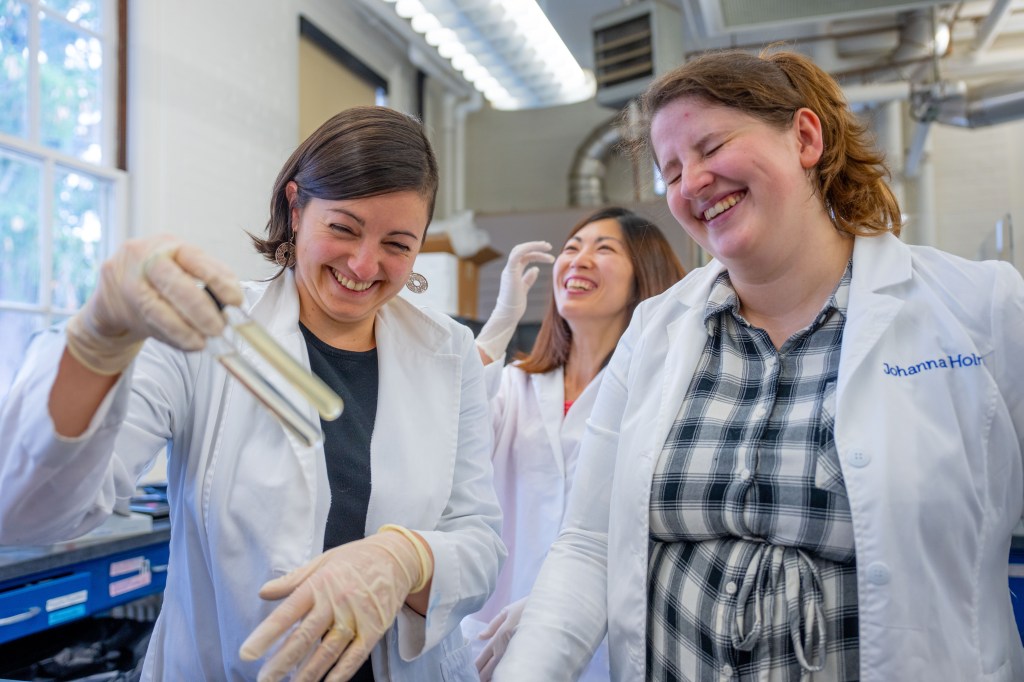
Sue Ishaq, Yanyan Li, and Johanna Holman, pose in various labs where the three research broccoli. Photo Credit: Patrick Wine, UMaine.
Benjamin Hunt
Johanna Holman completed her first year and a half of her PhD, starting when she completed her master’s in August 2022. She’s been managing multiple projects and teams this year, including a large-scale culturing assay of bacteria, a diet study in people, contributing to a literature review on oxidative stress and cruciferous veggies in the diet, leading a literature review on fiber intake and global distribution of inflammatory bowel diseases, and preparing for two large-scale mouse trials in 2024!!
Johanna was lead author on a very exciting publication about feeding steamed broccoli sprouts to young mice which had symptoms similar to ulcerative colitis, as a means of introducing anti-inflammatories into the intestines at the site of inflammation. The steamed sprouts were very effective in mice, especially in certain locations in the gut, which we are currently exploring in more detail. And, she was second author on Lola’s paper which makes two papers published for Johanna this year! Johanna is planning her comprehensive exam early in 2024, after which she’ll be eligible to apply for doctoral fellowships and funding.
Lola Holcomb passed her PhD qualifying exam this year and advanced to candidacy! The exam in the GSBSE program requires students to write a research proposal in the style of an NIH graduate fellowship on a topic which is different from their primary focus, but which uses similar methods or approach to what they have been learning. By requiring a new topic, the dissertation committee can assess a student’s ability to synthesize new information into a plan.
In addition to the written experimental design and accessory documents (about 20 pages), Lola presented her proposal to the committee in an hour-long presentation and then answered questions about experimental design and analysis for both the exam topic and the dissertation research topic. Lola passed easily, because she’s amassed research experiences in her undergraduate and graduate degrees and has a keen mind for bioinformatics. Now that she is a PhD candidate, Lola will proceed with her research into bacterial biogeography in the gut and how it affects human or animal health.
Lola was lead author on a very exciting publication on feeding raw broccoli sprouts to young mice which had symptoms similar to Crohn’s Disease, as a means of introducing anti-inflammatories into the intestines at the site of inflammation in mice where the immune system plays a large role in the progession of the disease. The raw sprouts were very effective in young juvenile mice, but only mildly effective in adolescent mice, which we are currently exploring in more detail. Lola won a travel award from GSBSE to present this research at microbiome conferences in 2024, and she was second author on Johanna’s paper which makes two papers for her this year! She also submitted her first large-scale funding proposal as a principal investigator, fingers crossed that is awarded!
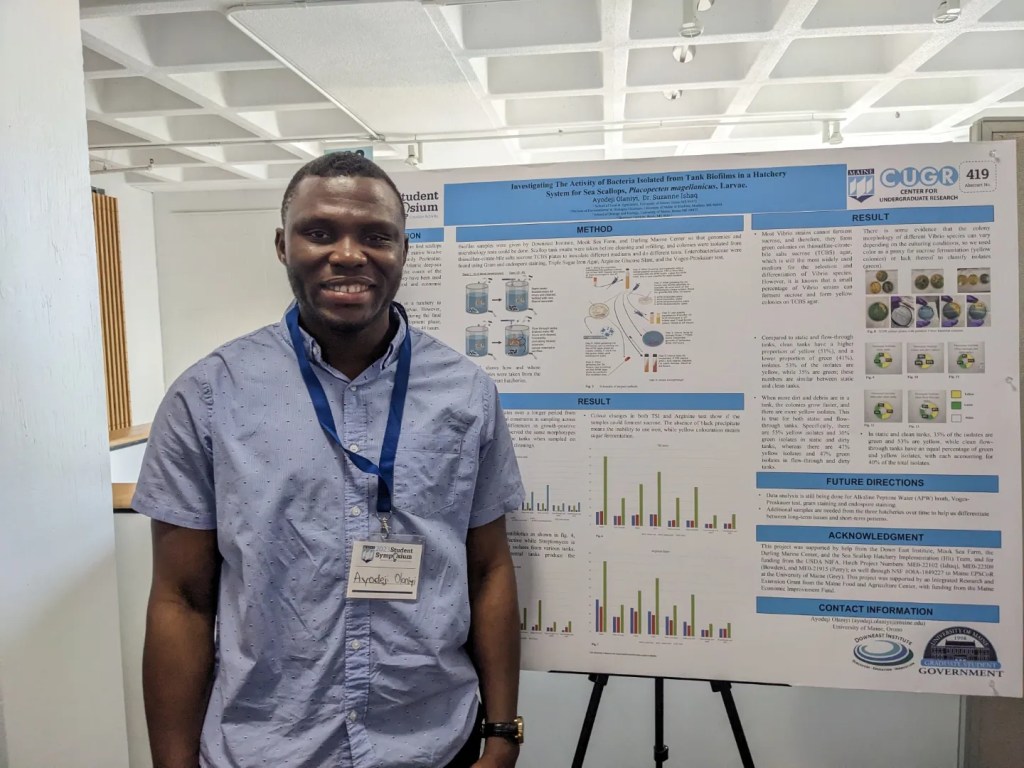
Ayodeji Olaniyi is wrapping up his master’s thesis in Animal Science, and is planning to defend in January before starting a new job as a researcher! He has been working on the scallop tank bacterial culturing project for which we processed 140 bacterial isolates last fall and into this spring. We hope to have a manuscript submitted for publication in early 2024.
There was a team of undergraduates helping us on this project, discussed more below. Ayo won a Graduate Student Research Award for this work at the UMaine Student Symposium, and a 2023 Travel award from the University of Maine Aquaculture Research Institute Rapid Response Fund to present this work at the NACE/MAS conference in January.
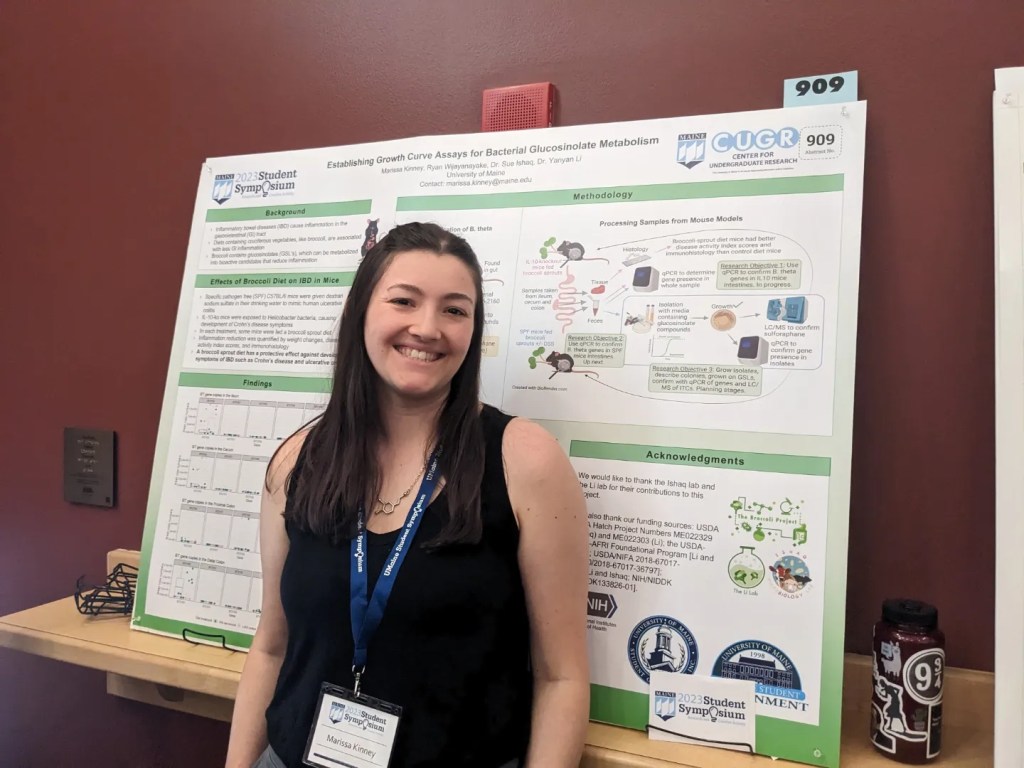
Marissa Kinney joined in January for her Master’s of Science in Microbiology, and has been involved in four of the broccoli projects already!! She contributed qPCR data and analysis to both Johanna’s and Lola’s papers, which makes two papers for her this year! She was awarded a One Health and the Environment NRT Fellowship 2023 – 2024 at UMaine, and was recently awarded research support from the Biomedical Association of Maine!!
Marissa has been providing labwork for several projects trying to quantify glucosinolate-metabolism genes in bacteria from the gut of mice and humans, as well as preparing multiple DNA libraries for sequencing. In early 2024, she’ll be an intern at the UMaine DNA Sequencing Facility where she will learn to generate sequencing data, and she’s been learning to perform the complex analysis of this data in my sequencing analysis class this fall. After her internship, Marissa will be running her own lab experiement, as well as helping on Johanna’s mouse trials.
Three graduate students joined the lab during 2023, Hannah Horecka as a master’s student through the Darling Marine Center working on aquatic animal health, as well as two students on #TeamBroccoli, Ashley Reynolds and Tolu Alaba. Ashley Reynolds is a PhD student in Nutrition/Microbiology who has been working on the broccoli sprout diet trial in humans and is learning the microbiology portion to participate in other projects soon.
Tolu (Esther) Alaba is a PhD candidate in the GSBSE program, and added her considerable expertise in nutrigenomics, and using dietary phenols to reduce oxidative stress and inflammation, to the lab starting in late September. She has been analyzing data on metabolites, metabolomics, and nutritional patterns in mice and humans. Even though she only recently joined the lab, she has already completed a literature review on oxidative stress and cruciferous vegetables in the diet which is currently in review, and she is helping to prepare two other manuscripts!
Alexis Kirkendall rejoined the lab in summer 2023 to work on bacterial isolates for the broccoli projects, and had been working remotely since she first joined the lab in summer 2022 as an REU student. She just completed her bachelor’s degree at Heidelburg College, and she’s rejoined the lab once again as a PhD student in Microbiology!! In addition to helping Johanna with the mouse trials and learning genomics from Marissa, Alexis will be working on understanding some of the enzymatic pathways that bacteria use to turn the inactive compound in broccoli/sprouts into anti-inflammatories.
Benjamin Hunt
Benjamin and Timothy Hunt have been working on several metanalyses and literature reviews on the translatability of mouse studies of Inflammatory Bowel Disease to human health, as well as data analysis for our collaborators at the University of Vermont. They both contributed bioinformatic analysis to both Johanna’s and Lola’s papers, which makes two papers for them this year!
In 2024, they will continue the data analysis on a small project run by our UVM collabotors, as well as continue working on their literature review. They are in the third year of their undergraduate studies, and are planning for medical school next.
Dr. Gloria Adjapong has continued to support the lab as a postdoctoral researcher at the UMaine Cooperative Extension Veterinary Diagnostics Laboratory on a two year fellowship, and has been generously lending a hand in the lab to help us with >700 DNA extractions and sequencing library preparations to investigate bacterial communities in scallop hatcheries. She recently passed a certification exam that will support her research career.
My dog, Izzy, has been dutifully coming to campus this fall to attend classes and entertain and calm the students, distract Zoom meetings by trying to climb out the window behind me, and help catalogue all the squirrels on campus. We threw her a 10th birthday party in class in April!
Two members of the Ishaq Lab added a “lab trainee” to their family in 2023, and a third lab member will be welcoming a “trainee” in 2024!! We haven’t found any infant-sized lab coats that are certified for the type of work we do, but we will keep shopping 🙂
Publications
We had a productive year for peer-reviewed journal publications – with 7 published! Several of these have been in development since prior to 2023, several are the first publications for students, and all of which are thanks to my fabulous research collaboration team that spans the globe. There are a handful more papers in peer review at scientific journals, and others which are in preparation that which we hope to submit for review in 2024. Below in bold; 1 undergraduate student I mentored, 2 graduate student I mentored for this project, some of whom are primarily mentored in other labs.
Hotopp2, A., Oslen, B., Ishaq, S.L., Frey, S., Kovach, A., Kinnison, M., Gigliotti, F., Roeder, M., Cammen, K. 2023. Plumage microbial communities of tidal marsh sparrows.iScience, Accepted 11/17/2023.
Alice is a lab affiliate, and is in Kristina Cammen and Brian Olsen’s labs working on swamp sparrow ecology. I contributed mentoring on DNA extraction and library preparation for amplicon sequencing, as well as bioinformatics analysis of the microbial community dataset.
This one dates way back to 2016 when I was a postdoc in Carl Yeoman’s lab in Montana! Omalola was a PhD student at the time, and is currently an Assistant Professor in Florida.
The Ishaq lab and our collaborators gave in-person and virtual presentations this year to scientific audiences, to students and faculty as guest seminars, and as media/news interviews. Students Johanna Holman, Lola Holcomb, Marissa Kinney, Ayodeji Olaniyi, Sydney Shair, and Keagan Rice gave or contributed to presentations in 2023. Undergrads that I mentored for their Capstone also presented at the UMaine Student Symposium, including Zach Inniss, Kurt Jancsy, and Ellie Pelletier.
Holcomb*, L., Holman, J., Hurd, M., Lavoie, B., Colucci, L.,Moses, P., Mawe, G.M., Perry, E., Stratigakis, A., Zhang, T., Ishaq, S.L., Li, Y. Early life exposure to broccoli sprouts confers stronger protection against enterocolitis development in an immunological mouse model of inflammatory bowel disease. American Society for Nutrition annual meeting, Boston, MA. July 22-25, 2023.
Holman*, J., Holcomb, L., Colucci, L. Baudewyns, D., Balkan, J., Chen. G., Moses, P., Mawe, G.M., Zhang, T., Li, Y., Ishaq, S.L. Steamed broccoli sprouts alleviate gut inflammation and retain gut microbiota against DSS-induced dysbiosis. American Society for Nutrition annual meeting, Boston, MA. July 22-25, 2023.
Toney*, A., Wolf, P., Ishaq, S. Broadening Perspectives by Situating Nutrition Education in Broader Social Contexts: A Study Protocol. American Society for Nutrition annual meeting, Boston, MA. July 22-25, 2023. (poster)
Holcomb, L. Early Life Exposure to Broccoli Sprouts Confers Stronger Protection against Enterocolitis Development in an Immunological Mouse Model of Inflammatory Bowel Disease. UMaine Student Symposium, Orono, ME. April 14, 2023.
Kinney, M. Establishing Growth Curve Assays for Bacterial Glucosinolate Metabolism. UMaine Student Symposium, Orono, ME. April 14, 2023.
Shair, S., Rice, K. Assessment of the Association of Sea Scallop Larvae Mortality and Vibrio spp. in Hatchery Systems. UMaine Student Symposium, Orono, ME. April 14, 2023.
Olaniyi, A. Investigating The Activity of Bacteria Isolated from Tank Biofilms in a Hatchery System for Sea Scallops, Placopecten magellanicus, Larvae. UMaine Student Symposium, Orono, ME. April 14, 2023.
Wijayanayake, R. Utilizing Sulforaphane from Broccoli to Treat IBD. UMaine Student Symposium, Orono, ME. April 14, 2023.
Inniss, Z., Jancsy, K. The Veterinary Immersion Plan: An Innovative Solution to Address Non Predictive Barriers to Entering the Field of Veterinary Medicine. UMaine Student Symposium, Orono, ME. April 14, 2023.
Pelletier, E. Assessing the Small Animal Veterinary Needs of Rural Maine and Implementing an Effective Management Plan. UMaine Student Symposium, Orono, ME. April 14, 2023.
I received several invitations to speak this year!
Ishaq, S. 9th Annual Southern California Microbiome Summit. Riverside, CA, September 22, 2023. (invited)
Ishaq, S. “Scallop microbes and sustainable aquaculture: host-microbe dynamics situated in environmental and social context.” Ecological Society of America (ESA) annual meeting. Inspire session: Microbes as Tools to Solve Ecological Problems for All. Portland, OR, August 6-11, 2023. (invited)
Ishaq, S. “Microbes and Social Equity: what is it and how do we do it?” Boston University Microbiome. July 12, 2023. (invited keynote).
This year has seen various topics come through the lab, and there’s too much to include here, but I encourage you to check through the Blog page to find older research posts which provide updates. These and other projects have been successful thanks to hard work and dedication from students and collaborators.
The collaborative work we’ve been doing on broccoli sprouts, gut microbes, and Inflammatory Bowel Disease had plenty to celebrate this year. We published two major research papers, presented across the country, and doubled the size of #TeamBroccoli.
In December 2020 and January 2021, we (Drs. Yanyan Li and Tao Zhang and I) ran a mouse trial that generated hundreds of samples. This year, Johanna has been leading a team of students (Alexis Kirkendall, Lilian Nowak, Aakriti Sharma, and Jaymie Sideaway) on a culturing project to screen hundreds of bacterial isolates that were collected from the gastrointestinal tracts of mice eating broccoli sprouts. We are testing them for their capacity to metabolize different glucosinolates into anti-inflammatory compounds, as well as grow on different media types. In the process, we found that the bacteria we are using as a positive control likes to move from one test well to another when its favorite media is available — but not when glucose is present.
Designed by Johanna Holman
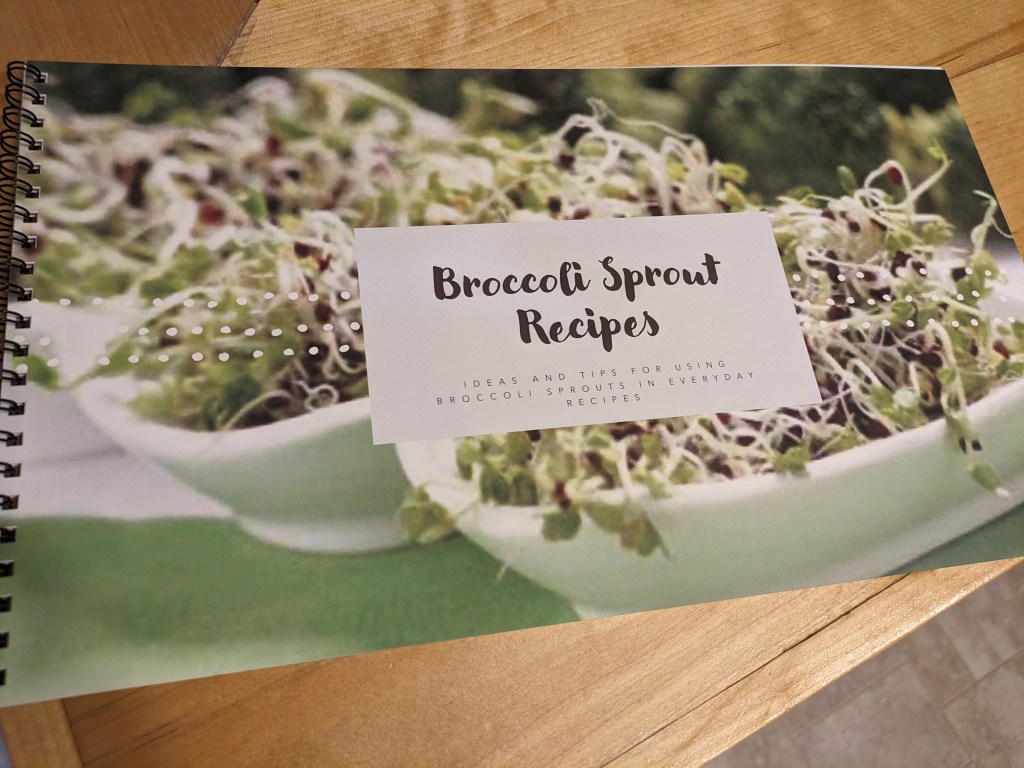
We are also running a small pilot project in 2023-2024 looking at broccoli sprout diets in humans, for which we designed a recipe book, stickers, and spent a lot of time revising protocols and instruction materials to make them more user-friendly. Johanna has been leading the project, and this fall, Ashley, Marissa, and Tolu joined the project to add their expertise in community nutrition, qPCR of bacterial genes, and nutrigenomics, respectively.
The Ishaq Lab has also been very busy working on projects to investigate how, when, and from where Atlantic sea scallops get their microbes.
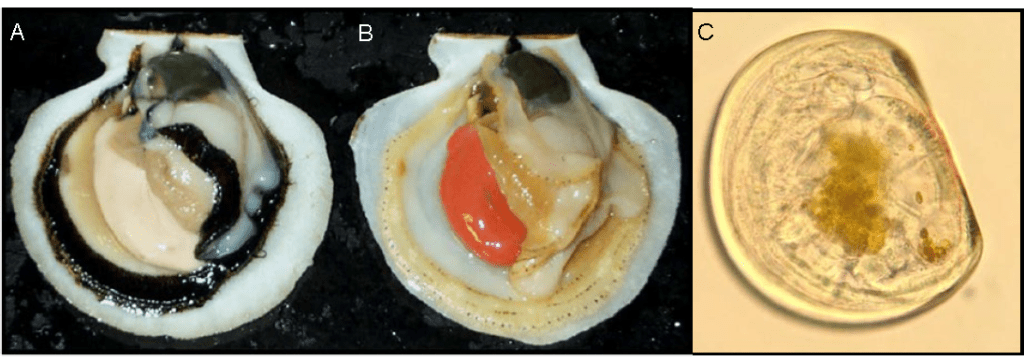
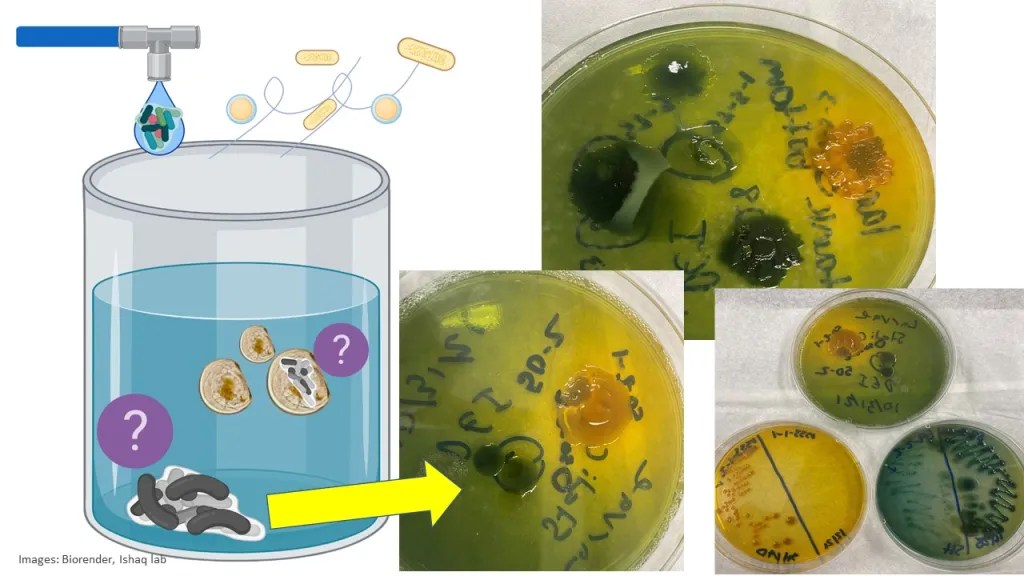
In 2021, a pilot study got funded to begin collaborative research with a team at UMaine (Drs. Erin Grey, Jen Perry, Tim Bowden) and the Downeast Institute (Dr. Brian Beal). We collected a few hundred samples from scallops and the biofilms growing in hatchery tanks. Last fall and this spring, we spent several months processing ~140 bacterial isolates through >1800 plates and tubes, thanks to a lot of work from students Ayodeji Olaniyi, Sydney Shair, Keagan Rice, and Lacy Mayo, and a few others who dropped in to help.
I went to the Ecological Society of America annual meeting in Portland, OR in August to present some of the companion work to the Vibrio project, on scallop larval rearing tanks and the bacterial communities we found there. That included an unexpected effect of coastal water dynamics and the phase of the moon. That work has recently been published.
This was a busy year for teaching, as I teach 2 courses in the fall and 2 in the spring, which total ~150-180 students per year. This year, to accommodate disruptions to student schedules over the past few years, I also taught a handful of independent study versions of the Capstone courses for students who could not fit them into their schedule in the recommended semesters. These are considered part of my assigned workload since I taught students who otherwise would have taken this with me during a scheduled course offering, but they did add to my long list of demands for my time this year. There is too much material on my teaching to go into detail here, but I recommend checking out my previous posts on listening to your microbes (a creative assignment), responsible conduct of research (something I integrated into coursework), moving to suggested deadlines, choosing a graduate school, and how departments decide on their curricula.
Website and social media stats
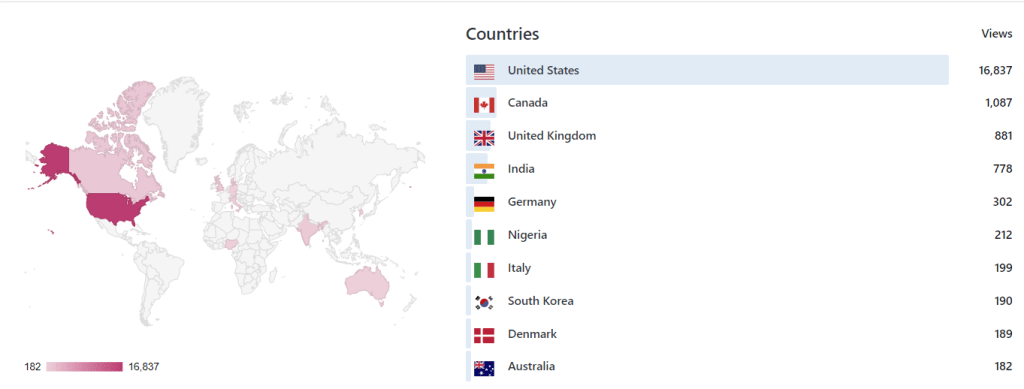
The website continued to host a phenomenal amount of traffic, once again largely due to MSE, and with just a few days left in the year we clocked nearly 15,000 visitors (the most ever!) and nearly 25,000 views (almost the most ever)!
We had visitors from 125 countries around the globe, with the top 10 listed in the graphic below!
I published 70 blog posts, including this one, but this included a few dozen that were just promoting events for MSE and did not have unique content.
I wrote more than 41,400 words in posts this year, which is more than last year!
Looking ahead to 2024
Projects: The Ishaq Lab has several major projects lined up for 2024, including the ongoing broccoli sprout diet pilot project with volunteers from the Bangor area, screening >800 bacteria for their ability to produce anti-inflammatories which we isolated from a mouse study using the broccoli sprout diet, investigating how the age of mice alters the effectiveness of the broccoli sprout diet, identifying 140 bacteria isolated from scallop hatchery tanks, and using >700 DNA samples collected from scallop tanks over a 3 month period to investigate what happens to the bacterial communities in tanks during a larvae rearing trial.
Leadership: In 2024 I will be starting my three-year term as the At Large Early Career member of the Board of Directors for the American Society for Microbiology, a 36,000-member international organization!
Tenure: I applied for tenure in the fall of 2023, and will hear back about the university’s decision in 2024. I look forward to celebrating my promotion to tenured Associate Professor 🙂
Work-life balance: My workload in 2022 far exceeded what I should be taking on, and in 2023 I had to set firmer limits on requests for my time, turn down opportunities, and catch up on work during my personal time to an excessive degree. In 2023, it was still too much – I worked well over 40 hours per week, even during one month in the summer that I was off contract. Despite this, I managed to enforce time off for myself which is critical to scientific progress. As part of this effort, I made it a point to add personal travel days to my work trips, as I traveled to sunny locations and met with incredible friends and colleagues.
In support of healthy restraints on my working hours, I will have to continue to limit requests for my time in 2024 to those which build on my existing directions of teaching and research. Unfortunately, this means turning down many potential collaborations in completely new areas of research for me, to facilitate my focus on the wealth of research and teaching I currently have which fill my days (and weekends) with novelty, surprise, and joy.
The Ishaq Lab is ecstatic to welcome Alexis Kirkendall for the third time — this time as a PhD student of Microbiology!!
Alexis Kirkendall originally joined the lab in summer 2022 for ten weeks through the Research Experience for Undergraduates program through the NRT Initiative for One Health & the Environment. During that time, she learned various laboratory techniques related to microbiology and genomics, and participated in several projects which investigated the microbes associated with several species of livestock. Alexis picked these up so quickly that she acted as project manager for one of them and trained other undergraduates and a graduate student in the lab. Within a few weeks of arriving here, Alexis was working independently in the lab, and we began talking about her joining the lab for a graduate program.
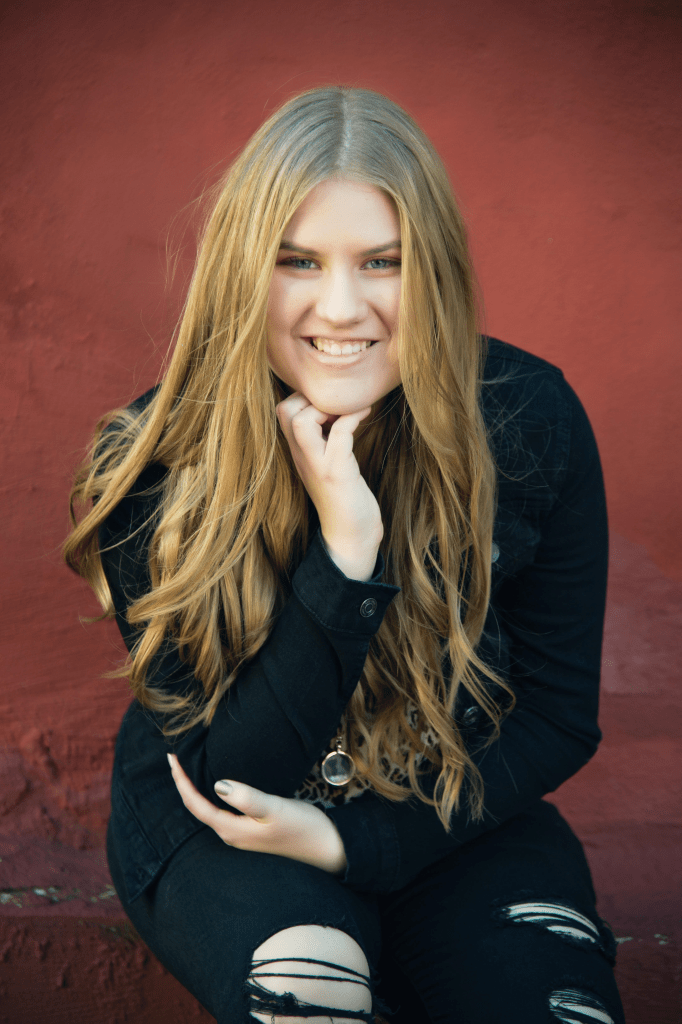
Alexis Kirkendall processing microscope slides.Alexis Kirkendall collected samples from calves.
Over the 2022/2023 academic year, Alexis continued to work with me remotely as she went back to continue her bachelor’s at Heidelberg College. This included data analysis and visualization of RNA transcriptomic data from the rumen of camels, as well as presenting results from her summer work at the UMaine REU student symposium, the Heidelberg College student research symposium, and a national conference:
Kirkendall*, A., Ishaq, S. Taking on Multiple Research Projects in a NSF Research Experience for Undergraduates (REU) Summer Program as a Disabled Undergraduate Student. ABRCMS annual meeting, Anaheim, CA, November 9-12, 2022.
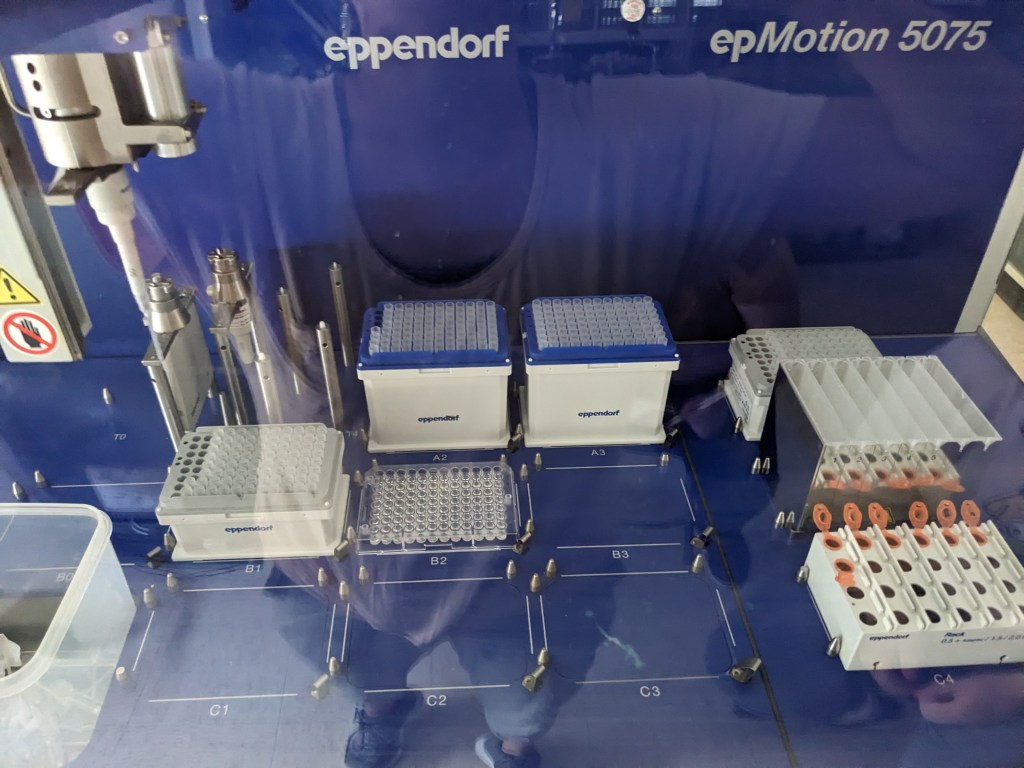
In summer 2023, she again joined the lab as an undergraduate research assistant, where she worked with a team of undergraduate and graduate students working on anaerobic culturing and growth trials for bacteria isolated from mice consuming a broccoli sprout diet, to determine their activity for converting a dietary compound into an anti-inflammatory to resolve Inflammatory Bowel Disease. She got our robotic liquid handler programmed for that project, too! The summer work laid the groundwork for the dissertation work she’ll be completing with me.
Alexis Kirkendall, Jaymie Sideaway, Aakriti Sharma, Sue Ishaq, Johanna Holman, and Lilian Nowak.
Alexis graduated early (Dec 2023) and is rejoining #TeamBroccoli to work on how different cooking preparations affects the way gut microbes turn an inactive component into an ani-inflammatory in the intestines, as a way to reduce symptoms in Inflammatory Bowel Disease. We have been benchmarking some of those gut microbes for their capacity for GLR metabolism to produce SFN, and our long-term goal is to develop a dietary preparation of broccoli sprouts and a probiotic which have therapeutic effects against IBD in humans.
In addition to the lab work and research, Alexis has also been heavily involved in the Microbes and Social Equity working group. She participated in MSE’s symposium in 2022 and 2023, acting as a notetaker to facilitate discussions between invited speakers, MSE members, and other audience members, and organizing of the meeting by helping to create agendas and notes documents on behalf of the session organizers. In 2024, she’ll continue to help me curate events and develop content for MSE.
The American Society for Microbiology is an internationally recognized scientific society that promotes research, education, and policy related to microbiology in all aspects of our lives. I’ve been a member since 2011, have been to several meetings, and have published several times in ASM journals, and have spent quite a bit of time envisioning how scientific societies can foster the next generation of researchers. And now…
I’m eager to learn from ASM leaders about how best to support my scientific community! I hope to use my time on the board to identify ways that ASM can remove barriers to participating in science that early-career researchers face. You can find info on next leadership team here.
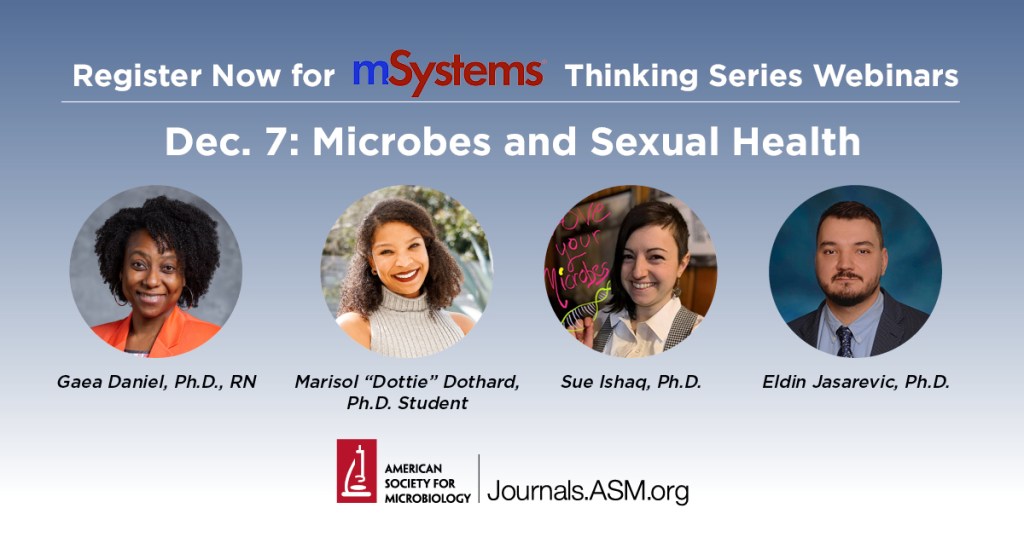
I’ll be hosting a webinar later today in the mSystems Thinking Series, which focuses on the topic of “Microbes and Sexual Health”. Hear from experts in microbiology and human health, and join the conversation on how to engage in this research with empathy and inclusiveness.
I’ll be hosting a webinar in the mSystems Thinking Series, which focuses on the topic of “Microbes and Sexual Health”. Hear from experts in microbiology and human health, and join the conversation on how to engage in this research with empathy and inclusiveness.
Dec 7, 2023, 4 pm ET.
The webinar was free with registration. You can check out the recorded webinar on the mSystems Youtube channel here.
Speakers:
Gaea Daniel, Ph.D., RN, assistant professor, Nell Hodgson Woodruff School of Nursing, Emory University.
Marisol Dottie Dothard, Ph.D. student, University of California, San Diego.























 The Ishaq Lab