The new fall semester always brings new undergraduate researchers to the lab, and we are pleased to welcome these students to #TeamBroccoli! A few other undergraduates who did not contibute bios yet have also been shadowing in the lab this semester, and are considering joining the lab to complete their senior research projects.
New undergrad researchers joined us in 2024 from several programs on campus!
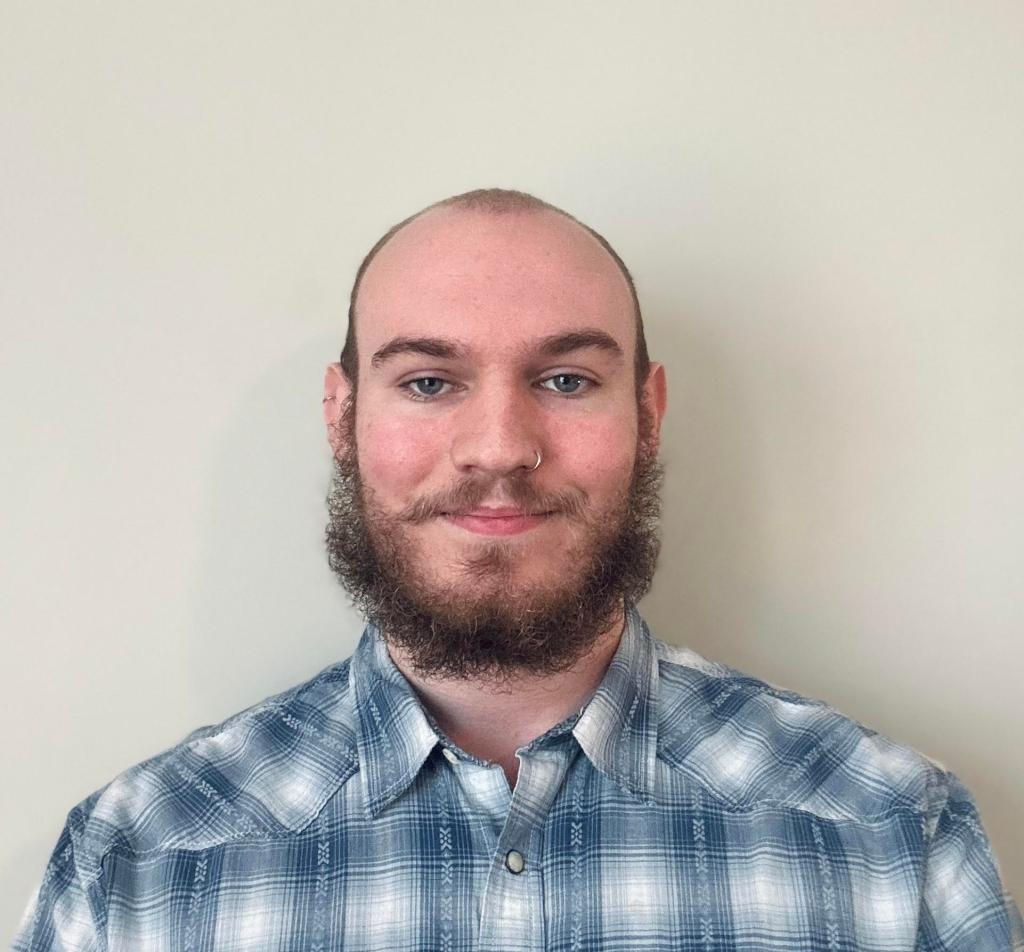
Isaac Mains
Undergraduate Researcher, Microbiology
Isaac is a BS microbiology student working to complete his undergraduate degree at the University of Maine in 2025. After graduation, he plans to pursue a Masters’ in medical science and ultimately wishes to attend medical school to become a practicing physician. His research interests include the gut microbiome and dysbiosis. He grew up in Bar Harbor, Maine, and has a great appreciation for the outdoors, stemming from his years spent living in Acadia. He joined the Ishaq lab in fall 2024, and is looking forward to helping spread awareness of issues surrounding social equity and host microbiome interactions.
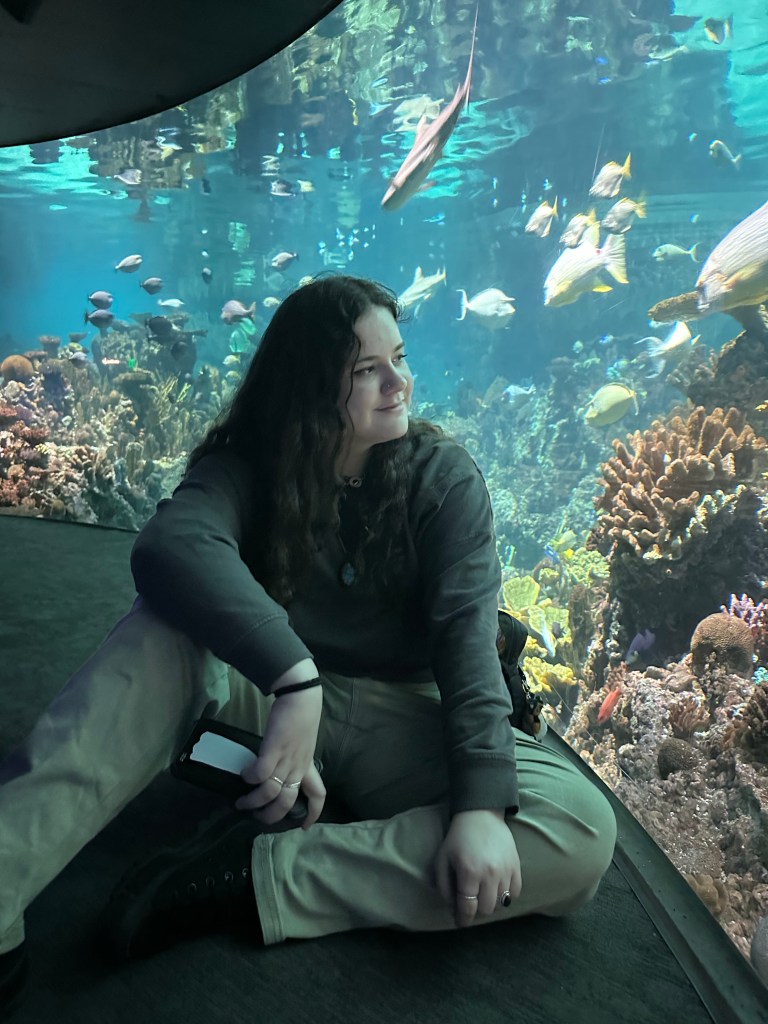
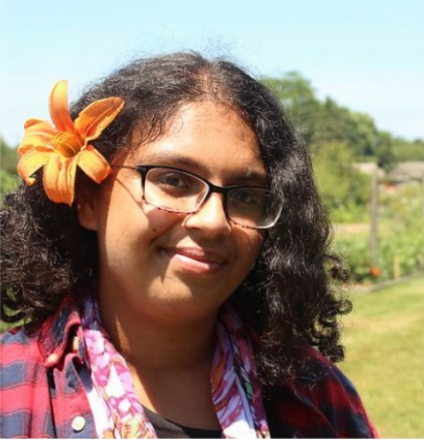
Miriam Talalay
Undergraduate researcher, Zoology and Veterinary Studies Mira is in her third year at University of Maine where she is studying Zoology and Veterinary Studies with the goal of becoming a wildlife researcher and rehabilitator. She is from Maryland but grew up spending time at her grandparents’ camp in Surry, Maine. Her grandfather (Dr. Paul Talalay) is the researcher from Johns Hopkins University who discovered the chemoprotective properties of sulforaphane from broccoli, so she is happy to be a part of his legacy on Team Broccoli.
Mira is an avid wildlife photographer and kayaker. She also plays violin in her spare time and has played with the University of Maine orchestra. Prior to coming to UMaine, she was awarded Duke of Edinburgh’s International Silver Award USA , Young Woman of the Year (Baltimore County Commission for Women), President’s Volunteer Service Award, US Congressional Award for Voluntary Service and Personal Development (Gold Medal), and a Maryland Governor’s Citation for Voluntarism. She is currently working on the Gold Medal requirements for the Duke of Edinburgh’s International Award.
Emelia Tremblay
Undergraduate Researcher, Microbiology, University of Maine
I am an undergraduate who is due to graduate in the Spring of 2025. Outside of the lab I work in Athletics as a Student Supervisor, I am the Vice President of Academics in Delta Phi Epsilon, and the Vice President of Judicial Affairs and Risk Management of the Panhellenic Council at UMaine. I was a Quality Intern in the laboratory at Edesia Nutrition, which partners with UNICEF and WFP to provide a fortified peanut butter supplement for malnourished babies in underdeveloped countries. I hope to attend grad school to further my education in either microbiology or public health. I would like to ultimately work in a research lab studying the human microbiome or work to bridge the gap between scientists and the general public through Public Health Communication.
Grad Students
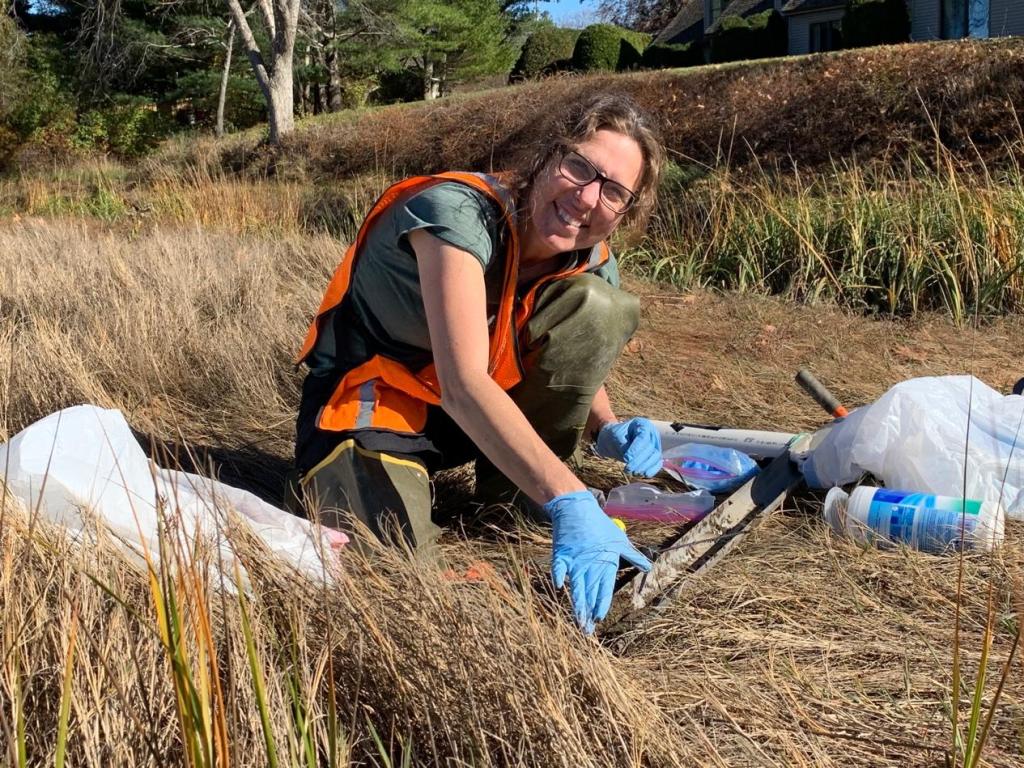
Heather Richard is a PhD student who has been working with the lab for over a year on her project, and who formally joined the lab in early 2024. Since her field work is seasonal, it took us awhile to get her welcome post put together!
Heather Richard, B.A., M.S.
Doctor of Philosophy student, Ecology and Environmental Sciences. Heather is being co-advised by Dr. Peter Avis
Heather joined the University of Maine in 2021 as a PhD student with the Maine eDNA program and studies the impacts of bridges and roads on microbial communities in salt marsh habitats. Her background in Ecology led her to pursue a career in informal environmental education for several years before getting a Master’s degree in Marine Biology from San Francisco State University studying biofilms on microplastics pollution. Upon returning to Maine in 2016 she led local research for a coastal non-profit organization and has since been dedicated to studying coastal environmental issues relevant to Maine. She has found a true passion in bioinformatic analysis and is eager to learn new tools for data analysis of all kinds.
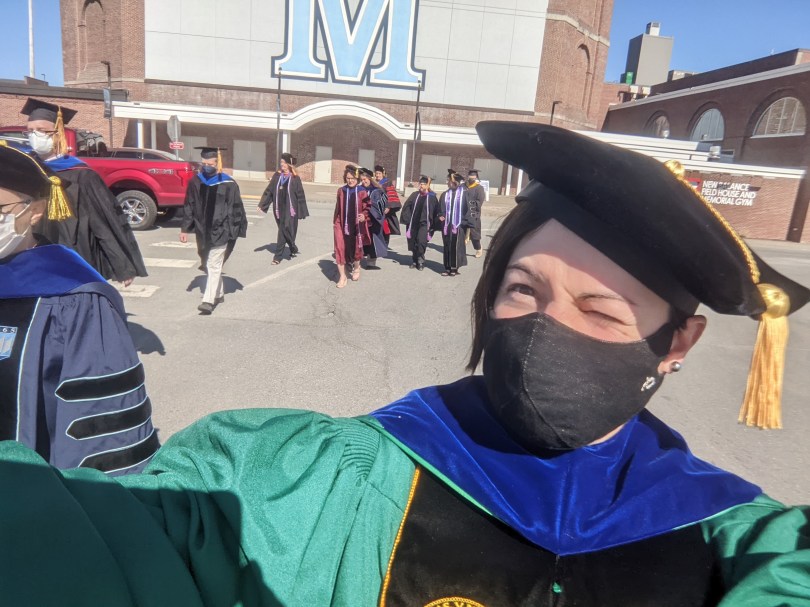
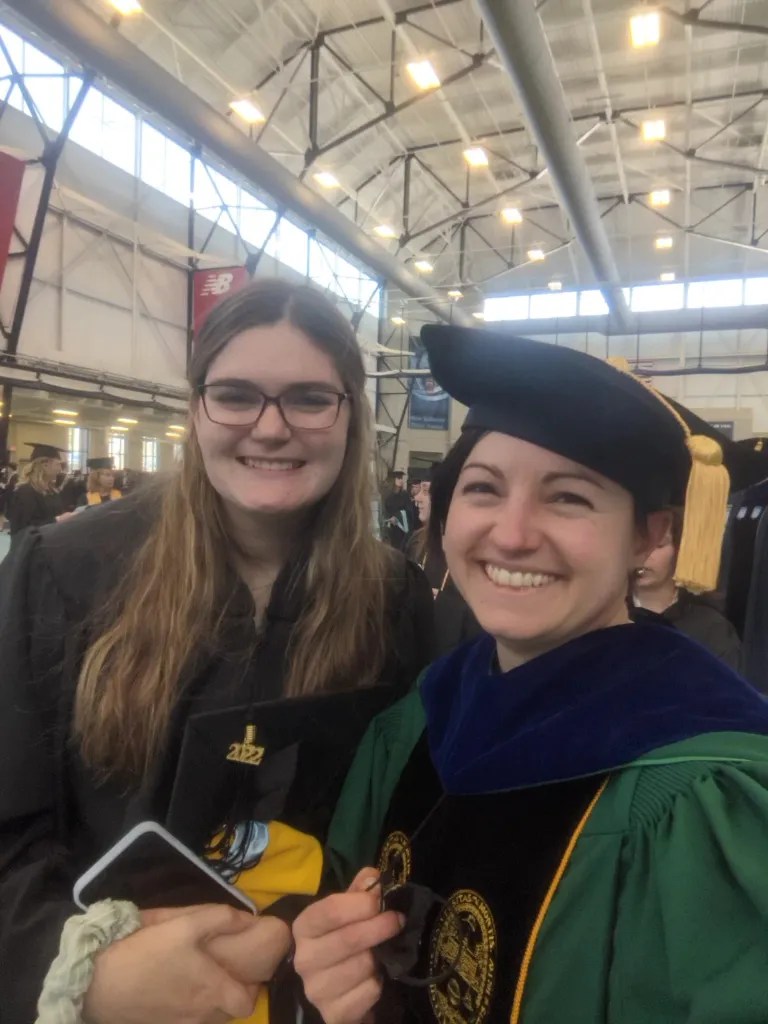
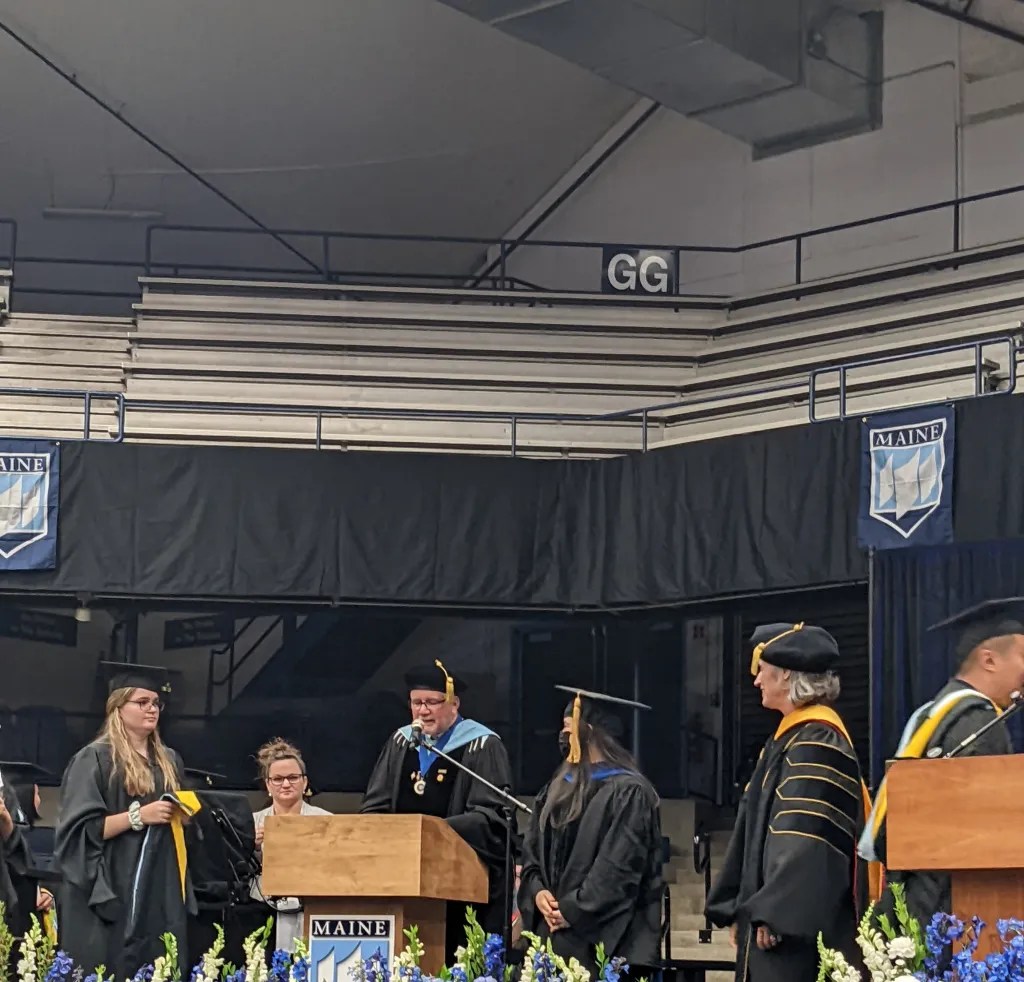
UMaine and many other universities are having in-person graduation ceremonies, and welcoming students who are graduating this year, as well as those who finished in 2021 and 2020 who were not able to walk in a regular ceremony. I made it to the ceremony for the graduates, so I could cheer on Sarah, where over 400 of the more 600 total graduate students matriculating got hooded and recognized for their achievement.
This year, many Ishaq Lab members walked across the stage and off into the next step in their life.
Sarah Hosler, Animal and Veterinary Science Master’s of Science student, who will be defending her thesis this summer and is considering her next career step.
Johanna Holman, Food Science and Nutrition Master’s of Science student, who will be defending her thesis this summer and returning this fall for a PhD!
Rebecca French, AVS undergrad who did her Capstone project as part of the squirrel pilot project I ran this past year. Rebecca won a research grant for this work. She is heading to vet school in Long Island!
Morgan Rocks, AVS undergrad who did her Capstone project as part of the squirrel pilot project I ran this past year. She is heading to vet school in the midwest!
Natalie Sullivan, AVS undergrad who did her Capstone project as part of the Cryptosporidium pilot project we are running. She is planning to work for a year before pursuing vet school.
Jade Chin, AVS undergrad who defended her Honor’s Thesis in 2021 and was awarded High Honors for it, has been in Glasgow, Scotland, for her senior year/first year of veterinary school there.
Myra Arshad, an REU student who is graduating from Stoney Brook University. She’s taking a year to work in research before pursuing a graduate degree.
In addition, we had a handful of other undergraduate students who performed their independent research for their Capstone projects in the Ishaq Lab graduate this year.
Some of the 2021/2022 Ishaq Lab members. From the left: Sophia, Isabelle, Rebecca, Morgan, Natalie, and Sue.Some of the 2021/2022 Ishaq Lab members. From the left: Maria, Sue, Sarah, and Ayodeji.
It’s a new school year, and that means new members have joined the Ishaq Lab team – primarily undergraduates in Animal and Veterinary Sciences who are participating in research in fulfillment of their Capstone Experience senior projects. Over the next few months, we’ll be sharing more details about our new team members and their projects.
While UMaine is back on campus, not all of our students are local, so we had a hybrid meeting of in-person and Zoom attendees. We have members at Husson University in Bangor, Maine; Tufts University in Medford, Massachusetts; and Stony Brook University in Stony Brook, New York!
We use collaborative file sharing such as Google Drive, virtual meeting spaces like Zoom, and messaging platforms such as Slack for a few projects to facilitate our research and keep track of information. To help us connect more easily, and especially to help get everyone in my office on screen together, we’ll be adding more virtual conferencing equipment, too.
Most of the Ishaq Lab Fall 2021 team were able to make it to a Welcome Meeting recently.
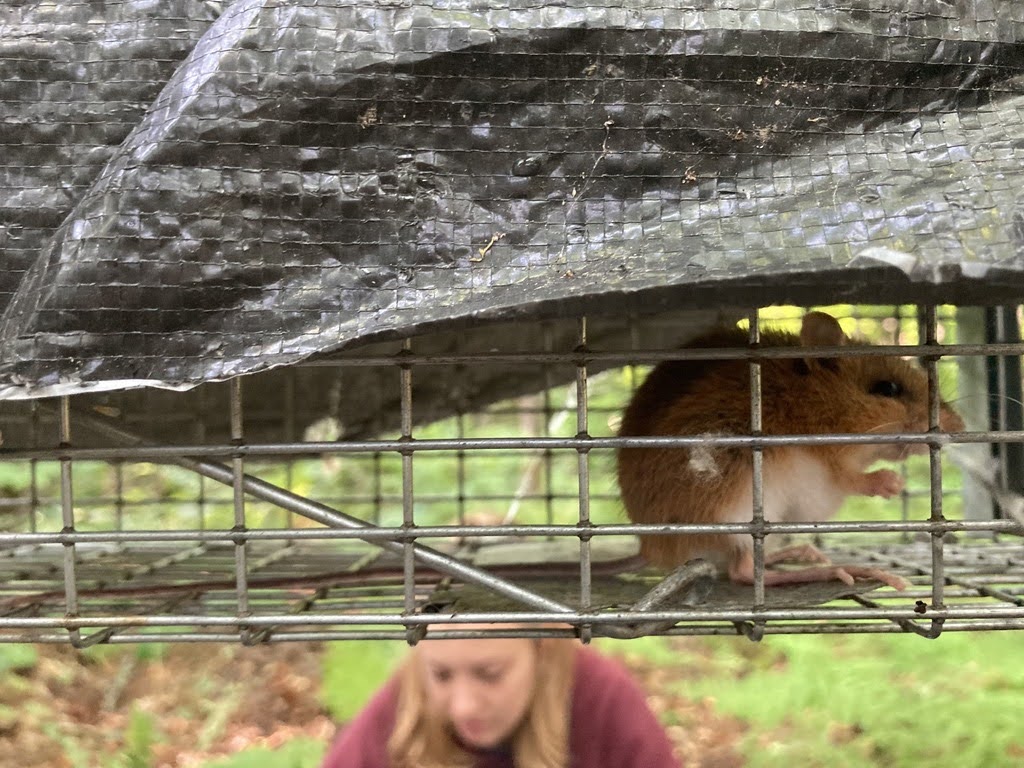
Funded by the University of Maine Rural Health and Wellbeing Grand Challenge Grant Program, this project assesses pathogen carriage by mice and flying squirrels on or near farms in several locations in Maine. We live-capture mice and flying squirrels in traps, collect the poop they’ve left in the trap, and conduct a few other health screening tests in the field before releasing them. To maximize the information we collect while minimizing stress and interference to the animals, information is being collected for other projects in the Levesque Lab at the same time. We will be collecting samples for another few weeks, and then working on the samples we collected in the lab over the fall and winter.
One of the major goals of the funding program, and this project, is to engage students in research. After a few months on the project, some of our students describe their role and their experiences so far…
Marissa Edwards
Undergraduate in Biology
Levesque Lab
Hi! My name is Marissa Edwards and I am an undergraduate research assistant with Danielle Levesque. This summer, my role has been to set traps, handle small mammals, and collect fecal and tissue samples from deer mice.
One of the skills I’ve learned this summer is how to properly ear tag a mouse. To catch mice, we set traps across UMaine’s campus as well as other parts of Maine, including Moosehead Lake, Flagstaff Lake, and Presque Isle.
During our trip to Moosehead Lake, I saw a marten for the first time (it was in one of our traps). I did not know martens existed and initially thought it was a fisher cat. It was both a cool and terrifying experience!
Elise Gudde
Master’s Student of Ecology and Environmental Sciences
Levesque Lab
Hello, my name is Elise Gudde, and I am currently a master’s student at the University of Maine in the Ecology and Environmental Sciences program. I work in Dr. Danielle Levesque’s lab studying small mammal physiology in Maine.
This summer, as a part of the squirrel project, I work to trap small mammal species in Maine, such as white footed mice, deer mice, and flying squirrels in order to determine which species have shifted their range distributions as a result of climate change. Being a part of the research team, this summer has brought me all over Maine! I have been able to travel to Orono, Greenville, New Portland, and Aroostook County to study many interesting mammals. I even got to handle an Eastern chipmunk for the first time! As a member of the animal-handling side of the research team, I also collect fecal and tissue samples from the animals. These samples are then handed off for other members of the team to research in the lab!
Rebecca French
Undergraduate in Animal and Veterinary Sciences
Ishaq Lab
In the beginning of this project, I had no idea what I was getting myself into when I began researching flying squirrels and mice. I came into it with almost no in-person lab experience, so I had a lot to learn.
So far, I have been focusing on making media on petri dishes for culturing bacterial growth and after plating fecal bacteria on said plates; discerning what that growth can be identified as.
We are using media with specific nutrients, and colored dyes, and certain bacteria we are interested in will be able to survive or produce a color change. I have also been performing fecal flotations and viewing possible eggs and parasites under a microscope. What I’ve found most fun about this project is putting into practice what I have learned only in a classroom setting thus far. It is also very satisfying to be a part of every step of the project; from catching mice, to making media, to using that media to yield results and then to be able to have a large cache of information to turn it all into a full fledged project.
Some of the media used to culture bacteria from the feces of mice and squirrels.
Joe Beale
Undergraduate in Animal and Veterinary Sciences
Kamath Lab
Hello! My name is Joseph Beale, and I am an undergraduate at the University of Maine working on the squirrel project as a part of my capstone requirement for graduation. My primary responsibility in this project is the molecular testing of samples obtained from the field. Primarily I will be working with ear punch samples taken from flying squirrels and field mice. DNA extracts from these field samples will be run via qPCR. The results of this qPCR will tell us if these squirrels are carrying any pathogens.
The pathogens we will be testing for are those found in Ixodes ticks. The qPCR panel which we will be running the extracted DNA from the ear punches on tests for Borrelia burgdorferi, the causative agent of Lyme disease, Anaplasma phagocytophilum, the causative agent of anaplasmosis, and Babesia microti, the causative agent of Babesiosis. These pathogens and respective diseases discussed are all transmitted through Ixodes ticks. Deer ticks are the most common and famous of the Ixodes genus. The Ixodes genus encapsulates hard-bodied ticks. Along with deer ticks, Ixodes ticks found in Maine include: woodchuck ticks, squirrel ticks, mouse ticks, seabird ticks, and more. Mice and squirrel are ideal hosts for these Ixodes ticks, therefore becoming prime reservoirs for these diseases. In our research, we are interested in determining the prevalence of these diseases in squirrels and mice as these hosts can spread these diseases to humans and other animals in high tick areas.
qPCR, quantitative polymerase chain reaction, allows for the quantification of amplified DNA in samples. This will help tell us if these pathogens are present in samples and in what capacity. In qPCR provided DNA strands are added to the reaction. These strands match with the genome of the intended pathogens. If the pathogens are present in our samples, the provided DNA strands will bind to the present pathogen DNA. PCR will then work to manufacture billions of copies of this present pathogen DNA.
When not working on this project, I also work in the University of Maine Cooperative Extension Diagnostic Research Laboratory as a part of the Tick Lab. In this position I have honed the molecular biology skills that I will in turn use for the squirrel project.
Hello everyone! My name is Yvonne Booker and I am a rising senior, animal and poultry science major at Tuskegee University in Tuskegee, Alabama. I am interested in animal health research, with a particular focus in veterinary medicine. I’ve always wanted to be a veterinarian, but as I progressed throughout college, I became interested in learning more about animal health and how I might help animals on a much larger and impactful scale–which led me to the REU ANEW program. Currently climate change is causing an increase in global temperatures, putting pressure on animals’ ability to interact and survive within their environment. Consequently, scientists are now attempting to understand not just how to prevent climate change, but how these creatures are adapting to this emerging challenge.
My research experience this summer is geared toward addressing this global issue. I am currently working in Dr. Danielle Levesque’s Lab, which aims to study the evolutionary and ecological physiology of mammals in relation to climate. My project involves conducting a literature review of the microbiome of mammals, to learn more about how their microbial community plays a role in how they adapt in a heat-stressed environment.
Our knowledge of vertebrate-microbe interactions derives partly from research on ectotherms. While this research paves the path for a better understanding of how organisms react to temperature changes, fewer studies have focused on how mammals deal with these extreme temperature shifts—specifically, the abrupt surge in climate change. The ability of endotherms to thermoregulate alters our knowledge of (1) how mammals create heat tolerance against these environmental challenges and (2) how this internal process alters mammals’ adaptability and physiology over time. We suggest that the microbiome plays an essential part in understanding mammals’ heat tolerance and that this microbial community can help researchers further understand the various processes that allow mammals to survive extreme temperatures.
As a student of the REU ANEW program my goal was to go out of my comfort zone and study animals in an applied fashion that would impact animal health on an environmental and ecological scale; and this program was just that! My mentor, Dr. Levesque was wonderful in guiding me through conducting this research, while giving me the independence to create my own voice. The program directors, Dr. Anne Lichtenwalner and Dr. Kristina Cammen, have also been extremely supportive throughout this entire program equipping students with the tools they need to succeed as researchers. Although research was my primary focus this summer, some of my favorite memories involved building community with the students and the staff. From weekly check-ins on zoom to virtual game nights of complete smiles and laughter, this program has been one for the books! The One Health and the Environment approach to this Research Experience for Undergraduate students has encouraged me to build on my curiosity within the field of science, and I’m looking forward to applying what I’ve learned to my career in the future.
No one is sorry to say goodbye to 2018, yet it still seems like the 2018 Year in Review has arrived too soon. As usual, I’ve been keeping busy; you can find my reviews for 2017 and 2016 in the archives. For the first year in the three years since I started this blog, I’m not starting a new job! I’ve been at BioBE for a year and a half, and it’s a relief to be in an academic position long enough to finish the projects you started (I’m only just starting to submit some manuscripts for work I did back in Montana).
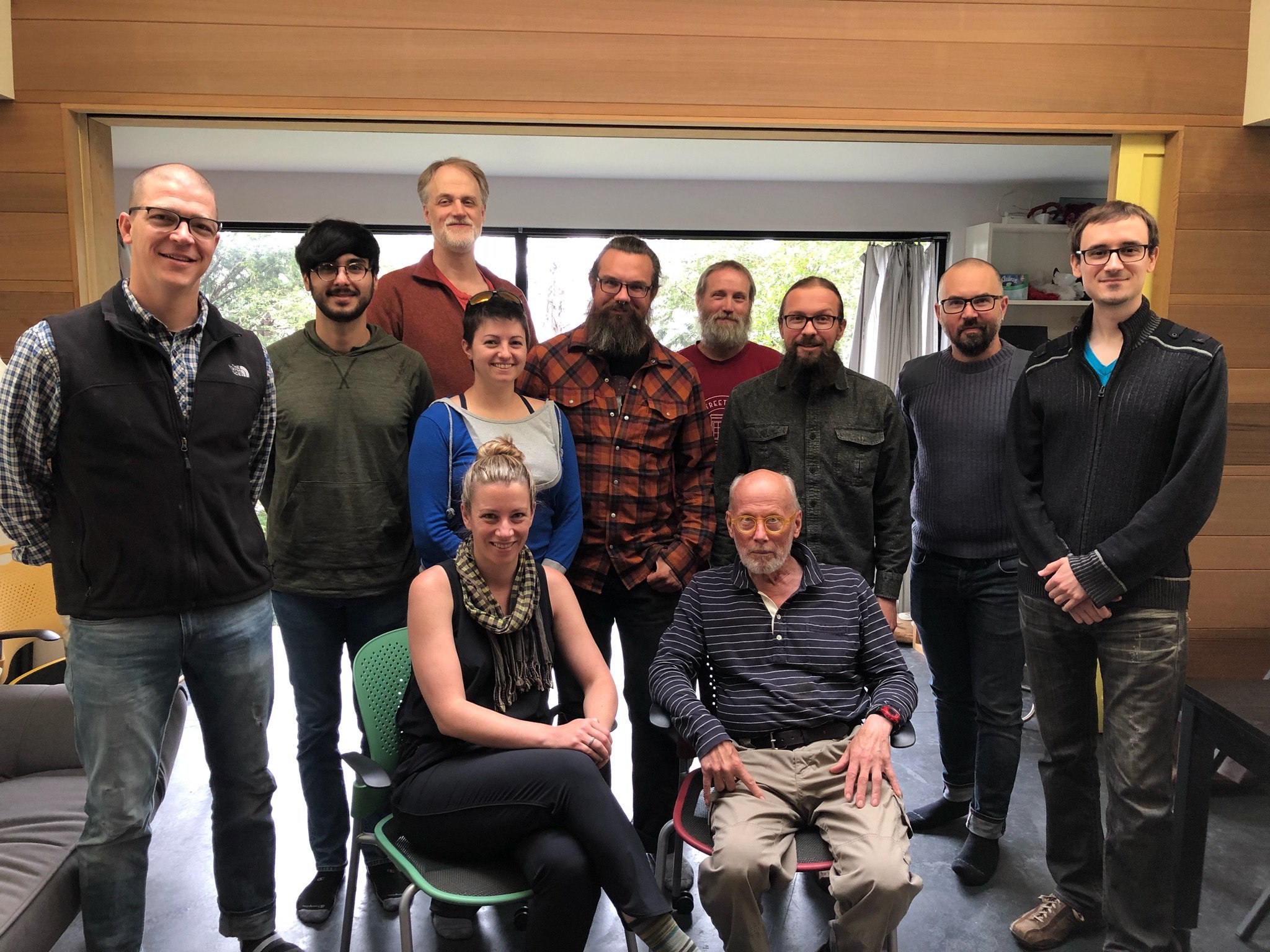
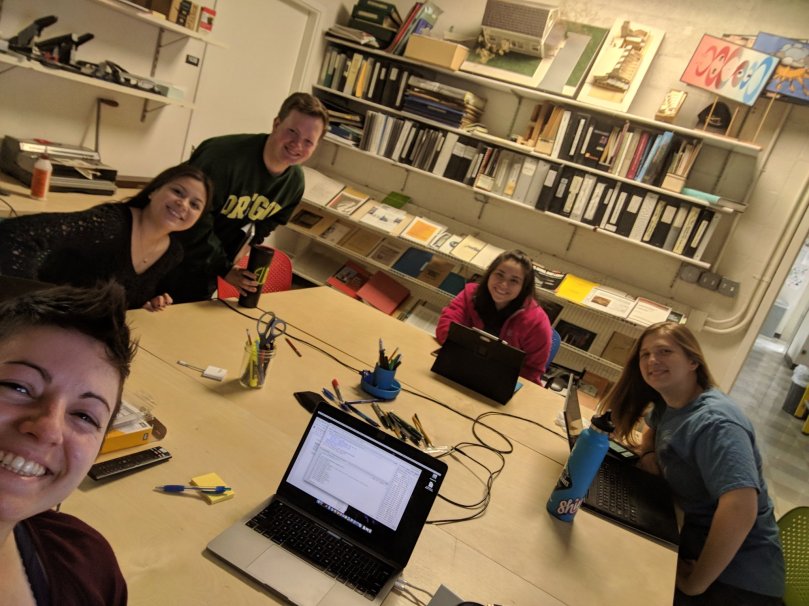
BioBE and ESBL staff (not all pictured), Sept 2018
Research
Two papers of mine were published this year, including one on the bacteria along the GI tract of calves, one on the effect of dietary zinc on bacteria in sheep. A comprehensive culturing initiative of rumen microorganisms, called the Hungate 1000 Project, an international initiative to which I contributed data, was also published. That puts me up to 17 scientific articles, of which 9 are first-authored, as well as 5 scientific reviews. I have three manuscripts in review right now, and another five being prepared – 2019 will be a busy year.
I joined two journal editorial boards this year, PloS One and Applied and Environmental Microbiology. Both positions are as an Academic (or handling) Editor; I will oversee manuscript review by soliciting reviewers, assessing their recommendations, and interfacing with authors. In recent years, the gender discrepancy in science has received more attention, and some journals are making efforts towards increasing the number of female editors, reviewers, and contributors to reduce implicit bias in science publishing. I am pleased to be in a position where I can help change that!
I’ve been spending a lot of time writing grants and developing potential projects on microbiology and health in the built environment, many of which should be moving forward in 2019. I’ve also been spending time training the 9 undergraduate students I hired over the summer and fall to work at BioBE. In addition to microbiology and molecular biology laboratory skills, I have been training them on DNA sequence analysis and coding, scientific literature review, and science writing and communications.
Teaching
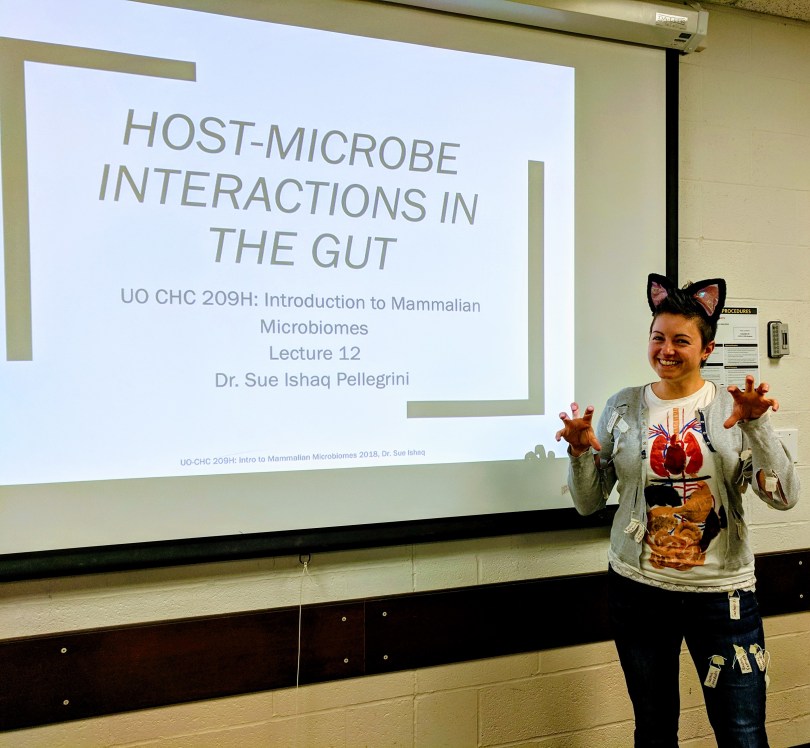
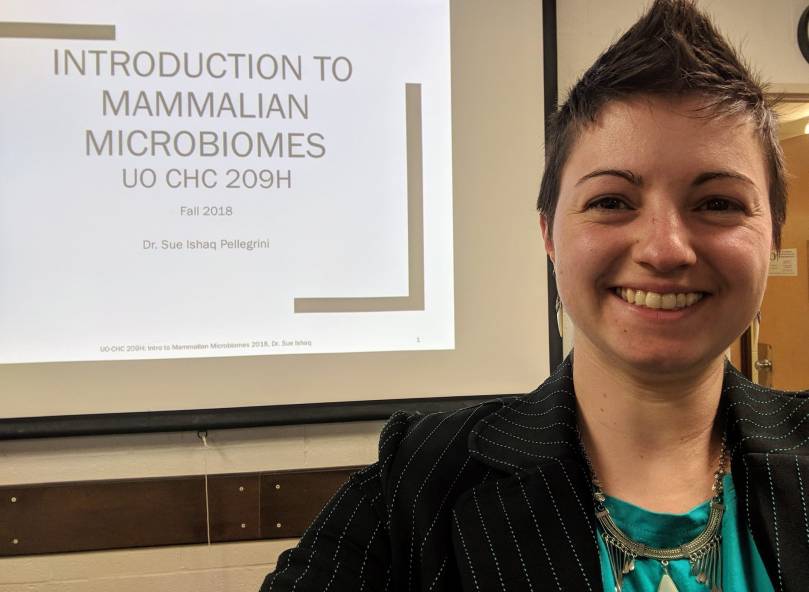
This fall term, I taught Introduction to Mammalian Microbiomes for the University of Oregon Clark Honor’s College. I proposed this new course last year, and developed the curricula largely from scratch. I’d previously taught some of the subject material at Montana State University in Carl Yeoman and Seth Walk’s Host-Associated Microbiomes course; however in IMM I was teaching to non-science majors. The course went well, and I’ll be diving into it in detail with a full blog post in a few weeks. I proposed the course again for next year, as well as another new course; Microbiology of the Built Environment.
What better way to learn about host microbiota than an anatomically-correct dissected cat costume?
Presentations and travel
Early in the year, I gave two public talks on the gut microbiome for Oregon Museum of Science and Industry; one in Eugene and one in Portland. Both were a lot of fun, and I really enjoyed getting to share my work with the public.
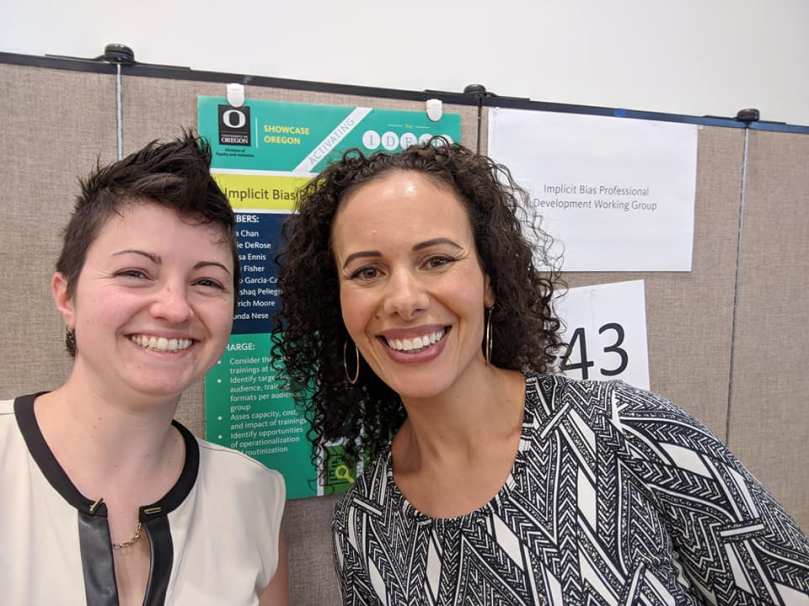
At the end of the spring term, I also presented at the University of Oregon IDEAL Framework Showcase. Over the 2017/2018 academic year I served on the Implicit Bias working group, tasked with assessing the need for campus-wide training and making recommendations to the college.
In June, I attended the HOMEChem Open House at the UT Austin Test House, University of Texas at Austin’s J.J. Pickle Research Campus. I got to tour the amazing indoor chemistry labs there, and met with BioBE collaborators to discuss pilot projects exploring the link between indoor chemistry and indoor microbiology.
MoBE 2018 was an intensive meeting that brought together the top names and the rising stars of MoBE research. Gordon conferences are closed-session to encourage the presentation of unpublished data and ideas, and to facilitate discussion and theoretical contemplation. While in Biddeford, I had the opportunity to eat seafood, visit friends, and check out Mug Buddy Cookies!!
Immediately after MoBE, I flew to Philadelphia for the Indoor Air 2018 conference. I again presented some of the work I’ve been part of, exploring the effect of weatherization and lifestyle on bacteria indoors. I also found some incredible shoes.
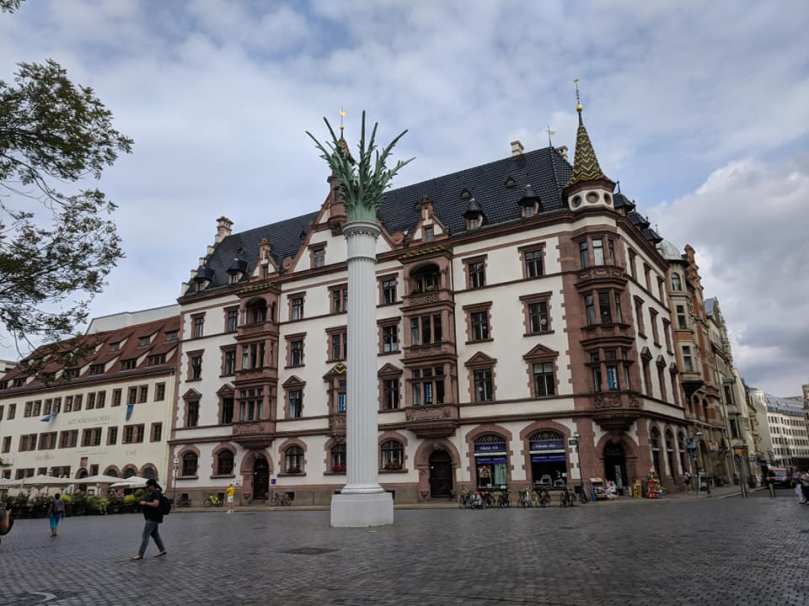
Then, in August I went to Leipzig, Germany for the 17th International Society for Microbial Ecology (ISME17). Here as well, I presented some of the work I’ve been part of, and had the chance to revisit a city I haven’t been to in 5 years – since the last microbial ecology conference held here.
Outreach
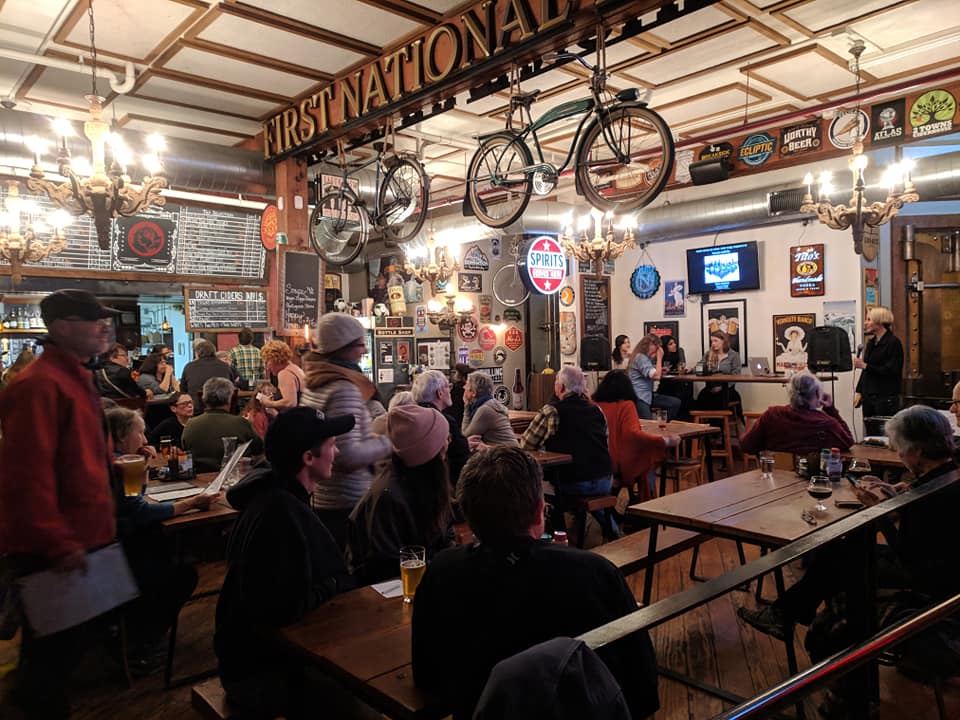
I spent a great deal of 2018 participating in activities for 500 Women Scientists. I am a Pod Coordinator for the Eugene Pod, and as such I meet regularly with other Coordinators to plan events. The majority of our 2018 events were Science Salons: science talks by local female researchers around a particular theme, with a hands-on activity to match, and a Q&A session about life as a (female) scientist. We heard about some awesome research, raised $1300 for local science non-profits, and learned how to be better community members by sharing personal stories about the triumphs and troughs of being a woman in science.
Hannah Tavalire and I talking about ‘Gut Stuff’.
Anne Nolin and M Jackson, from ‘Ice, ice, maybe’
Science Squad.
A packed house for Krista McGuire (pictured) and Bitty Roy, ‘Featuring Fungi’
Avery McRae, a plaintiff in Julianna v. US, ‘Future Scientists’
Serena Orsinger, activist and naturalist, ‘Future Scientists’
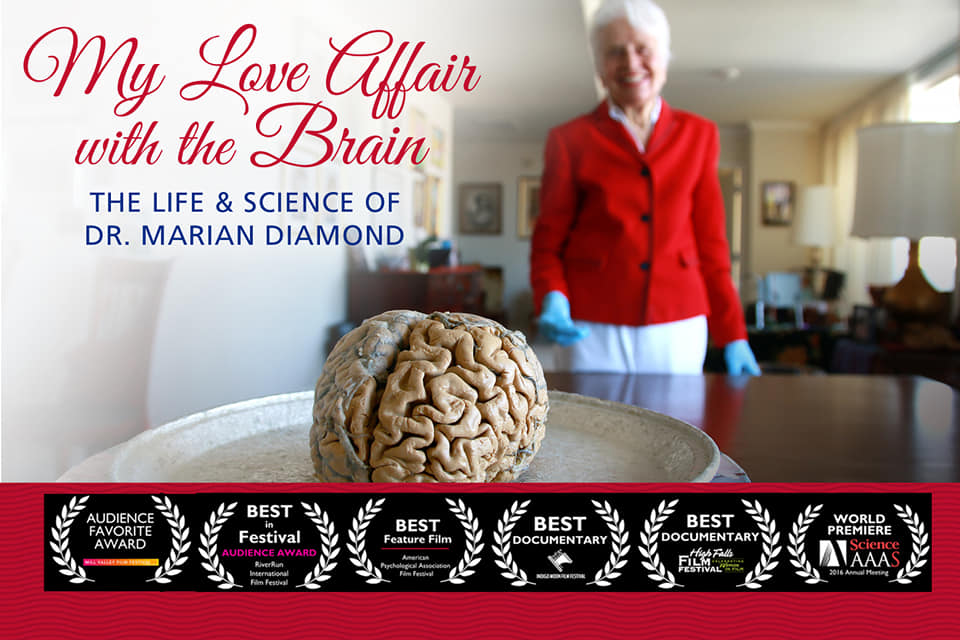
We also hosted a film screening of My Love Affair with the Brain, generously lent to 500WS by Luna Productions, followed by a panel discussion of women neuroscientists here in Eugene.
Along with two other Eugene Pod Coordinators, I wrote a small proposal which was funded, to coordinate workshops at UO: “Amplifying diverse voices: training and support for managing identity-based harassment in science communication”. Those workshops will take place in 2019.
This year, I acted as a judge for several robotics competitions and STEM design projects for local schools, I even dressed up as a giant spider to throw corn starch at campers. You know, for the kids.
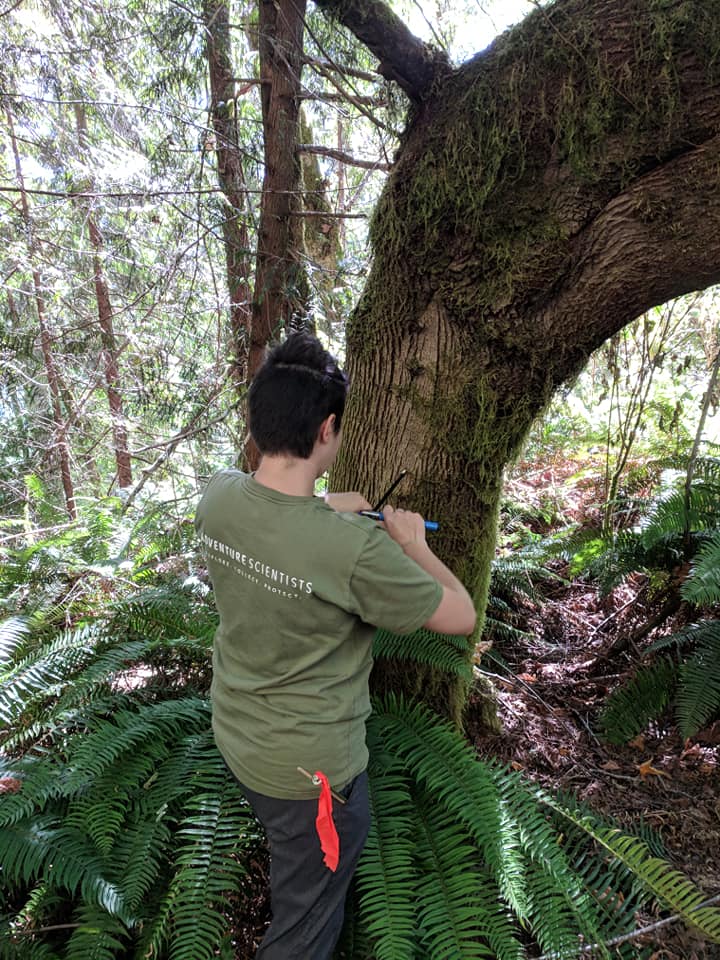
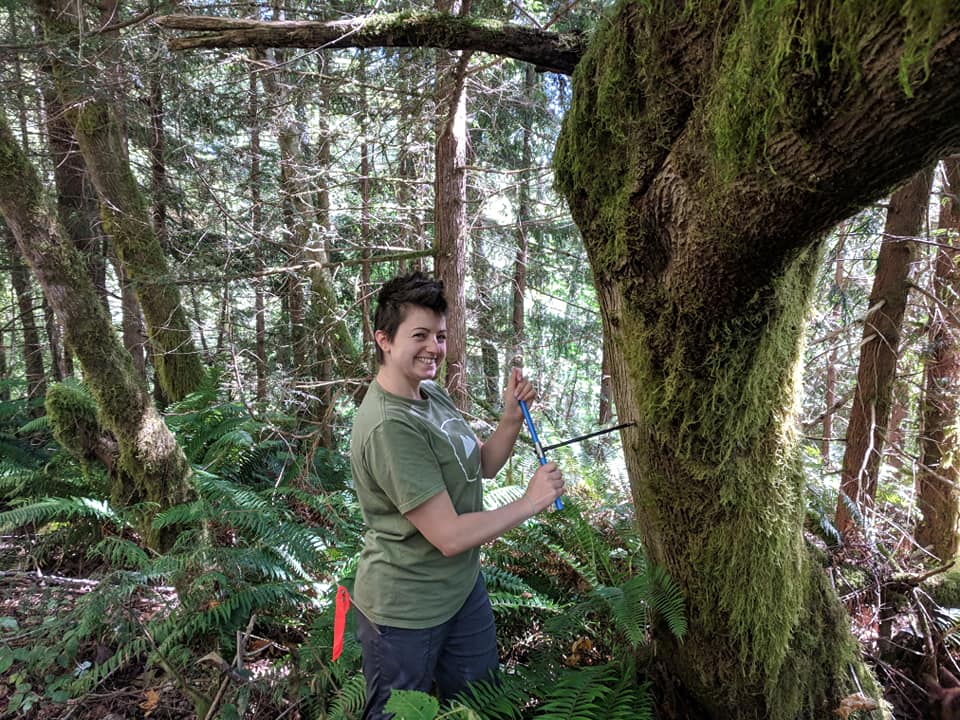
I again participated in citizen science through Adventure Scientists, as part of their wood crews for the Timber Tracking 2018 campaign. Lee and I drove around a 20,000 sq mi section of southwestern Oregon to collect samples from big leaf maple trees at 10 locations which adhered to certain sampling parameters. Despite the large number of big leafs in Oregon, the sampling criteria made it difficult to find the perfect tree in an entire forest, and we logged a lot of mileage. Lee and I also volunteered for their Gallatin County Microplastics Initiative while we lived in Bozeman, MT.
Blog
I published 30 posts this year! The most popular post this year continues to be Work-Life Balance: What Do Professors Do?, self explanatory, and the least popular this year is Show Me the (Grant) Money, detailing the grant proposal writing process. Although, I was significantly less wordy this year as compared to other years.
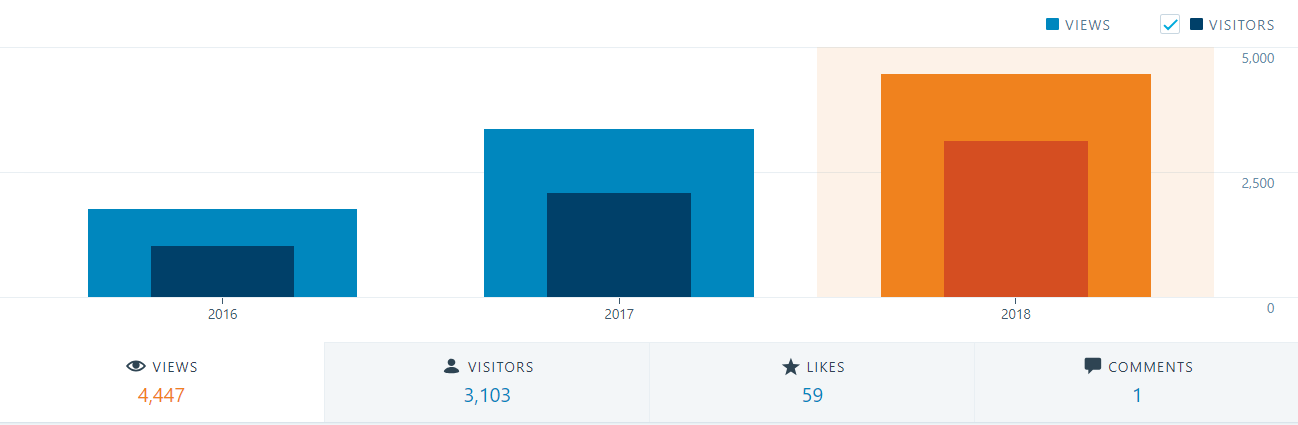
As of today, my site received 4,447 view from 97 countries and 3,101 visitors in 2018. So far, I’ve published 109 posts, and received 6,147 visitors who viewed the site 9,481 times.
Life
It’s easy to forget how many life events go by in a year, unless your social media is making you a video about them. But they were all important parts of my life and had some impact, however negligible, on my work. The one I’m most proud of was officiating the wedding of two dear friends, in Vermont.
Scientist by day, wedding officiant also by day. Well, more like scientist by day, and sometimes nights and weekends, and wedding officiant this one day. But a helluva day ❤️🧡💛💚💙💜 pic.twitter.com/qMgXy7eTJm
I am protesting having to March on a weekend, which is yet another unpaid community service that academics are expected to perform but not always given credit for. pic.twitter.com/PpjwiSZAfr
I marched (seriously and facetiously) for science.
Tired of seeing so much trash at the beach? Make your own cleanup kit and collect 4 gallons of small plastic bits from sand like we did! It's too cold to swim in the ocean anyway. pic.twitter.com/SPFTUyJwvv
Lee and I picked up trash at the beach, using a sieve he built to pick up trash.
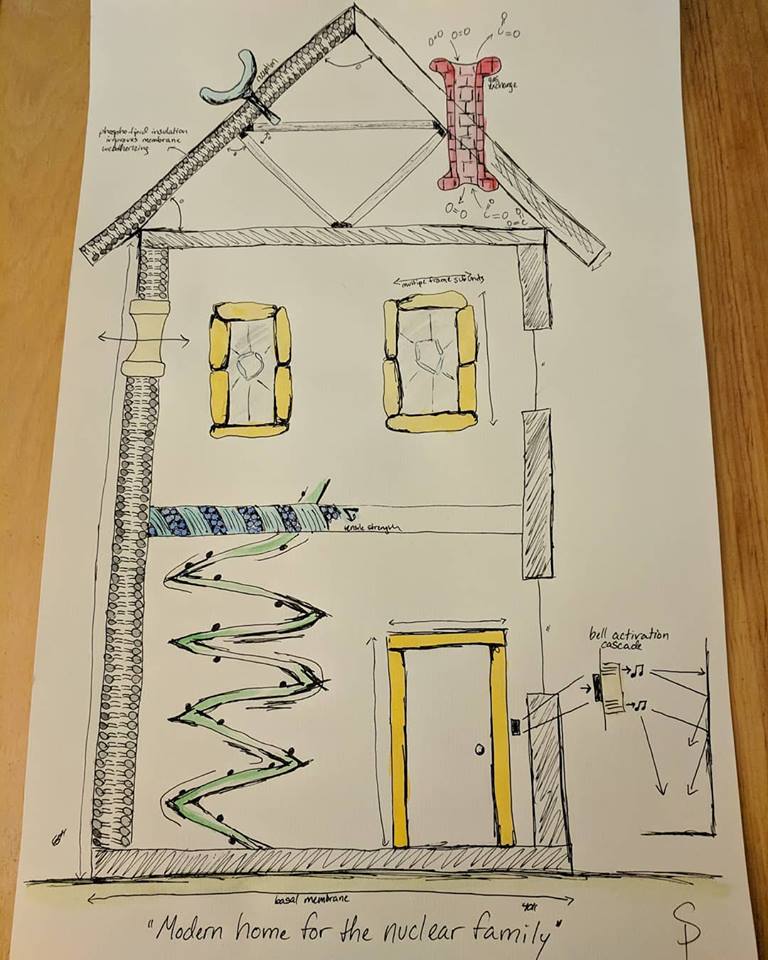
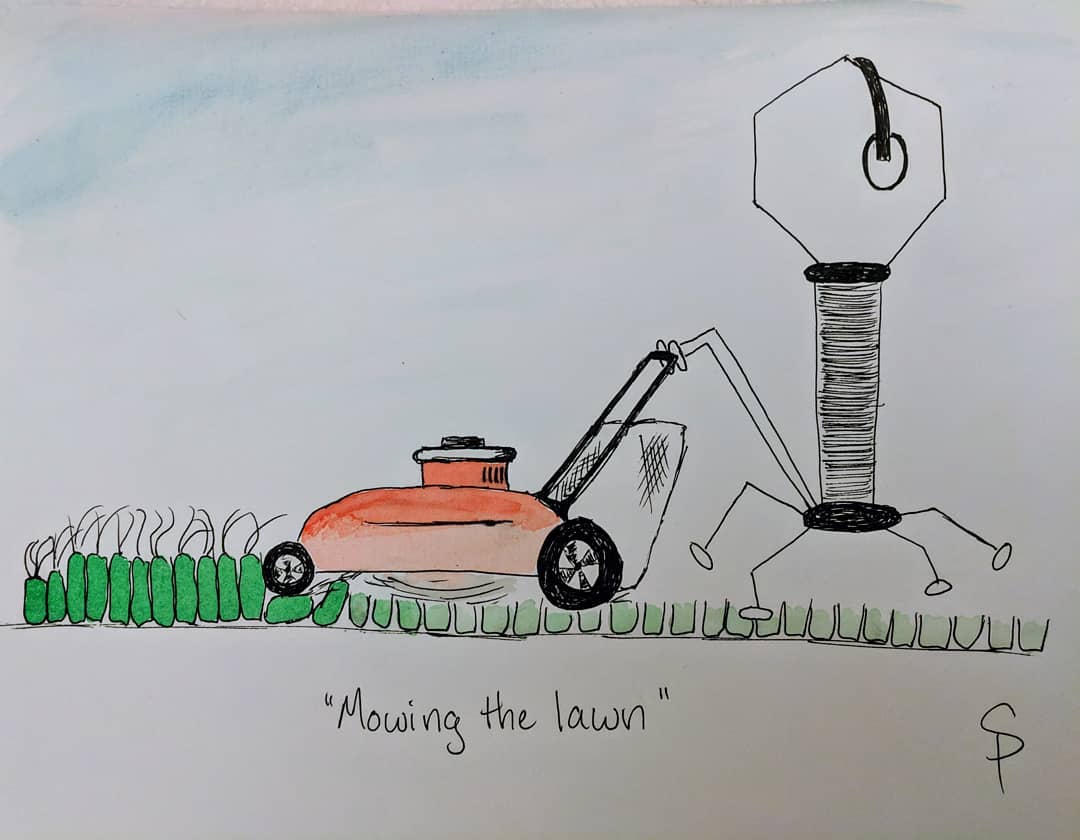
I tried to spend more time on creative projects, including getting back into art after more-or-less tabling it for several years.
Looking Ahead
As usual, 2019 promises an abundance of opportunities. Already, I am planning out my conference schedule, seeking speakers for upcoming 500WS Science Salons, and writing, writing, writing. But through all of it, I will be trying to cultivate a more open, inclusive, and supportive work environment. In 2018, after more than a decade of trying to convince doctors that I should have agency over my own organs, I was finally approved for the hysterectomy that I’d wanted for so long, and the medical diagnostics to show that I’d actually needed it for probably just as long.
The surgery has dramatically improved my quality of life, and the scars are a constant reminder that you never know who is dealing with something in their life that isn’t visible to you, who is trying to pretend they aren’t in pain because they can’t afford to take time off to resolve their situation. At first, I kept the details to myself and I kept it off my professional social media. I did share, in exquisite detail, on my personal social media, and was flooded with similar stories from other women. It encouraged me to share a little more, after all, if I’d had surgery on a knee or a kidney I would talk about it openly, why not a uterus?
In a typical semester, one to two-thirds of the students that I teach or mentor will disclose that they experienced a serious life event, most often while at school. They may casually joke about how they couldn’t get time off or almost failed out that semester, or recall how receiving help saved them. I take my role as an educator, mentor, or supervisor seriously – the competition in academia forces students to work long or odd hours, to prioritize other things over study, to accept positions of low or no pay “for the experience”, or to accept professional relationships where they are not respected or may be taken advantage of. I have always tried to be a supportive mentor to students, but the higher up the ladder I climb the more important it is for me to set a good example for these students who will one day mentor people of their own.
In addition to listening to them, and having frank conversations, my response this year has been to get rid of student employee deadlines whenever possible. We are asked to do so much with our time in school, or in academia, but there are so many hours in the day. Sure, I routinely wish things were accomplished more promptly, but I have never once regretted not causing someone to have a breakdown. And constantly telling my students to take care of themselves first and work second reminds me to do the same, it benefits my work , and it’s made a certain furball very happy. Happy New Year!
Since the end of September, I’ve been teaching a course for the UO Clark Honors College; Introduction to Mammalian Microbiomes. And in a novel challenge for me – I’m teaching the idea of complex, dynamic microbial ecosystems and their interaction with animal hosts … to non-majors. My undergraduate students almost entirely hail from the humanities and liberal arts, and I couldn’t be more pleased. So far, it’s been a wonderful opportunity for me to pilot a newly developed course, improve my teaching skills, and flex my creativity, both in how I explain concepts and how I design course objectives.
Welcome to Introducion to Mammalian Microbiomes! I had a great first class and am enthusiastic about what we'll achieve this semester! pic.twitter.com/ejwoze7h3o
I enthusiastically support efforts towards science communication, especially in making science more accessible to a wider audience. My students likely won’t be scientific researchers themselves, but some will be reporting on science publications, or considering funding bills, and all of them are exposed to information about human-associated microbial communities from a variety of sources. To navigate the complicated and occasionally conflicting deluge of information online about the human microbiome, my students will need to build skills in scientific article reading comprehension, critical thinking, and discussion. To that end, many of my assignments are designed to engage students in these skills.
I feel that it’s important to teach not only what we know about the microbial community living in the mouth or the skin, but to teach the technologies that provide that knowledge, and how that technology has informed our working theories and understanding of microbiology over centuries. Importantly, I hope to teach them that science, and health sciences, are not static fields, we are learning new things every day. I don’t just teach about what science has done right, but I try to put our accomplishments in the context of the number of years and personnel to achieve publications, or the counter-theories that were posited and disproved along the way.
Today in #IntroMammalianMicrobiomes, I talk about DNA-based technology and Rosalind Franklin, while wearing a shirt with her face on it. This will be lost on my students, as I'm Skyping my lecture from home as I fight a cold, and playing the role of disembodied narrator. pic.twitter.com/K2LSZ97CXa
And most of, I want the course to be engaging, interesting, and thought provoking. I encouraged class discussions and student questions as they puzzle through complex theories, and I’ve included a few surprise additions to the syllabus along the way. Yesterday, University of Oregon physics Ph.D. student Deepika Sundarraman taught us about her research in Dr. Parthasarathy’s lab on using light sheet fluorescence microscopy to visualize bacterial communities in the digestive tract of larval zebra fish! Stay tuned for more fun in #IntroMammalianMicrobiomes!
UO Physics Ph.D. student Deepika Sundarraman kindly dropped by my #IntroMammalianMicrobiomes class to talk about using physics to visualize microbial communities in the gut. Thanks Deepika!! pic.twitter.com/OTf9qExCtw



























 The Ishaq Lab