Registration is open for the 2025 MSE Summit: Pathways to Microbiome Stewardship!!

2025 MSE Summit: Pathways to Microbiome Stewardship

Summary of the event: Microbiome stewardship is the broad idea that we need to consider ecosystem-level factors when we think about public health, as our environment, behaviors, and public policy affects interactions between microbes and human health.  Our ability to develop practices and advocate for policy reform that address societal inequities is limited without a strong microbiome stewardship framework. Led by MSE and the Microbiome Stewardship working group, attendees of the webinars will learn how other researchers engage with microbiome or health stewardship. Participants of the workshops will plan a pathway to bring their own work in line with principles of conservation and stewardship, or design future research to provide tangible and meaningful stewardship endpoints relevant to their area of focus.

Registration is open!

Webinar Session 1: Focus on Host Microbiomes

Format: Webinar presentations of research. Online only — the removal of US federal funding leaves us unable to host this in person.

Cost: Free

Date: Monday July 7, 2025; 12:00 ~ 5:00 PM Eastern Daylight Time

TimeAgenda
12:00 ~ 12:15 PMWelcome and Intro to the Summit
Sue Ishaq, PhD, Associate Professor, University of Maine; Founder and Lead, MSE
12:15 ~ 1:00 PM The Concept of Microbiome Stewardship
Kieran O’Doherty, PhD, Professor, University of Guelph; MSE
1:00 ~ 1:45 PM Indigenous perspectives on microbiome stewardship and public health
Nicole Redvers, DPhil, ND, MPH, Associate Professor, Western Research Chair & Director, Indigenous Planetary Health; Schulich School of Medicine & Dentistry, Schulich Interfaculty Program in Public Health, University of Western Ontario

Dr. Nicole Redvers, DPhil, ND, MPH, is a member of the Deninu K’ue First Nation (Canada) and has worked with Indigenous patients, scholars, and communities around the globe her entire career. She is an Associate Professor, Western Research Chair, and Director of Indigenous Planetary Health at the Schulich School of Medicine & Dentistry at Western University. Dr. Redvers also currently serves as the Vice President Research at the Association of Faculties of Medicine of Canada (AFMC). She has been actively involved at regional, national, and international levels promoting the inclusion of Indigenous perspectives in both human and planetary health research and practice. Dr. Redvers is the author of the trade paperback book titled, ‘The Science of the Sacred: Bridging Global Indigenous Medicine Systems and Modern Scientific Principles’.
1:45 ~ 2:30 PMCase study in racism in vaginal microbiome work as studies use small group sizes and incomparable comparisons. 
Ari Kozik, PhD, Assistant Professor of Molecular, Cellular, and Developmental Biology, Michigan State University 
2:30 – 2:45 PMbreak
2:45 – 3:30 PM“Microbiome-based therapeutics in clinical practice: how can we be better stewards?”
Susy Hota, MD, MSc, FRCPC.
Division Head, Infectious Diseases, University Health Network and Sinai Health
Medical Director, Infection Prevention and Control, University Health Network
Co-Lead of the Microbiota Therapeutics Outcomes Program
Associate Professor, Division of Infectious Diseases, University of Toronto

Dr. Hota is an Associate Professor of Medicine in the Division of Infectious Diseases at the University of Toronto, Division Head for Infectious Diseases at University Health Network and Sinai Health and Medical Director of Infection Prevention and Control at University Health Network in Toronto, Canada. Her academic interests include management of Clostridioides difficile infection, fecal microbiota transplantation (FMT), and emergency preparedness for infectious diseases. She co-leads the Microbiota Therapeutics Outcomes Program, which supports the use of microbiome-based therapeutics for clinical care and research applications in Toronto, Ontario, Canada.
3:30 – 4:15 PMThe political economy of emerging digital data collection platforms and applications with microbial stewardship.
Victor Secco, PhD, Postdoctoral Researcher, Department of Philosophy and Cultural Heritage, Ca Foscari University of Venice
4:15 – 5:00 PMTBD

Webinar Session 2: Focus on Environmental Microbiomes

Format: Webinar presentations of research. Online only — the removal of US federal funding leaves us unable to host this in person.

Cost: Free

Date: Tuesday July 8, 2025; 12:00 ~ 5:00 PM Eastern Daylight Time

TimeAgenda
12:00 ~ 12:15 PMWelcome and Intro to the Summit.
Sue Ishaq, PhD, Associate Professor, University of Maine; Founder and Lead, MSE
12:15 ~ 1:00 PM Microbiome stewardship curricular design using MSE themes
Carla Bonilla, PhD, Associate Professor of Biology, University of San Diego; MSE

Dr. Bonilla uses critical pedagogy in STEM curriculum to promote student success. In Microbiology and Genetics, she uses an interdisciplinary approach to help students see the connections between science and society, and the role of scientiests as social agents of change.
1:00 ~ 1:45 PM The Concept of Microbiome Stewardship
Mallory Choudoir, PhD, Assistant Professor and Soil Microbiome Extension Specialist, North Carolina State University; MSE
1:45 ~ 2:30 PM Microbes, microbiomes and biodiversity conservation
Kent Redford, PhD, Principal, Archipelago Consulting
2:30 – 2:45 PM Break
2:45 – 3:30 PMBuilt environment and microbial exposures.
Jennifer Kuzma, PhD, Professor, School of Public and International Affairs; Co-Director, Genetic Engineering & Society Center; Associate Director, Precision Microbiome Engineering Center (PreMiEr, NSF-ERC); North Carolina State University
Kristen Landreville, PhD, Senior Research Scholar, Societal and Ethical Implications (SEI) Core in the PreMiEr Engineering Research Center, North Carolina State University
3:30 – 4:15 PMAntimicrobial resistance, wastewater, and redlining urban centers.
Maya Nadipalli, PhD, Assistant Professor, Emory University
4:15 – 5:00 PMTBD

Workshop Sessions 1 and 2: Stewardship Planning Activities

Format: Zoom, Breakout rooms for Discussions and Collaborative Activities

Cost: Apply to attend, and if your application is accepted, the cost is $15 USD for students/postdocs, $50 USD for professionals, and there is a no-cost option for anyone who needs it.

Session 1: Focus on Host Microbiomes, Wednesday July 9, 2025, 1:00 ~ 4:00 PM Eastern Daylight Time

Session 2: Focus on Environmental Microbiomes, Thursday July 10; 1:00 ~ 4:00 PM Eastern Daylight Time

TimeActivity
1:00 ~ 1:45 PM

(~ 15 min to get started and ~30 min activity)
Group activity 1: Create your discussion group 
We will use Zoom Breakout Rooms to form groups of 5 -10 people based on several topic themes. Each group will be led by an invited speaker and an MSE group member, and group notetaking will be facilitated using shared online documents.  

Discussion 1 (Foundations)
What is your name and what kind of research do you do? How does the connection between microbiomes and health (human and non-human) relate with your work? What needs to be stewarded/protected in your area of expertise?To achieve goals of microbiome stewardship in your area, what interdisciplinary partnerships, or research or education programs need to be developed? What problems exist in your field that prevent implementing research or policy solutions?
1:45 ~ 2:00 PM
(15 min)
Break 
2:00 – 3:00 PM
(1 hour)
Group activity: Create your path to microbiome stewardship
In Zoom Breakout Rooms organized by broad topics, we will generate case studies related to our own work which would include microbiome stewardship.First, use the template provided to draw your pathway. Then, design a project or research that would advance you along that path. Finally, identify a task list, time table, list of needs, and list of goals/outputs for the project.

During your activity, consider the two discussion prompts: 

Discussion 2 (Policy Connections)
What are the policy domains we need to target for protection of microbial ecosystems to ensure positive health outcomes? What kind of policies could be effective in helping to maintain microbiome health? What agencies or organizations might oversee regulations for the protection of microbial ecosystems? How could one begin to advocate for microbiome health in various policy domains?

Discussion 3 (Getting Microbiome Stewardship onto the Agenda)
How can we raise awareness about the importance of microbial ecologies in human and planetary health? How can we get the protection of microbial ecosystems onto policy maker agendas? What initiatives currently exist with whom we can seek partnerships?
3:30 -3:30 PM
(~30 min)
Share with the full group
Each group will share a summary of their discussions to the full group in the main Zoom room.

What is “microbiome stewardship”?

Microbiomes are essential to human and environmental health; all organisms on our planet rely on the microbial ecologies that inhabit and surround us. There is increasing evidence that modern societal practices are harming essential microbiomes, and thereby threatening the health of the larger organisms and ecosystems that exist in symbiotic relationship with them. In spite of scientific recognition of the importance of microbiomes and of the threats they face, there is very little collective societal action to protect and conserve essential microbiomes. Pesticide use, pollution, industrialized food production, and many other societal practices that are damaging our collective microbiomes can only be addressed at the level of policy. Microbiome stewardship is the broad idea that we need to consider ecosystem-level factors when we think about public health, as our environment, behaviors, and public policy affects interactions between microbes and human health. Microbiomes are highly dynamic systems, featuring bacteria, archaea, protozoa, fungi, and viruses; and our personal microbiomes are derived from a larger shared, collective microbial resource.

The Microbiome Stewardship research group is currently working on creating a definition, framework, and guidelines.

Figure 1. Microbiome stewardship as a concept and framework for ensuring human and planetary health supported by microbial functions. Human microbiomes are constituted from our environment, which has determinants based largely on societal systems (e.g., agriculture and food systems, built environment, health care accessibility) that operate beyond individual choice and behavioral interventions. Figure created with BioRender.com.

Meet the Summit-Organizing Team

A headshot of Dr. Sue Ishaq, PhD in which she is wearing a black and white houndstooth pattern waistcoat and a white button up shirt. Graphics have been added to show a strand of DNA and the words "love your microbes"

Dr. Sue Ishaq, PhD., is an Associate Professor of Microbiomes, University of Maine; and founded MSE in 2020.  Over the years, her research has gone from wild animal gut microbiomes, to soils, to buildings, and back to the gut. Since 2019, her lab in Maine focuses on host-associated microbial communities in animals and humans, and in particular, how host and microbes interact in the gut and can be harnessed to reduce inflammation. She is also the early-career At Large member of the Board of Directors for the American Society for Microbiology, 2024- 2027. 

A headshot of Dr. Kieran O'Doherty, PhD who is wearing a black pinstripe shirt and standing outside in front of a yellow brick wall.

Dr. Kieran C. O’Doherty, PhD., is professor in the department of psychology at the University of Guelph, where he directs the Discourse, Science, Publics research Group. His research focuses on the social and ethical implications of science and technology and public engagement on science and technology. He has published on such topics as data governance, vaccines, human tissue biobanks, the human microbiome, salmon genomics, and genetic testing. A particular emphasis of his research is on theory and methods of public deliberation, in which members of the public are involved in collectively developing recommendations for the governance of science & technology. Recent edited volumes include Psychological Studies of Science and Technology (2019) and The Sage Handbook of Applied Social Psychology (2019). He is editor of Theory & Psychology.

Dr. Rob Beiko, PhD., is a Professor and Head of the Algorithms and Bioinformatics research cluster in the Faculty of Computer Science at Dalhousie University. His research aims to understand microbial diversity and evolution using machine learning, phylogenetics, time-series algorithms, and visualization techniques. His group is developing software tools and pipelines to comprehensively survey genes and mobile genetic elements in bacterial genomes, and understand how these genomes have been shaped by vertical inheritance, recombination, and lateral gene transfer. He is also a co-founder of Dartmouth Ocean Technologies, Inc., a developer of environmental DNA sampling devices.
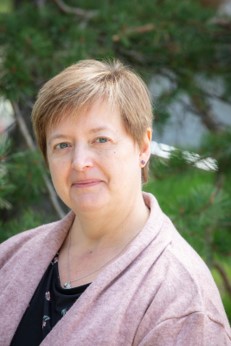
Dr. Emma AllenVercoe, PhD, is a Professor of Microbiology at the University of Guelph, and a Tier 1 Canada Research Chair in Human Gut Microbiome Function and Host Interactions. Her research portfolio is broad, encompassing host-pathogen interplay, live microbial products as therapeutic agents, gut microbiome and anaerobic culture (humans and animals), and the study of ‘missing gut microbes’ i.e. those that are present in hunter-gatherer societies but missing in the industrialized world.  She has developed the Robogut – a culture system that allows for the growth of gut microbial communities in vitro, and is currently busy a centre for microbiome culture and preservation at the University of Guelph.

Dr. Mallory Choudoir, PhD wearing a button up bro

Dr. Mallory Choudoir, PhD, is an Assistant Professor & Soil Microbiome Extension Specialist in the Department of Plant & Microbial Biology at North Carolina State University. The goal of her applied research and extension program is to translate microbiome science to sustainable agriculture. She aims to develop microbial-centered solutions for optimizing crop productivity, reducing agronomic inputs, and enhancing  agroecosystem resilience to climate change.

Diego Silva, PhD wearing a blue shirt and eye glasses and standing in from of a red brick wall.

Diego Silva, PhD, is a Senior Lecturer in Bioethics at Sydney Health Ethics and the University of Sydney School of Public Health. His research centers on public health ethics, particularly the application of political theory in the context of infectious diseases and health security, e.g., tuberculosis, COVID-19, antimicrobial resistance, etc. He is currently the outgoing Chair and a member of the Public Health Ethics Consultative Group at the Public Health Agency of Canada and works with the World Health Organization on various public health ethics topics on an ad hoc basis.

White paper and perspective published on “Running a queer- and trans-inclusive faculty hiring process”!!

I’m delighted to announce the public release of a white paper on queer- and trans-inclusive faculty hiring practices, and a perspective piece introducing it!! This is the culmination of months of writing by an international group of talented scientists led by Dr. JL Weissman, and I was honored to participate in these and future efforts from the group.

The newly-formed group, Advancing Queer and Trans Equity in Science (AQTES), wants to improve the field of research by making the hiring process fair and welcoming for everyone. No matter what your personal identity is, we can all agree that fair and unbiased job searches are critical to hiring the best talent. But, sometimes a poorly-organized job search prevents the people with the best talent from applying at all.

In our white paper, we give suggestions on how to host a job search that is better for everyone. We provide examples and advice on how to write job adverts, create the agenda and atmosphere for the job search, how to make the interview process more accessible for everyone by remembering that we are humans and not robots, and how to support your new faculty.

Running a queer- and trans-inclusive faculty hiring process.

Authors

Weissman, JL, Chappell, C.R., Rodrigues de Oliveira, B.F., Evans, N., Fagre, A.C., Forsythe, D.,  Frese, S.A., Gregor, R., Ishaq, S.L., Johnston, J., Bittu, K.R., Matsuda, S.B., McCarren, S., Ortiz Alvarez de la Campa, M., Roepkw, T.A., Sinnott-Armstrong, N., Stobie, C.S., Talluto, L., Vargas-Muñiz, J., Advancing Queer and Trans Equity in Science (AQTES).

Abstract

Queer and transgender scientists face documented systemic challenges across the sciences, and therefore have a higher attrition rate than their peers. Recent calls for change within science have emphasized the importance of addressing barriers to the success and retention of queer and trans scientists to create a more inclusive, equitable, and just scientific establishment. Crucially, we note these calls come primarily from early career researchers; relatively few queer and trans scientists have passed through the gauntlet of the faculty job search to become faculty ourselves, which is typically key to long-term persistence in academia. Our lack of representation creates a self-reinforcing cycle in which queer and trans trainees do not see our needs considered in established processes and power structures. Moreover, this status quo has historically been and continues to be harmful, disproportionately impacting those of us who have multiple intersecting marginalized identities. Here, we provide concrete guidance to search committees to support queer and trans candidates throughout the faculty selection process based on our personal experiences as early career scientists who have been on the job market.

Graphics in the post and the article created by Callie R. Chappell.

Citations

Citation for the paper: Weissman, JL, Chappell, C.R., Rodrigues de Oliveira, B.F., Evans, N., Fagre, A.C., Forsythe, D.,  Frese, S.A., Gregor, R., Ishaq, S.L., Johnston, J., Bittu, K.R., Matsuda, S.B., McCarren, S., Ortiz Alvarez de la Campa, M., Roepkw, T.A., Sinnott-Armstrong, N., Stobie, C.S., Talluto, L., Vargas-Muñiz, J., Advancing Queer and Trans Equity in Science (AQTES). 2024. Running a queer- and trans-inclusive faculty hiring process. EcoEvoRvix repository 6791.

Perspective piece introducing the paper:  Weissman JL, Chappell CR, Francesco Rodrigues de Oliveira B, Evans N, Fagre AC, Forsythe D, et al. (2024) Queer- and trans-inclusive faculty hiring—A call for change. PLoS Biol 22(11): e3002919.

This work is being presented at the American Geophysical Union annual meeting in Washington DC in December, in the session on “ED12A: Advances and Progress Toward a More Inclusive, Diverse, Equitable, and Accessible Scientific Community II”.

This work is being presented as a seminar at the Microbes and Social Equity working group virtual seminar series, Dec 20th, 2024. Registration is free but required.

Upcoming presentations at ISME 19 in Cape Town, South Africa!

Some of the lab are lucky enough to be able to travel to Cape Town, South Africa this August for the 19th International Symposium on Microbial Ecology (ISME)!!! This conference is held in different host cities, and brings together microbiologists from around the world to celebrate our work and foster our scientific community.

Session:  Integrating equity into microbiome science from crops to communities

Convenors
Sue Ishaq, University of Maine, USA
Adolphe Zeze, Institut National Polytechnique Félix Houphouët-Boigny, Côte d’Ivoire

Date: 20-Aug-2024, session from 11:00 to 13:00. Location: Meeting Room 2.6 (2.61 – 2.64) of CTICC1 in Cape Town.

About the session: Microorganisms are critical to many aspects of biological life, and the collective microbial community, or microbiome, can be impacted by environmental factors which may be driven by social, economic, medical, or political constraints that restrict available choices and may impact our health. This session explores the way that microbes connect to social disparities, and how microbial ecology can be used to benefit public health and vulnerable populations.

Photo credit Johanna Holman.

Characterizing Gut Bacteria Associated with Sulforaphane Production

Alexis Kirkendall 1, Johanna Holman 1, Marissa Kinney 1, Aakriti Sharma 2, Lilian Nowak 2, Gloria Adjapong 2, Yanyan Li 3, Suzanne Ishaq2

Date:  19-Aug-2024, live session from 16:30 to 17:30. Poster number: PS1.02.050. Section: Understanding microbiome dynamics to improve human health

Affiliations: 1 Molecular and Biomedical Sciences, University of Maine, Orono, Maine, USA; 2 School of Food and Agriculture, University of Maine, Orono, Maine, USA; 2 Graduate School of Biomedical Sciences and Engineering, University of Maine, Orono, Maine, USA; 3School of Pharmacy and Pharmaceutical Sciences, SUNY Binghamton University, Johnson City, New York, USA.

Abstract: Broccoli sprouts contain glucosinolates which can be converted into sulforaphane, an anti-inflammatory compound. Mammals do not produce the essential digestive enzymes to perform this conversion, fortunately, some gut bacteria do, and this results in high sulforaphane in the colon and systemically. Sulforaphane production has implications in treating inflammatory bowel diseases such as ulcerative colitis. Bacterial samples were collected from 40 all-male SPF C57BL/6 mice. Divided into four groups, mice received a combination, or lack thereof, of 2.5% dextran sodium sulfate in drinking water to induce ulcerative colitis and/or steamed broccoli sprouts at 10% of the diet. Following the trial, bacteria were isolated from jejunum and colon digesta- and mucosal-associated contents. Bacteria were grown on bacto-tryptone yeast broth media in anaerobic conditions. Collected bacteria were analyzed based on morphological data. Following initial culturing bacteria were placed in 96-well plates amongst bacto-tryptone yeast broth in four groups: with glucose, without glucose, with glucoraphanin, and with sinigrin. Plates were incubated anaerobically for 24 hours followed by growth being measured via spectrophotometry, to assess potential as a probiotic. Over four hundred bacteria were assessed, multiple of which showed signs of glucosinolate conversion. Across gram stains, approximately 80% of all analyzed showed to be gram +.

Graphic Designed by Indigo Millisor.

Funding Sources: This work was funded by the NIH, Crohn’s and Colitis Foundation, and NSF NRT.

Steamed broccoli sprouts alleviate gut inflammation and retain gut microbiota against DSS-induced dysbiosis.

Johanna M. Holman1, Lola Holcomb2, Louisa Colucci3, Dorien Baudewyns4, Joe Balkan5, Grace Chen6, Peter L. Moses7,8, Gary M. Mawe7, Tao Zhang9, Yanyan Li1*, Suzanne L. Ishaq1*

Date:  19-Aug-2024, live session from 10:00 to 11:00  Poster number: PS1.02.007 Section: Understanding microbiome dynamics to improve human health

Affiliations: 1 School of Food and Agriculture, University of Maine, Orono, Maine, USA; 2 Graduate School of Biomedical Sciences and Engineering, University of Maine, Orono, Maine, USA; 3 Department of Biology, Husson University, Bangor, Maine, USA; 4 Department of Psychology, University of Maine, Orono, USA; 5 Department of Chemical and Biological Engineering, Tufts University, Medford, Massachusetts, USA; 6 Department of Internal Medicine, University of Michigan Medical School, Ann Arbor, Michigan, USA; 7 Departments of Neurological Sciences and of Medicine, Larner College of Medicine, University of Vermont, Burlington, Vermont, USA: 8 Finch Therapeutics, Somerville, Massachusetts, USA; 9 School of Pharmacy and Pharmaceutical Sciences, SUNY Binghamton University, Johnson City, New York, USA.

Abstract: Inflammatory bowel diseases are devastating conditions of the gastrointestinal tract with limited treatments, and dietary intervention may be effective, affordable, and safe for managing symptoms. Research has identified inactive compounds in broccoli sprouts that may be metabolized by the gut microbiota into key anti-inflammatories. Our research set out to identify biogeographic locations of participating microbiota and correlate that to health outcomes. We fed specific pathogen free C57BL/6 mice either a control diet or a 10% steamed broccoli sprout diet, and gave a three-cycle regimen of 2.5% dextran sulfate sodium  in drinking water over 40 days to simulate ulcerative colitis. We monitored body weight, fecal characteristics and lipocalin, and sequenced bacterial communities from the contents and mucosa of the jejunum, cecum, and colon. Mice fed the broccoli sprout diet while receiving dextran sulfate sodium performed better than mice fed control diet for all disease parameters, including increased weight gain (2-way ANOVA, p < 0.05), lower Disease Activity Index scores (2-way ANOVA, p < 0.001), and higher bacterial richness (linear regression model, p < 0.01). Bacterial communities were assorted by gut location except in the mice receiving the control diet and colitis-inducing treatment (Beta-diversity, ANOVA, p < 0.05). Importantly, our results suggest that broccoli sprouts abrogated the effects of dextran sulfate sodium on the gut microbiota, that colitis erases biogeographical patterns of bacterial communities, and that the cecum is not likely to be a contributor to colonic bacteria of interest, in a mouse model of ulcerative colitis. 

Funding Sources: This work was funded by the NIH, USDA, NSF NRT, and UMaine GSBSE.

Consuming steamed broccoli sprouts as part of their diet protected the gut biogeography of microbes — which bacteria was found in which organ sampled– in the intestines of mice who were experiencing chemically induced colitis. Image by Johanna Holman.

Early life exposure to broccoli sprouts confers stronger protection against enterocolitis development in an immunological mouse model of inflammatory bowel disease. 

Lola Holcomb1, Johanna Holman2, Molly Hurd3, Brigitte Lavoie3, Louisa Colucci4, Gary M. Mawe3, Peter L. Moses3,5, Emma Perry6, Allesandra Stratigakis7, Tao Zhang7, Grace Chen8, Suzanne L. Ishaq1*, Yanyan Li7*

Date:  19-Aug-2024, live session from 16:30 to 17:30 Poster number: PS1.02.002 Section: Understanding microbiome dynamics to improve human health

1 Graduate School of Biomedical Sciences and Engineering, University of Maine, Orono, Maine 2 School of Food and Agriculture, University of Maine, Orono, Maine 3 Larner College of Medicine, University of Vermont, Burlington, Vermont 4 Department of Biology, Husson University, Bangor, Maine, 5 Finch Therapeutics, Somerville, Massachusetts, 6 Electron Microscopy Laboratory, University of Maine, Orono, Maine 7 School of Pharmacy and Pharmaceutical Sciences, SUNY Binghamton University, Johnson City, New York,  8 Department of Internal Medicine, University of Michigan Medical School, Ann Arbor, Michigan

Inflammatory Bowel Diseases (IBD) are chronic conditions characterized by inflammation of the gastrointestinal (GI) tract that burden daily life, result in complications, and disrupt the gut microbiome. Many studies on diet and IBD in mice use an ulcerative colitis model, despite the availability of an immune-modulated Crohn’s Disease model. The objective of this study was to establish IL-10 deficient mice as a model for studying the role of dietary broccoli and broccoli bioactives in reducing inflammation, modifying the immune response, and supporting GI tract microbial systems. Interleukin-10-knockout (IL-10-ko) mice on a C57BL/6 background, beginning at age 4 or 7 weeks, were fed either a control diet or one containing 10% raw broccoli sprouts. Diets began 7 days prior to inoculation with Helicobacter hepaticus, which triggers Crohn’s-like symptoms in these immune-impaired mice, and ran for 2 additional weeks. Broccoli sprouts decreased (p < 0.05), fecal lipocalin (LCN2), a biomarker for intestinal inflammation, and fecal blood, diarrhea, and overall Disease Activity Index. Sprouts increased gut microbiota richness, especially in younger mice (p < 0.004), and recruited different communities in the gut (B-diversity, ANOVA, p < 0.001), especially in the colon (B-diversity, ANOVA, p = 0.03). The control group had greater prevalence and abundance of otherwise commensal bacteria which trigger inflammation in the IL-10-ko mice. Helicobacter was within the top-5 most prevalent core genera for the control group, but was not within the top-5 for the broccoli group. Disease parameters and microbiota changes were more significant in younger mice receiving broccoli. A diet containing 10% raw broccoli sprouts may be protective against negative disease characteristics of Helicobacter-induced enterocolitis in IL-10-ko mice, and younger age is the most significant factor (relative to diet and anatomical location) in driving gut bacterial community richness and similarity. The broccoli diet contributes to prevalence and abundance of bacterial genera that potentially metabolize dietary compounds to anti-inflammatory metabolites in the gut, are bacteriostatic against pathogens, and may ease disease severity.

Funding Sources: This work was funded by the NIH, USDA, NSF NRT, and UMaine GSBSE.

Upcoming presentations at the UMaine Student Symposium 2024

The UMaine Student Symposium is an annual event featuring research presentations from undergraduate and graduate students, and is a way to share student research on campus and with the Maine public.

All of the abstracts for the full program, and previous years, are available here.

The event is free to attend, and will take place at the New Balance Field House on the UMaine Orono Campus, Friday April 12, 2024.

  • 8:00 a.m.: Doors open
  • 8:15 a.m.: UMaine Flute Ensemble
  • 9:00 a.m.: Opening Remarks
  • 9:30-11:30 a.m.: Graduate Poster / Oral / Exhibit Presentations
  • 11:00 a.m. – 1:00 p.m.: Undergraduate Poster / Oral / Exhibit Presentations
  • 9:15 a.m. – 10:30 a.m. – Musical Performances at Minsky Recital Hall, Class of 1944 Hall
  • 1:00 -2:00 p.m.: Student Panel
  • 2:00 p.m.: Keynote Speaker, Sreeram “Ram” Dhurjaty, PhD
  • 2:45 p.m.: Free Parking, Jazz Performance
  • 3:15 p.m.: Awards Ceremony and Closing Remarks

Several students from the Ishaq Lab will be presenting their ongoing work:

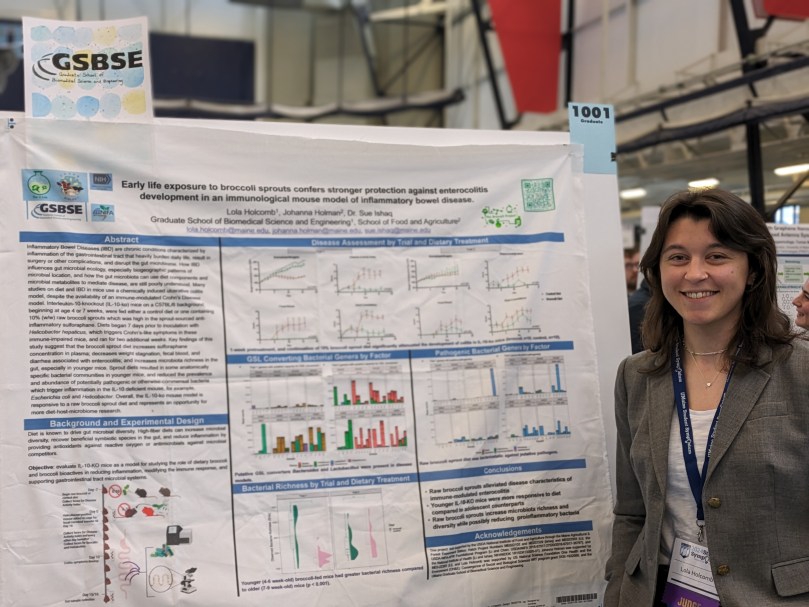
Early Life Broccoli Sprout Consumption Confers Stronger Protection Against Enterocolitis in an Immunological Mouse Model of Inflammatory Bowel Disease

Author(s): Lola Holcomb, Johanna Holman, Sue Ishaq. 

Type: poster presentation

Submission category: Biomedical sciences

Abstract number 1001: Inflammatory Bowel Diseases (IBD) are chronic conditions characterized by inflammation of the gastrointestinal tract that heavily burden daily life, result in surgery or other complications, and disrupt the gut microbiome. How IBD influences gut microbial ecology, especially biogeographic patterns of microbial location, and how the gut microbiota can use diet components and microbial metabolites to mediate disease, are still poorly understood. This study aimed to resolve such questions. Many studies on diet and IBD in mice use a chemically induced ulcerative colitis model, despite the availability of an immune-modulated Crohn’s Disease
model. Interleukin-10-knockout (IL-10-KO) mice on a C57BL/6 background, beginning at age 4
or 7 weeks, were fed either a control diet or one containing 10% (w/w) raw broccoli sprouts
which was high in the sprout-sourced anti-inflammatory sulforaphane. Diets began 7 days prior to inoculation with Helicobacter hepaticus, which triggers Crohn’s-like symptoms in these immune-impaired mice, and ran for two additional weeks. Key findings of this study suggest that the broccoli sprout diet increases sulforaphane concentration in plasma; decreases weight stagnation, fecal blood, and diarrhea associated with enterocolitis; and increases microbiota richness in the gut, especially in younger mice. Sprout diets resulted in some anatomically specific bacterial communities in younger mice, and reduced the prevalence and abundance of potentially pathogenic or otherwise-commensal bacteria which trigger inflammation in the IL-10 deficient mouse, for example, Escherichia coli and Helicobacter. Overall, the IL-10-KO mouse model is responsive to a raw broccoli sprout diet and represents an opportunity for more diet-host-microbiome research.

Lola’s poster from the CIMM 2024 meeting.

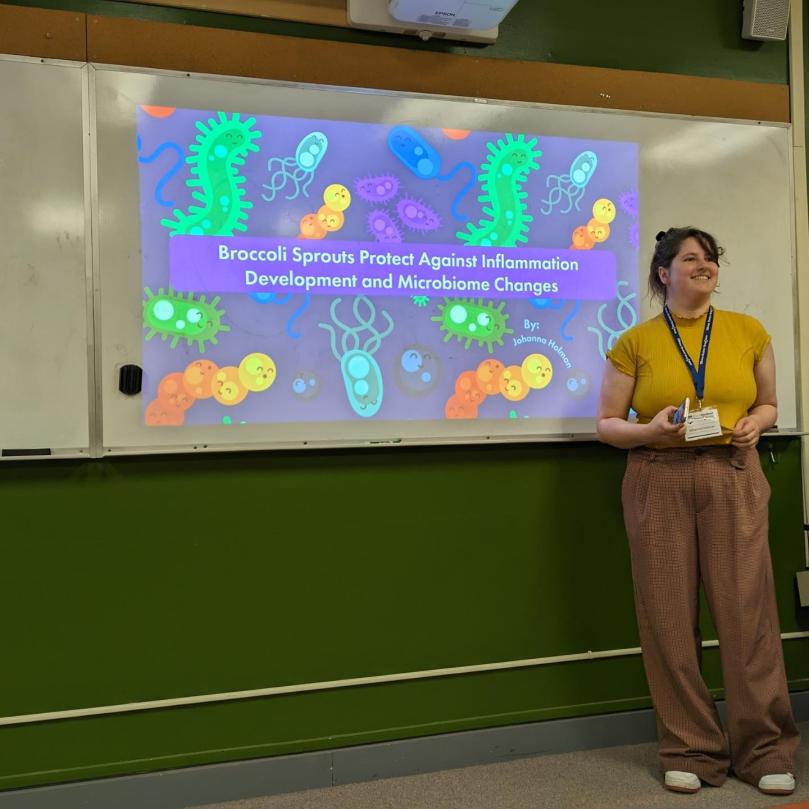
Steamed Broccoli Sprouts Alleviate Gut Inflammation and Retain Gut Microbiota Against DSS-induced Dysbiosis.

Author(s): Johanna Holman, Lola Holcomb, Sue Ishaq.

Type: oral presentation, 9:45 am

Submission Category: Biomedical Sciences


Abstract number 1002: Inflammatory bowel diseases are devastating conditions of the gastrointestinal tract with limited treatments, and dietary intervention may be effective, affordable, and safe for managing symptoms. Research has identified inactive compounds in broccoli sprouts that may be metabolized by the gut microbiota into key anti-inflammatories. Our research set out to identify biogeographic locations of participating microbiota and correlate that to health outcomes. We fed specific pathogen free C57BL/6 mice either a control diet or a 10% steamed broccoli sprout diet, and gave a three-cycle regimen of 2.5% dextran sulfate sodium in drinking water over 40 days to simulate ulcerative colitis. We monitored body weight, fecal characteristics and lipocalin, and sequenced bacterial communities from the contents and mucosa of the jejunum, cecum, and colon. Mice fed the broccoli sprout diet while receiving dextran sulfate sodium performed better than mice fed control diet for all disease parameters, including increased weight gain (2-way ANOVA, p < 0.05), lower Disease Activity Index scores (2-way ANOVA, p < 0.001), and higher bacterial richness (linear regression model, p < 0.01). Bacterial communities were assorted by gut location except in the mice receiving the control diet and colitis-inducing treatment (Beta-diversity, ANOVA, p < 0.05). Importantly, our results suggest that broccoli sprouts abrogated the effects of dextran sulfate sodium on the gut microbiota, that colitis erases biogeographical patterns of bacterial communities, and that the cecum is not likely to be a contributor to colonic bacteria of interest, in a mouse model of ulcerative colitis.

Johanna’s poster from the ASN 2023 meeting.

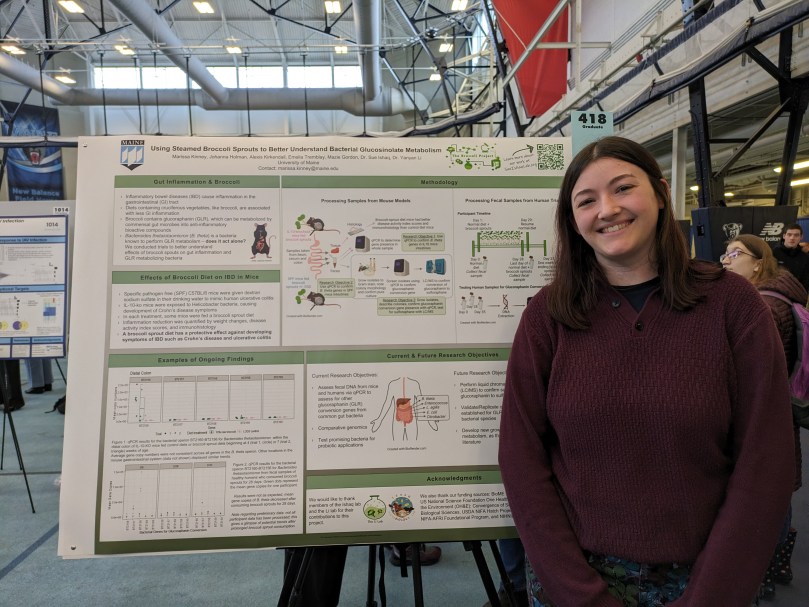
Using Steamed Broccoli Sprouts to Better Understand Bacterial Glucosinolate Metabolism

Author(s): Marissa Kinney, Johanna Holman, Alexis Kirkendall, Emelia Tremblay, Mazie Gordon.

Type: poster presentation

Submission Category: Allied Health

Abstract number 418: Inflammatory bowel diseases (IBD) lead to dysfunction of the gastrointestinal (GI) tract, resulting in disruption to overall health. These diseases can affect people of all ages and are present on a global scale. Research has demonstrated that diets high in cruciferous vegetables, such as broccoli, are associated with decreases in GI inflammation. Broccoli contains glucoraphanin, which through metabolism by gut bacteria, can become an anti-inflammatory compound, sulforaphane. Recent research has validated the use of steamed broccoli sprouts in the diet of mice to reduce inflammation and resolve symptoms of IBD. Isolated microbiota samples obtained from various locations in the GI of these mice are being investigated for the presence of glucoraphanin-metabolizing genes from a common gut bacteria, Bacteroides thetaiotaomicron (B. theta). Similar analyses being conducted on human fecal samples from individuals who consumed steamed broccoli sprouts for 28 days have demonstrated decreases in the presence of B. theta. This result was not anticipated and has strengthened beliefs that B. theta is not the primary species performing glucoraphanin metabolism, thus prompting further analyses of the fecal samples from mice and humans for glucoraphanin-metabolizing genes of other common GI bacteria. Genomes of isolates from the gut of mice which have high quantities of glucoraphanin-metabolizing genes will be sequenced for identification. This information will help to identify potential bacterial candidates for future research on probiotic development.

West Coast “speaking tour” in March

I was invited to give three talks on the west coast in March, which aligned so well I was able to string them together into a mini “speaking tour”. I was looking forward to seeing work-related and non-work-related friends, and using a few of the days to visit more of the incredible ecosystems.

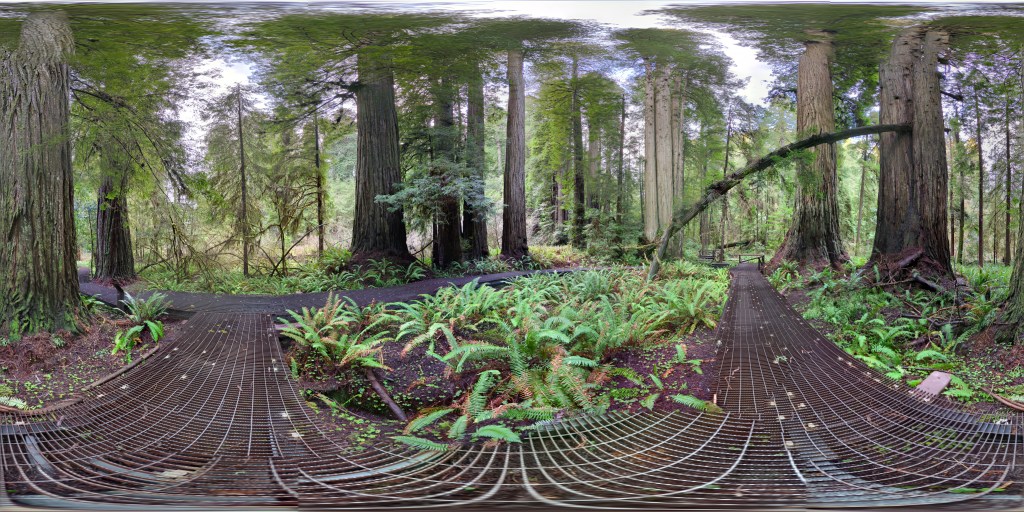
Grove of the Titans in the Redwood National Forest.

I presented three versions of a talk called “Place and time matter for gut microbes making anti-inflammatories from broccoli sprouts”, to tailor it to the audiences and time slots at each location. The talk incorporated various amounts of the #BroccoliProject and work with the Microbes and Social Equity working group.

March 5: Oregon State University, Department of Microbiology seminar series in Corvalis, Oregon


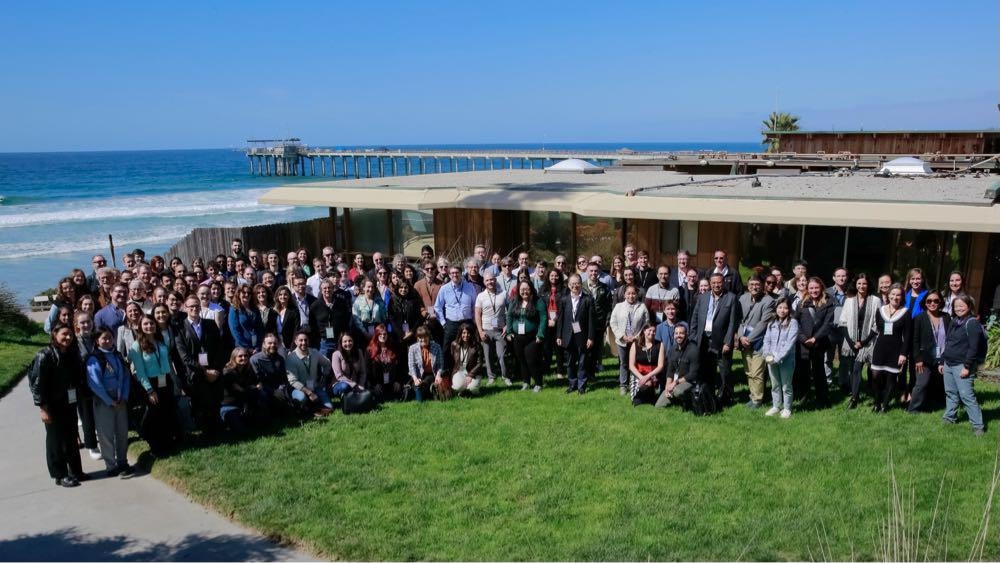
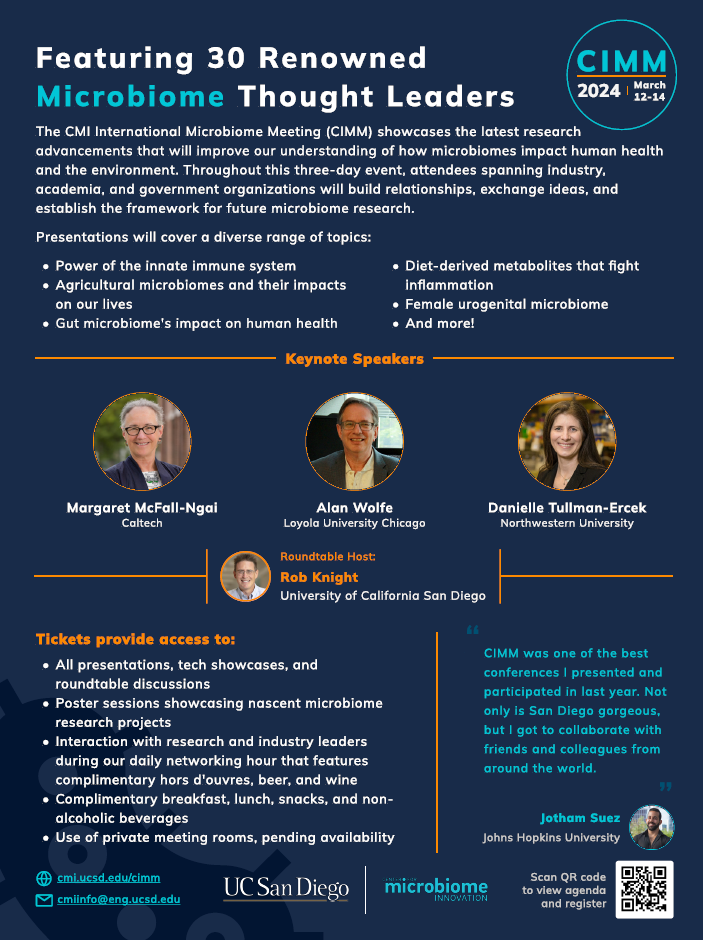
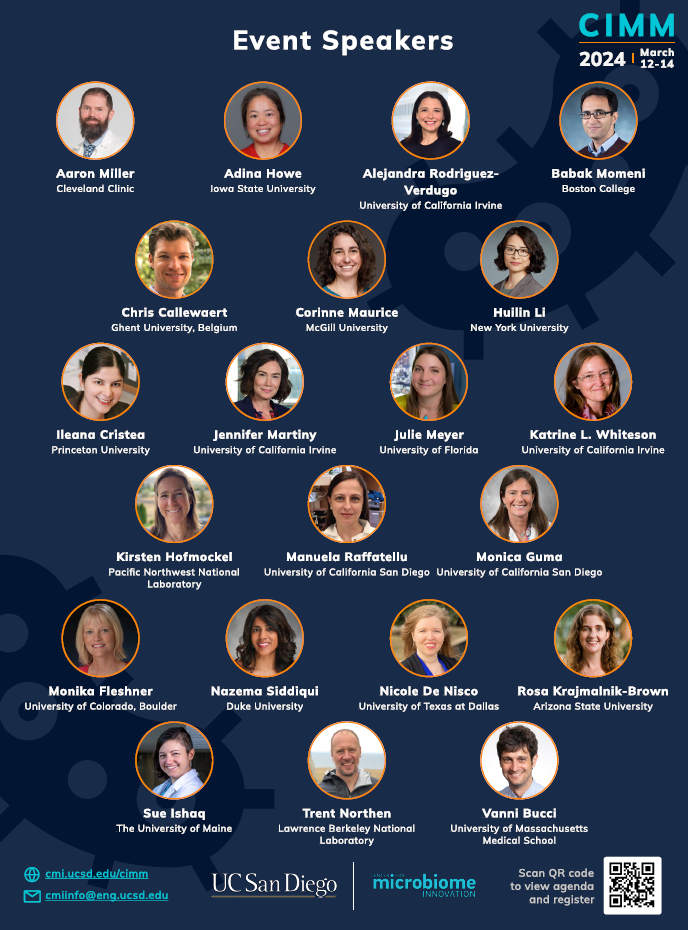
March 12: 2024 Center for Mcrobiome Innovation’s International Microbiome Meeting (CIMM) in La Jolla, California

Photo by Kat Gilbert of the attendees on Day 1

Lola Holcomb and Tolu Alaba, both PhD candidates working on broccoli sprouts and gut microbes, presented posters at CIMM. This conference features microbiome research in the contexts of health, agriculture, and environments.


March 15: Institute for Systems Biology invited seminar in Seattle, Washington

I presented my research and my work on the Microbes and Social Equity working group to students, faculty, and the DEI committee.

Presentation today on Microbes and Social Equity to the University of New Hampshire!

Today I’ll be visiting the University of New Hampshire to present my work on diet and gut microbes, and the creation of the Microbes and Social Equity working group, and engage in discussions with faculty and students. If you’ll be on campus, come say hello and eat pizza!

Upcoming presentation at the CMI International Microbiome Meeting in March!

I’ll be presenting some collaborative work on broccoli sprouts and the gut microbiome:

March 12: 2024 Center for Mcrobiome Innovation’s International Microbiome Meeting (CIMM) in La Jolla, California

Lola Holcomb and Tolu Alaba, both PhD candidates working on broccoli sprouts and gut microbes, will be presenting posters at CIMM. This conference features microbiome research in the contexts of health, agriculture, and environments.

Upcoming presentations at the 2023 Ecological Society of America annual meeting!

Ecological Society of America meeting, Aug 6 – 11, 2023, Portland, Oregon

Scallop microbes and sustainable aquaculture: host-microbe dynamics situated in environmental and social context.

Presentation ID: 1372900

Session Information

Session Title: Microbes as Tools to Solve Ecological Problems for All
Session Type: Inspire Session
Date: Thursday August 10, 2023
Session Time: 3:30 PM – 5:00 PM Pacific Time

Authors: Suzanne L. Ishaq1

Affiliations: 1 University of Maine, School of Food and Agriculture, Orono, ME 04469 USA

Atlantic sea scallop (Placopecten magellanicus) is the second largest fishery in Maine, primarily through wild harvest. Farming is a promising way to meet year-round market demands, create jobs, and reduce ecological impacts of harvest, but relies on wild-caught juveniles as larval survival in hatcheries is low for unknown reasons. My collaborative research group explores the role of larval and tank microbiomes in hatcheries compared to wild scallop veligers. In addition to basic and applied microbiome research, the research team meets with industry partners weekly to discuss results, trends, generate real-world-problem-driven project designs, and collaborate on research, education, and student training.

Bacterial community trends associated with sea scallop, Placopecten magellanicus, larvae in a hatchery system.

Poster ID:  1475974
Poster Title: “Bacterial community trends associated with sea scallop, Placopecten magellanicus, larvae in a hatchery system.”

Session Information

Agriculture
Session Date: Tuesday August 8, 2023 
Session Time: 5:00 PM – 6:30 PM Pacific Time

Authors: Suzanne L. Ishaq1*, Sarah Hosler1, Adwoa Dankwa1, Damian C. Brady2, Erin Grey3, Phoebe Jekielek4, Kyle Pepperman5, Jennifer Perry1, Rachel Lasley-Rasher6, Brian Beal3,7, Timothy J. Bowden1

Affiliations: 1 School of Food & Agriculture, University of Maine, Orono ME 04469. 2 School of Marine Sciences, Darling Marine Center, University of Maine. 3 School of Biology and Ecology, University of Maine, Orono ME 04469. 4 Department of Biological Sciences, University of Southern Maine, Portland ME 04103. 5 Downeast Institute, Beals, ME 04611. Ecology and Environmental Sciences, University of Maine, Orono ME 04473. 7 Division of Environmental & Biological Sciences, University of Maine at Machias, Machias, ME 04654

Atlantic sea scallops, Placopecten magellanicus, are the most economically important marine bivalves along the northeastern coast of North America, and wild-caught adults and juvenile spat are increasingly being cultured in aquaculture facilities and coastal farms. While adults can be induced to spawn successfully in hatcheries, the last two weeks of the larval maturation phase are plagued by large mortality events, making production unfeasible. Research into other scallop- and aquacultured-species point to animal loss from bacterial infections or from altered functionality of host-associated microbiota. There are no previous studies of the bacterial communities from biofilms growing in scallop hatchery tanks, nor even host-microbial studies with this species of sea scallops. We identified bacterial communities in veliger-stage wild larvae, hatchery larvae, and tank biofilms, using the V3-V4 region of the 16S rDNA gene, via Illumina MiSeq sequencing. Hatchery larvae had lower bacterial richness (number of bacteria taxa present) than the wild larvae and tank biofilms, and hatchery larvae had a similar bacterial community (which taxa were present) to both wild larvae and tank biofilms. Bacterial richness was not significantly different between tanks which had been occupied by larvae for 48 hours, and those which had just been drained, scrubbed clean, and refilled with filtered seawater. Static-water-flow compared to continuous-water-flow (flow-through) did not generate different levels of bacterial richness overall, and only an equivocal difference when accounting for time as a smoothing feature in the model (GAM, p = 0.04). Bacterial richness and community similarity between tank samples fluctuated over the trial in repeated patterns of rise and fall, which showed some correlation to lunar cycle  where richness is high when the moon is about 50% and richness is low during new and full moon phases. This may be a proxy for the effects of spring tides and trends in seawater bacteria and phages which are propagated into hatchery tanks. The number of days since the full moon was significantly correlated with bacterial community richness in tanks (GAM, p < 0.01): low during the full moon, peaking ~ 21 days after the full moon, and decreasing again at the next full moon.  These results along with future work, will inform hatcheries on methods that will increase larval survival in these facilities, for example, implementing additional filtering or avoiding seawater collection during spring tides, to reduce certain bacterial taxa of concern or promoting a more diverse microbial community which would compete against pathogens.

Giving the keynote presentation at the Boston University Microbiome Day in July!

I’m honored to be giving the keynote presentation at the Boston University Microbiome Day this July 12! I’ll be sharing my work on microbes and social equity, especially as pertains to health and the environment. You can find event details and registration here. You can also follow the group on Twitter @BuMicrobiome.

TimeEvent
9:00-9:45 AMBreakfast and coffee
9:45-10:00 AMWelcome
Faculty Talks
10:00-10:30 AMDr. Sarah Davies
10:30-11:00 AMDr. Joe Larkin
Keynote Address
11:00AM-12:00 PMDr. Sue Ishaq
12:00PM-1:30 PMLunch and Poster session
Panel Discussion: Translating the Microbiome to Industry
1:30-2:30 PMJennifer Cookson, Andrea Watson and Nili Ostrov:“Translating the Microbiome to Industry”
Student Session Pt 1
2:45-3:05 PMMichael Zulch
3:05-3:35 PMPaul Rousteau
3:35-3:45 PMSession Break
Student Session Pt 2
3:45-4:05 PMCorinne Vietorisz
4:05-4:35 PMMichael Silverstein
5:00 PMSocial Event
 

Upcoming talk at the 9th Southern California Microbiome Symposium in September!

I’m ecstatic to be heading back to southern California this September to present at the 9th annual Southern California Microbiome Symposium. I’ll be sharing my work on microbes and social equity, especially as pertains to food systems and sustainability. Registration is free, and can be found here.