Working full time on your break from work: University Sabbaticals

My sabbatical – a semester-long release from my teaching, undergraduate advising, and departmental administration duties – wrapped up at the end of December. Despite only having to ostensibly perform half my job, I worked full-time my entire sabbatical just to keep on top of my current workload because university ‘responsibility creep’ is too pervasive. However, being on sabbatical allowed me just enough free time during the work week to reflect in a way that I have not been able to afford in a long time – something avid readers of my blog might have noticed as my introspective content has been sparse and the length of my posts has diminished over the last few years. Case in point: I started the outline for this blog post in November 2024 with the intention of posting in January 2025todiscussmy sabbatical plans for fall 2025, and I am just now getting around to writing the summary of events at the end of January 2026.

What is a sabbatical and who takes over my responsibilities?

A sabbatical is broadly used to describe a long break from one’s job responsibilities, but it is structured very differently based on career and institution. While it can mean an extended vacation bestowed on long-term employees after years of service, university sabbatical provides a temporary release from some responsibilities to allow faculty to improve other parts of their role/responsibilities. For example, many faculty use their sabbatical to visit another lab to launch a collaborative project or learn a new technique, others use it to learn new topics to expand their teaching repertoire. Institutions may set requirements for research or teaching objectives, but at UMaine the faculty propose their own goals in a written application. Faculty are eligible to apply for one or two semesters off every six years of service, and proposals are reviewed by the Department Chair, Dean’s Office, and Provost’s office before some are approved.

For example, UMaine’s guidelines and application for sabbaticals is here. You’ll note that only a certain number of sabbaticals may be approved for each campus in the UMaine system each year, regardless of how many people are eligible. Thus, the application materials (your proposal) are import because, from the UMaine guidelines, “The selection of those who will receive these sabbaticals shall be based on a program proposal which includes a statement of intent and on benefits of the proposed sabbatical to the individual, the campus and the profession.”

Asking for one semester off (4 months) versus two (the 9-month academic year) creates different challenges for one’s department, as my duties don’t vanish when I’m not there. Sabbatical proposals require faculty to describe how our existing responsibilities will be met. My undergraduate advisees needed to be reassigned to my colleagues in the Animal and Veterinary Science program (some of whom had to resolve enrollment and academic admin barriers for 50 undergraduates), I needed to find adjuncts with highly-specialized academic backgrounds to teach my two fall courses (totaling 130 students), and critical decisions still needed to be made to help the program and department survive the university-wide restructuring and budget cuts that stemmed from the year of chaos in federal funding for research and education.

Luckily, my department had room in the budget to hire two adjuncts, because when faculty take one semester of sabbatical off, we still draw 100% of our salary (half of mine is for research, half is for teaching/advising, and we are required to provide departmental administration and university service for free). Thus, I needed to have my sabbatical plan approved in advance by my departmental chair to ensure we had money to hire temporary replacements. If I had taken a year off, my salary would have been reduced by 50% for that year, and the remainer would have been used to pay for a temporary employee to teach/advice 12 credit hours over 9 months.

Of course, some responsibilities cannot be re-assigned or paused, so I was still obligated to perform some teaching, advising, and admin duties even though I was ostensibly freed from those. I reflect on that towards the end of my post, after I talk about my goals.

Sabbatical Goal 1: Flipping AVS 254 Intro to Animal Microbiomes

My primary goal was to transform my existing lecture-based course, AVS 254 Intro to Animal Microbiomes, into a flipped-classroom format in which all lectures are recorded ahead of time for students to watch at their convenience, and the scheduled class time is spent on active learning and completing assignments. I completed this objective, but it took me 7 months instead of 3 because of the extensive burden of generating curriculum (literature review, summarizing info, finding or creating images and diagrams, making content visually accessible, writing presenter notes for all slides, finding journal articles which were easy to read for homework, designing walk-through assignments which teach research skills). Flipping the classroom can benefit the students, by providing more opportunities to connect learning material with skills and problem-solving. I also needed much more time than expected to complete my objectives because of the teaching and advising which couldn’t pause during my sabbatical.

Flipping the classroom made better use of my time and expertise by allowing problem-solving assignments. While it takes extensive expertise to complete the literature reviews and summaries for my lectures (which are each on a different topic), reciting the content of my lectures each year is not a good use of my time. Instead, recording my lectures allows me to use classroom time to provide my expertise to students on assessing and using information on microbes to solve problems. In previous years, I flipped several lectures and use class time for active learning, which was very successful. For my sabbatical, I revised all the course assignments from at-home writing to in-person research-based activities: how to use databases to analyze microbiome data and compare DNA sequences, compare existing data on microbiomes and interventions, choose one technology versus another, design hypothetical experiments or interventions, and generate action plans for hypothetical collaborations. The flipped classroom creates asynchronous learning of course material, which is also part of a long-term revision to the modalities of my course that I’ve been working towards for several years. Last year, and starting again next year, I will offer my course with an in-person version (the flipped classroom), and as an asynchronous version.

Recording content allowed me to improve depth of material. To condense the material from three lectures per week into two per week (or one/holiday week), I restructured my 35 lectures into 28. This involved moving content rather than cutting it, and allowed me to condense similar material into one lecture instead of dispersing it to work within the time limit of in-person courses. By recording lectures, I was able to double the amount of content provided and go into more depth without increasing total lecture time, because the recordings proceed faster than live lectures.  For example, in a lecture on how diet affects microbial communities in monogastric animals, I was able to add comparative anatomy, physiology, microbiology as well as integrate more biophysics of digestion, and collectively this allowed me to tie science from multiple disciplines into a cohesive narrative about how host species and diet both affect gut microbes.

Recording content allowed me to make materials more accessible. First, no matter how I structure my content, some students feel like there is too much material while others feel there is not enough. To provide a “Goldilocks Zone”, the recordings can be played at low or high speed to keep pace with their learning style. Second, no matter how many students indicate they want in-person courses, only about 1/3 are able to show up the entire semester, and that falls to 1/10 every time (according to students) a science “weeder course” has an exam as students are given little-to-no flexibility on deadlines for those courses and are forced to de-prioritize (and risk failing) another course. I’ve spoken to students who have said they chose to skip assignments or accept a worse grade in my course instead of falling behind in chemistry because they knew I would let them turn in assignments weeks or even months late while they receive little flexibility for life events which prevent them from attending class/lab or completing assignments on time. To combat this, all my recorded lecture content is available at the beginning of the semester for students who need to complete this course at custom intervals instead of weekly.  The asynchronous version accommodates students who have too many courses, work, long commutes, medical constraints, family care duties, or other obligations which preclude them attending and engaging with the course. This, too, presented a challenge as I needed to create protocols or walkthroughs which can be accomplished within the classroom as well as online, and make them expandable to create extra objectives for students completing assignments in a group to maintain equitable workloads with online students completing assignments solo.  

 Recording the lectures required an overhaul of all materials to make them higher quality, self-explanatory, and to make them more inclusive to learning assistance technology. In addition to generating more content, all slides needed to be recorded which required presenter notes/ a script to improve the quality of the recording and reduce the use of filler words. To improve content for non-visual learners (visual disability or those who listen to the audio recording at work without looking at the slides, this also required a significant time investment to describe each graph, diagram, or other visual element in my presenter notes/audio recording. By adding presenter notes on slides, I could also create annotated PDFs versions of lectures that are easier for students to use with screen-readers, and easier to download for students with low-quality internet, and allows students to have a written script for the video version as the subtitle-generating AI in Kaltura sometimes struggles to accurately transcribe scientific terms or certain words because of the way I speak.

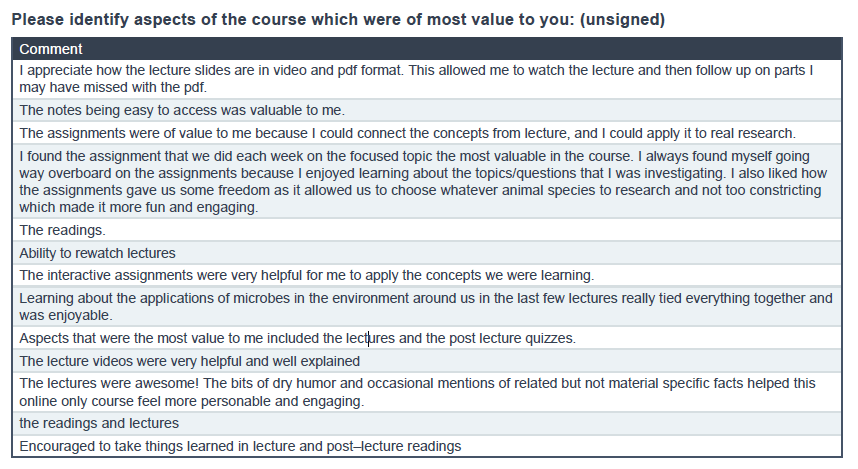
Students were enthusiastic about the updates to the course content and format, based on course evaluations from Fall 2025 when an adjunct taught my course but I was making course revisions in advance of releasing course material each week. Student comments included:

  • “I loved that this course was offered online. As a dual–enrolled student, this made it possible for me to take the course. I also really appreciated the flexibility of deadlines. I feel that it was very reasonable to simply ask for more writing if the assignment was late. Thank you!”
  • “I appreciate how the lecture slides are in video and pdf format. This allowed me to watch the lecture and then follow up on parts I may have missed with the pdf.”
  • “I found the assignment that we did each week on the focused topic the most valuable in the course. I always found myself going way overboard on the assignments because I enjoyed learning about the topics/questions that I was investigating. I also liked how the assignments gave us some freedom as it allowed us to choose whatever animal species to research and not too constricting which made it more fun and engaging.”
Sabbatical Goal 2: Updating course materials for data analysis

The second goal for my sabbatical was to update the course materials for my data-analysis based AVS 454/554 DNA Sequencing Data Analysis Lab. Unfortunately, I did not even get to begin this objective because of the extensive effort to revise AVS 254 and my persistent workload was too high. However, I did receive useful feedback from the adjunct instructor who taught my course while I was on sabbatical. This data analysis lab uses coding in several programs to analyze DNA sequencing data and generate draft manuscripts. Updating the materials would benefit me by making this course cutting-edge and streamlined, as these programs, and the theory behind the data analysis workflow, evolve on an annual basis in the rapidly changing field of microbial ecology. The feedback I received indicated that graduate students needed more remedial content, especially a basic understanding of statistics and a more thorough explanation of how to apply those statistics to their experiments and microbial community analysis.  As such, when I can update this course, I will expand my existing 4 lectures on statistics to 6.

Sabbatical Goal 3: Catching up on research

My third sabbatical goal was to catch up on my tasks for completed and in-progress research, as well as to add new components to my work, which I successfully completed. My research on how broccoli sprouts in the diet can induce gut microbes to reduce inflammation has been adding new facets over the past year which require more of my attention, including metagenomics, whole genome sequencing, transcriptomics, protein identification and enzyme isolation, and probiotic development.

My sabbatical allowed me the time to write/revise seven scientific manuscripts for peer review, provide three presentations of my work to research and student audiences, to help one of my graduate students write their PhD dissertation in preparation for their defense, to help one of my students prepare for and take their comprehensive, to provide graduate committee support for two students to defend and another to take their comprehensive exam, and to plan/perform an intensive probiotic trial in mice. In addition, I spent the fall revising three large-scale, multi-year, multi-institution funding proposals to USDA NIFA and NIH.

I was also able to complete more research administration and leadership opportunities, such as fostering research case studies through my role on the Microbiome Stewardship research group, leadership duties for the Microbes and Social Equity working group, an international research society, and participating in research-curation initiatives such as the creation of a Microbe Specialist group for the IUCN.

My teaching was reallocated during my sabbatical, but course revision was more intensive than previous years

I teach 2 courses each semester, three of which are required for AVS undergraduates, and one of which teaches a specialized data analysis to graduate students which need it to perform their research. Luckily, I was able to find local expertise for my two fall classes, which are highly specialized topics and difficult to find replacements for in Maine. My data analysis course was taught by a faculty member in the bioinformatics master’s program at UMaine, who has significant experience teaching coding for data sciences. My animal microbiomes course run by one of my PhD students, Ashley, who was a grader for the course last year and had gained familiarity with the content and delivery of the course. To help her manage the 97-undergrad course, it was held in an asynchronous format, in which all lectures were pre-recorded by me and students could access content and complete assignments at their convenience each week.

However, this year’s course was a challenge for both of us: I was actively revising the lectures, reading list, and assignments during the semester in an effort to keep pace with the overhaul objectives of my sabbatical. I had intended to revise at least half the source over the summer, when I was without summer salary and ostensibly should not have been working, but I had so many service (unpaid), research, and advising activities, as well as the course revision, that I worked full-time all summer. I was able to revise most of the first third of the course over the summer, which bought me time in September and October when I was still working full – or more than full—time despite being on sabbatical: the amount of service, advising, and research once again overwhelmed my schedule. In addition, I had to spend September and October revising two large-scale, multi-year, multi-institution funding proposals because of the deliberate delays to the USDA NIFA and NIH research funding mechanisms in 2025 delayed reviews on previously submitted proposals, and for the USDA funding, pushed proposal submission deadlines from the summer to the fall. Thus, by November I was rushing to revise course content to stay ahead of the syllabus.

Despite being off contract (unpaid) all summer, and despite being on sabbatical and freed from teaching and advising and admin all fall, I put in 40 hours a week on course revisions, evaluating graduate student performance in comprehensive exams and defenses, writing recommendation letters for undergraduates and graduates, oh, and teaching and assisting with departmental administration. That’s right, I taught 4 students during my sabbatical going through their Capstone courses out of sync to help them graduate. And, because of the university strategic revising evaluation (we got marked down for having too high of a student: faculty ratio even though the university has not given us permission to hire more faculty despite our increasing enrollment in the last 5 years) and subsequent requests to slash departmental budgets (without reducing our workload or number of students), I attended hours of administrative meetings and helped write a plan for our program in response to the SRE.

My advising was reallocated during my sabbatical, except for all the unpaid advising university faculty typically do

The sabbatical provided temporary relief to my heavy workload and a chance to catch up a little, but by no means did it resolve the burden of increased responsibilities, as enrollment or student needs increase but the number of faculty per student does not. In fact, being on sabbatical allowed me to work at a sustainable 40 hours per week instead of the 50+ hours per week I am pressured to work every semester through the number of student, colleague, and university requests for my help. Yet, during my sabbatical, I still had advising and teaching that could not be re-allocated, and departmental activities still needed effort, such as making decisions about spring courses or providing timely information to the university due to the strategic revisioning plan.  I bring this up as a way to demonstrate how valuable sabbaticals are and re-enforce the support for sabbaticals at the college level. I urge the university to find creative ways to allow faculty to extend their sabbaticals to one full academic year without having to take the full-year-sabbatical reduction in pay.

The changes to federal education and research funding, as well as the overall economy, changed academic timelines for many students. In 2025, I advised three graduate students, and was on the thesis committee for two more, who needed to graduate sooner than expected due to federal delays in graduate research fellowships which left them without salary. Similarly, my previous advisees needed letters of recommendation to apply for veterinary or medical programs, or jobs. I wrote 13 letters (totaling 13 hours) this summer (when I am off contract) and fall.  This fall, I had 4 students who needed to take the AVS Capstone courses to graduate on time, so I was still performing some teaching tasks (paid through add comp). This has become a regular occurrence as, based on student feedback, the reduction in faculty at UMaine has reduced available courses and made enrollment much more difficult – essentially, I am asked by students to teach my courses out of their designated semester because they need help to graduate early because they cannot afford another semester. Students need more flexibility in their course availability and they need help year-round, and providing summer salary or sabbaticals offers faculty a way to accommodate students while still accomplishing our other tasks.

My sabbatical was an incredible opportunity

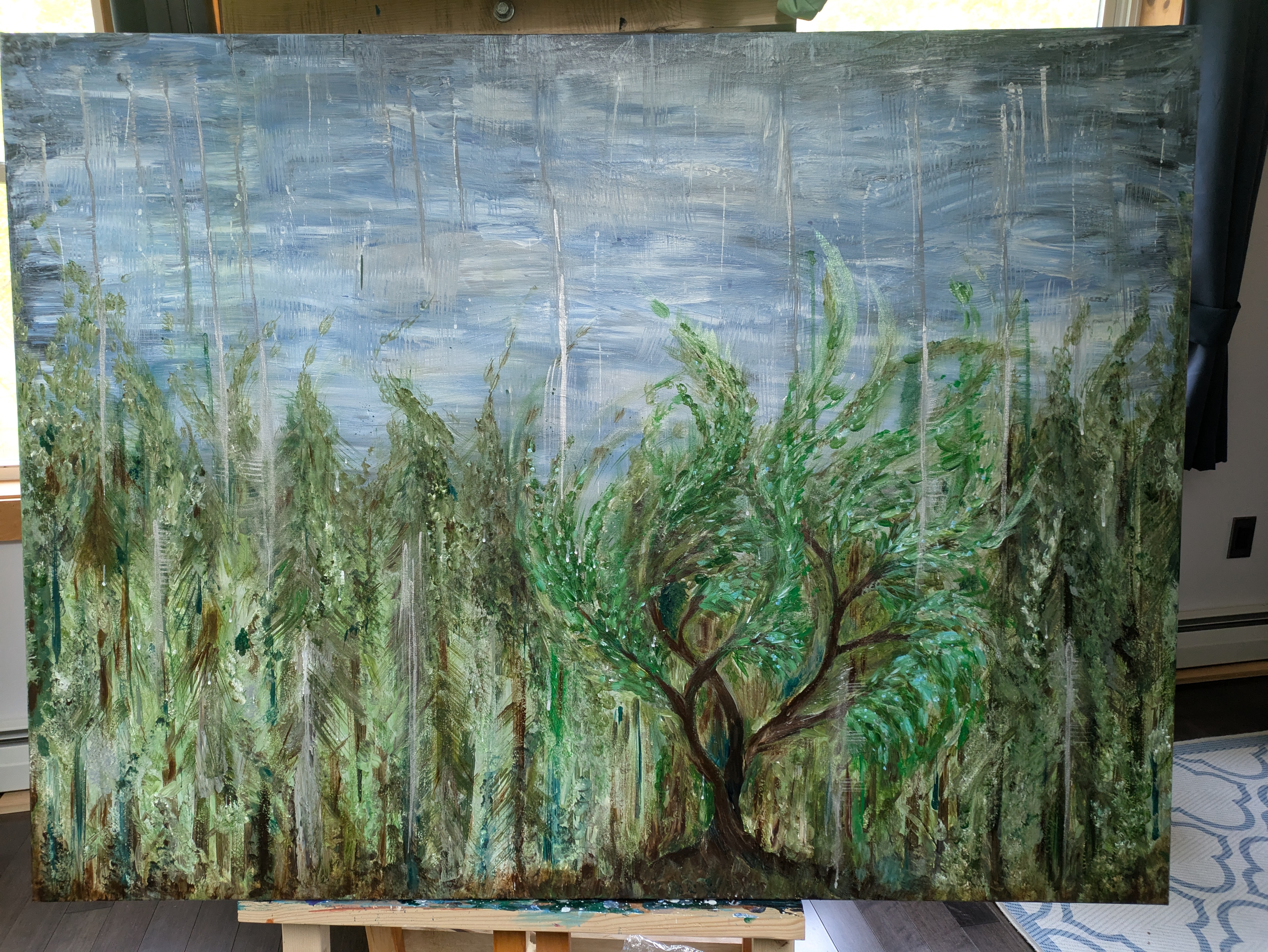
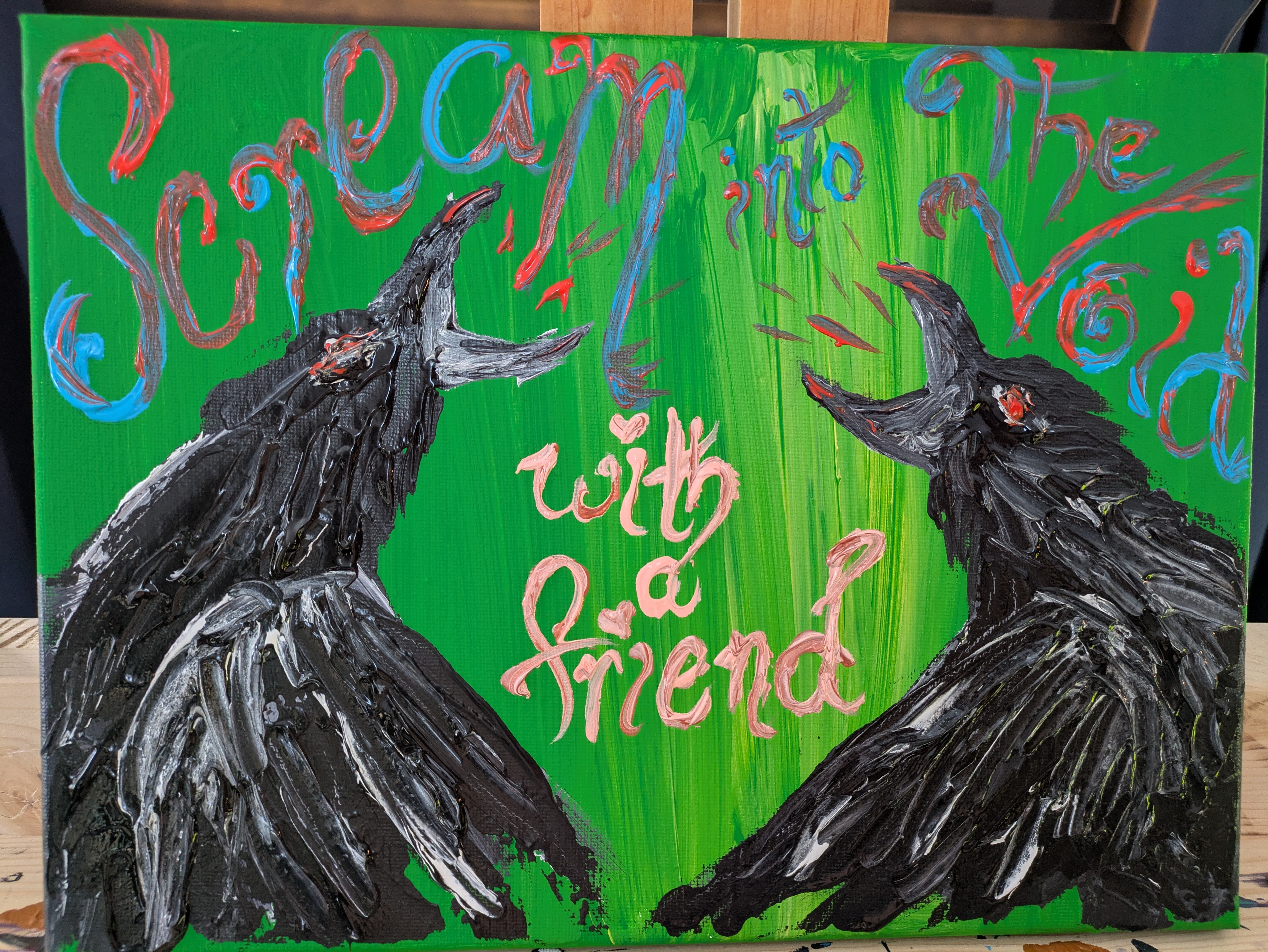
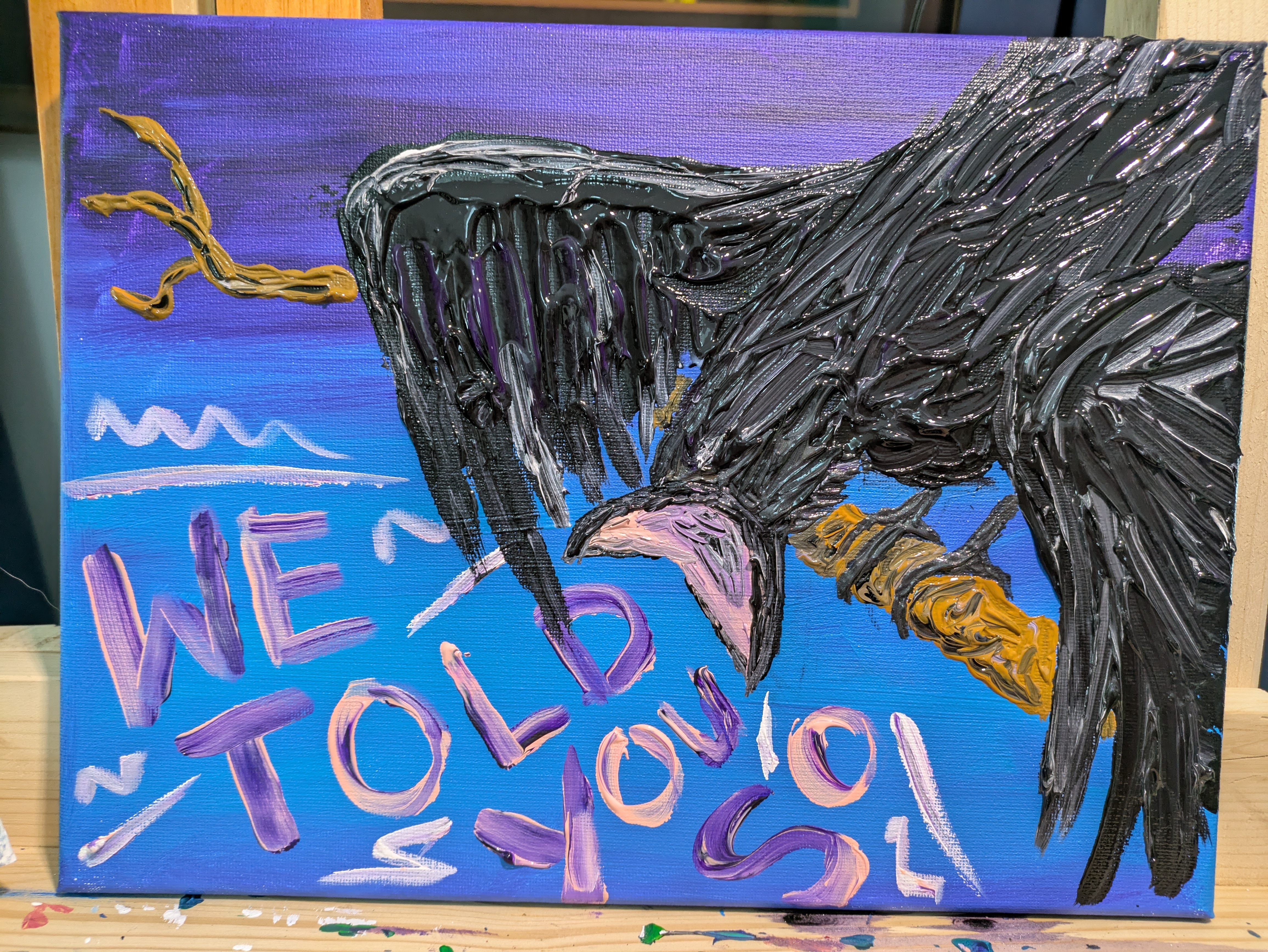
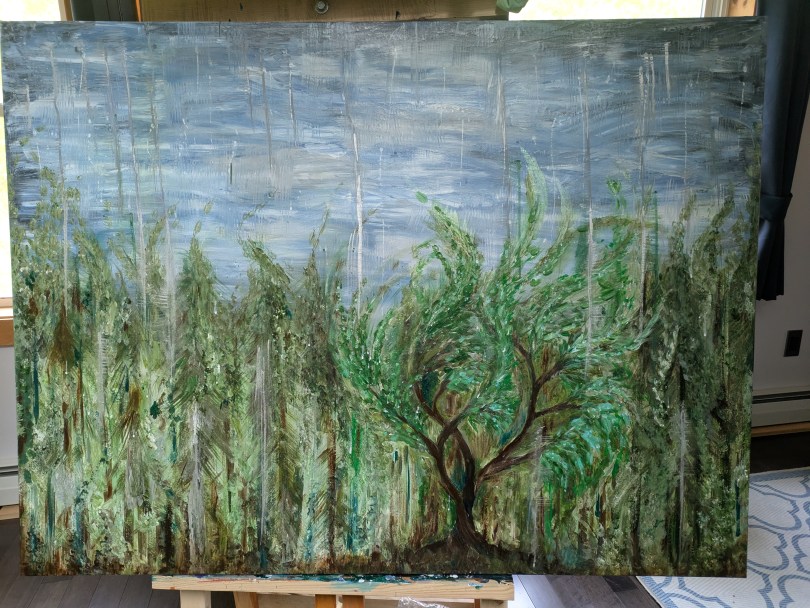
For anyone who is considering a sabbatical, I absolutely recommend it. You don’t need to make grand plans, or do something completely novel, or even resolve your entire pile of unfinished business for your sabbatical to be successful. View it as a “stay-cation”, and a way to check the 1000 tiny items off your to-do list that couldn’t be accomplished because of the perpetually hectic pace of academia. If you think you are too busy to take a sabbatical, then you really need to. It may seem like I wasted my sabbatical on work or old, unfinished business, but it allowed me to free myself from lingering obligations, make improvements to teaching or advising to make my job run more smoothly, and importantly, it helped me gain back some time to think and write which are critical aspects of my job that continuously get de-prioritized by urgent requests for my time (meetings, emails, and having to drop everything and work on requests for information from the college). And, I had more time to paint in 2025 than I have had in years. I will have to wait 6 years to be eligible for my next sabbatical, but I’m already looking forward to it!
Happening today ‘Session 5: MSE Education Practices and Curriculum Design’ at the July 2022 MSE virtual symposium!

Today is the fifth and final day of the July 2022 MSE virtual symposium, which is focused on “MSE Education Practices and Curriculum Design”. Don’t worry, you still have time to register!

This session will feature three talks featuring educators who have brought sociology into their microbiome courses, and vice versa, and who have experience creating out-of-the-box curricula to engage students in learning while helping them to see themselves as scientists. Our hope is that attendees for this session learn from different perspectives how to creatively present microbiology courses which situate learning about the microbiome with learning about social and environmental systems.

Session 5: “MSE Education Practices and Curriculum Design”

Friday, July 22nd, 12:30 ~ 16:00 EST. post updated, event has passed, watch the recorded talks.

Session leaders:

Erin Eggleston, PhD, Assistant Professor of Biology, Middlebury College

Monica Trujillo

Monica Trujillo, Ph.D., Associate Professor, of Biology Queensborough Community College, The City University of New York

Carla Bonilla, Ph.D., Assistant Professor, University of San Diego

Scope: Curriculum which blends disciplines is highly engaging, and can be used to teach complex concepts, and can help students combine their existing cultural and social identities with their growing researcher identity. However, creating an interdisciplinary curriculum can be challenging. This session frames educational conversations in MSE, and gives perspectives on creating courses that blend microbiome and social sciences for different levels of education.

Learning Objectives of Session: Attendees will 1) identify successes and barriers to entry for MSE curriculum at different education levels (K-12, UG, grad, general public), 2) Share ways in which we incorporate MSE in our curricula (i.e. assignments, class period, multi-day module, full course, etc.); 3) develop ideas for further curriculum design for their own courses.

Format of talks: Three 30-min lecture-style talks from education practitioners who have successfully built courses around MSE topics, including an outline of learning goals, approach to course, lessons learned/challenges, and more.

Format of breakout rooms: Each room creates a lesson plan outline, and each room has a designated topic area (e.g. human microbiome equity) to help audience members group by teaching discipline.

Session Speakers

Sarah Miller

Sarah Miller, M.S., Executive Director of Tiny Earth at University of Wisconsin-Madison

“Tiny Earth: Leveraging an instructor community to create antiracist curriculum in a research course”

Dr. Ally Hunter
Dr. Melissa Zwick

Dr. Ally Hunter, PhD., Lecturer, iCONS Program & Postdoctoral Fellow, Center for Youth Engagement, University of Massachusetts, Amherst. Part of NSF Project RAISE (Reclaiming Access to Inquiry Science Education for Incarcerated Learners), and NSF Project INSITE (INtegrating STEM Into Transition Education for Incarcerated Youth).

Dr. Melissa Zwick, PhD., Associate Professor of Biology, Stockton University

“Science through storytelling:  Using case study pedagogy as inclusive practice in undergraduate microbiology.” 

Dr. Davida Smyth

Dr. Davida Smyth, Ph.D., Associate Professor of Molecular Microbiology at Texas A&M University in San Antonio

“Using wicked problems to CURE your teaching”

12:30 – 14:15 Introduction and Speakers

14:15 – 14:30 Break

14:30 – 16:00 Breakout room discussions based on skills development, in smaller groups

  • Undergraduate microbiology courses resources/MSE integration
  • Pedagogy as scholarship/publishing mechanisms/resources
  • Assessing case study style teaching

Prior to this session, you may want to watch these recorded talks:


One week until ‘Session 5: MSE Education Practices and Curriculum Design’ at the July 2022 MSE virtual symposium!

We are a week away from the fifth and final day of the July 2022 MSE virtual symposium, which is focused on “MSE Education Practices and Curriculum Design”. This session will feature three talks featuring educators who have brought sociology into their microbiome courses, and vice versa, and who have experience creating out-of-the-box curricula to engage students in learning while helping them to see themselves as scientists. Our hope is that attendees for this session learn from different perspectives how to creatively present microbiology courses which situate learning about the microbiome with learning about social and environmental systems.

Session 5: “MSE Education Practices and Curriculum Design”

Friday, July 22nd, 12:30 ~ 16:00 EST. Register for this session, which is free and will be held over Zoom.

Session leaders:

Erin Eggleston, PhD, Assistant Professor of Biology, Middlebury College

Monica Trujillo

Monica Trujillo, Ph.D., Associate Professor, of Biology Queensborough Community College, The City University of New York

Carla Bonilla, Ph.D., Assistant Professor, University of San Diego

Scope: Curriculum which blends disciplines is highly engaging, and can be used to teach complex concepts, and can help students combine their existing cultural and social identities with their growing researcher identity. However, creating an interdisciplinary curriculum can be challenging. This session frames educational conversations in MSE, and gives perspectives on creating courses that blend microbiome and social sciences for different levels of education.

Learning Objectives of Session: Attendees will 1) identify successes and barriers to entry for MSE curriculum at different education levels (K-12, UG, grad, general public), 2) Share ways in which we incorporate MSE in our curricula (i.e. assignments, class period, multi-day module, full course, etc.); 3) develop ideas for further curriculum design for their own courses.

Format of talks: Three 30-min lecture-style talks from education practitioners who have successfully built courses around MSE topics, including an outline of learning goals, approach to course, lessons learned/challenges, and more.

Format of breakout rooms: Each room creates a lesson plan outline, and each room has a designated topic area (e.g. human microbiome equity) to help audience members group by teaching discipline.

Session Speakers

Sarah Miller

Sarah Miller, M.S., Executive Director of Tiny Earth at University of Wisconsin-Madison

“Tiny Earth: Leveraging an instructor community to create antiracist curriculum in a research course”

Dr. Ally Hunter
Dr. Melissa Zwick

Dr. Ally Hunter, PhD., Lecturer, iCONS Program & Postdoctoral Fellow, Center for Youth Engagement, University of Massachusetts, Amherst. Part of NSF Project RAISE (Reclaiming Access to Inquiry Science Education for Incarcerated Learners), and NSF Project INSITE (INtegrating STEM Into Transition Education for Incarcerated Youth).

Dr. Melissa Zwick, PhD., Associate Professor of Biology, Stockton University

“Science through storytelling:  Using case study pedagogy as inclusive practice in undergraduate microbiology.” 

Dr. Davida Smyth

Dr. Davida Smyth, Ph.D., Associate Professor of Molecular Microbiology at Texas A&M University in San Antonio

“Using wicked problems to CURE your teaching”

12:30 – 14:15 Introduction and Speakers

14:15 – 14:30 Break

14:30 – 16:00 Breakout room discussions based on skills development, in smaller groups

  • Undergraduate microbiology courses resources/MSE integration
  • Pedagogy as scholarship/publishing mechanisms/resources
  • Assessing case study style teaching

Prior to this session, you may want to watch these recorded talks:


Speaker lineup confirmed for ‘Session 5: MSE Education Practices and Curriculum Design’ at the July 2022 MSE virtual symposium!

The speaker lineup is set for the fifth (and final) day of the July 2022 MSE virtual symposium, which is focused on “MSE Education Practices and Curriculum Design”. This session will feature three talks featuring educators who have brought sociology into their microbiome courses, and vice versa, and who have experience creating out-of-the-box curricula to engage students in learning while helping them to see themselves as scientists. Our hope is that attendees for this session learn from different perspectives how to creatively present microbiology courses which situate learning about the microbiome with learning about social and environmental systems.

The program for the July 2022 MSE virtual symposium, “Developing transformative Research Skills”, is beginning to take shape as we continue to confirm speakers for the 5 sessions, the full program for which can be found here.

Session 5: “MSE Education Practices and Curriculum Design”

Friday, July 22nd, 12:30 ~ 16:00 EST. Register for this session.

Session leaders:

Erin Eggleston, PhD, Assistant Professor of Biology, Middlebury College

Monica Trujillo

Monica Trujillo, Ph.D., Associate Professor, of Biology Queensborough Community College, The City University of New York

Carla Bonilla, Ph.D., Assistant Professor, University of San Diego

Scope: Curriculum which blends disciplines is highly engaging, and can be used to teach complex concepts, and can help students combine their existing cultural and social identities with their growing researcher identity. However, creating an interdisciplinary curriculum can be challenging. This session frames educational conversations in MSE, and gives perspectives on creating courses that blend microbiome and social sciences for different levels of education.

Learning Objectives of Session: Attendees will 1) identify successes and barriers to entry for MSE curriculum at different education levels (K-12, UG, grad, general public), 2) Share ways in which we incorporate MSE in our curricula (i.e. assignments, class period, multi-day module, full course, etc.); 3) develop ideas for further curriculum design for their own courses.

Format of talks: Three 30-min lecture-style talks from education practitioners who have successfully built courses around MSE topics, including an outline of learning goals, approach to course, lessons learned/challenges, and more.

Format of breakout rooms: Each room creates a lesson plan outline, and each room has a designated topic area (e.g. human microbiome equity) to help audience members group by teaching discipline.

Session Speakers

Sarah Miller

Sarah Miller, M.S., Executive Director of Tiny Earth at University of Wisconsin-Madison

“Tiny Earth, A Course-based Undergraduate Research Experience (CURE)”

Dr. Ally Hunter
Dr. Melissa Zwick

Dr. Ally Hunter, PhD., Lecturer, iCONS Program & Postdoctoral Fellow, Center for Youth Engagement, University of Massachusetts, Amherst. Part of NSF Project RAISE (Reclaiming Access to Inquiry Science Education for Incarcerated Learners), and NSF Project INSITE (INtegrating STEM Into Transition Education for Incarcerated Youth).

Dr. Melissa Zwick, PhD., Associate Professor of Biology, Stockton University

“Science through storytelling:  Using case study pedagogy as inclusive practice in undergraduate microbiology.” 

Dr. Davida Smyth

Dr. Davida Smyth, Ph.D., Associate Professor of Molecular Microbiology at Texas A&M University in San Antonio

“Using wicked problems to CURE your teaching”

12:30 – 14:15 Introduction and Speakers

14:15 – 14:30 Break

14:30 – 16:00 Breakout room discussions based on skills development, in smaller groups

  • Undergraduate microbiology courses resources/MSE integration
  • Pedagogy as scholarship/publishing mechanisms/resources
  • Assessing case study style teaching

Prior to this session, you may want to watch these recorded talks:


Teaching Statement development series: evaluating my approach

This is the final installment of the selected portions of my Teaching Statement as part of a development series, drafted as I refine my philosophies for the submission of my second-year review this fall. I welcome feedback! Feel free to comment on the post (note, all comments require my approval before appearing publicly on the site), or contact me directly if you have more substantial edits.

*Please note, these are selected portions of my Statement which have been edited to remove sensitive information. These are early drafts, and may not reflect my final version. Tenure materials that I generate are mine to share, but my department chair, committee, and union representative were consulted prior to posting these. Each tenure-granting institution is unique, and departments weigh criteria differently, thus Statements can’t really be directly compared between faculty.*


Evaluating my approach to teaching (modified to remove sensitive information)

I regularly solicit student feedback in my courses, either in class, or via anonymous surveys using online teaching platforms (Brightspace), to improve the quality and content of my teaching materials.  For example, a voluntary, anonymous survey of AVS 401 Senior Paper in Animal Science I students in fall 2020 on lecture content and order revealed that the material presented (see Developing curricula) was all or partly new to them, that they would have preferred to learn about Project Management and Experimental Design earlier in the lecture series, and that they found all lectures to contain useful information. Survey report available upon request. Student comments included

  •  [ Student comments redacted for the blog post]

Similarly, I solicit feedback from my peers, including an ad hoc Pedagogy in STEMM working group on campus.  The working group meets semi-weekly to discuss curriculum development, and in particular, including social issues into science courses. I led a one-hour meeting on re-thinking tense classroom conversations, as well as making student contribution equitable and productive. My re-devised strategy, a result of that working-group meeting, for discussion topics which do not elicit student engagement is to ignore the topic discussion and jump to resolution planning in the short and long-term using starting scenarios which include cost/benefit analyses, if applicable. 

Finally, the use of online teaching software (Brightspace) allows me to evaluate student engagement in real-time, from tracking assignment submission times, to identifying patterns in grading that point to poorly-worded or confusing assignments, to participation in online discussion forums by topic.  The software facilitates tracking progress by individual students or the class over time, allowing me to parse when I need to reach out to offer additional help, or when I need to change an assignment deadline because it conflicts with large assignments (such as mid-term exams) from other courses which divert student attention. 


Previous installments:

Teaching Statement development series: science and society.

Teaching Statement development series: research mentorship.

Teaching Statement development series: research and education.

Teaching Statement development series: scientific literacy.

Teaching Statement development series: developing curricula.

Teaching Statement development series: accessibility.

Teaching Statement development series: science and society

Over the next few weeks, I’ll be sharing selected portions of my Teaching Statement here as part of a development series, as I refine my philosophies for the submission of my second-year review this fall. I welcome feedback! Feel free to comment on the post (note, all comments require my approval before appearing publicly on the site), or contact me directly if you have more substantial edits.

*Please note, these are selected portions of my Statement which have been edited to remove sensitive information. These are early drafts, and may not reflect my final version. Tenure materials that I generate are mine to share, but my department chair, committee, and union representative were consulted prior to posting these. Each tenure-granting institution is unique, and departments weigh criteria differently, thus Statements can’t really be directly compared between faculty.*


Tying science course content to other aspects of society

I have two goals in my attempt to connect my science curricula to other aspects of society: to provide a broader educational perspective on science, and to stimulate imagination regarding the application of scientific knowledge to community building and civic engagement. Students need to understand that science is ongoing, and that there are yet many questions in the field for them to answer.

One technique to connect science and society in my coursework is to encourage students to self-identify as scientists, and to understand that they are able to participate in it. For example, on the first day of AVS 401 (Capstone), the students made a word-cloud of adjectives to describe their idea of a scientist, shown below.  At the end of the academic year, after participating in research and learning about the process, students will make another collaborative world-cloud.  As a class, students will reflect on whether their understanding of science and scientists has changed, and whether they are more (or less) likely to perceive science as a field that they are able to engage with.  Hopefully, this participation in research and reflective exercise will accentuate their use of effort-based descriptors, such as “patient” or “methodical”, rather than ability-based descriptors, such as “gifted”, when thinking about scientists, and thereby when thinking about themselves.  It is important for students to learn that science is a process to participate in, not a gift that you are born with.  In fact, a large-scale research study found that student achievement gaps were more dramatically narrowed when the instructor held the personal view that ability could be taught, rather than ability was fixed, i.e. you are born with it  (Canning et al. 2019, DOI: 10.1126/sciadv.aau4734).

Word-cloud of adjectives to describe a scientist, AVS 401, Sept 1, 2020.

Another technique is to highlight the importance of the principles of research (i.e. finding and testing information for accuracy) and how those principles can be integrated into daily life or future careers, regardless of what those are. This includes teaching the AVS 401 students about why we need research, for example, in order to be more objective and remove our personal biases.  I explain how search engines work, and how the design of algorithms can contribute to the popularity of search results outweighing the quality and correctness of the information.  I talk about the importance of unbiased data in training sets, highlighting examples of artificial intelligence programs which were trained on social media interactions espousing violent rhetoric because human users thought it was fun to tell the AI that all humans held such views. 

In addition to providing information about the process of research and how to design an experiment, I give AVS 401 students information on the administrative aspects of research, including personnel and project management.  For example, I teach students about how researchers find funding and the goals of writing research proposals, and highlight the importance of including descriptions of project management in research proposals to prove you have the capacity to perform the experiment  I also give examples of demonstrated implicit bias in proposal reviewing that creates inequality in funding availability to different demographics of scientists, and how this artificially makes them look less competent when it comes time for internal review.  While this may seem immaterial to the class, reminding students that science cannot be divorced from the views of society, and that in order to overcome our bias as scientists we need to overcome our bias as people, too.

Thus, I provide background information of science and society to my classes, where pertinent.  For AVS 254, Introduction to Animal Microbiomes, the first section of the course (8 lectures) are devoted to the development of microbial ecology theory and technology over time, from the discovery of “wee animalcules” to the use of metagenomics. During these lectures, I provide annotations on historic scientists who have been lauded for their work, but who used that science for discrimination.  For example, James Watson, one of the researchers credited with determining the structure of DNA and the process of replication, was famously racist, sexist, and anti-Semitic, to the point where some of his awards were later revoked by institutions.  In one of his biographies, he devoted an entire paragraph to denigrating the appearance of Rosalind Franklin, whose originally-uncredited work was integral to Watson’s own success (https://www.vox.com/2019/1/15/18182530/james-watson-racist).  By telling this story in lecture, and following up with a discussion on “Elitism and Credit for Intellectual Contribution”, I place what is clearly a monumental scientific discovery in the context of society and human interactions.  It is critically important for students to understand that the journal articles they read about animal microbes in the rest of the class is the result of hundreds of years of effort and thousands of contributors, because it starts a discussion about power dynamics in science and in workplaces, in general.  It is important for them to understand how implicit bias, stereotypes, elitism, or even poor interpersonal relationships can affect science, as well as for them to learn that they have rights to their intellectual property and that they can actively make their future workplaces more equitable such that we do not continue to make the mistakes of the past.

Another technique is getting students to appreciate the hundreds of years-and-counting worth of history which led us to our current understanding of the microbes that interact with us. Without that history, and a discussion of how that technological journey shaped our current scientific understanding, I cannot do justice to the majority of the coursework. By and large, DNA sequencing is the technology behind much of the subject material in my AVS 254, Intro to Animal Microbiomes class. Sequencing is often portrayed as a panacea for all scientific questions, yet I teach students that as this technology improved we realized our experimental procedures were biased.  Being able to see this change over time requires perspective and time spent in a field, something that most undergraduates do not yet possess for microbial ecology.  And without the historical perspective, how can we understand that the most prevalent DNA sequencing technology today owes its success, in partm to the acquisition of a patent the company bought in a ‘fire sale’ because no one wanted to buy the patent outright from an African American with no higher education degree. In science courses, we only have so much time to disseminate information, and for that reason we often skip to the results, the end point, the cutting edge. Yet in telling only one story, or only the ending of the story, we rob students of the opportunity to see that science is a living process over time.  To see that scientists may be fallible, or that technology has both limited and informed our understanding of the natural world, or to understand why “some scientists” may disagree about the effects or scope of climate change.  Students need to understand that science is ongoing, and that just because knowledge is not fixed does not mean that is unreliable.

Towards the second goal, I use assignments and in-class discussions to stimulate imagination towards applying scientific knowledge to life outside of the classroom for the purpose of community building and active citizenship. In fact, the AVS 254 discussion on “Elitism and Credit for Intellectual Contribution” is a great example. Students engage with this topic because it is a situation that they can identify with. An in-class discussion on “Are your microbes really yours?” similarly stimulates student engagement. I think this topic succeeds because it is a novel concept and it sparks curiosity, and because it is a neutral topic in that there is no wrong stance, and asking questions about the topic is not associated with a moral judgement.

However, not all topic discussions are successful with all student groups.  For example, “Do we have a right to tell people how to conduct agricultural practices?”, after a lecture about agricultural practices which affect gut microbes and may trigger disease in livestock  This topic is one that I had devised at the University of Oregon for non-science-majors, who were interested in human connection to animal-microbe interactions.  Asking them questions which deliberately set up a pro/con side appealed to them because they were used to being asked to debate stances they did not espouse and they found it an interesting thought experiment.  However, at UMaine, teaching to animal- and life science students, the same question failed to engage them because the topics were not hypothetical as they had direct experience in it and they had already formed conclusions about the topic.  UMaine students also felt that the phrasing of this question was insensitive, which had been my point – I wanted them to practice arguing a stance for agricultural sustainability in the face of opposition.  Because UMaine students had already come to the same conclusion about this topic – that agricultural sustainability was important and could be used to improve economic security of food systems, they felt there was no question for them to answer.  

As my first semester teaching AVS 254 has been fall 2020, in a remote format during a pandemic, the conversational interaction that I typically have with my students is lacking, which is usually the basis for how I develop the topic and phrasing of discussions. Instead, to improve my curricula and my strategy for using discussions to improve student critical thinking skills over the course of the semester, I workshopped my approach to discussions in an ad hoc Pedagogy in STEM working group on campus.  The working group meets semi-weekly to discuss curriculum development, and in particular, weaving social issues into science courses. I led a one-hour meeting on re-thinking tense classroom conversations, as well as making student contributions equitable and productive during discussions. My re-devised strategy (a direct result of that working-group meeting) for discussion topics which do not elicit student engagement is to ignore the topic discussion and jump to resolution planning in the short and long-term using starting scenarios which include cost/benefit analyses, if applicable.  Instead of “Do we have a right to tell people how to conduct agricultural practices?”, the set-up will be “How do we plan for more sustainable ruminant agriculture?”  Students will be given a scenario of a farmer in Florida that wants to switch their cattle herd to a heat tolerate breed.  A brief economic analysis will be provided, such as cost to buy new cattle, as well as management concerns such as availability of markets to sell off current stock or sourcing new animals from less-common breeds.  Students will then have to decide how they will “get there from here”: what will they do today? Tomorrow? In one year? In ten years?  Changing industries and human societies is a slow path, and many people get discouraged by their lack of progress and move away from active citizenship.  Having students plan out short and long-term goals for change will ideally help them to learn to apply knowledge to planning actions today, and in the future.


Previous installments:

Teaching Statement development series: research mentorship.

Teaching Statement development series: research and education.

Teaching Statement development series: scientific literacy.

Teaching Statement development series: developing curricula.

Teaching Statement development series: accessibility.

Teaching Statement development series: research mentorship

Over the next few weeks, I’ll be sharing selected portions of my Teaching Statement here as part of a development series, as I refine my philosophies for the submission of my second-year review this fall. I welcome feedback! Feel free to comment on the post (note, all comments require my approval before appearing publicly on the site), or contact me directly if you have more substantial edits.

*Please note, these are selected portions of my Statement which have been edited to remove sensitive information. These are early drafts, and may not reflect my final version. Tenure materials that I generate are mine to share, but my department chair, committee, and union representative were consulted prior to posting these. Each tenure-granting institution is unique, and departments weigh criteria differently, thus Statements can’t really be directly compared between faculty.*


Research mentorship (modified to remove sensitive information)

For students in my lab, who are listed in the Student Research Mentoring section, I approach mentorship the same way I do my in-class pedagogy, which is to say that I stress the importance of both technical skills and communication skills.  A large portion of their time is spent developing laboratory skills, many of which are translatable to other fields and types of research.  These skills include sample collection, DNA extraction, polymerase chain reaction (PCR), qualitative PCR (qPCR), DNA purification and quantification, gel electrophoresis, DNA sequencing library preparation, DNA sequence data analysis, microbial isolation from mixed communities, microbial culture under aerobic and anaerobic conditions, microbial biochemical testing and microbiology, microscopy, as well as some mammalian cell culture.  In addition to learning these skills, students are responsible for performing related data analysis, developing or refining protocols, and learning to care for the equipment they are using. As for communication skills, students must read and translate information found in scientific articles, perform literature reviews, present their updates or results in lab meetings, write scientific protocols, generate and give scientific presentations, and write scientific manuscripts or other documents for dissemination.

However, I feel that learning to manage scientific research is also a critical skill for students, and all participate to some degree, including my undergraduate students. Students are asked to take the lead on contacting other faculty with questions, calling manufacturers for information on supplies and reagents, generating shopping lists for materials and comparing products, updating inventory, and sharing and curating information or data. Once students feel proficient in a particular skill, they are encouraged to teach it to another student.  Likewise, multiple students are grouped together on projects, giving them a cohort of peers to trouble-shoot and discuss their research with.  For projects involving culturing work, this also requires them to learn division of labor, time management, and coordination of research efforts in order to maintain the experiment and share equipment.  For graduate students, these project management skills also include a small amount of personnel management, as they are designated as project team leaders and participate in coordinating undergraduate students in the lab.

I have been mentoring student researchers at the University of Maine since January 2020, beginning with undergraduates and a non-thesis graduate student, and adding two thesis-based graduate advisees as of fall 2020.  I am currently a documented committee member for three graduate students, including two in the School of Food and Agriculture, and one at Montana State University in Land Resources and Environmental Sciences.  For each of these students, I provide mentoring, training, and high-level perspective on microbiology lab work, including DNA extraction, PCR, qPCR, and sequencing library preparation, as well as DNA sequence data analysis. All three projects relate to my work on microbial communities in agriculture, or which would impact the gut. Several of these students are working on collaborative projects between myself and other researchers, including those on and off campus.  In particular, students from other majors and departments bring their scientific skills to my microbiology and microbial genetics work, and increase the overall competency and skill set of my lab. These students support interdisciplinary work, and have contributed or will contribute to scientific publications and presentations as authors. 

I strongly believe that students who contribute to research should have the option to contribute at an author level, if they choose, but many are unaware of their intellectual property and publication rights that the University supports.  In my varied experiences in academia, I have been witness to research disputes on authorship which inevitably ended in the student researcher being negatively affected by the resolution of the dispute.  In nearly all of these cases, guidelines on publication rights and expectations in the lab were not clearly outlined between the student and the advisor.  Nor were there guidelines in place for resolving disputes via mediation from a true third party. In one of the labs I trained in, a Memorandum of Understanding was developed by the researcher to outline rights and responsibilities for new lab members, and over the years I adopted this document to be pertinent for my research situations.  At the University of Maine, I heard a similar need for this type of document from students, and have been working with students, faculty, and administrative staff to revise an MOU for use on campus.  At present, we are in the process of finalizing a clear first draft, after which we will invite campus members, such as those in the Graduate College, unions, tech-transfer office, and Student Life, to a focus group to discuss the document. It is my goal to have the Graduate College adopt a modifiable version of the MOU and encourage faculty to discuss it with new lab members.

[The rest has been removed for this post as it contains student information.]


Previous installments:

Teaching Statement development series: research and education.

Teaching Statement development series: scientific literacy.

Teaching Statement development series: developing curricula.

Teaching Statement development series: accessibility

Teaching Statement development series: research and education

Over the next few weeks, I’ll be sharing selected portions of my Teaching Statement here as part of a development series, as I refine my philosophies for the submission of my second-year review this fall. I welcome feedback! Feel free to comment on the post (note, all comments require my approval before appearing publicly on the site), or contact me directly if you have more substantial edits.

*Please note, these are selected portions of my Statement which have been edited to remove sensitive information. These are early drafts, and may not reflect my final version. Tenure materials that I generate are mine to share, but my department chair, committee, and union representative were consulted prior to posting these. Each tenure-granting institution is unique, and departments weigh criteria differently, thus Statements can’t really be directly compared between faculty.*


Integrating research and teaching

AVS 454/554 DNA Sequencing Analysis Lab encourages students to bring their own microbial community data, or allows them to work on unpublished data donated by my research collaborators.  By working with unpublished data, and connecting to active research projects,  students have the opportunity to develop real-world skills in a lifelike research context.  While I teach them how to perform statistics or create figures, as well as when they are contextually appropriate, the development of their research narrative and results presentation is somewhat-student led.  They learn to explain their data, not only to me or to other students during peer-review, but to researchers who typically have expertise in fields other than microbial ecology.  And, the use of unpublished data creates the possibility to pursue submission of their manuscripts, generated for class assignments, for scientific publication along with cooperating researchers, which engages students in research beyond the scope of the class.  

There is a critical need in the research community for analysis of small projects like the ones used in this class; often these data are from low-priority small projects, or researchers simply do not have the time or expertise to train students in data analysis and interpretation.  The special topics version (AVS 590) in spring 2020 was composed of 7 students, with 2 additional graduate students informally attending the class as they were graduating that semester.  The work in class resulted in 3 scientific manuscripts submitted for review in fall 2020, all with student authors and some with student first-authors. In particular, the extended interactions of students through internal and external review offers them an opportunity for guidance through what can be a challenging process for new researchers. For the spring 2020 class, I was presented with two unpublished datasets from collaborators at UMaine and across the US, and I view this class as an opportunity to assist UMaine students in networking to improve their career trajectory. I anticipate more enrolled students, and more collaborative projects, in future offerings of this course.

 Beginning in the 2020/2021 academic year, I began teaching AVS 401 (fall) and 402 ( spring), Senior Paper in Animal Science I and II, respectively.  Together, they form the Capstone Experience for AVS seniors.  The scope of this class was and remains student involvement in a research project, for which students develop a research proposal in written and oral presentation formats, and then develop a research report in written and oral presentation formats. Animal and Veterinary Science is heavily focused on professional development for animal science, production, and veterinary careers, which most accurately serves the interest of the majority of our students.  The final component of their education with us is to learn to apply that knowledge in an informational-seeking capacity, i.e. research.  Most students in the department and on campus, in general, have no prior experience participating in research. Or, their participation extends to sample collection and processing, and data analysis.  It is difficult to incorporate the aspects of experimental design conceptualization and project management, despite being critical aspects of scientific research and development.  Thus, in fall 2020 I began with an academic approach to applying these aspects of research in education, through the use of lectures.  Feedback from students early on in the fall semester indicated that many of the concepts I included in my lectures (see Developing curricula section) were almost or completely new to them. 

To provide a more comprehensive experience in conceptualizing research questions and developing plans to test them, I required students to include other components in their research proposals in addition to the background information, hypothesis, objectives/aims, and experimental design or project description.  These additional components include a project timeline, a list of project personnel and their responsibilities or contributions, a statement on data management and sharing, and a statement on information dissemination and sharing, with specific outcomes or outputs listed (if applicable). The infection-preventative measures enacted to contain the SARS-CoV-2 pandemic has shifted the amount and type of research on campus, and the way that students are able to engage in active research.  Thus, for fall 2020 I did not require students to consider some aspects while writing their research proposal in the fall for AVS 401, such as budgets and justification, whether they had available equipment, and a description of their available facilities, but these will likely become small written components in future years.  For the research proposal, I do not consider any of the materials that students generate to be binding, as projects evolve during their course and many student projects are redirected by advisors, and I clarified this point to students.  As long as a research proposal was well-thought out, it could be materially different from the research report they generate by the end of the spring semester.


Previous installments:

Teaching Statement development series: scientific literacy.

Teaching Statement development series: developing curricula.

Teaching Statement development series: accessibility

Teaching Statement development series: scientific literacy

Over the next few weeks, I’ll be sharing selected portions of my Teaching Statement here as part of a development series, as I refine my philosophies for the submission of my second-year review this fall. I welcome feedback! Feel free to comment on the post (note, all comments require my approval before appearing publicly on the site), or contact me directly if you have more substantial edits.

*Please note, these are selected portions of my Statement which have been edited to remove sensitive information. These are early drafts, and may not reflect my final version. Tenure materials that I generate are mine to share, but my department chair, committee, and union representative were consulted prior to posting these. Each tenure-granting institution is unique, and departments weigh criteria differently, thus Statements can’t really be directly compared between faculty.*


Improving scientific literacy and communication skills

In all of my curricula development, I put particular emphasis on designing assignments which build technical and communication skills. The technical skills are developed through walkthroughs for learning to use online databases such as NCBI’s Nucleotide (https://www.ncbi.nlm.nih.gov/nucleotide/) and MG-RAST (https://www.mg-rast.org/), learning to read scientific articles, and learning to analyze data as needed.  AVS 454/554 is primarily skills-based, and specific skills are listed in the Developing curricula section.

The communication skills are primarily practiced through written assignments. Scientific writing is particularly important in microbial ecology and host-microbe interactions, fields in which strict memorization might not prove useful, as the body of knowledge changes rapidly. Rather, the material lends itself to critical thinking and debating theory, to presenting a scientific argument, to problem solving, or to composing technical/scientific writing, which is different than much of the written assignments students have accomplished in other coursework. In allowing students the word count to work through their thoughts, instead of providing short answers, they are able to find the words to express their opinion on, for example, the Hygiene Hypothesis when only weeks before they didn’t know that some microbes can turn the immune system on or off. 

Written assignments allow me to provide students with more substantial feedback, including suggestions on grammatical corrections, sentence structure or placement, or leaps-of-logic where they left readers behind, and of course, on the strength of the scientific argument. This is particularly helpful when learning to write technical science.  These written assignments are narrowed to a specific topic but are otherwise open-scope, and while I provide a recommended reading list, multiple options are available for most of the lectures, which allows students to select the journal articles and scientific information used as the reference material for their assignments. In giving students the agency to choose a topic to write about from the curricula tasting menu I’ve provided in my lectures, I receive back more diverse topics than just what I provided, which keeps things interesting for me. Students are more engaged when they can connect to material of their own choosing and select something relevant to their life. And, in giving them assignments which practice their writing voice, I witness their progression towards mature scientific writing.  

For most of the students I have taught, my class is their first formal introduction to the subject, whether it be research, host-microbe interactions, or DNA data analysis. To give students more time to practice the material, and to improve retention, I give topic-related readings, have a guided discussion at the end of lectures, and ‘stack’ assignments. For example, in AVS 254, Introduction to Animal Microbiomes, students write a non-technical summary of a scientific article: 1-2 paragraph summary in which they have to introduce the paper and its purpose, the methods used, and a major result or two. Trying to explain a complex experiment in simple terms is more challenging than it seems, because students need to understand the material in order to recreate it into their own words. By restricting the length in these assignments, it forces students to be more direct in their explanation. When it comes time to write an essay for a take-home exam, I allow the students to build off those summaries, if they choose, having received my feedback.

I also promote more creative information presentation in assignments, including “concept maps”. The assignment is to create a visual outline (diagram) around the specified topic. Starting with a main idea or topic in the center, branches are created out to secondary ideas, and so on, like a spider web, to create a concept map/diagram of important related topics and information. The goal of this is to create a study guide based on what students felt are the important concepts, centered around the material we have covered in that section of the course material.  Creating a visual map in this way helps students create order out of the information, by setting up a hierarchy of importance to better understand the relationships between ideas. An example is provided below, with permission from the student.

Concept Map on ‘Microbes and Technology’, by Kiera O., student in AVS254 Fall 2020.  Used with permission.

Previous installments:

Teaching Statement development series: developing curricula.

Teaching Statement development series: accessibility

Teaching Statement development series: developing curricula

Over the next few weeks, I’ll be sharing selected portions of my Teaching Statement here as part of a development series, as I refine my philosophies for the submission of my second-year review this fall. I welcome feedback! Feel free to comment on the post (note, all comments require my approval before appearing publicly on the site), or contact me directly if you have more substantial edits.

*Please note, these are selected portions of my Statement which have been edited to remove sensitive information. These are early drafts, and may not reflect my final version. Tenure materials that I generate are mine to share, but my department chair, committee, and union representative were consulted prior to posting these. Each tenure-granting institution is unique, and departments weigh criteria differently, thus Statements can’t really be directly compared between faculty.*


Developing curricula

The first course I proposed which was accepted by the University undergraduate curriculum committee is AVS 254, Introduction to Animal Microbiomes, which I have begun teaching annually starting fall 2020.  This lecture and discussion-based course introduces students to host-associated microbiomes; the genomic collection of bacteria, archaea, fungi, protozoa, and viruses present in a host ecosystem. In each lecture, we focus on an anatomical location, theory, or a mode of microbial transfer.  We discuss the host and environmental pressures which select for the resident microbial community there, and the dynamics involved in community recruitment, function, transmission, and interactions with the host.  The material is primarily in animals, including mammals, birds, fish, amphibians, and humans, with occasional material on insects. This course is anticipated to have broad appeal to students in the School of Food and Agriculture, as well as Microbiology and Molecular Biology.  It is my hope that students are introduced to the field of host-associated microbiology through this course, and go on to participate in relevant research, during which they would generate microbial community DNA sequence datasets.  Students could then take AVS 454 in the spring of their senior year to learn to analyze this data and generate a scientific manuscript. In this way, AVS 254 sets the academic track for undergraduates to follow to learn about microbiomes from theory to application.  The course assignments feature a variety of written assignments, including ones to introduce them to online databases of microbial studies, to communicate science to the general public, and to synthesize information from various sources. The full syllabus and information about the class is relayed on my professional blog, https://sueishaqlabdotorg.wordpress.com/teaching/avs-254-intro-to-animal-microbiomes/

The second, which I taught as an AVS special topics course in spring 2020, and which has been approved for spring 2021 as a formal course,  is AVS 454/554 DNA Sequencing Analysis Lab, with undergraduate and graduate sections, respectively.  This course takes students from raw DNA sequencing data through quality assurance, data interpretation, statistical analysis, and presentation of the results as a draft scientific manuscript.  Multiple drafts of the manuscript are submitted, and in addition to my reviews, students provide single-blind peer review, collectively allowing for students to refine and improve their presentation of results over time. Students are encouraged to bring their own microbial community data, or I provide unpublished data from my research collaborators, thus students have the opportunity to pursue submission of their assignment manuscripts for scientific publication along with cooperating researchers.  There is a critical need in the research community for analysis of small projects like the ones used in this class; often these data are from low-priority small projects, or researchers simply do not have the time or expertise to train students in data analysis and interpretation.  The special topics version had 7 students, with 2 additional students informally attending the class, and resulted in 3 scientific manuscripts submitted for review in fall 2020, all with student authors. The full syllabus and information about the class is relayed on my professional blog, https://sueishaqlabdotorg.wordpress.com/teaching/avs-454-554-dna-sequencing-analysis-lab/

Beginning in fall 2020, I began teaching AVS 401 and 402, Senior Paper in Animal Science I and II, respectively.  Together, they form the Capstone Experience for AVS seniors.  The scope of this class was and remains: student involvement in a research project, for which students develop a research proposal in written and oral presentation formats, and then develop a research report in written and oral presentation formats. However, I developed new lectures for the class to introduce students to the proposal writing process, and research in general, as many AVS students have focused on professional applications and not on research.  These include, “What is research”, “Conducting ethical research” which also features a guest lecture from the Paula Portalain at the Office for Research Compliance, “How to read a scientific article”, “Conducting a literature review” which also features a guest lecture by Anne Marie Engelsen a Science Librarian at Fogler Library, “The proposal writing process: experimental design”, “The proposal writing process: project management.”, and “Giving a scientific presentation”. To develop their presentation skills, students first give a 3-min, non-technical “elevator speech”, then a professional presentation at the end of the semester.  To develop their written skills, students write a project summary/abstract, an outline of their proposal, and two more substantial drafts of the proposal.  For the outline and second draft, students will continue single-blind peer review of other proposals, to provide feedback and to improve their skills in science review and critique. The full syllabus and information about the class is relayed on my professional blog, https://sueishaqlabdotorg.wordpress.com/teaching/avs-401-senior-paper-in-avs-i/.

The following sections detail how these curricula are developed and the intent behind assignments. 


Previous installments:

Teaching Statement development series: accessibility