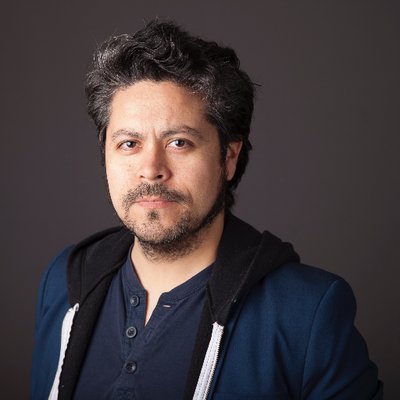
About the speaker: After studying Psychology and Neuroscience in Chile, I moved to the USA to pursue my Ph.D. in Cognitive Psychology and Neural Sciences at the Department of Psychological & Brain Sciences, Indiana University-Bloomington. During this period I was able to work on neural signal processing, brain networks, and embodiment within the context of social cognition. After continuing my development through postdoctoral work at the Department of Psychiatry at Harvard Medical School I came back to Chile as a tenured professor of Psychology at Universidad Diego Portales (UDP). At UDP I funded the Center for Human Neuroscience & Neuropsychology (CEHNN), a multi-PI research center and day clinic for brain lesion survivors dedicated to the development of the transdisciplinary 4E cognition research program.
About the series: Microorganisms are critical to many aspects of biological life, including human health. The human body is a veritable universe for microorganisms: some pass through but once, some are frequent tourists, and some spend their entire existence in the confines of our body tissues. The collective microbial community, our microbiome, can be impacted by the details of our lifestyle, including diet, hygiene, health status, and more, but many are driven by social, economic, medical, or political constraints that restrict available choices that may impact our health.
Access to resources is the basis for creating and resolving social equity—access to healthcare, healthy foods, a suitable living environment, and to beneficial microorganisms, but also access to personal and occupational protection to avoid exposure to infectious disease. This speaker series explores the way that microbes connect public policy, social disparities, and human health, as well as the ongoing research, education, policy, and innovation in this field. The spring speaker series will pave the way for a symposium on “Microbes, Social Equity, and Rural Health” in summer 2021.
About the speaker: After studying Psychology and Neuroscience in Chile, I moved to the USA to pursue my Ph.D. in Cognitive Psychology and Neural Sciences at the Department of Psychological & Brain Sciences, Indiana University-Bloomington. During this period I was able to work on neural signal processing, brain networks, and embodiment within the context of social cognition. After continuing my development through postdoctoral work at the Department of Psychiatry at Harvard Medical School I came back to Chile as a tenured professor of Psychology at Universidad Diego Portales (UDP). At UDP I funded the Center for Human Neuroscience & Neuropsychology (CEHNN), a multi-PI research center and day clinic for brain lesion survivors dedicated to the development of the transdisciplinary 4E cognition research program.
About the speaker: Dr. Kishana Taylor is a virologist and Co-founder and president of the Black Microbiologists Association. Dr. Taylor holds a bachelors degree in animal science, a masters of public health microbiology and emerging infectious disease and a doctorate in interdisciplinary biomedical science. Dr. Taylor is currently a postdoctoral fellow at Carnegie Mellon University in the lab of Dr. Elizabeth Wayne. Her current NSF funded research focuses on the role of monocytes and macrophages in SARS-CoV2 infection and subsequent development of COVID-19. Dr. Taylors research interest include arboviruses, zoonotic viruses and their epidemiology, ecology and evolution.
About the seminar: Much like previous pandemics, the COVID-19/SARS-CoV-2 pandemic, especially in the U.S., has brought to the forefront pre-existing social and structural inequalities that affect access to quality healthcare and perpetuate viral spread. As we begin to think toward the future and the next inevitable pandemic, it is important to incorporate the lessons learned from this pandemic, and others, in an attempt to mitigate similar patterns of inequity in the future.
Social and ethical implications of human microbiome research.
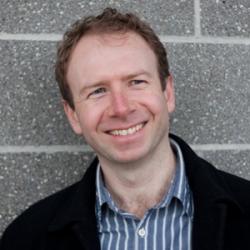
About the speaker: Dr. Kieran C. O’Doherty is professor in the department of psychology at the University of Guelph, where he directs the Discourse, Science, Publics research Group. His research focuses on the social and ethical implications of science and technology. In this context, he has published on such topics as data governance, vaccines, human tissue biobanks, salmon genomics, and genetic testing. A particular emphasis of his research has been on the social and ethical aspects of human microbiome research. Kieran’s research also emphasizes public deliberation on science and technology. In this regard, he has designed and implemented deliberative forums in which members of the public engage in in-depth discussion about ethical aspects of science and technology and collectively develop recommendations for policy. Recent edited volumes include Psychological Studies of Science and Technology (2019) and The Sage Handbook of Applied Social Psychology (2019). Kieran’s research has been funded by the Canadian Institutes of Health Research, The Office of the Privacy Commissioner of Canada, the Ontario Ministry of Research & Innovation, Genome Canada and Genome British Columbia. He is editor of Theory & Psychology.
About the seminar: There are many social and ethical implications of human microbiome research. In this presentation, I will focus on 3 types of ethical implications. The first type are ethical considerations that should be taken into account when conducting research on the human microbiome. Key points here include issues relating to information privacy, ownership of samples and data, and the rights of Indigenous and other identifiable communities from whom microbiome samples might be obtained. The second type of ethical implications relates to the consequences of specific technologies and applications developed using microbiome science. Examples here include the consequences of strategic engineering of microbes and their use in human and animal populations. The third kind of ethical implications I will discuss relates to problems that are already present, but have only become visible, or perhaps just more obvious, as a result of knowledge generated by human microbiome research. An example here is damage to vaginal microbiomes that is caused by vaginal cleansing products promoted to women to feel “Clean & Fresh.” In this context, I argue that clinical applications of human microbiome science, while valuable, are too narrow when considering the damage that is being done our collective microbiomes as a society and a species. I conclude by reiterating calls for recognition of the microbiome as a common good and the need for stewardship of microbiomes.
Investigating social determinates of health and social equity among a homeless population; a United States-Veteran Microbiome Project
About the speaker: Lieutenant Colonel Andrew Hoisington is currently an adjunct Associate Professor at the Air Force Institute of Technology as he serves on active duty Air Force rebuilding Tyndall AFB after hurricane Michael. Lt Col Hoisington received his PhD in 2013 from the University of Texas, studying the indoor microbiome. In 2015 he was one of four founding members of the Military and Veterans Microbiome Consortium for Research and Education, an organization to advance microbiome science and education to benefit military personnel, Veterans, and their families.
About the seminar: In 2019, over half a million people in the United States did not have a place to call home. Research suggests that homeless individuals have higher rates of diet deficiencies, physical and mental health disorders (e.g., infectious diseases, depression), and inadequate health care when compared to those who are stably housed. From a social equity perspective, risk for homelessness is impacted by a range of social determinants including socioeconomic status and race/ethnicity. Here we present the results 16S rRNA and metagenomics analysis from a US Military Veterans who are currently or were previously homeless. To the best of our knowledge, these preliminary results are the first known study of the microbiome among those with a history of homelessness and will likely contribute to a better understanding of interactions among social determinates of health, social equity, the human microbiome, and human health.
Physiological Implications of Pre-Existing Inflammatory Co-Morbidities when the Body is Introduced to Novel Infectious Processes
About the speaker: Dr. Saber is an Assistant Professor in the School of Nursing at the University of Maine where she teaches pathophysiological and critical care concepts to upper-level undergraduate nursing students. She also holds a joint position at Northern Light Eastern Maine Medical Center where she directs the program development for nursing research and evidence-based practice. As a practicing intensive care registered nurse (RN) with over 25 years of patient care nursing experience, she has cared for patients infected with multidrug-resistant organisms (e.g., methicillin-resistant Staphylococcus aureus (MRSA), vancomycin-resistant Enterococcus (VRE), multidrug-resistant tuberculosis) and diseases from outbreaks that include human immunodeficiency virus (HIV) and H1N1. Dr. Saber’s research focuses on microbial movement in the healthcare setting as this relates to the use personal protective equipment (PPE) and resulting solid waste.
About the seminar: This seminar will focus on findings from the literature that emphasize the vulnerability of populations with preexisting health conditions that impact their ability to defend against infectious diseases. We will discuss common co-morbid conditions, the role of the inflammatory processes in infectious processes, and how social inequity can predispose vulnerable populations to novel infectious processes.
Missing Microbes and Missing Out: microbes and social equity in the context of youth in detention.
Dr. Ally Hunter, PhD. and Christina Bosch, M.A., M.Ed.
Ally Hunter, PhD Science Education, MS Biology (Micro & Molecular) Postdoctoral Fellow Center for Youth Engagement NSF Project RAISE (Reclaiming Access to Inquiry Science Education for Incarcerated Learners) NSF Project INSITE (INtegrating STEM Into Transition Education for Incarcerated Youth) University of Massachusetts, Amherst
Christina Anderson Bosch Doctoral Candidate at University of Massachusetts, Amherst M.A., Special Education: Learning Disabilities M. Ed., Mind, Brain and Education NSF Project RAISE (Reclaiming Access to Inquiry Science Education for Incarcerated Learners)
About the seminar: In the US, incarcerated youth are a population that are vulnerable to a variety of poor outcomes that include disrupted or incomplete education, unemployment, homelessness, health disparities, and incarceration as adults. Through the lens of microbiome health we can envision additional poor outcomes for incarcerated youth: loss of access to nutrition and diet education, loss of access to diets that support microbiome health, loss of access to beneficial microbes, and over-exposure to harmful microbes.
This presentation will discuss the potential for microbial inequity for incarcerate youth and highlight current educational responses that could serve to mitigate some of these disparities.
Using our experiences as educational researchers and curriculum developers on STEM education initiatives for incarcerated youth, we will present background information on this particularly vulnerable population. We will discuss our work on developing biology curriculum for juvenile justice settings and where we see a need for further development of microbiology, nutrition and basic health curriculum. Then, we will facilitate a group discussion to engage the scientific community with this understudied and underserved population in the context of microbial inequity.
About the speaker: Megan A. Carney is a sociocultural and medical anthropologist with specializations in migration and health, food insecurity, and the politics of care. She is Assistant an Professor of Anthropology and Director of the Center for Regional Food Studies at the University of Arizona.
She is the author of two books, the award-winning “The Unending Hunger: Tracing Women and Food Insecurity Across Borders” (2015, University of California Press) and “Island of Hope: Migration and Solidarity in the Mediterranean” (forthcoming, University of California Press). She is the recent recipient of a Fulbright Schuman Faculty Award and was previously a Public Voices Fellow with The OpEd Project. Some of her public writing has appeared in Civil Eats, Scientific American, The Hill, Sapiens, and The Conversation.
About the seminar: For the past several years and with emerging research on microbiomes, social scientists and humanities scholars have increasingly turned to microbes as “good to think with” in examining the intersections between human health and the environment. The Covid-19 pandemic has both amplified much of this transdisciplinary interest in microbial life and human microbiomes, and sparked new questions about the (micro)biopolitics shaping uneven health outcomes across the human life course. This talk reflects on using fermentation as a pedagogical tool for understanding the historical conditions and contemporary social and institutional arrangements that affect microbial distribution and exposure.
About the series: Microorganisms are critical to many aspects of biological life, including human health. The human body is a veritable universe for microorganisms: some pass through but once, some are frequent tourists, and some spend their entire existence in the confines of our body tissues. The collective microbial community, our microbiome, can be impacted by the details of our lifestyle, including diet, hygiene, health status, and more, but many are driven by social, economic, medical, or political constraints that restrict available choices that may impact our health.
Access to resources is the basis for creating and resolving social equity—access to healthcare, healthy foods, a suitable living environment, and to beneficial microorganisms, but also access to personal and occupational protection to avoid exposure to infectious disease. This speaker series explores the way that microbes connect public policy, social disparities, and human health, as well as the ongoing research, education, policy, and innovation in this field. The spring speaker series will pave the way for a symposium on “Microbes, Social Equity, and Rural Health” in summer 2021.
About the speaker: Dr. Amber Benezra is an Assistant Professor of Science and Technology Studies at Stevens Institute of Technology. She is a sociocultural anthropologist researching how studies of the human microbiome intersect with biomedical ethics, public health/technological infrastructures, and care. In partnership with human microbial ecologists, she is developing an “anthropology of microbes” to address global health problems across disciplines.
About the seminar: Many human microbiome studies actively seek solutions for global public health crises like malnutrition, yet microbiome science fails to account for the sociomaterial, political, and economic conditions of life that affect microbial populations. This talk will discuss cross-disciplinary collaborations between anthropology and human microbial ecology. Social science interventions are necessary to foreground how issues like race, gender, poverty, and infrastructure impact human microbiomes.
About the series: Microorganisms are critical to many aspects of biological life, including human health. The human body is a veritable universe for microorganisms: some pass through but once, some are frequent tourists, and some spend their entire existence in the confines of our body tissues. The collective microbial community, our microbiome, can be impacted by the details of our lifestyle, including diet, hygiene, health status, and more, but many are driven by social, economic, medical, or political constraints that restrict available choices that may impact our health.
Access to resources is the basis for creating and resolving social equity—access to healthcare, healthy foods, a suitable living environment, and to beneficial microorganisms, but also access to personal and occupational protection to avoid exposure to infectious disease. This speaker series explores the way that microbes connect public policy, social disparities, and human health, as well as the ongoing research, education, policy, and innovation in this field. The spring speaker series will pave the way for a symposium on “Microbes, Social Equity, and Rural Health” in summer 2021.
Dr. Erin Eggleston, PhD, is an assistant professor of biology at Middlebury College. Her research focuses on molecular microbial ecology. Recent projects include mercury-cycling microbes in the soils of the St. Lawrence River, coral microbiome and reef resilience, and community dynamics of harmful cyanobacterial blooms. For more information check out her lab website (https://sites.middlebury.edu/eggleston/) or follow on Twitter @EggErin.
Dr. Mallory Choudoir, PhD, is a microbial ecologist interested in the evolutionary processes that determine patterns of microbial diversity across space and time. She is currently a postdoc at the University of Massachusetts Amherst researching microbial adaptation to long-term soil warming. Find her on twitter @malladpated or https://www.malloryjchoudoir.com/
About the seminar: Issues of social equity when it comes to environmental microbiomes and ecosystem ecology are tied with anthropogenic land use change. These land use changes occur across chronic and acute time scales, and ecological outcomes are both direct and indirect. This seminar will frame the interaction of microbiome research within the context of issues of environmental and social (in)justice pertaining to anthropogenic land use change. We will highlight current research and invite discussion on perspective research.
About the series: Microorganisms are critical to many aspects of biological life, including human health. The human body is a veritable universe for microorganisms: some pass through but once, some are frequent tourists, and some spend their entire existence in the confines of our body tissues. The collective microbial community, our microbiome, can be impacted by the details of our lifestyle, including diet, hygiene, health status, and more, but many are driven by social, economic, medical, or political constraints that restrict available choices that may impact our health.
Access to resources is the basis for creating and resolving social equity—access to healthcare, healthy foods, a suitable living environment, and to beneficial microorganisms, but also access to personal and occupational protection to avoid exposure to infectious disease. This speaker series explores the way that microbes connect public policy, social disparities, and human health, as well as the ongoing research, education, policy, and innovation in this field. The spring speaker series will pave the way for a symposium on “Microbes, Social Equity, and Rural Health” in summer 2021.
About the speaker: Dr. Byrd received a B.S. in biology and an M.P.H. in epidemiology from the University of Florida. She completed her Ph.D. in epidemiology at Emory University, where her dissertation research focused on the development and validation of novel, inflammation biomarker panel-weighted dietary and lifestyle inflammation scores, and their associations with colorectal neoplasms. In January 2019, she joined the National Cancer Institute Division of Cancer Epidemiology and Genetics as a postdoctoral fellow. During her time there, she conducted methodologic microbiota studies and investigated associations of the microbiota with cancer risk and of diet with the gut metabolome. In January 2021, she joined Moffitt Cancer Center as an Assistant Member in the Department of Cancer Epidemiology, where she will continue to contribute to the reduction of cancer disparities using an integrative, interdisciplinary approach to study microbiota-mediated mechanisms for cancer risk among diverse populations.
Twitter: @d_armen_byrd
About the seminar: This seminar will focus on current understanding and future directions for targeting health disparities with gastrointestinal microbiota research using a multidimensional framework. Examples will be provided from the colorectal and breast cancer literature.
About the series: Microorganisms are critical to many aspects of biological life, including human health. The human body is a veritable universe for microorganisms: some pass through but once, some are frequent tourists, and some spend their entire existence in the confines of our body tissues. The collective microbial community, our microbiome, can be impacted by the details of our lifestyle, including diet, hygiene, health status, and more, but many are driven by social, economic, medical, or political constraints that restrict available choices that may impact our health.
Access to resources is the basis for creating and resolving social equity—access to healthcare, healthy foods, a suitable living environment, and to beneficial microorganisms, but also access to personal and occupational protection to avoid exposure to infectious disease. This speaker series explores the way that microbes connect public policy, social disparities, and human health, as well as the ongoing research, education, policy, and innovation in this field. The spring speaker series will pave the way for a symposium on “Microbes, Social Equity, and Rural Health” in summer 2021.
About the speaker: Dr. Joshua August (Gus) Skorburg is Assistant Professor of Philosophy, Academic Co-Director of the Centre for Advancing Responsible and Ethical Artificial Intelligence (CARE-AI), and Faculty Affiliate at the One Health Institute at the University of Guelph in Ontario, Canada. He is also Adjunct Professor in the Fuqua School of Business at Duke University. He received his PhD in Philosophy in 2017 from the University of Oregon. His research spans topics in applied ethics and moral psychology.
About the seminar: Dominant views about the nature of health and disease tend to assume the existence of a fixed, stable, individual organism as the bearer of health and disease states, and as such, the appropriate target of medical therapy and ethical concern. However, recent developments in microbial biology, neuroscience, and social and personality psychology have produced a novel understanding of the individual and its fluid boundaries. Drawing on converging evidence from these disciplines, I will argue that certain features of our biological and social environment can be so tightly integrated as to constitute a unit of care extending beyond the intuitive boundaries of skin and skull. Call this the Hypothesis of Extended Health (HEH). Using the example of obesity as a case study, I show how HEH is well positioned to accommodate recent research on both the human microbiome and relationship partners. I conclude by suggesting that HEH helps us to break free from unhelpful dichotomous thinking about obesity – between individual behaviours (e.g., restraint, diet, exercise) or constraining socio-economic structures (e.g., food deserts, advertising).
About the series: Microorganisms are critical to many aspects of biological life, including human health. The human body is a veritable universe for microorganisms: some pass through but once, some are frequent tourists, and some spend their entire existence in the confines of our body tissues. The collective microbial community, our microbiome, can be impacted by the details of our lifestyle, including diet, hygiene, health status, and more, but many are driven by social, economic, medical, or political constraints that restrict available choices that may impact our health.
Access to resources is the basis for creating and resolving social equity—access to healthcare, healthy foods, a suitable living environment, and to beneficial microorganisms, but also access to personal and occupational protection to avoid exposure to infectious disease. This speaker series explores the way that microbes connect public policy, social disparities, and human health, as well as the ongoing research, education, policy, and innovation in this field. The spring speaker series will pave the way for a symposium on “Microbes, Social Equity, and Rural Health” in summer 2021.
About the seminar: Indigenous Peoples have scientific narratives and traditions that span thousands of years rooted within concepts of relationship. The microbial microcosm itself is a lens of relationship that situates us as humans within our own communities and in the biome of the planet. How these relationships intersect and how we view them as an evolution of knowledge in theory and practice impacts how we view equity and its applications in the scientific process. This seminar will seek to bridge Indigenous knowledge traditions and scientific discourse with the intent of situating microbes and social equity within a larger relationship within research and practice.
About the series: Microorganisms are critical to many aspects of biological life, including human health. The human body is a veritable universe for microorganisms: some pass through but once, some are frequent tourists, and some spend their entire existence in the confines of our body tissues. The collective microbial community, our microbiome, can be impacted by the details of our lifestyle, including diet, hygiene, health status, and more, but many are driven by social, economic, medical, or political constraints that restrict available choices that may impact our health.
Access to resources is the basis for creating and resolving social equity—access to healthcare, healthy foods, a suitable living environment, and to beneficial microorganisms, but also access to personal and occupational protection to avoid exposure to infectious disease. This speaker series explores the way that microbes connect public policy, social disparities, and human health, as well as the ongoing research, education, policy, and innovation in this field. The spring speaker series will pave the way for a symposium on “Microbes, Social Equity, and Rural Health” in summer 2021.
Last week, I chatted about Microbes and Social Equity with Ali Tobey, Marketing and Communications Graduate Assistant for the Office of the Vice President for Research and Dean of the Graduate School at the University of Maine. The MSE working group has been meeting for a year to discuss how microorganisms are what connects us to each other or to the environment, how microbes are involved in so much of human health, how disparities in access to basic needs can affect your health and your microbes, and how social policy can be used to resolve social inequity and improve health for all.
This spring, the MSE group and the University of Maine Institute of Medicine are hosting a semester-long speaker series. The talks range from basic to applied science, from research to education to medical practice, and touch on a variety of topics. The series is free, and open to the public, but registration is required.
As has become a New Year’s Eve tradition, here is the Ishaq Lab’s Year in Review for 2020! In previous years, I remarked on difficult and delightful times alike, but 2020 has been a year full of intense loss for so many, and some have unfairly borne more of that heavy weight. In reflecting on whether to go ahead with the post for this year, I chose to do so and to include a tone of optimism and hope because, for the first time in the Ishaq Lab, I am not writing the story of me, I am writing the story of we. Even though we couldn’t all be together this year, the Ishaq Lab has tried to do our best to stay connected, and I have had the pleasure of watching my new lab team work together and grow as scientists. I am proud of how they have handled this year, and I wanted to share their triumphs.
Research
2020 was the year for launching the first official projects of the Ishaq Lab, including a field project, a mouse project, and a handful of data analysis or microbial community projects.
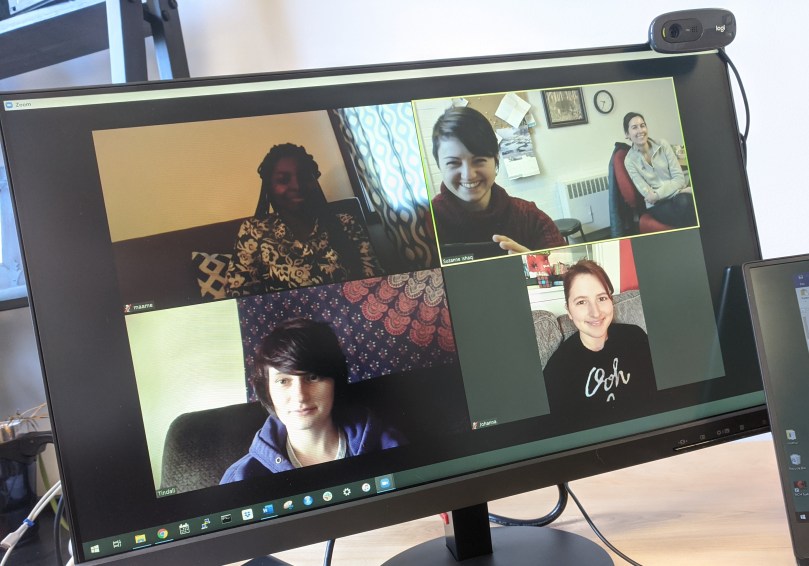
Early in the year, students began joining the lab, and we had our very first lab meeting, featuring Adwoa Dankwa (UM Perry lab), Alex Fahey (in the office with me), Tindall Ouverson (MSU, Menalled/Seipel lab), and Johanna Holman. Ironically, we had our first lab meeting over Zoom to facilitate students in multiple geographic areas, not suspecting we would only have virtual lab meetings this year.
The first field project was a literal one – a soil project! Because of the pandemic response in the spring and early summer, laboratory work was reduced until we could do so safely in enclosed spaces. But, we were able to launch a field project because the samples could be collected and processed by one person alone over the summer. Undergrad Nick Hershbine, who is majoring in Ecology and Environmental Sciences, has been investigating the microbial community in blueberry soil from farms around Maine. This is part of a larger project led by Dr. Lily Calderwood, and is supported by the Wild Blueberry Commission of Maine (“Exploration of Soil Microbiota in Wild Blueberry Soils“). Nick is in the process of data analysis and interpretation, and we hope to write up the preliminary results over the winter.
The Ishaq Lab also launched its first mouse project! This is my first time managing mice, and luckily I have expert collaborators at Husson University and a stellar grad student taking the lead on those portions. I’ll be overseeing the microbial ecology aspects, done by master’s student Johanna Holman for her graduate work. Joe Balkan, a Biology undergrad at Tufts University, has been reviewing previous literature for culturing protocols, and will be joining us for two weeks over break to help with some bacterial work. Undergrad Evan Warburton, who started in the fall semester, will pick up that microbiology work from Joe at the beginning of the spring semester.
The Ishaq Lab also had its first student presentation this year, by master’s student Sarah Hosler giving a graduate seminar on her proposed research for her degree, which involves host-microbial interactions in ruminants. The first portion of laboratory work for her project will take place starting in winter break. We’re not ready to share any details, but first we will be trying out some new methodology, as well as recreating some older methodology which has fallen out of fashion.
As part of that first step, Sarah will be assisting with the Capstone project of undergrad Emily Pierce, who was awarded a UMaine CUGR undergrad fellowship to fund her work this spring. Emily will be investigating host-microbe interactions during Cryptosporidium parvum infections, something which routinely devastates newborn livestock. We had anticipated running this experiment last summer, but postponed it for safety. Emily and master’s of professional studies Alex Fahey have made good use of that delay, however, and have been spending the time reading scientific manuscripts, assembling experimental protocols, and designing their project. Alex does not need to complete a thesis for her degree, it’s more about assembling a variety of skills, so she has participated in a number of supportive activities this year.
Undergrad Jade Chin has been working on her Honor’s Thesis project, the scope of which has had to nimbly pivot over the past year as we weren’t sure what we would be able to accomplish during the pandemic. For example, we spent two months waiting for DNA extraction kits to arrive due to supply shortages and the federal disruption of the postal service. Those kits are critical to the very first step of the experimental procedures and one we could not skip. Jade will defend her Honors thesis in spring 2021, including a written thesis, an oral presentation, and even a short interview with her thesis committee, although it will be less formal and less strenuous than a graduate-level defense.
Grace Lee, an undergrad at Bowdoin College, has been working on data analysis of microbial communities associated with lobster in aquaculture, which is part of a larger project by Drs. Debbie Bouchard, Jean MacRae, and Heather Hamlin. The dataset is a large and complicated one, though with an elegant experimental design. We anticipate writing up the results beginning this winter and continuing through the spring. Grace will be joined by an undergrad who I have been mentoring in my AVS 401 Capstone class, who will be contributing a literature review for the manuscript.
Three papers were published this year, which were all part of previous projects at former positions. This included the culmination of my post-doc work in the Menalled Lab from back in 2016, and one of the small projects I participated in while at BioBE from 2017 to mid 2019.
Horve, P.F., Dietz, L., Ishaq, S.L., Kline, J., Fretz, M., Van Den Wymelenberg, K. 2020. Viable bacterial communities on hospital window components in patient rooms. PeerJ 8: e9580. Article.
Ishaq, S.L., Seipel, T., Yeoman, C.J., Menalled, F.D. 2020. Dryland cropping systems, weed communities, and disease status modulate the effect of climate conditions on wheat soil bacterial communities. mSphere 5:e00340-20. Article.
Ishaq, S.L., Seipel, T., Yeoman, C.J., Menalled, F.D. 2020. Soil bacterial communities of wheat vary across the growing season and among dryland farming systems. Geoderma 358(15):113989. Article. This was accepted in 2019 but not officially published till 2020.
It’s very common to have a slump in publications when starting a new position, and particularly when that involves moving to a new institution and establishing a new lab group. Research can take awhile to gain momentum, especially when you need to recruit and train new lab members. Or, when those lab members have to pause their lab work for global public health reasons. The Ishaq lab isn’t worried, we’ll make up for it in 2021. With all the ongoing projects, we anticipate a handful of other papers being developed next year. I’ve also got four manuscripts that have been in review for months, a process which has also been (understandably) delayed because of the pandemic.
We tried out some designs for Ishaq Lab stickers!
Teaching
I taught three new classes this year; one that was new to me and two that I developed myself. In spring 2020, I taught a special topics version of my DNA sequencing data analysis class, which means that I got provisional approval to teach it as a one-off while I completed the full course approval. Because the data analysis class is cross-listed for undergraduate seniors and for graduate students, it needed to go through two different curricula approval processes, and curricula must be approved a certain amount of time before the first instance of the class. That class has now been formally approved as AVS 454/554. From the spring version, two scientific manuscripts are in review, and a third is in preparation while more data are added. We managed to achieve a lot in the spring class, considering halfway through the semester we switched to remote instruction only as the early throes of the pandemic descended.
The other two new classes I taught this fall, including the first part of the Animal and Veterinary Sciences Capstone Experience, AVS 401, which instructs students on writing and presenting research proposals and matches students with a research mentor to try and complete the project. It was particularly challenging to do that this fall, when many researchers still had their work on pause because of the pandemic. I’ll be continuing this class in the spring as AVS 402, in which students present what they’ve done. While only a few AVS students will pursue research as a career, they will all need to implement the scientific method and the ethos of research into their lives no matter where they end up. Being able to find, assess, and critique information are all critical skills which this Capstone Experience helps them to develop.
I taught AVS 254, Introduction to Animal Microbiomes. I’ve previously taught some of this material, but to very different student audiences, which required a lot of course development on the fly over the semester. Even with the previous material, I still needed to revise all my previous lectures to adapt to a new lecture length, add new ones to make up about half the semester, and, as our understanding of host-associated microbiomes evolves over time, the course materials needed to be updated (annually) to present up-to-date knowledge. The last lecture of the semester was a compiled video of ‘science journeys‘, featuring researchers in host-associated microbiology sharing what they work on and how they got here. You can watch the video, too!
I also spent a lot of time this fall curating the Teaching Statement portion of my tenure packet, some of which I shared as a series of posts this fall. Next spring I will have my third-year review, which will be the first official hurdle and where I get more substantive feedback from my peer committee about the trajectory of my teaching, research, and outreach as I develop my packet to apply for tenure in ~ year 5. In 2021, I have a planned blog post describing the history and process of tenure, and I will likely share other portions of my tenure packet, such as my research statement.
Presentations from my couch
As I recently posted, 2020 has been The Year of The Virtual Conference. Many conference in spring and summer of 2020 were outright cancelled, but some managed to revise their format and be held virtually later in the year. This was achieved with a combination of live-streaming and pre-recorded content, all of which became on-demand during the conference. Viewers could ask questions through a chat function, or by posting questions directly to the presentation page. While early attempts to host large virtual meetings with researchers in multiple time zones faced a steep learning curve, overall, I think many people realized the potential provided by a virtual platform. For example, without travel costs, more students and early career researchers could afford to attend, and researchers with family care, health, or other constraints could participate on their own time.
Seven of the eight planned scientific presentations of my work took place in 2020, listed here with some links to video content.
Outreach
Similarly, seven of the eight planned public presentations took place, with some links to video content in the list below:
Genomes to Phenomes (G2P) group, University of Maine. Co-hosted a session with grad student Alice Hotopp, on gut microbes and survival of reintroduced animals. Oct 30, 2020.
University of Maine Cooperative Extension Oxford County 4-H Teen Science Cafe (virtual), “Gut microbes on the farm”, Oct 15, 2020.
University of Maine Cooperative Extension Oxford County 4-H Jamboree (virtual), “Gut microbes on the farm”, Aug 13, 2020. Video.
Invited to lead Journal Club with the Fogler Library, August 4, 2020. led a 1 hour discussion on gut microbes and survival of reintroduced animals.
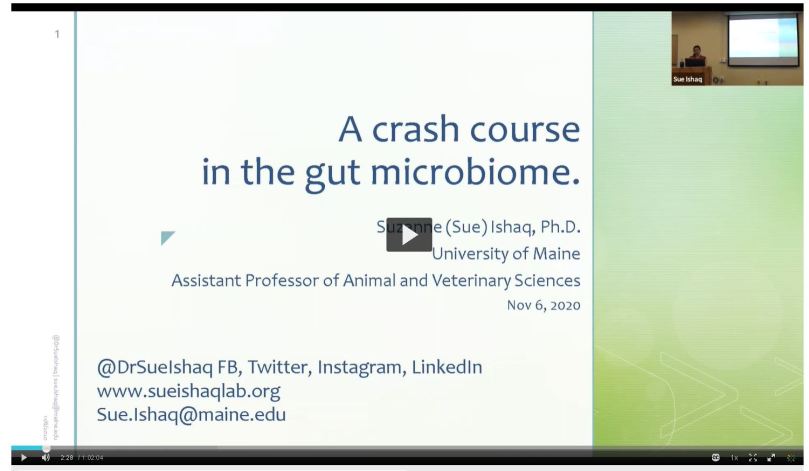
Albright College Science Research Institute summer program 2020, which engages grades 5-12 in research. “A crash course in the gut microbiome”, virtual presentation, Aug 4, 2020.
I’ve also been endeavoring to promote the AVS Capstone Experience projects, in part by sharing student-written project summaries on social media and UMaine news outlets. I will do something similar at the end of the spring 2021 semester when projects are complete. And, the online conferences have gotten me thinking about how to create an on-demand virtual symposium that is open to the public…
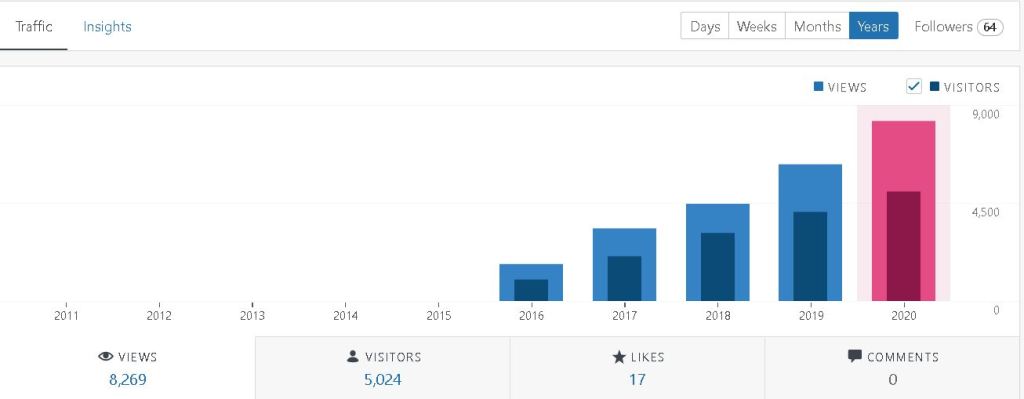
My site had its most popular year, with just over 5,000 visitors taking >8,250 views from 112 countries, as shown in the image below. This November had a record number of visitors, with >1,100! In total, my site has had >15,200 visitors and just under 24,000 views since January 2016, more than I had imagined possible when I began. The website visitors are joined by 64 wordpress followers, 100 on Instagram, 113 on Facebook, nearly 1200 on Twitter, and 0 on Tumblr, which I set up because wordpress will auto-reblog to there, just in case anyone still uses Tumblr.
Website visitor statistics for 2020.
Life
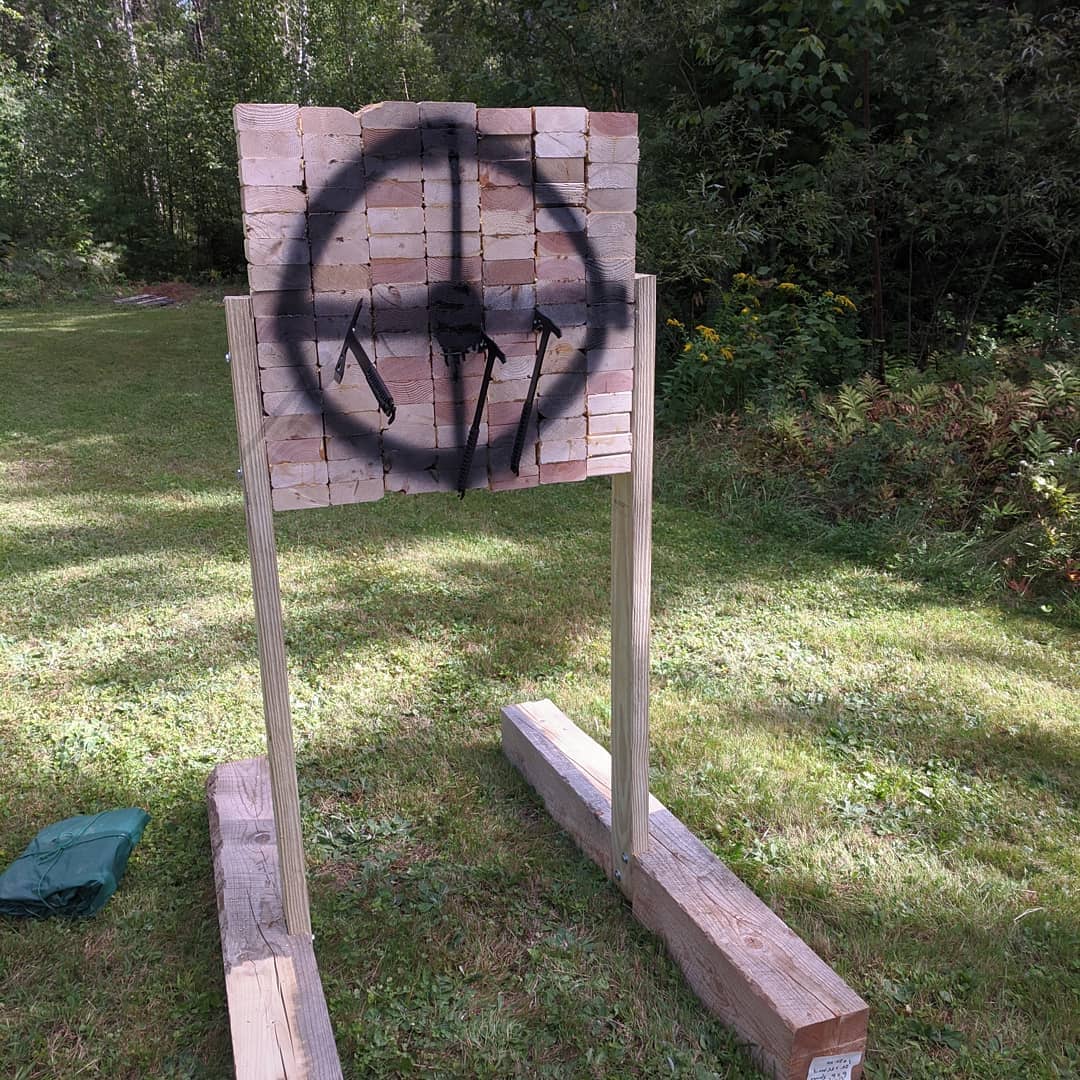
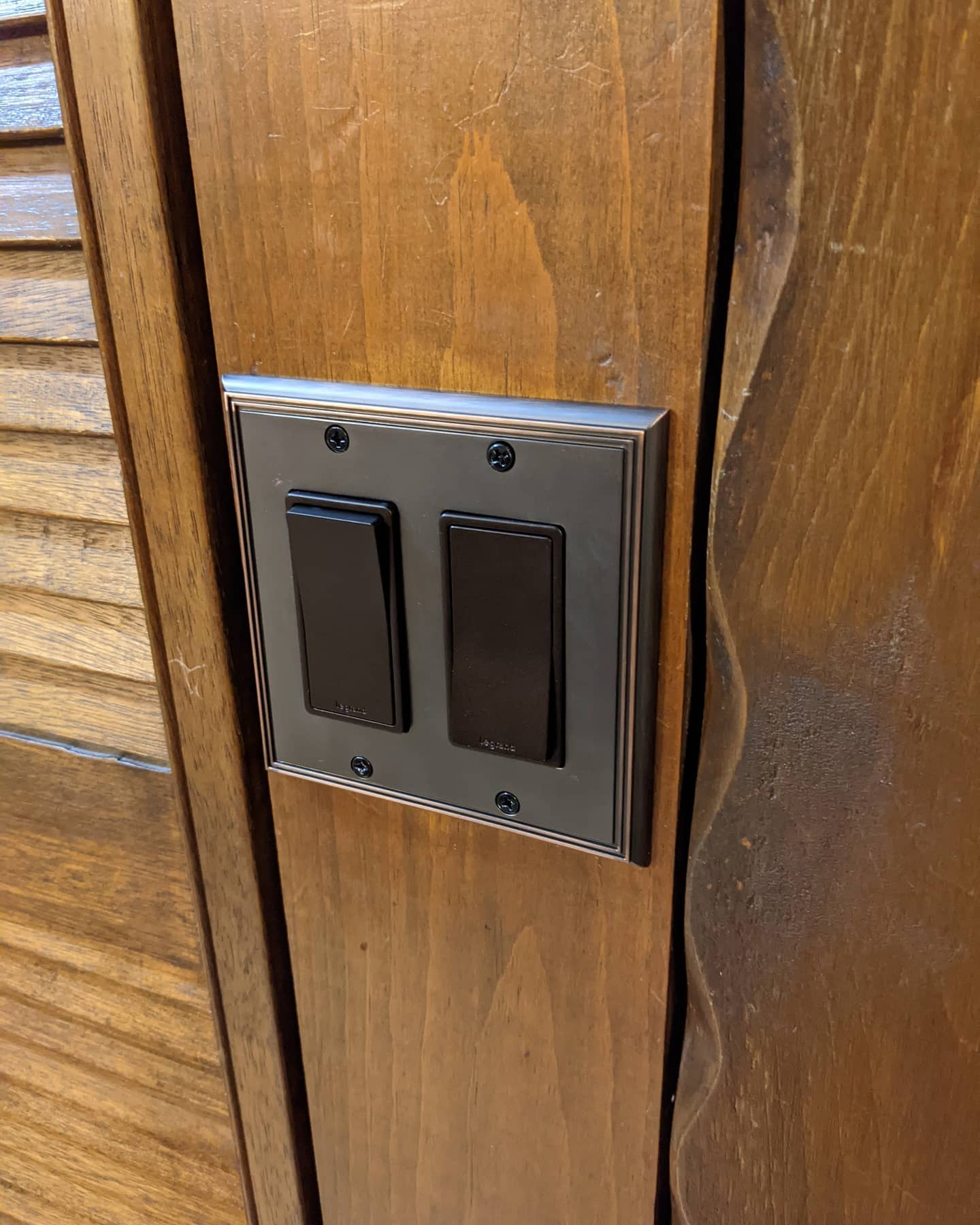
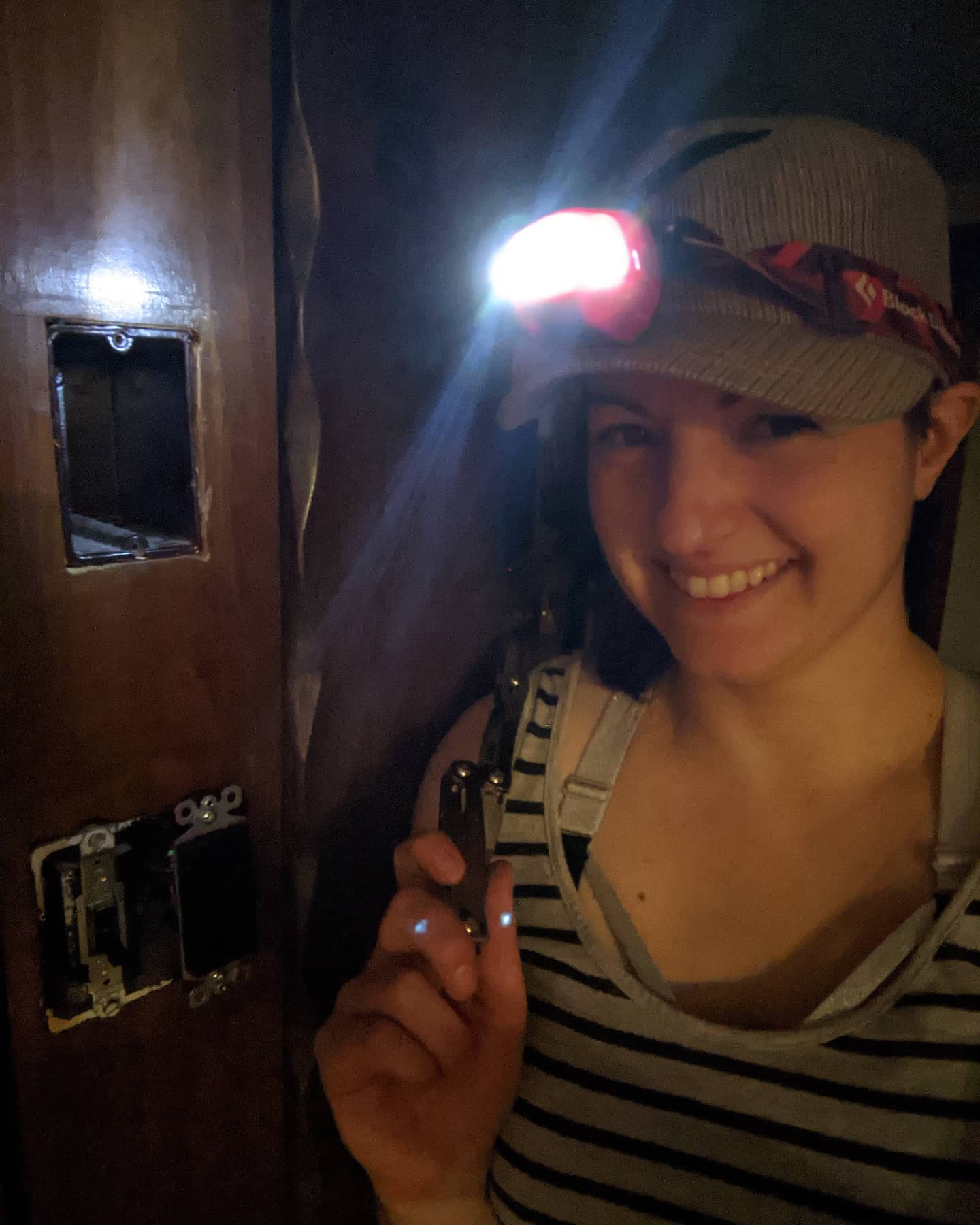
I picked up a new hobby this year – axe throwing! I tried it at an axe bar last winter and instantly took a shine to it. We made wood targets at home and bought a few throwing axes, and while I haven’t become the maverick I had hoped, it is a lot of fun. I’ve also picked up an arguably more useful skill, basic electrical work to change outlets and light switches! We’ve been slowly updating and renovating our house, and I’m looking forward to learning drywalling and flooring next near.
Looking Ahead
2021 is anticipated to be an exciting year, and will be a combination of wrapping up current projects so some of my students can graduate, as well as progressing the graduate work of Johanna and Sarah. In my “free time”, I’ll continue to fine-tune my curricula, and it’ll be back to the writing table as I revise the research proposals that I submitted this year which were not awarded funding. Of the twelve proposals I submitted in 2020, two were awarded, one is already revised and back in review, at least two will be revised and resubmitted, and at least two new ones are planned.
I’ll be part of my first graduate thesis defense as part of the committee, as Tindall Ouverson is expected to defend her master’s in 2021 from Montana State University. Tindall’s first paper on soil bacteria in agricultural fields is currently in review, and the data analysis for two more (one of which is not on soil microbes) is underway.
I’ll also be leading the committee for Jade’s Honors thesis defense in March. Alex won’t be giving a defense to finish her degree, but she’ll still be informally meeting her committee to reflect on her academic journey and if she’s prepared for a professional career. Johanna and Sarah will soon be inviting faculty to their committees, and next year I will be chairing those meetings.
I’ll be teaching the AVS 402 Capstone class for the first time, but as I already spent the fall semester with AVS seniors in AVS 401, it shouldn’t be any trouble. Just a LOT of revising papers and giving feedback. I’ll be teaching my DNA analysis class again, and will spend the next few weeks updating the materials from last spring when I taught the special topics version. I’ll also be compiling datasets for my students to work on, and hopefully, to turn into scientific manuscripts by the end of the semester.
A number of events developed by the Microbes and Social Equity working group will come to fruition in 2021, and I will finally be able to tell you about them in detail! Stay tuned for information on a speaker series running from February through April, a hybrid (virtual and in person) symposium in June, and a public announcement of a scientific journal special collection.
I’m also pleased to say that one of my cousins will be joining the website behind-the-scenes in 2021, to add alternative text to my website images to make them more inclusive. This and other work will serve as part of the requirement for science/service hours for membership to the Science National Honor Society! I’ll leave it to my cousin to make a formal introduction in a blog post on science accessibility, but welcome to the team!












 The Ishaq Lab