

The Microbes and Social Equity working group, and The University of Maine Institute of Medicine present a virtual symposium on:

“Living in a Microbial World”
June 5 – 9th, 2023.
Format: virtual meeting, Zoom platform.
The full program is here.
Session 1: Reconsidering ‘One Health’ Through Microbes
Monday, June 5th, 11 am – 2:30 pm EST. This event has passed, watch the recorded talks.
Microbes and Social Equity concepts are based on the idea that microbes connect individuals, societies, and ecosystems. One Health & the Environment concepts are based on similar ideas of connectivity. This session will explore the connections between MSE and One Health, how microbiome research connects to One Health, and how we can broaden our own research to include other disciplines. The primary goals for this session are 1) to convene researchers in multiple disciplines and envision ways to work together, and 2) to collaboratively generate definitions of One Health & the Environment with respect to microbiomes.
Hosts and organizers:

Dr. Tiff Mak (they/she), PhD, Postdoctoral Research Fellow at the Novo Nordisk Foundation Center for Biosustainability at DTU. They work at the intersection of Microbial Ecology, Fermentation and Integrated Food Systems, and are interested in community interaction dynamics and relationality, from the scale of the microbial to the planetary.

Dr. Sue Ishaq, PhD, Assistant Professor of Animal and Veterinary Science, School of Food and Agriculture, University of Maine. Animal microbiomes, diet and gut, microbes and social equity.
Speakers, 11~12:00 EDT:
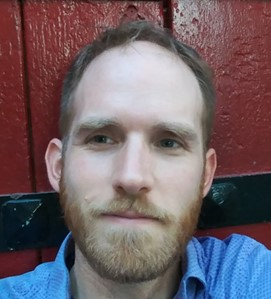
Dr. Rob Beiko, PhD., is a Professor and Head of the Algorithms and Bioinformatics research cluster in the Faculty of Computer Science at Dalhousie University. His research aims to understand microbial diversity and evolution using machine learning, phylogenetics, time-series algorithms, and visualization techniques. His group is developing software tools and pipelines to comprehensively survey genes and mobile genetic elements in bacterial genomes, and understand how these genomes have been shaped by vertical inheritance, recombination, and lateral gene transfer. He is also a co-founder of Dartmouth Ocean Techonlogies, Inc., a developer of environmental DNA sampling devices.
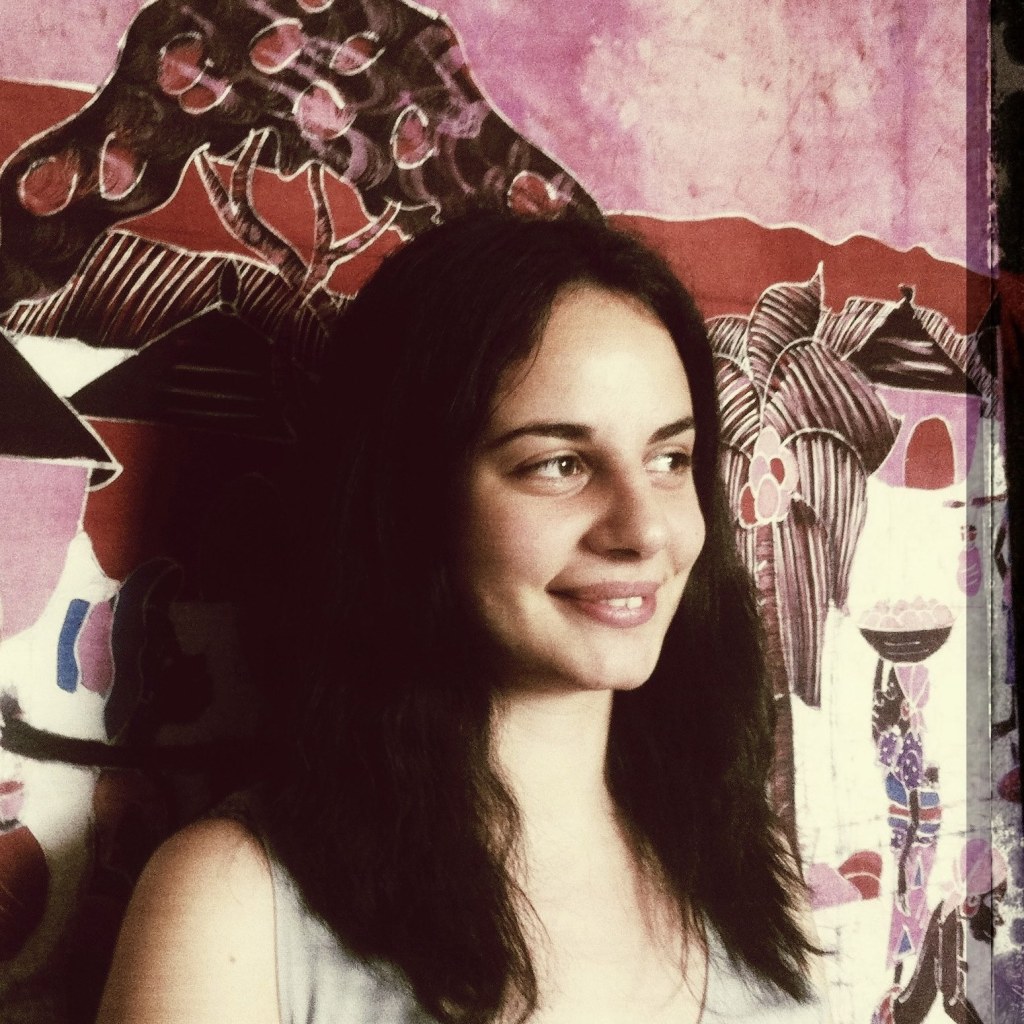
Dr. Marta Scaglioni, PhD. is a Cultural Anthropologist and holds a PostDoc position at Cà Foscari University of Venice (Italy) within the frame of the ERC Project HealthXCross. She is interested in how microbiome research operates in the African continent and how microbial data, knowledge, and funding travel across national boundaries and across a Global North/Global South axis.
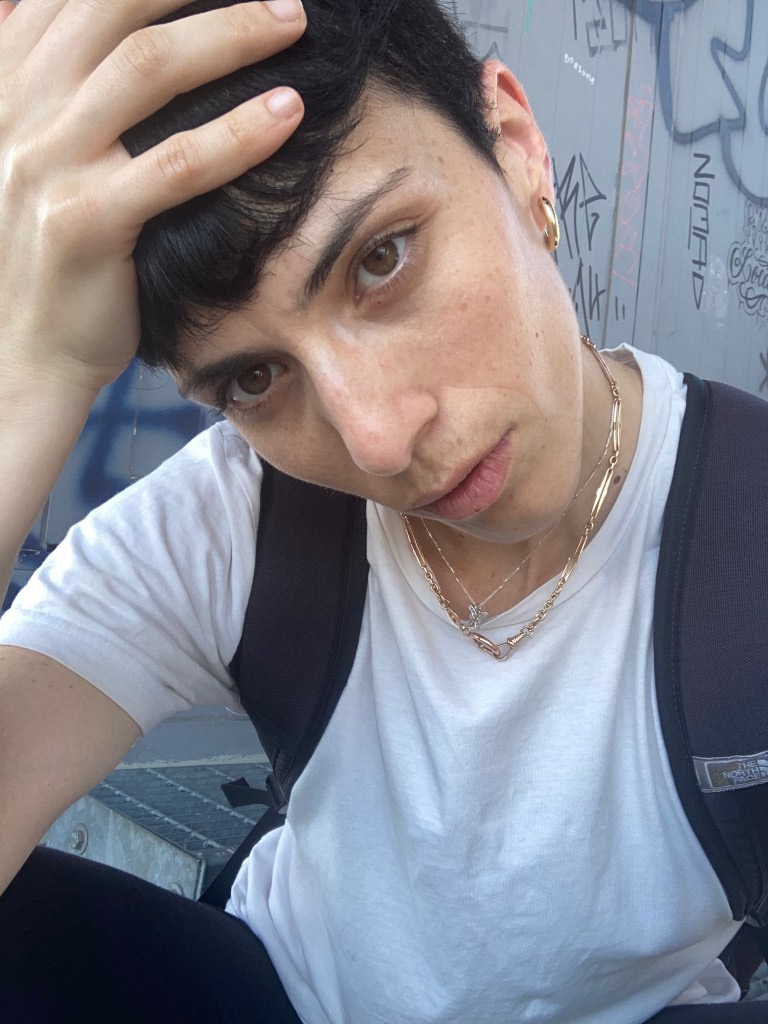
Dr. Lucilla Barchetta, PhD., is a Cultural Anthropologist and PhD in Urban Studies. She currently works as Postdoctoral Fellow within the ERC project Health X Cross based at the University Ca’ Foscari of Venice, where she studies One Health epistemologies and open data governance in multidisciplinary data-centric science and collaboration.
Break, ~12:05 – 12:20 EDT
Panel Discussion, 12:20~13:00 EDT:
- Need for interdisciplinarity and collaboration, with collection and ontological credit
- Narrative on One Health, and thinking about other definitions of health
Break, 3:00 – 13:15 EDT
Breakout room discussions, 13:15 ~ 14:30 EDT:
- Microbes in One Health research
- Defining One Health/Conservation
- Teaching microbes + One Health
Related to this session, here are recorded talks from previous MSE events:
- “The Human Microbiome and Health Inequities”, Dr. Katherine (Katie) Amato, PhD
- “20 important questions in microbial exposure and social equity + recent work on urban greenspace microbiomes”, Dr. Jake Robinson, PhD
- “Antimicrobial Resistance: Our Next Epidemic of Inequality?”, Dr. Maya Nadimpalli, MS, PhD
- “Risk factors for colonization with antibiotic-resistant bacteria in Guatemala and East Africa”, Dr. Douglas Call, PhD
- “Chasing Ghosts: Race, Racism, and the Future of Microbiome Research”, Dr. Travis J. De Wolfe, PhD; Dr. Mohammed Rafi Arefin, PhD; Dr. Maria Rebolleda-Gomez, PhD; and Dr. Amber Benezra, PhD
- “Decomposition as Life Politics” , Dr. Kristina Lyons, PhD
- “Deconstructing the individual: how science can materially advance using queer and feminist theory“, Dr. Patricia Kaishian, PhD
- “The Global Microbiome: microbes and public health beyond biology“, Dr. Amber Benezra, PhD
- “Embodied microbiomes: a 4E-cognition perspective on microbial life and social equity“, Dr. Francisco Parada Flores, PhD
- “Integrating Equity into Emerging Infectious Disease Research“, Dr. Kishana Taylor, MS, PhD
- “Microbes at the nexus of environmental, biological, and social research”, Dr. Sue Ishaq, PhD
- “Context-aware experimental designs“, multiple speakers


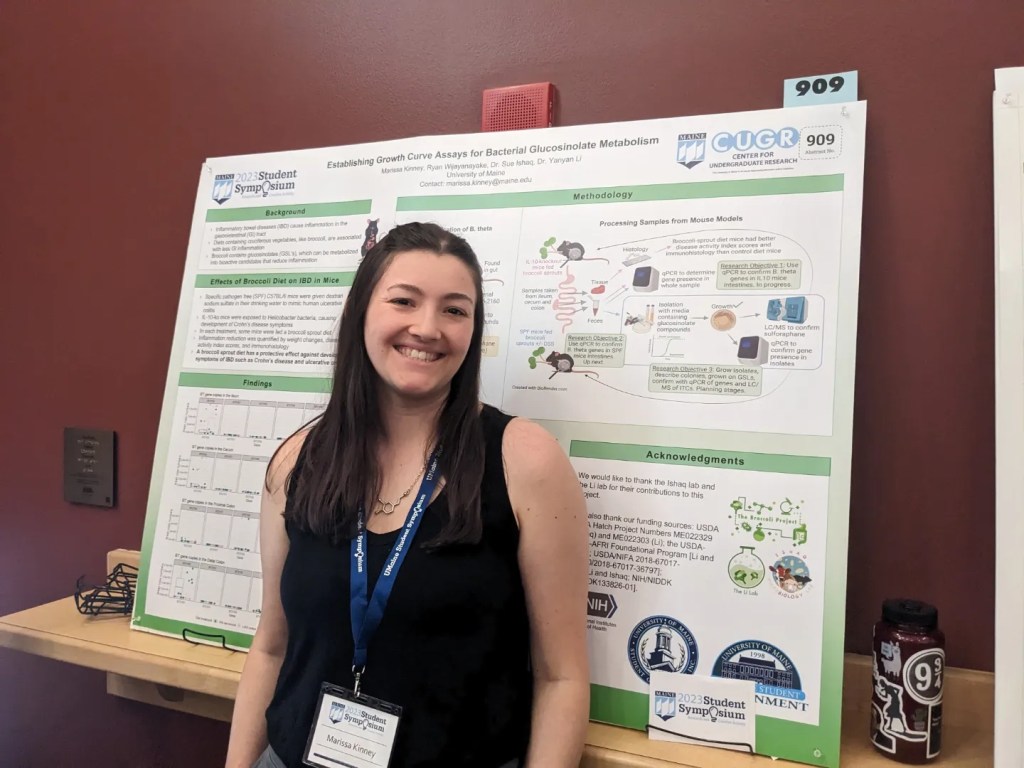
 The Ishaq Lab