Funding awarded to study “microbiome stewardship”!

A collaborative team of researchers (Drs. Kieran O’Doherty, Rob Beiko, Sue Ishaq, Emma Allen-Vercoe, Mallory Choudoir, and Diego Silva – check out their biographies below) has been awarded funding from the Canadian Institutes for Health Research (CIHR) for a four-year project on how our collective microbiomes (the diverse microbes we share between humans and our environments) impact health!! 

Microbiome scientists have increasingly been demonstrating the importance of microbial ecologies for human and environmental health. In spite of this, no protections are in place on policy levels to ensure the health of microbiomes, which in turn are the foundation of larger ecosystems.  We built this team of bioethicists (Kieran and Diego), bioinformaticians (Rob), host microbial ecologists (Sue and Emma), and soil microbial ecologists (Mallory), with the purpose of developing a framework and definition for microbiome stewardship, guiding principles for its implementation, and tools for assessment. We hope this could serve as a starting point for developing public policy around conservation of natural and built environments in ways that promote long-term health of everyone – people, plants, animals, microbes, and the planet.

What is “microbiome stewardship”?

Microbiome stewardship is the broad idea that we need to consider ecosystem-level factors when we think about public health, as our environment, behaviors, and public policy affects interactions between microbes and human health. Microbiomes are highly dynamic systems, featuring bacteria, archaea, protozoa, fungi, and viruses; and our personal microbiomes are derived from a larger shared, collective microbial resource.
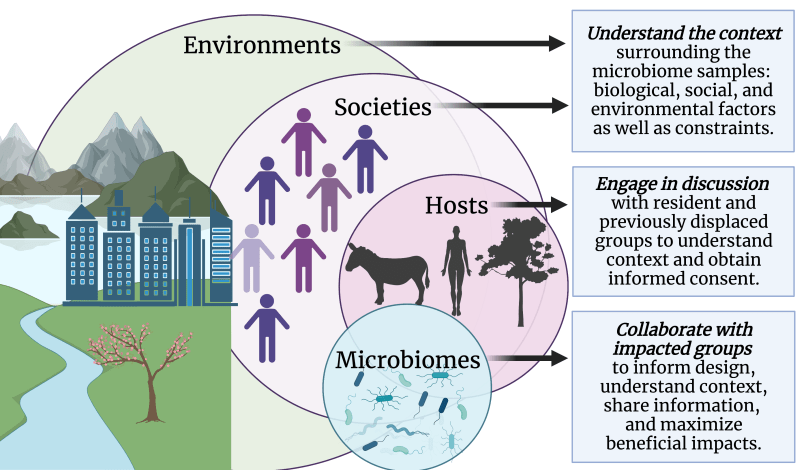
Schematic showing microbiomes in a venn diagrahm circle tha overlaps with a circle of human, animal, and plant hosts, which overlaps with a circle of societies and with a circle of environments. The graphic is trying to show that microbes connect environments to organisms. In three text boxes, there are statements on the need to understand the context surrounding microbiome samples, engage in discussions with resident and previously displaced groups, and collaborate with impacted groups.
Figure from Robinson et al. 2022, mSystems

The importance of the human microbiome (the bacteria, fungi, archaea, protozoa, and viruses that we directly and indirectly interact with throughout our lives) for health and well-being has been well established. However, despite their demonstrated impact, there is limited information on the interconnectivity of non-host habitats (e.g., the built environment or other less intensively managed environments) and their collective contributions to human health. This includes interactions across scales such as with others in shared spaces, cultural and dietary practices, food systems and industrialized food processes, natural environments, built environments, and air pollution. 

The concept of the collective microbiome reinforces the idea of microbiomes as a public good from which all humans, plants, and animals derive benefit. Deterioration of the collective microbiome, and the increasing prevalence of microbiome dysbiosis in humans and elsewhere, is the least well-understood but the most-important facet of biodiversity loss and ecosystem health decline. Microbiome stewardship recognizes the necessity of microbial communities in sustaining human health, and emphasizes the imperative to protect them through policy and other action. Recognizing the importance of microbiome stewardship is a critical step, but we also lack the clear articulation needed to guide its implementation in policy and practice. We need a broadly applicable and inclusive definition of microbiome stewardship, a framework that can guide principles for implementation, and tools to assess microbiome health and to support informed decision making.

Meet the Team

A headshot of Dr. Kieran O'Doherty, PhD who is wearing a black pinstripe shirt and standing outside in front of a yellow brick wall.

Dr. Kieran C. O’Doherty, PhD., is professor in the department of psychology at the University of Guelph, where he directs the Discourse, Science, Publics research Group. His research focuses on the social and ethical implications of science and technology and public engagement on science and technology. He has published on such topics as data governance, vaccines, human tissue biobanks, the human microbiome, salmon genomics, and genetic testing. A particular emphasis of his research is on theory and methods of public deliberation, in which members of the public are involved in collectively developing recommendations for the governance of science & technology. Recent edited volumes include Psychological Studies of Science and Technology (2019) and The Sage Handbook of Applied Social Psychology (2019). He is editor of Theory & Psychology.

Dr. Rob Beiko, PhD., is a Professor and Head of the Algorithms and Bioinformatics research cluster in the Faculty of Computer Science at Dalhousie University. His research aims to understand microbial diversity and evolution using machine learning, phylogenetics, time-series algorithms, and visualization techniques. His group is developing software tools and pipelines to comprehensively survey genes and mobile genetic elements in bacterial genomes, and understand how these genomes have been shaped by vertical inheritance, recombination, and lateral gene transfer. He is also a co-founder of Dartmouth Ocean Technologies, Inc., a developer of environmental DNA sampling devices.

A headshot of Dr. Sue Ishaq, PhD in which she is wearing a black and white houndstooth pattern waistcoat and a white button up shirt. Graphics have been added to show a strand of DNA and the words "love your microbes"

Dr. Sue Ishaq, PhD., is an Assistant Professor of Animal and Veterinary Sciences, University of Maine; and founded MSE in 2020.  Over the years, her research has gone from wild animal gut microbiomes, to soils, to buildings, and back to the gut. Since 2019, her lab in Maine focuses on host-associated microbial communities in animals and humans, and in particular, how host and microbes interact in the gut and can be harnessed to reduce inflammation. She is also the early-career At Large member of the Board of Directors for the American Society for Microbiology, 2024- 2027. 
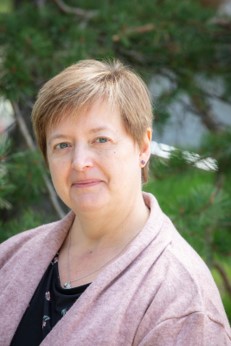
Dr. Emma AllenVercoe, PhD, is a Professor of Microbiology at the University of Guelph, and a Tier 1 Canada Research Chair in Human Gut Microbiome Function and Host Interactions. Her research portfolio is broad, encompassing host-pathogen interplay, live microbial products as therapeutic agents, gut microbiome and anaerobic culture (humans and animals), and the study of ‘missing gut microbes’ i.e. those that are present in hunter-gatherer societies but missing in the industrialized world.  She has developed the Robogut – a culture system that allows for the growth of gut microbial communities in vitro, and is currently busy a centre for microbiome culture and preservation at the University of Guelph.

Dr. Mallory Choudoir, PhD wearing a button up bro

Dr. Mallory Choudoir, PhD, is an Assistant Professor & Soil Microbiome Extension Specialist in the Department of Plant & Microbial Biology at North Carolina State University. The goal of her applied research and extension program is to translate microbiome science to sustainable agriculture. She aims to develop microbial-centered solutions for optimizing crop productivity, reducing agronomic inputs, and enhancing  agroecosystem resilience to climate change.

Diego Silva, PhD wearing a blue shirt and eye glasses and standing in from of a red brick wall.

Diego Silva, PhD, is a Senior Lecturer in Bioethics at Sydney Health Ethics and the University of Sydney School of Public Health. His research centers on public health ethics, particularly the application of political theory in the context of infectious diseases and health security, e.g., tuberculosis, COVID-19, antimicrobial resistance, etc. He is currently the outgoing Chair and a member of the Public Health Ethics Consultative Group at the Public Health Agency of Canada and works with the World Health Organization on various public health ethics topics on an ad hoc basis.

“Articulating Microbiome Stewardship: Definition, Guiding Principles, Framework”

Principal Investigator: Kieran O’Doherty, University of Guelph

co-Principal Investigators: Rob Beiko, Dalhousie University; Suzanne Ishaq, University of Maine. 

co-Investigators: Emma Allen-Vercoe, University of Guelph; Mallory Choudoir, North Carolina State University; Diego Silva, The University of Sydney School of Public Health.

Funding agency: Canadian Institute for Health Research

Abstract

The human microbiome is essential for healthy human development and immunity, and maintaining its health is a collective activity. In Canada and worldwide, there is increasing prevalence of chronic illnesses attributed to dysbiosis of human microbiomes. The causes for microbiome dysbiosis vary. In part, the constitution of the human microbiome depends on genetic factors and personal lifestyle choices, such as diet and exercise. To a large extent, however, individuals’ and collective microbiomes are shaped by environmental factors including natural environments, built environments, food systems, air and other pollutants, and the microbiomes of other people and animals around us. Microbes, by their nature, are shared across humans, and between humans and the environments in which we live. Although our decisions as individuals may have some impact, it is mainly our actions as a society that shape macro-social influences such as environmental pollution, industrial food production, and guidelines for anti-biotic use, all of which profoundly affect human microbiomes. This suggests that we need a collective vision or principles that would act to coordinate and guide societal efforts to ensure healthy microbiome environments. In 2014 an interdisciplinary group of scholars proposed the concept of microbiome stewardship to recognise our shared microbial environment as a common good that needs to be protected. Although this was an important first step, the notion of microbiome stewardship needs to be developed in much more detail to be useful in guiding policy and practice. The purpose of this project is to develop an authoritative definition of microbiome stewardship, to develop guiding principles for its implementation, and to develop a framework for its assessment. We will use a series of interviews, workshops, and deliberative processes to engage a wide range of experts and stakeholders to develop a sustainable and comprehensive articulation of microbiome stewardship.

MSE seminar today: “Don’t Stop Believin’: Managing student motivation on the journey from descriptive to mechanism.”

Events will be hosted January – December, 2024, on the last Friday of every month, 12:00 – 14:00 pm ET. Presented over Zoom.

After each talk, we will continue the discussions in an informal social meeting with MSE. All speakers and members of the audience are welcome to join the social meeting.

Hosted by: Sue Ishaq, MSE, and finacially supported by the University of Maine Institute of Medicine and the UMaine Cultural Affairs/Distinguished Lecture Committee.


“Don’t Stop Believin’: Managing student motivation on the journey from descriptive to mechanism”

Dr. Sonny Lee, PhD

Mar 29, 2024 12:00 PM Eastern Time. This event has passed, watch the recording here.

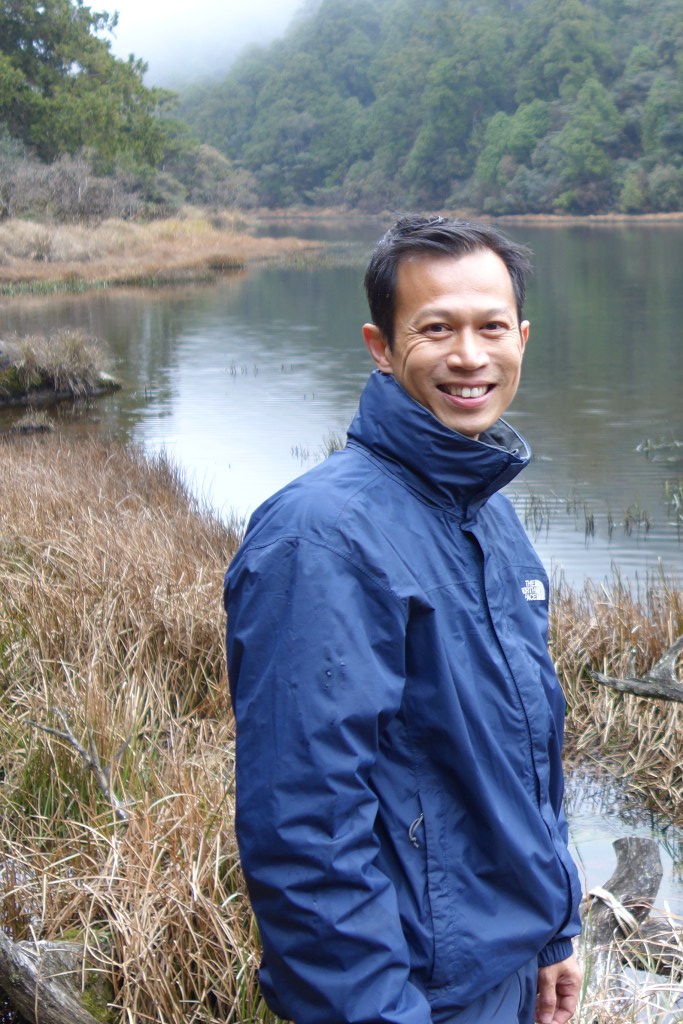
Dr. Sonny Lee is a blue rainjacket standing in front of a forested river on a cloudy day.

Dr. Sonny Lee, PhD., Assistant Professor at Kansas State University, is an integrative microbiologist, with his work grounded in the field of microbiology, ecology and molecular biology with application to promote pro-health in human host, agricultural and the environment. His research relies heavily on bioinformatics, microbiological and molecular techniques to elucidate the mechanism of microbial populations in the contribution to the well-being of the host. His lab investigates the diversity and mechanism of the microbial population by looking at the microbiome as a whole holobiont, while using a reductionist approach in elucidating the role microbial populations play in maintaining the homeostasis of the microbiome.

His lab website is here.

West Coast “speaking tour” in March

I was invited to give three talks on the west coast in March, which aligned so well I was able to string them together into a mini “speaking tour”. I was looking forward to seeing work-related and non-work-related friends, and using a few of the days to visit more of the incredible ecosystems.

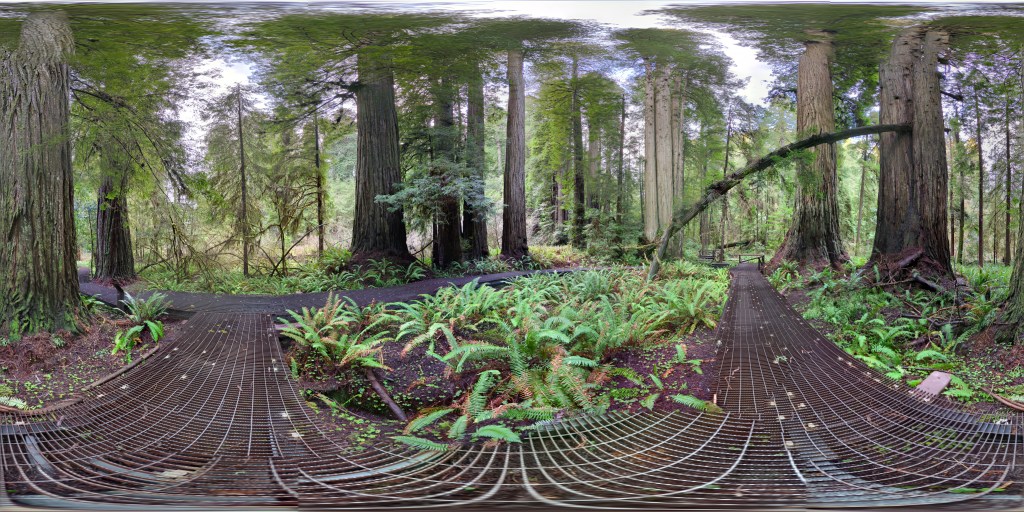
Grove of the Titans in the Redwood National Forest.

I presented three versions of a talk called “Place and time matter for gut microbes making anti-inflammatories from broccoli sprouts”, to tailor it to the audiences and time slots at each location. The talk incorporated various amounts of the #BroccoliProject and work with the Microbes and Social Equity working group.

March 5: Oregon State University, Department of Microbiology seminar series in Corvalis, Oregon


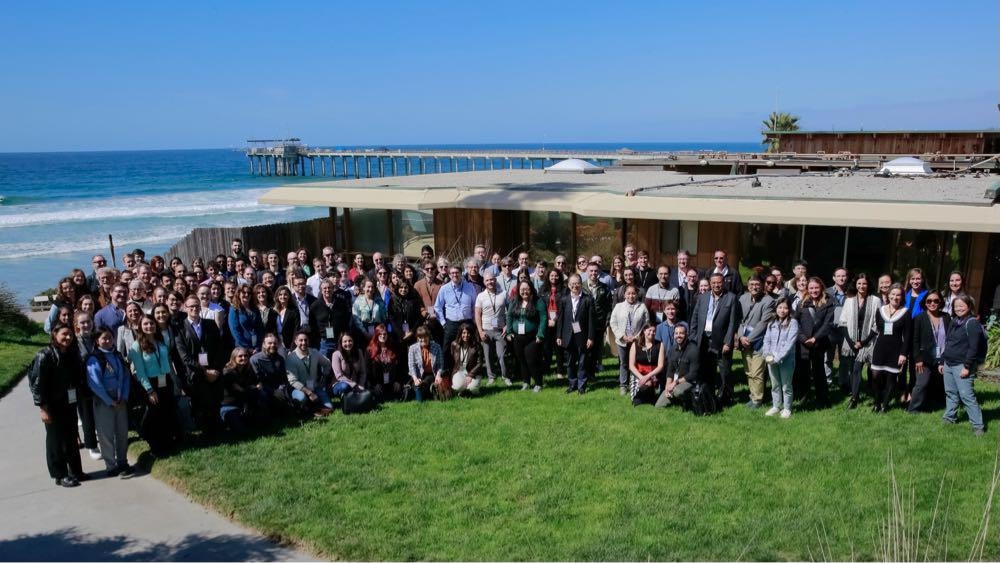
March 12: 2024 Center for Mcrobiome Innovation’s International Microbiome Meeting (CIMM) in La Jolla, California

Photo by Kat Gilbert of the attendees on Day 1

Lola Holcomb and Tolu Alaba, both PhD candidates working on broccoli sprouts and gut microbes, presented posters at CIMM. This conference features microbiome research in the contexts of health, agriculture, and environments.


March 15: Institute for Systems Biology invited seminar in Seattle, Washington

I presented my research and my work on the Microbes and Social Equity working group to students, faculty, and the DEI committee.

MSE seminar today: “Precision Microbiome for Health.”

Events will be hosted January – December, 2024, on the last Friday of every month, 12:00 – 14:00 pm ET. Presented over Zoom.

After each talk, we will continue the discussions in an informal social meeting with MSE. All speakers and members of the audience are welcome to join the social meeting.

Hosted by: Sue Ishaq, MSE, and finacially supported by the University of Maine Institute of Medicine and the UMaine Cultural Affairs/Distinguished Lecture Committee.


“Precision Microbiome for Health”

Dr. Jack A. Gilbert, PhD.

Feb 23, 2024 12:00 PM Eastern Time. This event has passed, watch the recording here.

Professor Jack A Gilbert earned his Ph.D. from Unilever and Nottingham University, UK in 2002, and received his postdoctoral training at Queens University, Canada. From 2005-2010 he was a senior scientist at Plymouth Marine Laboratory, UK; and from 2010-2018 he was Group Leader for Microbial Ecology at Argonne National Laboratory, a Professor of Surgery, and Director of The Microbiome Center at University of Chicago. In 2019 he moved to University of California San Diego, where he is a Professor in Pediatrics and the Scripps Institution of Oceanography, Associate Vice Chancellor for Marine Science, and Director of both the Microbiome and Metagenomics Center and the Microbiome Core Facility. Dr. Gilbert uses molecular analysis to test fundamental hypotheses in microbial ecology.

He cofounded the Earth Microbiome Project and American Gut Project. He has authored more than 450 peer reviewed publications and book chapters on microbial ecology. He is the founding Editor in Chief of mSystems journal. In 2014 he was recognized on Crain’s Business Chicago’s 40 Under 40 List, and in 2015 he was listed as one of the 50 most influential scientists by Business Insider, and in the Brilliant Ten by Popular Scientist. In 2016 he won the Altemeier Prize from the Surgical Infection Society, and the WH Pierce Prize from the Society for Applied Microbiology for research excellence. In 2017 he co-authored “Dirt is Good”, a popular science guide to the microbiome and children’s health. In 2018, he founded BiomeSense Inc to produce automated microbiome sensors. In 2021 Dr Gilbert became the UCSD PI for the National institutes of Health’s $175M Nutrition for Precision Medicine program. In 2023 he became President of Applied Microbiology International, and won the 2023 IFF Microbiome Science Prize.

His lab website is here.

Presentation today on Microbes and Social Equity to the University of New Hampshire!

Today I’ll be visiting the University of New Hampshire to present my work on diet and gut microbes, and the creation of the Microbes and Social Equity working group, and engage in discussions with faculty and students. If you’ll be on campus, come say hello and eat pizza!

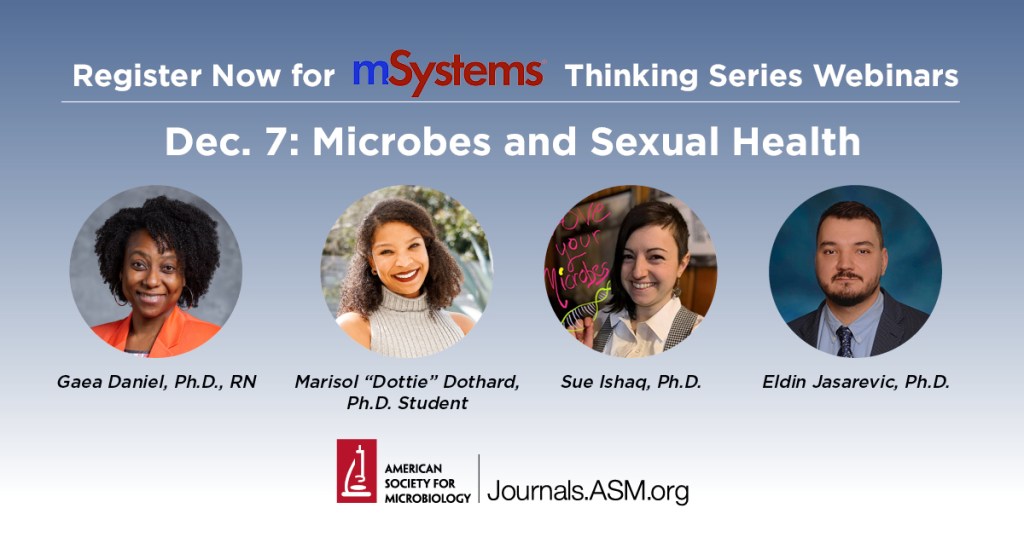
Happening today! mSystems Thinking Series webinar on “Microbes and Sexual Health”!

I’ll be hosting a webinar later today in the mSystems Thinking Series, which focuses on the topic of “Microbes and Sexual Health”. Hear from experts in microbiology and human health, and join the conversation on how to engage in this research with empathy and inclusiveness.

Dec 7, 2023, 4 pm ET.

The webinar was free with regisration. You can check out the recorded webinar on the mSystems Youtube channel here.

Speakers:

  • Gaea Daniel, Ph.D., RN, assistant professor, Nell Hodgson Woodruff School of Nursing, Emory University.
  • Marisol Dottie Dothard, Ph.D. student, University of California, San Diego.
  • Eldin Jasarevic, Ph.D., assistant professor, University of Pittsburgh School of Medicine.

Hosting an mSystems Thinking Series webinar on “Microbes and Sexual Health” on Dec 7!

I’ll be hosting a webinar in the mSystems Thinking Series, which focuses on the topic of “Microbes and Sexual Health”. Hear from experts in microbiology and human health, and join the conversation on how to engage in this research with empathy and inclusiveness.

Dec 7, 2023, 4 pm ET.

The webinar was free with registration. You can check out the recorded webinar on the mSystems Youtube channel here.

Speakers:

  • Gaea Daniel, Ph.D., RN, assistant professor, Nell Hodgson Woodruff School of Nursing, Emory University.
  • Marisol Dottie Dothard, Ph.D. student, University of California, San Diego.
  • Eldin Jasarevic, Ph.D., assistant professor, University of Pittsburgh School of Medicine.

Featured in the Design Observer Twenty

I was recently featured in the Design Observer Twenty for my work on Microbes and Social Equity! The Design Observer is turning 20 this month, so they interviewed 20 people who have been changing the way the world looks at health, wellbeing, sustainability, and designing for a more equitable future.

Upcoming presentations at the 2023 Ecological Society of America annual meeting!

Ecological Society of America meeting, Aug 6 – 11, 2023, Portland, Oregon

Scallop microbes and sustainable aquaculture: host-microbe dynamics situated in environmental and social context.

Presentation ID: 1372900

Session Information

Session Title: Microbes as Tools to Solve Ecological Problems for All
Session Type: Inspire Session
Date: Thursday August 10, 2023
Session Time: 3:30 PM – 5:00 PM Pacific Time

Authors: Suzanne L. Ishaq1

Affiliations: 1 University of Maine, School of Food and Agriculture, Orono, ME 04469 USA

Atlantic sea scallop (Placopecten magellanicus) is the second largest fishery in Maine, primarily through wild harvest. Farming is a promising way to meet year-round market demands, create jobs, and reduce ecological impacts of harvest, but relies on wild-caught juveniles as larval survival in hatcheries is low for unknown reasons. My collaborative research group explores the role of larval and tank microbiomes in hatcheries compared to wild scallop veligers. In addition to basic and applied microbiome research, the research team meets with industry partners weekly to discuss results, trends, generate real-world-problem-driven project designs, and collaborate on research, education, and student training.

Bacterial community trends associated with sea scallop, Placopecten magellanicus, larvae in a hatchery system.

Poster ID:  1475974
Poster Title: “Bacterial community trends associated with sea scallop, Placopecten magellanicus, larvae in a hatchery system.”

Session Information

Agriculture
Session Date: Tuesday August 8, 2023 
Session Time: 5:00 PM – 6:30 PM Pacific Time

Authors: Suzanne L. Ishaq1*, Sarah Hosler1, Adwoa Dankwa1, Damian C. Brady2, Erin Grey3, Phoebe Jekielek4, Kyle Pepperman5, Jennifer Perry1, Rachel Lasley-Rasher6, Brian Beal3,7, Timothy J. Bowden1

Affiliations: 1 School of Food & Agriculture, University of Maine, Orono ME 04469. 2 School of Marine Sciences, Darling Marine Center, University of Maine. 3 School of Biology and Ecology, University of Maine, Orono ME 04469. 4 Department of Biological Sciences, University of Southern Maine, Portland ME 04103. 5 Downeast Institute, Beals, ME 04611. Ecology and Environmental Sciences, University of Maine, Orono ME 04473. 7 Division of Environmental & Biological Sciences, University of Maine at Machias, Machias, ME 04654

Atlantic sea scallops, Placopecten magellanicus, are the most economically important marine bivalves along the northeastern coast of North America, and wild-caught adults and juvenile spat are increasingly being cultured in aquaculture facilities and coastal farms. While adults can be induced to spawn successfully in hatcheries, the last two weeks of the larval maturation phase are plagued by large mortality events, making production unfeasible. Research into other scallop- and aquacultured-species point to animal loss from bacterial infections or from altered functionality of host-associated microbiota. There are no previous studies of the bacterial communities from biofilms growing in scallop hatchery tanks, nor even host-microbial studies with this species of sea scallops. We identified bacterial communities in veliger-stage wild larvae, hatchery larvae, and tank biofilms, using the V3-V4 region of the 16S rDNA gene, via Illumina MiSeq sequencing. Hatchery larvae had lower bacterial richness (number of bacteria taxa present) than the wild larvae and tank biofilms, and hatchery larvae had a similar bacterial community (which taxa were present) to both wild larvae and tank biofilms. Bacterial richness was not significantly different between tanks which had been occupied by larvae for 48 hours, and those which had just been drained, scrubbed clean, and refilled with filtered seawater. Static-water-flow compared to continuous-water-flow (flow-through) did not generate different levels of bacterial richness overall, and only an equivocal difference when accounting for time as a smoothing feature in the model (GAM, p = 0.04). Bacterial richness and community similarity between tank samples fluctuated over the trial in repeated patterns of rise and fall, which showed some correlation to lunar cycle  where richness is high when the moon is about 50% and richness is low during new and full moon phases. This may be a proxy for the effects of spring tides and trends in seawater bacteria and phages which are propagated into hatchery tanks. The number of days since the full moon was significantly correlated with bacterial community richness in tanks (GAM, p < 0.01): low during the full moon, peaking ~ 21 days after the full moon, and decreasing again at the next full moon.  These results along with future work, will inform hatcheries on methods that will increase larval survival in these facilities, for example, implementing additional filtering or avoiding seawater collection during spring tides, to reduce certain bacterial taxa of concern or promoting a more diverse microbial community which would compete against pathogens.

Giving the keynote presentation at the Boston University Microbiome Day in July!

I’m honored to be giving the keynote presentation at the Boston University Microbiome Day this July 12! I’ll be sharing my work on microbes and social equity, especially as pertains to health and the environment. You can find event details and registration here. You can also follow the group on Twitter @BuMicrobiome.

TimeEvent
9:00-9:45 AMBreakfast and coffee
9:45-10:00 AMWelcome
Faculty Talks
10:00-10:30 AMDr. Sarah Davies
10:30-11:00 AMDr. Joe Larkin
Keynote Address
11:00AM-12:00 PMDr. Sue Ishaq
12:00PM-1:30 PMLunch and Poster session
Panel Discussion: Translating the Microbiome to Industry
1:30-2:30 PMJennifer Cookson, Andrea Watson and Nili Ostrov:“Translating the Microbiome to Industry”
Student Session Pt 1
2:45-3:05 PMMichael Zulch
3:05-3:35 PMPaul Rousteau
3:35-3:45 PMSession Break
Student Session Pt 2
3:45-4:05 PMCorinne Vietorisz
4:05-4:35 PMMichael Silverstein
5:00 PMSocial Event