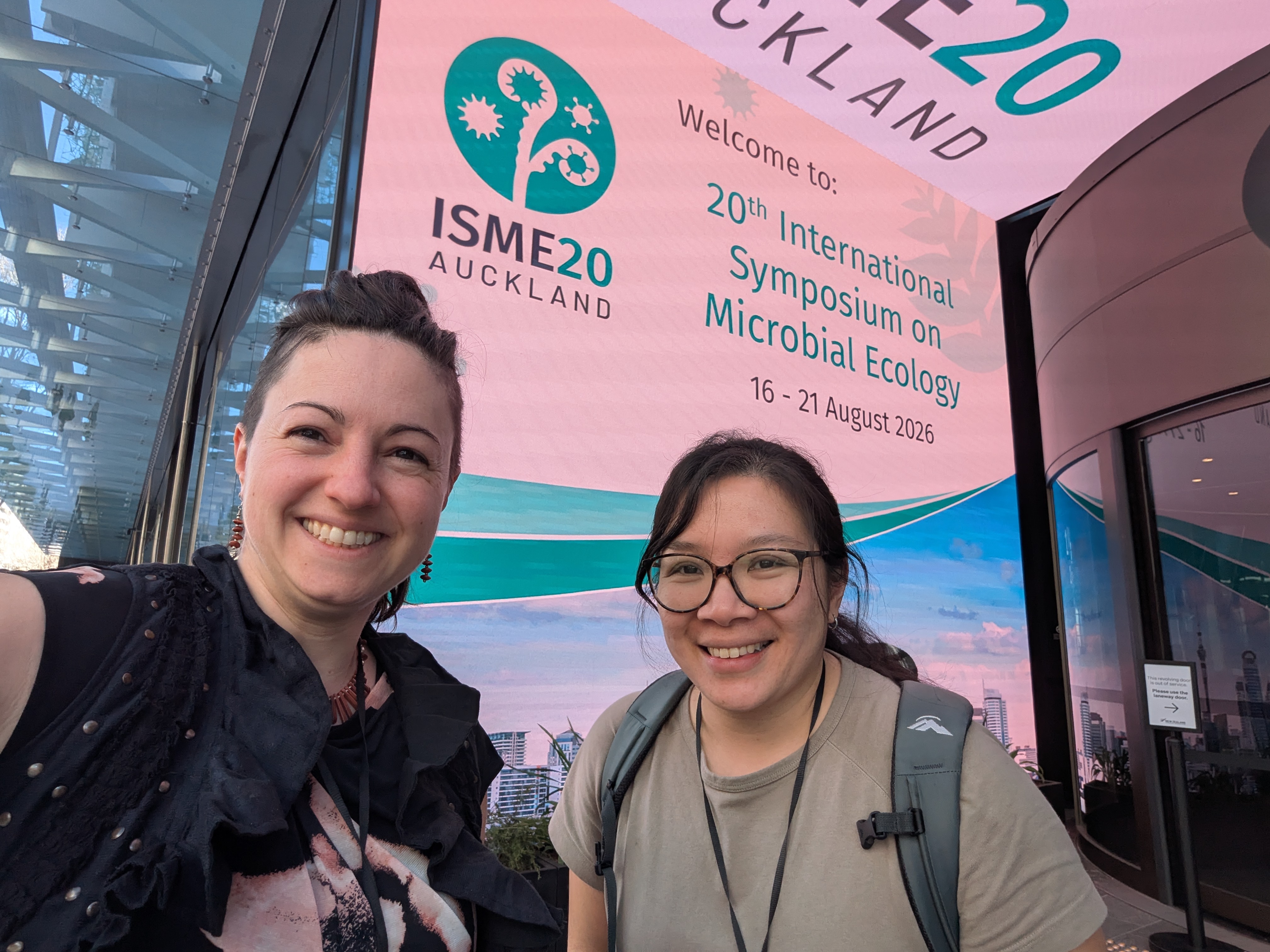
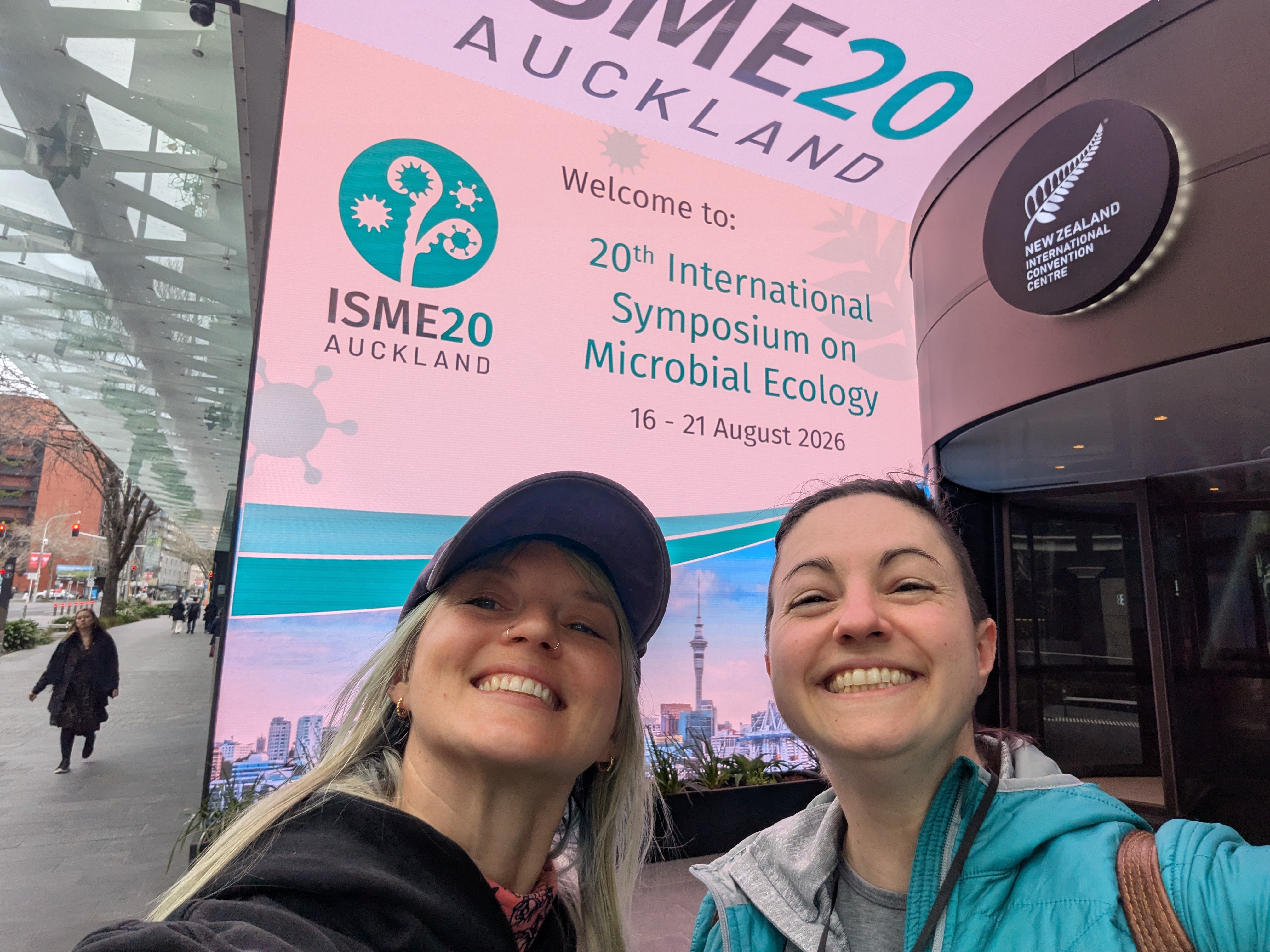
There is nothing like being in a gorgeous ecosystem for inspiring conservation to protect it

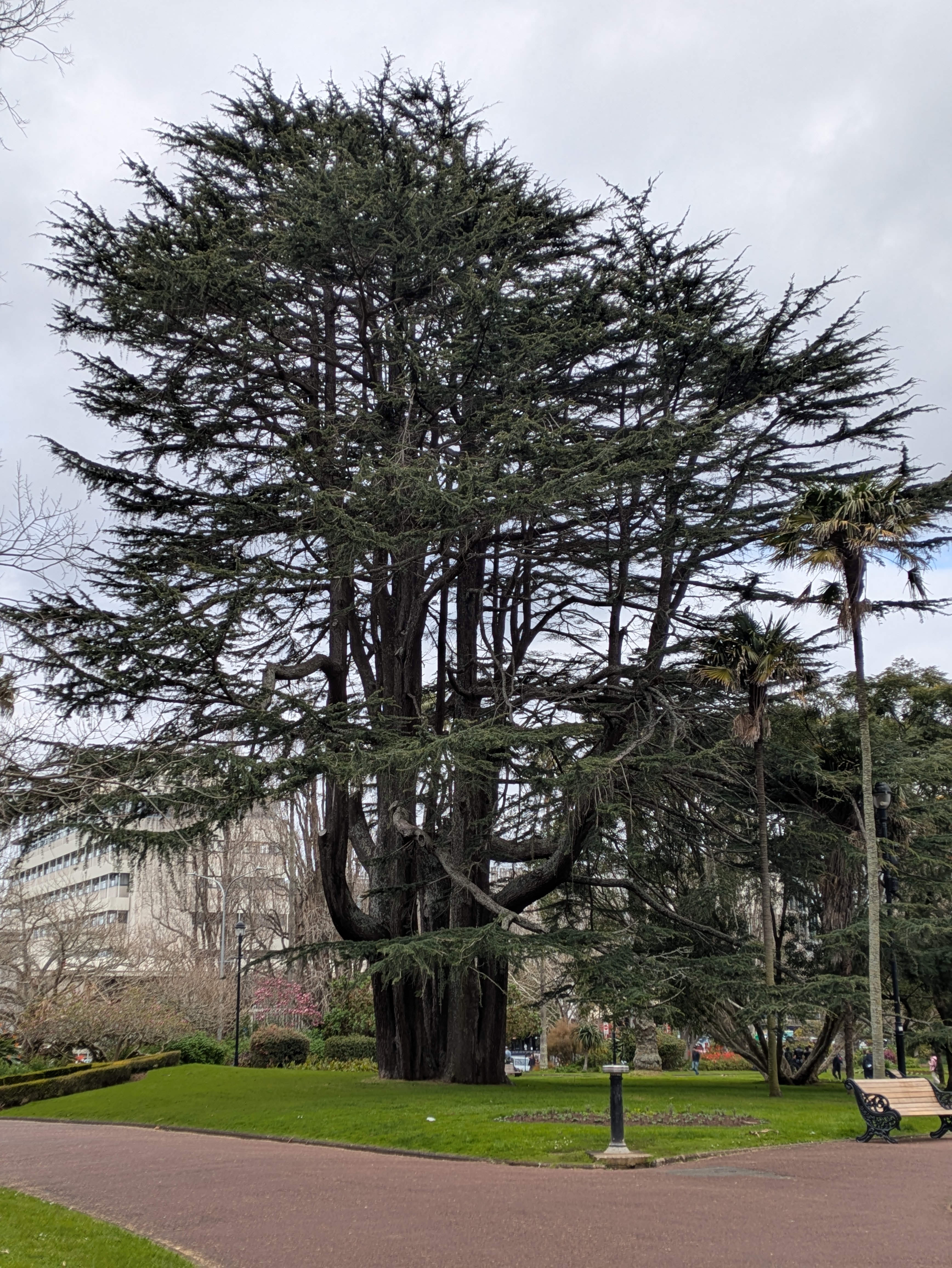
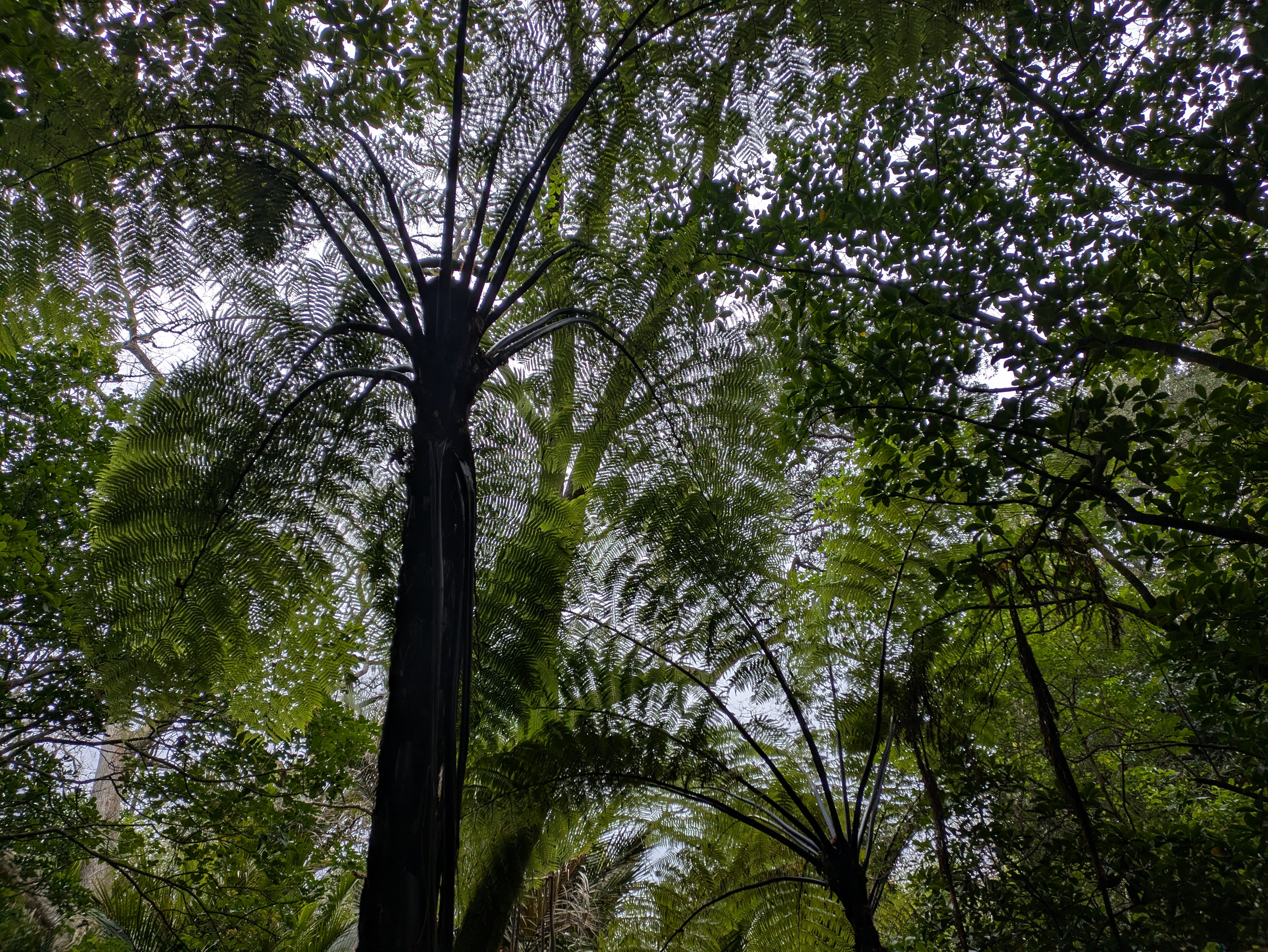
As far as auspicious beginnings go, listening to dozens of tropical birds share news in a blooming city park while watching the rising sun peek out of the clouds leftover from a pre-dawn rain, the city traffic a distant hum under the nearby laughter of morning walkers watching their dogs frolic, is a heck of a way to begin a week-long conference on microbes and global health. Microbes feed the planet by interfacing between geological processes and biological ones: single-celled microbes take basic elements up to complex chemical compounds and back down again to the basics, all of which allows more complex forms of life to access the chemicals they need. Microbes help provide critical nutrients to the plants in this park, they help the parrots digest their food, they can even act as the physical seeds around which molecules of water gather into drops to create rain.
The International Society of Microbial Ecology hosts their major scientific conference every two years in rotating locations around the world, this year in Auckland, New Zealand. While every flavor of microbiology can be found here at the conference, there are always themes of building a collective and reducing the negative impacts of human activities while amplifying the positive ones. For example, there were presentations about the detriment of clearcutting for mono-cropping of commodities, as well as presentations on how migratory grazing of domesticated livestock creates biodiversity hotspots in grasslands due to manure and urine nutrients as well as turnover of plants (grazing allows for competition from other plants but also germinates seeds that need to pass through a digestive tract). In short, the way we live our lives and interact with the planet affects the microbes we interact with and the ones we leave behind, and when we do this intentionally and with mutual benefit in mind, everything can flourish.
Yet, deciding on that course of action is not necessarily without logistical burdens: what should we change, and what will be the outcome? Do the benefits outweigh the problems that will occur? How do we prioritize land use decisions when some people think the destruction of air, water, soil, plants, animals, and people caused by data centers is worth it to support mass surveillance of the public? Thus, the process of making policy decisions or design choices which intentionally support microbial communities for the benefit of environments, organisms, and renewing natural resources can be arduous: between sparse information about remote microbes, to getting people to agree on the value of nature, to enacting change across borders, it is understandable that the pace of innovation crawls in comparison to the swiftness of changes to our world and the urgency to save ourselves while we can (microbes and other life on this planet will survive the consequences our actions even if we don’t). Worthwhile endeavors are neither quick nor cheap, and if we can focus for decades on making space travel and inhabitation viable, then surely the collective intelligence of humanity can figure out how to terraform without destroying the very ground beneath our feet.

My goals were triple-fold at the ISME conference: to learn about cutting-edge research, to widen and strengthen my network of colleagues, and to make progress on spreading awareness of and setting priorities for the Ethics, Conservation and Management Planning Working Group of the new Microbial Conservation Specialist Group of the IUCN Species Survival Commission (IUCN SSC MCSG ECMP). Some of the leadership team of that group was in Auckland, and we took the opportunity to meet about setting priorities over the next year.
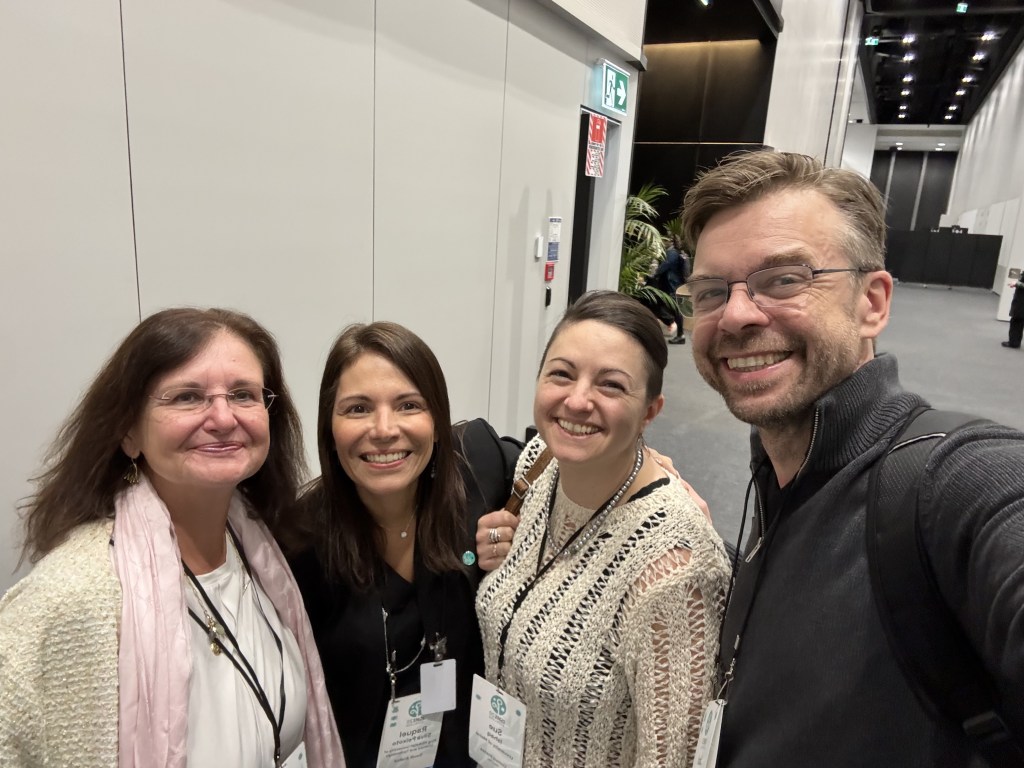
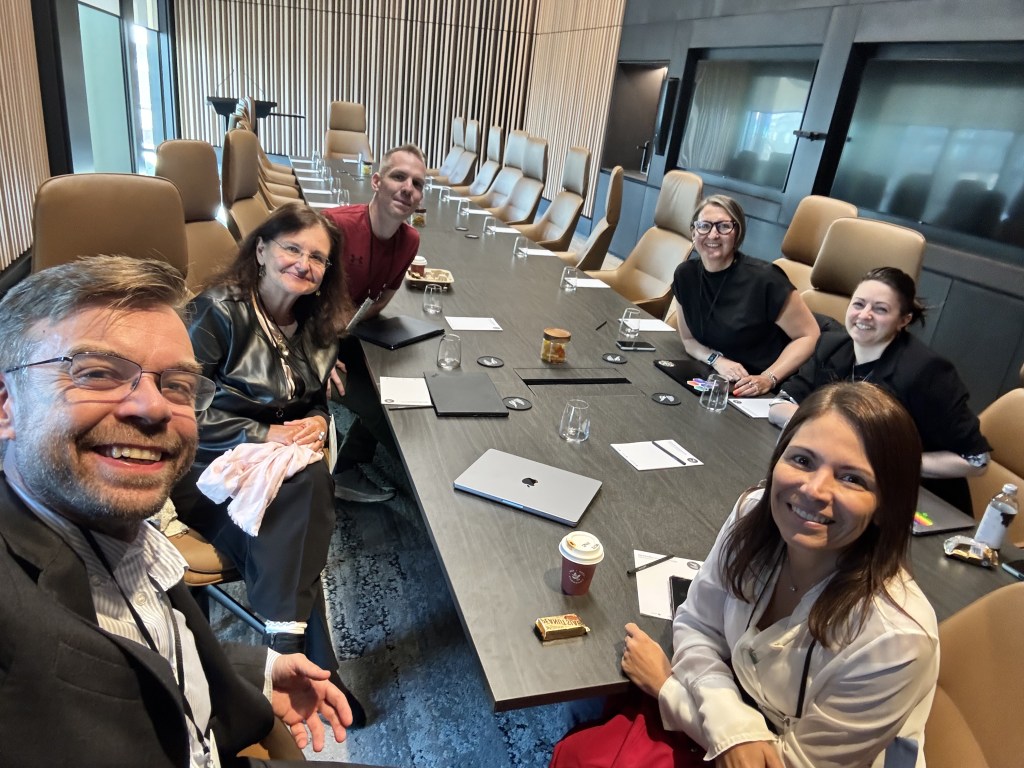
Additionally,, I initiated conversations about the group to invite researchers who are already working in this conceptual space, which was incredibly easy at the ISME conference because everyone here has some connection to sustainability, conservation, stewardship, equitable collaborations, and sharing of research outcomes. In particular, the session on “Indigenous Knowledge – solutions for global environmental changes” featured speakers who were all focused on protecting microbial communities and the unique ecosystems that host them, as well as trying to prevent the bioprospecting from and exclusion of local (and especially Indigenous, see most of recorded modern history for examples) peoples that occurred during the ‘gold rush’ early years of microbial ecology, ecology, conservation, anthropology – actually pretty much most fields were used as an excuse to pillage. One audience member of that session told the story of how, after the first papers describing novel microbes in delicate and uncatalogued ecosystems in Argentina were published, researchers from other countries flooded to the area to study and collect them, often actively destroying ecosystems in the process by driving on the very microbial mats they had come to study.

With a complicated legacy to remediate and learn from, conservation must be united with ethics, and thus the ECMP subgroup is tasked with learning from history, promoting equitable practices already being used around the globe, and trying to enact these best practices into education and policy to move us into a better way of treating each other and planet.

Learn more about the Ethics Subgroup and the Microbial Special Group

Please visit the MCSG website for more information, and if you are at ISME20, reach visit the Applied Microbiology International publications display table to learn more and join an information session.

Gilbert, J., Scholz, A., Dominguez-Bello, M.G., Korsten, L., Berg, G., Singh, B., Boetius, A., Wang, F., Greening, C., Wrighton, K., Bordenstein, S., Jansson, J., Lennon, J., Souza, V., Allard, S.M., Thomas, T., Cowan, D., Crowther, T., Nguyen, N., Harper, L., Haraoui, L-P., Ishaq, S., McFall-Ngai, M., Redford, K.H., Peixoto, R. 2025. Safeguarding Microbial Biodiversity: Microbial Conservation Specialist Group (MCSG) within the Species Survival Commission of the International Union for Conservation of Nature (IUCN). Editorial Published in multiple journals simultaneously, including mSystems, Sustainable Microbiology, the ISME Journal, and FEMS Microbial Ecology.

Gilbert, J., Peixoto, R., Scholz, A., Dominguez-Bello, M.G., Korsten, L., Berg, G., Singh, B., Boetius, A., Wang, F., Greening, C., Wrighton, K., Bordenstein, S., Jansson, J., Lennon, J., Souza, V., Thomas, T., Cowan, D., Crowther, T., Nguyen, N., Harper, L., Haraoui, L-P., Ishaq, S., Redford, K. 2025. Launching the IUCN Microbial Conservation Specialist Group as a global safeguard for microbial biodiversity. Nature Microbiology 10:2359–2360. (correspondence)

The IUCN Microbe Specialist Group will be convening at the International Society for Microbial Ecology meeting in Auckland in August!

Sometimes dreams do come true – I am finally getting a chance to visit New Zealand, thanks to my new role as co-Vice-Chair of the Ethics, Conservation and Management Planning Working Group (other Co-Vice Chair is Louis-Patrick Haraoui) of the new Microbial Conservation Specialist Group of the IUCN Species Survival Commission (IUCN SSC MCSG ECMP). While the number of words in that group’s formal name implies that it’s going to take a long time to accomplish anything, the new MCSG group is actually a nimble collaboration of researchers and policy makers who are working on conserving the microbial communities that allow us to thrive on this planet.

Created in 2025 and led by Drs. Jack Gilbert and Raquel Peixoto, the MCSG is the first IUCN body dedicated to protecting all microbial ecosystems, including those which are at risk or already losing microbial diversity because of degradation and human activities, and those ecosystems where human activities have not yell fully changed the microbial communities.  The group is working to integrate microbial biodiversity into mainstream conservation frameworks by developing new tools for assessment, advancing policy inclusion, coordinating action across ecosystems, and developing strategies to bring attention to the need to consider microbes in the health of organisms and ecosystems.

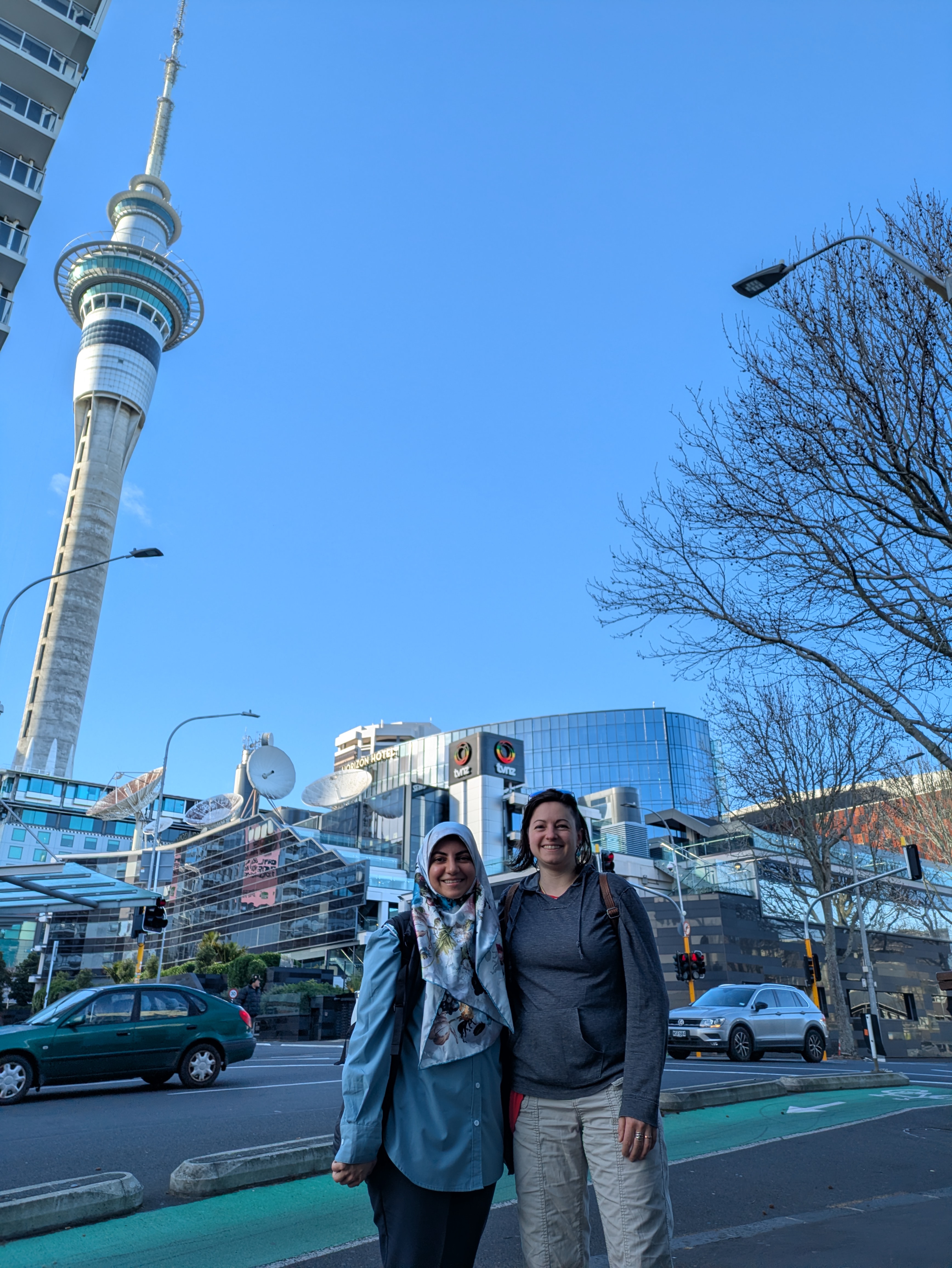
This August, the global microbial ecology community is converging on Auckland, New Zealand, for the International Society for Microbial Ecology (ISME) conference. You might remember my last visit two years ago to the ISME conference in Cape Town, South Africa, when I was fortunate enough to have the federal funding to bring much of my lab group. New Zealand hosts stunning landscapes, and not just because of the geography: New Zealand is one of the global leaders in environmental, animal, and plant conservation thanks to its deeply rooted Indigenous conservation practices. Auckland will provide the perfect backdrop for discussing the microscopic worlds that keep our planet alive. Attending ISME is always a highlight for me, and I’m excited to hear about wild animal microbiomes, and generally about the effects of environments on host microbiomes while I’m there.

Beyond the main conference sessions, the highlight of this trip will be participating in the meetings of the Microbial Conservation Specialist Group. While historic conservation efforts were constrained by resources and public attention to focus on visible and adorable wildlife like mammals and birds, protecting microbial diversity is just as critical for maintaining ecosystem stability and resilience. Engaging with this specialist group offers a vital platform to advocate for the inclusion of fungi, bacteria, and archaea in global conservation policies and frameworks. This journey promises to be a powerful blend of cutting-edge science and meaningful advocacy, and I cannot wait to bring these insights back to the research collaborations I have developed over the past few years on Microbiome Stewardship, how to go about it, and the practicality of protecting microbes at different scales.

  1. Please visit the MCSG website for more information, and if you are at ISME20, reach visit the Applied Microbiology International publications display table to learn more and join an information session.
  2. Subscribe to the MCSG newsletter here.
  3. If you will be attending ISME20 and would like to meet with me for coffee to learn more about the MCSG group, please email me at sue.ishaq@maine.edu!

Of course, I will also be representing the MSE group at ISME. While I did not have time to prepare a formal event there, if you are part of MSE and would like to meet for coffee, or if you are curious about the group and would like to learn more (also while drinking coffee), please let me know at sue.ishaq@maine.edu!

Gilbert, J., Scholz, A., Dominguez-Bello, M.G., Korsten, L., Berg, G., Singh, B., Boetius, A., Wang, F., Greening, C., Wrighton, K., Bordenstein, S., Jansson, J., Lennon, J., Souza, V., Allard, S.M., Thomas, T., Cowan, D., Crowther, T., Nguyen, N., Harper, L., Haraoui, L-P., Ishaq, S., McFall-Ngai, M., Redford, K.H., Peixoto, R. 2025. Safeguarding Microbial Biodiversity: Microbial Conservation Specialist Group (MCSG) within the Species Survival Commission of the International Union for Conservation of Nature (IUCN). Editorial Published in multiple journals simultaneously, including mSystems, Sustainable Microbiology, the ISME Journal, and FEMS Microbial Ecology.

Gilbert, J., Peixoto, R., Scholz, A., Dominguez-Bello, M.G., Korsten, L., Berg, G., Singh, B., Boetius, A., Wang, F., Greening, C., Wrighton, K., Bordenstein, S., Jansson, J., Lennon, J., Souza, V., Thomas, T., Cowan, D., Crowther, T., Nguyen, N., Harper, L., Haraoui, L-P., Ishaq, S., Redford, K. 2025. Launching the IUCN Microbial Conservation Specialist Group as a global safeguard for microbial biodiversity. Nature Microbiology 10:2359–2360. (correspondence)

The IUCN Microbe Specialist Group published our prospective goals for the conservation of microbes to support planetary health.

The new IUCN Microbe Specialist Group, led by Drs. Jack Gilbert and Raquel Peixoto, has published a prospectus which outlines our goals and activities for the next few years, as well as steps for recruiting research and policy expertise!

Gilbert, J., Scholz, A., Dominguez-Bello, M.G., Korsten, L., Berg, G., Singh, B., Boetius, A., Wang, F., Greening, C., Wrighton, K., Bordenstein, S., Jansson, J., Lennon, J., Souza, V., Allard, S.M., Thomas, T., Cowan, D., Crowther, T., Nguyen, N., Harper, L., Haraoui, L-P., Ishaq, S., McFall-Ngai, M., Redford, K.H., Peixoto, R. 2025. Safeguarding Microbial Biodiversity: Microbial Conservation Specialist Group (MCSG) within the Species Survival Commission of the International Union for Conservation of Nature (IUCN). Editorial Published in multiple journals simultaneously, including mSystems, Sustainable Microbiology, the ISME Journal, and FEMS Microbial Ecology.

The IUCN Microbe group is led by Drs. Jack Gilbert and Raquel Peixoto, who are internationally famous for their research into environmental microbiomes as well as their contributions to conservation. The group recently announced its formation in an editorial:

Gilbert, J., Peixoto, R., Scholz, A., Dominguez-Bello, M.G., Korsten, L., Berg, G., Singh, B., Boetius, A., Wang, F., Greening, C., Wrighton, K., Bordenstein, S., Jansson, J., Lennon, J., Souza, V., Thomas, T., Cowan, D., Crowther, T., Nguyen, N., Harper, L., Haraoui, L-P., Ishaq, S., Redford, K. 2025. Launching the IUCN Microbial Conservation Specialist Group as a global safeguard for microbial biodiversity. Nature Microbiology 10:2359–2360. (correspondence)
Now that the Microbe Group has been assembled and set our goals, we will begin setting up international working groups for implementing conservation, and opening the group for global supporting membership.

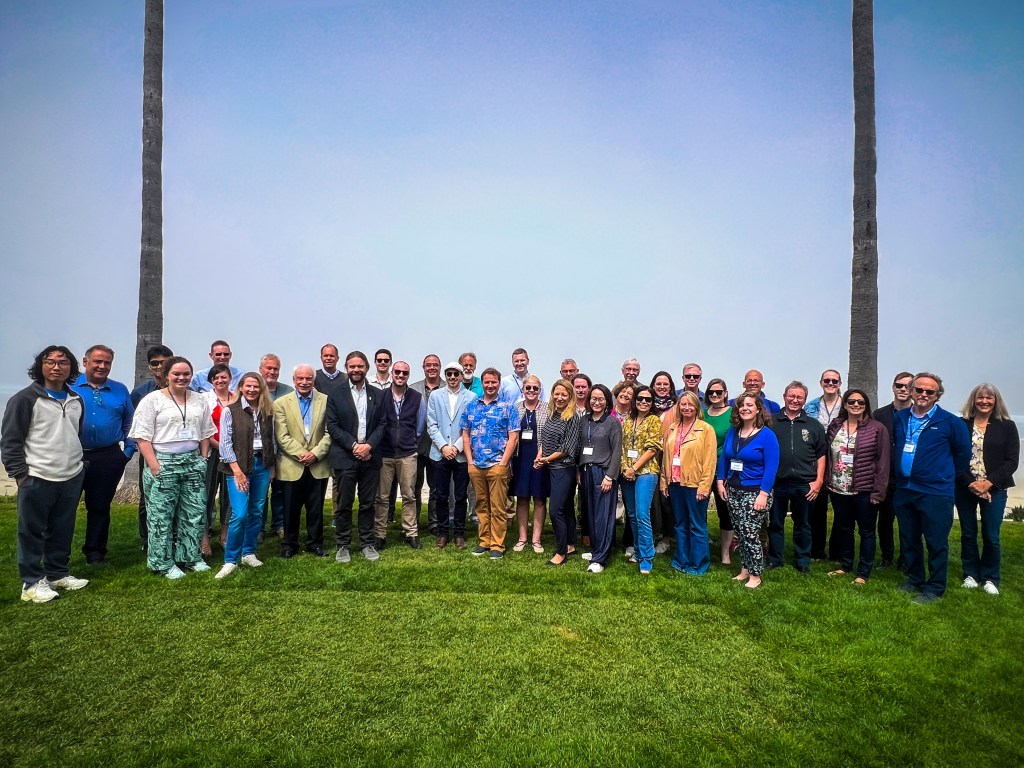
Back in May, I had the honor of attending a three-day workshop on “Conservation in a Microbial World“, which gathered researchers, innovators, and policy makers to discuss the concept, need, logistics, and possibility of formally making microorganisms part of the considerations of the International Union for the Conservation of Nature (IUCN), the global organization which coordinates the protection of species and ecosystems. The meeting was to provide guidance to the IUCN Species Survival Commission (SSC) on microbial ecology, ecosystems which are at risk or already losing microbial diversity because of degradation and human activities, as well as strategies to bring attention to the need to consider microbes in the health of organisms and ecosystems.

Attendees of the 2025 Conservation in a Microbial World meeting, Scripps, La Jolla.

“Launching the IUCN Microbial Conservation Specialist Group as a global safeguard for microbial biodiversity”- paper published and group assembled!

I’m delighted to announce the publication of “Launching the IUCN Microbial Conservation Specialist Group as a global safeguard for microbial biodiversity” — a short publication in Nature, written by the new IUCN Microbe Group, of which I am a part! The paper introduces the need for a Specialist Group focused on microorganisms, microbial communities, and the connection between microbes and health of environments and all other organisms.

The new IUCN Microbe group is being led by Drs. Jack Gilbert and Raquel Peixoto, who are internationally famous for their research into environmental microbiomes as well as their contributions to conservation. Now that the Microbe Group has been assembled, we have been working on creating a prospectus for the group which outlines our goals and activities for the next few years, as well as steps for recruiting research and policy expertise, as needed, setting up international working groups for implementing conservation, and opening the group for global supporting membership.

Gilbert, J., Scholz, A., Dominguez-Bello, M.G., Korsten, L., Berg, G., Singh, B., Boetius, A., Wang, F., Greening, C., Wrighton, K., Bordenstein, S., Jansson, J., Lennon, J., Souza, V., Thomas, T., Cowan, D., Crowther, T., Nguyen, N., Harper, L., Haraoui, L-P., Ishaq, S., Redford, K. 2025. “Launching the IUCN Microbial Conservation Specialist Group as a global safeguard for microbial biodiversityNature

Back in May, I had the honor of attending a three-day workshop on “Conservation in a Microbial World“, which gathered researchers, innovators, and policy makers to discuss the concept, need, logistics, and possibility of formally making microorganisms part of the considerations of the International Union for the Conservation of Nature (IUCN), the global organization which coordinates the protection of species and ecosystems. The meeting was to provide guidance to the IUCN Species Survival Commission (SSC) on microbial ecology, ecosystems which are at risk or already losing micobial diversity because of degradation and human activities, as well as strategies to bring attention to the need to consider microbes in the health of organisms and ecosystems.

Attendees of the 2025 Conservation in a Microbial World meeting, Scripps, La Jolla.

Conservation in a Microbial World meeting

Two weeks ago, I had the honor of attending a three-day workshop on “Conservation in a Microbial World“, which gathered researchers, innovators, and policy makers to discuss the concept, need, logistics, and possibility of formally making microorganisms part of the considerations of the International Union for the Conservation of Nature (IUCN), the global organization which coordinates the protection of species and ecosystems. The meeting was to provide guidance to the IUCN Species Survival Commission (SSC) on microbial ecology, ecosystems which are at risk or already losing micobial diversity because of degradation and human activities, as well as strategies to bring attention to the need to consider microbes in the health of organisms and ecosystems. It was wonderful to reconnect with old friends and make new ones!

Attendees of the 2025 Conservation in a Microbial World meeting, Scripps, La Jolla.