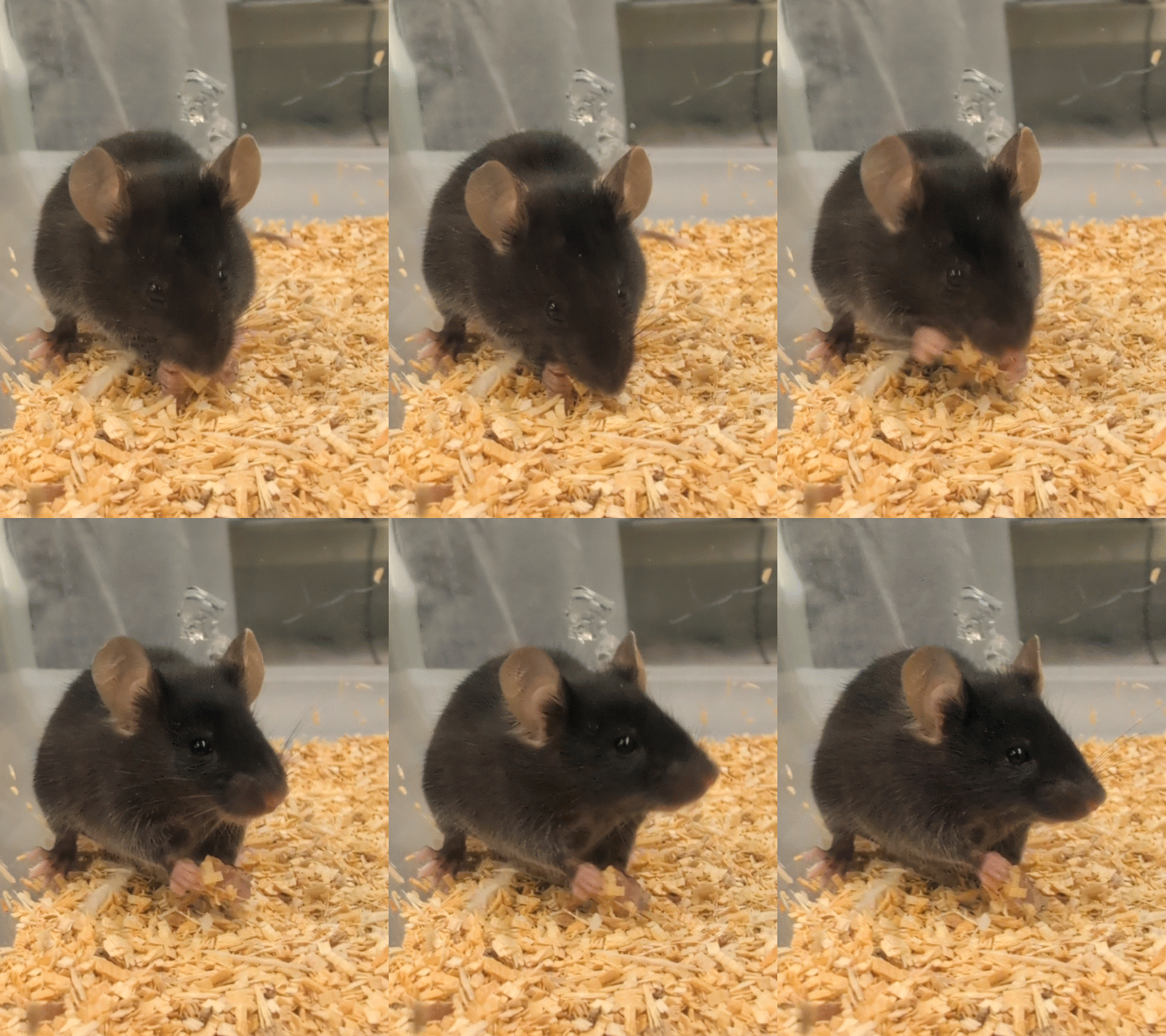
A research mouse picks up a cube of gelain and eats it.

Testing out some probiotic protocols

The Ishaq Lab is testing out some probiotics in mice this spring, as we look towards the next phase of our broccoli sprouts and gut microbiome work: generating solutions. It has been five years since our last mouse experiments, in part, because we have been busy digging into samples, data, and ideas from those studies.

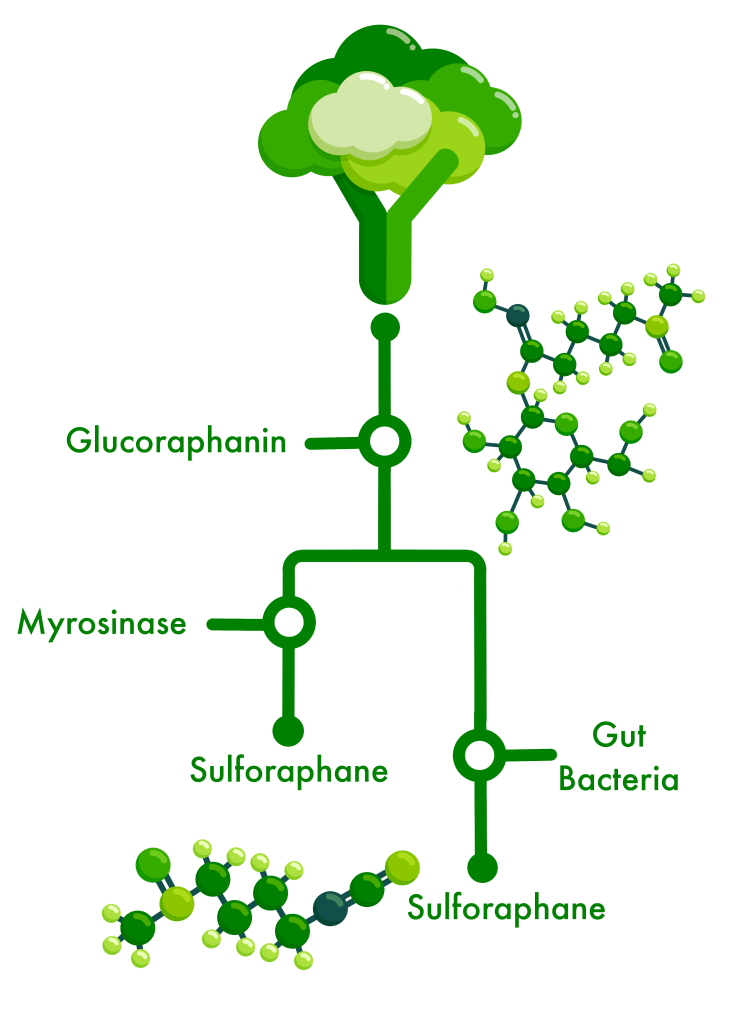
We gained valuable insight into which and how gut bacteria might metabolize the inactive glucosinolates from broccoli sprouts – glucoraphanin being the one we focus on – and produce byproducts like sulforaphane which our gut cells can use to reduce the chemical and physical damage caused by inflammation or oxidation.

This process is easy in the lab and tricky in the real world – not everyone has the bacteria in their gut which can do it, some have the bacteria but they are not active, and some have the bacteria but they are making a different version of the byproduct which we cannot use.

For the past three years, we have been screening >300 gut bacteria to identify and select ones with the ability to grow in the presence of GLR and metabolize it into the byproducts SFN or SFN-nitrile (which can be antimicrobial towards some bacteria).

A cartoon of a bacteria eating broccoli and pooping out sulforaphane

In culture, the byproducts more-or-less all help the bacteria to survive by providing sulfur, glucose, or other chemicals it needs, but also by acting as an antioxidant compound that binds to a free oxygen (reactive oxygen species) so it doesn’t try to bond with chemicals on the surface of cells and cause them damage (oxidation damage). The byproducts also appear to help the bacteria thrive in acidic culture media which they otherwise can’t survive. When cultured with colon cells and GLR, some of those bacteria and their byproducts reduce inflammation.

The culmination of the past few years of work was to choose two bacterial cultures to try out our idea: that probiotics plus the broccoli sprout diet would help individuals who were not responsive to the diet. Because the gut microbiome, health, and the way that an individual and their microbes respond to diet are all very complicated processes that are specific to each person, it’s easier to test some of these concepts first in the lab or, which we did in early January, in animal models that mimic disease conditions in humans.
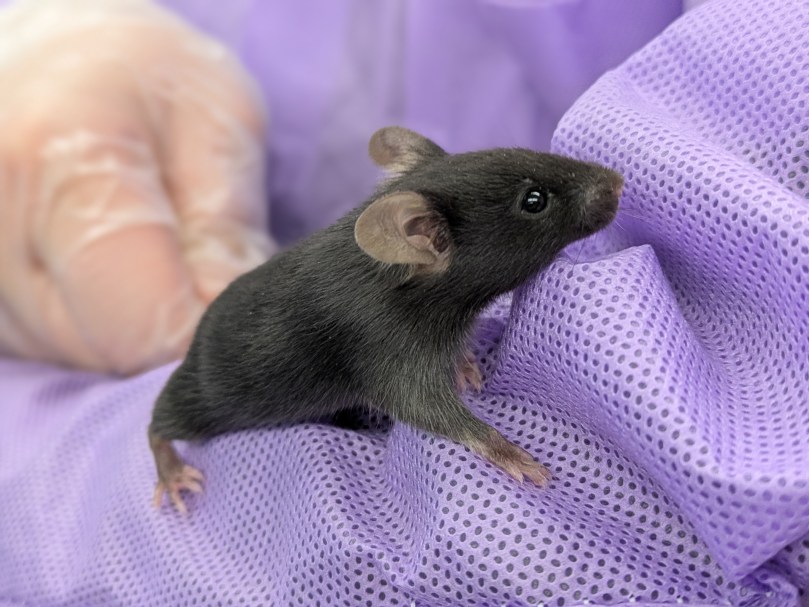
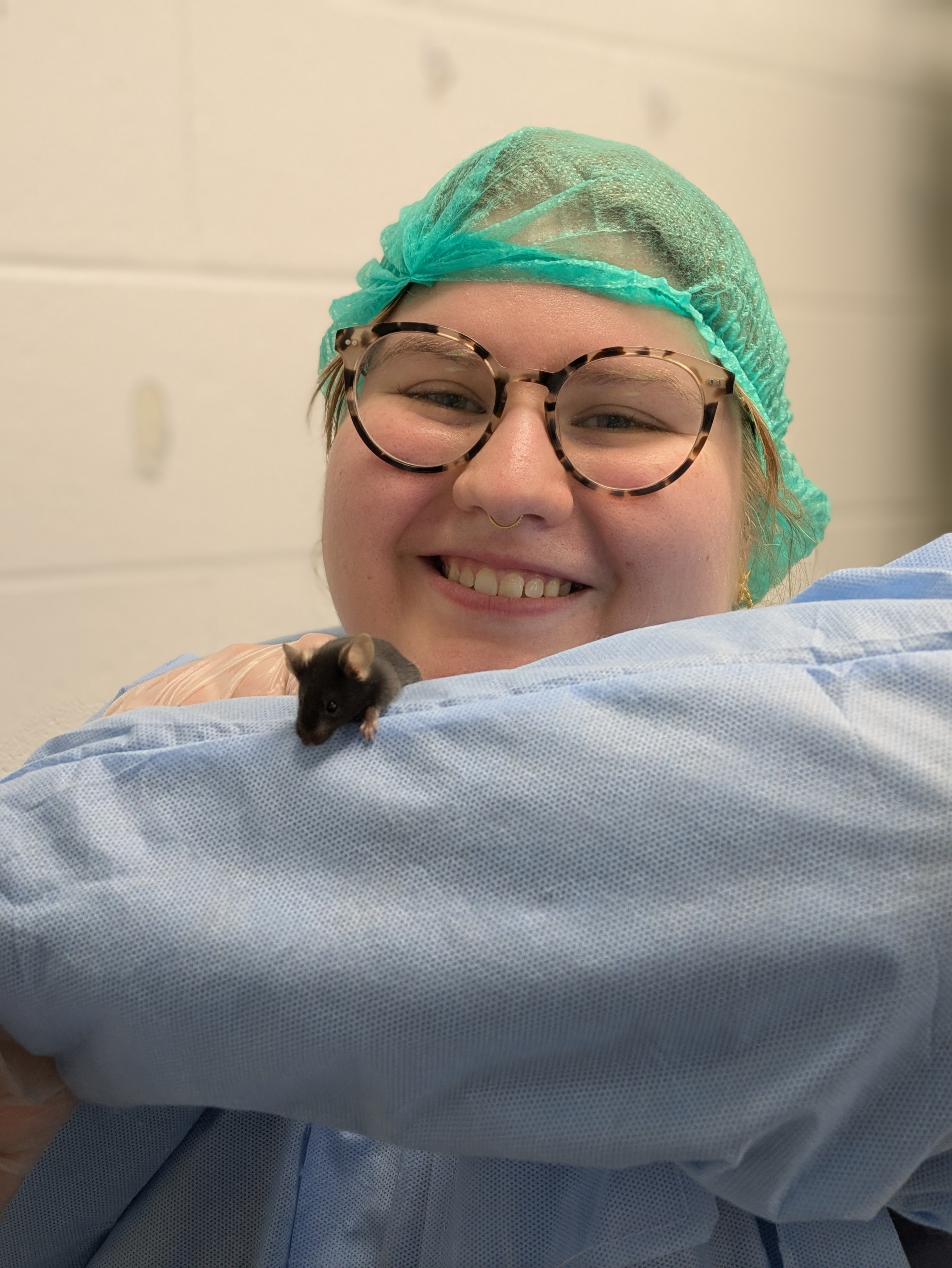
A research mouse on a sleeve of a lab coat.

We ran a short trial in mice to find out if our two bacterial cultures that were so successful in the lab would also be effective when put back into the chaotic and competitive ecosystem of the gut. To further challenge our bacteria, we tested their ability to survive and reduce inflammation during a flare up of ulcerative colitis.

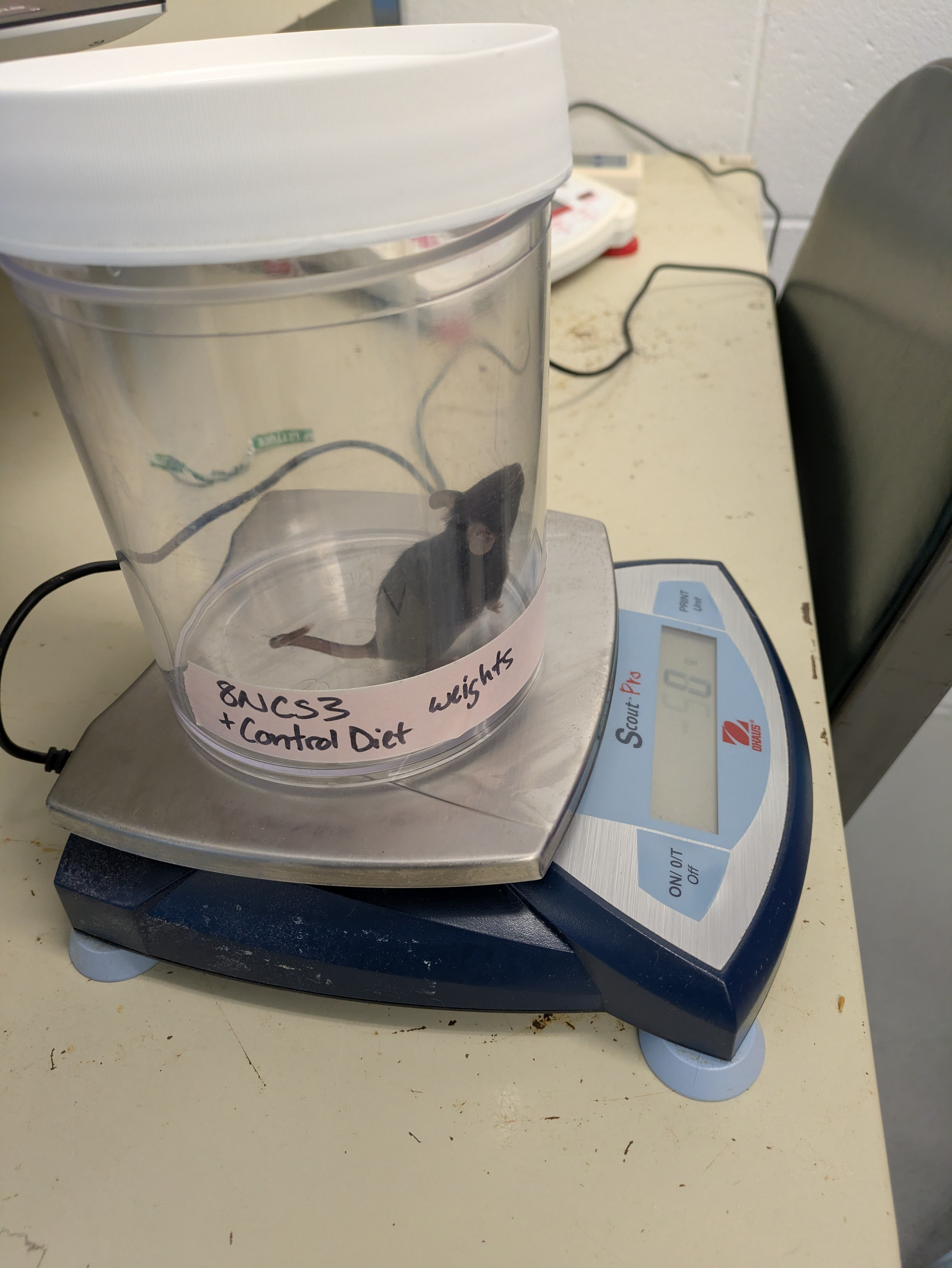
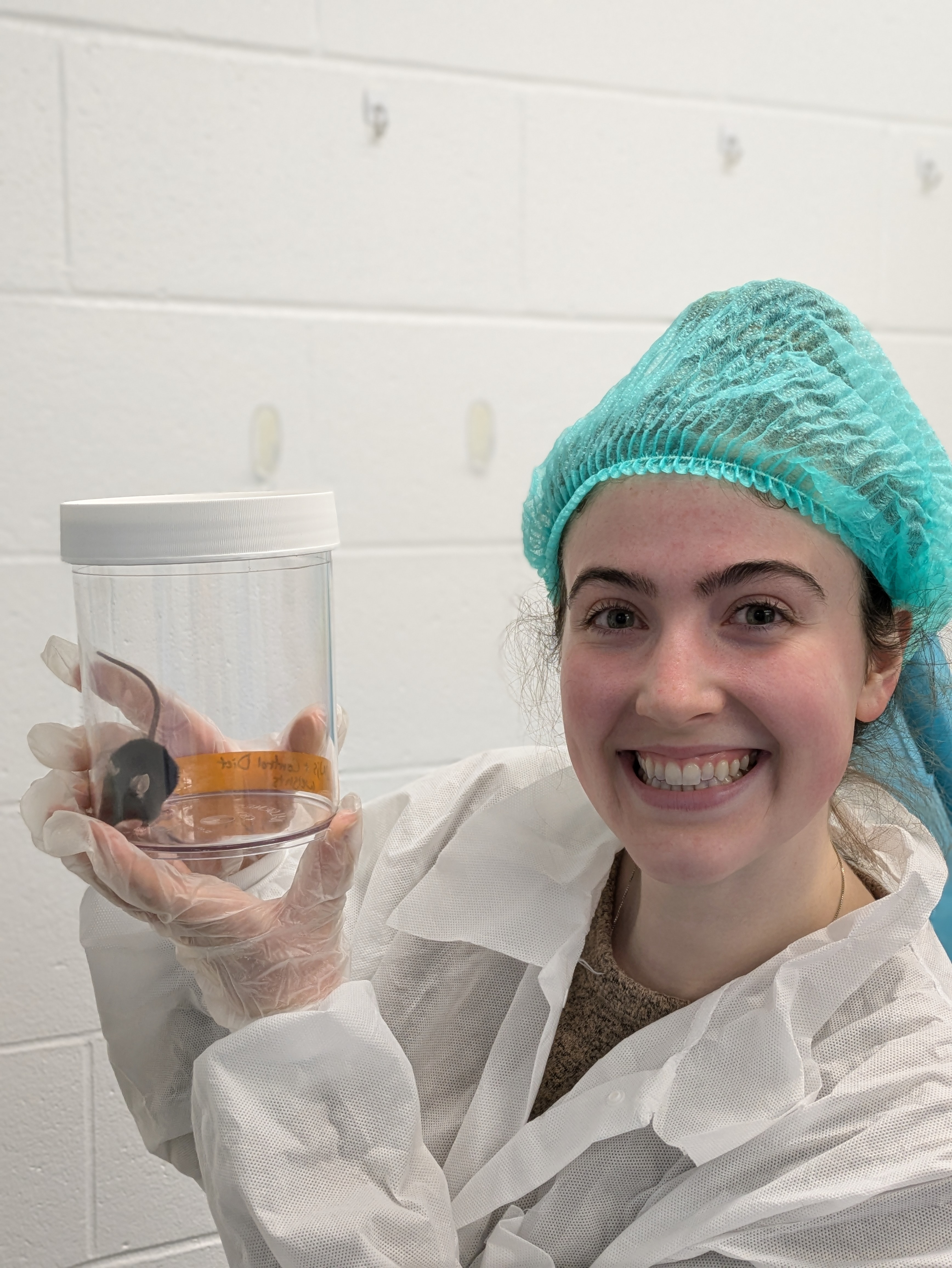
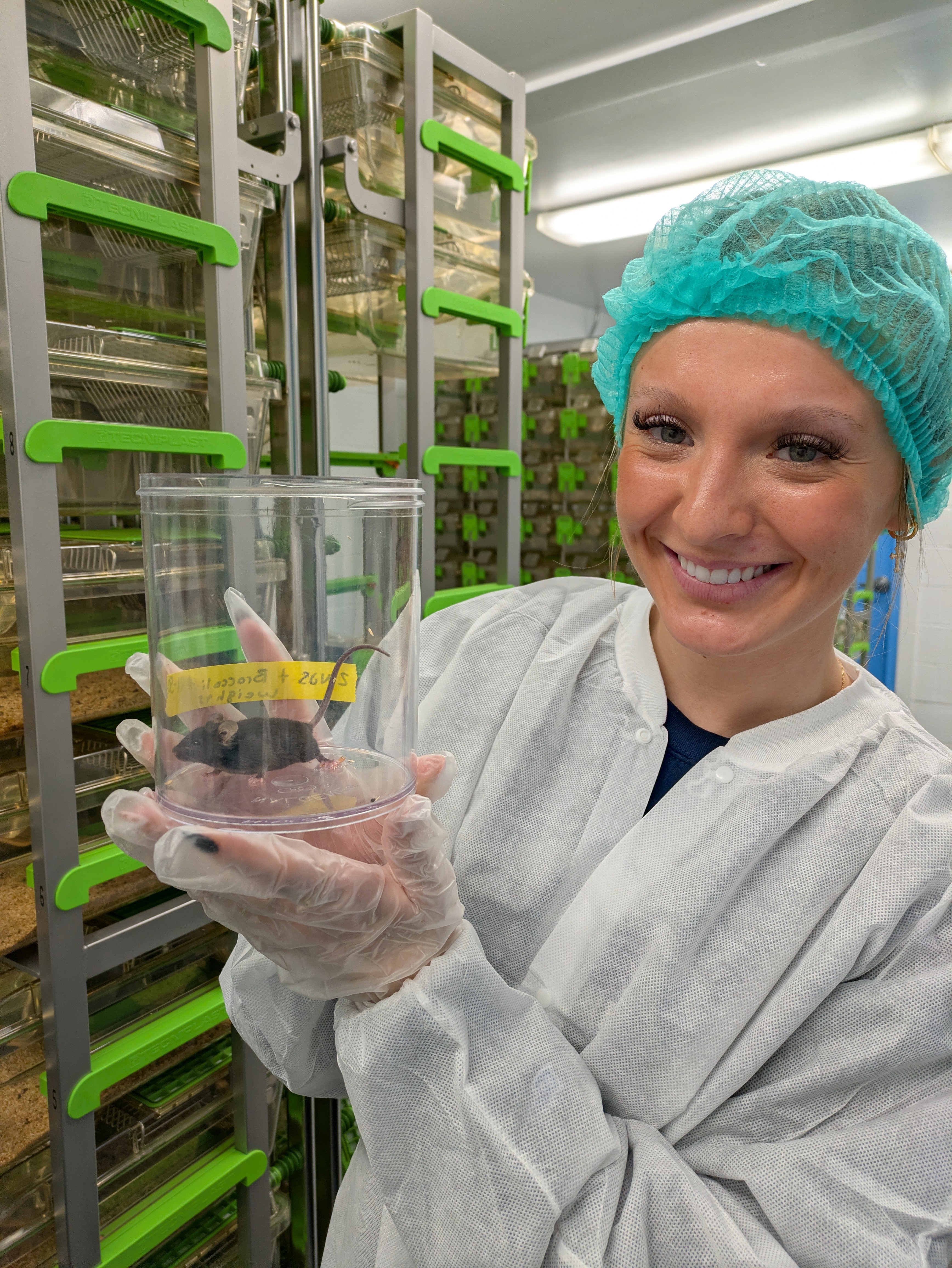
Every day for almost two weeks, we weighed each mouse (shown below) to make sure the colitis did not cause too much weight loss. Sue, Alexis, Johanna, and Ashley were all approved to handle the mice, so we were in charge of picking them up to weigh them. This was no easy task – mice are agile!
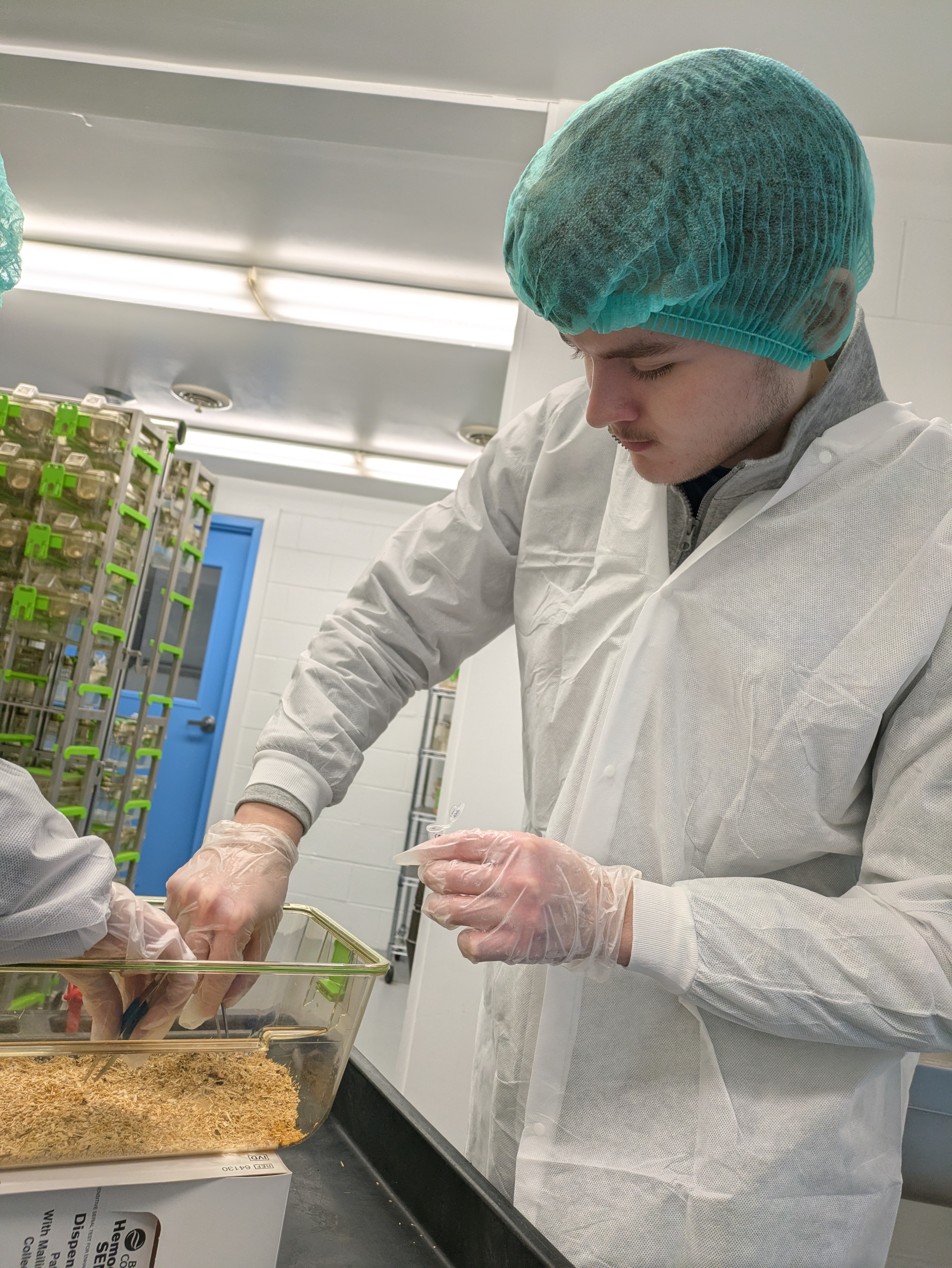
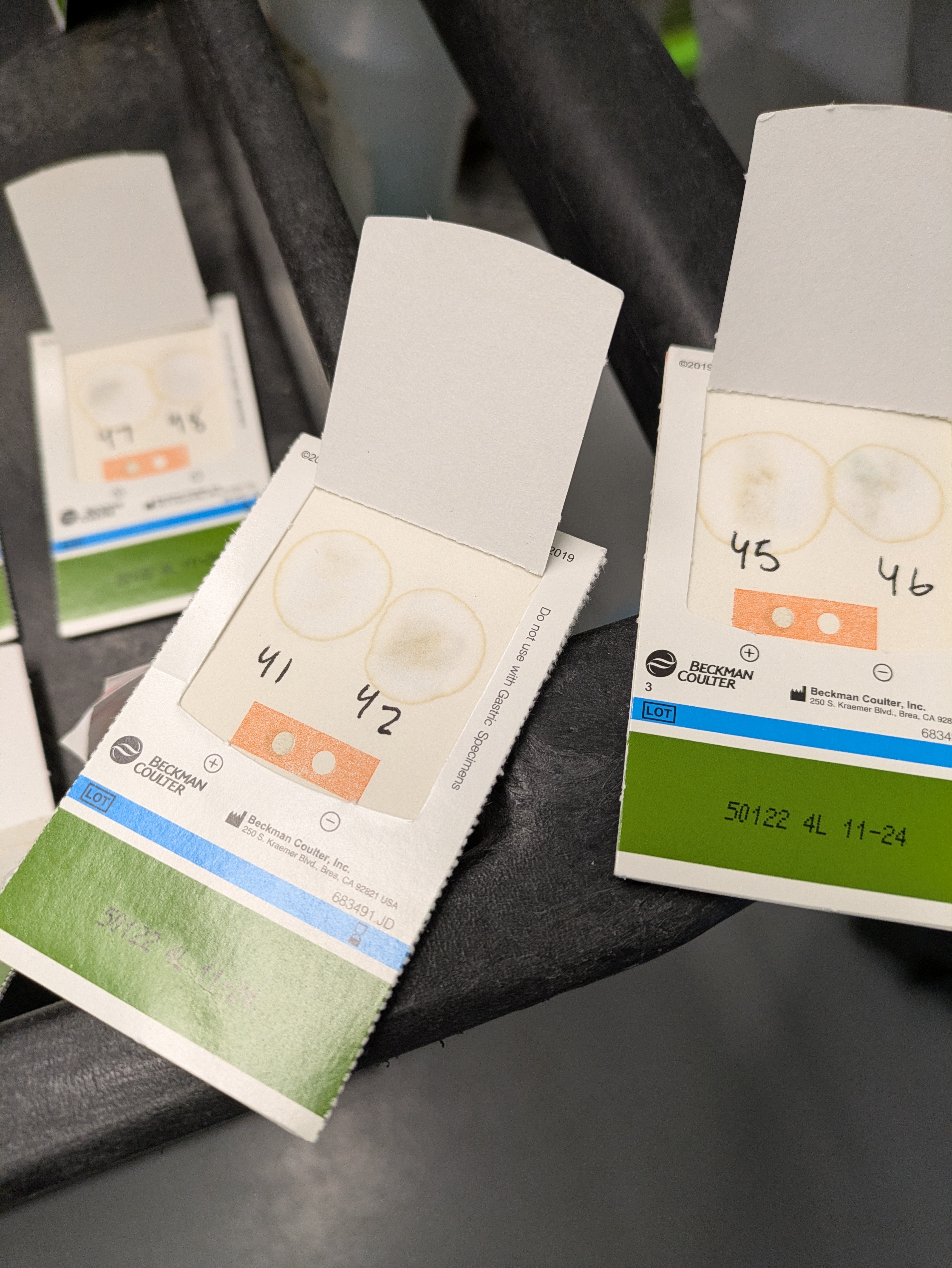
Each day, we also collected feces from the cages to check for diarrhea, or for blood, which are two symptoms of colitis. Our undergrads Madison and Brian worked tirelessly to tweeze feces into collection tubes, and to use the FOBT cards to check for blood.
A research mouse picks up a cube of gelain and eats it.

We used custom made gelatin cubes filled with probiotic to deliver our treatments. The gelatin stuck to the side of the cages which allowed us to easily see that our mice were consuming their probiotic.

It will take us months to process some of the samples we collected which are the most cost-effective to run, and the rest will have to wait in the freezer until we receive more funding (which could take months or years as the changes to the federal funding system have doubled the time it takes for proposals to be reviewed and the ~5-20% of accepted projects to receive funding). We collected >500 fecal samples (each with 5 – 10 pellets/sample), 200 gut samples, 100 intestinal tissue samples, and 50 blood samples! To help maximize the benefits of this experiment and use all parts of these mice we also collected samples for a course at UMaine which teaches pre-medical, pre-veterinary, nursing, biology, and other health-focused students how to make and read tissue slides, to better understand anatomy, physiology, developmental biology, and health. 

Still, we gained valuable data already, and the experiment provided a unique opportunity for students to receive hands-on-training for evaluating disease intensity using fecal samples, using tissues to make slides for histology, evaluating intestinal damage to tissues, collecting samples using aseptic technique to prevent contaminating them, working safely with microbes, and collaboratively working as a team to advance knowledge of health.  Myself and our grad team (Johanna, Alexis, and Ashley) managed the project, and our undergrad team (Madison, Brian, Aaron, and Alexandra) were there to help us label ~1000 tubes for sample collection, and collect hundreds of fecal pellets out of the used bedding so we could track mouse microbes. Undergrads were also able to learn some general mouse care and research facility care from the ‘mouse house’ technician at UMaine, Alexis R. A former UMaine undergrad in the AVS program, Alexis R. manages and cares for a wide variety of animal species and she was instrumental in helping us manage our intensive sample collection schedule.
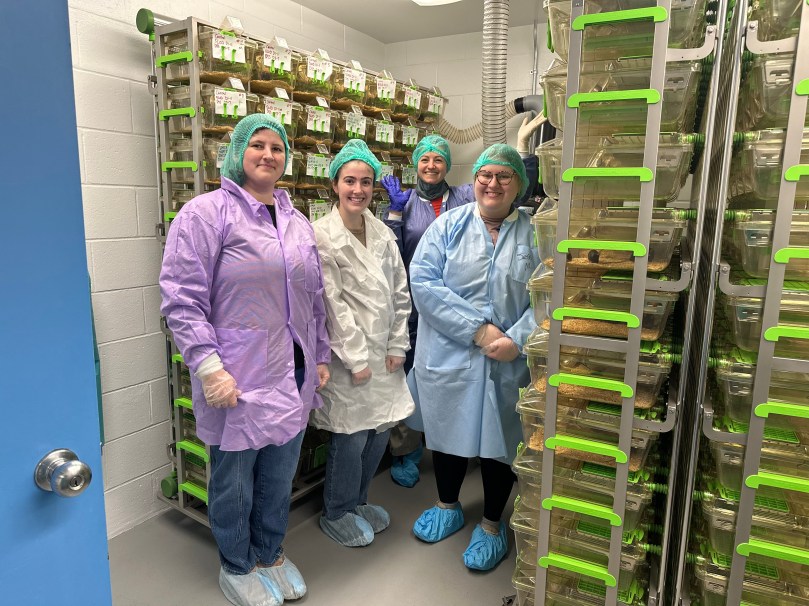
Johanna, Ashley, Alexis, and Sue wearing gloves, hairnets, booties, and gowns, and standing in front of racks of mice.
Johanna, Ashley, Alexis, and Sue put in long hours during the mouse trial to collect samples each day.

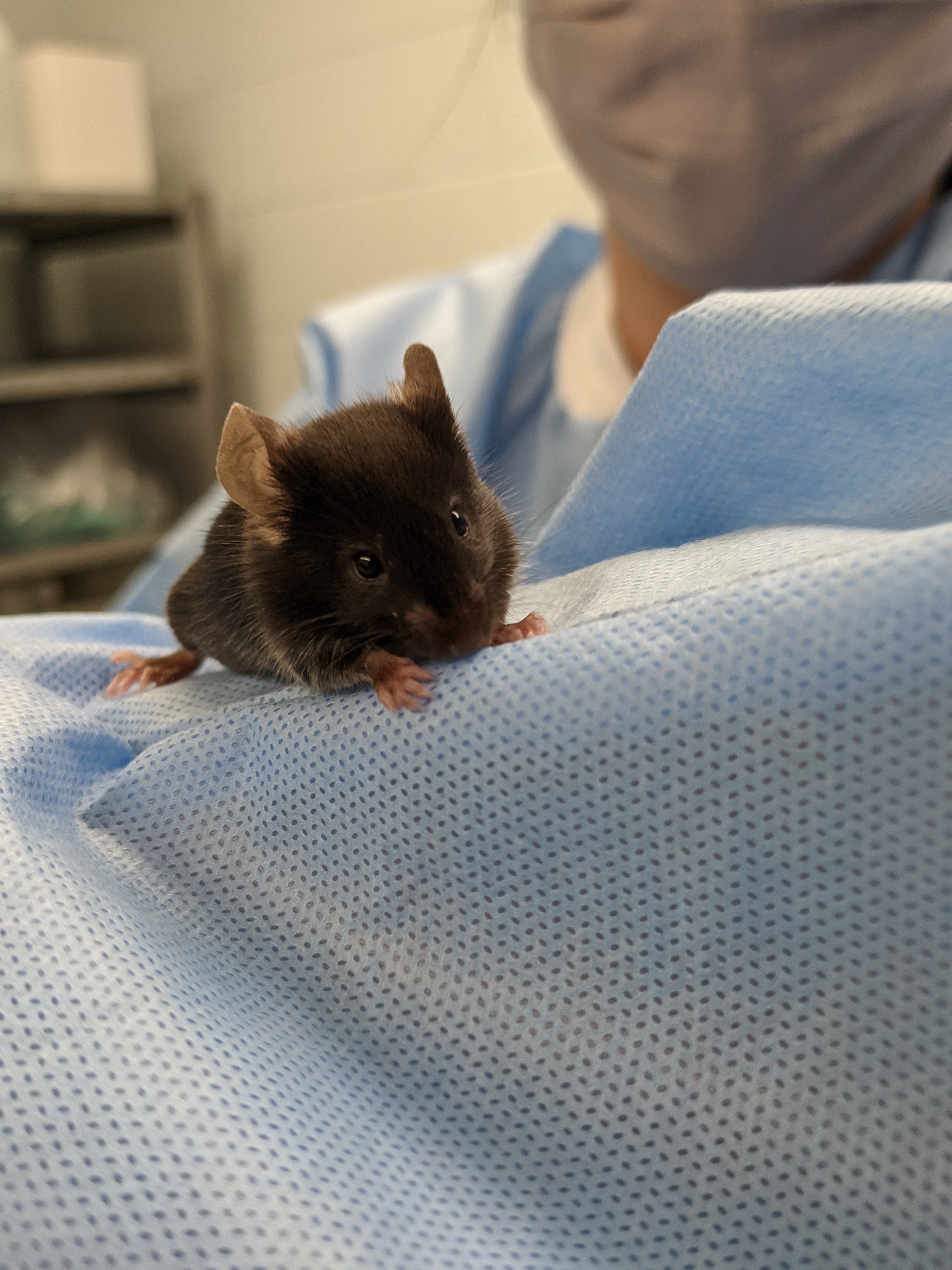
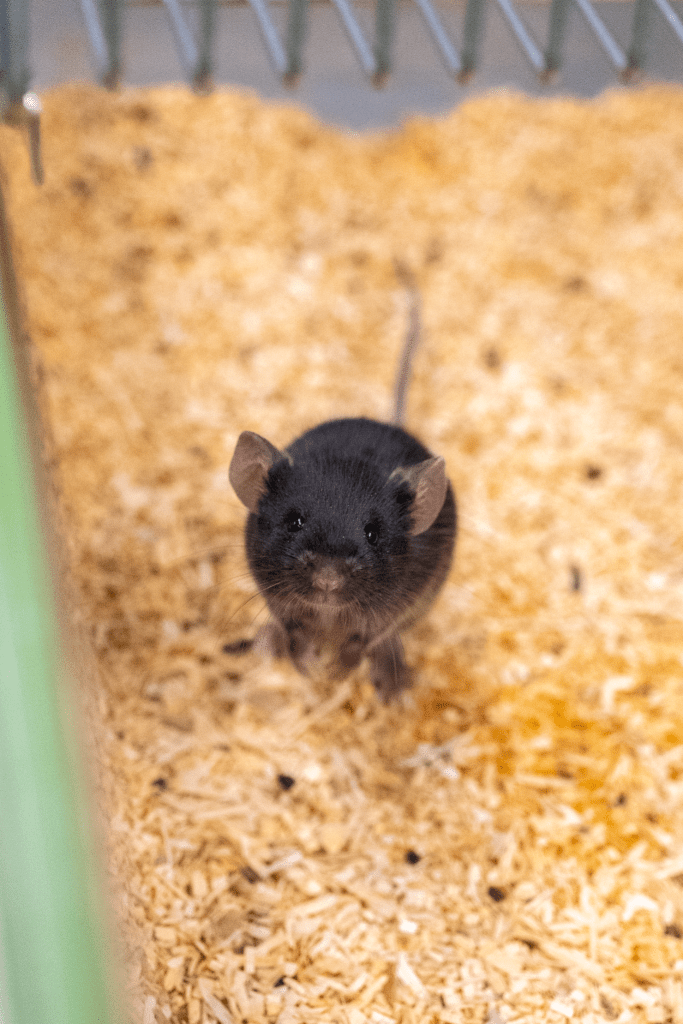
A research mouse is standing in its cage and looking at the camera.

This project was made possible by the help of many. Again, we are grateful to Alexis and the UMaine CORE staff who not only support research at specialized facilities but helped us to afford to run our pilot project, to Emma who runs the UMaine Electron Microscopy Lab for teaching students histology and microscopy, to all the undergraduate and graduate students who worked tirelessly to help each other on this project, and to the funding agencies which supporting the lab work that helped us get to this project: the Biomedical Association of Maine (graduate awards), the Crohn’s and Colitis Foundation (graduate awards), the NIH NIDDK, and the USDA.

Paper published on “Early life exposure to broccoli sprouts confers stronger protection against enterocolitis development in an immunological mouse model of inflammatory bowel disease”

The Ishaq and Li labs at UMaine are delighted to announce that our paper on “Early life exposure to broccoli sprouts confers stronger protection against enterocolitis development in an immunological mouse model of inflammatory bowel disease.” has been published in mSystems!! ASM was kind enough to write a press release about study, found here.

The complete author list, Abstract, and Ackowledgements/Funders portions of the paper can be found at the end of this post. This paper is part of a larger Broccoli project, in which we are evaluating the use of broccoli sprouts in the diet to enlist gut microbes to produce anti-inflammatories as a way to resolve symptoms of Inflammatory Bowel Disease.

The Premise

Broccoli sprouts are very high in a compound called glucoraphanin, which is in-active for humans. When glucoraphanin comes in contact with the myrosinase enzyme, also found in the sprouts, it is transformed into sulforaphane, which drives away insect pests but acts as an anti-inflammatory in people!

If you eat raw sprouts, most of this conversion happens when you cut or chew the sprouts, and that anti-inflammatory will get absorbed in your stomach. If you steam or cook the sprouts, you can inactivate the enzyme and leave the glucoraphanin compound alone. Some of your gut microbes are able to use glucoraphanin, and produce the anti-inflammatory sulforaphane right in your gut! We are trying to understand how and when this works, so we can use it to reduce symptoms of Inflammatory Bowel Disease.

A diagram with two panels, and a cartoon mouse in the middle. The cartoon mouse is eating broccoli, and a cartoon of the digestive tract is overlaid on the mouse's abdomen. Lines emanating from the broccoli point to the left panel, and show the compound glucoraphanin being converted into sulforaphane by the myrosinase enzyme. Lines emanating from the colon of the mouse point to the panel on the right, showing the same biochemical conversion by gut microbes.
A cartoon of a woman eating broccoli, with the digestive tract shown on her shirt, and smiling microbes in the background.

The mice in this trial are used to mimic Crohn’s Disease, which is one of the main ways that Inflammatory Bowel Diseases may be classified. Crohn’s Disease is complictaed, and involves an over-active immune response to gut microbes. This is replicated in mice that are bred to lack the genes in the DNA to make interleukin-10 (IL-10). IL-10 is an immune factor that can be used to calm the immune system and tolerate microbes which are not causing harm. Without IL-10, these mice over-react to the presence of bacteria, even those which are not causing harm, and this creates symptoms similar to Crohn’s in people.

We used two age groups of mice, and in each group, half ate a mouse chow (control) diet and half ate the mouse chow with 10% of the chow replaced by raw broccoli sprouts. Crohn’s often develops in childhood and adolescence, so our two age groups of mice reflect the juvenile stage (4-5 weeks old) and the adolescence stage (5-6 weeks old) of symptom onset. After wo weeks of symptoms, we sacrificed the mice and collected as much information as we could.

Figure 1 from the paper mentioned in this post. It shows an experimental design.

The Team

The mice, their care during the experiment, and sample collection for this project was graciously provided by University of Vermont researchers Gary Mawe and Brigitte Lavoie, and then-grad-student-now-medical-student Molly Hurd, in 2021. The SUNY Bingamton team, Tao Zhang and Allesandra Stratigakis, processed metabolite and cytokine samples and analyzed those data. The UMaine team (pictured below and led by Sue Ishaq and Yanyan Li) processed and analyzed data from different locations of gut tissue for histolgy and sequencing of bacterial communities, as well as analyzing those data, and took the lead on writing the paper.

The Health Benefits were most obvious in the younger mice

The mice that were eating the broccoli sprouts in their chow and did much better than the control group who ate only mouse chow when symptoms of Crohn’s Disease were induced — and we found something really interesting… The diet worked really well in the younger mice and reduced their symtpoms of inflammation and illness for almost every metric we studied. The older, adolecent mice got some benefit from eating the raw broccoli sprouts, but not nearly as much as the younger mice! Those graphs are shown in the paper.

The Gut Microbes were most changed in the younger mice

Bacterial richness (the number of different types of bacteria present) was increased, but only in younger mice consuming a 10% raw sprout diet, which is useful because pediatric Crohn’s patients usually have fewer types of bacteria present in their gut.

Younger mice consuming broccoli sprouts also had more types of bacteria that are known to convert glucoraphanin into sulforophane, and they had more of the genes needed to do it. Crohn’s patients usually have fewer of these types of bacteria, which are also known to provide other health benefits.

The Next Steps

We are currently working on replicating and expanding this project to include more age groups, so we can understand how different diet preparations of broccoli sprouts impact immune systems and gut microbiota at different developmental periods of life. We are also really interested in understanding how sex in mice, and gender in humans, plays a role in how immune systems and microbial communities develop during a critical phase of life. We have some initial data to suggest that male and female mice respond to different diets and at differnt ages, but we aren’t sure why yet.

We hope to expand our work with people to study how these diets work in the real world, and how we can tailor diet and cooking preparations of sprouts to best meet the needs of people of different ages, health statuses, and tastes.

Early life exposure to broccoli sprouts confers stronger protection against enterocolitis development in an immunological mouse model of inflammatory bowel disease

Lola Holcomb1$, Johanna M. Holman2$, Molly Hurd3, Brigitte Lavoie3, Louisa Colucci4, Benjamin Hunt5, Timothy Hunt5, Marissa Kinney2, Jahnavi Pathak1, Gary M. Mawe3,Peter L. Moses3,6, Emma Perry7, Allesandra Stratigakis8, Tao Zhang8, Grace Chen9, Suzanne L. Ishaq1*, Yanyan Li1*

1 Graduate School of Biomedical Sciences and Engineering, University of Maine, Orono, Maine, USA 04469. 2 School of Food and Agriculture, University of Maine, Orono, Maine, USA 04469. 3 Larner College of Medicine, University of Vermont, Burlington, Vermont, USA 05401. 4 Department of Biology, Husson University, Bangor, Maine, USA 04401. 5 Department of Biology, University of Maine, Orono, Maine, USA 04469. 6 Finch Therapeutics, Somerville, Massachusetts, USA 02143. 7 Electron Microscopy Laboratory, University of Maine, Orono, Maine, USA 04469. 8 School of Pharmacy and Pharmaceutical Sciences, SUNY Binghamton University, Johnson City, New York, USA 13790. 9 Department of Internal Medicine, University of Michigan Medical School, Ann Arbor, Michigan, USA 48109

$ these authors contributed equally.

Keywords: Crohn’s Disease, cruciferous vegetables, sulforaphane, glucoraphanin, gut microbiota, dietary bioactives, 16S rDNA, interleukin-10 knockout 

Abstract

Crohn’s Disease (CD) is a presentation of Inflammatory Bowel Disease (IBD) that manifests in childhood and adolescence, and involves chronic and severe enterocolitis, immune and gut microbial dysregulation, and other complications. Diet and gut-microbiota-produced metabolites are sources of anti-inflammatories which could ameliorate symptoms. However, questions remain on how IBD influences biogeographic patterns of microbial location and function in the gut, how early life transitional gut communities are affected by IBD and diet interventions, and how disruption to biogeography alters disease mediation by diet components or microbial metabolites. Many studies on diet and IBD use a chemically induced ulcerative colitis model, despite the availability of an immune-modulated CD model. Interleukin-10-knockout (IL-10-KO) mice on a C57BL/6 background, beginning at age 4 or 7 weeks, were fed a control diet or one containing 10% (w/w) raw broccoli sprouts, which was high in the sprout-sourced anti-inflammatory sulforaphane. Diets began 7 days prior to, and for 2 weeks after inoculation with Helicobacter hepaticus, which triggers Crohn’s-like symptoms in these immune-impaired mice. The broccoli sprout diet increased sulforaphane in plasma; decreased weight stagnation, fecal blood, and diarrhea associated; and increased microbiota richness in the gut, especially in younger mice. Sprout diets resulted in some anatomically specific bacteria in younger mice, and reduced the prevalence and abundance of pathobiont bacteria which trigger inflammation in the IL-10-KO mouse, e.g., Escherichia coli and Helicobacter. Overall, the IL-10-KO mouse model is responsive to a raw broccoli sprout diet and represents an opportunity for more diet-host-microbiome research.

Importance

To our knowledge, IL-10-KO mice have not previously been used to investigate the interactions of host, microbiota, and broccoli, broccoli sprouts, or broccoli bioactives in resolving symptoms of CD. We showed that a diet containing 10% raw broccoli sprouts increased the plasma concentration of the anti-inflammatory compound sulforaphane, and protected mice to varying degrees against disease symptoms, including weight loss or stagnation, fecal blood, and diarrhea. Younger mice responded more strongly to the diet, further reducing symptoms, as well as increased gut bacterial richness, increased bacterial community similarity to each other, and more location-specific communities than older mice on the diet intervention. Crohn’s Disease disrupts the lives of patients, and requires people to alter dietary and lifestyle habits to manage symptoms. The current medical treatment is expensive with significant side effects, and a dietary intervention represents an affordable, accessible, and simple strategy to reduce the burden of symptoms.

Acknowledgements: This project was supported by the USDA National Institute of Food and Agriculture through the Maine Agricultural & Forest Experiment Station: Hatch Project Numbers ME022102 and ME022329 (Ishaq) and ME022303 (Li); the USDA-NIFA-AFRI Foundational Program [Li and Chen; USDA/NIFA 2018-67017-27520/2018-67017-36797]; and the National Institute of Health [Li and Ishaq; NIH/NIDDK 1R15DK133826-01] which supported Marissa Kinney, Timothy Hunt, and Benjamin Hunt. Johanna Holman was supported by ME0-22303 (Li), and Lola Holcomb was supported by US National Science Foundation One Health and the Environment (OG&E): Convergence of Social and Biological Sciences NRT program grant DGE-1922560, and the UMaine Graduate School of Biomedical Science and Engineering.

Paper published on “Steamed broccoli sprouts alleviate DSS-induced inflammation and retain gut microbial biogeography in mice”!

The Ishaq and Li labs at UMaine are delighted to announce that our paper on “Steamed broccoli sprouts alleviate DSS-induced inflammation and retain gut microbial biogeography in mice” has been published in mSystems!! The complete author list, Abstract, and Ackowledgements/Funders portions of the paper can be found at the end of this post.

This paper is part of a larger Broccoli project, in which we are evaluating the use of broccoli sprouts in the diet to enlist gut microbes to produce anti-inflammatories. You can read about the whole project here, with links to other resources.

The Premise

Broccoli sprouts are very high in a compound called glucoraphanin. When glucoraphanin comes in contact with the myrosinase enzyme, also found in the sprouts, it is transformed into a compound that acts an an anti-inflammatory in people!

If you eat raw sprouts, this conversion happens when you cut or chew the sprouts, and that anti-inflammatory will get absorbed in your stomach. If you steam or cook the sprouts, you can inactivate the enzyme and leave the glucoraphanin compound alone. Some of your gut microbes are able to use the compound, and produce the anti-inflammatory right in your gut! We are trying to understand how and when this works, so we can use it to reduce symptoms of Inflammatory Bowel Disease.

The Mouse work

In the winter of 2020-2021, we ran a 40-day study with 40 mice housed at UMaine. The mice were divided into 4 groups: “control” which ate the mouse chow, “control+DSS” which ate the mouse chow and had colitis induced by adding DSS (a salt laxative) to their drinking water, “broccoli” which ate the mouse chow with steamed broccoli sprouts mixed in, and “broccoli+DSS” which ate the mouse chow/steamed broccoli sprouts diet and had colitis induced by adding DSS (salt laxative) to their drinking water. This work was led by Johanna Holman, who was a master’s student at the time; Lousia Colicci, who was an undergrad at Husson University at the time and is applying to medical schools now; Dorein Baudewyns, who was an undergrad at Husson University at the time and is completing a graduate program in Psychology at UMaine; and Joe Balkan, who was completing his senior year of high school at the time and has since begin an undergrad degree in Biology at Tufts University where he is preparing for medical school.

The mice were weighed regularly and fecal samples assessed for blood (signs of colitis). At the end of the study, the mice were euthanized so we could study the bacteria in parts of the intestines that we can’t access in humans. We used as few mice as possible, and got as much information from this study as possible, to do as much good as we can with their sacrifice.

The Health Benefits

As we’d hoped, the broccoli+DSS mice that were eating the broccoli sprouts that were given colitis did much better than the control+DSS group who ate mouse chow during their colitis. The broccoli+DSS mice were able to keep gaining weight as they grew, had better consistency of their stool, and had lower amounts of proteins and other metabolities in their blood which indicate inflammation (lower cytokines and lipocalin). Those graphs are shown in the paper.

The Gut Microbes

We found a lot of interesting things with the microbial communities that were living in different parts of the intestines, but the most exciting was that broccoli sprouts in the diet helped microbial communities stay alive in their original gut locations even during colitis! Certain microbes like to live in particular places in our intestines based on where different ingredients in our diet get processed, or the local environment (like how acidic the intestinal neighborhood is), and this is called biogeography.

In the graph below, our control group mice (eating chow) or the broccoli group (eating chow plus sprouts), we see that microbial communites in the small intestines clustered away from the microbial communities in the large intestines.

The DSS salt laxative, and ulcerative colitis, wreak havoc on gut microbes because they cause physical damage to the lining of the intestine, which where many microbes that can be useful to us live on or near. When we induced colitis in mice that were eating mouse chow (control+DSS group), the damage to the intestines caused a loss to some of the microbes living in different places. The remaining microbes that could survive these tough conditions were basically the same ones regardless of where we we looked in the intestines.

But, if mice had colitis and were eating broccoli sprouts (broccoli+DSS), the microbes were able to survive in their original locations and preserved biogeography! This is important because where microbes live in the gut may determine if the beneficial things they make can help resolve IBD symptoms in specific locations in the gut.

Image by Johanna Holman, graph from the paper.

The Spatial Location of GLR-digesting-genes

Bejamin and Timothy Hunt are undergraduates in Biology who have been working on bioinformatics in the Ishaq Lab since December 2022 after completing Sue’s DNA Sequencing Data Analysis Class. They joined the DSS project to provide in-depth analysis on some of the sequences which matched bacteria that are known to convert GLR into the anti-inflammatory SFN, as well as analyze data comparing numbers of genes known to be involved in the process.

A cartoon of the intestines with bacteria of interest in the jejunum, ceculm and colon,
Cropped figure from the paper, made by Benjamin and Timothy.
Benjamin Hunt

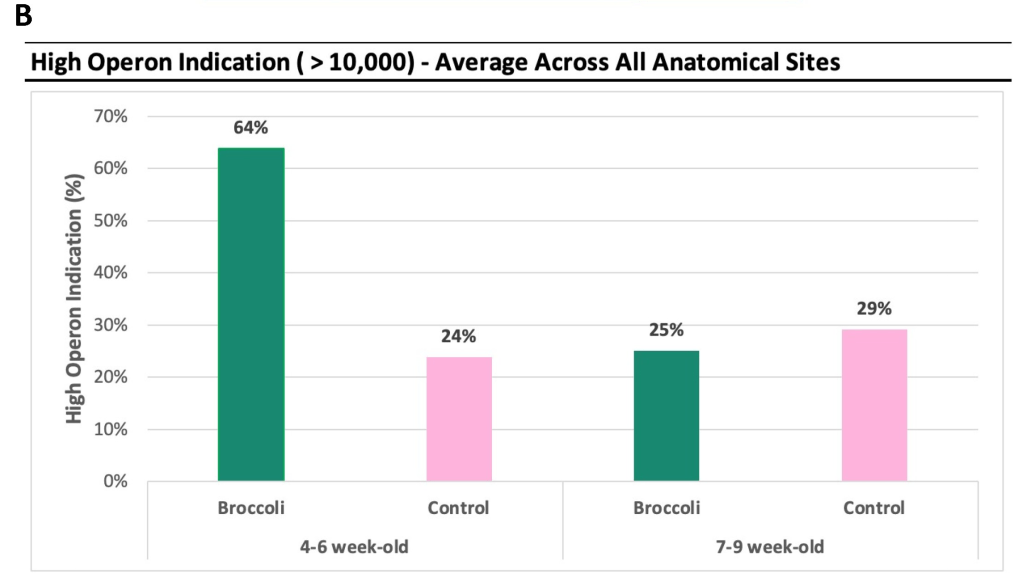
The study of the bioproduction of SFN and its mucosal and luminal activity benefited from the biogeographical analysis of this study. It was interesting to note the extreme dominance of a Bacteroides species in the broccoli treatments. B. thetaiotaomicron was indicated based on BLASTN analysis and an evaluation of matching species but was not directly suggested by the dada-Silva taxonomy assignment. The indication of B. thetaiotaomicron suggested analyzing the presence of the operon BT2159-BT2156, which was generally minimally present (<100) but at relatively high counts (>100,000) in some samples. Significantly, the operon was found at locations where no Bacteroides were identified. We continue to reflect on the similarities and differences in the biogeography of bacterial abundance and operon presence highlighted in the different treatments of this study.

Benjamin and Timothy Hunt

The Next Steps

As part of this project, we cultured hundreds of bacteria from the intestines of mice to try and isolate some of the ones that turn glucroraphanin into sulforaphane. We have a large team of students and researchers participating on the culturing work, some of whom are pictured here. We’ll be providing plenty of updates on that project as we continue to process the bacteria this fall!

The Paper

Steamed broccoli sprouts alleviate DSS-induced inflammation and retain gut microbial biogeography in mice.

Johanna M. Holman1, Louisa Colucci2, Dorien Baudewyns3, Joe Balkan4, Timothy Hunt5, Benjamin Hunt5, Marissa Kinney1, Lola Holcomb6, Allesandra Stratigakis7, Grace Chen8, Peter L. Moses9,10, Gary M. Mawe9, Tao Zhang7, Yanyan Li1*, Suzanne L. Ishaq1*

1 School of Food and Agriculture, University of Maine, Orono, Maine, USA 04469 2 Department of Biology, Husson University, Bangor, Maine, USA 04401 3 Department of Psychology, University of Maine, Orono, USA 04469 4 Department of Chemical and Biological Engineering, Tufts University, Medford, Massachusetts, USA 02155 5 Department of Biology, University of Maine, Orono, Maine, USA 04469 6 Graduate School of Biomedical Sciences and Engineering, University of Maine, Orono, Maine, USA 04469 7 School of Pharmacy and Pharmaceutical Sciences, SUNY Binghamton University, Johnson City, New York, USA 13790 8Department of Internal Medicine, University of Michigan Medical School, Ann Arbor, Michigan, USA 48109 9Departments of Neurological Sciences and of Medicine, Larner College of Medicine, University of Vermont, Burlington, Vermont, USA 0540110 Finch Therapeutics, Somerville, Massachusetts, USA 02143

Abstract: Inflammatory Bowel Diseases (IBD) are devastating conditions of the gastrointestinal tract with limited treatments, and dietary intervention may be effective, and affordable, for managing symptoms. Glucosinolate compounds are highly concentrated in broccoli sprouts, especially glucoraphanin, and can be metabolized by certain mammalian gut bacteria into anti-inflammatory isothiocyanates, such as sulforaphane. Gut microbiota exhibit biogeographic patterns, but it is unknown if colitis alters these or whether the location of glucoraphanin-metabolizing bacteria affects anti-inflammatory benefits. We fed specific pathogen free C57BL/6 mice either a control diet or a 10% steamed broccoli sprout diet, and gave a three-cycle regimen of 2.5% dextran sodium sulfate (DSS) in drinking water over a 34-day experiment to simulate chronic, relapsing ulcerative colitis. We monitored body weight, fecal characteristics, lipocalin, serum cytokines, and bacterial communities from the luminal- and mucosa-associated populations in the jejunum, cecum, and colon. Mice fed the broccoli sprout diet with DSS treatment performed better than mice fed the control diet with DSS, including significantly more weight gain, lower Disease Activity Indexes, lower plasma lipocalin and proinflammatory cytokines, and higher bacterial richness in all gut locations. Bacterial communities were assorted by gut location, but were more homogenous across locations in the control diet + DSS mice. Importantly, our results showed that broccoli sprout feeding abrogated the effects of DSS on gut microbiota, as bacterial richness and biogeography were similar between mice receiving broccoli sprouts with and without DSS. Collectively, this supports the protective effect of steamed broccoli sprouts against dysbiosis and colitis induced by DSS.


Importance: Evaluating bacterial communities across different locations in the gut provides a greater insight than fecal samples alone, and provides an additional metric by which to evaluate beneficial host-microbe interactions. Here, we show that 10% steamed broccoli sprouts in the diet protects mice from the negative effects of dextran sodium sulfate induced colitis, that colitis erases biogeographical patterns of bacterial communities in the gut, and that the cecum is not likely to be a significant contributor to colonic bacteria of interest in the DSS mouse model of ulcerative colitis. Mice fed the broccoli sprout diet during colitis performed better than mice fed the control diet while receiving DSS. The identification of accessible dietary components and concentrations that help maintain and correct the gut microbiome may provide universal and equitable approaches to IBD prevention and recovery, and broccoli sprouts represent a promising strategy.

Acknowledgements: All authors have read and approved the final manuscript. The authors thank Jess Majors, University of Maine, for her kind and detailed care of the mice during the trial, and for Ellie Pelletier for her informal review of the manuscript. This project was supported by the USDA National Institute of Food and Agriculture through the Maine Agricultural & Forest Experiment Station: Hatch Project Numbers ME022102 and ME022329 (Ishaq) and ME022303 (Li) which supported Johanna Holman; the USDA-NIFA-AFRI Foundational Program [Li and Chen; USDA/NIFA 2018-67017-27520/2018-67017-36797]; and the National Institute of Health [Li and Ishaq; NIH/NIDDK 1R15DK133826-01] which supported Marissa Kinney, Timothy Hunt, and Benjamin Hunt. Lola Holcomb was supported by US National Science Foundation One Health and the Environment (OG&E): Convergence of Social and Biological Sciences NRT program grant DGE-1922560, and through the UMaine Graduate School of Biomedical Sciences and Engineering.