
MSE seminar today: “Examining antibiotic resistance in biofilm and planktonic bacterial communities along an urban river”

Events will be hosted January – December, 2024, on the last Friday of every month, 12:00 – 14:00 pm ET. Presented over Zoom.

After each talk, we will continue the discussions in an informal social meeting with MSE. All speakers and members of the audience are welcome to join the social meeting.

Hosted by: Sue Ishaq, MSE, and finacially supported by the University of Maine Institute of Medicine and the UMaine Cultural Affairs/Distinguished Lecture Committee.

“Examining antibiotic resistance in biofilm and planktonic bacterial communities along an urban river”

Mary Coughter, M.S.

Sep 27 2024 12:00 PM Eastern Daylight Time
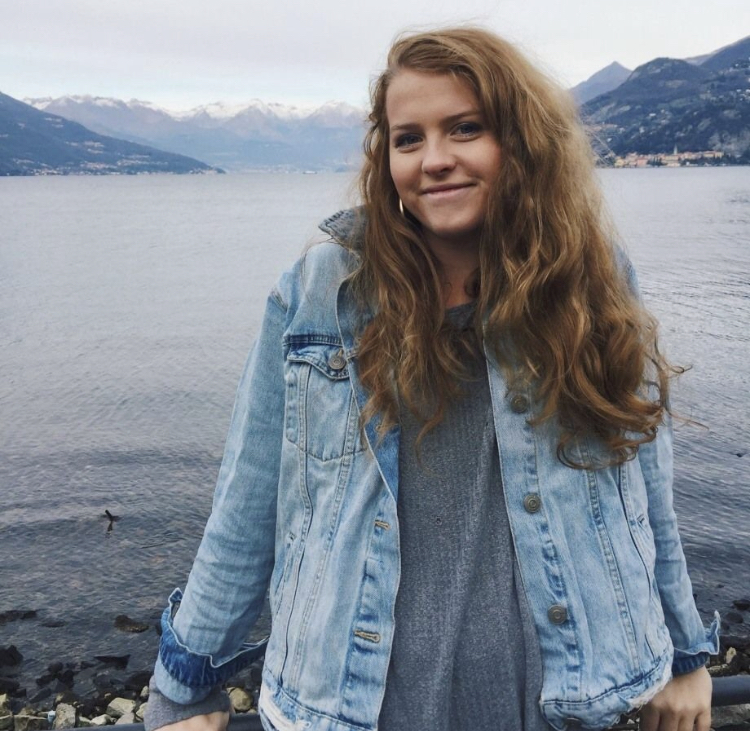
Mary Coughter is wearing a grey shirt and denim jacket, and is standing on a rocky shoreline in front of a large body of water with mountains in the background.

Mary Coughter is a PhD Candidate in Integrative Life Sciences at Virginia Commonwealth University under the advisory of Dr. Rima Franklin. She also holds her master’s degree in Biology at VCU, and her bachelor’s at Virginia Tech in Environmental Science. Located in Richmond, Virginia, her current research takes place in the James River, a huge resource of food, water, and recreation in the area as well as a tributary to the Chesapeake bay. Here she examines the spread of antibiotic resistance in bacteria and their genes in these public waterways, looking at different communities of bacteria as resistance reservoirs – both the water column and riverine biofilms. Based in a city historically known for redlining communities and where environmental stressors and adverse health impacts have been observed along those lines, she’s very interested in exploring if antibiotic prescription rates along communities in the watershed follow similar patterns. 

Her student page is here.


Logo designed by Alex Guillen
MSE seminar this Friday: “Examining antibiotic resistance in biofilm and planktonic bacterial communities along an urban river”

Events will be hosted January – December, 2024, on the last Friday of every month, 12:00 – 14:00 pm ET. Presented over Zoom.

After each talk, we will continue the discussions in an informal social meeting with MSE. All speakers and members of the audience are welcome to join the social meeting.

Hosted by: Sue Ishaq, MSE, and finacially supported by the University of Maine Institute of Medicine and the UMaine Cultural Affairs/Distinguished Lecture Committee.

“Examining antibiotic resistance in biofilm and planktonic bacterial communities along an urban river”

Mary Coughter, M.S.

Sep 27 2024 12:00 PM Eastern Daylight Time

Mary Coughter is wearing a grey shirt and denim jacket, and is standing on a rocky shoreline in front of a large body of water with mountains in the background.

Mary Coughter is a PhD Candidate in Integrative Life Sciences at Virginia Commonwealth University under the advisory of Dr. Rima Franklin. She also holds her master’s degree in Biology at VCU, and her bachelor’s at Virginia Tech in Environmental Science. Located in Richmond, Virginia, her current research takes place in the James River, a huge resource of food, water, and recreation in the area as well as a tributary to the Chesapeake bay. Here she examines the spread of antibiotic resistance in bacteria and their genes in these public waterways, looking at different communities of bacteria as resistance reservoirs – both the water column and riverine biofilms. Based in a city historically known for redlining communities and where environmental stressors and adverse health impacts have been observed along those lines, she’s very interested in exploring if antibiotic prescription rates along communities in the watershed follow similar patterns. 

Her student page is here.


Logo designed by Alex Guillen
MSE seminar today: “The PATHOME Study: Leveraging contrasts in urban socio-economic living conditions and pathogen diversity in humans, animals, and the environment to prioritize intervention policy in Kenya”

Events will be hosted January – December, 2024, on the last Friday of every month, 12:00 – 14:00 pm ET. Presented over Zoom.

After each talk, we will continue the discussions in an informal social meeting with MSE. All speakers and members of the audience are welcome to join the social meeting.

Hosted by: Sue Ishaq, MSE, and finacially supported by the University of Maine Institute of Medicine and the UMaine Cultural Affairs/Distinguished Lecture Committee.

“The PATHOME Study: Leveraging contrasts in urban socio-economic living conditions and pathogen diversity in humans, animals, and the environment to prioritize intervention policy in Kenya”

Dr. Kelly Baker, PhD.

Aug 30, 2024 12:00 PM Eastern Daylight Time. This event has passed, watch the recording here.

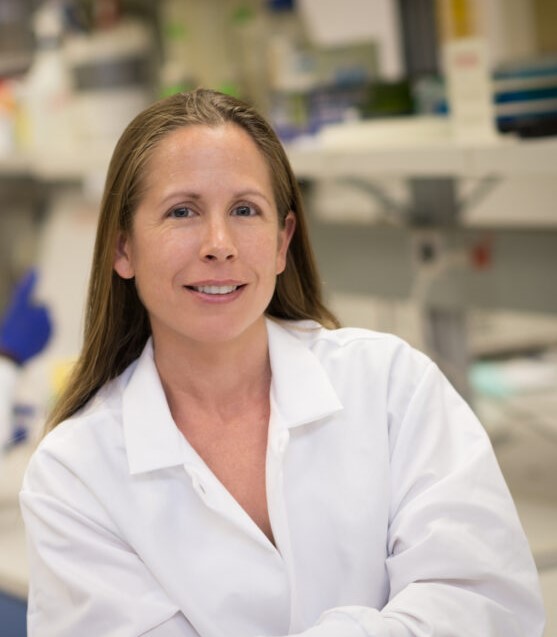
Dr. Kelly Baker posing for a professional headshot. She's wearing a white lab coat and she's standing in a microbiology lab which is blurred out in the background.

Dr. Kelly K. Baker, PhD., is an Associate Professor of Epidemiology and Environmental Health at the State University of New York Buffalo School of Public Health, and Director of the Center for Climate Change and Health Equity research. She conducts One Health focused eco-epidemiology studies in the US and globally that identify practical intervention strategies that can prevent transmission of enteric viruses, bacteria, and parasites between humans, animals, and the environment. Her funded research includes the development and testing of rapid diagnostics as well as projects like PATHOME, which develop virtual laboratories that can model the impact of different global development strategies on enteric disease burden. These transdisciplinary studies use pathogen diversity in children, animals, and the environment as means for identifying which living conditions, alone or in combination, best contribute to a decline in disease burden in high transmission settings. This evidence can then be used by policy makers and practitioners to select high impact investments.

Her Faculty page is here.


Logo designed by Alex Guillen
MSE seminar this Friday: “The PATHOME Study: Leveraging contrasts in urban socio-economic living conditions and pathogen diversity in humans, animals, and the environment to prioritize intervention policy in Kenya”

Events will be hosted January – December, 2024, on the last Friday of every month, 12:00 – 14:00 pm ET. Presented over Zoom.

After each talk, we will continue the discussions in an informal social meeting with MSE. All speakers and members of the audience are welcome to join the social meeting.

Hosted by: Sue Ishaq, MSE, and finacially supported by the University of Maine Institute of Medicine and the UMaine Cultural Affairs/Distinguished Lecture Committee.

“The PATHOME Study: Leveraging contrasts in urban socio-economic living conditions and pathogen diversity in humans, animals, and the environment to prioritize intervention policy in Kenya”

Dr. Kelly Baker, PhD.

Aug 30, 2024 12:00 PM Eastern Daylight Time. This event has passed, watch the recording here.

Dr. Kelly Baker posing for a professional headshot. She's wearing a white lab coat and she's standing in a microbiology lab which is blurred out in the background.

Dr. Kelly K. Baker, PhD., is an Associate Professor of Epidemiology and Environmental Health at the State University of New York Buffalo School of Public Health, and Director of the Center for Climate Change and Health Equity research. She conducts One Health focused eco-epidemiology studies in the US and globally that identify practical intervention strategies that can prevent transmission of enteric viruses, bacteria, and parasites between humans, animals, and the environment. Her funded research includes the development and testing of rapid diagnostics as well as projects like PATHOME, which develop virtual laboratories that can model the impact of different global development strategies on enteric disease burden. These transdisciplinary studies use pathogen diversity in children, animals, and the environment as means for identifying which living conditions, alone or in combination, best contribute to a decline in disease burden in high transmission settings. This evidence can then be used by policy makers and practitioners to select high impact investments.

Her Faculty page is here.


Logo designed by Alex Guillen

MSE seminar today: “What microbes can tell us about the built environment”

Events will be hosted January – December, 2024, on the last Friday of every month, 12:00 – 14:00 pm ET. Presented over Zoom.

After each talk, we will continue the discussions in an informal social meeting with MSE. All speakers and members of the audience are welcome to join the social meeting.

Hosted by: Sue Ishaq, MSE, and finacially supported by the University of Maine Institute of Medicine and the UMaine Cultural Affairs/Distinguished Lecture Committee.

“What microbes can tell us about the built environment”

Dr. Davida Smyth, PhD

July 26, 2024 12:00 PM Eastern Daylight Time. This event has passed, watch the recording here.

Dr. Davida Smyth, PhD., is an Associate Professor at Texas A&M University – San Antonio. She received her Ph.D. in Microbiology from the University of Dublin, Trinity College, Ireland, and completed her postdoctoral training at New York Medical College, the University of Mississippi Medical Center, and New York University. She has served as an Associate Professor and Chairperson of the Department of Natural Sciences in Mercy College’s School of Health and Natural Sciences, an Assistant Research Scientist in Richard Novicks lab at NYU Langone Medical Center, an Adjunct Lecturer for the online Masters in Bioinformatics program at NYU Tandon School of Engineering, and an Assistant Professor of Biology at New York City College of Technology (NYCCT). She is an external committee member for Mercy Colleges Adjunct Academy component of their Inclusive Excellence Project and Peer-Led Team Learning Program for Biology, Chemistry, and Psychology students. In 2019, she was invited to the steering committee of the Research Experiences in Microbiomes Network (REMNet) of CUNY and became a Co-PI in 2020. Her research focuses on epidemiology of microbes in wastewater, and she is deeply committed to improving STEM education with integrated social impacts, such as her course on “How the Toilet Changed the World” about the role and impact of sanitation on our society and about the ongoing and future challenges associated with both access to toilets and sustainable toilet design.

This talk will focus on how microbes in our built environment can tell us much about the biological and chemical processes occurring. From their transmission through the air and their accumulation in our wastewater, we can learn much about the health of our communities, at different levels of scale and over time. Using novel sampling techniques and next generation sequencing we’re studying the microbes in our classroom air, those present in the soils around our campus, and in our city’s wastewater to determine the prevalence of pathogens as well as antibiotic resistance.

Her lab website is here; they research microbiology, sustainability, pedagogy, and inclusion.


Logo designed by Alex Guillen

MSE seminar this Friday: “What microbes can tell us about the built environment”

Events will be hosted January – December, 2024, on the last Friday of every month, 12:00 – 14:00 pm ET. Presented over Zoom.

After each talk, we will continue the discussions in an informal social meeting with MSE. All speakers and members of the audience are welcome to join the social meeting.

Hosted by: Sue Ishaq, MSE, and finacially supported by the University of Maine Institute of Medicine and the UMaine Cultural Affairs/Distinguished Lecture Committee.

“What microbes can tell us about the built environment”

Dr. Davida Smyth, PhD

Jul 26, 2024 12:00 PM Eastern Daylight Time. This event has passed, watch the recording here.

Dr. Davida Smyth, PhD., is an Associate Professor at Texas A&M University – San Antonio. She received her Ph.D. in Microbiology from the University of Dublin, Trinity College, Ireland, and completed her postdoctoral training at New York Medical College, the University of Mississippi Medical Center, and New York University. She has served as an Associate Professor and Chairperson of the Department of Natural Sciences in Mercy College’s School of Health and Natural Sciences, an Assistant Research Scientist in Richard Novicks lab at NYU Langone Medical Center, an Adjunct Lecturer for the online Masters in Bioinformatics program at NYU Tandon School of Engineering, and an Assistant Professor of Biology at New York City College of Technology (NYCCT). She is an external committee member for Mercy Colleges Adjunct Academy component of their Inclusive Excellence Project and Peer-Led Team Learning Program for Biology, Chemistry, and Psychology students. In 2019, she was invited to the steering committee of the Research Experiences in Microbiomes Network (REMNet) of CUNY and became a Co-PI in 2020. Her research focuses on epidemiology of microbes in wastewater, and she is deeply committed to improving STEM education with integrated social impacts, such as her course on “How the Toilet Changed the World” about the role and impact of sanitation on our society and about the ongoing and future challenges associated with both access to toilets and sustainable toilet design.

This talk will focus on how microbes in our built environment can tell us much about the biological and chemical processes occurring. From their transmission through the air and their accumulation in our wastewater, we can learn much about the health of our communities, at different levels of scale and over time. Using novel sampling techniques and next generation sequencing we’re studying the microbes in our classroom air, those present in the soils around our campus, and in our city’s wastewater to determine the prevalence of pathogens as well as antibiotic resistance.

Her lab website is here; they research microbiology, sustainability, pedagogy, and inclusion.


Logo designed by Alex Guillen

MSE seminar today: “Antimicrobial chemicals, antimicrobial resistance, and the indoor microbiome”

Events will be hosted January – December, 2024, on the last Friday of every month, 12:00 – 14:00 pm ET. Presented over Zoom.

After each talk, we will continue the discussions in an informal social meeting with MSE. All speakers and members of the audience are welcome to join the social meeting.

Hosted by: Sue Ishaq, MSE, and finacially supported by the University of Maine Institute of Medicine and the UMaine Cultural Affairs/Distinguished Lecture Committee.


“Antimicrobial chemicals, antimicrobial resistance, and the indoor microbiome”

Dr. Erica Hartmann, PhD.

Jun 28, 2024 12:00 PM Eastern Time. This event has passes, watch the recording here.

Professional headshot of Erica Hartmann in front of a wall of ivy.

Dr. Erica Hartmann, PhD., Associate Professor at Northwestern University. Dr. Erica Marie Hartmann is an environmental microbiologist interested in the interaction between anthropogenic chemicals and microorganisms, as well as bio-inspired mechanisms for controlling microbial communities.

Her career began at the Johns Hopkins Bloomberg School of Public Health, where she worked on mass spectrometry-based methods for detecting microbial enzymes necessary for bioremediation. She then moved to Arizona State University where she was the first graduate of the interdisciplinary Biological Design PhD program. She then moved to France on a Fulbright, studying microbes that degrade carcinogenic pollutants at the Commission for Atomic Energy. She began leading studies on antimicrobial chemicals and microbes found in indoor dust at the Biology and the Built Environment Center at the University of Oregon. She is currently continuing that work, as well as developing novel non-chemical antimicrobials, as an associate professor at Northwestern University. She was recently awarded an NSF CAREER to support her work on antimicrobial textiles.

Her lab website is here.


Logo designed by Alex Guillen

MSE seminar this Friday: “Antimicrobial chemicals, antimicrobial resistance, and the indoor microbiome”

Events will be hosted January – December, 2024, on the last Friday of every month, 12:00 – 14:00 pm ET. Presented over Zoom.

After each talk, we will continue the discussions in an informal social meeting with MSE. All speakers and members of the audience are welcome to join the social meeting.

Hosted by: Sue Ishaq, MSE, and finacially supported by the University of Maine Institute of Medicine and the UMaine Cultural Affairs/Distinguished Lecture Committee.


“Antimicrobial chemicals, antimicrobial resistance, and the indoor microbiome”

Dr. Erica Hartmann, PhD.

Jun 28, 2024 12:00 PM Eastern Time. This event has passes, watch the recording here.

Professional headshot of Erica Hartmann in front of a wall of ivy.

Dr. Erica Hartmann, PhD., Associate Professor at Northwestern University. Dr. Erica Marie Hartmann is an environmental microbiologist interested in the interaction between anthropogenic chemicals and microorganisms, as well as bio-inspired mechanisms for controlling microbial communities.

Her career began at the Johns Hopkins Bloomberg School of Public Health, where she worked on mass spectrometry-based methods for detecting microbial enzymes necessary for bioremediation. She then moved to Arizona State University where she was the first graduate of the interdisciplinary Biological Design PhD program. She then moved to France on a Fulbright, studying microbes that degrade carcinogenic pollutants at the Commission for Atomic Energy. She began leading studies on antimicrobial chemicals and microbes found in indoor dust at the Biology and the Built Environment Center at the University of Oregon. She is currently continuing that work, as well as developing novel non-chemical antimicrobials, as an associate professor at Northwestern University. She was recently awarded an NSF CAREER to support her work on antimicrobial textiles.

Her lab website is here.


Logo designed by Alex Guillen

Review on ‘health in the built environment’ available online

The review on health in the built environment, led by undergrad (now post-bac) Patrick Horve and which I acted as managing author, is available online here, and an open-access, view-only version is available here.  It’s part of the Healthy Building special issue from the Journal of Exposure Science & Environmental Epidemiology.  


Building upon current knowledge and techniques of indoor microbiology to construct the next era of theory into microorganisms, health, and the built environment. Patrick F. Horve, Savanna Lloyd, Gwynne A. Mhuireach, Leslie Dietz, Mark Fretz, Georgia MacCrone, Kevin Van Den Wymelenberg & Suzanne L. Ishaq.  Journal of Exposure Science & Environmental Epidemiology (2019) 

Abstract

In the constructed habitat in which we spend up to 90% of our time, architectural design influences occupants’ behavioral patterns, interactions with objects, surfaces, rituals, the outside environment, and each other. Within this built environment, human behavior and building design contribute to the accrual and dispersal of microorganisms; it is a collection of fomites that transfer microorganisms; reservoirs that collect biomass; structures that induce human or air movement patterns; and space types that encourage proximity or isolation between humans whose personal microbial clouds disperse cells into buildings. There have been recent calls to incorporate building microbiology into occupant health and exposure research and standards, yet the built environment is largely viewed as a repository for microorganisms which are to be eliminated, instead of a habitat which is inexorably linked to the microbial influences of building inhabitants. Health sectors have re-evaluated the role of microorganisms in health, incorporating microorganisms into prevention and treatment protocols, yet no paradigm shift has occurred with respect to microbiology of the built environment, despite calls to do so. Technological and logistical constraints often preclude our ability to link health outcomes to indoor microbiology, yet sufficient study exists to inform the theory and implementation of the next era of research and intervention in the built environment. This review presents built environment characteristics in relation to human health and disease, explores some of the current experimental strategies and interventions which explore health in the built environment, and discusses an emerging model for fostering indoor microbiology rather than fearing it.