Bioinformatics rockstar, Lola Holcomb, successfully defended her PhD dissertation today on “Anti-Inflammatory Interactions between Gut Microbiota and Broccoli Sprouts”!!!!
Holcomb, Lola. “Anti-Inflammatory Interactions between Gut Microbiota and Broccoli Sprouts”. (2025). University of Maine. Doctor of Philosophy Dissertation (forthcoming). Presentation.
Lola’s contributions to and leadership in the Ishaq Lab Team have led to numerous publications, presentations, and immeasurable professional growth and camaraderie within the group. Her contributions to our research helped us open a new avenue of focus, sparked the imagination of several undergraduates who are now involved in research, and improved the mood and collegiality of the research group with her humor, insightfulness, and poignant questions. Lola has been more of a colleague than a trainee, and the lab is delighted to see how much she’s grown as a researcher. Lola is currently searching for positions as a postdoctoral researcher, bioinformatician, or Assistant Professor at an undergraduate-focused university or college. She’ll continue to collaborate with the Ishaq Lab, as we have multiple manuscripts in review or in preparation for peer review on which she is an author.
Lola entered as a rotating first-year student in March 2022 in the Graduate School of Biomedical Sciences and Engineering program, and declared the Ishaq Lab her dissertation lab soon after, and starting in fall of 2022 was accepted into the NRT funded for One Health in the Environment program. Troubled with indecisiveness and the desire to research, well, everything, she quickly found that using bioinformatics and big data as a lens to study microbial ecology (and in time, its relation to social equity) allowed her to do the kind of meaningful interdisciplinary research she’s always wanted to do. Lola performed 16S data analysis for multiple lab projects and developed a metagenomic analysis workflow to compare gut microbiomes of mouse models of Inflammatory Bowel Disease with broccoli as a dietary treatment. In addition to research, she instructed a graduate-level Genetics course, assisted in Dr. Ishaq’s 16S DNA Sequence Data Analysis course, tutored several Biology undergraduate students, and served as a GSBSE senator in the Graduate Student Government here at UMaine.
Lab rockstar, Marissa Kinney, successfully defended her master’s thesis today!!! After a well-earned holiday break, Master Kinney is pursuing a career in biomedical/microbiological research.
Marissa was Master of Science student in Microbiology, and a researcher in the One Health and the Environment program, both of which are prestigious graduate programs at UMaine, from Jan 2023 – Dec 2024. She loves learning and bench microbiology, and she employed these passions on multiple lab projects investigating the bacteria which transform glucoraphanin in broccoli sprouts into the anti-inflammatory sulforaphane in the gut. The focus of her time has been to develop new lab protocols, refine existing ones and make them easier for new lab members to learn, and to share her expertise by teaching other students in the lab. She’s excelled at these objectives so well, that in the past two years many people assumed she was a Lab Manager rather than a student.
Marissa has been extremely productive in the last two years: in her first three months she contributed lab work to two publications on broccoli sprout diets in mouse models of Inflammation Bowel Disease in 2023, and has since contributed to another manuscript currently in review on glucoraphanin supplements and gut microbiome changes in people, and two more manuscripts in preparation on culturing gut microbiota, and a broccoli sprout diet in people. It’s no surprise that Marissa has been an author on so many papers in so little time — she led a publication when she was an undergraduate! You can check her Google Scholar page for more info on these papers. Marissa has also presented this work on campus at the UMaine Student Research Symposium twice, as well as attended conferences for the American Society for Nutrition and the American Society for Microbiology for professional development.
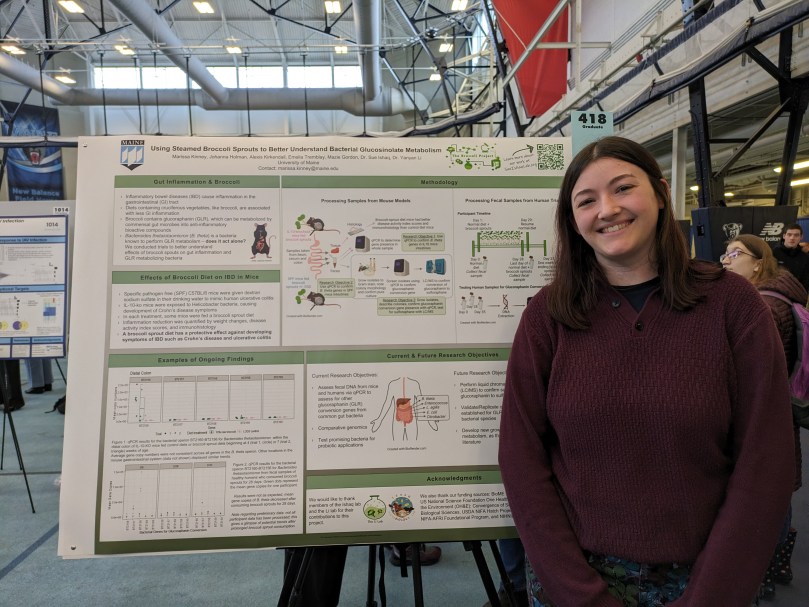
Marissa Kinney presenting research.
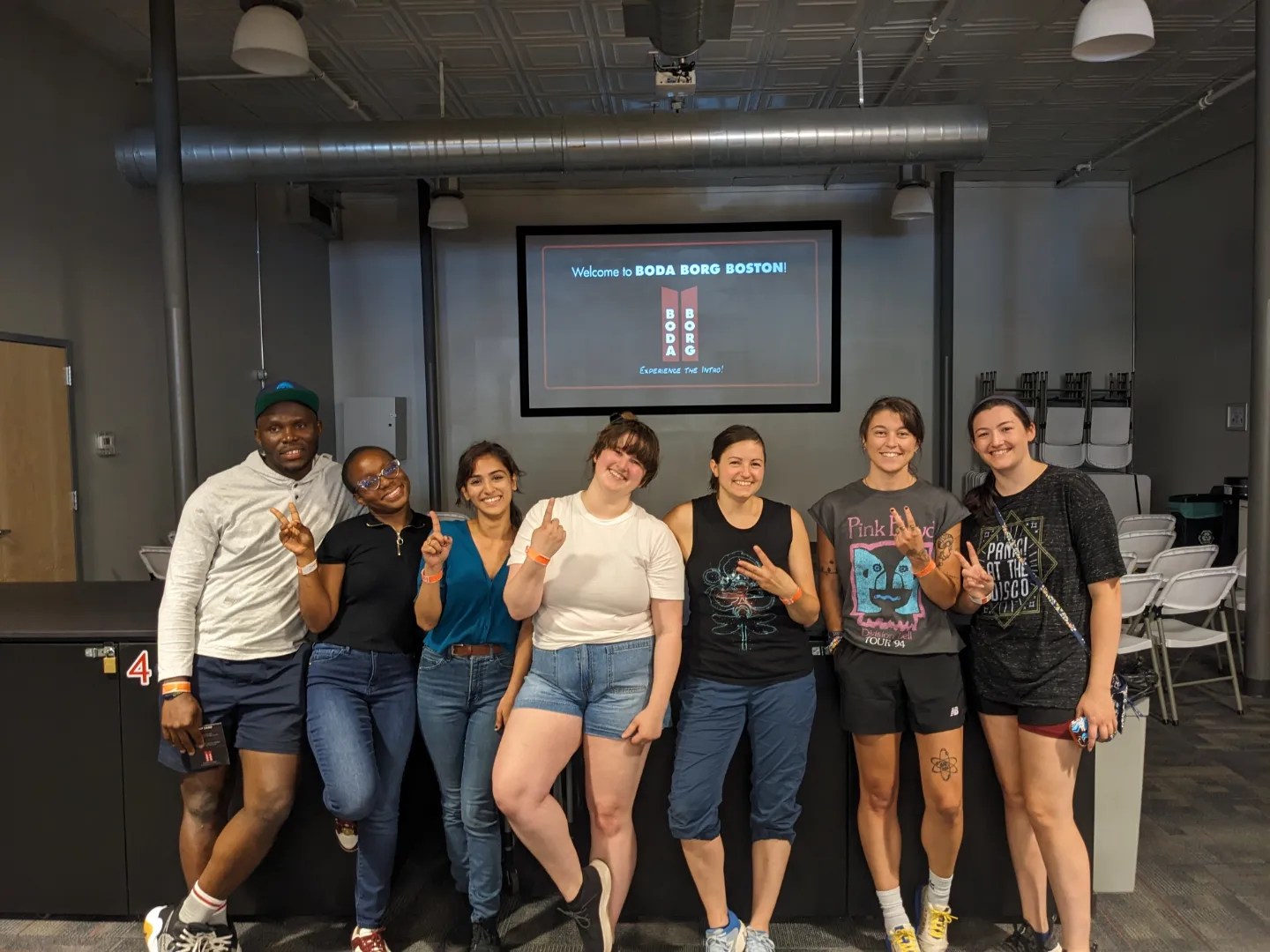
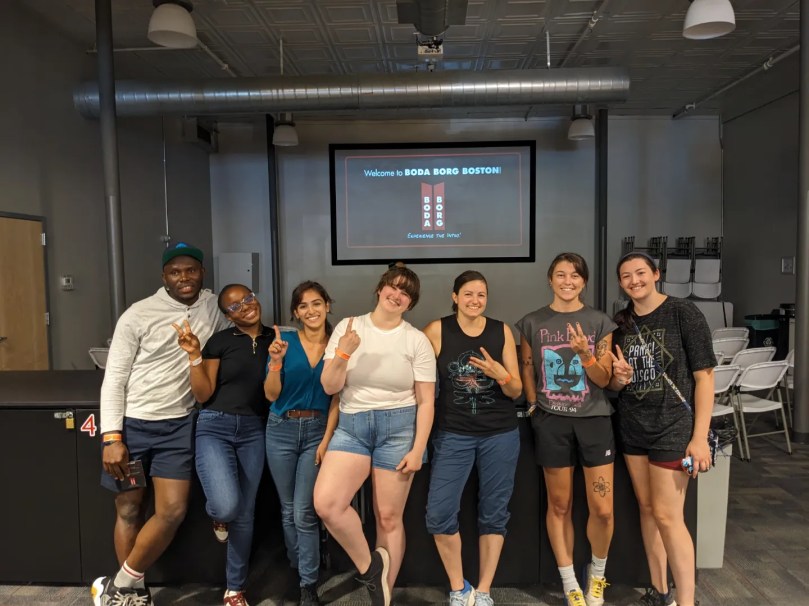
The Ishaq Lab at Boda Borg in Boston, summer 2023. We are showing how many quests we completed.
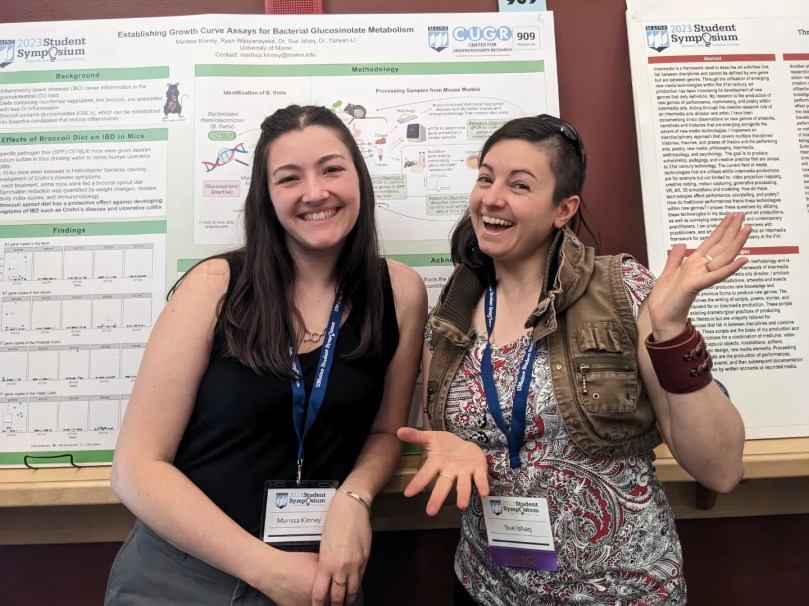
Lab lunch with Mira Talalay, Sue, and Marissa Kinney
Previous to being in the lab, Marissa completed her undergraduate at the University of Maine in 2021, earning a BS in Microbiology and a BS in Cellular/Molecular Biology. She devoted a large portion of her time in undergrad to research in the laboratories of Dr. Julie Gosse and Dr. Edward Bernard. After graduating, she worked in the field of public health at UMaine’s Margaret Chase Smith Policy Center, collecting and processing data about violent and drug-related deaths in Maine. While her role at the Center was one she loved dearly, she felt a big pull towards laboratory work and academic research, and her graduate work enforced this passion. Marissa has been a core member of the lab, and we’ll miss her!! She plans to pursue a research career here in Maine after defending and enjoying a well-earned vacation.
USING BROCCOLI SPROUT DIETS TO UNDERSTAND GUT BACTERIAL GLUCOSINOLATE METABOLISM TO RESOLVE INFLAMMATORY BOWEL DISEASE
Abstract
Globally, millions of people have been diagnosed with a type of inflammatory bowel disease (IBD). These diseases cause dysfunction of the gastrointestinal (GI) tract, resulting in a wide range of symptoms that create a disruption in overall health. Research has suggested that diet and the microbial community composition of the gut microbiome play a significant role in regulating gastrointestinal inflammation. Specifically, studies have shown that diets high in cruciferous vegetables, such as broccoli, are associated with a reduction in gastrointestinal inflammation. Glucoraphanin is a compound present in broccoli that can be metabolized by gut bacteria to become an anti-inflammatory compound known as sulforaphane. Our initial research showed that the administration of a broccoli sprout diet to mouse models for Crohn’s disease and ulcerative colitis, two major types of IBD, yields inflammation reduction and symptom resolution. For these trials, fecal samples obtained from different sections of the mouse bowel were tested for presence of glucoraphanin-metabolizing genes present in a common gut bacteria, Bacteroides thetaiotaomicron (B. theta). Glucoraphanin conversion is higher and more reliable in mice than in people, however mouse models are not perfect representatives of humans. Hoping to understand the impacts of broccoli sprouts on the human gut microbiome, fecal samples were obtained from healthy individuals who consumed broccoli sprouts for 28 consecutive days, as long-term diet interventions are needed to meaningfully change gut microbial communities. In a separate trial conducted by the scientists at Brassica Protections Product, fecal samples were collected from people who were administered a single dietary supplement containing a high dose of glucoraphanin with and without plant-sourced myrosinase, as a means of evaluating the effectiveness of glucoraphanin conversation which was or was not reliant on gut microbiota, respectively. These samples were analyzed for glucoraphanin metabolizing genes from B. theta and other commensal gut bacteria. Data collected from these human trial experiments aided in understanding the impacts of a whole food broccoli sprout diet and supplementation of glucoraphanin on the bacterial community composition of the gut microbiota. Additionally, this work will help grow and strengthen the current knowledge on broccoli as an anti-inflammatory and the variabilities present in the gut microbiomes of humans.
Lab rockstar, Marissa Kinney, is set to defend her Master’s of Science thesis in Microbiology on Wednesday, December 18th!! The thesis abstract is below.
You can register here for the publicly available seminar portion from 1 – 2 pm ET on Zoom
Marissa has been a Master of Science student in Microbiology, and a researcher in the One Health and the Environment program, both of which are prestigious graduate programs at UMaine, for the last two years. She loves learning and bench microbiology, and she employed these passions on multiple lab projects investigating the bacteria which transform glucoraphanin in broccoli sprouts into the anti-inflammatory sulforaphane in the gut. The focus of her time has been to develop new lab protocols, refine existing ones and make them easier for new lab members to learn, and to share her expertise by teaching other students in the lab. She’s excelled at these objectives so well, that in the past two years many people assumed she was a Lab Manager rather than a student.
Marissa has been extremely productive in the last two years: in her first three months she contributed lab work to two publications on broccoli sprout diets in mouse models of Inflammation Bowel Disease in 2023, and has since contributed to another manuscript currently in review on glucoraphanin supplements and gut microbiome changes in people, and two more manuscripts in preparation on culturing gut microbiota, and a broccoli sprout diet in people. It’s no surprise that Marissa has been an author on so many papers in so little time — she led a publication when she was an undergraduate! You can check her Google Scholar page for more info on these papers. Marissa has also presented this work on campus at the UMaine Student Research Symposium twice, as well as attended conferences for the American Society for Nutrition and the American Society for Microbiology for professional development.
Marissa Kinney presenting research.
The Ishaq Lab at Boda Borg in Boston, summer 2023. We are showing how many quests we completed.
Lab lunch with Mira Talalay, Sue, and Marissa Kinney
Previous to being in the lab, Marissa completed her undergraduate at the University of Maine in 2021, earning a BS in Microbiology and a BS in Cellular/Molecular Biology. She devoted a large portion of her time in undergrad to research in the laboratories of Dr. Julie Gosse and Dr. Edward Bernard. After graduating, she worked in the field of public health at UMaine’s Margaret Chase Smith Policy Center, collecting and processing data about violent and drug-related deaths in Maine. While her role at the Center was one she loved dearly, she felt a big pull towards laboratory work and academic research, and her graduate work enforced this passion. Marissa has been a core member of the lab, and we’ll miss her!! She plans to pursue a research career here in Maine after defending and enjoying a well-earned vacation.
USING BROCCOLI SPROUT DIETS TO UNDERSTAND GUT BACTERIAL GLUCOSINOLATE METABOLISM TO RESOLVE INFLAMMATORY BOWEL DISEASE
Abstract
Globally, millions of people have been diagnosed with a type of inflammatory bowel disease (IBD). These diseases cause dysfunction of the gastrointestinal (GI) tract, resulting in a wide range of symptoms that create a disruption in overall health. Research has suggested that diet and the microbial community composition of the gut microbiome play a significant role in regulating gastrointestinal inflammation. Specifically, studies have shown that diets high in cruciferous vegetables, such as broccoli, are associated with a reduction in gastrointestinal inflammation. Glucoraphanin is a compound present in broccoli that can be metabolized by gut bacteria to become an anti-inflammatory compound known as sulforaphane. Our initial research showed that the administration of a broccoli sprout diet to mouse models for Crohn’s disease and ulcerative colitis, two major types of IBD, yields inflammation reduction and symptom resolution. For these trials, fecal samples obtained from different sections of the mouse bowel were tested for presence of glucoraphanin-metabolizing genes present in a common gut bacteria, Bacteroides thetaiotaomicron (B. theta). Glucoraphanin conversion is higher and more reliable in mice than in people, however mouse models are not perfect representatives of humans. Hoping to understand the impacts of broccoli sprouts on the human gut microbiome, fecal samples were obtained from healthy individuals who consumed broccoli sprouts for 28 consecutive days, as long-term diet interventions are needed to meaningfully change gut microbial communities. In a separate trial conducted by the scientists at Brassica Protections Product, fecal samples were collected from people who were administered a single dietary supplement containing a high dose of glucoraphanin with and without plant-sourced myrosinase, as a means of evaluating the effectiveness of glucoraphanin conversation which was or was not reliant on gut microbiota, respectively. These samples were analyzed for glucoraphanin metabolizing genes from B. theta and other commensal gut bacteria. Data collected from these human trial experiments aided in understanding the impacts of a whole food broccoli sprout diet and supplementation of glucoraphanin on the bacterial community composition of the gut microbiota. Additionally, this work will help grow and strengthen the current knowledge on broccoli as an anti-inflammatory and the variabilities present in the gut microbiomes of humans.
Some of the lab are lucky enough to be able to travel to Cape Town, South Africa this August for the 19th International Symposium on Microbial Ecology (ISME)!!! This conference is held in different host cities, and brings together microbiologists from around the world to celebrate our work and foster our scientific community.
Session: Integrating equity into microbiome science from crops to communities
Convenors Sue Ishaq, University of Maine, USA Adolphe Zeze, Institut National Polytechnique Félix Houphouët-Boigny, Côte d’Ivoire
Date: 20-Aug-2024, session from 11:00 to 13:00. Location: Meeting Room 2.6 (2.61 – 2.64) of CTICC1 in Cape Town.
About the session: Microorganisms are critical to many aspects of biological life, and the collective microbial community, or microbiome, can be impacted by environmental factors which may be driven by social, economic, medical, or political constraints that restrict available choices and may impact our health. This session explores the way that microbes connect to social disparities, and how microbial ecology can be used to benefit public health and vulnerable populations.
Photo credit Johanna Holman.
Characterizing Gut Bacteria Associated with Sulforaphane Production
Date: 19-Aug-2024, live session from 16:30 to 17:30. Poster number: PS1.02.050. Section: Understanding microbiome dynamics to improve human health
Affiliations: 1 Molecular and Biomedical Sciences, University of Maine, Orono, Maine, USA; 2 School of Food and Agriculture, University of Maine, Orono, Maine, USA; 2 Graduate School of Biomedical Sciences and Engineering, University of Maine, Orono, Maine, USA; 3School of Pharmacy and Pharmaceutical Sciences, SUNY Binghamton University, Johnson City, New York, USA.
Abstract: Broccoli sprouts contain glucosinolates which can be converted into sulforaphane, an anti-inflammatory compound. Mammals do not produce the essential digestive enzymes to perform this conversion, fortunately, somegut bacteria do, and this results in high sulforaphane in the colon and systemically. Sulforaphane production has implications in treating inflammatory bowel diseases such as ulcerative colitis. Bacterial samples were collected from 40 all-male SPFC57BL/6 mice. Divided into four groups, mice received a combination, or lack thereof, of 2.5%dextran sodium sulfate in drinking water to induce ulcerative colitis and/or steamed broccoli sprouts at 10% of the diet. Following the trial, bacteria were isolated from jejunum and colon digesta- and mucosal-associated contents. Bacteria were grown on bacto-tryptone yeast broth media in anaerobic conditions. Collected bacteria were analyzed based on morphological data. Following initial culturing bacteria were placed in 96-well plates amongst bacto-tryptone yeast broth in four groups: with glucose, without glucose, with glucoraphanin, and with sinigrin. Plates were incubated anaerobically for 24 hours followed by growth being measured via spectrophotometry, to assess potential as a probiotic. Over four hundred bacteria were assessed, multiple of which showed signs of glucosinolate conversion. Across gram stains, approximately 80% of all analyzed showed to be gram +.
Graphic Designed by Indigo Millisor.
Funding Sources: This work was funded by the NIH, Crohn’s and Colitis Foundation, and NSF NRT.
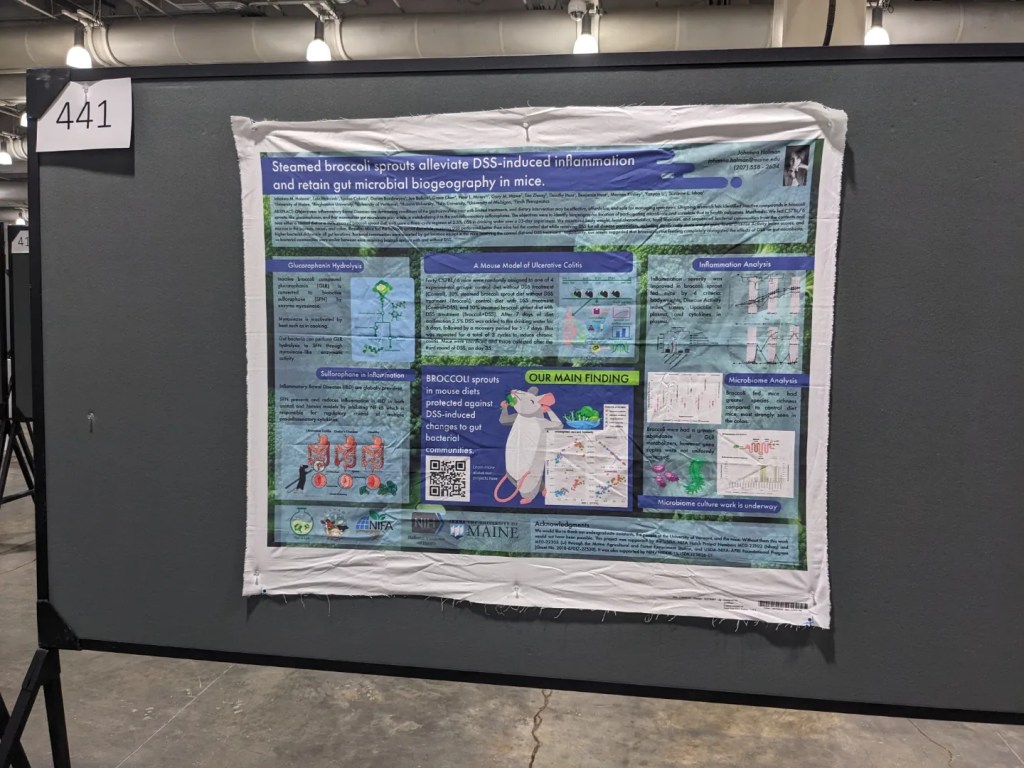
Steamed broccoli sprouts alleviate gut inflammation and retain gut microbiota against DSS-induced dysbiosis.
Johanna M. Holman1, Lola Holcomb2, Louisa Colucci3, Dorien Baudewyns4, Joe Balkan5, Grace Chen6, Peter L. Moses7,8, Gary M. Mawe7, Tao Zhang9, Yanyan Li1*, Suzanne L. Ishaq1*
Date: 19-Aug-2024, live session from 10:00 to 11:00 Poster number: PS1.02.007 Section: Understanding microbiome dynamics to improve human health
Affiliations: 1 School of Food and Agriculture, University of Maine, Orono, Maine, USA; 2 Graduate School of Biomedical Sciences and Engineering, University of Maine, Orono, Maine, USA; 3 Department of Biology, Husson University, Bangor, Maine, USA; 4 Department of Psychology, University of Maine, Orono, USA; 5 Department of Chemical and Biological Engineering, Tufts University, Medford, Massachusetts, USA; 6 Department of Internal Medicine, University of Michigan Medical School, Ann Arbor, Michigan, USA; 7 Departments of Neurological Sciences and of Medicine, Larner College of Medicine, University of Vermont, Burlington, Vermont, USA: 8 Finch Therapeutics, Somerville, Massachusetts, USA; 9 School of Pharmacy and Pharmaceutical Sciences, SUNY Binghamton University, Johnson City, New York, USA.
Abstract: Inflammatory bowel diseases are devastating conditions of the gastrointestinal tract with limited treatments, and dietary intervention may be effective, affordable, and safe for managing symptoms. Research has identified inactive compounds in broccoli sprouts that may be metabolized by the gut microbiota into key anti-inflammatories. Our research set out to identify biogeographic locations of participating microbiota and correlate that to health outcomes. We fed specific pathogen free C57BL/6 mice either a control diet or a 10% steamed broccoli sprout diet, and gave a three-cycle regimen of 2.5% dextran sulfate sodium in drinking water over 40 days to simulate ulcerative colitis. We monitored body weight, fecal characteristics and lipocalin, and sequenced bacterial communities from the contents and mucosa of the jejunum, cecum, and colon. Mice fed the broccoli sprout diet while receiving dextran sulfate sodium performed better than mice fed control diet for all disease parameters, including increased weight gain (2-way ANOVA, p < 0.05), lower Disease Activity Index scores (2-way ANOVA, p < 0.001), and higher bacterial richness (linear regression model, p < 0.01). Bacterial communities were assorted by gut location except in the mice receiving the control diet and colitis-inducing treatment (Beta-diversity, ANOVA, p < 0.05). Importantly, our results suggest that broccoli sprouts abrogated the effects of dextran sulfate sodium on the gut microbiota, that colitis erases biogeographical patterns of bacterial communities, and that the cecum is not likely to be a contributor to colonic bacteria of interest, in a mouse model of ulcerative colitis.
Funding Sources: This work was funded by the NIH, USDA, NSF NRT, and UMaine GSBSE.
Consuming steamed broccoli sprouts as part of their diet protected the gut biogeography of microbes — which bacteria was found in which organ sampled– in the intestines of mice who were experiencing chemically induced colitis. Image by Johanna Holman.
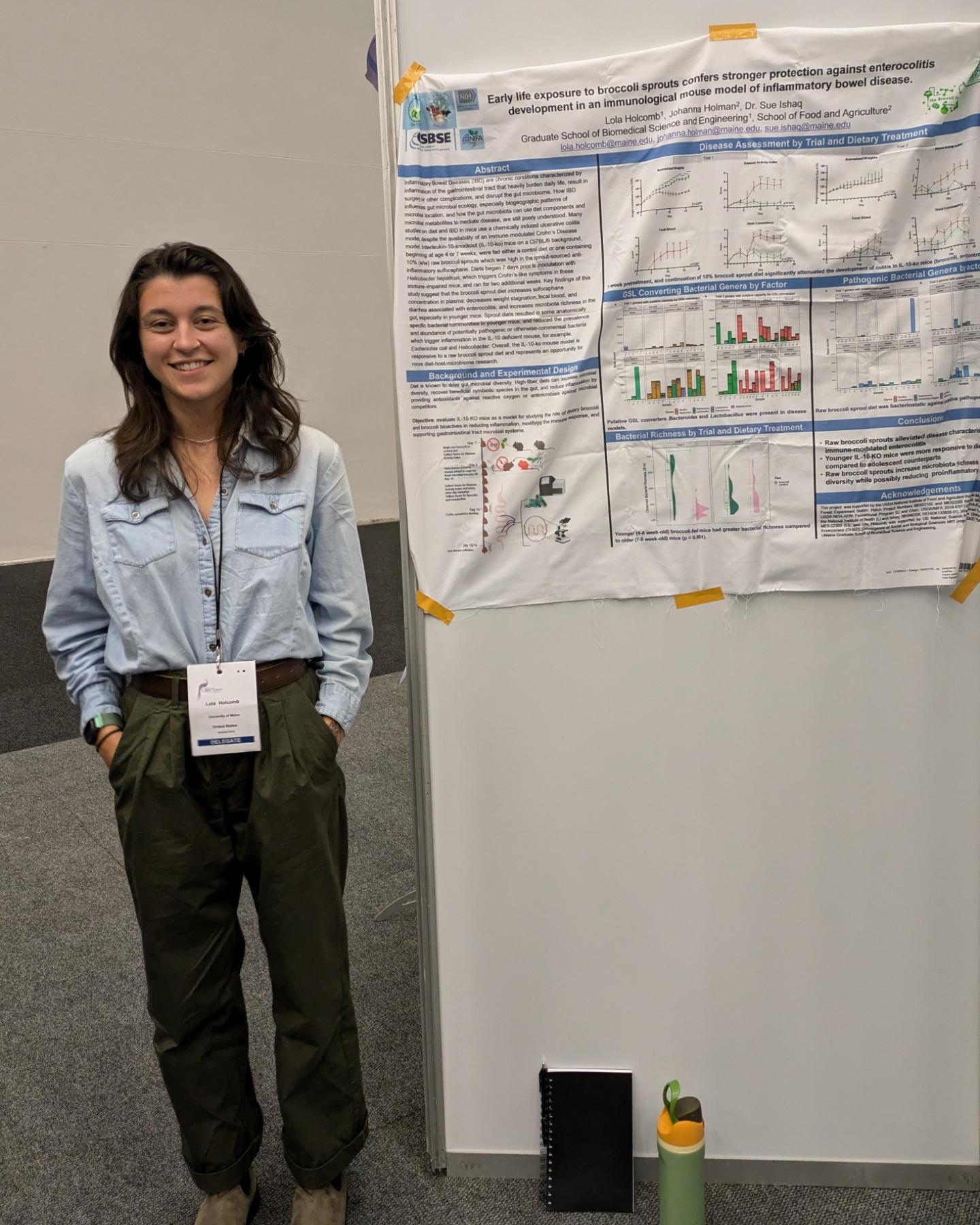
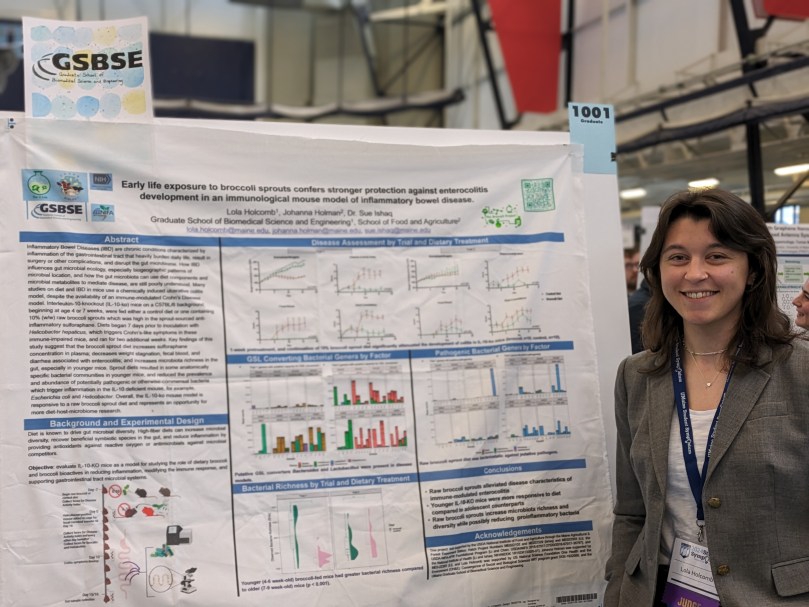
Early life exposure to broccoli sprouts confers stronger protection against enterocolitis development in an immunological mouse model of inflammatory bowel disease.
Lola Holcomb1, Johanna Holman2, Molly Hurd3, Brigitte Lavoie3, Louisa Colucci4, Gary M. Mawe3,Peter L. Moses3,5, Emma Perry6, Allesandra Stratigakis7, Tao Zhang7, Grace Chen8, Suzanne L. Ishaq1*, Yanyan Li7*
Date: 19-Aug-2024, live session from 16:30 to 17:30 Poster number: PS1.02.002 Section: Understanding microbiome dynamics to improve human health
1 Graduate School of Biomedical Sciences and Engineering, University of Maine, Orono, Maine 2 School of Food and Agriculture, University of Maine, Orono, Maine 3 Larner College of Medicine, University of Vermont, Burlington, Vermont 4 Department of Biology, Husson University, Bangor, Maine, 5 Finch Therapeutics, Somerville, Massachusetts, 6 Electron Microscopy Laboratory, University of Maine, Orono, Maine 7 School of Pharmacy and Pharmaceutical Sciences, SUNY Binghamton University, Johnson City, New York, 8 Department of Internal Medicine, University of Michigan Medical School, Ann Arbor, Michigan
Inflammatory Bowel Diseases (IBD) are chronic conditions characterized by inflammation of the gastrointestinal (GI) tract that burden daily life, result in complications, and disrupt the gut microbiome. Many studies on diet and IBD in mice use an ulcerative colitis model, despite the availability of an immune-modulated Crohn’s Disease model. The objective of this study was to establish IL-10 deficient mice as a model for studying the role of dietary broccoli and broccoli bioactives in reducing inflammation, modifying the immune response, and supporting GI tract microbial systems. Interleukin-10-knockout (IL-10-ko) mice on a C57BL/6 background, beginning at age 4 or 7 weeks, were fed either a control diet or one containing 10% raw broccoli sprouts. Diets began 7 days prior to inoculation with Helicobacter hepaticus, which triggers Crohn’s-like symptoms in these immune-impaired mice, and ran for 2 additional weeks. Broccoli sprouts decreased (p < 0.05), fecal lipocalin (LCN2), a biomarker for intestinal inflammation, and fecal blood, diarrhea, and overall Disease Activity Index. Sprouts increased gut microbiota richness, especially in younger mice (p < 0.004), and recruited different communities in the gut (B-diversity, ANOVA, p < 0.001), especially in the colon (B-diversity, ANOVA, p = 0.03). The control group had greater prevalence and abundance of otherwise commensal bacteria which trigger inflammation in the IL-10-ko mice. Helicobacter was within the top-5 most prevalent core genera for the control group, but was not within the top-5 for the broccoli group. Disease parameters and microbiota changes were more significant in younger mice receiving broccoli. A diet containing 10% raw broccoli sprouts may be protective against negative disease characteristics of Helicobacter-induced enterocolitis in IL-10-ko mice, and younger age is the most significant factor (relative to diet and anatomical location) in driving gut bacterial community richness and similarity. The broccoli diet contributes to prevalence and abundance of bacterial genera that potentially metabolize dietary compounds to anti-inflammatory metabolites in the gut, are bacteriostatic against pathogens, and may ease disease severity.
Funding Sources: This work was funded by the NIH, USDA, NSF NRT, and UMaine GSBSE.
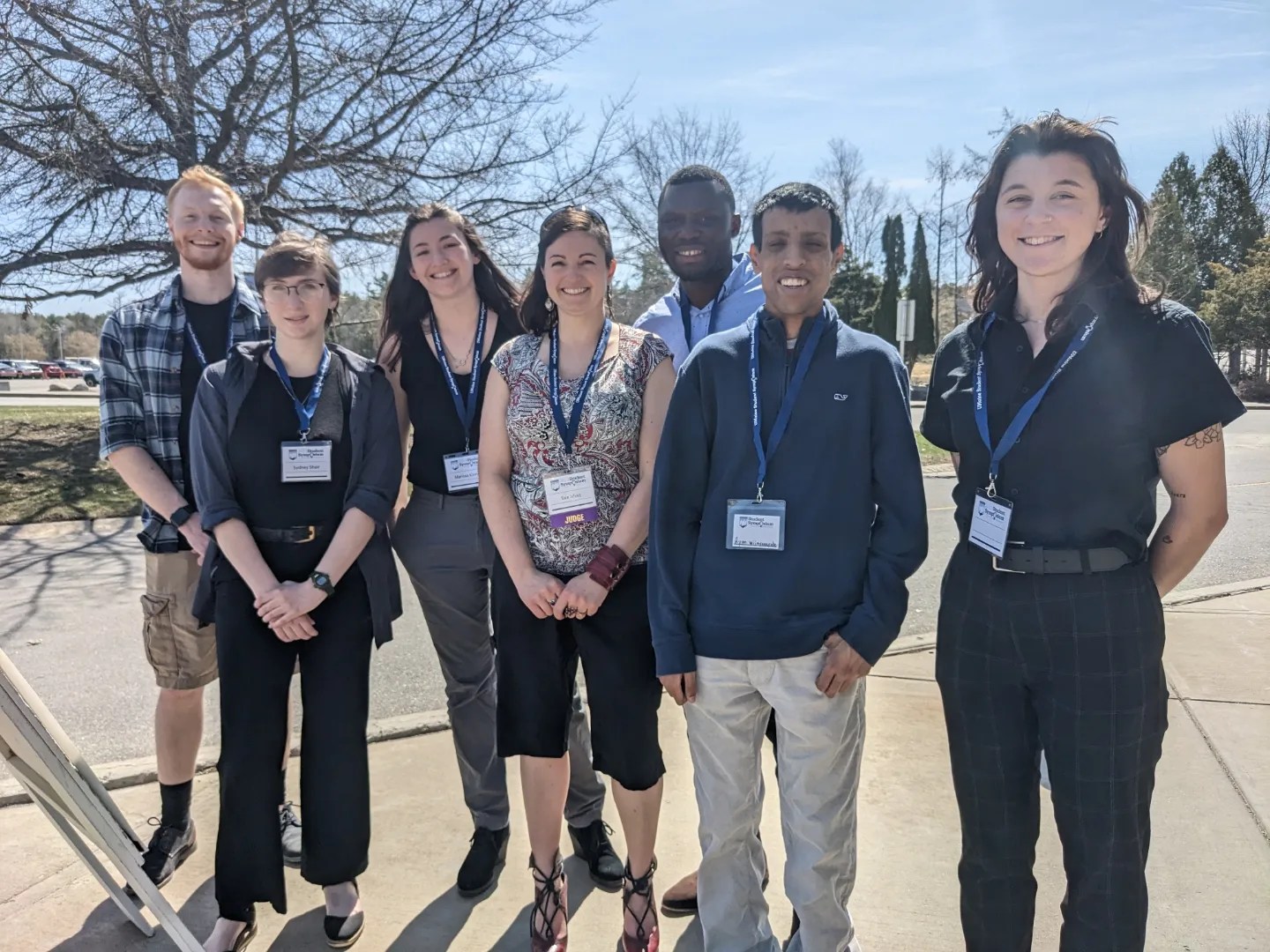
The UMaine Student Symposium is an annual event featuring research presentations from undergraduate and graduate students, and is a way to share student research on campus and with the Maine public.
All of the abstracts for the full program, and previous years, are available here.
The event is free to attend, and will take place at the New Balance Field House on the UMaine Orono Campus, Friday April 12, 2024.
Several students from the Ishaq Lab will be presenting their ongoing work:
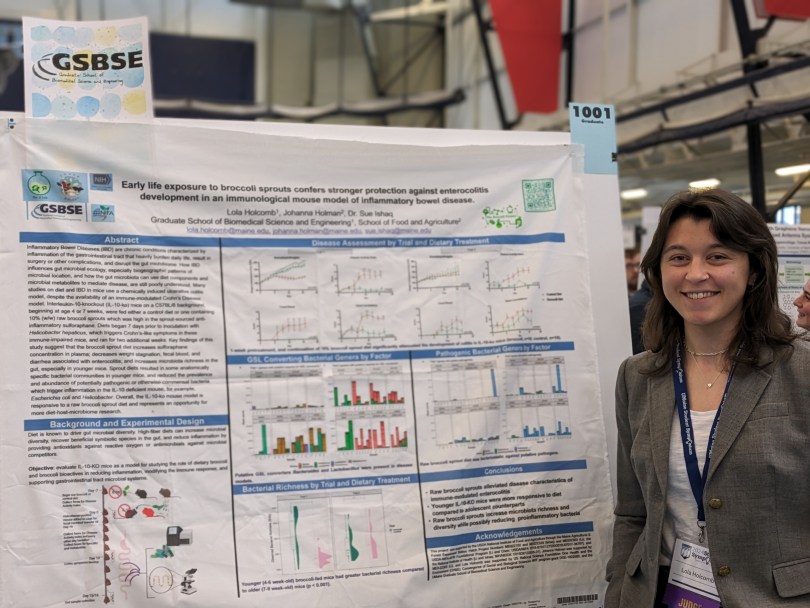
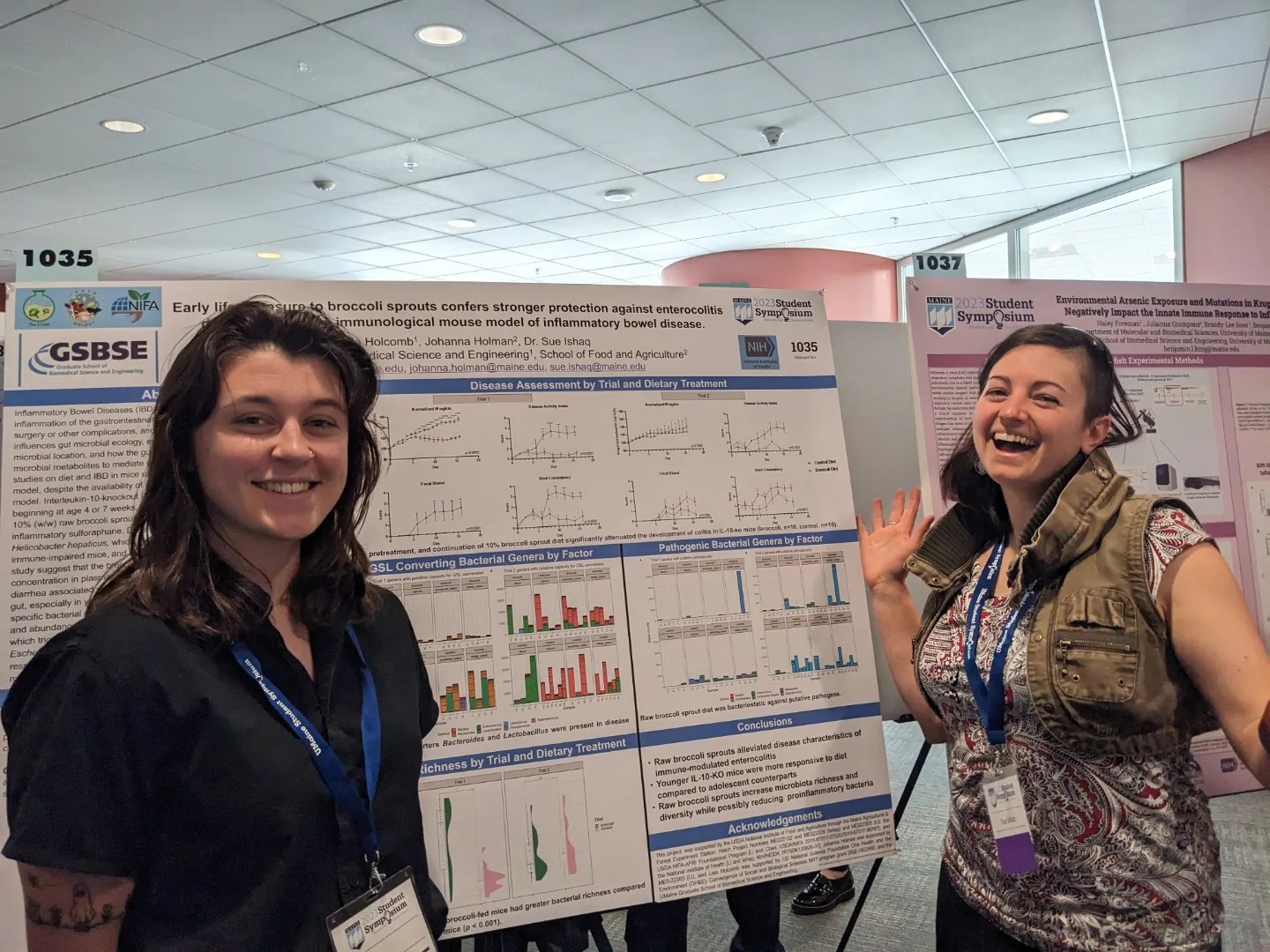
Early Life Broccoli Sprout Consumption Confers Stronger Protection Against Enterocolitis in an Immunological Mouse Model of Inflammatory Bowel Disease
Author(s): Lola Holcomb, Johanna Holman, Sue Ishaq.
Type: poster presentation
Submission category: Biomedical sciences
Abstractnumber 1001: Inflammatory Bowel Diseases (IBD) are chronic conditions characterized by inflammation of the gastrointestinal tract that heavily burden daily life, result in surgery or other complications, and disrupt the gut microbiome. How IBD influences gut microbial ecology, especially biogeographic patterns of microbial location, and how the gut microbiota can use diet components and microbial metabolites to mediate disease, are still poorly understood. This study aimed to resolve such questions. Many studies on diet and IBD in mice use a chemically induced ulcerative colitis model, despite the availability of an immune-modulated Crohn’s Disease model. Interleukin-10-knockout (IL-10-KO) mice on a C57BL/6 background, beginning at age 4 or 7 weeks, were fed either a control diet or one containing 10% (w/w) raw broccoli sprouts which was high in the sprout-sourced anti-inflammatory sulforaphane. Diets began 7 days prior to inoculation with Helicobacter hepaticus, which triggers Crohn’s-like symptoms in these immune-impaired mice, and ran for two additional weeks. Key findings of this study suggest that the broccoli sprout diet increases sulforaphane concentration in plasma; decreases weight stagnation, fecal blood, and diarrhea associated with enterocolitis; and increases microbiota richness in the gut, especially in younger mice. Sprout diets resulted in some anatomically specific bacterial communities in younger mice, and reduced the prevalence and abundance of potentially pathogenic or otherwise-commensal bacteria which trigger inflammation in the IL-10 deficient mouse, for example, Escherichia coli and Helicobacter. Overall, the IL-10-KO mouse model is responsive to a raw broccoli sprout diet and represents an opportunity for more diet-host-microbiome research.
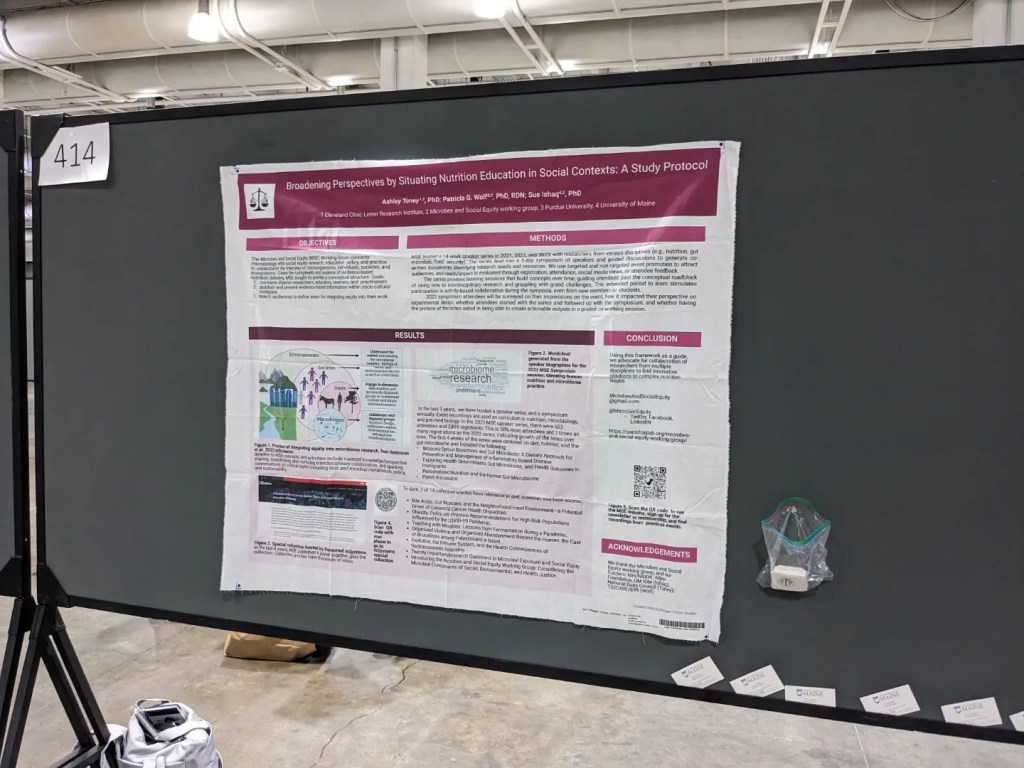
Lola’s poster from the CIMM 2024 meeting.
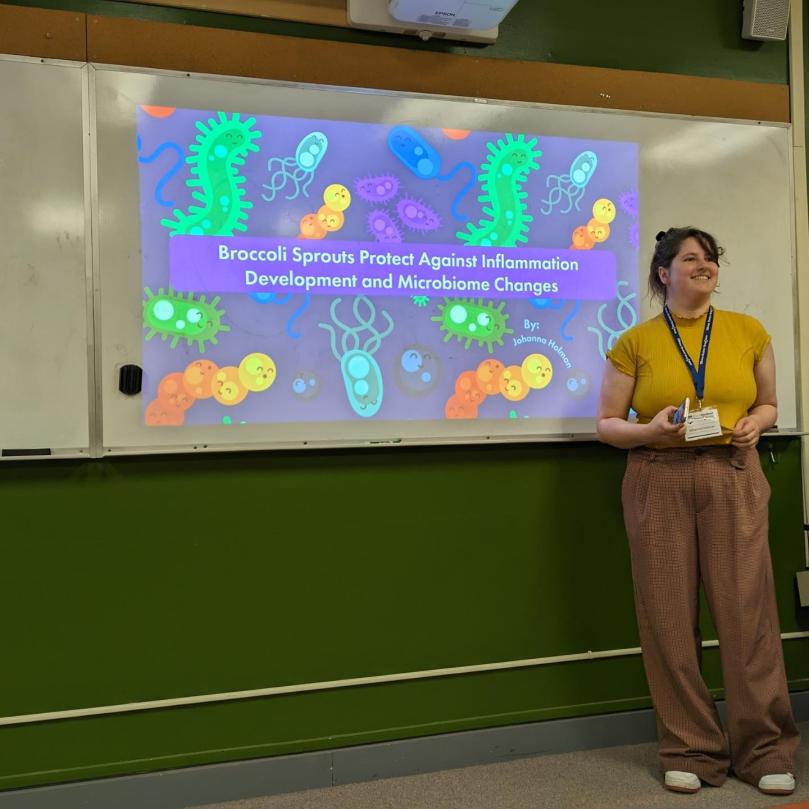
Steamed Broccoli Sprouts Alleviate Gut Inflammation and Retain Gut Microbiota Against DSS-induced Dysbiosis.
Author(s): Johanna Holman, Lola Holcomb, Sue Ishaq.
Type: oral presentation, 9:45 am
Submission Category: Biomedical Sciences
Abstract number 1002: Inflammatory bowel diseases are devastating conditions of the gastrointestinal tract with limited treatments, and dietary intervention may be effective, affordable, and safe for managing symptoms. Research has identified inactive compounds in broccoli sprouts that may be metabolized by the gut microbiota into key anti-inflammatories. Our research set out to identify biogeographic locations of participating microbiota and correlate that to health outcomes. We fed specific pathogen free C57BL/6 mice either a control diet or a 10% steamed broccoli sprout diet, and gave a three-cycle regimen of 2.5% dextran sulfate sodium in drinking water over 40 days to simulate ulcerative colitis. We monitored body weight, fecal characteristics and lipocalin, and sequenced bacterial communities from the contents and mucosa of the jejunum, cecum, and colon. Mice fed the broccoli sprout diet while receiving dextran sulfate sodium performed better than mice fed control diet for all disease parameters, including increased weight gain (2-way ANOVA, p < 0.05), lower Disease Activity Index scores (2-way ANOVA, p < 0.001), and higher bacterial richness (linear regression model, p < 0.01). Bacterial communities were assorted by gut location except in the mice receiving the control diet and colitis-inducing treatment (Beta-diversity, ANOVA, p < 0.05). Importantly, our results suggest that broccoli sprouts abrogated the effects of dextran sulfate sodium on the gut microbiota, that colitis erases biogeographical patterns of bacterial communities, and that the cecum is not likely to be a contributor to colonic bacteria of interest, in a mouse model of ulcerative colitis.
Johanna’s poster from the ASN 2023 meeting.
Using Steamed Broccoli Sprouts to Better Understand Bacterial Glucosinolate Metabolism
Abstract number 418: Inflammatory bowel diseases (IBD) lead to dysfunction of the gastrointestinal (GI) tract, resulting in disruption to overall health. These diseases can affect people of all ages and are present on a global scale. Research has demonstrated that diets high in cruciferous vegetables, such as broccoli, are associated with decreases in GI inflammation. Broccoli contains glucoraphanin, which through metabolism by gut bacteria, can become an anti-inflammatory compound, sulforaphane. Recent research has validated the use of steamed broccoli sprouts in the diet of mice to reduce inflammation and resolve symptoms of IBD. Isolated microbiota samples obtained from various locations in the GI of these mice are being investigated for the presence of glucoraphanin-metabolizing genes from a common gut bacteria, Bacteroides thetaiotaomicron (B. theta). Similar analyses being conducted on human fecal samples from individuals who consumed steamed broccoli sprouts for 28 days have demonstrated decreases in the presence of B. theta. This result was not anticipated and has strengthened beliefs that B. theta is not the primary species performing glucoraphanin metabolism, thus prompting further analyses of the fecal samples from mice and humans for glucoraphanin-metabolizing genes of other common GI bacteria. Genomes of isolates from the gut of mice which have high quantities of glucoraphanin-metabolizing genes will be sequenced for identification. This information will help to identify potential bacterial candidates for future research on probiotic development.
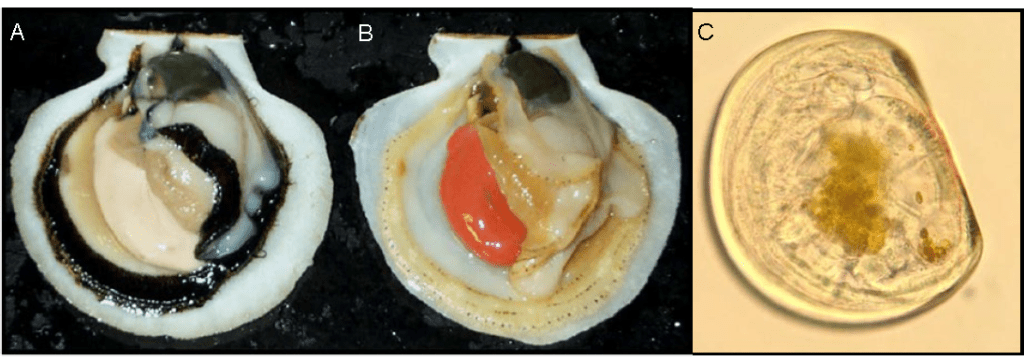
Investigating the activity of bacteria isolated from tank biofilms in a hatchery system for sea scallop, Placopecten magellanicus, larvae
Adwoa Dankwa, Postdoctoral research in the Perry Lab at UMaine
Identification of bacterial communities and their association with larval mortality in Atlantic sea scallops (Placopecten magellanicus) hatchery system
Kyle Brennan, Master’s student in the Bowden Lab at UMaine
Probiotics and pathogens
Jaypee Samson, PhD Student in the Gomez-Chiarri Lab at URI
Isolation, Screening, And Selection Of Potential Pathogenic And Probiotic Bacteria From Bivalve Shellfishes
Sydney Avena, Master’s student at the Darling Marine Center
“Cracking the shell”: Lessons learned from a collaborative approach to developing hatchery production of the Atlantic sea scallop, Placopecten magellanicus
Tara Riley, Shellfish and Aquatic Resources Manager for Nanucket, MA
Saving The Seed: Nantucket Bay Scallop Seed Management Of 2023
The speaker list for the session.
Session: Coastal Systems& Scallops
Chairs: Sue Ishaq and & Phoebe Jekielek
Friday, 1:30 pm in the Newport/Washington room
Samuel Gurr
Developmental mismatch of pCO 2 levels in a second generation of northern bay scallops
Christopher Noren
Comparing growth of ear hung and lantern net cultured sea scallops, Placopecten magellanicus, over a complete grow-out cycle to determine optimal harvest timing
Phoebe Jekielek
A comparative study of sea scallop (Placopecten magellanicus) energy investment strategies in farmed and wild environments
Caitlin Cleaver
Understanding wild sea scallop (Placopecten magellanicus) larval spatial and temporal distribution in Maine to support culture and capture fisheries
Paul Rawson
Predicting larval dispersal and population connectivity of Sea Scallops, Placopecten magellanicus, in Downeast Maine.
Griffin Harkins
Review of Nantucket Island’s Bay Scallop Spat Bag Program
Speakers for the session
Ay and Sue at NACEKyle BrennanSydney AvenaAyodeji Olaniyi
It feels like the summer semester just began, and here we are, already preparing for fall classes! There has been so much going on in the lab that I wasn’t able to keep up with regular posts, so here are some of the highlights.
Conferences
I attended four symposia/conferences this summer, starting with the virtual MSE 2023 summer symposium in early June, featuring 4 days of invited talks organized around themes, and a 5th day featuring contributed short talks (something new we tried this year). The whole week was fantastic and sparked thoughtful conversation on the using of microbial communities to reduce disparities in positive and negative health outcomes, living conditions, and more. You can find the recorded content on the symposium event page.
Next, I went to the Microbiome Day at Boston University in early July in Boston, MA, where I gave the keynote talk.
I went to the annual meeting for the American Society for Nutrition in Boston, MA in mid-July, where PhD students Johanna Holman, Lola Holcomb, and master’s student Marissa Kinney all presented posters, and most of the lab was able to make it to a puzzle quest at Boda Borg.
And, I went to the Ecological Society of America annual meeting in Portland, OR in August to present some recent work on scallop larval rearing tanks and the bacterial communities we found there. That included an unexpected effect of coastal water dynamics and the phase of the moon. That work has recently been published.
The lab has been bustling all summer as we work on several projects. Master’s student Ayodeji Olaniyi has been working on a project to identify Vibrio bacteria isolated from the sides of scallop larvae hatchery tanks, as part of a larger project investigating microbial communities in hatcheries.
Marissa and visiting postdoc Gloria Adjapong have been preparing a 16S rRNA sequencing library for hundreds of scallop tank biofilm samples we collected last year, although I don’t have any photos of that.
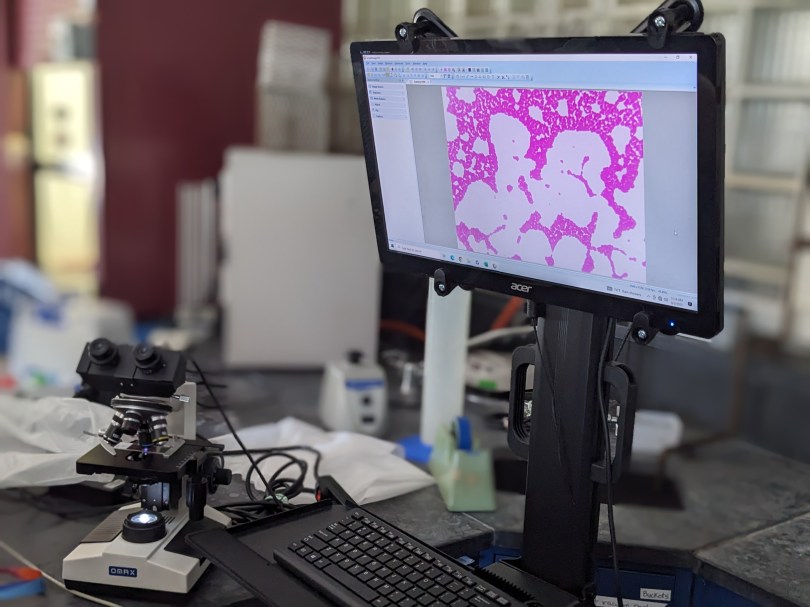
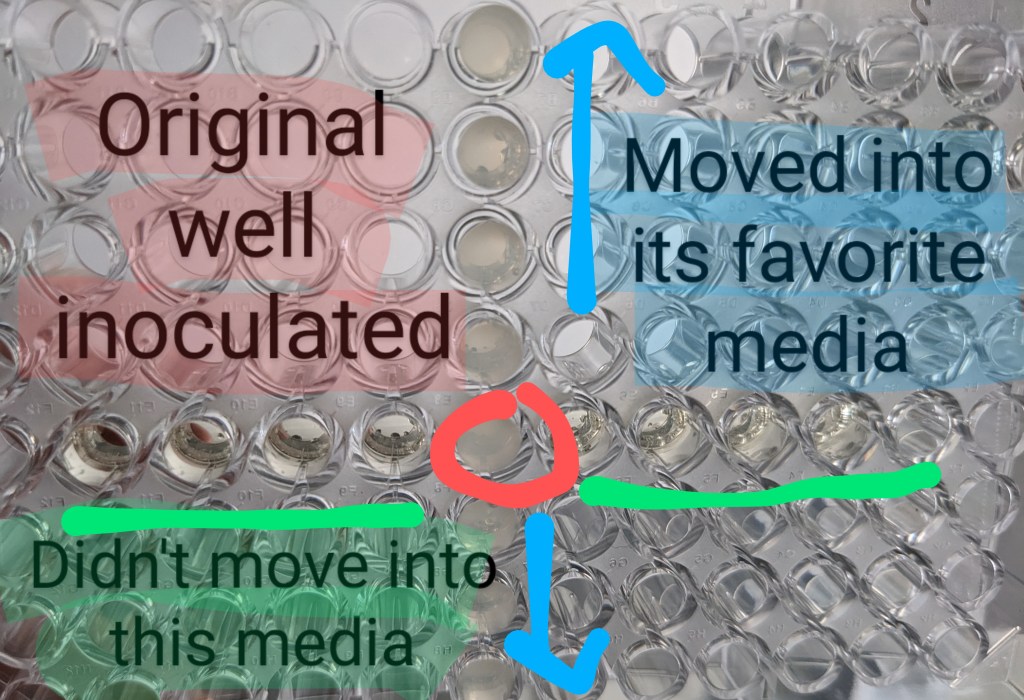
Johanna has been leading a team of students (Alexis Kirkendall, Lilian Nowak, Aakriti Sharma, and Jaymie Sideaway) on a culturing project to screen hundreds of bacterial isolates that were collected from the gastrointestinal tracts of mice eating borccoli sprouts. We are testing them for their capacity to metabolize different glucosinolates into anti-inflammatory compounds, as well as grow on different media types. In the process, we found that the bacteria we are using as a positive control likes to move from one test well to another when its favorite media is available — but not when glucose is present.
Looking ahead to fall
This fall, the lab will be supporting Ayodeji to write and defend his thesis, as he is currently looking for research/technician jobs. His thesis focuses on Vibrio bacteria in scallop larvae hatcheries.
We’ll also be preparing to welcome Alexis back as a graduate student in January 2024, to continue her work on bacteria isolated from mice eating broccoli sprouts.
This year, the UMaine Student Research Symposium was held in person and virtually, and undergrads and grads from the Ishaq Lab shared their research with the Maine community. You can check out the recorded presentations in the links below.
Pelletier*, E., Taylor, T., Ishaq, S. Abstract 830. Assessing the Veterinary Needs of Rural Maine and Implementing an Effective Management Plan. UMaine Student Symposium (poster presentation). April 15, 2022.






















 The Ishaq Lab