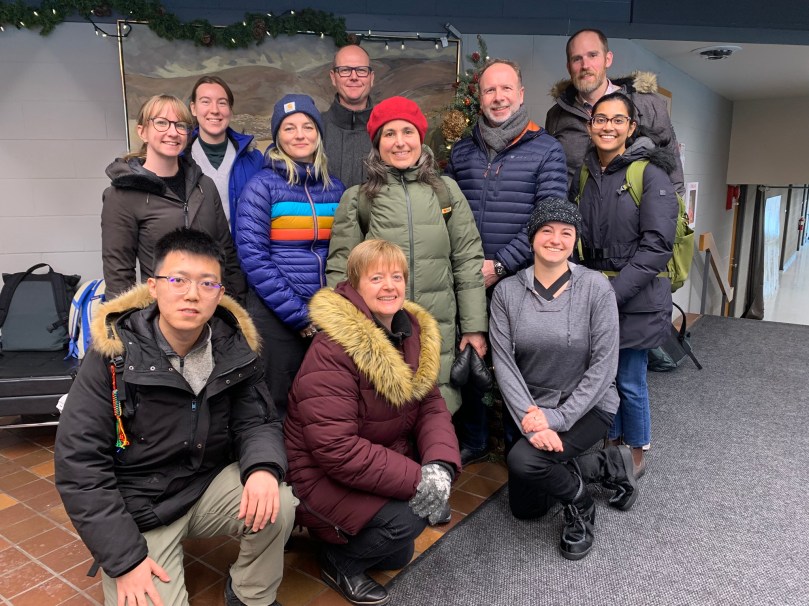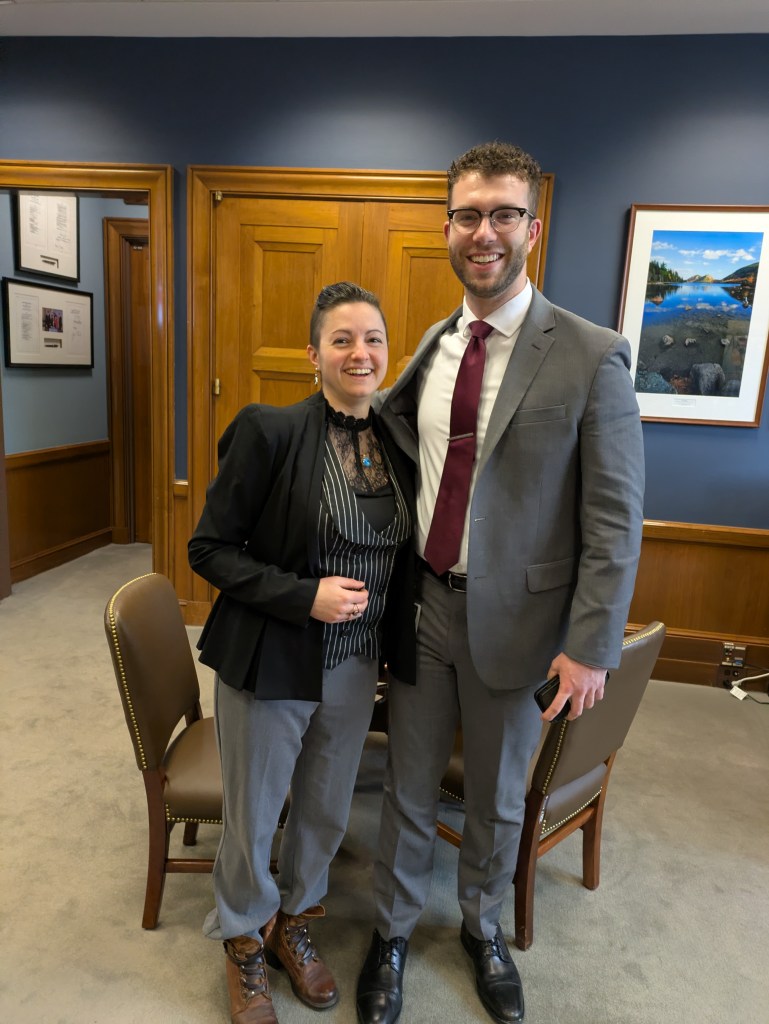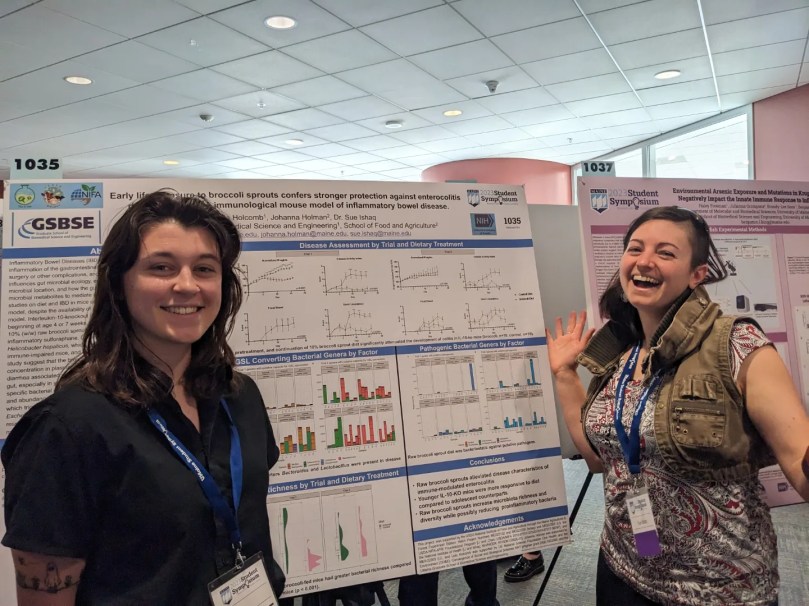
Lola begins a postdoctoral research position in bioinformatics at the University of New England!!

We’re thrilled to share that Dr. Lola Holcomb, who recently completed her PhD in Biomedical Science at the University of Maine, will be joining Dr. Eben Estell’s lab at the University of New England as a Postdoctoral Research Fellow! Dr. Estell is a new faculty member starting up a lab developing tissue engineered models for bone mechanobiology, and this position will focus on data analysis and conceptual models on how cells interact with mechanical structures, to create better medical treatments.

During her doctoral work in the Ishaq Lab, Lola investigated how diet and gut microbiota interact to influence host health, with a particular focus on glucosinolate-metabolizing bacteria and the effects of broccoli sprout consumption. Her research combined bioinformatics, metagenomic data analysis, and microbial ecology, resulting in new insights into how diet-driven changes in microbial function relate to host physiology.

In her postdoctoral position, Lola will be bridging her bioinformatics expertise with her original background in exercise physiology to explore how mechanical loading, irisin, and bone cell biology are interconnected. This new role beautifully integrates her computational skills with her passion for physiology and health — a truly interdisciplinary continuation of her scientific journey.

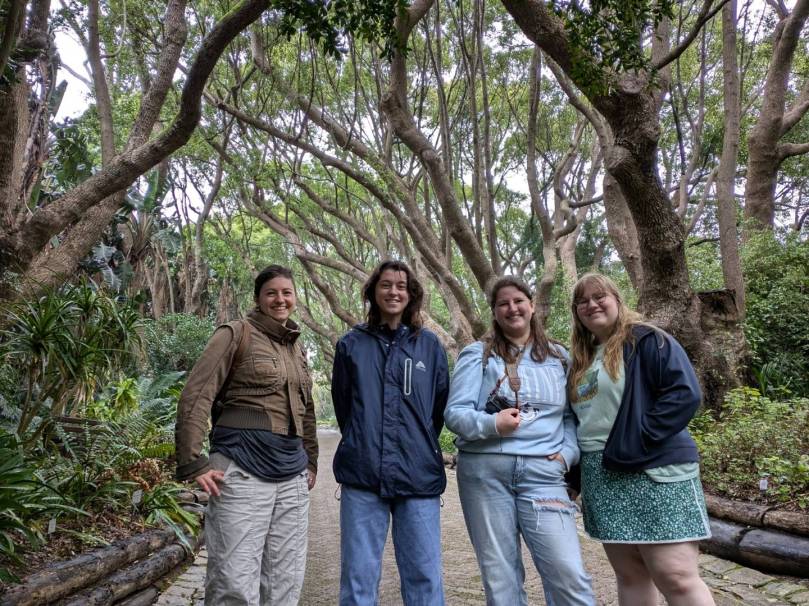
One of Lola’s favorite memories from her time in the lab was traveling together to the ISME conference in Cape Town, where she presented her work to an international audience of microbial ecology researchers. It was a fantastic milestone that captured her growth as both a scientist and communicator.

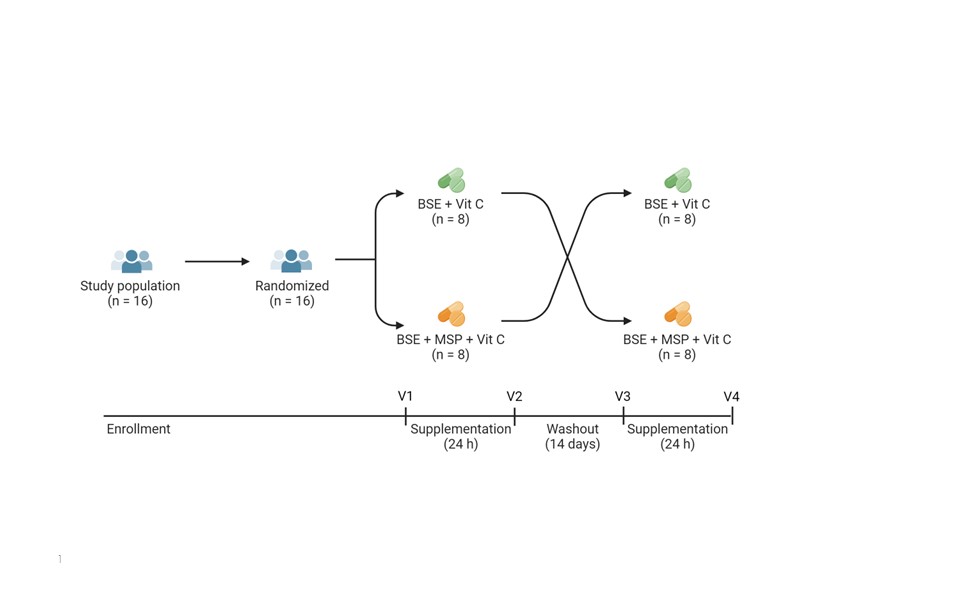
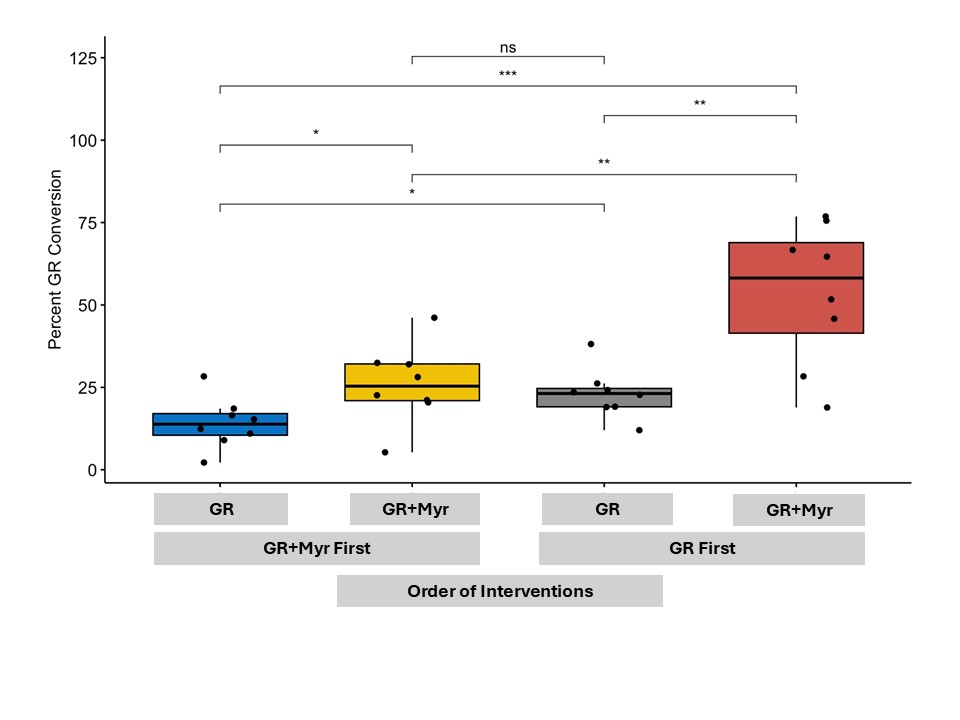
We can’t wait to see where Lola’s research takes her next! Luckily, Lola will still be collaborating a bit with the Ishaq Lab to finish out several projects from her doctoral work. This includes genomic comparisons of bacteria which can convert glucoraphanin into sulforaphane, metagenomics of the gut bacteria of people consuming broccoli sprouts every day for a month, and several collaborations on human microbiome research.

Co-written by Lola Holcomb and Sue Ishaq.

Article published on the use (and mis-use) of human population descriptors as biological determinants of human microbiomes!

Since the summer of 2023, I have been part of an interdisciplinary team that examines the way microbiome researchers use social and population descriptors for people in their analysis. In many cases, only basic information about a person is available in large datasets that are publicly available to use, or detailed information about a person is difficult to obtain during a study, thus many researchers rely on “proxy terms” to try and understand how human microbiomes are assembled and changed. Proxy terms are broad categories that group people, such as geographic area or race, but often these are too broad to be used for any meaningful analysis, especially when working with biological data.

‘Race’ is a relatively new concept used to describe social groups, and as discussed brilliantly in the National Academies of Science, Engineering, and Medicine’s report on “Use of Race, Ethnicity, and Ancestry as Population Descriptors in Genomics Research“, it has been mis-used for several hundred years to insinuate basic biological differences between people. This was done intentionally to justify discrimination all the way up to slavery, but it has been unintentionally propagated into research through the use of race as a proxy term to represent someone’s lifestyle. In recent decades, microbiome research has been trying to understand how human lives affect the microbiomes they accumulate, and similarly has sometimes incorrectly espoused the idea that vague social categories manifest as biological differences.

Our group delved in the history of race in biological science, case studies where results that implicate race led to discriminatory policy and practice, and give guidelines for selecting more specific factors to understand the social and environmental impacts on the microbiome.

I’m pleased to announce that we just had our review published in mSystems: ” Prioritizing Precision: Guidelines for the Better Use of Population Descriptors in Human Microbiome Research.” We presented this work at the 2024 Microbes and Social Equity speaker series, too, and the recording can be found here. It builds off of our collective work over the past decade.

Nicole M. Farmer, M.D.,

Amber Benezra, PhD.,

Katherine Maki, PhD.,

Sue Ishaq, photo courtesy of Patrick Wine, 2021.

Sue Ishaq, PhD.,

Ariangela Kozik

Ariangela Kozik, PhD.,

 Prioritizing Precision: Guidelines for the Better Use of Population Descriptors in Human Microbiome Research.

Authors:  Nicole M. Farmer1,2, Amber Benezra1,3, Katherine A. Maki1, Suzanne L. Ishaq1,2, Ariangela J. Kozik1,2,4,5* 

Affiliations:

1 The Microbes and Social Equity working group, Orono, Maine, USA; 2 Nova Institute for Health, Baltimore, MD; 3 Science and Technology Studies, Stevens Institute of Technology, Hoboken, New Jersey, USA; 4 Division of Pulmonary and Critical Care Medicine, Department of Internal Medicine, University of Michigan, Ann Arbor, Michigan, USA; 5 Department of Molecular, Cellular, and Developmental Biology, University of Michigan, Ann Arbor, Michigan, USA

Abstract

Microbiome science is a celebration of the connections between humans, our environment, and microbial organisms. We are continually learning more about our microbial fingerprint, how each microbiome may respond to identical stimuli differently, and how the quality of the environmental conditions around us influences the microorganisms we encounter and acquire. However, in this process of self-discovery, we have utilized socially constructed ideas about ourselves as biological factors, potentially obscuring the true nature of our relationships to each other, microbes, and the planet. The concept of race, which has continuously changing definitions over hundreds of years, is frequently operationalized as a proxy for biological variation and suggested to have a real impact on the microbiome. Scientists across disciplines and through decades of research have misused race as a biological determinant, resulting in falsely scientific justifications for social and political discrimination. However, concepts of race and ethnicity are highly nuanced, inconsistent, and culturally specific. Without training, microbiome researchers risk continuing to misconstrue these concepts as fixed biological factors that have direct impacts on our microbiomes and/or health. In 2023, the National Academies of Sciences, Engineering, and Medicine released recommendations on the use of population descriptors such as race and ethnicity in genetic science. In this paper, we posit similar recommendations that can and must be translated into microbiome science to avoid re-biologizing race and that push us toward the goal of understanding the microbiome as an engine of adaptation to help us thrive in a dynamic world.

Commentary published on Microbiome Stewardship!

Our collaborative team of researchers (bioethicists (Kieran and Diego), bioinformaticians (Rob), host microbial ecologists (Sue and Emma), and soil microbial ecologists (Mallory), had our first co-authored paper published in mSystems! Our paper is a commentary on the concept and need for microbiome stewardship, and outlines the research and policy priorities that are the focus of our ongoing research.

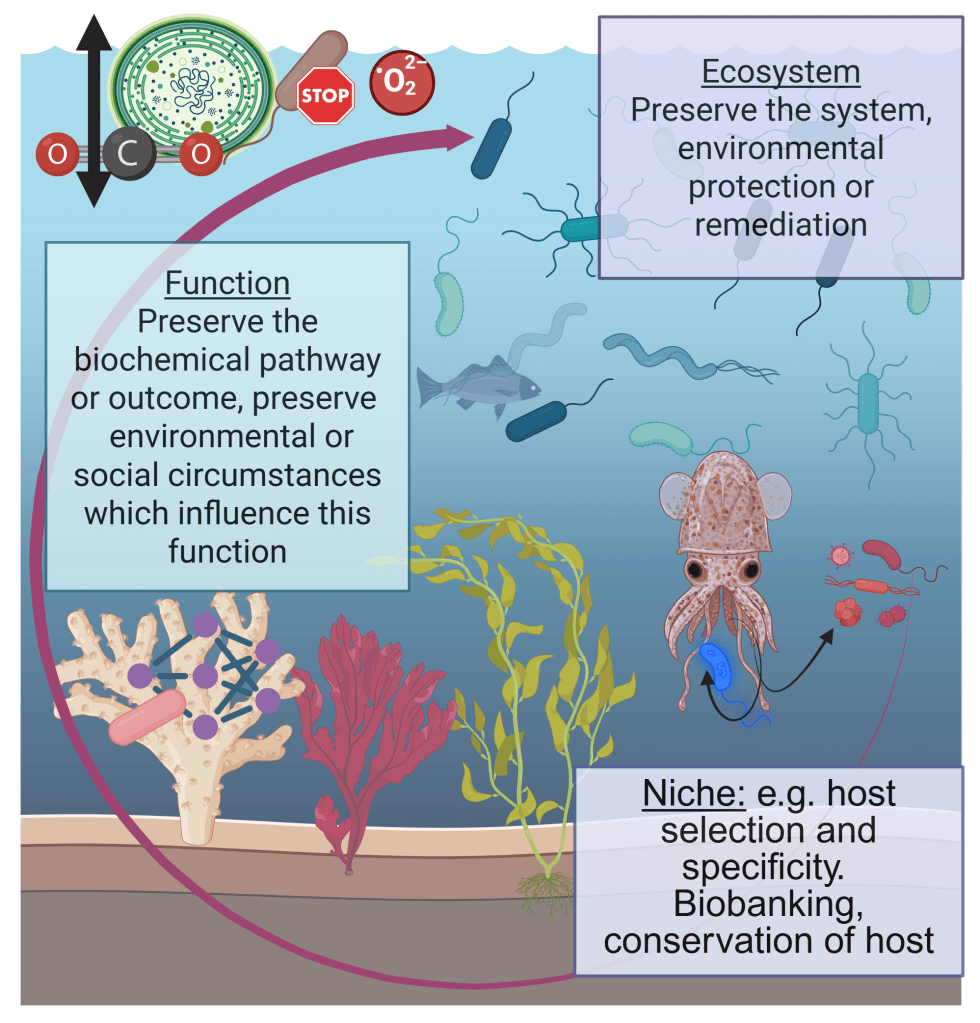
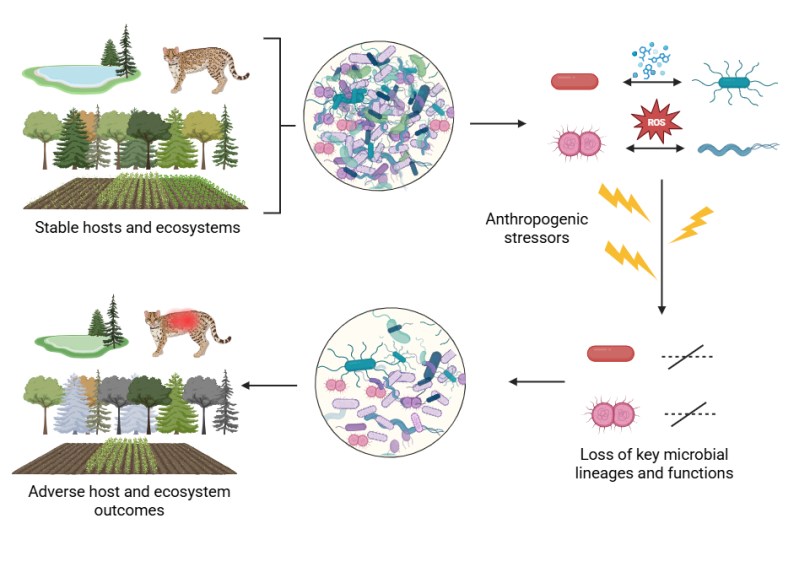
Microbiome stewardship is the broad idea that when we think about the relevance of healthy microbiomes for public health, we need to consider ecosystem-level factors such, as environmental pollutants, built environments, industrial food processing that affect interactions between microbes and human health. Microbiomes are highly dynamic and complex systems, composed of  bacteria, archaea, protozoa, fungi, and viruses; and our personal microbiomes are derived from larger shared, collective microbial resources.

Microbiome scientists are increasingly demonstrating the importance of microbial ecologies for human and environmental health. In spite of this, no protections are in place to ensure the health of microbiomes. In other words, there are no policies protecting microbiomes, which in turn are foundational to the health of all environmental and host ecosystems.  We built our research team to develop a framework and definition for microbiome stewardship, guiding principles for its implementation, and tools for assessment. Last year, we were awarded funding from the Canadian Institutes for Health Research (CIHR) for a four-year project investigating how our collective microbiomes (the diverse microbes we share between humans and our environments) impact health! 
The publication of this commentary also sets the stage for a Summit on Pathways to Microbiome Stewardship which the research team is organizing for July 7-10, 2025.

Commentary

Choudoir, M., Ishaq, S., Beiko, R., Silva, D., Allen-Vercoe, E., O’Doherty, K. 2025. The case for microbiome stewardship: What it is and how to get there. mSystems. 0:e00062-25.  https://doi.org/10.1128/msystems.00062-25

Abstract:
Microbiomes are essential for human, animal, plant, and ecosystem health. Despite widespread recognition of the importance of microbiomes, there is little attention paid to monitoring and safeguarding microbial ecologies on policy levels. We observe that microbiomes are deteriorating owing to practices at societal levels such as pesticide use in agriculture, air and water pollution, and overuse of antibiotics. Potential policy on these issues would cross multiple domains such as public health, environmental protection, and agriculture. We propose microbiome stewardship as a foundational concept that can act across policy domains to facilitate healthy microbiomes for human and ecosystem health. We examine challenges to be addressed and steps to take toward developing meaningful microbiome stewardship.

Figure 1. Microbiome stewardship as a concept and framework for ensuring human and planetary health supported by microbial functions. Human microbiomes are constituted from our environment, which has determinants based largely on societal systems (e.g., agriculture and food systems, built environment, health care accessibility) that operate beyond individual choice and behavioral interventions. Figure created with BioRender.com.

Acknowledgments: We thank Lola Holcomb for their helpful feedback and organizational contributions to this manuscript.

Funding:
United States Department of Agriculture National Institute of Food and Agriculture Hatch Project Accession 7004439 (MJC)
United States Department of Agriculture National Institute of Food and Agriculture through the Maine Agricultural & Forest Experiment Station: Hatch Project ME022329 (SLI)
National Institute of Health (NIH/NIDDK 1R15DK133826-01) (SLI)
Canadian Natural Sciences and Engineering Research Council (RGB)
Canada Research Chairs program (EA-V)
Canadian Institutes of Health Research (Funding Reference Number: 191753) (KCO)
University of Guelph Institute for Environmental Research (KCO)

Meet the Team

A headshot of Dr. Kieran O'Doherty, PhD who is wearing a black pinstripe shirt and standing outside in front of a yellow brick wall.

Dr. Kieran C. O’Doherty, PhD., is professor in the department of psychology at the University of Guelph, where he directs the Discourse, Science, Publics research Group. His research focuses on the social and ethical implications of science and technology and public engagement on science and technology. He has published on such topics as data governance, vaccines, human tissue biobanks, the human microbiome, salmon genomics, and genetic testing. A particular emphasis of his research is on theory and methods of public deliberation, in which members of the public are involved in collectively developing recommendations for the governance of science & technology. Recent edited volumes include Psychological Studies of Science and Technology (2019) and The Sage Handbook of Applied Social Psychology (2019). He is editor of Theory & Psychology.

Dr. Rob Beiko, PhD., is a Professor and Head of the Algorithms and Bioinformatics research cluster in the Faculty of Computer Science at Dalhousie University. His research aims to understand microbial diversity and evolution using machine learning, phylogenetics, time-series algorithms, and visualization techniques. His group is developing software tools and pipelines to comprehensively survey genes and mobile genetic elements in bacterial genomes, and understand how these genomes have been shaped by vertical inheritance, recombination, and lateral gene transfer. He is also a co-founder of Dartmouth Ocean Technologies, Inc., a developer of environmental DNA sampling devices.

A headshot of Dr. Sue Ishaq, PhD in which she is wearing a black and white houndstooth pattern waistcoat and a white button up shirt. Graphics have been added to show a strand of DNA and the words "love your microbes"

Dr. Sue Ishaq, PhD., is an Associate Professor of Microbiomes, University of Maine; and founded MSE in 2020.  Over the years, her research has gone from wild animal gut microbiomes, to soils, to buildings, and back to the gut. Since 2019, her lab in Maine focuses on host-associated microbial communities in animals and humans, and in particular, how host and microbes interact in the gut and can be harnessed to reduce inflammation. She is also the early-career At Large member of the Board of Directors for the American Society for Microbiology, 2024- 2027. 

Dr. Emma AllenVercoe, PhD, is a Professor of Microbiology at the University of Guelph, and a Tier 1 Canada Research Chair in Human Gut Microbiome Function and Host Interactions. Her research portfolio is broad, encompassing host-pathogen interplay, live microbial products as therapeutic agents, gut microbiome and anaerobic culture (humans and animals), and the study of ‘missing gut microbes’ i.e. those that are present in hunter-gatherer societies but missing in the industrialized world.  She has developed the Robogut – a culture system that allows for the growth of gut microbial communities in vitro, and is currently busy a centre for microbiome culture and preservation at the University of Guelph.

Dr. Mallory Choudoir, PhD wearing a button up bro

Dr. Mallory Choudoir, PhD, is an Assistant Professor & Soil Microbiome Extension Specialist in the Department of Plant & Microbial Biology at North Carolina State University. The goal of her applied research and extension program is to translate microbiome science to sustainable agriculture. She aims to develop microbial-centered solutions for optimizing crop productivity, reducing agronomic inputs, and enhancing  agroecosystem resilience to climate change.

Diego Silva, PhD wearing a blue shirt and eye glasses and standing in from of a red brick wall.

Diego Silva, PhD, is a Senior Lecturer in Bioethics at Sydney Health Ethics and the University of Sydney School of Public Health. His research centers on public health ethics, particularly the application of political theory in the context of infectious diseases and health security, e.g., tuberculosis, COVID-19, antimicrobial resistance, etc. He is currently the outgoing Chair and a member of the Public Health Ethics Consultative Group at the Public Health Agency of Canada and works with the World Health Organization on various public health ethics topics on an ad hoc basis.

White paper and perspective published on “Running a queer- and trans-inclusive faculty hiring process”!!

I’m delighted to announce the public release of a white paper on queer- and trans-inclusive faculty hiring practices, and a perspective piece introducing it!! This is the culmination of months of writing by an international group of talented scientists led by Dr. JL Weissman, and I was honored to participate in these and future efforts from the group.

The newly-formed group, Advancing Queer and Trans Equity in Science (AQTES), wants to improve the field of research by making the hiring process fair and welcoming for everyone. No matter what your personal identity is, we can all agree that fair and unbiased job searches are critical to hiring the best talent. But, sometimes a poorly-organized job search prevents the people with the best talent from applying at all.

In our white paper, we give suggestions on how to host a job search that is better for everyone. We provide examples and advice on how to write job adverts, create the agenda and atmosphere for the job search, how to make the interview process more accessible for everyone by remembering that we are humans and not robots, and how to support your new faculty.

Running a queer- and trans-inclusive faculty hiring process.

Authors

Weissman, JL, Chappell, C.R., Rodrigues de Oliveira, B.F., Evans, N., Fagre, A.C., Forsythe, D.,  Frese, S.A., Gregor, R., Ishaq, S.L., Johnston, J., Bittu, K.R., Matsuda, S.B., McCarren, S., Ortiz Alvarez de la Campa, M., Roepkw, T.A., Sinnott-Armstrong, N., Stobie, C.S., Talluto, L., Vargas-Muñiz, J., Advancing Queer and Trans Equity in Science (AQTES).

Abstract

Queer and transgender scientists face documented systemic challenges across the sciences, and therefore have a higher attrition rate than their peers. Recent calls for change within science have emphasized the importance of addressing barriers to the success and retention of queer and trans scientists to create a more inclusive, equitable, and just scientific establishment. Crucially, we note these calls come primarily from early career researchers; relatively few queer and trans scientists have passed through the gauntlet of the faculty job search to become faculty ourselves, which is typically key to long-term persistence in academia. Our lack of representation creates a self-reinforcing cycle in which queer and trans trainees do not see our needs considered in established processes and power structures. Moreover, this status quo has historically been and continues to be harmful, disproportionately impacting those of us who have multiple intersecting marginalized identities. Here, we provide concrete guidance to search committees to support queer and trans candidates throughout the faculty selection process based on our personal experiences as early career scientists who have been on the job market.

Graphics in the post and the article created by Callie R. Chappell.

Citations

Citation for the paper: Weissman, JL, Chappell, C.R., Rodrigues de Oliveira, B.F., Evans, N., Fagre, A.C., Forsythe, D.,  Frese, S.A., Gregor, R., Ishaq, S.L., Johnston, J., Bittu, K.R., Matsuda, S.B., McCarren, S., Ortiz Alvarez de la Campa, M., Roepkw, T.A., Sinnott-Armstrong, N., Stobie, C.S., Talluto, L., Vargas-Muñiz, J., Advancing Queer and Trans Equity in Science (AQTES). 2024. Running a queer- and trans-inclusive faculty hiring process. EcoEvoRvix repository 6791.

Perspective piece introducing the paper:  Weissman JL, Chappell CR, Francesco Rodrigues de Oliveira B, Evans N, Fagre AC, Forsythe D, et al. (2024) Queer- and trans-inclusive faculty hiring—A call for change. PLoS Biol 22(11): e3002919.

This work is being presented at the American Geophysical Union annual meeting in Washington DC in December, in the session on “ED12A: Advances and Progress Toward a More Inclusive, Diverse, Equitable, and Accessible Scientific Community II”.

This work is being presented as a seminar at the Microbes and Social Equity working group virtual seminar series, Dec 20th, 2024. Registration is free but required.

Paper published on “Early life exposure to broccoli sprouts confers stronger protection against enterocolitis development in an immunological mouse model of inflammatory bowel disease”

The Ishaq and Li labs at UMaine are delighted to announce that our paper on “Early life exposure to broccoli sprouts confers stronger protection against enterocolitis development in an immunological mouse model of inflammatory bowel disease.” has been published in mSystems!! ASM was kind enough to write a press release about study, found here.

The complete author list, Abstract, and Ackowledgements/Funders portions of the paper can be found at the end of this post. This paper is part of a larger Broccoli project, in which we are evaluating the use of broccoli sprouts in the diet to enlist gut microbes to produce anti-inflammatories as a way to resolve symptoms of Inflammatory Bowel Disease.

The Premise

Broccoli sprouts are very high in a compound called glucoraphanin, which is in-active for humans. When glucoraphanin comes in contact with the myrosinase enzyme, also found in the sprouts, it is transformed into sulforaphane, which drives away insect pests but acts as an anti-inflammatory in people!

If you eat raw sprouts, most of this conversion happens when you cut or chew the sprouts, and that anti-inflammatory will get absorbed in your stomach. If you steam or cook the sprouts, you can inactivate the enzyme and leave the glucoraphanin compound alone. Some of your gut microbes are able to use glucoraphanin, and produce the anti-inflammatory sulforaphane right in your gut! We are trying to understand how and when this works, so we can use it to reduce symptoms of Inflammatory Bowel Disease.

A diagram with two panels, and a cartoon mouse in the middle. The cartoon mouse is eating broccoli, and a cartoon of the digestive tract is overlaid on the mouse's abdomen. Lines emanating from the broccoli point to the left panel, and show the compound glucoraphanin being converted into sulforaphane by the myrosinase enzyme. Lines emanating from the colon of the mouse point to the panel on the right, showing the same biochemical conversion by gut microbes.
A cartoon of a woman eating broccoli, with the digestive tract shown on her shirt, and smiling microbes in the background.

The mice in this trial are used to mimic Crohn’s Disease, which is one of the main ways that Inflammatory Bowel Diseases may be classified. Crohn’s Disease is complictaed, and involves an over-active immune response to gut microbes. This is replicated in mice that are bred to lack the genes in the DNA to make interleukin-10 (IL-10). IL-10 is an immune factor that can be used to calm the immune system and tolerate microbes which are not causing harm. Without IL-10, these mice over-react to the presence of bacteria, even those which are not causing harm, and this creates symptoms similar to Crohn’s in people.

We used two age groups of mice, and in each group, half ate a mouse chow (control) diet and half ate the mouse chow with 10% of the chow replaced by raw broccoli sprouts. Crohn’s often develops in childhood and adolescence, so our two age groups of mice reflect the juvenile stage (4-5 weeks old) and the adolescence stage (5-6 weeks old) of symptom onset. After wo weeks of symptoms, we sacrificed the mice and collected as much information as we could.

Figure 1 from the paper mentioned in this post. It shows an experimental design.

The Team

The mice, their care during the experiment, and sample collection for this project was graciously provided by University of Vermont researchers Gary Mawe and Brigitte Lavoie, and then-grad-student-now-medical-student Molly Hurd, in 2021. The SUNY Bingamton team, Tao Zhang and Allesandra Stratigakis, processed metabolite and cytokine samples and analyzed those data. The UMaine team (pictured below and led by Sue Ishaq and Yanyan Li) processed and analyzed data from different locations of gut tissue for histolgy and sequencing of bacterial communities, as well as analyzing those data, and took the lead on writing the paper.

The Health Benefits were most obvious in the younger mice

The mice that were eating the broccoli sprouts in their chow and did much better than the control group who ate only mouse chow when symptoms of Crohn’s Disease were induced — and we found something really interesting… The diet worked really well in the younger mice and reduced their symtpoms of inflammation and illness for almost every metric we studied. The older, adolecent mice got some benefit from eating the raw broccoli sprouts, but not nearly as much as the younger mice! Those graphs are shown in the paper.

The Gut Microbes were most changed in the younger mice

Bacterial richness (the number of different types of bacteria present) was increased, but only in younger mice consuming a 10% raw sprout diet, which is useful because pediatric Crohn’s patients usually have fewer types of bacteria present in their gut.

Younger mice consuming broccoli sprouts also had more types of bacteria that are known to convert glucoraphanin into sulforophane, and they had more of the genes needed to do it. Crohn’s patients usually have fewer of these types of bacteria, which are also known to provide other health benefits.

The Next Steps

We are currently working on replicating and expanding this project to include more age groups, so we can understand how different diet preparations of broccoli sprouts impact immune systems and gut microbiota at different developmental periods of life. We are also really interested in understanding how sex in mice, and gender in humans, plays a role in how immune systems and microbial communities develop during a critical phase of life. We have some initial data to suggest that male and female mice respond to different diets and at differnt ages, but we aren’t sure why yet.

We hope to expand our work with people to study how these diets work in the real world, and how we can tailor diet and cooking preparations of sprouts to best meet the needs of people of different ages, health statuses, and tastes.

Early life exposure to broccoli sprouts confers stronger protection against enterocolitis development in an immunological mouse model of inflammatory bowel disease

Lola Holcomb1$, Johanna M. Holman2$, Molly Hurd3, Brigitte Lavoie3, Louisa Colucci4, Benjamin Hunt5, Timothy Hunt5, Marissa Kinney2, Jahnavi Pathak1, Gary M. Mawe3,Peter L. Moses3,6, Emma Perry7, Allesandra Stratigakis8, Tao Zhang8, Grace Chen9, Suzanne L. Ishaq1*, Yanyan Li1*

1 Graduate School of Biomedical Sciences and Engineering, University of Maine, Orono, Maine, USA 04469. 2 School of Food and Agriculture, University of Maine, Orono, Maine, USA 04469. 3 Larner College of Medicine, University of Vermont, Burlington, Vermont, USA 05401. 4 Department of Biology, Husson University, Bangor, Maine, USA 04401. 5 Department of Biology, University of Maine, Orono, Maine, USA 04469. 6 Finch Therapeutics, Somerville, Massachusetts, USA 02143. 7 Electron Microscopy Laboratory, University of Maine, Orono, Maine, USA 04469. 8 School of Pharmacy and Pharmaceutical Sciences, SUNY Binghamton University, Johnson City, New York, USA 13790. 9 Department of Internal Medicine, University of Michigan Medical School, Ann Arbor, Michigan, USA 48109

$ these authors contributed equally.

Keywords: Crohn’s Disease, cruciferous vegetables, sulforaphane, glucoraphanin, gut microbiota, dietary bioactives, 16S rDNA, interleukin-10 knockout 

Abstract

Crohn’s Disease (CD) is a presentation of Inflammatory Bowel Disease (IBD) that manifests in childhood and adolescence, and involves chronic and severe enterocolitis, immune and gut microbial dysregulation, and other complications. Diet and gut-microbiota-produced metabolites are sources of anti-inflammatories which could ameliorate symptoms. However, questions remain on how IBD influences biogeographic patterns of microbial location and function in the gut, how early life transitional gut communities are affected by IBD and diet interventions, and how disruption to biogeography alters disease mediation by diet components or microbial metabolites. Many studies on diet and IBD use a chemically induced ulcerative colitis model, despite the availability of an immune-modulated CD model. Interleukin-10-knockout (IL-10-KO) mice on a C57BL/6 background, beginning at age 4 or 7 weeks, were fed a control diet or one containing 10% (w/w) raw broccoli sprouts, which was high in the sprout-sourced anti-inflammatory sulforaphane. Diets began 7 days prior to, and for 2 weeks after inoculation with Helicobacter hepaticus, which triggers Crohn’s-like symptoms in these immune-impaired mice. The broccoli sprout diet increased sulforaphane in plasma; decreased weight stagnation, fecal blood, and diarrhea associated; and increased microbiota richness in the gut, especially in younger mice. Sprout diets resulted in some anatomically specific bacteria in younger mice, and reduced the prevalence and abundance of pathobiont bacteria which trigger inflammation in the IL-10-KO mouse, e.g., Escherichia coli and Helicobacter. Overall, the IL-10-KO mouse model is responsive to a raw broccoli sprout diet and represents an opportunity for more diet-host-microbiome research.

Importance

To our knowledge, IL-10-KO mice have not previously been used to investigate the interactions of host, microbiota, and broccoli, broccoli sprouts, or broccoli bioactives in resolving symptoms of CD. We showed that a diet containing 10% raw broccoli sprouts increased the plasma concentration of the anti-inflammatory compound sulforaphane, and protected mice to varying degrees against disease symptoms, including weight loss or stagnation, fecal blood, and diarrhea. Younger mice responded more strongly to the diet, further reducing symptoms, as well as increased gut bacterial richness, increased bacterial community similarity to each other, and more location-specific communities than older mice on the diet intervention. Crohn’s Disease disrupts the lives of patients, and requires people to alter dietary and lifestyle habits to manage symptoms. The current medical treatment is expensive with significant side effects, and a dietary intervention represents an affordable, accessible, and simple strategy to reduce the burden of symptoms.

Acknowledgements: This project was supported by the USDA National Institute of Food and Agriculture through the Maine Agricultural & Forest Experiment Station: Hatch Project Numbers ME022102 and ME022329 (Ishaq) and ME022303 (Li); the USDA-NIFA-AFRI Foundational Program [Li and Chen; USDA/NIFA 2018-67017-27520/2018-67017-36797]; and the National Institute of Health [Li and Ishaq; NIH/NIDDK 1R15DK133826-01] which supported Marissa Kinney, Timothy Hunt, and Benjamin Hunt. Johanna Holman was supported by ME0-22303 (Li), and Lola Holcomb was supported by US National Science Foundation One Health and the Environment (OG&E): Convergence of Social and Biological Sciences NRT program grant DGE-1922560, and the UMaine Graduate School of Biomedical Science and Engineering.

Paper published on “Steamed broccoli sprouts alleviate DSS-induced inflammation and retain gut microbial biogeography in mice”!

The Ishaq and Li labs at UMaine are delighted to announce that our paper on “Steamed broccoli sprouts alleviate DSS-induced inflammation and retain gut microbial biogeography in mice” has been published in mSystems!! The complete author list, Abstract, and Ackowledgements/Funders portions of the paper can be found at the end of this post.

This paper is part of a larger Broccoli project, in which we are evaluating the use of broccoli sprouts in the diet to enlist gut microbes to produce anti-inflammatories. You can read about the whole project here, with links to other resources.

The Premise

Broccoli sprouts are very high in a compound called glucoraphanin. When glucoraphanin comes in contact with the myrosinase enzyme, also found in the sprouts, it is transformed into a compound that acts an an anti-inflammatory in people!

If you eat raw sprouts, this conversion happens when you cut or chew the sprouts, and that anti-inflammatory will get absorbed in your stomach. If you steam or cook the sprouts, you can inactivate the enzyme and leave the glucoraphanin compound alone. Some of your gut microbes are able to use the compound, and produce the anti-inflammatory right in your gut! We are trying to understand how and when this works, so we can use it to reduce symptoms of Inflammatory Bowel Disease.

The Mouse work

In the winter of 2020-2021, we ran a 40-day study with 40 mice housed at UMaine. The mice were divided into 4 groups: “control” which ate the mouse chow, “control+DSS” which ate the mouse chow and had colitis induced by adding DSS (a salt laxative) to their drinking water, “broccoli” which ate the mouse chow with steamed broccoli sprouts mixed in, and “broccoli+DSS” which ate the mouse chow/steamed broccoli sprouts diet and had colitis induced by adding DSS (salt laxative) to their drinking water. This work was led by Johanna Holman, who was a master’s student at the time; Lousia Colicci, who was an undergrad at Husson University at the time and is applying to medical schools now; Dorein Baudewyns, who was an undergrad at Husson University at the time and is completing a graduate program in Psychology at UMaine; and Joe Balkan, who was completing his senior year of high school at the time and has since begin an undergrad degree in Biology at Tufts University where he is preparing for medical school.

The mice were weighed regularly and fecal samples assessed for blood (signs of colitis). At the end of the study, the mice were euthanized so we could study the bacteria in parts of the intestines that we can’t access in humans. We used as few mice as possible, and got as much information from this study as possible, to do as much good as we can with their sacrifice.

The Health Benefits

As we’d hoped, the broccoli+DSS mice that were eating the broccoli sprouts that were given colitis did much better than the control+DSS group who ate mouse chow during their colitis. The broccoli+DSS mice were able to keep gaining weight as they grew, had better consistency of their stool, and had lower amounts of proteins and other metabolities in their blood which indicate inflammation (lower cytokines and lipocalin). Those graphs are shown in the paper.

The Gut Microbes

We found a lot of interesting things with the microbial communities that were living in different parts of the intestines, but the most exciting was that broccoli sprouts in the diet helped microbial communities stay alive in their original gut locations even during colitis! Certain microbes like to live in particular places in our intestines based on where different ingredients in our diet get processed, or the local environment (like how acidic the intestinal neighborhood is), and this is called biogeography.

In the graph below, our control group mice (eating chow) or the broccoli group (eating chow plus sprouts), we see that microbial communites in the small intestines clustered away from the microbial communities in the large intestines.

The DSS salt laxative, and ulcerative colitis, wreak havoc on gut microbes because they cause physical damage to the lining of the intestine, which where many microbes that can be useful to us live on or near. When we induced colitis in mice that were eating mouse chow (control+DSS group), the damage to the intestines caused a loss to some of the microbes living in different places. The remaining microbes that could survive these tough conditions were basically the same ones regardless of where we we looked in the intestines.

But, if mice had colitis and were eating broccoli sprouts (broccoli+DSS), the microbes were able to survive in their original locations and preserved biogeography! This is important because where microbes live in the gut may determine if the beneficial things they make can help resolve IBD symptoms in specific locations in the gut.

Image by Johanna Holman, graph from the paper.

The Spatial Location of GLR-digesting-genes

Bejamin and Timothy Hunt are undergraduates in Biology who have been working on bioinformatics in the Ishaq Lab since December 2022 after completing Sue’s DNA Sequencing Data Analysis Class. They joined the DSS project to provide in-depth analysis on some of the sequences which matched bacteria that are known to convert GLR into the anti-inflammatory SFN, as well as analyze data comparing numbers of genes known to be involved in the process.

A cartoon of the intestines with bacteria of interest in the jejunum, ceculm and colon,
Cropped figure from the paper, made by Benjamin and Timothy.
Benjamin Hunt

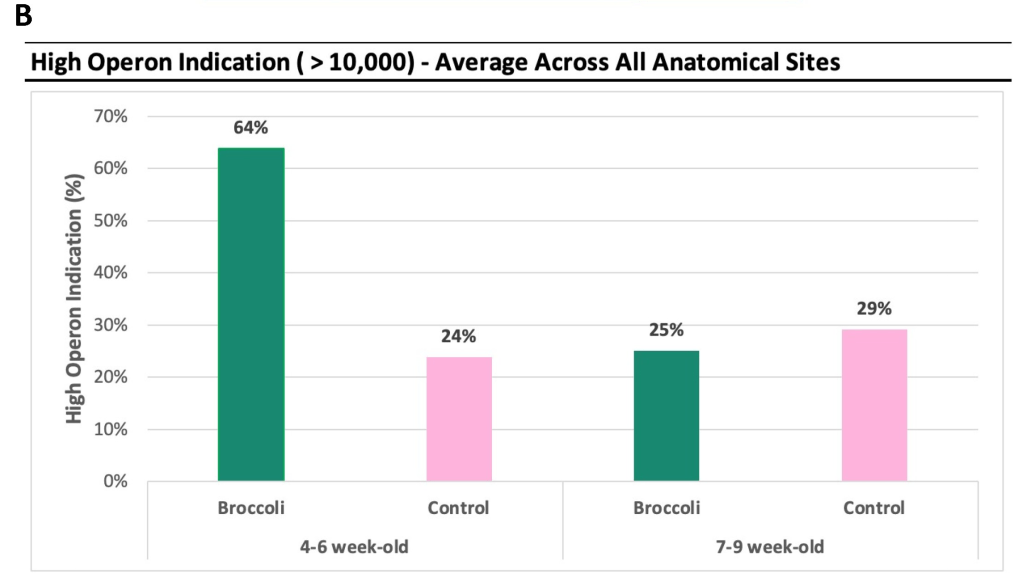
The study of the bioproduction of SFN and its mucosal and luminal activity benefited from the biogeographical analysis of this study. It was interesting to note the extreme dominance of a Bacteroides species in the broccoli treatments. B. thetaiotaomicron was indicated based on BLASTN analysis and an evaluation of matching species but was not directly suggested by the dada-Silva taxonomy assignment. The indication of B. thetaiotaomicron suggested analyzing the presence of the operon BT2159-BT2156, which was generally minimally present (<100) but at relatively high counts (>100,000) in some samples. Significantly, the operon was found at locations where no Bacteroides were identified. We continue to reflect on the similarities and differences in the biogeography of bacterial abundance and operon presence highlighted in the different treatments of this study.

Benjamin and Timothy Hunt

The Next Steps

As part of this project, we cultured hundreds of bacteria from the intestines of mice to try and isolate some of the ones that turn glucroraphanin into sulforaphane. We have a large team of students and researchers participating on the culturing work, some of whom are pictured here. We’ll be providing plenty of updates on that project as we continue to process the bacteria this fall!

The Paper

Steamed broccoli sprouts alleviate DSS-induced inflammation and retain gut microbial biogeography in mice.

Johanna M. Holman1, Louisa Colucci2, Dorien Baudewyns3, Joe Balkan4, Timothy Hunt5, Benjamin Hunt5, Marissa Kinney1, Lola Holcomb6, Allesandra Stratigakis7, Grace Chen8, Peter L. Moses9,10, Gary M. Mawe9, Tao Zhang7, Yanyan Li1*, Suzanne L. Ishaq1*

1 School of Food and Agriculture, University of Maine, Orono, Maine, USA 04469 2 Department of Biology, Husson University, Bangor, Maine, USA 04401 3 Department of Psychology, University of Maine, Orono, USA 04469 4 Department of Chemical and Biological Engineering, Tufts University, Medford, Massachusetts, USA 02155 5 Department of Biology, University of Maine, Orono, Maine, USA 04469 6 Graduate School of Biomedical Sciences and Engineering, University of Maine, Orono, Maine, USA 04469 7 School of Pharmacy and Pharmaceutical Sciences, SUNY Binghamton University, Johnson City, New York, USA 13790 8Department of Internal Medicine, University of Michigan Medical School, Ann Arbor, Michigan, USA 48109 9Departments of Neurological Sciences and of Medicine, Larner College of Medicine, University of Vermont, Burlington, Vermont, USA 0540110 Finch Therapeutics, Somerville, Massachusetts, USA 02143

Abstract: Inflammatory Bowel Diseases (IBD) are devastating conditions of the gastrointestinal tract with limited treatments, and dietary intervention may be effective, and affordable, for managing symptoms. Glucosinolate compounds are highly concentrated in broccoli sprouts, especially glucoraphanin, and can be metabolized by certain mammalian gut bacteria into anti-inflammatory isothiocyanates, such as sulforaphane. Gut microbiota exhibit biogeographic patterns, but it is unknown if colitis alters these or whether the location of glucoraphanin-metabolizing bacteria affects anti-inflammatory benefits. We fed specific pathogen free C57BL/6 mice either a control diet or a 10% steamed broccoli sprout diet, and gave a three-cycle regimen of 2.5% dextran sodium sulfate (DSS) in drinking water over a 34-day experiment to simulate chronic, relapsing ulcerative colitis. We monitored body weight, fecal characteristics, lipocalin, serum cytokines, and bacterial communities from the luminal- and mucosa-associated populations in the jejunum, cecum, and colon. Mice fed the broccoli sprout diet with DSS treatment performed better than mice fed the control diet with DSS, including significantly more weight gain, lower Disease Activity Indexes, lower plasma lipocalin and proinflammatory cytokines, and higher bacterial richness in all gut locations. Bacterial communities were assorted by gut location, but were more homogenous across locations in the control diet + DSS mice. Importantly, our results showed that broccoli sprout feeding abrogated the effects of DSS on gut microbiota, as bacterial richness and biogeography were similar between mice receiving broccoli sprouts with and without DSS. Collectively, this supports the protective effect of steamed broccoli sprouts against dysbiosis and colitis induced by DSS.


Importance: Evaluating bacterial communities across different locations in the gut provides a greater insight than fecal samples alone, and provides an additional metric by which to evaluate beneficial host-microbe interactions. Here, we show that 10% steamed broccoli sprouts in the diet protects mice from the negative effects of dextran sodium sulfate induced colitis, that colitis erases biogeographical patterns of bacterial communities in the gut, and that the cecum is not likely to be a significant contributor to colonic bacteria of interest in the DSS mouse model of ulcerative colitis. Mice fed the broccoli sprout diet during colitis performed better than mice fed the control diet while receiving DSS. The identification of accessible dietary components and concentrations that help maintain and correct the gut microbiome may provide universal and equitable approaches to IBD prevention and recovery, and broccoli sprouts represent a promising strategy.

Acknowledgements: All authors have read and approved the final manuscript. The authors thank Jess Majors, University of Maine, for her kind and detailed care of the mice during the trial, and for Ellie Pelletier for her informal review of the manuscript. This project was supported by the USDA National Institute of Food and Agriculture through the Maine Agricultural & Forest Experiment Station: Hatch Project Numbers ME022102 and ME022329 (Ishaq) and ME022303 (Li) which supported Johanna Holman; the USDA-NIFA-AFRI Foundational Program [Li and Chen; USDA/NIFA 2018-67017-27520/2018-67017-36797]; and the National Institute of Health [Li and Ishaq; NIH/NIDDK 1R15DK133826-01] which supported Marissa Kinney, Timothy Hunt, and Benjamin Hunt. Lola Holcomb was supported by US National Science Foundation One Health and the Environment (OG&E): Convergence of Social and Biological Sciences NRT program grant DGE-1922560, and through the UMaine Graduate School of Biomedical Sciences and Engineering. 

The first look at Atlantic deep sea scallop bacterial communities in new publication

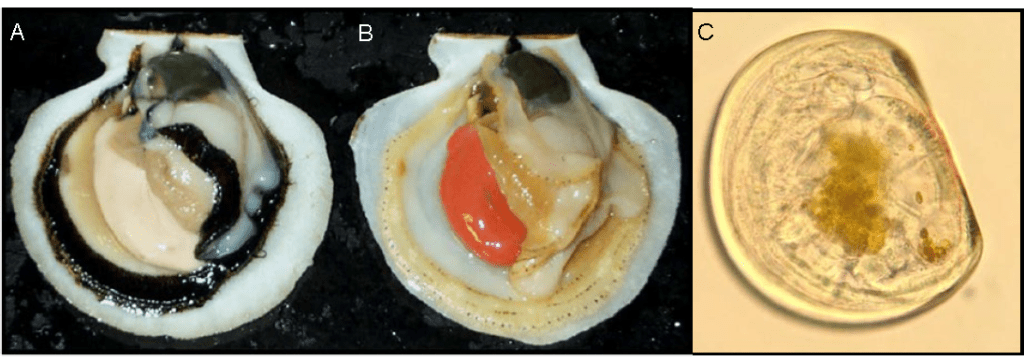
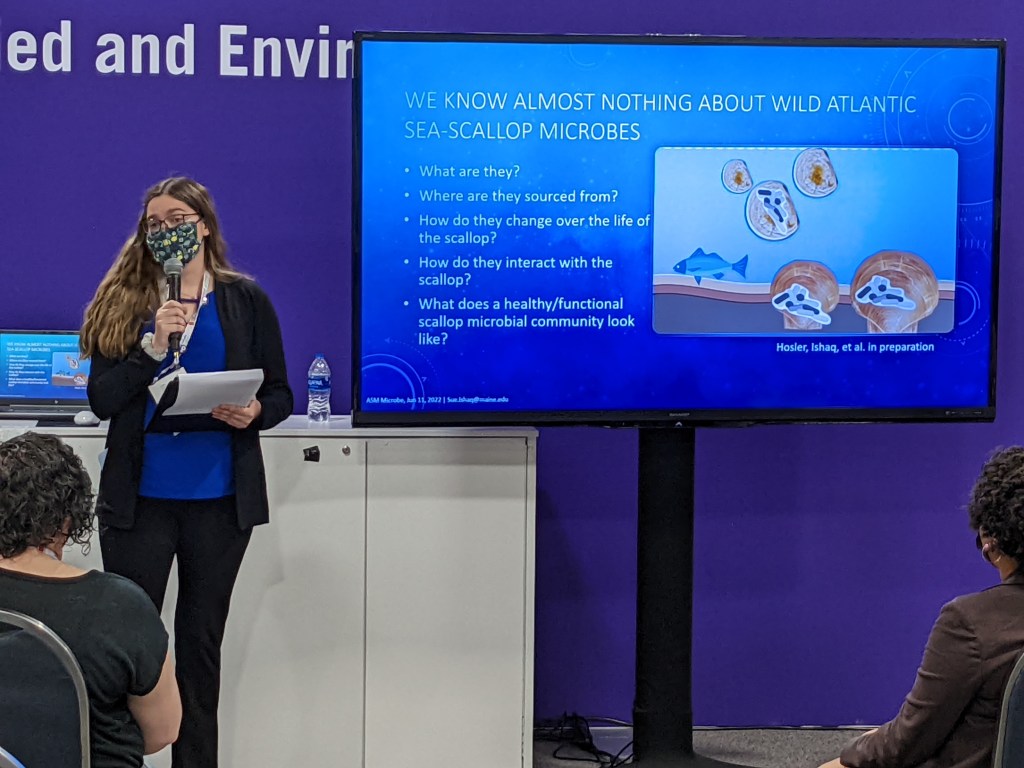
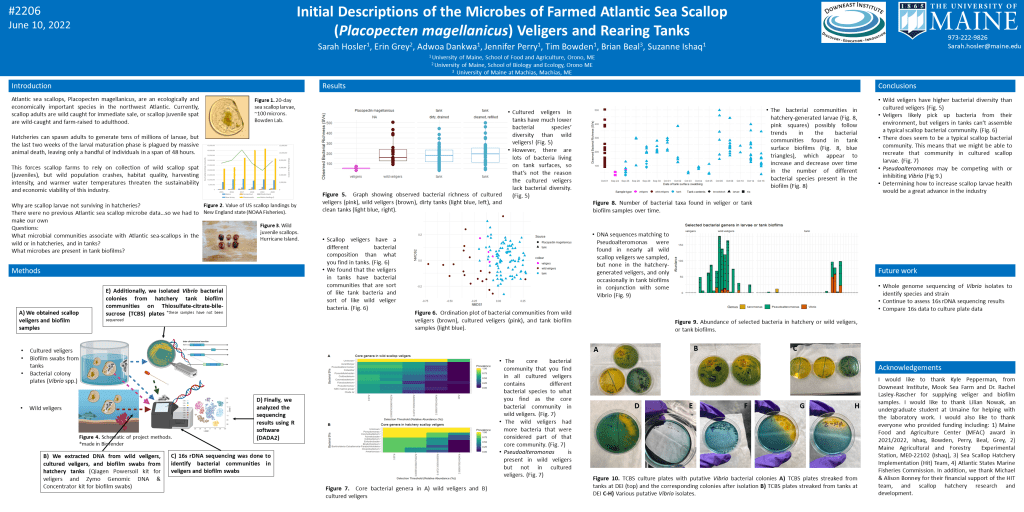
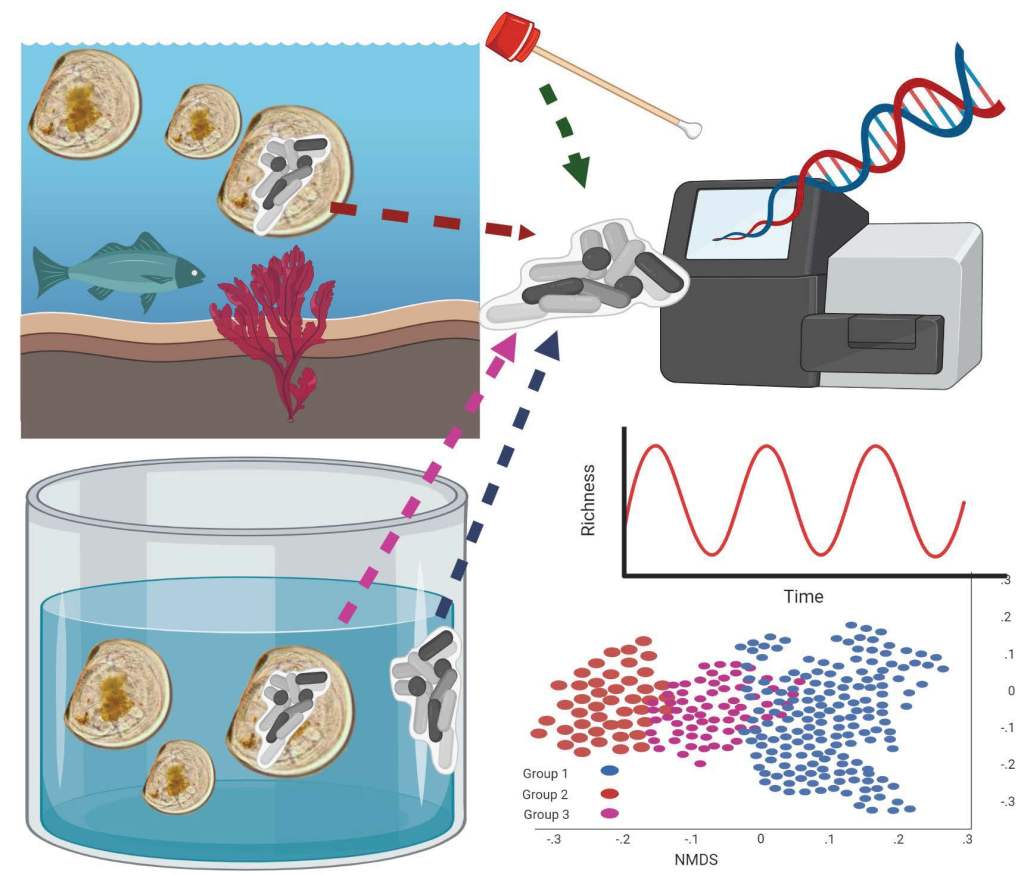
Our paper was published in Aquaculture Reports, on identifying the bacteria associated with wild and hatchery-raised Atlantic sea scallop larvae, and the biofilms in larval tanks in a hatchery! For the past few years, I’ve been part of a state-wide collaboration between researchers, industry professionals, and educators all working together to understand and improve Atlantic sea scallop hatchery production. To our knowledge, this is the first study to identify bacteria in Atlantic sea scallops, and even though it was a very small project we hope it will lead to a much larger, mult-year project to investigate this in more detail.

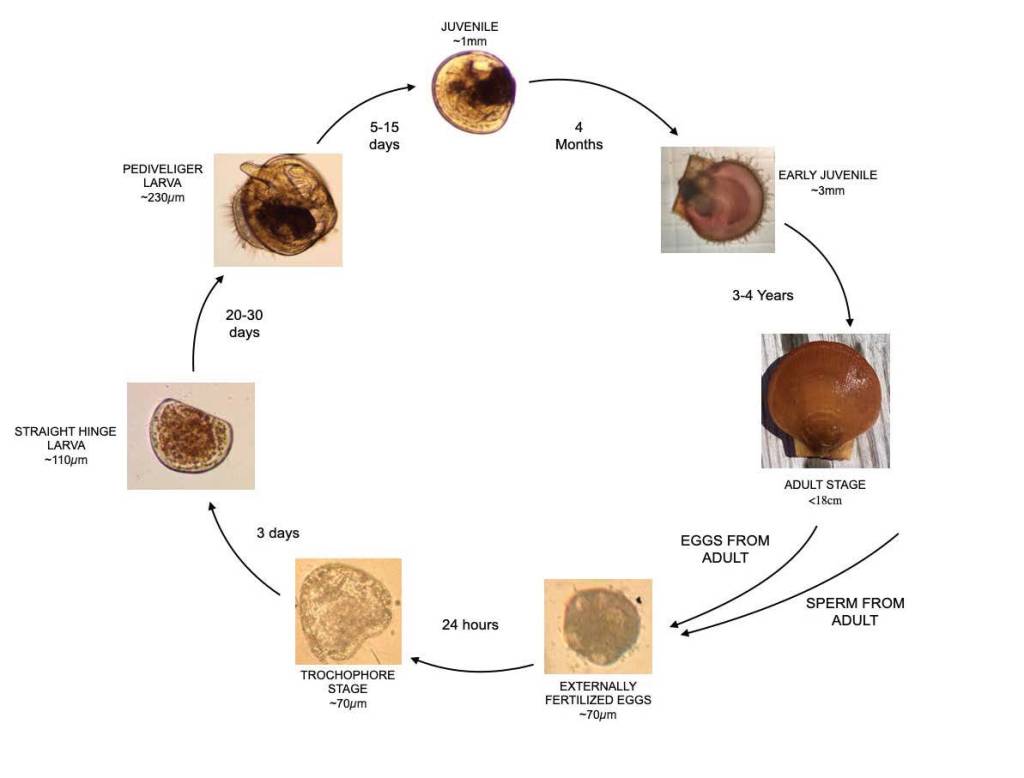
Scallops are a diverse animal group of marine bivalve mollusks (family Pectinidae) with global distribution in coastal waters, and Atlantic deep-sea scallops, Placopecten magellanicus, are found along the eastern coast of the United States and Canada. Scallops’ reproductive potential and industry demand make them a prime target for hatchery- and farm-based production, and this has been successfully achieved in bay scallops, but not in sea scallops. Currently, hatcheries collect wild sea scallop adults, or maintain cultured broodstocks, and spawn them in their facilities with the intention of forming a plentiful population to grow to adulthood, spawn, and sell to create a sustainable production cycle while also reducing disruption to the scallops’ natural habitat.

Unfortunately, in sea scallop hatcheries the last two weeks of the larval maturation phase, the veliger-stage, is plagued by large mortality events, going from 60 million sea scallop larvae down to several thousand individuals in a span of 48 hours. Survival of clutches to maturity remains very low, with an industry-standard rate around 1%. This drastic winnowing of larvae reduces the availability of cultured sea scallop spat for farmers, forcing sea scallop farms to rely almost exclusively on sea scallop spat collected from wild populations for stock and is seen as a bottleneck for growth of the industry and achieving sustainable harvests. Hatchery larval die-off is well-demonstrated not to be caused by inadequate diet, lighting, temperature, or atmospheric pressure in aquaculture facilities compared to wild conditions.

This project wanted to know if there was any clue in the bacteria that associate with larvae, or with the tanks they are in. In particular, hactcheries are worried about certain species of bacteria in the genus Vibrio, as they can cause disease to scallops and/or people, but it is tricky to study them because there are many species which do nothing at all. This project is part of another experiment to examine some of the Vibrio we found in tanks.

We sampled from some wild larvae, hatchery larvae, and from tank biofilms to indentify what was there. There were two styles of tank setup, and we collected from used tanks as well as tanks after they had been cleaned and refilled with filtered seawater.

One of the surprising things we found, was that the bacterial communities in biofilms along the sides of larvae tank were more similar to each other (clustering) when samples were collected during the same phase of the lunar cycle. Bacterial richness and community similarity between tank samples fluctuated over the trial in repeated patterns of rise and fall, which showed some correlation to lunar cycle  where richness is high when the moon is about 50% and richness is low during new and full moon phases. This may be a proxy for the effects of spring tides and trends in seawater bacteria and phages which are propagated into hatchery tanks. The number of days since the full moon was significantly correlated with bacterial community richness in tanks: low during the full moon, peaking ~ 21 days after the full moon, and decreasing again at the next full moon.  

Fig. 7. Constrained ordination of bacterial communities in tank samples. Each point represents the bacterial community from one sample. Similarity between samples was calculated using Distance-based Redundancy Analysis (dbDRA), and significant model factors (anova, p < 0.01) are displayed with arrow lengths relative to their importance in the model (f value). The shape of points indicates whether swabbing was either immediately after filtered seawater has been used to fill the tank (cleaned, refilled) or 48 hours after (dirty, drained). Tank setup indicates if water was static, constantly filtered and recirculated in a flow-through system, or setup information was not available (n/a).

These results along with future work, will inform hatcheries on methods that will increase larval survival in these facilities, for example, implementing additional filtering or avoiding seawater collection during spring tides, to reduce certain bacterial taxa of concern or promoting a more diverse microbial community which would compete against pathogens.

Bacterial community trends associated with sea scallop, Placopecten magellanicus, larvae in a hatchery system.

Authors: Suzanne L. Ishaq1*, Sarah Hosler1, Adwoa Dankwa1, Phoebe Jekielek2, Damian C. Brady3, Erin Grey4,5, Hannah Haskell6, Rachel Lasley-Rasher6, Kyle Pepperman7, Jennifer Perry1, Brian Beal8, Timothy J. Bowden1

Affiliations:1 School of Food & Agriculture, University of Maine, Orono ME 044692 Ecology and Environmental Sciences, University of Maine, Orono ME 044733 School of Marine Sciences, Darling Marine Center, University of Maine, Walpole ME 045734 School of Biology and Ecology, University of Maine, Orono ME 044695 Maine Center for Genetics in the Environment, University of Maine, Orono ME 044696 Department of Biological Sciences, University of Southern Maine, Portland ME 041037 Downeast Institute, Beals, ME 046118 Division of Environmental & Biological Sciences, University of Maine at Machias, Machias, ME 04654

Abstract

Atlantic sea scallops, Placopecten magellanicus, are the most economically important marine bivalves along the northeastern coast of North America. Wild harvest landings generate hundreds of millions of dollars, and wild-caught adults and juvenile spat are increasingly being cultured in aquaculture facilities and coastal farms. However, the last two weeks of the larval maturation phase in hatcheries are often plagued by large mortality events. Research into other scallop- and aquacultured-species point to bacterial infections or altered functionality of microbial communities which associate with the host. Despite intense filtering and sterilization of seawater, and changing tank water every 48 hours, harmful microbes can still persist in biofilms and mortality is still high. There are no previous studies of the bacterial communities associated with the biofilms growing in scallop hatchery tanks, nor studies with wild or hatchery sea scallops. We characterized the bacterial communities in veliger-stage wild or hatchery larvae, and tank biofilms using the 16S rDNA gene V3-V4 region sequenced on the Illumina MiSeq platform. Hatchery larvae had lower bacterial richness (number of bacteria taxa present) than the wild larvae and tank biofilms, and hatchery larvae had a similar bacterial community (which taxa were present) to both wild larvae and tank biofilms. Bacterial richness and community similarity between tank samples fluctuated over the trial in repeated patterns of rise and fall, which showed some correlation to lunar cycle that may be a proxy for the effects of spring tides and trends in seawater bacteria and phages which are propagated into hatchery tanks. These results along with future work, will inform hatcheries on methods that will increase larval survival in these facilities, for example, implementing additional filtering or avoiding seawater collection during spring tides, to reduce bacterial taxa of concern or promote a more diverse microbial community which would compete against pathogens.

Acknowledgements

The authors would like to thank the staff at the Downeast Institute for supporting the development and implementation of this project, as well as for financially supporting the DNA sequencing; Meredith White of Mook Sea Farm for sharing her expertise and collecting biofilm samples; the Darling Marine Center for sharing their expertise and collecting biofilm samples; and the Sea Scallop Hatchery Implementation (Hit) Team for their expertise, review of this work, and funding support, who are financially supported by the Atlantic States Marine Fisheries Commission and Michael & Alison Bonney. The authors thank Lilian Nowak for assistance with related lab work to this project, and the Map Top Scholars Program for related financial support. The authors also thank Nate Perry for helping us collect wild scallop larvae. All authors have read and approved the final manuscript. This project was supported by the USDA National Institute of Food and Agriculture through the Maine Agricultural & Forest Experiment Station, Hatch Project Numbers: ME0-22102 (Ishaq), ME0-22309 (Bowden), and ME0-21915 (Perry); as well through NSF #OIA-1849227 to Maine EPSCoR at the University of Maine (Grey). This project was supported by an Integrated Research and Extension Grant from the Maine Food and Agriculture Center, with funding from the Maine Economic Improvement Fund.

Johanna’s review published on how gut microbes can make anti-inflammatory compounds when you eat broccoli

A massive literature review led by Johanna Holman, and featuring our collaborative team of broccoli sprout and microbes researchers, was accepted for publication!

As part of her master’s of science thesis, Johanna Holman reviewed hundreds of journal articles on anti-inflammatory, health-promoting dietary compounds in broccoli and other vegetables or fruits, and how microbes in the digestive tract can transform inactive precursors from foods into those beneficial compounds. This is part of a broader research collaboration on how glucoraphanin in broccoli sprouts can be made into sulforaphane, which acts as an anti-inflammatory in humans. Humans are unable to convert glucoraphanin to sulforaphane, and a small amount of this occurs naturally thanks to enzymes in the broccoli sprouts. But, certain gut microbes can make the conversion and this has helped resolve colitis and other symptoms in mice in laboratory trials (manuscripts in preparation).

A diagram with two panels, and a cartoon mouse in the middle.  The cartoon mouse is eating broccoli, and a cartoon of the digestive tract is overlaid on the mouse's abdomen. Lines emanating from the broccoli point to the left panel, and show the compound glucoraphanin being converted into sulforaphane by the myrosinase enzyme. Lines emanating from the colon of the mouse point to the panel on the right, showing the same biochemical conversion by gut microbes.
Artwork by Johanna Holman.

If you aren’t familiar with broccoli sprouts, a lovely review on their history, current food culture, and safe production was just published by some of our colleagues: Sprout microbial safety: A reappraisal after a quarter-century.

Check out the review

Holman, J., Hurd, M., Moses, P.,  Mawe, G.,  Zhang, T., Ishaq, S.L., Li, Y. 2022. Interplay of Broccoli/Broccoli Sprout Bioactives with Gut Microbiota in Reducing Inflammation in Inflammatory Bowel Diseases. Journal of Nutritional Biochemistry, in press.

Abstract

Inflammatory Bowel Diseases (IBD) are chronic, reoccurring, and debilitating conditions characterized by inflammation in the gastrointestinal tract, some of which can lead to more systemic complications and can include autoimmune dysfunction, a change in the taxonomic and functional structure of microbial communities in the gut, and complicated burdens in a person’s daily life. Like many diseases based in chronic inflammation, research on IBD has pointed towards a multifactorial origin involving factors of the host’s lifestyle, immune system, associated microbial communities, and environmental conditions. Treatment currently exists only as palliative care, and seeks to disrupt the feedback loop of symptoms by reducing inflammation and allowing as much of a return to homeostasis as possible. Various anti-inflammatory options have been explored, and this review focuses on the use of diet as an alternative means of improving gut health. Specifically, we highlight the connection between the role of sulforaphane from cruciferous vegetables in regulating inflammation and in modifying microbial communities, and to break down the role they play in IBD.

Collaborative paper published on winter wheat, farming practices, and climate!

The second paper from Tindall’s master’s work at Montana State University in the Menalled Lab has been accepted for publication! Tindall defended her master’s in August 2021, and has been working at a plant production company in Bozeman since then.

Ouverson, T., Boss, D., Eberly, J., Seipel, T.,  Menalled, F.D., Ishaq, S.L. 2022. Soil  bacterial community response to cover crops, cover crop termination, and predicted climate conditions in a dryland cropping system. Frontiers in Sustainable Food Systems.

Abstract

Soil microbial communities are integral to highly complex soil environments, responding to changes in aboveground plant biodiversity, influencing physical soil structure, driving nutrient cycling, and promoting both plant growth and disease suppression. Cover crops can improve soil health, but little is known about their effects on soil microbial community composition in semiarid cropping systems, which are rapidly becoming warmer and drier due to climate change. This study focused on a wheat-cover crop rotation near Havre, Montana that tested two cover crop mixtures (five species planted early season and seven species planted mid-season) with three different termination methods (chemical, grazed, or hayed and baled) against a fallow control under ambient or induced warmer/drier conditions. Soil samples from the 2018 and 2019 cover crop/fallow phases were collected for bacterial community 16S rRNA gene sequencing. The presence and composition of cover crops affected evenness and community composition. Bacterial communities in the 2018 ambient mid-season cover crops, warmer/drier mid-season cover crops, and ambient early season cover crops had greater richness and diversity than those in the warmer/drier early season cover crops. Soil microbial communities from mid-season cover crops were distinct from the early season cover crops and fallow. No treatments affected bacterial alpha or beta diversity in 2019, which could be attributed to high rainfall. Results indicate that cover crop mixtures including species tolerant to warmer and drier conditions can foster diverse soil bacterial communities compared to fallow soils.

Figure 1, showing a schematic of the fields and experimental design.

Related works from that research group include:

Li and Ishaq labs receive Allen Foundation funding to research broccoli bioactives!

The Allen Foundation awarded Dr. Yanyan Li, Assistant Professor of Food Science and Human Nutrition, and myself funding for a pilot project in people on broccoli sprouts, the gut microbiome, anti inflammatory compounds, and health! Dr. Li and I, as well as a team of other researchers, have been collaborating over the last three years to understand how certain gut microbes create an anti-inflammatory compound using a compound in broccoli sprouts, and how we can use this action to calm colitis. Over the next 18 months, we will be recruiting a small group of people to participate in a diet trial. This will form the first part of the PhD work for Johanna Holman, who recently defended her master’s of science at UMaine.

Project Summary:

There is increasing evidence that diet and the gut microbiota have significant impact on human health and thus impact susceptibility to disease such as inflammatory bowel disease. Indeed, a Westernized diet has been associated with higher risk for developing inflammatory bowel disease, primarily as ulcerative colitis and Crohn’s disease, while a diet rich in fruits and vegetables tends to reduce risk. Our preliminary data suggests that a specific whole-food preparation of broccoli sprouts protects against the development of colitis in a chemically-induced mouse model as well as in a transgenic mouse model of Crohn’s disease. Furthermore, the gut microbiome contributes to the generation of the active anti-inflammatory component, sulforaphane, from broccoli sprouts, and the microbiome, in turn, is altered by exposure to broccoli sprouts or its metabolites. Thus, our long-term goal is to understand the interactions between anti-inflammatory bioactives of broccoli sprouts and the gut microbiome. The current proposal aims to increase our understanding of the nutrigenomics of the human microbiome and a broccoli sprout diet in healthy subjects. Our goal is to determine the feasibility of incorporating a specific broccoli sprout preparation into whole-food diets to increase levels of anti-inflammatory bioactives from broccoli sprouts in healthy humans. These directly address the foundation’s priority of “bringing the promise of nutrigenomics or nutritional genomics to realization”. Results from this study will help determine the feasibility and potential efficacy of a whole food approach in promoting intestinal homeostasis and mitigating risk of developing inflammatory bowel disease.

Diagram of the chemical conversion of glucoraphanin to sulforaphane. In panel A, the process is shown using the plant enzyme myrosinase, and in panel B, the process is shown using bacterial myrosinase-like enzymes. In the middle of the diagram, there is a cartoon mouse eating broccoli. Panel A points to the broccoli, where that action occurs, and panel B points to the gut, where microbial conversion occurs,
Figure from Holman et . in review, artwork by Johanna Holman. Glucoraphanin hydrolysis. A. GLR hydrolysis in the presence of myrosinase upon damage to the broccoli plant. Epithiospecifier protein preferentially converts GLR to SFN-nitrile. B. GLR hydrolysis has been demonstrated by gut bacteria in the colon of mammals.  Low pH environments favor conversion to SFN-nitrile.