MSE seminar today, “Healthy Soils: Our Hope for a Warming World”

The MSE logo is a scale for comparing weights of two things, with microbes being weighed on both sides.

Events will be hosted January – December, 2025, usually on the last Wednesday of every month, 12:00 – 14:00 pm ET. Presented over Zoom.

After each talk, we will continue the discussions in an informal social meeting with MSE. All speakers and members of the audience are welcome to join the social meeting.

Hosted by: Sue Ishaq, MSE, and finacially supported by the University of Maine Institute of Medicine and the UMaine Cultural Affairs/Distinguished Lecture Committee.

Summary

Microorganisms are critical to many aspects of biological life, including human health.  The human body is a veritable universe for microorganisms: some pass through but once, some are frequent tourists, and some spend their entire existence in the confines of our body tissues.  The collective microbial community, our microbiome, can be impacted by the details of our lifestyle, including diet, hygiene, health status, and more, but many are driven by social, economic, medical, or political constraints that restrict available choices that may impact our health.   Access to resources is the basis for creating and resolving social equity—access to healthcare, healthy foods, a suitable living environment, and to beneficial microorganisms, but also access to personal and occupational protection to avoid exposure to infectious disease. This speaker series explores the way that microbes connect public policy, social disparities, and human health, as well as the ongoing research, education, policy, and innovation in this field. 

You can find recordings from previous series here.


“Healthy Soils: Our Hope for a Warming World”

Dr. Kristen DeAngelis, PhD

Sept 24, 2025 12:00 EDT. This event has passed, watch the recording here.

Headshot of Dr. Kristen DeAngelis, PhD.

Kristen got her PhD in Microbiology from the University of California Berkeley, and was trained in microbial ecology and environmental microbiology as a postdoc at the Lawrence Berkeley National Laboratory and at the Joint BioEnergy Institute. Born in Massachusetts, she has worked at UMass Amherst since 2011, where she is the lead of the Molecular Microbial Ecology Lab in the department of Microbiology. In the past 5 years alone, she became an Elected Fellow of the American Academy of Microbiology, she’s been awarded Distinguished Lecturer from the American Society for Microbiology and UMass, she received the Chancellor’s Medal from UMass, and she was the Harvard Forest Bullard Fellow.

Kristen loves teaching (and learning) bioinformatics and computer programming, crosswords, drawing, and hiking western Mass with her two kids and crazy dog Suki. Her lab website is here.

Kristen was one of the earliest members of MSE, contributing to a science communications piece and the paper which introduced MSE to the world!

City compost programs turn garbage into ‘black gold’ that boosts food security and social justice.” Kristen DeAngelis, Gwynne Mhuireach, Sue Ishaq, The Conversation. June 11, 2020

Ishaq, S.L., Parada, F.J., Wolf, P.G., Bonilla, C.Y., Carney, M.A., Benezra, A., Wissel, E., Friedman, M., DeAngelis, K.M., Robinson, J.M., Fahimipour, A.K., Manus, M.B., Grieneisen, L., Dietz, L.G., Pathak, A., Chauhan, A., Kuthyar, S., Stewart, J.D., Dasari, M.R., Nonnamaker, E., Choudoir, M., Horve, P.F., Zimmerman, N.B., Kozik, A.J., Darling, K.W., Romero-Olivares, A.L., Hariharan, J., Farmer, N., Maki, K.A., Collier, J.L., O’Doherty, K., Letourneau, J., Kline, J., Moses, P.L., Morar, N. 2021.  Introducing the Microbes and Social Equity Working Group: Considering the Microbial Components of Social, Environmental, and Health JusticemSystems 6:4. Special Series: Social Equity as a Means of Resolving Disparities in Microbial Exposure


Logo designed by Alex Guillen

MSE seminar next week, “Healthy Soils: Our Hope for a Warming World”

The MSE logo is a scale for comparing weights of two things, with microbes being weighed on both sides.

Events will be hosted January – December, 2025, usually on the last Wednesday of every month, 12:00 – 14:00 pm ET. Presented over Zoom.

After each talk, we will continue the discussions in an informal social meeting with MSE. All speakers and members of the audience are welcome to join the social meeting.

Hosted by: Sue Ishaq, MSE, and finacially supported by the University of Maine Institute of Medicine and the UMaine Cultural Affairs/Distinguished Lecture Committee.

Summary

Microorganisms are critical to many aspects of biological life, including human health.  The human body is a veritable universe for microorganisms: some pass through but once, some are frequent tourists, and some spend their entire existence in the confines of our body tissues.  The collective microbial community, our microbiome, can be impacted by the details of our lifestyle, including diet, hygiene, health status, and more, but many are driven by social, economic, medical, or political constraints that restrict available choices that may impact our health.   Access to resources is the basis for creating and resolving social equity—access to healthcare, healthy foods, a suitable living environment, and to beneficial microorganisms, but also access to personal and occupational protection to avoid exposure to infectious disease. This speaker series explores the way that microbes connect public policy, social disparities, and human health, as well as the ongoing research, education, policy, and innovation in this field. 

You can find recordings from previous series here.


“Healthy Soils: Our Hope for a Warming World”

Dr. Kristen DeAngelis, PhD

Sept 24, 2025 12:00 EDT. This event has passed, watch the recording here.

Headshot of Dr. Kristen DeAngelis, PhD.

Kristen got her PhD in Microbiology from the University of California Berkeley, and was trained in microbial ecology and environmental microbiology as a postdoc at the Lawrence Berkeley National Laboratory and at the Joint BioEnergy Institute. Born in Massachusetts, she has worked at UMass Amherst since 2011, where she is the lead of the Molecular Microbial Ecology Lab in the department of Microbiology. In the past 5 years alone, she became an Elected Fellow of the American Academy of Microbiology, she’s been awarded Distinguished Lecturer from the American Society for Microbiology and UMass, she received the Chancellor’s Medal from UMass, and she was the Harvard Forest Bullard Fellow.

Kristen loves teaching (and learning) bioinformatics and computer programming, crosswords, drawing, and hiking western Mass with her two kids and crazy dog Suki. Her lab website is here.

Kristen was one of the earliest members of MSE, contributing to a science communications piece and the paper which introduced MSE to the world!

City compost programs turn garbage into ‘black gold’ that boosts food security and social justice.” Kristen DeAngelis, Gwynne Mhuireach, Sue Ishaq, The Conversation. June 11, 2020

Ishaq, S.L., Parada, F.J., Wolf, P.G., Bonilla, C.Y., Carney, M.A., Benezra, A., Wissel, E., Friedman, M., DeAngelis, K.M., Robinson, J.M., Fahimipour, A.K., Manus, M.B., Grieneisen, L., Dietz, L.G., Pathak, A., Chauhan, A., Kuthyar, S., Stewart, J.D., Dasari, M.R., Nonnamaker, E., Choudoir, M., Horve, P.F., Zimmerman, N.B., Kozik, A.J., Darling, K.W., Romero-Olivares, A.L., Hariharan, J., Farmer, N., Maki, K.A., Collier, J.L., O’Doherty, K., Letourneau, J., Kline, J., Moses, P.L., Morar, N. 2021.  Introducing the Microbes and Social Equity Working Group: Considering the Microbial Components of Social, Environmental, and Health JusticemSystems 6:4. Special Series: Social Equity as a Means of Resolving Disparities in Microbial Exposure


Logo designed by Alex Guillen

The Summit on Microbiome Stewardship is happening this week!!!

Program details and free registration can be found here

Please note, the webinars and the workshop each require registration to help us manage attendance. 

Who should attend?

Students, and professionals from any discipline, are encouraged to attend! The summit is highly interdisciplinary and we welcome diverse perspectives: research presentation and workshop activities represent microbiome, ethics, health, food systems, ecology, and environmental sciences, and more!

What’s the summit about?

Microbiome stewardship is the broad idea that we need to consider ecosystem-level factors when we think about public health, as our environment, behaviors, and public policy affects interactions between microbes and human health. Our ability to develop practices and advocate for policy reform that address societal inequities is limited without a strong microbiome stewardship framework. Led by MSE and the Microbiome Stewardship working group, attendees of the webinars will learn how other researchers engage with microbiome or health stewardship. Participants of the workshops will plan a pathway to bring their own work in line with principles of conservation and stewardship, or design future research to provide tangible and meaningful stewardship endpoints relevant to their area of focus.

Webinars and Case Studies (Monday and Tuesday): Open to everyone, these sessions will feature insightful presentations from leading researchers, policymakers, and community leaders. Join us to hear the latest in microbiome science, social equity, and public health, and leave with new perspectives and ideas to help shape future efforts.

Interactive Workshops (Wednesday and Thursday): Selected participants will come together in these collaborative sessions to co-develop case studies that integrate research, practice, and policy. With a focus on actionable outcomes, these workshops provide an opportunity to work closely with experts and contribute directly to the development of a global microbiome stewardship framework. Participation is by application, ensuring a diverse group of voices and expertise.

Webinar Session 1: Human-centric Microbiome Stewardship

Date: Monday July 7, 2025. 12:00 ~ 5:00 PM Eastern Time

Welcome and Intro to the Summit
Sue Ishaq, PhD, Associate Professor, University of Maine; Founder and Lead, MSE

The Concept of Microbiome Stewardship
Kieran O’Doherty, PhD, Professor, University of Guelph; MSE

Indigenous perspectives on microbiome stewardship and public health.
Nicole Redvers, DPhil, ND, MPH, Associate Professor, Western Research Chair & Director, Indigenous Planetary Health; Schulich School of Medicine & Dentistry, Schulich; Interfaculty Program in Public Health, University of Western Ontario

Interpreting the Flora, Interrupting the Frame: Race and Responsibility in Vaginal Microbiome Research
Ari Kozik, PhD, Assistant Professor of Molecular, Cellular, and Developmental Biology, University of Michigan 

Microbiome-based therapeutics in clinical practice: how can we be better stewards?
Susy Hota, MD, MSc, FRCPC. Division Head, Infectious Diseases, University Health Network and Sinai Health; Medical Director, Infection Prevention and Control, University Health Network; Co-Lead of the Microbiota Therapeutics Outcomes Program; Associate Professor, Division of Infectious Diseases, University of Toronto

The political economy of emerging digital data collection platforms and applications with microbial stewardship.
Victor Secco, PhD, Postdoctoral Researcher, Department of Philosophy and Cultural Heritage, Ca Foscari University of Venice

Communities and Contexts in Childhood Microbiome Research.
Justine Debelius, PhD. Assistant Scientist, Department of Epidemiology, Johns Hopkins Bloomberg School of Public Health

Webinar Session 2: Environment-centric Microbiome Stewardship

Date: July 8, 2025. 12:00 ~ 5:00 PM Eastern Time

Welcome and Intro to the Summit.
Sue Ishaq, PhD, Associate Professor, University of Maine; Founder and Lead, MSE

Microbiome stewardship curricular design using MSE themes
Carla Bonilla, PhD, Associate Professor of Biology, University of San Diego; MSE

The Concept of Microbiome Stewardship
Mallory Choudoir, PhD, Assistant Professor and Soil Microbiome Extension Specialist, North Carolina State University; MSE

Microbes, microbiomes and biodiversity conservation
Kent Redford, PhD, Principal, Archipelago Consulting

Built environment and microbiome engineering: Responsible Development and Engagement
Jennifer Kuzma, PhD, Professor, School of Public and International Affairs; Co-Director, Genetic Engineering & Society Center; Associate Director, Precision Microbiome Engineering Center (PreMiEr, NSF-ERC); North Carolina State University
Kristen Landreville, PhD, Senior Research Scholar, Societal and Ethical Implications (SEI) Core in the PreMiEr Engineering Research Center, North Carolina State University

Intersections Between the SDOH and Community-Acquired Antibiotic Resistance: A New Role for Environmental Surveillance?
Maya Nadipalli, PhD, Assistant Professor, Emory University

Engaging with Indigenous perspectives related to subsurface microbiome research
Professor Josh Neufield, PhD, Professor, University Research Chair, University of Waterloo

Workshop Sessions 1 and 2: Stewardship Planning Activities

Session 1: Focus on Host Microbiomes, Wednesday July 9, 2025, 1:00 ~ 3:30 PM Eastern Time
Session 2: Focus on Environmental Microbiomes, Thursday July 10; 1:00 ~ 3:30 PM Eastern Time

We will use Zoom Breakout Rooms to form groups of 5 -10 people based on several topic themes. Each group will be led by an invited speaker and an MSE group member, and group notetaking will be facilitated using shared online documents.

Discussion 1 (Foundations)

How does the connection between microbiomes and health (human and non-human) relate with your work? What needs to be stewarded/protected in your area of expertise? 
To achieve goals of microbiome stewardship in your area, what interdisciplinary partnerships, or research or education programs need to be developed? What problems exist in your field that prevent implementing research or policy solutions?

Discussion 2 (Policy Connections)
What are the policy domains we need to target for protection of microbial ecosystems to ensure positive health outcomes? What kind of policies could be effective in helping to maintain microbiome health? What agencies or organizations might oversee regulations for the protection of microbial ecosystems? How could one begin to advocate for microbiome health in various policy domains?

Group activity: Create your path to microbiome
In Zoom Breakout Rooms organized by broad topics, we will generate case studies related to our own work which would include microbiome stewardship.First, use the template provided to draw your pathway. Then, design a project or research that would advance you along that path. Finally, identify a task list, time table, list of needs, and list of goals/outputs for the project.

Discussion 3 (Getting Microbiome Stewardship onto the Agenda)
How can we raise awareness about the importance of microbial ecologies in human and planetary health? How can we get the protection of microbial ecosystems onto policy maker agendas? What initiatives currently exist with whom we can seek partnerships?

The virtual Summit on Microbiome Stewardship is just two weeks away!!!

Program details and free registration can be found here

Please note, the webinars and the workshop each require registration to help us manage attendance. 

Who should attend?

Students, and professionals from any discipline, are encouraged to attend! The summit is highly interdisciplinary and we welcome diverse perspectives: research presentation and workshop activities represent microbiome, ethics, health, food systems, ecology, and environmental sciences, and more!

What’s the summit about?

Microbiome stewardship is the broad idea that we need to consider ecosystem-level factors when we think about public health, as our environment, behaviors, and public policy affects interactions between microbes and human health. Our ability to develop practices and advocate for policy reform that address societal inequities is limited without a strong microbiome stewardship framework. Led by MSE and the Microbiome Stewardship working group, attendees of the webinars will learn how other researchers engage with microbiome or health stewardship. Participants of the workshops will plan a pathway to bring their own work in line with principles of conservation and stewardship, or design future research to provide tangible and meaningful stewardship endpoints relevant to their area of focus.

Webinars and Case Studies (Monday and Tuesday): Open to everyone, these sessions will feature insightful presentations from leading researchers, policymakers, and community leaders. Join us to hear the latest in microbiome science, social equity, and public health, and leave with new perspectives and ideas to help shape future efforts.

Interactive Workshops (Wednesday and Thursday): Selected participants will come together in these collaborative sessions to co-develop case studies that integrate research, practice, and policy. With a focus on actionable outcomes, these workshops provide an opportunity to work closely with experts and contribute directly to the development of a global microbiome stewardship framework. Participation is by application, ensuring a diverse group of voices and expertise.

Webinar Session 1: Human-centric Microbiome Stewardship

Date: Monday July 7, 2025. 12:00 ~ 5:00 PM Eastern Time

Welcome and Intro to the Summit
Sue Ishaq, PhD, Associate Professor, University of Maine; Founder and Lead, MSE

The Concept of Microbiome Stewardship
Kieran O’Doherty, PhD, Professor, University of Guelph; MSE

Indigenous perspectives on microbiome stewardship and public health.
Nicole Redvers, DPhil, ND, MPH, Associate Professor, Western Research Chair & Director, Indigenous Planetary Health; Schulich School of Medicine & Dentistry, Schulich; Interfaculty Program in Public Health, University of Western Ontario

Interpreting the Flora, Interrupting the Frame: Race and Responsibility in Vaginal Microbiome Research
Ari Kozik, PhD, Assistant Professor of Molecular, Cellular, and Developmental Biology, University of Michigan 

Microbiome-based therapeutics in clinical practice: how can we be better stewards?
Susy Hota, MD, MSc, FRCPC. Division Head, Infectious Diseases, University Health Network and Sinai Health; Medical Director, Infection Prevention and Control, University Health Network; Co-Lead of the Microbiota Therapeutics Outcomes Program; Associate Professor, Division of Infectious Diseases, University of Toronto

The political economy of emerging digital data collection platforms and applications with microbial stewardship.
Victor Secco, PhD, Postdoctoral Researcher, Department of Philosophy and Cultural Heritage, Ca Foscari University of Venice

Communities and Contexts in Childhood Microbiome Research.
Justine Debelius, PhD. Assistant Scientist, Department of Epidemiology, Johns Hopkins Bloomberg School of Public Health

Webinar Session 2: Environment-centric Microbiome Stewardship

Date: July 8, 2025. 12:00 ~ 5:00 PM Eastern Time

Welcome and Intro to the Summit.
Sue Ishaq, PhD, Associate Professor, University of Maine; Founder and Lead, MSE

Microbiome stewardship curricular design using MSE themes
Carla Bonilla, PhD, Associate Professor of Biology, University of San Diego; MSE

The Concept of Microbiome Stewardship
Mallory Choudoir, PhD, Assistant Professor and Soil Microbiome Extension Specialist, North Carolina State University; MSE

Microbes, microbiomes and biodiversity conservation
Kent Redford, PhD, Principal, Archipelago Consulting

Built environment and microbiome engineering: Responsible Development and Engagement
Jennifer Kuzma, PhD, Professor, School of Public and International Affairs; Co-Director, Genetic Engineering & Society Center; Associate Director, Precision Microbiome Engineering Center (PreMiEr, NSF-ERC); North Carolina State University
Kristen Landreville, PhD, Senior Research Scholar, Societal and Ethical Implications (SEI) Core in the PreMiEr Engineering Research Center, North Carolina State University

Intersections Between the SDOH and Community-Acquired Antibiotic Resistance: A New Role for Environmental Surveillance?
Maya Nadipalli, PhD, Assistant Professor, Emory University

Engaging with Indigenous perspectives related to subsurface microbiome research
Professor Josh Neufield, PhD, Professor, University Research Chair, University of Waterloo

Workshop Sessions 1 and 2: Stewardship Planning Activities

Session 1: Focus on Host Microbiomes, Wednesday July 9, 2025, 1:00 ~ 3:30 PM Eastern Time
Session 2: Focus on Environmental Microbiomes, Thursday July 10; 1:00 ~ 3:30 PM Eastern Time

We will use Zoom Breakout Rooms to form groups of 5 -10 people based on several topic themes. Each group will be led by an invited speaker and an MSE group member, and group notetaking will be facilitated using shared online documents.

Discussion 1 (Foundations)

How does the connection between microbiomes and health (human and non-human) relate with your work? What needs to be stewarded/protected in your area of expertise? 
To achieve goals of microbiome stewardship in your area, what interdisciplinary partnerships, or research or education programs need to be developed? What problems exist in your field that prevent implementing research or policy solutions?

Discussion 2 (Policy Connections)
What are the policy domains we need to target for protection of microbial ecosystems to ensure positive health outcomes? What kind of policies could be effective in helping to maintain microbiome health? What agencies or organizations might oversee regulations for the protection of microbial ecosystems? How could one begin to advocate for microbiome health in various policy domains?

Group activity: Create your path to microbiome
In Zoom Breakout Rooms organized by broad topics, we will generate case studies related to our own work which would include microbiome stewardship.First, use the template provided to draw your pathway. Then, design a project or research that would advance you along that path. Finally, identify a task list, time table, list of needs, and list of goals/outputs for the project.

Discussion 3 (Getting Microbiome Stewardship onto the Agenda)
How can we raise awareness about the importance of microbial ecologies in human and planetary health? How can we get the protection of microbial ecosystems onto policy maker agendas? What initiatives currently exist with whom we can seek partnerships?

MSE seminar today: “Building multifunctional agricultural landscapes – from microbes to people.”

Events will be hosted January – December, 2024, once a month on a Friday, 12:00 – 14:00 pm ET. Presented over Zoom.

After each talk, we will continue the discussions in an informal social meeting with MSE. All speakers and members of the audience are welcome to join the social meeting.

Hosted by: Sue Ishaq, MSE, and finacially supported by the University of Maine Institute of Medicine and the UMaine Cultural Affairs/Distinguished Lecture Committee.

“Building multifunctional agricultural landscapes – from microbes to people”

Dr. Aidee Guzman, PhD.

Dec 6, 2024 12:00 PM Eastern Standard Time. This event has passed, watching the recording here.

Dr. Aidee Guzman is an assistant professor at Stanford University in the Department of Biology in the Ecology and Environmental Science group. Her research group examines agroecological approaches that could harness biodiversity and ecosystem functioning for improved agricultural resilience. Specifically, they investigate how agricultural management impacts biotic interactions (e.g. between plants, insects, and soil microbes) across scales (e.g. shifts in community structure, cascading changes in ecosystem functioning). The overarching goal of her research program is to support farmers, especially those who are historically underserved, through research, education, and outreach that builds on their innovations and demonstrates ecological pathways to agricultural resilience. 

Lab website here.


Logo designed by Alex Guillen

MSE seminar this Friday, “Building multifunctional agricultural landscapes – from microbes to people”

Events will be hosted January – December, 2024, one a month on a Friday 12:00 – 14:00 pm ET. Presented over Zoom.

After each talk, we will continue the discussions in an informal social meeting with MSE. All speakers and members of the audience are welcome to join the social meeting.

Hosted by: Sue Ishaq, MSE, and finacially supported by the University of Maine Institute of Medicine and the UMaine Cultural Affairs/Distinguished Lecture Committee.

“Building multifunctional agricultural landscapes – from microbes to people”

Dr. Aidee Guzman, PhD.

Dec 6, 2024 12:00 PM Eastern Standard Time. This event has passed, watching the recording here.

Dr. Aidee Guzman is an assistant professor at Stanford University in the Department of Biology in the Ecology and Environmental Science group. Her research group examines agroecological approaches that could harness biodiversity and ecosystem functioning for improved agricultural resilience. Specifically, they investigate how agricultural management impacts biotic interactions (e.g. between plants, insects, and soil microbes) across scales (e.g. shifts in community structure, cascading changes in ecosystem functioning). The overarching goal of her research program is to support farmers, especially those who are historically underserved, through research, education, and outreach that builds on their innovations and demonstrates ecological pathways to agricultural resilience. 

Lab website here.


Logo designed by Alex Guillen

MSE seminar today is posponed – but join us for a social hour from 12:00 – 13:00 EDT!

Events will be hosted January – December, 2024, on the last Friday of every month, 12:00 – 14:00 pm ET. Presented over Zoom.

After each talk, we will continue the discussions in an informal social meeting with MSE. All speakers and members of the audience are welcome to join the social meeting.

Hosted by: Sue Ishaq, MSE, and finacially supported by the University of Maine Institute of Medicine and the UMaine Cultural Affairs/Distinguished Lecture Committee.


Logo designed by Alex Guillen

MSE seminar this Friday is posponed – but join us for a social hour from 12:00 – 13:00 EDT!

Events will be hosted January – December, 2024, on the last Friday of every month, 12:00 – 14:00 pm ET. Presented over Zoom.

After each talk, we will continue the discussions in an informal social meeting with MSE. All speakers and members of the audience are welcome to join the social meeting.

Hosted by: Sue Ishaq, MSE, and finacially supported by the University of Maine Institute of Medicine and the UMaine Cultural Affairs/Distinguished Lecture Committee.

Logo designed by Alex Guillen

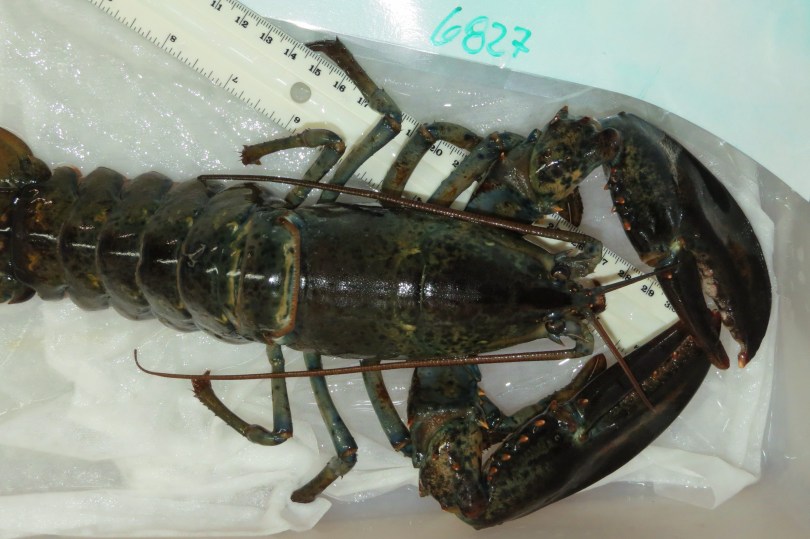
An American lobster on a countertop next to a ruler.

Lobster shell microbes, epizootic shell disease, and climate change manuscript is published!

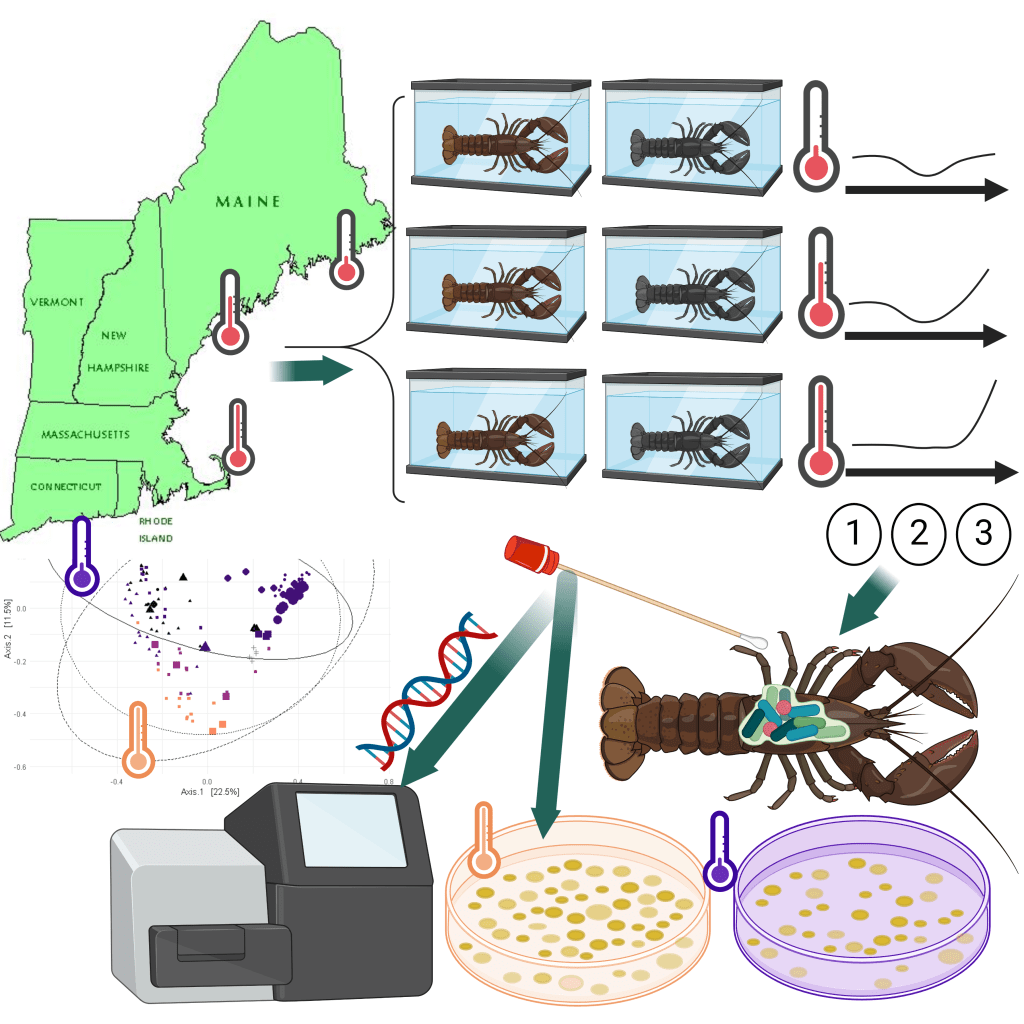
A collaborative paper on lobster shell bacteria has just been published in the journal iScience: “Water temperature and disease alters bacterial diversity and cultivability from American Lobster (Homarus americanus) shells.” This paper investigates what happens to bacterial communities on healthy and sick lobsters as they experience different water temperatures for a year.

You can read the paper here.

Woman sitting outside.

I joined this project back in the summer of 2020, towards the end of my first year at UMaine, when I was given a large 16S rRNA gene sequence dataset of bacterial communities from the shells of lobsters. I had been asking around for data as a training opportunity for Grace Lee, who at the time was an undergraduate at Bowdoin College participating in the abruptly cancelled summer Research Experience for Undergrads program at UMaine in summer 2020. Instead, Grace joined my lab as a remote research assistant and we worked through the data analysis over the summer and fall. Grace has since graduated with her Bachelor’s of Science in Neuroscience, obtained a Master’s of Science at Bowdoin, and is currently a researcher at Boston Children’s Hospital while she is applying to medical school.

My first point of contact on the project was Jean MacRae, an Associate Professor of Civil and Environmental Engineering at UMaine, who was the one to lend me the data and who had been working on bacterial community sequencing on other projects which I’ve been involved in. Jean has been involved with MSE, and this is our fourth publication together making her the collaborator at UMaine I have co-authored with the most (although it is a tight race 🙂 ).

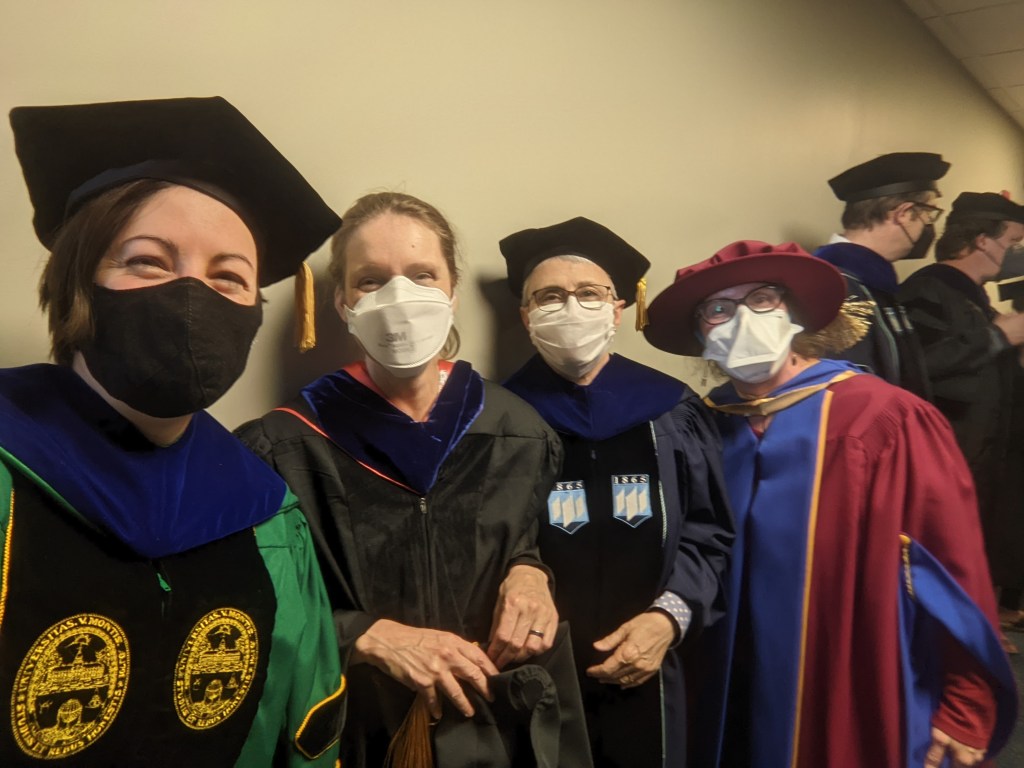
Four professors wearing full regalia, as well as face masks, posing for a photo in a hallway.

Jean introduced me to the original research team, including Debbie Bouchard, who is the Director of the Aquaculture Research Institute and was researching epizootic shell disease in lobsters for her PhD dissertation several years ago; Heather Hamlin, Professor and Director of the School of Marine Sciences; Scarlett Tudor (not pictured), the Education and Outreach Coordinator at the ARI; and Sarah Turner (not pictured), Scientific Research Specialist at ARI. The ARI team is involved in a lot of large-scale aquaculture research, education, and outreach to the industry here in Maine, and the collaborative work I have been doing with them has been a new an engaging avenue of scientific study for me.

In 2022, the research team, along with social science Masters student Joelle Kilchenmann, published a perspective/hypothesis piece which explored unanswered questions about how the movement of microbes, lobsters, and climate could affect the spread of epizootic shell disease in lobsters off the coast of Maine. That perspective paper was a fun exercise in hypothesis generation and asking ‘what if’?

A steamed lobster on a plate.

This manuscript is more grounded, and features work that was started in 2016. It examines bacterial communities on the shells of lobsters which were captured off the coast of Southern Maine and maintained in aquarium tanks for over a year. The lobsters were split into three treatment groups: those which were kept in water temperatures that mimicked what they would experience in Southern Maine, colder water to simulated what they would experience in Northern Maine, and hotter water to simulate what they would experience in Southern New England over that year. The original project team wanted to know if temperatures would make a different to their health or microbial communities.

Figure S8. Water temperature regimes, related to STAR Methods. A. Temperatures were obtained through the National Oceanographic Data Center (NODC). NODC temperatures reflect those recorded near Eastport, ME (A); Portland, ME (B); and an average of temperatures from Woods Hole, MA (C) and New Haven, CT (D) was used to represent Southern New England. B. Annual temperature cycles used in this project to represent Southern New England (SNE), Southern Maine (SME) and Northern Maine (NME).

The original project team swabbed lobster shells to obtain bacteria to try and grow in the lab, as well as DNA to sequence and identify whole bacterial communities. Grace and I performed the data analysis to identify which taxa were present in those communities, what happened over time or when the water temperature changed, and what bacteria were present or not in lobsters which died during the study.

Figure S11. Lobster carapace sampling using a sterile cotton swab to obtain bacterial communities from the shell surface, related to STAR Methods. The right side of the dorsolateral area of the cephalothorax was sampled for the baseline sampling, the left side for the Time 1, and the right side again for Time 2.

In addition to wanting to know about temperature, we wanted to know specifically how temperature would affect the bacteria if the lobsters had epizootic shell disease. It is not known what causes epizootic shell disease (which is why it is called ‘epizootic’), but it manifests as pitting in the shells of lobsters. Over time, the pitting can weaken shells and make it difficult for the lobster to molt, or make the lobster susceptible to predators or microbial infections. This type of shell disease had been a huge problem in Southern New England over the past few decades, and in Maine we have seen more cases over time.

Four panels of lobsters showing the progression of a healthy lobster to ones with more and more pitting in their shells.
Figure S10. Examples of lobster shell disease indices, related to STAR Methods. A) 0, no observable signs of disease, B) 1+, shell disease signs on 1-10% of the shell surface, C) 2+, shell disease signs on 11-50% of the shell surface, D) 3+, shell disease signs on > 50% of the shell surface.

The highlights of this project are here, but you can click the link below to read the entire study and what happened to lobster health and lobster microbes over time.

  • Shell bacteria from healthy lobsters, often overlooked, were included in the study.
  • Hotter and colder water temperatures affected shell bacterial communities.
  • Epizootic shell disease reduced bacterial diversity on lobster shells.
  • Epizootic shell disease could be induced or exacerbated by the loss of commensal bacteria from shells.

Water temperature and disease alters bacterial diversity and cultivability from American Lobster (Homarus americanus) shells.

Suzanne L. Ishaq1,2,, Sarah M. Turner2,3, Grace Lee4,5,M. Scarlett Tudor2,3, Jean D. MacRae6, Heather Hamlin2,7, Deborah Bouchard2,3

  • 1 School of Food and Agriculture; University of Maine; Orono, Maine, 04469; USA.
  • 2 Aquaculture Research Institute; University of Maine; Orono, Maine, 04469; USA.
  • 3 Cooperative Extension; University of Maine; Orono, Maine, 04469; USA.
  • 4 Department of Neuroscience, Bowdoin College, Brunswick, ME 04011; USA.
  • 5 Boston Children’s Hospital, Boston, MA 02115; USA.
  • 6 Department of Civil and Environmental Engineering; University of Maine; Orono, Maine, 04469; USA.
  • 7 School of Marine Sciences; University of Maine; Orono, Maine, 04469; USA.

Summary

The American lobster, Homarus americanus, is an economically valuable and ecologically important crustacean along the North Atlantic coast of North America. Populations in southern locations have declined in recent decades due to increasing ocean temperatures and disease, and these circumstances are progressing northward. We monitored 57 adult female lobsters, healthy and shell-diseased, under three seasonal temperature cycles for a year, to track shell bacterial communities using culturing and 16S rRNA gene sequencing, progression of ESD using visual assessment, and antimicrobial activity of hemolymph. The richness of bacterial taxa present, evenness of abundance, and community similarity between lobsters was affected by water temperature at the time of sampling, water temperature over time based on seasonal temperature regimes, shell disease severity, and molt stage. Several bacteria were prevalent on healthy lobster shells but missing or less abundant on diseased shells, although some bacteria were found on all shells regardless of health status.

Lobster shell microbes, epizootic shell disease, and climate change preprint manuscript is now online

A cookie in the shape of a lobster with icing to make it look like a pirate.

It’s been a few years in the making, but our draft manuscript on lobster shell microbes, epizootic shell disease, and climate change is available online as a preprint (not yet peer reviewed)! You can read the preprint here, and the summary is below.

I joined this project back in the summer of 2020, when I was given a large 16S rRNA gene sequence dataset of bacterial communities from the shells of lobsters by a research group at UMaine who had been studying lobster health for some time. My first point of contact on the project was Jean MacRae, an Associate Professor of Civil and Environmental Engineering at UMaine, who had been working on bacterial community sequencing on other projects which I’ve been involved in, and who has been involved with MSE, and this will be our fourth publication together!

Jean introduced me to the original research team, including Debbie Bouchard, who is the Director of the Aquaculture Research Institute and was researching epizootic shell disease in lobsters for her PhD dissertation; Heather Hamlin, Professor and Director of the School of Marine Sciences; Scarlett Tudor, the Education and Outreach Coordinator at the ARI; and Sarah Turner, Scientific Research Specialist at ARI.

I used the data as a training opportunity for Grace Lee, who at the time was an undergraduate at Bowdoin College participating in the abruptly cancelled summer Research Experience for Undergrads program at UMaine in summer 2020. Instead, Grace joined my lab as a remote research assistant and we worked through the data analysis over the summer and fall. Grace has since graduated with her Bachelor’s of Science in Neuroscience, obtained a Master’s of Science at Bowdoin, and is currently a researcher at Boston Children’s Hospital while she is applying to medical school.

Earlier this year, the research team, along with social science Masters student Joelle Kilchenmann, published a perspective/hypothesis piece which explored unanswered questions about how the movement of microbes, lobsters, and climate could affect the spread of epizootic shell disease in lobsters off the coast of Maine.

A steamed lobster on a plate.


Warmer water temperature and epizootic shell disease reduces diversity but increases cultivability of bacteria on the shells of American Lobster (Homarus americanus).”

Suzanne L. Ishaq1,2,, Sarah M. Turner2,3, Grace Lee4,5,M. Scarlett Tudor2,3, Jean D. MacRae6, Heather Hamlin2,7, Deborah Bouchard2,3

  • 1 School of Food and Agriculture; University of Maine; Orono, Maine, 04469; USA.
  • 2 Aquaculture Research Institute; University of Maine; Orono, Maine, 04469; USA.
  • 3 Cooperative Extension; University of Maine; Orono, Maine, 04469; USA.
  • 4 Department of Neuroscience, Bowdoin College, Brunswick, ME 04011; USA.
  • 5 Boston Children’s Hospital, Boston, MA 02115; USA.
  • 6 Department of Civil and Environmental Engineering; University of Maine; Orono, Maine, 04469; USA.
  • 7 School of Marine Sciences; University of Maine; Orono, Maine, 04469; USA.

Summary

The American lobster, Homarus americanus, is an economically valuable and ecologically important crustacean along the North Atlantic coast of North America. Populations in southern locations have declined in recent decades due to increasing ocean temperatures and disease, and these circumstances are progressing northward. We monitored 57 adult female lobsters, healthy and shell-diseased, under three seasonal temperature cycles for a year, to track shell bacterial communities using culturing and 16S rRNA gene sequencing, progression of ESD using visual assessment, and antimicrobial activity of hemolymph. The richness of bacterial taxa present, evenness of abundance, and community similarity between lobsters was affected by water temperature at the time of sampling, water temperature over time based on seasonal temperature regimes, shell disease severity, and molt stage. Several bacteria were prevalent on healthy lobster shells but missing or less abundant on diseased shells, although putative pathogens were found on all shells regardless of health status.