
Undergraduate Animal and Veterinary Science (AVS) students Natalie Sullivan (4th year), Maria Messersmith (3rd year), and Elaina Cobb (3rd year) were awarded a spring 2022 research award from the J. Franklin Witter Undergraduate Research Endowment Fund! Natalie, Maria, and Elaina will be part of a large student researcher team working on different aspects of this project over the next year, but the three of them composed the funding proposal as they have been working on this project the longest.
The fund supports AVS undergraduate student involvement in faculty supervised research which involves the J. Franklin Witter Teaching & Research Center. A collaboration I am part of was lucky enough to get 2 student proposals funded last year as part of a different project.
Background: Cryptosporidiosis, an infection caused by protozoa from the Cryptosporidium genus, often C. parvum, has emerged as a frequently reported intestinal disease of animals and humans since the 1980s when its zoonotic potential was recognized. C. parvum causes a brief diarrheal disease, which can lead to dehydration, weight loss, and, in extreme cases, death, particularly in children or neonatal animals. On farms, the disease results in intense diarrhea of neonatal calves and is associated with substantial economic losses in dairy farming worldwide as it can have long-term effects on weight gain and production efficiency. Cryptosporidiosis is transmissible via the fecal-oral route, either indirectly or directly, and C. parvum is almost always present in water and soil/bedding. There is no treatment, so disease management and prevention tend to be more focused on animal management practices involving nutrition, biosecurity, and cleanliness. This project centers around the tracking of cryptosporidium parvum in different aged dairy cattle populations at the University of Maine’s J.F. Witter Farm.


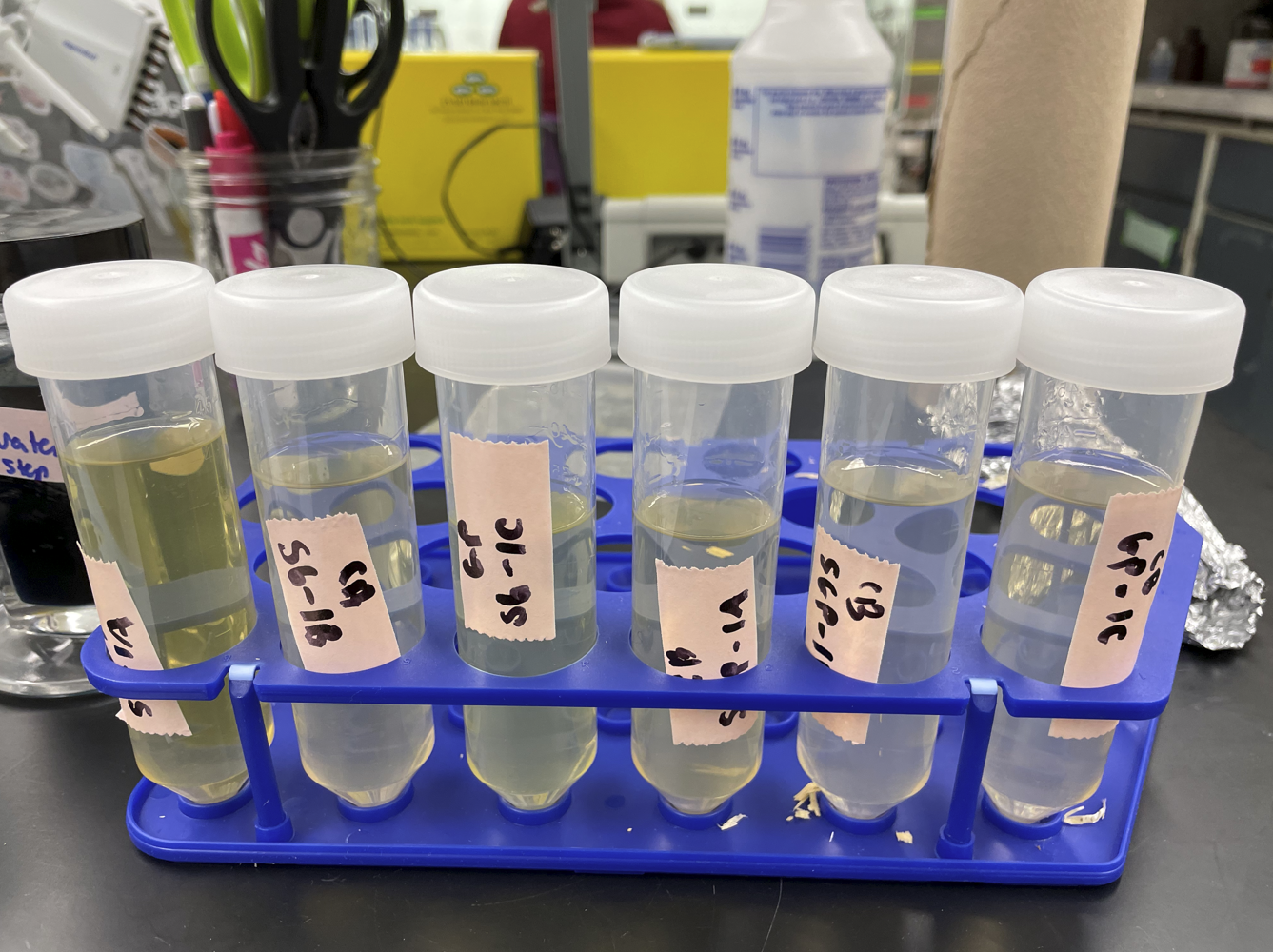
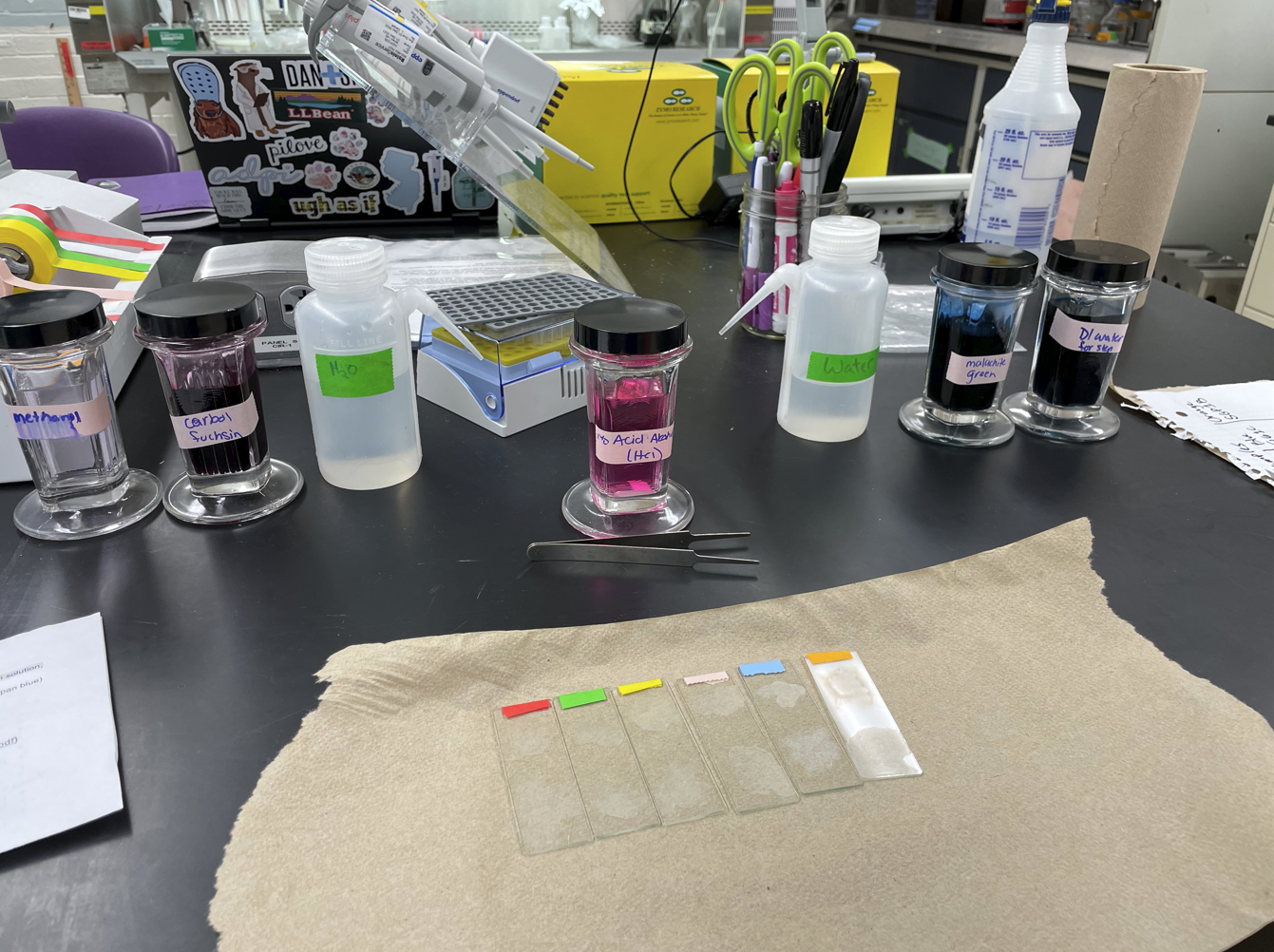
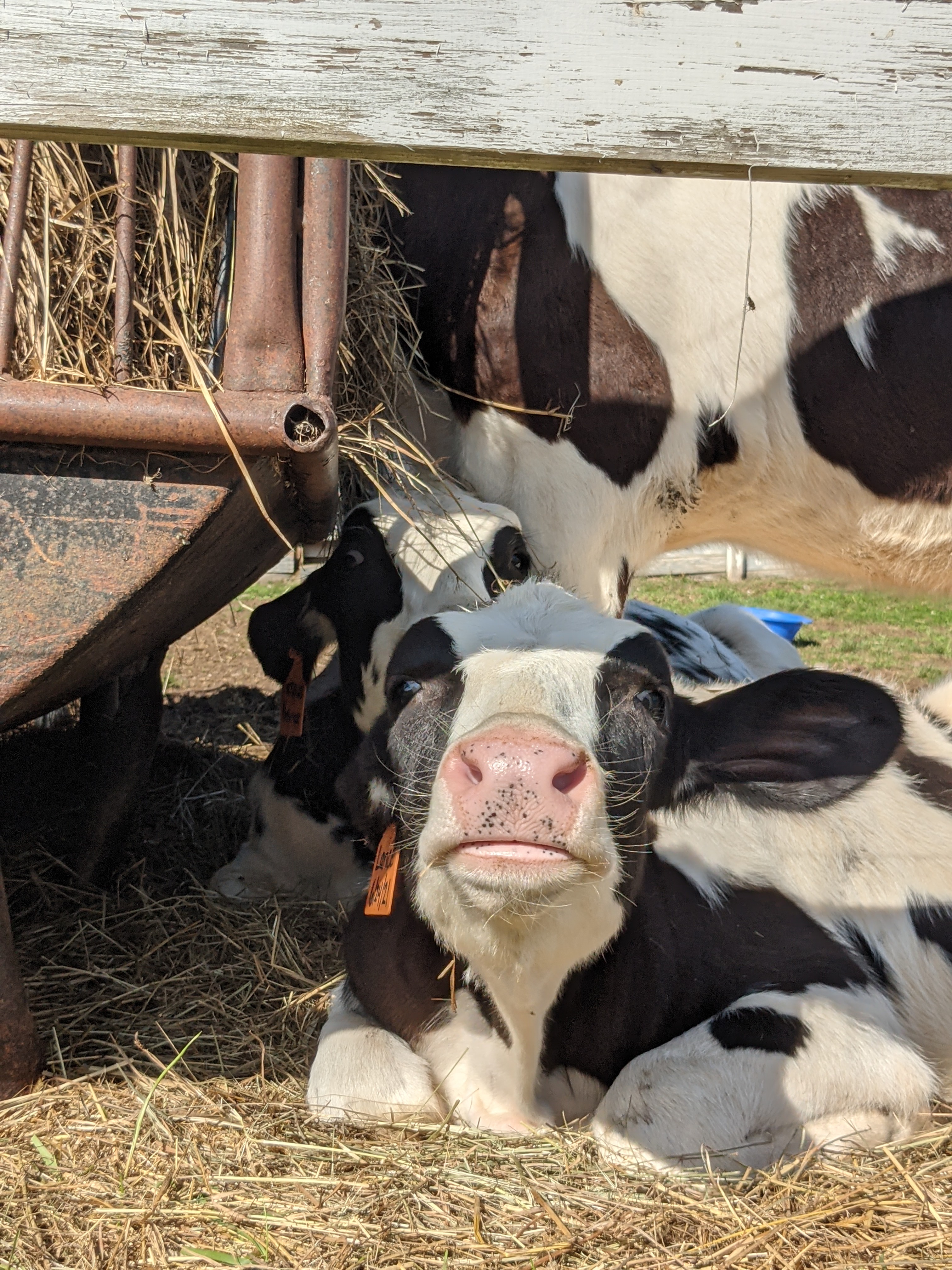
Importance/Impact: This project will track the trends and prevalence in C. parvum carriage in the Witter herd, and identify if there are certain conditions in which C. parvum is more prone to grow and multiply, especially in dairy calves. We anticipate that any findings will be used to implement new management practices for the control of Cryptosporidium parvum, specifically in bovine management, and reduce zoonosis at this farm. This project will potentially lead to making management recommendations for other farms in Maine.
Research Question, Objectives, and Hypotheses: What are the difference in disease prevalence and contamination between calves, yearlings, and adults in relation to Cryptosporidium parvum? Is infection rate due to risk of age range or animals or housing conditions?
| Sarah Hosler | Master’s student, has been coordinating the project but will be defending thesis this summer and is transitioning project leadership over to Ayo |
| Ayodeji Olaniyi | New Master’s student Jan 2022, will be taking over project management, overseeing lab work |
| Natalie S. | AVS Capstone senior, graduating this May, has been collecting samples and doing microscopy since fall 2021 |
| Maria M. | AVS Capstone junior, has been collecting samples and doing microscopy since fall 2021 |
| Elaina C. | AVS Capstone junior, started in Jan 2022, will focus on sample collection at the farm |
| Jada M. | AVS Capstone junior, started in Jan 2022, will focus on sample processing in the lab |
| Lani P. | AVS Capstone junior, started in Jan 2022, will focus on sample processing in the lab |
| Sydney R. | AVS Capstone junior, started in Jan 2022, will focus on literature review |
| Josh F. | AVS Capstone junior, started in Jan 2022, will focus on literature review |
| Amatullah A. | Biology Honors, started in fall 2021, will focus on sample collection at the farm |
This project is a continuation of the pilot research that undergrad Emily Pierce, master’s student Alex Fahey, and master’s student Sarah Hosler worked on over the past two years.
 The Ishaq Lab