I recently sat down with Ashley Hagen, who hosts the Meet the Microbiologist podcast at the American Society for Microbiology, to talk about my collaborative research on broccoli sprouts, anti-inflammatories, and gut microbes!

I recently sat down with Ashley Hagen, who hosts the Meet the Microbiologist podcast at the American Society for Microbiology, to talk about my collaborative research on broccoli sprouts, anti-inflammatories, and gut microbes!

Bioinformatics rockstar, Lola Holcomb, successfully defended her PhD dissertation today on “Anti-Inflammatory Interactions between Gut Microbiota and Broccoli Sprouts”!!!!
Holcomb, Lola. “Anti-Inflammatory Interactions between Gut Microbiota and Broccoli Sprouts”. (2025). University of Maine. Doctor of Philosophy Dissertation (forthcoming). Presentation.
Lola’s contributions to and leadership in the Ishaq Lab Team have led to numerous publications, presentations, and immeasurable professional growth and camaraderie within the group. Her contributions to our research helped us open a new avenue of focus, sparked the imagination of several undergraduates who are now involved in research, and improved the mood and collegiality of the research group with her humor, insightfulness, and poignant questions. Lola has been more of a colleague than a trainee, and the lab is delighted to see how much she’s grown as a researcher. Lola is currently searching for positions as a postdoctoral researcher, bioinformatician, or Assistant Professor at an undergraduate-focused university or college. She’ll continue to collaborate with the Ishaq Lab, as we have multiple manuscripts in review or in preparation for peer review on which she is an author.
Lola has been a very successful graduate student and has been featured in UMaine news articles: she has been the first author on a publication in 2023 on broccoli in an early-life mouse model of Crohn’s Disease, is co-first author on a broccoli sprout diet paper in review, contributed to another publication in 2023 in broccoli sprouts in a mouse model of ulcerative colitis, she won a graduate student research award from the Bioscience Association of Maine in 2024/2025, won a poster competition at a BioME research showcase in 2024, and has presented her research in Maine, California, and South Africa!


Lola entered as a rotating first-year student in March 2022 in the Graduate School of Biomedical Sciences and Engineering program, and declared the Ishaq Lab her dissertation lab soon after, and starting in fall of 2022 was accepted into the NRT funded for One Health in the Environment program. Troubled with indecisiveness and the desire to research, well, everything, she quickly found that using bioinformatics and big data as a lens to study microbial ecology (and in time, its relation to social equity) allowed her to do the kind of meaningful interdisciplinary research she’s always wanted to do. Lola performed 16S data analysis for multiple lab projects and developed a metagenomic analysis workflow to compare gut microbiomes of mouse models of Inflammatory Bowel Disease with broccoli as a dietary treatment. In addition to research, she instructed a graduate-level Genetics course, assisted in Dr. Ishaq’s 16S DNA Sequence Data Analysis course, tutored several Biology undergraduate students, and served as a GSBSE senator in the Graduate Student Government here at UMaine.
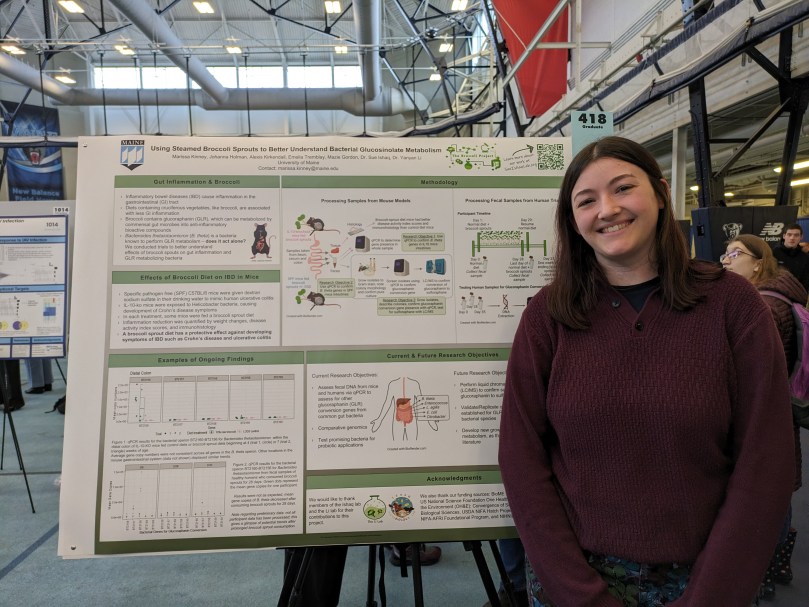
Lab rockstar, Marissa Kinney, successfully defended her master’s thesis today!!! After a well-earned holiday break, Master Kinney is pursuing a career in biomedical/microbiological research.

Marissa was Master of Science student in Microbiology, and a researcher in the One Health and the Environment program, both of which are prestigious graduate programs at UMaine, from Jan 2023 – Dec 2024. She loves learning and bench microbiology, and she employed these passions on multiple lab projects investigating the bacteria which transform glucoraphanin in broccoli sprouts into the anti-inflammatory sulforaphane in the gut. The focus of her time has been to develop new lab protocols, refine existing ones and make them easier for new lab members to learn, and to share her expertise by teaching other students in the lab. She’s excelled at these objectives so well, that in the past two years many people assumed she was a Lab Manager rather than a student.
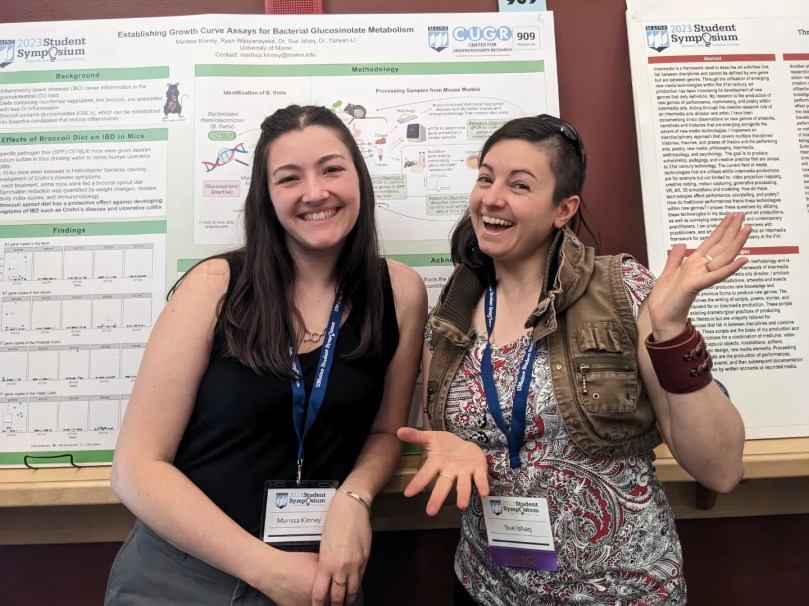
Marissa has been extremely productive in the last two years: in her first three months she contributed lab work to two publications on broccoli sprout diets in mouse models of Inflammation Bowel Disease in 2023, and has since contributed to another manuscript currently in review on glucoraphanin supplements and gut microbiome changes in people, and two more manuscripts in preparation on culturing gut microbiota, and a broccoli sprout diet in people. It’s no surprise that Marissa has been an author on so many papers in so little time — she led a publication when she was an undergraduate! You can check her Google Scholar page for more info on these papers. Marissa has also presented this work on campus at the UMaine Student Research Symposium twice, as well as attended conferences for the American Society for Nutrition and the American Society for Microbiology for professional development.
Previous to being in the lab, Marissa completed her undergraduate at the University of Maine in 2021, earning a BS in Microbiology and a BS in Cellular/Molecular Biology. She devoted a large portion of her time in undergrad to research in the laboratories of Dr. Julie Gosse and Dr. Edward Bernard. After graduating, she worked in the field of public health at UMaine’s Margaret Chase Smith Policy Center, collecting and processing data about violent and drug-related deaths in Maine. While her role at the Center was one she loved dearly, she felt a big pull towards laboratory work and academic research, and her graduate work enforced this passion. Marissa has been a core member of the lab, and we’ll miss her!! She plans to pursue a research career here in Maine after defending and enjoying a well-earned vacation.
Abstract
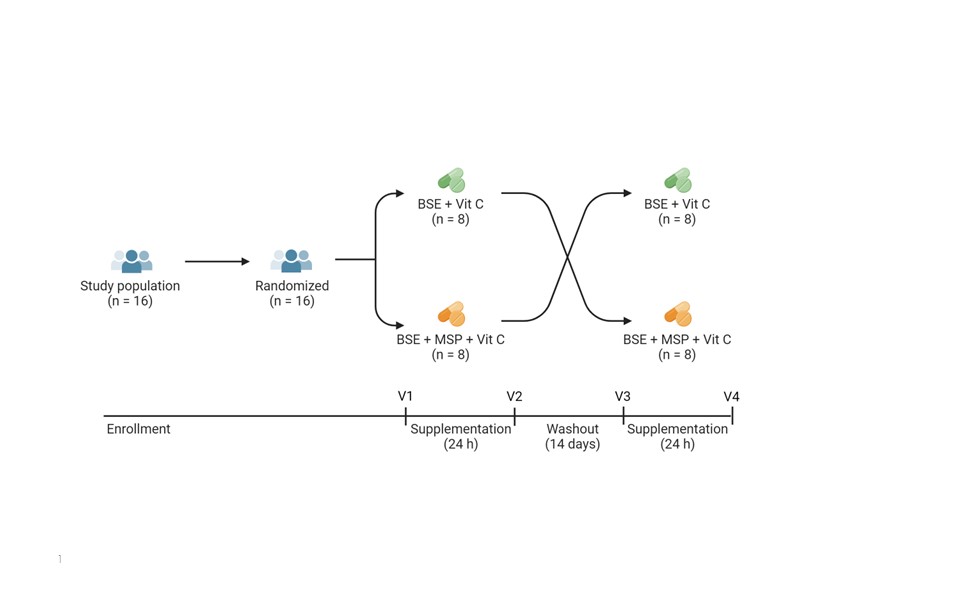
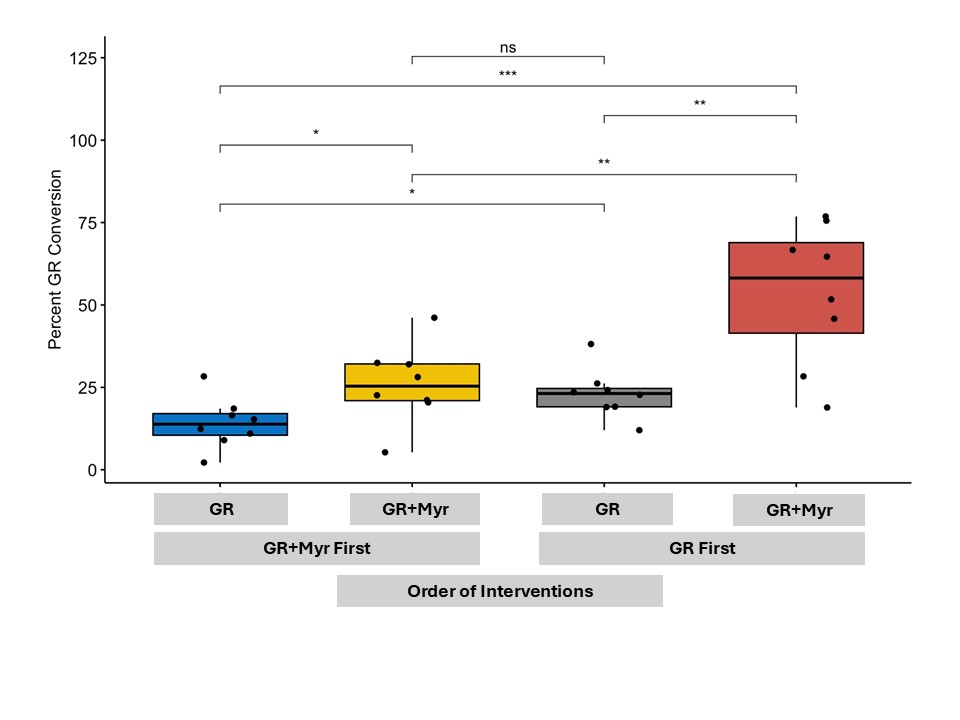
Globally, millions of people have been diagnosed with a type of inflammatory bowel disease (IBD). These diseases cause dysfunction of the gastrointestinal (GI) tract, resulting in a wide range of symptoms that create a disruption in overall health. Research has suggested that diet and the microbial community composition of the gut microbiome play a significant role in regulating gastrointestinal inflammation. Specifically, studies have shown that diets high in cruciferous vegetables, such as broccoli, are associated with a reduction in gastrointestinal inflammation. Glucoraphanin is a compound present in broccoli that can be metabolized by gut bacteria to become an anti-inflammatory compound known as sulforaphane. Our initial research showed that the administration of a broccoli sprout diet to mouse models for Crohn’s disease and ulcerative colitis, two major types of IBD, yields inflammation reduction and symptom resolution. For these trials, fecal samples obtained from different sections of the mouse bowel were tested for presence of glucoraphanin-metabolizing genes present in a common gut bacteria, Bacteroides thetaiotaomicron (B. theta). Glucoraphanin conversion is higher and more reliable in mice than in people, however mouse models are not perfect representatives of humans. Hoping to understand the impacts of broccoli sprouts on the human gut microbiome, fecal samples were obtained from healthy individuals who consumed broccoli sprouts for 28 consecutive days, as long-term diet interventions are needed to meaningfully change gut microbial communities. In a separate trial conducted by the scientists at Brassica Protections Product, fecal samples were collected from people who were administered a single dietary supplement containing a high dose of glucoraphanin with and without plant-sourced myrosinase, as a means of evaluating the effectiveness of glucoraphanin conversation which was or was not reliant on gut microbiota, respectively. These samples were analyzed for glucoraphanin metabolizing genes from B. theta and other commensal gut bacteria. Data collected from these human trial experiments aided in understanding the impacts of a whole food broccoli sprout diet and supplementation of glucoraphanin on the bacterial community composition of the gut microbiota. Additionally, this work will help grow and strengthen the current knowledge on broccoli as an anti-inflammatory and the variabilities present in the gut microbiomes of humans.
Lab rockstar, Marissa Kinney, is set to defend her Master’s of Science thesis in Microbiology on Wednesday, December 18th!! The thesis abstract is below.
You can register here for the publicly available seminar portion from 1 – 2 pm ET on Zoom

Marissa has been a Master of Science student in Microbiology, and a researcher in the One Health and the Environment program, both of which are prestigious graduate programs at UMaine, for the last two years. She loves learning and bench microbiology, and she employed these passions on multiple lab projects investigating the bacteria which transform glucoraphanin in broccoli sprouts into the anti-inflammatory sulforaphane in the gut. The focus of her time has been to develop new lab protocols, refine existing ones and make them easier for new lab members to learn, and to share her expertise by teaching other students in the lab. She’s excelled at these objectives so well, that in the past two years many people assumed she was a Lab Manager rather than a student.
Marissa has been extremely productive in the last two years: in her first three months she contributed lab work to two publications on broccoli sprout diets in mouse models of Inflammation Bowel Disease in 2023, and has since contributed to another manuscript currently in review on glucoraphanin supplements and gut microbiome changes in people, and two more manuscripts in preparation on culturing gut microbiota, and a broccoli sprout diet in people. It’s no surprise that Marissa has been an author on so many papers in so little time — she led a publication when she was an undergraduate! You can check her Google Scholar page for more info on these papers. Marissa has also presented this work on campus at the UMaine Student Research Symposium twice, as well as attended conferences for the American Society for Nutrition and the American Society for Microbiology for professional development.
Previous to being in the lab, Marissa completed her undergraduate at the University of Maine in 2021, earning a BS in Microbiology and a BS in Cellular/Molecular Biology. She devoted a large portion of her time in undergrad to research in the laboratories of Dr. Julie Gosse and Dr. Edward Bernard. After graduating, she worked in the field of public health at UMaine’s Margaret Chase Smith Policy Center, collecting and processing data about violent and drug-related deaths in Maine. While her role at the Center was one she loved dearly, she felt a big pull towards laboratory work and academic research, and her graduate work enforced this passion. Marissa has been a core member of the lab, and we’ll miss her!! She plans to pursue a research career here in Maine after defending and enjoying a well-earned vacation.
Abstract
Globally, millions of people have been diagnosed with a type of inflammatory bowel disease (IBD). These diseases cause dysfunction of the gastrointestinal (GI) tract, resulting in a wide range of symptoms that create a disruption in overall health. Research has suggested that diet and the microbial community composition of the gut microbiome play a significant role in regulating gastrointestinal inflammation. Specifically, studies have shown that diets high in cruciferous vegetables, such as broccoli, are associated with a reduction in gastrointestinal inflammation. Glucoraphanin is a compound present in broccoli that can be metabolized by gut bacteria to become an anti-inflammatory compound known as sulforaphane. Our initial research showed that the administration of a broccoli sprout diet to mouse models for Crohn’s disease and ulcerative colitis, two major types of IBD, yields inflammation reduction and symptom resolution. For these trials, fecal samples obtained from different sections of the mouse bowel were tested for presence of glucoraphanin-metabolizing genes present in a common gut bacteria, Bacteroides thetaiotaomicron (B. theta). Glucoraphanin conversion is higher and more reliable in mice than in people, however mouse models are not perfect representatives of humans. Hoping to understand the impacts of broccoli sprouts on the human gut microbiome, fecal samples were obtained from healthy individuals who consumed broccoli sprouts for 28 consecutive days, as long-term diet interventions are needed to meaningfully change gut microbial communities. In a separate trial conducted by the scientists at Brassica Protections Product, fecal samples were collected from people who were administered a single dietary supplement containing a high dose of glucoraphanin with and without plant-sourced myrosinase, as a means of evaluating the effectiveness of glucoraphanin conversation which was or was not reliant on gut microbiota, respectively. These samples were analyzed for glucoraphanin metabolizing genes from B. theta and other commensal gut bacteria. Data collected from these human trial experiments aided in understanding the impacts of a whole food broccoli sprout diet and supplementation of glucoraphanin on the bacterial community composition of the gut microbiota. Additionally, this work will help grow and strengthen the current knowledge on broccoli as an anti-inflammatory and the variabilities present in the gut microbiomes of humans.
I was interviewed by Leigh Frame and Janette Rodrigues for the GW Integrative Medicine podcast! Leigh Frame is an associate professor and Janette Rodrigues is the OIMH Admininstrative Director at the George Washington (GW) University School of Medicine and Health Sciences, and they host the podcast to explore research on health.
We talked about my work on broccoli sprouts and gut microbes, Microbes and Social Equity, and Microbiome Stewardship. You can listen to the episode here.
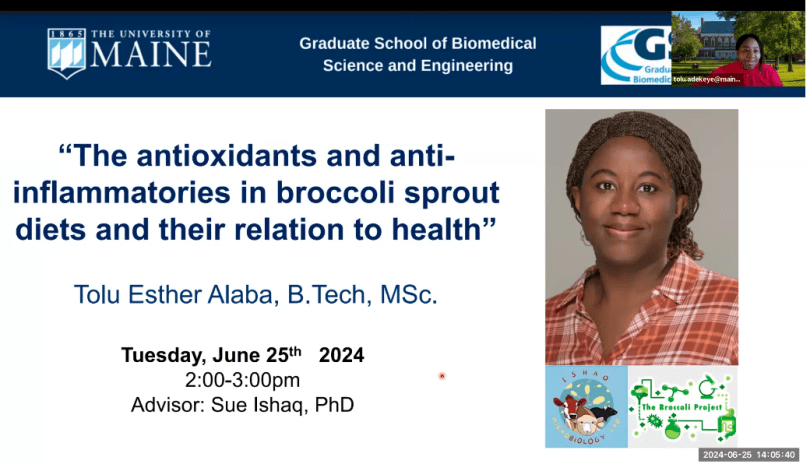
The Ishaq Lab is ecstatic to announce that Dr. Tolu Esther Alaba has successfully defended her PhD dissertation on the antioxidants and anti-inflammatories in broccoli sprout diets and their relation to health, officially completing her PhD!!! You can check out the recording of her talk here, which was attended by >40 people over Zoom.

The committee was impressed by her breadth of knowledge, ability to think abstractly about future research, plans for research designs and integrating technology into education, and enthusiasm for using food as medicine. Dr. Alaba will enjoy a very-well-earned summer break before considering postdoctoral research options in the fall, and we are thrilled to keep working with her!

Tolu has been researching the benefits of cruciferous vegetables on health, and especially the benefits by antioxidants or anti-inflammatories we get from these plants. Some of these compounds are available directly from the plants, and some of them are produced or made available through the biochemistry of certain bacteria that live in our gut. Depending on the type of vegetable, and the way that it is cooked/prepared, you can end up with different types and quantities of these beneficial compounds.


Tolu Esther Alaba has been a PhD Candidate in the Graduate School of Biomedical Science and Engineering at UMaine. She previously completed her bachelors of technology at Ladoke Akintola University of Technology, in Ogbomosho Nigeria in 2011, and her masters of science at the University of Ibadan, in Ibadan, Nigeria in 2015.
She started her PhD at UMaine in the fall of 2019, just a few months before the pandemic, and during her PhD she weathered the pandemic, an advisor leaving, leaving an advisor, navigating university policy and advocating for herself, being a mentor in STEM, being a teaching assistant, raising a family, moving across the country, and learning entirely new research skills. This has been a difficult journey, but Tolu has risen to every challenge, become a competent interdisciplinary researcher and added an entirely new dimension of research to our work.
Her research has focused on antioxidants in fruits and vegetables which can be used to resolve inflammation, oxidative stress, injury, cardiometabolic and chronic diseases. She joined #TeamBroccoli last September, and in less than a year, completed a literature review which was recently published in the journal Current Developments in Nutrition, she has completed metabolomics for mouse studies for two manuscripts in preparation, and completed a nutritional analysis for a human study for a manuscript in development. The Ishaq Lab is proud of her strength in standing up for herself as an employee and a researcher, as well as of the incredible work she’s added to our team.

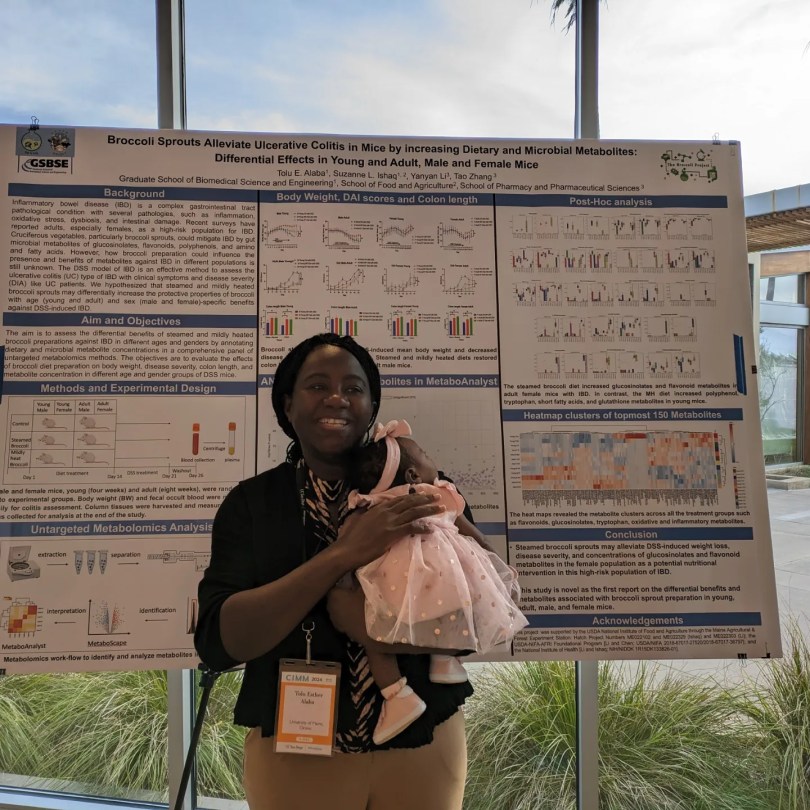
Alaba*, T.E., Ishaq, S.L., Li, Y., Zhang, T. “Broccoli sprouts alleviate ulcerative colitis in mice by increasing dietary and microbial metabolites: differential effects in young and adult, male and female mice. 4th CMI International Microbiome Meeting (CIMM), La Jolla, CA, March 12th – 14th, 2024.
The Ishaq Lab is delighted to announce that Tolu Esther Alaba will soon be defending her PhD dissertation on the antioxidants and anti-inflammatories in broccoli sprout diets and their relation to health. Her dissertation will be presented over Zoom on June 25, 2024, from 2 – 3 pm EDT, which is open to the public. Registration is free but required here.
Tolu has been researching the benefits of cruciferous vegetables on health, and especially the benefits by antioxidants or anti-inflammatories we get from these plants. Some of these compounds are available directly from the plants, and some of them are produced or made available through the biochemistry of certain bacteria that live in our gut. Depending on the type of vegetable, and the way that it is cooked/prepared, you can end up with different types and quantities of these beneficial compounds.


Tolu Esther Alaba is a PhD Candidate in the GSBSE program at UMaine. Her research has focused on antioxidants in fruits and vegetables which can be used to resolve inflammation, oxidative stress, injury, cardiometabolic and chronic diseases. She joined #TeamBroccoli in the fall of 2023, and in less than a year, completed a dissertation’s-worth of research, including performing metabolomics and related data analyses on gut metabolites and broccoli sprouts in mice and humans, and drafting several manuscripts, and publishing literature review (details below) — and all this was on top of moving to California with her family, giving birth to her second child, Bethel, and extricating herself from the punitive environment of her former lab. The Ishaq Lab is proud of her strength in standing up for herself as an employee and a researcher, as well as of the incredible work she’s added to our team.

Alaba*, T.E., Ishaq, S.L., Li, Y., Zhang, T. “Broccoli sprouts alleviate ulcerative colitis in mice by increasing dietary and microbial metabolites: differential effects in young and adult, male and female mice. 4th CMI International Microbiome Meeting (CIMM), La Jolla, CA, March 12th – 14th, 2024.
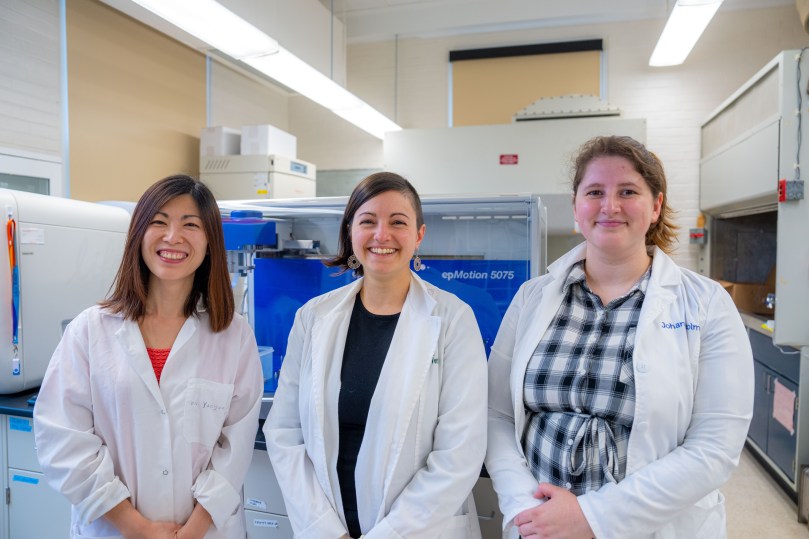
The Li and Ishaq labs are excited to announce a new literature review on the beneficial compounds in cruciferous vegetables was just published here in Current Developments in Nutrition, led by Tolu Esther Alaba (PhD candidate in GSBSE) and Johanna Holman (soon to be PhD candidate in Microbiology/Nutrition)!!
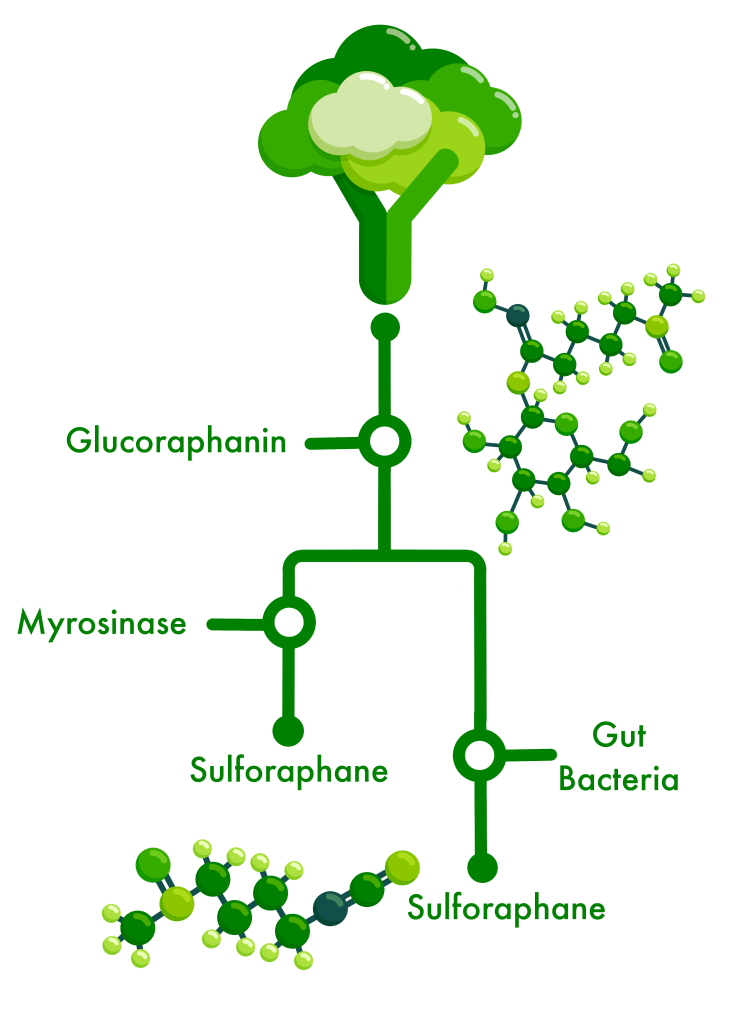
We’ve been researching the benefits of cruciferous vegetables on health, some of which are available directly from the plants, and some of which require the participation of certain bacteria that live in our gut. Cruciferous vegetables are loaded with fiber, vitamins, minerals, and – what we are most interested in – the plant’s secondary compounds called glucosinolates which can be transformed into antioxidants and anti-inflammatories. Depending on the type of vegetable, and the way that it is cooked/prepared, you can end up with different types and quantities of these beneficial compounds. We are interested in how to target benefits to certain locations in the gut by inducing the gut microbiome to participate in making these compounds available to us (Figure below). The review consolidated the existing literature on cruciferous vegetables in regards to the glucosinolates and reducing inflammation in the gut.


Tolu Esther Alaba is a PhD Candidate in the GSBSE program at UMaine. Her research has focused on antioxidants in fruits and vegetables which can be used to resolve inflammation, oxidative stress, injury, cardiometabolic and chronic diseases. Since joining #TeamBroccoli in the fall of 2023, she’s completed data analyses on gut metabolites and broccoli sprouts in mice and humans, and began drafting several manuscripts, in addition to writing this literature review. Tolu plans to defend her dissertation this summer, and we hope to bring her back to the Ishaq and Li labs as a postdoctoral researcher focusing on dietary habits, cruciferous vegetable intake, and dietary metabolomics!
Johanna Holman is a PhD student in the Nutrition/Microbiology programs. She began working on broccoli sprouts with Drs. Tao Zhang and Yanyan Li over 6 years ago as a research assistant. She joined the Ishaq lab in fall 2020 as a master’s student to investigate the effects of diet on the gut microbiome, and host-microbial interactions, as part of an ongoing collaboration with Tao and Yanyan Li, and graduated with her M.S. in nutrition science in the fall of 2022. Her research combines nutritional biochemistry of broccoli sprouts with effects on gut microbes and gastrointestinal inflammation, and spans biochemistry, microbiology, molecular biology, and incorporates a handful of undergraduate mentees every semester. Johanna also just created a website for Imaginome Designs, her graphic design portfolio!!


Yanyan Li, PhD, is an Assistant Professor of Pharmaceutical Sciences at SUNY Binghamton, and has been researching the nutritional biochemistry of broccoli sprouts for over a decade. Yanyan and Sue, along with Johanna, Tolu, and the rest of Team Broccoli have been collaborating on diet-microbe-health projects for the last 5 years!
Authors: Tolu E. Alaba1, Johanna M. Holman2 , Suzanne L. Ishaq2 , Yanyan Li2,3
Affiliations: 1 Graduate School of Biomedical Sciences and Engineering, University of Maine, Orono, Maine, USA 04469; 2 School of Food and Agriculture, University of Maine, Orono, Maine, USA 04469; 3 School of Pharmacy and Pharmaceutical Sciences, SUNY Binghamton University, Johnson City, New York, USA 13790
Abstract
Inflammatory bowel disease is a chronic condition with a significant economic and social burden. The disease is complex and challenging to treat because it involves several pathologies, such as inflammation, oxidative stress, dysbiosis, and intestinal damage. The search for an effective treatment has identified cruciferous vegetables and their phytochemicals as potential management options for inflammatory bowel disease, as they contain prebiotics, probiotics, and anti-inflammatory and antioxidant metabolites essential for a healthy gut. This critical narrative style review provides a robust insight into the pharmacological effects and benefits of crucifers and their documented bioactive compounds in in vitro and in vivo models, as well as clinical inflammatory bowel disease. The review highlights the significant impact of crucifer preparation and the presence of glucosinolates, isothiocyanates, flavonoids, and polyphenolic compounds, which are essential for the anti-inflammatory and antioxidative benefits of cruciferous vegetables, as well as their ability to promote the healthy microbial community and maintain the intestinal barrier. This review may serve as a viable nutritional guide for future research on methods and features essential to developing experiments, preventions, and treatments for inflammatory bowel disease. There is limited clinical information and future research may utilize current innovative tools, such as metabolomics, for adequate knowledge and effective translation into clinical therapy.
Acknowlegements
This project was supported by the USDA National Institute of Food and Agriculture through the Maine Agricultural & Forest Experiment Station: Hatch Project Numbers ME022102 and ME022329 (Ishaq) and ME022303 (Li); and the National Institute of Health [Li and Ishaq; NIH/NIDDK 1R15DK133826-01], and the Allen Foundation [Li and Ishaq, #5409406]. Financial sponsors had no role in study design, data interpretation, or report writing.
I was invited to give three talks on the west coast in March, which aligned so well I was able to string them together into a mini “speaking tour”. I was looking forward to seeing work-related and non-work-related friends, and using a few of the days to visit more of the incredible ecosystems.

I presented three versions of a talk called “Place and time matter for gut microbes making anti-inflammatories from broccoli sprouts”, to tailor it to the audiences and time slots at each location. The talk incorporated various amounts of the #BroccoliProject and work with the Microbes and Social Equity working group.


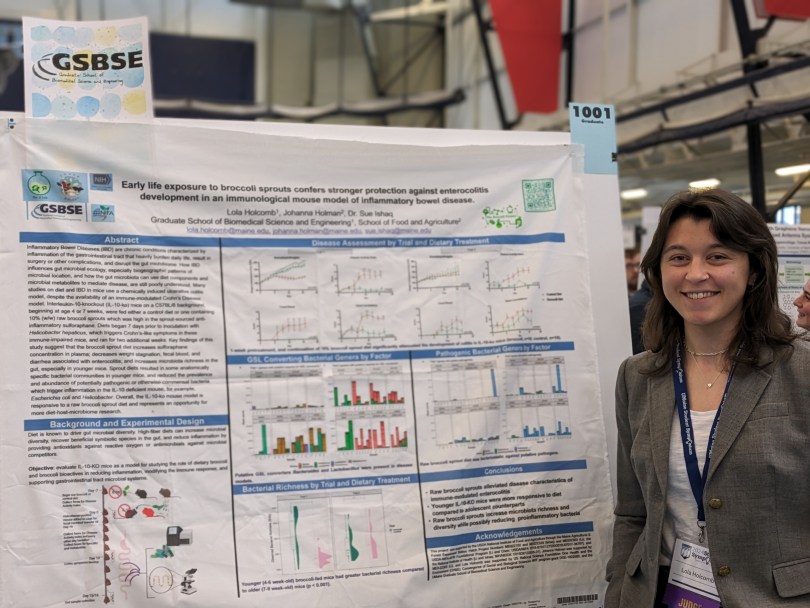
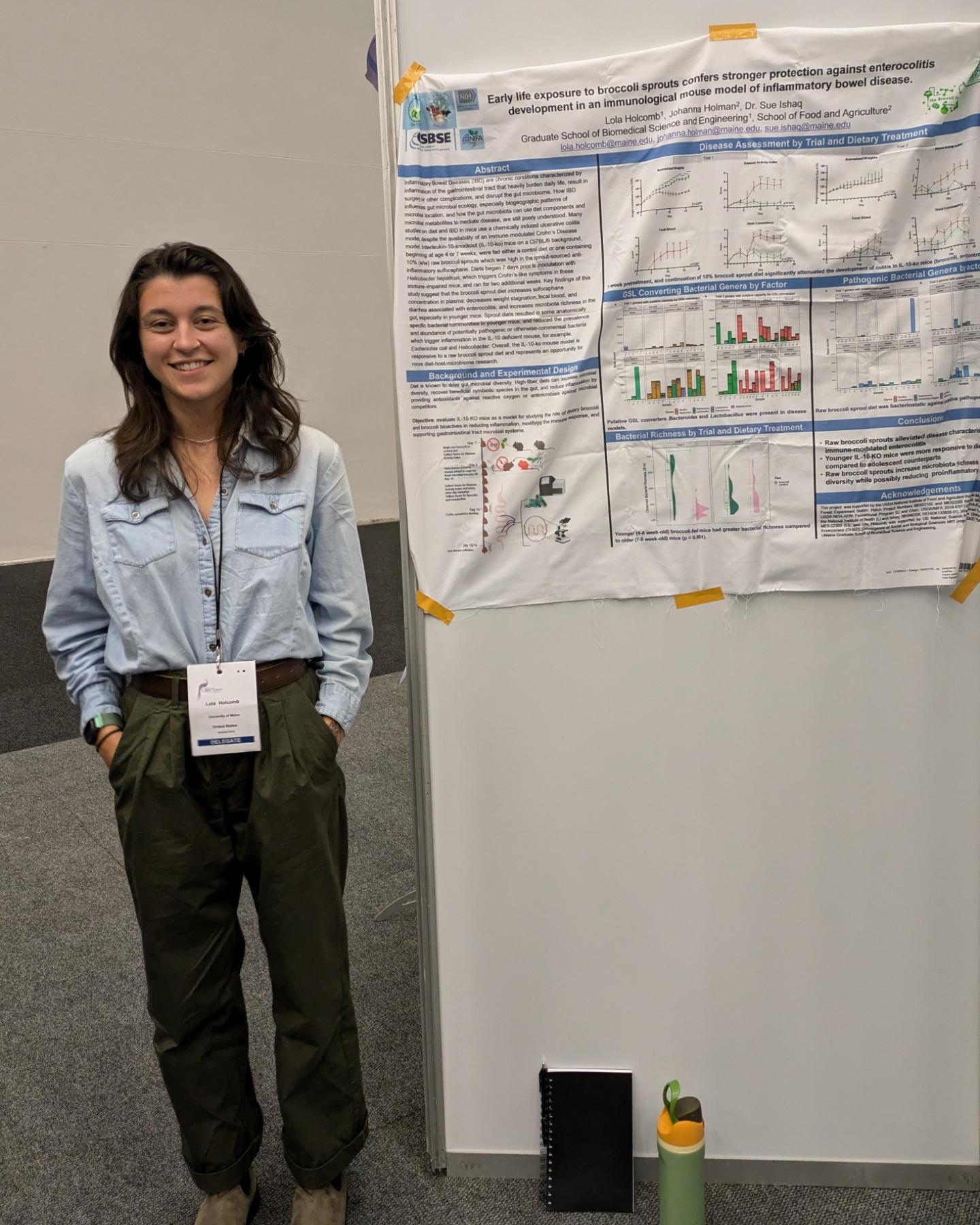
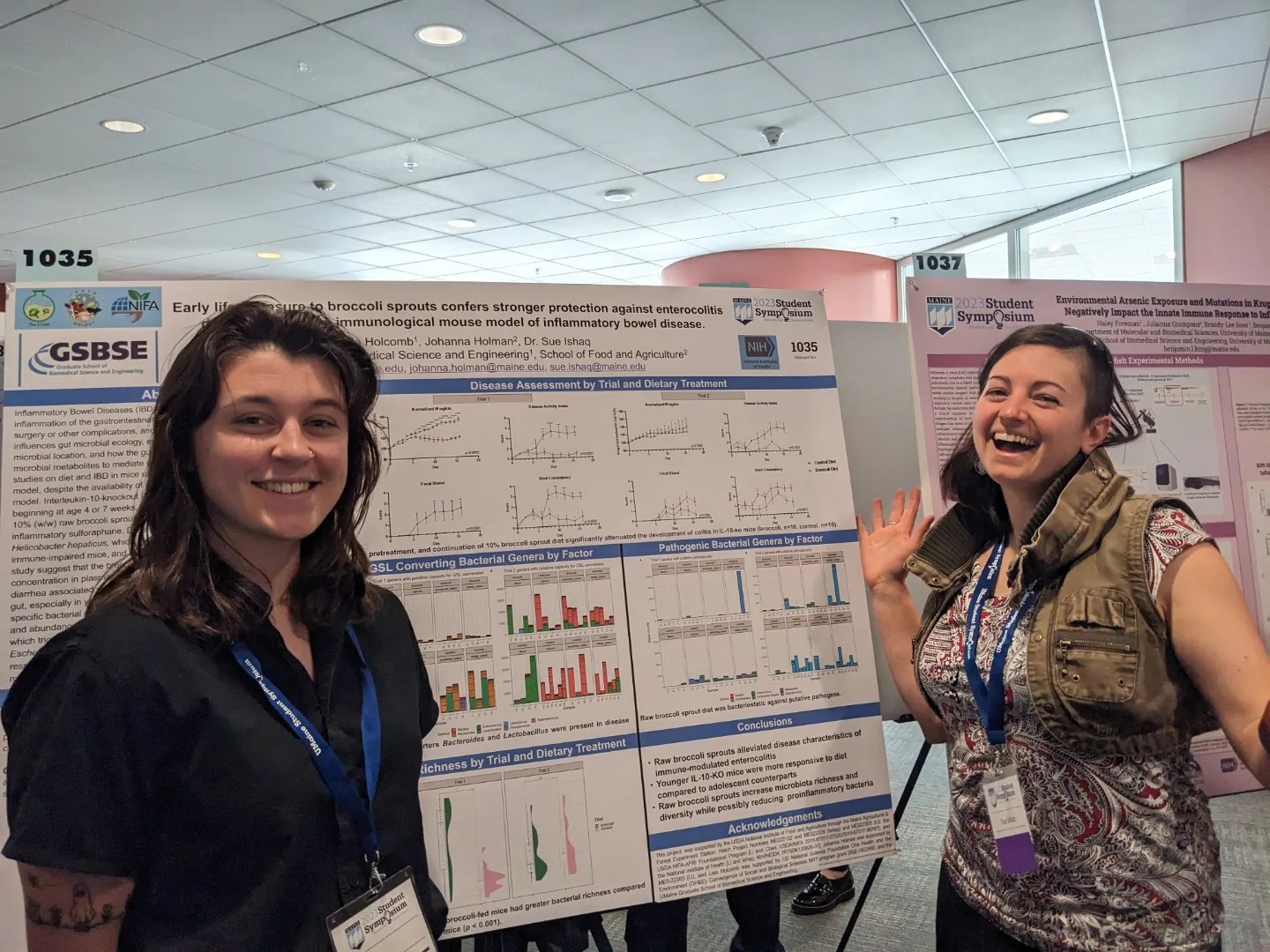
Lola Holcomb and Tolu Alaba, both PhD candidates working on broccoli sprouts and gut microbes, presented posters at CIMM. This conference features microbiome research in the contexts of health, agriculture, and environments.


I presented my research and my work on the Microbes and Social Equity working group to students, faculty, and the DEI committee.


Today I’ll be visiting the University of New Hampshire to present my work on diet and gut microbes, and the creation of the Microbes and Social Equity working group, and engage in discussions with faculty and students. If you’ll be on campus, come say hello and eat pizza!