Johanna passed her comprehensive exam, which means she is advancing to PhD candidacy!! The exam involved writing a research proposal on a topic outside of her main focus, and presenting her idea for an hour to her committee, who then asked detailed questions about her work and understanding of this research for over an hour.
Johanna has been with the lab since 2020, but she has actual been researching broccoli sprouts for 6 years, as she started her career with Yanyan Li and Tao Zhang back when all three were at Husson University. Johanna is a brilliant nutritional health microbiologist who uses multi-faceted research – from the lab to public health – to understand the connection between health and the microbiome. She has been a valuable collaborator on our intricate and lab-heavy projects, allowing the lab to coordinate up to 5 projects and 8 students simultaneously. Now that she is a PhD candidate, Johanna will begin designing her own research projects and trying to find funding through fellowships, to help her become an independent researcher.
Johanna Holman, B.S., M.S.
Doctor of Philosophy candidate, Microbiology
Johanna joined the lab in fall 2020 to investigate the effects of diet on the gut microbiome, and on host-microbial interactions. For the past several years, she has been working with Drs. Tao Zhang and Yanyan Li, and her project combines nutritional biochemistry of broccoli sprouts with effects on gut microbes. She obtained her master’s in nutrition in summer 2022, and returned to the Ishaq and Li labs for her PhD!
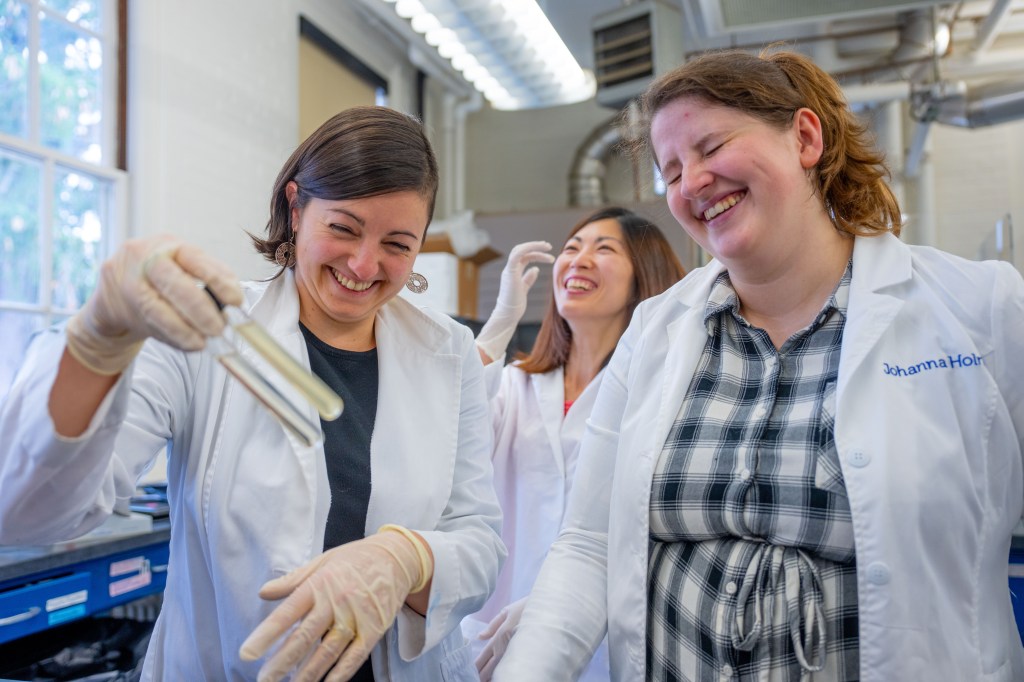
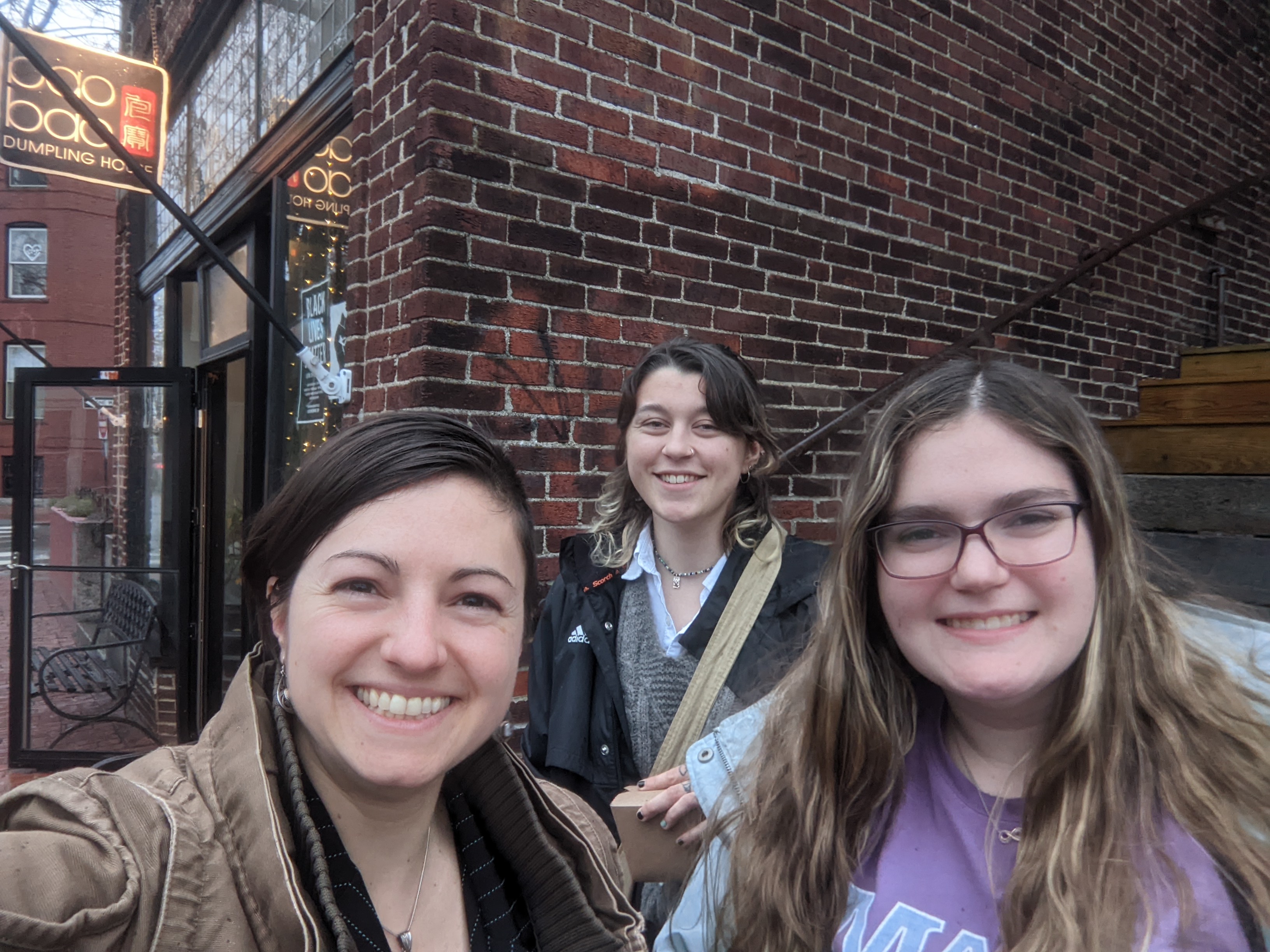
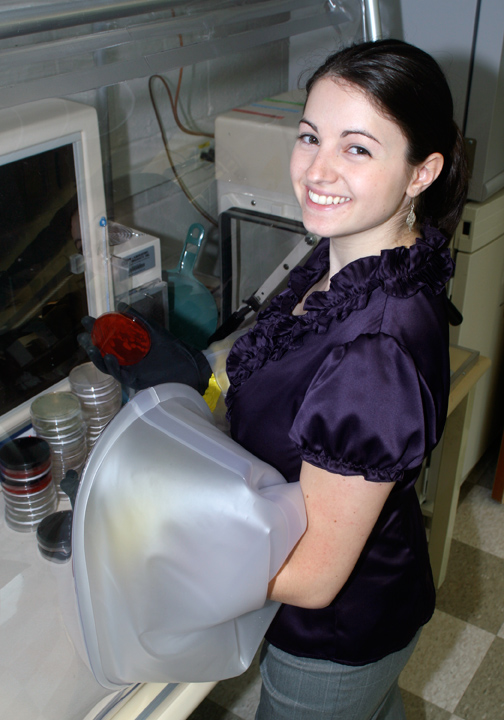
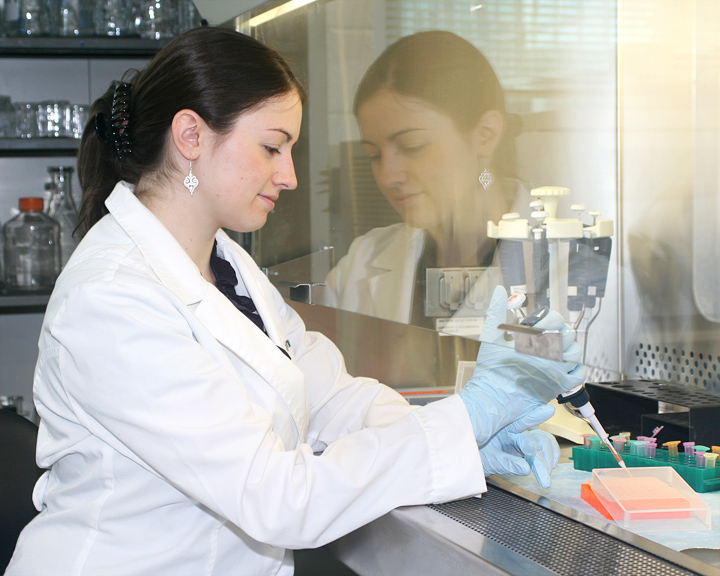
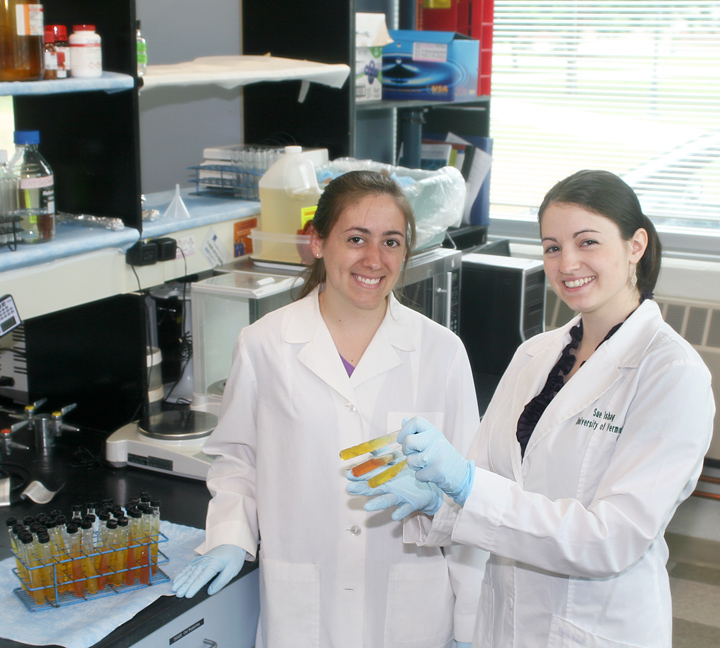
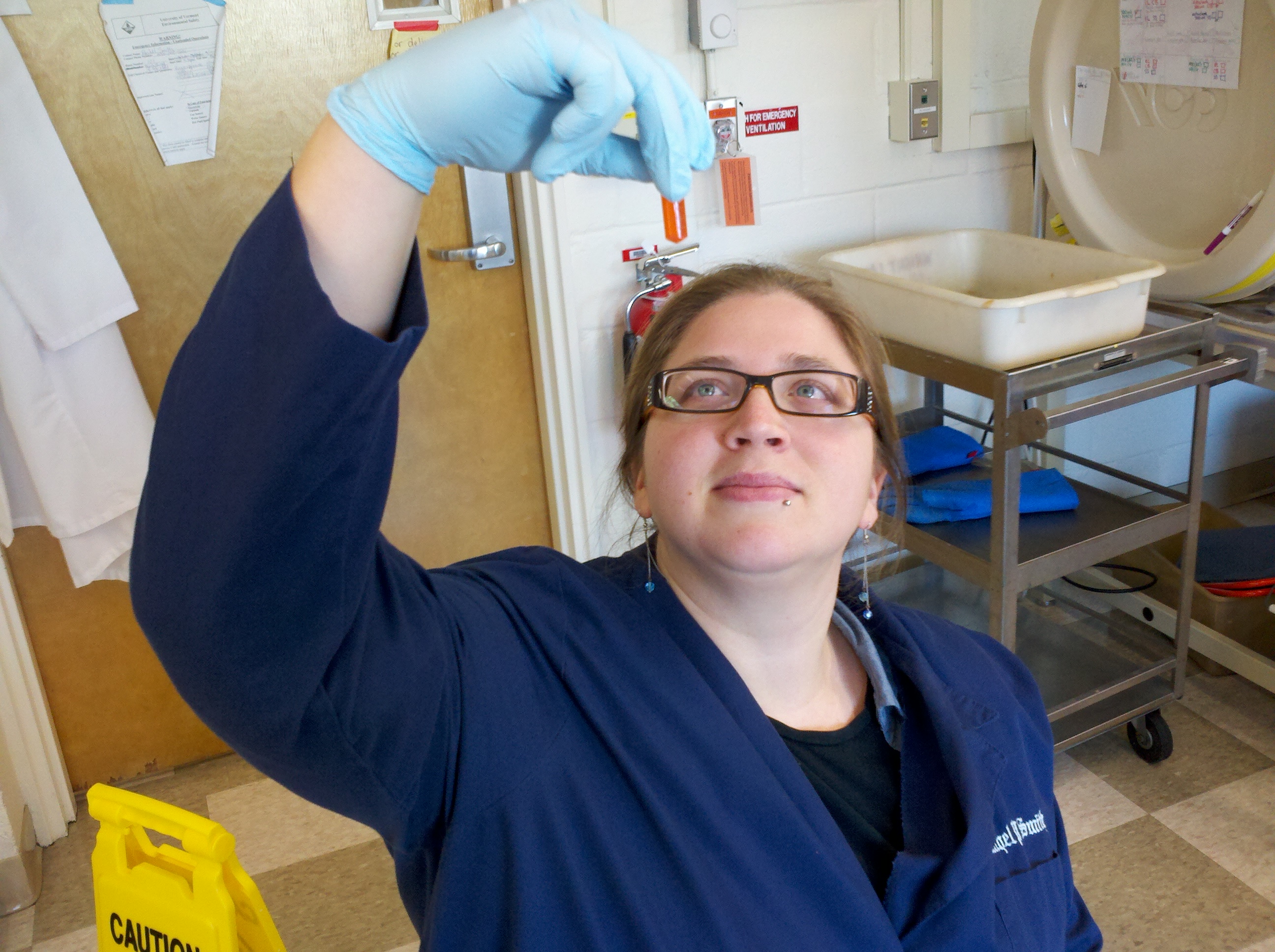
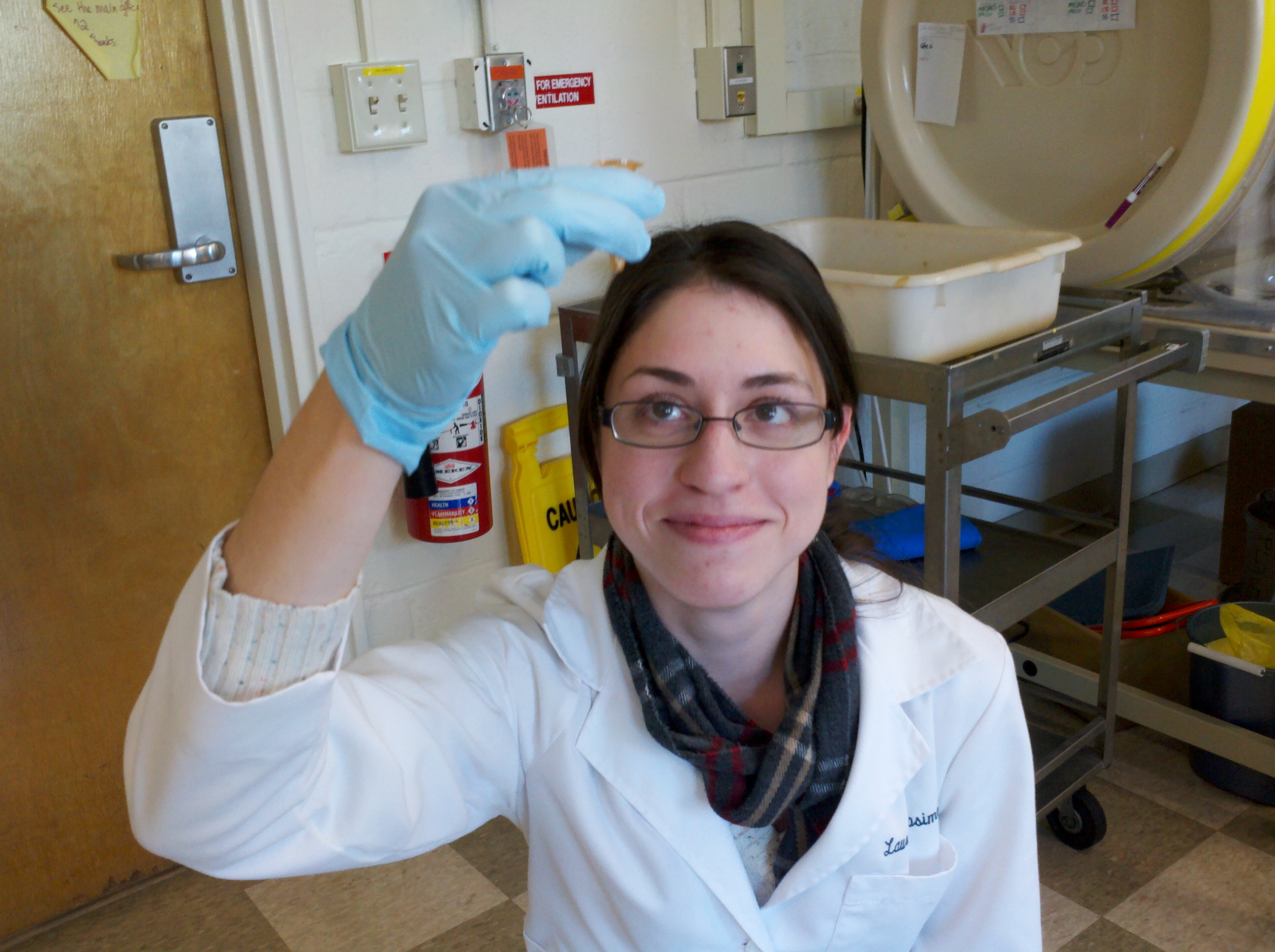
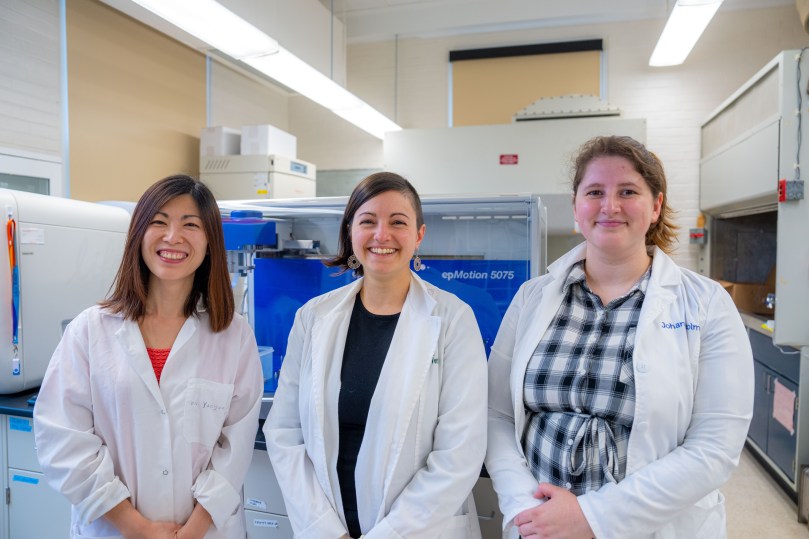
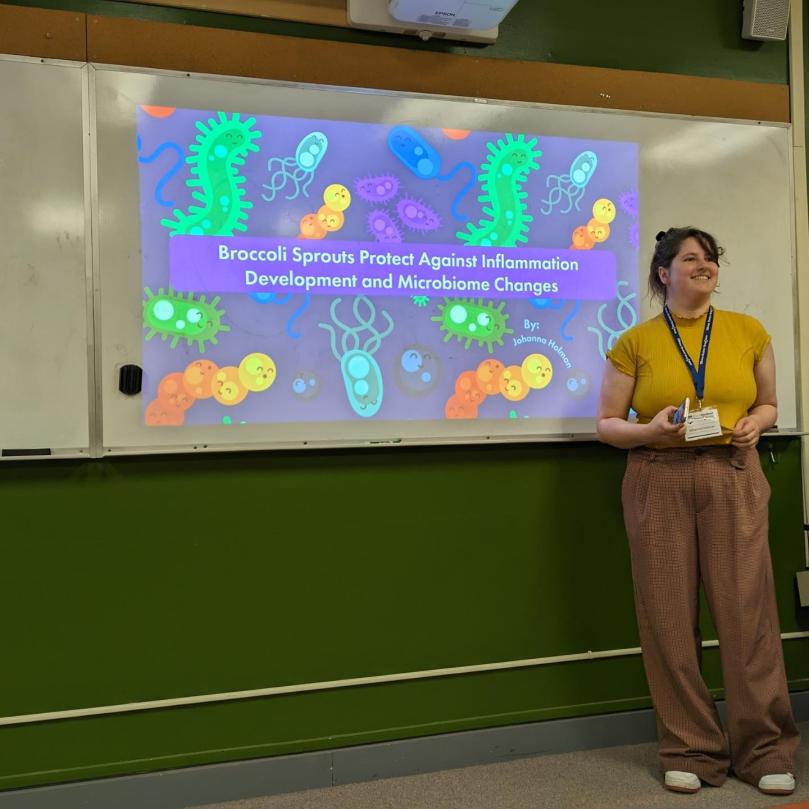
Alexis Kirkendall, Jaymie Sideaway, Aakriti Sharma, Sue Ishaq, Johanna Holman, and Lilian Nowak.Sue Ishaq, Yanyan Li, and Johanna Holman, pose in various labs where the three research broccoli. Photo Credit: Patrick Wine, UMaine.Johanna Holman at her ASM Microbe 2022 posterDesigned by Johanna Holman.Designed by Johanna HolmanDesigned by Johanna Holman.
On October 9th, I’ll be giving a seminar on my career thus far to undergraduate and graduate students in the American Society for Microbiology!! I recently became the Early Career At-Large Member of the Board at ASM, and I’m delighted for this opportunity to share my path through science and give the advice that helped me along my journey.
Our collaborative team of researchers (Drs. Kieran O’Doherty, Rob Beiko, Sue Ishaq, Emma Allen-Vercoe, Mallory Choudoir, and Diego Silva – check out their biographies below) has been awarded funding from the Canadian Institutes for Health Research (CIHR) for a four-year project on how our collective microbiomes (the diverse microbes we share between humans and our environments) impact health!
We are seeking a suitable candidate for a post-doctoral fellowship to work on the concept of microbiome stewardship. This is a unique interdisciplinary opportunity to develop skills and a research profile across natural sciences, social sciences, and humanities scholarship. Microbiome stewardship is a new concept that combines:
knowledge from microbiology about the importance of microbiomes for health and development of humans, other animals, and plants;
knowledge from bioethics about the importance of developing ethical guidance and policy to ensure the health of humans and others;
knowledge from the social sciences about public and stakeholder engagement to develop principles for microbiome stewardship that are informed by a broad set of perspectives and areas of expertise;
recognition of the environmental determinants of health of microbiomes of organisms.
We require a highly accomplished individual to assist in developing a guiding framework for microbiome stewardship. This will involve conceptual work, networking with microbiome and other scientists, and strong project management skills.
Required skills for the position include: project management; high standard of writing. Preferred (not required) skills include: microbiology/microbiome science; social science methods (interviewing; focus groups); experience with policy.
Successful candidate should have a PhD in a discipline relevant to the needs of the project (e.g., public health; environmental science; microbiology; human geography; science & technology studies). It is not necessary that the candidate has expertise in all aspects of the project. For the initial phases of the project, we will favour applicants with expertise in the social sciences, policy development, or public health. However, individuals with expertise in other fields (for example, microbiology) are also encouraged to apply if they can demonstrate skills or experience in translating their knowledge into policy.
Location: Ideally, the position will be based at the University of Guelph (Canada); however, it is also possible to work from one of the other project sites in Canada or the USA (University of Maine; Dalhousie University; North Carolina State University). The position is supported by funding from the Canadian Institutes of Health Research.
Starting date: negotiable with possibility to start immediately
Salary: dependent on candidate skill and experience
To apply, send an email to Kieran O’Doherty at odohertk@uoguelph.ca indicating your interest in the position. Please include a cv or resume; academic transcripts; publications or other writing samples (e.g., course papers; policy documents; research reports).
What is “microbiome stewardship”?
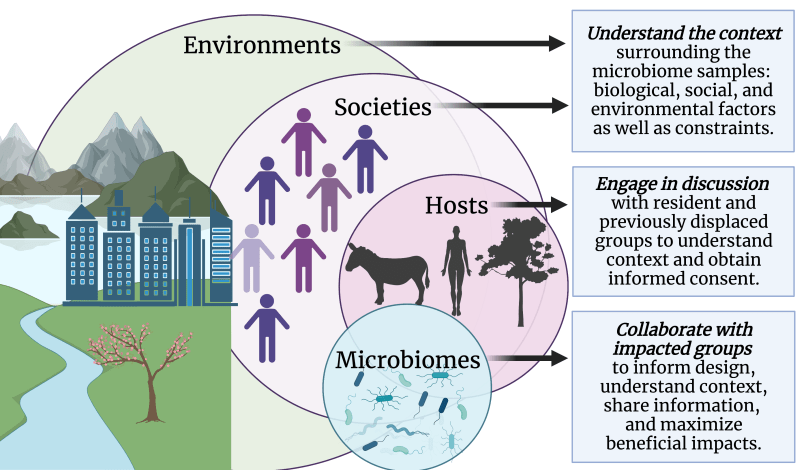
Microbiome stewardship is the broad idea that we need to consider ecosystem-level factors when we think about public health, as our environment, behaviors, and public policy affects interactions between microbes and human health. Microbiomes are highly dynamic systems, featuring bacteria, archaea, protozoa, fungi, and viruses; and our personal microbiomes are derived from a larger shared, collective microbial resource.
The importance of the human microbiome (the bacteria, fungi, archaea, protozoa, and viruses that we directly and indirectly interact with throughout our lives) for health and well-being has been well established. However, despite their demonstrated impact, there is limited information on the interconnectivity of non-host habitats (e.g., the built environment or other less intensively managed environments) and their collective contributions to human health. This includes interactions across scales such as with others in shared spaces, cultural and dietary practices, food systems and industrialized food processes, natural environments, built environments, and air pollution.
The concept of the collective microbiome reinforces the idea of microbiomes as a public good from which all humans, plants, and animals derive benefit. Deterioration of the collective microbiome, and the increasing prevalence of microbiome dysbiosis in humans and elsewhere, is the least well-understood but the most-important facet of biodiversity loss and ecosystem health decline. Microbiome stewardship recognizes the necessity of microbial communities in sustaining human health, and emphasizes the imperative to protect them through policy and other action. Recognizing the importance of microbiome stewardship is a critical step, but we also lack the clear articulation needed to guide its implementation in policy and practice. We need a broadly applicable and inclusive definition of microbiome stewardship, a framework that can guide principles for implementation, and tools to assess microbiome health and to support informed decision making.
About the research team
Dr. Kieran C. O’Doherty, PhD.,is professor in the department of psychology at the University of Guelph, where he directs the Discourse, Science, Publics research Group. His research focuses on the social and ethical implications of science and technology and public engagement on science and technology. He has published on such topics as data governance, vaccines, human tissue biobanks, the human microbiome, salmon genomics, and genetic testing. A particular emphasis of his research is on theory and methods of public deliberation, in which members of the public are involved in collectively developing recommendations for the governance of science & technology. Recent edited volumes include Psychological Studies of Science and Technology (2019) and The Sage Handbook of Applied Social Psychology (2019). He is editor of Theory & Psychology.
Dr. Rob Beiko, PhD., is a Professor and Head of the Algorithms and Bioinformatics research cluster in the Faculty of Computer Science at Dalhousie University. His research aims to understand microbial diversity and evolution using machine learning, phylogenetics, time-series algorithms, and visualization techniques. His group is developing software tools and pipelines to comprehensively survey genes and mobile genetic elements in bacterial genomes, and understand how these genomes have been shaped by vertical inheritance, recombination, and lateral gene transfer. He is also a co-founder of Dartmouth Ocean Technologies, Inc., a developer of environmental DNA sampling devices.
Dr. Sue Ishaq, PhD., is an Assistant Professor of Animal and Veterinary Sciences, University of Maine; and founded MSE in 2020. Over the years, her research has gone from wild animal gut microbiomes, to soils, to buildings, and back to the gut. Since 2019, her lab in Maine focuses on host-associated microbial communities in animals and humans, and in particular, how host and microbes interact in the gut and can be harnessed to reduce inflammation. She is also the early-career At Large member of the Board of Directors for the American Society for Microbiology, 2024- 2027.
Dr. Emma AllenVercoe, PhD, is a Professor of Microbiology at the University of Guelph, and a Tier 1 Canada Research Chair in Human Gut Microbiome Function and Host Interactions. Her research portfolio is broad, encompassing host-pathogen interplay, live microbial products as therapeutic agents, gut microbiome and anaerobic culture (humans and animals), and the study of ‘missing gut microbes’ i.e. those that are present in hunter-gatherer societies but missing in the industrialized world. She has developed the Robogut – a culture system that allows for the growth of gut microbial communities in vitro, and is currently busy a centre for microbiome culture and preservation at the University of Guelph.
Dr. Mallory Choudoir, PhD, is an Assistant Professor & Soil Microbiome Extension Specialist in the Department of Plant & Microbial Biology at North Carolina State University. The goal of her applied research and extension program is to translate microbiome science to sustainable agriculture. She aims to develop microbial-centered solutions for optimizing crop productivity, reducing agronomic inputs, and enhancing agroecosystem resilience to climate change.
Diego Silva, PhD, is a Senior Lecturer in Bioethics at Sydney Health Ethics and the University of Sydney School of Public Health. His research centers on public health ethics, particularly the application of political theory in the context of infectious diseases and health security, e.g., tuberculosis, COVID-19, antimicrobial resistance, etc. He is currently the outgoing Chair and a member of the Public Health Ethics Consultative Group at the Public Health Agency of Canada and works with the World Health Organization on various public health ethics topics on an ad hoc basis.
Principal Investigator: Kieran O’Doherty, University of Guelph
co-Principal Investigators: Rob Beiko, Dalhousie University; Suzanne Ishaq, University of Maine.
co-Investigators: Emma Allen-Vercoe, University of Guelph; Mallory Choudoir, North Carolina State University; Diego Silva, The University of Sydney School of Public Health.
Funding agency: Canadian Institute for Health Research
Abstract
The human microbiome is essential for healthy human development and immunity, and maintaining its health is a collective activity. In Canada and worldwide, there is increasing prevalence of chronic illnesses attributed to dysbiosis of human microbiomes. The causes for microbiome dysbiosis vary. In part, the constitution of the human microbiome depends on genetic factors and personal lifestyle choices, such as diet and exercise. To a large extent, however, individuals’ and collective microbiomes are shaped by environmental factors including natural environments, built environments, food systems, air and other pollutants, and the microbiomes of other people and animals around us. Microbes, by their nature, are shared across humans, and between humans and the environments in which we live. Although our decisions as individuals may have some impact, it is mainly our actions as a society that shape macro-social influences such as environmental pollution, industrial food production, and guidelines for anti-biotic use, all of which profoundly affect human microbiomes. This suggests that we need a collective vision or principles that would act to coordinate and guide societal efforts to ensure healthy microbiome environments. In 2014 an interdisciplinary group of scholars proposed the concept of microbiome stewardship to recognise our shared microbial environment as a common good that needs to be protected. Although this was an important first step, the notion of microbiome stewardship needs to be developed in much more detail to be useful in guiding policy and practice. The purpose of this project is to develop an authoritative definition of microbiome stewardship, to develop guiding principles for its implementation, and to develop a framework for its assessment. We will use a series of interviews, workshops, and deliberative processes to engage a wide range of experts and stakeholders to develop a sustainable and comprehensive articulation of microbiome stewardship.
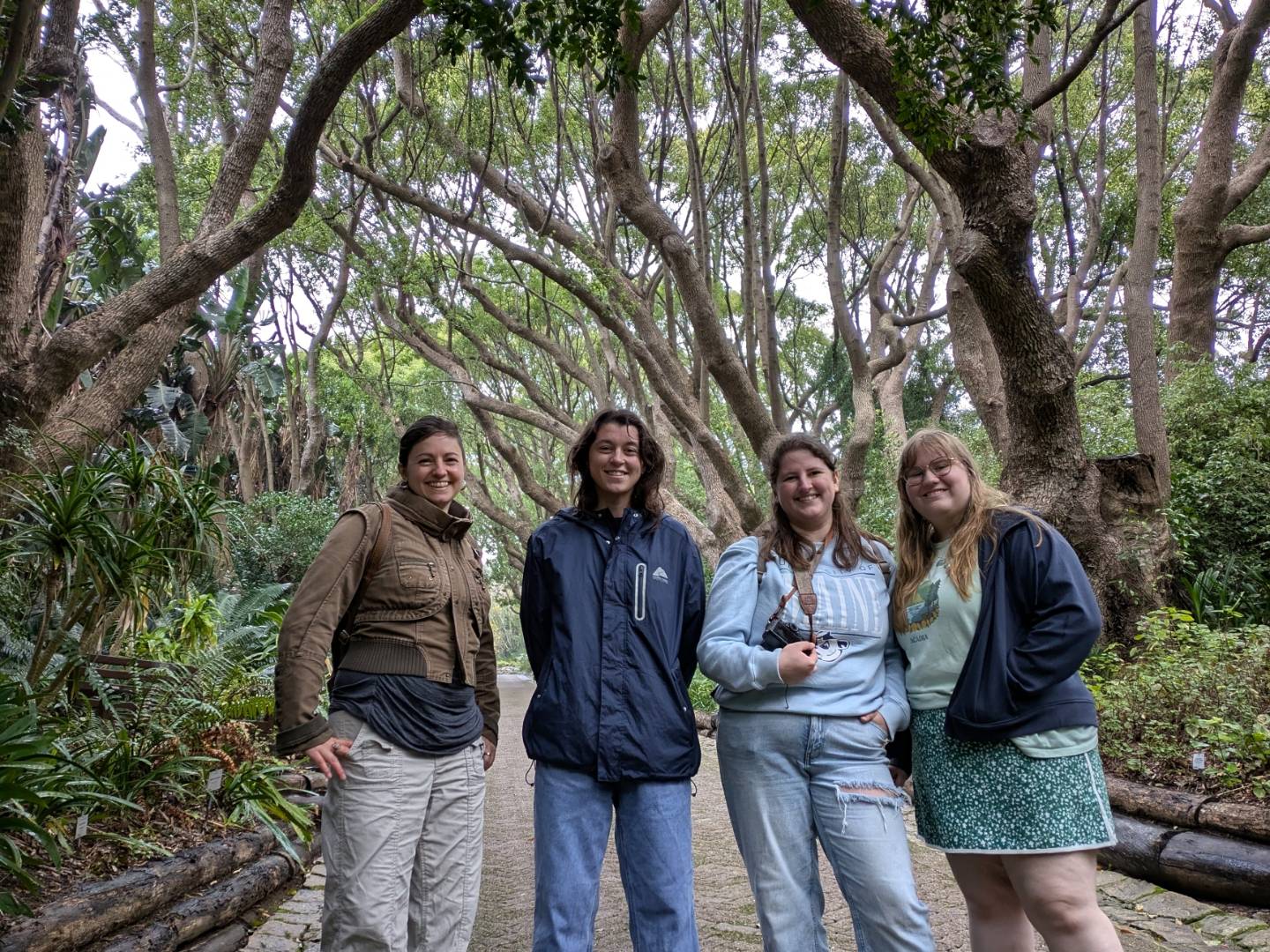
Some of the lab are lucky enough to be able to travel to Cape Town, South Africa this August for the 19th International Symposium on Microbial Ecology (ISME)!!! This conference is held in different host cities, and brings together microbiologists from around the world to celebrate our work and foster our scientific community.
Session: Integrating equity into microbiome science from crops to communities
Convenors Sue Ishaq, University of Maine, USA Adolphe Zeze, Institut National Polytechnique Félix Houphouët-Boigny, Côte d’Ivoire
Date: 20-Aug-2024, session from 11:00 to 13:00. Location: Meeting Room 2.6 (2.61 – 2.64) of CTICC1 in Cape Town.
About the session: Microorganisms are critical to many aspects of biological life, and the collective microbial community, or microbiome, can be impacted by environmental factors which may be driven by social, economic, medical, or political constraints that restrict available choices and may impact our health. This session explores the way that microbes connect to social disparities, and how microbial ecology can be used to benefit public health and vulnerable populations.
Photo credit Johanna Holman.
Characterizing Gut Bacteria Associated with Sulforaphane Production
Date: 19-Aug-2024, live session from 16:30 to 17:30. Poster number: PS1.02.050. Section: Understanding microbiome dynamics to improve human health
Affiliations: 1 Molecular and Biomedical Sciences, University of Maine, Orono, Maine, USA; 2 School of Food and Agriculture, University of Maine, Orono, Maine, USA; 2 Graduate School of Biomedical Sciences and Engineering, University of Maine, Orono, Maine, USA; 3School of Pharmacy and Pharmaceutical Sciences, SUNY Binghamton University, Johnson City, New York, USA.
Abstract: Broccoli sprouts contain glucosinolates which can be converted into sulforaphane, an anti-inflammatory compound. Mammals do not produce the essential digestive enzymes to perform this conversion, fortunately, somegut bacteria do, and this results in high sulforaphane in the colon and systemically. Sulforaphane production has implications in treating inflammatory bowel diseases such as ulcerative colitis. Bacterial samples were collected from 40 all-male SPFC57BL/6 mice. Divided into four groups, mice received a combination, or lack thereof, of 2.5%dextran sodium sulfate in drinking water to induce ulcerative colitis and/or steamed broccoli sprouts at 10% of the diet. Following the trial, bacteria were isolated from jejunum and colon digesta- and mucosal-associated contents. Bacteria were grown on bacto-tryptone yeast broth media in anaerobic conditions. Collected bacteria were analyzed based on morphological data. Following initial culturing bacteria were placed in 96-well plates amongst bacto-tryptone yeast broth in four groups: with glucose, without glucose, with glucoraphanin, and with sinigrin. Plates were incubated anaerobically for 24 hours followed by growth being measured via spectrophotometry, to assess potential as a probiotic. Over four hundred bacteria were assessed, multiple of which showed signs of glucosinolate conversion. Across gram stains, approximately 80% of all analyzed showed to be gram +.
Graphic Designed by Indigo Millisor.
Funding Sources: This work was funded by the NIH, Crohn’s and Colitis Foundation, and NSF NRT.
Steamed broccoli sprouts alleviate gut inflammation and retain gut microbiota against DSS-induced dysbiosis.
Johanna M. Holman1, Lola Holcomb2, Louisa Colucci3, Dorien Baudewyns4, Joe Balkan5, Grace Chen6, Peter L. Moses7,8, Gary M. Mawe7, Tao Zhang9, Yanyan Li1*, Suzanne L. Ishaq1*
Date: 19-Aug-2024, live session from 10:00 to 11:00 Poster number: PS1.02.007 Section: Understanding microbiome dynamics to improve human health
Affiliations: 1 School of Food and Agriculture, University of Maine, Orono, Maine, USA; 2 Graduate School of Biomedical Sciences and Engineering, University of Maine, Orono, Maine, USA; 3 Department of Biology, Husson University, Bangor, Maine, USA; 4 Department of Psychology, University of Maine, Orono, USA; 5 Department of Chemical and Biological Engineering, Tufts University, Medford, Massachusetts, USA; 6 Department of Internal Medicine, University of Michigan Medical School, Ann Arbor, Michigan, USA; 7 Departments of Neurological Sciences and of Medicine, Larner College of Medicine, University of Vermont, Burlington, Vermont, USA: 8 Finch Therapeutics, Somerville, Massachusetts, USA; 9 School of Pharmacy and Pharmaceutical Sciences, SUNY Binghamton University, Johnson City, New York, USA.
Abstract: Inflammatory bowel diseases are devastating conditions of the gastrointestinal tract with limited treatments, and dietary intervention may be effective, affordable, and safe for managing symptoms. Research has identified inactive compounds in broccoli sprouts that may be metabolized by the gut microbiota into key anti-inflammatories. Our research set out to identify biogeographic locations of participating microbiota and correlate that to health outcomes. We fed specific pathogen free C57BL/6 mice either a control diet or a 10% steamed broccoli sprout diet, and gave a three-cycle regimen of 2.5% dextran sulfate sodium in drinking water over 40 days to simulate ulcerative colitis. We monitored body weight, fecal characteristics and lipocalin, and sequenced bacterial communities from the contents and mucosa of the jejunum, cecum, and colon. Mice fed the broccoli sprout diet while receiving dextran sulfate sodium performed better than mice fed control diet for all disease parameters, including increased weight gain (2-way ANOVA, p < 0.05), lower Disease Activity Index scores (2-way ANOVA, p < 0.001), and higher bacterial richness (linear regression model, p < 0.01). Bacterial communities were assorted by gut location except in the mice receiving the control diet and colitis-inducing treatment (Beta-diversity, ANOVA, p < 0.05). Importantly, our results suggest that broccoli sprouts abrogated the effects of dextran sulfate sodium on the gut microbiota, that colitis erases biogeographical patterns of bacterial communities, and that the cecum is not likely to be a contributor to colonic bacteria of interest, in a mouse model of ulcerative colitis.
Funding Sources: This work was funded by the NIH, USDA, NSF NRT, and UMaine GSBSE.
Consuming steamed broccoli sprouts as part of their diet protected the gut biogeography of microbes — which bacteria was found in which organ sampled– in the intestines of mice who were experiencing chemically induced colitis. Image by Johanna Holman.
Early life exposure to broccoli sprouts confers stronger protection against enterocolitis development in an immunological mouse model of inflammatory bowel disease.
Lola Holcomb1, Johanna Holman2, Molly Hurd3, Brigitte Lavoie3, Louisa Colucci4, Gary M. Mawe3,Peter L. Moses3,5, Emma Perry6, Allesandra Stratigakis7, Tao Zhang7, Grace Chen8, Suzanne L. Ishaq1*, Yanyan Li7*
Date: 19-Aug-2024, live session from 16:30 to 17:30 Poster number: PS1.02.002 Section: Understanding microbiome dynamics to improve human health
1 Graduate School of Biomedical Sciences and Engineering, University of Maine, Orono, Maine 2 School of Food and Agriculture, University of Maine, Orono, Maine 3 Larner College of Medicine, University of Vermont, Burlington, Vermont 4 Department of Biology, Husson University, Bangor, Maine, 5 Finch Therapeutics, Somerville, Massachusetts, 6 Electron Microscopy Laboratory, University of Maine, Orono, Maine 7 School of Pharmacy and Pharmaceutical Sciences, SUNY Binghamton University, Johnson City, New York, 8 Department of Internal Medicine, University of Michigan Medical School, Ann Arbor, Michigan
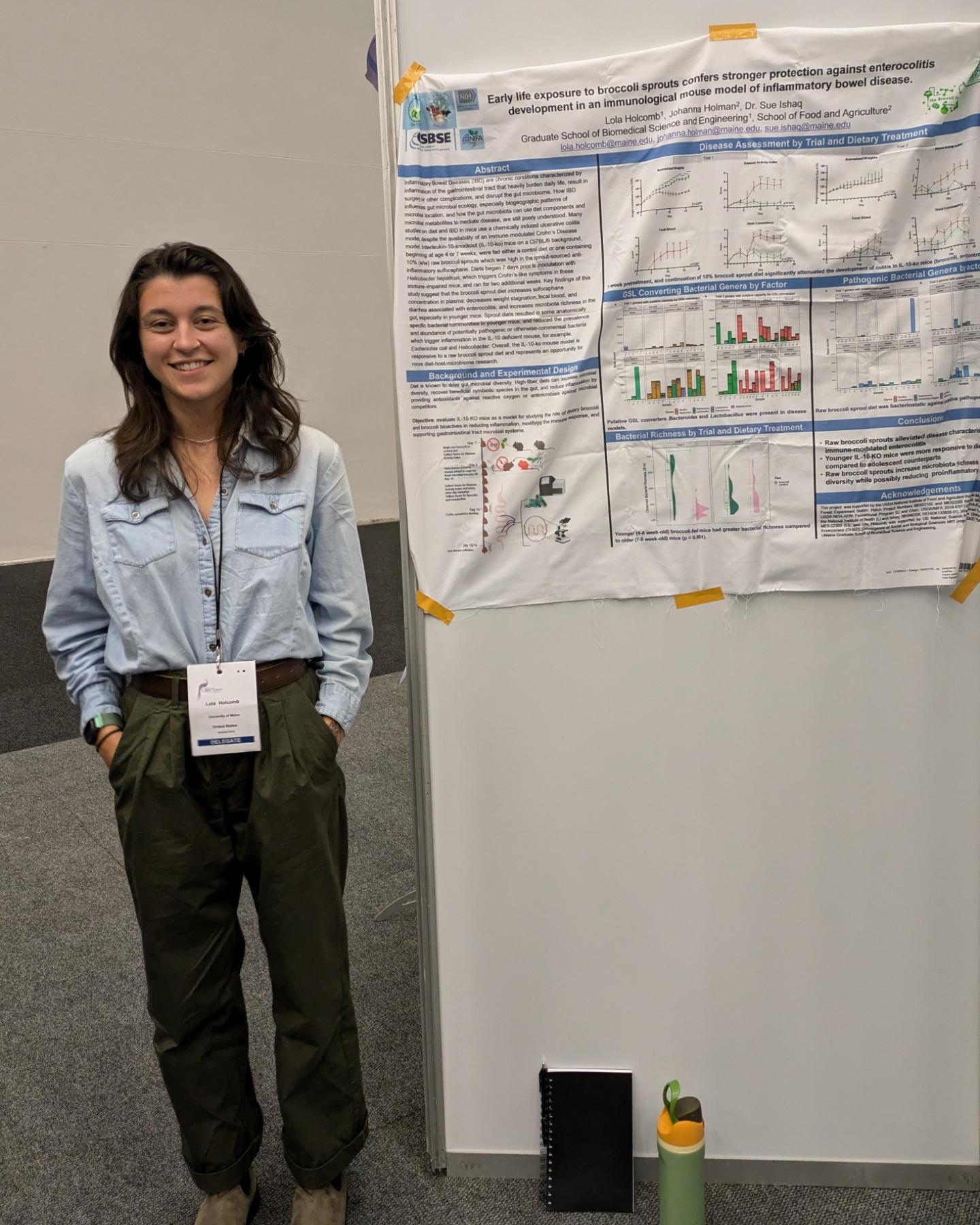
Inflammatory Bowel Diseases (IBD) are chronic conditions characterized by inflammation of the gastrointestinal (GI) tract that burden daily life, result in complications, and disrupt the gut microbiome. Many studies on diet and IBD in mice use an ulcerative colitis model, despite the availability of an immune-modulated Crohn’s Disease model. The objective of this study was to establish IL-10 deficient mice as a model for studying the role of dietary broccoli and broccoli bioactives in reducing inflammation, modifying the immune response, and supporting GI tract microbial systems. Interleukin-10-knockout (IL-10-ko) mice on a C57BL/6 background, beginning at age 4 or 7 weeks, were fed either a control diet or one containing 10% raw broccoli sprouts. Diets began 7 days prior to inoculation with Helicobacter hepaticus, which triggers Crohn’s-like symptoms in these immune-impaired mice, and ran for 2 additional weeks. Broccoli sprouts decreased (p < 0.05), fecal lipocalin (LCN2), a biomarker for intestinal inflammation, and fecal blood, diarrhea, and overall Disease Activity Index. Sprouts increased gut microbiota richness, especially in younger mice (p < 0.004), and recruited different communities in the gut (B-diversity, ANOVA, p < 0.001), especially in the colon (B-diversity, ANOVA, p = 0.03). The control group had greater prevalence and abundance of otherwise commensal bacteria which trigger inflammation in the IL-10-ko mice. Helicobacter was within the top-5 most prevalent core genera for the control group, but was not within the top-5 for the broccoli group. Disease parameters and microbiota changes were more significant in younger mice receiving broccoli. A diet containing 10% raw broccoli sprouts may be protective against negative disease characteristics of Helicobacter-induced enterocolitis in IL-10-ko mice, and younger age is the most significant factor (relative to diet and anatomical location) in driving gut bacterial community richness and similarity. The broccoli diet contributes to prevalence and abundance of bacterial genera that potentially metabolize dietary compounds to anti-inflammatory metabolites in the gut, are bacteriostatic against pathogens, and may ease disease severity.
Funding Sources: This work was funded by the NIH, USDA, NSF NRT, and UMaine GSBSE.
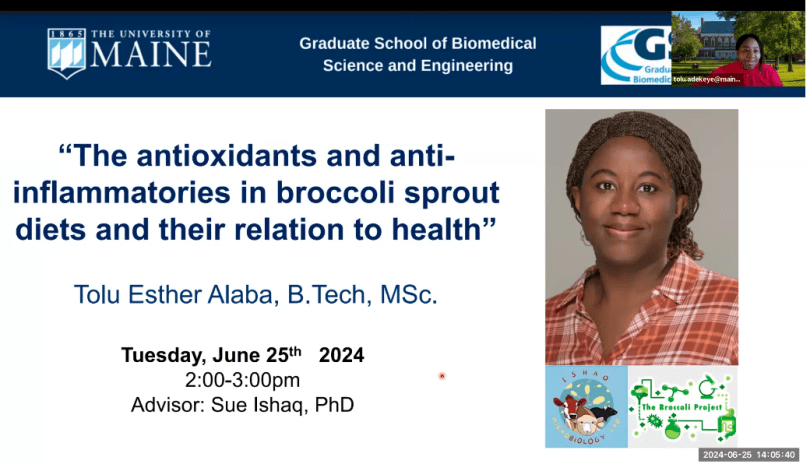
The Ishaq Lab is ecstatic to announce that Dr. Tolu Esther Alaba has successfully defended her PhD dissertation on the antioxidants and anti-inflammatories in broccoli sprout diets and their relation to health, officially completing her PhD!!! You can check out the recording of her talk here, which was attended by >40 people over Zoom.
The committee was impressed by her breadth of knowledge, ability to think abstractly about future research, plans for research designs and integrating technology into education, and enthusiasm for using food as medicine. Dr. Alaba will enjoy a very-well-earned summer break before considering postdoctoral research options in the fall, and we are thrilled to keep working with her!
Tolu has been researching the benefits of cruciferous vegetables on health, and especially the benefits by antioxidants or anti-inflammatories we get from these plants. Some of these compounds are available directly from the plants, and some of them are produced or made available through the biochemistry of certain bacteria that live in our gut. Depending on the type of vegetable, and the way that it is cooked/prepared, you can end up with different types and quantities of these beneficial compounds.
Cruciferous vegetables or their purified compounds can ameliorate inflammatory symptoms through multiple pathways. Graphic designed by Johanna Holman.
Tolu Esther Alaba has been a PhD Candidate in the Graduate School of Biomedical Science and Engineering at UMaine. She previously completed her bachelors of technology at Ladoke Akintola University of Technology, in Ogbomosho Nigeria in 2011, and her masters of science at the University of Ibadan, in Ibadan, Nigeria in 2015.
She started her PhD at UMaine in the fall of 2019, just a few months before the pandemic, and during her PhD she weathered the pandemic, an advisor leaving, leaving an advisor, navigating university policy and advocating for herself, being a mentor in STEM, being a teaching assistant, raising a family, moving across the country, and learning entirely new research skills. This has been a difficult journey, but Tolu has risen to every challenge, become a competent interdisciplinary researcher and added an entirely new dimension of research to our work.
Her research has focused on antioxidants in fruits and vegetables which can be used to resolve inflammation, oxidative stress, injury, cardiometabolic and chronic diseases. She joined #TeamBroccoli last September, and in less than a year, completed a literature review which was recently published in the journal Current Developments in Nutrition, she has completed metabolomics for mouse studies for two manuscripts in preparation, and completed a nutritional analysis for a human study for a manuscript in development. The Ishaq Lab is proud of her strength in standing up for herself as an employee and a researcher, as well as of the incredible work she’s added to our team.
In preparation: Early life intervention with broccoli sprouts affects serum and gut metabolites.
In preparation: Healthy eating habits and effects of consuming steamed broccoli sprouts daily for a month.
Presentations
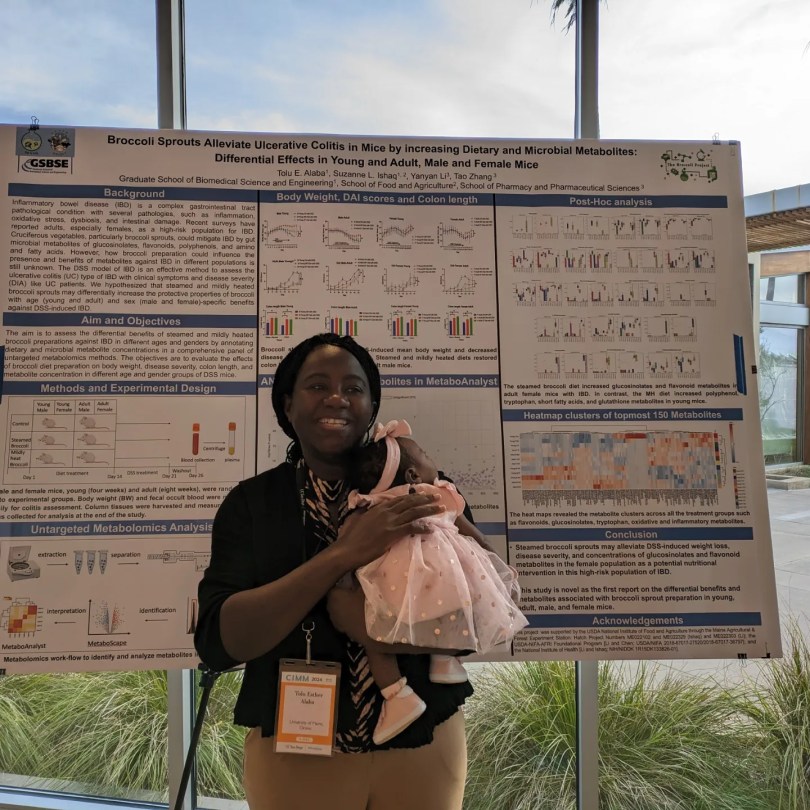
Alaba*, T.E., Ishaq, S.L., Li, Y., Zhang, T. “Broccoli sprouts alleviate ulcerative colitis in mice by increasing dietary and microbial metabolites: differential effects in young and adult, male and female mice. 4th CMI International Microbiome Meeting (CIMM), La Jolla, CA, March 12th – 14th, 2024.
I will be giving a talk at the upcoming Northern New England Microbiome Symposium on my collaborative work on broccoli sprouts, gut microbes, and Inflammatory Bowel Disease: “Place and Time Matter for Gut Microbes Making Anti-Inflammatories from Broccoli Sprouts”.
The Symposium is June 3, 2024, and free to attend at the University of Vermont campus:
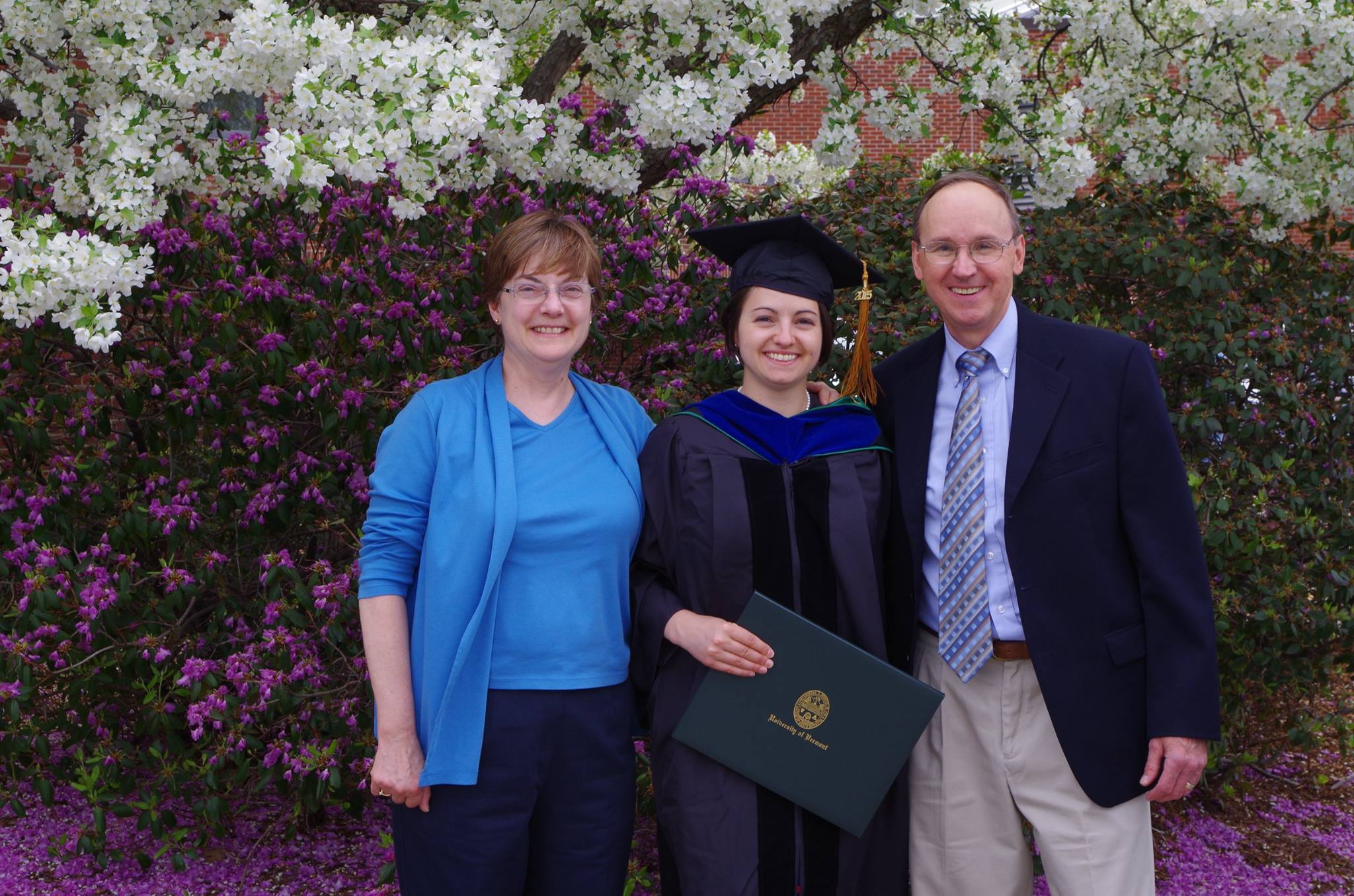
But, this talk is particularly special because this is the FIRST microbiome sysmposium in Northern New England featuring local research, and because UVM is where I did my undergraduate and graduate degrees! I can’t wait to visit campus again, and relive some fond memories:
The Ishaq Lab is delighted to announce that Tolu Esther Alaba will soon be defending her PhD dissertation on the antioxidants and anti-inflammatories in broccoli sprout diets and their relation to health. Her dissertation will be presented over Zoom on June 25, 2024, from 2 – 3 pm EDT, which is open to the public. Registration is free but required here.
Tolu has been researching the benefits of cruciferous vegetables on health, and especially the benefits by antioxidants or anti-inflammatories we get from these plants. Some of these compounds are available directly from the plants, and some of them are produced or made available through the biochemistry of certain bacteria that live in our gut. Depending on the type of vegetable, and the way that it is cooked/prepared, you can end up with different types and quantities of these beneficial compounds.
Cruciferous vegetables or their purified compounds can ameliorate inflammatory symptoms through multiple pathways. Graphic designed by Johanna Holman.
Tolu Esther Alaba is a PhD Candidate in the GSBSE program at UMaine. Her research has focused on antioxidants in fruits and vegetables which can be used to resolve inflammation, oxidative stress, injury, cardiometabolic and chronic diseases. She joined #TeamBroccoli in the fall of 2023, and in less than a year, completed a dissertation’s-worth of research, including performing metabolomics and related data analyses on gut metabolites and broccoli sprouts in mice and humans, and drafting several manuscripts, and publishing literature review (details below) — and all this was on top of moving to California with her family, giving birth to her second child, Bethel, and extricating herself from the punitive environment of her former lab. The Ishaq Lab is proud of her strength in standing up for herself as an employee and a researcher, as well as of the incredible work she’s added to our team.
In preparation: Early life intervention with broccoli sprouts affects serum and gut metabolites.
In preparation: Healthy eating habits and effects of consuming steamed broccoli sprouts daily for a month.
Presentations
Alaba*, T.E., Ishaq, S.L., Li, Y., Zhang, T. “Broccoli sprouts alleviate ulcerative colitis in mice by increasing dietary and microbial metabolites: differential effects in young and adult, male and female mice. 4th CMI International Microbiome Meeting (CIMM), La Jolla, CA, March 12th – 14th, 2024.
The Li and Ishaq labs are excited to announce a new literature review on the beneficial compounds in cruciferous vegetables was just published here in Current Developments in Nutrition, led by Tolu Esther Alaba (PhD candidate in GSBSE) and Johanna Holman (soon to be PhD candidate in Microbiology/Nutrition)!!
We’ve been researching the benefits of cruciferous vegetables on health, some of which are available directly from the plants, and some of which require the participation of certain bacteria that live in our gut. Cruciferous vegetables are loaded with fiber, vitamins, minerals, and – what we are most interested in – the plant’s secondary compounds called glucosinolates which can be transformed into antioxidants and anti-inflammatories. Depending on the type of vegetable, and the way that it is cooked/prepared, you can end up with different types and quantities of these beneficial compounds. We are interested in how to target benefits to certain locations in the gut by inducing the gut microbiome to participate in making these compounds available to us (Figure below). The review consolidated the existing literature on cruciferous vegetables in regards to the glucosinolates and reducing inflammation in the gut.
Cruciferous vegetables or their purified compounds can ameliorate inflammatory symptoms through multiple pathways. Graphic designed by Johanna Holman.
Tolu Esther Alaba is a PhD Candidate in the GSBSE program at UMaine. Her research has focused on antioxidants in fruits and vegetables which can be used to resolve inflammation, oxidative stress, injury, cardiometabolic and chronic diseases. Since joining #TeamBroccoli in the fall of 2023, she’s completed data analyses on gut metabolites and broccoli sprouts in mice and humans, and began drafting several manuscripts, in addition to writing this literature review. Tolu plans to defend her dissertation this summer, and we hope to bring her back to the Ishaq and Li labs as a postdoctoral researcher focusing on dietary habits, cruciferous vegetable intake, and dietary metabolomics!
Johanna Holman is a PhD student in the Nutrition/Microbiology programs. She began working on broccoli sprouts with Drs. Tao Zhang and Yanyan Li over 6 years ago as a research assistant. She joined the Ishaq lab in fall 2020 as a master’s student to investigate the effects of diet on the gut microbiome, and host-microbial interactions, as part of an ongoing collaboration with Tao and Yanyan Li, and graduated with her M.S. in nutrition science in the fall of 2022. Her research combines nutritional biochemistry of broccoli sprouts with effects on gut microbes and gastrointestinal inflammation, and spans biochemistry, microbiology, molecular biology, and incorporates a handful of undergraduate mentees every semester. Johanna also just created a website for Imaginome Designs, her graphic design portfolio!!
Yanyan Li, PhD, is an Assistant Professor of Pharmaceutical Sciences at SUNY Binghamton, and has been researching the nutritional biochemistry of broccoli sprouts for over a decade. Yanyan and Sue, along with Johanna, Tolu, and the rest of Team Broccoli have been collaborating on diet-microbe-health projects for the last 5 years!
Authors: Tolu E. Alaba1, Johanna M. Holman2 , Suzanne L. Ishaq2 , Yanyan Li2,3
Affiliations: 1 Graduate School of Biomedical Sciences and Engineering, University of Maine, Orono, Maine, USA 04469; 2 School of Food and Agriculture, University of Maine, Orono, Maine, USA 04469; 3 School of Pharmacy and Pharmaceutical Sciences, SUNY Binghamton University, Johnson City, New York, USA 13790
Abstract
Inflammatory bowel disease is a chronic condition with a significant economic and social burden. The disease is complex and challenging to treat because it involves several pathologies, such as inflammation, oxidative stress, dysbiosis, and intestinal damage. The search for an effective treatment has identified cruciferous vegetables and their phytochemicals as potential management options for inflammatory bowel disease, as they contain prebiotics, probiotics, and anti-inflammatory and antioxidant metabolites essential for a healthy gut. This critical narrative style review provides a robust insight into the pharmacological effects and benefits of crucifers and their documented bioactive compounds in in vitro and in vivo models, as well as clinical inflammatory bowel disease. The review highlights the significant impact of crucifer preparation and the presence of glucosinolates, isothiocyanates, flavonoids, and polyphenolic compounds, which are essential for the anti-inflammatory and antioxidative benefits of cruciferous vegetables, as well as their ability to promote the healthy microbial community and maintain the intestinal barrier. This review may serve as a viable nutritional guide for future research on methods and features essential to developing experiments, preventions, and treatments for inflammatory bowel disease. There is limited clinical information and future research may utilize current innovative tools, such as metabolomics, for adequate knowledge and effective translation into clinical therapy.
Acknowlegements
This project was supported by the USDA National Institute of Food and Agriculture through the Maine Agricultural & Forest Experiment Station: Hatch Project Numbers ME022102 and ME022329 (Ishaq) and ME022303 (Li); and the National Institute of Health [Li and Ishaq; NIH/NIDDK 1R15DK133826-01], and the Allen Foundation [Li and Ishaq, #5409406]. Financial sponsors had no role in study design, data interpretation, or report writing.
The UMaine Student Symposium is an annual event featuring research presentations from undergraduate and graduate students, and is a way to share student research on campus and with the Maine public.
All of the abstracts for the full program, and previous years, are available here.
The event is free to attend, and will take place at the New Balance Field House on the UMaine Orono Campus, Friday April 12, 2024.
Several students from the Ishaq Lab will be presenting their ongoing work:
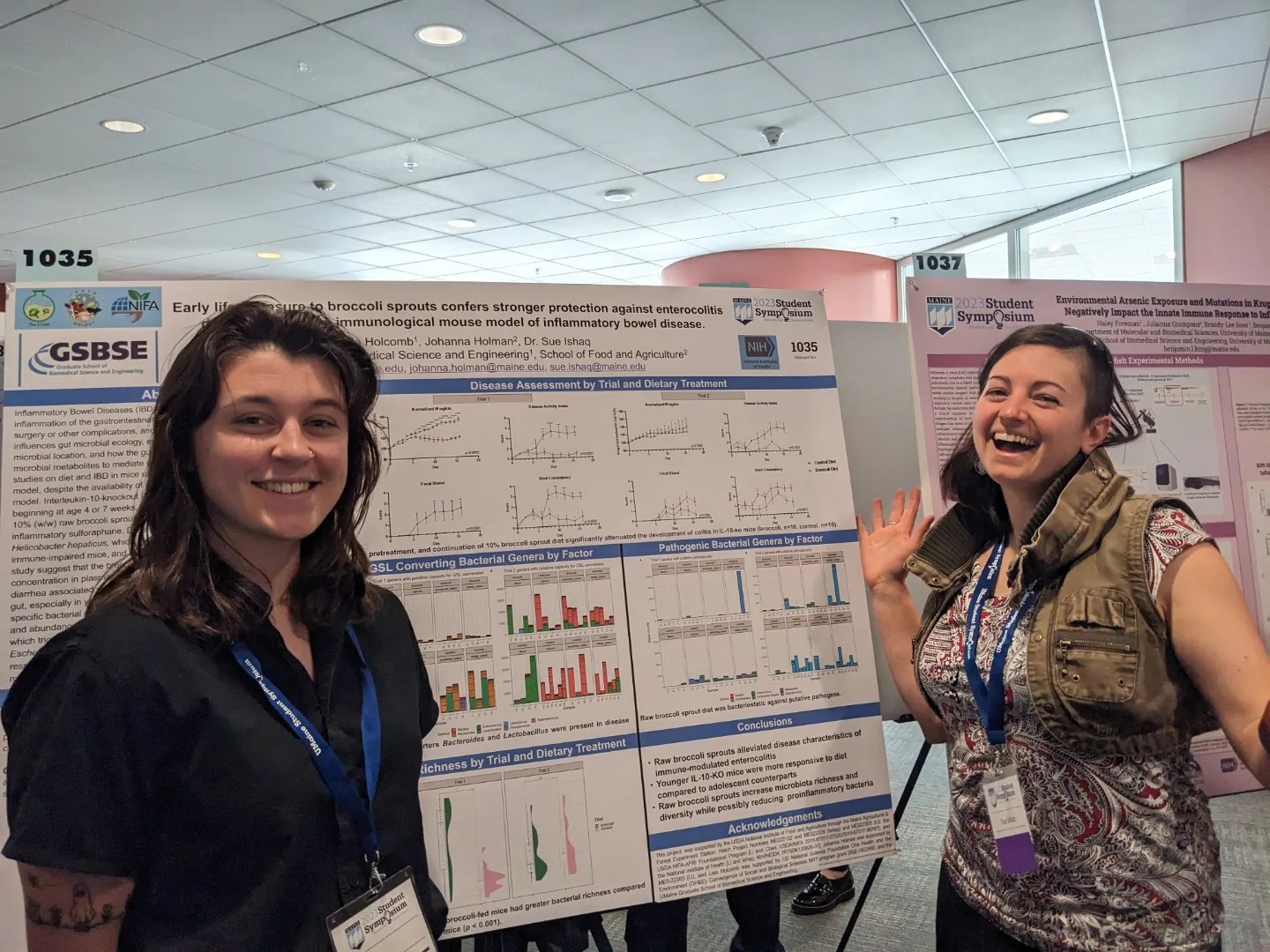
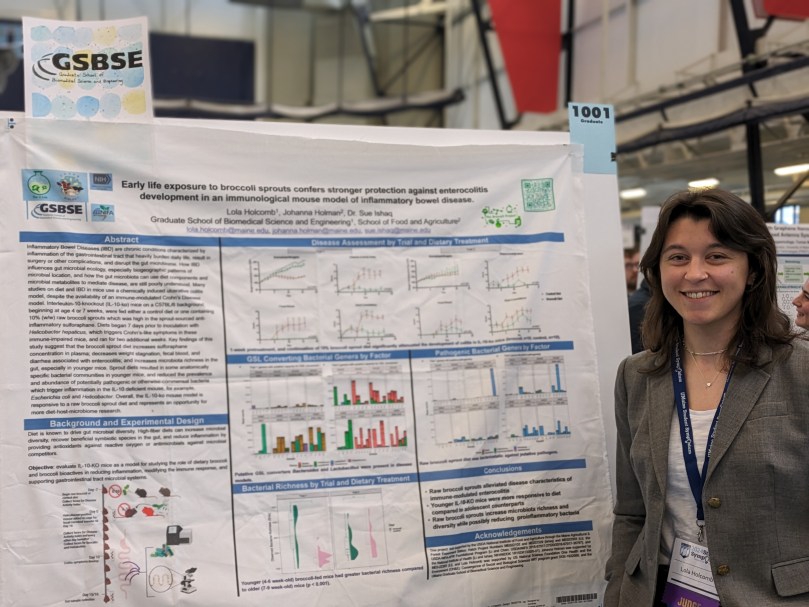
Early Life Broccoli Sprout Consumption Confers Stronger Protection Against Enterocolitis in an Immunological Mouse Model of Inflammatory Bowel Disease
Author(s): Lola Holcomb, Johanna Holman, Sue Ishaq.
Type: poster presentation
Submission category: Biomedical sciences
Abstractnumber 1001: Inflammatory Bowel Diseases (IBD) are chronic conditions characterized by inflammation of the gastrointestinal tract that heavily burden daily life, result in surgery or other complications, and disrupt the gut microbiome. How IBD influences gut microbial ecology, especially biogeographic patterns of microbial location, and how the gut microbiota can use diet components and microbial metabolites to mediate disease, are still poorly understood. This study aimed to resolve such questions. Many studies on diet and IBD in mice use a chemically induced ulcerative colitis model, despite the availability of an immune-modulated Crohn’s Disease model. Interleukin-10-knockout (IL-10-KO) mice on a C57BL/6 background, beginning at age 4 or 7 weeks, were fed either a control diet or one containing 10% (w/w) raw broccoli sprouts which was high in the sprout-sourced anti-inflammatory sulforaphane. Diets began 7 days prior to inoculation with Helicobacter hepaticus, which triggers Crohn’s-like symptoms in these immune-impaired mice, and ran for two additional weeks. Key findings of this study suggest that the broccoli sprout diet increases sulforaphane concentration in plasma; decreases weight stagnation, fecal blood, and diarrhea associated with enterocolitis; and increases microbiota richness in the gut, especially in younger mice. Sprout diets resulted in some anatomically specific bacterial communities in younger mice, and reduced the prevalence and abundance of potentially pathogenic or otherwise-commensal bacteria which trigger inflammation in the IL-10 deficient mouse, for example, Escherichia coli and Helicobacter. Overall, the IL-10-KO mouse model is responsive to a raw broccoli sprout diet and represents an opportunity for more diet-host-microbiome research.
Lola’s poster from the CIMM 2024 meeting.
Steamed Broccoli Sprouts Alleviate Gut Inflammation and Retain Gut Microbiota Against DSS-induced Dysbiosis.
Author(s): Johanna Holman, Lola Holcomb, Sue Ishaq.
Type: oral presentation, 9:45 am
Submission Category: Biomedical Sciences
Abstract number 1002: Inflammatory bowel diseases are devastating conditions of the gastrointestinal tract with limited treatments, and dietary intervention may be effective, affordable, and safe for managing symptoms. Research has identified inactive compounds in broccoli sprouts that may be metabolized by the gut microbiota into key anti-inflammatories. Our research set out to identify biogeographic locations of participating microbiota and correlate that to health outcomes. We fed specific pathogen free C57BL/6 mice either a control diet or a 10% steamed broccoli sprout diet, and gave a three-cycle regimen of 2.5% dextran sulfate sodium in drinking water over 40 days to simulate ulcerative colitis. We monitored body weight, fecal characteristics and lipocalin, and sequenced bacterial communities from the contents and mucosa of the jejunum, cecum, and colon. Mice fed the broccoli sprout diet while receiving dextran sulfate sodium performed better than mice fed control diet for all disease parameters, including increased weight gain (2-way ANOVA, p < 0.05), lower Disease Activity Index scores (2-way ANOVA, p < 0.001), and higher bacterial richness (linear regression model, p < 0.01). Bacterial communities were assorted by gut location except in the mice receiving the control diet and colitis-inducing treatment (Beta-diversity, ANOVA, p < 0.05). Importantly, our results suggest that broccoli sprouts abrogated the effects of dextran sulfate sodium on the gut microbiota, that colitis erases biogeographical patterns of bacterial communities, and that the cecum is not likely to be a contributor to colonic bacteria of interest, in a mouse model of ulcerative colitis.
Johanna’s poster from the ASN 2023 meeting.
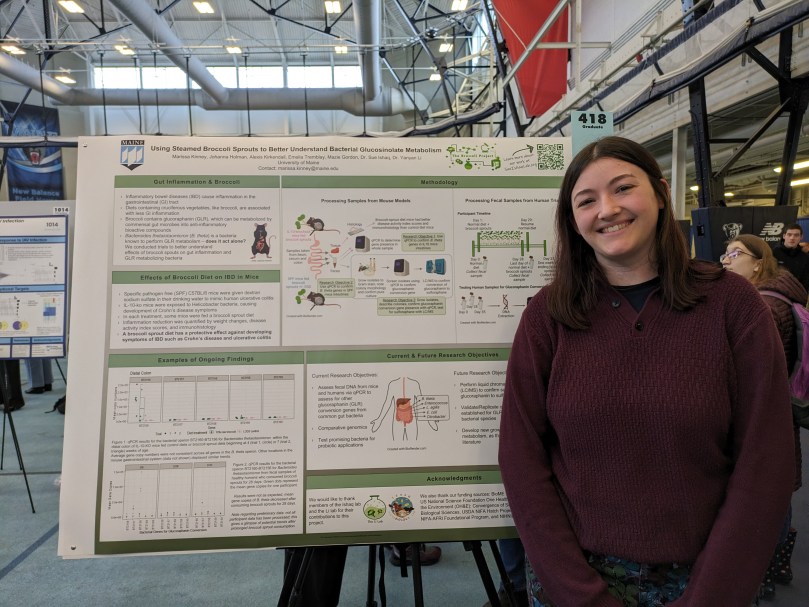
Using Steamed Broccoli Sprouts to Better Understand Bacterial Glucosinolate Metabolism
Abstract number 418: Inflammatory bowel diseases (IBD) lead to dysfunction of the gastrointestinal (GI) tract, resulting in disruption to overall health. These diseases can affect people of all ages and are present on a global scale. Research has demonstrated that diets high in cruciferous vegetables, such as broccoli, are associated with decreases in GI inflammation. Broccoli contains glucoraphanin, which through metabolism by gut bacteria, can become an anti-inflammatory compound, sulforaphane. Recent research has validated the use of steamed broccoli sprouts in the diet of mice to reduce inflammation and resolve symptoms of IBD. Isolated microbiota samples obtained from various locations in the GI of these mice are being investigated for the presence of glucoraphanin-metabolizing genes from a common gut bacteria, Bacteroides thetaiotaomicron (B. theta). Similar analyses being conducted on human fecal samples from individuals who consumed steamed broccoli sprouts for 28 days have demonstrated decreases in the presence of B. theta. This result was not anticipated and has strengthened beliefs that B. theta is not the primary species performing glucoraphanin metabolism, thus prompting further analyses of the fecal samples from mice and humans for glucoraphanin-metabolizing genes of other common GI bacteria. Genomes of isolates from the gut of mice which have high quantities of glucoraphanin-metabolizing genes will be sequenced for identification. This information will help to identify potential bacterial candidates for future research on probiotic development.
























 The Ishaq Lab