It feels like the summer semester just began, and here we are, already preparing for fall classes! There has been so much going on in the lab that I wasn’t able to keep up with regular posts, so here are some of the highlights.
Conferences
I attended four symposia/conferences this summer, starting with the virtual MSE 2023 summer symposium in early June, featuring 4 days of invited talks organized around themes, and a 5th day featuring contributed short talks (something new we tried this year). The whole week was fantastic and sparked thoughtful conversation on the using of microbial communities to reduce disparities in positive and negative health outcomes, living conditions, and more. You can find the recorded content on the symposium event page.
Next, I went to the Microbiome Day at Boston University in early July in Boston, MA, where I gave the keynote talk.
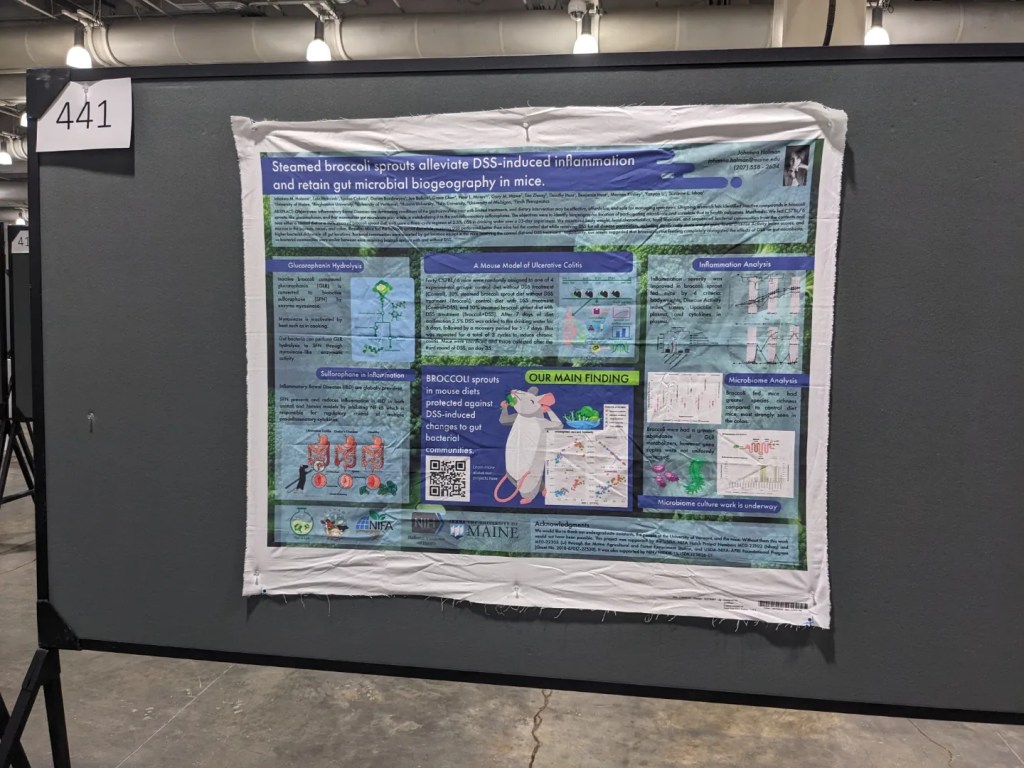
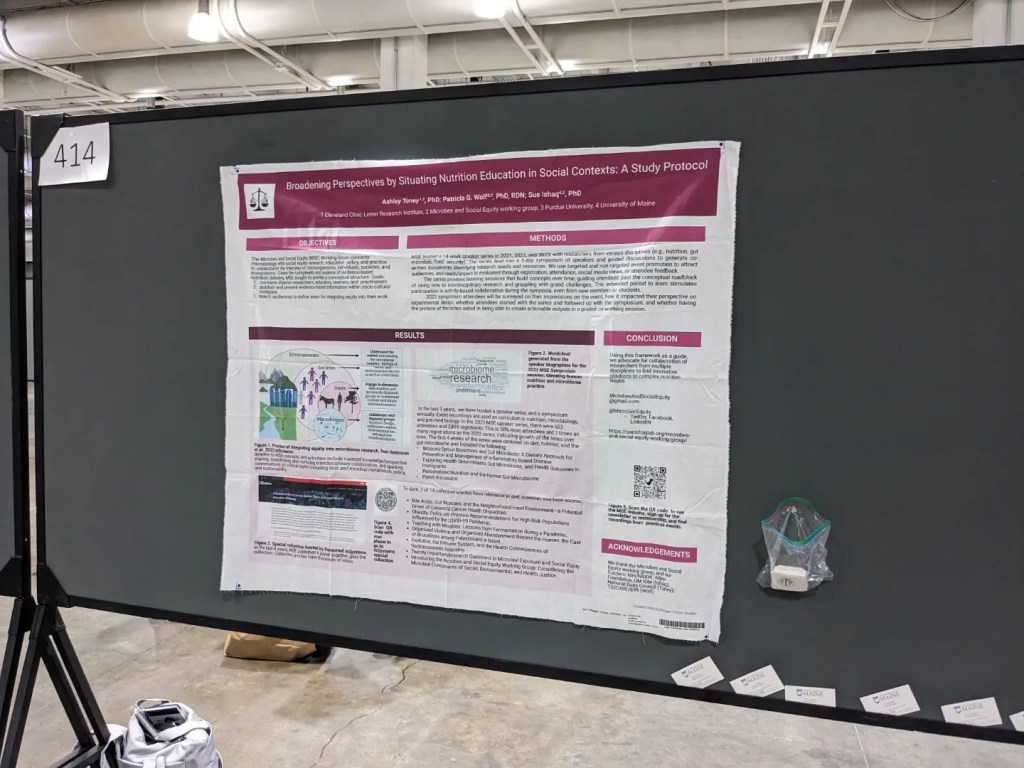
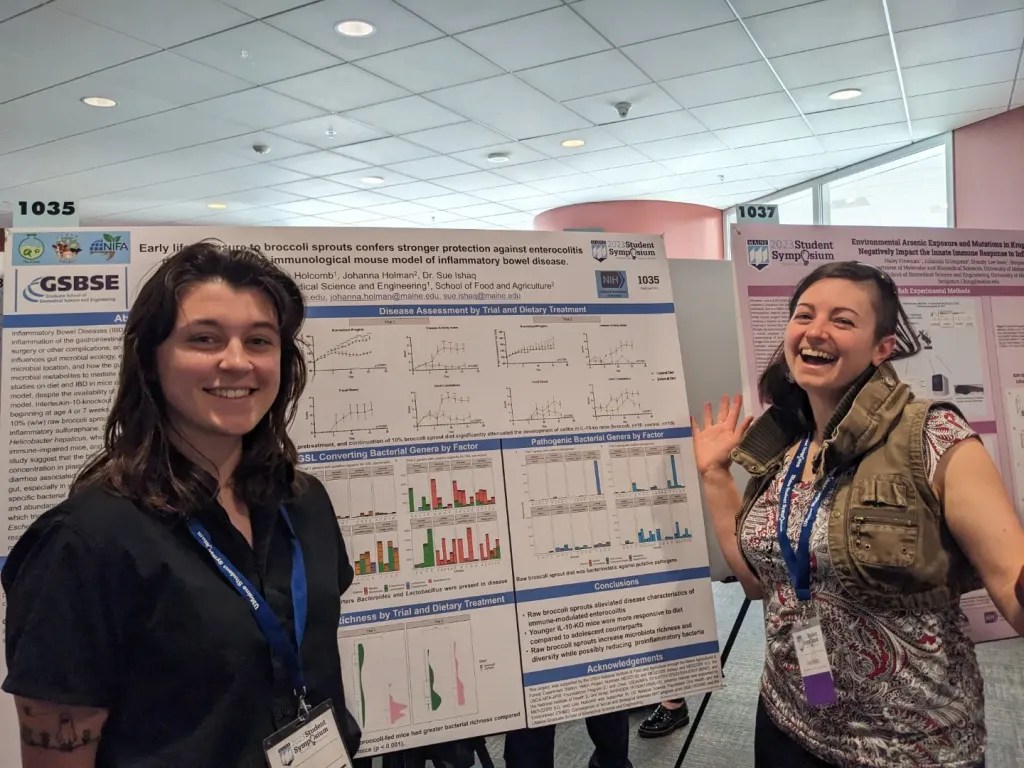
I went to the annual meeting for the American Society for Nutrition in Boston, MA in mid-July, where PhD students Johanna Holman, Lola Holcomb, and master’s student Marissa Kinney all presented posters, and most of the lab was able to make it to a puzzle quest at Boda Borg.
And, I went to the Ecological Society of America annual meeting in Portland, OR in August to present some recent work on scallop larval rearing tanks and the bacterial communities we found there. That included an unexpected effect of coastal water dynamics and the phase of the moon. That work has recently been published.
The lab has been bustling all summer as we work on several projects. Master’s student Ayodeji Olaniyi has been working on a project to identify Vibrio bacteria isolated from the sides of scallop larvae hatchery tanks, as part of a larger project investigating microbial communities in hatcheries.
Marissa and visiting postdoc Gloria Adjapong have been preparing a 16S rRNA sequencing library for hundreds of scallop tank biofilm samples we collected last year, although I don’t have any photos of that.
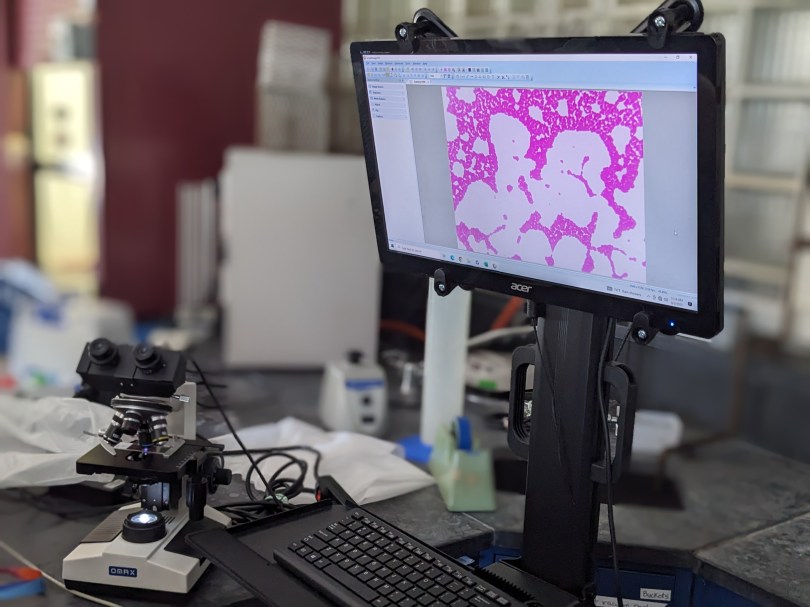
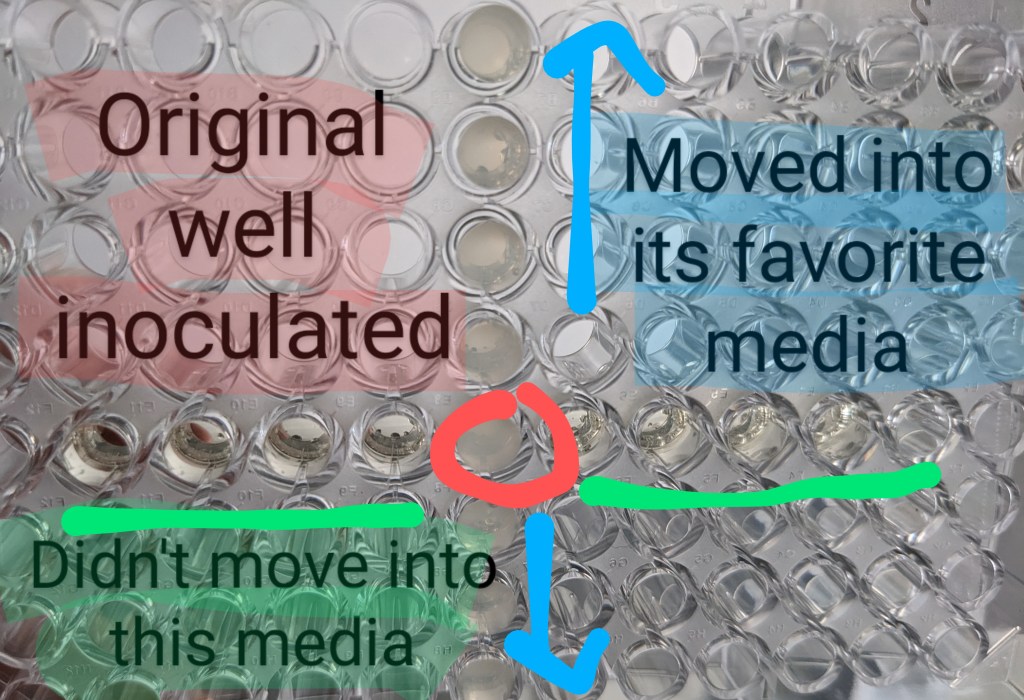
Johanna has been leading a team of students (Alexis Kirkendall, Lilian Nowak, Aakriti Sharma, and Jaymie Sideaway) on a culturing project to screen hundreds of bacterial isolates that were collected from the gastrointestinal tracts of mice eating borccoli sprouts. We are testing them for their capacity to metabolize different glucosinolates into anti-inflammatory compounds, as well as grow on different media types. In the process, we found that the bacteria we are using as a positive control likes to move from one test well to another when its favorite media is available — but not when glucose is present.
Looking ahead to fall
This fall, the lab will be supporting Ayodeji to write and defend his thesis, as he is currently looking for research/technician jobs. His thesis focuses on Vibrio bacteria in scallop larvae hatcheries.
We’ll also be preparing to welcome Alexis back as a graduate student in January 2024, to continue her work on bacteria isolated from mice eating broccoli sprouts.
Our paper was published in Aquaculture Reports, on identifying the bacteria associated with wild and hatchery-raised Atlantic sea scallop larvae, and the biofilms in larval tanks in a hatchery! For the past few years, I’ve been part of a state-wide collaboration between researchers, industry professionals, and educators all working together to understand and improve Atlantic sea scallop hatchery production. To our knowledge, this is the first study to identify bacteria in Atlantic sea scallops, and even though it was a very small project we hope it will lead to a much larger, mult-year project to investigate this in more detail.
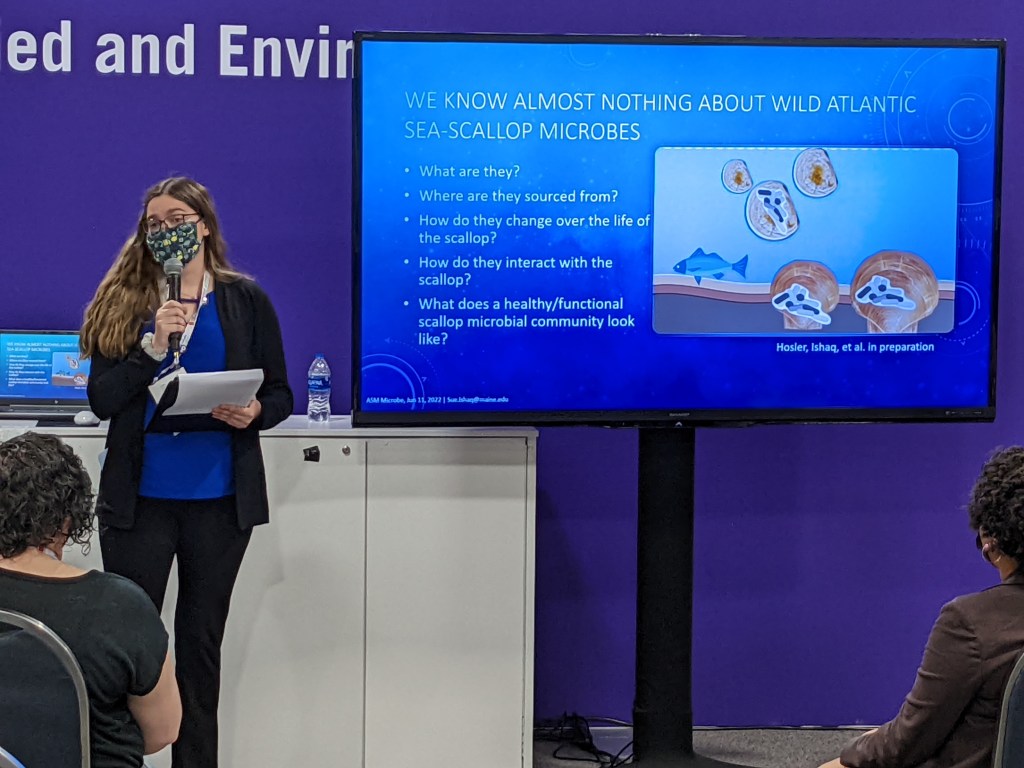
Sarah Hosler, ASM 2022.
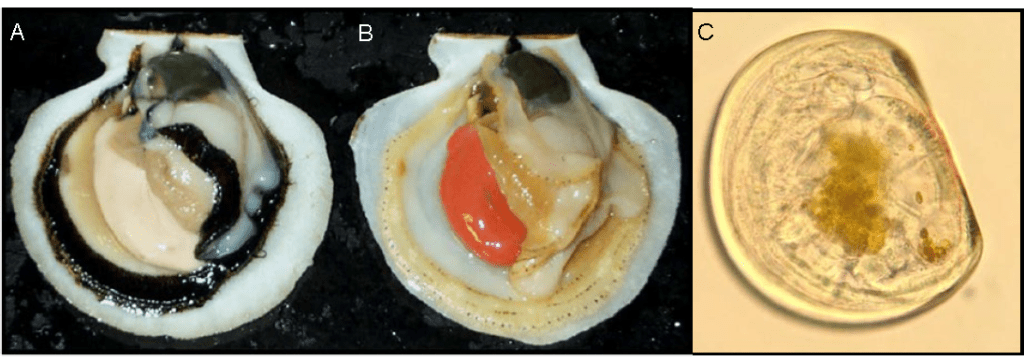
Scallops are a diverse animal group of marine bivalve mollusks (family Pectinidae) with global distribution in coastal waters, and Atlantic deep-sea scallops, Placopecten magellanicus, are found along the eastern coast of the United States and Canada. Scallops’ reproductive potential and industry demand make them a prime target for hatchery- and farm-based production, and this has been successfully achieved in bay scallops, but not in sea scallops. Currently, hatcheries collect wild sea scallop adults, or maintain cultured broodstocks, and spawn them in their facilities with the intention of forming a plentiful population to grow to adulthood, spawn, and sell to create a sustainable production cycle while also reducing disruption to the scallops’ natural habitat.
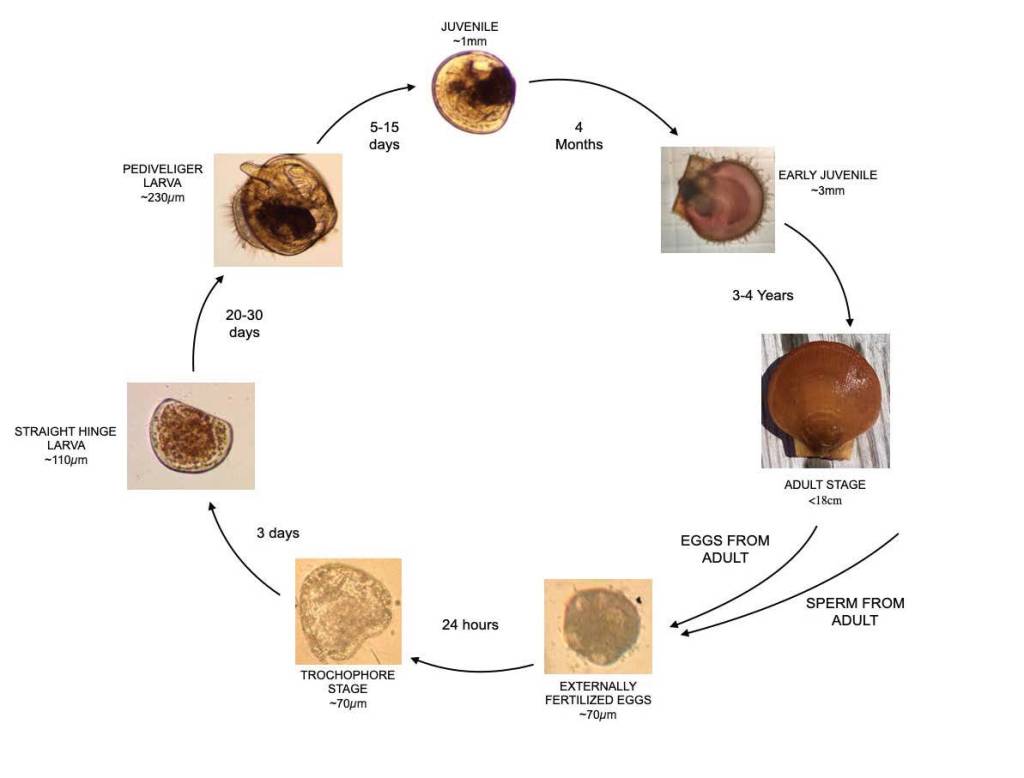
Unfortunately, in sea scallop hatcheries the last two weeks of the larval maturation phase, the veliger-stage, is plagued by large mortality events, going from 60 million sea scallop larvae down to several thousand individuals in a span of 48 hours. Survival of clutches to maturity remains very low, with an industry-standard rate around 1%. This drastic winnowing of larvae reduces the availability of cultured sea scallop spat for farmers, forcing sea scallop farms to rely almost exclusively on sea scallop spat collected from wild populations for stock and is seen as a bottleneck for growth of the industry and achieving sustainable harvests. Hatchery larval die-off is well-demonstrated not to be caused by inadequate diet, lighting, temperature, or atmospheric pressure in aquaculture facilities compared to wild conditions.
This project wanted to know if there was any clue in the bacteria that associate with larvae, or with the tanks they are in. In particular, hactcheries are worried about certain species of bacteria in the genus Vibrio, as they can cause disease to scallops and/or people, but it is tricky to study them because there are many species which do nothing at all. This project is part of another experiment to examine some of the Vibrio we found in tanks.
We sampled from some wild larvae, hatchery larvae, and from tank biofilms to indentify what was there. There were two styles of tank setup, and we collected from used tanks as well as tanks after they had been cleaned and refilled with filtered seawater.
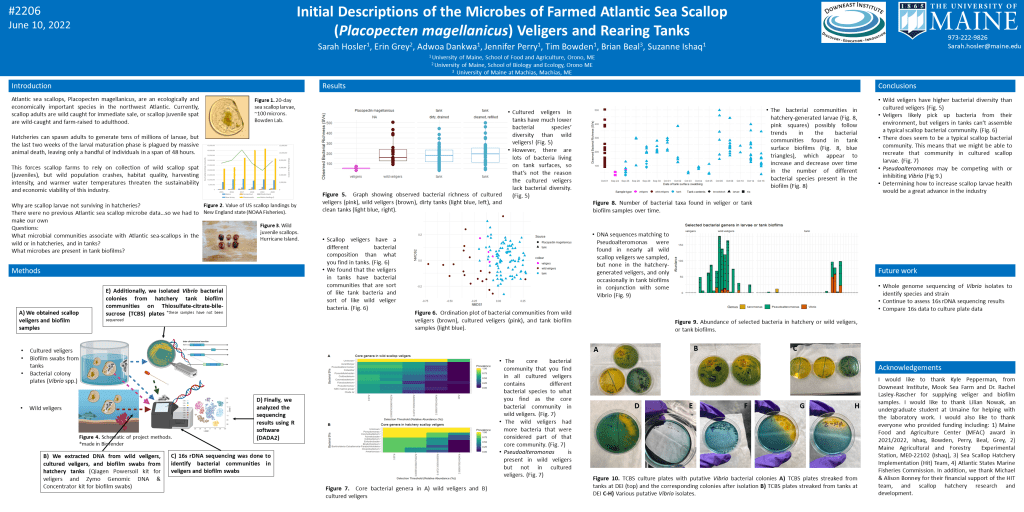
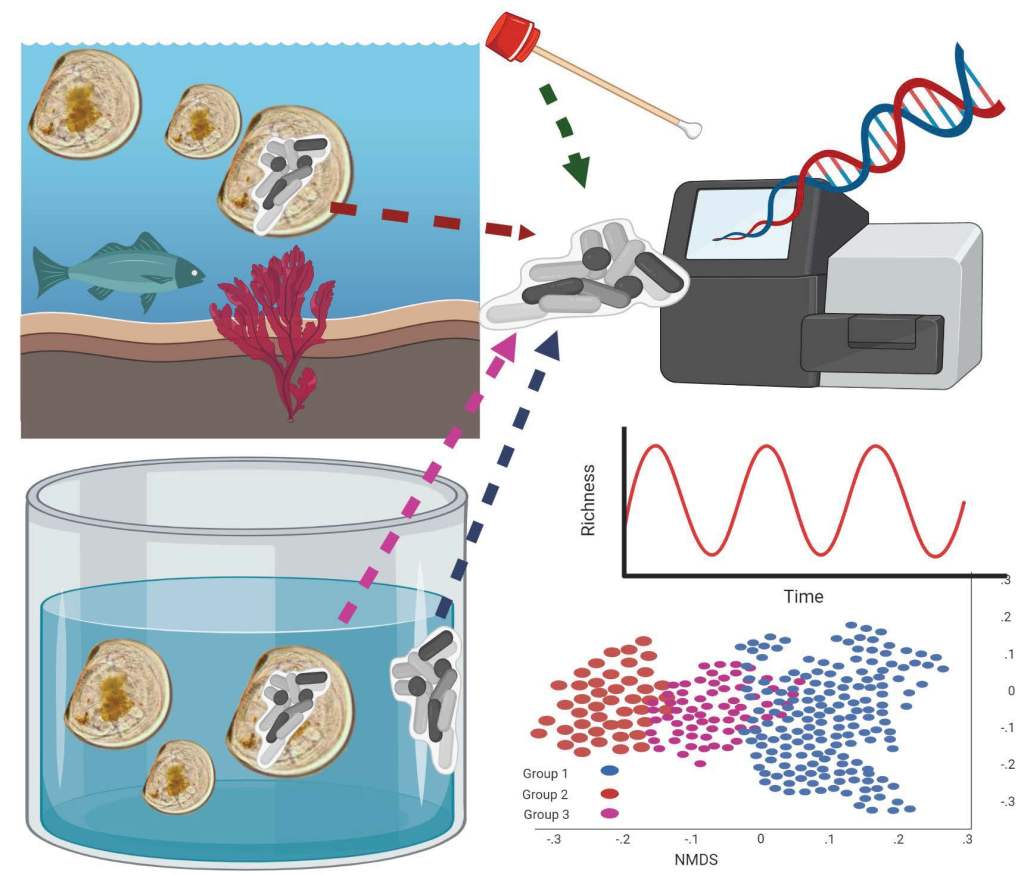
Veliger-stage Atlantic sea scallop larvae (Placopecten magellanicus) were obtained from hatchery tanks in Beals, Maine and from the wild off the coast of Cape Elizabeth, Maine. Swabs of hatchery tank biofilms were collected before and after tank cleaning. Bacterial communities were identified using DNA extraction and 16S rDNA sequencing on wild veligers, hatchery veligers and biofilm swabs. Image created with biorender.
One of the surprising things we found, was that the bacterial communities in biofilms along the sides of larvae tank were more similar to each other (clustering) when samples were collected during the same phase of the lunar cycle. Bacterial richness and community similarity between tank samples fluctuated over the trial in repeated patterns of rise and fall, which showed some correlation to lunar cycle where richness is high when the moon is about 50% and richness is low during new and full moon phases. This may be a proxy for the effects of spring tides and trends in seawater bacteria and phages which are propagated into hatchery tanks. The number of days since the full moon was significantly correlated with bacterial community richness in tanks: low during the full moon, peaking ~ 21 days after the full moon, and decreasing again at the next full moon.
Fig. 7. Constrained ordination of bacterial communities in tank samples. Each point represents the bacterial community from one sample.Similarity between samples was calculated using Distance-based Redundancy Analysis (dbDRA), and significant model factors (anova, p < 0.01) are displayed with arrow lengths relative to their importance in the model (f value). The shape of points indicates whether swabbing was either immediately after filtered seawater has been used to fill the tank (cleaned, refilled) or 48 hours after (dirty, drained). Tank setup indicates if water was static, constantly filtered and recirculated in a flow-through system, or setup information was not available (n/a).
These results along with future work, will inform hatcheries on methods that will increase larval survival in these facilities, for example, implementing additional filtering or avoiding seawater collection during spring tides, to reduce certain bacterial taxa of concern or promoting a more diverse microbial community which would compete against pathogens.
Authors: Suzanne L. Ishaq1*, Sarah Hosler1, Adwoa Dankwa1, Phoebe Jekielek2, Damian C. Brady3, Erin Grey4,5, Hannah Haskell6, Rachel Lasley-Rasher6, Kyle Pepperman7, Jennifer Perry1, Brian Beal8, Timothy J. Bowden1
Affiliations:1School of Food & Agriculture, University of Maine, Orono ME 044692 Ecology and Environmental Sciences, University of Maine, Orono ME 044733 School of Marine Sciences, Darling Marine Center, University of Maine, Walpole ME 045734 School of Biology and Ecology, University of Maine, Orono ME 044695 Maine Center for Genetics in the Environment, University of Maine, Orono ME 044696 Department of Biological Sciences, University of Southern Maine, Portland ME 041037 Downeast Institute, Beals, ME 046118 Division of Environmental & Biological Sciences, University of Maine at Machias, Machias, ME 04654
Abstract
Atlantic sea scallops, Placopecten magellanicus, are the most economically important marine bivalves along the northeastern coast of North America. Wild harvest landings generate hundreds of millions of dollars, and wild-caught adults and juvenile spat are increasingly being cultured in aquaculture facilities and coastal farms. However, the last two weeks of the larval maturation phase in hatcheries are often plagued by large mortality events. Research into other scallop- and aquacultured-species point to bacterial infections or altered functionality of microbial communities which associate with the host. Despite intense filtering and sterilization of seawater, and changing tank water every 48 hours, harmful microbes can still persist in biofilms and mortality is still high. There are no previous studies of the bacterial communities associated with the biofilms growing in scallop hatchery tanks, nor studies with wild or hatchery sea scallops. We characterized the bacterial communities in veliger-stage wild or hatchery larvae, and tank biofilms using the 16S rDNA gene V3-V4 region sequenced on the Illumina MiSeq platform. Hatchery larvae had lower bacterial richness (number of bacteria taxa present) than the wild larvae and tank biofilms, and hatchery larvae had a similar bacterial community (which taxa were present) to both wild larvae and tank biofilms. Bacterial richness and community similarity between tank samples fluctuated over the trial in repeated patterns of rise and fall, which showed some correlation to lunar cycle that may be a proxy for the effects of spring tides and trends in seawater bacteria and phages which are propagated into hatchery tanks. These results along with future work, will inform hatcheries on methods that will increase larval survival in these facilities, for example, implementing additional filtering or avoiding seawater collection during spring tides, to reduce bacterial taxa of concern or promote a more diverse microbial community which would compete against pathogens.
Acknowledgements
The authors would like to thank the staff at the Downeast Institute for supporting the development and implementation of this project, as well as for financially supporting the DNA sequencing; Meredith White of Mook Sea Farm for sharing her expertise and collecting biofilm samples; the Darling Marine Center for sharing their expertise and collecting biofilm samples; and the Sea Scallop Hatchery Implementation (Hit) Team for their expertise, review of this work, and funding support, who are financially supported by the Atlantic States Marine Fisheries Commission and Michael & Alison Bonney. The authors thank Lilian Nowak for assistance with related lab work to this project, and the Map Top Scholars Program for related financial support. The authors also thank Nate Perry for helping us collect wild scallop larvae. All authors have read and approved the final manuscript. This project was supported by the USDA National Institute of Food and Agriculture through the Maine Agricultural & Forest Experiment Station, Hatch Project Numbers: ME0-22102 (Ishaq), ME0-22309 (Bowden), and ME0-21915 (Perry); as well through NSF #OIA-1849227 to Maine EPSCoR at the University of Maine (Grey). This project was supported by an Integrated Research and Extension Grant from the Maine Food and Agriculture Center, with funding from the Maine Economic Improvement Fund.
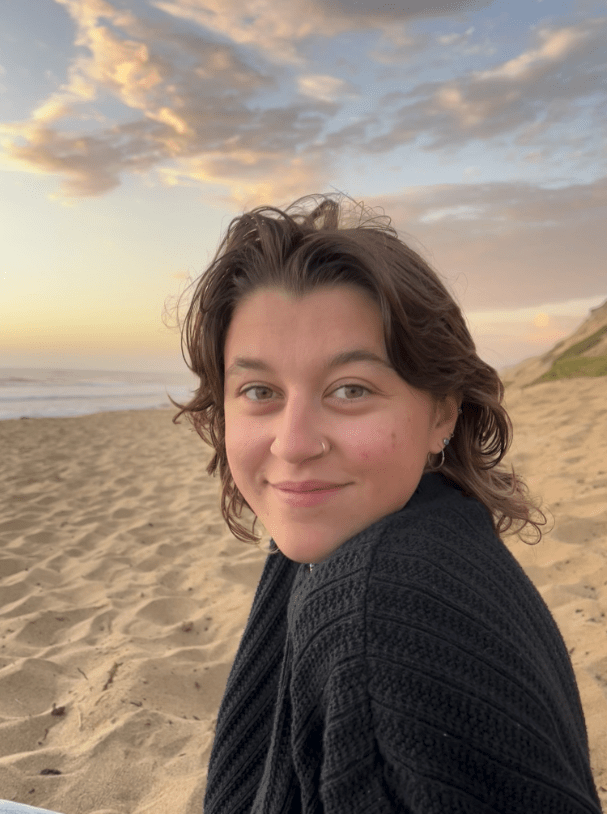
The lab is pelased to welcome back Alexis Kirkendall for the next six weeks to help us with a large-scale culturing project! Alexis is planning to graduate in December, and is in the process of applying to graduate programs here at UMaine so she can join the lab full-time in January!
Alexis Kirkendall
Undergraduate Researcher, Biology, Heidelberg University
Alexis is from Ohio and is majoring in Biology at Heidelberg University. Her research interests are in genetics and she has a love for the fascinating world of microbes. She originally joined the lab through the Summer 2022 REU, and has been working remotely on a few projects in the past year.
Last year, Alexis built skills in microbiology, microscopy, and molecular genetics. This year, she’ll be helping us screen hundreds of bacteria for their ability to grow on certain media and, hopefully, produce anti-inflammatories. This is part of the larger Broccoli Project.
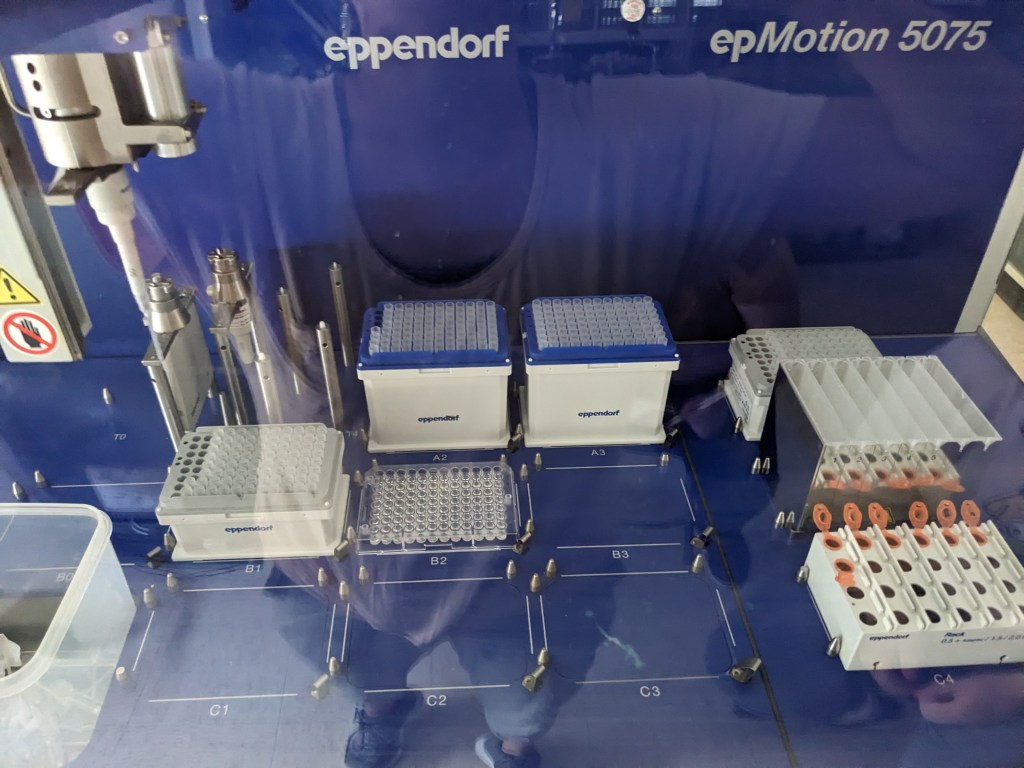
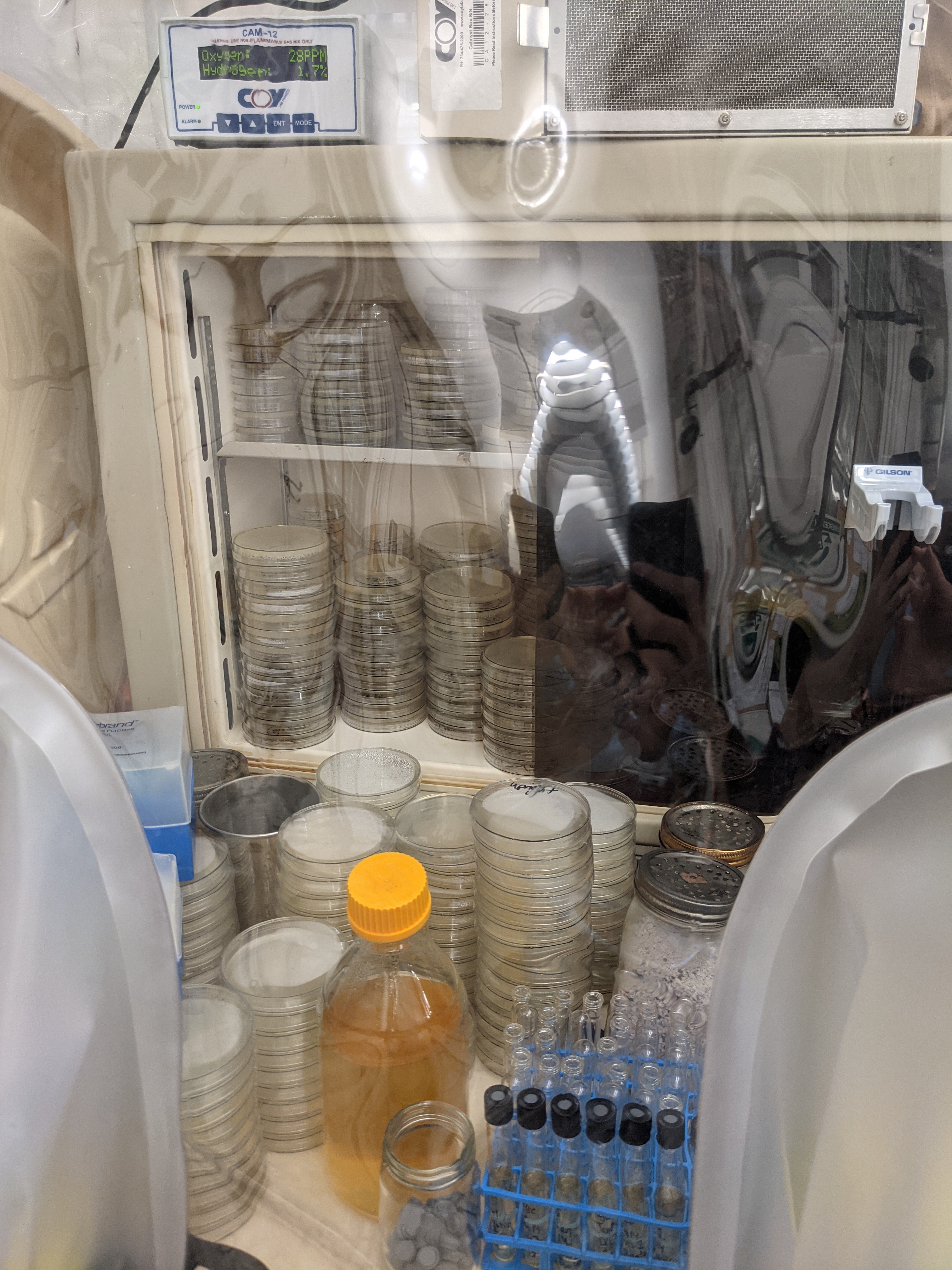
Because of the large number of samples, we are using a robotic liquid handler to dispense culture media and bacterial cells into 96-well plates, that we can later look for growth in. We’ll also be using the anaerobic chamber to grow these bacteria on agar plates to see what their colonies look like, and to grow more of them for additional experiements.
Designed by Johanna Holman
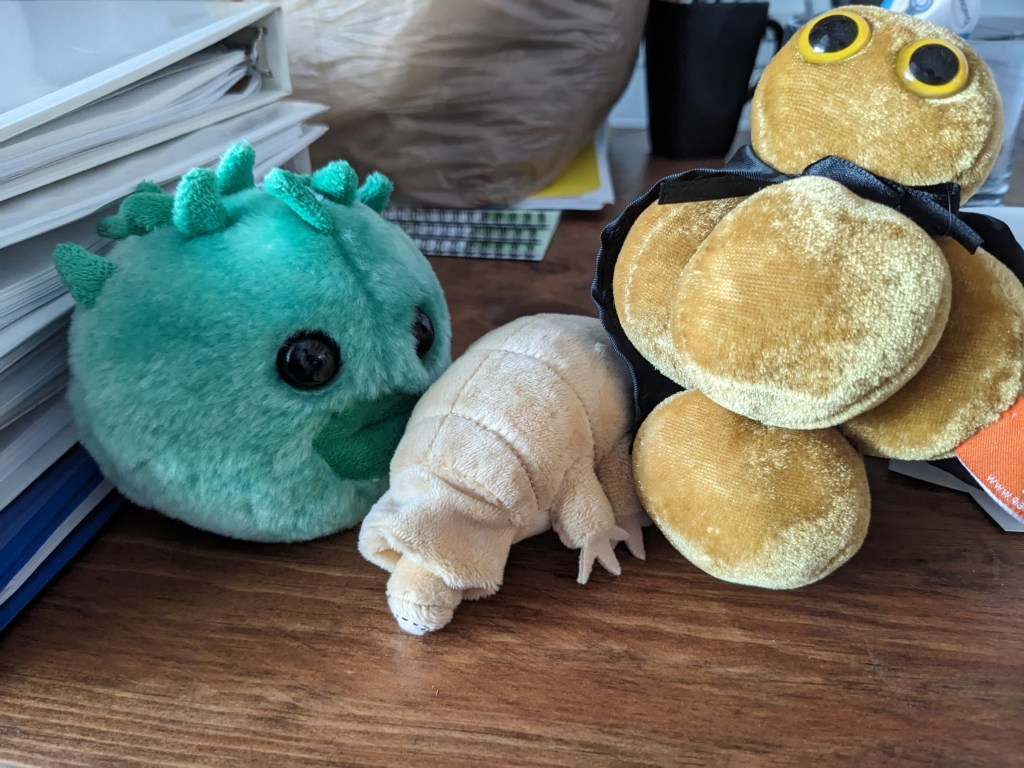
While visiting the Microbe Musuem in Amsterdam recently, Alexis got me a tardigrade (middle) to join the chalmydia (left) and methicillin-resistant Staphylococcus aureus (right, which she got me last year) in my office!
Scallop microbes and sustainable aquaculture: host-microbe dynamics situated in environmental and social context.
Presentation ID: 1372900
Session Information
Session Title: Microbes as Tools to Solve Ecological Problems for All Session Type: Inspire Session Date: Thursday August 10, 2023 Session Time: 3:30 PM – 5:00 PM Pacific Time
Authors: Suzanne L. Ishaq1
Affiliations: 1 University of Maine, School of Food and Agriculture, Orono, ME 04469 USA
Atlantic sea scallop (Placopecten magellanicus) is the second largest fishery in Maine, primarily through wild harvest. Farming is a promising way to meet year-round market demands, create jobs, and reduce ecological impacts of harvest, but relies on wild-caught juveniles as larval survival in hatcheries is low for unknown reasons. My collaborative research group explores the role of larval and tank microbiomes in hatcheries compared to wild scallop veligers. In addition to basic and applied microbiome research, the research team meets with industry partners weekly to discuss results, trends, generate real-world-problem-driven project designs, and collaborate on research, education, and student training.
Bacterial community trends associated with sea scallop, Placopecten magellanicus, larvae in a hatchery system.
Poster ID: 1475974 Poster Title: “Bacterial community trends associated with sea scallop, Placopecten magellanicus, larvae in a hatchery system.”
Session Information
Agriculture Session Date: Tuesday August 8, 2023 Session Time: 5:00 PM – 6:30 PM Pacific Time
Authors: Suzanne L. Ishaq1*, Sarah Hosler1, Adwoa Dankwa1, Damian C. Brady2, Erin Grey3, Phoebe Jekielek4, Kyle Pepperman5, Jennifer Perry1, Rachel Lasley-Rasher6, Brian Beal3,7, Timothy J. Bowden1
Affiliations:1School of Food & Agriculture, University of Maine, Orono ME 04469. 2 School of Marine Sciences, Darling Marine Center, University of Maine. 3 School of Biology and Ecology, University of Maine, Orono ME 04469. 4 Department of Biological Sciences, University of Southern Maine, Portland ME 04103. 5 Downeast Institute, Beals, ME 04611. 6 Ecology and Environmental Sciences, University of Maine, Orono ME 04473. 7 Division of Environmental & Biological Sciences, University of Maine at Machias, Machias, ME 04654
Atlantic sea scallops, Placopecten magellanicus, are the most economically important marine bivalves along the northeastern coast of North America, and wild-caught adults and juvenile spat are increasingly being cultured in aquaculture facilities and coastal farms. While adults can be induced to spawn successfully in hatcheries, the last two weeks of the larval maturation phase are plagued by large mortality events, making production unfeasible. Research into other scallop- and aquacultured-species point to animal loss from bacterial infections or from altered functionality of host-associated microbiota. There are no previous studies of the bacterial communities from biofilms growing in scallop hatchery tanks, nor even host-microbial studies with this species of sea scallops. We identified bacterial communities in veliger-stage wild larvae, hatchery larvae, and tank biofilms, using the V3-V4 region of the 16S rDNA gene, via Illumina MiSeq sequencing. Hatchery larvae had lower bacterial richness (number of bacteria taxa present) than the wild larvae and tank biofilms, and hatchery larvae had a similar bacterial community (which taxa were present) to both wild larvae and tank biofilms. Bacterial richness was not significantly different between tanks which had been occupied by larvae for 48 hours, and those which had just been drained, scrubbed clean, and refilled with filtered seawater. Static-water-flow compared to continuous-water-flow (flow-through) did not generate different levels of bacterial richness overall, and only an equivocal difference when accounting for time as a smoothing feature in the model (GAM, p = 0.04). Bacterial richness and community similarity between tank samples fluctuated over the trial in repeated patterns of rise and fall, which showed some correlation to lunar cycle where richness is high when the moon is about 50% and richness is low during new and full moon phases. This may be a proxy for the effects of spring tides and trends in seawater bacteria and phages which are propagated into hatchery tanks. The number of days since the full moon was significantly correlated with bacterial community richness in tanks (GAM, p < 0.01): low during the full moon, peaking ~ 21 days after the full moon, and decreasing again at the next full moon. These results along with future work, will inform hatcheries on methods that will increase larval survival in these facilities, for example, implementing additional filtering or avoiding seawater collection during spring tides, to reduce certain bacterial taxa of concern or promoting a more diverse microbial community which would compete against pathogens.
I’m honored to be giving the keynote presentation at the Boston University Microbiome Day this July 12! I’ll be sharing my work on microbes and social equity, especially as pertains to health and the environment. You can find event details and registration here. You can also follow the group on Twitter @BuMicrobiome.
Time
Event
9:00-9:45 AM
Breakfast and coffee
9:45-10:00 AM
Welcome
Faculty Talks
10:00-10:30 AM
Dr. Sarah Davies
10:30-11:00 AM
Dr. Joe Larkin
Keynote Address
11:00AM-12:00 PM
Dr. Sue Ishaq
12:00PM-1:30 PM
Lunch and Poster session
Panel Discussion: Translating the Microbiome to Industry
1:30-2:30 PM
Jennifer Cookson, Andrea Watson and Nili Ostrov:“Translating the Microbiome to Industry”
I’m ecstatic to be heading back to southern California this September to present at the 9th annual Southern California Microbiome Symposium. I’ll be sharing my work on microbes and social equity, especially as pertains to food systems and sustainability. Registration is free, and can be found here.
Microbes and Social Equity concepts are based on the idea that microbes connect individuals, societies, and ecosystems. One Health & the Environment concepts are based on similar ideas of connectivity. This session will explore the connections between MSE and One Health, how microbiome research connects to One Health, and how we can broaden our own research to include other disciplines. The primary goals for this session are 1) to convene researchers in multiple disciplines and envision ways to work together, and 2) to collaboratively generate definitions of One Health & the Environment with respect to microbiomes.
Hosts and organizers:
Dr. Tiff Mak (they/she), PhD, Postdoctoral Research Fellow at the Novo Nordisk Foundation Center for Biosustainability at DTU. They work at the intersection of Microbial Ecology, Fermentation and Integrated Food Systems, and are interested in community interaction dynamics and relationality, from the scale of the microbial to the planetary.
Dr. Sue Ishaq, PhD, Assistant Professor of Animal and Veterinary Science, School of Food and Agriculture, University of Maine. Animal microbiomes, diet and gut, microbes and social equity.
Speakers, 11~12:00 EDT:
Dr. Rob Beiko, PhD., is a Professor and Head of the Algorithms and Bioinformatics research cluster in the Faculty of Computer Science at Dalhousie University. His research aims to understand microbial diversity and evolution using machine learning, phylogenetics, time-series algorithms, and visualization techniques. His group is developing software tools and pipelines to comprehensively survey genes and mobile genetic elements in bacterial genomes, and understand how these genomes have been shaped by vertical inheritance, recombination, and lateral gene transfer. He is also a co-founder of Dartmouth Ocean Techonlogies, Inc., a developer of environmental DNA sampling devices.
Dr. Marta Scaglioni, PhD. is a Cultural Anthropologist and holds a PostDoc position at Cà Foscari University of Venice (Italy) within the frame of the ERC Project HealthXCross. She is interested in how microbiome research operates in the African continent and how microbial data, knowledge, and funding travel across national boundaries and across a Global North/Global South axis.
Dr. Lucilla Barchetta, PhD., is a Cultural Anthropologist and PhD in Urban Studies. She currently works as Postdoctoral Fellow within the ERC project Health X Cross based at the University Ca’ Foscari of Venice, where she studies One Health epistemologies and open data governance in multidisciplinary data-centric science and collaboration.
Break, ~12:05 – 12:20 EDT
Panel Discussion, 12:20~13:00 EDT:
Need for interdisciplinarity and collaboration, with collection and ontological credit
Narrative on One Health, and thinking about other definitions of health
Break, 3:00 – 13:15 EDT
Breakout room discussions, 13:15 ~ 14:30 EDT:
Microbes in One Health research
Defining One Health/Conservation
Teaching microbes + One Health
Related to this session, here are recorded talks from previous MSE events:
I was recently in Boston, MA to present some of my collaborative research on broccoli sprouts, gut microbes, and social equity, to the Harvard Chan Medical School NIEHS Center for Environmental Health. You can watch the recording of that presentation, as well as their full speaker series, here.
Congratulations to Lola Holcomb, for passing the graduate comprehensive exam!! She now goes from being a PhD student to a PhD candidate, and for the next few years will focus on developing her own research designs and writing her thesis.
The exam was set by her PhD program in the Graduate School of Biomedical Sciences and Engineering, and involved writing a 6-page research proposal over the past two months, and on the day of, giving a 1-hour presentation and answering questions from her committee for up to two hours. The focus of the proposal and the presentation are a hypothetical experiment she designs on a topic that is similar to her existing research but not directly related. In that way, you can test a student’s ability to translate their existing knowledge and fact-finding skills to a totally new area and see how well they can reason through a new problem. The committee will ask students to explain their thought process, methods, and how they will assess the progress on the hypothetical project. It’s a long and arduous process, but Lola’s depth of knowledge and ability to problem-solve helped her pass with ease!
As a postdoc at Montana State University in 2015/2016 with Carl Yeoman’s lab, I consulted on a project led by then-PhD student Lola Betiku on a metagenomics dataset from two locations from the digestive tract of trout. Lola is now an Assistant Professor at Florida A&M University, and has been kind enough to continue working on this project to get it published. It was just accepted in the journal Aquaculture Reports!
•Animal and plant protein diets were fed to rainbow trout in a commercial setting.
•Shotgun metagenomic analysis of the mid-GIT and hind-GIT was carried out.
•Diets influenced microbial compositions in the two GIT sections.
•Animal protein-based diet provided metabolites for microbial protein fermentation.
•Plant-based diet enhanced amino acid catabolism in the mid-GIT section.
Abstract
The nutritive role and ecology of gut-dwelling microbes in rainbow trout remain enigmatic. To improve our understanding of the rainbow trout gastrointestinal tract (GIT) microbiome, we performed whole shotgun metagenomic analyses on the assembled contigs from luminal contents from both mid- and hind-GIT regions for taxonomic and functional classifications of fish-fed animal and plant protein dietary sources. Our study revealed that trout respond well to the two diets containing animal and plant protein sources when supplemented with essential amino acids to meet the requirements of the fish. Microbes present were predominantly bacteria (89.9%) and mainly of the phyla Tenericutes, Firmicutes, Fusobacteria, and Proteobacteria. Eukaryotic (8.8%) microbes were mainly from phyla Ascomycota and Basidiomycota, while Archaea (<1%) were also present and predominantly from the phylum Euryarchaeota. Comparisons of genus-level classifications and functional profiles revealed compositional differences in these GIT locations that appear modulated by differences in the dietary treatments. The functional analysis provided evidence of amino acid biosynthesis/catabolism and methane production in the mid-GIT, while in the hind-GIT, proteolytic hydrolysis and butyrate metabolism were expressed in the trout fed with plant protein diet. The animal protein-based diet provided metabolites for microbial protein fermentation in the hind-GIT. Our report highlights and identifies the potential nutritive contributions of GIT microbes to trout and a potentially crucial functional division along the GIT. Finally, the plant-based diet enhanced amino acid catabolism in the midgut section, while the hindgut section supports evidence of methanogen fermentation.


















 The Ishaq Lab