The 2023 MSE Summer Symposium is just three weeks away!

The Microbes and Social Equity working group, and The University of Maine Institute of Medicine are presenting a virtual symposium on:

“Living in a Microbial World”

June 5 – 9th, 2023.

Register here! It is free, and required.

Format: virtual meeting, Zoom platform.

You can find the event page here. We update this with speaker information, changes to the schedule, and helpful links on a regulate basis.

Sessions format:

  • 5 min intro to the session and speakers
  • 3 consecutive 20-minute plenary style talks
  • 15 min break
  • 45 min panel discussion with speakers
  • 15 min break 
  • 60 minutes of breakout room discussions

Draft Program:

Session 1: Reconsidering ‘One Health’ Through Microbes

Monday, June 5th, 11 am – 2:30 pm EST.

Microbes and Social Equity concepts are based on the idea that microbes connect individuals, societies, and ecosystems. One Health & the Environment concepts are based on similar ideas of connectivity. This session will explore the connections between MSE and One Health, how microbiome research connects to One Health, and how we can broaden our own research to include other disciplines. The primary goals for this session are 1) to convene researchers in multiple disciplines and envision ways to work together, and 2) to collaboratively generate definitions of One Health & the Environment with respect to microbiomes.

Hosts and organizers:

Dr. Tiff Mak (they/she), PhD, Postdoctoral Research Fellow at the Novo Nordisk Foundation Center for Biosustainability at DTU. They work at the intersection of Microbial Ecology, Fermentation and Integrated Food Systems, and are interested in community interaction dynamics and relationality, from the scale of the microbial to the planetary.

Dr. Sue Ishaq, PhD, Assistant Professor of Animal and Veterinary Science, School of Food and Agriculture, University of Maine. Animal microbiomes, diet and gut, microbes and social equity.

Speakers:
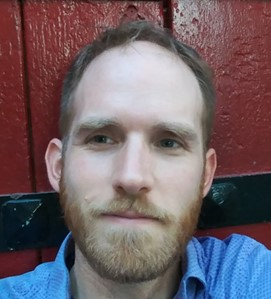
Rob Beiko, PhD

Dr. Rob Beiko, PhD., is a Professor and Head of the Algorithms and Bioinformatics research cluster in the Faculty of Computer Science at Dalhousie University. His research aims to understand microbial diversity and evolution using machine learning, phylogenetics, time-series algorithms, and visualization techniques. His group is developing software tools and pipelines to comprehensively survey genes and mobile genetic elements in bacterial genomes, and understand how these genomes have been shaped by vertical inheritance, recombination, and lateral gene transfer. He is also a co-founder of Dartmouth Ocean Techonlogies, Inc., a developer of environmental DNA sampling devices.
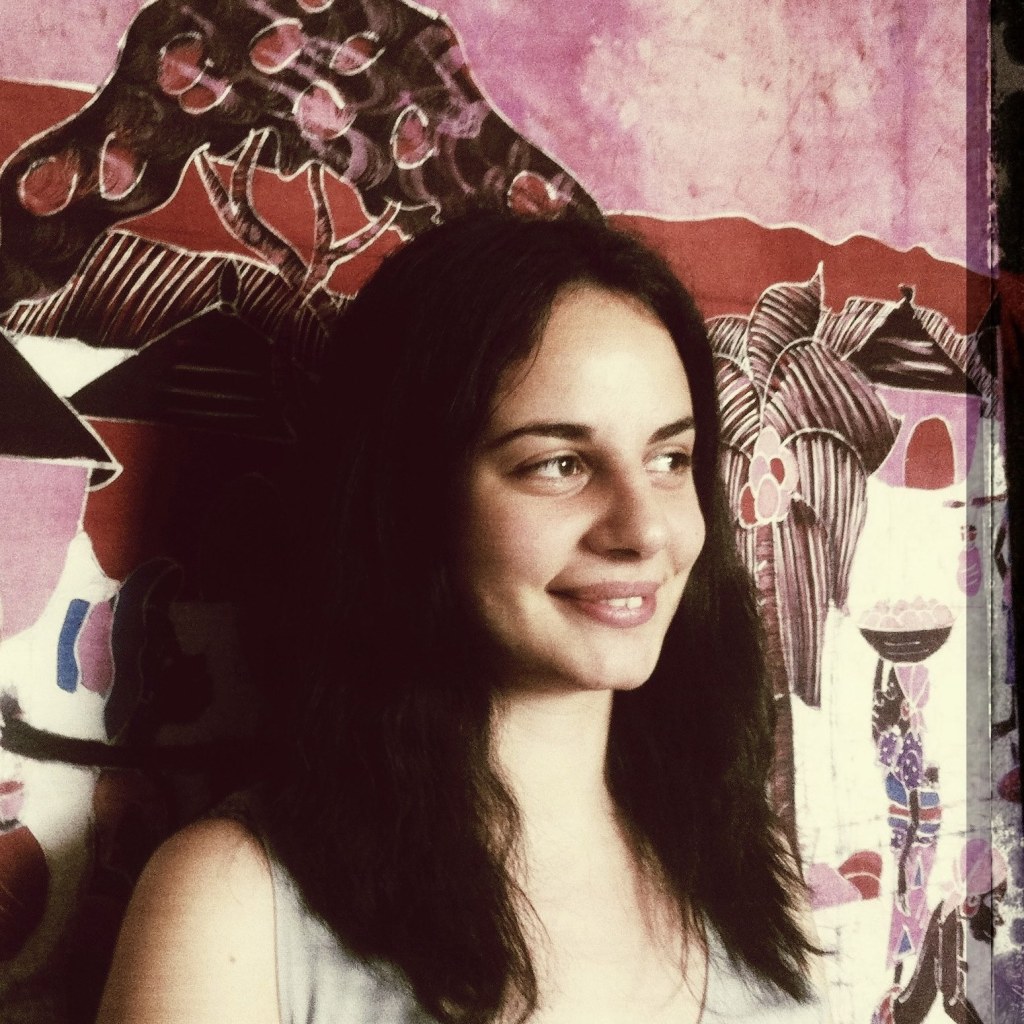
Marta Scaglioni

Dr. Marta Scaglioni, PhD. is a Cultural Anthropologist and holds a PostDoc position at Cà Foscari University of Venice (Italy) within the frame of the ERC Project HealthXCross. She is interested in how microbiome research operates in the African continent and how microbial data, knowledge, and funding travel across national boundaries and across a Global North/Global South axis.
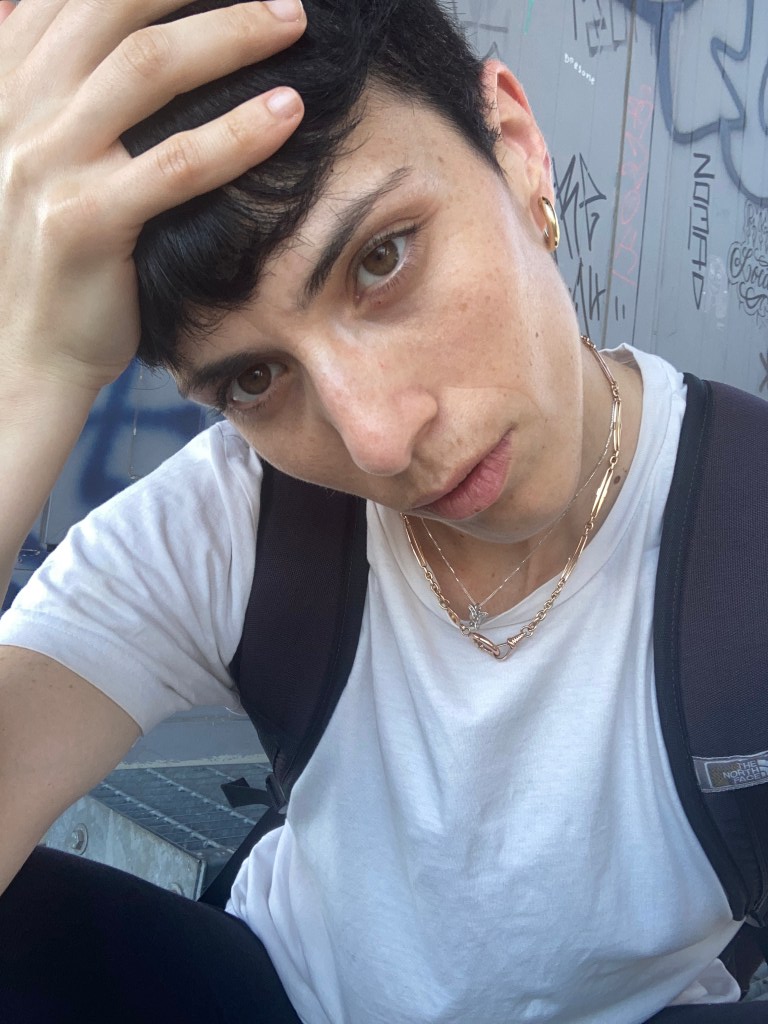
Dr. Lucilla Barchetta, PhD., is a Cultural Anthropologist and PhD in Urban Studies. She currently works as Postdoctoral Fellow within the ERC project Health X Cross based at the University Ca’ Foscari of Venice, where she studies One Health epistemologies and open data governance in multidisciplinary data-centric science and collaboration.

Related to this session, here are recorded talks from previous MSE events:


Session 2: Microbiomes and climate justice

Tuesday, June 6th, 11 am – 2:30 pm EST.

Social and economic activities have impacted microbes vital to the carbon cycle, while climate change has already begun to alter environmental microbiota. How do these reciprocal anthropogenic effects affect our health? How will such impacts follow our socio-economic fault-lines? This session will explore how we can use these links to inform communities, conservation movements, and policy.

Hosts and organizers:

Dr. Mike Friedman, PhD, MPH. Recently-retired Researcher and Lecturer in Ecology, Evolutionary Biology, and Health.

Dr. Erin Eggleston, PhD, Assistant Professor of Biology, Middlebury College. Molecular microbial ecology, cyanobacterial harmful algal blooms, T. gondii detection in shellfish, coral holobiont thermal resilience, environmental microbes and social equity, and microbial community members involved in mercury methylation in St. Lawrence River wetland sediments

Speakers:

Dr. Arpita Bose, PhD., Associate Professor of Biology, Washington University.

Dr. Mallory Choudoir, PhD, Assistant Professor & Soil Microbiome Extension Specialist, Department of Plant & Microbial Biology, North Carolina State University. The goal of my research program is to translate microbiome science to sustainable agriculture and to develop microbial-centered solutions to agroecosystem challenges. 

TBD

Related to this session, here are recorded talks from previous MSE events:


Session 3: Integrating the food systems through microbes

Wednesday, June 7th, 11 am – 2:30 pm EST.

Microorganisms tie food systems together, from soil to food processing to gut to waste products, and microbes can be used to create sustainable food production while working with the natural ecosystem. Traditional ecological knowledge, place-based food systems, and food sovereignty endeavors have long known that integrated food systems require a broader definition of “health”. This session will explore how microbiota can be used to sustain and integrate food, communities, and ecosystems.

Hosts and organizers:

Dr. Tiff Mak (they/she), PhD, Postdoctoral Research Fellow at the Novo Nordisk Foundation Center for Biosustainability at DTU. They work at the intersection of Microbial Ecology, Fermentation and Integrated Food Systems, and are interested in community interaction dynamics and relationality, from the scale of the microbial to the planetary.

Dr. Sue Ishaq, PhD, Assistant Professor of Animal and Veterinary Science, School of Food and Agriculture, University of Maine. Animal microbiomes, diet and gut, microbes and social equity.

Speakers:

Dr. Aviaja Lyberth Hauptmann

Dr. Aviaja Lyberth Hauptmann (she/her/hers) PhD., is an Inuk microbiologist from Kalaallit Nunaat (Greenland). After finishing her PhD in microbial metagenomics at the Technical University of Denmark in 2017 she returned to her birth-town Nuuk, to lead the research project the Greenland Diet Revolution. Her research centers the animal-sourced Indigenous diet of Inuit. The focus of the research is the human and microbial culture of Inuit foods, and how these foods connect our inside to our outside. Dr. Hauptmann is currently an assistant professor at Ilisimatusarfik – the University of Greenland and a part-time assistant professor at The University of Copenhagen.

Dr. Nina Moeller, PhD, Associate Professor Research, Centre for Agroecology, Water and Resilience, Coventry University. Currently Associate Professor of Political Ecology and People’s Knowledge at Coventry University (UK) and a researcher in Sustainability Transitions at the University of Southern Denmark (SDU), she has a mixed academic background in philosophy, sociology and anthropology. Her research interests comprise the dynamics of sustainability transitions, including their unintended socio-ecological effects; diversity of knowledge and value systems; and more-than-human relations. Her interest in plant medicine, fermentation, traditional health and food systems goes beyond research and has been shaped in significant ways through friendships and exchanges with indigenous Amazonians and subsistence farmers across the world. She has worked in Latin America and Europe – as academic as well as consultant to indigenous federations, NGOs and the UN’s Food and Agriculture Organization

Kolawole Banwo

Dr. Kolawole Banwo, PhD. is a Lecturer and Researcher in the Food Microbiology, Biotechnology and Safety Unit of the Department of Microbiology, University of Ibadan, Nigeria, where he teaches undergraduate and postgraduate courses on food microbiology, safety assessment, quality control and usefulness of food grade microorganisms. He mentors young academics in the area of food safety and quality assurance in his Department and University, and is passionate about food safety and volunteers on food safety education to artisanal fermented food producers and handlers. His current areas of research are exploration of the food microbiome of traditional fermented foods to increase potentials in bioactive components and the production of functional foods and the detoxification of mycotoxin and metabolites profile from traditional fermented foods in Nigeria using lactic acid bacteria and yeasts in collaboration with the Aflasafe Unit of the International Institute of Tropical Agriculture (IITA), Ibadan, Nigeria. Kolawole is passionate about food safety and volunteers on food safety education to artisanal fermented food producers and handlers. Dr Banwo holds a B.Sc and M.Sc degrees in General Microbiology, while his Ph.D. degree was in Food Microbiology from the University of Ibadan, Nigeria. He is a recipient of many awards locally and internationally. He was on a brief collaborative research visit in 2019 to the Department of Plant Sciences, North Dakota State University, Fargo, USA. He is a member of several microbiology professional bodies.

Related to this session, here are recorded talks from previous MSE events:


Session 4: Elevating human nutrition and microbiome practice

Thursday, June 8th, 11 am – 2:30 pm EST.

Human nutrition research and practice provides a unique opportunity to provide equitable health and microbiome care, to engage with various communities, and to foster interdisciplinary research and educational programs. Given the complexity and nuance of evidence-based nutrition delivery, the guiding ideas of MSE can provide a conceptual structure. This session will present research and case studies which create a professional development framework, such that attendees can envision and learn to apply the framework to their own project / professional development.

Hosts and organizers:
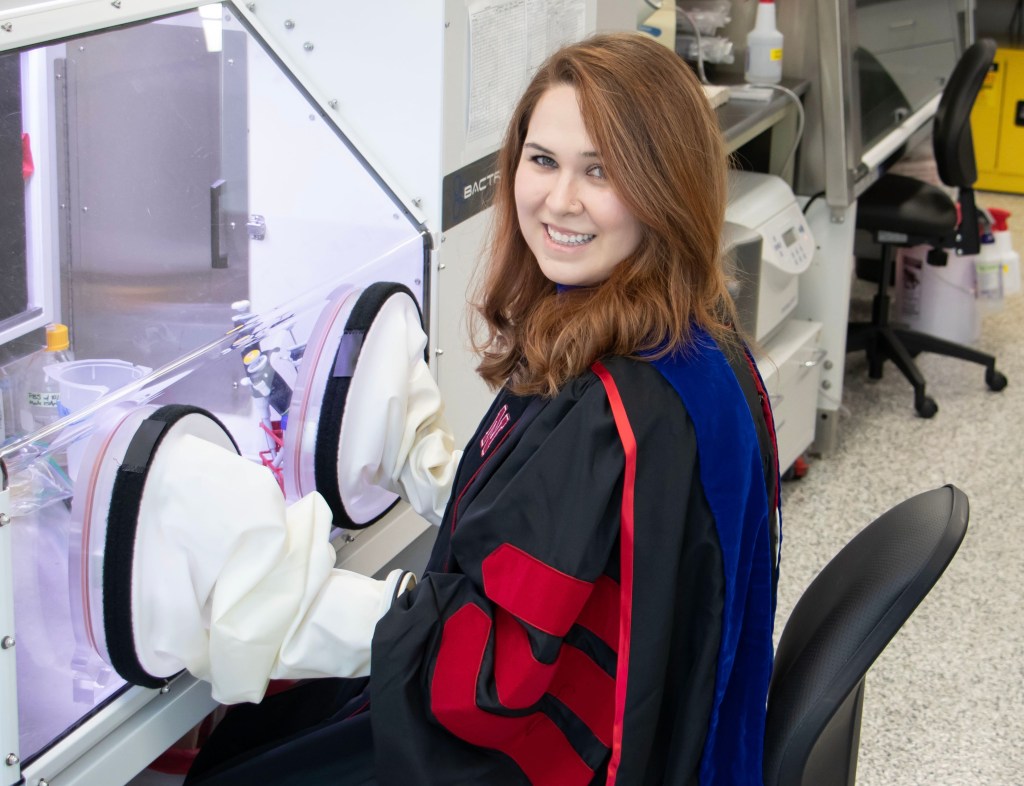
Dr. Ashley M. Toney, Ph.D., Postdoctoral Research Fellow, Cleveland Clinic Lerner Research Institute. Translational/Clinical Nutrition Researcher focused on Latine Health Disparities.

Dr. Patricia Wolf, PhD, RD, Assistant Professor at Purdue University. Microbial Metabolism, Health Disparities Research, Nutrition and Dietetics

Dr. Sue Ishaq, PhD, Assistant Professor of Animal and Veterinary Science, School of Food and Agriculture, University of Maine. Animal microbiomes, diet and gut, microbes and social equity.

Speakers:

Dr. Annabel Biruete, PhD, RD, is an Assistant Professor and Registered Dietitian in the Department of Nutrition Science at Purdue University and an Adjunct Assistant Professor in the Division of Nephrology at the Indiana University School of Medicine. Her broad clinical interest is nutrition in kidney diseases. Annabel’s research aims to study the effects of nutritional and pharmacological therapies for chronic kidney disease on the gastrointestinal tract and gut microbiome. Additionally, Annabel is interested in improving outcomes in the Hispanic/LatinX community living with chronic kidney disease, using language- and culturally-concordant lifestyle interventions.

Dr. Babajide A. Ojo, PhD, Postdoc in the Pediatric Gastroenterology department at Stanford Medicine

TBD

Related to this session, here are recorded talks from previous MSE events:


Session 5: MSE Member Research Showcase

Friday, June 9th, 11 am – 2:30 pm EST.

Session hosts and organizers: Emily Wissel, Curtis Tilves

Session Scope: MSE members will be sharing their own work in short presentations to showcase the variety of disciplines of our members’ work. The presentation list will include students and non-researchers, and research on microbiomes, people, ecosystems, and more even if it is not related to microbes and/or social equity.

Abstracts will be made available in late May.


Planning committee:

  • Sue Ishaq (Lead Organizer), Tiff Mak, Ashley Toney, Gwynne Mhuireach, Rachel Gregor, Carla Bonilla, Erica Gardner, Emily Wissel, Kieran O’Doherty, Erin Eggleston, Mike Friedman, McK Mollner, Erica Diaz-Almeyda, Curtis Tilves, Patrick Horve, Leslie Dietz.
  • Organizing administrative support: Cecile Ferguson, UMaine Institute of Medicine 

The Microbes and Social Equity Working Group is grateful to the University of Maine and the UMaine Institute of Medicine for providing financial and material support for this virtual meeting.

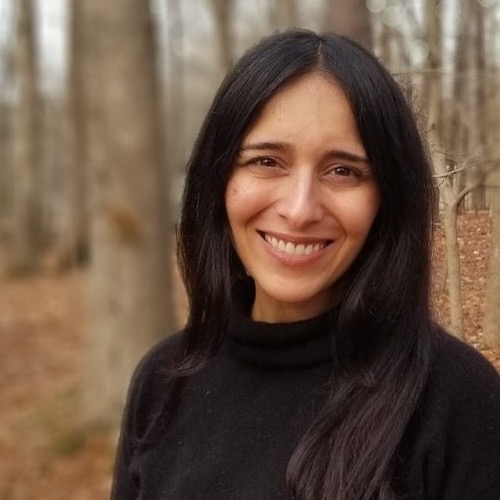
Last MSE seminar today! on “Religion, Race and the Microbe: Theological Analysis of Public Health Resistance in the Pandemicine” by Dr. Aminah Al-Attas Bradford

You can find up to date details on the event page for all the talks in this series.

Spring 2023; January 18 – May, Wednesdays from 11:00 AM – 12:00 PM EST.

Presented over Zoom. Registration is free!

Hosting Organizations: MSE and the University of Maine Institute of Medicine.


The environment, microbes, and us

Anthropology Theme organized by Katherine Daiy and Kieran O’Doherty, and Environmental Theme organized by Mallory Choudoir, Mustafa Saifuddin, and Hannah Holland-Moritz.

“Religion, Race and the Microbe: Theological Analysis of Public Health Resistance in the Pandemicine”

Dr. Aminah Al-Attas Bradford, PhD.

May 3, 2023; Wednesday,11:00 AM – 12:00 PM EST. This event has passed, watch the recording here.

Dr. Bradford is a research scholar in NC State’s Public Science Lab for Ecology, Evolution and Biodiversity of Humans and Food where she draws together interdisciplinary engagement of microbes, exploring fermentation, probiotic health and pathogens. Dr. Bradford is also a college Chaplain at Salem Women’s College, and Director of the Center for Contemporary Practice and Wellbeing. Working at the intersections of religion, microbiology, ecology and race, Dr. Bradford’s research investigates the historical entanglement of disease theories, public health strategy, Christian thought, and coloniality to cultivate ecological wisdom, scientific engagement and the pursuit of environmental justice in religious contexts. She asks questions like, how have the historical entanglement of epidemiology, coloniality and Christian teaching contributed to the disease of both body and planet, the disproportionate effects of which are born by black and brown communities? How has demonizing the microbe paved the way for oppression of those deemed sub-human? And how might microbiome science reform Christian thought that often disrupts engagement of science and is complicit in exploitative and exclusionary ways of being?


Logo designed by Alex Guillen

Last MSE seminar this Wednesday on “Religion, Race and the Microbe: Theological Analysis of Public Health Resistance in the Pandemicine” by Dr. Aminah Al-Attas Bradford

You can find up to date details on the event page for all the talks in this series.

Spring 2023; January 18 – May, Wednesdays from 11:00 AM – 12:00 PM EST.

Presented over Zoom.

Hosting Organizations: MSE and the University of Maine Institute of Medicine.


The environment, microbes, and us

Anthropology Theme organized by Katherine Daiy and Kieran O’Doherty, and Environmental Theme organized by Mallory Choudoir, Mustafa Saifuddin, and Hannah Holland-Moritz.

“Religion, Race and the Microbe: Theological Analysis of Public Health Resistance in the Pandemicine”

Dr. Aminah Al-Attas Bradford, PhD.

May 3, 2023; Wednesday,11:00 AM – 12:00 PM EST. This event has passed, watch the recording here.

Dr. Bradford is a research scholar in NC State’s Public Science Lab for Ecology, Evolution and Biodiversity of Humans and Food where she draws together interdisciplinary engagement of microbes, exploring fermentation, probiotic health and pathogens. Dr. Bradford is also a college Chaplain at Salem Women’s College, and Director of the Center for Contemporary Practice and Wellbeing. Working at the intersections of religion, microbiology, ecology and race, Dr. Bradford’s research investigates the historical entanglement of disease theories, public health strategy, Christian thought, and coloniality to cultivate ecological wisdom, scientific engagement and the pursuit of environmental justice in religious contexts. She asks questions like, how have the historical entanglement of epidemiology, coloniality and Christian teaching contributed to the disease of both body and planet, the disproportionate effects of which are born by black and brown communities? How has demonizing the microbe paved the way for oppression of those deemed sub-human? And how might microbiome science reform Christian thought that often disrupts engagement of science and is complicit in exploitative and exclusionary ways of being?


Logo designed by Alex Guillen

MSE seminar today is a panel discussion on soil microbiomes and conservation, featuring speakers from “The environment, microbes, and us” theme

You can find up to date details on the event page for all the talks in this series.

Spring 2023; January 18 – May 3, Wednesdays from 11:00 AM – 12:00 PM EST.

Presented over Zoom. Registration is free!

You can register for any or all of the events from the same link here.

Hosting Organizations: MSE and the University of Maine Institute of Medicine.


Anthropology Theme organized by Katherine Daiy and Kieran O’Doherty, and Environmental Theme organized by Mallory Choudoir, Mustafa Saifuddin, and Hannah Holland-Moritz.

Panel Discussion on the Soil and Microbial Conservation

April 26, 2023; Wednesday,11:00 AM – 12:00 PM EST. This event has passed and was not recorded.

This week, we’ll be bringing some speakers back to engage in a panel discussion together on the importance of environmental microbiomes and specifically on soil conservation.

Panel will be hosted by Mallory Choudoir, Mustafa Saifuddin, and Hannah Holland-Moritz.

Please note, this session will only be featured live in real-time and will not be recorded.


Logo designed by Alex Guillen

MSE seminar this Wednesday is a panel discussion on soil microbiomes and conservation, featuring speakers from “The environment, microbes, and us” theme

You can find up to date details on the event page for all the talks in this series.

Spring 2023; January 18 – May 3, Wednesdays from 11:00 AM – 12:00 PM EST.

Presented over Zoom. Registration is free!

You can register for any or all of the events from the same link here.

Hosting Organizations: MSE and the University of Maine Institute of Medicine.


Anthropology Theme organized by Katherine Daiy and Kieran O’Doherty, and Environmental Theme organized by Mallory Choudoir, Mustafa Saifuddin, and Hannah Holland-Moritz.

Panel Discussion on the Soil and Microbial Conservation

April 26, 2023; Wednesday,11:00 AM – 12:00 PM EST. This event has passed and was not recorded.

This week, we’ll be bringing some speakers back to engage in a panel discussion together on the importance of environmental microbiomes and specifically on soil conservation.

Panel will be hosted by Mallory Choudoir, Mustafa Saifuddin, and Hannah Holland-Moritz.

Please note, this session will only be featured live in real-time and will not be recorded.


Logo designed by Alex Guillen

MSE seminar today on “Soil health – towards a ‘microbial agriculture’?” by Dr. Anna Krzywoszynska, PhD. and Paula Palanco Lopez

You can find up to date details on the event page for all the talks in this series.

Spring 2023; January 18 – May, Wednesdays from 11:00 AM – 12:00 PM EST.

Presented over Zoom. Registration is free!

You can register for any or all of the events from the same link here.

Hosting Organizations: MSE and the University of Maine Institute of Medicine.


The environment, microbes, and us

Anthropology Theme organized by Katherine Daiy and Kieran O’Doherty, and Environmental Theme organized by Mallory Choudoir, Mustafa Saifuddin, and Hannah Holland-Moritz.

Soil health – towards a ‘microbial agriculture’?

Dr. Anna Krzywoszynska, PhD. and Paula Palanco Lopez

April 19, 2023; Wednesday,11:00 AM – 12:00 PM EST.  This event has passed, watch the recording here.

Abstract: Soils have long been considered primarily through a physico-chemical lens in agriculture and environmental management. Today, however, we are observing a shift towards ecological perspectives, and a growing interest from managing soil quality to managing soil health. What does it mean, however, to know and manage soils as living microbial ecosystems, and what are the consequences of a ‘soil health’ paradigm for the future of agriculture? In this presentation, Dr Krzywoszynska will reflect on the relevance of microbial knowledges and ethics in the emerging regenerative agriculture movement, and in biodiversity governance, while her PhD student Paula Palanco Lopez will reflect on the importance of understanding ‘soil health’ in its own terms, beyond anthropocentric and utilitarian framings.

Dr. Anna Krzywoszynska

Dr. Anna Krzywoszynska is an Associate Professor in Anthropology at the University of Oulu, and a research leader in the Biodiverse Anthropocenes programme (Anna Krzywoszynska | University of Oulu). She is an interdisciplinary environmental social scientist with expertise in agricultural and environmental knowledge, more-than-human research, and public participation in science. Her current research interests include human-soil relations and knowledge systems, the co-production of soil knowledge between science and society, and the role of local food systems in achieving socio-environmental justice.

Paula Palanco

Paula Palanco is a medical anthropologist with a background in Development Studies and Communication. She has completed an Advanced Masters in Cultural Anthropology and Development Studies in KULeuven (Belgium) and worked for the London School of Hygiene and Tropical Medicine (LSHTM), the University of Oxford, and Imperial College London. Paula has carried out research in different topics such as antimicrobial resistance (AMR), air monitoring and cholera epidemics. Currently, she is a PhD candidate in the University of Oulu (Finland), researching the connection between the loss of soil biodiversity and AMR.

Soils have long been considered primarily through a physico-chemical lens in agriculture and environmental management. Today, however, we are observing a shift towards ecological perspectives, and a growing interest from managing soil quality to managing soil health. What does it mean, however, to know and manage soils as living microbial ecosystems, and what are the consequences of a ‘soil health’ paradigm for the future of agriculture? In this presentation, Dr Krzywoszynska will reflect on the relevance of microbial knowledges and ethics in the emerging regenerative agriculture movement, and in biodiversity governance, while her PhD student Paula Palanco Lopez will reflect on the importance of understanding ‘soil health’ in its own terms, beyond anthropocentric and utilitarian framings.

Panel Discussions on the environment, microbes, and us

April 26, 2023; Wednesday,11:00 AM – 12:00 PM EST. Register for the Zoom link here.

May 3, 2023; Wednesday,11:00 AM – 1:00 PM EST. Register for the Zoom link here.

These two weeks, we’ll be bringing some of our Theme 3 speakers back to engage in a panel discussion together on the importance of environmental microbiomes and our place in ecosystems, and then will continue talking about soil health. Panel will be hosted by Katherine Daiy, Kieran O’Doherty, Mallory Choudoir, Mustafa Saifuddin, and Hannah Holland-Moritz.

Please note, this session will only be featured live in real-time and will not be recorded.


Logo designed by Alex Guillen

MSE seminar this Wednesday on “Soil health – towards a ‘microbial agriculture’?” by Dr. Anna Krzywoszynska, PhD. and Paula Palanco Lopez

You can find up to date details on the event page for all the talks in this series.

Spring 2023; January 18 – May, Wednesdays from 11:00 AM – 12:00 PM EST.

Presented over Zoom. Registration is free!

You can register for any or all of the events from the same link here.

Hosting Organizations: MSE and the University of Maine Institute of Medicine.


The environment, microbes, and us

Anthropology Theme organized by Katherine Daiy and Kieran O’Doherty, and Environmental Theme organized by Mallory Choudoir, Mustafa Saifuddin, and Hannah Holland-Moritz.

Soil health – towards a ‘microbial agriculture’?

Dr. Anna Krzywoszynska, PhD. and Paula Palanco Lopez

April 19, 2023; Wednesday,11:00 AM – 12:00 PM EST.  This event has passed, watch the recording here.

Abstract: Soils have long been considered primarily through a physico-chemical lens in agriculture and environmental management. Today, however, we are observing a shift towards ecological perspectives, and a growing interest from managing soil quality to managing soil health. What does it mean, however, to know and manage soils as living microbial ecosystems, and what are the consequences of a ‘soil health’ paradigm for the future of agriculture? In this presentation, Dr Krzywoszynska will reflect on the relevance of microbial knowledges and ethics in the emerging regenerative agriculture movement, and in biodiversity governance, while her PhD student Paula Palanco Lopez will reflect on the importance of understanding ‘soil health’ in its own terms, beyond anthropocentric and utilitarian framings.

Dr. Anna Krzywoszynska

Dr. Anna Krzywoszynska is an Associate Professor in Anthropology at the University of Oulu, and a research leader in the Biodiverse Anthropocenes programme (Anna Krzywoszynska | University of Oulu). She is an interdisciplinary environmental social scientist with expertise in agricultural and environmental knowledge, more-than-human research, and public participation in science. Her current research interests include human-soil relations and knowledge systems, the co-production of soil knowledge between science and society, and the role of local food systems in achieving socio-environmental justice.

Paula Palanco

Paula Palanco is a medical anthropologist with a background in Development Studies and Communication. She has completed an Advanced Masters in Cultural Anthropology and Development Studies in KULeuven (Belgium) and worked for the London School of Hygiene and Tropical Medicine (LSHTM), the University of Oxford, and Imperial College London. Paula has carried out research in different topics such as antimicrobial resistance (AMR), air monitoring and cholera epidemics. Currently, she is a PhD candidate in the University of Oulu (Finland), researching the connection between the loss of soil biodiversity and AMR.

Soils have long been considered primarily through a physico-chemical lens in agriculture and environmental management. Today, however, we are observing a shift towards ecological perspectives, and a growing interest from managing soil quality to managing soil health. What does it mean, however, to know and manage soils as living microbial ecosystems, and what are the consequences of a ‘soil health’ paradigm for the future of agriculture? In this presentation, Dr Krzywoszynska will reflect on the relevance of microbial knowledges and ethics in the emerging regenerative agriculture movement, and in biodiversity governance, while her PhD student Paula Palanco Lopez will reflect on the importance of understanding ‘soil health’ in its own terms, beyond anthropocentric and utilitarian framings.

Panel Discussions on the environment, microbes, and us

April 26, 2023; Wednesday,11:00 AM – 12:00 PM EST. Register for the Zoom link here.

May 3, 2023; Wednesday,11:00 AM – 1:00 PM EST. Register for the Zoom link here.

These two weeks, we’ll be bringing some of our Theme 3 speakers back to engage in a panel discussion together on the importance of environmental microbiomes and our place in ecosystems, and then will continue talking about soil health. Panel will be hosted by Katherine Daiy, Kieran O’Doherty, Mallory Choudoir, Mustafa Saifuddin, and Hannah Holland-Moritz.

Please note, this session will only be featured live in real-time and will not be recorded.


Logo designed by Alex Guillen

MSE seminar today on “Anthropology, Microbiomes, and Antimicrobial Resistance” by Dr. Cecil Lewis

You can find up to date details on the event page for all the talks in this series.

Spring 2023; January 18 – May, Wednesdays from 11:00 AM – 12:00 PM EST.

Presented over Zoom. Registration is free!

You can register for any or all of the events from the same link here.

Hosting Organizations: MSE and the University of Maine Institute of Medicine.


The environment, microbes, and us

Anthropology Theme organized by Katherine Daiy and Kieran O’Doherty, and Environmental Theme organized by Mallory Choudoir, Mustafa Saifuddin, and Hannah Holland-Moritz.

“Anthropology, Microbiomes, and Antimicrobial Resistance”

Dr. Cecil Lewis, PhD.

April 12, 2023; Wednesday,11:00 AM – 12:00 PM EST. This event has passed, watch the recording here.

Dr. Cecil Lewis is a Professor and biological and interdiscplinary scientist based at the University of Oklahoma. His primary research focus is the microbiome and community-engaged research, with current work that investigates ancient and contemporary human metabolomes, pathogen evolution, the impact of colonialism on the microbiome and metabolome, along with progressive community-based partnerships across the Americas and Africa. His work is supported by the NSF and NIH. He is the founder and director of Laboratories of Molecular Anthropology and Microbiome Research (LMAMR).

Image sourced from: https://cecilmlewis.com/

Upcoming seminars on The Environment, microbes, and us

Soil health – towards a ‘microbial agriculture’?

Dr. Anna Krzywoszynska, PhD. and Paula Palanco Lopez

April 19, 2023; Wednesday,11:00 AM – 12:00 PM EST. Register for the Zoom link here.

Panel Discussions on the environment, microbes, and us

April 26, 2023; Wednesday,11:00 AM – 12:00 PM EST. Register for the Zoom link here.

May 3, 2023; Wednesday,11:00 AM – 1:00 PM EST. Register for the Zoom link here.

This week, we’ll be bringing all of our Theme 3 speakers back to engage in a panel discussion together on the importance of environmental microbiomes and our place in ecosystems, and then will continue talking about soil health. Panel will be hosted by Katherine Daiy, Kieran O’Doherty, Mallory Choudoir, Mustafa Saifuddin, and Hannah Holland-Moritz.

Please note, this session will only be featured live in real-time and will not be recorded.


Logo designed by Alex Guillen

MSE seminar this Wednesday on “Anthropology, Microbiomes, and Antimicrobial Resistance” by Dr. Cecil Lewis

You can find up to date details on the event page for all the talks in this series.

Spring 2023; January 18 – May, Wednesdays from 11:00 AM – 12:00 PM EST.

Presented over Zoom. Registration is free!

You can register for any or all of the events from the same link here.

Hosting Organizations: MSE and the University of Maine Institute of Medicine.


The environment, microbes, and us

Anthropology Theme organized by Katherine Daiy and Kieran O’Doherty, and Environmental Theme organized by Mallory Choudoir, Mustafa Saifuddin, and Hannah Holland-Moritz.

“Anthropology, Microbiomes, and Antimicrobial Resistance”

Dr. Cecil Lewis, PhD.

April 12, 2023; Wednesday,11:00 AM – 12:00 PM EST. This event has passed, watch the recording here.

Dr. Cecil Lewis is a Professor and biological and interdiscplinary scientist based at the University of Oklahoma. His primary research focus is the microbiome and community-engaged research, with current work that investigates ancient and contemporary human metabolomes, pathogen evolution, the impact of colonialism on the microbiome and metabolome, along with progressive community-based partnerships across the Americas and Africa. His work is supported by the NSF and NIH. He is the founder and director of Laboratories of Molecular Anthropology and Microbiome Research (LMAMR).

Image sourced from: https://cecilmlewis.com/

Upcoming seminars on The Environment, microbes, and us

Soil health – towards a ‘microbial agriculture’?

Dr. Anna Krzywoszynska, PhD. and Paula Palanco Lopez

April 19, 2023; Wednesday,11:00 AM – 12:00 PM EST. Register for the Zoom link here.

Panel Discussions on the environment, microbes, and us

April 26, 2023; Wednesday,11:00 AM – 12:00 PM EST. Register for the Zoom link here.

May 3, 2023; Wednesday,11:00 AM – 1:00 PM EST. Register for the Zoom link here.

This week, we’ll be bringing all of our Theme 3 speakers back to engage in a panel discussion together on the importance of environmental microbiomes and our place in ecosystems, and then will continue talking about soil health. Panel will be hosted by Katherine Daiy, Kieran O’Doherty, Mallory Choudoir, Mustafa Saifuddin, and Hannah Holland-Moritz.

Please note, this session will only be featured live in real-time and will not be recorded.


Logo designed by Alex Guillen

Announcing the 2023 MSE Summer Symposium!

The Microbes and Social Equity working group, and The University of Maine Institute of Medicine will once again host a free-to-attend virtual summer symposium.

Save the dates: June 5 – 9th, 2023

We will host one thematic session per day, from 11 – 14:45 pm EDT

Session themes include:

  • Reconsidering ‘One Health’ Through Microbes
  • Microbiomes and climate justice
  • Integrating the food systems through microbes
  • Elevating human nutrition and microbiome practice
  • MSE Member Research Showcase, featuring the work of our members!

Symposium Summary

To understand a microbiome, you must learn about the bustling community of microorganisms and the complex ecosystems they live in, because one cannot exist without the other. So, too, does microbiome research rely on understanding the lives and ecology of humans, because there is no aspect of human life which does not involve microbes in some way. To become better microbiome researchers, we must understand social and environmental contexts which affect humans and, in many cases, prevent them from making choices which result in beneficial microbial exposures. This symposium will focus on developing research skills to create transformative research, including context-aware experimental designs, engaging community stakeholders as research partners, writing transdisciplinary papers, translating research into policy, and creating curriculum which melds microbes and social equity.

Meeting dynamics

Each session will feature one hour of short plenary-style talks by experts in the field, including biological scientists, social scientists, practitioners or policy makers, which will be recorded and made available after the symposium.

Each session will feature a 45-minute panel discission with the speakers which will not be recorded.

Finally, each session will feature 60 minutes of discussion in groups led by speakers and MSE group members, and assisted by notetakers, with ~10 participants per breakout room. Participants will be encouraged to collaboratively problem-solve or create draft documents that are meaningful for group participants, which can lead to additional outputs or action.

Sessions format:

  • 5 min intro to the session and speakers
  • 3 consecutive 20-minute plenary style talks
  • 15 min break
  • 45 min panel discussion with speakers
  • 15 min break 
  • 60 minutes of breakout room discussions