MSE seminar this Friday: “Linking Plant, Animal, and Human Health in Livestock Systems: a Metabolomics Approach”

Events will be hosted January – December, 2024, on the last Friday of every month, 12:00 – 14:00 pm ET. Presented over Zoom.

After each talk, we will continue the discussions in an informal social meeting with MSE. All speakers and members of the audience are welcome to join the social meeting.

Hosted by: Sue Ishaq, MSE, and finacially supported by the University of Maine Institute of Medicine and the UMaine Cultural Affairs/Distinguished Lecture Committee.


“Linking Plant, Animal, and Human Health in Livestock Systems: a Metabolomics Approach.”

Dr. Stephan van Vliet, Phd.

Apr 26, 2024 12:00 PM Eastern Time. This event has passed, watch the recording here.

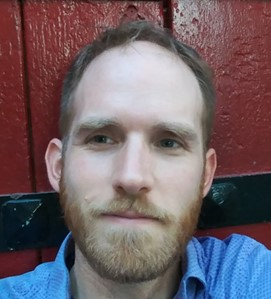
Headshot of Dr. Stephan van Vliet, wearing a blue and while shirt in front of a white wall and a tree.

Dr. Stephan van Vliet is a nutrition scientist with metabolomics expertise in the Center for Human Nutrition Studies at Utah State University. Dr. Stephan van Vliet earned his PhD in Kinesiology as an ESPEN Fellow from the University of Illinois at Urbana-Champaign, and received training at the Washington University in St Louis School of Medicine and Duke University School of Medicine. Dr. van Vliet’s research is performed at the nexus of agricultural and human health. He routinely collaborates with farmers, ecologists, and agricultural scientists to study critical linkages between sustainable agriculture, the nutrient density of food, and human health. His work has been published in the American Journal of Clinical Nutrition, Scientific Reports, the Journal of Nutrition, and the Journal of Physiology.

His Faculty profile is here.


MSE Logo designed by Alex Guillen

Funding awarded to study “microbiome stewardship”!

A collaborative team of researchers (Drs. Kieran O’Doherty, Rob Beiko, Sue Ishaq, Emma Allen-Vercoe, Mallory Choudoir, and Diego Silva – check out their biographies below) has been awarded funding from the Canadian Institutes for Health Research (CIHR) for a four-year project on how our collective microbiomes (the diverse microbes we share between humans and our environments) impact health!! 

Microbiome scientists have increasingly been demonstrating the importance of microbial ecologies for human and environmental health. In spite of this, no protections are in place on policy levels to ensure the health of microbiomes, which in turn are the foundation of larger ecosystems.  We built this team of bioethicists (Kieran and Diego), bioinformaticians (Rob), host microbial ecologists (Sue and Emma), and soil microbial ecologists (Mallory), with the purpose of developing a framework and definition for microbiome stewardship, guiding principles for its implementation, and tools for assessment. We hope this could serve as a starting point for developing public policy around conservation of natural and built environments in ways that promote long-term health of everyone – people, plants, animals, microbes, and the planet.

What is “microbiome stewardship”?

Microbiome stewardship is the broad idea that we need to consider ecosystem-level factors when we think about public health, as our environment, behaviors, and public policy affects interactions between microbes and human health. Microbiomes are highly dynamic systems, featuring bacteria, archaea, protozoa, fungi, and viruses; and our personal microbiomes are derived from a larger shared, collective microbial resource.

Schematic showing microbiomes in a venn diagrahm circle tha overlaps with a circle of human, animal, and plant hosts, which overlaps with a circle of societies and with a circle of environments. The graphic is trying to show that microbes connect environments to organisms. In three text boxes, there are statements on the need to understand the context surrounding microbiome samples, engage in discussions with resident and previously displaced groups, and collaborate with impacted groups.
Figure from Robinson et al. 2022, mSystems

The importance of the human microbiome (the bacteria, fungi, archaea, protozoa, and viruses that we directly and indirectly interact with throughout our lives) for health and well-being has been well established. However, despite their demonstrated impact, there is limited information on the interconnectivity of non-host habitats (e.g., the built environment or other less intensively managed environments) and their collective contributions to human health. This includes interactions across scales such as with others in shared spaces, cultural and dietary practices, food systems and industrialized food processes, natural environments, built environments, and air pollution. 

The concept of the collective microbiome reinforces the idea of microbiomes as a public good from which all humans, plants, and animals derive benefit. Deterioration of the collective microbiome, and the increasing prevalence of microbiome dysbiosis in humans and elsewhere, is the least well-understood but the most-important facet of biodiversity loss and ecosystem health decline. Microbiome stewardship recognizes the necessity of microbial communities in sustaining human health, and emphasizes the imperative to protect them through policy and other action. Recognizing the importance of microbiome stewardship is a critical step, but we also lack the clear articulation needed to guide its implementation in policy and practice. We need a broadly applicable and inclusive definition of microbiome stewardship, a framework that can guide principles for implementation, and tools to assess microbiome health and to support informed decision making.

Meet the Team

A headshot of Dr. Kieran O'Doherty, PhD who is wearing a black pinstripe shirt and standing outside in front of a yellow brick wall.

Dr. Kieran C. O’Doherty, PhD., is professor in the department of psychology at the University of Guelph, where he directs the Discourse, Science, Publics research Group. His research focuses on the social and ethical implications of science and technology and public engagement on science and technology. He has published on such topics as data governance, vaccines, human tissue biobanks, the human microbiome, salmon genomics, and genetic testing. A particular emphasis of his research is on theory and methods of public deliberation, in which members of the public are involved in collectively developing recommendations for the governance of science & technology. Recent edited volumes include Psychological Studies of Science and Technology (2019) and The Sage Handbook of Applied Social Psychology (2019). He is editor of Theory & Psychology.

Dr. Rob Beiko, PhD., is a Professor and Head of the Algorithms and Bioinformatics research cluster in the Faculty of Computer Science at Dalhousie University. His research aims to understand microbial diversity and evolution using machine learning, phylogenetics, time-series algorithms, and visualization techniques. His group is developing software tools and pipelines to comprehensively survey genes and mobile genetic elements in bacterial genomes, and understand how these genomes have been shaped by vertical inheritance, recombination, and lateral gene transfer. He is also a co-founder of Dartmouth Ocean Technologies, Inc., a developer of environmental DNA sampling devices.

A headshot of Dr. Sue Ishaq, PhD in which she is wearing a black and white houndstooth pattern waistcoat and a white button up shirt. Graphics have been added to show a strand of DNA and the words "love your microbes"

Dr. Sue Ishaq, PhD., is an Assistant Professor of Animal and Veterinary Sciences, University of Maine; and founded MSE in 2020.  Over the years, her research has gone from wild animal gut microbiomes, to soils, to buildings, and back to the gut. Since 2019, her lab in Maine focuses on host-associated microbial communities in animals and humans, and in particular, how host and microbes interact in the gut and can be harnessed to reduce inflammation. She is also the early-career At Large member of the Board of Directors for the American Society for Microbiology, 2024- 2027. 

Dr. Emma AllenVercoe, PhD, is a Professor of Microbiology at the University of Guelph, and a Tier 1 Canada Research Chair in Human Gut Microbiome Function and Host Interactions. Her research portfolio is broad, encompassing host-pathogen interplay, live microbial products as therapeutic agents, gut microbiome and anaerobic culture (humans and animals), and the study of ‘missing gut microbes’ i.e. those that are present in hunter-gatherer societies but missing in the industrialized world.  She has developed the Robogut – a culture system that allows for the growth of gut microbial communities in vitro, and is currently busy a centre for microbiome culture and preservation at the University of Guelph.

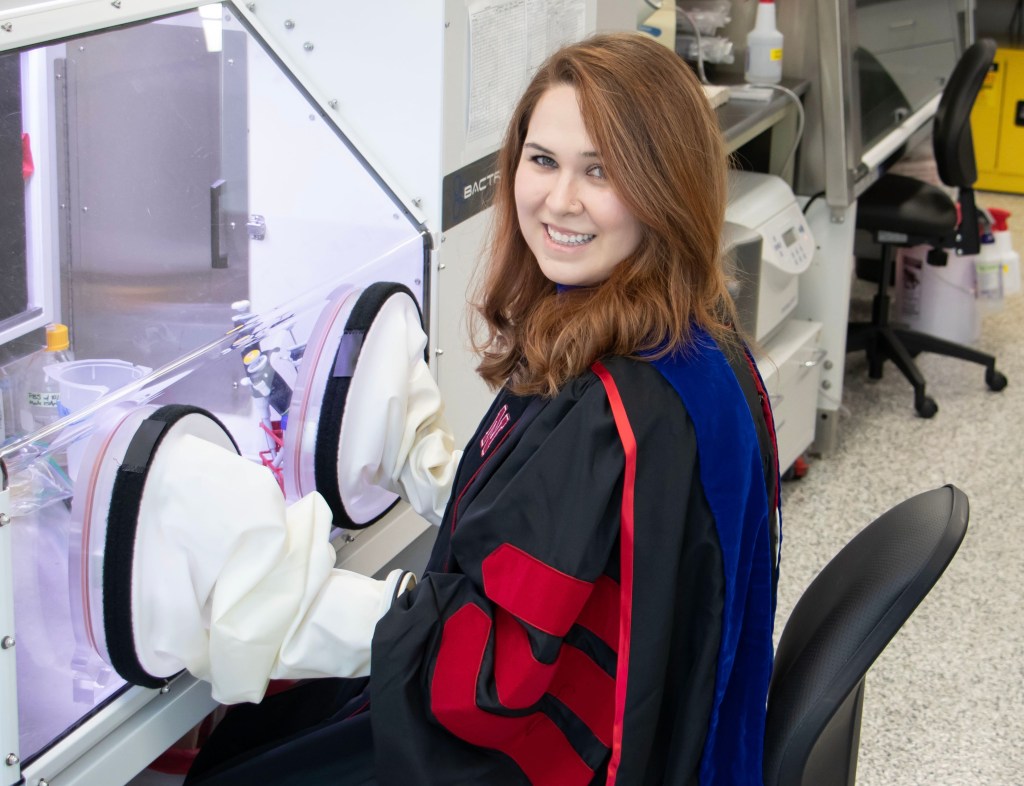
Dr. Mallory Choudoir, PhD wearing a button up bro

Dr. Mallory Choudoir, PhD, is an Assistant Professor & Soil Microbiome Extension Specialist in the Department of Plant & Microbial Biology at North Carolina State University. The goal of her applied research and extension program is to translate microbiome science to sustainable agriculture. She aims to develop microbial-centered solutions for optimizing crop productivity, reducing agronomic inputs, and enhancing  agroecosystem resilience to climate change.

Diego Silva, PhD wearing a blue shirt and eye glasses and standing in from of a red brick wall.

Diego Silva, PhD, is a Senior Lecturer in Bioethics at Sydney Health Ethics and the University of Sydney School of Public Health. His research centers on public health ethics, particularly the application of political theory in the context of infectious diseases and health security, e.g., tuberculosis, COVID-19, antimicrobial resistance, etc. He is currently the outgoing Chair and a member of the Public Health Ethics Consultative Group at the Public Health Agency of Canada and works with the World Health Organization on various public health ethics topics on an ad hoc basis.

“Articulating Microbiome Stewardship: Definition, Guiding Principles, Framework”

Principal Investigator: Kieran O’Doherty, University of Guelph

co-Principal Investigators: Rob Beiko, Dalhousie University; Suzanne Ishaq, University of Maine. 

co-Investigators: Emma Allen-Vercoe, University of Guelph; Mallory Choudoir, North Carolina State University; Diego Silva, The University of Sydney School of Public Health.

Funding agency: Canadian Institute for Health Research

Abstract

The human microbiome is essential for healthy human development and immunity, and maintaining its health is a collective activity. In Canada and worldwide, there is increasing prevalence of chronic illnesses attributed to dysbiosis of human microbiomes. The causes for microbiome dysbiosis vary. In part, the constitution of the human microbiome depends on genetic factors and personal lifestyle choices, such as diet and exercise. To a large extent, however, individuals’ and collective microbiomes are shaped by environmental factors including natural environments, built environments, food systems, air and other pollutants, and the microbiomes of other people and animals around us. Microbes, by their nature, are shared across humans, and between humans and the environments in which we live. Although our decisions as individuals may have some impact, it is mainly our actions as a society that shape macro-social influences such as environmental pollution, industrial food production, and guidelines for anti-biotic use, all of which profoundly affect human microbiomes. This suggests that we need a collective vision or principles that would act to coordinate and guide societal efforts to ensure healthy microbiome environments. In 2014 an interdisciplinary group of scholars proposed the concept of microbiome stewardship to recognise our shared microbial environment as a common good that needs to be protected. Although this was an important first step, the notion of microbiome stewardship needs to be developed in much more detail to be useful in guiding policy and practice. The purpose of this project is to develop an authoritative definition of microbiome stewardship, to develop guiding principles for its implementation, and to develop a framework for its assessment. We will use a series of interviews, workshops, and deliberative processes to engage a wide range of experts and stakeholders to develop a sustainable and comprehensive articulation of microbiome stewardship.

MSE seminar today: “Don’t Stop Believin’: Managing student motivation on the journey from descriptive to mechanism.”

Events will be hosted January – December, 2024, on the last Friday of every month, 12:00 – 14:00 pm ET. Presented over Zoom.

After each talk, we will continue the discussions in an informal social meeting with MSE. All speakers and members of the audience are welcome to join the social meeting.

Hosted by: Sue Ishaq, MSE, and finacially supported by the University of Maine Institute of Medicine and the UMaine Cultural Affairs/Distinguished Lecture Committee.


“Don’t Stop Believin’: Managing student motivation on the journey from descriptive to mechanism”

Dr. Sonny Lee, PhD

Mar 29, 2024 12:00 PM Eastern Time. This event has passed, watch the recording here.

Dr. Sonny Lee is a blue rainjacket standing in front of a forested river on a cloudy day.

Dr. Sonny Lee, PhD., Assistant Professor at Kansas State University, is an integrative microbiologist, with his work grounded in the field of microbiology, ecology and molecular biology with application to promote pro-health in human host, agricultural and the environment. His research relies heavily on bioinformatics, microbiological and molecular techniques to elucidate the mechanism of microbial populations in the contribution to the well-being of the host. His lab investigates the diversity and mechanism of the microbial population by looking at the microbiome as a whole holobiont, while using a reductionist approach in elucidating the role microbial populations play in maintaining the homeostasis of the microbiome.

His lab website is here.

MSE seminar this Friday: “Don’t Stop Believin’: Managing student motivation on the journey from descriptive to mechanism.”

Events will be hosted January – December, 2024, on the last Friday of every month, 12:00 – 14:00 pm ET. Presented over Zoom.

After each talk, we will continue the discussions in an informal social meeting with MSE. All speakers and members of the audience are welcome to join the social meeting.

Hosted by: Sue Ishaq, MSE, and finacially supported by the University of Maine Institute of Medicine and the UMaine Cultural Affairs/Distinguished Lecture Committee.


“Don’t Stop Believin’: Managing student motivation on the journey from descriptive to mechanism”

Dr. Sonny Lee, PhD

Mar 29, 2024 12:00 PM Eastern Time. This event has passed, watch the recording here.

Dr. Sonny Lee is a blue rainjacket standing in front of a forested river on a cloudy day.

Dr. Sonny Lee, PhD., Assistant Professor at Kansas State University, is an integrative microbiologist, with his work grounded in the field of microbiology, ecology and molecular biology with application to promote pro-health in human host, agricultural and the environment. His research relies heavily on bioinformatics, microbiological and molecular techniques to elucidate the mechanism of microbial populations in the contribution to the well-being of the host. His lab investigates the diversity and mechanism of the microbial population by looking at the microbiome as a whole holobiont, while using a reductionist approach in elucidating the role microbial populations play in maintaining the homeostasis of the microbiome.

His lab website is here.

MSE seminar today: “Precision Microbiome for Health.”

Events will be hosted January – December, 2024, on the last Friday of every month, 12:00 – 14:00 pm ET. Presented over Zoom.

After each talk, we will continue the discussions in an informal social meeting with MSE. All speakers and members of the audience are welcome to join the social meeting.

Hosted by: Sue Ishaq, MSE, and finacially supported by the University of Maine Institute of Medicine and the UMaine Cultural Affairs/Distinguished Lecture Committee.


“Precision Microbiome for Health”

Dr. Jack A. Gilbert, PhD.

Feb 23, 2024 12:00 PM Eastern Time. This event has passed, watch the recording here.

Professor Jack A Gilbert earned his Ph.D. from Unilever and Nottingham University, UK in 2002, and received his postdoctoral training at Queens University, Canada. From 2005-2010 he was a senior scientist at Plymouth Marine Laboratory, UK; and from 2010-2018 he was Group Leader for Microbial Ecology at Argonne National Laboratory, a Professor of Surgery, and Director of The Microbiome Center at University of Chicago. In 2019 he moved to University of California San Diego, where he is a Professor in Pediatrics and the Scripps Institution of Oceanography, Associate Vice Chancellor for Marine Science, and Director of both the Microbiome and Metagenomics Center and the Microbiome Core Facility. Dr. Gilbert uses molecular analysis to test fundamental hypotheses in microbial ecology.

He cofounded the Earth Microbiome Project and American Gut Project. He has authored more than 450 peer reviewed publications and book chapters on microbial ecology. He is the founding Editor in Chief of mSystems journal. In 2014 he was recognized on Crain’s Business Chicago’s 40 Under 40 List, and in 2015 he was listed as one of the 50 most influential scientists by Business Insider, and in the Brilliant Ten by Popular Scientist. In 2016 he won the Altemeier Prize from the Surgical Infection Society, and the WH Pierce Prize from the Society for Applied Microbiology for research excellence. In 2017 he co-authored “Dirt is Good”, a popular science guide to the microbiome and children’s health. In 2018, he founded BiomeSense Inc to produce automated microbiome sensors. In 2021 Dr Gilbert became the UCSD PI for the National institutes of Health’s $175M Nutrition for Precision Medicine program. In 2023 he became President of Applied Microbiology International, and won the 2023 IFF Microbiome Science Prize.

His lab website is here.

MSE seminar this Friday: “Precision Microbiome for Health.”

Events will be hosted January – December, 2024, on the last Friday of every month, 12:00 – 14:00 pm ET. Presented over Zoom.

After each talk, we will continue the discussions in an informal social meeting with MSE. All speakers and members of the audience are welcome to join the social meeting.

Hosted by: Sue Ishaq, MSE, and finacially supported by the University of Maine Institute of Medicine and the UMaine Cultural Affairs/Distinguished Lecture Committee.


“Precision Microbiome for Health”

Dr. Jack A. Gilbert, PhD.

Feb 23, 2024 12:00 PM Eastern Time. This event has passed, watch the recording here.

Professor Jack A Gilbert earned his Ph.D. from Unilever and Nottingham University, UK in 2002, and received his postdoctoral training at Queens University, Canada. From 2005-2010 he was a senior scientist at Plymouth Marine Laboratory, UK; and from 2010-2018 he was Group Leader for Microbial Ecology at Argonne National Laboratory, a Professor of Surgery, and Director of The Microbiome Center at University of Chicago. In 2019 he moved to University of California San Diego, where he is a Professor in Pediatrics and the Scripps Institution of Oceanography, Associate Vice Chancellor for Marine Science, and Director of both the Microbiome and Metagenomics Center and the Microbiome Core Facility. Dr. Gilbert uses molecular analysis to test fundamental hypotheses in microbial ecology.

He cofounded the Earth Microbiome Project and American Gut Project. He has authored more than 450 peer reviewed publications and book chapters on microbial ecology. He is the founding Editor in Chief of mSystems journal. In 2014 he was recognized on Crain’s Business Chicago’s 40 Under 40 List, and in 2015 he was listed as one of the 50 most influential scientists by Business Insider, and in the Brilliant Ten by Popular Scientist. In 2016 he won the Altemeier Prize from the Surgical Infection Society, and the WH Pierce Prize from the Society for Applied Microbiology for research excellence. In 2017 he co-authored “Dirt is Good”, a popular science guide to the microbiome and children’s health. In 2018, he founded BiomeSense Inc to produce automated microbiome sensors. In 2021 Dr Gilbert became the UCSD PI for the National institutes of Health’s $175M Nutrition for Precision Medicine program. In 2023 he became President of Applied Microbiology International, and won the 2023 IFF Microbiome Science Prize.

His lab website is here.

Happening today: MSE symposium session showcasing members’ research!

The Microbes and Social Equity working group, and The University of Maine Institute of Medicine present a virtual symposium on:

“Living in a Microbial World”

June 5 – 9th, 2023.

Register here! It is free, and required.

Format: virtual meeting, Zoom platform.

The full program is here.

Session 5: MSE Member Research Showcase

Friday, June 9th, 11 am – 2:30 pm EDT.

Session hosts and organizers: Emily Wissel, Curtis Tilves, Sue Ishaq

Session Scope: MSE members will be sharing their own work in short presentations to showcase the variety of disciplines of our group. The presentation list will include students and non-researchers, and research on microbiomes, people, ecosystems, and more even if it is not related to microbes and/or social equity.

Scheduled Talks

Amber BenezraThe trillions of microbes in and on our bodies are determined by not only biology but also our social connections. Gut Anthro tells the fascinating story of how a sociocultural anthropologist developed a collaborative “anthropology of microbes” with a human microbial ecologist to address global health crises across disciplines. It asks: what would it mean for anthropology to act with science? Based partly at a preeminent U.S. lab studying the human microbiome, the Center for Genome Sciences at Washington University, and partly at a field site in Bangladesh studying infant malnutrition, the book examines how microbes travel between human guts in the “field” and in microbiome laboratories, influencing definitions of health and disease, and how the microbiome can change our views on evolution, agency, and life.
My book Gut Anthro is officially on sale!
Curtis TilvesThis presentation will summarize a work-in-progress for my pilot grant, “Examining the Role of the Gut Microbiome in Racial Disparities in Hypertension”.

Racial disparities in hypertension are believed to be driven by the environment (i.e., non-genetic factors). Identifying modifiable environmental factors that drive racial disparities in hypertension can help lead to interventions to reduce health inequities. The gut microbiome is modifiable and considered a sensor to changing environmental exposures. As with hypertension, racial/ethnic differences in the microbiome have also been documented and are thought to be driven by environment.

Differences in the microbiome and microbial metabolites by race may affect risk of hypertension. Gut microbiome features differ by hypertension status, and microbially-produced metabolites can influence blood pressure through a variety of biological mechanisms. Studies suggest that the associations of microbiome compositions, microbial function, and serum plasma metabolomics with blood pressure may differ by racial/ethnic identities.

This project intends to investigate more deeply the contributors to race differences in the microbiome and hypertension using Black and White participant data from the Baltimore Longitudinal Study of Aging (BLSA). Our aims:
Aim 1: Characterize the gut microbiome (diversity, composition, functional potential, and fecal microbial metabolites) of Black (N=220) and White (N=549) participants in BLSA.
Aim 2: Investigate the environmental factors that drive differences in microbiome features and microbial metabolites between Black and White participants in BLSA.
Aim 3: Examine the cross-sectional and longitudinal association of the gut microbiome and fecal microbial metabolites with blood pressure, before and after adjustment for race-associated environmental factors.
Melissa ManusSocial interactions shape the infant microbiome by providing opportunities for caregivers to spread bacteria through physical contact. With most research focused on the impact of maternal-infant contact on the infant gut microbiome, it is unclear how alloparents (i.e. caregivers other than the parents) influence the bacterial communities of infant body sites that are frequently contacted during bouts of caregiving, including the skin. To begin to understand how allocare may influence the diversity of the infant microbiome, detailed questionnaire data on infant-alloparent relationships and specific allocare behaviors were coupled with skin and fecal microbiome samples (4 body sites) from 48 infants living in Chicago, U.S.A. Data from 16S rRNA gene amplicon sequencing indicated that infant skin and fecal bacterial diversity showed a strong association to having female adult alloparents. Alloparental feeding and co-sleeping displayed stronger associations to infant bacterial diversity compared to playing or holding. There was variation in the magnitude and direction of these relationships across infant body sites. Bacterial relative abundances varied by infant-alloparent relationship and breastfeeding status. This study provides some of the first evidence of an association between allocare and infant bacterial diversity. The results suggest that infants’ exposure to bacteria from the social environment may differ based on infant-alloparent relationships and allocare behaviors. Since the microbiome influences immune system development, variation in allocare that impacts the diversity of infant bacterial communities may be an underexplored dimension of the social determinants of health in early life.

Julian Damashek
This talk will summarize work my laboratory is doing on environmental microbiomes. We primarily study nitrogen cycling and antimicrobial resistance in aquatic ecosystems, particularly in waters impacted by both urban and rural populations. Here I will describe a recent project attempting to use microbial source tracking to determine sources of nutrient inputs throughout a river network (the Mohawk/Teionontatátie), where we are combining quantification of fecal pathogens with detailed measurements of nitrogen compounds. We are particularly interested in determining the sources of urea and ammonium, since these can contribute to the extend or toxicity of harmful algal blooms in many freshwaters. I will also outline a project using metagenomic data to study antibiotic resistance gene abundance and diversity in urban estuary waters.
Ana Zuniga


Bacterial biosensor approaches for fast and cost-effective personal monitoring of potential gut biomarkers.
Gut metabolites are pivotal mediators of host-microbiome interactions. The production of microbiome-derived metabolites can be affected by environmental chemicals, dietary substrate availability, and interindividual variability. Thus, they provide an essential window into human physiology and disease, where socio-environmental aspects also play a key role. However, current methods to monitor gut metabolites rely on heavy and expensive technologies such as liquid chromatography-mass spectrometry (LC-MS). In that context, robust, fast, field-deployable, and cost-effective strategies for monitoring fecal metabolites would support large-scale functional studies and routine monitoring of metabolite biomarkers associated with environmental exposures. Living cells are an attractive option to engineer biosensors due to their ability to detect and process many environmental signals and their self-replicating nature. Here we optimized a workflow for feces processing that supports metabolite detection using bacterial biosensors. We show that simple centrifugation and filtration steps remove host microbes and support reproducible preparation of a physiological-derived media retaining essential characteristics of human feces, such as matrix effects and endogenous metabolites. We measure the performance of bacterial biosensors for benzoate, lactate, anhydrotetracycline, and bile acids, and find that they are highly sensitive to fecal matrices. However, encapsulating the bacteria in hydrogel helps reduce this inhibitory effect. Finally, by detecting endogenous bile acids, we demonstrate that bacterial biosensors could be used for future metabolite monitoring in feces. This work lays the foundation for the optimization and use of bacterial biosensors in the monitoring of fecal biomarkers for a better characterization of individual environmental exposures.
Erika Diaz Almeyda
Abstract BD
Ramya KumarAntimicrobial resistance (AMR) is a global problem with a heavy toll on patients, healthcare systems, and the economy. In war affected regions, where healthcare systems are already strained by the impacts of war, AMR poses an even bigger threat to the ability to monitor antibiotic use, distribution, and treatment of AMR infections. The occupied Palestinian Territories (oPT) have been under settler colonization for decades, resulting in extensive healthcare fragmentation. We conducted the scoping review using databases PubMed, CINAHL, Embase, and Web of Science. Included articles studied AMR in the oPT.  Preliminary results demonstrate that our search terms identified 1787 articles. Of these, 109 articles met the inclusion criteria and were included in the analysis. Human populations accounted for 83 of the studies, seven were studies on animals, four were studies on water, 12 were studies on knowledge and attitudes regarding AMR and three were studies on AMR in medical tourism. The study of AMR in Palestinian populations provides a lens to study the ecology of human – animal – environment interactions in a OneHealth framework and how war shapes this ecology. The paper will contextualize AMR in a social and political context and reveal deeper layers contributing to the problem including effects of war on behaviors and education of patients and weakening of the healthcare system. Given the lack of literature reporting the relationship between violence and AMR in populations affected by war and settler colonization, this literature review will be the first article synthesizing and critiquing reports of AMR in Palestine. 
Lola HolcombInflammatory Bowel Diseases (IBD) are chronic conditions characterized by inflammation of the gastrointestinal tract that heavily burden daily life, result in surgery or other complications, and disrupt the gut microbiome. How IBD influences gut microbial ecology, especially biogeographic patterns of microbial location, and how the gut microbiota can use diet components and microbial metabolites to mediate disease, are still poorly understood. Many studies on diet and IBD in mice use a chemically induced ulcerative colitis model, despite the availability of an immune-modulated Crohn’s Disease model. Interleukin-10-knockout (IL-10-ko) mice on a C57BL/6 background, beginning at age 4 or 7 weeks, were fed either a control diet or one containing 10% (w/w) raw broccoli sprouts which was high in the sprout-sourced anti-inflammatory sulforaphane. Diets began 7 days prior to inoculation with Helicobacter hepaticus, which triggers Crohn’s-like symptoms in these immune-impaired mice, and ran for two additional weeks. Key findings of this study suggest that the broccoli sprout diet increases sulforaphane concentration in plasma; decreases weight stagnation, fecal blood, and diarrhea associated with enterocolitis; and increases microbiota richness in the gut, especially in younger mice. Sprout diets resulted in some anatomically specific bacterial communities in younger mice, and reduced the prevalence and abundance of potentially pathogenic or otherwise-commensal bacteria which trigger inflammation in the IL-10 deficient mouse, for example, Escherichia coli and Helicobacter. Overall, the IL-10-ko mouse model is responsive to a raw broccoli sprout diet and represents an opportunity for more diet-host-microbiome research.
Johanna HolmanInflammatory Bowel Diseases (IBD) are devastating conditions of the gastrointestinal tract with limited treatments, and dietary intervention may be effective, affordable, and safe for managing symptoms. Ongoing research has identified inactive compounds in broccoli sprouts, like glucoraphanin, and that mammalian gut microbiota play a role in metabolizing it to the anti-inflammatory sulforaphane. The objectives were to identify biogeographic location of participating microbiota and correlate that to health outcomes. We fed specific pathogen free C57BL/6 mice either a control diet or a 10% steamed broccoli sprout diet, and gave a three-cycle regimen of 2.5% dextran sodium sulfate (DSS) in drinking water over a 40-day experiment to simulate chronic, relapsing ulcerative colitis. We monitored body weight, fecal characteristics, fecal lipocalin, and sequenced bacterial communities from the contents and mucosa in the jejunum, cecum, and colon. Mice fed the broccoli sprout diet while receiving DSS performed better than mice fed the control diet while receiving DSS for all disease parameters, including significantly more weight gain (2-way ANOVA, p < 0.05), lower Disease Activity Index scores (2-way ANOVA, p < 0.001), and higher bacterial richness in all gut locations (linear regression model, p < 0.01 for all locations measured). Bacterial communities were assorted by gut location except in the mice receiving the control diet and DSS treatment (Beta-diversity, ANOVA, p < 0.05 for each). Importantly, our results suggested that broccoli sprout feeding completely abrogated the effects of DSS on gut microbiota, as bacterial communities were similar between mice receiving broccoli sprouts with and without DSS.
Timothy Hunt, Benjamin Hunt &
Marissa Kinney
A review of an early-life microbe considered missing from the industrialized world that is associated with later-life chronic disease and a related microbe used to treat chronic disease.
Inflammatory bowel diseases (IBD) cause dysfunction of the gastrointestinal (GI) tract and can result in hospitalization, suffering and disruption to overall health. Recent work has demonstrated the anti-inflammatory capacity of a broccoli sprout-diet in artificially-induced GI inflammation in pathogen free C57BL/6 mice. Microbiota samples obtained from the GI tract of these mice will be used to study the presence and activity of broccoli glucosinolate hydrolysis to create microbial-sourced bioactives, to further understand the relationship between broccoli-diets and inflammation reduction. It is imperative to validate or replicate qPCR protocols which have been established for glucosinolate metabolism in Bacteroides thetaiotaomicron (B. theta), in other bacterial species. Additionally, this project will focus on developing new growth curve assays for glucosinolate metabolism, as these methods are lacking in published literature.

Happening today: MSE symposium session on “Elevating human nutrition and microbiome practice”

The Microbes and Social Equity working group, and The University of Maine Institute of Medicine present a virtual symposium on:

“Living in a Microbial World”

June 5 – 9th, 2023.

Format: virtual meeting, Zoom platform.

The full program is here.

Session 4: Elevating human nutrition and microbiome practice

Thursday, June 8th, 11 am – 2:30 pm EST. Event has passed, watch the recorded talks.

Human nutrition research and practice provides a unique opportunity to provide equitable health and microbiome care, to engage with various communities, and to foster interdisciplinary research and educational programs. Given the complexity and nuance of evidence-based nutrition delivery, the guiding ideas of MSE can provide a conceptual structure. This session will present research and case studies which create a professional development framework, such that attendees can envision and learn to apply the framework to their own project / professional development.

Hosts and organizers:

Dr. Ashley M. Toney, Ph.D., Postdoctoral Research Fellow, Cleveland Clinic Lerner Research Institute. Translational/Clinical Nutrition Researcher focused on Latine Health Disparities.

Dr. Patricia Wolf, PhD, RD, Assistant Professor at Purdue University. Microbial Metabolism, Health Disparities Research, Nutrition and Dietetics

Dr. Sue Ishaq, PhD, Assistant Professor of Animal and Veterinary Science, School of Food and Agriculture, University of Maine. Animal microbiomes, diet and gut, microbes and social equity.

Speakers, 11~12:00 EDT:

Dr. Babajide Ojo (Jide)

Dr. Babajide Ojo (Jide), PhD. is currently a Postdoctoral Research Scientist in the Pediatric Gastroenterology department at Stanford University School of Medicine. His PhD research used models of diet-induced obesity to understand how whole foods modulate the gut microbiome to enhance intestinal homeostasis and systemic outcomes. Through his ongoing Postdoctoral training, Jide is working to understand how patient-derived colon organoids may recapitulate the metabolic and epigenetic anomalies in the epithelia of pediatric ulcerative colitis patients. Jide’s long-term research goals seek to understand how nutritional and microbial factors impact the metabolic and regenerative fate of intestinal stem cells.

“Beyond Fiber: Microbial Regulation of Anti-Nutritional Factors in Whole Foods to Benefit Intestinal Physiology”

Dr. Saria Lofton, PhD, RN, Assistant Professor, University of Illinois at Chicago, College of Nursing

Dr. Annabel Biruete, PhD, RD, is an Assistant Professor and Registered Dietitian in the Department of Nutrition Science at Purdue University and an Adjunct Assistant Professor in the Division of Nephrology at the Indiana University School of Medicine. Her broad clinical interest is nutrition in kidney diseases. Annabel’s research aims to study the effects of nutritional and pharmacological therapies for chronic kidney disease on the gastrointestinal tract and gut microbiome. Additionally, Annabel is interested in improving outcomes in the Hispanic/LatinX community living with chronic kidney disease, using language- and culturally-concordant lifestyle interventions.

Break, ~12:05 – 12:20 EDT

Panel Discussion, 12:20~13:00 EDT:

  • Whole food strategy versus targeted interventions
  • Multi-disciplinary approaches are needed. It’s not just about the gut- we need to think about other organs and systems biology, and with collaboration we can maximize animal use and preliminary data
  • Challenges of working with clinical populations, recruiting, keeping people engaged

Break, 3:00 – 13:15 EDT

Breakout room discussions, 13:15 ~ 14:30 EDT:

  1. Going from animal models to humans
  2. Challenges of clinical study
  3. TBD

Related to this session, here are recorded talks from previous MSE events:

Happening today: MSE symposium session on “Integrating food systems through microbes”

The Microbes and Social Equity working group, and The University of Maine Institute of Medicine present a virtual symposium on:

“Living in a Microbial World”

June 5 – 9th, 2023.

Format: virtual meeting, Zoom platform.

The full program is here.


Session 3: Integrating food systems through microbes

Wednesday, June 7th, 11 am – 2:30 pm EST. This event has passed, watch the recorded talks.

Microorganisms tie food systems together, from soil to food processing to gut to waste products, and microbes can be used to create sustainable food production while working with the natural ecosystem. Traditional ecological knowledge, place-based food systems, and food sovereignty endeavors have long known that integrated food systems require a broader definition of “health”. This session will explore how microbiota can be used to sustain and integrate food, communities, and ecosystems.

Hosts and organizers:

Dr. Tiff Mak (they/she), PhD, Postdoctoral Research Fellow at the Novo Nordisk Foundation Center for Biosustainability at DTU. They work at the intersection of Microbial Ecology, Fermentation and Integrated Food Systems, and are interested in community interaction dynamics and relationality, from the scale of the microbial to the planetary.

Dr. Sue Ishaq, PhD, Assistant Professor of Animal and Veterinary Science, School of Food and Agriculture, University of Maine. Animal microbiomes, diet and gut, microbes and social equity. Note, Sue helped host a little bit but Tiff put in 99.999% of the effort for organizing and running the event.

Speakers, 11~12:00 EDT:

Dr. Aviaja Lyberth Hauptmann

Dr. Aviaja Lyberth Hauptmann (she/her/hers) PhD., is an Inuk microbiologist from Kalaallit Nunaat (Greenland). After finishing her PhD in microbial metagenomics at the Technical University of Denmark in 2017 she returned to her birth-town Nuuk, to lead the research project the Greenland Diet Revolution. Her research centers the animal-sourced Indigenous diet of Inuit. The focus of the research is the human and microbial culture of Inuit foods, and how these foods connect our inside to our outside. Dr. Hauptmann is currently an assistant professor at Ilisimatusarfik – the University of Greenland and a part-time assistant professor at The University of Copenhagen.

Kolawole Banwo

Dr. Kolawole Banwo, PhD. is a Lecturer and Researcher in the Food Microbiology, Biotechnology and Safety Unit of the Department of Microbiology, University of Ibadan, Nigeria, where he teaches undergraduate and postgraduate courses on food microbiology, safety assessment, quality control and usefulness of food grade microorganisms. He mentors young academics in the area of food safety and quality assurance in his Department and University, and is passionate about food safety and volunteers on food safety education to artisanal fermented food producers and handlers. His current areas of research are exploration of the food microbiome of traditional fermented foods to increase potentials in bioactive components and the production of functional foods and the detoxification of mycotoxin and metabolites profile from traditional fermented foods in Nigeria using lactic acid bacteria and yeasts in collaboration with the Aflasafe Unit of the International Institute of Tropical Agriculture (IITA), Ibadan, Nigeria. Kolawole is passionate about food safety and volunteers on food safety education to artisanal fermented food producers and handlers. Dr Banwo holds a B.Sc and M.Sc degrees in General Microbiology, while his Ph.D. degree was in Food Microbiology from the University of Ibadan, Nigeria. He is a recipient of many awards locally and internationally. He was on a brief collaborative research visit in 2019 to the Department of Plant Sciences, North Dakota State University, Fargo, USA. He is a member of several microbiology professional bodies.

Dr. Nina Moeller, PhD, Associate Professor Research, Centre for Agroecology, Water and Resilience, Coventry University. Currently Associate Professor of Political Ecology and People’s Knowledge at Coventry University (UK) and a researcher in Sustainability Transitions at the University of Southern Denmark (SDU), she has a mixed academic background in philosophy, sociology and anthropology. Her research interests comprise the dynamics of sustainability transitions, including their unintended socio-ecological effects; diversity of knowledge and value systems; and more-than-human relations. Her interest in plant medicine, fermentation, traditional health and food systems goes beyond research and has been shaped in significant ways through friendships and exchanges with indigenous Amazonians and subsistence farmers across the world. She has worked in Latin America and Europe – as academic as well as consultant to indigenous federations, NGOs and the UN’s Food and Agriculture Organization

Break, ~12:05 – 12:20 EDT

Panel Discussion, 12:20~13:00 EDT:

  • Indigenous sovereignty on traditional fermented foods we want to research
  • Microbiota Vault Initiative
  • Style of agriculture tied to style of governance

Break, 3:00 – 13:15 EDT

Breakout room discussions, 13:15 ~ 14:30 EDT:

  1. Sovereignty on traditional foods research
  2. Food systems, governance, and sustainability
  3. TBD

Related to this session, here are recorded talks from previous MSE events:

Happening today: MSE symposium session on “Microbiomes and climate justice”

The Microbes and Social Equity working group, and The University of Maine Institute of Medicine present a virtual symposium on:

“Living in a Microbial World”

June 5 – 9th, 2023.

Format: virtual meeting, Zoom platform.

The full program is here.


Session 2: Microbiomes and climate justice

Tuesday, June 6th, 11 am – 2:30 pm EST. This session has passed, watch the recorded talks.

Social and economic activities have impacted microbes vital to the carbon cycle, while climate change has already begun to alter environmental microbiota. How do these reciprocal anthropogenic effects affect our health? How will such impacts follow our socio-economic fault-lines? This session will explore how we can use these links to inform communities, conservation movements, and policy.

Hosts and organizers:

Dr. Mike Friedman, PhD, MPH. Recently-retired Researcher and Lecturer in Ecology, Evolutionary Biology, and Health.

Dr. Erin Eggleston, PhD, Assistant Professor of Biology, Middlebury College. Molecular microbial ecology, cyanobacterial harmful algal blooms, T. gondii detection in shellfish, coral holobiont thermal resilience, environmental microbes and social equity, and microbial community members involved in mercury methylation in St. Lawrence River wetland sediments

Speakers, 11~12:00 EDT:

Arpita Bose

Dr. Arpita Bose, PhD., Associate Professor of Biology, Washington University in St. Louis. Her lab studies microbial metabolisms and their influence on biogeochemical cycling using an interdisciplinary approach. We apply the knowledge we gain to generate new ways of addressing issues such as the energy crisis, climate change, pollution, human health, sustainability and the circular economy.

Dr. Mallory Choudoir, PhD, Assistant Professor & Soil Microbiome Extension Specialist, Department of Plant & Microbial Biology, North Carolina State University. The goal of my research program is to translate microbiome science to sustainable agriculture and to develop microbial-centered solutions to agroecosystem challenges. 

TBD

Break, ~12:05 – 12:20 EDT

Panel Discussion, 12:20~13:00 EDT:

  • What’s the most pressing issue in your field?
  • Combining microbial ecology with climate models
  • We hear about ‘climate grief’, but what about ‘climate optimism’? What are some success stories?

Break, 3:00 – 13:15 EDT

Breakout room discussions, 13:15 ~ 14:30 EDT:

  1. Marine microbes
  2. Contradiction between research and activism
  3. TBD

Related to this session, here are recorded talks from previous MSE events: