This paper was a collaborative effort by several members of the Microbiome Stewardship team, Panuya Athithan (grad student working with Emma), Kieran O’Doherty (fearless leader of the MiSt group), Emma Allen-Vercoe (maven of the human microbiome), and myself. Panuya and I led the paper, weaving our favorite stories of microbial symbioses together with existing studies that support the need for stewardship. Panuya is currently a PhD student working with Emma on a variety of projects, including a gut microbiome and early life project she was interviewed about here. She’s also a Young Director at the non-profit Fora: Network for Change, and was previously an undergraduate researcher while at the University of Waterloo.
A little over a year ago, the author team was discussing the need for papers which outline examples of critical host-microbial or ecosystem-microbial partnerships which are irreplaceable (unless you have several million years of free time to wait for evolution), as a means of supporting calls for taking action now to preserve life and ecosystems on what is currently the only planet we call home.
Over a series of conversations with the MiSt group, as well as during the first public meeting to create the IUCN Microbe Specialist Group, our author team honed our paper to address the concerns of researchers over the ability and practicality of stewardship microbes.
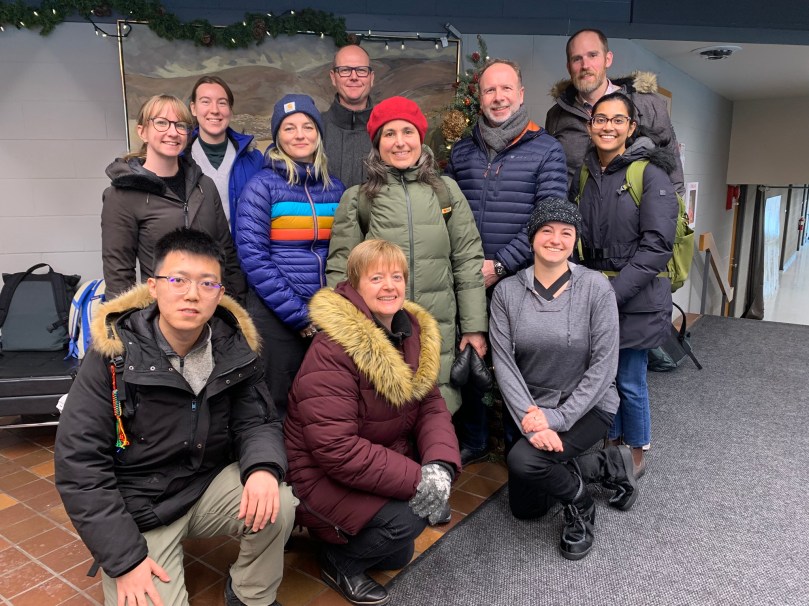
Left to right in the photo are some of the MiSt group; front: Zhongzhi (Michael) Sun, Emma Allen-Vercoe, Sue Ishaq; middle: Mikaela Beijbom, Mallory Choudoir, Sarah Elton, Kieran O’Doherty, Panuya Athithan; back: Grace Gabber, Andreas Heyland, Rob Beiko.
This paper is one of the first in a forthcoming special issue (announcement coming soon!), which will feature several invited papers from my microbiome stewardship colleagues (both original team and expansion pack researchers). These papers will expand upon the concept of what it means to share microbes between individuals, communities, and ecosystems; what it would mean to consider microbes as shared natural resources to which everyone had an innate right to; and how it would look for public and planetary health to reduce the harm of human industry and consumerism to live more sustainably and regain all the benefits that the microbial world can provide us.
Microbes first into the life rafts: preserving microbiomes to secure health in degrading ecosystems
Authors: Panuya Athithan 1,2*, Suzanne L. Ishaq 2,3,4*, Emma Allen-Vercoe 1,2 Kieran C. O’Doherty 2,4,5
1 Department of Molecular and Cellular Biology, University of Guelph, Guelph, Ontario, N1G 2W1
2 The Microbiome Stewardship research group
3 School of Food and Agriculture, University of Maine, Orono, Maine, 04469
4 The Microbes and Social Equity working group, Orono, Maine, 04469
5 Department of Psychology, University of Guelph, Guelph, Ontario, N1G 2W1
Abstract
All organisms on the planet intrinsically rely on microbial ecosystems, and there are increasing calls from research communities to consider microbiota when administering personal or public health, ecosystem health, and the use of microbiota in personal or environmental health remediation, such as reducing the impacts of climate change, or protecting at-risk habitats which host rare microbiota. Through our collective work on the integral nature of microbiomes to host and environmental health, on health policy, and on the development of research and policy agendas, we have previously developed the concept of ‘microbiome stewardship’ and guidelines to promote consideration of microbial communities broadly or in specific scenarios. The practicality of stewarding one versus many microbiota is highly contextual, and will require different strategies for different scales of conservation. Here, we provide scientific arguments for the need for microbial stewardship, examples of possible solutions scaled to different ecological challenges or conservation goals, discourse on the logistical challenges which have been cited by research communities, and opportunities to use cutting-edge microbiome concepts and technology to implement large-scale interventions.
Sustainability Statement
Microorganisms are responsible for environmental and organismal health, and the stewardship of microbiota has applications for human, plant, animal, and environmental health on local and global scales. The concepts described here are pertinent, in particular, to the United Nations’ Sustainable Development Goal 3) good health and wellbeing. Additionally, our paper is relevant to goals 6) clean water and sanitation, 9) industry, innovation, and infrastructure, 11) sustainable cities and communities, 12) responsible consumption and production, 13) climate action, 14) life below water, 15) life on land, and 17) partnerships for the goals.
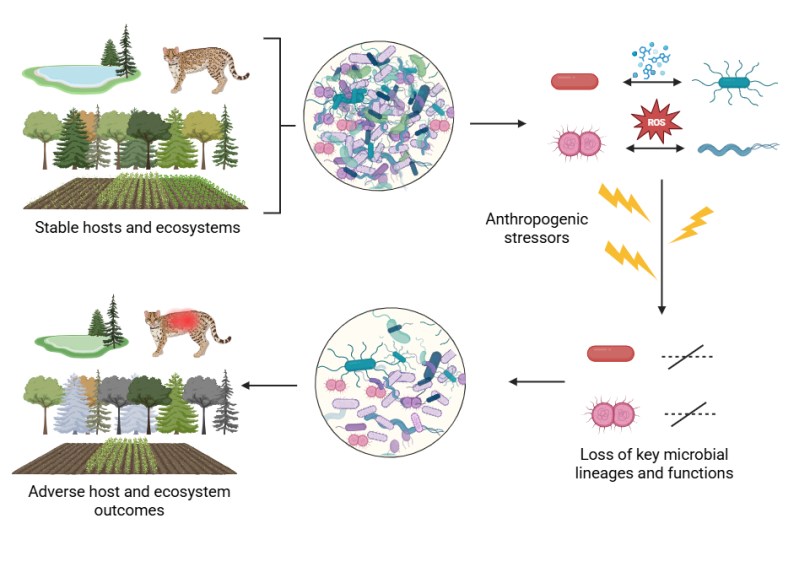
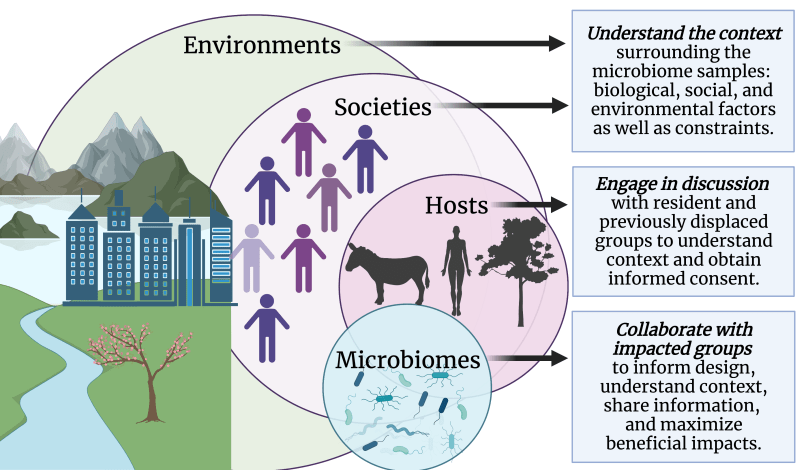
Graphical abstract: The concept of microbiome stewardship can be applied at multiple scales to provide guidance on both specific or general microbial interactions. Graphic made in Biorender under licence.
The prize is part of the Applied Microbiology International Horizon Awards 2025, which celebrate the brightest minds in the field and promote the research, group, projects, products and individuals who continue to help shape the future of applied microbiology. The Dorothy Jones Diversity and Inclusion Achievement Award honours Dorothy Jones’ commitment to promoting diversity and inclusion within STEM. This award acknowledges individuals or organisations that have made significant strides in these areas. It celebrates initiatives that dismantle barriers to participation and representation, especially for underrepresented groups, and recognises inclusive research and experimental design and practice.
Since the summer of 2023, I have been part of an interdisciplinary team that examines the way microbiome researchers use social and population descriptors for people in their analysis. In many cases, only basic information about a person is available in large datasets that are publicly available to use, or detailed information about a person is difficult to obtain during a study, thus many researchers rely on “proxy terms” to try and understand how human microbiomes are assembled and changed. Proxy terms are broad categories that group people, such as geographic area or race, but often these are too broad to be used for any meaningful analysis, especially when working with biological data.
‘Race’ is a relatively new concept used to describe social groups, and as discussed brilliantly in the National Academies of Science, Engineering, and Medicine’s report on “Use of Race, Ethnicity, and Ancestry as Population Descriptors in Genomics Research“, it has been mis-used for several hundred years to insinuate basic biological differences between people. This was done intentionally to justify discrimination all the way up to slavery, but it has been unintentionally propagated into research through the use of race as a proxy term to represent someone’s lifestyle. In recent decades, microbiome research has been trying to understand how human lives affect the microbiomes they accumulate, and similarly has sometimes incorrectly espoused the idea that vague social categories manifest as biological differences.
Our group delved in the history of race in biological science, case studies where results that implicate race led to discriminatory policy and practice, and give guidelines for selecting more specific factors to understand the social and environmental impacts on the microbiome.
Authors: Nicole M. Farmer1,2, Amber Benezra1,3, Katherine A. Maki1, Suzanne L. Ishaq1,2,Ariangela J. Kozik1,2,4,5*
Affiliations:
1 The Microbes and Social Equity working group, Orono, Maine, USA; 2 Nova Institute for Health, Baltimore, MD; 3 Science and Technology Studies, Stevens Institute of Technology, Hoboken, New Jersey, USA; 4 Division of Pulmonary and Critical Care Medicine, Department of Internal Medicine, University of Michigan, Ann Arbor, Michigan, USA; 5 Department of Molecular, Cellular, and Developmental Biology, University of Michigan, Ann Arbor, Michigan, USA
Abstract
Microbiome science is a celebration of the connections between humans, our environment, and microbial organisms. We are continually learning more about our microbial fingerprint, how each microbiome may respond to identical stimuli differently, and how the quality of the environmental conditions around us influences the microorganisms we encounter and acquire. However, in this process of self-discovery, we have utilized socially constructed ideas about ourselves as biological factors, potentially obscuring the true nature of our relationships to each other, microbes, and the planet. The concept of race, which has continuously changing definitions over hundreds of years, is frequently operationalized as a proxy for biological variation and suggested to have a real impact on the microbiome. Scientists across disciplines and through decades of research have misused race as a biological determinant, resulting in falsely scientific justifications for social and political discrimination. However, concepts of race and ethnicity are highly nuanced, inconsistent, and culturally specific. Without training, microbiome researchers risk continuing to misconstrue these concepts as fixed biological factors that have direct impacts on our microbiomes and/or health. In 2023, the National Academies of Sciences, Engineering, and Medicine released recommendations on the use of population descriptors such as race and ethnicity in genetic science. In this paper, we posit similar recommendations that can and must be translated into microbiome science to avoid re-biologizing race and that push us toward the goal of understanding the microbiome as an engine of adaptation to help us thrive in a dynamic world.
Our collaborative team of researchers (bioethicists (Kieran and Diego), bioinformaticians (Rob), host microbial ecologists (Sue and Emma), and soil microbial ecologists (Mallory), had our first co-authored paper published in mSystems! Our paper is a commentary on the concept and need for microbiome stewardship, and outlines the research and policy priorities that are the focus of our ongoing research.
Microbiome scientists are increasingly demonstrating the importance of microbial ecologies for human and environmental health. In spite of this, no protections are in place to ensure the health of microbiomes. In other words, there are no policies protecting microbiomes, which in turn are foundational to the health of all environmental and host ecosystems. We built our research team to develop a framework and definition for microbiome stewardship, guiding principles for its implementation, and tools for assessment. Last year, we were awarded funding from the Canadian Institutes for Health Research (CIHR) for a four-year project investigating how our collective microbiomes (the diverse microbes we share between humans and our environments) impact health! The publication of this commentary also sets the stage for a Summit on Pathways to Microbiome Stewardship which the research team is organizing for July 7-10, 2025.
Abstract: Microbiomes are essential for human, animal, plant, and ecosystem health. Despite widespread recognition of the importance of microbiomes, there is little attention paid to monitoring and safeguarding microbial ecologies on policy levels. We observe that microbiomes are deteriorating owing to practices at societal levels such as pesticide use in agriculture, air and water pollution, and overuse of antibiotics. Potential policy on these issues would cross multiple domains such as public health, environmental protection, and agriculture. We propose microbiome stewardship as a foundational concept that can act across policy domains to facilitate healthy microbiomes for human and ecosystem health. We examine challenges to be addressed and steps to take toward developing meaningful microbiome stewardship.
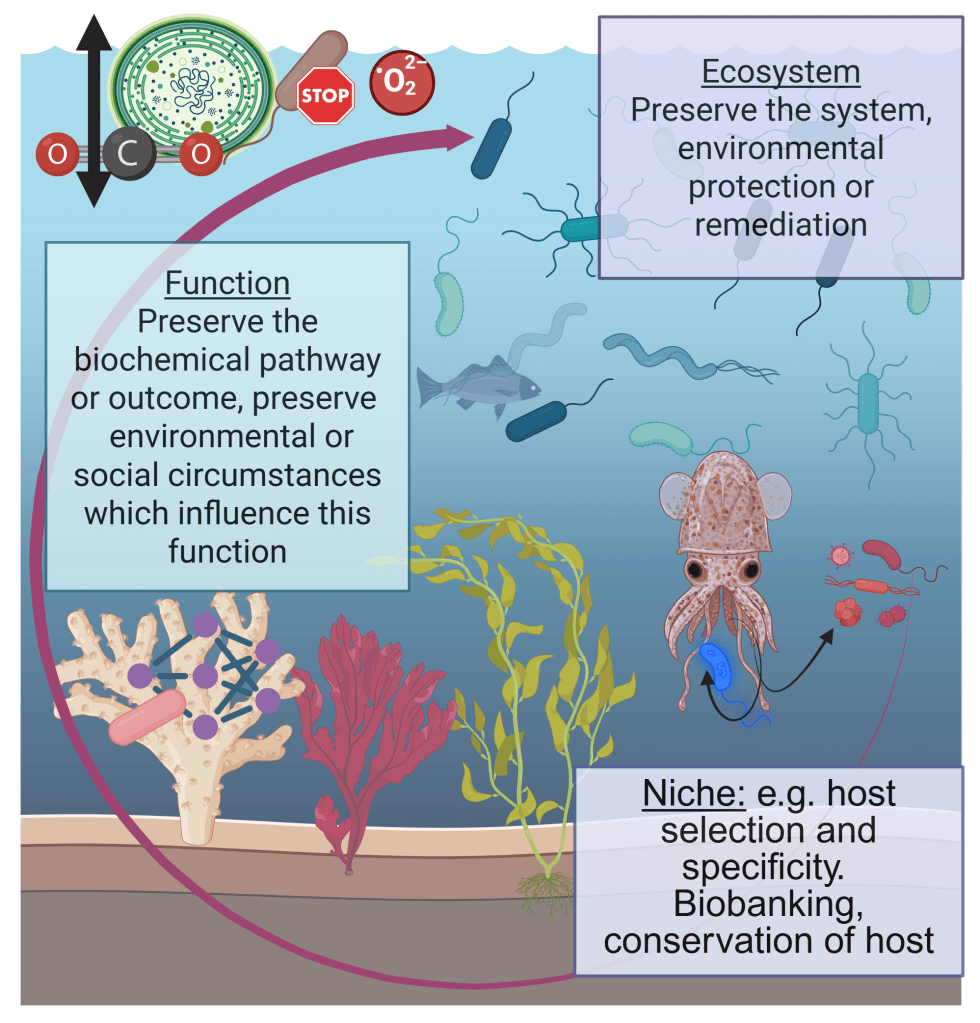
Figure 1. Microbiome stewardship as a concept and framework for ensuring human and planetary health supported by microbial functions. Human microbiomes are constituted from our environment, which has determinants based largely on societal systems (e.g., agriculture and food systems, built environment, health care accessibility) that operate beyond individual choice and behavioral interventions. Figure created with BioRender.com.
Acknowledgments: We thank Lola Holcomb for their helpful feedback and organizational contributions to this manuscript.
Funding: United States Department of Agriculture National Institute of Food and Agriculture Hatch Project Accession 7004439 (MJC) United States Department of Agriculture National Institute of Food and Agriculture through the Maine Agricultural & Forest Experiment Station: Hatch Project ME022329 (SLI) National Institute of Health (NIH/NIDDK 1R15DK133826-01) (SLI) Canadian Natural Sciences and Engineering Research Council (RGB) Canada Research Chairs program (EA-V) Canadian Institutes of Health Research (Funding Reference Number: 191753) (KCO) University of Guelph Institute for Environmental Research (KCO)
Meet the Team
Dr. Kieran C. O’Doherty, PhD.,is professor in the department of psychology at the University of Guelph, where he directs the Discourse, Science, Publics research Group. His research focuses on the social and ethical implications of science and technology and public engagement on science and technology. He has published on such topics as data governance, vaccines, human tissue biobanks, the human microbiome, salmon genomics, and genetic testing. A particular emphasis of his research is on theory and methods of public deliberation, in which members of the public are involved in collectively developing recommendations for the governance of science & technology. Recent edited volumes include Psychological Studies of Science and Technology (2019) and The Sage Handbook of Applied Social Psychology (2019). He is editor of Theory & Psychology.
Dr. Rob Beiko, PhD., is a Professor and Head of the Algorithms and Bioinformatics research cluster in the Faculty of Computer Science at Dalhousie University. His research aims to understand microbial diversity and evolution using machine learning, phylogenetics, time-series algorithms, and visualization techniques. His group is developing software tools and pipelines to comprehensively survey genes and mobile genetic elements in bacterial genomes, and understand how these genomes have been shaped by vertical inheritance, recombination, and lateral gene transfer. He is also a co-founder of Dartmouth Ocean Technologies, Inc., a developer of environmental DNA sampling devices.
Dr. Sue Ishaq, PhD., is an Associate Professor of Microbiomes, University of Maine; and founded MSE in 2020. Over the years, her research has gone from wild animal gut microbiomes, to soils, to buildings, and back to the gut. Since 2019, her lab in Maine focuses on host-associated microbial communities in animals and humans, and in particular, how host and microbes interact in the gut and can be harnessed to reduce inflammation. She is also the early-career At Large member of the Board of Directors for the American Society for Microbiology, 2024- 2027.
Dr. Emma AllenVercoe, PhD, is a Professor of Microbiology at the University of Guelph, and a Tier 1 Canada Research Chair in Human Gut Microbiome Function and Host Interactions. Her research portfolio is broad, encompassing host-pathogen interplay, live microbial products as therapeutic agents, gut microbiome and anaerobic culture (humans and animals), and the study of ‘missing gut microbes’ i.e. those that are present in hunter-gatherer societies but missing in the industrialized world. She has developed the Robogut – a culture system that allows for the growth of gut microbial communities in vitro, and is currently busy a centre for microbiome culture and preservation at the University of Guelph.
Dr. Mallory Choudoir, PhD, is an Assistant Professor & Soil Microbiome Extension Specialist in the Department of Plant & Microbial Biology at North Carolina State University. The goal of her applied research and extension program is to translate microbiome science to sustainable agriculture. She aims to develop microbial-centered solutions for optimizing crop productivity, reducing agronomic inputs, and enhancing agroecosystem resilience to climate change.
Diego Silva, PhD, is a Senior Lecturer in Bioethics at Sydney Health Ethics and the University of Sydney School of Public Health. His research centers on public health ethics, particularly the application of political theory in the context of infectious diseases and health security, e.g., tuberculosis, COVID-19, antimicrobial resistance, etc. He is currently the outgoing Chair and a member of the Public Health Ethics Consultative Group at the Public Health Agency of Canada and works with the World Health Organization on various public health ethics topics on an ad hoc basis.
2025 MSE Summit: Pathways to Microbiome Stewardship
Summary of the event: Microbiome stewardship is the broad idea that we need to consider ecosystem-level factors when we think about public health, as our environment, behaviors, and public policy affects interactions between microbes and human health. Our ability to develop practices and advocate for policy reform that address societal inequities is limited without a strong microbiome stewardship framework. Led by MSE and the Microbiome Stewardship working group, attendees of the webinars will learn how other researchers engage with microbiome or health stewardship. Participants of the workshops will plan a pathway to bring their own work in line with principles of conservation and stewardship, or design future research to provide tangible and meaningful stewardship endpoints relevant to their area of focus.
Format: Webinar presentations of research. Online only — the removal of US federal funding leaves us unable to host this in person.
Cost: Free
Date: Monday July 7, 2025; 12:00 ~ 5:00 PM Eastern Daylight Time
Time
Agenda
12:00 ~ 12:15 PM
Welcome and Intro to the Summit Sue Ishaq, PhD, Associate Professor, University of Maine; Founder and Lead, MSE
12:15 ~ 1:00 PM
The Concept of Microbiome Stewardship Kieran O’Doherty, PhD, Professor, University of Guelph; MSE
1:00 ~ 1:45 PM
Indigenous perspectives on microbiome stewardship and public health. Nicole Redvers, DPhil, ND, MPH, Associate Professor, Western Research Chair & Director, Indigenous Planetary Health; Schulich School of Medicine & Dentistry, Schulich Interfaculty Program in Public Health, University of Western Ontario
Dr. Nicole Redvers, DPhil, ND, MPH, is a member of the Deninu K’ue First Nation (Canada) and has worked with Indigenous patients, scholars, and communities around the globe her entire career. She is an Associate Professor, Western Research Chair, and Director of Indigenous Planetary Health at the Schulich School of Medicine & Dentistry at Western University. Dr. Redvers also currently serves as the Vice President Research at the Association of Faculties of Medicine of Canada (AFMC). She has been actively involved at regional, national, and international levels promoting the inclusion of Indigenous perspectives in both human and planetary health research and practice. Dr. Redvers is the author of the trade paperback book titled, ‘The Science of the Sacred: Bridging Global Indigenous Medicine Systems and Modern Scientific Principles’.
1:45 ~ 2:30 PM
Case study in racism in vaginal microbiome work as studies use small group sizes and incomparable comparisons. Ari Kozik, PhD, Assistant Professor of Molecular, Cellular, and Developmental Biology, Michigan State University
2:30 – 2:45 PM
break
2:45 – 3:30 PM
“Microbiome-based therapeutics in clinical practice: how can we be better stewards?” Susy Hota, MD, MSc, FRCPC. Division Head, Infectious Diseases, University Health Network and Sinai Health Medical Director, Infection Prevention and Control, University Health Network Co-Lead of the Microbiota Therapeutics Outcomes Program Associate Professor, Division of Infectious Diseases, University of Toronto
Dr. Hota is an Associate Professor of Medicine in the Division of Infectious Diseases at the University of Toronto, Division Head for Infectious Diseases at University Health Network and Sinai Health and Medical Director of Infection Prevention and Control at University Health Network in Toronto, Canada. Her academic interests include management of Clostridioides difficile infection, fecal microbiota transplantation (FMT), and emergency preparedness for infectious diseases. She co-leads the Microbiota Therapeutics Outcomes Program, which supports the use of microbiome-based therapeutics for clinical care and research applications in Toronto, Ontario, Canada.
3:30 – 4:15 PM
The political economy of emerging digital data collection platforms and applications with microbial stewardship. Victor Secco, PhD, Postdoctoral Researcher, Department of Philosophy and Cultural Heritage, Ca Foscari University of Venice
4:15 – 5:00 PM
TBD
Webinar Session 2: Focus on Environmental Microbiomes
Format: Webinar presentations of research. Online only — the removal of US federal funding leaves us unable to host this in person.
Cost: Free
Date: Tuesday July 8, 2025; 12:00 ~ 5:00 PM Eastern Daylight Time
Time
Agenda
12:00 ~ 12:15 PM
Welcome and Intro to the Summit. Sue Ishaq, PhD, Associate Professor, University of Maine; Founder and Lead, MSE
12:15 ~ 1:00 PM
“Microbiome stewardship curricular design using MSE themes“ Carla Bonilla, PhD, Associate Professor of Biology, University of San Diego; MSE
Dr. Bonilla uses critical pedagogy in STEM curriculum to promote student success. In Microbiology and Genetics, she uses an interdisciplinary approach to help students see the connections between science and society, and the role of scientiests as social agents of change.
1:00 ~ 1:45 PM
The Concept of Microbiome Stewardship Mallory Choudoir, PhD, Assistant Professor and Soil Microbiome Extension Specialist, North Carolina State University; MSE
1:45 ~ 2:30 PM
“Microbes, microbiomes and biodiversity conservation“ Kent Redford, PhD, Principal, Archipelago Consulting
2:30 – 2:45 PM
Break
2:45 – 3:30 PM
Built environment and microbial exposures. Jennifer Kuzma, PhD, Professor, School of Public and International Affairs; Co-Director, Genetic Engineering & Society Center; Associate Director, Precision Microbiome Engineering Center (PreMiEr, NSF-ERC); North Carolina State University Kristen Landreville, PhD, Senior Research Scholar, Societal and Ethical Implications (SEI) Core in the PreMiEr Engineering Research Center, North Carolina State University
3:30 – 4:15 PM
Antimicrobial resistance, wastewater, and redlining urban centers. Maya Nadipalli, PhD, Assistant Professor, Emory University
4:15 – 5:00 PM
TBD
Workshop Sessions 1 and 2: Stewardship Planning Activities
Format: Zoom, Breakout rooms for Discussions and Collaborative Activities
Cost: Apply to attend, and if your application is accepted, the cost is $15 USD for students/postdocs, $50 USD for professionals, and there is a no-cost option for anyone who needs it.
Session 1: Focus on Host Microbiomes, Wednesday July 9, 2025, 1:00 ~ 4:00 PM Eastern Daylight Time
Session 2: Focus on Environmental Microbiomes, Thursday July 10; 1:00 ~ 4:00 PM Eastern Daylight Time
Time
Activity
1:00 ~ 1:45 PM
(~ 15 min to get started and ~30 min activity)
Group activity 1: Create your discussion group We will use Zoom Breakout Rooms to form groups of 5 -10 people based on several topic themes. Each group will be led by an invited speaker and an MSE group member, and group notetaking will be facilitated using shared online documents.
Discussion 1 (Foundations) What is your name and what kind of research do you do? How does the connection between microbiomes and health (human and non-human) relate with your work? What needs to be stewarded/protected in your area of expertise?To achieve goals of microbiome stewardship in your area, what interdisciplinary partnerships, or research or education programs need to be developed? What problems exist in your field that prevent implementing research or policy solutions?
1:45 ~ 2:00 PM (15 min)
Break
2:00 – 3:00 PM (1 hour)
Group activity: Create your path to microbiome stewardship In Zoom Breakout Rooms organized by broad topics, we will generate case studies related to our own work which would include microbiome stewardship.First, use the template provided to draw your pathway. Then, design a project or research that would advance you along that path. Finally, identify a task list, time table, list of needs, and list of goals/outputs for the project.
During your activity, consider the two discussion prompts:
Discussion 2 (Policy Connections) What are the policy domains we need to target for protection of microbial ecosystems to ensure positive health outcomes? What kind of policies could be effective in helping to maintain microbiome health? What agencies or organizations might oversee regulations for the protection of microbial ecosystems? How could one begin to advocate for microbiome health in various policy domains?
Discussion 3 (Getting Microbiome Stewardship onto the Agenda) How can we raise awareness about the importance of microbial ecologies in human and planetary health? How can we get the protection of microbial ecosystems onto policy maker agendas? What initiatives currently exist with whom we can seek partnerships?
3:30 -3:30 PM (~30 min)
Share with the full group Each group will share a summary of their discussions to the full group in the main Zoom room.
What is “microbiome stewardship”?
Microbiomes are essential to human and environmental health; all organisms on our planet rely on the microbial ecologies that inhabit and surround us. There is increasing evidence that modern societal practices are harming essential microbiomes, and thereby threatening the health of the larger organisms and ecosystems that exist in symbiotic relationship with them. In spite of scientific recognition of the importance of microbiomes and of the threats they face, there is very little collective societal action to protect and conserve essential microbiomes. Pesticide use, pollution, industrialized food production, and many other societal practices that are damaging our collective microbiomes can only be addressed at the level of policy. Microbiome stewardship is the broad idea that we need to consider ecosystem-level factors when we think about public health, as our environment, behaviors, and public policy affects interactions between microbes and human health. Microbiomes are highly dynamic systems, featuring bacteria, archaea, protozoa, fungi, and viruses; and our personal microbiomes are derived from a larger shared, collective microbial resource.
Figure 1. Microbiome stewardship as a concept and framework for ensuring human and planetary health supported by microbial functions. Human microbiomes are constituted from our environment, which has determinants based largely on societal systems (e.g., agriculture and food systems, built environment, health care accessibility) that operate beyond individual choice and behavioral interventions. Figure created with BioRender.com.
Meet the Summit-Organizing Team
Dr. Sue Ishaq, PhD., is an Associate Professor of Microbiomes, University of Maine; and founded MSE in 2020. Over the years, her research has gone from wild animal gut microbiomes, to soils, to buildings, and back to the gut. Since 2019, her lab in Maine focuses on host-associated microbial communities in animals and humans, and in particular, how host and microbes interact in the gut and can be harnessed to reduce inflammation. She is also the early-career At Large member of the Board of Directors for the American Society for Microbiology, 2024- 2027.
Dr. Kieran C. O’Doherty, PhD.,is professor in the department of psychology at the University of Guelph, where he directs the Discourse, Science, Publics research Group. His research focuses on the social and ethical implications of science and technology and public engagement on science and technology. He has published on such topics as data governance, vaccines, human tissue biobanks, the human microbiome, salmon genomics, and genetic testing. A particular emphasis of his research is on theory and methods of public deliberation, in which members of the public are involved in collectively developing recommendations for the governance of science & technology. Recent edited volumes include Psychological Studies of Science and Technology (2019) and The Sage Handbook of Applied Social Psychology (2019). He is editor of Theory & Psychology.
Dr. Rob Beiko, PhD., is a Professor and Head of the Algorithms and Bioinformatics research cluster in the Faculty of Computer Science at Dalhousie University. His research aims to understand microbial diversity and evolution using machine learning, phylogenetics, time-series algorithms, and visualization techniques. His group is developing software tools and pipelines to comprehensively survey genes and mobile genetic elements in bacterial genomes, and understand how these genomes have been shaped by vertical inheritance, recombination, and lateral gene transfer. He is also a co-founder of Dartmouth Ocean Technologies, Inc., a developer of environmental DNA sampling devices.
Dr. Emma AllenVercoe, PhD, is a Professor of Microbiology at the University of Guelph, and a Tier 1 Canada Research Chair in Human Gut Microbiome Function and Host Interactions. Her research portfolio is broad, encompassing host-pathogen interplay, live microbial products as therapeutic agents, gut microbiome and anaerobic culture (humans and animals), and the study of ‘missing gut microbes’ i.e. those that are present in hunter-gatherer societies but missing in the industrialized world. She has developed the Robogut – a culture system that allows for the growth of gut microbial communities in vitro, and is currently busy a centre for microbiome culture and preservation at the University of Guelph.
Dr. Mallory Choudoir, PhD, is an Assistant Professor & Soil Microbiome Extension Specialist in the Department of Plant & Microbial Biology at North Carolina State University. The goal of her applied research and extension program is to translate microbiome science to sustainable agriculture. She aims to develop microbial-centered solutions for optimizing crop productivity, reducing agronomic inputs, and enhancing agroecosystem resilience to climate change.
Diego Silva, PhD, is a Senior Lecturer in Bioethics at Sydney Health Ethics and the University of Sydney School of Public Health. His research centers on public health ethics, particularly the application of political theory in the context of infectious diseases and health security, e.g., tuberculosis, COVID-19, antimicrobial resistance, etc. He is currently the outgoing Chair and a member of the Public Health Ethics Consultative Group at the Public Health Agency of Canada and works with the World Health Organization on various public health ethics topics on an ad hoc basis.
Events will be hosted January – December, 2024, once a month on a Friday, 12:00 – 14:00 pm ET. Presented over Zoom.
After each talk, we will continue the discussions in an informal social meeting with MSE. All speakers and members of the audience are welcome to join the social meeting.
Hosted by: Sue Ishaq, MSE, and finacially supported by the University of Maine Institute of Medicine and the UMaine Cultural Affairs/Distinguished Lecture Committee.
Dr. Aidee Guzman is an assistant professor at Stanford University in the Department of Biology in the Ecology and Environmental Science group. Her research group examines agroecological approaches that could harness biodiversity and ecosystem functioning for improved agricultural resilience. Specifically, they investigate how agricultural management impacts biotic interactions (e.g. between plants, insects, and soil microbes) across scales (e.g. shifts in community structure, cascading changes in ecosystem functioning). The overarching goal of her research program is to support farmers, especially those who are historically underserved, through research, education, and outreach that builds on their innovations and demonstrates ecological pathways to agricultural resilience.
Events will be hosted January – December, 2024, on the last Friday of every month, 12:00 – 14:00 pm ET. Presented over Zoom.
After each talk, we will continue the discussions in an informal social meeting with MSE. All speakers and members of the audience are welcome to join the social meeting.
Hosted by: Sue Ishaq, MSE, and finacially supported by the University of Maine Institute of Medicine and the UMaine Cultural Affairs/Distinguished Lecture Committee.
Events will be hosted January – December, 2024, on the last Friday of every month, 12:00 – 14:00 pm ET. Presented over Zoom.
After each talk, we will continue the discussions in an informal social meeting with MSE. All speakers and members of the audience are welcome to join the social meeting.
Hosted by: Sue Ishaq, MSE, and finacially supported by the University of Maine Institute of Medicine and the UMaine Cultural Affairs/Distinguished Lecture Committee.
“Examining antibiotic resistance in biofilm and planktonic bacterial communities along an urban river”
Mary Coughter, M.S.
Sep 27 2024 12:00 PM Eastern Daylight Time
Mary Coughter is a PhD Candidate in Integrative Life Sciences at Virginia Commonwealth University under the advisory of Dr. Rima Franklin. She also holds her master’s degree in Biology at VCU, and her bachelor’s at Virginia Tech in Environmental Science. Located in Richmond, Virginia, her current research takes place in the James River, a huge resource of food, water, and recreation in the area as well as a tributary to the Chesapeake bay. Here she examines the spread of antibiotic resistance in bacteria and their genes in these public waterways, looking at different communities of bacteria as resistance reservoirs – both the water column and riverine biofilms. Based in a city historically known for redlining communities and where environmental stressors and adverse health impacts have been observed along those lines, she’s very interested in exploring if antibiotic prescription rates along communities in the watershed follow similar patterns.
Events will be hosted January – December, 2024, on the last Friday of every month, 12:00 – 14:00 pm ET. Presented over Zoom.
After each talk, we will continue the discussions in an informal social meeting with MSE. All speakers and members of the audience are welcome to join the social meeting.
Hosted by: Sue Ishaq, MSE, and finacially supported by the University of Maine Institute of Medicine and the UMaine Cultural Affairs/Distinguished Lecture Committee.
“The PATHOME Study: Leveraging contrasts in urban socio-economic living conditions and pathogen diversity in humans, animals, and the environment to prioritize intervention policy in Kenya”
Dr. Kelly K. Baker, PhD., is an Associate Professor of Epidemiology and Environmental Health at the State University of New York Buffalo School of Public Health, and Director of the Center for Climate Change and Health Equity research. She conducts One Health focused eco-epidemiology studies in the US and globally that identify practical intervention strategies that can prevent transmission of enteric viruses, bacteria, and parasites between humans, animals, and the environment. Her funded research includes the development and testing of rapid diagnostics as well as projects like PATHOME, which develop virtual laboratories that can model the impact of different global development strategies on enteric disease burden. These transdisciplinary studies use pathogen diversity in children, animals, and the environment as means for identifying which living conditions, alone or in combination, best contribute to a decline in disease burden in high transmission settings. This evidence can then be used by policy makers and practitioners to select high impact investments.
Our collaborative team of researchers (Drs. Kieran O’Doherty, Rob Beiko, Sue Ishaq, Emma Allen-Vercoe, Mallory Choudoir, and Diego Silva – check out their biographies below) has been awarded funding from the Canadian Institutes for Health Research (CIHR) for a four-year project on how our collective microbiomes (the diverse microbes we share between humans and our environments) impact health!
We are seeking a suitable candidate for a post-doctoral fellowship to work on the concept of microbiome stewardship. This is a unique interdisciplinary opportunity to develop skills and a research profile across natural sciences, social sciences, and humanities scholarship. Microbiome stewardship is a new concept that combines:
knowledge from microbiology about the importance of microbiomes for health and development of humans, other animals, and plants;
knowledge from bioethics about the importance of developing ethical guidance and policy to ensure the health of humans and others;
knowledge from the social sciences about public and stakeholder engagement to develop principles for microbiome stewardship that are informed by a broad set of perspectives and areas of expertise;
recognition of the environmental determinants of health of microbiomes of organisms.
We require a highly accomplished individual to assist in developing a guiding framework for microbiome stewardship. This will involve conceptual work, networking with microbiome and other scientists, and strong project management skills.
Required skills for the position include: project management; high standard of writing. Preferred (not required) skills include: microbiology/microbiome science; social science methods (interviewing; focus groups); experience with policy.
Successful candidate should have a PhD in a discipline relevant to the needs of the project (e.g., public health; environmental science; microbiology; human geography; science & technology studies). It is not necessary that the candidate has expertise in all aspects of the project. For the initial phases of the project, we will favour applicants with expertise in the social sciences, policy development, or public health. However, individuals with expertise in other fields (for example, microbiology) are also encouraged to apply if they can demonstrate skills or experience in translating their knowledge into policy.
Location: Ideally, the position will be based at the University of Guelph (Canada); however, it is also possible to work from one of the other project sites in Canada or the USA (University of Maine; Dalhousie University; North Carolina State University). The position is supported by funding from the Canadian Institutes of Health Research.
Starting date: negotiable with possibility to start immediately
Salary: dependent on candidate skill and experience
To apply, send an email to Kieran O’Doherty at odohertk@uoguelph.ca indicating your interest in the position. Please include a cv or resume; academic transcripts; publications or other writing samples (e.g., course papers; policy documents; research reports).
What is “microbiome stewardship”?
Microbiome stewardship is the broad idea that we need to consider ecosystem-level factors when we think about public health, as our environment, behaviors, and public policy affects interactions between microbes and human health. Microbiomes are highly dynamic systems, featuring bacteria, archaea, protozoa, fungi, and viruses; and our personal microbiomes are derived from a larger shared, collective microbial resource.
The importance of the human microbiome (the bacteria, fungi, archaea, protozoa, and viruses that we directly and indirectly interact with throughout our lives) for health and well-being has been well established. However, despite their demonstrated impact, there is limited information on the interconnectivity of non-host habitats (e.g., the built environment or other less intensively managed environments) and their collective contributions to human health. This includes interactions across scales such as with others in shared spaces, cultural and dietary practices, food systems and industrialized food processes, natural environments, built environments, and air pollution.
The concept of the collective microbiome reinforces the idea of microbiomes as a public good from which all humans, plants, and animals derive benefit. Deterioration of the collective microbiome, and the increasing prevalence of microbiome dysbiosis in humans and elsewhere, is the least well-understood but the most-important facet of biodiversity loss and ecosystem health decline. Microbiome stewardship recognizes the necessity of microbial communities in sustaining human health, and emphasizes the imperative to protect them through policy and other action. Recognizing the importance of microbiome stewardship is a critical step, but we also lack the clear articulation needed to guide its implementation in policy and practice. We need a broadly applicable and inclusive definition of microbiome stewardship, a framework that can guide principles for implementation, and tools to assess microbiome health and to support informed decision making.
About the research team
Dr. Kieran C. O’Doherty, PhD.,is professor in the department of psychology at the University of Guelph, where he directs the Discourse, Science, Publics research Group. His research focuses on the social and ethical implications of science and technology and public engagement on science and technology. He has published on such topics as data governance, vaccines, human tissue biobanks, the human microbiome, salmon genomics, and genetic testing. A particular emphasis of his research is on theory and methods of public deliberation, in which members of the public are involved in collectively developing recommendations for the governance of science & technology. Recent edited volumes include Psychological Studies of Science and Technology (2019) and The Sage Handbook of Applied Social Psychology (2019). He is editor of Theory & Psychology.
Dr. Rob Beiko, PhD., is a Professor and Head of the Algorithms and Bioinformatics research cluster in the Faculty of Computer Science at Dalhousie University. His research aims to understand microbial diversity and evolution using machine learning, phylogenetics, time-series algorithms, and visualization techniques. His group is developing software tools and pipelines to comprehensively survey genes and mobile genetic elements in bacterial genomes, and understand how these genomes have been shaped by vertical inheritance, recombination, and lateral gene transfer. He is also a co-founder of Dartmouth Ocean Technologies, Inc., a developer of environmental DNA sampling devices.
Dr. Sue Ishaq, PhD., is an Assistant Professor of Animal and Veterinary Sciences, University of Maine; and founded MSE in 2020. Over the years, her research has gone from wild animal gut microbiomes, to soils, to buildings, and back to the gut. Since 2019, her lab in Maine focuses on host-associated microbial communities in animals and humans, and in particular, how host and microbes interact in the gut and can be harnessed to reduce inflammation. She is also the early-career At Large member of the Board of Directors for the American Society for Microbiology, 2024- 2027.
Dr. Emma AllenVercoe, PhD, is a Professor of Microbiology at the University of Guelph, and a Tier 1 Canada Research Chair in Human Gut Microbiome Function and Host Interactions. Her research portfolio is broad, encompassing host-pathogen interplay, live microbial products as therapeutic agents, gut microbiome and anaerobic culture (humans and animals), and the study of ‘missing gut microbes’ i.e. those that are present in hunter-gatherer societies but missing in the industrialized world. She has developed the Robogut – a culture system that allows for the growth of gut microbial communities in vitro, and is currently busy a centre for microbiome culture and preservation at the University of Guelph.
Dr. Mallory Choudoir, PhD, is an Assistant Professor & Soil Microbiome Extension Specialist in the Department of Plant & Microbial Biology at North Carolina State University. The goal of her applied research and extension program is to translate microbiome science to sustainable agriculture. She aims to develop microbial-centered solutions for optimizing crop productivity, reducing agronomic inputs, and enhancing agroecosystem resilience to climate change.
Diego Silva, PhD, is a Senior Lecturer in Bioethics at Sydney Health Ethics and the University of Sydney School of Public Health. His research centers on public health ethics, particularly the application of political theory in the context of infectious diseases and health security, e.g., tuberculosis, COVID-19, antimicrobial resistance, etc. He is currently the outgoing Chair and a member of the Public Health Ethics Consultative Group at the Public Health Agency of Canada and works with the World Health Organization on various public health ethics topics on an ad hoc basis.
Principal Investigator: Kieran O’Doherty, University of Guelph
co-Principal Investigators: Rob Beiko, Dalhousie University; Suzanne Ishaq, University of Maine.
co-Investigators: Emma Allen-Vercoe, University of Guelph; Mallory Choudoir, North Carolina State University; Diego Silva, The University of Sydney School of Public Health.
Funding agency: Canadian Institute for Health Research
Abstract
The human microbiome is essential for healthy human development and immunity, and maintaining its health is a collective activity. In Canada and worldwide, there is increasing prevalence of chronic illnesses attributed to dysbiosis of human microbiomes. The causes for microbiome dysbiosis vary. In part, the constitution of the human microbiome depends on genetic factors and personal lifestyle choices, such as diet and exercise. To a large extent, however, individuals’ and collective microbiomes are shaped by environmental factors including natural environments, built environments, food systems, air and other pollutants, and the microbiomes of other people and animals around us. Microbes, by their nature, are shared across humans, and between humans and the environments in which we live. Although our decisions as individuals may have some impact, it is mainly our actions as a society that shape macro-social influences such as environmental pollution, industrial food production, and guidelines for anti-biotic use, all of which profoundly affect human microbiomes. This suggests that we need a collective vision or principles that would act to coordinate and guide societal efforts to ensure healthy microbiome environments. In 2014 an interdisciplinary group of scholars proposed the concept of microbiome stewardship to recognise our shared microbial environment as a common good that needs to be protected. Although this was an important first step, the notion of microbiome stewardship needs to be developed in much more detail to be useful in guiding policy and practice. The purpose of this project is to develop an authoritative definition of microbiome stewardship, to develop guiding principles for its implementation, and to develop a framework for its assessment. We will use a series of interviews, workshops, and deliberative processes to engage a wide range of experts and stakeholders to develop a sustainable and comprehensive articulation of microbiome stewardship.







 The Ishaq Lab